Neurovertebral decompression and herniated disc: a gentle and effective approach
26/06/2026
Neurovertebral Decompression and Chronic Back Pain Prevention
26/06/2026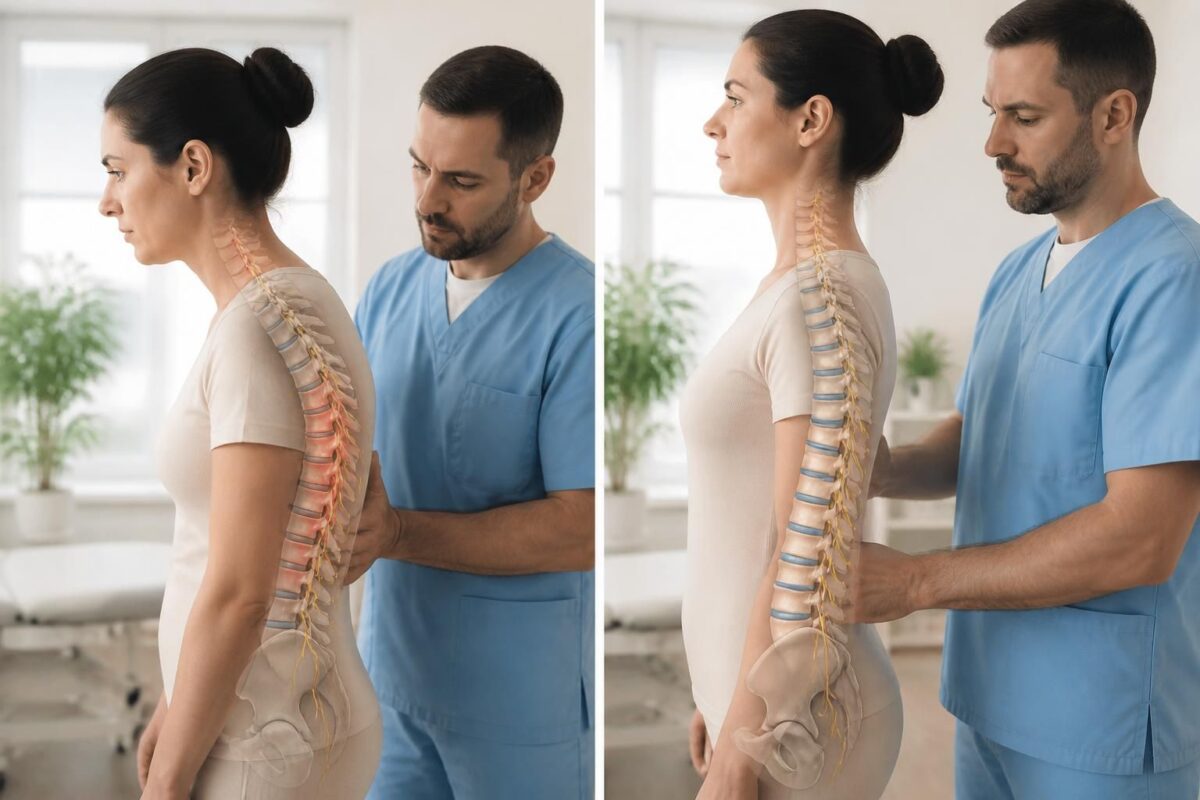
In short
| In short, the neurovertebral decompression is an approach non-invasive which improves Spinal stability By reducing the Pressure on intervertebral discs and nerves and favoring the realignment and the mobility. This therapy also increases the bloodstream around the spinal tissues and accelerates the recovery. In Montreal, this service is particularly recommended for Chronic pain and back stiffness, offering an option non-surgical and effective to find an active and comfortable life. |
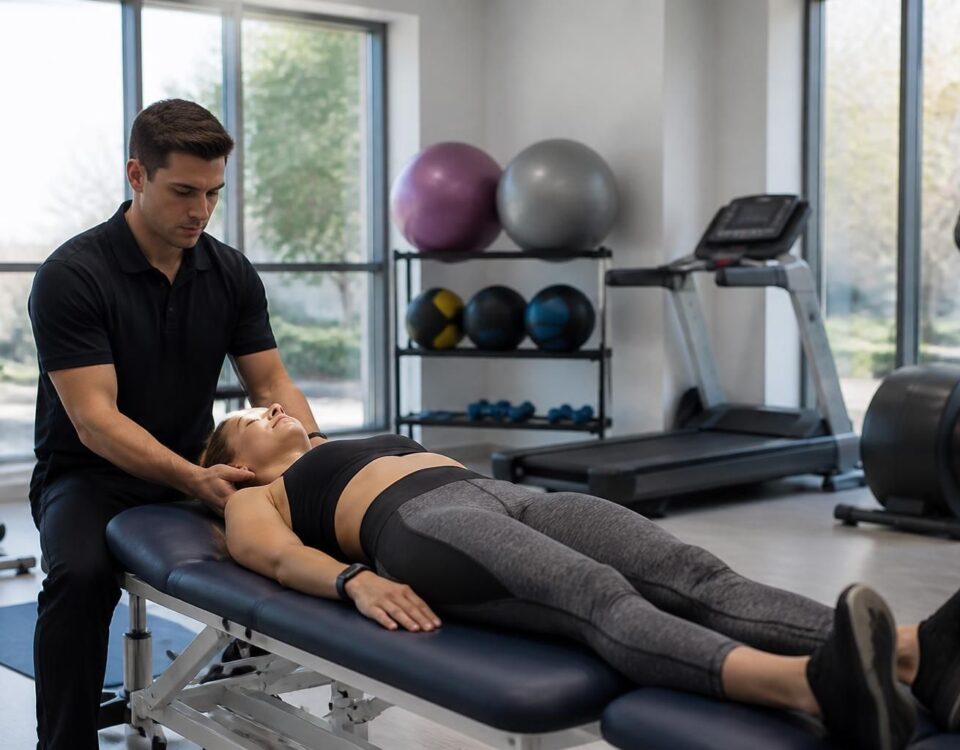
The neurovertebral decompression is one Non-invasive approach which aims to strengthen Spinal stability by a gentle traction applied to the vertebrae and discs. This traction creates a intervertebral space increased, reducing the Pressure on intervertebral discs and nerves and facilitating a vertebral alignment more harmonious. It also improves the bloodstream and promotes the Disc rehydration, contributing to the regeneration of tissues and the relaxation of support structures. The result is a Reduction of muscle tension, a Better mobility and an More stable posture, allowing you to move with more comfort and less pain. Integrated into a personalized program, it can sustainably support stability and body performance on a daily basis.
This analysis, written by a health professional expert in osteopathy and manual medicine, explore how the neurovertebral decompression can improve the stability of the spine. It describes the mechanism, effects on discs and nerves, and the expected benefits for mobility, alignment and pain prevention. The treatment is non-invasive and can be offered in TagMed clinics in Montreal and in the nearby territory.
Mechanism of action and creation of intervertebral space
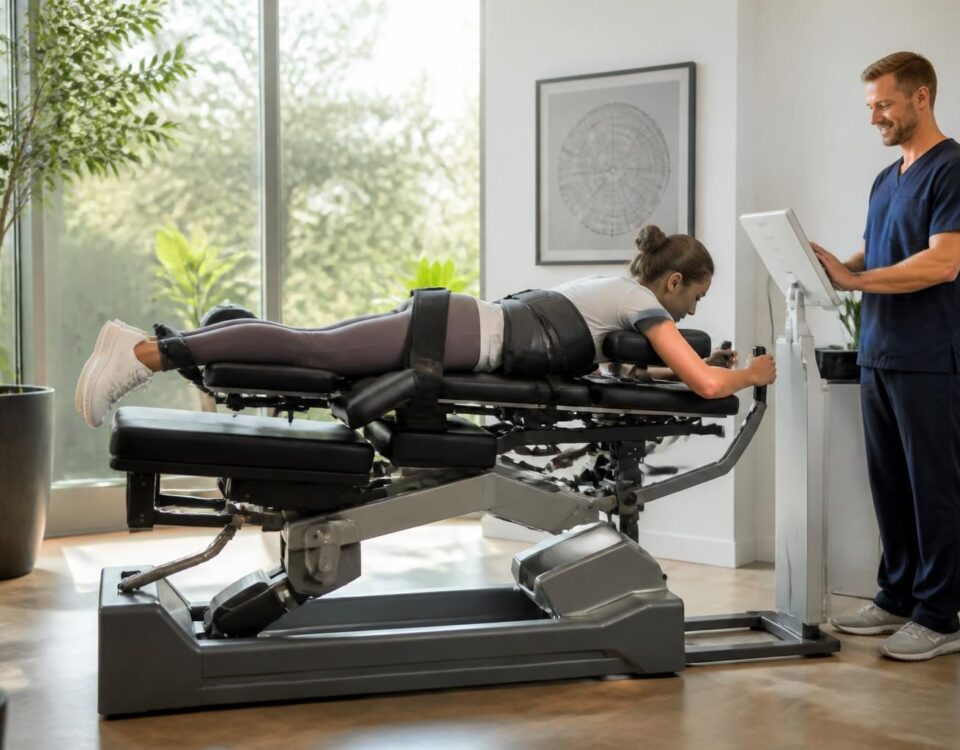
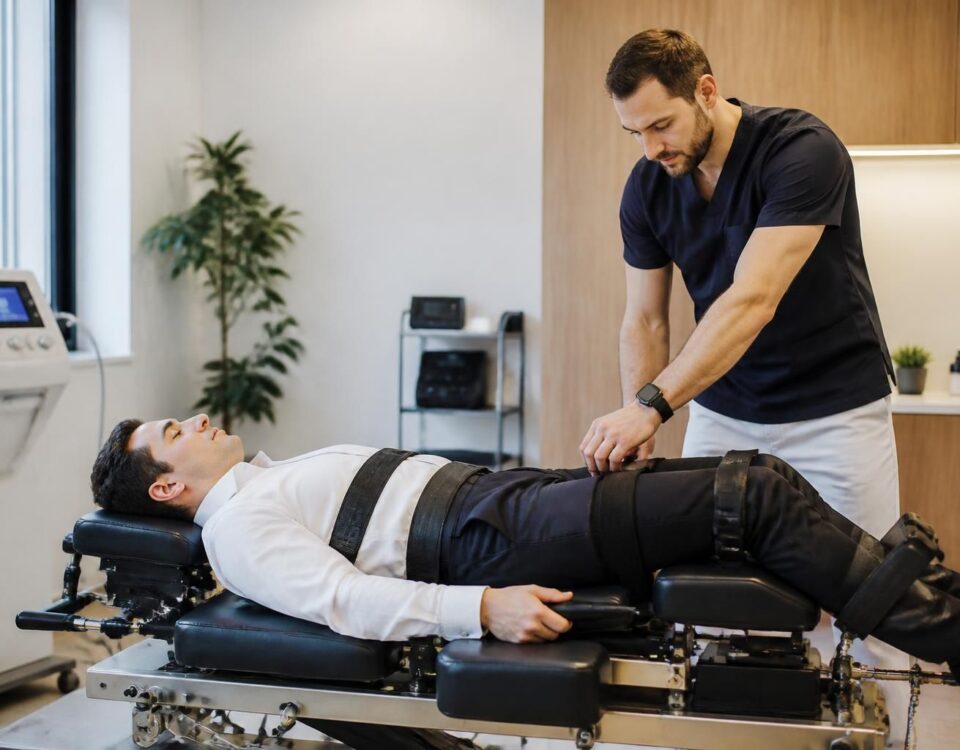
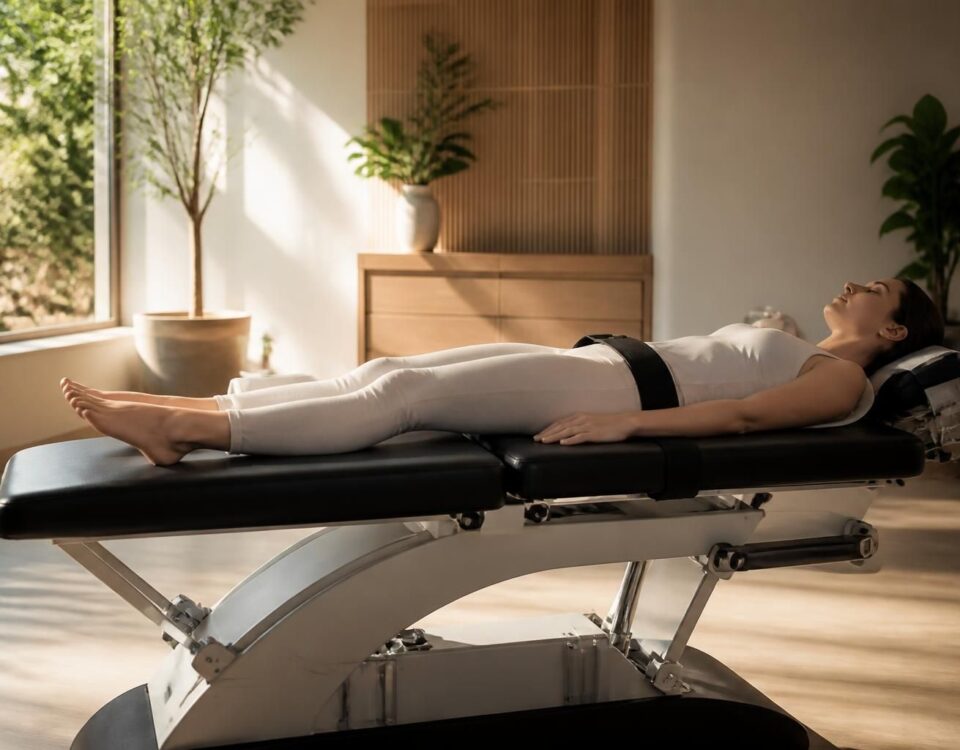
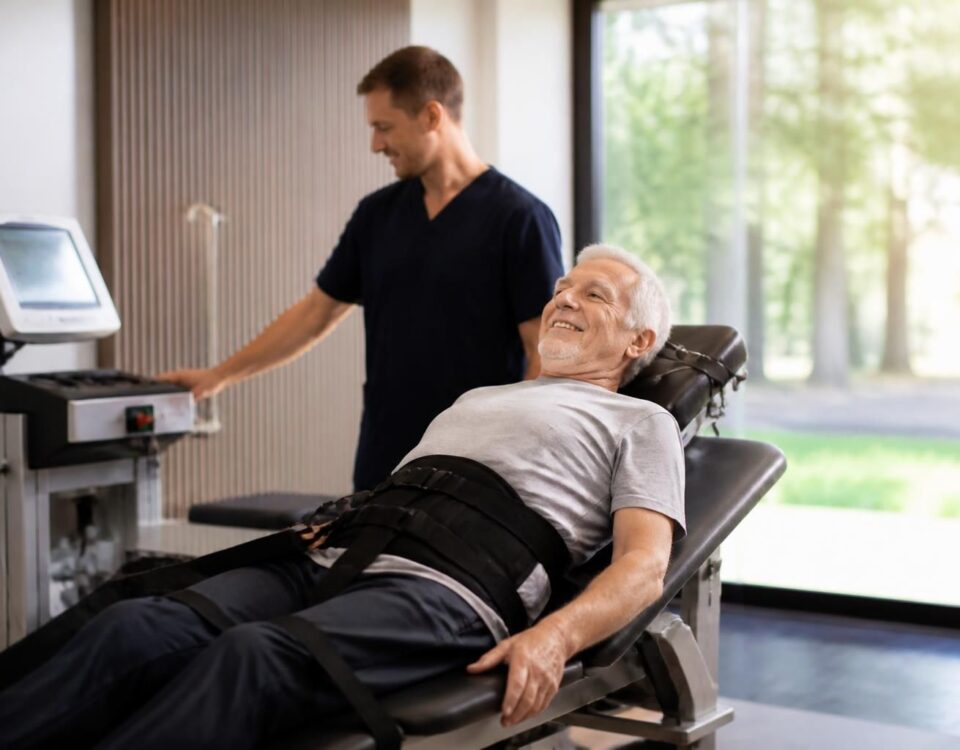
Neurovertebral decompression uses gentle, controlled traction on the spine. This traction creates a space between the vertebrae. This space reduces pressure on the intervertebral discs and on the nerves.
Reducing this pressure helps the discs to rehydrate and regain a more natural shape. This promotes a more stable assembly of the spinal elements.
By facilitating this space, the nervous system benefits from a lightening of stresses, which contributes to a better overall stability of the spine.
Restoring alignment and postural stability
Soft traction helps to realign the vertebrae when imbalances have set in. A more harmonious alignment decreases excessive muscle and ligament tension.
Proper alignment promotes smoother movement and prevents postural deviations that can increase load in some areas. This directly participates in a stability Durable spine.
Impact on circulation and tissue nutrition
Decompression improves blood circulation in the spinal area. An optimal blood flow brings more oxygen and nutrients to the tissues and facilitates the evacuation of metabolic waste.
Better tissue nutrition supports the repair and regeneration of structures around the vertebrae. This improvement contributes to maintaining a more flexible and stable column in the long term.
Safety and non-invasive nature
This is a non-invasive approach, without surgery and without medication. The protocol is adjusted to each patient and is based on clinical evidence and feedback in the context of osteopathic and manual practice.
Security is a priority. Initial assessments, such as appropriate imaging when necessary, guide the choice of appropriate operations and avoid contraindications.
Indications, limits and follow-up
Decompression is indicated when the stability and alignment of the spine show compatible signs with gentle traction improvement. It is not suitable for all conditions and requires a prior assessment by a qualified professional.
Regular follow-up is recommended. The integration of specific exercises, when appropriate, can support results, while avoiding inappropriate stretching on sensitive areas.
Integration into a care program
Neurovertebral decompression is often integrated into a global approach. It can be associated with osteopathic interventions, posture advice and nutritional measures. This multidisciplinary approach aims to optimize the stability and mobility.
To learn more about the global approach, see Tagmed Clinic.
Testimonials and results observed
Several patients report increased mobility and reduced tension around the spine after decompression sessions. They describe a renewed feeling of stability and a better ability to perform daily movements without pain.
Comparative quick chart
| Treatment | Impact on stability and discs | Characteristic |
|---|---|---|
| neurovertebral decompression | Improves space between the vertebrae, reduces nerve pressure and contributes to better stability | Non-invasive, gentle traction, medical follow-up |
| Physiotherapy | May temporarily relieve pain and improve mobility, but the structural impact on stability may be limited | Preventively useful, but less focused on rehydration and structural realignment |
To discuss the options available at the TagMed clinic, an appointment can be made in Montreal or Terrebonne.
Additional resources on the subject are available on sossciatica.com and decompressionneurovertebrale.com. For general information and practical explanations, you can also consult tagmed.
To access specialized resources on herniated discs and their non-invasive management, see SoshernieDiscale.com and sossciatica.com.
You can also view information about non-invasive solutions in other resources, such as sostunnelcarpien.com.
Medical disclaimer: The information and advice provided on this site does not replace the advice, diagnosis or treatment of a healthcare professional. Please note that Dr. Sylvain Desforges osteopath is neither a doctor of medicine nor a doctor, and is not a specialist in a medical specialty as defined by the Collège des Médecins du Québec. Manual medicine, functional medicine and sports medicine as described on this site exclude any medical treatment or diagnosis made by a doctor or specialist doctor. Always consult your doctor for any medical questions. For more details, please read our full legal notice.
Additional useful links: Posture and mobility, Overall health, rehabilitation.
- pressure reduction on discs and nerves, releasing the intervertebral space.
- Restoring alignment vertebral, decreasing mechanical stress.
- Release of muscle tension Around the column, facilitating movements.
- traffic improvement local blood, providing nutrients and oxygen.
- Tissue regeneration discs and ligaments, reinforcing stability.
- Activation of stabilizing muscles to support the column.
- Posture and balance Improved through lasting alignment.
- Increased mobility and smoother movements, reduction of stiffness.
- pain prevention Chronicles and recurrences.
- Reduced risk of injury during daily and sporting activities.
- Functional recovery Accelerated after painful episodes.
- Non-invasive option facilitating integration into the care program.

Neurovertebral decompression is a non-invasive approach that uses controlled traction to increase the space between the vertebrae, decrease pressure on the intervertebral discs and nerves, and promote spinal realignment. This targeted action contributes to strengthening the stability spinal and improve the mobility. This article offers practical recommendations for optimizing this stability, by combining treatment, posture and appropriate long-term exercises.
Mechanical principles supporting stability
Neurovertebral decompression acts first in increasing the intervertebral space, which reduces the pressure exerted on the discs and nerves. This reduction promotes a water regeneration discs and facilitates their repositioning, thus reducing irritation and mechanical pain. In parallel, thevertebral alignment is restored, which redistributes the loads in a more homogeneous way and reduces the stresses exerted on the joints and soft tissues. Finally, local circulation is improved, providing essential nutrients and oxygen to maintain a flexible and resilient column.
Increased intervertebral space
Soft traction creates extra space between the vertebrae, allowing the discs to rehydrate and regain a more stable morphology. This spatial modification reduces friction and nerve friction, facilitating smoother movements and preventing postural imbalances.
Restoring alignment and load distribution
Correct alignment allows better distribution of loads during daily gestures and sports activities. By restoring a neutral position, muscle and ligament tensions decrease, which limits compensation and pain related to posture.
Reduced muscle tension and improved circulation
By releasing the muscles adjacent to the spine and stimulating better blood circulation, decompression reduces spasms and stiffness. This translates into a Improving mobility and an relapse prevention painful linked to repeated tensions.
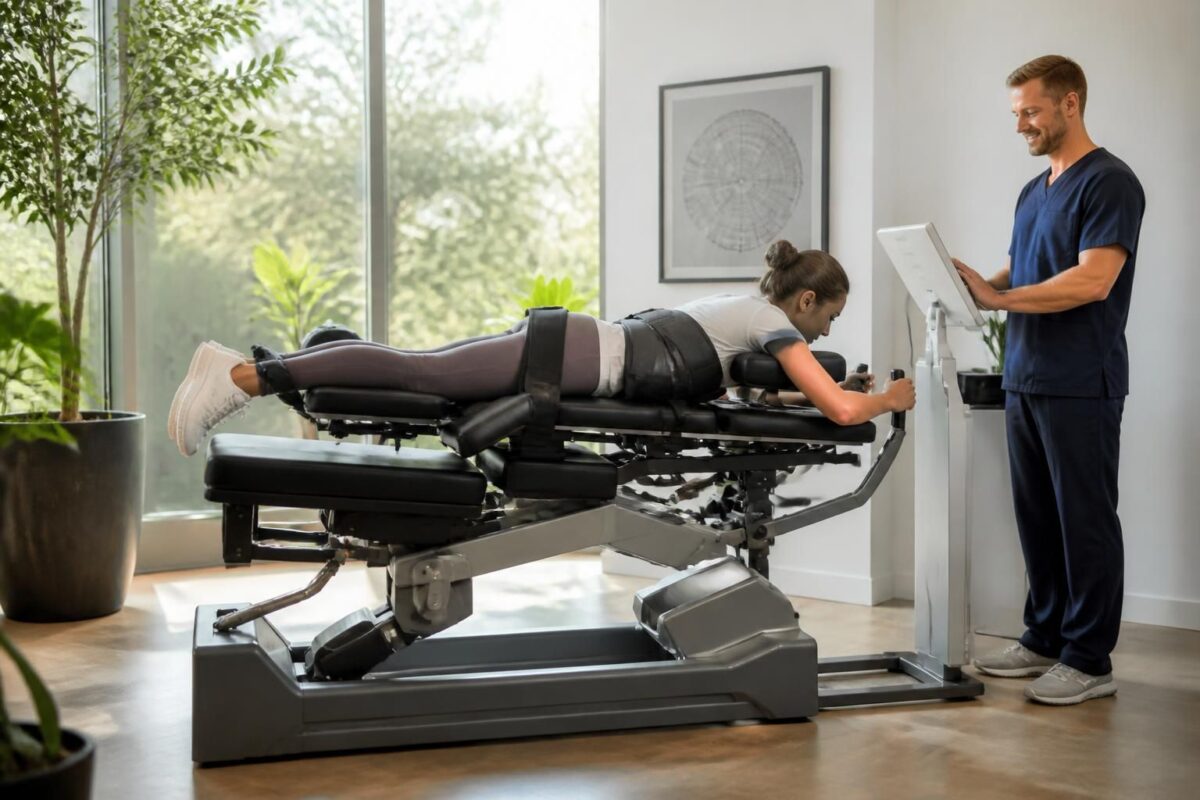
The long-term benefits of neurovertebral decompression for spinal health
In short In short, the neurovertebral decompression is a non-invasive approach that decreases the Pressure on intervertebral discs and nerves, favoring the Natural regeneration and tissue recovery. Its long-term benefits include Lasting pain reduction, Improving mobility and from the posture,…
Practical action plan to optimize stability
To take full advantage of neurovertebral decompression and enhance stability, take an integrated approach that combines treatment, exercises and lifestyle. Here are some guidelines to implement in your care program.
Begin with an accurate assessment of risk areas and movement limitations, in order to target areas to be reinforced and those to be stretched. Combine decompression sessions with spinal and hip stabilizing muscle strengthening exercises, as well as gentle stretches to preserve flexibility without overloading the spinal structures.
Integrate daily postural habits conducive to alignment: sitting and standing, trunk progression and pelvic balance, taking muscle chains into account. Also work on diaphragmatic breathing and motor control to improve proprioception and coordination.
Plan a regular follow-up with your practitioner to adjust the protocol, track amplitude gains and prevent relapses. Possibly combine other complementary approaches (e.g. targeted manual techniques, nutritional advice and appropriate physical activity) to optimize tissue regeneration and overall spine stability.
Finally, pay attention to the signals of your body: lasting pain, unusual stiffness or fatigue after the sessions require a reassessment of the program. By adopting a progressive and individualized approach, you will sustainably strengthen the Spinal stability And will find an active life with more comfort and confidence.

Neurovertebral decompression and mobility: a return to an active life
In short In short, the neurovertebral decompression is therapy non-invasive who uses a gentle traction To create a space between the vertebrae and reduce the pressure on the Intervertebral discs and the nerves. It promotes a bloodstream improved, lowers tension…
How neurovertebral decompression strengthens spinal stability
| Aspect | Concise impact |
|---|---|
| pressure reduction On discs and nerves | Decreases the load of the structures, promoting a more stable and lasting alignment. |
| intervertebral space restored | Soft traction creates a space between the vertebrae, facilitating painless sliding and mobility. |
| vertebral alignment recovered | Restores alignment, reducing tensions and mechanical stresses for safer posture. |
| Muscle tensions diminished | Relaxes the muscles surrounding the spine, improving fluidity of movement and stability. |
| Circulation and nutrition fabrics | Improves blood supply and waste disposal, supporting regeneration and stability. |
| Functional stability Via muscle control | Strengthens the stabilizers and optimizes the coordination of the spinal segments. |
| pain prevention and relapses | Sustainably reduces the risk of pain associated with an unstable spine. |
| Therapeutic integration complementary | Optimizes results by associating with other approaches (osteopathy, rehabilitation). |
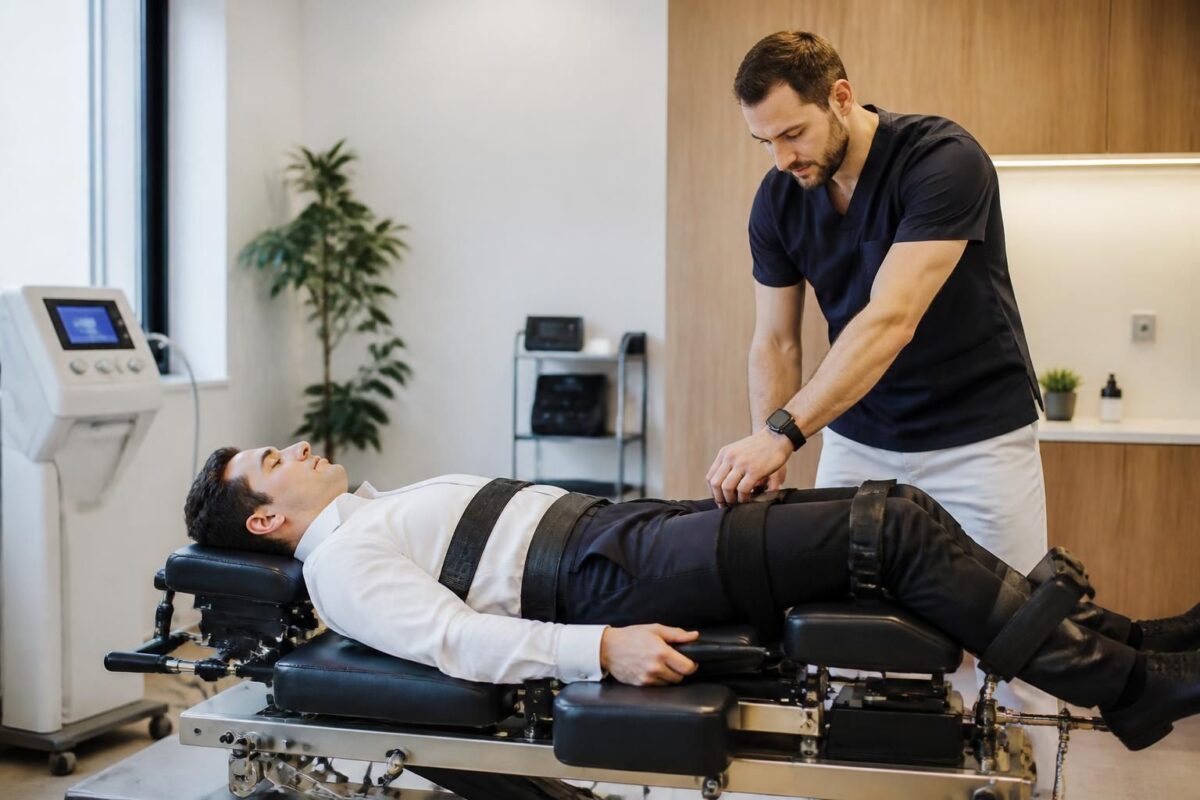
How Neurovertebral Decompression Prevents Diffuse Chronic Pain
In short decompression neurovertebral is one Non-invasive method aimed at reducing the Pressure on the intervertebral discs and the nerves, in order to prevent Diffuse chronic pain. It improves the circulation and thedisc hydration, decreases inflammation and promotes better mobility.…
Testimonials on improving spine stability through neurovertebral decompression
Marie, 34, leads an active life and has long suffered from lower back pain due to mild spinal instability. After following a program of neurovertebral decompression, she says she found a spinal stability more solid. “I felt my Column aligned And my movements become more fluid. The Pressure on the intervertebral discs reduced, which allowed me to move without feeling these usual instability sensations.”
Jean, 55, a manual worker, had developed chronic tensions that compromised his stability during everyday actions. After the sessions, he observes a marked improvement in his balance and posture. “My stability came back, and I can resume activities that once asked me for a major effort. The gentle traction And the improvement in circulation in the spine has actually changed the game.”
Sophie, 29, a professional dancer, felt stiffness and a feeling of instability during the complex sequences. She shares her experience: “Since the beginning of the treatment, my mobility and my stability have improved. My movements are more controlled and I regain the confidence to perform on stage without fear of injury.”
Antoine, 62, retired, describes better stability during his daily activities and during walks. “My joints and my spine remain more stable Even after long walks. The Reduced nerve pressure And discs allowed me to keep a lasting balance and avoid painful days.”
Claire, 47, a team leader, has noticed marked improvements in her cervical and lumbar stability. “Before, I sometimes felt a discomfort that blurred my balance. After the sessions, my posture has improved and I feel more secure in my actions, which reduces the risk of injury during repetitive movements.”
Yanis, 41, an amateur athlete, noted enhanced stability during training. “The neurovertebral decompression gave me a solid base to move with precision. I feel less vulnerability in my column and my performance has improved thanks to a better Engine control and to a Durable stability.”
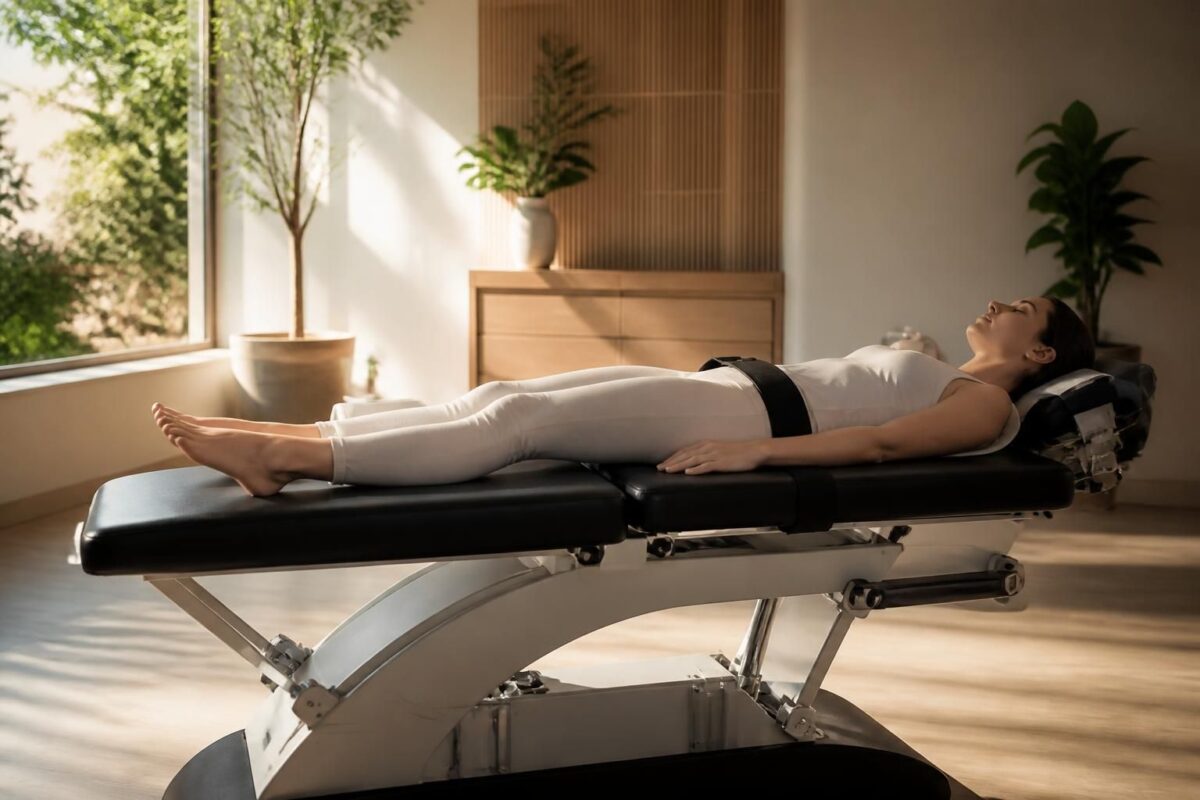
Neurovertebral Decompression and Body Alignment: Restoring Natural Balance
In short In short, neurovertebral decompression is one Non-invasive approach who restores theBody Alignment and thenatural balance back and neck. She acts by a Controlled traction of the spine to widen the intervertebral space and reduce the Pressure on discs…
How neurovertebral decompression strengthens spinal stability
Dr. Sylvain Desforges is a Expert in osteopathy, naturopathy and manual medicine, and he holds the position of Founding President of the TagMed Clinics and the ACMA Association. His journey is guided by a passion forHealth Innovation and through active involvement in the development of evidence-based practices. His approach is based on the clear objective of improving the stability and functionality of the spine through integrated and personalized approaches.
In its clinical approach, the neurovertebral decompression Occupies a central place to restore spinal stability. By combining gentle and controlled traction with a global vision of the musculoskeletal system, it aims to reduce the compressive forces that limit mobility and promote pain. This method is part of a non-invasive strategy that seeks to restore the balance between the vertebrae, intervertebral discs and nerves, while minimizing risks and recovery times.
The mechanism is based on the Creation of space between the vertebrae, which decreases the pressure exerted on the discs and nerves. This stress reduction improves the overall alignment of the column and releases surrounding muscle tension. With better blood circulation and increased disk hydration, supporting tissues gain in elasticity and resilience. Result: a Sustainable improvement in mobility and an Increased stability during daily and sporting activities.
Beyond the mechanical impact, neurovertebral decompression acts as a pain modulator and recovery stimulator. By promoting blood flow and nutrient intake, it supports the processes of spinal tissue regeneration and helps prevent painful relapses. This approach is often associated with other non-invasive interventions such as targeted rehabilitation, physiotherapy or osteopathy, thus forming a strategy integrative For long-term enhanced spinal stability.
Dr. Desforges’ vision also emphasizes theEfficiency of advanced technologies, particularly in the context of chronic pain management and rehabilitation programs. Neurovertebral decompression is seen as a centerpiece of a care plan that can be based on complementary tools, such as laser and shockwave therapy, in order to optimize the results and accelerate the return to an active and dynamic life.
Finally, the approach is based on a Regular and personalized follow-up, with an in-depth examination and adjustments adapted to the evolution of each patient. This dynamic ensures long-lasting stability and a balanced posture, while reducing the mechanical stresses that can nourish pain or limit mobility. The Clinical Framework offers an accessible global offer through the services available at Clinique TagMed, focused on spinal stability and sustainable well-being.
This summary details how the neurovertebral decompression Acts on the Spinal stability, presenting key mechanisms, effects on tissues and posture, as well as practical implications for patients. It highlights an approach non-invasive that sustainably improves alignment, circulation and mobility, while reducing tension and pain.
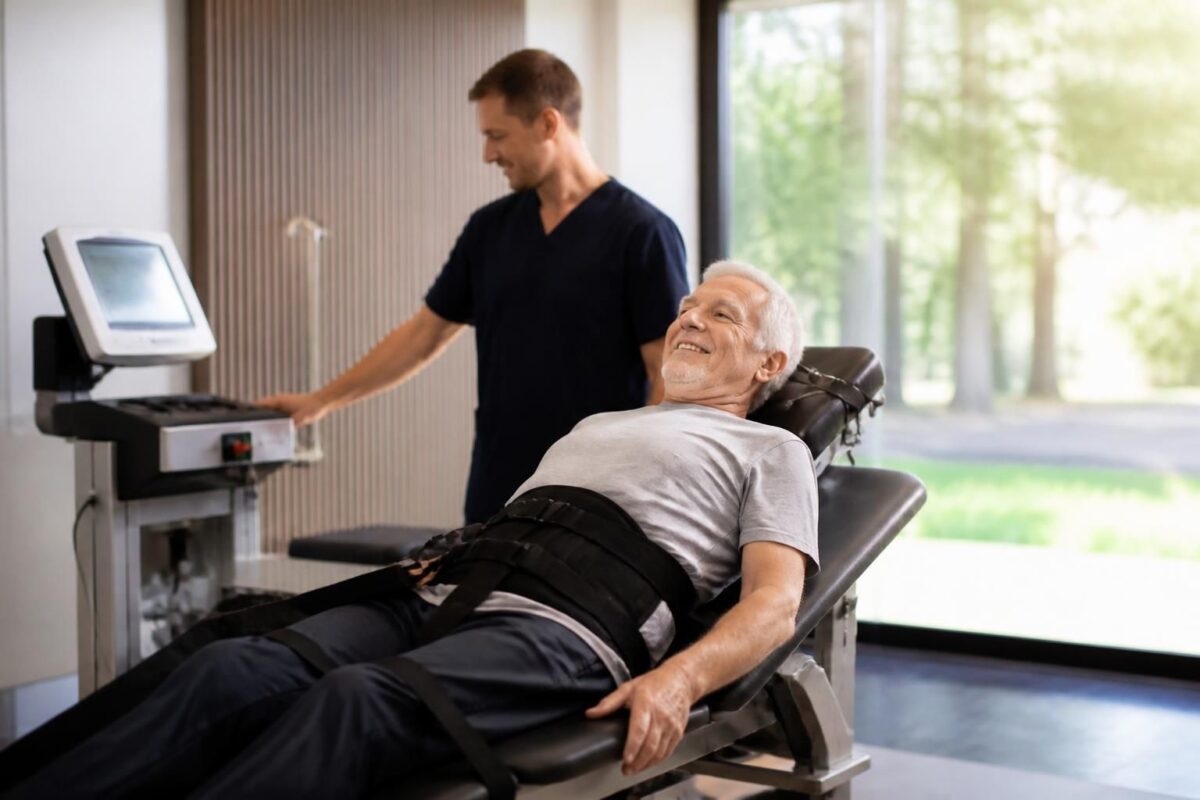
Why neurovertebral decompression is a lasting solution for active seniors
In short In short, the neurovertebral decompression is one Non-invasive therapy which sustainably relieves spinal pain in the spine active seniors By creating, by a Soft and controlled traction, a space between the vertebrae. At Montreal, it is recognized as…
how neurovertebral decompression affects stability
Neurovertebral decompression is based on a gentle traction Aiming to create a space between the vertebrae. this space reduces the pressure exerted on the Intervertebral discs and on the gristle, which promotes a vertebral alignment more balanced. By reducing these pressures, muscle tension around the spine is relaxed, allowing fluidity of movements and an Improved postural stability during daily and sporting activities. To deepen the mechanisms, you can look at resources like those described in this article: How neurovertebral decompression improves spine stability.
In addition to local action on the vertebrae, traction promotes a Disk rehydration and regeneration, helping to preserve the integrity of the shock absorber system and to limit micro-misalignments that disrupt stability. This dynamic is reinforced by a Better blood circulation in the spinal area, which facilitates nutrient intake and waste disposal, thus supporting the Structural stability in the long term. additional explanations on the influence of decompression on the posture And alignment are available here: Neurovertebral decompression and posture and Improved spinal flexibility.
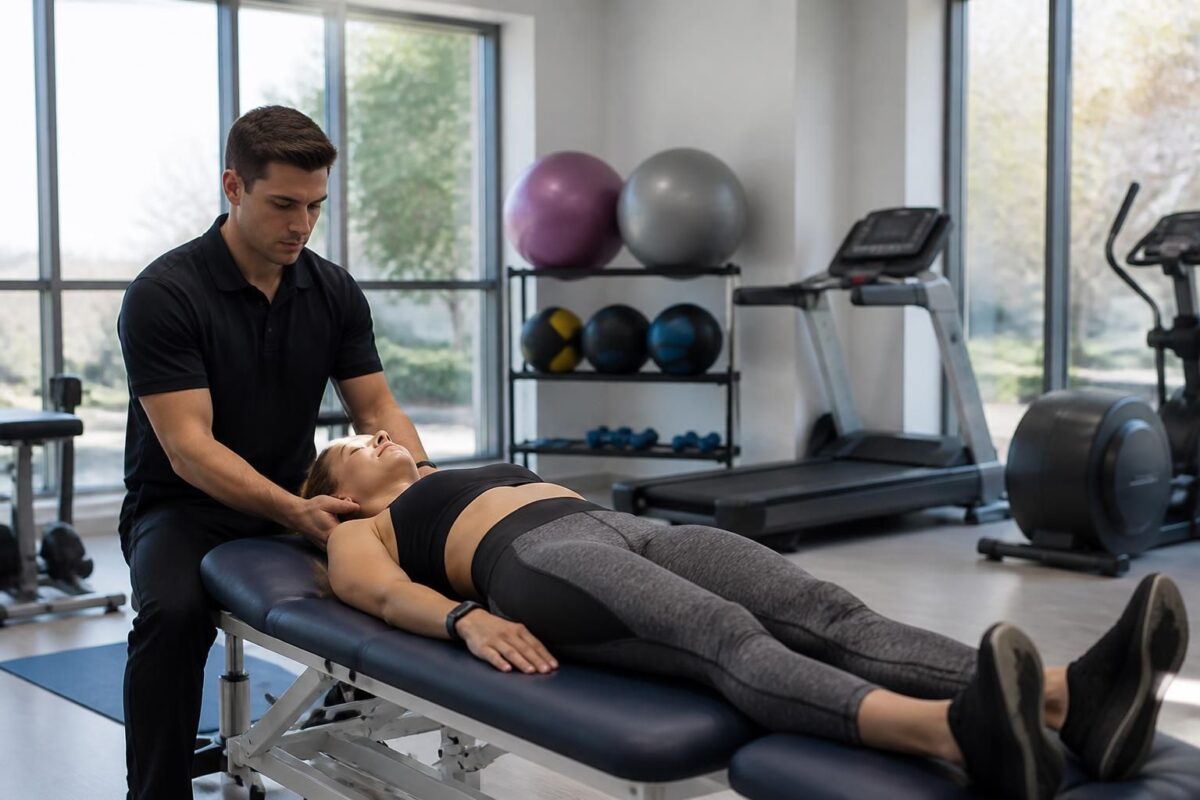
Neurovertebral decompression and recovery after severe sports injury
In short In short, the neurovertebral decompression is one Non-invasive method to Relieve the pressure on the Intervertebral discs and the gristle Via a Controlled traction, to facilitate the recovery After a severe sports injury. It improves the bloodstream towards…
Impact on fabric and function
By loosening the structures around the column, decompression Releases muscle tension and contributes to a better mobility of the column. this muscle relaxation facilitates a Dynamic stability during movements and reduces mechanical stresses which can lead to recurring pain. Profits extend to Regional traffic, favoring a better Tissue nutrition and faster recovery of fascial and muscular tissues, essential to maintain a flexible and stable spine. Resources explaining these mechanisms are accessible via articles such as Improved spinal flexibility and how it works.
The Pressure reduction on discs and nerves directly supports the spinal stability By limiting pain sources and protective reflexes that can cause anti-natural postures. This is accompanied by a postural rebalancing that improves theOverall balance trunk and hips, reducing the risk of future injuries. For an overview and clinical testimonials, consult resources like back muscle pain and Complementary treatment for physiotherapy.
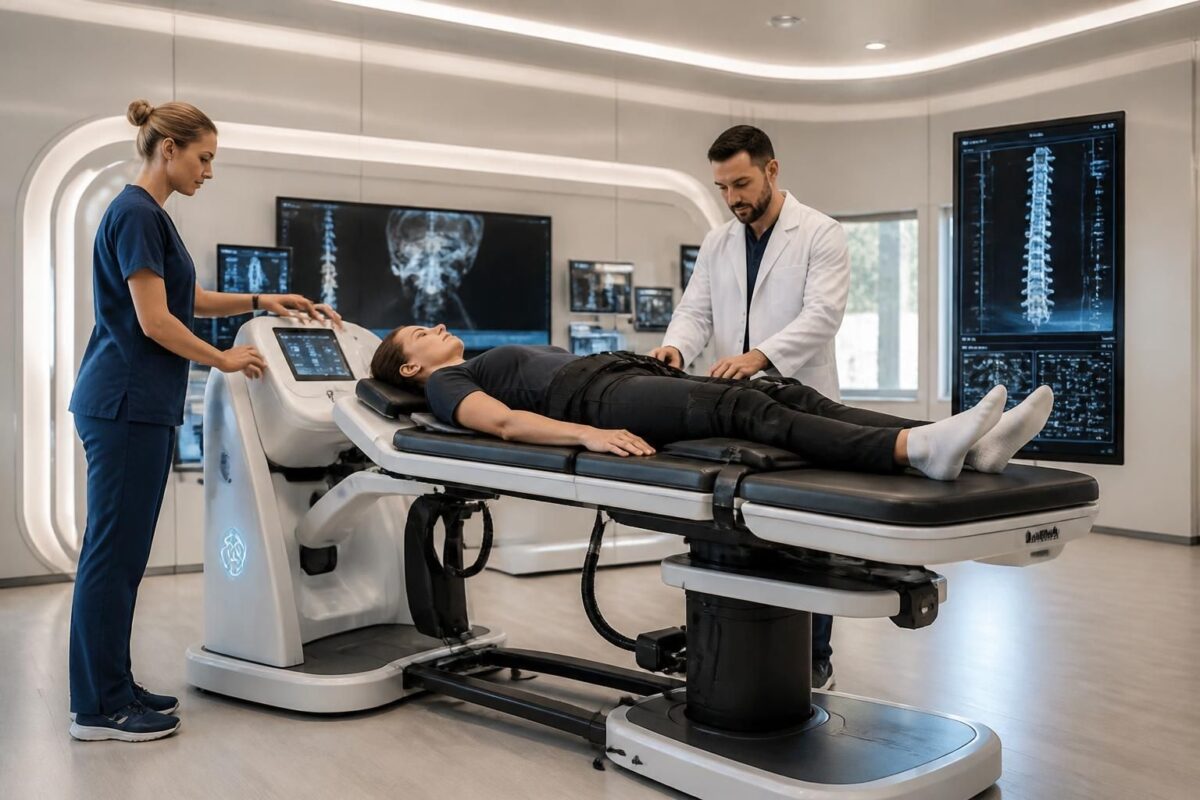
Recent innovations in neurovertebral decompression technologies
In short In short, the neurovertebral decompression is an approach non-invasive Aiming to reduce pressure on discs and nerves, and promote tissue regeneration. At Montreal, it is positioned as an effective option for lower back pain and herniated discs. The…
Clinical results and functional implications
Patients often describe a Increased range of motion and a better mobility global after a series of sessions, which facilitates the return to active activities adapted to their daily life. The improvement of the spinal stability results in a reduction in painful episodes and a reduction in postural tensions, favoring a more balanced posture and a better distribution of loads on the spine. For practical perspectives and examples, see Testimonials and analyzes on specialized resources such as Reduced risk of long-term complications and Long-term stability.
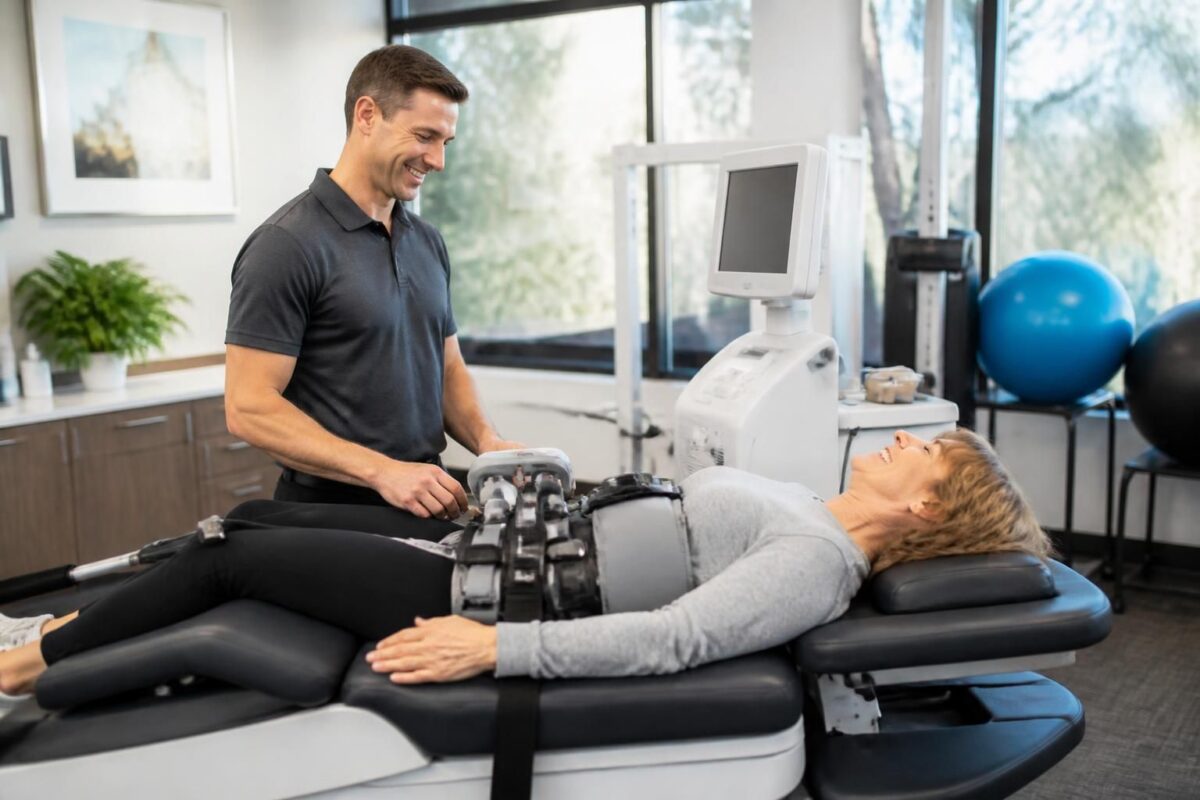
Neurovertebral decompression and diffuse pain: an appropriate solution
In short In short, the neurovertebral decompression is one Non-invasive solution For diffuse pain related to nerve irritation of the spine. She acts in Reducing pressure on intervertebral discs and nerves and improving the bloodstream, which promotes recovery and the…
Integration into the care program and follow-up
The vertebral stability gained by decompression fits ideally in an approach integrative Including osteopathy, physiotherapy and lifestyle advice. Regular and personalized follow-up, combining stretching and strengthening exercises, optimizes results and contributes to a Durable flexibility and to a Balanced posture in the long term. To deepen, consult resources that present integration with other therapies and overall benefits: Complementary treatment for physiotherapy and Operation and treatment plan.
To enrich your knowledge and explore different associated approaches, you can check out these additional resources: back muscle pain, Neurovertebral decompression, a miracle for the back, and A natural treatment for back health.
To go further in understanding mechanisms and benefits, you can also consult resources dedicated to neurovertebral decompression and its effects on stability, postural and complication prevention: Complementary treatment to physiotherapy, Correct postural imbalances, and Stability Improvement.
Notes and details related to the information: Technical details and treatment protocols should be discussed with a healthcare professional. For a broader presentation and clinical examples, you can consult the resources listed above, including those available on Neurovertebral decompression – how it works and Dr. Desforges – Spinal stability.

Dr Sylvain Desforges, B.Sc., D.O., N.D., osteopath, is the founding president of TAGMED and of the ACMA association. He dedicates his practice to chronic spinal pain, low back pain and symptoms compatible with sciatica, particularly when pain radiates toward the buttock, leg, calf, foot or toes.
Through SOS Sciatique, he publishes educational content on sciatica symptoms, possible causes such as disc herniation, disc narrowing, foraminal stenosis or irritation of a lumbar nerve root, as well as non-surgical approaches that may be considered according to the evaluation. At Clinique TAGMED, care may include, depending on the case, motorized neurovertebral decompression, specific osteopathic care or precision percussion.
For an evaluation related to sciatica treatment in Montreal / Mount Royal or sciatica treatment in Terrebonne, please consult the services available at Clinique TAGMED.
Medical disclaimer
The information published on SOS Sciatique is provided for educational purposes only and does not replace a consultation, diagnosis, opinion or treatment provided by a physician or another authorized healthcare professional. The author of this article is neither a medical doctor nor a specialist in a medical specialty recognized by the Collège des médecins du Québec. The osteopathic, manual medicine or functional support approaches described on this site do not constitute medical acts and are not intended to replace medical follow-up.
Consult a physician or emergency service in cases of loss of bladder or bowel control, anesthesia in the saddle area, significant or progressive weakness in the leg or foot, fever, recent trauma, severe pain or rapid worsening of symptoms. For more details, please read our Legal Notice.