Neurovertebral decompression and chronic pain: an innovative approach
26/06/2026
Neurovertebral decompression and posture: correcting imbalances
26/06/2026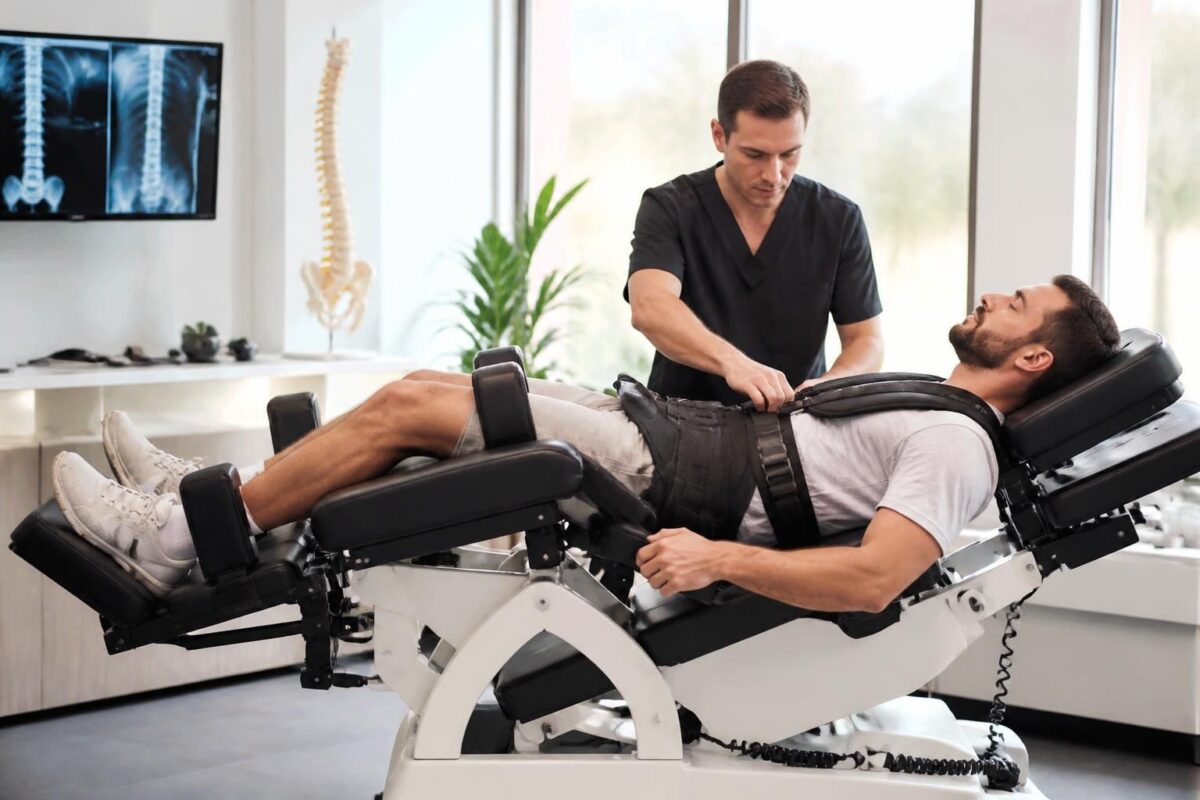
In short
| In short, the neurovertebral decompression is one Non-invasive therapy which aims to reduce the pressure on the Intervertebral discs and on the nerve roots To prevent Long-term complications. It promotes better bloodstream and the tissue regeneration, while Restoring alignment column and providing quick pain relief. Its main advantages include pain reduction, the Prevention of recurrences and the Preservation of mobility, for a Durable vertebral function. accessible to Montreal, this treatment is particularly relevant for people with Chronic pain related to disc tensions or nervous compressions, without surgery and with a rapid return to activity. |
The neurovertebral decompression is an approach non-invasive which acts directly on the mechanisms responsible for long-term complications related to the pathologies of the column. By durably reducing mechanical pressures and supporting spinal health, it helps prevent undesirable changes and maintain mobility.
- pressure reduction on the Intervertebral discs and the nerve roots, decreasing the risk of future deformations and hernias.
- Improved blood circulation and from the Tissue nutrition promoting the regeneration of the surrounding discs and tissues.
- Preservation of postural alignment and reduction of associated muscle and ligament tensions.
- Chronic pain prevention and recurrences by treating root causes rather than symptoms.
- Avoidance of surgical procedures Through an approach secure and non-invasive, with reduced recovery time.
- Improving mobility and from the quality of life in the long term.
Integrated into a personalized care plan, this therapy promotes sustainable risk reduction and maintains a healthier spine.
This guide, written by a health professional and expert, explains how the neurovertebral decompression Acts to sustainably reduce the risk of complications associated with the pathologies of the column. The approach aims to reduce the pressure on the intervertebral discs and nerve ribs, while improving circulation and postural alignment. Expected Result: Less pain, better mobility and effective long-term recurrence prevention.
Principle and key mechanism
Targeted pressure reduction
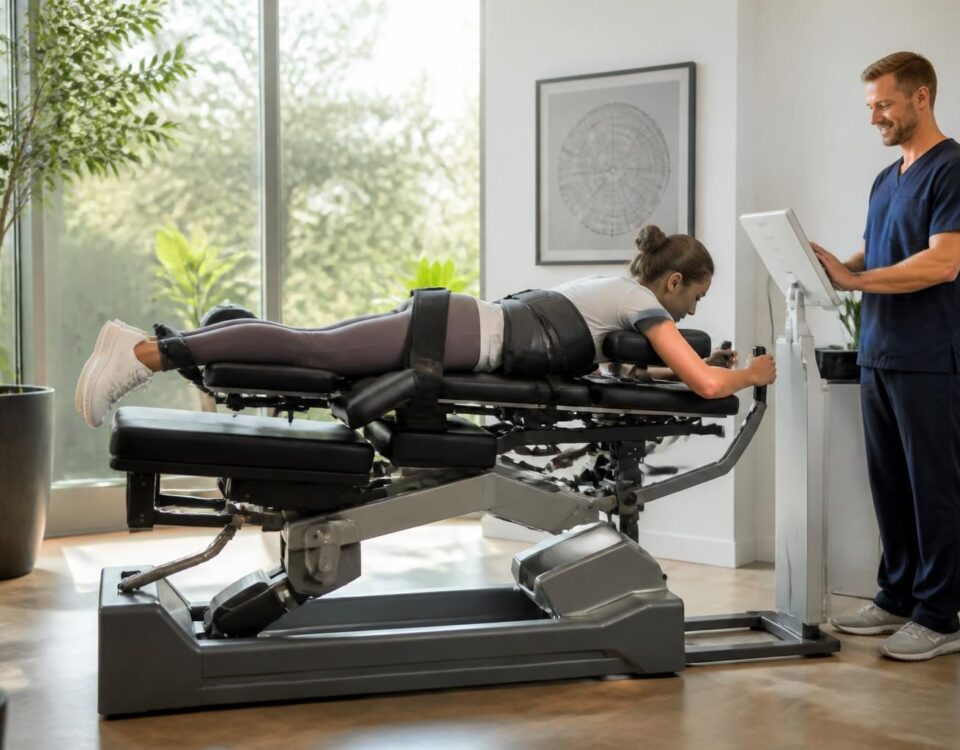
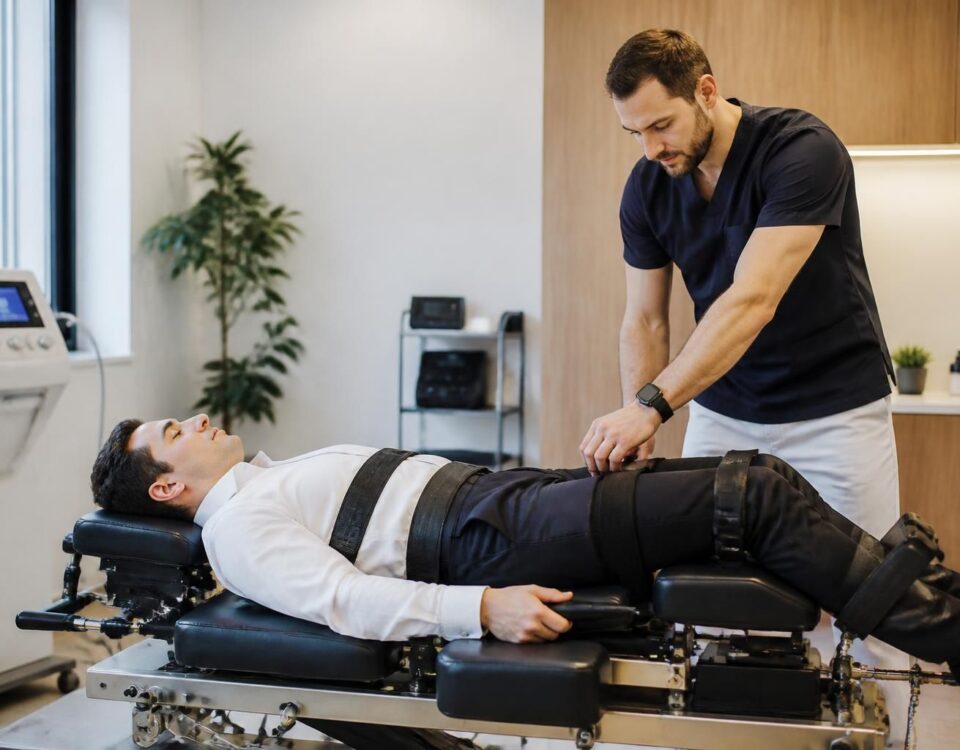
Neurovertebral decompression applies controlled traction on the spine. This traction creates a space between the vertebrae and Reduces the pressure on the discs intervertebral and adjacent nerves. Less pressure means less risk of disc degradation and nerve damage, which helps prevent future worsening and painful irradiation complications.
Tissue regeneration and nutrition
By freeing the necessary space between the vertebral structures, the intervention promotes better bloodstream in the region. This nutritious improvement helps the spinal tissues to regenerate better and maintain their elasticity. Better nutrition of the discs and surrounding tissues contributes to the prevention of cracks and prolapses that could evolve into more serious complications.
Alignment and stability
The technique contributes to a Postural alignment more harmonious. Proper alignment reduces tension on muscles and ligaments around the spine, decreasing the risk of imbalances that promote pain and recurrence. This effect contributes to preserving the stability of the column over the long term.
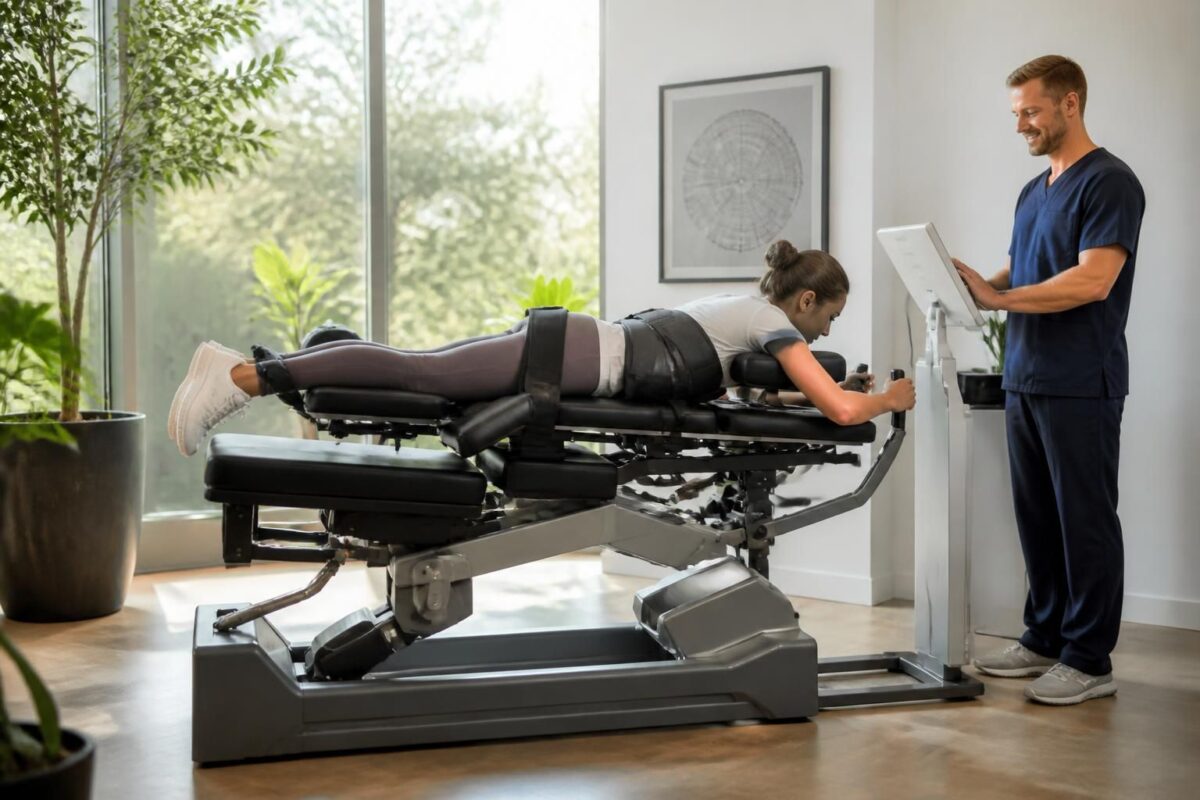
The long-term benefits of neurovertebral decompression for spinal health
In short In short, the neurovertebral decompression is a non-invasive approach that decreases the Pressure on intervertebral discs and nerves, favoring the Natural regeneration and tissue recovery. Its long-term benefits include Lasting pain reduction, Improving mobility and from the posture,…
Long-term risk reduction and prevention
Prevention of recurrences and new attacks
By acting on the underlying causes of back pain, decompression Preserves disk health and limits recurring painful episodes. Pressure reduction, combined with better circulation and long-lasting alignment, reduces the risk of recurrence and progression of disc pathologies.
Impact on radiculopathy complications
Decreased nerve compression helps prevent radiant symptoms and nerve root damage. This translates into improved mobility and function, without resorting to invasive surgical procedures when possible.
Preservation of surrounding structures
By promoting an environment conducive to tissue regeneration and maintenance, decompression Strengthens structures around the column. This limits the risk of associated injury and supports long-term physical activity.

Neurovertebral decompression and mobility: a return to an active life
In short In short, the neurovertebral decompression is therapy non-invasive who uses a gentle traction To create a space between the vertebrae and reduce the pressure on the Intervertebral discs and the nerves. It promotes a bloodstream improved, lowers tension…
Safety and non-invasiveness
Non-invasive option and security
neurovertebral decompression is a Non-invasive procedure which avoids the risks and recovery times associated with surgery. This approach reduces the risk of infections and other post-operative complications while providing quick and effective relief.
Long-term monitoring and prevention
A personalized follow-up allows you to adjust the treatment and optimize the results. Patient education on good posture practices and healthy lifestyles is essential to prevent recurrences and maintain long-term benefits.
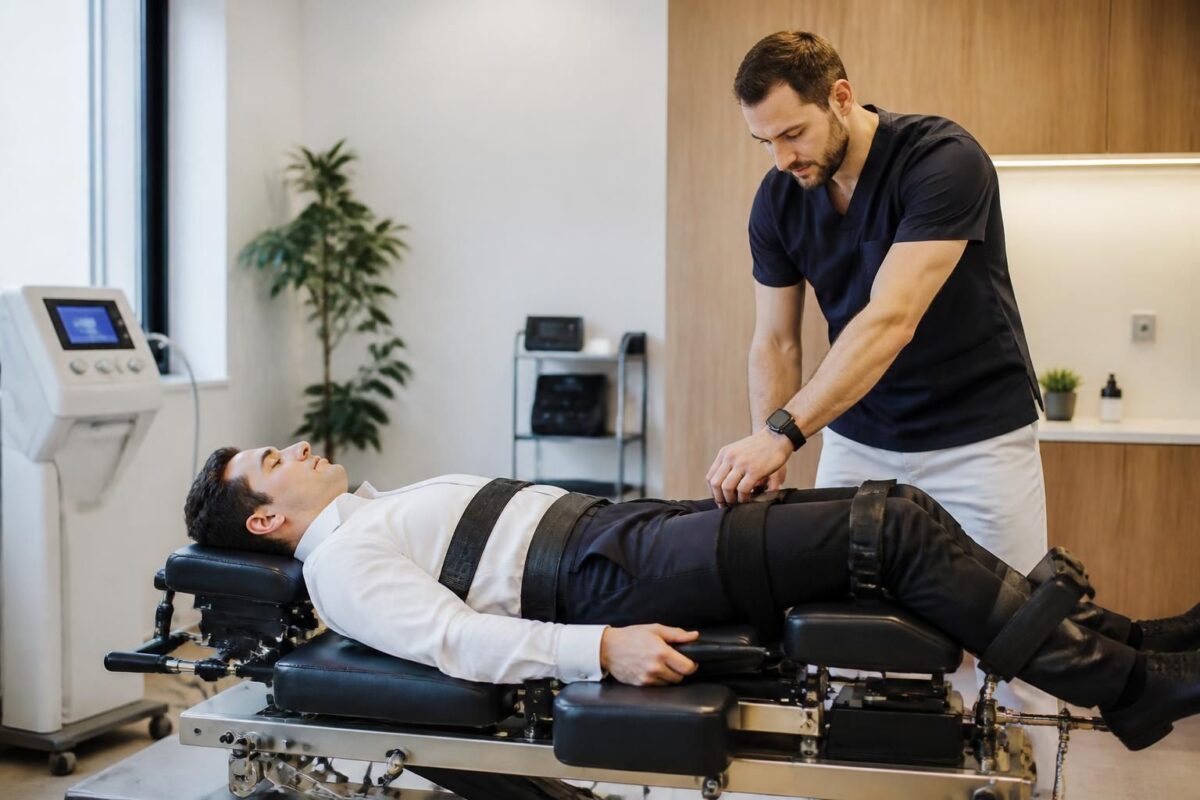
How Neurovertebral Decompression Prevents Diffuse Chronic Pain
In short decompression neurovertebral is one Non-invasive method aimed at reducing the Pressure on the intervertebral discs and the nerves, in order to prevent Diffuse chronic pain. It improves the circulation and thedisc hydration, decreases inflammation and promotes better mobility.…
Integration into a multidisciplinary care plan
Global approach in TagMed clinic
In Tagmed clinics, the neurovertebral decompression integrates with a multidisciplinary approach. additional protocols such as laser And other manual or technological therapies can be combined to optimize well-being and sustainable recovery.
Information resources and specific treatment protocols can be viewed via partner sites such as Tagmed Clinic and explanations on technical advances are available on decompressionneurovertebrale.com.
Reference and training
the professionals involved follow recognized training in osteopathy, with reference courses like Numss, NAO, National University of Medical Sciences and National Academy of Osteopathy. These institutions support a practice based on evidence and patient safety.
Informative links and resources
To explore certain aspects, you can consult resources describing the action on radiating pain and technological details, via the following pages:
- How neurovertebral decompression affects radiant pain
- the technology
- A natural solution for persistent pain
- Advanced techniques
- Why athletes choose neurovertebral decompression
- Answers to frequently asked questions
- Myths explained
For more information, details on the results and long-term benefits of decompression, see also Long-term results or the pages dedicated to the clinical application.
Medical Disclaimer: The information and advice provided on this site does not replace the health professional’s diagnosis or treatment. Please note that Dr. Sylvain Desforges osteopath is neither a doctor of medicine nor a doctor, and is not a specialist in a medical specialty as defined by the Collège des Médecins du Québec. Manual medicine, functional medicine and sports medicine as described on this site exclude any medical treatment or diagnosis made by a doctor or specialist doctor. Always consult your doctor for any medical questions. For more details, please read our full legal notice.
Axis: preventive and sustainable approach – How neurovertebral decompression reduces the risk of long-term complications
- pressure reduction On the intervertebral discs decreases wear and cracks
- Better circulation blood around the vertebrae to nourish the tissues
- Postural alignment restored, less tension and imbalances
- Tissue regeneration Promote disk repair and support
- Prevention of recurrences Reduction in triggering factors for future pain
- Durable pain controlled Less use of painkillers and surgery
- Activity and mobility Maintaining or resuming an active life without fear of recidivism
- Neurological stability Less nerve compression and radiculopathies
- Stability of the musculoskeletal system Reinforcement of surrounding structures
- Non-invasive approach Reduction of operative and recovery risks

Neurovertebral decompression can sustainably reduce the risk of complications associated with column pathologies. By acting on spinal mechanics and physiology, it diminishes the triggers of disc and nervous degradation, promotes tissue regeneration and promotes a better quality of life in the long term. This article offers practical recommendations for understanding and optimizing these preventive effects in a comprehensive and personalized approach.
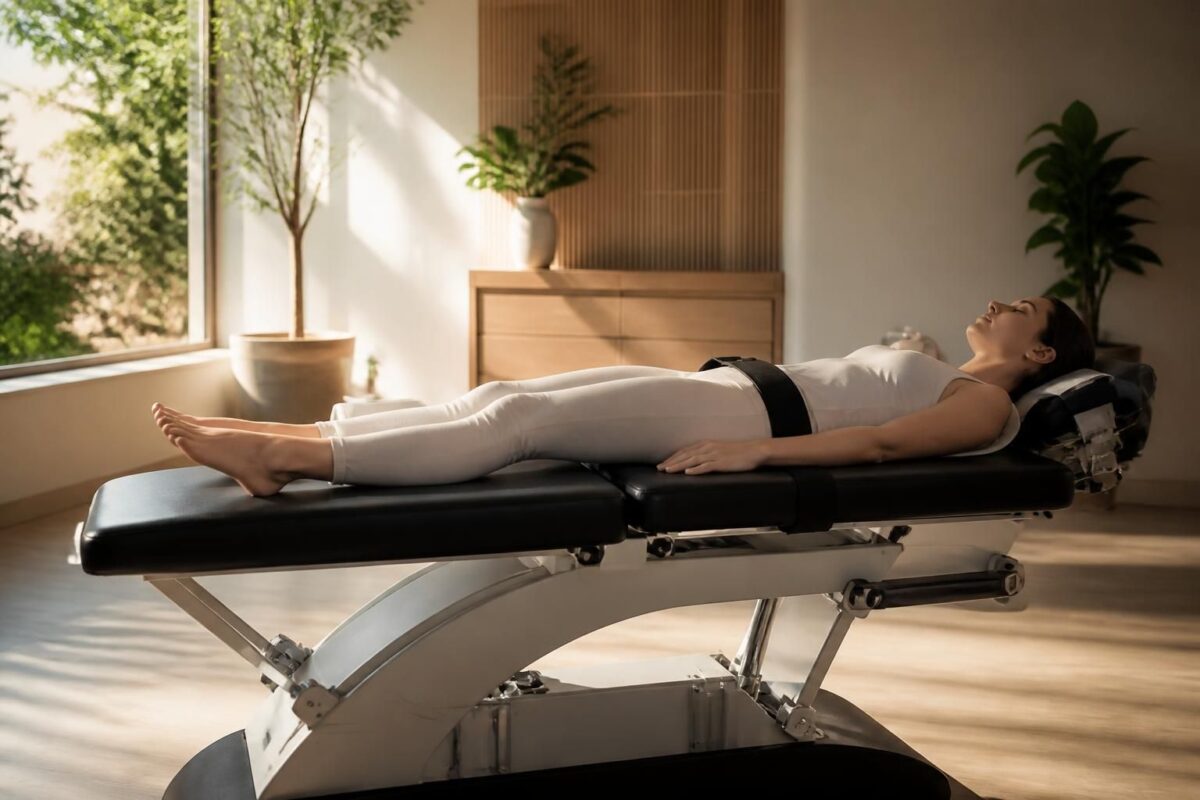
Neurovertebral Decompression and Body Alignment: Restoring Natural Balance
In short In short, neurovertebral decompression is one Non-invasive approach who restores theBody Alignment and thenatural balance back and neck. She acts by a Controlled traction of the spine to widen the intervertebral space and reduce the Pressure on discs…
Understanding key mechanisms
Neurovertebral decompression aims above all to Reduce the pressure exerted on the intervertebral discs and nerve roots. Through controlled and progressive traction, it creates a space between the vertebrae, which reduces stress and limits the risks of deformation, cracks or future disc herniation. This favorable space acts as a freezing of tensions and allows a better recovery of neighboring structures.
Disc pressure reduction
Reducing the pressure prevents the mechanisms leading to protrusions and premature wear of the discs. Less constraint promotes the rehydration of disc elements and supports their structural integrity, reducing the risk of recurrence and recurring pain in the long term.
Improved circulation and tissue nutrition
Decompression improves bloodstream in the spinal area, providing more essential oxygen and nutrients to the disks and surrounding tissues. This increased nutrition facilitates tissue repair, reduces local inflammation and promotes better resilience to daily microtraumas.
Postural alignment and stability
By restoring a Correct vertebral alignment, the technique reduces muscular and ligament tensions and helps to prevent postural imbalances likely to maintain pain and associated pathologies. Proper alignment supports muscle chains and limits abnormal forces on spinal structures.
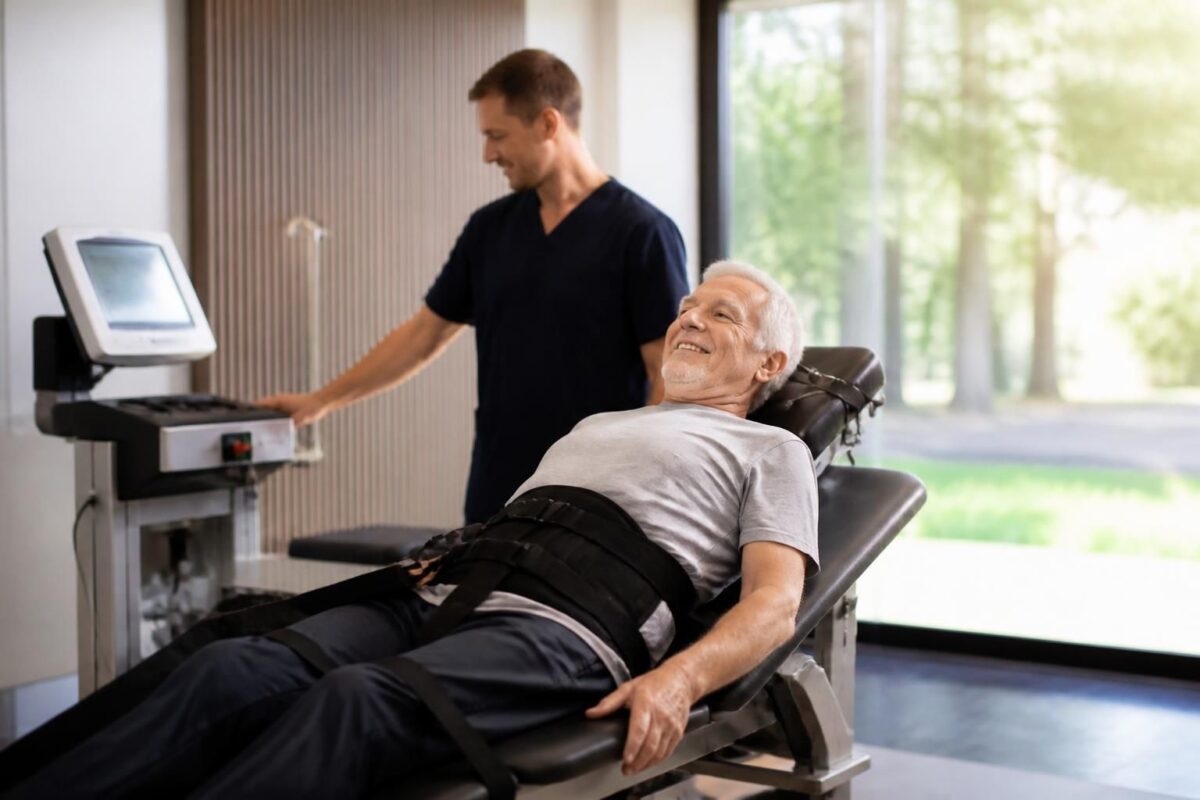
Why neurovertebral decompression is a lasting solution for active seniors
In short In short, the neurovertebral decompression is one Non-invasive therapy which sustainably relieves spinal pain in the spine active seniors By creating, by a Soft and controlled traction, a space between the vertebrae. At Montreal, it is recognized as…
Prevention of long-term complications
Beyond immediate relief, neurovertebral decompression acts as an active prevention of long-term complications such as chronic pain, radiculopathies and degenerative degradation. By acting on mechanical and inflammatory causes, it helps maintain mobility and autonomy, while reducing the need for long-term heavy treatments.
Reduction of inflammation and nociception
Lower nerve pressure and better perfusion decrease local inflammatory signals. This reduction in inflammation can limit radiant pain and improve nerve function, contributing to a more complete and lasting recovery.
Structural damage prevention
By avoiding excessive loads and stresses on the discs, decompression limits the risk of cracks, protrusions and stenosis that could progress to major complications in the medium and long term.
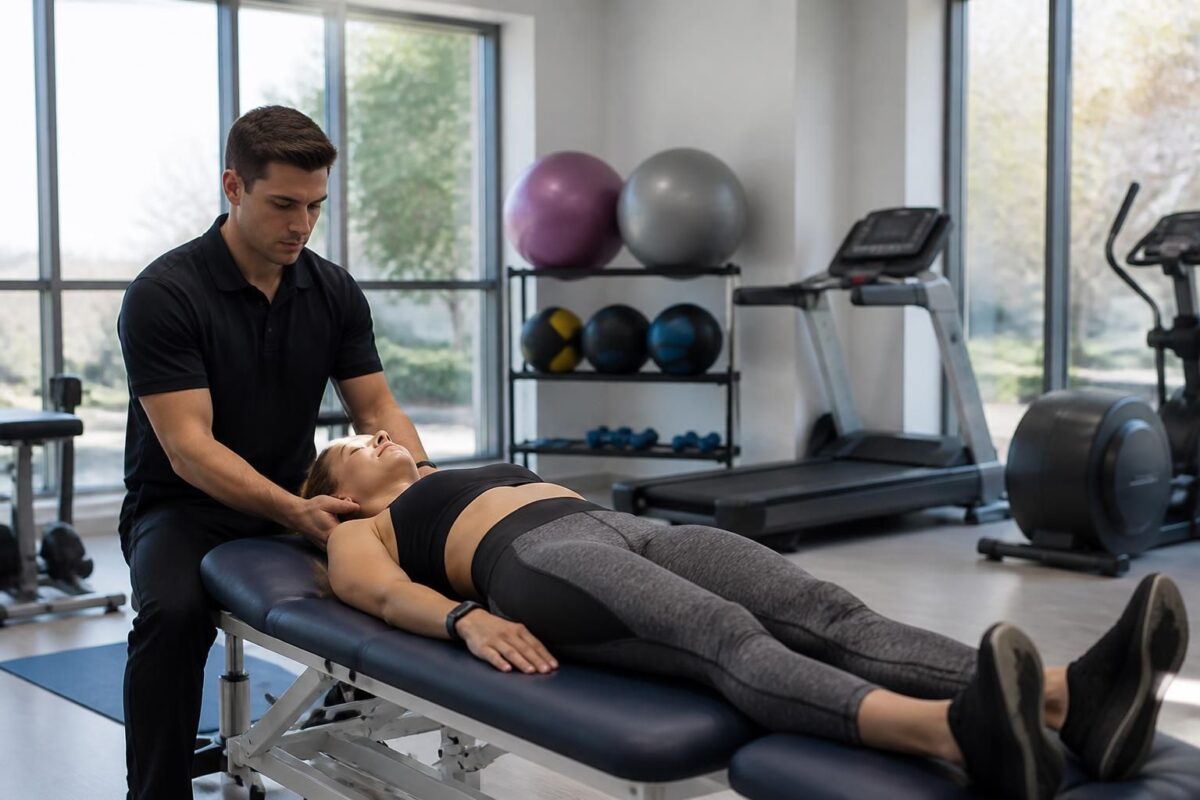
Neurovertebral decompression and recovery after severe sports injury
In short In short, the neurovertebral decompression is one Non-invasive method to Relieve the pressure on the Intervertebral discs and the gristle Via a Controlled traction, to facilitate the recovery After a severe sports injury. It improves the bloodstream towards…
Integration into a global approach
To maximize long-term benefits, decompression must be part of a personalized and coherent care plan, combining patient education, appropriate posture and targeted physical activity. thePostural education And trunk strengthening exercises support and prolong preventive effects by reducing daily stress on the spine.
Education and follow-up
Informing the patient about the importance of maintaining correct posture, adopting healthy lifestyles and progressing gradually in physical activity is crucial. Regular monitoring makes it possible to adjust the protocol according to progress and individual needs, thus reinforcing the prevention of reappearances and complications.
| Impact axis | Concise impact |
|---|---|
| Reduced pressure on discs | Decreases load on disks, limiting cracks and degeneration; Promotes rehydration through controlled traction |
| Circulation and Disc Nutrition | Stimulates nutrient and oxygen supply to disks, supporting tissue regeneration and longevity |
| Postural alignment | Restores correct alignment, reducing muscle tension and risk of pain and recurrence |
| Tissue regeneration | Accelerates healing of spinal tissues and strengthens adjacent structures |
| Inflammation reduction | Decreases inflammatory mediators, providing lasting relief and less use of analgesics |
| Prevention of recurrences | Treats mechanical causes and reduces the risk of long-term symptoms recurrence |
| Safety and non-invasiveness | Non-surgical option with low risk and rapid recovery |
| Integration into the care plan | Personalized adaptation and coordinated follow-up with other therapies to optimize results |
| Impact on mobility and quality of life | Sustainable improvement of mobility and reduction of daily limitations |
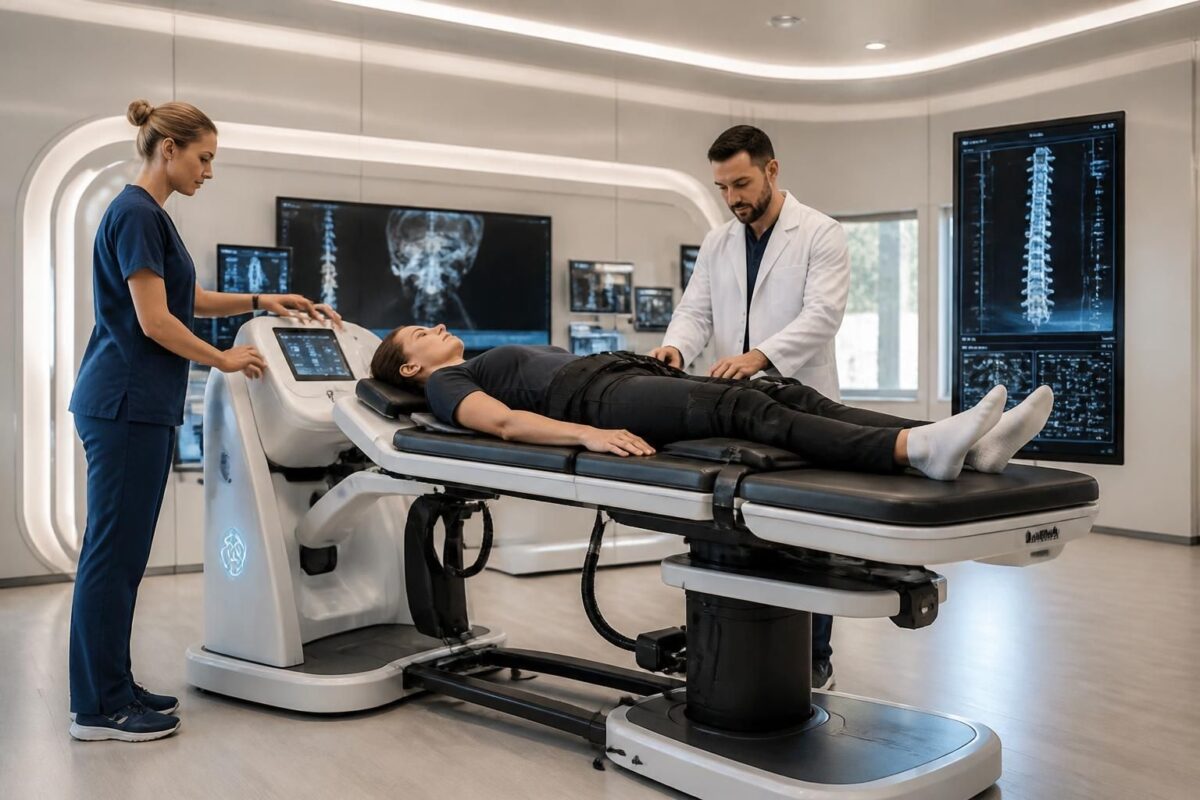
Recent innovations in neurovertebral decompression technologies
In short In short, the neurovertebral decompression is an approach non-invasive Aiming to reduce pressure on discs and nerves, and promote tissue regeneration. At Montreal, it is positioned as an effective option for lower back pain and herniated discs. The…
Testimonials on reducing the risk of long-term complications through neurovertebral decompression
Marie, 58, retired: “After a few weeks, the neurovertebral decompression reduced the pressure on my discs and I noticed a clear Reduced risk of long-term complications. I feel more stable and less worried about the evolution of my column, which changes my way of living on a daily basis. »
Jean, 47, sportsman: “I was concerned about the Long-term complications related to my herniated disc. Thanks to this approach non-invasive, I noticed a better bloodstream and one alignment more natural of the column, which significantly reduces the risk of recurrence. »
Élise, 35, executive: “This therapy acts on the cause and not only on the pain. She favored the tissue regeneration and thetraffic improvement, thus reducing the Risk of long-term complications, while making me more mobile on a daily basis. »
Laurent, 62, formerly active: “Controlled traction creates a space between the vertebrae and Reduces the pressure on the discs. Since the start of treatment, my pain has decreased and the progression risk is better controlled, which avoids heavy interventions in the future. »
Sophie, 44, Dyamic: “By adopting this method, I found a Prevention of developments towards more serious pathologies and a better posture. The fact that it is non-invasive reassured me and strengthened my confidence in the long-term follow-up. »
Alex, 32, consultant: “I quickly felt in better shape and observed a Reduced risk of long-term complications thanks to the combined action on theDisc space and thetraffic improvement. This allowed me to resume my activities without fear, while protecting my column for the future. »
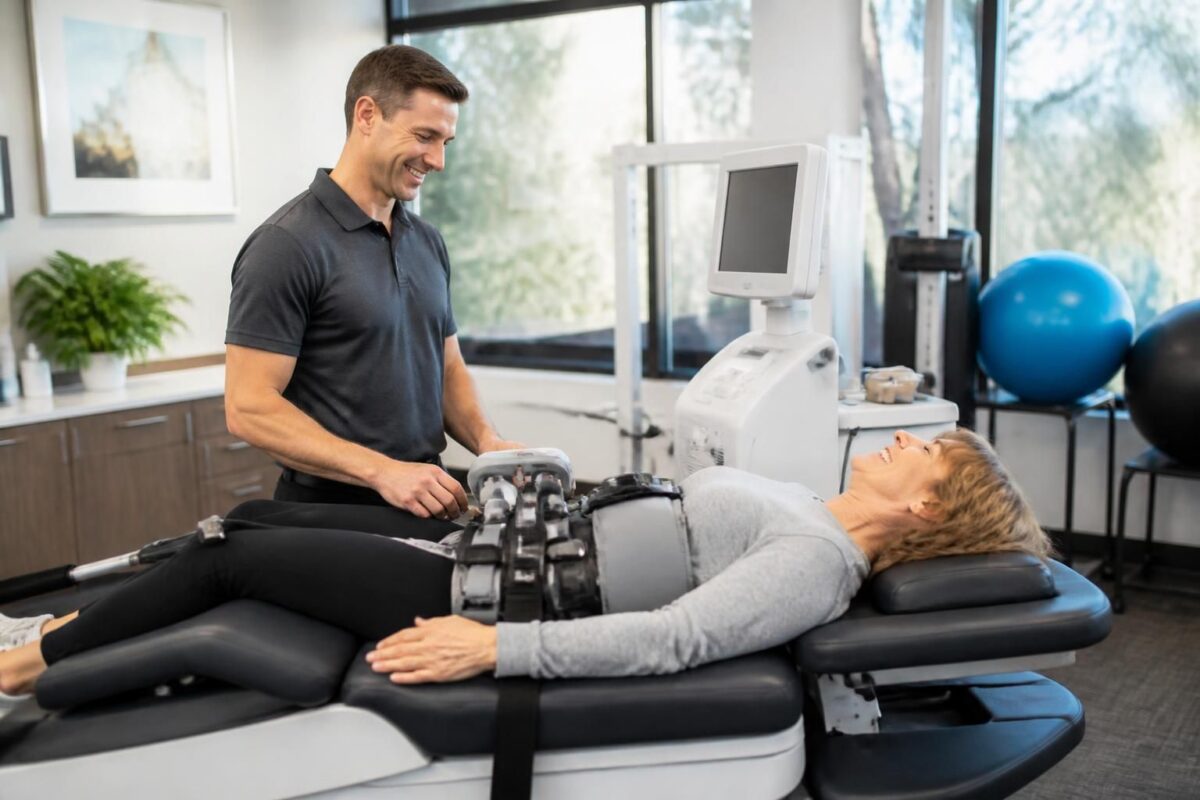
Neurovertebral decompression and diffuse pain: an appropriate solution
In short In short, the neurovertebral decompression is one Non-invasive solution For diffuse pain related to nerve irritation of the spine. She acts in Reducing pressure on intervertebral discs and nerves and improving the bloodstream, which promotes recovery and the…
Neurovertebral decompression and long-term complication reduction
the DR Sylvain Desforges, expert in osteopathy, naturopathy and manual medicine, is at the head of a course dedicated to health innovation. Founding President of TagMed and ACMA clinics, he places chronic pain management and the integration of advanced technologies at the heart of his approach. Its goal is to provide evidence-based care to optimize the health and well-being of patients, with particular attention to preventing long-term complications.
At the center of this vision is the neurovertebral decompression, a non-invasive technique that acts directly on the spine to reduce the pressure exerted on the intervertebral discs and nerve roots. By creating a space between the vertebrae through controlled traction, it promotes rehydration and regeneration of the vertebral tissues, while improving local blood circulation. This combination of mechanical and physiological effects acts as a powerful preventive mechanism against future complications related to aging or trauma, such as herniated discs and stenosis..
Reducing the pressure on the discs is at the heart of the prevention of structural damage. Less stress means less risk of cracks, deformities and disc protrusions that can emerge and progress to chronic pain or radiculopathies. At the same time, the improvement in circulation brings the nutrients and oxygen necessary for tissue regeneration, accelerating recovery and reinforcing the resilience of the tissues surrounding the discs. This synergy helps to preserve the integrity of the spine in the long term and to limit painful relapses.
Beyond the purely mechanical aspect, neurovertebral decompression participates in Postural alignment and the stability of support structures. A healthier spinal axis reduces muscle tension and imbalances, which reduces risk factors for recurrence and promotes a lasting return to an active life. This approach is particularly efficient when integrated into a personalized care plan, which can also combine complementary therapies such as laser or shock waves to optimize the chances of recovery and prevent long-term complications..
The method advocated by Dr. Desforges is Smooth, safe and education-focused. Each patient benefits from individualized follow-up and support for daily gestures, posture and lifestyle habits that support spinal health. By reducing pain and improving function, neurovertebral decompression helps reduce the use of painkillers, limit future invasive interventions and promote a better quality of life in the long term..
For patients and professionals seeking to understand how to sustainably preserve the spine and prevent associated complications, Dr. Desforges’ approach offers a concrete and effective way. His presentation of services and approach is accessible via the clinics he supervises, where protocols are designed to optimize health and spinal endurance over the long term.
This analysis details how the neurovertebral decompression Can sustainably reduce the risk of long-term complications by acting on disc pressure, local angiogenesis and postural alignment, while being part of a non-invasive and personalized approach.
Key principles and mechanisms
The neurovertebral decompression acts by creating a space between the vertebrae through controlled traction, which reduces the pressure exerted on the Intervertebral discs and nerve roots. This drop in pressure allows a better Tissue rehydration and regeneration, limiting the risks of future cracks and herniated discs. In addition, the increase in bloodstream In the vertebral area provides essential nutrients and facilitates healing, while helping to reduce inflammation and associated pain. For a general view of the technique, you can consult the reference page on the neurovertebral decompression.
By targeting the functioning of discs and nerves, this approach also contributes to Postural alignment and the stabilization of the surrounding structures. Proper alignment reduces muscle tension and imbalances that ultimately promote pain and recurrences. Modern protocols combining decompression and postural education make it possible to integrate these benefits into a sustainable care plan.
Reduced risk of long-term complications
By gradually reducing the pressure on the discs and nerves, the neurovertebral decompression acts as a preventive of long-term complications linked to pathologies such as herniations discs and degenerative disorders. a better one bloodstream Promotes tissue nutrition and accelerates disc regeneration, which helps to preserve flexibility and prevent the appearance of new pain. This non-invasive approach also limits the risks inherent in surgery and anesthesia, while often providing quick and lasting relief. Clinical work and returns underline these benefits and offer encouraging results over the long term. For further information, see the published information on Long-term results of neurovertebral decompression treatments.
Recurrence prevention also involves patient education and personalized follow-up. By combining targeted exercises, correct posture and regular consultation, the chances of maintaining the gains and limiting future complications are maximized. Complementary sources describe how the technique can Improve sleep quality and promote a more active and less symptomatic lifestyle in the long term.
Clinical evidence and feedback
Several resources suggest that the profits show up quickly and then extend over the follow-up period. Among the frequently cited arguments: pain reduction, improvement in mobility and reduction in recurrent painful episodes, which positively influences quality of life and functional autonomy. For a summary of the results and feedback, see the analyzes and testimonials available on SOS Herniated Disc and Quick results obtained.
For a more general perspective and additional explanations, you can consult the following resources: Decompression and neuropathic pain, Improve spinal flexibility, and Prevent future herniated discs.
Practical integration and resources
To understand the issues, mechanisms and long-term benefits, accessible references can deepen the topic: Wikipedia, and the professional sites of TagMed and associated clinics offer clinical perspectives and feedback on long-term outcomes. You can also explore security and efficiency considerations through the following resources: Advantages and disadvantages and Long-term risk reduction.

Dr Sylvain Desforges, B.Sc., D.O., N.D., osteopath, is the founding president of TAGMED and of the ACMA association. He dedicates his practice to chronic spinal pain, low back pain and symptoms compatible with sciatica, particularly when pain radiates toward the buttock, leg, calf, foot or toes.
Through SOS Sciatique, he publishes educational content on sciatica symptoms, possible causes such as disc herniation, disc narrowing, foraminal stenosis or irritation of a lumbar nerve root, as well as non-surgical approaches that may be considered according to the evaluation. At Clinique TAGMED, care may include, depending on the case, motorized neurovertebral decompression, specific osteopathic care or precision percussion.
For an evaluation related to sciatica treatment in Montreal / Mount Royal or sciatica treatment in Terrebonne, please consult the services available at Clinique TAGMED.
Medical disclaimer
The information published on SOS Sciatique is provided for educational purposes only and does not replace a consultation, diagnosis, opinion or treatment provided by a physician or another authorized healthcare professional. The author of this article is neither a medical doctor nor a specialist in a medical specialty recognized by the Collège des médecins du Québec. The osteopathic, manual medicine or functional support approaches described on this site do not constitute medical acts and are not intended to replace medical follow-up.
Consult a physician or emergency service in cases of loss of bladder or bowel control, anesthesia in the saddle area, significant or progressive weakness in the leg or foot, fever, recent trauma, severe pain or rapid worsening of symptoms. For more details, please read our Legal Notice.