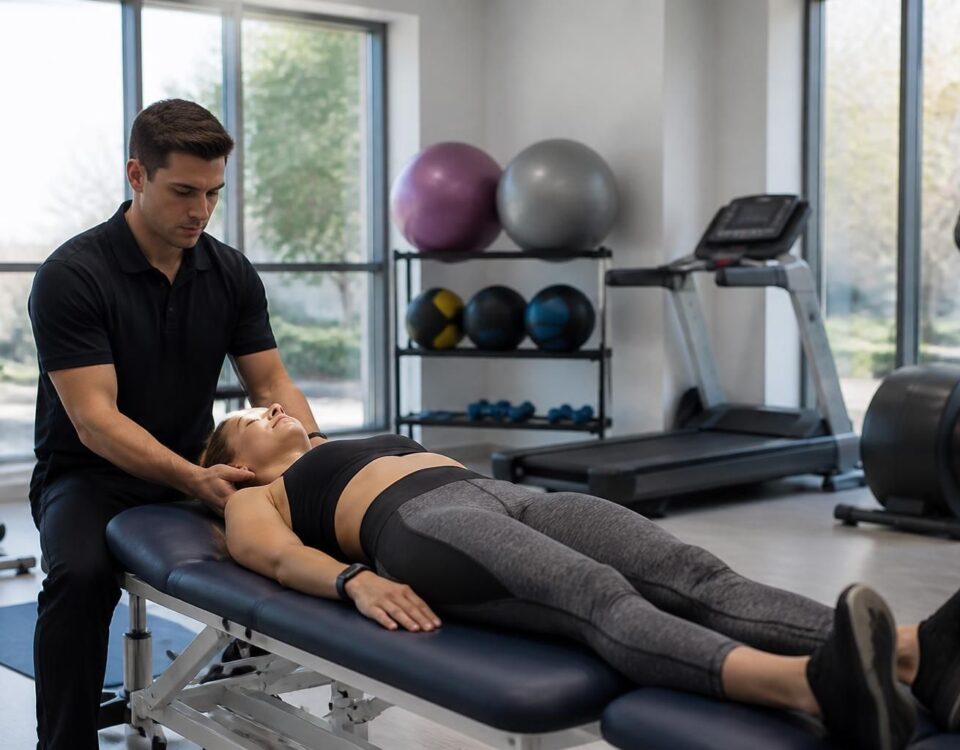
Neurovertebral decompression and blood circulation: an unexpected benefit
26/06/2026
How neurovertebral decompression affects diffuse chronic pain
26/06/2026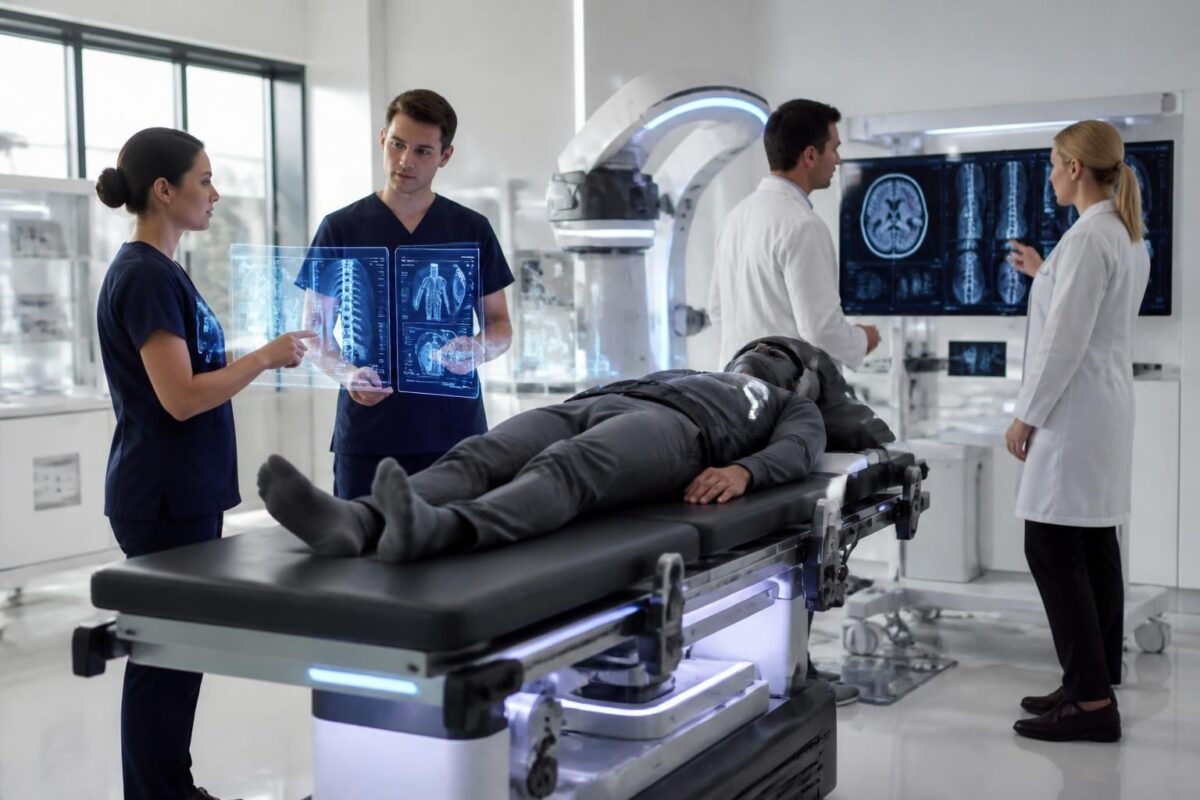
In short
| In short, Modern techniques for neurovertebral decompression constitute a Non-invasive approach who uses a Soft and controlled traction To increase the intervertebral space and reduce the pressure on the discs and nerves. In Montreal, this service is particularly recommended for Lower back pain and the herniated discs. The main advantages include a Quick and lasting relief, a Mobility found and one Personalized follow-up thanks to Adaptive algorithms and a multimodal approach (physiotherapy, osteopathy). Operation is based on advanced devices that adjust Real-time traction force and duration and integrate biofeedback systems to optimize comfort and results, without surgery. |
The Modern techniques of neurovertebral decompression are distinguished by an approach non-invasive and personalized, focused on the relief of spinal pain and the improvement of mobility. advanced devices, such as controlled traction systems, create an intervertebral space and reduce pressure on discs and nerves, while ensuring a session Smooth and targeted.
These treatments are based on Adaptive algorithms and one biofeedback in real time to adjust the strength and the duration traction during each session. The use of Artificial Intelligence Optimizes protocols according to individual needs. They are part of an approach multimodal combining Physiotherapy, osteopathy And, when relevant, Complementary therapies like shock waves or laser. The neuromodulation Via technologies such as pulse vibrations also contributes to improving muscle tone and overall recovery.
Digital monitoring and regular assessments allow for adjustment of protocols and documenting progress, while focusing on prevention recurrences through postural education and targeted exercises.
Quick summary. This article, written by a health professional and expert in osteopathy, describes modern techniques to maximize results in neurovertebral decompression. It explains the devices and traction parameters, the use of adaptive algorithms and the role of a multimodal approach. Patient follow-up and recurrence prevention are highlighted. Tagmed clinical resources and associated technologies serve as a practical framework for safe and effective application.
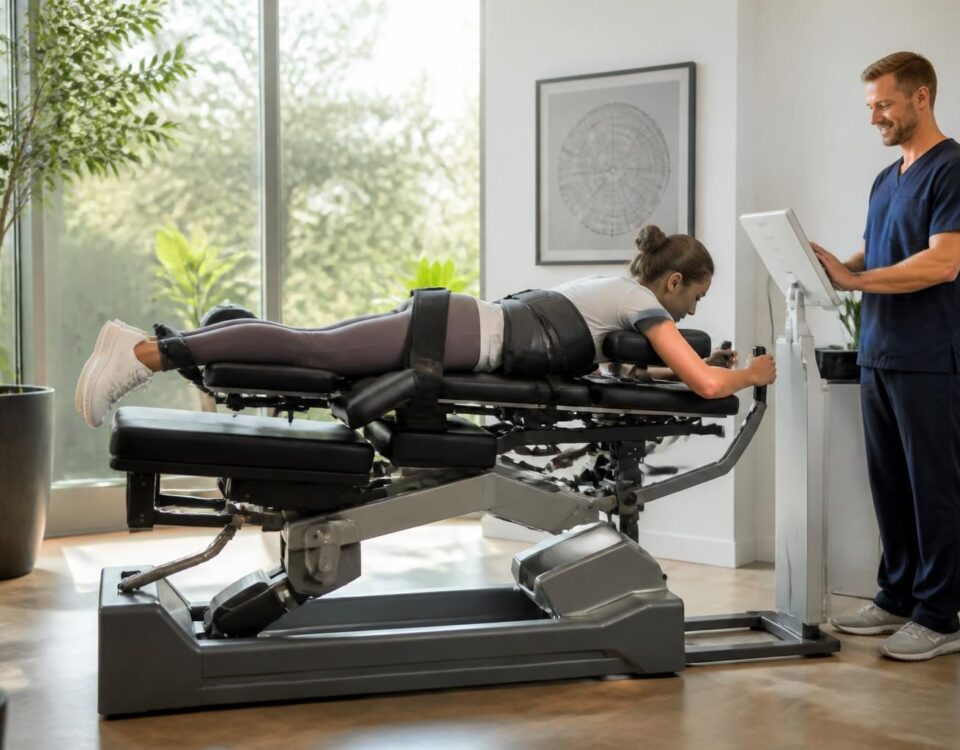
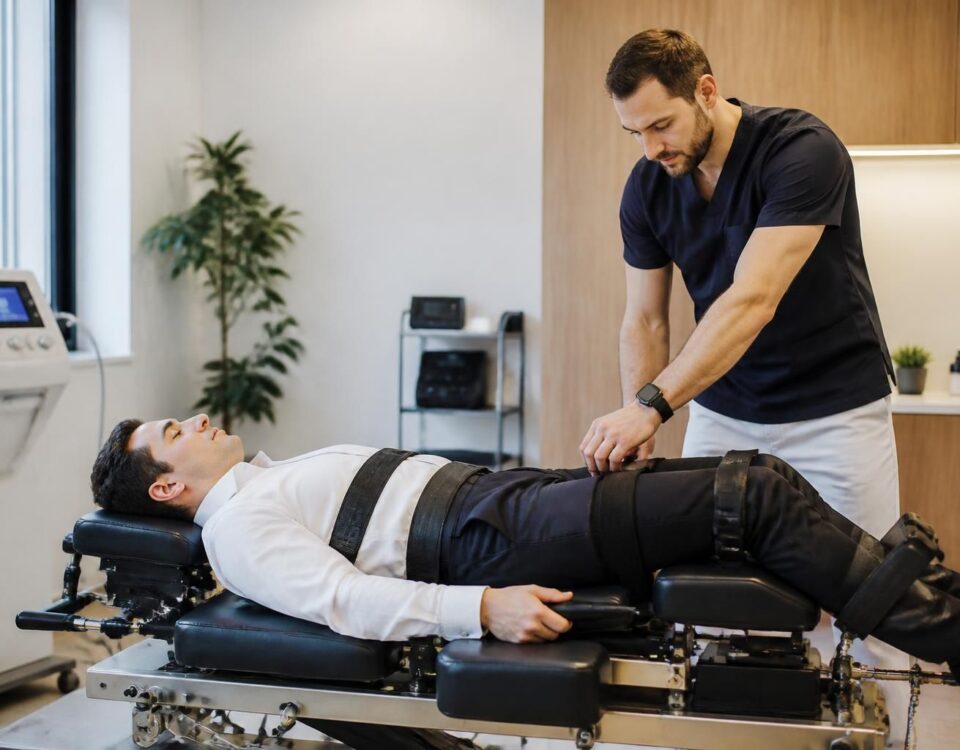
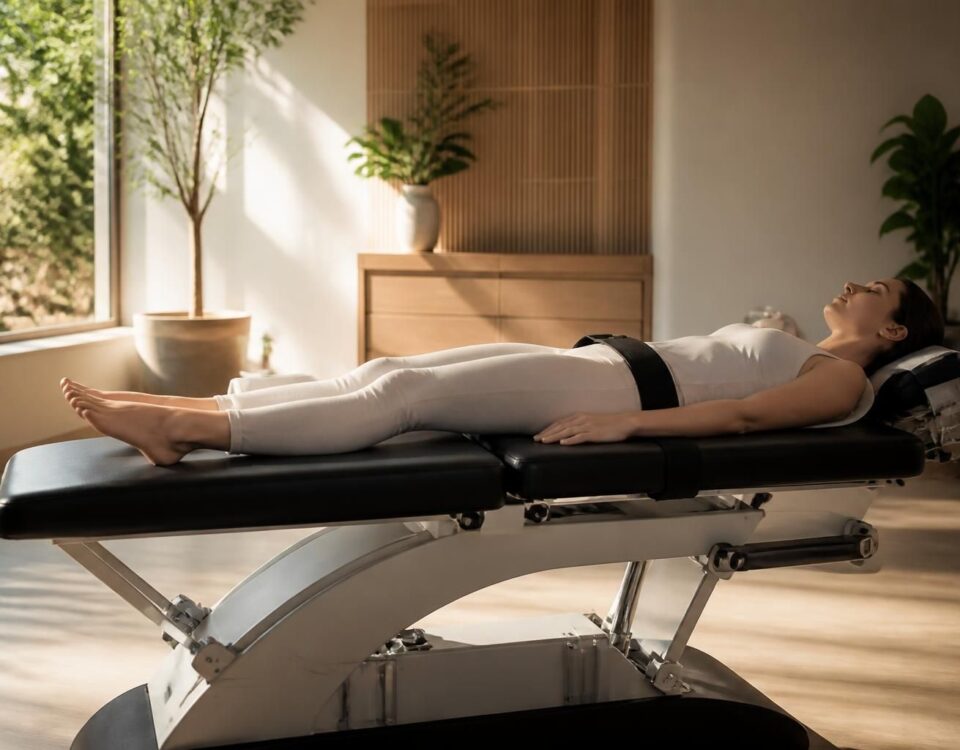
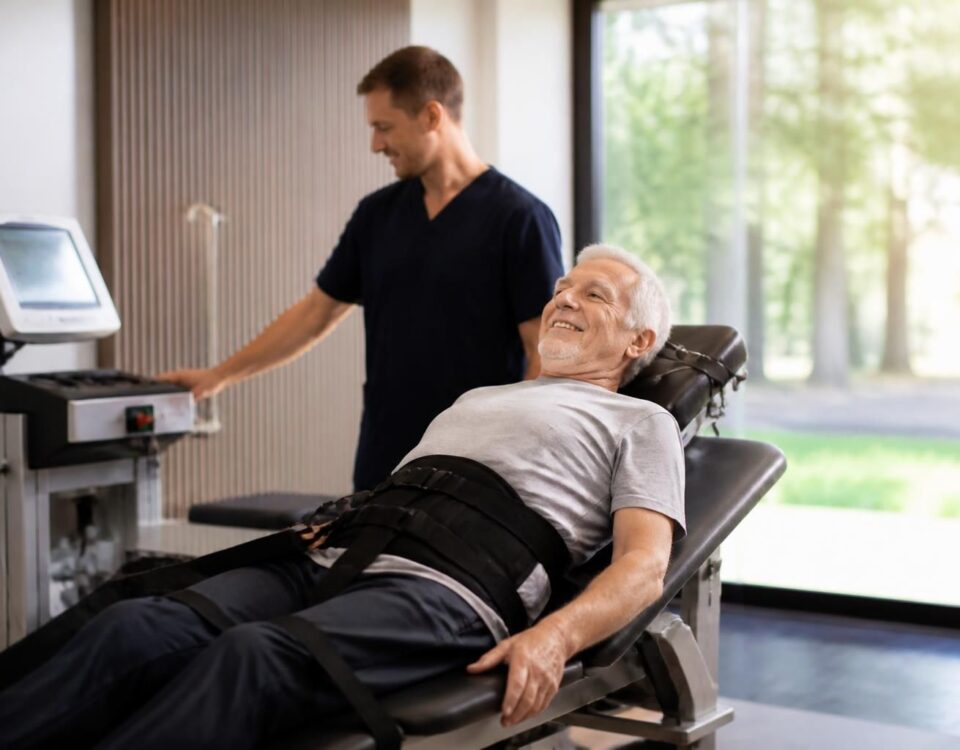
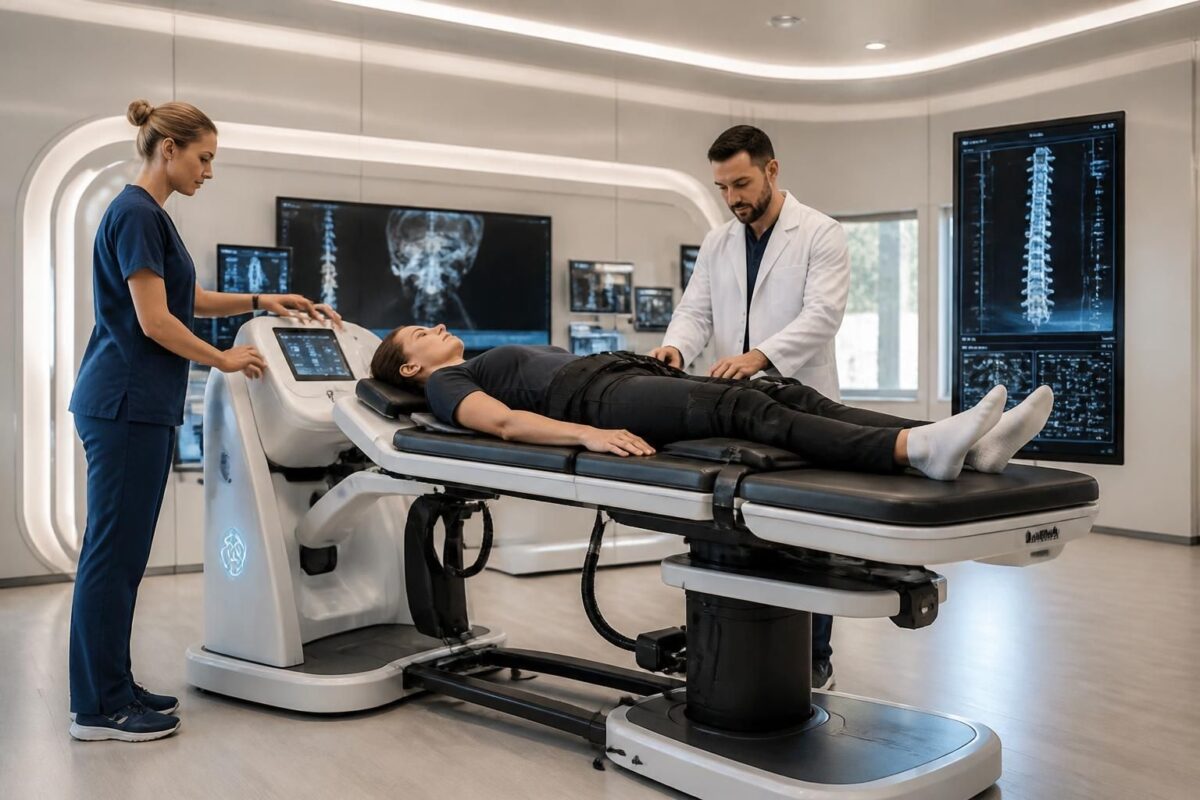
Neurovertebral decompression is based on gentle and precise traction applied to the spine. Modern devices adjust the force and duration of traction in real time. This measurement ensures an increased posterior space between the vertebrae and a reduction in the pressure on the nerves. The goal is to achieve lasting relief with minimal discomfort.
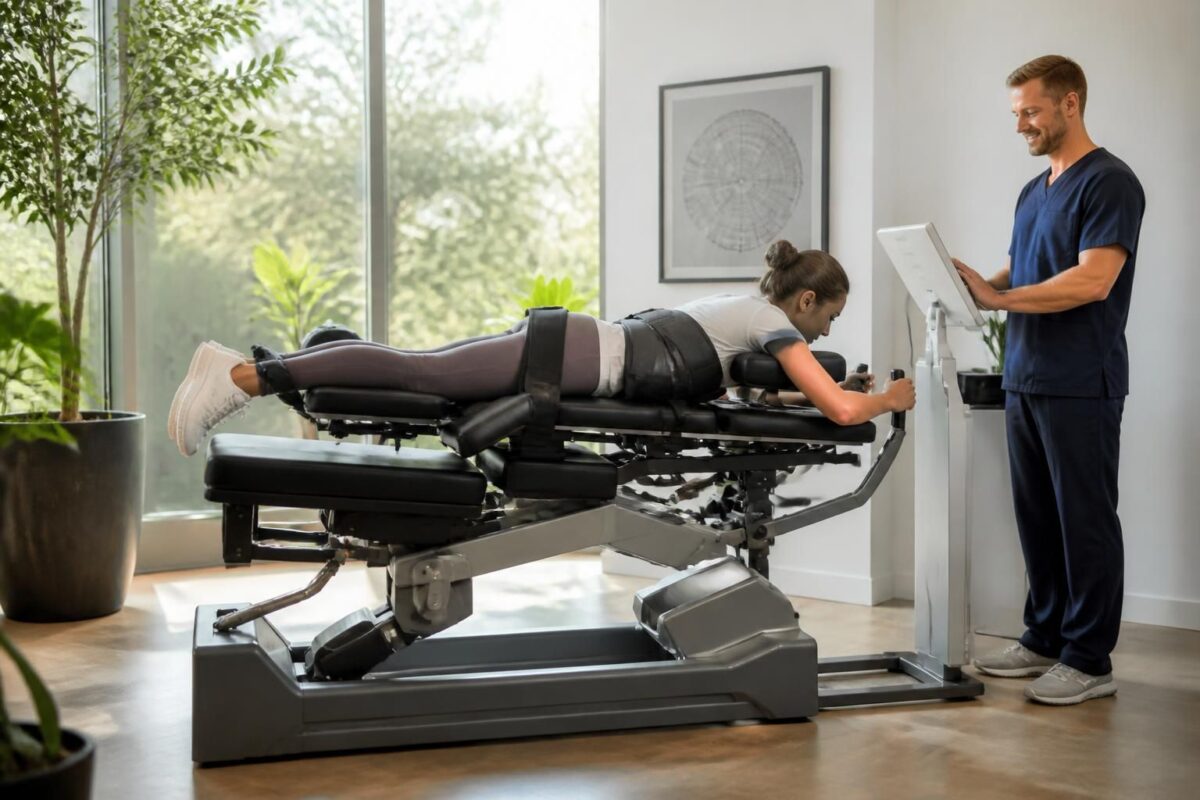
Devices and settings important contribute to the success of the treatment. Targeted traction systems, such as specialized tables, allow controlled and personalized stretching for each patient. Adaptive algorithms measure reactions and adjust parameters during the session. This promotes a comfortable and clinically effective session. For information on the integration of modern techniques, you can consult the dedicated resources on Gently relieve and Innovations for disc pinching.
Recommended devices Include advanced traction systems and platforms that ensure stable positioning. The choice of device reflects the patient’s profile and pain location. The common goal is to improve the intervertebral space and improve local circulation to promote tissue recovery.
For professionals and patients, access to reliable clinical resources is essential. Additional information on technologies and protocols can be explored via specialized resources in the fields of neurovertebral decompression and associated pathologies, including articles describing modern techniques and clinical results.
Adaptive algorithms and artificial intelligence
modern systems integrate Adaptive algorithms which measure the patient’s pain, comfort and tolerance during the session. These algorithms adjust the traction parameters in real time, allowing for personalized and more efficient processing. theartificial intelligence Analyzes historical clinical data and current responses to optimize future protocols and reduce periods of post-treatment pain.
Personalization is enhanced by digital tracking, which documents progress and guides protocol revisions. This approach contributes to a faster reduction of symptoms and an improvement in overall mobility.
To deepen these aspects, specialized resources in traction technologies and AI-based methods exist in areas dedicated to neurovertebral decompression and pain management.
Multimodal approach and monitoring
Decompression is not done in isolation. It fits into a Multimodal approach which includes osteopathy and non-invasive complementary therapies, such as shockwave therapy and laser. This combination aims to strengthen the efficacy of the main treatment and promote a more complete recovery.
Regular follow-up is essential. Repeated evaluations allow you to adjust settings and document improvements. At the TagMed clinic, the follow-up is part of a structured framework to ensure that the protocol remains adapted to the patient’s progressive needs.
Prevention elements also play a key role. Posture education and lifestyle advice help maintain gains and reduce the risk of recurrence. For information on protocols and multimodal approaches applied in practice, see the associated resources in the areas of neurovertebral decompression and associated pathologies.
Integration of clinical technologies and resources
Recent advances combine controlled traction and associated technologies to improve results. Non-invasive systems and complementary therapies can be coherently integrated into the care provided at the TagMed clinic in Montreal and Terrebonne. To access resources and protocol examples, see the following resources:
- Complete approach to joint mobility
- Gently Relieve – Muscle Tensions
- Decompression Handling – What You Need to Know
- Neurovertebral Decompression – General Resources
- Innovations for disc pinching
- Tagmed Clinic
Information resources and clinical studies complement the approach, with a focus on evidence-based practices and patient safety. For extracts and technical details, the official resources of recognized training institutions in osteopathy, such as NUMSS and NAO, can be consulted when relevant.
For more general information about the technologies and protocols used in neurovertebral decompression, you can consult the resources in the specialized areas and authorized sites mentioned above.
Medical Disclaimer: The information and advice provided on this site does not replace the health professional’s diagnosis or treatment. Please note that Dr. Sylvain Desforges osteopath is neither a doctor of medicine nor a doctor, and is not a specialist in a medical specialty as defined by the Collège des Médecins du Québec. Manual medicine, functional medicine and sports medicine as described on this site exclude any medical treatment or diagnosis made by a doctor or specialist doctor. Always consult your doctor for any medical questions. For more details, please read our full legal notice.
- Custom Protocol adapted in real time thanks to Adaptive algorithms and an Controlled traction.
- state-of-the-art (DRX9000™ or equivalents) for a Targeted traction and of comfort.
- Artificial intelligence and Data analysis to optimize protocols.
- biofeedback and Digital tracking to adjust the settings in real time.
- Complementary non-invasive therapies (laser, shock waves, neuromodulation) integrated into the plane.
- screening and Custom Plan decompression.
- Regular follow-up To assess progress and Adjust protocols.
- Multimodal approach with osteopathy, physiotherapy and reinforcement.
- Education and prevention: Ergonomics and exercises at home.
- Comfort and safety: sessions tolerated and painless, adapted to the patient.

This article presents concrete recommendations to maximize results in neurovertebral decompression. It focuses on personalized evaluation, the use of advanced technologies, the integration of multidisciplinary work and the crucial role of patient education in achieving lasting improvements without surgical recourse.
Protocol assessment and customization
To optimize decompression, start with a Accurate evaluation Pain and mobility limitations, supplemented by clinical examination and history. Determine the areas to target and the initial traction parameters based on each patient. Use it biofeedback and subjective returns to immediately adjust the session and guarantee maximum comfort. a treatment profile individualized Must be developed and revised at each stage of therapy, in order to gradually improve tolerance and efficacy.
The long-term benefits of neurovertebral decompression for spinal health
In short In short, the neurovertebral decompression is a non-invasive approach that decreases the Pressure on intervertebral discs and nerves, favoring the Natural regeneration and tissue recovery. Its long-term benefits include Lasting pain reduction, Improving mobility and from the posture,…
Advanced technologies and targeted traction
Modern techniques are based on sophisticated devices that offer a Soft and controlled traction of the spine. The use of a systemAdaptive algorithms Allows you to adjust the force and duration of the traction in real time, depending on the patient’s response, which optimizes comfort and results. The objective is to increase the intervertebral space and reduce the pressure on the nerves, while preserving tissue integrity and avoiding painful sensations during the session.

Neurovertebral decompression and mobility: a return to an active life
In short In short, the neurovertebral decompression is therapy non-invasive who uses a gentle traction To create a space between the vertebrae and reduce the pressure on the Intervertebral discs and the nerves. It promotes a bloodstream improved, lowers tension…
Artificial intelligence and real-time tracking
Integrate elements ofartificial intelligence In the protocols, you can analyze the clinical data and refine the protocols over the sessions. Digital tracking offers traceability of progress and facilitates quick adjustments. This approach Data centered Increases efficiency, increases patient engagement and accelerates return to functionality.
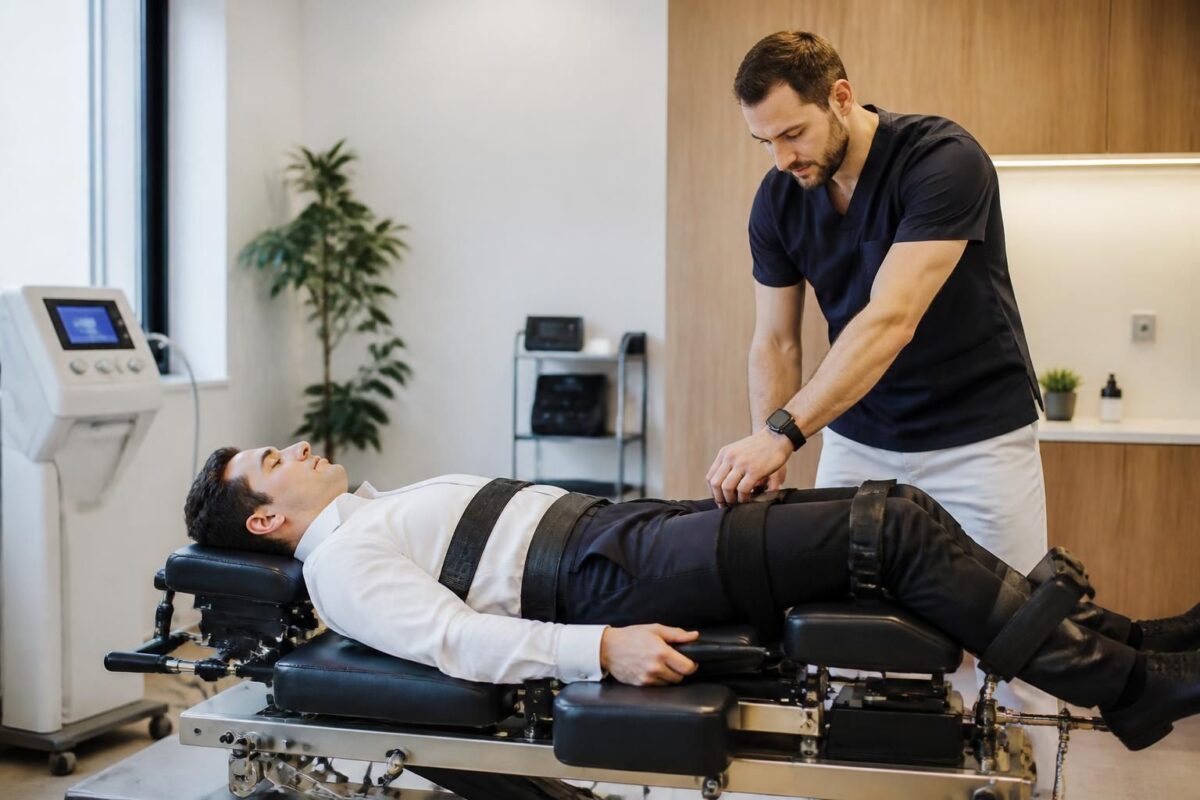
How Neurovertebral Decompression Prevents Diffuse Chronic Pain
In short decompression neurovertebral is one Non-invasive method aimed at reducing the Pressure on the intervertebral discs and the nerves, in order to prevent Diffuse chronic pain. It improves the circulation and thedisc hydration, decreases inflammation and promotes better mobility.…
Multimodal approach and coordination of care
To maximize profits, combine decompression with additional modalities such as physiotherapy, theosteopathy and associated non-invasive therapies (e.g. shock wave therapy or laser therapy). This approach multimodal Targets both symptoms and underlying causes, improves local circulation and promotes tissue regeneration. One Coordinated care plan Ensures smooth progression and prevents relapses.
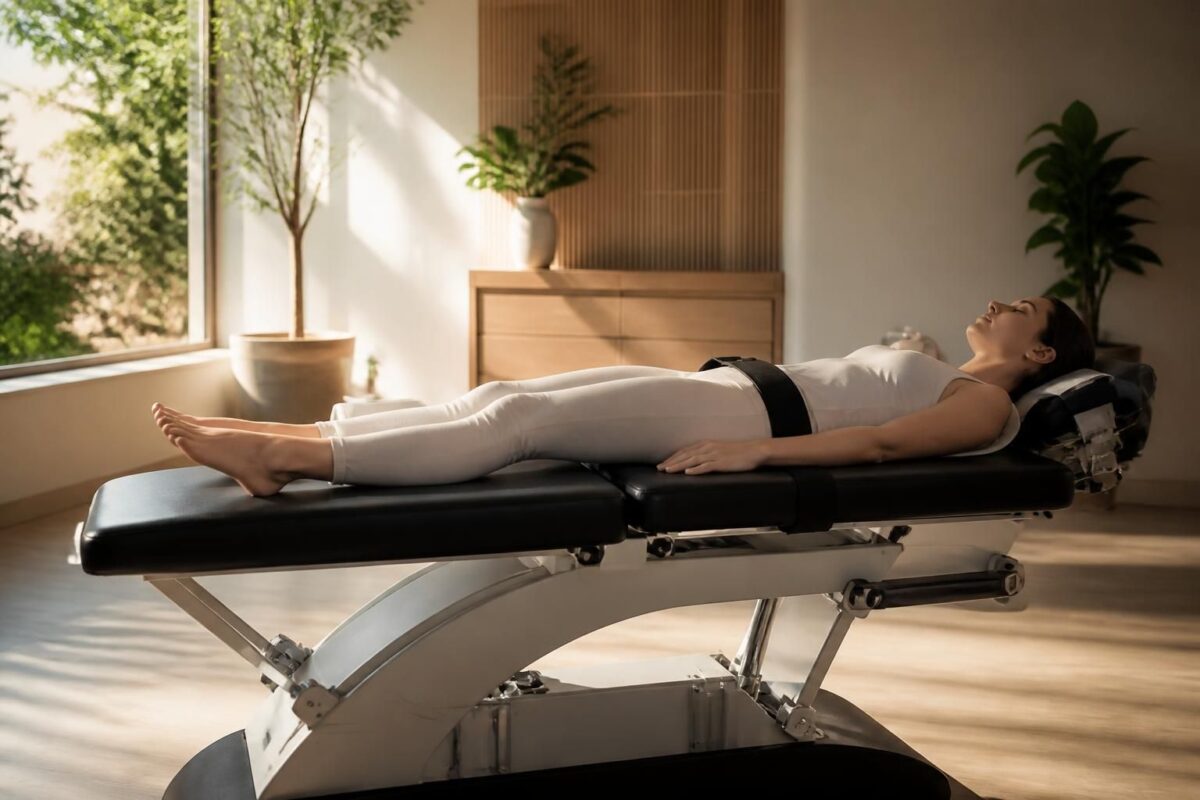
Neurovertebral Decompression and Body Alignment: Restoring Natural Balance
In short In short, neurovertebral decompression is one Non-invasive approach who restores theBody Alignment and thenatural balance back and neck. She acts by a Controlled traction of the spine to widen the intervertebral space and reduce the Pressure on discs…
Protocol prototype and dynamic adjustments
Establish clear but flexible protocols. Initiate a series of sessions with progressive parameters, then systematically re-evaluate the results and tolerances. adjust the duration, frequency and Intensity traction based on clinical feedback and objective measurements. The goal is to achieve quick and lasting improvements while maintaining an optimal level of comfort during each session.
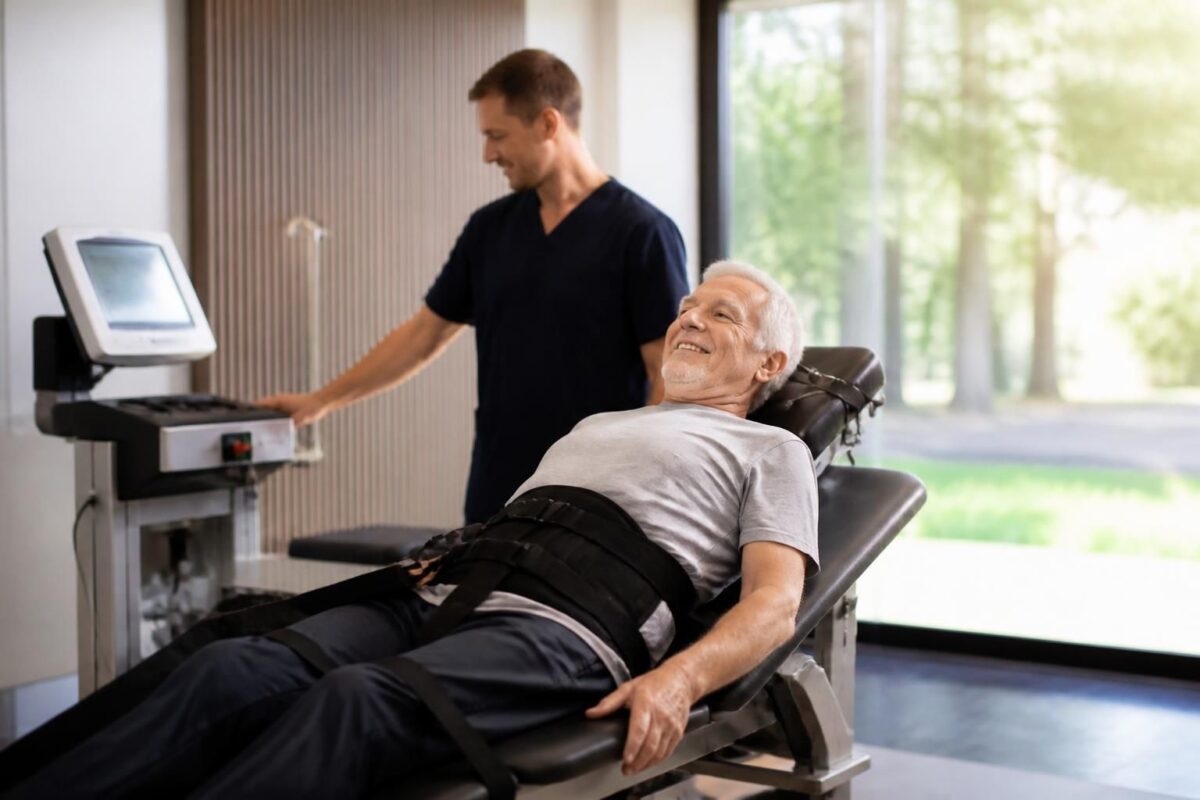
Why neurovertebral decompression is a lasting solution for active seniors
In short In short, the neurovertebral decompression is one Non-invasive therapy which sustainably relieves spinal pain in the spine active seniors By creating, by a Soft and controlled traction, a space between the vertebrae. At Montreal, it is recognized as…
Education, posture and prevention
A key part of success is based on patient education. Offer tips fromergonomy and targeted exercises to strengthen support muscles and improve posture on a daily basis. Raise awareness of recurrent pain prevention and adoption of a lifestyle that supports the benefits of decompression, in order to prolong the results between sessions.
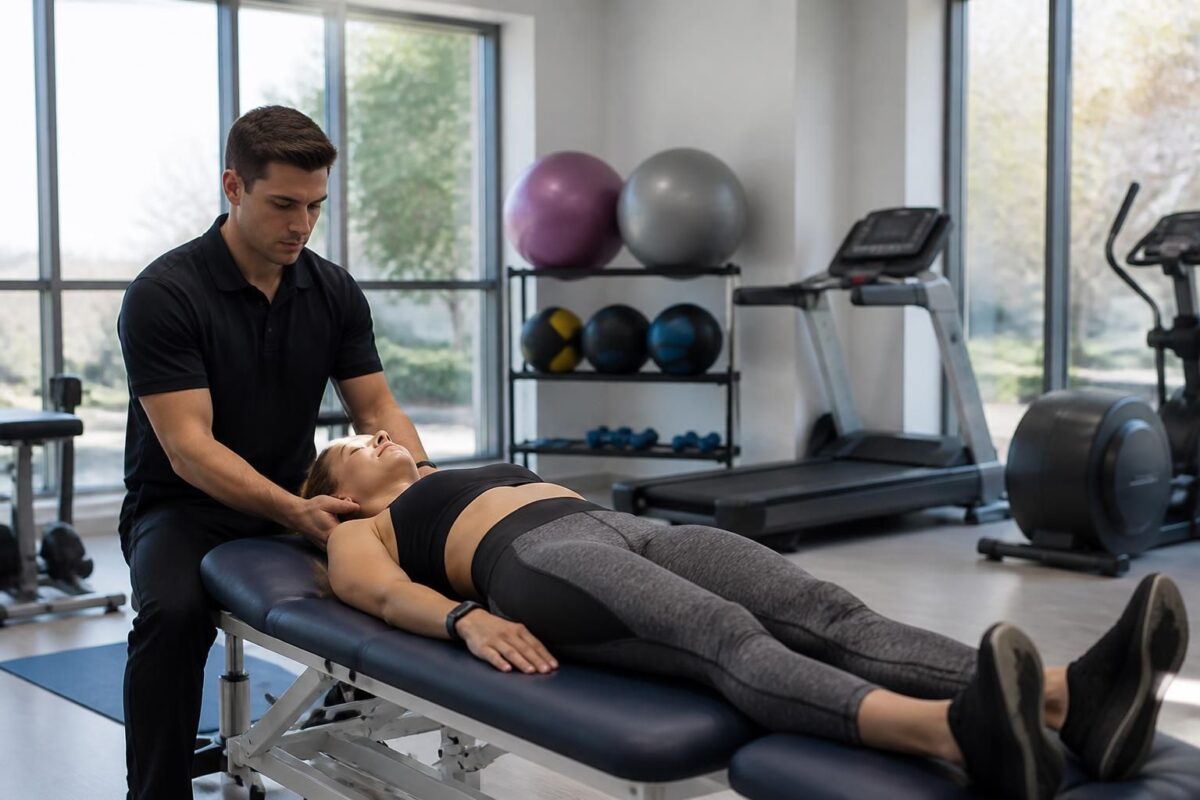
Neurovertebral decompression and recovery after severe sports injury
In short In short, the neurovertebral decompression is one Non-invasive method to Relieve the pressure on the Intervertebral discs and the gristle Via a Controlled traction, to facilitate the recovery After a severe sports injury. It improves the bloodstream towards…
Wellness and safety monitoring
Hold a Regular follow-up symptoms, functional progress and possible adverse effects. Document progress and adjust protocols accordingly to ensure Optimal security and continuous efficiency. Integrating periodic assessments confirms the sustainability of improvements and adapts the plan of care according to clinical developments.
Recent innovations in neurovertebral decompression technologies
In short In short, the neurovertebral decompression is an approach non-invasive Aiming to reduce pressure on discs and nerves, and promote tissue regeneration. At Montreal, it is positioned as an effective option for lower back pain and herniated discs. The…
Modern techniques to maximize results in neurovertebral decompression
| Technical | Effect and profit |
|---|---|
| Adaptive and targeted traction | Targeted and adaptive traction in real time, reducing disc pressure and improving the intervertebral space. |
| Adaptive algorithms and AI | Data analysis and automatic adjustment of parameters for a custom protocol. |
| Digital tracking and biofeedback | Real-time monitoring and body feedback to optimize efficiency and document progress. |
| Multimodal approach | Integration with physiotherapy and osteopathy to increase efficacy and prevent recurrences. |
| Complementary non-invasive therapies | Laser and shock waves accelerate recovery and promote tissue regeneration. |
| Neuromodulation Pulse Align | Stimulation of mechanoreceptors to reduce tension and improve proprioception. |
| Pre-therapeutic evaluation | Imaging and clinical examination to precisely target the protocol and adjust the parameters. |
| Safety and non-invasiveness | Risk reduction and avoidance of surgical procedures while ensuring comfort. |
| Education and prevention | Posture treatment advice on posture and exercises to maintain benefits and prevent future pain. |
Neurovertebral decompression and diffuse pain: an appropriate solution
In short In short, the neurovertebral decompression is one Non-invasive solution For diffuse pain related to nerve irritation of the spine. She acts in Reducing pressure on intervertebral discs and nerves and improving the bloodstream, which promotes recovery and the…
Testimonials on modern techniques to maximize results in neurovertebral decompression
“After months of lower back pain, I started neurovertebral decompression. The treatment uses a Soft and controlled traction and the Adaptive algorithms Adjust strength and duration session after session. In a few weeks, the pain reduced and the mobility came back significantly. »
“What convinced me was the character multimodal of the protocol: decompression associated with the laser and to shock waves, with a Regular follow-up who personalizes the sessions. The results speak for themselves: decreased inflammation and faster recovery, without pain during exercises. »
“technology Pulse Align, with its Pulse Vibrations targeting mechanoreceptors, improved the muscle tone and the mobility. It’s an approach non-invasive which allowed me to progress without discomfort and with better postural stability. »
“The use ofartificial intelligence to guide the protocols allows you to follow my Real-time progress and get a Personalized treatment who evolves with me over the sessions. »
“For athletes and active people, this method is also an option preventive: Regular sessions improve thealignment and reduce the risk of relapse. I was able to resume my activities without pain and confidence. »
“The Digital tracking And the associated rehabilitation exercises consolidated the gains. Ergonomic advice and targeted reinforcement helped me maintain the long-term benefits; It’s an approach holistic and effective. »
Modern techniques to maximize results in neurovertebral decompression
In the field of neurovertebral decompression, modern techniques are based on a combination of advanced technologies and a personalized approach, aimed at optimizing patient relief and mobility. Dr. Sylvain Desforges, expert in osteopathy, naturopathy and manual medicine, embodies this dynamic by guiding the TagMed clinics and the ACMA association towards a practice centered on evidence and sustainable well-being. His work illustrates how a non-invasive decompression can transform the lives of patients with spinal pain.
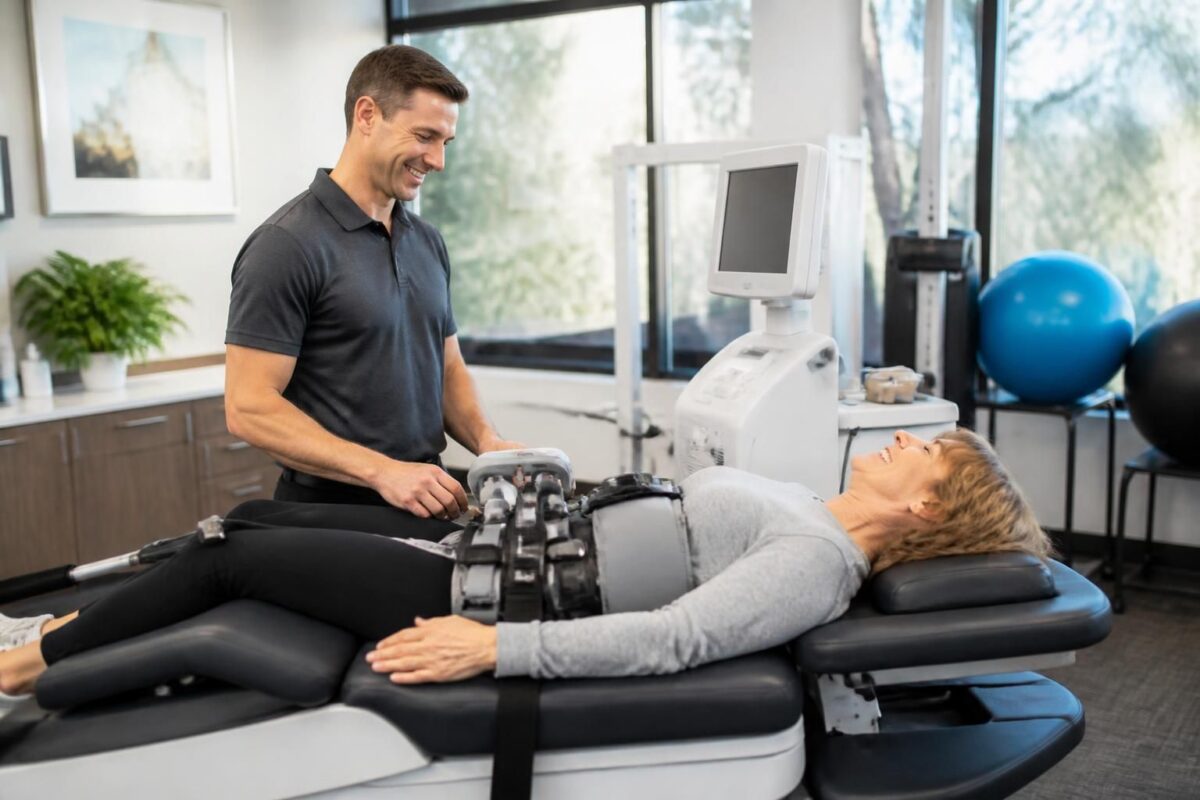
the most efficient traction devices allow a Soft and controlled traction on the column, gradually increasing the intervertebral space and reducing the pressure on the nerves. Systems like the DRX9000™ incorporate real-time adjustable parameters and sensors that measure body reactions to adapt the strength and duration of each session. This approach personalized Ensures optimal comfort and faster results, while minimizing risks and side effects.
At the heart of this progress, Adaptive algorithms play a key role. They analyze clinical responses, adjust traction and calibrate protocols for each patient, based on the evolution of pain and mobility. This dynamic customization makes it possible to precisely target the painful areas and optimize the effectiveness of the treatment from the first sessions.
Modern decompression is non-invasive and is part of a multimodal approach. By associating spinal traction with complementary therapies such as laser and shock wave therapy, blood circulation, tissue regeneration and inflammation reduction are stimulated. Approaches like neuromodulation, for example via Pulse Align, use vibrational impulses to improve muscle tone and postural balance, making treatment more comfortable and lasting.
Dr. Desforges also emphasizes the followingi digital and l(artificial intelligence) in the development of protocols. Clinical data collected during and between sessions feed models that predict future responses and suggest proactive adjustments. This approach makes it possible to obtain Optimized results And to support the patient in a measurable progression towards regained mobility and a lasting reduction in pain.
To ensure lasting excellence, teaching and research play a central role. Dr. Desforges encourages an evidence-based philosophy, with clear protocols, success criteria and continuous assessment of results to refine practices and inform the medical community about the effectiveness of the technologies used.
This vision multidisciplinary is based on close collaboration with physiotherapy, losteopathy and complementary therapies such as shock waves and laser. This synergy makes it possible to combine decompression with targeted exercises, myofascial relaxations and mobilization techniques to restore mobility and prevent relapses. Emphasis is placed on patient education and program adjustment based on functional feedback and evolving capabilities.
In short, modern techniques to maximize neurovertebral decompression results are based on precise and adaptive traction, the integration of non-invasive complementary therapies and analytical follow-up guided by artificial intelligence, all supported by an interdisciplinary approach focused on Evidence and continuous improvement of clinical protocols.
This conclusion presents modern techniques to maximize results in neurovertebral decompression, focusing on protocol customization, use of advanced technologies and the integration of complementary approaches. It summarizes the key levers to improve pain, mobility and quality of life while favoring a non-invasive and evidence-based approach.
Successful treatment is based above all on a Push customization protocols. Each session is designed from a full initial assessment, to determine the optimal parameters of Controlled traction and adjust these parameters in real time using Adaptive algorithms and, when relevant,Artificial intelligence. This approach guarantees maximum comfort during sessions and faster and lasting results, adapted to the specific patient profile.
State-of-the-art technologies play a central role in optimizing results. devices like the DRX9000 And next-generation decompression tables allow targeted and adjustable traction, with a biofeedback system that adjusts strength and duration in response to body reactions. This combination of precision and softness minimizes discomfort while maximizing efficiency on intervertebral discs and adjacent nerves. Decompression thus becomes a personalized and comfortable experience, focused on measurable results.
A multimodal and integrated approach is essential to amplify treatment efficacy. by associating Complementary therapies such as the laser therapy, the shock waves, and the systems of neuromodulation As Pulse Align, circulation is stimulated, promoted tissue regeneration and optimizes functional recovery. This synergy with physiotherapy and osteopathy sessions reinforces the sustainability of the benefits and helps prevent painful recurrences.
Continued monitoring and evaluation is the basis for any sustainable progression. One Digital tracking Enables monitoring of progress in real time, adjusting protocols and documenting clinical improvements. This follow-up, associated with transparent communication between the patient and the therapist, contributes to maintaining adherence to the care plan and adapting the interventions according to the evolution of symptoms and mobility.
Beyond the actual treatment, education and prevention occupy a key place. Advice on ergonomics, targeted exercise programs and healthy lifestyles help maintain the benefits and reduce the risk of relapse. Correct posture, strengthening exercises and active pain management are part of a proactive approach that promotes sustainable recovery and a better quality of life.
Finally, the effectiveness of modern techniques of neurovertebral decompression is based on an ethical and evidence-based approach. The objective is to avoid invasive treatments when possible and to favor documented, safe and individualized protocols. This philosophy, combined with interdisciplinary collaboration and the continuous integration of technological innovations, positions neurovertebral decompression as a reliable and lasting option for patients with spinal pain and mobility limitations.
To deepen, see the following resources that detail the technologies, protocols and benefits of neurovertebral decompression: Advanced technologies in neurovertebral decompression equipment, Neurovertebral Decompression – Current Protocols and Efficacy, Benefits for amateur athletes, How decompression helps relieve sciatic pain, Modern techniques explained, techniques used in the sessions, Key steps for successful treatment, Current Protocols – Deepening, Psychological benefits.

Dr Sylvain Desforges
Dr Sylvain Desforges, B.Sc., D.O., N.D., osteopath, is the founding president of TAGMED and of the ACMA association. He dedicates his practice to chronic spinal pain, low back pain and symptoms compatible with sciatica, particularly when pain radiates toward the buttock, leg, calf, foot or toes.
Through SOS Sciatique, he publishes educational content on sciatica symptoms, possible causes such as disc herniation, disc narrowing, foraminal stenosis or irritation of a lumbar nerve root, as well as non-surgical approaches that may be considered according to the evaluation. At Clinique TAGMED, care may include, depending on the case, motorized neurovertebral decompression, specific osteopathic care or precision percussion.
For an evaluation related to sciatica treatment in Montreal / Mount Royal or sciatica treatment in Terrebonne, please consult the services available at Clinique TAGMED.
Medical disclaimer
The information published on SOS Sciatique is provided for educational purposes only and does not replace a consultation, diagnosis, opinion or treatment provided by a physician or another authorized healthcare professional. The author of this article is neither a medical doctor nor a specialist in a medical specialty recognized by the Collège des médecins du Québec. The osteopathic, manual medicine or functional support approaches described on this site do not constitute medical acts and are not intended to replace medical follow-up.
Consult a physician or emergency service in cases of loss of bladder or bowel control, anesthesia in the saddle area, significant or progressive weakness in the leg or foot, fever, recent trauma, severe pain or rapid worsening of symptoms. For more details, please read our Legal Notice.