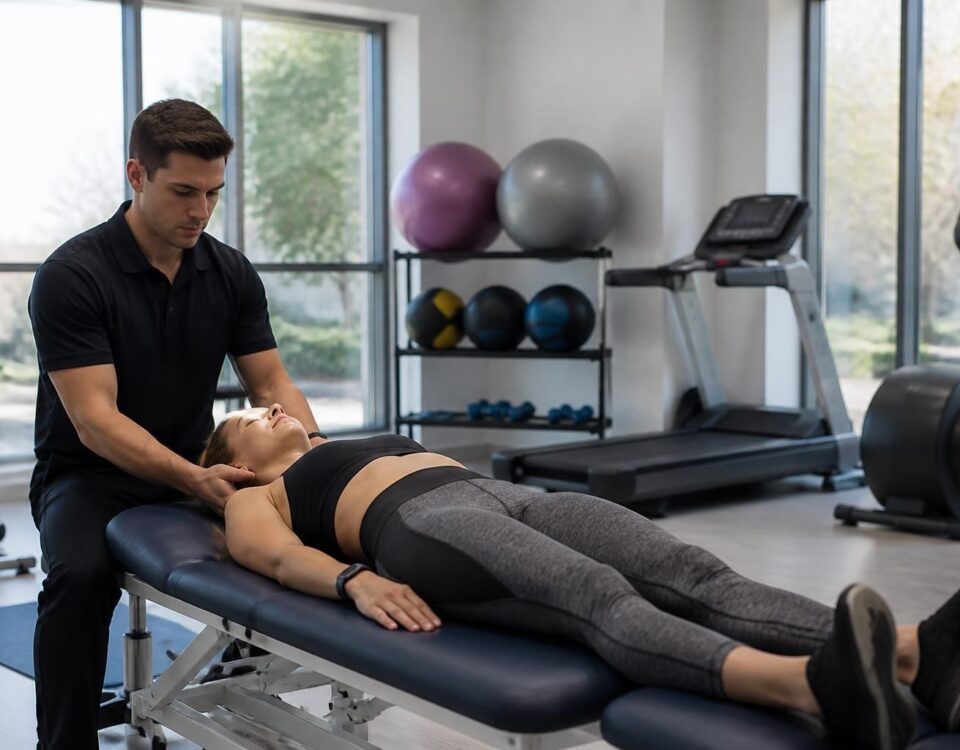
Neurovertebral decompression: a therapy suitable for all ages
26/06/2026
Neurovertebral decompression and neuropathic pain: innovative management
26/06/2026
In short |
In short, the neurovertebral decompression is one Non-invasive approach intended to relieve Spine pain and restore the mobility. This method is based on Key stages such as initial assessment, Precise diagnosis, Personalized treatment plan, Decompression techniques, Implementation and Regular follow-up. Its benefits main include a pain reduction, a Better mobility and an relapse prevention, while remaining painless and adapted to each patient. Accessible in Montreal, this service is particularly useful for pain lumbar and cervical And for those who wish to regain sustainable physical activity. |
Short summary of Key stages successful treatment in neurovertebral decompression :
- initial assessment : collection of history, symptoms and mobility to understand the origin of the pain.
- Precise diagnosis : Identification of the vertebral dysfunction and choice of appropriate investigations.
- Personalized treatment plan : Clear objectives and selection of decompression techniques adapted to the patient.
- Implementation of techniques : Controlled application of decompression under professional supervision, with appropriate material.
- Regular monitoring and adjustments : Periodic reviews and adaptation of the protocol according to the progress and reactions of the patient.
- Education and prevention : Information on treatment, home exercises and posture tips to prevent recurrences.
- Evaluation of results and reassessment : Measurement of improvements and revision of the plan to optimize the results in the long term.
This article, written by a health professional and expert in manual medicine, presents the Key stages successful treatment in neurovertebral decompression. It describes a clear and structured approach ranging from the initial evaluation to the follow-up, including the diagnosis, the design of a plan and the implementation of the techniques, all without surgical foray. Practical resources and clinical indications are offered to access quality care, including Tagmed Clinic.
Initial assessment and anamnesis
The first step is to collect the medical history and listen to the patient’s symptoms. The physical exam assesses mobility, limitations and pain. This step makes it possible to identify the origin of the pain and to determine any additional tests to guide the diagnosis and the treatment plan.
Precise diagnosis
After the evaluation, the diagnosis is made with clear criteria. The structures involved and the level of dysfunction are identified. Imaging examinations or other clinical assessments may be considered as appropriate to guide decompression techniques.
Personalized treatment plan
The treatment plan is designed for the patient and sets measurable and realistic goals. It specifies the duration of the program and the frequency of the sessions, as well as the decompression techniques to be used to achieve the desired results.
Implementation of decompression techniques
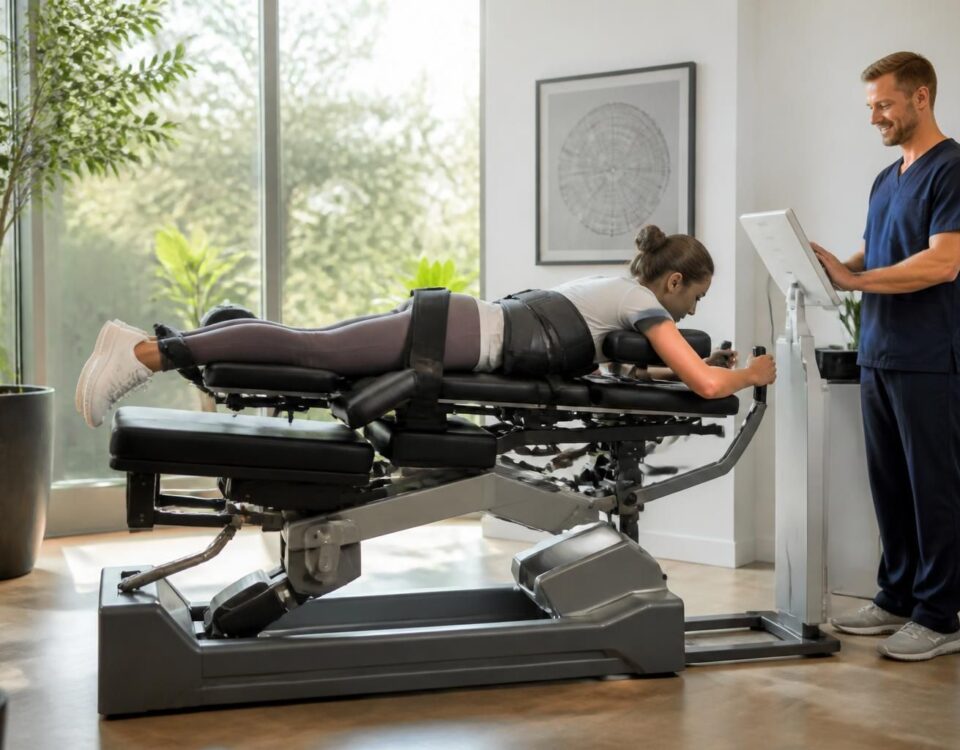
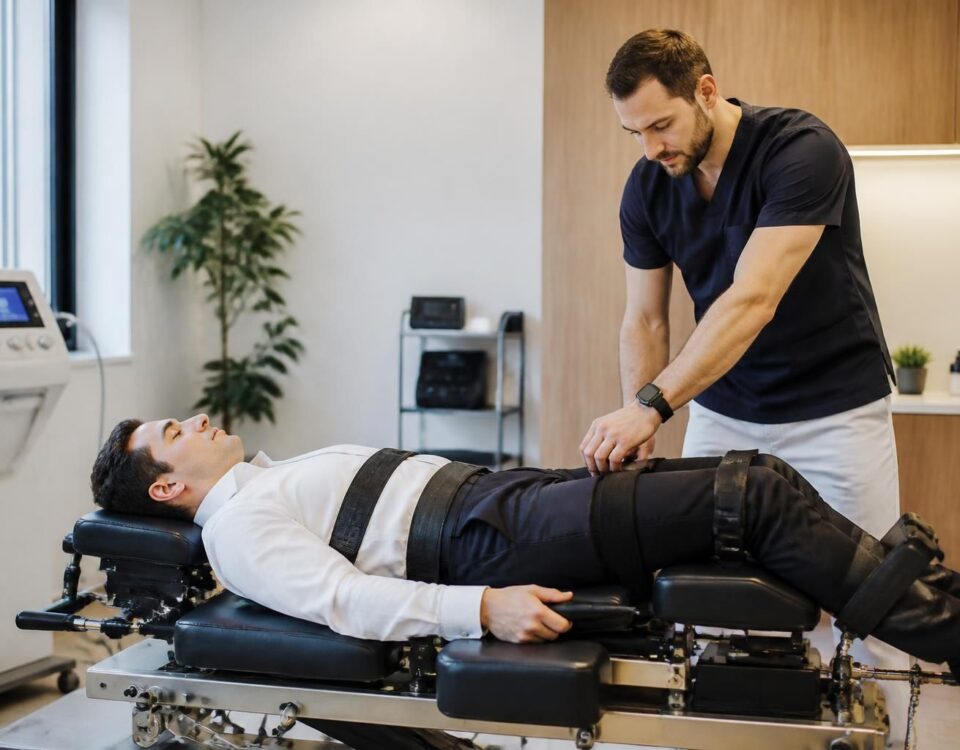
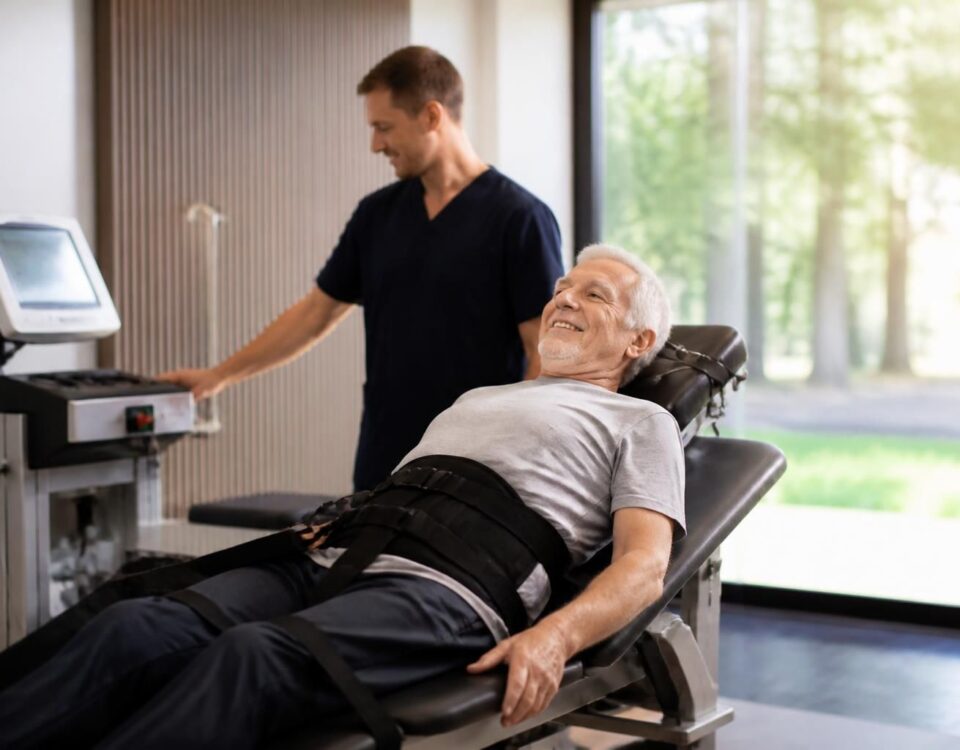
The operational phase includes the application of the chosen decompression techniques, carried out by a competent professional. The use of dedicated equipment allows controlled traction adapted to the patient’s condition, with priority of safety and comfort at each session.
Regular monitoring and adjustments
Monitoring is done at fixed intervals to assess the evolution of symptoms and adjust the program if necessary. Clear communication between the patient and the practitioner is essential for optimizing results and maintaining the course throughout the treatment.
Patient education and pain prevention
The patient is informed about the protocol, its role and preventive measures. Understanding the decompression mechanism and risk factors helps preserve results and reduce the risk of recurrence.
Re-evaluation and results
Regular evaluations of results allow for progress to be measured and the next steps are identified. This step ensures sustainable improvement and guides future decisions.
Comparative table of approaches
| Therapy | Benefits | Limitations |
|---|---|---|
| neurovertebral decompression | relieves pain without surgery; Improves intervertebral space; Sustainable functional improvement | Requires multiple sessions and follow-up; potential cost |
| Physiotherapy | General rehabilitation and functional support | Variable efficiency depending on the case; may be less effective for certain specific vertebral pathologies |
| Medication | Rapid symptom relief | masks symptoms and may cause side effects; Don’t fix the cause |
To deepen, See essential steps and consult the following resources on the subject: Neurovertebral decompression and chronic pain, How it helps to relieve sciatica, Steps to establish an effective program.
additional resources and information on the places of care, in particular at tagmed, can be consulted to better understand the care pathway and implementation steps.
Useful links and public resources: Why decompression is recommended, Innovative approach, Establish an effective program.
Reference and vocational training: Practitioners rely on recognized trainings such as Numss and Nao, and professionals work in relevant associative organizations such as ACMA and College of Canadian Osteopaths.
To learn more about the services available, visit Tagmed Clinic and neurovertebral decompression.
The treatment is accessible and practiced in dedicated clinical settings in Montreal and in the regions. The protocols followed are based on patient-centric and evidence-based approaches, while remaining consistent with professional standards and recommendations from the relevant associations.
Medical disclaimer: The information and advice provided on this site does not replace the advice, diagnosis or treatment of a healthcare professional. Please note that Dr. Sylvain Desforges osteopath is neither a doctor of medicine nor a doctor, and is not a specialist in a medical specialty as defined by the Collège des Médecins du Québec. Manual medicine, functional medicine and sports medicine as described on this site exclude any medical treatment or diagnosis made by a doctor or specialist doctor. Always consult your doctor for any medical questions. For more details, please read our full legal notice.
Axis: path from diagnosis to prevention
- initial assessment : collection of history and symptoms, clinical examination
- Precise diagnosis : Location of the vertebral dysfunction and nature of the problem
- Personalized treatment plan : Clear objectives and choice of adapted techniques
- Implementation of treatment : Application of decompression techniques and adjustments in session
- Regular follow-up : Periodic reviews and protocol adjustments
- Patient education : Explanation of the process, active role and practical advice
- Prevention and rehabilitation : Targeted exercises, postural advice and lifestyle
- Re-evaluation and results : Measuring improvements and planning next steps

This article presents the Key stages of one successful treatment in neurovertebral decompression and offers practical recommendations to maximize efficacy, from first contact to relapse prevention. Each step aims to personalize the program, track progress and promote better posture, regained mobility and lasting relief.
initial assessment
Analysis of history and symptoms
The first step Consists of collecting a detailed medical history, accurately describing pain and functional limitations, and evaluating the mobility of the back and neck. This approach makes it possible to identify the triggers and the possible objectives, while laying the foundations for a suitable and secure plan.
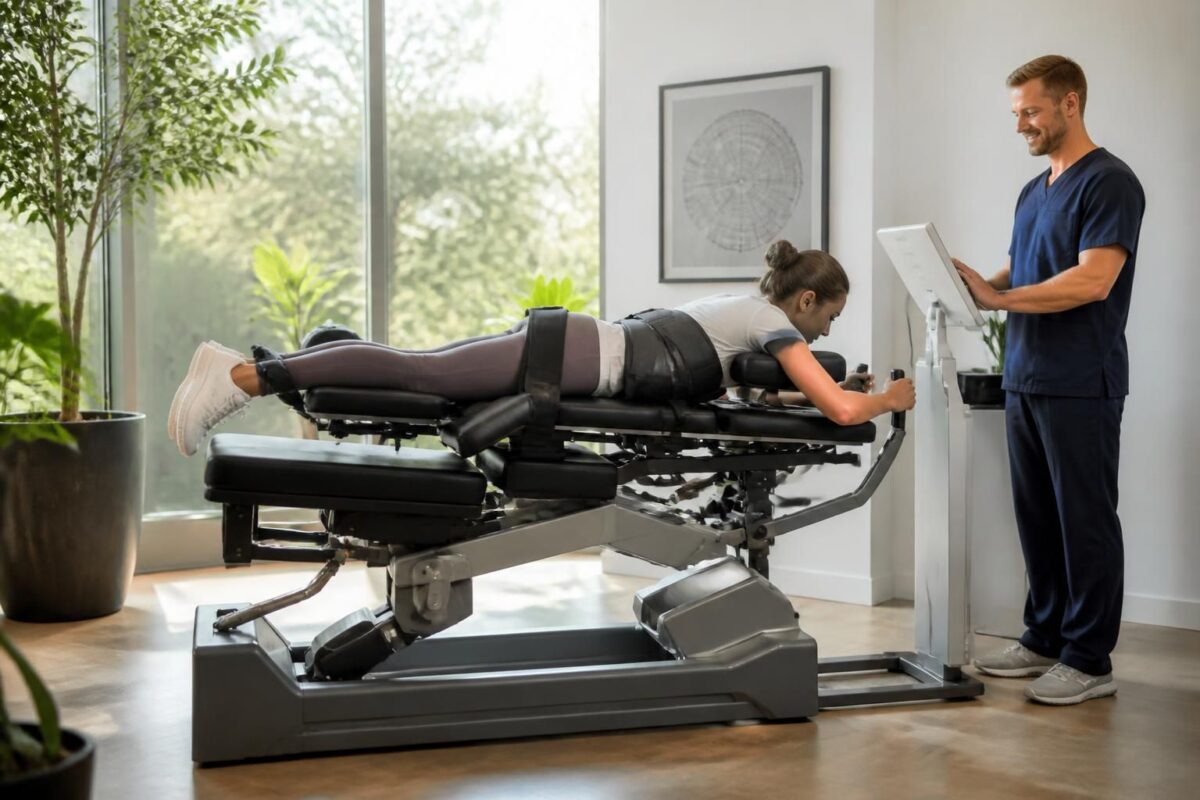
The long-term benefits of neurovertebral decompression for spinal health
In short In short, the neurovertebral decompression is a non-invasive approach that decreases the Pressure on intervertebral discs and nerves, favoring the Natural regeneration and tissue recovery. Its long-term benefits include Lasting pain reduction, Improving mobility and from the posture,…
Precise diagnosis
Identification of structures and causes
From the evaluation, a diagnosis is made specific vertebral dysfunctions (eg, disc diseases, stenosis or radiculopathy). Imaging examinations may be required to check the areas to be treated and guide the choice of the most appropriate decompression techniques.

Neurovertebral decompression and mobility: a return to an active life
In short In short, the neurovertebral decompression is therapy non-invasive who uses a gentle traction To create a space between the vertebrae and reduce the pressure on the Intervertebral discs and the nerves. It promotes a bloodstream improved, lowers tension…
Personalized treatment plan
Technical objectives and choices
SMART goals are defined — pain reduction, improved mobility, strengthening of spinal support — and developing a Custom Plan Integrating the appropriate decompression techniques, the frequency of the sessions, and the additional exercises to be carried out independently.
How Neurovertebral Decompression Prevents Diffuse Chronic Pain
In short decompression neurovertebral is one Non-invasive method aimed at reducing the Pressure on the intervertebral discs and the nerves, in order to prevent Diffuse chronic pain. It improves the circulation and thedisc hydration, decreases inflammation and promotes better mobility.…
Implementation of treatment
Controlled decompression and safety
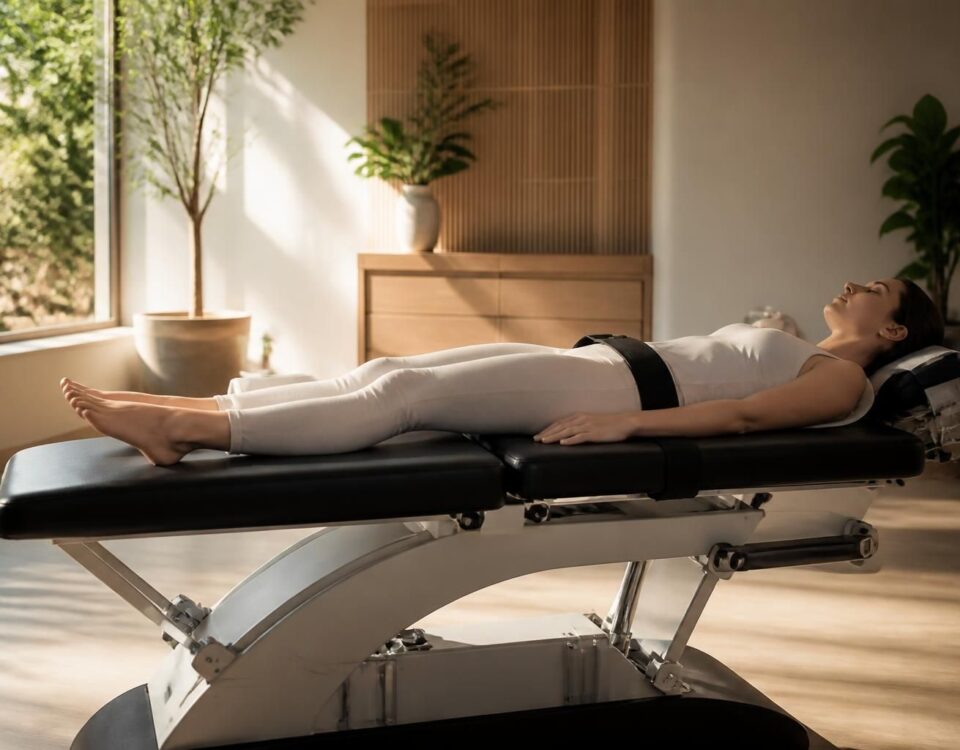
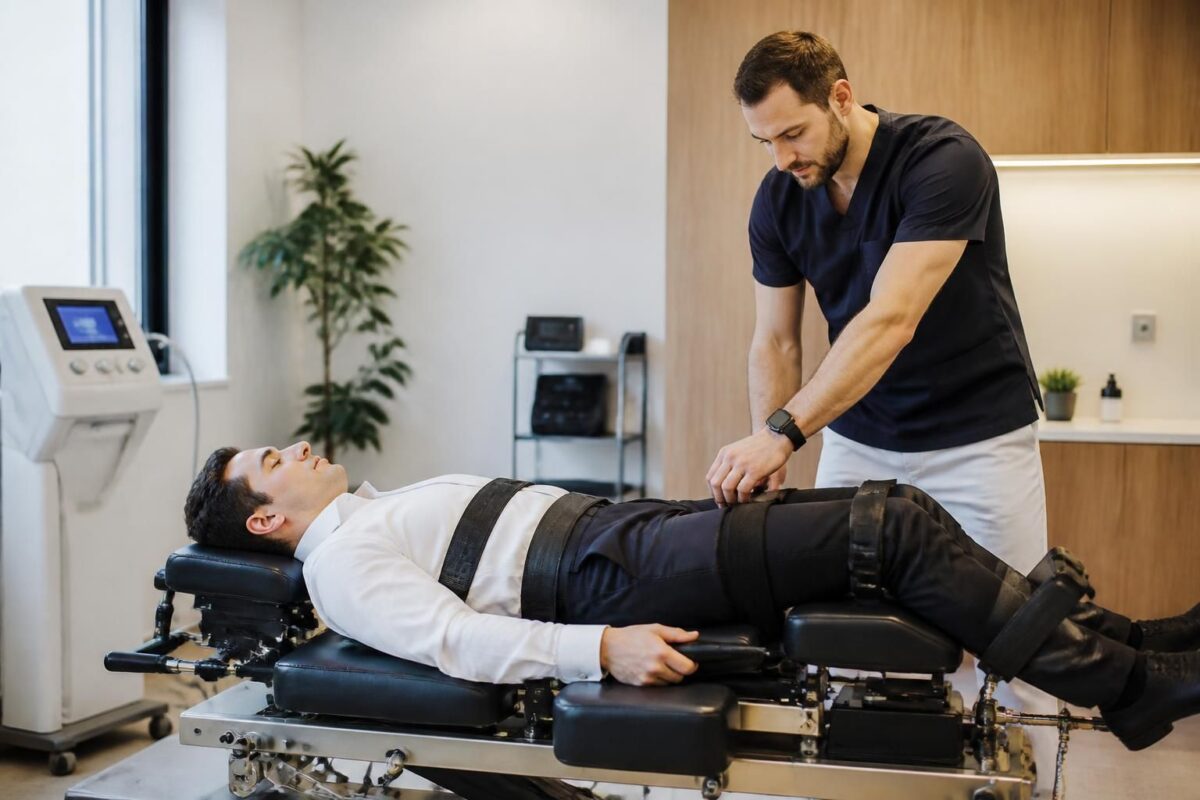
This step involves the application of the techniques chosen on a specialized table, with adjusted parameters (intensity, duration) to ensure patient comfort and safety. Each session is supervised by a professional, and individual responses guide immediate adjustments.
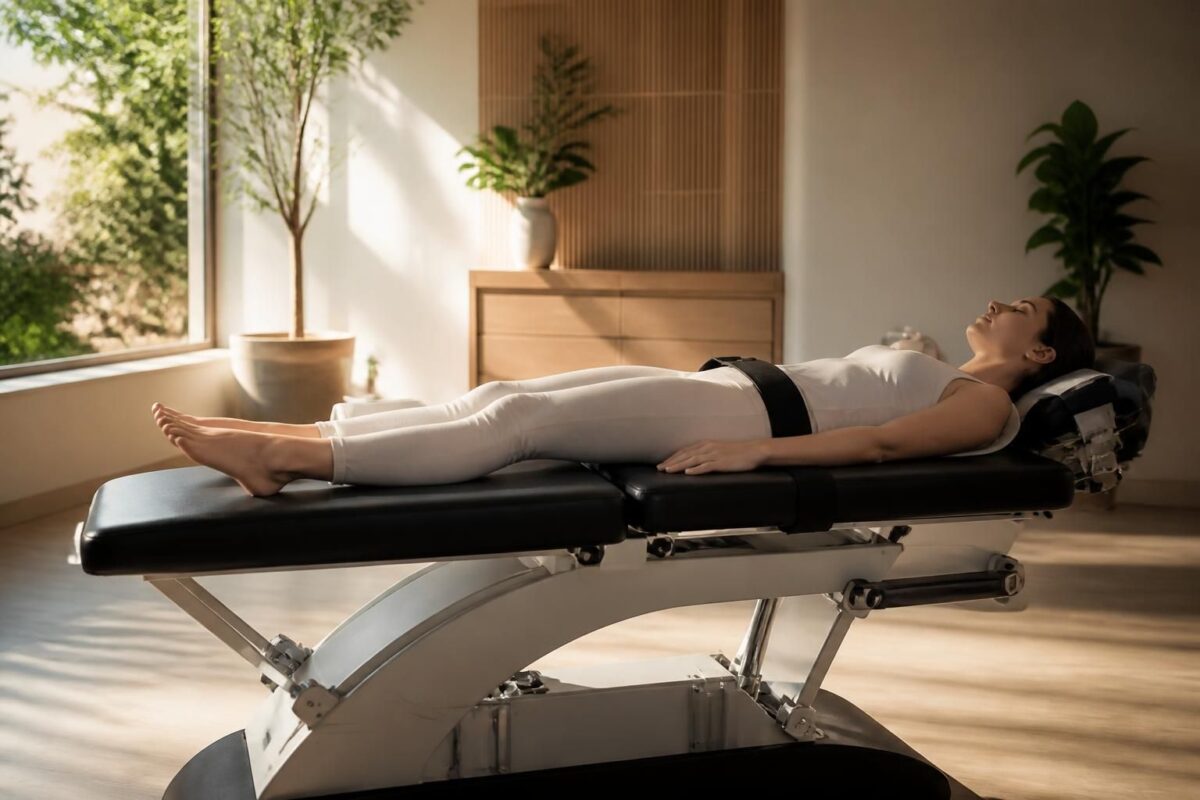
Neurovertebral Decompression and Body Alignment: Restoring Natural Balance
In short In short, neurovertebral decompression is one Non-invasive approach who restores theBody Alignment and thenatural balance back and neck. She acts by a Controlled traction of the spine to widen the intervertebral space and reduce the Pressure on discs…
Monitoring and adjustments
Regular assessments and adaptations
One Regular follow-up Allows you to measure progress with clear indicators (pain, mobility, function). Depending on the results, the program is re-evaluated and adjusted, whether in terms of objectives, techniques or progression of the exercises.
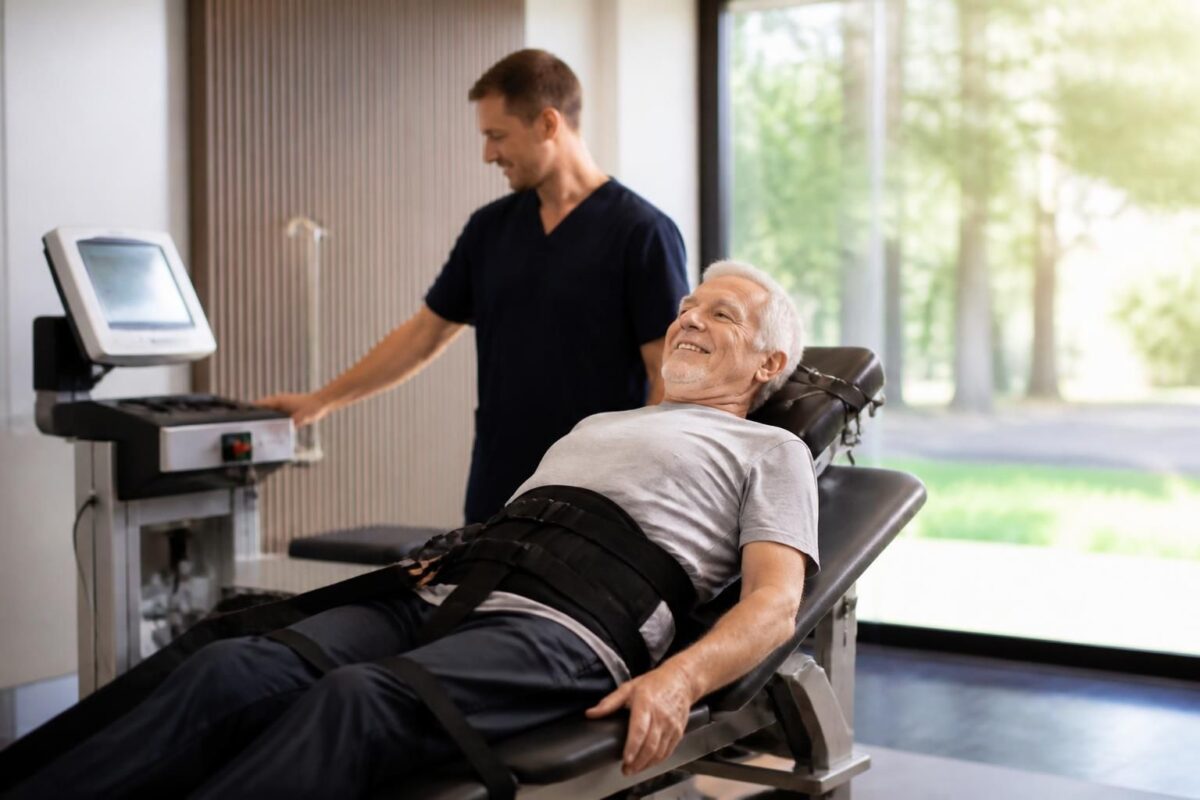
Why neurovertebral decompression is a lasting solution for active seniors
In short In short, the neurovertebral decompression is one Non-invasive therapy which sustainably relieves spinal pain in the spine active seniors By creating, by a Soft and controlled traction, a space between the vertebrae. At Montreal, it is recognized as…
Patient education
Active and self-supporting role
The patient is informed about the course of treatment, the decompression mechanisms and the exercises to be practiced at home. The goal is to promote self-management effective, better understanding of postures and adherence to the program for lasting results.
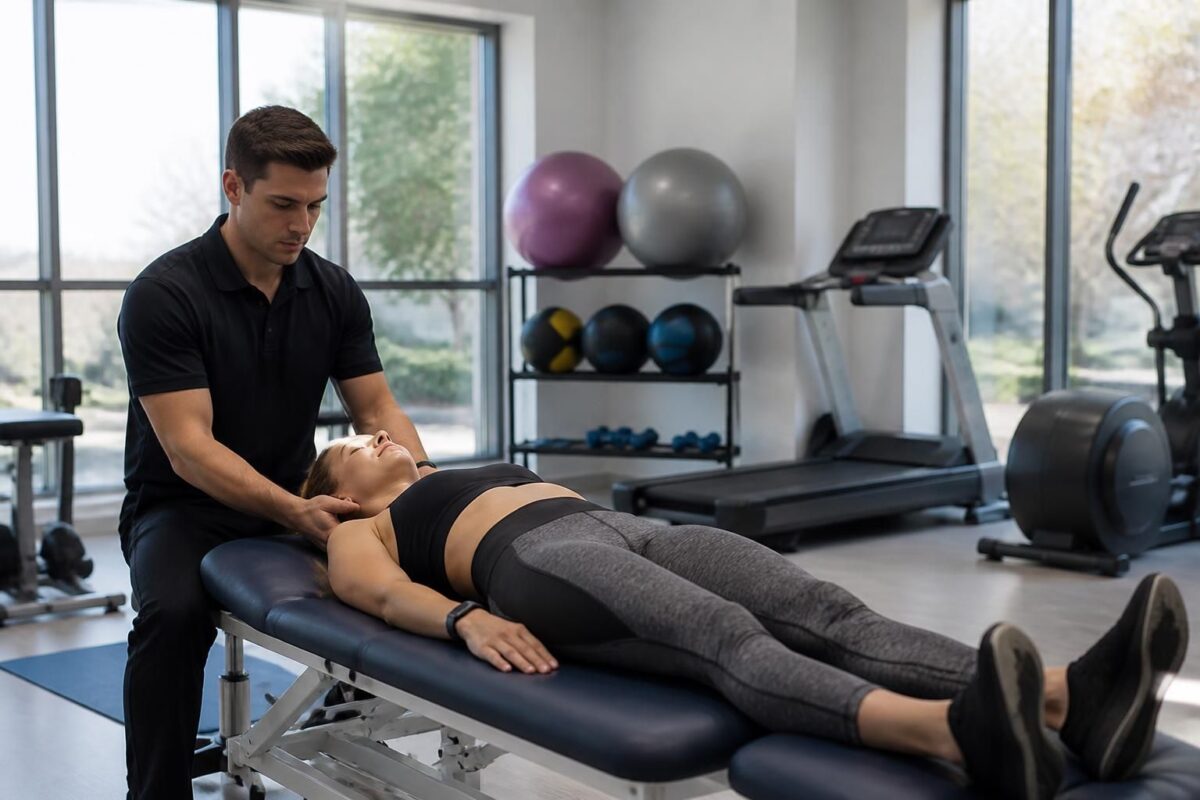
Neurovertebral decompression and recovery after severe sports injury
In short In short, the neurovertebral decompression is one Non-invasive method to Relieve the pressure on the Intervertebral discs and the gristle Via a Controlled traction, to facilitate the recovery After a severe sports injury. It improves the bloodstream towards…
Prevention of recurrent pain
Posture and lifestyles
Practical prevention advice — targeted muscle strengthening, regular stretching, and maintaining a healthy lifestyle — limit relapses. Simple and adapted routines complete the treatment and support the gains obtained during the sessions.
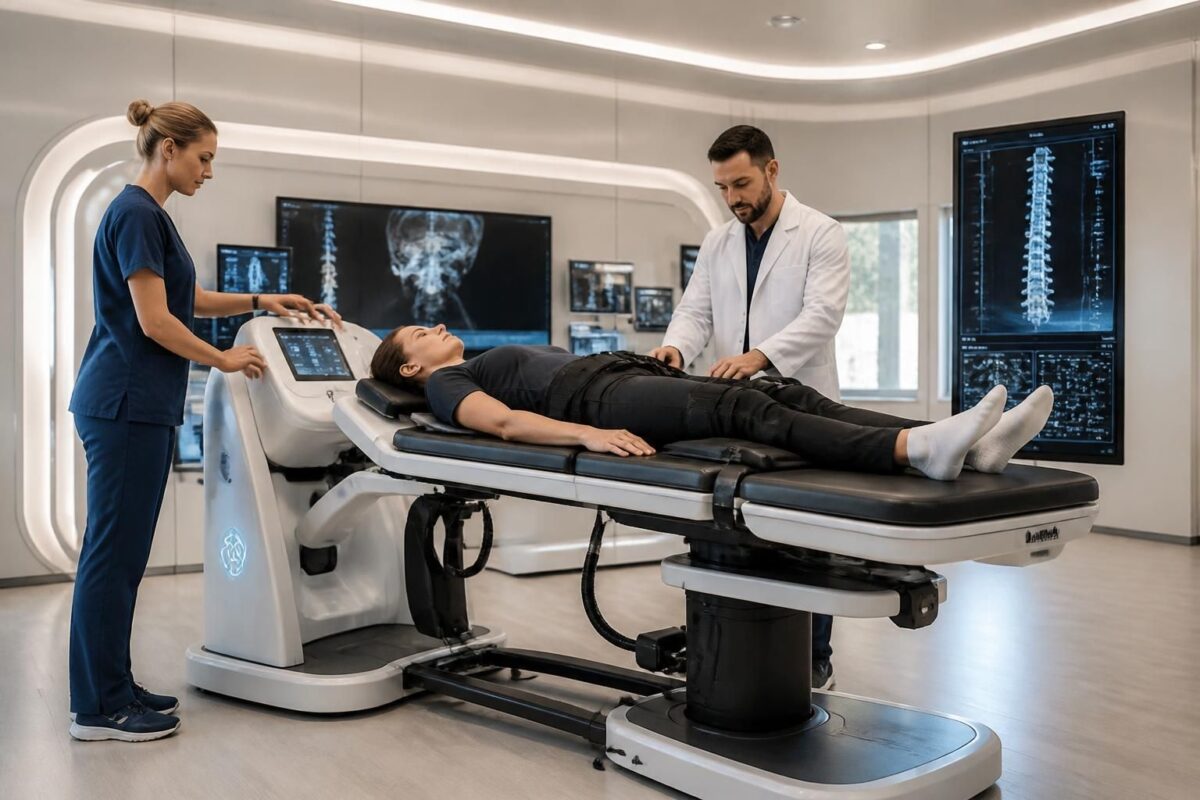
Recent innovations in neurovertebral decompression technologies
In short In short, the neurovertebral decompression is an approach non-invasive Aiming to reduce pressure on discs and nerves, and promote tissue regeneration. At Montreal, it is positioned as an effective option for lower back pain and herniated discs. The…
Evaluation of results
Indicators and reassessment
Standardized tools are used to assess evolution (pain scales, functional tests, satisfaction questionnaires). This Evaluation of results Fuels future decisions and ensures the continuity of reliable and effective care.
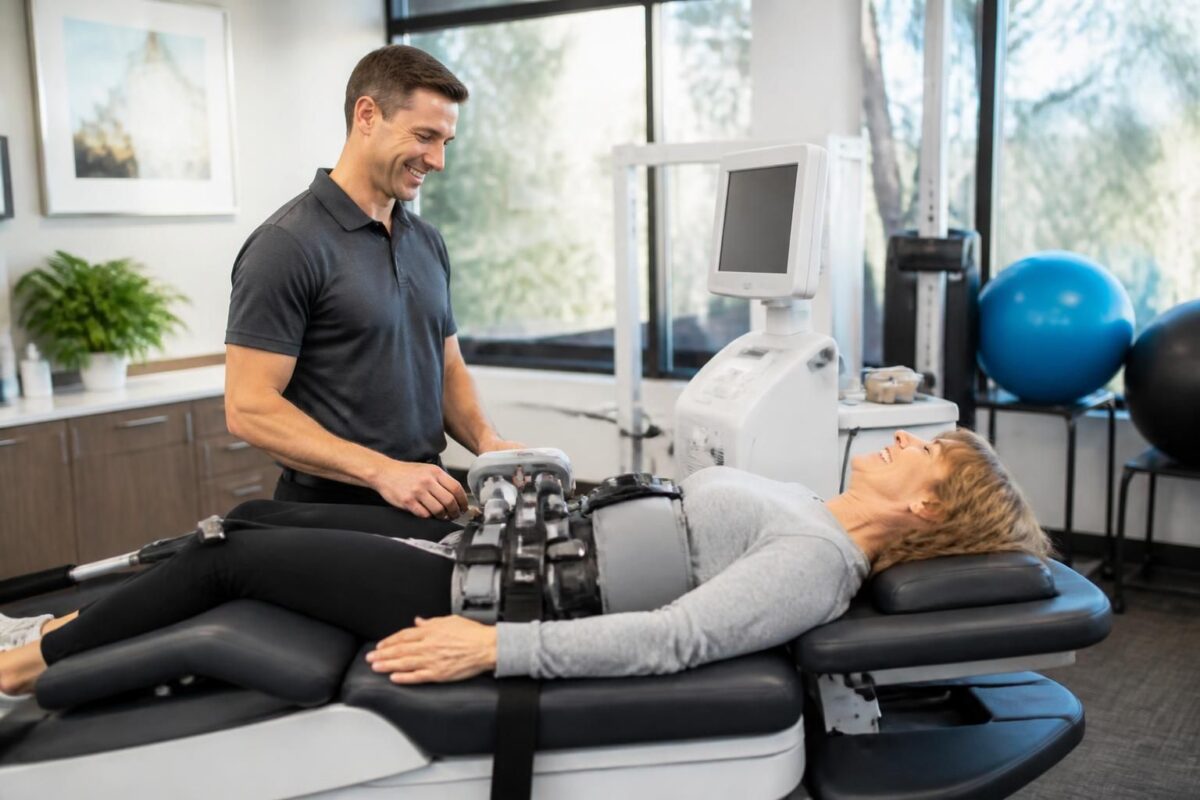
Neurovertebral decompression and diffuse pain: an appropriate solution
In short In short, the neurovertebral decompression is one Non-invasive solution For diffuse pain related to nerve irritation of the spine. She acts in Reducing pressure on intervertebral discs and nerves and improving the bloodstream, which promotes recovery and the…
Table of key steps and results of neurovertebral decompression
| Element | Concise impact and result |
|---|---|
| initial assessment | Define the origin of the pain and establish a Functional baseline. |
| Precise diagnosis | Locate the affected areas and guide the Diagnosis and plan. |
| Personalized treatment plan | fix Clear goals and one Personalized route. |
| Decompression techniques | Choose and apply Secure techniques decompression. |
| Implementation of treatment | Carry out the sessions with adjustments individualized. |
| Regular monitoring and adjustments | Measure theevolution and adjust the program. |
| Patient education | Explain and promote themembership and the prevention pains. |
| Rehabilitation and additional exercises | Integrate the strengthening and the mobility at home. |
| Prevention and post-treatment maintenance | preserve the posture and lifestyle habits for the maintenance. |
| Final reassessment and documentation | achieve the revaluation and plan any Future steps. |
Testimonials on the key stages of successful treatment in neurovertebral decompression
Anaïs, 38: “Theinitial assessment was the gateway to my journey. The practitioner took the time to listen to my history and accurately describe my symptoms. This step gave me confidence and laid the foundations for the next steps in treatment. »
Marc, 52: “The Precise diagnosis was explained in a clear and transparent way. Understanding the exact origin of my pain allowed me to know why we chose such an approach and how each step would contribute to my relief. »
Sophie, 45: “The Custom Plan was presented with Clear goals and measurable. I immediately felt that the program was made for me, with concrete steps and faithful to my needs. »
Thomas, 60: “The Implementation of Decompression techniques was done gently and with great attention to my tolerance. Each session was adapted and I never felt unnecessary discomfort, which gave me confidence in the process. »
Emilie, 29: “The Regular follow-up allowed me to track my progress and adjust the program in real time. The balance sheets were motivating and the small adjustments made a big difference in my recovery. »
Laurent, 50 years old: “ThePatient education gave me the keys to understanding the treatment and practicing the exercises at home. This information made me autonomous and active in my healing, not just a spectator of the sessions. »
Marie, 41: “The Revaluation and the prevention Were the steps that sealed the results. Defining measures to avoid relapses and maintaining my mobility allowed me to resume my activities with serenity and lasting confidence. »
This biography traces the approach of a multidisciplinary expert in osteopathy, naturopathy and manual medicine that places neurovertebral decompression at the heart of its practice. His journey is guided by a requirement: to propose Evidence-based care In order to sustainably improve mobility and reduce pain related to spinal conditions. In its context, neurovertebral decompression is a non-invasive option, sometimes associated with complementary technologies such as laser or gentle stimulation, to optimize results while respecting patient safety and comfort. The objective is to restore functional integrity and quality of life, adapting to each individual course.
initial assessment and understanding of the clinical picture are the first brick of success. Detailed history and identification of symptoms guide the prioritization of needs, while an in-depth physical examination assesses mobility, pain and functional restrictions. Depending on the context, functional tests and imaging elements can be considered to specify the origin of the pain and place the decompression in the overall treatment regimen. This step lays the foundations for a patient-centered and measurable plan.
Precise diagnosis and definition of the therapeutic framework make it possible to target the vertebral dysfunctions and the nerve structures involved. Identification of the type of dysfunction – herniated disc, disc bulge, stenosis or nerve compression – directs technical choices and treatment parameters. This diagnostic clarity avoids overly general interpretations and promotes a strategy adapted to each patient, with clear criteria to assess progress.
Personalized treatment plan is then developed to meet the specific goals of the patient. It specifies the expected results (pain reduction, improvement of mobility, strengthening of spinal support), the duration and frequency of the sessions, as well as the appropriate decompression techniques. The program can incorporate reinforcement and stretching elements, designed to support spinal stability and optimize treatment tolerance. This tailor-made planning emphasizes a progressive and secure approach.
Implementation of treatment is done during regular sessions where targeted decompression techniques are applied. Controlled traction devices and precise adjustments are used to modulate spine stretching, favoring patient comfort and safety. The intervention is adapted in real time according to sensations and progress, and can be associated with mild neuromuscular stimulation or other non-invasive modalities to support recovery.
Regular follow-up And adjustments are the heart of an effective journey. Periodic reviews allow monitoring of symptoms, measuring progress using clear indicators and adjusting the program accordingly. Communication between the patient and the practitioner is continuous, which ensures responsiveness to any change and ensures that the treatment remains relevant throughout the process.
Patient education is an essential component. The patient receives explanations of the mechanisms of decompression, the goals of the home exercises and the postural habits to adopt. This active knowledge promotes adherence to the program and supports long-term outcomes, while reinforcing autonomy and recurrence prevention.
Reassessment and prevention Pain after treatment finalizes the course. The results obtained are measured using functional indicators and questionnaires, then adapt the future steps if necessary. Targeted advice on posture, physical condition and regular exercises help maintain achievements and prevent relapses, ensuring sustainable quality of life and regained mobility.
This integrated approach, which combines manual expertise, advanced technologies and educational support, aims to offer a Effective and sustainable care For patients with Chronic pain related to the spine and to promote their return to an active and autonomous life.
This conclusion details the Key steps a successful treatment in neurovertebral decompression, focusing on theinitial assessment, the Precise diagnosis, the Designing a custom plan, the Controlled implementation, the Regular follow-up and thePatient education. These elements promote a return to normal activity, the lasting reduction of pain and the improvement of mobility, while relying on evidence-based practices.
Initial assessment and accurate diagnosis : It all starts with an in-depth collection of medical history and a detailed description of symptoms, supplemented by a physical examination to measure mobility and pain. Imaging examinations may be required to confirm the diagnosis and determine the origin of the pain, which then guides the treatment choices. A rigorous evaluation makes it possible to avoid biases and to target the techniques best suited to each patient.
Personalized treatment plan and decompression techniques : After diagnosis, design of a Personalized treatment plan is essential. This plan defines measurable objectives (pain reduction, improvement of mobility, reinforcement of support structures) and chooses the most appropriate decompression techniques (controlled traction, specific stretching, manual or assisted methods). A framework adapted to the patient’s condition maximizes efficiency while ensuring the comfort and safety of the sessions.
Protocol implementation and security : The operational phase consists of applying the planned techniques with careful monitoring of the patient’s reactions. The use of specially designed devices for controlled traction may be necessary, and each session should be adjusted according to the patient’s efforts, pain and tolerance. This progressive approach promotes a gradual reduction in pressure on the spinal structures and improves recovery.
Regular monitoring and adjustments : Regular monitoring makes it possible to measure progress and adjust the program according to the results observed. Periodic reviews help to detect improvements or possible complications and to adapt the duration, intensity and frequency of the sessions. Open communication between the patient and the practitioner is a key lever for treatment effectiveness.
Patient education and prevention : Informing the patient about the mechanisms of decompression and the habits to adopt is fundamental to long-term success. Education focuses on correct postures, home exercises and future pain prevention measures, in order to consolidate the results obtained and reduce the risk of relapse.
rehabilitation and integration of activities : Beyond decompression sessions, the integration of strengthening and flexibility exercises is crucial to stabilize gains and facilitate the return to an active life. Appropriate rehabilitation helps to strengthen the back, improve mobility and sustainably support the effectiveness of treatment.
To further the practical aspects and detailed steps, you can consult the following resources that address the Key stages and the Modern methods neurovertebral decompression: LES#ATFP_CLOSE_TRANSLATE_SPAN# Steps to establish a neurovertebral decompression program adapted to individual needs, les#ATFP_CLOSE_TRANSLATE_SPAN# Manipulations in neurovertebral decompression: what you need to know, LES#ATFP_CLOSE_TRANSLATE_SPAN# Key steps for successful treatment in neurovertebral decompression, Les#ATFP_CLOSE_TRANSLATE_SPAN# Steps to integrate neurovertebral decompression in a complete rehabilitation program, les#ATFP_CLOSE_TRANSLATE_SPAN# Myths about neurovertebral decompression explained, les#ATFP_CLOSE_TRANSLATE_SPAN# Modern Techniques of Neurovertebral Decompression Explained, Comment#ATFP_CLOSE_TRANSLATE_SPAN# Neurovertebral decompression improves spinal flexibility, LE#ATFP_CLOSE_TRANSLATE_SPAN# Role of neurovertebral decompression in a successful journey, LES#ATFP_CLOSE_TRANSLATE_SPAN# Keys to successful treatment with neurovertebral decompression, Comment#ATFP_CLOSE_TRANSLATE_SPAN# Neurovertebral decompression reduces the risk of long-term complications.

Dr Sylvain Desforges, B.Sc., D.O., N.D., osteopath, is the founding president of TAGMED and of the ACMA association. He dedicates his practice to chronic spinal pain, low back pain and symptoms compatible with sciatica, particularly when pain radiates toward the buttock, leg, calf, foot or toes.
Through SOS Sciatique, he publishes educational content on sciatica symptoms, possible causes such as disc herniation, disc narrowing, foraminal stenosis or irritation of a lumbar nerve root, as well as non-surgical approaches that may be considered according to the evaluation. At Clinique TAGMED, care may include, depending on the case, motorized neurovertebral decompression, specific osteopathic care or precision percussion.
For an evaluation related to sciatica treatment in Montreal / Mount Royal or sciatica treatment in Terrebonne, please consult the services available at Clinique TAGMED.
Medical disclaimer
The information published on SOS Sciatique is provided for educational purposes only and does not replace a consultation, diagnosis, opinion or treatment provided by a physician or another authorized healthcare professional. The author of this article is neither a medical doctor nor a specialist in a medical specialty recognized by the Collège des médecins du Québec. The osteopathic, manual medicine or functional support approaches described on this site do not constitute medical acts and are not intended to replace medical follow-up.
Consult a physician or emergency service in cases of loss of bladder or bowel control, anesthesia in the saddle area, significant or progressive weakness in the leg or foot, fever, recent trauma, severe pain or rapid worsening of symptoms. For more details, please read our Legal Notice.