Why choose neurovertebral decompression for natural pain management
26/06/2026
Advanced technologies in neurovertebral decompression equipment
26/06/2026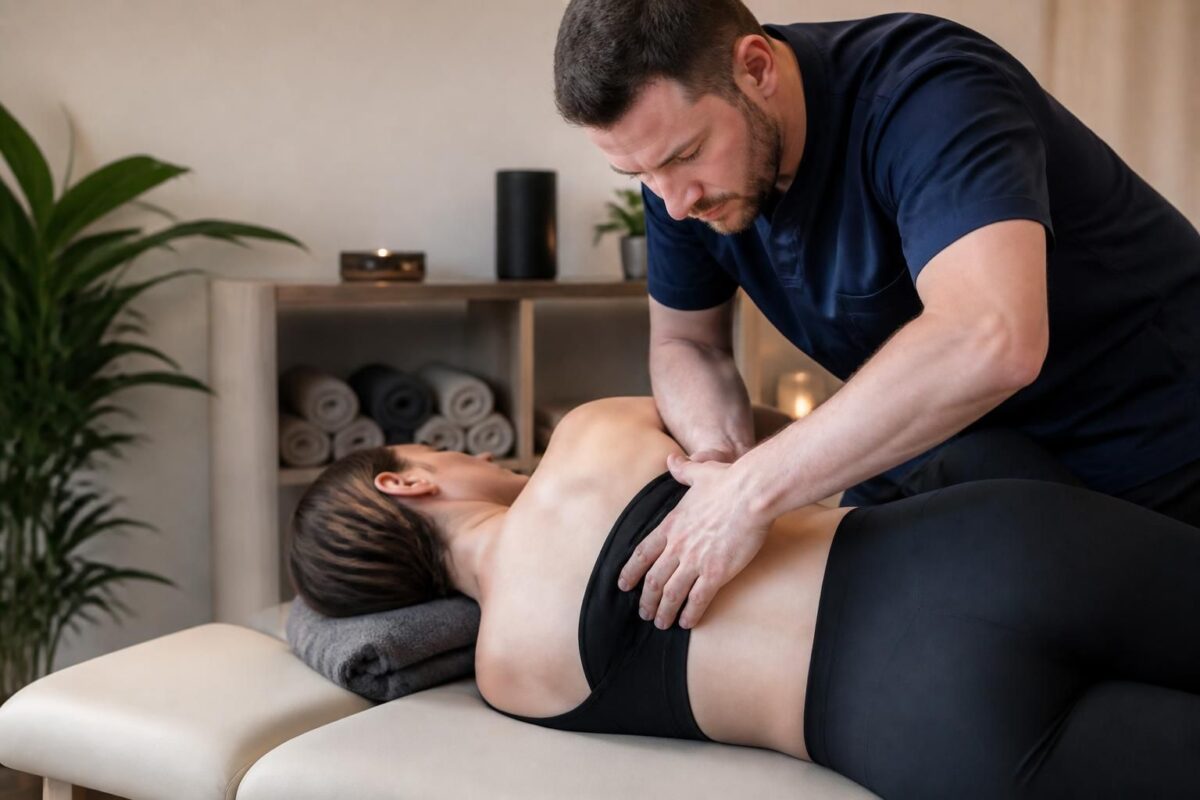
In short
| neurovertebral decompression is a Non-invasive approach which applies a Controlled traction on the spine to create a space between the vertebrae and reduce the pressure on the gristle and the Intervertebral discs. it targets the Muscle tensions Chronicles of lower back and improves blood circulation to tissues, promoting recovery and mobility. In Montreal, this service is particularly recommended for persistent lower back pain linked to spinal disorders. Its key advantages include the Sustainable relief lumbar tensions, Inflammation reduction, LImproving mobility and an approach painless. |
The neurovertebral decompression is an approach non-invasive Intended to relieve chronic lower back muscle tension. thanks to a Controlled traction on the column, it creates a intervertebral space which decreases the pressure on the nerves and discs, which helps to release spasms and reduce pain. It promotes better circulation blood and lymphatic, supports the tissue regeneration and gradually improves the mobility of the back. This method can offer a Sustainable relief and integrates with overall care, including exercises and postural advice. Always consult your doctor for any medical questions.
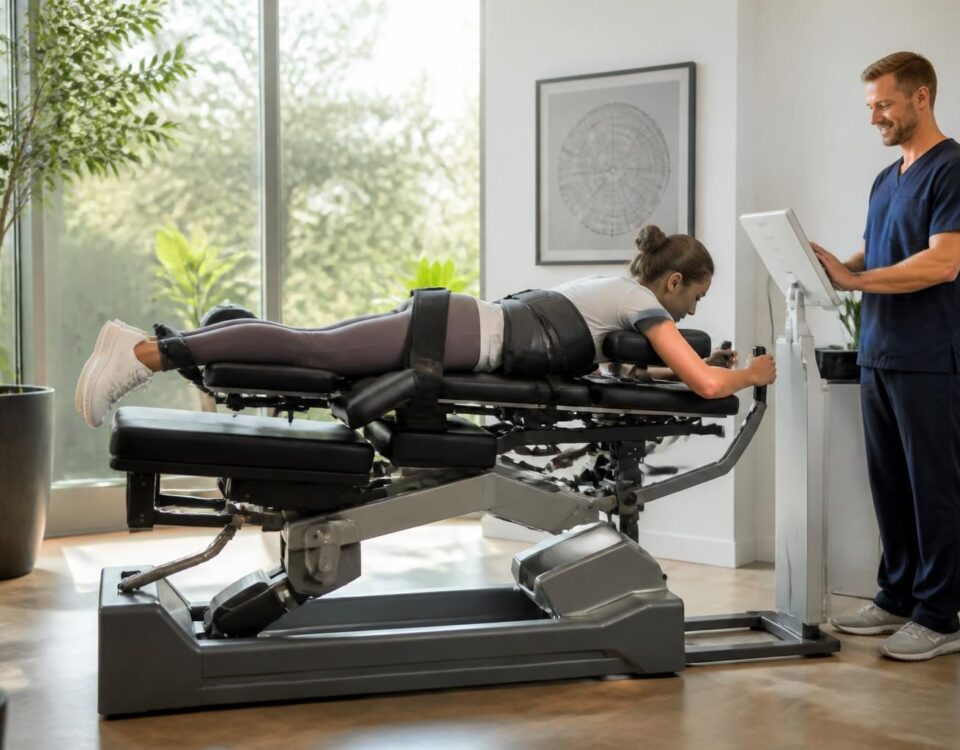
This approach, carried out by a health professional, aims to lighten the Muscle tensions in the lower back No pain or surgery. It is based on gentle traction of the spine which creates a space between the vertebrae, which reduces the pressure on the nerves and discs. The objective is to promote circulation, improve mobility and support tissue healing, all in the context of genuine care non-invasive.
In this article, you will discover the functioning, benefits and conditions of use of the neurovertebral decompression, as well as its integration into a global therapeutic approach proposed in Montreal and Terrebonne, in particular at the Tagmed Clinic.
Understanding muscle tension in the lower back
The Muscle tensions lower back often occur after poor posture, repetitive movements or injury. They cause pain, stiffness and reduced mobility. This pain can be amplified by spasms that irritate the neighboring nerves and hinder daily activities.
Mechanism of action of neurovertebral decompression
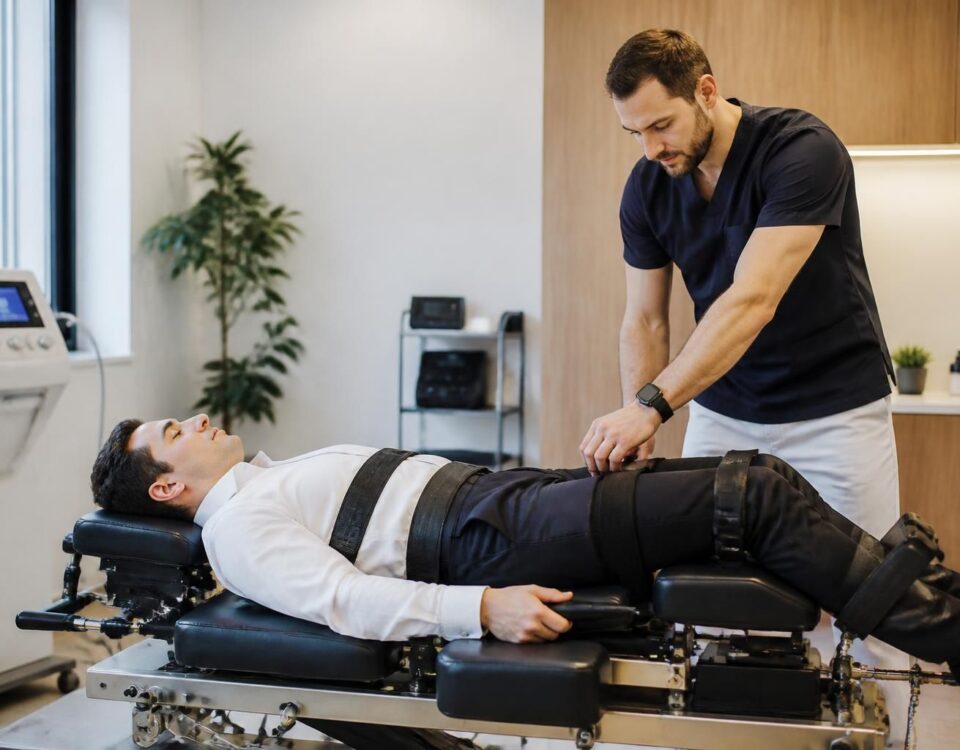
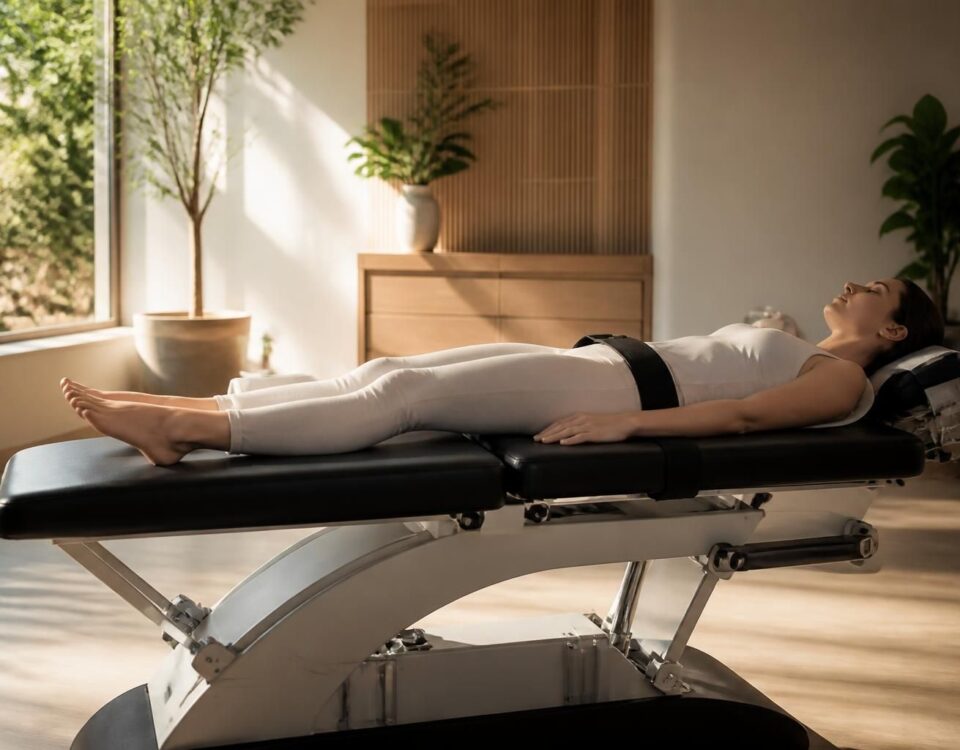
The neurovertebral decompression Applies a Controlled traction on the spine. this traction Extends the intervertebral space, which decreases the pressure on the nerves and discs. As a result, the muscles around the spine can relax and the painful signals fade.
The better blood circulation to the surrounding tissues is favored, which brings nutrients and oxygen necessary for healing. This approach also helps to restore thevertebral alignment And to correct certain muscle imbalances that feed the pain.
Clinical and sensational benefits
Patients report a Dimensional Improvement in mobility and an Lasting pain reduction After several sessions. Decompression affects muscle tension without resorting to invasive treatments, and it can be associated with other treatments at the TagMed Clinic.
By promoting circulation and recovery, it can improve range of motion and allow faster return to normal activity, while supporting the regeneration of damaged nervous tissue and discs.
Integration into a global therapeutic approach
Neurovertebral decompression is part of a global approach adapted to each patient. The treatment can be supplemented with postural advice and manual care provided by experienced professionals. This approach aims to Lasting pain reduction and an Improved quality of life.
Note, this method is part of recognized training courses such as Numss, NAO, National University of Medical Sciences and National Academy of osteopathy. The practice is supported by relevant professional associations in the field of osteopathy and manual medicine.
When to consider this approach and precautions
Neurovertebral decompression can be considered when muscle tension persists despite initial management and when offered by a specialized clinic like TagMed. It is not indicated in case of specific contraindications or acute conditions in the spine. For more complex cases, the clinic may recommend in-depth assessment and coordination with other professionals.
The practice is accessible to Montreal and to Terrebonne, with services offered in Tagmed clinics. For more information on benefits and application framework, see the following resources: Inflammation and neurovertebral decompression, Essential FAQs.
Additional testimonies and analyzes on the effects of neurovertebral decompression and its impact on muscle tension can be consulted on specialized networks and resources associated with spinal health, including Spinal health and decompression.
To learn more about the possibilities at the TagMed Clinic, visit Tagmed Clinic.
Additional resources related to this domain also exist on the sites Nocturnal pain and Preserve column health.
Physiotherapy treatments do not form the heart of this approach. As part of a comparison, the TagMed clinic favors approaches adapted to each patient and can offer specific additional options in Montreal or Terrebonne.
Neurovertebral decompression is an effective method to treat chronic lower back muscle tension without surgery. It works by reducing compression and improving circulation, while helping to restore mobility and posture, which contributes to a better quality of life.
For further information, you can consult the following resources: Vertebral decompression: natural treatment, Reduction of inflammation, and Optimizing spinal health.
Note: You can obtain additional information on training and professional practices through the following resources: NUMSS, NAO, National University of Medical Sciences, National Academy of Osteopathy, as well as ACMA, College of Canadian Osteopaths and College of Canadian Osteopaths.
For more details on using these approaches in the clinical setting, see also Preserve column health.
Medical Disclaimer: The information and advice provided on this site does not replace the health professional’s diagnosis or treatment. Please note that Dr. Sylvain Desforges osteopath is neither a doctor of medicine nor a doctor, and is not a specialist in a medical specialty as defined by the Collège des Médecins du Québec. Manual medicine, functional medicine and sports medicine as described on this site exclude any medical treatment or diagnosis made by a doctor or specialist doctor. Always consult your doctor for any medical questions. For more details, please read our full legal notice. »
- neurovertebral decompression : soft traction that creates an intervertebral space.
- pressure reduction : less pressure on the nerves and discs.
- Muscle relaxation : The muscles around the spine relax.
- non-invasive : treatment without surgery or medication.
- traffic improvement : Better blood flow and tissue nutrition.
- Mobility found : more flexibility and movement in the lower back.
- Accelerated recovery : Nervous tissues and better regenerated discs.
- Personalized approach : sessions adapted to the profile of each patient.

This recommendation presents how the neurovertebral decompression can help to gently relieve the Muscle tensions lower back. By promoting a space between the vertebrae and improving circulation, this non-invasive approach aims to reduce the pressure on the nerves and discs, while releasing the muscles and accelerating tissue recovery.
What is neurovertebral decompression?
Neurovertebral decompression is a gentle technique that applies controlled traction on the spine. This action creates an intervertebral space, which reduces the pressure exerted on the nerves and discs. As a result, the muscles around the spine can relax and blood and lymphatic circulation improves, thus promoting tissue repair and functional recovery.
How does it affect muscle tension?
By releasing pressure on the spinal structures, the technique decreases pain signals and decreases muscle spasms. This relaxation facilitates Improved range of motion and an Mobility found of the back. The increased intake of nutrients and oxygen to the muscles and nerves supports tissue regeneration and helps prevent recurrences of tension.
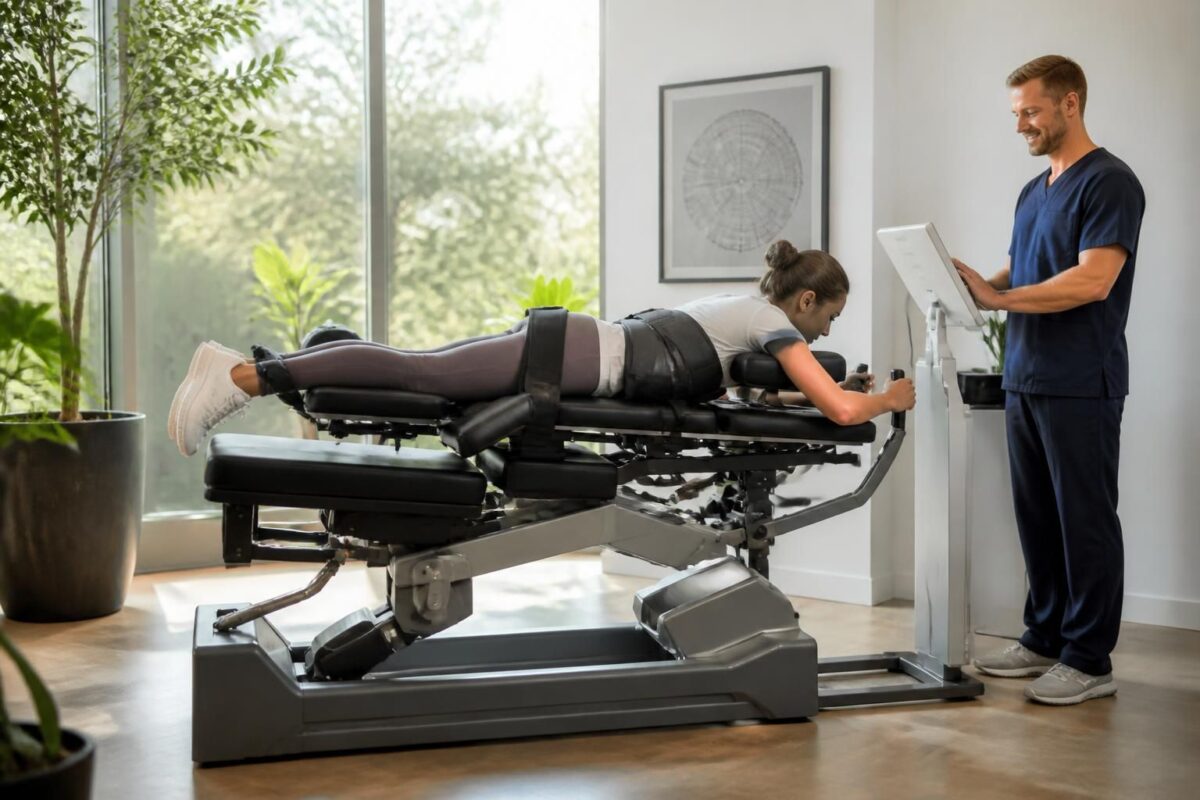
The long-term benefits of neurovertebral decompression for spinal health
In short In short, the neurovertebral decompression is a non-invasive approach that decreases the Pressure on intervertebral discs and nerves, favoring the Natural regeneration and tissue recovery. Its long-term benefits include Lasting pain reduction, Improving mobility and from the posture,…
When to consider this therapy?
It is particularly suitable when chronic lower back pain persists despite the usual measures and when the symptoms appear to be related to imbalances or vertebral pressures. Decompression can be seen as a non-invasive step as part of a comprehensive musculoskeletal pain management program, in addition to exercises, postural education and other manual therapies.

Neurovertebral decompression and mobility: a return to an active life
In short In short, the neurovertebral decompression is therapy non-invasive who uses a gentle traction To create a space between the vertebrae and reduce the pressure on the Intervertebral discs and the nerves. It promotes a bloodstream improved, lowers tension…
The benefits and expected results
pressure reduction On nerves and discs helps reduce pain and irritation. traffic improvement Local supports tissue nutrition and accelerates the detoxification of inflammatory areas. Patients often report better mobility and an more balanced posture, which helps to prevent recurrences. In the long term, this approach can promote a Sustainable recovery and a better quality of life on a daily basis.
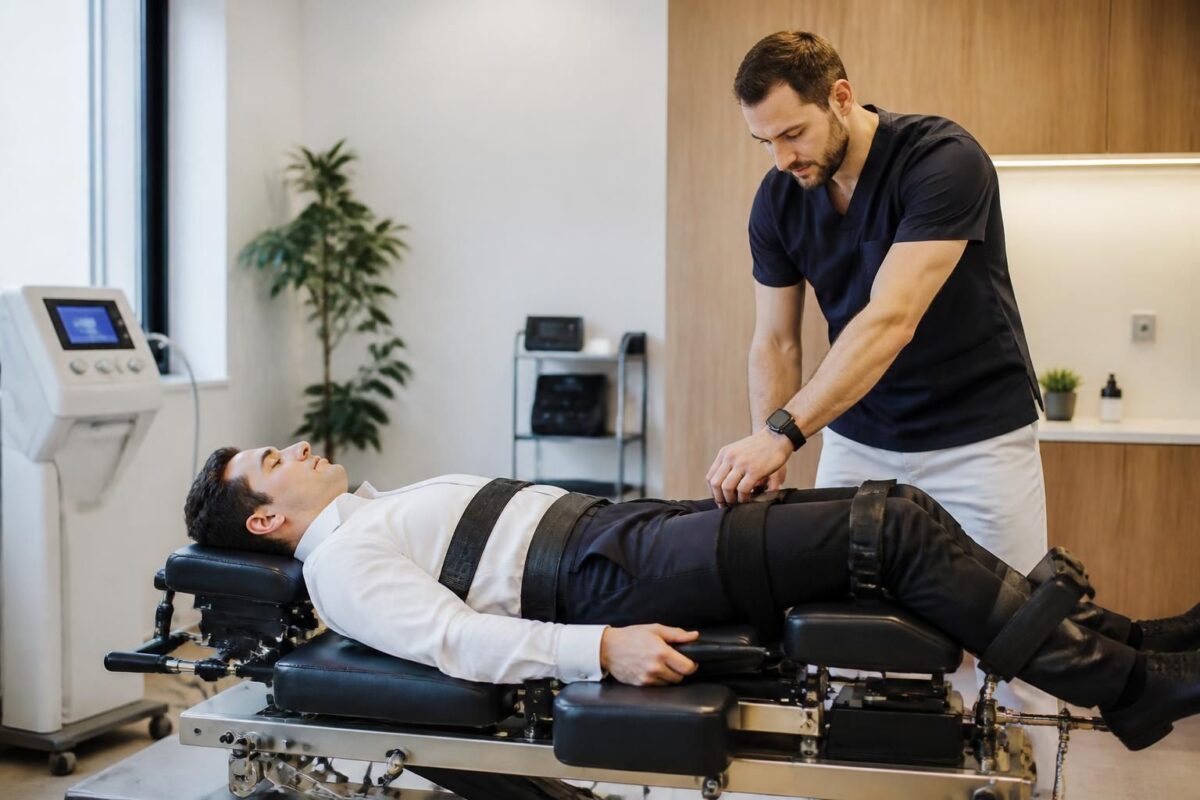
How Neurovertebral Decompression Prevents Diffuse Chronic Pain
In short decompression neurovertebral is one Non-invasive method aimed at reducing the Pressure on the intervertebral discs and the nerves, in order to prevent Diffuse chronic pain. It improves the circulation and thedisc hydration, decreases inflammation and promotes better mobility.…
implementation and what to expect during the sessions
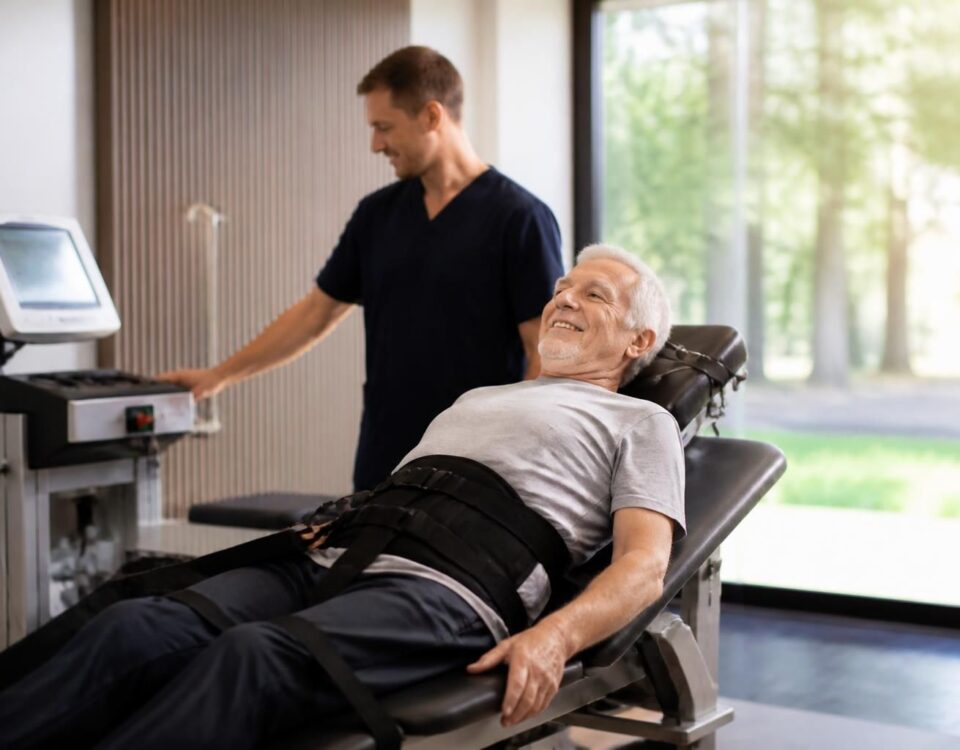
Treatment begins with a clinical assessment to identify areas of tension and healing goals. A specific device applies gentle and controlled traction, adapted to each patient. The program can be supplemented with stretching exercises, postural advice and relaxation techniques. The number of sessions varies according to the initial state and the progress observed, but the objective is to create a progressive and secure progression without pain.
What to expect during the sessions
Each session is adapted to the patient and aims to restore a healthy spinal space while preserving comfort. The results are often traveled by small successive improvements: decrease in tensions, better mobility and more stable postural landmarks. A personalized follow-up is recommended to optimize profits and prevent relapses.
Note: The information presented does not replace medical advice. Before starting decompression therapy, discuss with your doctor or a qualified health professional to assess the indications and contraindications specific to your situation.
| Axis | Concise description |
|---|---|
| Objective | reduce the nervous pressure and the Muscle tensions Without surgery for lasting relief. |
| Mechanism | Creation of an intervertebral space by traction controlled, improving the circulation and tissue healing. |
| Intervention method | Technical non-invasive, without incision, adapted to the adult and guided by an osteopath. |
| Invasive vs non-invasive | Approach non-invasive, without surgery and with gentle traction. |
| Effects on pain | Signal reduction painful and decreased local inflammation. |
| Effects on mobility | Improvement of the flexibility and theamplitude lumbar movements. |
| Deadline for action | Improvements can quickly appear in some; course of several weeks Typical. |
| Therapeutic integration | integrated into a global approach with exercise, postural education and physiotherapy. |
| Audience concerned | People suffering from lower back pain linked to chronic tension, without major contraindications. |
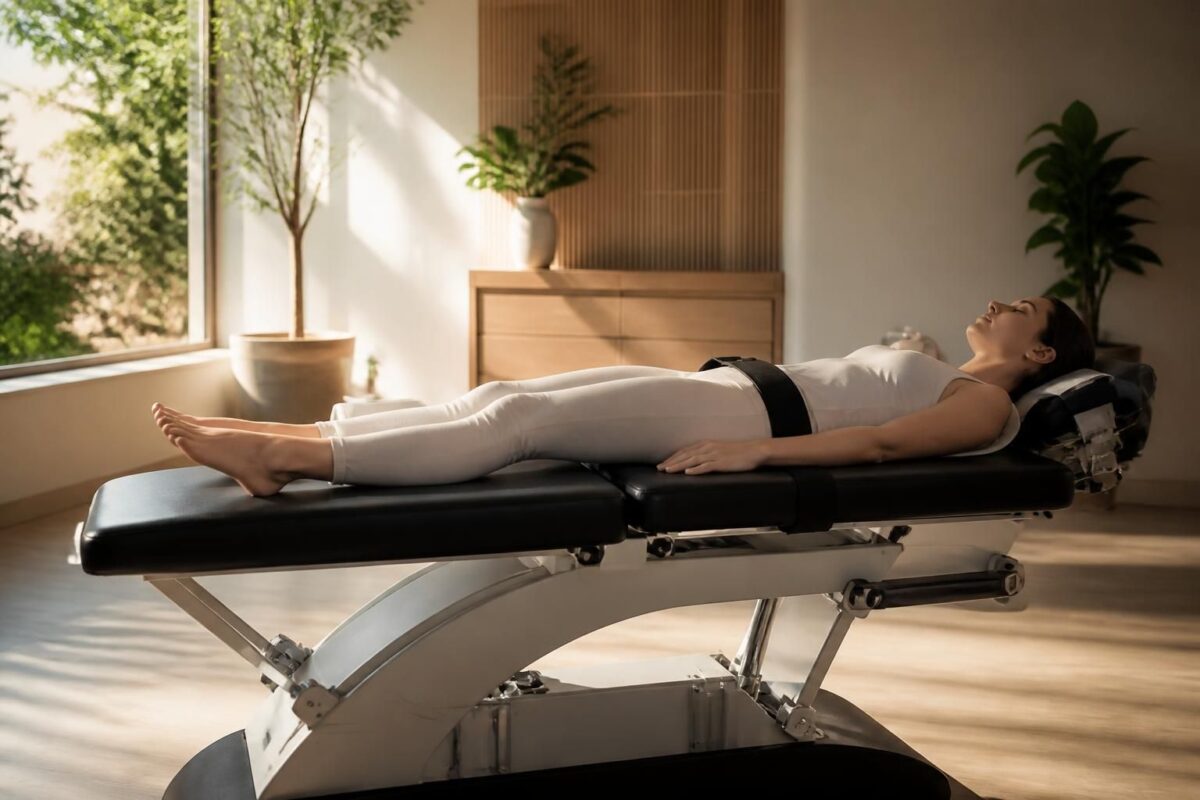
Neurovertebral Decompression and Body Alignment: Restoring Natural Balance
In short In short, neurovertebral decompression is one Non-invasive approach who restores theBody Alignment and thenatural balance back and neck. She acts by a Controlled traction of the spine to widen the intervertebral space and reduce the Pressure on discs…
Testimonials: Neurovertebral Decompression and Muscle Tensions — Gently Relieve
Mary, 46 years old : “Since my first sessions of neurovertebral decompression, the Lumbar tensions gradually released and I found a mobility that I had lost. The work is soft, and the pain has turned into flexibility in the long term. »
Lucas, 34 years old “I was exhausted by constant pain in my lower back. After a few sessions, the pain decreased and my posture improved, which allowed me to resume my daily activities without embarrassment. »
Claire, 58 years old : “The softness of traction and targeted action on the muscles around the spine changed my life. I was able to find simple gestures without feeling this usual heaviness and my sessions were really Gently relieving. »
Julien, 29 years old : “I was skeptical at first, but after a few sessions, I found a Sustainable mobility And I can practice my sport again without fear of bouncing back on pain. »
Sophie, 62 : “This approach is non-invasive and effective. I appreciated the feeling of calm during the sessions and the results are felt in my daily activities, without medication. »
: “I noted a Reduction of inflammation and a better posture After a few weeks. The tensions are released without pain and it is really encouraging for the rest of the treatment. »
Dr. Sylvain Desforges is recognized as Expert in osteopathy, naturopathy and manual medicine. Founding President of TagMed Clinics and ACMA, he embodies a career dedicated to health innovation and management of Chronic pain. Its approach focuses on evidence-based care and a harmonious integration of advanced technologies such as neurovertebral decompression, the laser and shockwave therapies. Its objective is to optimize the health and well-being of its patients by offering personalized and effective courses.
In his practice, the neurovertebral decompression is presented as a method non-invasive which acts gently on muscle tension in the lower back. By applying controlled traction to the spine, this technique creates a space between the vertebrae, which decreases the pressure exerted on the nerves and intervertebral discs. This mechanism makes it possible to release muscle spasms and reduce pain, while promoting better blood and lymphatic circulation in the tissues concerned.
Dr. Desforges’ approach is resolutely holistic and is based on a thoughtful integration of technologies. In addition to the neurovertebral decompression, it can offer treatments like laser and shockwave therapies, in order to strengthen tissue regeneration and accelerate recovery times. This coordination between manual methods and technological tools makes it possible to adapt each session to the specific needs of each patient and to maximize the results.
In terms of mechanisms, the method is based on a gentle traction which widens the intervertebral space and decreases compression on the spinal nerves. This intervention promotes a Better blood flow to the surrounding muscles and tissues, facilitating the intake of nutrients and oxygen essential for healing. By restoring alignment and relaxing the muscles around the spine, it helps to reduce inflammation and restore a more natural range of motion, a source of regained mobility and lasting well-being.
The results observed with this approach often go beyond immediate relief. Patients describe a Improving mobility, a lasting reduction in pain and a better quality of life. This evolution is part of a dynamic where pain and tension are gradually decreasing, allowing you to resume daily and sporting activity with more confidence. The objective is thus not only to reduce the symptoms, but also to establish solid bases to prevent recurrences.
This approach illustrates how the alliance between osteopathy and Modern technologies Can transform the management of muscle tension and lower back pain. Dr. Desforges’ work highlights a therapeutic pathway that combines manual precision and clinical innovations to offer concrete and measurable results, respecting the pace and needs of each patient.
In this article, we explore how neurovertebral decompression can offer a Gentle relief of Muscle tensions lower back, creating a space between the vertebrae, improving the bloodstream and supporting the Tissue recovery, without surgery or marked pain. This non-invasive approach aims to restore mobility and quality of life on a daily basis, while being part of a global strategy of posture and well-being.
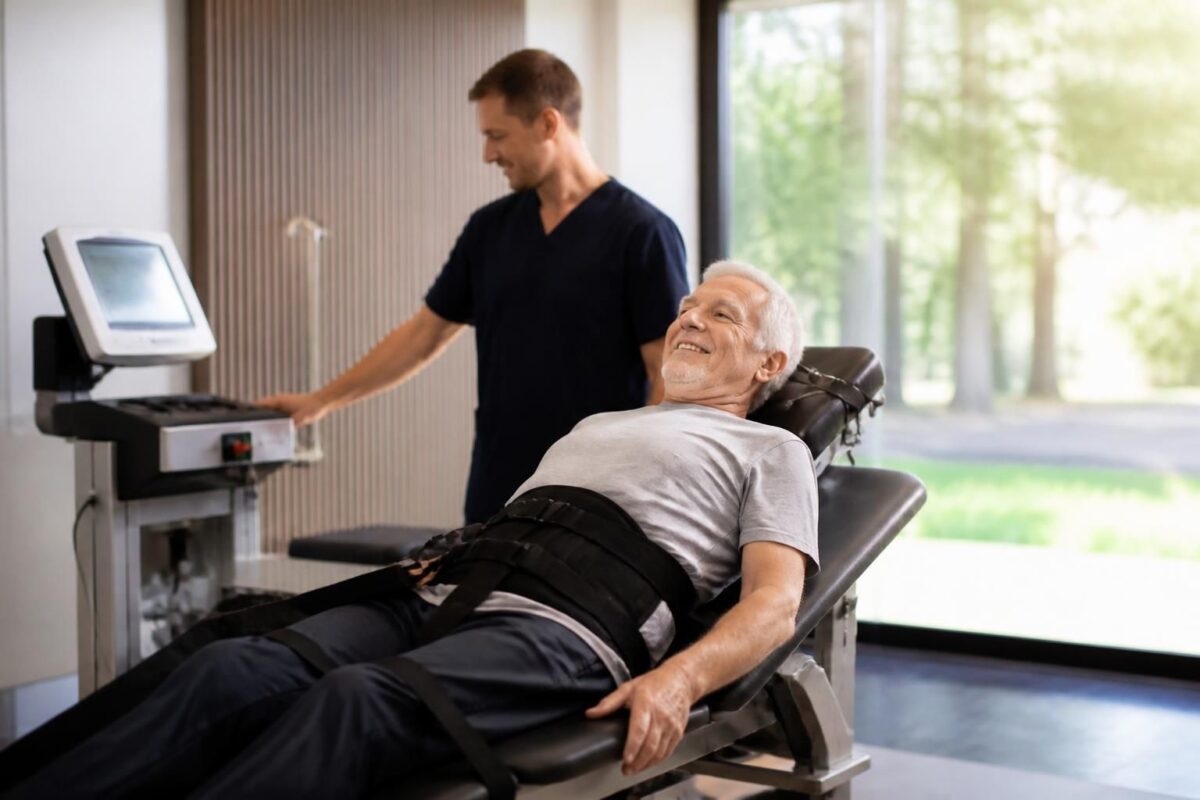
Why neurovertebral decompression is a lasting solution for active seniors
In short In short, the neurovertebral decompression is one Non-invasive therapy which sustainably relieves spinal pain in the spine active seniors By creating, by a Soft and controlled traction, a space between the vertebrae. At Montreal, it is recognized as…
Context and mechanism
The neurovertebral decompression is based on gentle and controlled traction applied to the spine in order to Unbind intervertebral spaces, reduce the pressure on the nerves and discs, and promote better blood flow to the surrounding tissues. By gradually releasing these pressure zones, it reduces muscle spasms and improves the mobility of the back. This approach fits into a global vision that can be complemented by targeted exercises and postural advice to optimize results. To deepen the mechanisms and results, you can consult dedicated resources for this topic, including This type of analysis and Spinal circulation studies.
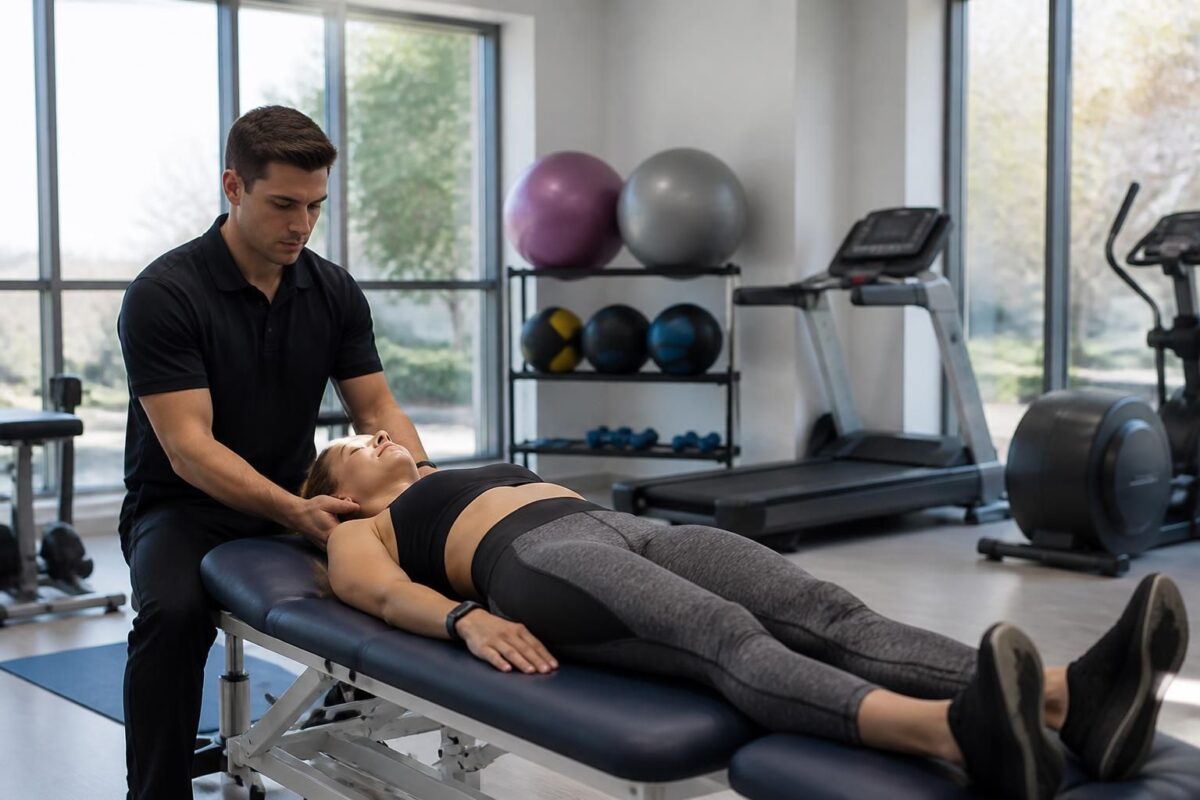
Neurovertebral decompression and recovery after severe sports injury
In short In short, the neurovertebral decompression is one Non-invasive method to Relieve the pressure on the Intervertebral discs and the gristle Via a Controlled traction, to facilitate the recovery After a severe sports injury. It improves the bloodstream towards…
Clinical benefits for muscle tension
The earnings observed include a Reduced nerve pressure, a Muscle relaxation progressive and a Improving mobility lower back. By acting on the spine, the technique also supports theNutrient and oxygen supply tissues, while reducing local inflammation. Clinical testimonials and technical syntheses underline that decompression can promote Faster recovery After painful episodes and help prevent aggravations linked to postural imbalances. For additional perspectives, see resources such as associated techniques and Application in spasms.
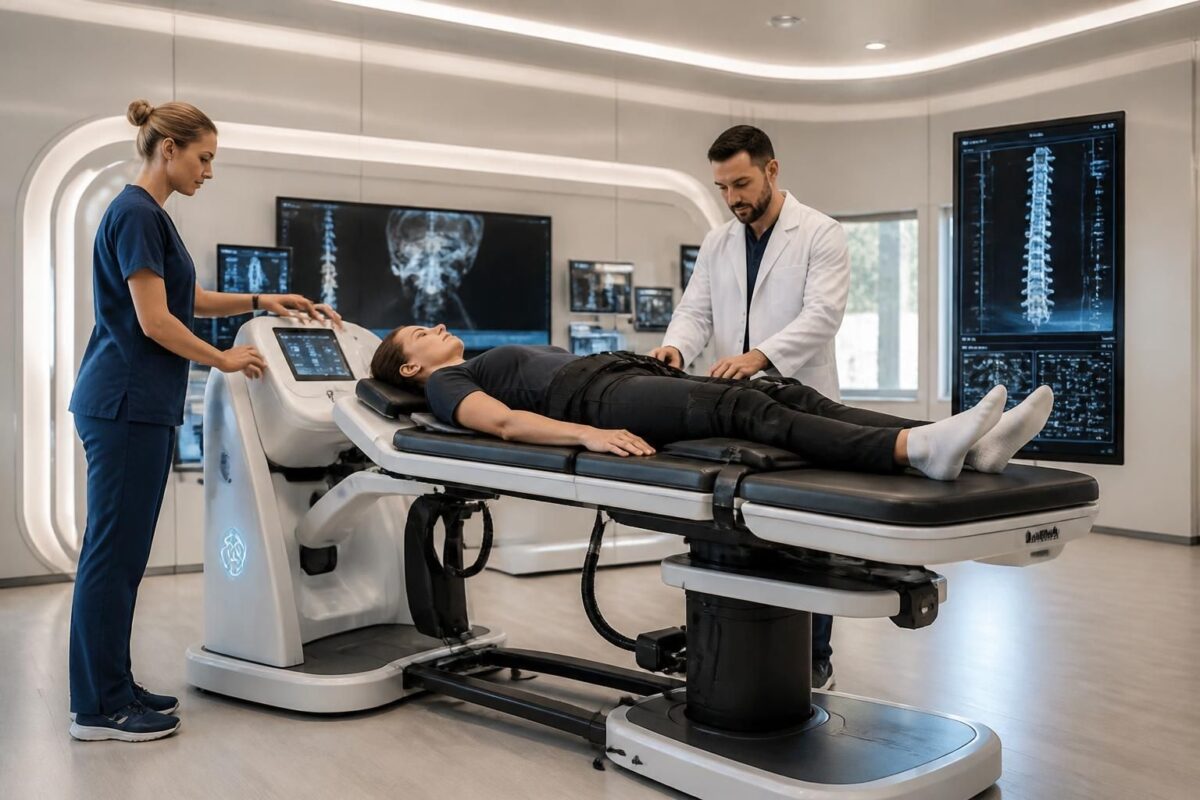
Recent innovations in neurovertebral decompression technologies
In short In short, the neurovertebral decompression is an approach non-invasive Aiming to reduce pressure on discs and nerves, and promote tissue regeneration. At Montreal, it is positioned as an effective option for lower back pain and herniated discs. The…
Practical integration and personalized approach
Each patient benefits from a Personalized treatment plan who can combine the neurovertebral decompression With physiotherapy sessions, strengthening exercises and postural advice. This integrated approach aims to Correct spinal imbalances, to promote recovery and to Prevent recurrences. Additional resources suggest associating these therapies with ergonomic gestures and simple decompression exercises, such as some gentle postures or stretches for the spine. To enrich your understanding and explore associated approaches, consult resources such as this presentation and The consultation guide.
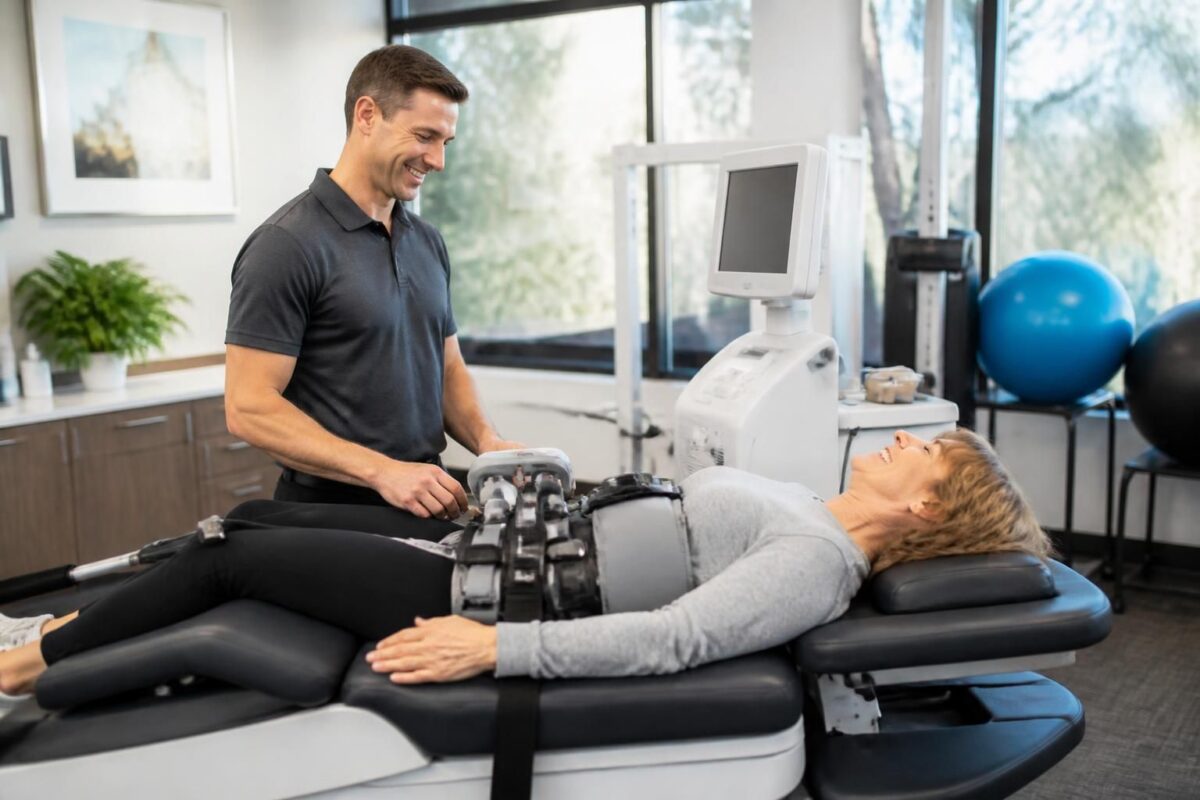
Neurovertebral decompression and diffuse pain: an appropriate solution
In short In short, the neurovertebral decompression is one Non-invasive solution For diffuse pain related to nerve irritation of the spine. She acts in Reducing pressure on intervertebral discs and nerves and improving the bloodstream, which promotes recovery and the…
Practical advice and resources
In addition to decompression, lifestyle and ergonomic advice can amplify the results: Adapted seat posture, regular breaks, and gentle exercises of vertebral decompression to be carried out under supervision. To deepen the practical and technical aspects, reliable resources entitled Benefits for athletes or The TagMed Approach can guide you through the practical application. For those who wish to deepen the mechanisms and perspectives, the following link can be useful: Technical references and precautions.
Note: Medical Warning – The information above does not replace the advice of a health professional. Always consult your doctor for any medical questions and discuss with your osteopath or physiotherapist about the adequacy of neurovertebral decompression to your personal situation. To learn more, you can view content related to this approach and its applications through the resources recommended above.

Dr Sylvain Desforges, B.Sc., D.O., N.D., osteopath, is the founding president of TAGMED and of the ACMA association. He dedicates his practice to chronic spinal pain, low back pain and symptoms compatible with sciatica, particularly when pain radiates toward the buttock, leg, calf, foot or toes.
Through SOS Sciatique, he publishes educational content on sciatica symptoms, possible causes such as disc herniation, disc narrowing, foraminal stenosis or irritation of a lumbar nerve root, as well as non-surgical approaches that may be considered according to the evaluation. At Clinique TAGMED, care may include, depending on the case, motorized neurovertebral decompression, specific osteopathic care or precision percussion.
For an evaluation related to sciatica treatment in Montreal / Mount Royal or sciatica treatment in Terrebonne, please consult the services available at Clinique TAGMED.
Medical disclaimer
The information published on SOS Sciatique is provided for educational purposes only and does not replace a consultation, diagnosis, opinion or treatment provided by a physician or another authorized healthcare professional. The author of this article is neither a medical doctor nor a specialist in a medical specialty recognized by the Collège des médecins du Québec. The osteopathic, manual medicine or functional support approaches described on this site do not constitute medical acts and are not intended to replace medical follow-up.
Consult a physician or emergency service in cases of loss of bladder or bowel control, anesthesia in the saddle area, significant or progressive weakness in the leg or foot, fever, recent trauma, severe pain or rapid worsening of symptoms. For more details, please read our Legal Notice.