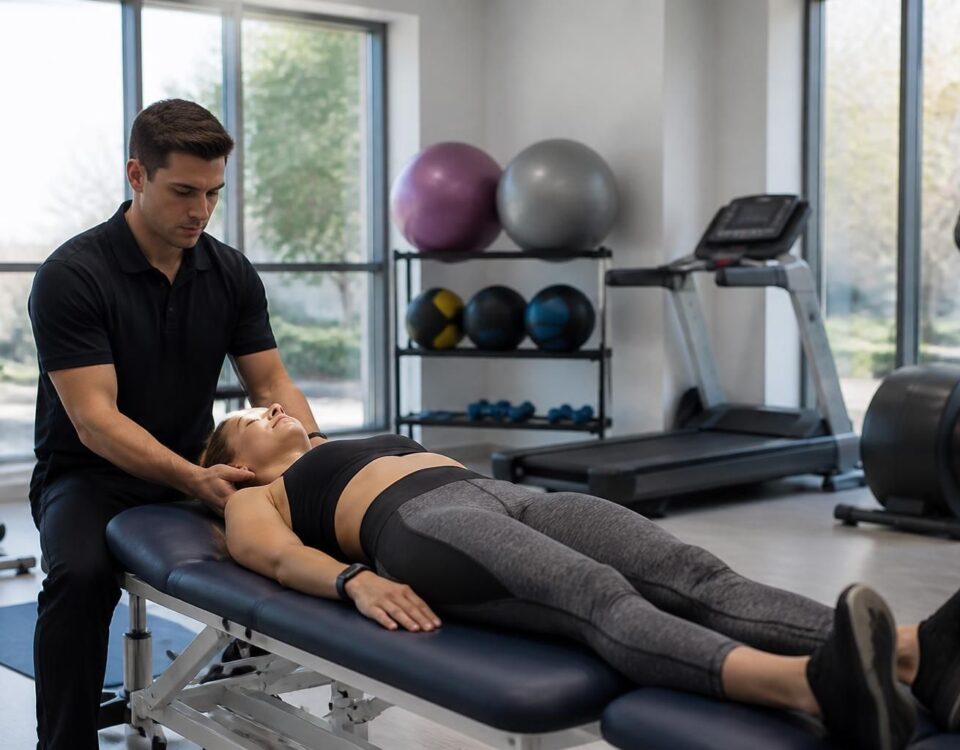
How neurovertebral decompression prevents disc degeneration
26/06/2026
Neurovertebral decompression and vertebral alignment: an effective duo
26/06/2026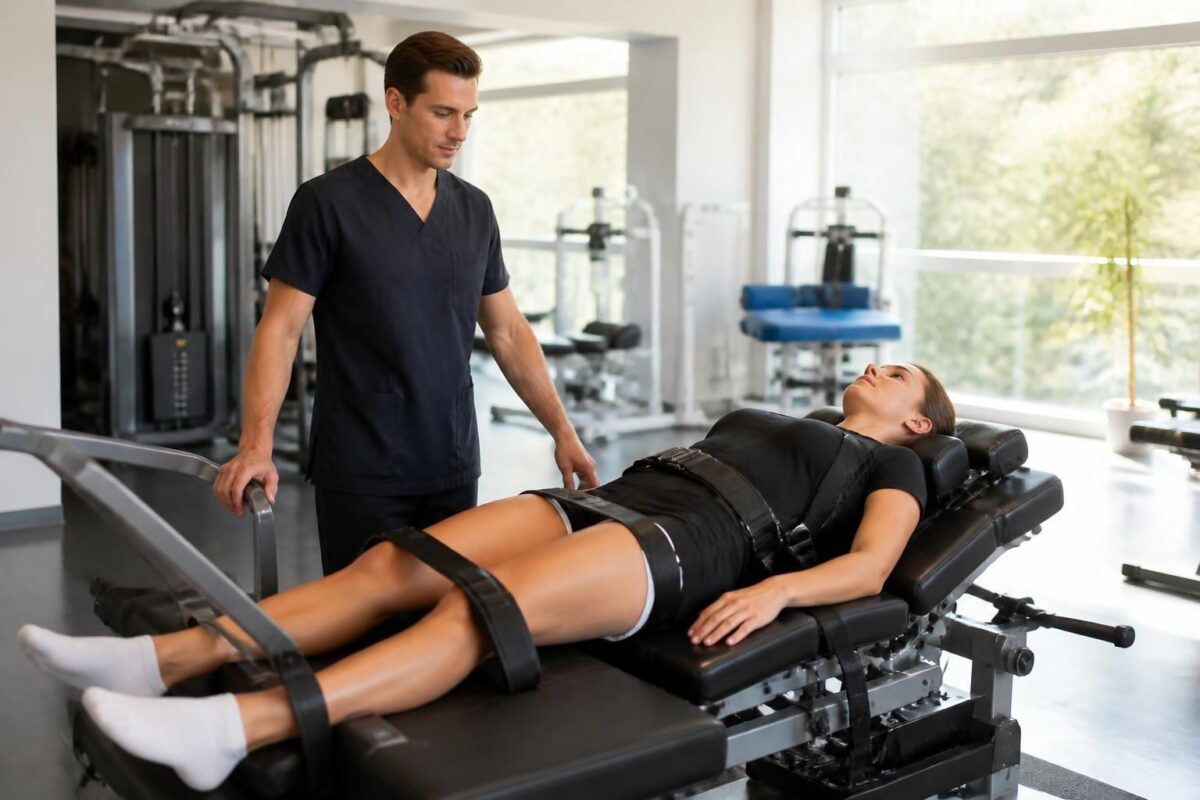
In short
| In short, the neurovertebral decompression for the Amateur athletes is one Non-invasive solution who helps to Relieve back pain and optimize the performance. What is it? gentle traction on the spine that promotes the intervertebral space and Disc rehydration, reducing nerve compressions. How does it work? On a specialized table, a Targeted traction is applied with a Personalized follow-up to adjust the treatment. What are the advantages? pain reduction, Improving mobility, Accelerated recovery, Injury prevention and a better concentration during training. accessible in the clinic and adapted to the needs of Amateur athletes, this approach makes it possible to continue training by limiting interruptions and to overall improve the quality of sporting life. |
For the Amateur athletes, the neurovertebral decompression is an option non-invasive which offers multiple benefits. thanks to a gentle traction and targeted, it reduces the pressure on the Intervertebral discs and the gristle, favoring their rehydration and their regeneration. This action results in a rapid pain reduction, a Improving mobility and an recovery faster after exercise. It also contributes to the Injury prevention and maintaining a good posture, supporting the performance and quality of life in the long term. With professional supervision, she can easily integrate into a training program.
The neurovertebral decompression is a non-invasive approach that helps Amateur athletes to recover faster, reduce back pain and maintain their level of performance. This article outlines the simple mechanisms, measurable benefits and how this therapy can fit into a sports routine without surgery, with clear benchmarks and links to relevant resources.
Principle and mechanism
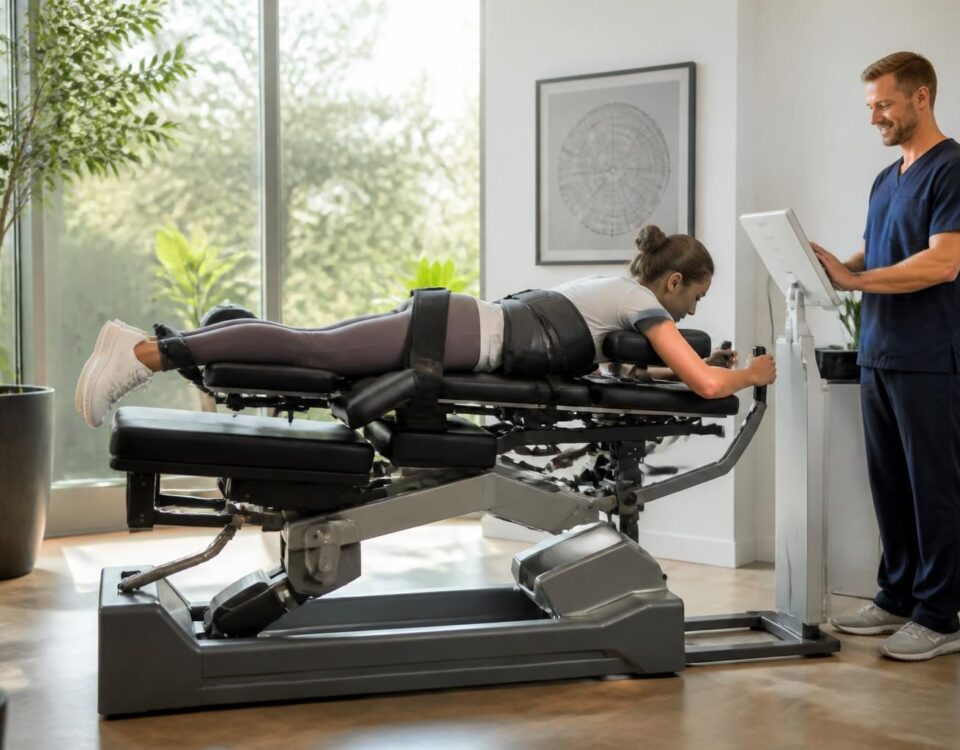
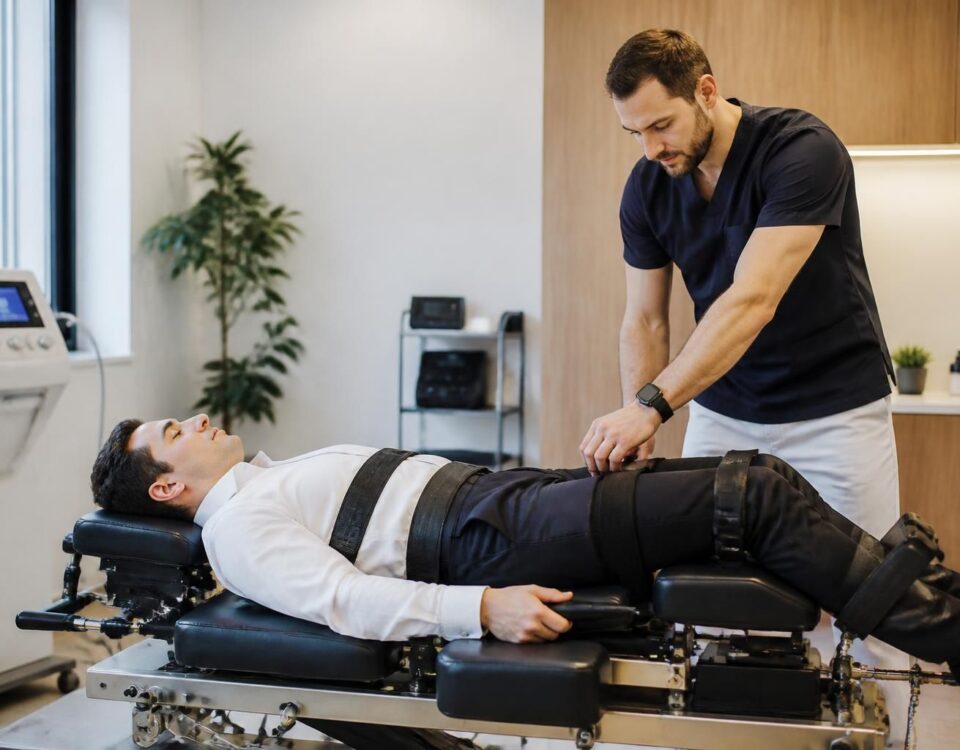
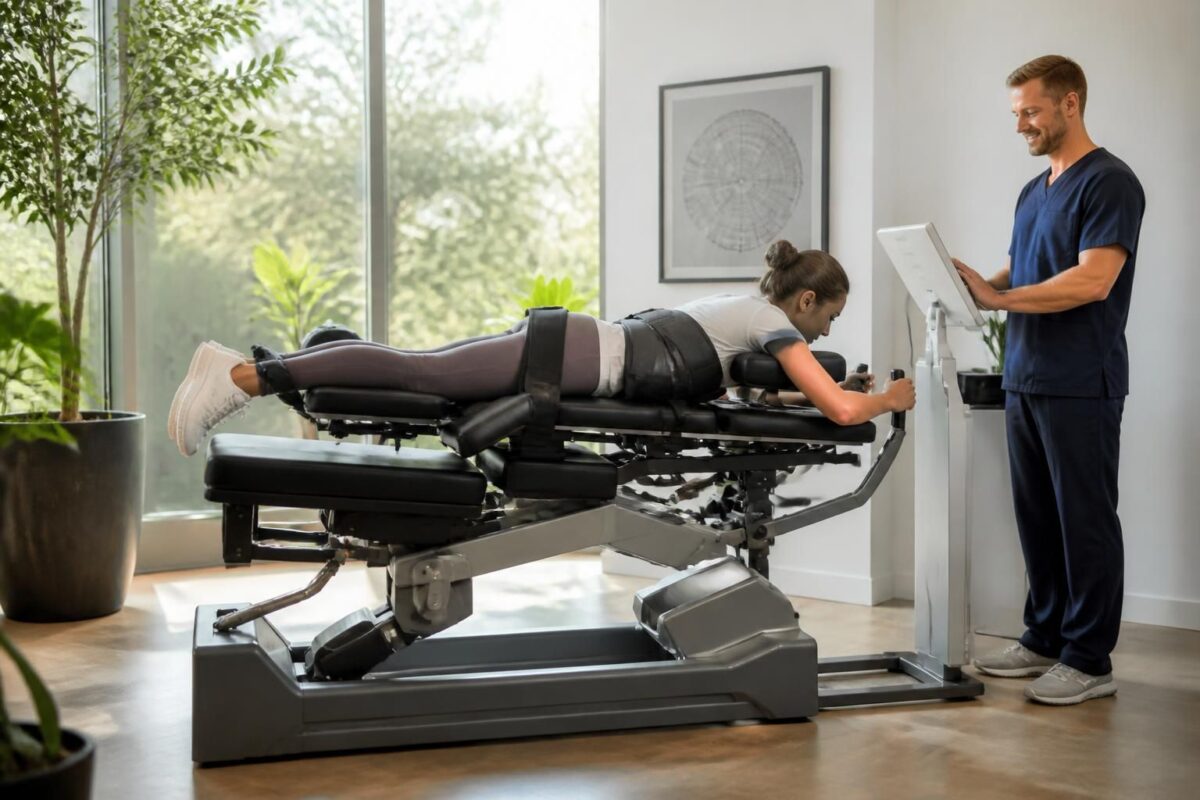
The neurovertebral decompression Applies gentle, targeted traction on the spine. This action reduces the pressure exerted on the neighboring discs and nerves. This pressure reduction promotes disc rehydration and regeneration, while improving segment mobility. In our clinics, a standardized device can be used to ensure controlled and secure traction, suitable for each patient. For a more detailed explanation of the mechanisms, you can consult the Complete guide to neurovertebral decompression.
Effects on recovery and performance
This approach promotes better recovery after exercise. By improving blood flow and reducing tension, it can accelerate recovery time and reduce pain in the short term. Typical results include a pain reduction, a Improving mobility and an Better concentration during training sessions. Additional information on benefits for active athletes is available on This type of resources.
Prevention and spinal health
Beyond recovery, decompression can help prevent recurrent pain by supporting the alignment and stability of the spinal segments. This preventive effect is particularly beneficial for athletes exposed to repeated loads and repeated movements that could generate imbalances and pain. To understand why it is recommended in prevention programs, see Arguments on prevention.
Integration in the sports course
The decompression fits into a rehabilitation or physical maintenance course without the need for surgery. It is offered in the TagMed clinic, in Montreal and in affiliated centres, to harmonize with other evidence-based approaches. A precise initial assessment guides the selection of objectives and the frequency of the sessions. To learn more about the services offered, visit Tagmed Clinic.
Additional resources
To learn more, you can consult resources on The impact on spinal health, on Disc pinching situations and on Interest after an accident. For a more general view, see The complete guide.
Medical Disclaimer: The information and advice provided on this site does not replace the health professional’s diagnosis or treatment. Please note that Dr. Sylvain Desforges osteopath is neither a doctor of medicine nor a doctor, and is not a specialist in a medical specialty as defined by the Collège des Médecins du Québec. Manual medicine, functional medicine and sports medicine as described on this site exclude any medical treatment or diagnosis made by a doctor or specialist doctor. Always consult your doctor for any medical questions. For more details, please read our full legal notice. »
- Pain After decreased training
- Mobility Improved spinal
- Recovery accelerated muscle
- Prevention recurring pain
- Inflammation localized reduced
- Circulation Optimized blood
- Alignment and enhanced spinal stability
- Performance Preserved and better managed fatigue

Neurovertebral decompression offers a non-invasive approach for amateur athletes to quickly alleviate back pain, improve recovery and preserve the mobility necessary for their practice. By combining targeted traction and personalized follow-up, she can be part of a training program to promote continuity and progression. This article presents the key benefits, mechanisms and practical advice to make the most of this technique in an amateur setting.
What is neurovertebral decompression and why it is suitable for amateur athletes
The neurovertebral decompression Acts by a gentle traction on the spine, reducing the pressure on the Intervertebral discs and the gristle. This pressure reduction promotes Disc rehydration and theImproving mobility, which can result in reduced pain and better tolerance to training.
During the sessions, controlled traction allows you to gradually open the space between the vertebrae, which improves circulation and limits nerve compressions. For athletes, this can result in a more fluid resumption of sessions, better posture and a reduction in overexertion tensions.
The long-term benefits of neurovertebral decompression for spinal health
In short In short, the neurovertebral decompression is a non-invasive approach that decreases the Pressure on intervertebral discs and nerves, favoring the Natural regeneration and tissue recovery. Its long-term benefits include Lasting pain reduction, Improving mobility and from the posture,…
The main benefits for amateur athletes
Recovery and pain reduction
In the post-exertion period or after an intense session, decompression helps reduce pain and muscle tension. It promotes faster recovery, which allows you to regain training volumes more quickly without aggravating symptoms.
Improved mobility and performance
By releasing the articular surfaces and restoring a more natural alignment of the column, this technique can improve the mobility and the flexibility, key elements to optimize performance and reduce movement limitations during technical exercises or sprints.
Prevention of recurrent pain and injuries
Decompression acts as a preventive measure by correcting imbalances and decreasing prolonged pressures on the discs. Repeated standing or poorly distributed loads can lead to recurring pain; Decompression helps maintain spinal integrity and limit recurrences.
Comfort and return to training
After a period of rest or minor injury, returning to training can be more comfortable thanks to better exertion tolerance and more progressive load recovery, while maintaining joint safety.

Neurovertebral decompression and mobility: a return to an active life
In short In short, the neurovertebral decompression is therapy non-invasive who uses a gentle traction To create a space between the vertebrae and reduce the pressure on the Intervertebral discs and the nerves. It promotes a bloodstream improved, lowers tension…
Integration into an amateur training program
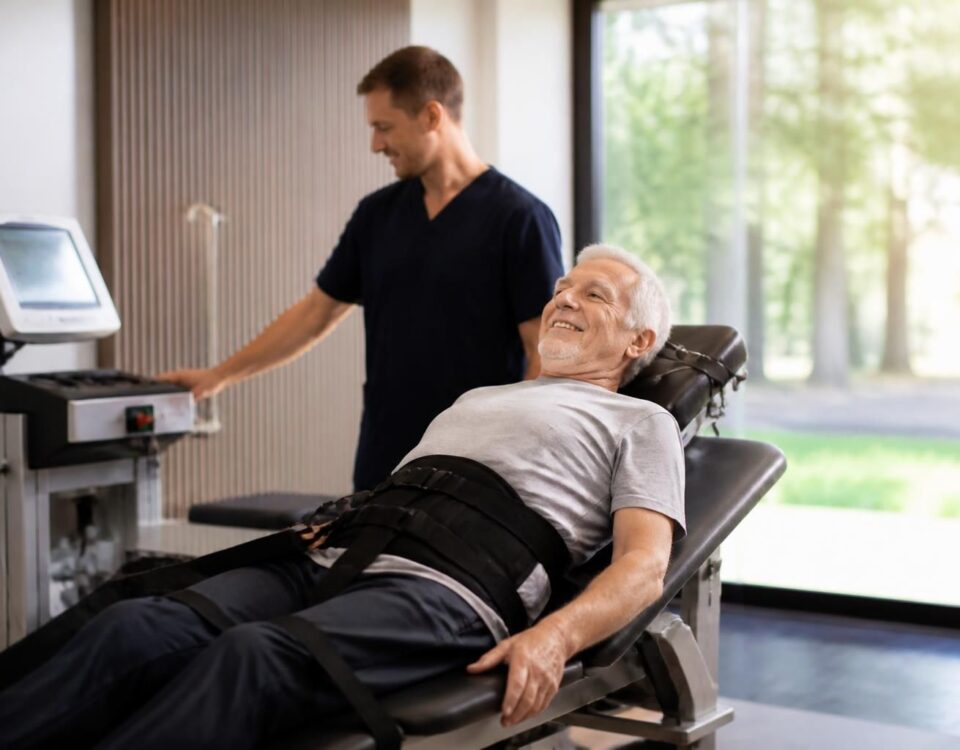
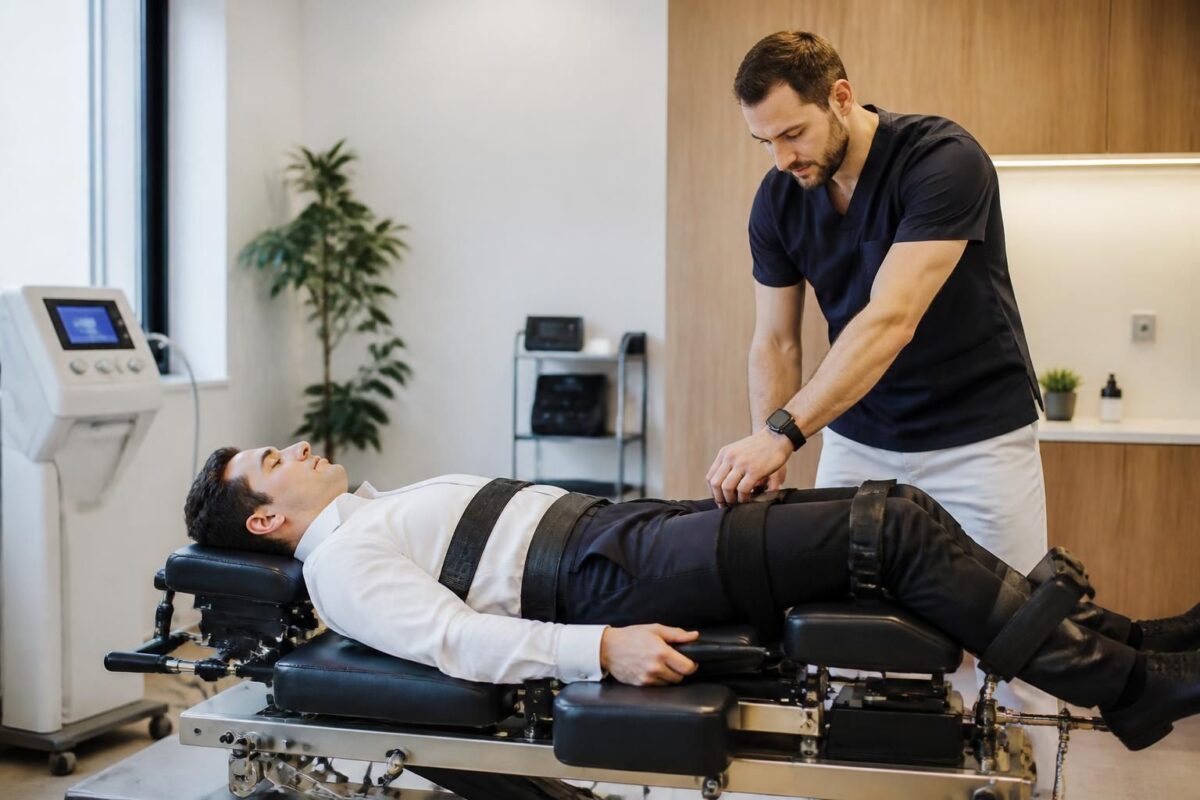
For amateurs, a screening Identifies areas to be treated and schedules a realistic timeline. The Controlled traction Via a specialized device ensures safety and efficiency, while regular monitoring adjusts the parameters and additional exercises (stretching, postural reinforcement, lifestyle). This personalized approach facilitates a progression adapted to your level and your objectives.
Associating decompression with targeted muscle strengthening and posture exercises can amplify the benefits. Gentle stretching routines and postural hygiene tips complete the treatment and help prevent relapses while supporting long-term performance.
How Neurovertebral Decompression Prevents Diffuse Chronic Pain
In short decompression neurovertebral is one Non-invasive method aimed at reducing the Pressure on the intervertebral discs and the nerves, in order to prevent Diffuse chronic pain. It improves the circulation and thedisc hydration, decreases inflammation and promotes better mobility.…
Practical advice and safety
Always consult a Graduate health professional For proper support. Inform your practitioner about your sports practice, pain and background. Avoid decompression in case of unexplained acute pain, fracture, vertebral infection or other medical contraindications. Gradually start and listen to your body to adjust the frequency and intensity of the sessions.
| Category | Profit |
|---|---|
| pain reduction | rapid and sustainable reduction of back pain, facilitating the resumption of training. |
| Post-effort recovery | Recovery accelerated After the effort, thanks to better circulation and the reduction of tensions. |
| Mobility and flexibility | Improvement of the mobility vertebral and flexibility general. |
| Injury prevention | risk reduction of injuries relapses related to repetitive stress on the column. |
| Performance and concentration | top concentration and potential of performance thanks to optimal alignment. |
| Trust and motivation | Strengthening of the confidence in the rehabilitation program and increased motivation. |
| Alignment and posture | Improvement of thealignment and from the posture who support training. |
| Quality of life and well-being | General improvement of the quality of life and of welfare on a daily basis. |
| Monitoring and integration | Sustainable integration in training routines with a Personalized follow-up. |
Neurovertebral Decompression and Body Alignment: Restoring Natural Balance
In short In short, neurovertebral decompression is one Non-invasive approach who restores theBody Alignment and thenatural balance back and neck. She acts by a Controlled traction of the spine to widen the intervertebral space and reduce the Pressure on discs…
Testimonials on the benefits of neurovertebral decompression for amateur athletes
Sophie, amateur runner : After several sessions, I felt relief quick and sustainable pain in the lower back. The neurovertebral decompression My allowed to recover faster between exits and increase my training volume without tightness. I found a better mobility And a renewed confidence for my long distance courses.
Adrien, amateur cyclist : on the bike, the tension in the shoulders and the neck after the sessions of neurovertebral decompression. This offers me a better posture on the saddle and improved circulation, which reduces pain related to training. Result: fewer days off and a prevention lasting injuries.
Camille, amateur tennis player : I especially appreciate the decrease in cervical and back tensions after the matches. The neurovertebral decompression Maiden to regain my concentration and accuracy more quickly, and I am able to maintain a more sustained workout program without fear of the pain that usually sets in.
Jade, amateur basketball player : After several sessions, the recovery became faster and theinflammation post-workout is less pronounced. I win in mobility and in flexibility, which allows me to chain the exercises with more daisance and to maintain my performance in the field.
Thomas, amateur hiker : As a trail enthusiast, preventing recurring pain is essential. The neurovertebral decompression played a key role in my prevention Lower back pain and in maintaining a constant level during my long outings. I feel better stability and confidence found in my body.
Dr. Sylvain Desforges, osteopath, naturopath and doctor Manuel, is the founding president of the Tagmed and ACMA clinics. With a career dedicated to health innovation, its approach focuses on the management of Chronic pain and the integration of advanced technologies, including neurovertebral decompression, the laser and the Shockwave therapy. His practice favors care evidence-based To optimize the health and well-being of patients, including amateur athletes looking for performance and sustainable quality of life.
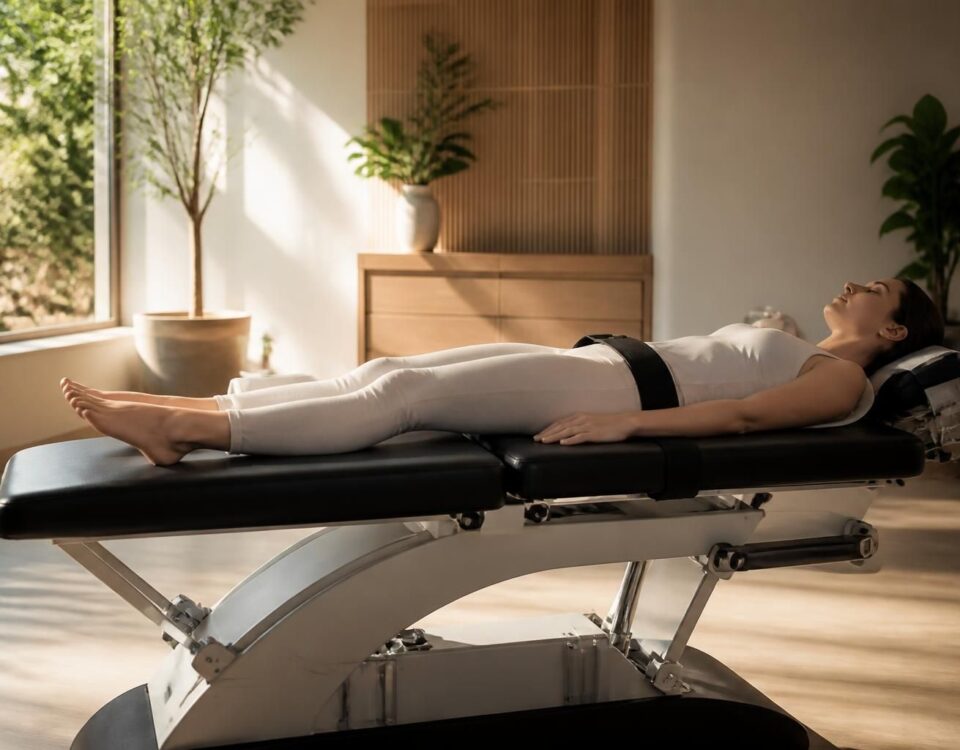
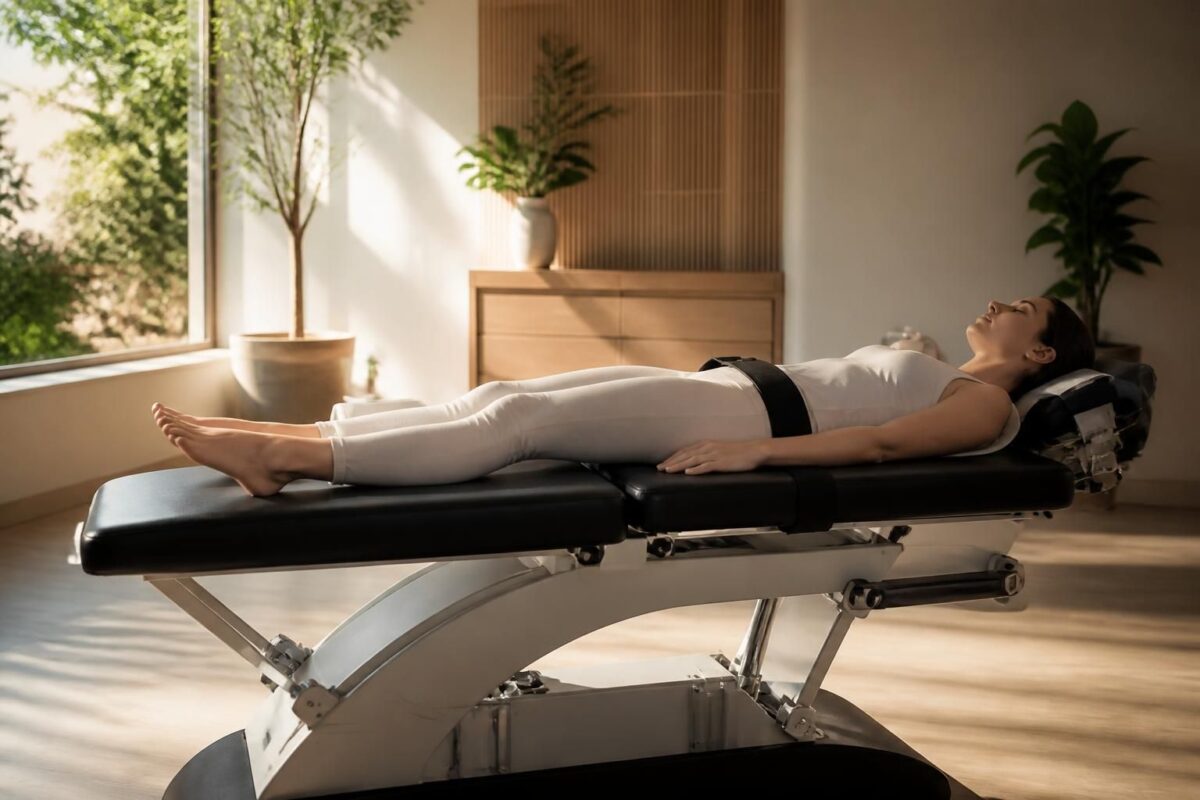
The neurovertebral decompression Relies on soft and controlled traction of the spine. by reducing the pressure exerted on the Intervertebral discs and the gristle adjacent, this approach promotes their rehydration and their regeneration, thus improving flexibility and effort tolerance. This approach is generally carried out on a specialized table, allowing precise control of the movement and the extent of the traction.
For the Amateur athletes, the benefits manifest themselves quickly and in a tangible way. We often observe a Reduction of back pain, a Improving mobility and one vertebral alignment more stable, which contribute to better technique and a reduction in muscle tension. At the same time, the improvement in blood circulation and the flow of nutrients to the tissues promotes accelerated recovery and a reduction in post-activity inflammation.
The use of decompression is part of a clear evaluative framework. Each session begins with a initial assessment and continues with a Targeted traction adapted to the athlete’s profile and objectives, then fits into a Custom program rehabilitation and physical preparation. One Regular follow-up Allows you to adjust the parameters and measure progress, while remaining attentive to any new limitations or pains.
Integrated into a global program, decompression can be associated with other approaches such as laser and the Shockwave therapy to optimize recovery and injury prevention. In 2025, the returns of amateur athletes who adopt this strategy show a better tolerance to effort, mobility improvements and a reduction in Downtime After the intensive sessions, while preserving the continuity of sports practice and long-term motivation.
At the heart of this approach, the objective is to restore the integrity of the movement and to offer a vertebral alignment optimal, in order to prevent relapses and to support sustainable sports. This approach, centered on the individual, combines clinical expertise, adapted technologies and therapeutic education to support each athlete towards sustained performance and a better quality of life.
This summary highlights the earnings of the neurovertebral decompression for the Amateur athletes, showing how this approach non-invasive promotes the recovery, improves the mobility and supports the performance While strengthening the Injury prevention as part of a balanced training program.
Why neurovertebral decompression is a lasting solution for active seniors
In short In short, the neurovertebral decompression is one Non-invasive therapy which sustainably relieves spinal pain in the spine active seniors By creating, by a Soft and controlled traction, a space between the vertebrae. At Montreal, it is recognized as…
the foundations and operation
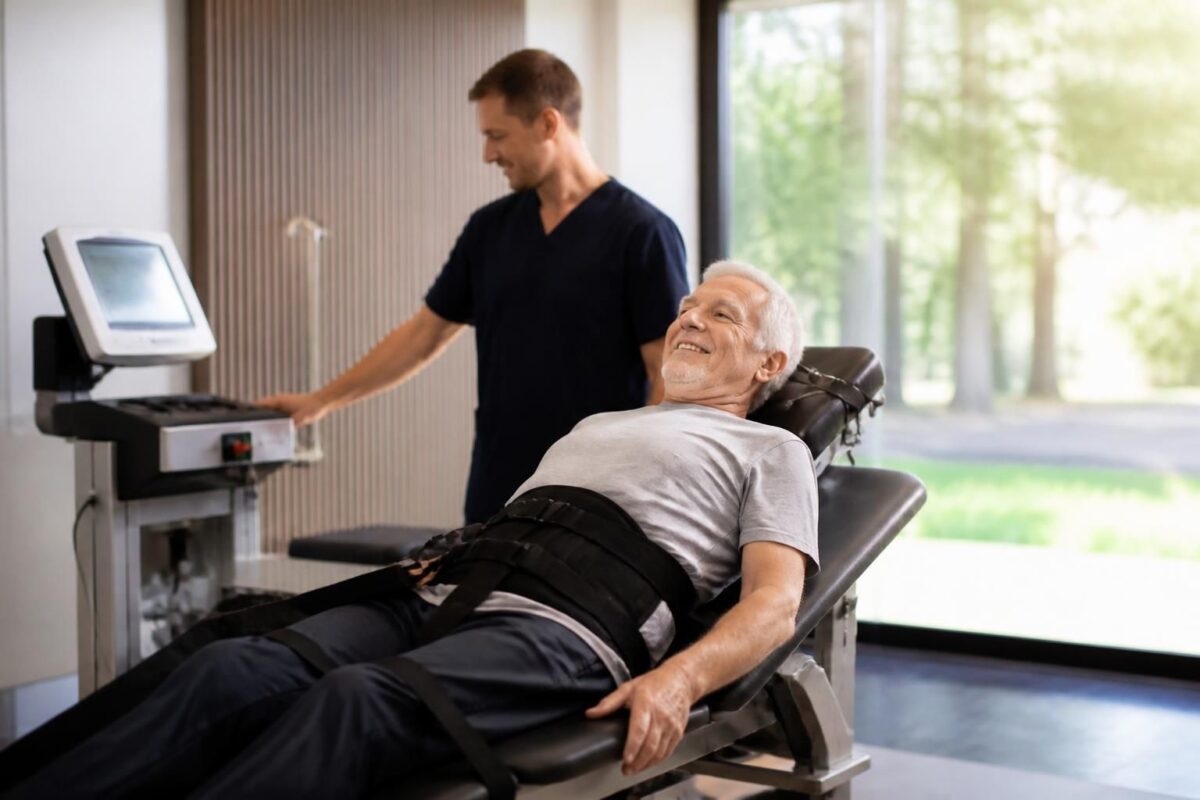
The neurovertebral decompression is based on a gentle traction applied to the spine to decrease the pressure on intervertebral discs and adjacent nerves. This pressure reduction promotes rehydration and the regeneration discs, thus improving their flexibility and overall column mobility. In practice, a specialized device allows controlled and secure traction, ensuring increased vertebral space and better bloodstream. This approach is based on solid neuro-orthopedic principles and is easily integrated into a therapeutic or preventive framework.
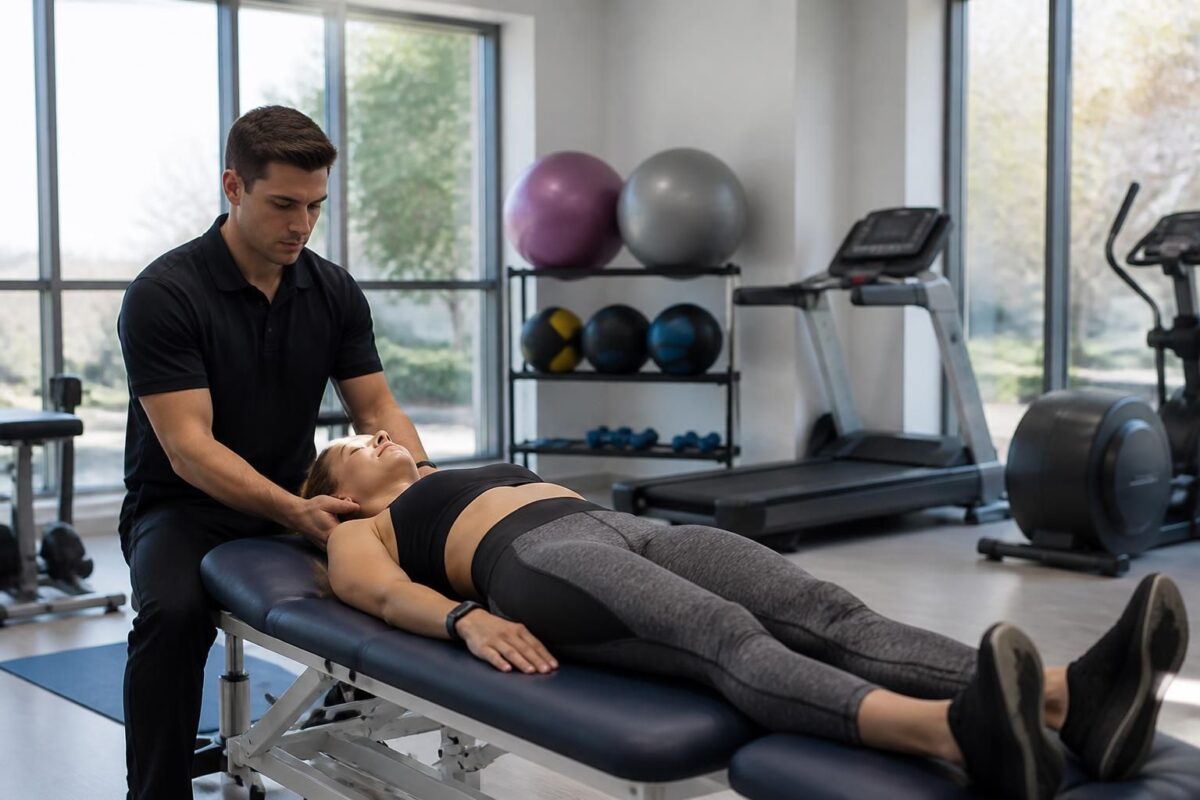
Neurovertebral decompression and recovery after severe sports injury
In short In short, the neurovertebral decompression is one Non-invasive method to Relieve the pressure on the Intervertebral discs and the gristle Via a Controlled traction, to facilitate the recovery After a severe sports injury. It improves the bloodstream towards…
Recovery and performance among amateur athletes
For amateur athletes, the neurovertebral decompression offer a quick recovery After exercise by reducing muscle tension and facilitating the return to training. By promoting a better oxygenation and an bloodstream effective around the vertebral structures, it contributes to a decrease in pain and to a Increase in mobility. These effects result in a Injury prevention and an Sustainable performance During the sessions, with less downtime and improved concentration during training.
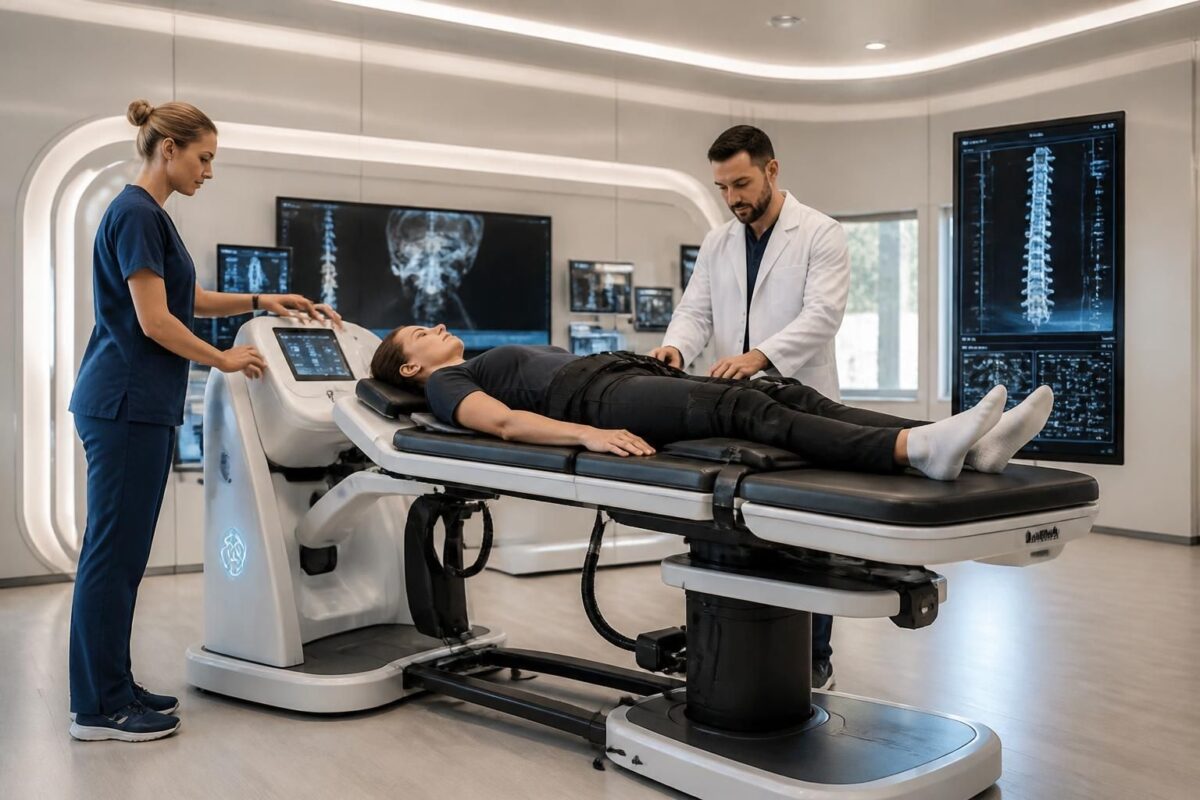
Recent innovations in neurovertebral decompression technologies
In short In short, the neurovertebral decompression is an approach non-invasive Aiming to reduce pressure on discs and nerves, and promote tissue regeneration. At Montreal, it is positioned as an effective option for lower back pain and herniated discs. The…
Prevention and safety in training
Prevention of relapses and recurring pain requires a preliminary assessment, a personalized plan and regular follow-up. Decompression offers an approach fresh and well-ordered which adapts to the profile of each athlete, minimizing risks and maximizing profits. By using appropriate protocols, athletes can maintain a Postural balance and prevent imbalances that expose to new injuries. This approach is part of a global strategy for vertebral health and of Performance Preservation.
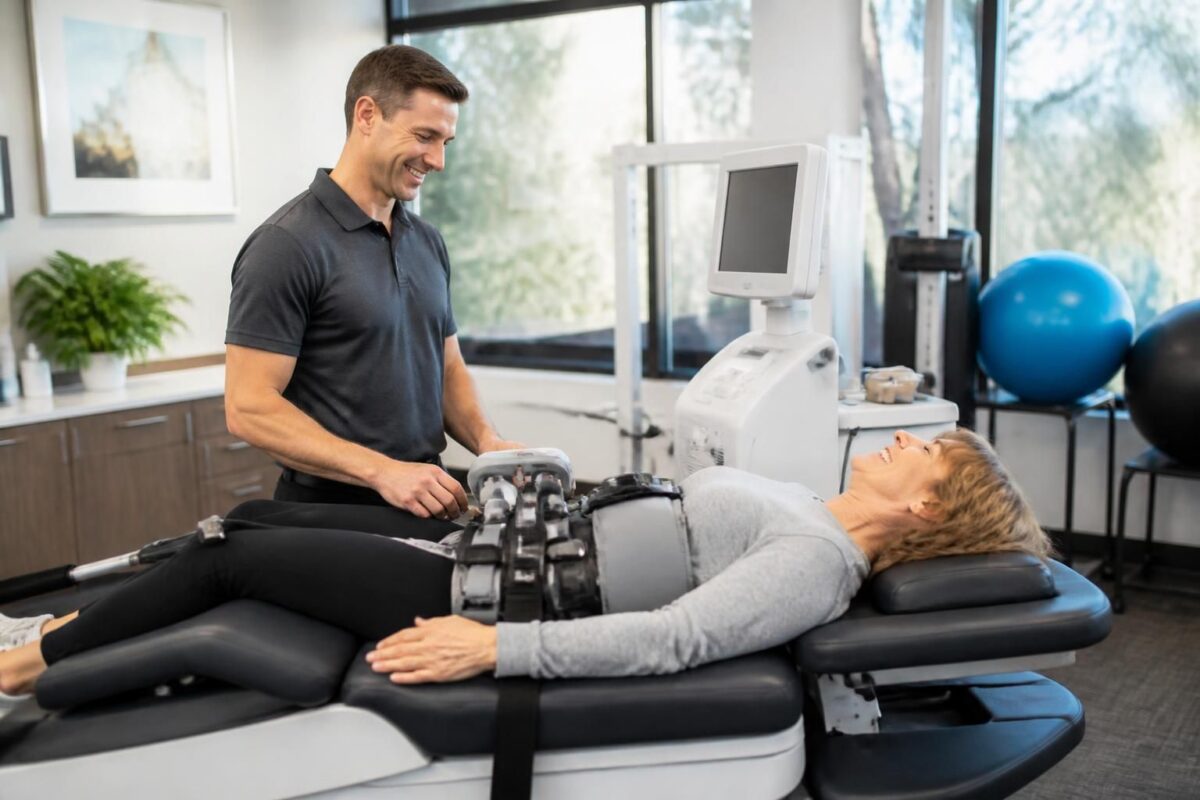
Neurovertebral decompression and diffuse pain: an appropriate solution
In short In short, the neurovertebral decompression is one Non-invasive solution For diffuse pain related to nerve irritation of the spine. She acts in Reducing pressure on intervertebral discs and nerves and improving the bloodstream, which promotes recovery and the…
Practical integration into a training program
Implementing decompression in a dedicated program requires a initial assessment, a Controlled traction and one monitoring continuous to adjust treatments and objectives. This method can be integrated in addition to targeted strengthening exercises and stretching, in order to increase the stability, the comfort and the mobility overall. The goal is a Targeted rehabilitation which allows you to resume and maintain regular sports practice without pain or limitation.
Resources and additional readings
For further details, refer to the following resources that address mechanisms, key steps for successful treatment and long-term benefits of neurovertebral decompression in athletes: Decompression#ATFP_CLOSE_TRANSLATE_SPAN#Neurovertebral – An ideal therapy for athletes in rehabilitation, Decompression#ATFP_CLOSE_TRANSLATE_SPAN# Neurovertebral and chronic pain – an innovative approach, The#ATFP_CLOSE_TRANSLATE_SPAN# Physical and mental benefits of a neurovertebral decompression program, LES#ATFP_CLOSE_TRANSLATE_SPAN# Key steps for successful treatment in neurovertebral decompression, Decompression#ATFP_CLOSE_TRANSLATE_SPAN# Neurovertebral and aging – Preserve column health, LES#ATFP_CLOSE_TRANSLATE_SPAN# Recent innovations in neurovertebral decompression for lower back pain, LA#ATFP_CLOSE_TRANSLATE_SPAN# Neurovertebral decompression and its applications in contemporary sports medicine, LES#ATFP_CLOSE_TRANSLATE_SPAN# Benefits of neurovertebral decompression for the rehabilitation of athletes, Decompression#ATFP_CLOSE_TRANSLATE_SPAN# Neurovertebral – Strategies for accelerated rehabilitation, Why#ATFP_CLOSE_TRANSLATE_SPAN# Athletes choose neurovertebral decompression.

Dr Sylvain Desforges, B.Sc., D.O., N.D., osteopath, is the founding president of TAGMED and of the ACMA association. He dedicates his practice to chronic spinal pain, low back pain and symptoms compatible with sciatica, particularly when pain radiates toward the buttock, leg, calf, foot or toes.
Through SOS Sciatique, he publishes educational content on sciatica symptoms, possible causes such as disc herniation, disc narrowing, foraminal stenosis or irritation of a lumbar nerve root, as well as non-surgical approaches that may be considered according to the evaluation. At Clinique TAGMED, care may include, depending on the case, motorized neurovertebral decompression, specific osteopathic care or precision percussion.
For an evaluation related to sciatica treatment in Montreal / Mount Royal or sciatica treatment in Terrebonne, please consult the services available at Clinique TAGMED.
Medical disclaimer
The information published on SOS Sciatique is provided for educational purposes only and does not replace a consultation, diagnosis, opinion or treatment provided by a physician or another authorized healthcare professional. The author of this article is neither a medical doctor nor a specialist in a medical specialty recognized by the Collège des médecins du Québec. The osteopathic, manual medicine or functional support approaches described on this site do not constitute medical acts and are not intended to replace medical follow-up.
Consult a physician or emergency service in cases of loss of bladder or bowel control, anesthesia in the saddle area, significant or progressive weakness in the leg or foot, fever, recent trauma, severe pain or rapid worsening of symptoms. For more details, please read our Legal Notice.