Neurovertebral decompression and improvement of daily mobility
26/06/2026
Neurovertebral decompression: a solution for persistent mechanical pain
26/06/2026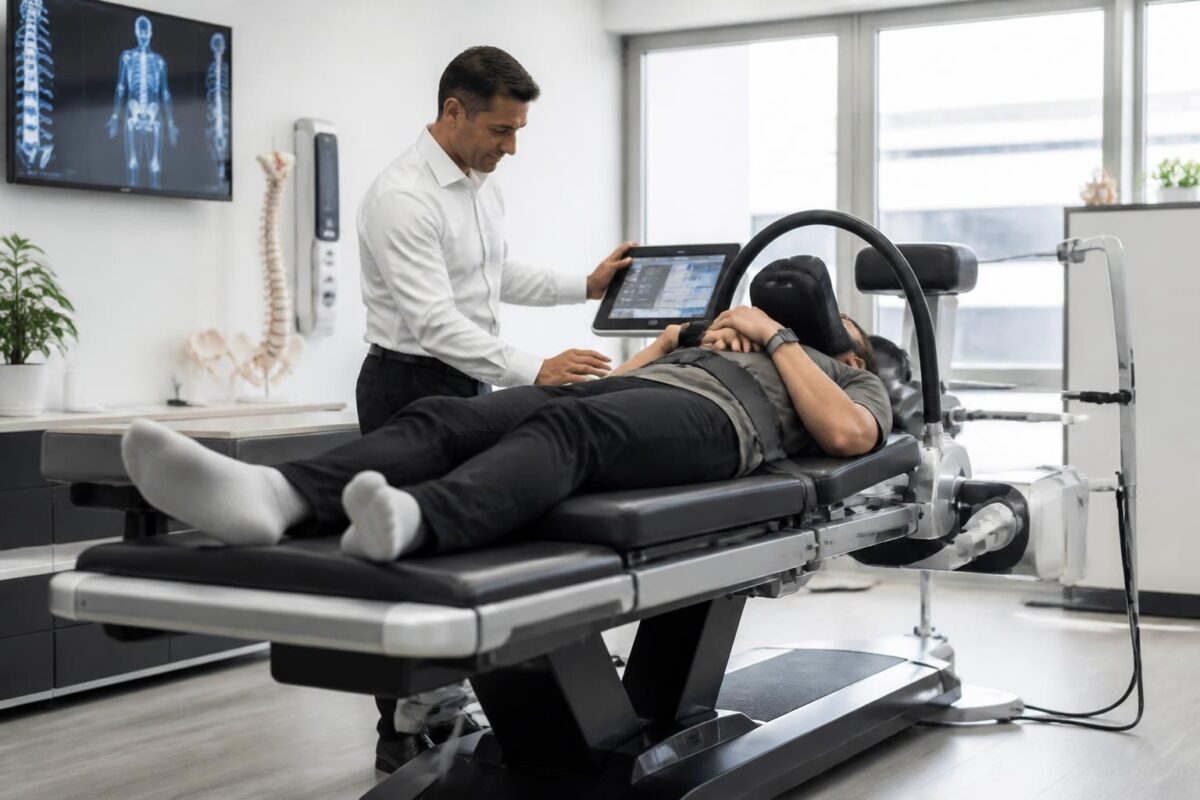
In short
| neurovertebral decompression is one Innovative solution To relieve the Lower back pain and cervical by reducing the Pressure on the intervertebral discs and the nerves. This approach non-invasive offers results fast and durable For people with chronic spinal pain, improving the mobility and the quality of life. In Montreal, it is particularly recommended for those looking for a Alternative to surgery, thanks to custom protocols and easy recovery. |
recent innovations in neurovertebral decompression revolutionize the treatment of lower back pain by offering an approach non-invasive and personalized. thanks to Advanced technologies And at adjustable protocols, this method aims to reduce the pressure on discs and nerves while promoting mobility and return to an active life.
- Custom Traction and sophisticated devices to precisely target the painful areas and to adapt the intensity and duration of the sessions.
- Real-time monitoring thanks to biometric sensors and Adaptive algorithms who adjust the protocol during each session.
- Multidisciplinary approach integrating complementary non-invasive therapies, such as laser and the shock waves, to optimize recovery.
- Clinical results: Data indicates that approximately 71% Patients report improvement after several sessions, with lasting pain reduction and better mobility.
- Future: perspective ofDynamic MRI in charge, home monitoring and increased use of theartificial intelligence to personalize the treatments.
This article presents recent innovations in neurovertebral decompression for lower back pain. It describes the technologies used, the clinical evidence available, and the practical implications for patients, particularly in the context of TagMed clinical management. The goal is to provide a data-based, safety-focused approach, without systematically using surgery.
Neurovertebral decompression evolves rapidly thanks to advanced devices and more precise protocols. This non-invasive approach aims to reduce pressure on the intervertebral discs and nerves, which can improve mobility and reduce pain in many people with chronic lower back pain. For patients, this can mean a more comfortable resumption of daily activities and a better quality of life. To learn more about the foundations and mechanisms, consult the specialized resources and experiences shared by professionals.
Recent technologies and devices
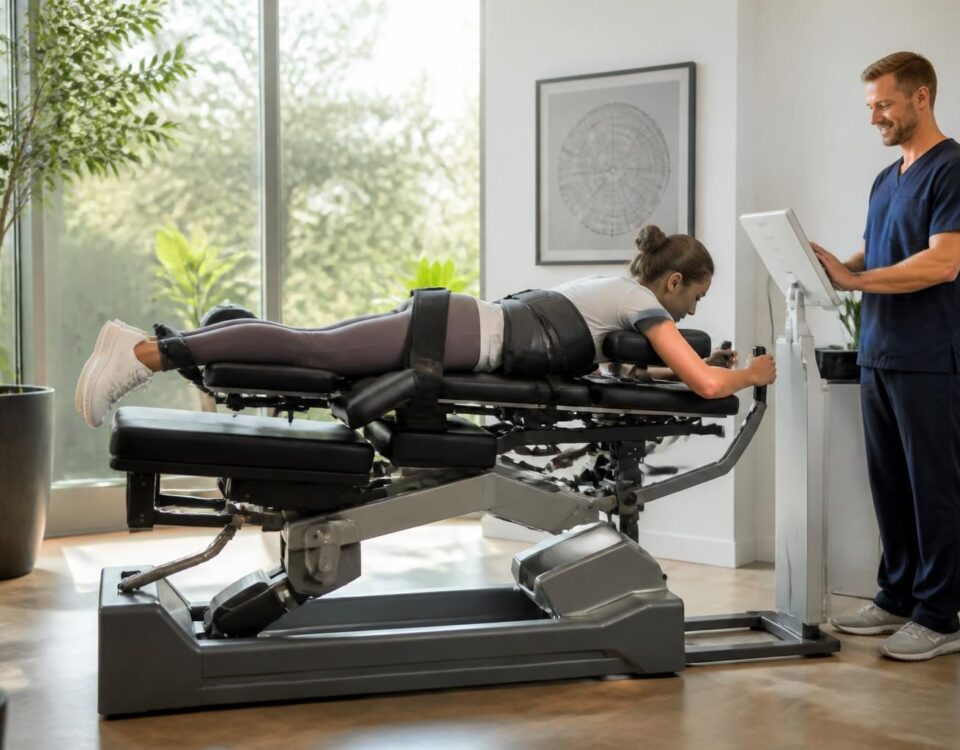
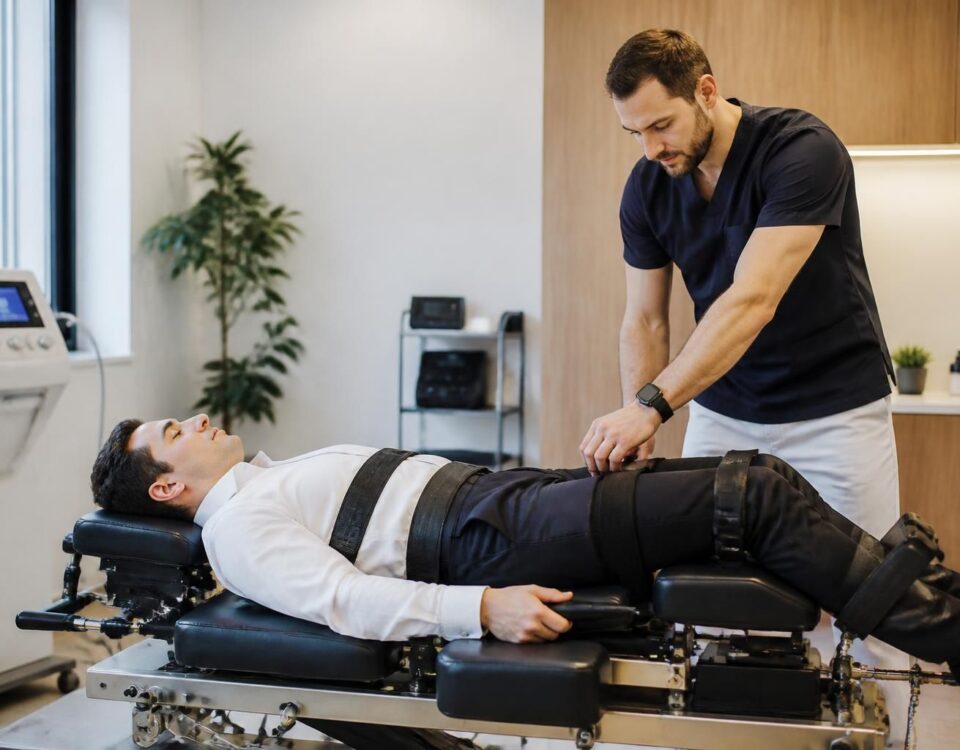
Current technologies allow targeted traction and guided decompression. Modern systems adjust traction in real time according to the patient’s response, which improves targeting and comfort during the sessions. For a presentation of techniques and innovations, see the following resources: Modern techniques of neurovertebral decompression explained and Technological novelties in decompression. These tools allow a better location of the painful areas and an adaptation of the treatment parameters according to each patient. The link with clinical resources shows how these approaches fit into a global care strategy.
resources like How decompression affects radiant pain Explain how the pressure reduction can limit the painful signals transmitted by the nerves. Other texts describe how decompression can be articulated with the management of foraminal stenosis and other associated conditions, without the need for surgical procedures.
Clinical evidence and results
Recent data suggests that a large number of patients experience increased pain and better mobility after series of sessions. Modern protocols allow you to adjust the treatment plan based on patient progression and treatment tolerance. For details of the results observed in different populations and contexts, see the following articles and analyzes: Neurovertebral decompression and lumbar duct stenosis and Recent advances. These studies support the idea that non-invasive treatment can contribute to a lasting reduction of symptoms in lower back pain related to disc or degenerative problems.
In the field of lower back pain, benefits are measured not only by reducing pain, but also by improving function and quality of life. Clinical exchanges and practice reports underline the importance of rigorous follow-up and protocol adaptation over the sessions to avoid recurrences and optimize results over the long term.
Security and tolerance
Neurovertebral decompression is presented as a non-invasive and generally well-tolerated approach. The sessions take place in a supervised frame and the traction parameters are adjusted according to the patient’s response. For safety perspectives and considerations, see in particular resources that discuss mechanisms of action and clinical considerations: Disc and decompression herniation—General information and Preserve spine health and aging. In any case, any treatment decision should be discussed with the health professional and based on individual assessment.
Integration into clinical practice
Specialized clinics integrate neurovertebral decompression into a multidisciplinary approach. In Montreal and in the region, modern protocols are part of courses that can include other non-invasive modalities and structured follow-ups. For patients seeking full care, the reference of centers such as Tagmed Clinic can be useful, in particular to assess the adequacy of these techniques for each clinical situation.
For information and additional resources on the training and quality of care aspects, readings and practice examples can be consulted from reference resources in the field and in specialized publications. Discussions on spinal decompression and its applications in lower back pain are also available in online resources that investigate mechanisms and outcomes.
A community and clinical perspective emphasizes access to safe and effective treatments without surgery. The evolution of technologies and protocols promises even better prospects for the management of lower back pain and associated conditions, while relying on strong clinical evaluations and feedback from patients.
In addition, content and educational resources available on different platforms make it possible to deepen the understanding of the mechanisms and results observed in current practice. Relevant links to specialized resources complement the information presented here and offer benchmarks for professionals and patients.
To learn more about innovations and practical implications, you can view additional resources on neurovertebral decompression and its applications. Dedicated articles and pages provide analysis and updates on technologies and protocols in use in contemporary practice.
Medical Disclaimer: The information and advice provided on this site does not replace the health professional’s diagnosis or treatment. Please note that Dr. Sylvain Desforges osteopath is neither a doctor of medicine nor a doctor, and is not a specialist in a medical specialty as defined by the Collège des Médecins du Québec. Manual medicine, functional medicine and sports medicine as described on this site exclude any medical treatment or diagnosis made by a doctor or specialist doctor. Always consult your doctor for any medical questions. For more details, please read our full legal notice.
- Technological axes – Guided traction and targeted decompression.
- Advanced devices – Patient-friendly non-invasive systems.
- Real-time monitors – Instantaneous sensors and adjustments.
- Dynamic Imaging – Assessment in standing and loading positions.
- Multimodal integration – Associations with laser and shock waves.
- Clinical results – Reduced disc pressure and lower back pain.
- Improved mobility – Better flexibility and daily operation.
- Safety and comfort – Non-invasive procedure and generally well tolerated.
- Impact on treatment – Reduction of surgical necessities and better accessibility.
- evidence – About 71% of patients report improvement after several sessions.
- Prospect – Real-time tracking and scalable customizable protocols.

This article presents recent innovations in neurovertebral decompression for the Lower back pain, focusing on technologies, personalized protocols and clinical outcomes. It highlights non-invasive, more targeted and patient-friendly approaches that aim to reduce disc and nerve pressure while improving mobility and quality of life.
Innovative technologies and devices
Recent advances are based on decompression systems that apply gentle, personalized traction to the spine. These devices make it possible to adjust the intensity and duration in a precise way, in order to reduce the internal pressure of the intervertebral discs and to create a space conducive to tissue recovery.
adapted traction devices
Modern equipment offers individualized planning, taking into account the painful areas and anatomical characteristics of the patient. This targeted approach promotes better distribution of strength and increased comfort during the sessions, while avoiding the risks associated with more invasive treatments.
Real-time monitoring and adjustment
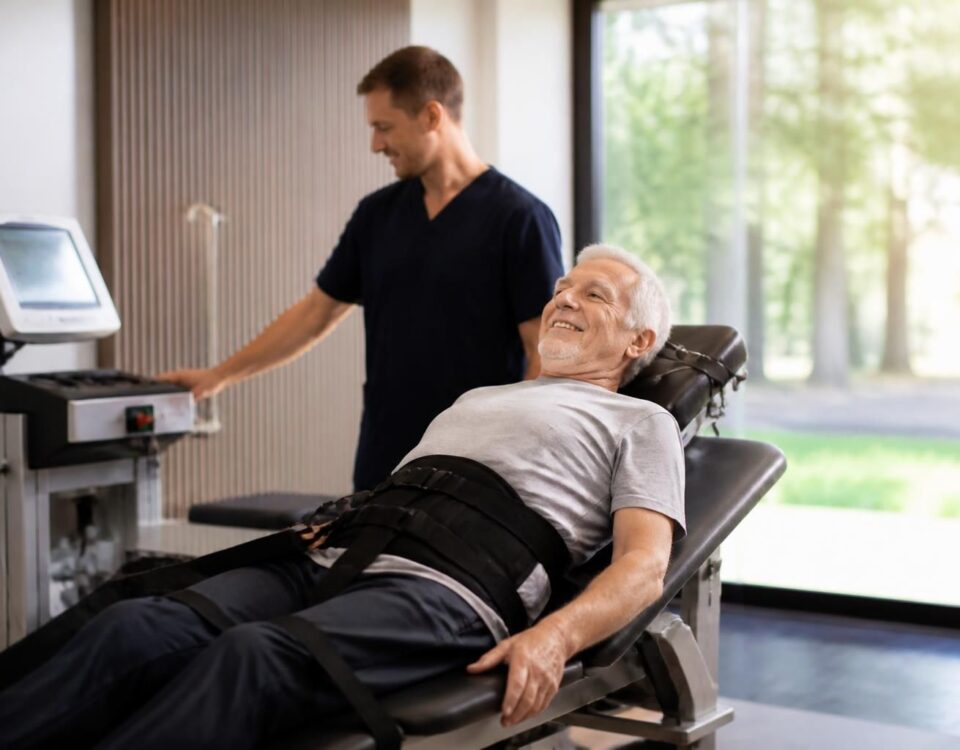
Some systems integrate sensors and algorithms that allow continuous monitoring of physiological responses. These data feed into immediate traction adjustments, ensuring more effective and better tolerated therapy, even in the event of variations in symptoms from one day to the next.
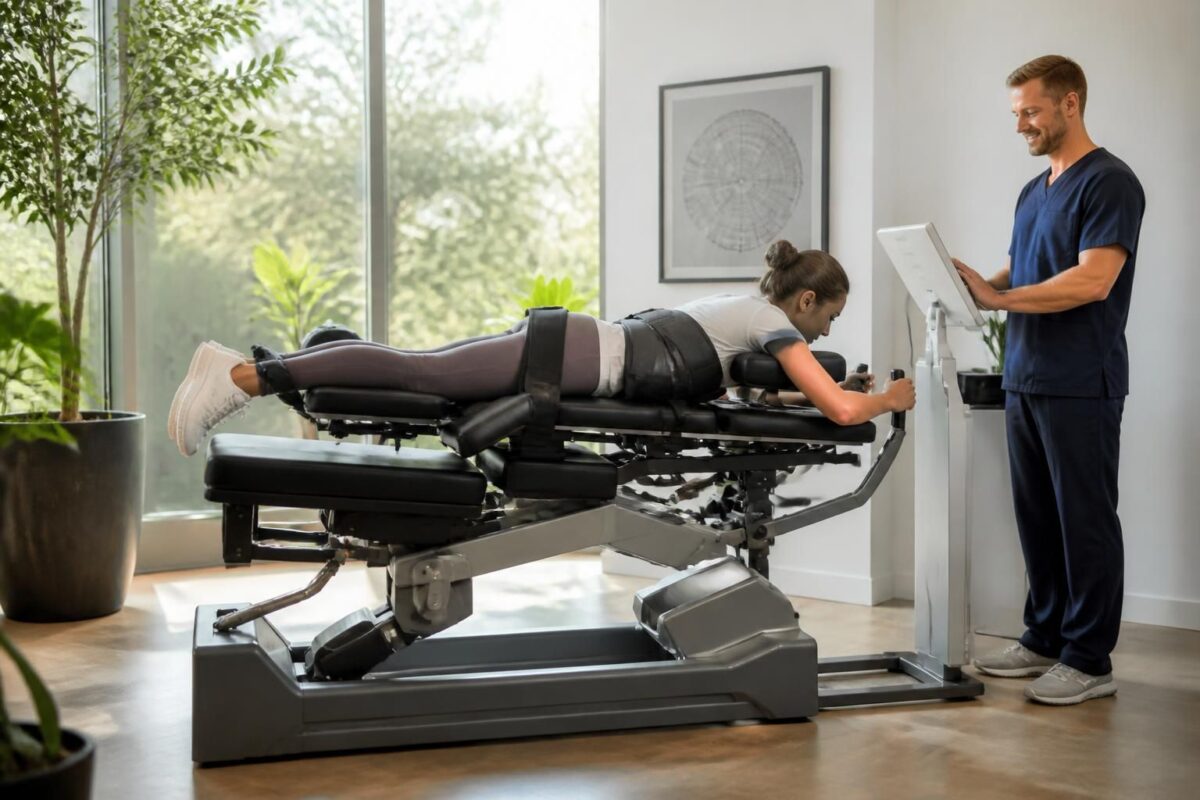
The long-term benefits of neurovertebral decompression for spinal health
In short In short, the neurovertebral decompression is a non-invasive approach that decreases the Pressure on intervertebral discs and nerves, favoring the Natural regeneration and tissue recovery. Its long-term benefits include Lasting pain reduction, Improving mobility and from the posture,…
Non-invasive approaches and customization
The strength of these innovations lies in their patient orientation and their ability to integrate into multimodal care pathways. Decompression is often associated with non-invasive complementary protocols, such as targeted exercises, muscle stimulation, and numerical follow-ups that facilitate rehabilitation.
Custom protocols
Protocols are adjusted according to the severity of symptoms, pain location and patient tolerance. This customization improves the chances of lasting relief and helps prevent recurrences by strengthening spine stability and mobility.
Biometric and digital monitoring
The use of biometric data and monitoring platforms makes it possible to evaluate progress over time and to adapt the treatment according to the actual response of the patient, strengthening membership in the care program.

Neurovertebral decompression and mobility: a return to an active life
In short In short, the neurovertebral decompression is therapy non-invasive who uses a gentle traction To create a space between the vertebrae and reduce the pressure on the Intervertebral discs and the nerves. It promotes a bloodstream improved, lowers tension…
Clinical efficacy and safety
The Clinical results Indicate that a majority of patients have reduced pain and improved mobility after several sessions, with lasting benefits when the protocols are well followed and personalized. The approach is non-invasive and associated with a low risk of complications, making it an attractive option for those looking to avoid surgery.
Prevention of recurrences
In addition to immediate relief, these techniques aim to prevent painful recurrences by improving spinal stability and muscle function surrounding the spine.
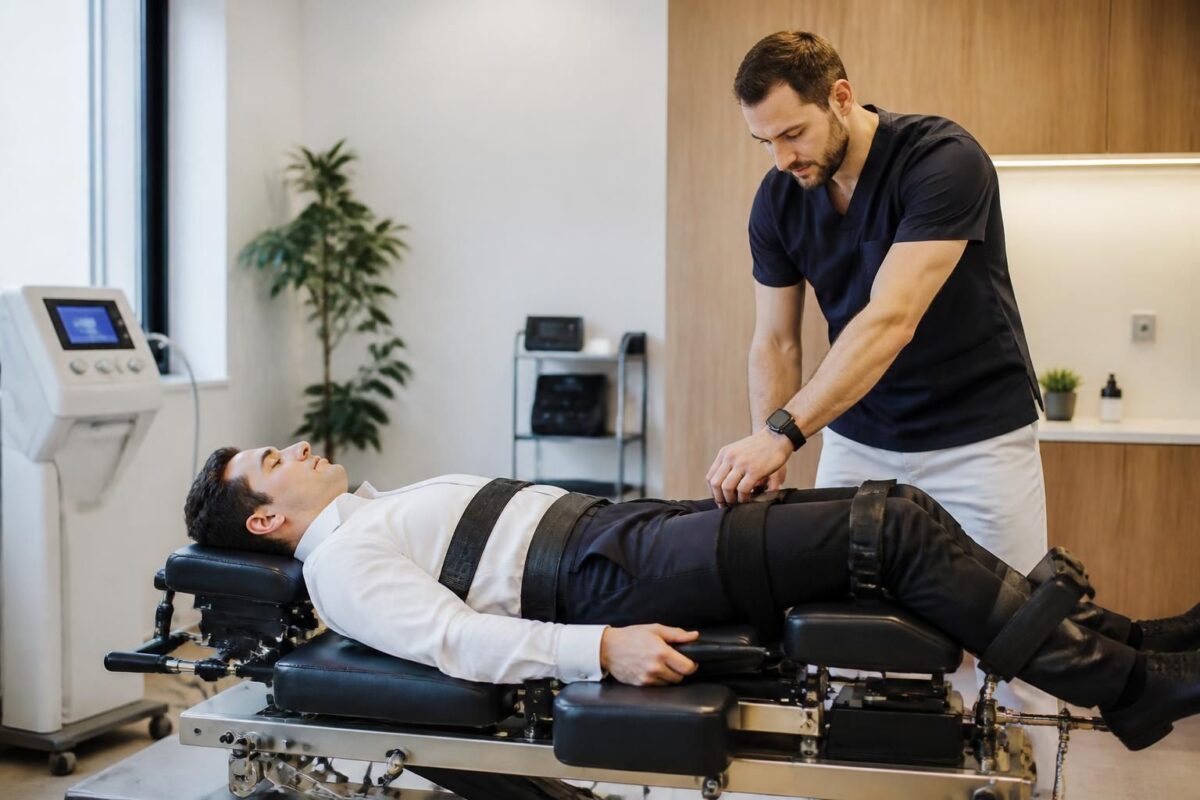
How Neurovertebral Decompression Prevents Diffuse Chronic Pain
In short decompression neurovertebral is one Non-invasive method aimed at reducing the Pressure on the intervertebral discs and the nerves, in order to prevent Diffuse chronic pain. It improves the circulation and thedisc hydration, decreases inflammation and promotes better mobility.…
Integration and patient journey
Integrating neurovertebral decompression in care pathways involves multidisciplinary collaboration and coordinated planning with rehabilitation steps. The technologies allow continuous monitoring, real-time adjustments and flexibility that adapts to the evolution of symptoms during the treatment period.
Multimodal route
In an optimal setting, decompression is part of a global approach combining specific exercises, physical therapies and advice on daily activities, in order to promote a functional and sustainable recovery.
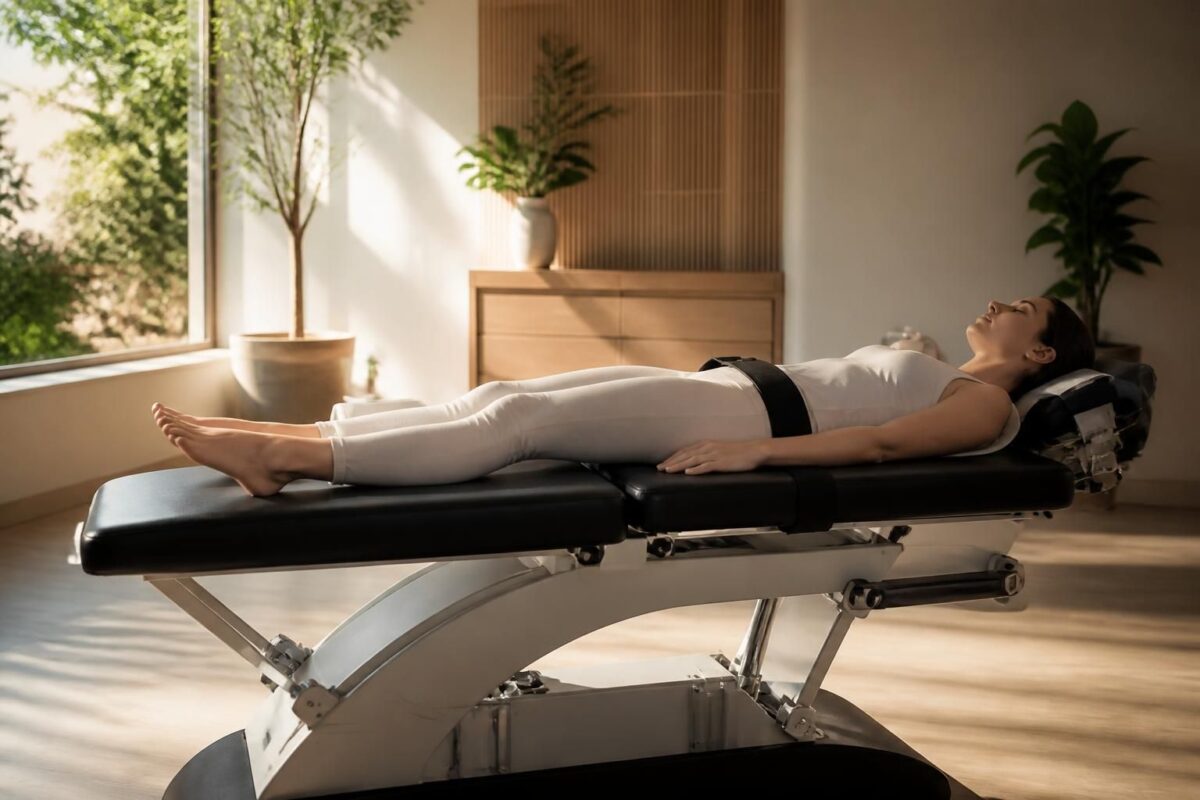
Neurovertebral Decompression and Body Alignment: Restoring Natural Balance
In short In short, neurovertebral decompression is one Non-invasive approach who restores theBody Alignment and thenatural balance back and neck. She acts by a Controlled traction of the spine to widen the intervertebral space and reduce the Pressure on discs…
Future prospects and developments
Future prospects include increased real-time imaging and feedback integration, with even more detailed protocol customization through artificial intelligence and behavioral analysis. The objective is to further improve efficacy, broaden indications and make these treatments accessible to a greater number of patients with lower back pain.
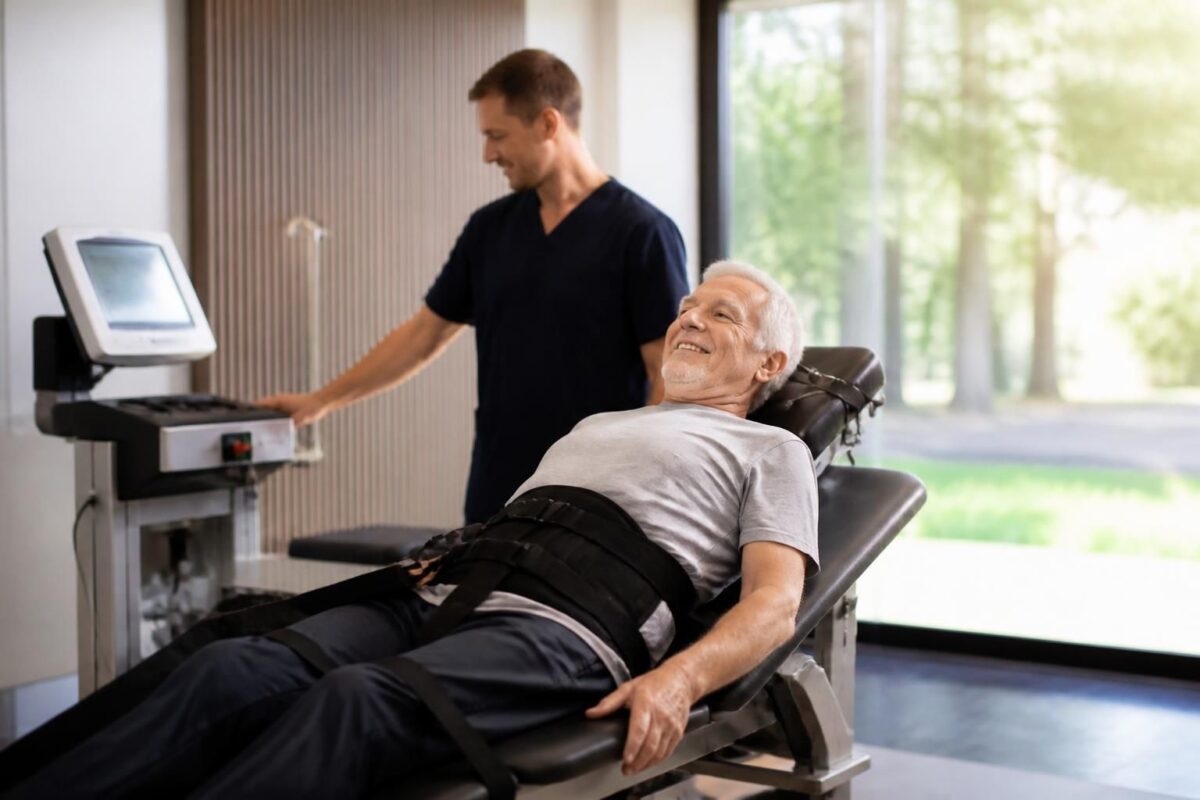
Why neurovertebral decompression is a lasting solution for active seniors
In short In short, the neurovertebral decompression is one Non-invasive therapy which sustainably relieves spinal pain in the spine active seniors By creating, by a Soft and controlled traction, a space between the vertebrae. At Montreal, it is recognized as…
Recent innovations in neurovertebral decompression for lower back pain
| innovation axis | Concise description |
|---|---|
| Custom traction technologies | devices with Adaptive settings which adjust the strength and duration according to the patient’s response. |
| Real-time tracking | Biometric and software sensors that adjust the protocol during each session to optimize efficiency and comfort. |
| Dynamic Imaging | Assessments that show the column standing or loaded, improving targeting and diagnosis. |
| Multimodal protocols | Decompression associated with laser or shock waves to speed up recovery. |
| Targeted traction on discs | Precise action on bulging or protrusive discs to reduce nerve compressions. |
| Comfort and non-invasive | Approach non-invasive Avoiding surgery with a tolerable session experience. |
| Customizing protocols | Adaptation of care to the patient’s profile, with progression to prevent recurrences. |
| Accessibility and clinical integration | Smooth integration in care pathways with calibrated protocols for chronic lower back pain. |
| Clinical assessments and results | studies indicating Significant improvements After several sessions. |
| Future and prevention | Continuous research to prevent recurrences via proactive protocols and regular evaluations. |
Neurovertebral decompression and recovery after severe sports injury
In short In short, the neurovertebral decompression is one Non-invasive method to Relieve the pressure on the Intervertebral discs and the gristle Via a Controlled traction, to facilitate the recovery After a severe sports injury. It improves the bloodstream towards…
Testimonials on recent innovations in neurovertebral decompression for lower back pain
Since my first sessions of neurovertebral decompression With computer-guided technology, my lower back pain decreased sharply. This approach non-invasive offers me better mobility and a faster resumption of activity than I had known before.
The system DRX9000 Used during my treatments allowed me to feel a relief from the first sessions. The Biometric sensors And the real-time traction adjustment made each session personalized and reassuring.
What convinced me were the Recent innovations which make it possible to precisely target the painful areas without surgery. I found a Sustainable reduction pain and improved posture and mobility on a daily basis.
several professionals have integrated a multimodal approach, combining decompression and Shockwave therapy. For me, this combination accelerated recovery and prevented recurrences, allowing me to resume my sports activities with less pain.
The Adaptive algorithms And the real-time sensors offer a truly innovative experience: the traction instantly adjusts to my body response, which optimizes treatment efficiency and improves comfort during each session.
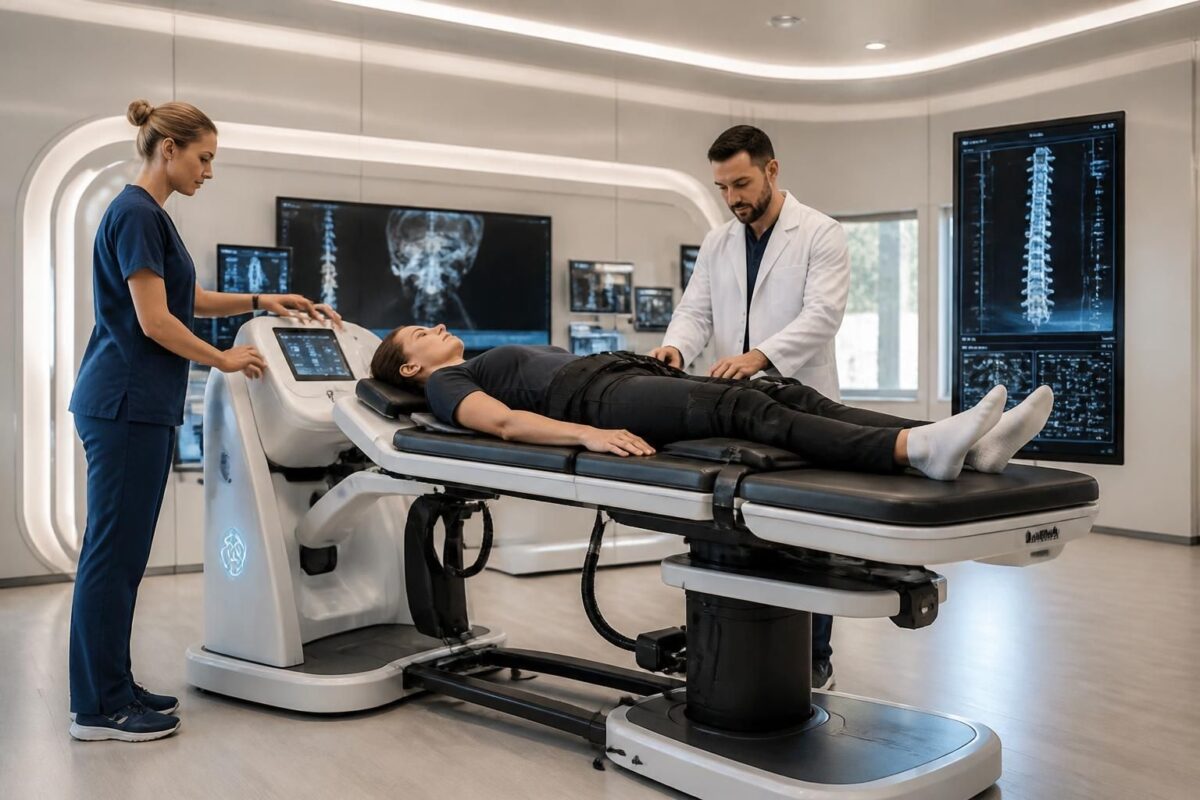
Recent innovations in neurovertebral decompression technologies
In short In short, the neurovertebral decompression is an approach non-invasive Aiming to reduce pressure on discs and nerves, and promote tissue regeneration. At Montreal, it is positioned as an effective option for lower back pain and herniated discs. The…
Recent innovations in neurovertebral decompression for lower back pain
Dr Sylvain Desforges is recognized as a pioneer in the field of osteopathy, naturopathy and manual medicine. Founding president of the TagMed clinics and the ACMA association, he places innovation at the heart of his practice and guides an approach centered on scientific evidence for the management of Chronic pain. Its commitment is materialized by the integration of advanced technologies such as neurovertebral decompression, laser and shock wave therapy, in order to offer non-invasive and effective solutions to its patients..
In the context of spinal decompression innovations, Dr. Desforges favors computer-assisted decompression systems that allow for gentle and precise traction of the column. This approach targets painful areas while respecting the surrounding structures, thus reducing the pressure exerted on the intervertebral discs and nerves. The goal is to restore the space needed for disc healing while minimizing discomfort during sessions.
A central feature of its approach is the use of biometric sensors and adaptive algorithms that adjust the force and duration of traction in real time according to the patient’s response. This customization makes it possible to optimize the efficiency of the treatment while ensuring maximum comfort. By combining these tools with rigorous clinical supervision, the treatment becomes dynamic and reactive, adapting to the evolution of each lumbar pain profile.
Beyond decompression itself, Dr. Desforges promotes a multimodal approach that combines non-invasive complementary therapies. Laser and shock wave therapy are used to reduce inflammation, accelerate tissue repair and promote faster recovery. This synergy between decompression and adjacent therapies enhances treatment efficiency and contributes to sustainably improving the mobility and quality of life of patients with chronic low back pain.
The clinical implications of these innovations are vast. By favoring personalized, evidence-based protocols, Dr. Desforges helps reduce pain, restore function and prevent recurrences. This approach is particularly relevant for conditions such as disc protrusions and radicular tensions, where a gradual reduction in nerve pressure can transform patients’ daily lives. By promoting active rehabilitation and vigilant follow-up, it aims to reduce the importance of surgical interventions and to propose a sustainable way to well-being.
Finally, Dr. Desforges’ commitment is also focused on the future of neurovertebral decompression. It supports the integration of emerging technology solutions and the development of protocols that combine clinical performance and optimized patient experience. The objective is to open up new perspectives in the management of lower back pain, by combining scientific rigor, advanced technologies and personalized care for regained mobility and a more active life.
This article presents the Recent innovations in neurovertebral decompression for the Lower back pain, focusing on non-invasive technologies, personalized protocols and clinical feedback that outline the future of spinal care. It explores how these developments improve the mobility, reduce the pain and strengthen the quality of life patients, while emphasizing the importance of individualization of treatment and safety.
Neurovertebral decompression and diffuse pain: an appropriate solution
In short In short, the neurovertebral decompression is one Non-invasive solution For diffuse pain related to nerve irritation of the spine. She acts in Reducing pressure on intervertebral discs and nerves and improving the bloodstream, which promotes recovery and the…
Overview of key innovations and technologies
The Advanced decompression devices Allow for precise and targeted column traction, with real-time settings and adaptive algorithms that adjust the protocol based on the patient response. This approach non-invasive seeks to reduce the Pressure on the intervertebral discs and nerves, thus promoting optimized healing without surgery and Prevention of recurrences.
Recent advances incorporate biometric tracking technologies and sensors that continuously measure physiological reactions during the session. This approach makes it possible to refine the treatment during the sessions and to propose a Custom Traction adapted to each patient, thus improving theefficiency while reinforcing comfort and safety.
Beyond traction mechanisms, modern protocols fit into multimodal approaches, combining tools like laser or shock wave therapy when relevant. This synergy aims to optimize recovery and support tissue repair processes within a framework evidence-based.
Clinical impact and results
Recent clinical data indicate that theefficiency of neurovertebral decompression is supported by robust results: a significant proportion of patients – around 71% in some series – reports a Significant improvement After several sessions, with a Lasting pain reduction and an Better mobility.
The benefits observed go beyond the immediate reduction of pain: patients find a Functional mobility increased, decreased radicular symptoms and better participation in their daily activities. This approach non-invasive offer a Reliable alternative Faced with more invasive treatments, while promoting relapse prevention.
The use of integrated technologies and personalized protocols also makes it possible to target common problems such as lower back pain linked to bulging or protrusive discs, while remaining attentive to the safety and comfort of the patient during treatment.
Future prospects and integration into practice
Future perspectives are based on the evolution of diagnostic and monitoring tools: the increasing use of real-time imaging and functional evaluation tools, as well as the integration of artificial intelligence to refine individualized protocols. This approach aims to make treatments even more Custom delivered, adjusting the traction parameters according to the patient’s response to each session and predicting long-term results.
In the clinical setting, neurovertebral decompression is part of a holistic approach involving rehabilitation, muscle strengthening and posture optimization. It can be associated with other non-invasive interventions to optimize recovery and reduce the risk of recurrence, particularly in complex lower back and cervical pain.
The practice continues to evolve through more sophisticated devices, digital tracking platforms and protocols that take into account the lifestyle and patient goals. This dynamic contributes to better accessibility and support Efficient and secure For a wide range of patients with chronic back pain.
To deepen, you can check out these resources and perspectives:
Why neurovertebral decompression is a safe and effective therapy, Recent innovations in neurovertebral decompression technologies, Neurovertebral decompression: natural solution for persistent pain, How neurovertebral decompression reduces the risk of long-term complications, Recent innovations in neurovertebral decompression, Future treatment of herniated disc, Innovations in modern techniques of neurovertebral decompression for disc pinching, Neurovertebral decompression and improvement of daily mobility, Why athletes choose neurovertebral decompression, Recent innovations in neurovertebral decompression for lower back pain

Dr Sylvain Desforges, B.Sc., D.O., N.D., osteopath, is the founding president of TAGMED and of the ACMA association. He dedicates his practice to chronic spinal pain, low back pain and symptoms compatible with sciatica, particularly when pain radiates toward the buttock, leg, calf, foot or toes.
Through SOS Sciatique, he publishes educational content on sciatica symptoms, possible causes such as disc herniation, disc narrowing, foraminal stenosis or irritation of a lumbar nerve root, as well as non-surgical approaches that may be considered according to the evaluation. At Clinique TAGMED, care may include, depending on the case, motorized neurovertebral decompression, specific osteopathic care or precision percussion.
For an evaluation related to sciatica treatment in Montreal / Mount Royal or sciatica treatment in Terrebonne, please consult the services available at Clinique TAGMED.
Medical disclaimer
The information published on SOS Sciatique is provided for educational purposes only and does not replace a consultation, diagnosis, opinion or treatment provided by a physician or another authorized healthcare professional. The author of this article is neither a medical doctor nor a specialist in a medical specialty recognized by the Collège des médecins du Québec. The osteopathic, manual medicine or functional support approaches described on this site do not constitute medical acts and are not intended to replace medical follow-up.
Consult a physician or emergency service in cases of loss of bladder or bowel control, anesthesia in the saddle area, significant or progressive weakness in the leg or foot, fever, recent trauma, severe pain or rapid worsening of symptoms. For more details, please read our Legal Notice.