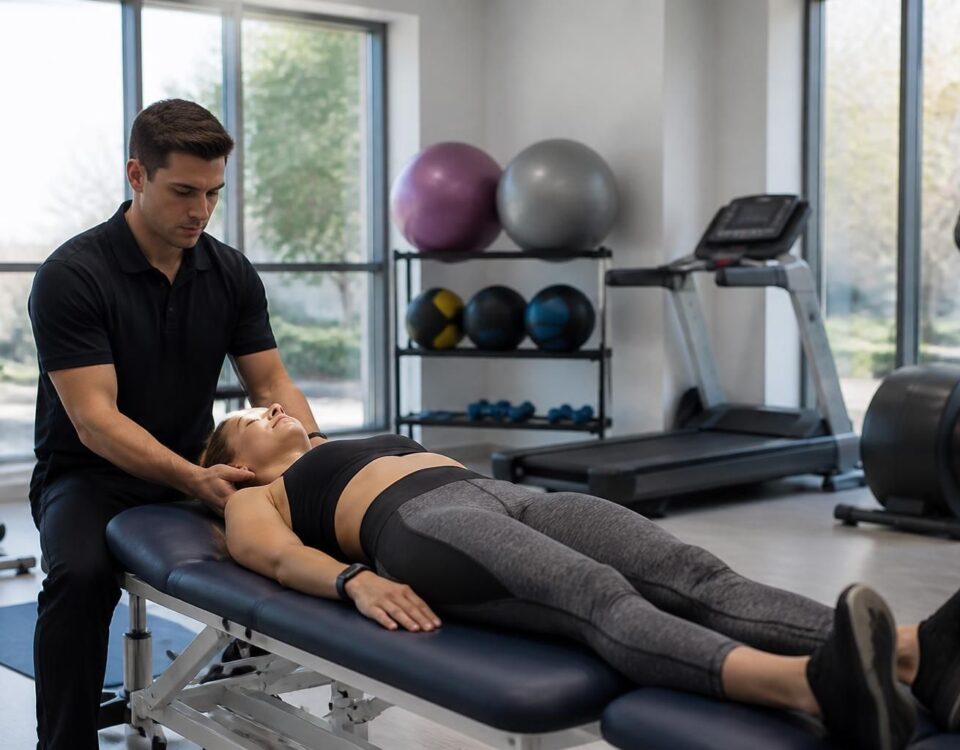
Why neurovertebral decompression is ideal for radicular pain
26/06/2026
Recent innovations in neurovertebral decompression for lower back pain
26/06/2026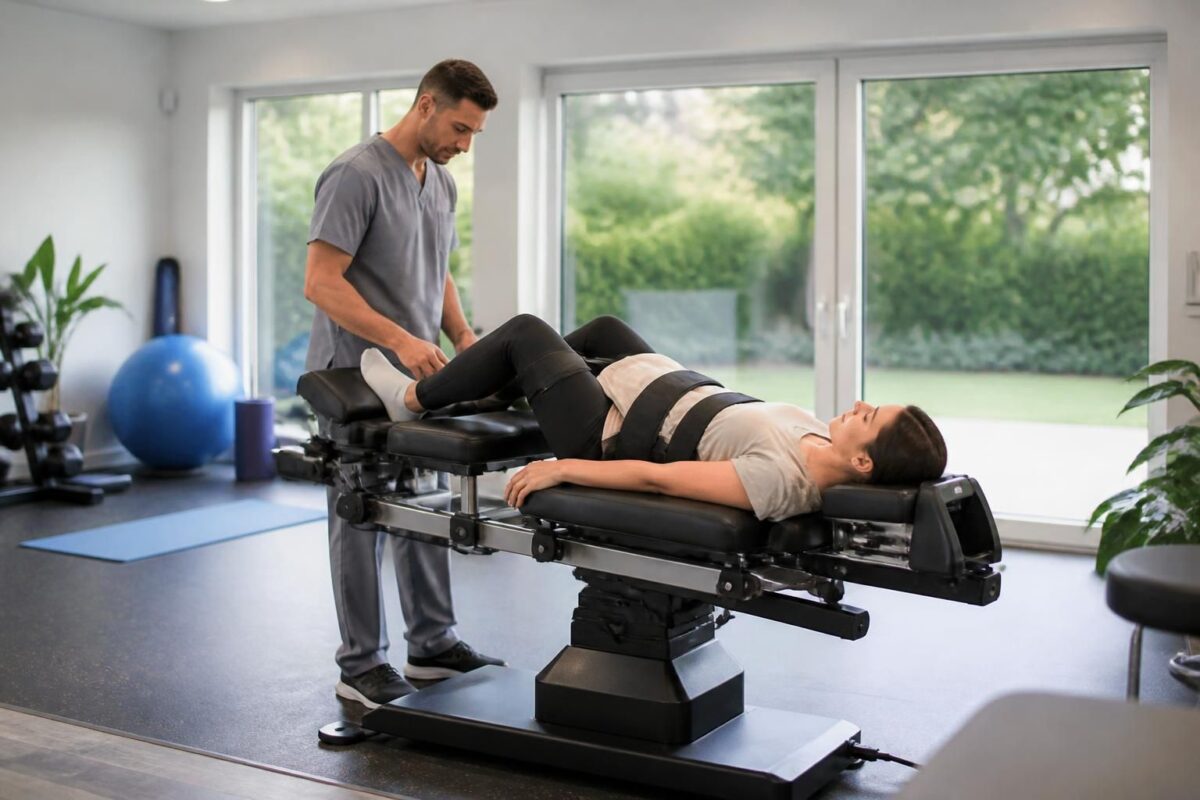
In short
In short, the neurovertebral decompression is one Non-invasive technique which aims to relieve the pain and improve the mobility By reducing the pressure on the Intervertebral discs and the gristle columnar. What is it? therapy by Targeted traction which promotes the Disc rehydration and tissue regeneration. What are the advantages? pain reduction, better flexibility, facilitated post-operative recovery and Safe alternative to surgery. How does it work? of Targeted tractive forces Create a space between the vertebrae, decreasing pressure and stimulating circulation. Accessible in Montreal, in the specialized TagMed and Pulse Align clinics, this approach is particularly suitable for people at reduced mobility who wish to find an active life without surgery. |
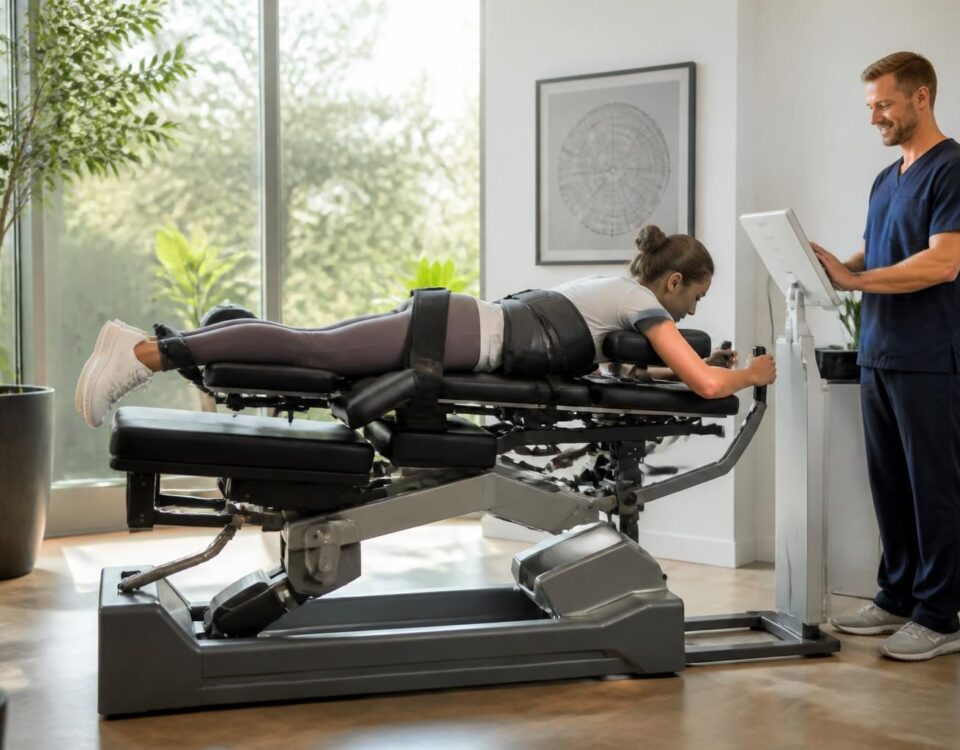
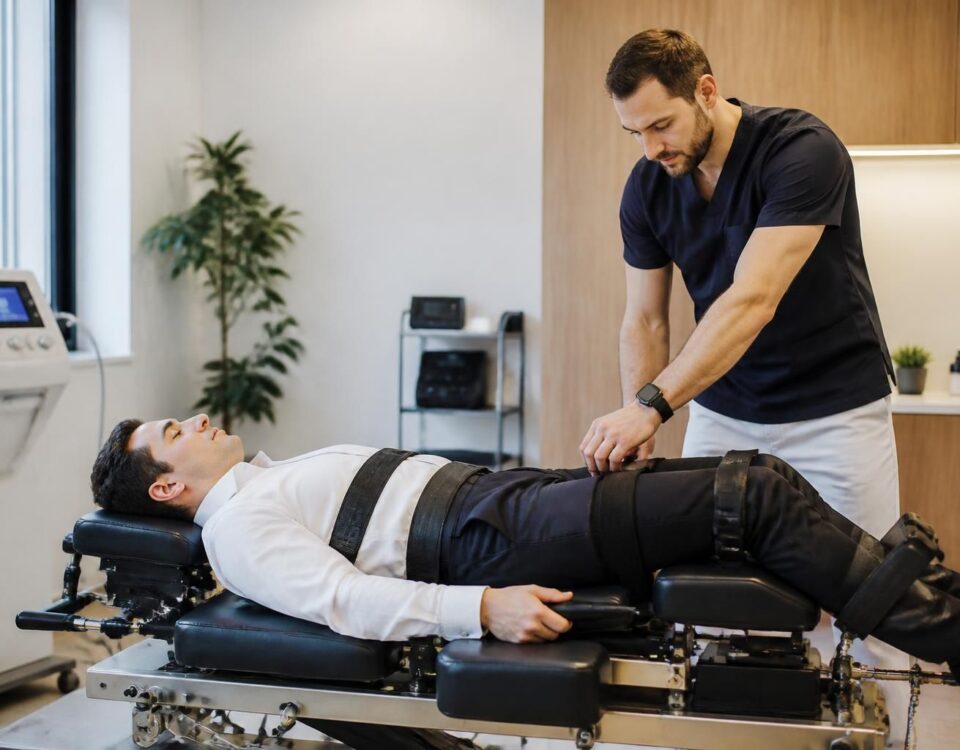
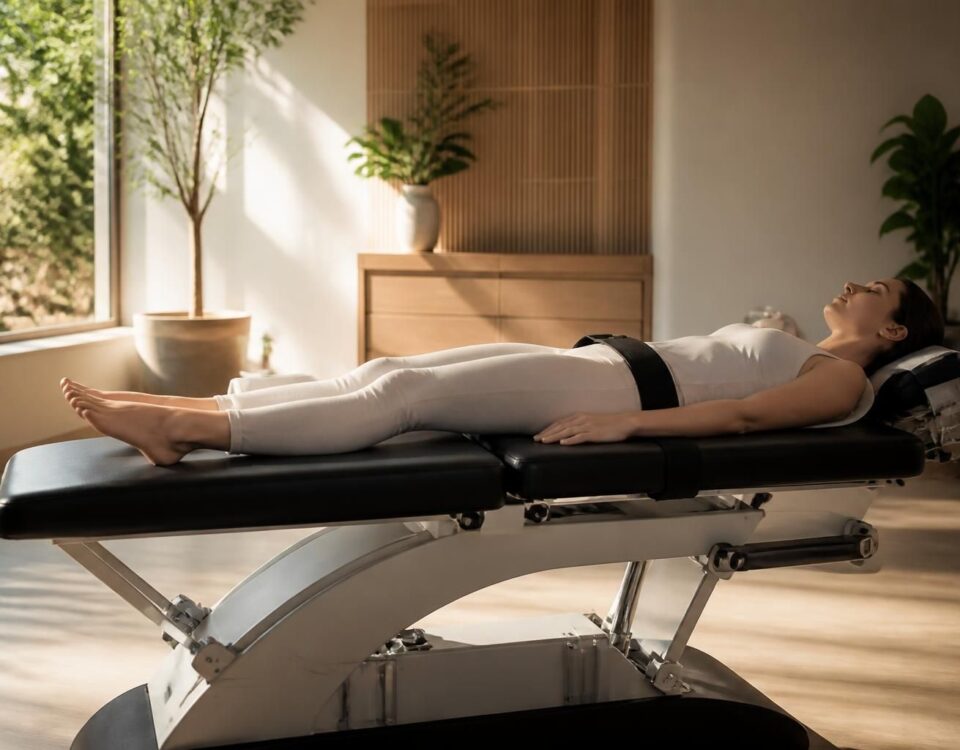
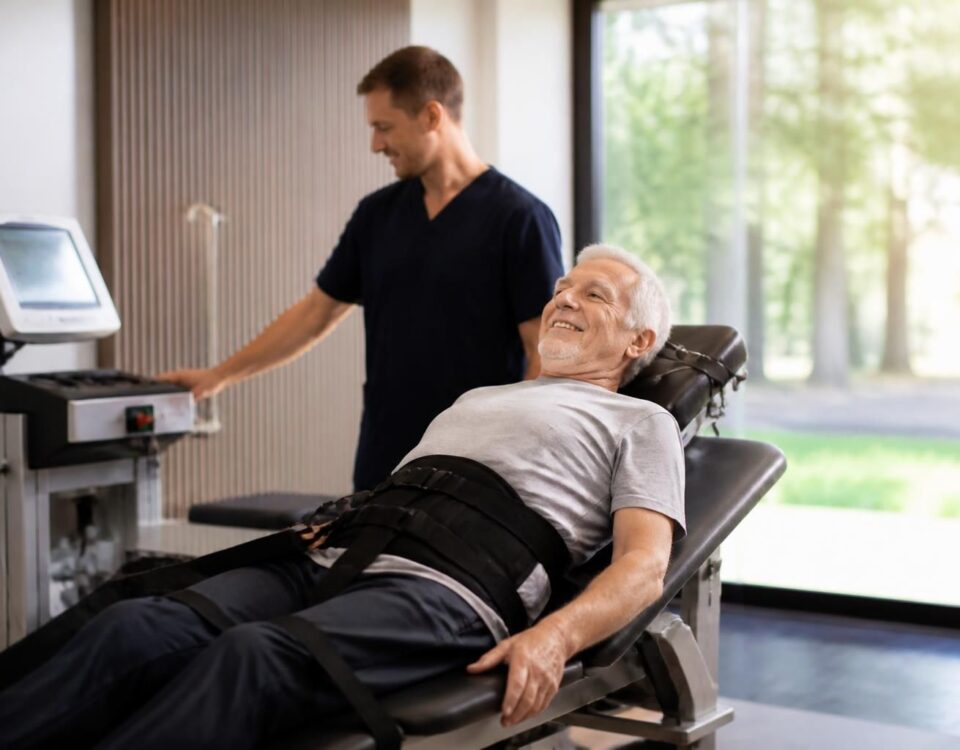
The neurovertebral decompression is a non-invasive approach designed to relieve pressure on intervertebral discs and nerves, promoting disc rehydration and tissue regeneration. By targeting gentle and precise tensile forces, it can reduce back pain and improve daily mobility.
- pain reduction Chronicle related to the spine
- Improved flexibility and range of motion
- Better daily mobility and functional autonomy
- Non-invasive alternative to surgery, with a lower risk profile
This therapy can also support recovery after surgical procedures and promote the regeneration of damaged tissues, contributing to a faster return to normal activities.
Quick summary: The neurovertebral decompression is an approach non-invasive which aims to reduce the pressure on Intervertebral discs and the nerves. it can improve the Daily mobility and reduce pain related to spinal conditions. This article describes the mechanism, benefits and deligibility criteria, and shows how this therapy fits into a comprehensive care at Tagmed Clinic.
Neurovertebral decompression is based on targeted tensile forces that create a space between the vertebrae. This action can promote the Disc rehydration and reducing the pressure on the nerves, helping to reduce pain and restore better range of motion. She is non-invasive and can be considered when mobility is reduced, in particular in the event of slipped disc, of disc degeneration or of Foraminal stenosis. In specialized clinics, this technique is part of a global approach and can be associated with other complementary therapies such as laser and shock waves. To deepen the mechanisms and results observed, consult the following resources: neurovertebral decompression at the service of mobility and how it helps to regain normal mobility.
How does neurovertebral decompression work
It is based on gentle and precise traction techniques that release pressure on the Intervertebral discs and the nerves. By promoting the decompression of intervertebral spaces, it can contribute to the improvement of circulation and disc hydration, thus supporting tissue recovery and spinal function. This approach is designed to be supervised by a professional and adapted to each patient’s record.
Benefits for mobility and pain
Patients generally report a pain reduction and an Increased flexibility. Reducing pressure on discs and nerves can facilitate everyday gestures and improve the ability to participate in usual activities. this option non-invasive Offers a secure alternative to more invasive interventions and can support recovery after spinal surgery, under appropriate medical supervision.
Cases and indications
This approach is suitable for people with a reduced mobility due to spinal conditions such as slipped disc, the protrusion, the bulge disc, the Foraminal stenosis where the Spinal stenosis, as well as for elderly or athletic patients with recurrent lower back or back pain. A complete assessment by an experienced practitioner is necessary, followed by a personalized plan in a specialized clinic. For more information, see Resources: Lumbar duct stenosis and myths.
Integration and security
In specialized clinics, the neurovertebral decompression integrates into a multidisciplinary approach and non-invasive. It is usually associated with other non-pharmacological measures and advice on posture and lifestyle. To ensure safety and efficiency, focus on recognized structures with trained staff and certified devices. To learn more about benefits and protocols, see: benefits and Normal mobility.
Choose a specialized clinic
It is important to turn to a specialized clinic that uses certified technologies and offers an initial assessment followed by personalized follow-up. To access a recognized structure in Montreal or in the region, you can contact Tagmed Clinic, which offers comprehensive, evidence-based support.
References and Resources
To learn more, see the following resources: benefits, Normal mobility, myths, Back mobility, Slipped disc, Herniated disc, Carpal tunnel syndrome.
“Medical disclaimer: The information and advice provided on this site does not replace the health professional’s benefit, diagnosis or treatment. Please note that Dr. Sylvain Desforges osteopath is neither a doctor of medicine nor a doctor, and is not a specialist in a medical specialty as defined by the Collège des Médecins du Québec. Manual medicine, functional medicine and sports medicine as described on this site exclude any medical treatment or diagnosis made by a doctor or specialist doctor. Always consult your doctor for any medical questions. For more details, please read our full legal notice. »
Findings on mobility
- persistent pain and Pressure on discs intervertebral
- stiffness and reduction of theamplitude moving
- Difficulty leaning over, getting up or sitting down
- Fatigue and discomfort during daily activities
- Limited mobility after back surgery
- Difficulties when climbing and descents of stairs
Responses and expected results
- Relief progressive pain and amplitude improvement
- Increase in flexibility and better posture
- Ease daily gesture: lean over, sit, get up
- Smoother travel and domestic activities
- Faster postoperative recovery and better rehabilitation
- Option non-invasive Focused on neurovertebral decompression

Neurovertebral decompression is a non-invasive approach that aims to relieve pain and improve mobility in daily life. This article offers you clear recommendations on its operation, its concrete benefits and good practices to optimize this treatment in a personalized and progressive approach.
Understanding neurovertebral decompression and its impact on mobility
Neurovertebral decompression is based on targeted tensile forces that create a space between the vertebrae. This space reduces the pressure exerted on the intervertebral discs and surrounding nerves, promoting rehydration and tissue regeneration. In practice, this translates into a gradual decrease in pain and an increase in range of motion, essential elements for carrying out everyday gestures with more ease.
Mechanisms and expected results
By improving nutrition and intervertebral pressure, this technique helps restore flexibility and stabilize the spine. Expected effects include pain reduction, better mobility and smoother recovery during common activities such as getting up, dressing or walking short distances. With an adapted and regular program, the benefits extend to postural balance and movement coordination.
Who can take advantage of it?
This approach is particularly suitable for people with conditions such as herniated discs, chronic lower back pain or age-related mobility limitations, as well as patients undergoing rehabilitation after back surgery. The goal is to avoid surgery when possible or to supplement existing treatments to optimize recovery and quality of life.
Concrete benefits for everyday life
Reduction of pain and increased flexibility make it easier to perform ordinary tasks: getting up, sitting, walking longer, shopping or practicing social activities. Improving posture and stability also reduces muscle tension and the risk of further pain associated with limited mobility.
How to optimize treatment efficacy
To maximize the results, start with an initial assessment by a specialist, followed by a personalized plan and regular follow-up. The protocol can combine decompression sessions with targeted exercises, postural advice and nutritional recommendations to support hydration and tissue regeneration. Patient engagement in this journey is crucial to achieving lasting gains.
Complementary approaches and security
Depending on the case, complementary non-invasive therapies can be proposed to support decompression, such as postural rehabilitation exercises or associated technologies adapted to the patient’s profile. Safety is at the heart of the process: this treatment is generally well tolerated, but it requires adaptation to each individual and supervision by a qualified professional. In the presence of contraindications or worrying signs, a doctor or osteopath should be consulted quickly.
To progress effectively, focus on an integrated approach that links treatment to active lifestyles, appropriate movements and sufficient hydration. Such a holistic approach promotes not only the reduction of pain, but also the return to more sustainable and dynamic daily mobility.
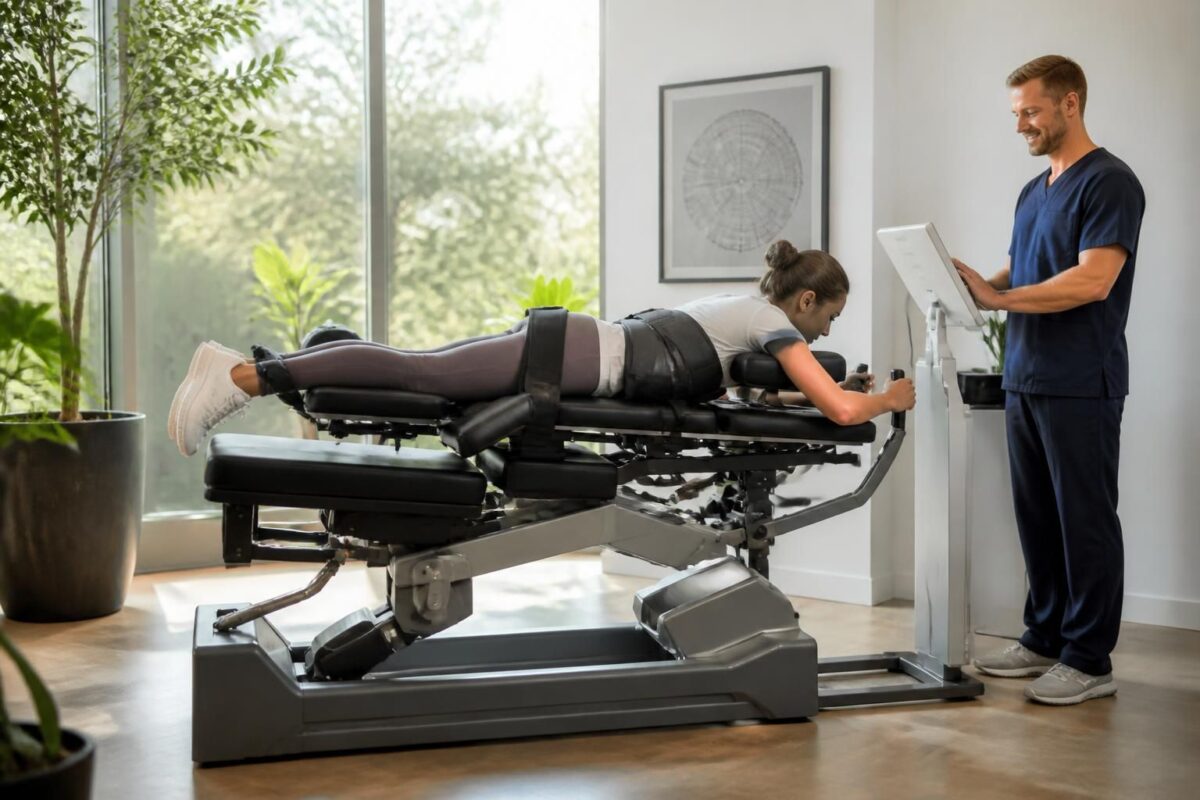
The long-term benefits of neurovertebral decompression for spinal health
In short In short, the neurovertebral decompression is a non-invasive approach that decreases the Pressure on intervertebral discs and nerves, favoring the Natural regeneration and tissue recovery. Its long-term benefits include Lasting pain reduction, Improving mobility and from the posture,…

Neurovertebral decompression and mobility: a return to an active life
In short In short, the neurovertebral decompression is therapy non-invasive who uses a gentle traction To create a space between the vertebrae and reduce the pressure on the Intervertebral discs and the nerves. It promotes a bloodstream improved, lowers tension…
Comparator table: neurovertebral decompression and daily mobility
| Element | Impact on daily mobility |
|---|---|
| Definition | Technical non-invasive aimed at reducing the Pressure on discs and nerves, favoring the rehydration and the recovery. |
| Typical indications | herniated discs and reduced mobility, with screening recommended. |
| Effect on pain | gradual reduction in pain thanks to decrease in pressure On the nerves. |
| Effect on mobility | improvement of therange of motion and facilitation of daily activities. |
| Security | Option safe and non-surgical, with low risk compared to surgery. |
| Duration and rhythm | serial protocol over several weeks; First results may appear after a few weeks. |
| Complements | possible integration into Targeted exercises and Postural adjustments to optimize gains. |
| Monitoring | Monitoring personalized To adapt the protocol and ensure safe progress. |
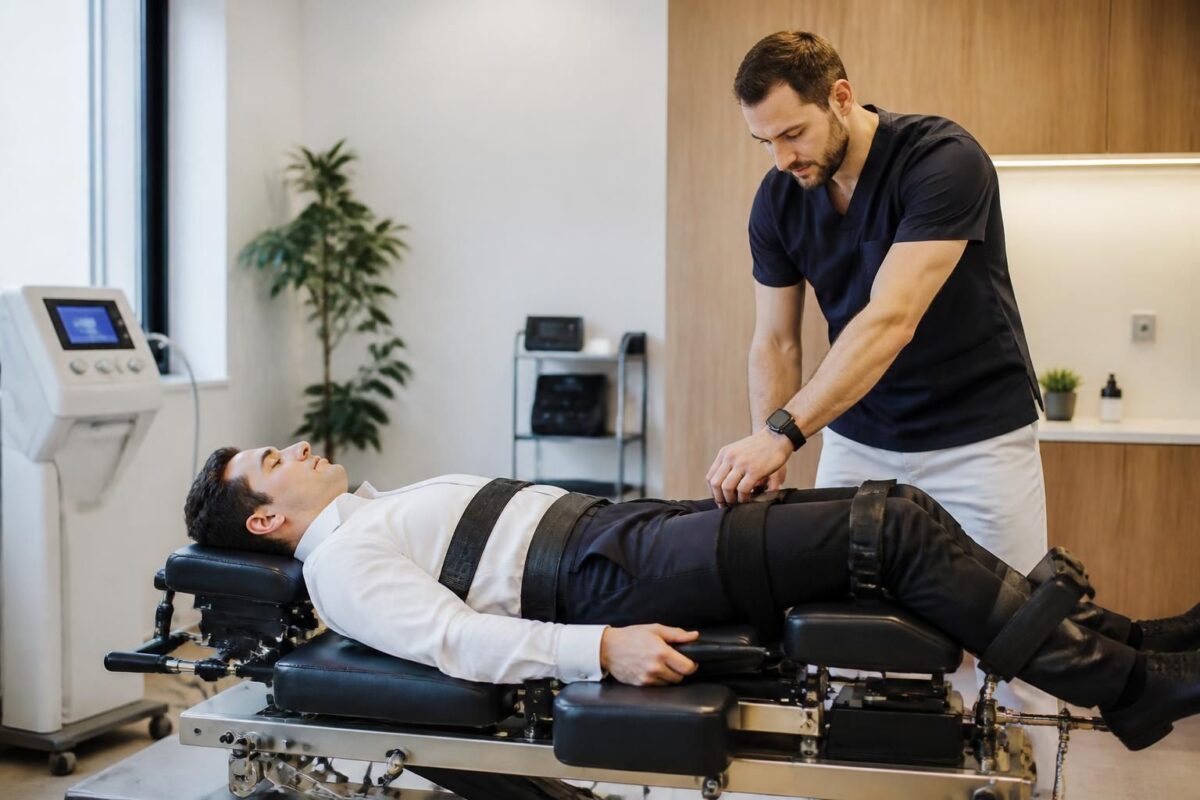
How Neurovertebral Decompression Prevents Diffuse Chronic Pain
In short decompression neurovertebral is one Non-invasive method aimed at reducing the Pressure on the intervertebral discs and the nerves, in order to prevent Diffuse chronic pain. It improves the circulation and thedisc hydration, decreases inflammation and promotes better mobility.…
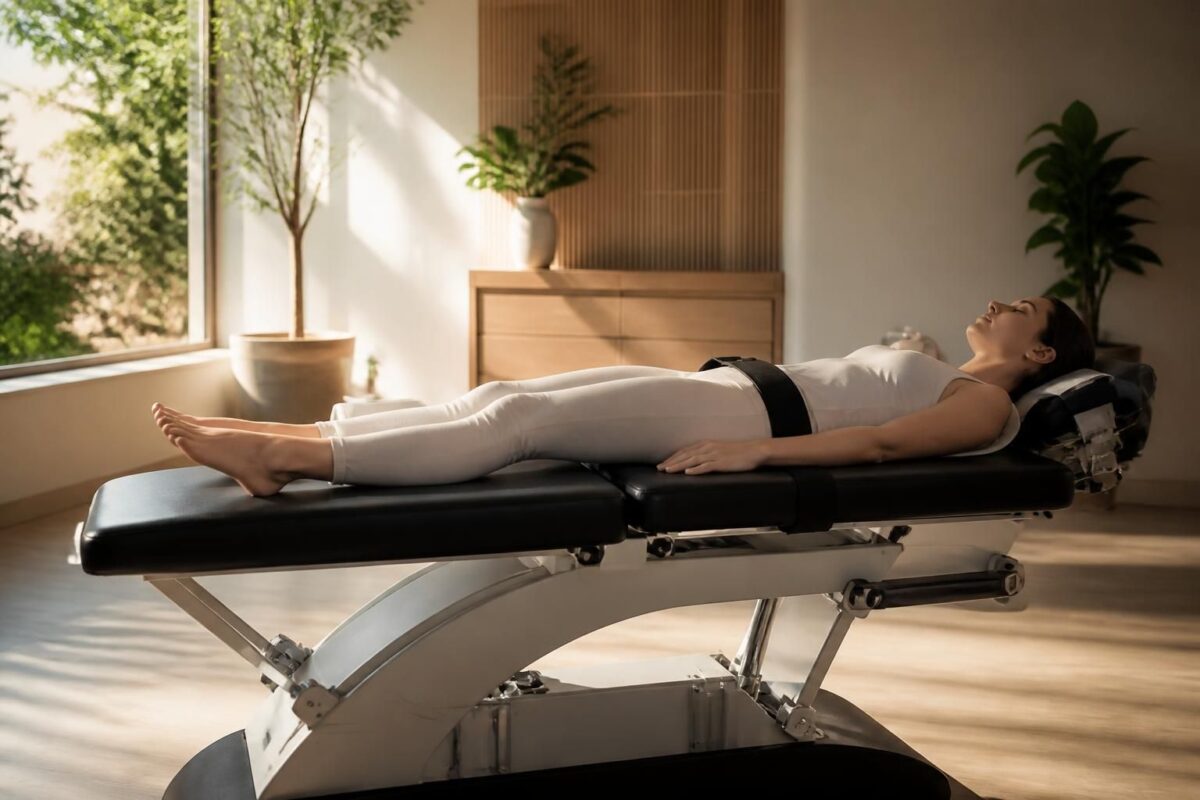
Neurovertebral Decompression and Body Alignment: Restoring Natural Balance
In short In short, neurovertebral decompression is one Non-invasive approach who restores theBody Alignment and thenatural balance back and neck. She acts by a Controlled traction of the spine to widen the intervertebral space and reduce the Pressure on discs…
Testimonials on neurovertebral decompression and improving daily mobility
Since my first sessions of neurovertebral decompression, I observed a pain reduction and an Mobility found. I can resume my daily walks and climb the stairs without feeling excessive effort.
As an active person, my Lower back pain braked me. After a few weeks, my flexibility improve and I find a Daily activity Without planning my movements with apprehension.
I was hesitating because of a possible surgery, but the neurovertebral decompression proved to be non-invasive and effective. My posture improved and my mobility expanded, allowing me to play with my grandchildren without pain.
The process was simple and personalized, which reassured me. I see a pain reduction And I regain my ability to move freely morning and evening, without rigidity after work.
After months of suffering, I found a normal life rate. The decompression made it possible to reduce the pressure on my discs and to improve my mobility, which had a positive impact on my social and professional life.
For me, every step is a victory: the pain became less present and my mobility More fluid, allowing me to resume my favorite activities without hesitation.
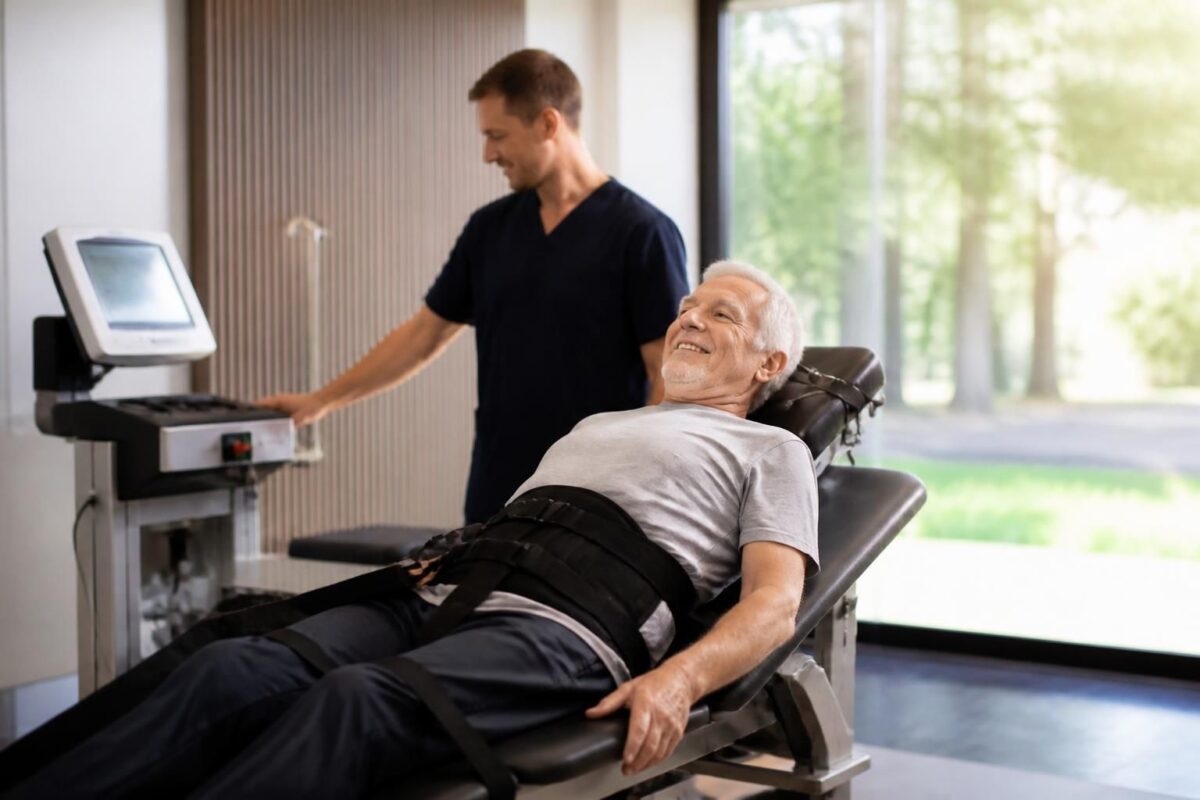
Why neurovertebral decompression is a lasting solution for active seniors
In short In short, the neurovertebral decompression is one Non-invasive therapy which sustainably relieves spinal pain in the spine active seniors By creating, by a Soft and controlled traction, a space between the vertebrae. At Montreal, it is recognized as…
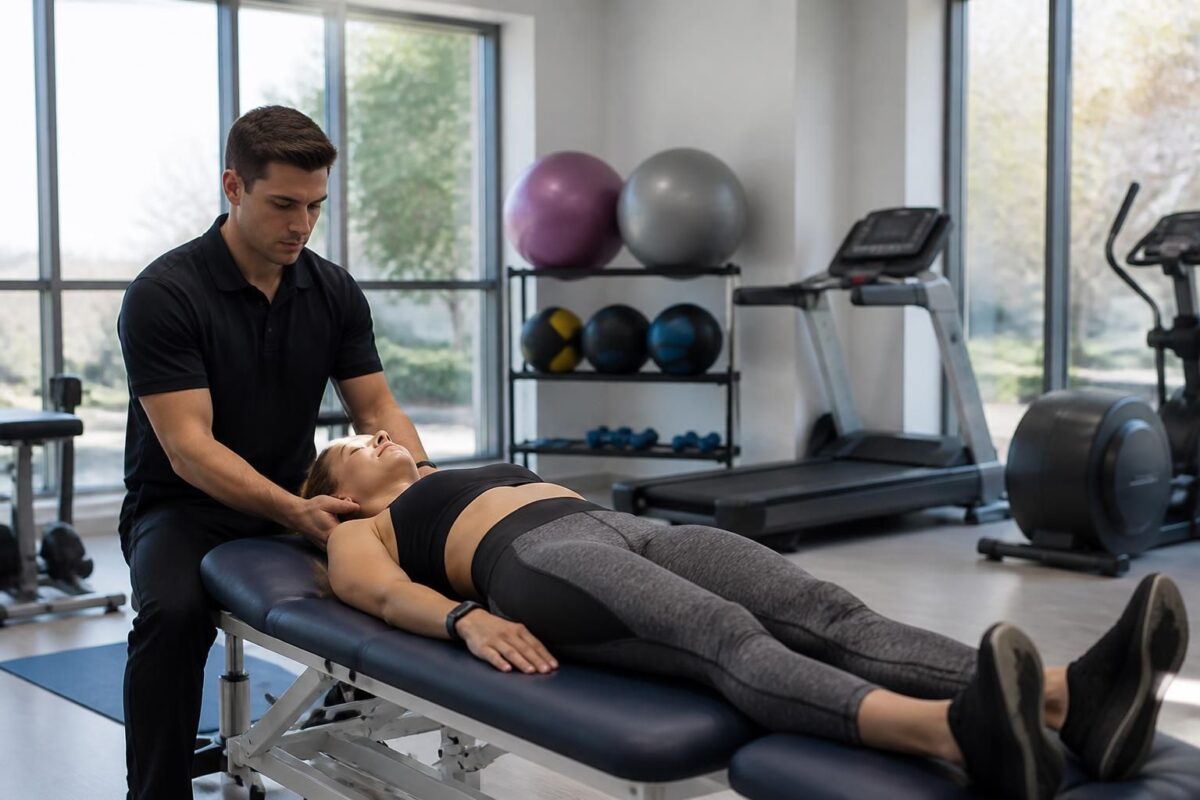
Neurovertebral decompression and recovery after severe sports injury
In short In short, the neurovertebral decompression is one Non-invasive method to Relieve the pressure on the Intervertebral discs and the gristle Via a Controlled traction, to facilitate the recovery After a severe sports injury. It improves the bloodstream towards…
Biography: neurovertebral decompression and daily mobility
Doctor Sylvain Desforges is recognized as Expert in osteopathy, naturopathy and manual medicine. With an innovative vision of health, he plays the role of Founding President Tagmed clinics andACMA Association. his career, deeply focused onInnovation in care, is based on a global approach that combines rigorous diagnosis, targeted treatment and search for lasting solutions for chronic pain. passionate about the potential of Emerging technologies, he works to Integrate non-invasive methods and personalized that improve the mobility and the quality of life of his patients. in his clinics, he favors treatment evidence-based and adapted to each course.
Among the key tools of his approach is the neurovertebral decompression, a Non-surgical technique who acts by Targeted traction on the spine. By gradually releasing the intervertebral space, it aims to reduce the pressure exercised on discs and nerves, favoring the Disc rehydration and tissue regeneration. This method is particularly useful for chronic lower back pain, herniated discs and situations where mobility is restricted. It is part of a philosophy of care non-invasive that respect the integrity of the body while providing effective support for recovery.
The results observed in patients at reduced mobility are significant: decrease in pain, improvement in amplitude of movements and gradual returns to daily activities. For the elderly, athletes and those who have undergone back surgery, the neurovertebral decompression Can facilitate the resumption of an active lifestyle and reduce pain-related limitations. By combining traction with personalized rehabilitation programs and postural counseling, the body regains better communication between the nervous system and muscles, which results in a more fluid and sustainable mobility.
This therapy is rarely used in isolation; It integrates with a therapeutic palette which includes the Therapeutic laser and therapies by shock waves, as well as lifestyle adjustments such asFunctional power supply and the daily movement. The goal is to provide support holistic, evidence-based and tailored to the specific needs of each patient. The focus is on initial evaluation and regular monitoring to adjust protocols and maximize results.
Driven by a patient-centric approach, Dr. Desforges’ work emphasizes education and patient autonomy. Its objective is to allow everyone to find a Sustainable mobility and reduce pain without systematically resorting to invasive treatments. by associating scientific rigor And listening empathetic, he is committed to offering solutions that allow an active resumption of daily and professional activities, while respecting the values of care and safety specific to his practice.
This presentation highlights the neurovertebral decompression, an approach non-invasive which aims to reduce the pressure on Intervertebral discs and improve the Daily mobility, while contributing to the reduction of Chronic pain and tissue regeneration. In practice, it integrates into specialized clinics and can be combined with other therapies to optimize comfort and quality of life. To deepen, you can consult reliable resources such as Neurovertebral decompression on Wikipedia and The dedicated article on the practitioner’s website.
The mechanism is based on traction forces targeted that create a space between the vertebrae, favoring the rehydration discs and reducing the pressure on the gristle. This dynamic contributes to the tissue regeneration and a lasting reduction in pain, thus offering a solid base to regain better vertebral function.
Benefits for patients at reduced mobility are significant: pain less intense, range of motion increased and improved the posture. By working on areas affected by herniated discs or other ailments, this approach facilitates rehabilitation and allows to gradually resume daily activities without going through heavy interventions.
Unlike surgical procedures, the neurovertebral decompression offers an option secure and non-invasive which minimizes risks and recovery periods. It can be considered as an initial or complementary step in a personalized therapeutic course, in particular for people wishing to avoid the use of surgery while improving their mobility.
An effective protocol is based on a comprehensive assessment followed by sessions adjusted to each patient’s profile. The treatment plan can be supplemented with postural counseling, targeted exercises and complementary therapies, including to optimize the recovery and maintain mobility gains over time. In some clinics, associated technologies, such as Pulse Align (Pulse Align Clinics), can accompany decompression to promote muscle relaxation and better circulation.
To enrich your knowledge, here are some additional resources presenting the mechanisms, indications and results observed: Advantages of spinal decompression, Helps reduce night pain, Natural solution for persistent pain, Improved posture and mobility, Effective therapy for mobility, and Prevention of recurrent pain. For more institutional or clinical information, you can also explore TagMed Clinics pages and their associated resources on tagmed and Tagmed Clinic.
Caution Note: The information presented does not replace personalized medical advice. Consult your doctor or a qualified health professional to assess your situation and determine the treatment that best suits your needs.
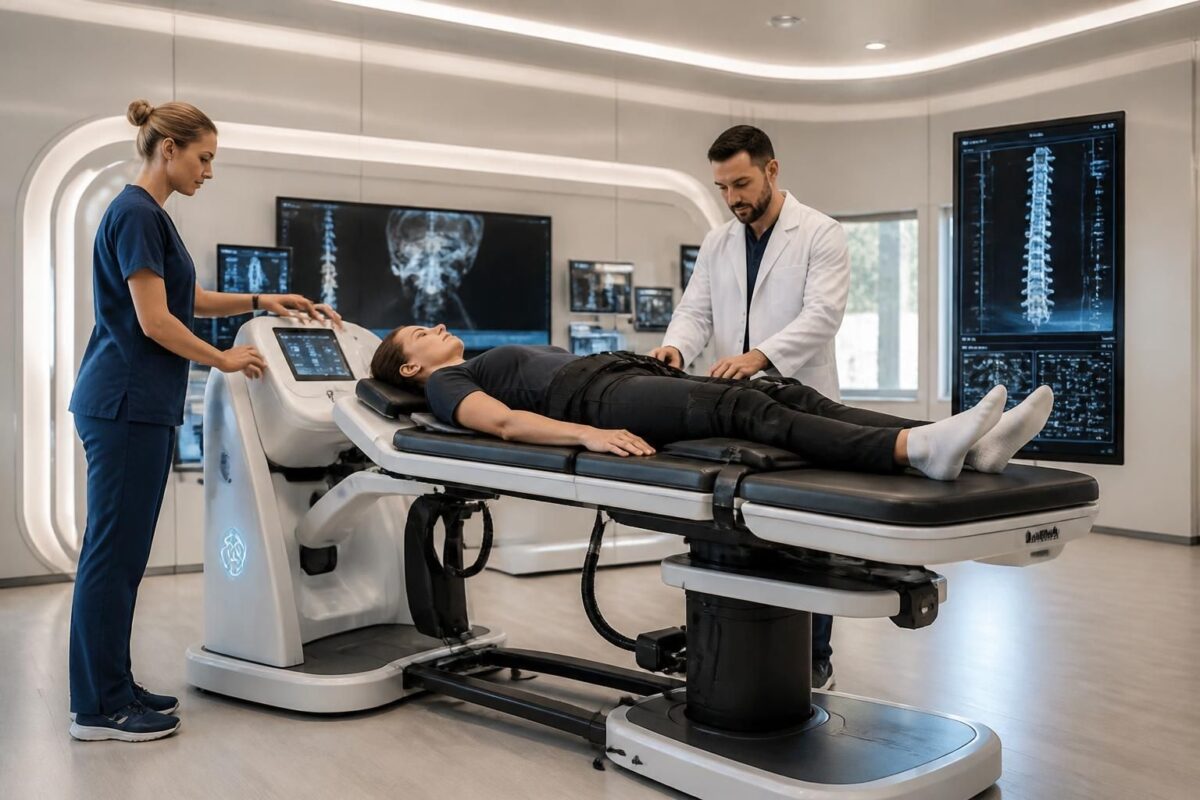
Recent innovations in neurovertebral decompression technologies
In short In short, the neurovertebral decompression is an approach non-invasive Aiming to reduce pressure on discs and nerves, and promote tissue regeneration. At Montreal, it is positioned as an effective option for lower back pain and herniated discs. The…
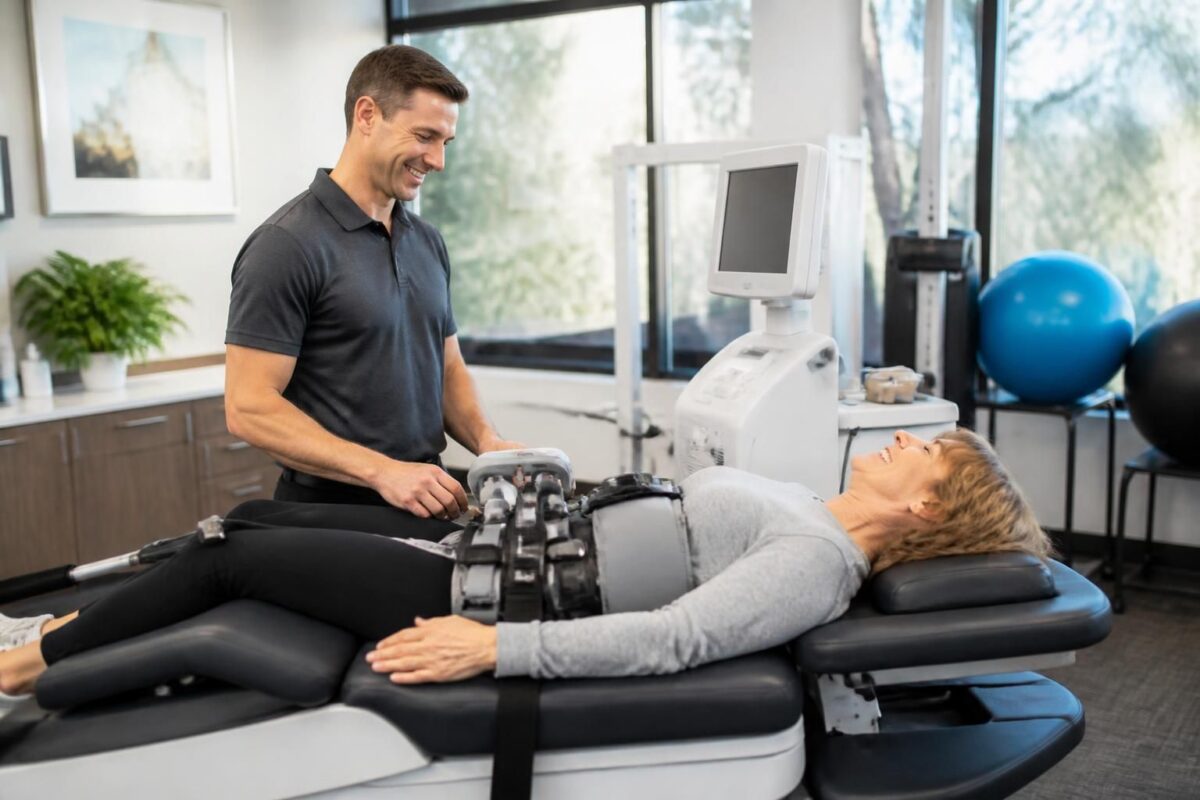
Neurovertebral decompression and diffuse pain: an appropriate solution
In short In short, the neurovertebral decompression is one Non-invasive solution For diffuse pain related to nerve irritation of the spine. She acts in Reducing pressure on intervertebral discs and nerves and improving the bloodstream, which promotes recovery and the…

Dr Sylvain Desforges, B.Sc., D.O., N.D., osteopath, is the founding president of TAGMED and of the ACMA association. He dedicates his practice to chronic spinal pain, low back pain and symptoms compatible with sciatica, particularly when pain radiates toward the buttock, leg, calf, foot or toes.
Through SOS Sciatique, he publishes educational content on sciatica symptoms, possible causes such as disc herniation, disc narrowing, foraminal stenosis or irritation of a lumbar nerve root, as well as non-surgical approaches that may be considered according to the evaluation. At Clinique TAGMED, care may include, depending on the case, motorized neurovertebral decompression, specific osteopathic care or precision percussion.
For an evaluation related to sciatica treatment in Montreal / Mount Royal or sciatica treatment in Terrebonne, please consult the services available at Clinique TAGMED.
Medical disclaimer
The information published on SOS Sciatique is provided for educational purposes only and does not replace a consultation, diagnosis, opinion or treatment provided by a physician or another authorized healthcare professional. The author of this article is neither a medical doctor nor a specialist in a medical specialty recognized by the Collège des médecins du Québec. The osteopathic, manual medicine or functional support approaches described on this site do not constitute medical acts and are not intended to replace medical follow-up.
Consult a physician or emergency service in cases of loss of bladder or bowel control, anesthesia in the saddle area, significant or progressive weakness in the leg or foot, fever, recent trauma, severe pain or rapid worsening of symptoms. For more details, please read our Legal Notice.