The benefits of neurovertebral decompression to relieve muscle tension
26/06/2026
Neurovertebral decompression and improvement of daily mobility
26/06/2026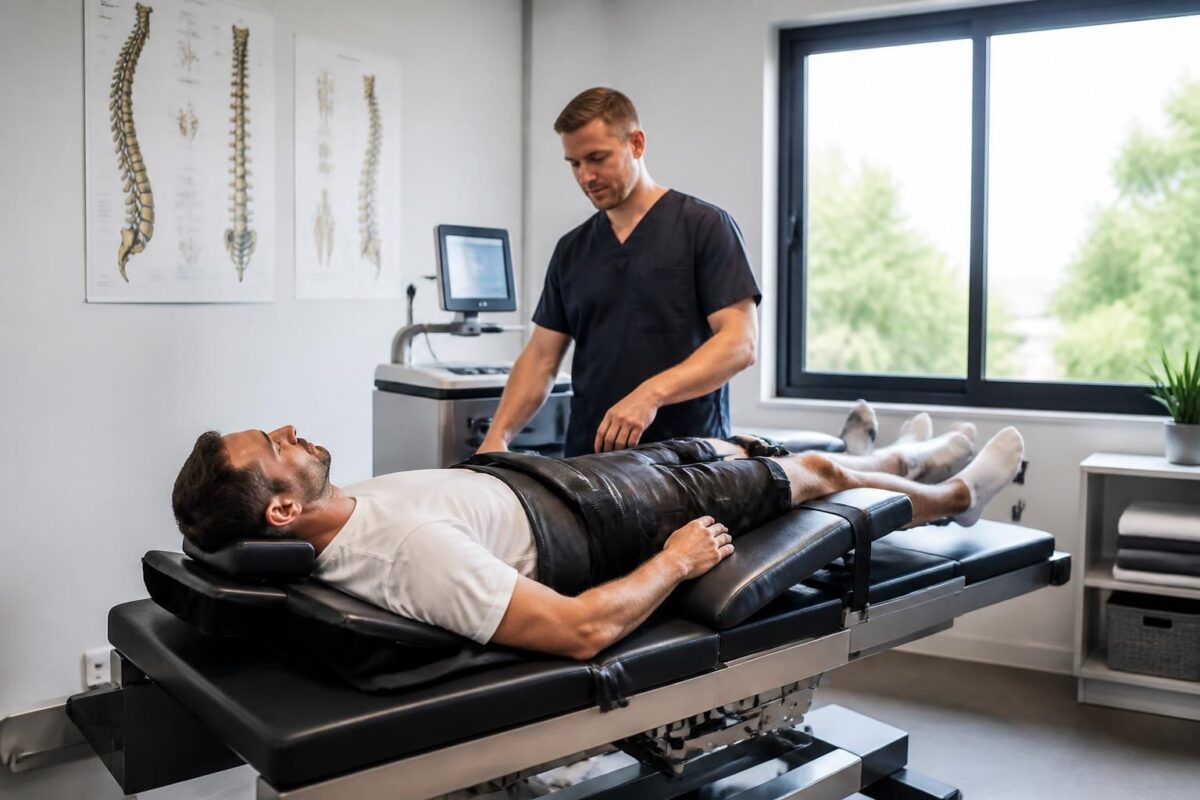
In short
| In short, neurovertebral decompression is a Non-invasive method which aims to reduce the pressure on the nerves and intervertebral discs, bringing a Relief of radicular pain and better mobility. To montreal, this treatment is particularly effective for chronic spinal pain, offering Quick relief and Functional recovery without surgery, while improving the bloodstream and reducing theinflammation. The principle is based on a Controlled traction and targeted that restores the space between the vertebrae, allowing the body to heal itself naturally and avoid more invasive interventions. |
The neurovertebral decompression is an approach non-invasive which acts directly on the causes of radicular pain. By applying controlled traction, it Frees the space between the vertebrae and Reduces nerve pressure on nerves and intervertebral discs, while stimulating better circulation and Fabric nutrition.
This translates into a Quick relief and sustainable, a Mobility found and an improvement in quality of life, without recourse to surgery. Moreover, it is a Safe solution and customizable as part of a Personalized care plan, often used in addition to other therapeutic approaches.
This article, written by an expert health professional, explains why the neurovertebral decompression is a suitable option to relieve radicular pain. This non-invasive approach reduces nerve pressure and improves nerve function, while providing renewed movement and quality of life.
Principles and mechanism
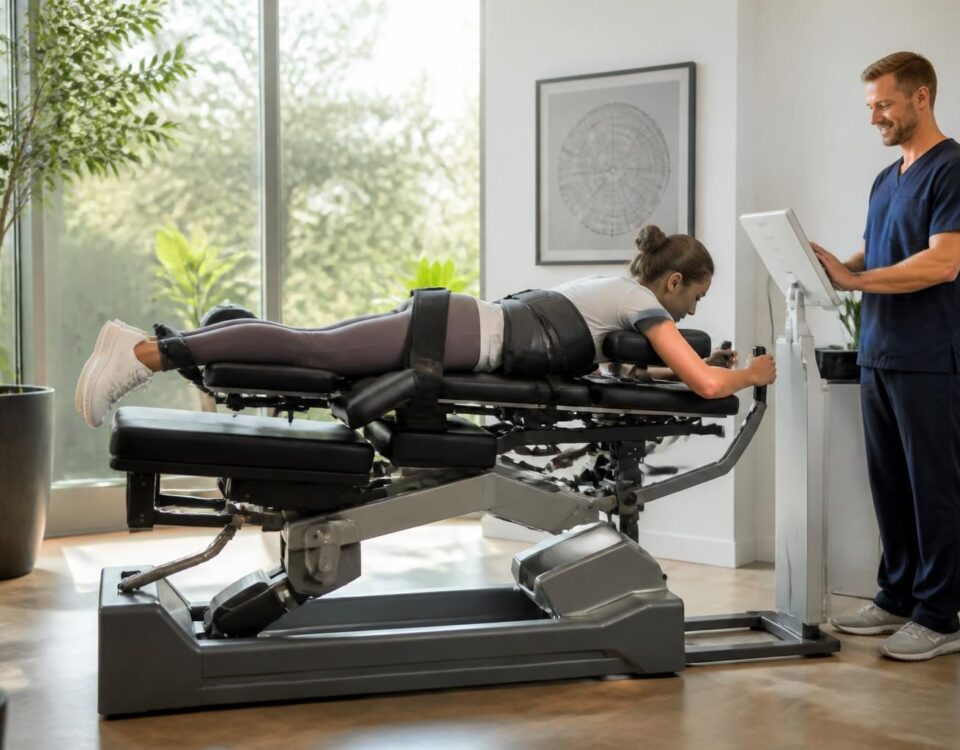
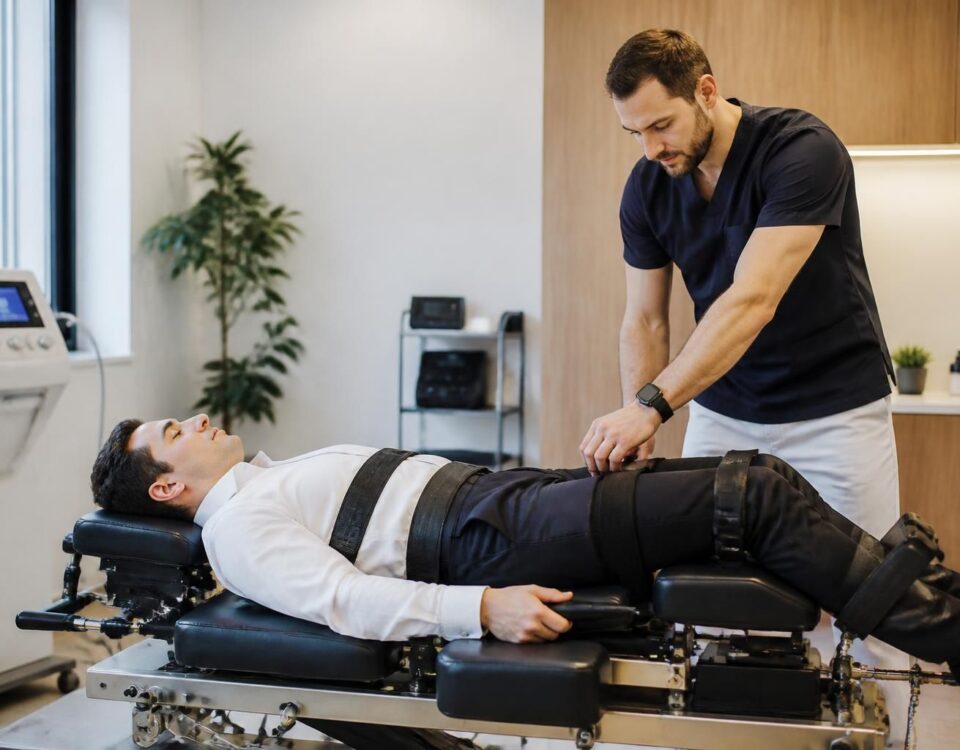
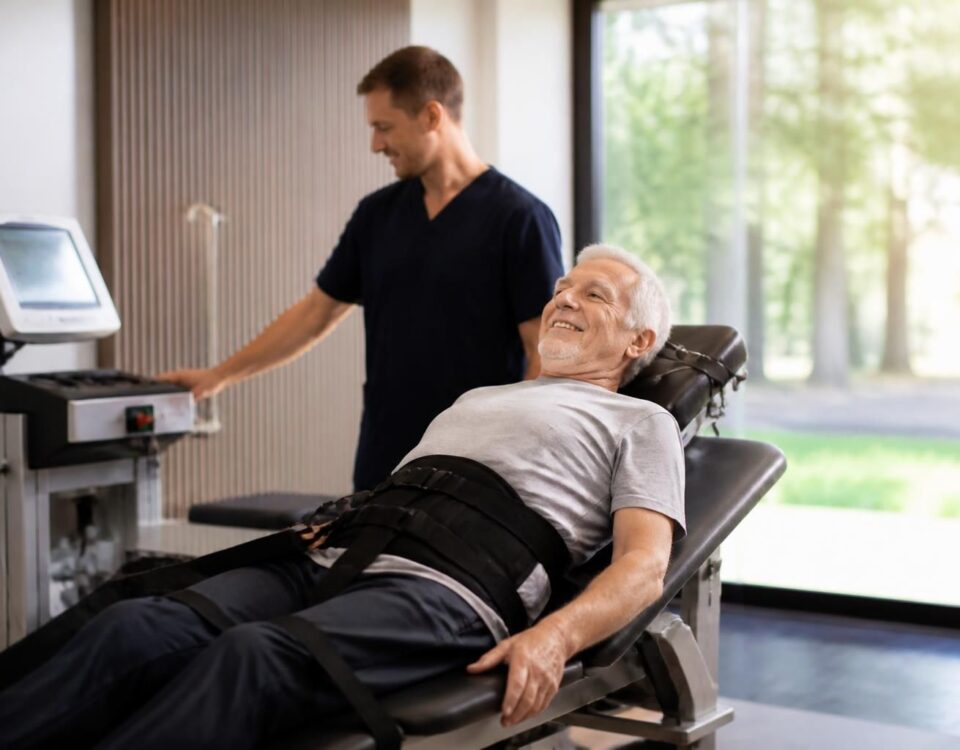
The neurovertebral decompression is based on a Controlled traction of the spine. This traction creates a space between the vertebrae and decreases the compression that affects the nerves and intervertebral discs. By releasing this space, it promotes local blood circulation and facilitates the nutrition of nerve tissue, which contributes to the reduction of pain.
This approach is non-invasive, which makes it a safe alternative to surgical interventions, especially for chronic radicular pain related to structural spinal problems. It is adapted to different patient profiles and can be integrated into a multidisciplinary care pathway, particularly within TagMed clinics and its partners.
Impact on pain and mobility
Patients generally experience a gradual improvement in their symptoms. By reducing the pressure on the nerves, the root pain May decrease and mobility can improve, making it easier to return to daily activities and leisure.
Decompression also promotes a reduction in local inflammation and better tissue oxygenation, which supports the natural healing process of the nervous system and discs. This dynamic contributes to a functional and lasting recovery without resorting to invasive gestures.
why it is particularly suitable for radicular pain
Radicular pain often results from irritation or compression of the nerves that emerge from the spine. By acting directly on the mechanical source of this pain, the neurovertebral decompression Targets root causes rather than masking symptoms, thus providing a lasting prospect of recovery.
For active patients, the technique can allow a faster return to professional and sports activities, while avoiding the risks associated with surgical procedures. Comprehensive resources on custom techniques and programs exist and can be viewed through the specialized sites listed below.
Care course and personalization
The treatment is part of a personalized program, which begins with a complete evaluation and continues with a series of sessions adapted to individual needs. Clear steps make it possible to track progress and adjust the protocol if necessary, ensuring a structured and effective approach.
To learn more, discover resources about the techniques used and personalized programs:
Neurovertebral Decompression Techniques and
The steps of a personalized program.
Additional information and analysis on indications and benefits can be found on pages dedicated to neurovertebral decompression and its clinical applications.
Indications and safety
Neurovertebral decompression is indicated when radicular symptoms persist despite conservative treatments and without any signs of crippling neurological damage. His character non-invasive And its secure practice framework make it an interesting option to limit risks and promote progressive and sustainable recovery.
To better understand the indications and mechanisms, you can consult the following resources:
Vertebral decompression: for whom and why choose this treatment and
Essential FAQs.
Integration into care options
This approach can be part of a multidisciplinary framework, in particular in specialized clinics such as Tagmed Clinic and its partners. It stands out from pharmacological treatments and invasive procedures, while offering an effective way to improve the quality of life patients.
To learn more about innovations and technological aspects associated with neurovertebral decompression, also see the following resources:
Technological innovations in neurovertebral decompression and
Option for active patients.
For specific cases and practical information, please consult the specialized resources on carpal tunnel and other associated conditions, in order to obtain an overview adapted to each situation.
Medical Disclaimer: The information and advice provided on this site does not replace the health professional’s diagnosis or treatment. Please note that Dr. Sylvain Desforges osteopath is neither a doctor of medicine nor a doctor, and is not a specialist in a medical specialty as defined by the Collège des Médecins du Québec. Manual medicine, functional medicine and sports medicine as described on this site exclude any medical treatment or diagnosis made by a doctor or specialist doctor. Always consult your doctor for any medical questions. For more details, please read our full legal notice.
“Medical disclaimer: The information and advice provided on this site does not replace the health professional’s benefit, diagnosis or treatment. Please note that Dr. Sylvain Desforges osteopath is neither a doctor of medicine nor a doctor, and is not a specialist in a medical specialty as defined by the Collège des Médecins du Québec. Manual medicine, functional medicine and sports medicine as described on this site exclude any medical treatment or diagnosis made by a doctor or specialist doctor. Always consult your doctor for any medical questions. For more details, please read our full legal notice. »
- non-invasive and without surgery
- pressure reduction On the nerves and discs
- traffic improvement and nervous nutrition
- Decreased inflammation and acceleration of recovery
- Quick relief radicular pain
- Mobility found and ability to resume activities
- Security with reduction of operative risks
- Personalized approach adapted to the patient’s profile

This recommendation explains why the neurovertebral decompression is an ideal solution for radicular pain. It details the non-invasive mechanism, the nerve and disc benefits, the impact on mobility and quality of life, as well as the importance of a personalized approach and integration into a global care plan. The goal is to help patients and professionals consider this method as a safe and effective option to treat nerve compression pain.
Understanding neurovertebral decompression
The neurovertebral decompression Relies on gentle and controlled traction of the spine. By creating a space between the vertebrae, it reduces the pressure exerted on the nerves and intervertebral discs, the main source of root pain. This approach non-invasive Favors a gradual improvement in blood circulation and nutrient supply to nerve tissue, thus promoting natural recovery without surgery.
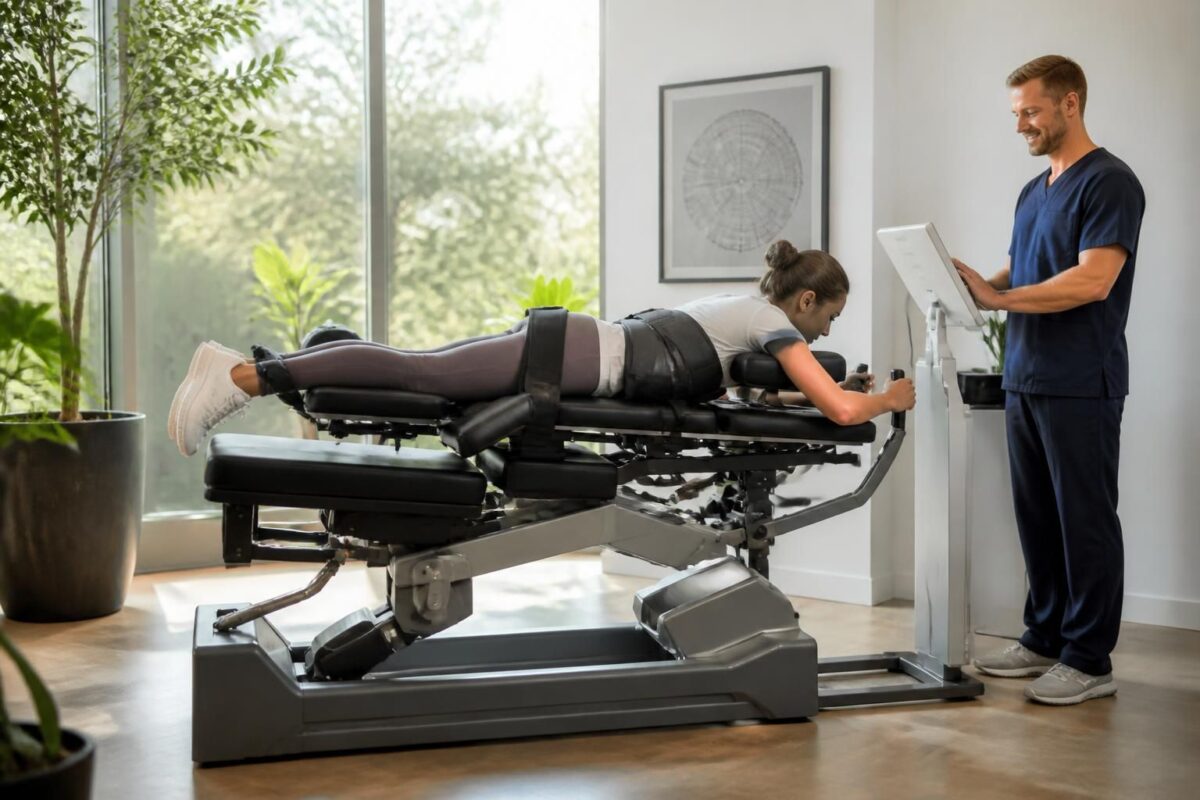
The long-term benefits of neurovertebral decompression for spinal health
In short In short, the neurovertebral decompression is a non-invasive approach that decreases the Pressure on intervertebral discs and nerves, favoring the Natural regeneration and tissue recovery. Its long-term benefits include Lasting pain reduction, Improving mobility and from the posture,…

Neurovertebral decompression and mobility: a return to an active life
In short In short, the neurovertebral decompression is therapy non-invasive who uses a gentle traction To create a space between the vertebrae and reduce the pressure on the Intervertebral discs and the nerves. It promotes a bloodstream improved, lowers tension…
Why it is ideal for radicular pain
Targeted reduction in nerve pressure
Reducing the pressure on the nerves, decompression reduces the typical symptoms of radiculopathies: radiating pain, burns and tingling. This reduction in compression acts directly on the cause, and not only on the symptoms, offering more lasting and often quick relief.
Improved circulation and tissue nutrition
By freeing up space around discs and nerve roots, the bloodstream improves locally. This allows for a better supply of oxygen and nutrients, which helps to reduce inflammation and support the repair of nervous and disc tissues.
Safety and comfort
Given his character non-invasive, this treatment avoids the risks associated with surgery and offers a generally comfortable and well-tolerated experience. The protocol is adapted to each patient, with a gradual progression that respects anatomy and individual limits.
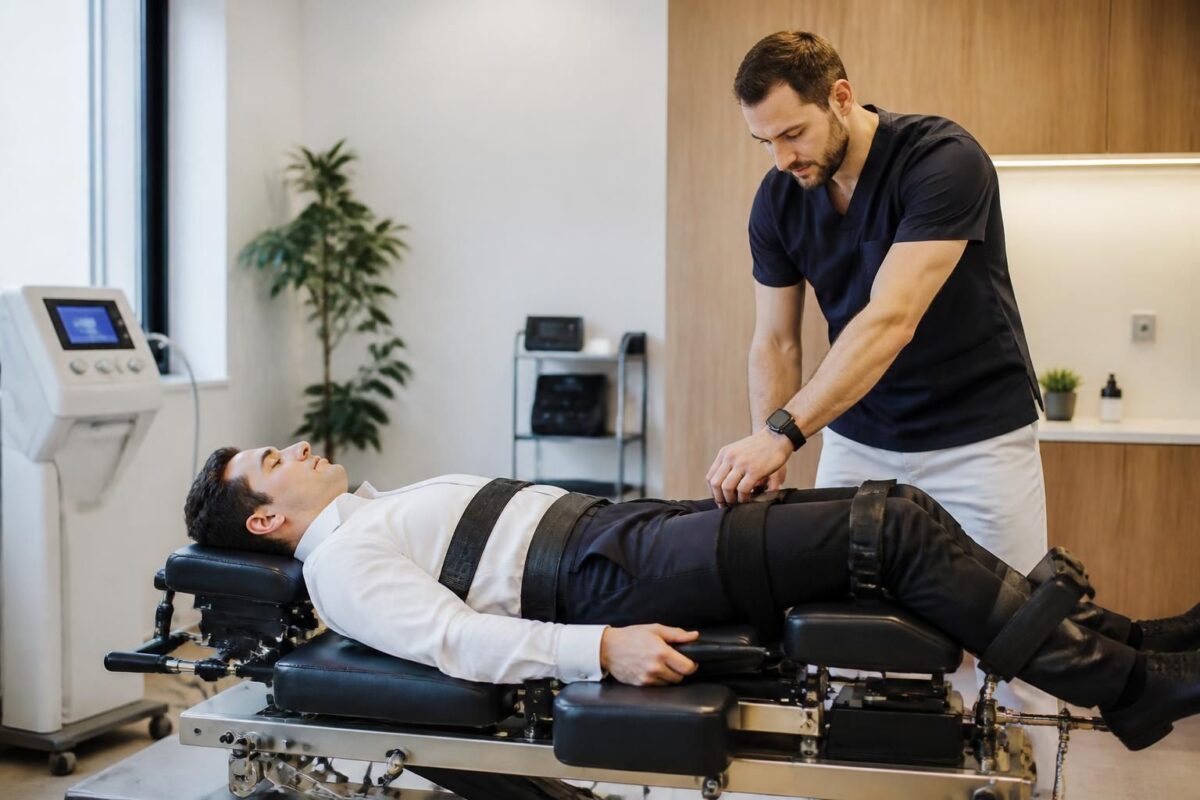
How Neurovertebral Decompression Prevents Diffuse Chronic Pain
In short decompression neurovertebral is one Non-invasive method aimed at reducing the Pressure on the intervertebral discs and the nerves, in order to prevent Diffuse chronic pain. It improves the circulation and thedisc hydration, decreases inflammation and promotes better mobility.…
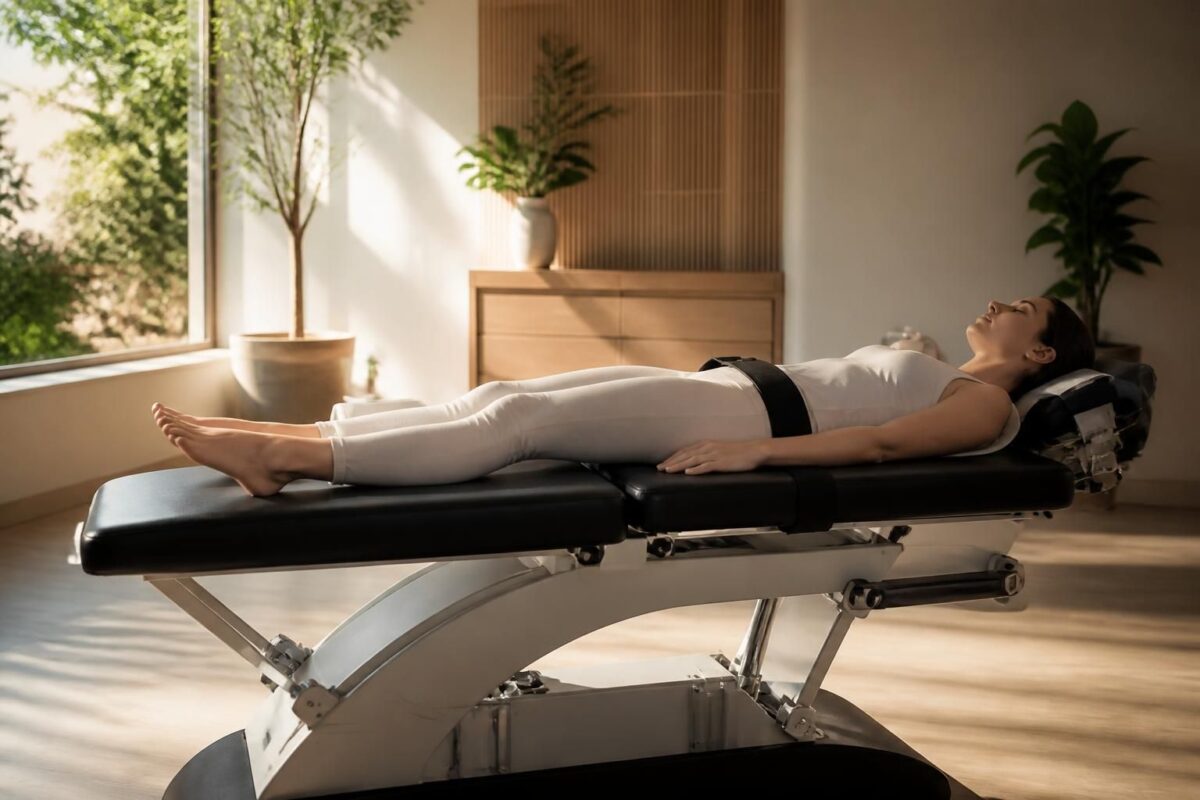
Neurovertebral Decompression and Body Alignment: Restoring Natural Balance
In short In short, neurovertebral decompression is one Non-invasive approach who restores theBody Alignment and thenatural balance back and neck. She acts by a Controlled traction of the spine to widen the intervertebral space and reduce the Pressure on discs…
Functional impact and quality of life
Patients often report a Improving mobility and an increasing ability to resume daily activities. By reducing pain and tension, the method facilitates the return to simple gestures, improves posture and can contribute to better mental and emotional energy. This approach supports recovery overall and sustainable.
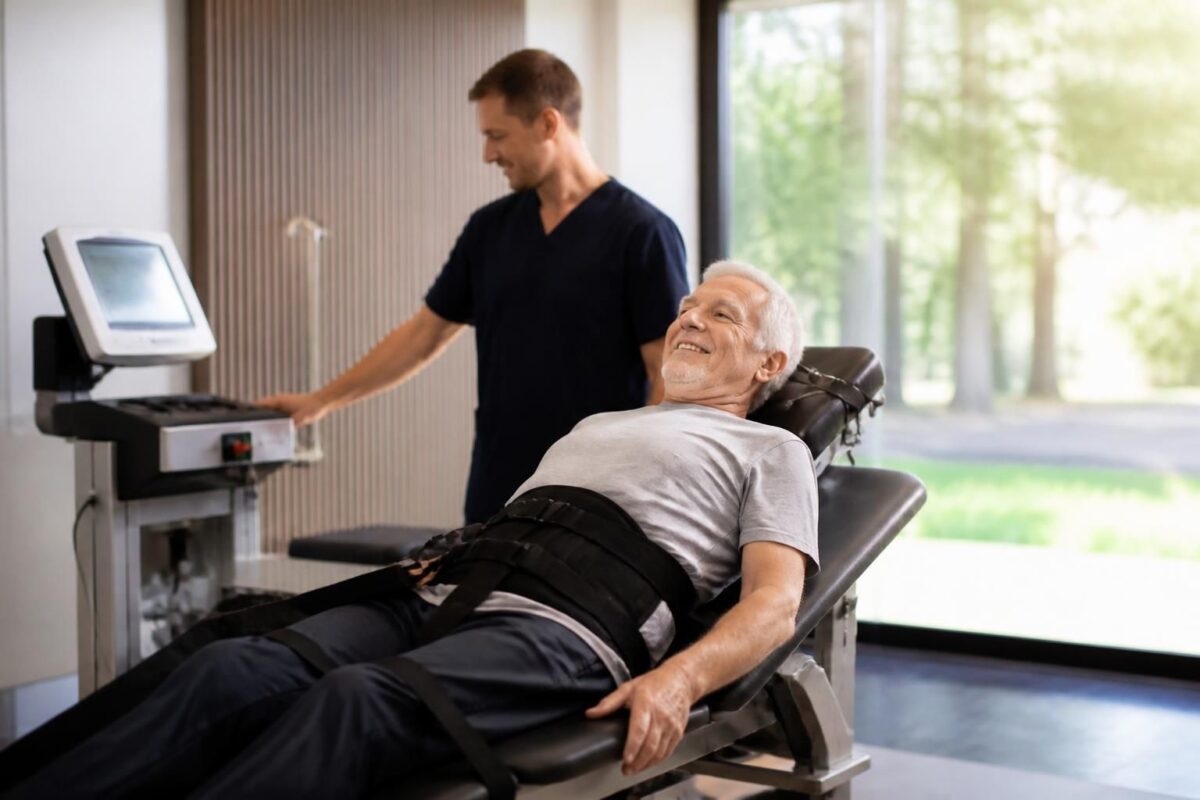
Why neurovertebral decompression is a lasting solution for active seniors
In short In short, the neurovertebral decompression is one Non-invasive therapy which sustainably relieves spinal pain in the spine active seniors By creating, by a Soft and controlled traction, a space between the vertebrae. At Montreal, it is recognized as…
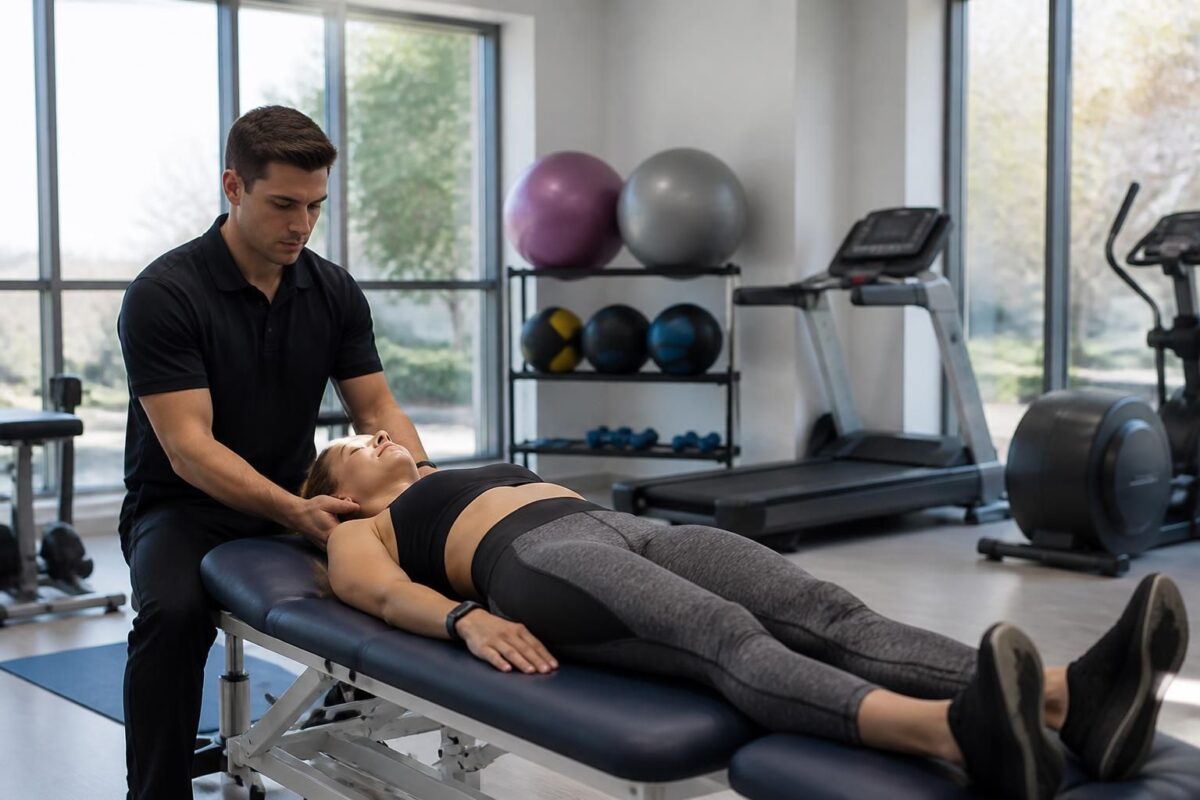
Neurovertebral decompression and recovery after severe sports injury
In short In short, the neurovertebral decompression is one Non-invasive method to Relieve the pressure on the Intervertebral discs and the gristle Via a Controlled traction, to facilitate the recovery After a severe sports injury. It improves the bloodstream towards…
Personalized approach and evaluation
Before starting the treatment, a detailed evaluation is carried out to determine eligibility and adapt the therapeutic sequence. The plan is personalized according to the level of pain, the location of the radiculopathy and any contraindications. This customization guarantees optimized efficiency and minimizes discomfort during the sessions.
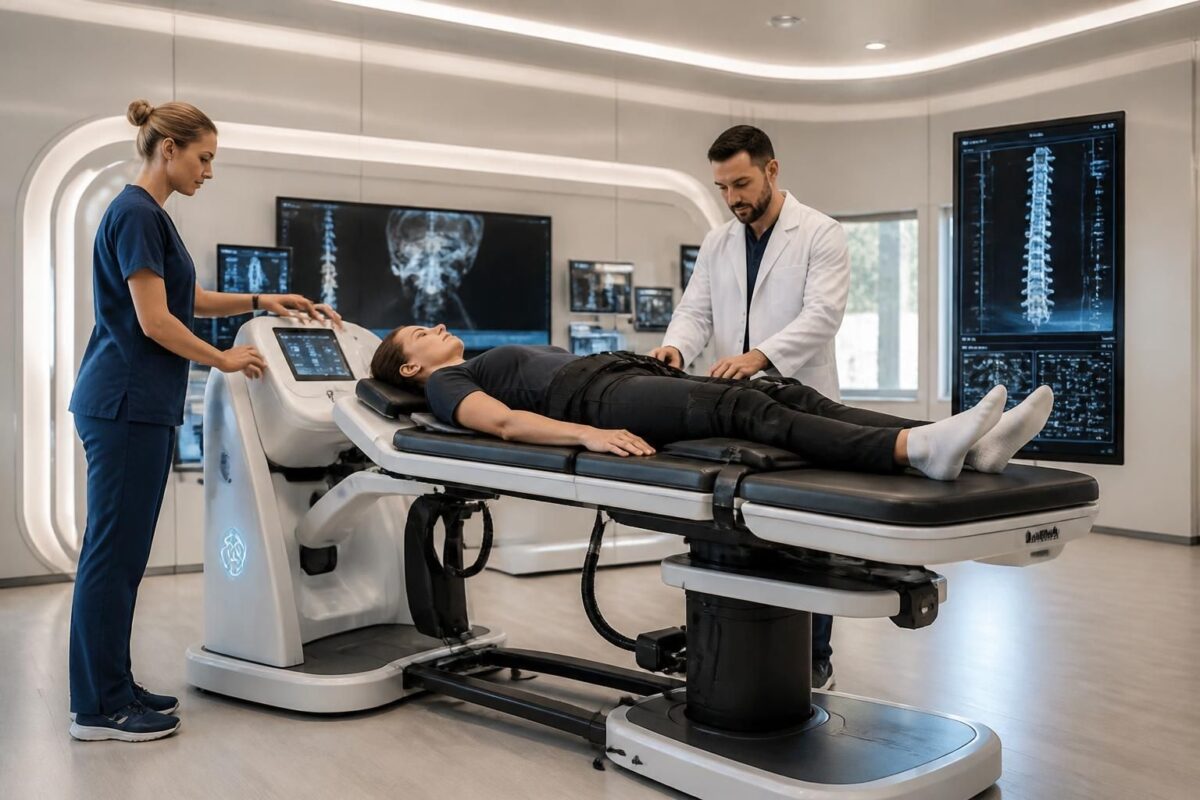
Recent innovations in neurovertebral decompression technologies
In short In short, the neurovertebral decompression is an approach non-invasive Aiming to reduce pressure on discs and nerves, and promote tissue regeneration. At Montreal, it is positioned as an effective option for lower back pain and herniated discs. The…
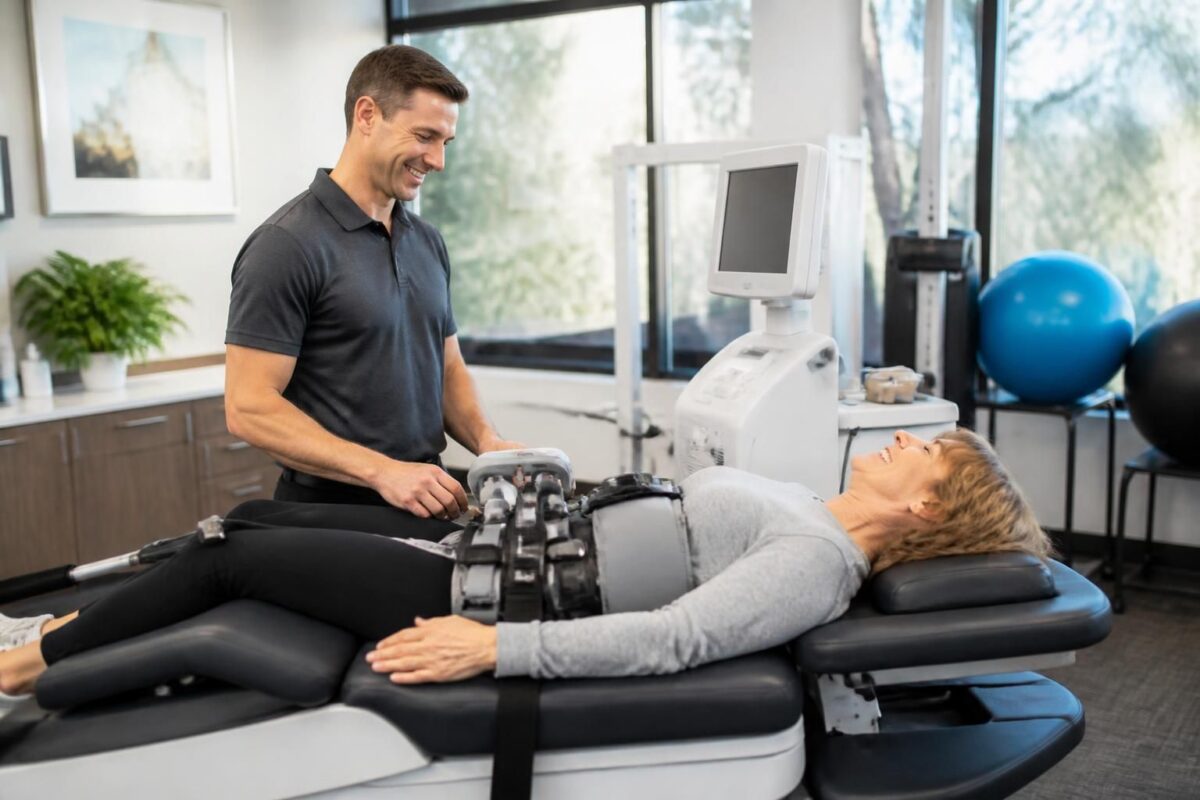
Neurovertebral decompression and diffuse pain: an appropriate solution
In short In short, the neurovertebral decompression is one Non-invasive solution For diffuse pain related to nerve irritation of the spine. She acts in Reducing pressure on intervertebral discs and nerves and improving the bloodstream, which promotes recovery and the…
Integration into a multidisciplinary care plan
The neurovertebral decompression Can be enrolled in a comprehensive care plan including physiotherapy, naturopathy or other manual therapies. Its role is to complement interventions targeting mobility, bodybuilding and inflammation management, while remaining compatible with conventional medical treatments when necessary. This integration promotes a coherent and structured approach for lasting improvement in radicular pain.
| Aspect | Concise impact |
|---|---|
| Mechanism | Targeted traction Releasing nerves and discs. |
| main advantage | Direct reduction in nerve pressure on the roots. |
| Type of treatment | non-invasive and without incision. |
| Speed | Quick relief and lasting symptoms. |
| Security | low risk and high tolerance. |
| vascular effect | traffic improvement and tissue nutrition. |
| Mobility | Mobility found and better quality of life. |
| Personalization | Personalization after evaluation. |
| Integration | Integration into a comprehensive care plan. |
“Since I started neurovertebral decompression, my radicular pain has decreased rapidly. This approach is non-invasive and acts directly on the nerve pressure, which allowed me to find a mobility that I had lost. »
“In a few weeks, I found the pleasure of moving and even walking without pain. The treatment is personalized and adapted to my body, and the Quick relief What I felt gave me confidence in my resumption of activity. »
“I was frightened by the idea of surgery, but this method offers a Non-surgical solution effective that decreases inflammation and supports Natural healing nervous tissue. »
“As an athlete, the return to training was faster than expected thanks to a Improving mobility and an recovery smoother between sessions. It is an approach that respects the body and promotes sustainable performance. »
“I notice a marked reduction in nocturnal pain and tingling, which allows me to sleep better and enjoy my days. It’s a method fresh which targets the cause and not just the symptoms. »
“After several sessions, my posture improved and the radicular pains lost their intensity. It gave me a quality of life found and a better ability to accomplish my daily activities. »
Dr. Sylvain Desforges is a multidisciplinary professional working in osteopathy, naturopathy and manual medicine. At the head of the TagMed clinics and the ACMA association, he leads a continuous innovation approach in health, centered on the management of Chronic pain and the integration of advanced technologies. Its approach is based on evidence-based principles, with the aim of optimizing the health and well-being of patients. His background illustrates an alliance between scientific rigor and result-oriented clinical practice.
Neurovertebral decompression, as recommended in its practice, is a non-invasive method that acts directly on the mechanical causes of root pain. By applying controlled traction to the spine, it aims to reduce the pressure exerted on the nerves and intervertebral discs. This targeted approach opens spaces between the vertebrae, thus facilitating the recovery of the nerve flow and the reduction of painful symptoms.
The benefits of this technique are observed quickly and sustainably. It contributes to a Improved blood circulation In affected tissues, promotes essential nutrient intake and helps reduce local inflammation. By releasing the compressed nerves, it can lead to significant relief in burning, tingling and pain sensations radiating to the limbs, while allowing Mobility found and better participation in daily activities.
Compared to surgical procedures, neurovertebral decompression offers Safe and non-invasive option, with a much lower risk profile and generally faster recovery. This relative safety makes it an attractive alternative for patients who want to avoid the risks and long delays associated with surgery, while obtaining tangible results on pain and function.
Dr. Desforges puts the patient at the heart of a Personalized care plan. Before starting the treatment, an in-depth evaluation is carried out to ensure that this approach is adapted to each profile. This customization makes it possible to adjust the speed and intensity of the traction, to integrate complementary therapies and to follow the evolution of pain and mobility, in order to optimize the chances of natural healing.
Its practice is based on a Integrated reading of clinical evidence, and on coordination with other modalities such as the laser or shockwave therapies when relevant. This synergy between technologies and manual expertise offers a global approach, capable of improving the quality of life of patients suffering from radicular pain, while respecting the anatomy and the integrity of neurological and musculoskeletal structures.
Through its commitment to effective and safe care, Dr. Desforges demonstrates that neurovertebral decompression can become a central component of a sustainable rehabilitation course. This approach, focused on reducing nerve pressure, stimulating tissue regeneration and maintaining an active lifestyle, allows many patients to resume their activities with more serenity and confidence, guided by an expertise that places the individual and his needs in the foreground.
This conclusion details why neurovertebral decompression is ideal for the radicular pain, highlighting its mechanisms non-invasive, its influence on the nervous pressure, improving the circulation and its impact on mobility and the quality of life.
The principle is based on a Controlled traction which creates a space between the vertebrae and reduces the pressure exerted on the gristle and the Intervertebral discs, thereby reducing symptoms and promoting tissue healing. To deepen this mechanism and its results, you can consult resources combining science and clinical practice on the benefits of this approach.
This option is non-invasive and safe, avoiding the risks and complications associated with surgery and offering a quick recovery. At the same time, it promotes a Improved traffic and helps reduce theinflammation Around the nervous structures, which accelerates the healing process and allows a gradual return to activity. For documented feedback and arguments, refer to the analyzes and expertise shared by TagMed clinics and specialized resources.
The personalization of treatment is key: a detailed assessment makes it possible to establish a plan adapted to the precise cause of radicular pain and patient mobility, guaranteeing Sustainable results and an Functional rehabilitation progressive. This individualized approach is supported by publications and clinical presentations that describe how to adapt traction and protocol to each pain profile.
integrated into a Overall care plan, decompression can be combined with other approaches such as laser, shockwave therapies or physiotherapy, in order to provide Multidisciplinary solution and optimize the Lasting pain reduction. online resources describe how this approach can contribute to Fast return to daily activities and improved mobility, in particular through examples and testimonies. In addition, elements such as Mobility regained and muscle tension attenuated illustrate these benefits.
specialized sources and articles also underline that the neurovertebral decompression May help soothe radiant pain and prevent recurrences, especially in people with herniated discs or chronic lower back pain. For an overview, you can view encyclopedic resources such as neurovertebral decompression, as well as clinical syntheses and dedicated studies.
For patients suffering from severe radicular pain, some specialized pages present this therapy as a suitable option, with explanations of the mechanisms, indications and results observed. You can discover them via dedicated resources and clinical analysis articles, which detail how decompression contributes to rapid symptoms reduction and function improvement.
Medical Warning: The above information does not replace a health professional’s Lavis. Always consult your doctor for any medical questions and evaluate treatment options with a qualified specialist. For more details and legal framework, please refer to the reviews and notices provided by the professionals mentioned in this content.

Dr Sylvain Desforges, B.Sc., D.O., N.D., osteopath, is the founding president of TAGMED and of the ACMA association. He dedicates his practice to chronic spinal pain, low back pain and symptoms compatible with sciatica, particularly when pain radiates toward the buttock, leg, calf, foot or toes.
Through SOS Sciatique, he publishes educational content on sciatica symptoms, possible causes such as disc herniation, disc narrowing, foraminal stenosis or irritation of a lumbar nerve root, as well as non-surgical approaches that may be considered according to the evaluation. At Clinique TAGMED, care may include, depending on the case, motorized neurovertebral decompression, specific osteopathic care or precision percussion.
For an evaluation related to sciatica treatment in Montreal / Mount Royal or sciatica treatment in Terrebonne, please consult the services available at Clinique TAGMED.
Medical disclaimer
The information published on SOS Sciatique is provided for educational purposes only and does not replace a consultation, diagnosis, opinion or treatment provided by a physician or another authorized healthcare professional. The author of this article is neither a medical doctor nor a specialist in a medical specialty recognized by the Collège des médecins du Québec. The osteopathic, manual medicine or functional support approaches described on this site do not constitute medical acts and are not intended to replace medical follow-up.
Consult a physician or emergency service in cases of loss of bladder or bowel control, anesthesia in the saddle area, significant or progressive weakness in the leg or foot, fever, recent trauma, severe pain or rapid worsening of symptoms. For more details, please read our Legal Notice.