Neurovertebral Decompression and Muscle Tensions: Gently Relieve
26/06/2026
How neurovertebral decompression improves the quality of life in elderly patients
26/06/2026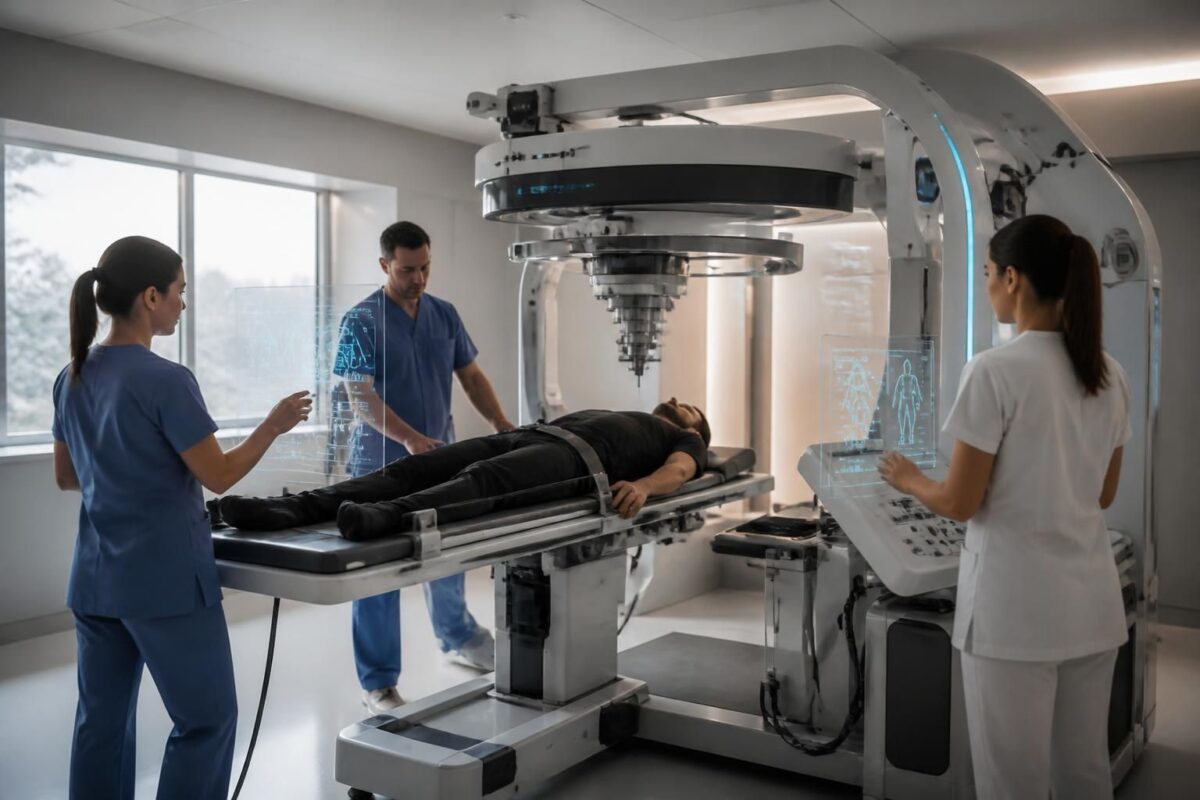
In short
| In short, the Advanced technologies in neurovertebral decompression equipment represent a Modern approach which associates a Mechanical traction And some Intelligent computer systems To adjust settings in real time and customize processing. In Montreal, this service is particularly effective for pain related to herniated discs and muscle tension in the back and neck. The main advantages: Quick relief symptoms, Improving mobility and Reduction of operational risks, all without surgery. Operation is based on a gentle traction Sensor-guided, with Dynamic adjustments and, if necessary, Complementary therapies (laser, shock waves) to optimize recovery and well-being. |
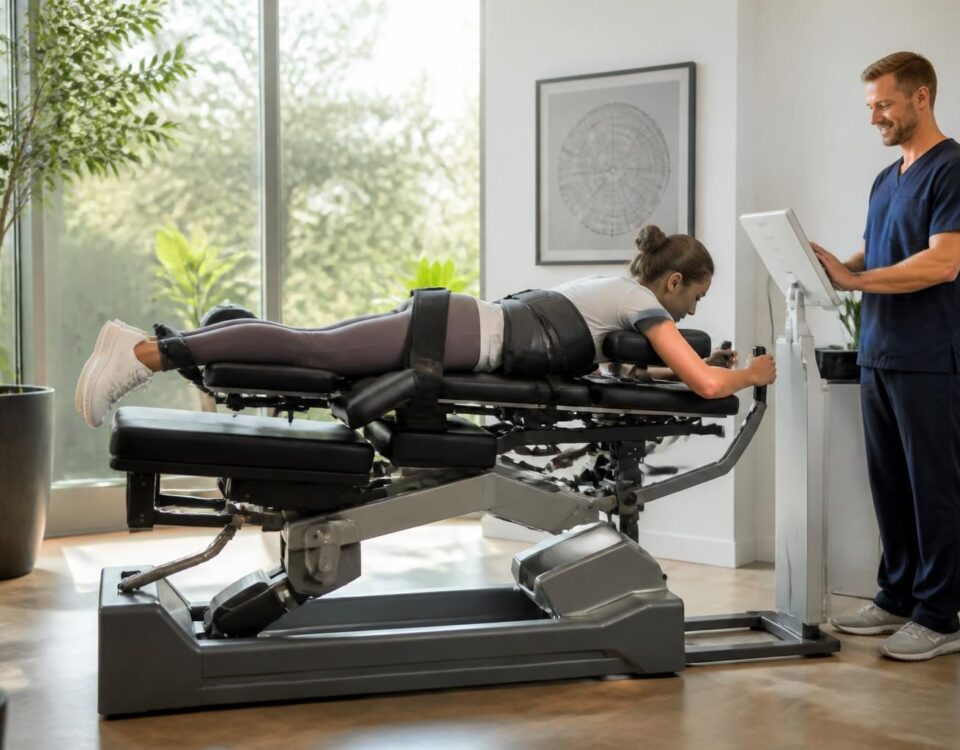
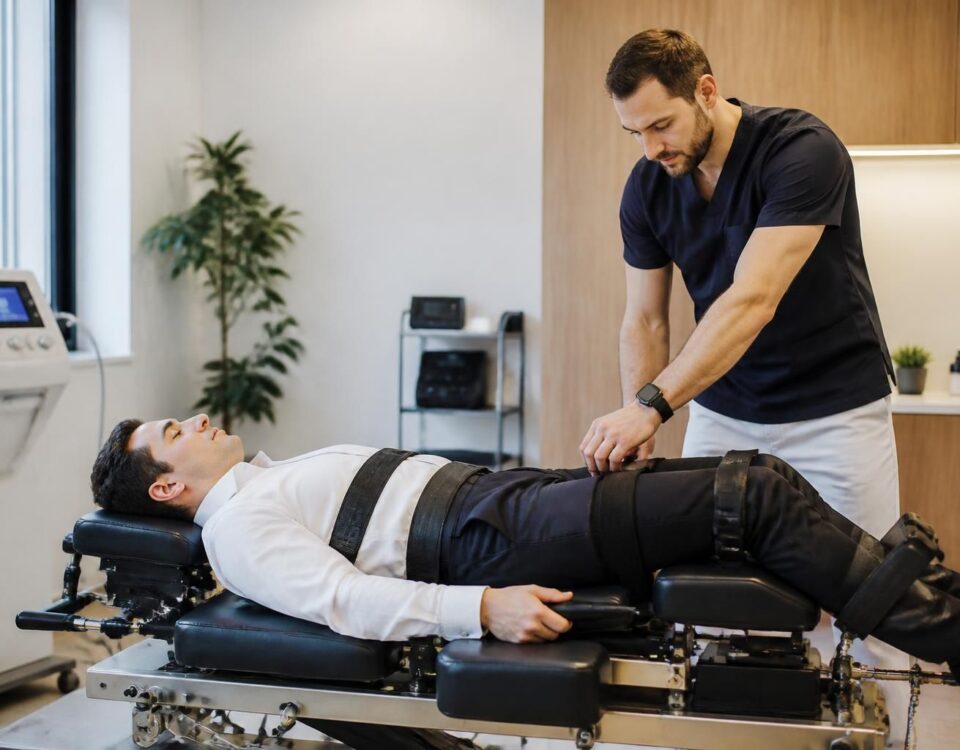
advanced equipment technologies neurovertebral decompression associate Precise mechanical traction and computer control to personalize each session. The Intelligent computer systems Adjust the settings in real time according to the patient’s response, allowing targeted and safer decompression. These devices include sensors and measures like disc pressure to adapt the treatment as you go. Modern solutions Combination traction and relaxation Effectively target painful areas and improve mobility without surgery. The use of Complementary therapies (Laser, shock waves) can be used in synergy to reduce inflammation and promote regeneration. Overall, these technologies offer care personalized, non-invasive and focused on measurable results, improving the quality of life of patients with back pain.
Quick Summary: This article describes the modern technologies used in neurovertebral decompression. It explains how intelligent systems adjust parameters in real time, how mechanical traction is applied accurately and non-invasively, and what clinical benefits these innovations bring for lower back and cervical pain. The text highlights the importance of personalized approach and safety, while giving benchmarks on the options available in specialized clinics.
Mechanical traction and computerized systems
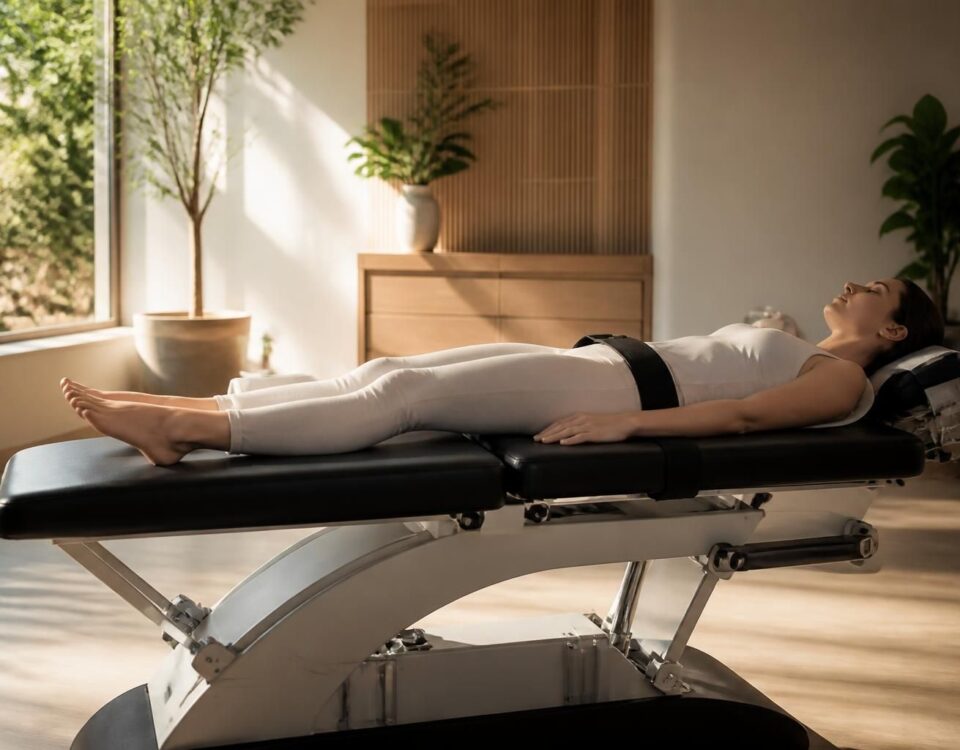
Modern decompression devices use a Mechanical traction Precise to reduce the pressure exerted on the intervertebral discs. This traction is applied in a controlled, gentle and progressive way. One Integrated computer landscape Adjusts the strengths and duration according to the patient’s responses. Tables and machines equipped with sensors measure progress and adjust the protocol in real time, allowing an approach personalized and more efficient. Systems such as the DRX9000™ illustrate this synergy between traction and relaxation, offering targeted relief without surgery. To learn more about related technologies, check out the dedicated resources on DecompressionNeurovertebrale.com.
This technology is based on simple but powerful algorithms: measuring body response and adapting traction. The result is a decrease in disc pressure and improved mobility. Modern devices also incorporate safety mechanisms and ergonomic settings, to ensure patient comfort throughout the session. For an overview of recent developments, you can consult specialized analyzes on sossciatica.com and injuries-sportives.com which detail these technological advances.
Sensor integration and dynamic tracking
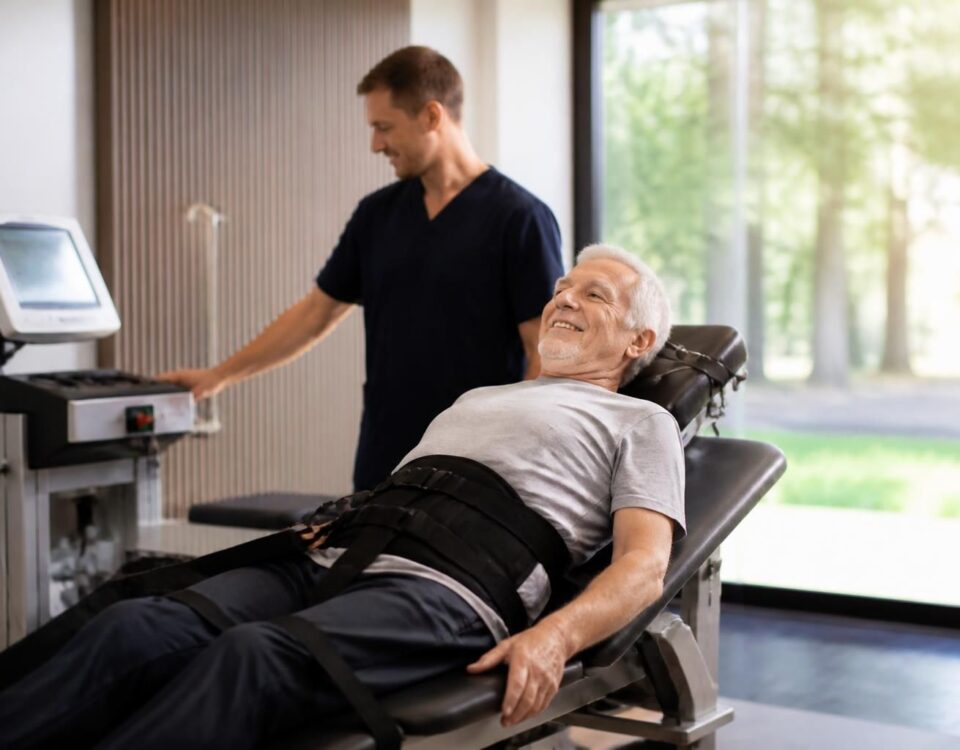
Decompression technologies include sensors that monitor posture, applied force, and physiological responses. These data feed systems computerized which adapted the protocols in real time. This approach improves session accuracy and reduces potential discomfort. Dynamic monitoring also allows you to evaluate the effectiveness of the treatment over the sessions and to adjust the parameters to optimize the results. For a view on tracking mechanisms and their benefits, refer to the articles available on sossciatica.com and sosherniediscale.com.
The customization capability also extends to combining with other technologies. Some systems allow simultaneous traction, relaxation and light stimulation to promote tissue recovery. This non-invasive approach contributes to a more comfortable and faster recovery as part of a program supervised by health professionals.
Complementary therapies and neuromodulation
Neurovertebral decompression can be associated with complementary therapies to optimize results. Therapeutic lasers and non-invasive stimulation approaches can be used in addition to promote local circulation and support tissue healing. In this context, neuromodulation technologies like Pulse Align aim to restore muscle balance and reduce tension. This translates into a better range of motion and a reduction in pain, without the need for medication or surgery. For a practical exposure of complementary approaches, consult the resources on decompressionneurovertebrale.com and sossciatica.com.
Benefits and safety for patients
Advanced decompression technologies offer several clear advantages. They allow a Non-invasive approach, a rapid reduction in symptoms and a noticeable improvement in mobility. The customization of the protocol increases the chances of lasting results, while limiting the risks associated with more invasive treatments. The high security framework comes from precise adjustments, real-time controls and regular follow-up by trained professionals.
Modern neurovertebral decompression relies on advanced systems which, when used correctly, can reduce disc pressure and promote better blood circulation around affected areas. These benefits contribute to a better quality of life and a faster return to daily activities, including suitable professional or sports activities. For a general perspective on these technologies and their impact, you can consult the analyzes published on the partner sites mentioned above.
Use cases and clinical experience
In practice, patients often report a rapid decrease in pain after a few sessions. The impact may include improved postural alignment and increased mobility, with a feeling of regeneration in the tissues. Modern technologies also make it possible to assess progress and adjust protocols according to observed results, which reinforces the overall effectiveness of neurovertebral decompression. For feedback and case studies, refer to the resources available on sosherniediscale.com and sosscatique.com.
Recent innovations in decompression equipment, such as computerized systems and adaptive protocols, strengthen adherence to evidence-based practice. They support the goal of reducing painful episodes and sustainably improving spinal function. For detailed information on these developments, refer to the content published by professionals and specialized institutions on the portals mentioned below.
Additional references and resources
To learn more, check out the following resources:
Advanced technologies in decompression at the service of well-being,
Neurovertebral decompression and muscle pain associated with the back,
How decompression improves stability,
Recent innovations in decompression technologies,
Benefits for relieving muscle tension,
Future innovations of decompression equipment,
Prevent additional back injuries,
A solution for persistent mechanical pain.
Medical disclaimer: The information and advice provided on this site does not replace the advice, diagnosis or treatment of a healthcare professional. Please note that Dr. Sylvain Desforges osteopath is neither a doctor of medicine nor a doctor, and is not a specialist in a medical specialty as defined by the Collège des Médecins du Québec. Manual medicine, functional medicine and sports medicine as described on this site exclude any medical treatment or diagnosis made by a doctor or specialist doctor. Always consult your doctor for any medical questions. For more details, please read our full legal notice.
- Precise mechanical traction and checked to decrease the disc pressure
- Computerized decompression tables and customizable according to the patient
- Combination traction and relaxation For a gentle treatment
- Integrated sensors To measure patient pressure and response
- Real-time regulation Adjusting settings automatically
- Therapeutic integration: Laser and shock waves in addition
- dynamic follow-up Real-time and visual feedback
- pain control by non-invasive protocols
- Ergonomics and comfort of the patient during the sessions
- Adaptive protocols based on data and lifestyle
- interoperability With rehabilitation and mobility
- Security and non-invasiveness as a principle

This summary presents the Advanced technologies Used in neurovertebral decompression equipment, their mechanisms, customization and clinical benefits. It describes how the Mechanical traction is adjusted in real time thanks to Computerized systems, how these non-invasive solutions promote disc healing and improve mobility, and why they are a valuable alternative to surgical approaches.
Evolution and fundamental principles
The Advanced technologies Combine mechanical traction mechanisms and intelligent control systems to precisely target the painful areas of the column. The Mechanical traction Soft reduces pressure on the intervertebral discs, facilitating rehydration and tissue recovery without surgery. Modern devices integrate sensors and algorithms that analyze patient responses and automatically adjust treatment parameters. This approach allows Protocol Customization and better tolerance during the sessions.
Traction and pressure control
The heart of the decompression rests on a targeted traction that alleviates disc pressure. Modern systems apply specific forces, adapted to the posture and feeling of the patient, in order to optimize the reduction of tension and accelerate the recovery of tissues.
Dynamic monitoring and real-time regulation
Computerized tables and devices continuously measure parameters such as tensile strength and muscle response. These data allow the protocol to be adjusted instantly, improving treatment efficiency while minimizing discomfort.
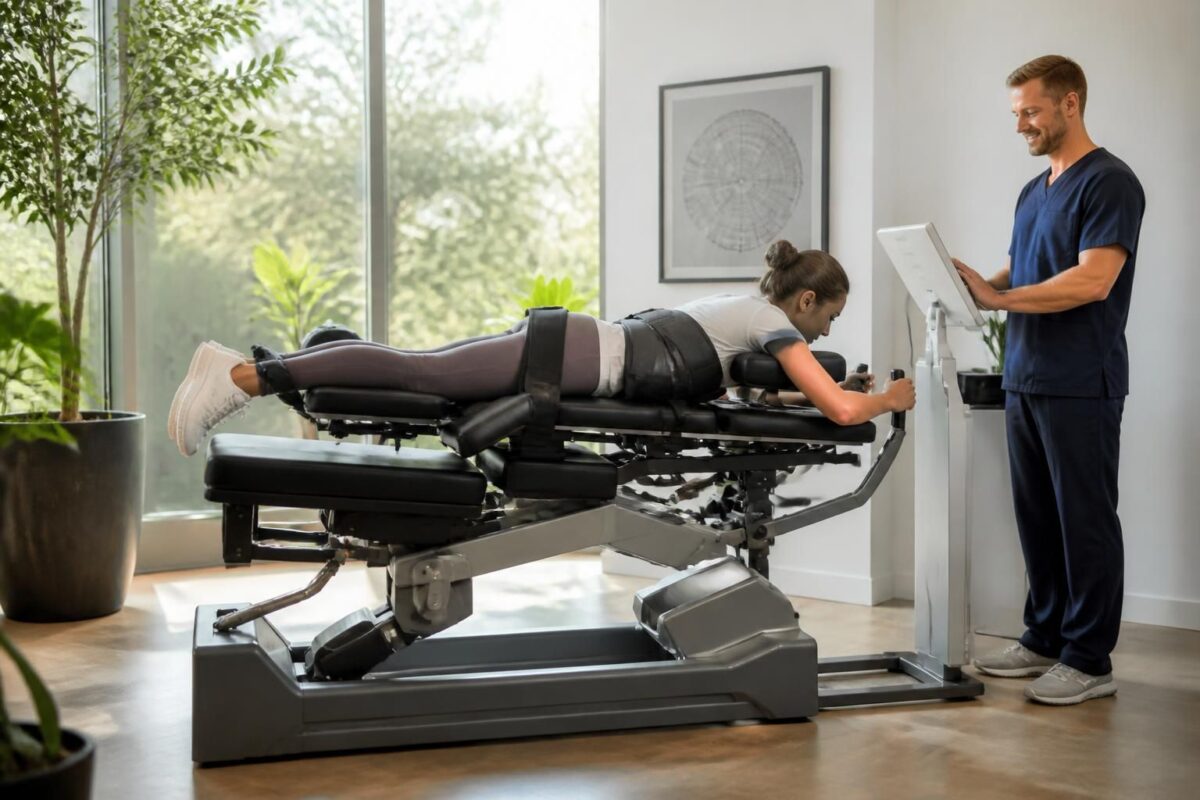
The long-term benefits of neurovertebral decompression for spinal health
In short In short, the neurovertebral decompression is a non-invasive approach that decreases the Pressure on intervertebral discs and nerves, favoring the Natural regeneration and tissue recovery. Its long-term benefits include Lasting pain reduction, Improving mobility and from the posture,…
Customization and security
Customization has become an essential component of neurovertebral decompression through the integration of sensors, analysis software and adaptive protocols. This approach provides more predictable results and increased comfort for each patient. In addition, the non-invasive orientation significantly reduces the risks associated with surgical procedures and promotes faster resumption of activities.
Real-time adaptation
Advanced technologies adjust the parameters based on clinical feedback and body measurements, ensuring tailor-made treatment and measurable progress.
Evidence and security
Although the evidence is progressing, data-guided use and non-invasive protocols offer clear benefits in terms of patient safety and acceptability, while supplementing other non-pharmacological treatments.

Neurovertebral decompression and mobility: a return to an active life
In short In short, the neurovertebral decompression is therapy non-invasive who uses a gentle traction To create a space between the vertebrae and reduce the pressure on the Intervertebral discs and the nerves. It promotes a bloodstream improved, lowers tension…
Integration with other therapies
Neurovertebral decompression is often part of a multimodal approach. Traction techniques can be associated with complementary interventions such as laser therapies or shock waves, in order to reduce inflammation, improve local circulation and optimize tissue regeneration. This synergy contributes to faster symptom relief and lasting improvement in mobility.
Synergy and integrated protocols
Integrated protocols make it possible to coordinate decompression sessions with other forms of rehabilitation and pain management, offering a holistic solution adapted to the lifestyle and goals of the patient.
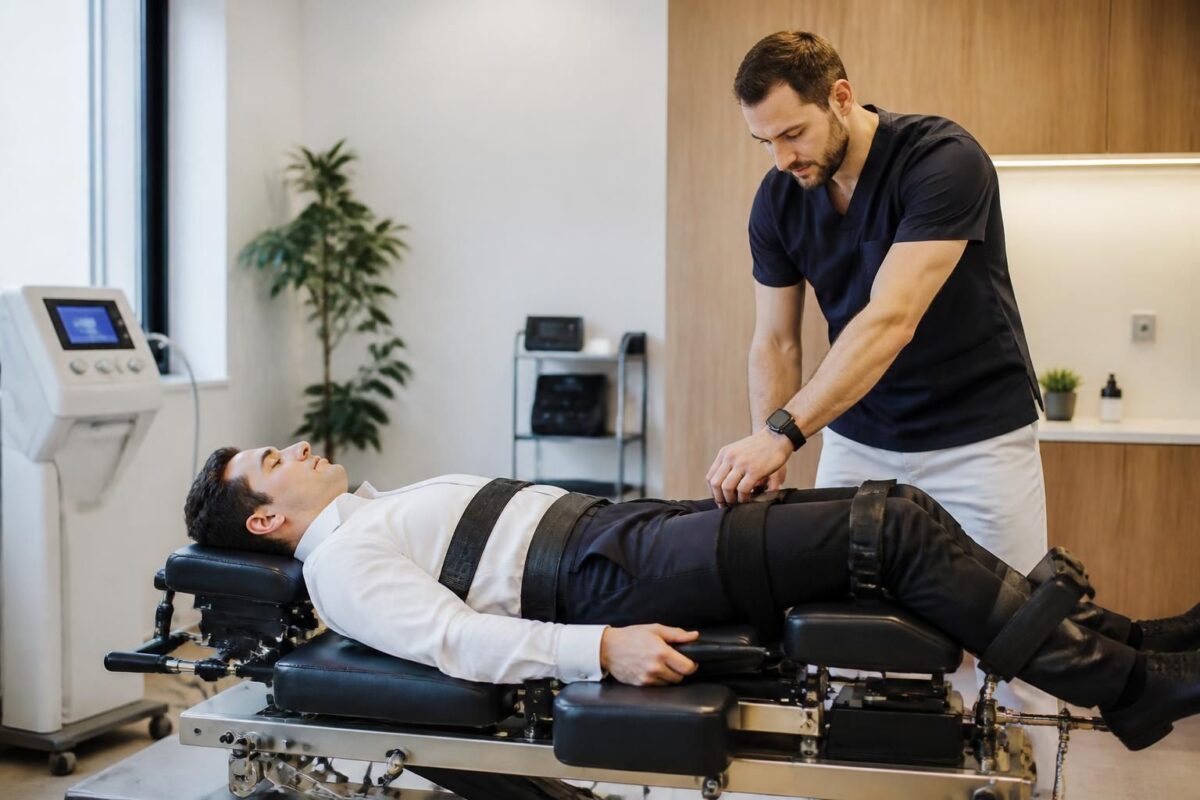
How Neurovertebral Decompression Prevents Diffuse Chronic Pain
In short decompression neurovertebral is one Non-invasive method aimed at reducing the Pressure on the intervertebral discs and the nerves, in order to prevent Diffuse chronic pain. It improves the circulation and thedisc hydration, decreases inflammation and promotes better mobility.…
Influence on patients and perspectives
For athletes and active people, these technologies offer a safe path to maintaining or returning to physical activity, with reduced pain and increased range of motion. In elderly patients, preventing functional restrictions and improving quality of life are major benefits. Future advances should enhance measurement accuracy, refine adjustment algorithms and extend indications while consolidating clinical evidence.
Challenges and ways to improve
The main challenges remain the harmonization of protocols, objective evaluation of results and general access to suitable equipment. The continuous development of sensors, artificial intelligence and monitoring systems promises to further enrich the efficiency and safety of treatments.
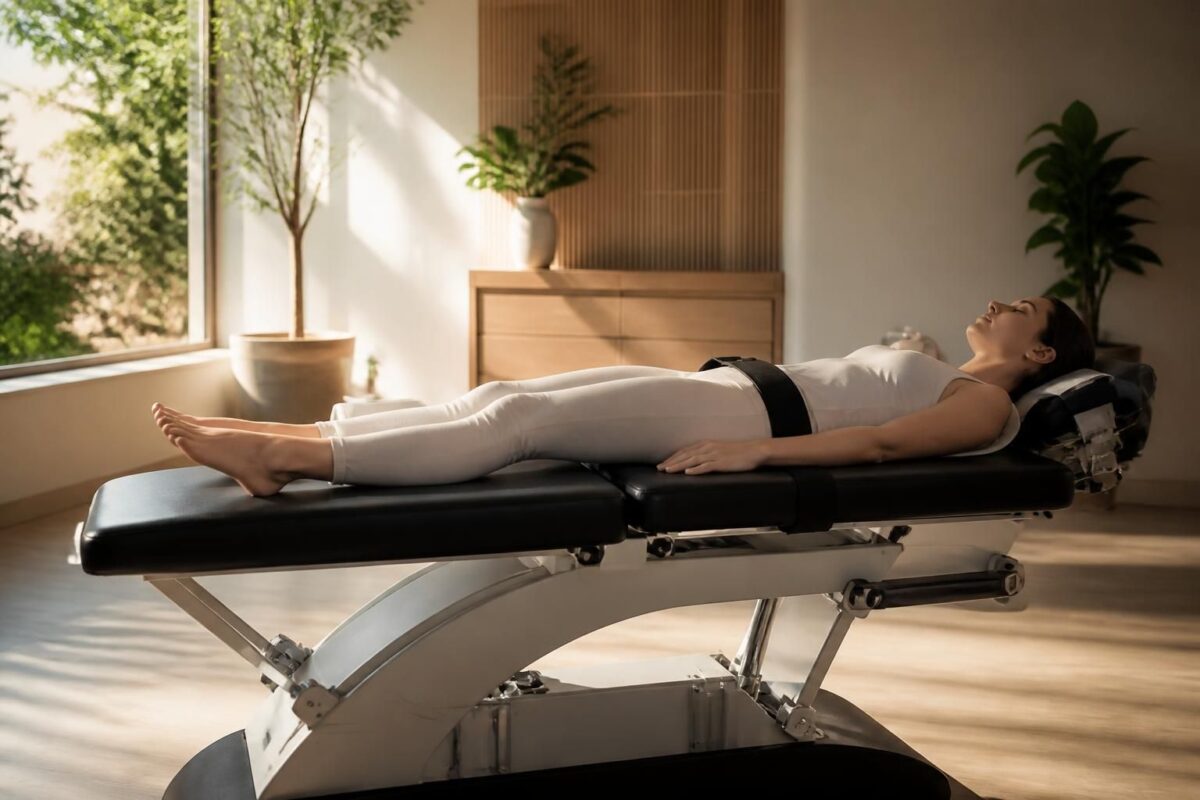
Neurovertebral Decompression and Body Alignment: Restoring Natural Balance
In short In short, neurovertebral decompression is one Non-invasive approach who restores theBody Alignment and thenatural balance back and neck. She acts by a Controlled traction of the spine to widen the intervertebral space and reduce the Pressure on discs…
Advanced technologies in neurovertebral decompression equipment
| Technological elements | Impact and benefits |
|---|---|
| Precise mechanical traction | Reduces pressure on the intervertebral discs by targeted and controlled forces. |
| Real-time computerized devices | Customizes the protocol by adjusting traction and relaxation according to patient feedback. |
| DRX9000 and hybrid systems | Combines traction and relaxation to promote disc rehydration and lasting relief. |
| Dynamic tracking systems | Sensors and feedback allow you to quickly adapt settings and track progress. |
| Complementary therapies (laser and shockwaves) | Reduce inflammation and accelerate healing of tissue surrounding the disc. |
| Neuromodulation Pulse Align | Stimulates the mechanoreceptors to restore muscle tone and reduce tension. |
| Disc pressure measurement | Evaluates disk status in real-time and guides the adjustment of protocols. |
| Ergonomics and patient comfort | Design centered on comfort that promotes the attendance and efficiency of the sessions. |
| Multi-approach integration | Synergy between decompression and associated therapies for increased and rapid results. |
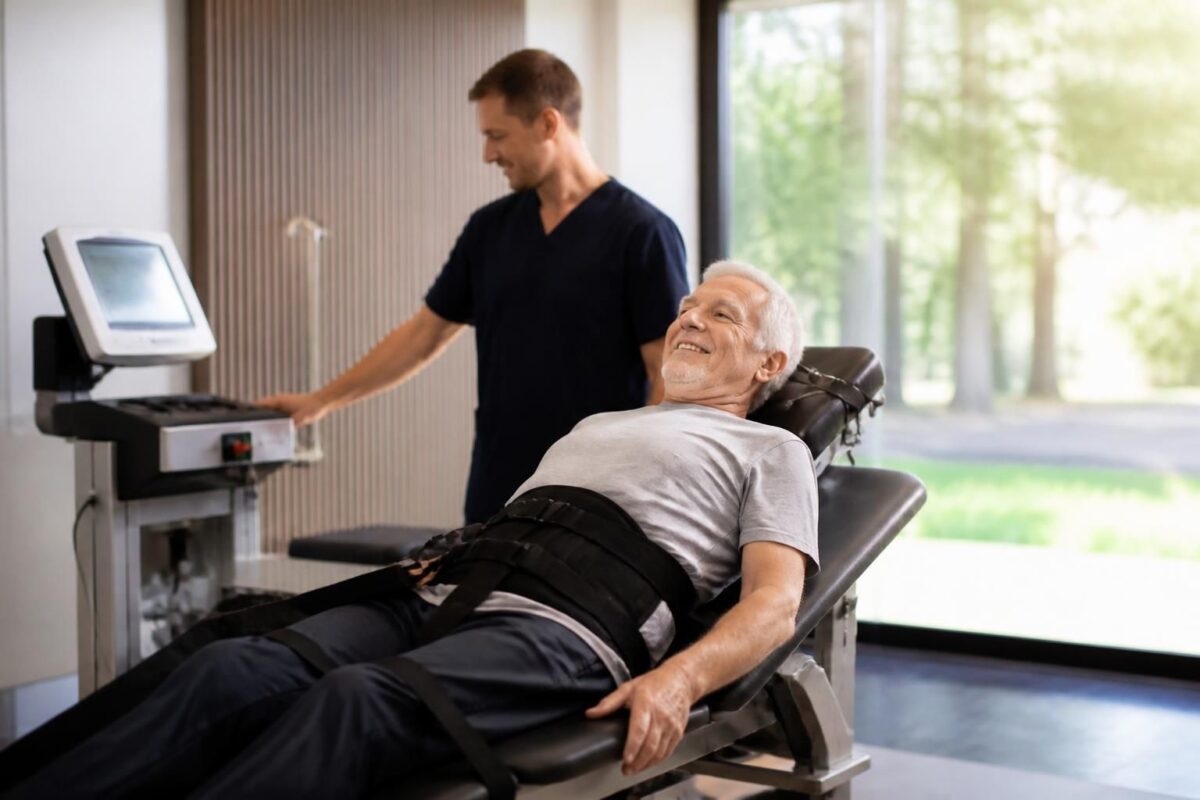
Why neurovertebral decompression is a lasting solution for active seniors
In short In short, the neurovertebral decompression is one Non-invasive therapy which sustainably relieves spinal pain in the spine active seniors By creating, by a Soft and controlled traction, a space between the vertebrae. At Montreal, it is recognized as…
Testimonials on advanced technologies in neurovertebral decompression equipment
“Since I started neurovertebral decompression, Advanced technologies used in equipment allow me to feel a Quick relief after each session. Computerized systems adjust settings in real time and my protocol is really personalized and effective. — Clara, Montreal
“The DRX9000™, with its Precise traction and his Guided relaxation, reduced pressure on my discs without surgery; I found mobility and sporting activity. — Alexander, Lyon
“The Intelligent computer systems who adapt the protocol during the sessions rendered my treatment individual and more efficient. pain decreased after a few sessions. — Mary, Paris
“The possibility of an adjustment in real time traction allowed me to stay active, to improve my mobility and resume my daily activities faster than expected. » — Julien, Nice
“With Pulse Align, neuromodulation pulses provide a Drug-free relief and an Improved muscle function without invasive intervention. — Sophie, Bordeaux
The neurovertebral decompression modern is based on a convergence between mechanics and IT, making it possible to offer treatments non-invasive and strongly personalized. Thanks to intelligent systems, the sessions adapt in real time to the patient’s response, seeking to durably reduce the pressure on the discs and promote tissue repair. This approach is part of a logic of data-based care, aimed at providing targeted relief while preserving patient safety and comfort.
At the heart of innovations, Mechanical traction has evolved to devices with sensors and algorithms that automatically adjust the intensity and orientation of the applied forces. Decompression tables computerized Analyze physiological feedback and adjust parameters continuously, ensuring a therapeutic experience personalized and adapted to each morphology and pathology. This ability to modulate the traction in direct response of the body contributes to optimizing results and minimizing discomfort during the sessions.
Among the outstanding examples, systems like the DRX9000 illustrate the harmonious integration between traction and relaxation. This set specifically targets problematic areas of the spine, promoting improved blood circulation around the discs and rehydration of tissues. The approach is designed to be individualized, offering a gentle progression that can quickly decrease pain while supporting long-term recovery.
The Associated technologies further enhance the effectiveness of decompression. the complementary use of approaches such as laser and the shock waves Helps reduce inflammation, accelerate healing processes and prolong treatment benefits. This synergy makes it possible to broaden the field of action, covering problems such as lower back, cervical or related to problematic disc discs, while remaining compatible with a non-surgical approach.
Monitoring is another pillar of this development. thanks to systems of dynamic follow-up and in analyzing progress, protocols become truly adaptive and data based. Clinicians can regularly re-evaluate the results and readjust the parameters, which translates into acceleration of recovery and better prevention of relapses. This approach also makes it possible to anticipate the needs of the patient according to his lifestyle and his physical activity.
In short, these Advanced technologies Transform the practice of spinal decompression into a discipline where precision, safety and efficiency combine. They offer a strong, evidence-based alternative for people with Chronic pain or disease discs, while paving the way for personalized and integrated services in a global approach to health and well-being.
This summary highlights the Advanced technologies that transform neurovertebral decompression equipment. Thanks to intelligent traction systems, real-time sensors and the integration of complementary therapies, these devices offer an approach personalized and non-invasive to lift back and cervical pain while facilitating functional recovery. We will explore key mechanisms, patient benefits and future prospects of these technologies.
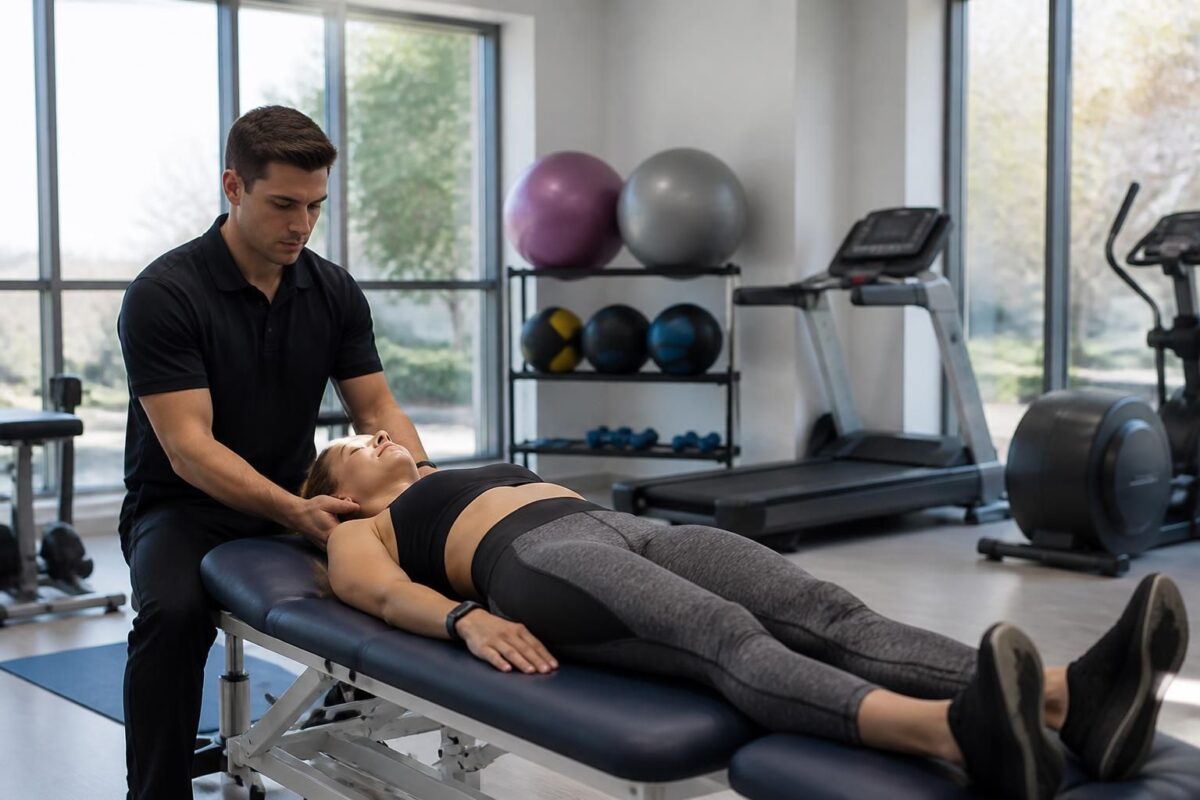
Neurovertebral decompression and recovery after severe sports injury
In short In short, the neurovertebral decompression is one Non-invasive method to Relieve the pressure on the Intervertebral discs and the gristle Via a Controlled traction, to facilitate the recovery After a severe sports injury. It improves the bloodstream towards…
Technological developments and device architecture
Modern decompression systems are no longer limited to conventional mechanical actions. they associate gentle traction, targeted accuracy and Dynamic settings thanks to computerized tables and modules. This combination makes it possible to adjust the treatment parameters according to the patient’s response and the tolerance felt during the sessions. To understand the foundations and recent developments, discover the advances presented in specialized resources such as technical articles and analyzes on This technological set and on Major developments.
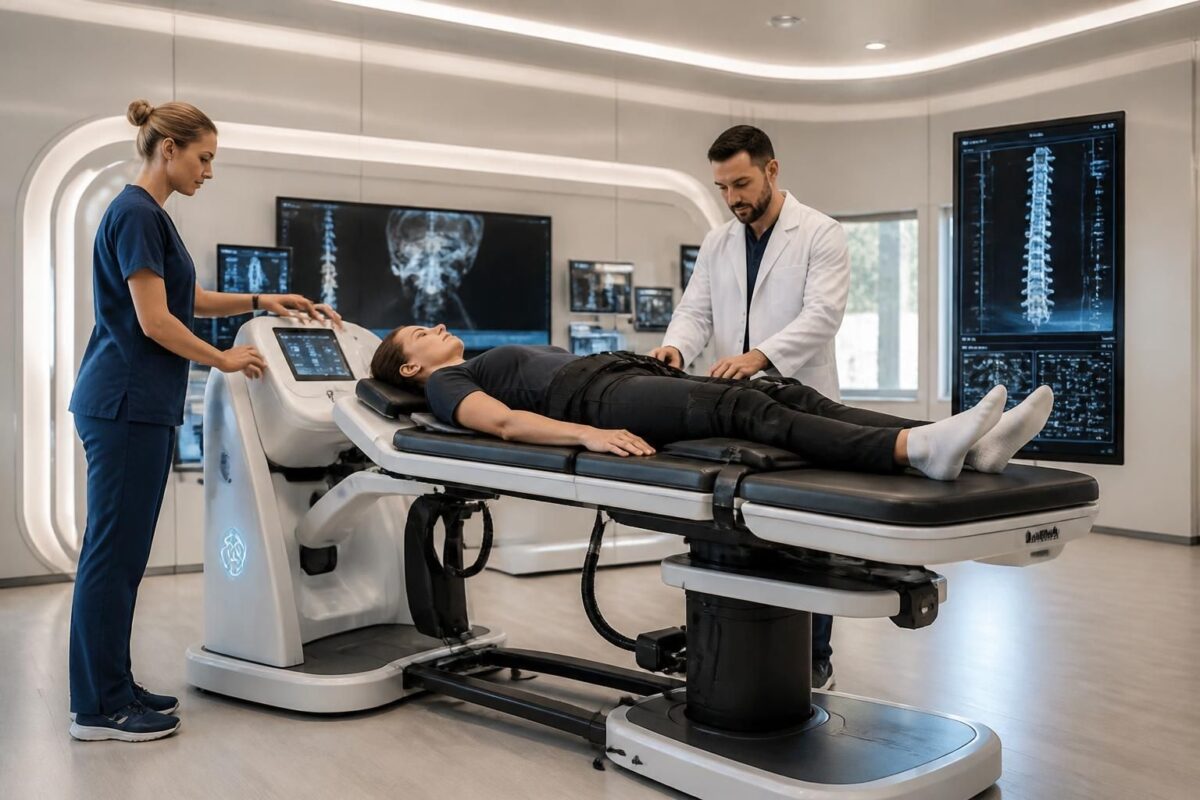
Recent innovations in neurovertebral decompression technologies
In short In short, the neurovertebral decompression is an approach non-invasive Aiming to reduce pressure on discs and nerves, and promote tissue regeneration. At Montreal, it is positioned as an effective option for lower back pain and herniated discs. The…
Mechanical traction and real-time adjustment
At the heart of the systems, the Precise mechanical traction Acts on the spine with modular forces to reduce the pressure on the intervertebral discs. devices computerized continuously analyze body responses and automatically adjust the intensity and duration of traction, ensuring an approach personalized and comfortable. This dynamic reduces risks and optimizes the healing process without surgical recourse. For a technical perspective, consult the analyzes associated with these technologies on Advanced technologies.
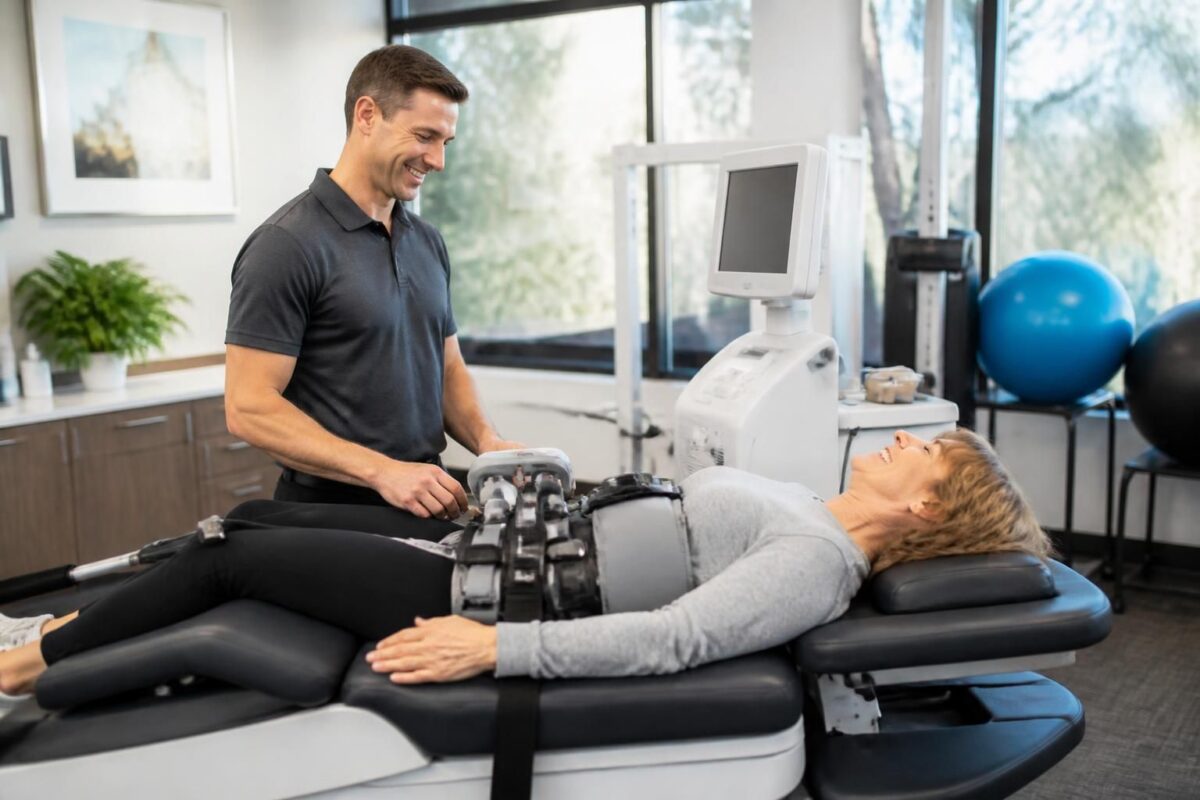
Neurovertebral decompression and diffuse pain: an appropriate solution
In short In short, the neurovertebral decompression is one Non-invasive solution For diffuse pain related to nerve irritation of the spine. She acts in Reducing pressure on intervertebral discs and nerves and improving the bloodstream, which promotes recovery and the…
Dynamic integration and tracking with advanced devices
decompression equipment incorporates Real-time tracking sensors and systems, allowing to measure the disc pressure and tissue response during each session. This feedback loop improves protocol accuracy and supports a Continuous customization treatment. Combined solutions, such as the use of therapeutic lasers and shock waves in synergy with decompression, reinforce the anti-inflammatory effect and accelerate recovery. To explore these combinations, refer to Major developments and to Why decompression is a safe and effective therapy.
Clinical applications and benefits for patients
Advanced technologies allow for a Quick relief and lasting pain, with a Improving mobility and reduced muscle tension. Adaptive systems enhance safety and tolerance in patients with herniated discs, spondylosis or lower back and cervical pain. For an overview of clinical benefits and feedback, consult specialized resources such as How decompression helps relieve sciatic pain and Why choose decompression for natural pain management.
Perspectives and practical adoption
Technological advances open up promising prospects for wider adoption and progressive management of vertebral pathologies. The protocols can be adapted to various patient profiles and integrated into a multidisciplinary approach, with regular monitoring of progress and custom adjustments. To learn more about the implementation lines and expected benefits, see the resources dedicated to innovations and their practical impact, including publications and technical guides available on tagmed and Dr Desforges – Recent innovations.

Dr Sylvain Desforges, B.Sc., D.O., N.D., osteopath, is the founding president of TAGMED and of the ACMA association. He dedicates his practice to chronic spinal pain, low back pain and symptoms compatible with sciatica, particularly when pain radiates toward the buttock, leg, calf, foot or toes.
Through SOS Sciatique, he publishes educational content on sciatica symptoms, possible causes such as disc herniation, disc narrowing, foraminal stenosis or irritation of a lumbar nerve root, as well as non-surgical approaches that may be considered according to the evaluation. At Clinique TAGMED, care may include, depending on the case, motorized neurovertebral decompression, specific osteopathic care or precision percussion.
For an evaluation related to sciatica treatment in Montreal / Mount Royal or sciatica treatment in Terrebonne, please consult the services available at Clinique TAGMED.
Medical disclaimer
The information published on SOS Sciatique is provided for educational purposes only and does not replace a consultation, diagnosis, opinion or treatment provided by a physician or another authorized healthcare professional. The author of this article is neither a medical doctor nor a specialist in a medical specialty recognized by the Collège des médecins du Québec. The osteopathic, manual medicine or functional support approaches described on this site do not constitute medical acts and are not intended to replace medical follow-up.
Consult a physician or emergency service in cases of loss of bladder or bowel control, anesthesia in the saddle area, significant or progressive weakness in the leg or foot, fever, recent trauma, severe pain or rapid worsening of symptoms. For more details, please read our Legal Notice.