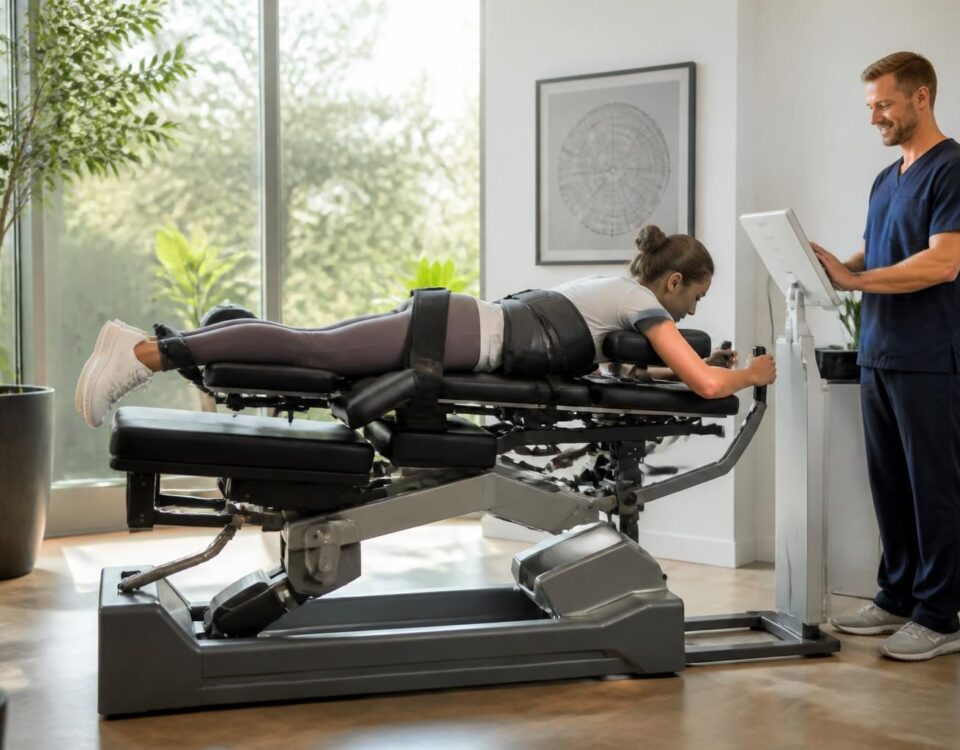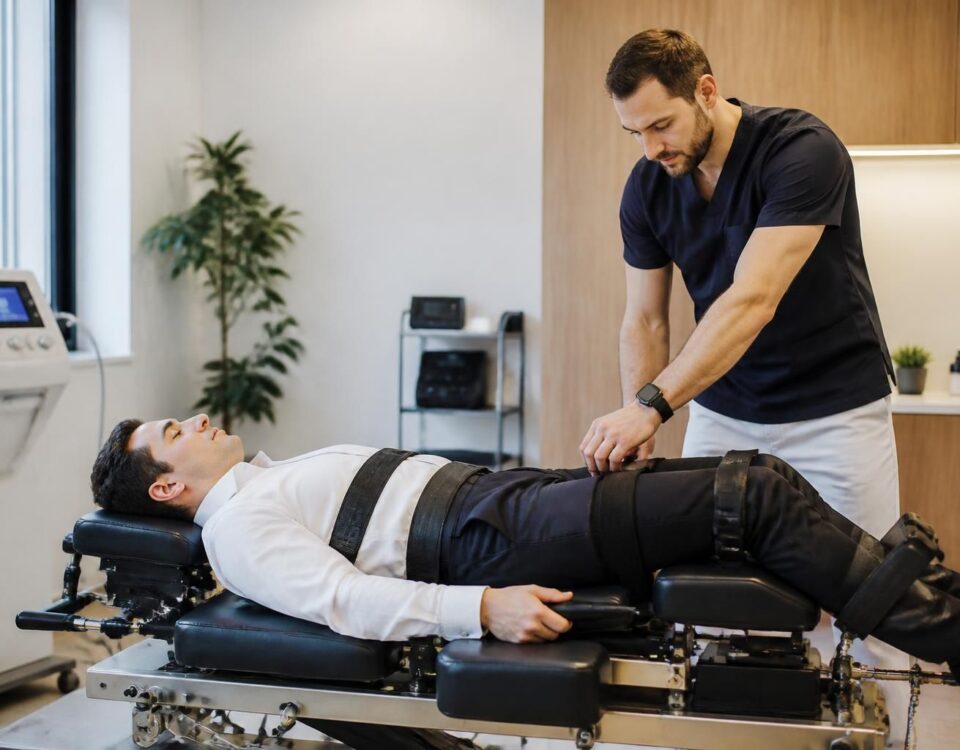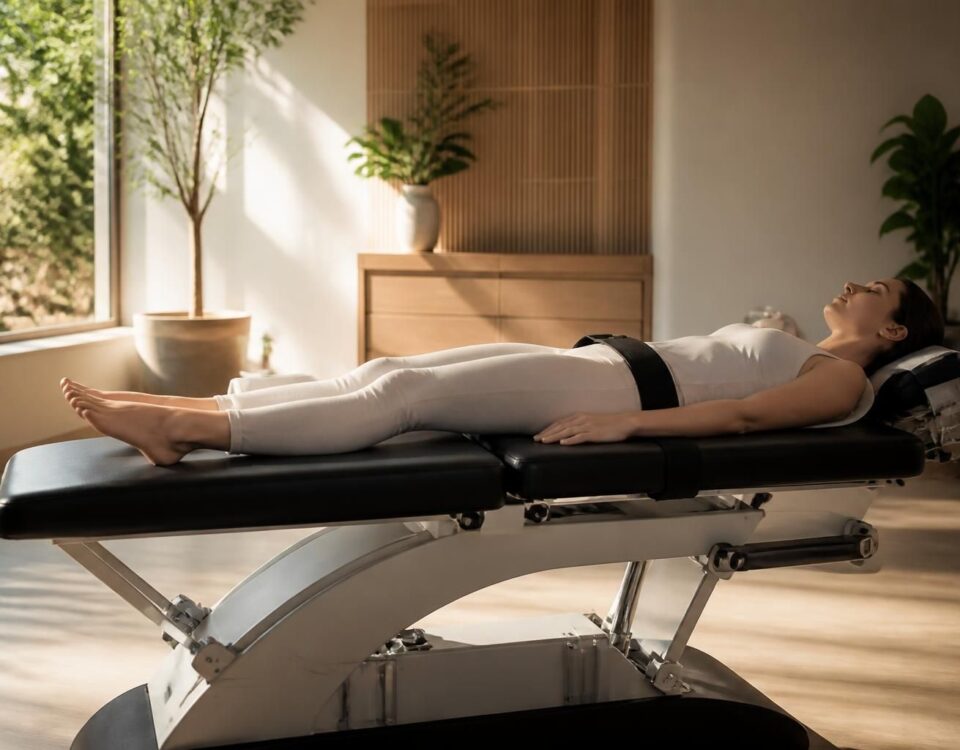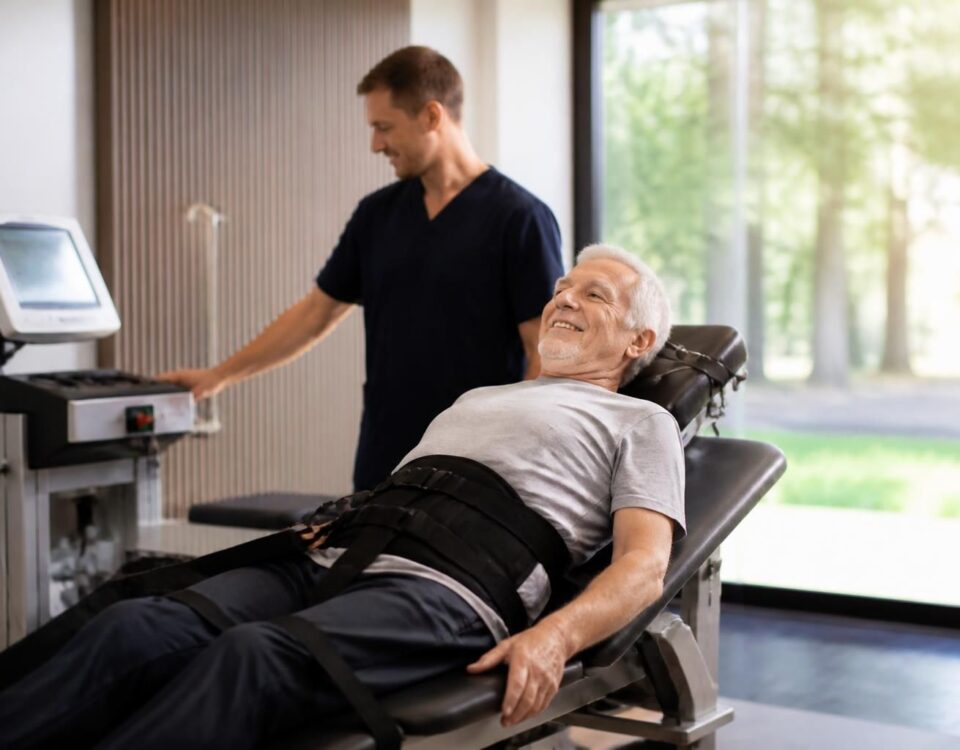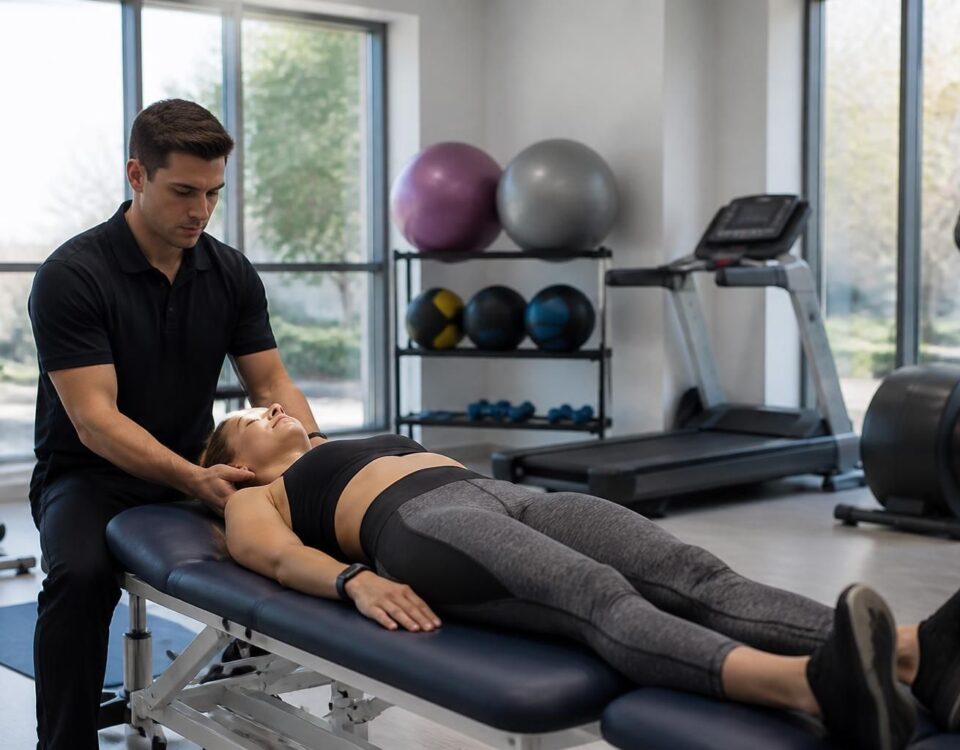
Successful clinical cases through neurovertebral decompression
26/06/2026
How neurovertebral decompression reduces back pain at night
26/06/2026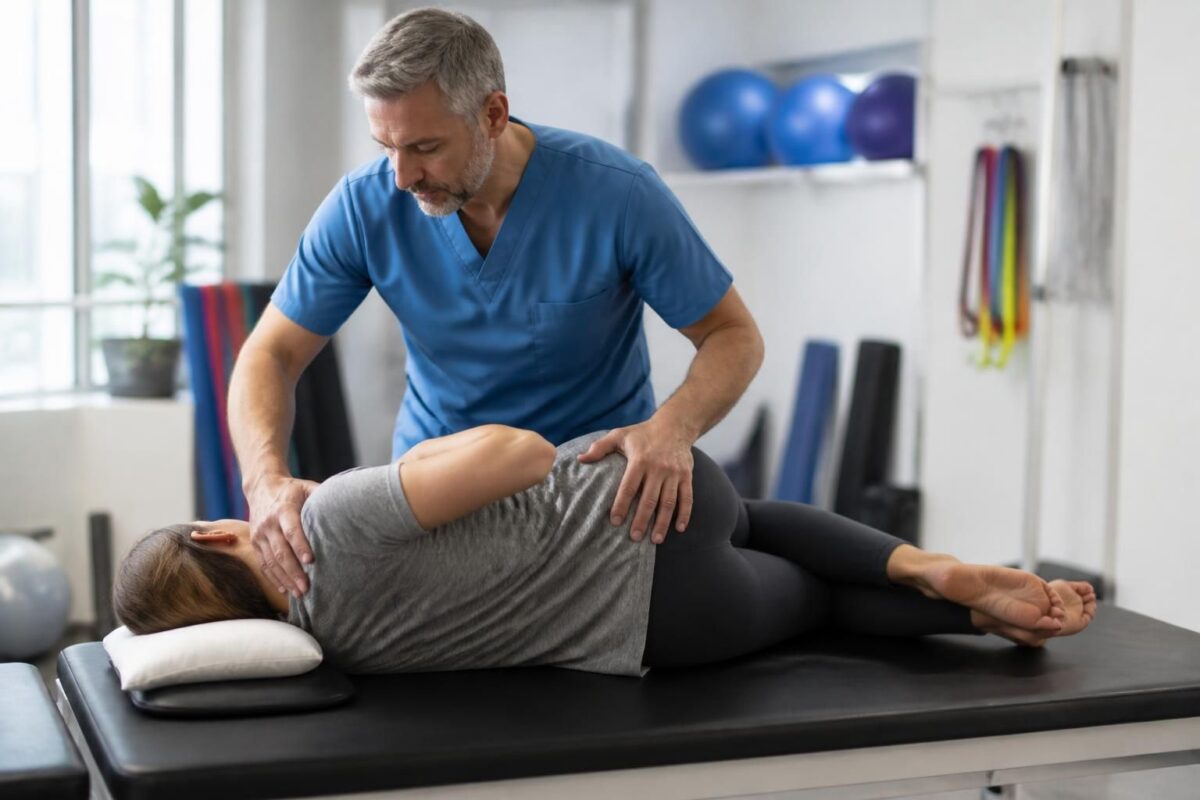
In short
|
The neurovertebral decompression and Joint mobility is an approach non-invasive which aims to reduce the pressure on the discs and nerves by a Controlled traction. What is it? A therapy that helps to create space between the vertebrae and promotes the natural repositioning of discs, to improve the flexibility and everyday movements. What are the advantages? one Lasting pain relief, an improvement in the mobility and from the posture, and a reduction in the risk of recurrence when coupled with other care. How does it work? During sessions Custom, a soft and appropriate traction is applied, allowing to restore the vertebral space and to support tissue recovery, without noticeable pain for most patients. At Montreal And in the region, this service is particularly suitable for lower back and cervical pain linked to conditions such as vertebral osteoarthritis or herniated disc. integrable into a global care program, it promotes a quality of life improved and participates in the prevention of future joint aggravations. |
The neurovertebral decompression is a technique non-invasive which applies a Controlled traction To create a space between the vertebrae and decrease the pressure on the intervertebral discs and nerves. This mechanical release promotes the Rehydration and Disk Regeneration and thus improves the Joint mobility.
It is aimed at people suffering from slipped disc, osteoarthritis or chronic spine pain, with an adaptation of the protocol according to the level of the lesion and the functional objectives.
To optimize the results, it is envisaged in a Full approach which combines postural exercises, physiotherapy and muscle rehabilitation techniques, in order to strengthen the stabilizing muscles and prevent recurrences.
Each support is personalized after a initial assessment, and the treatment takes place in series with progress monitoring to adjust the program and maximize improvement in mobility and quality of life.
This article explains how neurovertebral decompression can improve joint mobility. It describes the mechanism, indications and results, and explains how this approach can fit into a global care program in a modern clinic like TagMed. The text favors a clear and practical presentation, without demonstrations of exercises, in order to support better mobility and a lasting reduction in pain associated with spinal and joint disorders.
Neurovertebral decompression is a technique that uses controlled traction on the spine to create a space between the vertebrae. This space promotes the restoration of the volume of the intervertebral discs and the reduction of pressure on the nerves. This approach can help to improve joint mobility by releasing the mechanical stresses that limit movement. It is applied non-invasively when performed with dedicated devices, and is supported as part of a global clinical program, including initial assessment and progress monitoring. For some patients, this method can be proposed after a specific consultation to check the adequacy of the treatment and to ensure optimal safety.
Mechanism and basic principles
The fundamental principle is based on controlled traction that slightly dissociates the vertebral surfaces. This action creates a temporary vacuum between the vertebrae, allowing better intra-discal circulation and on the nerves. Decompression can promote disc rehydration and spinal alignment, which can result in decreased pain and improved mobility. This approach is non-invasive when performed with appropriate equipment and supervised by a healthcare professional. The mechanisms do not replace other treatments and are part of a comprehensive pain and movement management strategy. For patients, it is important to understand that the results vary according to the location and extent of the spinal and clinical follow-up attendance..
In scientific and technical resources, neurovertebral decompression is described as a complementary option that can be considered when the goal is to improve the intervertebral space and alleviate nerve pressures. The approach integrates with a global assessment and can be associated with other clinically recognized interventions to optimize function and quality of life. Specialized sources and technical reviews detail the concepts and results observed, while highlighting the importance of patient selection and protocol safety.
Indications and expected results
Typical indications include lower back or cervical pain related to nerve or disc pressure, improved movement after painful episodes and a desire to reduce the use of invasive treatments when possible. Patients can report a gradual decrease in pain and a better ability to perform everyday gestures. The results depend on factors such as the location of the lesion and the degree of degeneration. It is important to note that neurovertebral decompression does not replace other interventions when these are necessary and should be considered as part of a personalized care plan supervised by competent professionals.
For athletes and active people, the objective is to improve mobility and functional recovery while limiting the risk of recurrence. In some cases, decompression can be combined, when appropriate and safe, with other support approaches in a specialized clinic. Testimonials and clinical evaluations support that mobility can be improved sustainably when the therapy is part of a structured protocol adapted to each patient.
Integration and security
Before you begin, a comprehensive clinical assessment is essential to determine eligibility and to personalize the protocol. Safety is a priority, and sessions are conducted by qualified practitioners in appropriate clinical environments. The option can be offered within the framework of care offered by the TagMed clinics in Montreal or Terrebonne, in harmony with other non-pharmacological therapies and appropriate rehabilitation plans. In hospital or private care, neurovertebral decompression should always be coordinated by competent professionals and regularly monitored to adjust treatment according to progress and symptoms.
It can be considered as a key step in a pathway of joint mobility, while remaining aware of the limits and indications. To further the topic, you can view descriptive resources and feedback available on sites dedicated to this technique and its applications, including publications and presentations available on specialized platforms and clinical pages associated with TagMed and Pulse Align.
Summary table of approaches
| Aspect | neurovertebral decompression | Physiotherapy | Other Clinical Therapies Tagmed |
|---|---|---|---|
| Principle | Controlled traction to create a space between the vertebrae. | Manual approaches and guided exercises, as appropriate. | associated techniques and advanced technologies at the TagMed Clinic. |
| directions | Compatible age and vertebral lesion; pain and limited mobility. | Various musculoskeletal pain; Functional rehabilitation. | Complementary approaches according to the diagnosis and functional objectives. |
| Typical benefits | Reduced nerve pressure, improved movement. | Optimized range of motion and muscle strength. | Overall pain reduction and targeted reinforcement of stabilizers. |
| Risk and security | weak when practiced by a qualified professional. | Low risk, follow-up needed. | Medical follow-up and coordination with other therapies. |
To learn more about the subject and discover additional resources, see the following pages: neurovertebral decompression and mobility, professional associations and technical information available on dedicated sites and descriptive pages of TagMed Clinics. For example, external resources offer explanations and feedback on neurovertebral decompression and its applications as part of a joint mobility program.
Useful links and additional resources:
– Neurovertebral decompression and vertebral mobility: Chiropractic Shore
– Neurovertebral decompression and improvement of joint mobility: tagmed
– Complementary treatment to physiotherapy: sosciatica
– Neurovertebral decompression (Wikipedia): Wikipedia
– Decompression after an accident and other associated pages: sosciatica
– Evaluated efficiency and safety: sosciatica
– Muscle pain associated with the back: sosciatica
– Decompression of the spine – Pecunia method: Osteopathy Locquin
– Rehabilitation after a sports injury: sosciatica
– Improved mobility by neurovertebral decompression: neurovertebral decompression
Medical Disclaimer: The information and advice provided on this site does not replace the health professional’s diagnosis or treatment. Please note that Dr. Sylvain Desforges osteopath is neither a doctor of medicine nor a doctor, and is not a specialist in a medical specialty as defined by the Collège des Médecins du Québec. Manual medicine, functional medicine and sports medicine as described on this site exclude any medical treatment or diagnosis made by a doctor or specialist doctor. Always consult your doctor for any medical questions. For more details, please read our full legal notice.
Axis: 6-step care cycle for the neurovertebral decompression and the Joint mobility
- Objective Release the vertebral space and reduce pain
- Traction controlled creating negative pressure in the discs
- Evaluation Personalized clinical assessment before treatment
- directions herniated disc, osteoarthritis, chronic pain
- Protocol Adapted and progressive sessions
- Security Supervision by a qualified professional
- Integration With physiotherapy and manual therapies
- Rehabilitation Improved mobility and function
- Prevention Regular posture and physical activity
- Monitoring Protocol assessments and adjustments

Neurovertebral decompression associated with optimal joint mobility is an integrated approach to relieve pain and restore movement. This article offers clear recommendations for setting up a comprehensive, personalized and sustainable program, combining controlled traction, targeted evaluation and global therapeutic support to improve the quality of life of patients.
Objectives and principles of neurovertebral decompression
The central principle is to release, in a progressive and secure way, the pressure exerted on the intervertebral discs and the nerves, while promoting better alignment of the column and an optimized tissue circulation. This approach aims not only to reduce pain, but also to restore mobility and function of the vertebral and peripheral joints.
Joint mobility and chronic pain are the main levers of action. By promoting the space between the vertebrae and improving disc nutrition, it helps prevent relapses and support a smoother movement in daily activities.
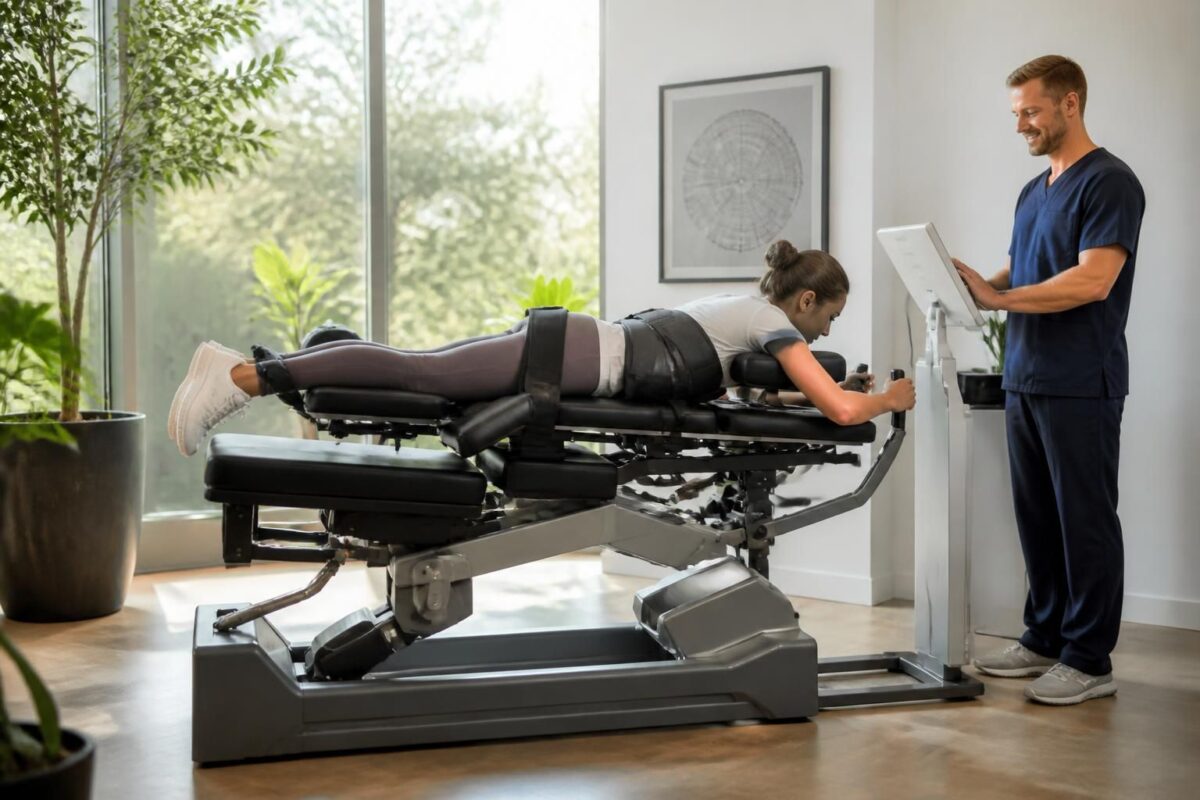
The long-term benefits of neurovertebral decompression for spinal health
In short In short, the neurovertebral decompression is a non-invasive approach that decreases the Pressure on intervertebral discs and nerves, favoring the Natural regeneration and tissue recovery. Its long-term benefits include Lasting pain reduction, Improving mobility and from the posture,…

Neurovertebral decompression and mobility: a return to an active life
In short In short, the neurovertebral decompression is therapy non-invasive who uses a gentle traction To create a space between the vertebrae and reduce the pressure on the Intervertebral discs and the nerves. It promotes a bloodstream improved, lowers tension…
Personalized evaluation and treatment plan
initial assessment
A comprehensive assessment is used to identify limitation areas, pain sources and functional goals of the patient. This step includes analysis of posture, mobility, movement patterns and symptom history. It serves as a base to design a suitable and measurable treatment plan.
Design of a decompression and mobility program
The program must be personalized and progressive, generally spread over several weeks. It includes neurovertebral decompression sessions performed with a Controlled traction Adapted to patient tolerance, combined with targeted strengthening and easing exercises. Each session assesses progress and adjusts progress. A step-by-step approach allows you to get a Measurable improvement mobility and pain reduction.
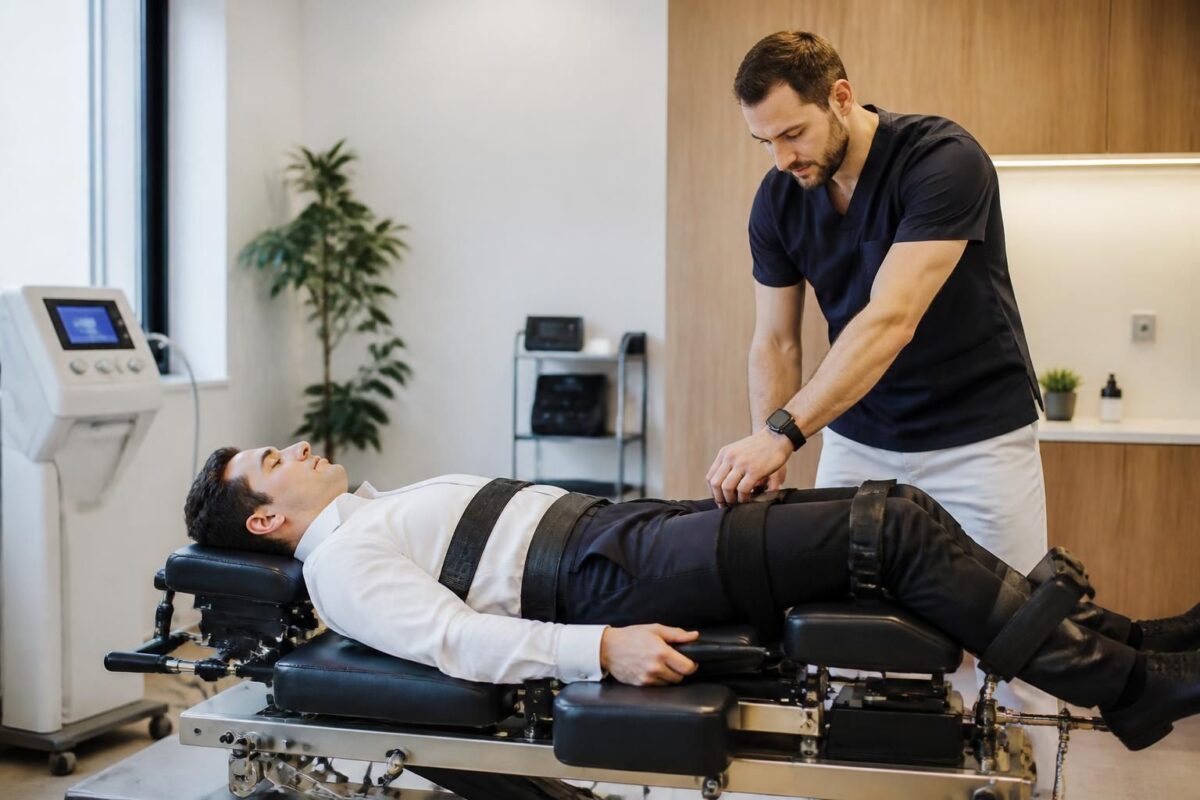
How Neurovertebral Decompression Prevents Diffuse Chronic Pain
In short decompression neurovertebral is one Non-invasive method aimed at reducing the Pressure on the intervertebral discs and the nerves, in order to prevent Diffuse chronic pain. It improves the circulation and thedisc hydration, decreases inflammation and promotes better mobility.…
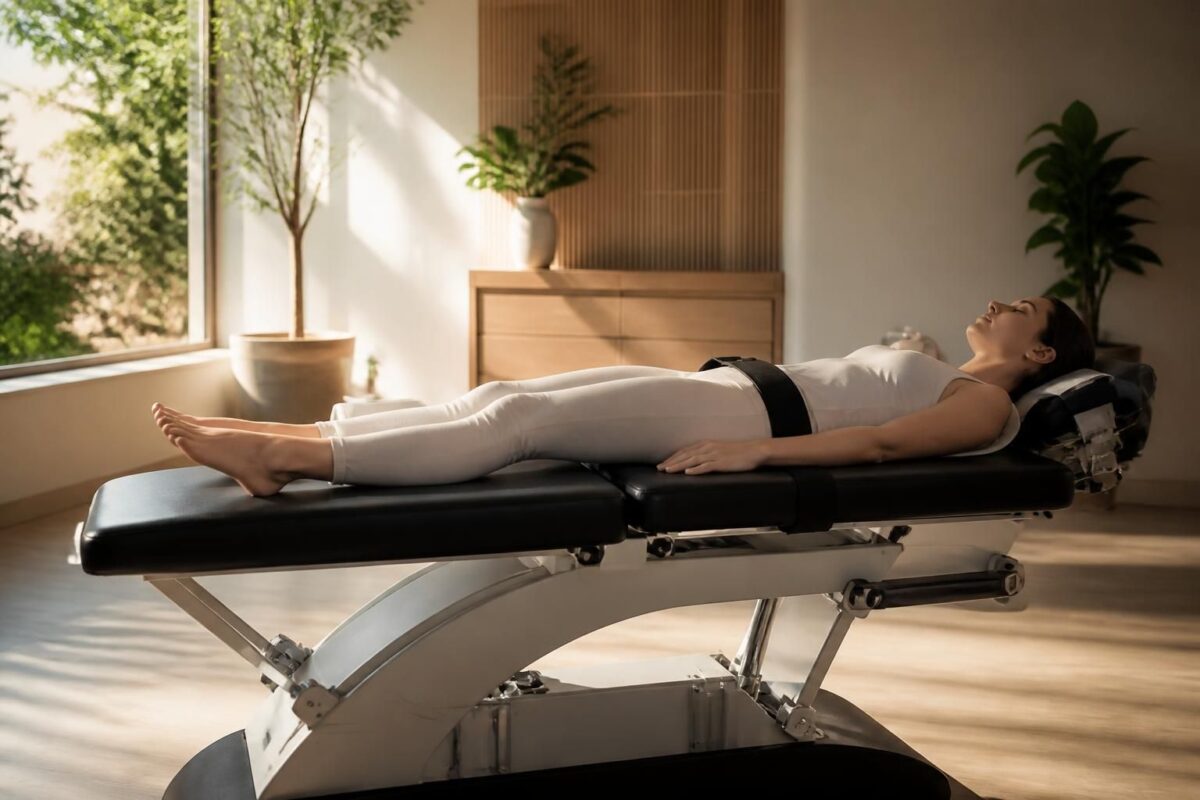
Neurovertebral Decompression and Body Alignment: Restoring Natural Balance
In short In short, neurovertebral decompression is one Non-invasive approach who restores theBody Alignment and thenatural balance back and neck. She acts by a Controlled traction of the spine to widen the intervertebral space and reduce the Pressure on discs…
Integration with other approaches and therapies
To maximize benefits, neurovertebral decompression must be part of a global therapeutic strategy. It can be associated with practices such as physiotherapy, osteopathy, shock wave therapy and pain management advice. The goal is to strengthen the stabilizing muscles, improve posture and increase joint stamina. Home exercises and postural advice complete the protocol and support recovery between sessions.
Coordination between different practitioners aligns goals and ensures continuity of care. Regular monitoring of progress and the adjustment of the therapeutic plan ensures appropriate and secure progress towards better mobility and lasting reduction of symptoms.
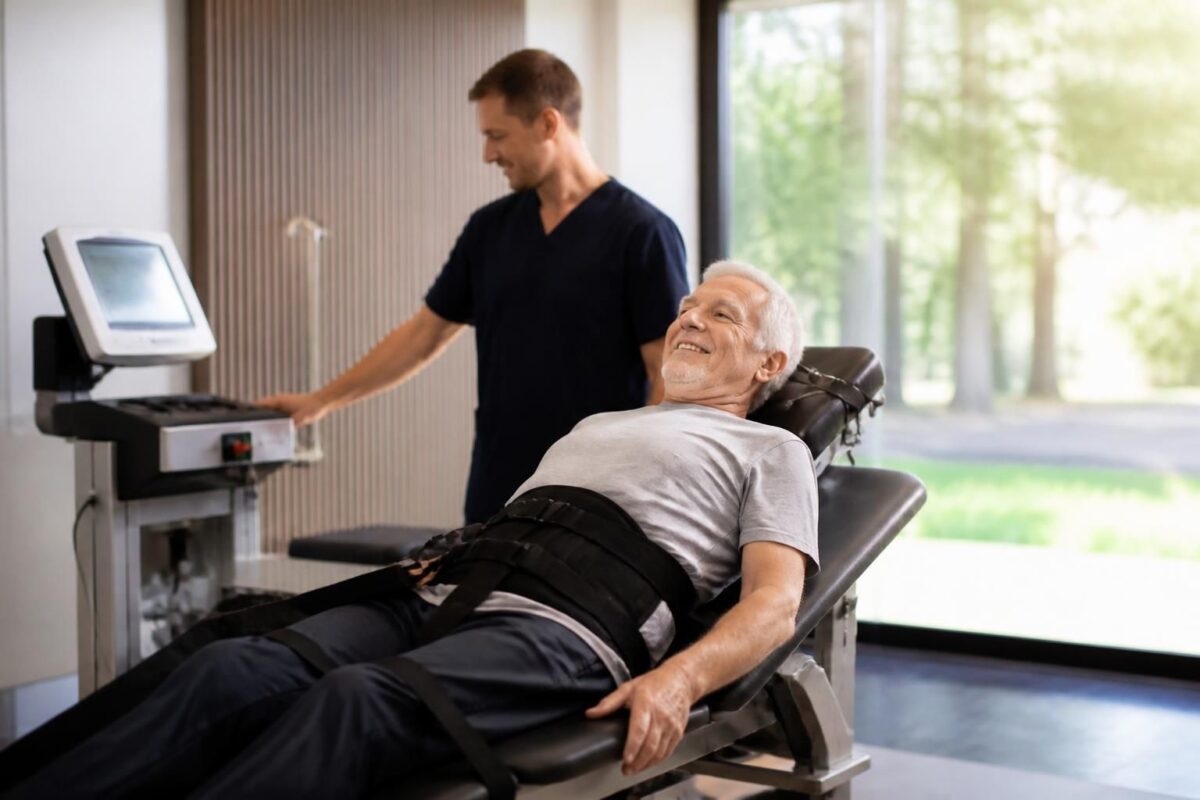
Why neurovertebral decompression is a lasting solution for active seniors
In short In short, the neurovertebral decompression is one Non-invasive therapy which sustainably relieves spinal pain in the spine active seniors By creating, by a Soft and controlled traction, a space between the vertebrae. At Montreal, it is recognized as…
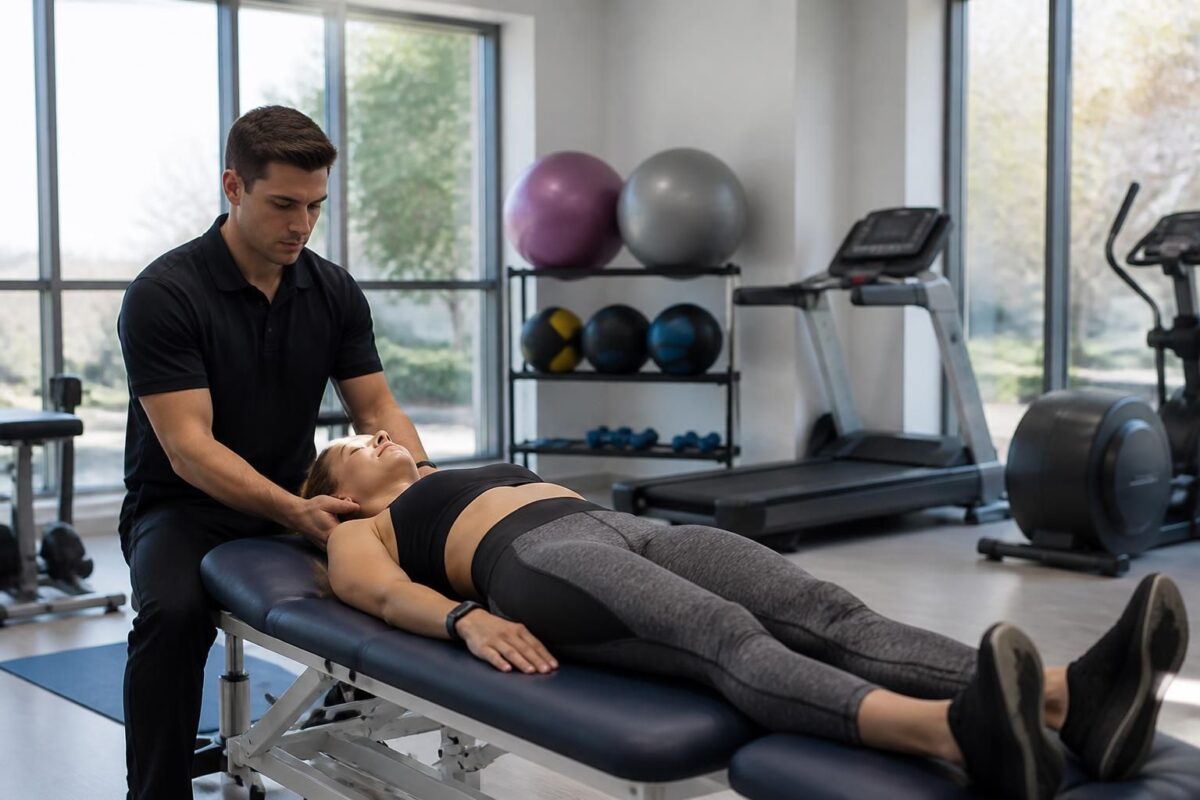
Neurovertebral decompression and recovery after severe sports injury
In short In short, the neurovertebral decompression is one Non-invasive method to Relieve the pressure on the Intervertebral discs and the gristle Via a Controlled traction, to facilitate the recovery After a severe sports injury. It improves the bloodstream towards…
Maintenance of mobility and prevention
Beyond active treatment, the focus is on preventing relapses and maintaining a mobility-friendly lifestyle. This includes stretching and strengthening routines, appropriate and regular physical activity, sufficient hydration and a balanced diet to support spinal tissues and joint structures.
Simple protocols to integrate into daily life make it possible to avoid harmful positions and to preserve spinal alignment. The key lies in consistency: planned sessions, exercises to be carried out daily and appropriate follow-up make it possible to obtain and maintain effective and lasting articular mobility.
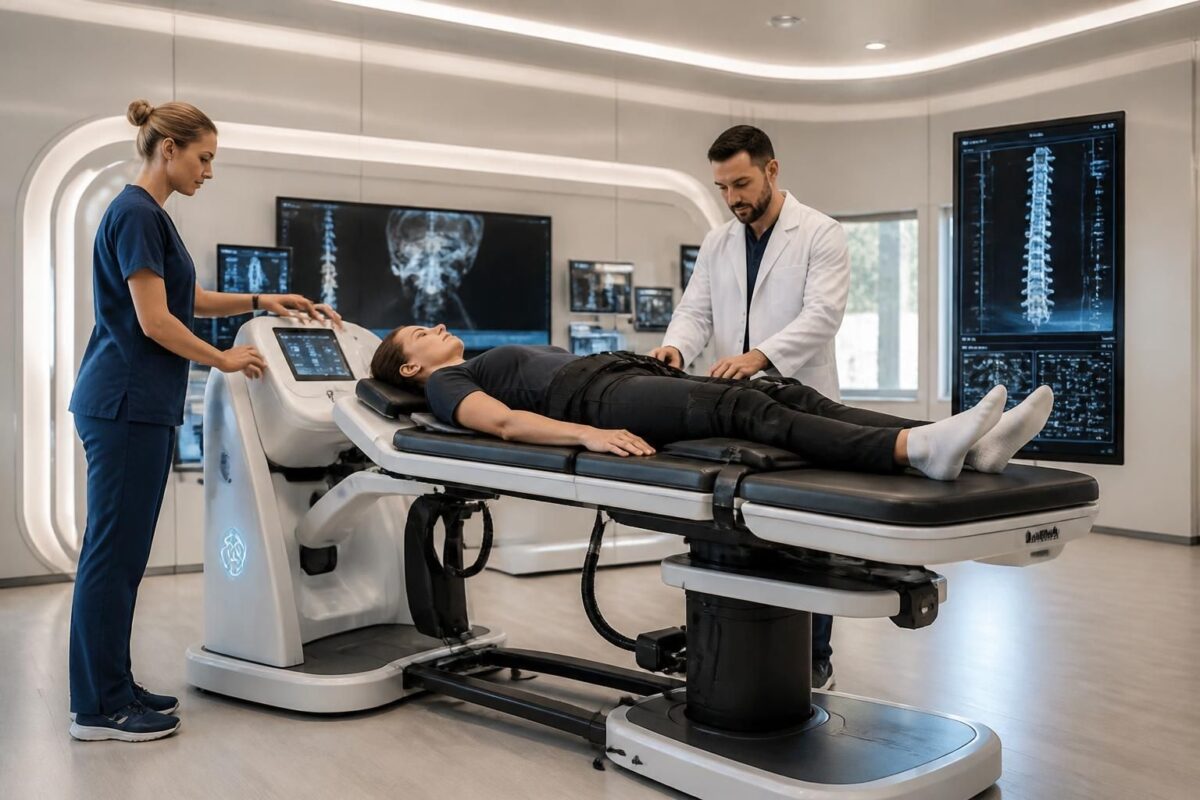
Recent innovations in neurovertebral decompression technologies
In short In short, the neurovertebral decompression is an approach non-invasive Aiming to reduce pressure on discs and nerves, and promote tissue regeneration. At Montreal, it is positioned as an effective option for lower back pain and herniated discs. The…
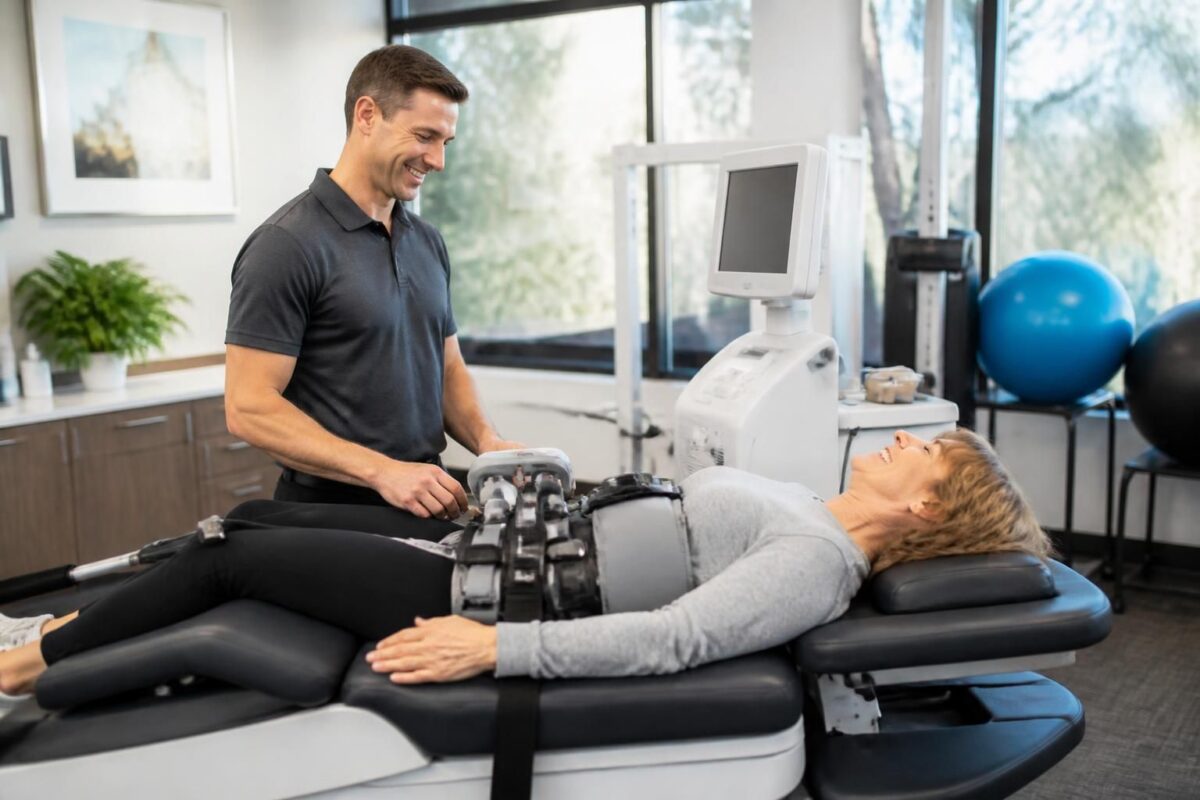
Neurovertebral decompression and diffuse pain: an appropriate solution
In short In short, the neurovertebral decompression is one Non-invasive solution For diffuse pain related to nerve irritation of the spine. She acts in Reducing pressure on intervertebral discs and nerves and improving the bloodstream, which promotes recovery and the…
Specific precautions and profiles
Some situations require special attention. In the elderly or with degenerative conditions, an ultra-personalized and progressive approach is essential to prevent complications and adapt the traction volume and mobility objectives. In patients with contraindications, the protocol may be redirected to non-invasive alternatives while pursuing the goal of improving mobility and reducing pain.
| Aspect | key elements |
|---|---|
| Objective | reduce the pressure on discs and nerves and improve the mobility. |
| Mechanism | Traction controlled and non-invasive creating the space between vertebrae to release discs and nerves. |
| directions | herniated discs, osteoarthritis, chronic pain and spinal disorders. |
| Earnings | reduction of the pain, better flexibility and functional mobility. |
| Duration and protocol | Sessions of approximately 30 minutes, personalized and progressive protocol. |
| Security and risks | Risk low; transient reactions like stiffness or fatigue. |
| Prerequisites and evaluation | initial assessment by a professional; imaging as appropriate. |
| Integration | Approach complementary physiotherapy and manual therapies. |
| Target audience | adults with lower back or neck pain and mobility reduced; Seniors included. |
| Challenges and limits | variable efficiency; requires a adaptation and regular follow-up. |
Testimonials on neurovertebral decompression and joint mobility: a complete approach
“After years of lower back pain, the neurovertebral decompression offered me a new breath. In a few sessions, my pain has decreased considerably and my mobility has recovered impressively. »
“What convinced me is theFull approach: decompression is associated with advice postural and targeted exercises, for improvement lasting of the flexibility and from the stability of the back. »
“As an athlete, I had lost key movements. Thanks to the neurovertebral decompression and on the program personalized, my mobility came back and my recovery is faster than ever. »
“At 70, I was afraid of surgery. the approach non-invasive allowed me to find an active life and resume daily activities without pain, with a posture better aligned thanks to the follow-up. »
“After a slipped disc, I was skeptical. the controlled traction session and the Mont follow-up brought a real pressure reduction On the nerves and the possibility of Resume my daily activities without pain. »
“The treatment is personalized and the sessions spread over several weeks, with a Clear progress monitoring and goals achieved. I especially appreciate the transparency and measurable progression. »
“It’s not just a one-time solution: it’s a real prevention that helps to maintain a Sustainable mobility and an quality of life improved, strengthening the stabilizing muscles and circulation. »
“I highly recommend this complete approach to anyone suffering from back or joint pain and looking for a non-invasive solution to find their freedom of movement and its welfare. »
Dr. Sylvain Desforges is recognized as a multidisciplinary expert in the fields of losteopathy, naturopathy and manual medicine. Its action is part of a global approach aimed at improving joint mobility and relieving chronic pain through non-invasive and personalized approaches. As founding president of TagMed clinics and the ACMA association, he embodies a strong vision of health innovation and the integration of cutting-edge technologies for sustainable well-being.
At the heart of its approach, neurovertebral decompression is proposed as a key component in the management of back and cervical pain. This method aims to reduce the pressure exerted on the intervertebral discs and nerves, in order to promote mobility and support tissue regeneration. Rather than just treating the symptoms, it is part of a strategy of spinal rebalancing and redefining body alignment, with a particular focus on preventing recurrences and improving quality of life on a daily basis.
Dr. Desforges adopts a multimodal approach to optimize results. By combining the principles of osteopathy and manual medicine with advanced technologies such as spinal decompression, laser And shockwave therapies, it offers personalized protocols that take into account the clinical history, lifestyle and goals of the patient. This synergy between manual techniques and technological tools makes it possible to adapt the treatment to each individual while maintaining an approach based on scientific evidence.
Joint mobility is at the center of the therapeutic approach. The work aims to restore range of motion, optimize equality of forces and promote better blood circulation and tissue nutrition. The sessions are designed to be progressive and measurable, with continuous assessment of progress and adjustments based on the patient’s response. The objective is to allow a return to daily and sporting activities without pain, while reinforcing the mechanisms of stabilization and prevention.
Dr. Desforges strives to provide patient-centric, evidence-based care and supported by careful listening. He favors clear communication and proactive education, so that everyone can understand the therapeutic choices and actively participate in their care pathway. His approach goes hand in hand with long-term support, including posture advice, adapted physical activity and lifestyles conducive to spinal health and articulator mobility.
Through his leadership, he contributes to building an integrated and interprofessional care framework, where modern technologies complement clinical skills to deliver concrete and lasting results. The objective is clear: to allow each patient to find a freer spine and improved joint mobility, in order to optimize their health and overall well-being.
To discover the approach and the services available, patients are invited to inquire with the Cliniquestagmed and the ACMA association, which carry this program of health innovation and excellence in care.
This conclusion summarizes the benefits and stakes of the neurovertebral decompression for the Joint mobility and underlines a Full approach which combines controlled traction, rehabilitation and prevention. It highlights how this non-invasive therapy can improve movement, reduce pain and promote a lasting return to daily activities, while remaining integrated into a global care program.
From a holistic perspective, the neurovertebral decompression acts by freeing the space between the vertebrae and reducing the pressure exerted on the intervertebral discs and nerves, which directly contributes to a Joint mobility found. This approach is non-invasive and can be integrated into a logic of rehabilitation and pain management, with results that are perceived in the short and medium term. To deepen the mechanisms and benefits, you can consult the dedicated resources such as those described on Dr. Desforges’ website, which detail how this method is part of a Optimal mobility and health.
The value of a Full approach Resides in the association with complementary interventions such as physical rehabilitation and appropriate manual techniques. In practice, we favor personalized protocols that adjust the frequency and duration of the sessions according to the degree of injury and the functional objectives of the patient. This synergy is described as a Complementary therapy Effective in rehabilitation programs, particularly in specialized clinics such as those presented in TagMed resources and other reference centers. For more information on integration with rehabilitation, see This type of approach.
Clinical returns and observations in patients, including the elderly, support the idea that decompression can limit painful episodes and improve Chronic pain prevention and functional limitations. Documented results among seniors demonstrate significant improvements in mobility and comfort, reinforcing the role of this therapy in a Active prevention recurrences. For concrete examples, refer to the analyzes and testimonials available on sosciatica.
In addition, other resources show how decompression can be associated with Prevention of pain and injury, to the improvement of thePostural alignment and better blood circulation to the tissues. This overall logic places decompression as a pivot of a global program that aims to restore the quality of life and the ability to practice sports or professional activities without pain. To explore practical aspects and functional benefits, you can consult pages dedicated to the complete approach and its applications after disc injuries, including via resources related to neurovertebral decompression and joint mobility.
To go further, here are additional resources presented in a natural way as part of a Integrated approach:
– Chiropractic city center – Neuro-vertebral decompression
– Sosciatica – Prevention
– Dr. Desforges – Full Approach
– Sosciatica – Innovative approach
– Tagmed – Complementary Therapy
In short, the neurovertebral decompression Associated with a Joint mobility Found is a pragmatic and secure approach to treat back pain and improve movement. Its effectiveness depends on an appropriate evaluation, a personalized treatment plan and rigorous monitoring, all within the framework of a coherent rehabilitation and prevention program.

Dr Sylvain Desforges, B.Sc., D.O., N.D., osteopath, is the founding president of TAGMED and of the ACMA association. He dedicates his practice to chronic spinal pain, low back pain and symptoms compatible with sciatica, particularly when pain radiates toward the buttock, leg, calf, foot or toes.
Through SOS Sciatique, he publishes educational content on sciatica symptoms, possible causes such as disc herniation, disc narrowing, foraminal stenosis or irritation of a lumbar nerve root, as well as non-surgical approaches that may be considered according to the evaluation. At Clinique TAGMED, care may include, depending on the case, motorized neurovertebral decompression, specific osteopathic care or precision percussion.
For an evaluation related to sciatica treatment in Montreal / Mount Royal or sciatica treatment in Terrebonne, please consult the services available at Clinique TAGMED.
Medical disclaimer
The information published on SOS Sciatique is provided for educational purposes only and does not replace a consultation, diagnosis, opinion or treatment provided by a physician or another authorized healthcare professional. The author of this article is neither a medical doctor nor a specialist in a medical specialty recognized by the Collège des médecins du Québec. The osteopathic, manual medicine or functional support approaches described on this site do not constitute medical acts and are not intended to replace medical follow-up.
Consult a physician or emergency service in cases of loss of bladder or bowel control, anesthesia in the saddle area, significant or progressive weakness in the leg or foot, fever, recent trauma, severe pain or rapid worsening of symptoms. For more details, please read our Legal Notice.