Neurovertebral decompression and joint mobility: a complete approach
26/06/2026
The physical and psychological benefits of neurovertebral decompression
26/06/2026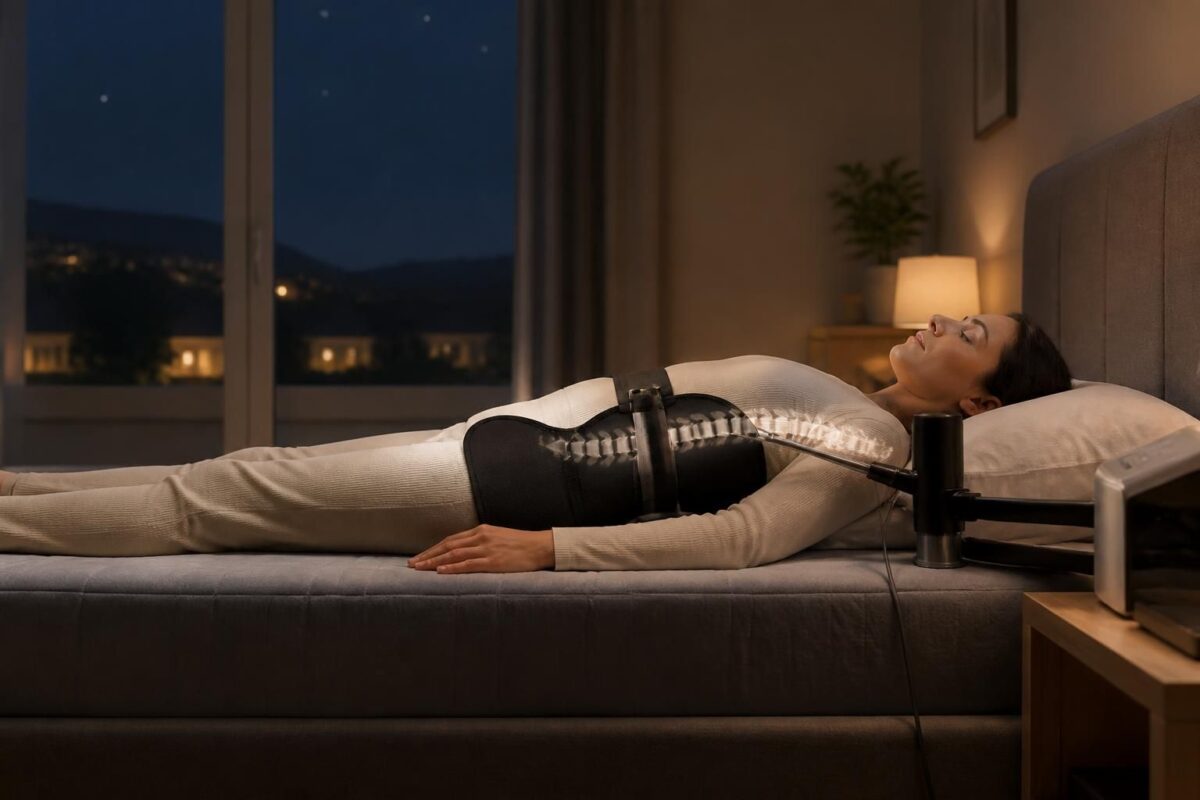
In short In short, neurovertebral decompression is one Non-invasive approach which applies a gentle traction on the spine To reduce the pressure on the Intervertebral discs and the gristle, promoting hydration and circulation. Its Major Benefits include a Quick relief of Nocturnal pain, a Improving mobility and an Prevention of recurrences nocturnal neuropathic pain, while remaining non-drug And without surgery. In Montreal, this service is accessible and recommended for people with Chronic pain looking for a solution natural and effective in improving sleep and well-being. |
The neurovertebral decompression is one Non-invasive approach which helps to reduce Nocturnal back pain.
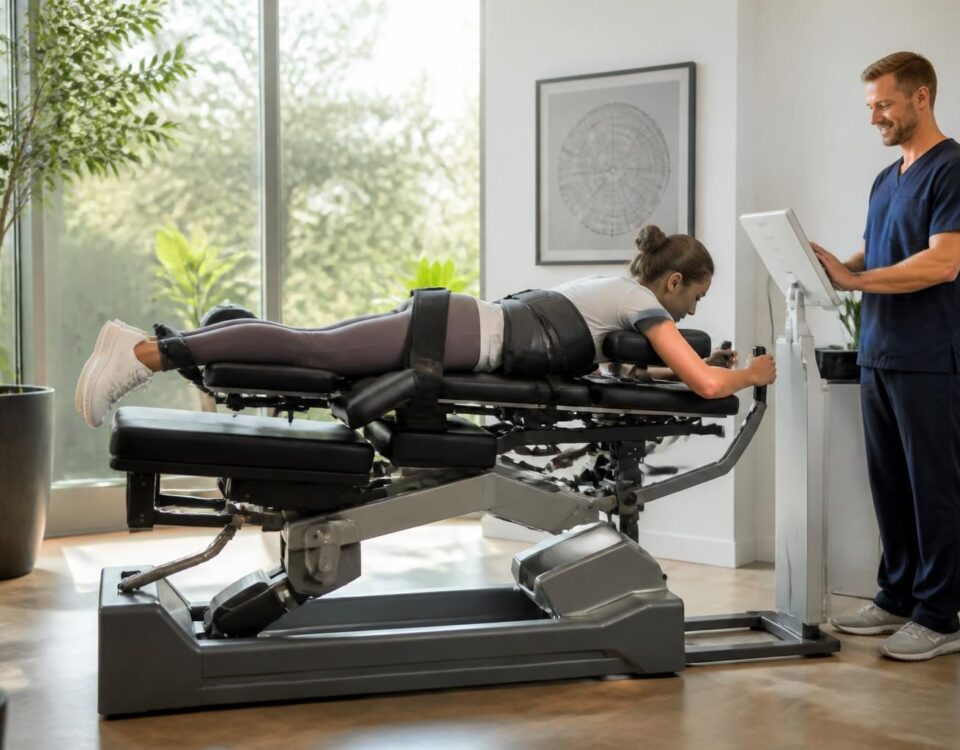
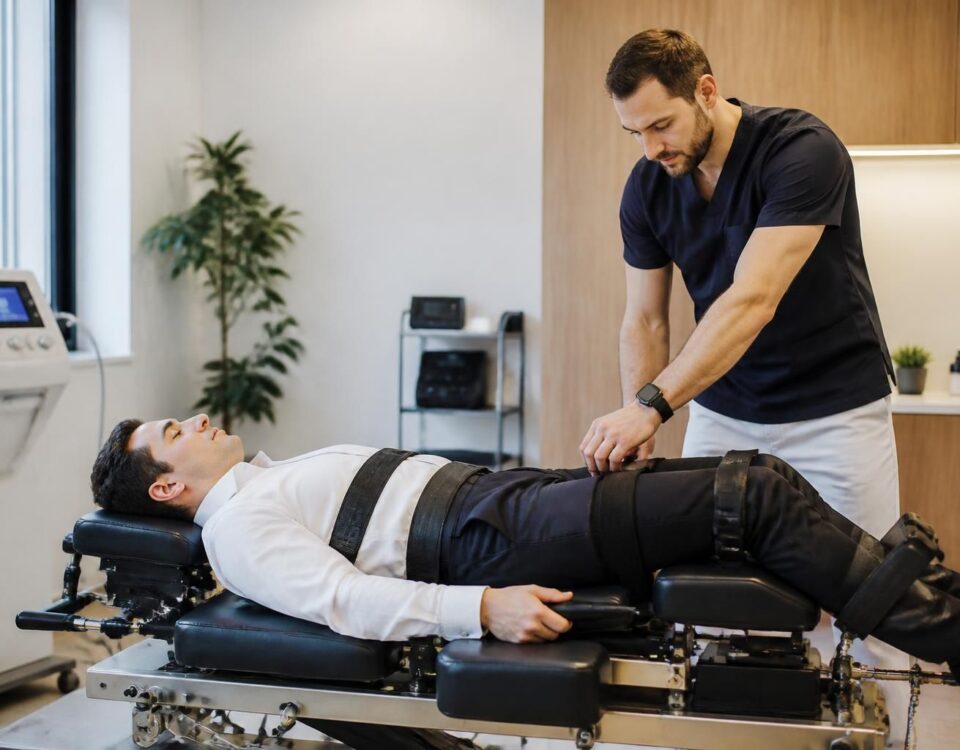
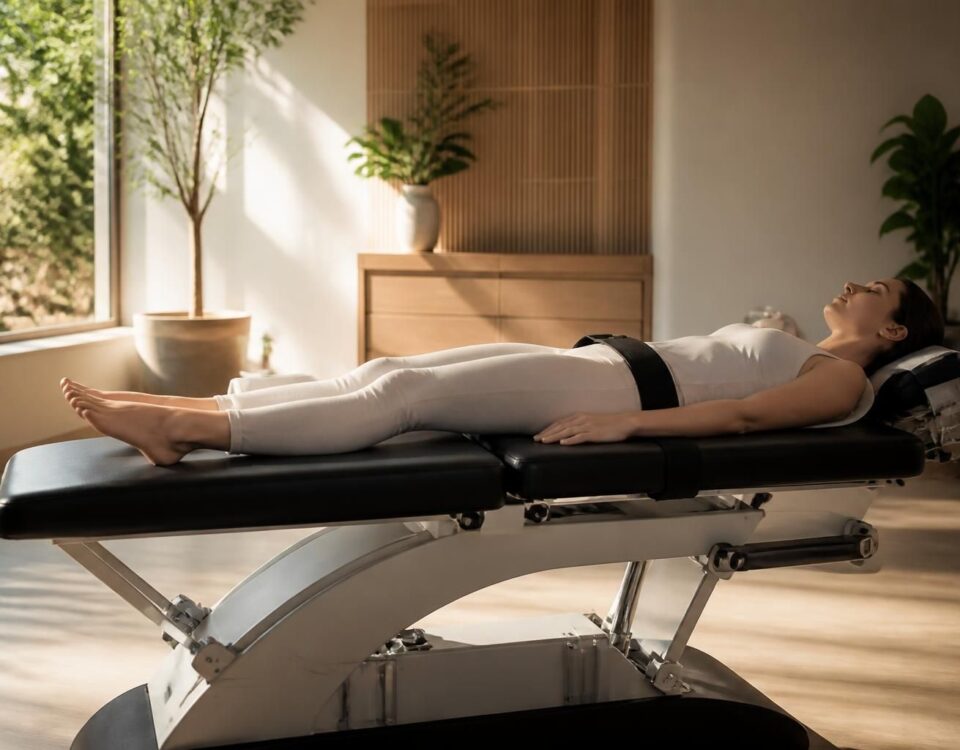
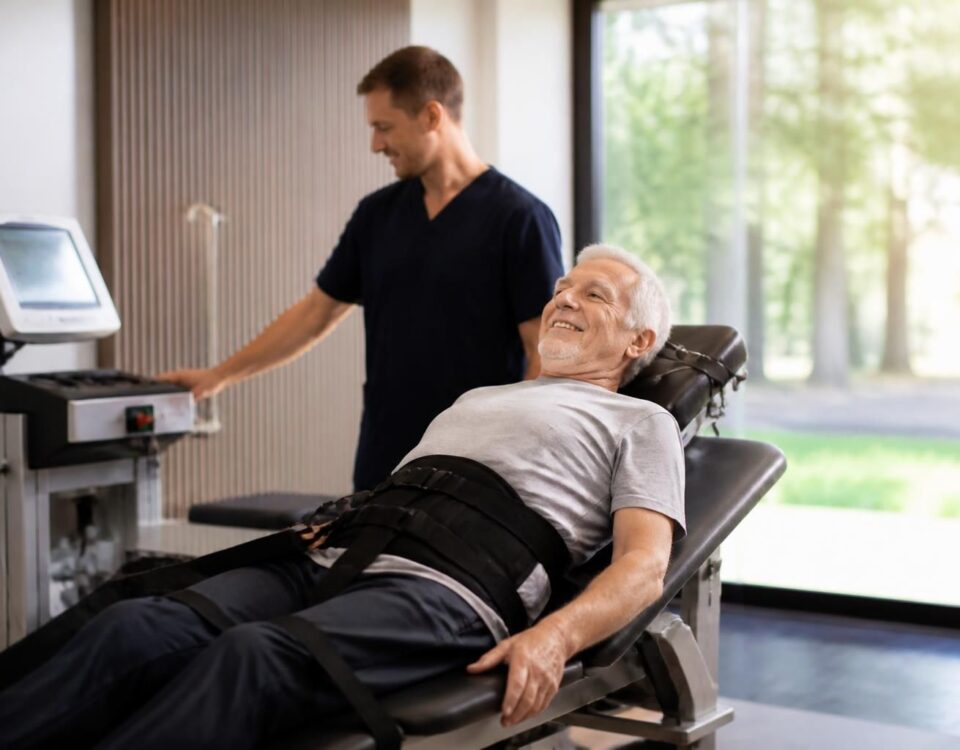
She uses a gentle traction on the spine to create a Space between the vertebrae and reduce the Pressure on discs and nerves.
This pressure reduction improves the bloodstream and decreases theinflammation, promoting recovery and a more restful sleep.
It also helps to Prevent recurrences by releasing tensions and improving the mobility.
integrated into a Global care program, neurovertebral decompression offers a natural alternative and adapted to Chronic back pain.
A Assessment by a health professional is recommended before starting treatment.
This article, written by a health professional and expert in the field, explains how the neurovertebral decompression can reduce Nocturnal pain in the back. Soft traction improves the space between the vertebrae, decreases the pressure on the nerves and promotes better circulation. These effects align with decreased inflammation and more effective tissue recovery.
Understanding neurovertebral decompression
Neurovertebral decompression is an approach non-invasive which applies controlled traction on the spine. This action creates a space between the vertebrae and reduces the pressure exerted on the Intervertebral discs and the nerves.
This method directly targets the mechanisms responsible for pain related to nerve compressions and allows better bloodstream in the affected region. It can help reduce inflammation and promote nerve tissue repair, thus contributing to a sustainable recovery without the need for surgery.
How it acts on night pain
Nocturnal pain in the back often appears when the nerves are compressed at rest. By reducing the pressure on the nerves and rehydrating discs, decompression improves sleep and reduces painful awakenings. This reduction in nocturnal pain can significantly improve the quality of life and the ability to gradually resume daily activities.
Decompression also promotes better hydration of the discs and a restoration of spinal elasticity. This helps to prevent repeated painful episodes and tensions that disrupt nighttime rest. For patients who have already undergone an intervention related to spinal problems, this approach may increase benefits and reduce the risk of recurrence.
Advantages and security
The main advantages include the Quick relief pain, a Improving mobility and reduced symptoms during the sessions. This approach non-surgical presents a favorable safety profile and Minimal side effects compared to other options.
It is integrated into a global care program and can be associated with other non-opioid therapies to support healing and prevent recurrences of nocturnal neuropathic pain. Regular monitoring allows you to adjust the treatment plan and optimize long-term results.
Integration into health care
Neurovertebral decompression can be part of a multidisciplinary protocol in specialized clinics. in centers like Tagmed Clinic In Montreal and Terrebonne, it is often combined with other care modalities to enhance overall effectiveness. For people looking for modern, evidence-based management, this approach offers a natural and safe alternative to drug treatments.
Independent resources demonstrate the benefits of neurovertebral decompression, particularly in relation to spinal alignment and mobility. You can consult analyzes and feedback on specialized sites such as sosciatica and sosciatica.
To deepen the impact on posture and prevention of severe night pain, other accessible resources include pages tagmed and tagmed.
For athletes and seniors, feedback and summaries are available on sosciatica and sosciatica.
The neurovertebral decompression is a promising avenue for the management of back pain at night when the pain is linked to nerve compression or discus disorders. For additional information on mechanisms and results, you can also consult resources like neurovertebral decompression.
general information and use cases available on Osteopath Schoofs complement the understanding of the results observed in different patient profiles.
For people with spinal osteoarthritis or associated nervous tension, decompression can also help restore alignment and mobility while reducing the risk of recurrence, as described in specialized resources published by field professionals.
For patients who consult training institutions in osteopathy, you can refer to recognized institutions like NUMSS and NAO to understand training frameworks and evidence-based approaches. Professional organizations such as ACMA and the College of Canadian Osteopaths support ethical practice and patient safety.
For more information on programs and options offered in Montreal or Terrebonne, visit Tagmed Clinic.
As part of this approach, it is important to remember that decompression treatments should be evaluated and monitored by a qualified health professional. The information presented here does not replace personalized medical advice.
References and additional resources: sosciatica, sosciatica, tagmed.
Medical Disclaimer: The information and advice provided on this site does not replace the health professional’s diagnosis or treatment. Please note that Dr. Sylvain Desforges osteopath is neither a doctor of medicine nor a doctor, and is not a specialist in a medical specialty as defined by the Collège des Médecins du Québec. Manual medicine, functional medicine and sports medicine as described on this site exclude any medical treatment or diagnosis made by a doctor or specialist doctor. Always consult your doctor for any medical questions. For more details, please read our full legal notice.
AXIS: Nocturnal mechanisms and results
- gentle traction on the spine, creating an intervertebral space that relieves nerve pressure.
- Better blood circulation local, providing essential nutrients and oxygen for nocturnal healing.
- Reduction of inflammation Around the nerves thanks to the improvement of venous return.
- muscle relaxation and decrease in postural tensions that aggravate the nocturnal pain.
- Disc hydration intervertebral, allowing their rehydration and better absorption of night shocks.
- Quick relief Pain from the first sessions, often reported by patients.
- Improved sleep and general recovery thanks to a decrease in nocturnal symptoms.
- Prevention of recurrences by lasting reduction of nervous tensions and mechanical pressures.

Neurovertebral decompression is an approach non-invasive which directly targets the causes of nocturnal pain in the back. By applying a gentle traction On the spine, it creates a space between the vertebrae, decreases the Pressure on intervertebral discs and nerves, and improves the bloodstream. Result: a more restful sleep and a lasting reduction in nocturnal pain, often without the use of heavy drugs.
How does neurovertebral decompression work
The principle is based on controlled traction which makes it possible to precisely isolate the painful areas. this increased space between the vertebrae promotes the Reduced nerve pressure and discs, which decreases painful signals at night and reduces pain-related awakening episodes.
Key Mechanisms
In parallel with the spatial lightening, the Disc rehydration and improving the bloodstream support tissue recovery. This combination acts on theinflammation local and promotes the healing process, which helps prevent recurrences and restore a more stable spinal function.
The approach is personalized: The procedure can be adjusted according to the levels affected and the specific needs of the patient. This individualization is essential to optimize results and ensure secure support.
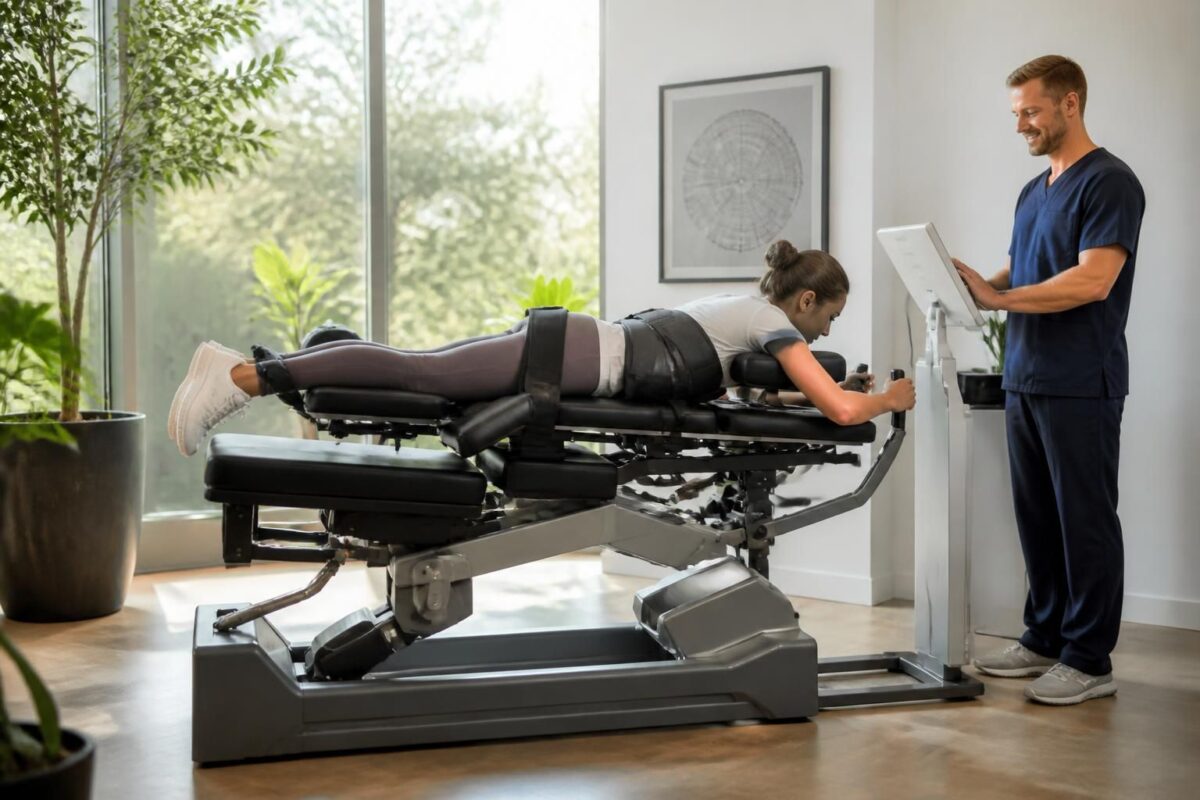
The long-term benefits of neurovertebral decompression for spinal health
In short In short, the neurovertebral decompression is a non-invasive approach that decreases the Pressure on intervertebral discs and nerves, favoring the Natural regeneration and tissue recovery. Its long-term benefits include Lasting pain reduction, Improving mobility and from the posture,…

Neurovertebral decompression and mobility: a return to an active life
In short In short, the neurovertebral decompression is therapy non-invasive who uses a gentle traction To create a space between the vertebrae and reduce the pressure on the Intervertebral discs and the nerves. It promotes a bloodstream improved, lowers tension…
Impact on sleep and night pain
A rapid reduction in nocturnal pain makes it easier to fall asleep and maintain continuous sleep. By reducing the pressure on the nerves and correcting the associated muscle tension, decompression allows Improving mobility and an quality of life increased on a daily basis.
Improved mobility and posture
By releasing tensions and promoting spinal alignment, this therapy contributes to a better posture and greater freedom of movement. This postural harmony reduces repeated stress on the back, which limits nocturnal pain and the risk of recurrence during daytime activities.
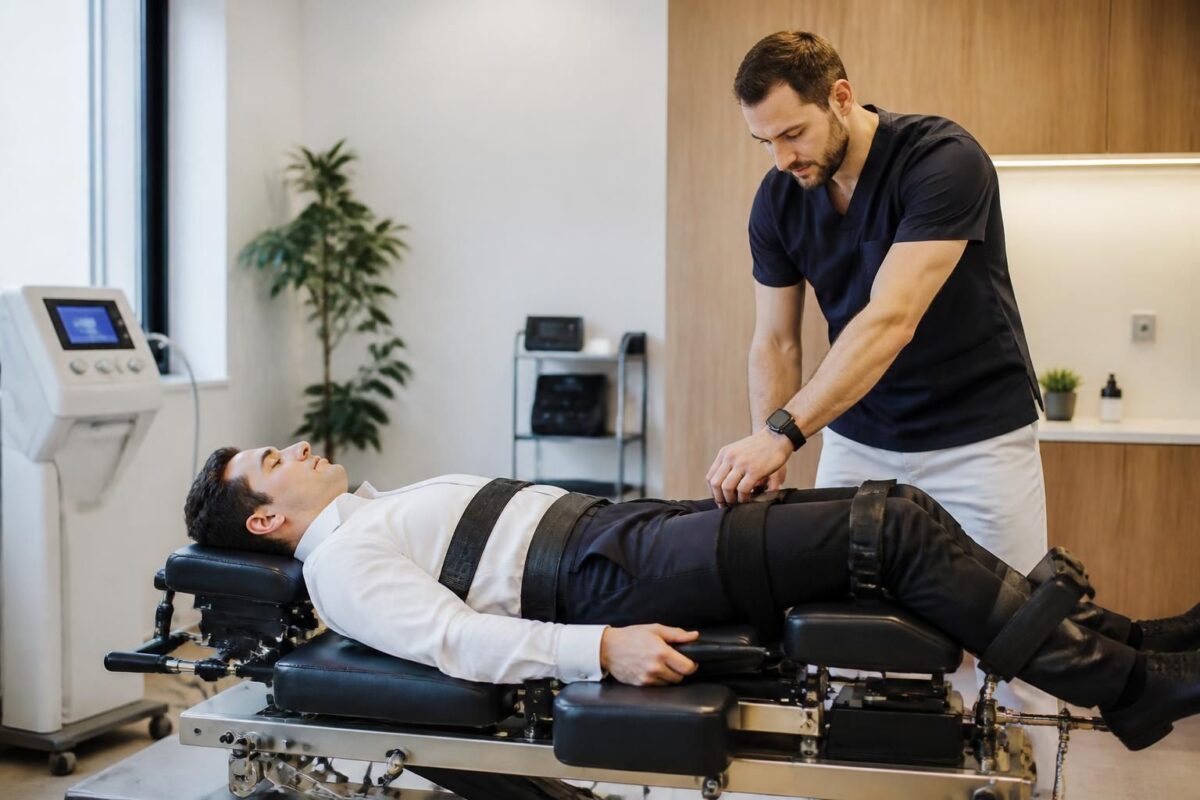
How Neurovertebral Decompression Prevents Diffuse Chronic Pain
In short decompression neurovertebral is one Non-invasive method aimed at reducing the Pressure on the intervertebral discs and the nerves, in order to prevent Diffuse chronic pain. It improves the circulation and thedisc hydration, decreases inflammation and promotes better mobility.…
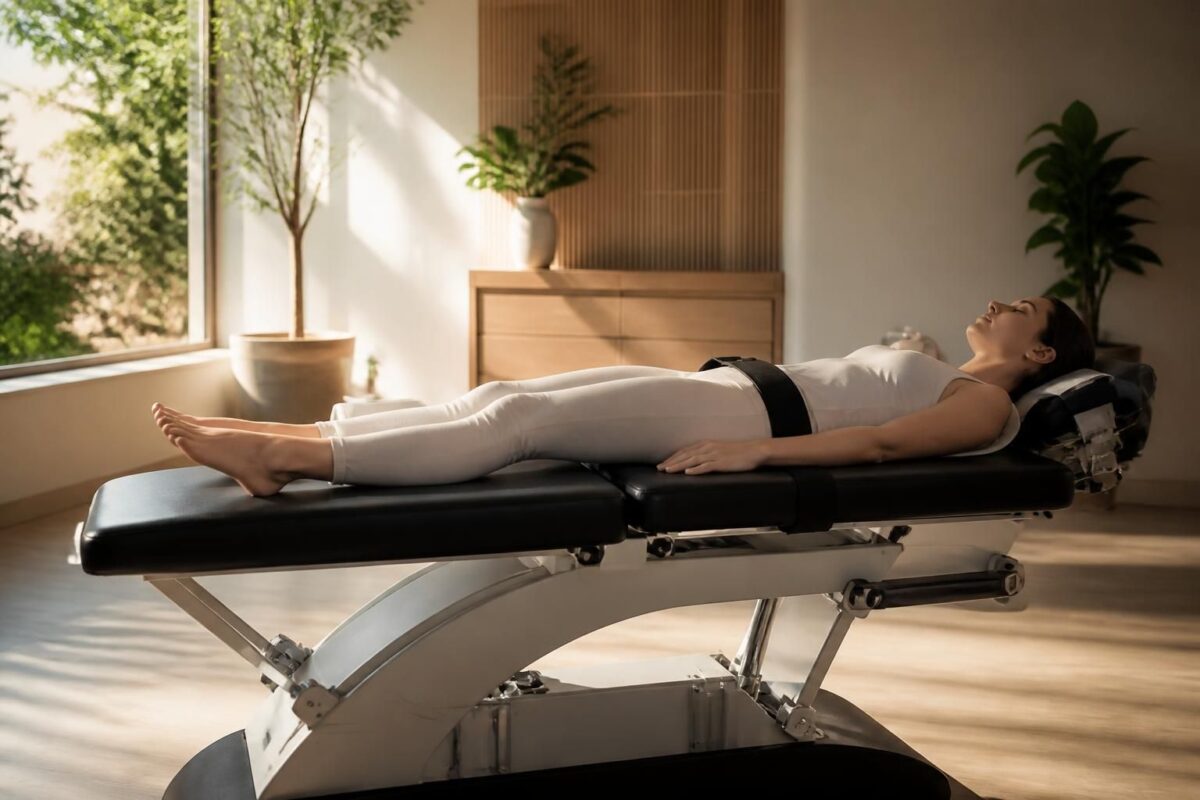
Neurovertebral Decompression and Body Alignment: Restoring Natural Balance
In short In short, neurovertebral decompression is one Non-invasive approach who restores theBody Alignment and thenatural balance back and neck. She acts by a Controlled traction of the spine to widen the intervertebral space and reduce the Pressure on discs…
Prevent recurrences
To maintain benefits, neurovertebral decompression is part of a global care framework. Combining this approach with gentle exercises and active stress management strengthens the muscle support and optimize theautonomy of the patient in the face of pain.
Complementary strategies
A multidisciplinary program may include the manual medicine, adapted rehabilitation and regular activities such as yoga or swimming. These elements strengthen the back muscles, improve flexibility and promote more peaceful nights by reducing chronic tension factors.
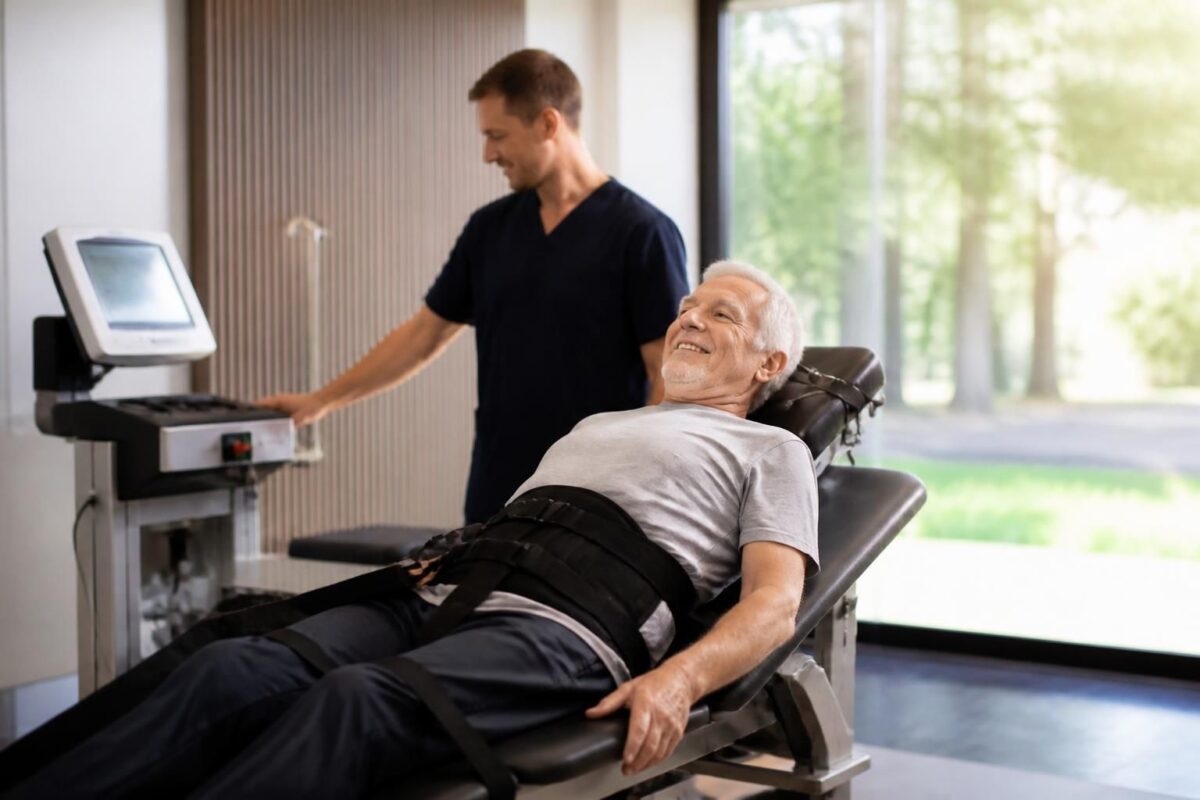
Why neurovertebral decompression is a lasting solution for active seniors
In short In short, the neurovertebral decompression is one Non-invasive therapy which sustainably relieves spinal pain in the spine active seniors By creating, by a Soft and controlled traction, a space between the vertebrae. At Montreal, it is recognized as…

Neurovertebral decompression and recovery after severe sports injury
In short In short, the neurovertebral decompression is one Non-invasive method to Relieve the pressure on the Intervertebral discs and the gristle Via a Controlled traction, to facilitate the recovery After a severe sports injury. It improves the bloodstream towards…
Integration into a care program
Before starting a series of sessions, a Clinical evaluation is recommended to confirm eligibility and target levels to be processed. The intervention can be integrated into a Overall care plan which includes other modalities such as laser, shockwave therapy or lifestyle advice.
Practical tips to maximize results
– Follow the Personalized treatment plan established by the health professional and respect the appointments. – Combine the sessions with gentle exercises and appropriate physical activity. – Adopt a regular sleep routine and postures that support the back throughout the day. – Maintain a balanced diet and manage stress to limit aggravating factors.
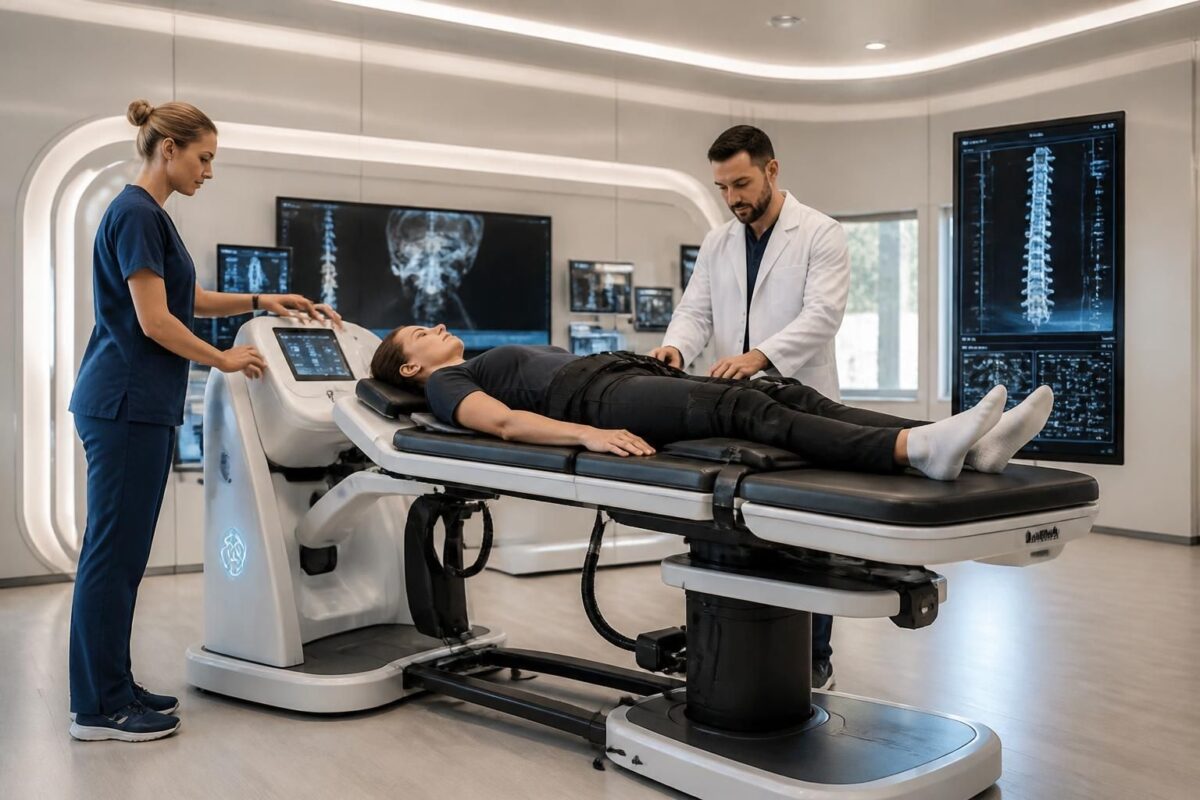
Recent innovations in neurovertebral decompression technologies
In short In short, the neurovertebral decompression is an approach non-invasive Aiming to reduce pressure on discs and nerves, and promote tissue regeneration. At Montreal, it is positioned as an effective option for lower back pain and herniated discs. The…
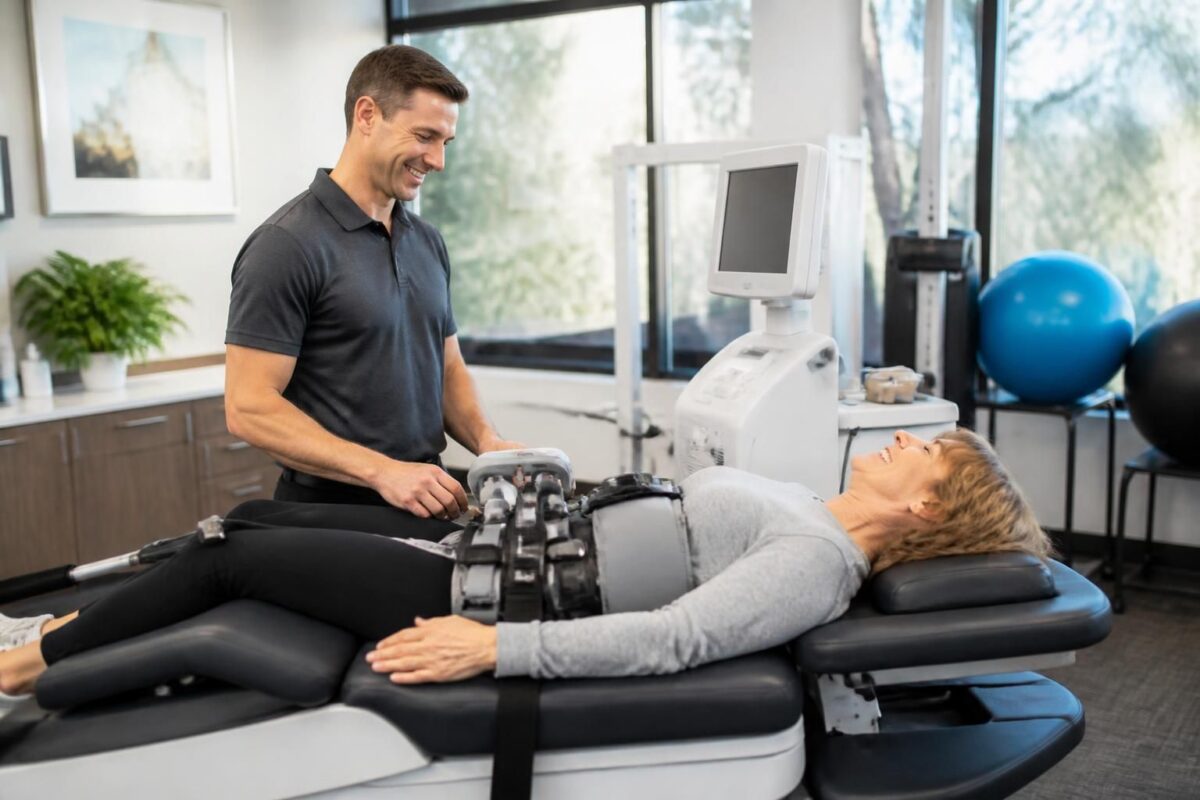
Neurovertebral decompression and diffuse pain: an appropriate solution
In short In short, the neurovertebral decompression is one Non-invasive solution For diffuse pain related to nerve irritation of the spine. She acts in Reducing pressure on intervertebral discs and nerves and improving the bloodstream, which promotes recovery and the…
Comparative table on the reduction of nocturnal pain by neurovertebral decompression
| Aspect | Concise impact on night pain |
|---|---|
| Main mechanism | Soft traction creates an intervertebral space and decreases pressure on discs and nerves |
| Inflammation and circulation | Improves local circulation and reduces inflammation around the nerves |
| Night pain relief | Risk of rapid relief and decreased pain related to nerve compression |
| vertebral mobility | Increases flexibility and improves alignment, reducing night tensions |
| Prevention of recurrences | Release of nerve tension and reduction of predisposing factors to pain |
| Non-invasive approach | No surgery, low risk of side effects and rapid resumption of activities |
| Personalization | Adaptation of the treatment according to the specific pain areas of the patient |
| Therapeutic integration | Complement other treatments (manual medicine, physical therapy) for increased efficacy |
| Duration and safety of sessions | Typical sessions of 15 to 30 minutes, suitable for the elderly and well tolerated |
Testimonials: How Neurovertebral Decompression Reduces Nocturnal Back Pain
“Before starting the treatment, my nights were disturbed by severe back pain that woke me up every hour. After a few sessions of neurovertebral decompression, I noticed a marked decrease in the pain and nocturnal awakenings. My sleep is deeper and my days less heavy. »
“I suffered from Nocturnal pain on the back that prevented me from relaxing. With the protocol of neurovertebral decompression, the pain became more manageable and I was able to resume activities that I like. it’s non-invasive And I feel safe during the sessions. »
“After a few weeks, I noticed a rapid progression of the sleep and better mobility. The pressure on the nerves has been released and my back is less stiff in the evening. I highly recommend this natural and effective approach. »
“As an athlete, my back pain nocturnes braked me. The neurovertebral decompression rebalanced my column and improved my nighttime recovery. I sleep better and wake up less tired. »
“I particularly appreciate the character non-invasive and the speed of the perceived effects. After each session, the tension in the lower back decreases and I spend my nights painless, which changes everything for my quality of life. »
“My doctor told me to try a gentle approach; the neurovertebral decompression was this solution. The Nocturnal pain gradually decrease and my sleep improves sustainably, allowing me to resume my daily activities with energy. »
Dr. Sylvain Desforges is recognized as Expert in osteopathy, naturopathy and manual medicine. As Founding President of Clinics tagmed and association acma, he engages daily in a Sustainable health innovation and an Chronic pain management based on evidence. Her practice is based on a multidisciplinary approach and a spirit of continuous improvement, in order to optimize the Health and well-being of his patients.
At the heart of his approach, the neurovertebral decompression is presented as an approach non-invasive which directly targets the tensions at the origin of nocturnal back pain. thanks to a gentle traction Applied to the spine, this technique creates a space between the vertebrae, which decreases the Pressure on the intervertebral discs and on the gristle. By lowering this pressure, it facilitates a Improved blood circulation and contributes to a Reduction of inflammation local, two essential mechanisms to reduce pain and promote optimal tissue recovery.
For nocturnal pain, the key principle is toIsolate and target compression areas In order to soothe painful signals when the body seeks to rest. By releasing nervous tensions, decompression can reduce discomfort-related night awakenings and improve sleep quality. This improvement in nocturnal rest is accompanied by a better Postural balance during the day, which prevents the restoration of painful patterns and supports a Overall functioning of the back.
the observed benefits also result in a Increased flexibility, a Improved mobility And a regained ability to perform the gestures of daily life with less effort. Neurovertebral decompression is described as a Safe and effective alternative drug treatments, often offering Quick relief without major side effects. Integrated into a global program, it may be associated with other modalities such as Manual therapy, the physiotherapy and appropriate exercises, thus strengthening muscle support around the spine and accelerating the recovery process.
In his practice, Dr. Desforges places particular emphasis on Preliminary assessment and regular monitoring, in order to adjust the protocol according to individual needs and responses to treatment. This personalized approach guarantees a Appropriate support and optimization of the results, taking into account the background, lifestyle and goals of each. advocating care data-based, it aims to provide a lasting way to a pain-free life and good quality of sleep.
In short, the neurovertebral decompression Dreamed by Dr. Desforges is part of a philosophy of care that combines security, efficiency and holisticity. By acting on the Neural pressure, by stimulating the tissue circulation and healing, and supporting a Multidisciplinary care setting, this approach opens the door to a lasting reduction in nocturnal pain on the back and a better life experience for patients.
This summary explains how the neurovertebral decompression can reduce Nocturnal pain in the back By acting on the mechanisms responsible for disc and nervous pain, while offering an option non-invasive and prevention oriented. You will discover the principles of action, the clinical benefits and the resources to deepen the subject.
The neurovertebral decompression is based on a gentle traction and controlled the spine that creates a space between the vertebrae. This space reduces the pressure exerted on the Intervertebral discs and the gristle, which promotes better blood circulation and facilitates tissue repair. By lowering this tension, it helps to reduce inflammation and rehydrate the discs, two key elements in the reduction of nocturnal neuropathic pain and associated symptoms.
This approach acts directly on the physiological causes of nocturnal pain rather than masking them. By releasing nervous tensions and enhancing nutrient supply to tissues, it can lead to a Quick relief, to a Improving mobility and to a recovery circuit more fluid. For these reasons, it is particularly effective in preventing recurrences and promoting more restful sleep.
Beyond the effect on pain, decompression promotes Optimized postural line and an Tissue rehabilitation essential to stabilize the spine in the long term. By integrating into a global care program, it can be associated with other approaches such as manual medicine, the physiotherapy and adapted exercises, in order to strengthen the supporting muscles and prevent recurrences.
For those who wish to go further, several resources describe the mechanisms and results of this therapy. For example, you can consult explanations and testimonials on Neurovertebral Decompression and Chronic Back Pain Prevention, or discover how the Neurovertebral decompression reduces nocturnal pain Can be integrated into a care approach. You can also read resources like A natural solution to prevent recurrences and Decompression for persistent mechanical pain.
In addition, specialized resources address the impact of decompression on the Quality of life of elderly patients, theOptimizing spinal health and functional benefits on a daily basis. To explore these aspects, for example, refer to the following links: Quality of life of elderly patients and Optimizing spinal health. For a complementary perspective, you can also consult the Educational Resources on neurovertebral decompression.
Finally, for a broader vision on the integration of this therapy in care pathways, articles detail how decompression can act as a complementary therapy intended to prevent recurrences and improve daily mobility and comfort. To learn more, explore resources like Complementary therapy and Improved daily mobility.

Dr Sylvain Desforges, B.Sc., D.O., N.D., osteopath, is the founding president of TAGMED and of the ACMA association. He dedicates his practice to chronic spinal pain, low back pain and symptoms compatible with sciatica, particularly when pain radiates toward the buttock, leg, calf, foot or toes.
Through SOS Sciatique, he publishes educational content on sciatica symptoms, possible causes such as disc herniation, disc narrowing, foraminal stenosis or irritation of a lumbar nerve root, as well as non-surgical approaches that may be considered according to the evaluation. At Clinique TAGMED, care may include, depending on the case, motorized neurovertebral decompression, specific osteopathic care or precision percussion.
For an evaluation related to sciatica treatment in Montreal / Mount Royal or sciatica treatment in Terrebonne, please consult the services available at Clinique TAGMED.
Medical disclaimer
The information published on SOS Sciatique is provided for educational purposes only and does not replace a consultation, diagnosis, opinion or treatment provided by a physician or another authorized healthcare professional. The author of this article is neither a medical doctor nor a specialist in a medical specialty recognized by the Collège des médecins du Québec. The osteopathic, manual medicine or functional support approaches described on this site do not constitute medical acts and are not intended to replace medical follow-up.
Consult a physician or emergency service in cases of loss of bladder or bowel control, anesthesia in the saddle area, significant or progressive weakness in the leg or foot, fever, recent trauma, severe pain or rapid worsening of symptoms. For more details, please read our Legal Notice.