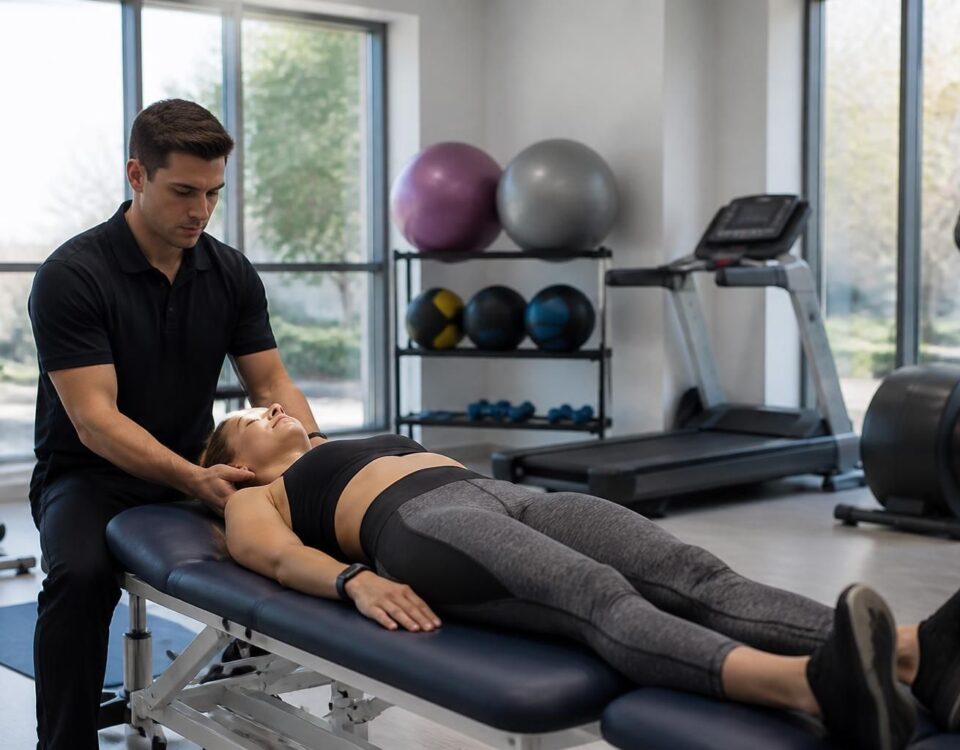
How neurovertebral decompression reduces back pain at night
26/06/2026
Neurovertebral decompression: an alternative for chronic radicular pain
26/06/2026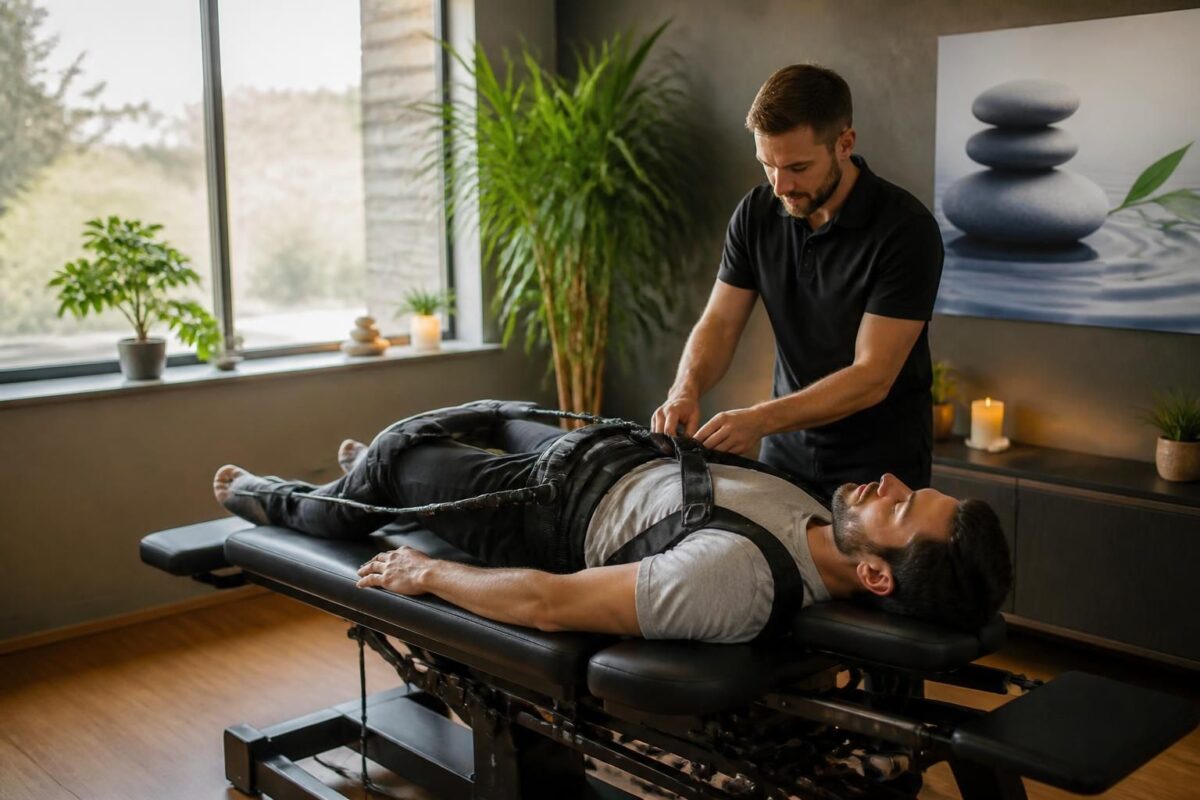
In short
| In short, the neurovertebral decompression is one Non-invasive approach intended to relieve Chronic spine pain and restore the nervous circulation. Its main advantages include Reduction of physical pain, theImproving mobility and from the quality of life, and psychological implications such as Decreased anxiety and stress and a better sleep. In Montreal, this service is particularly recommended for Lumbar and cervical pain And can be integrated into a global approach to wellness without drugs. |
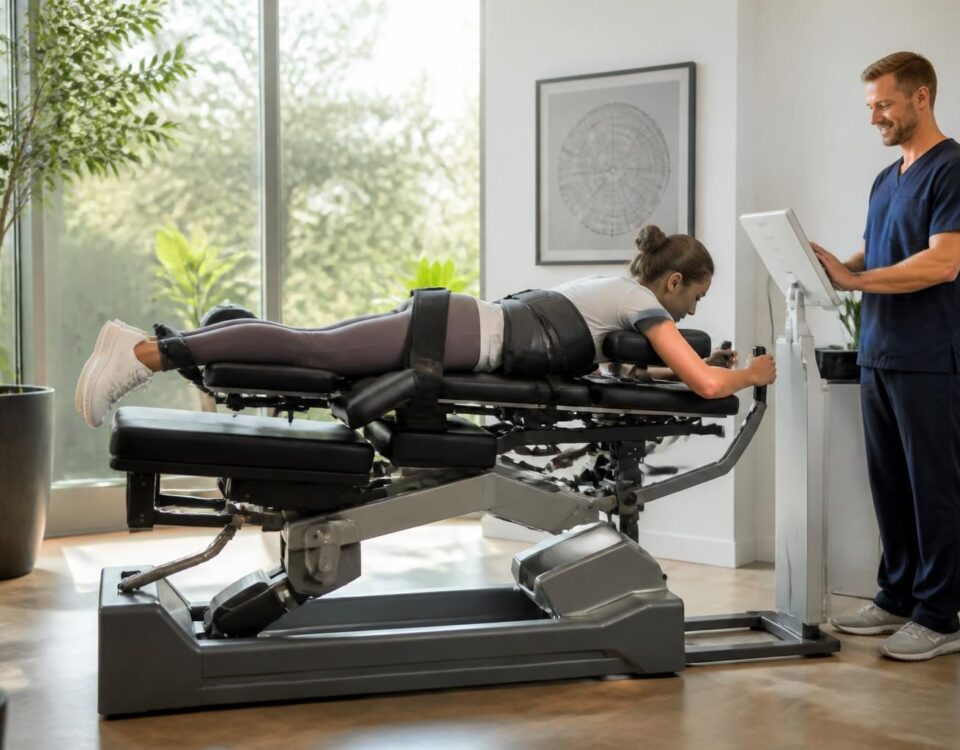
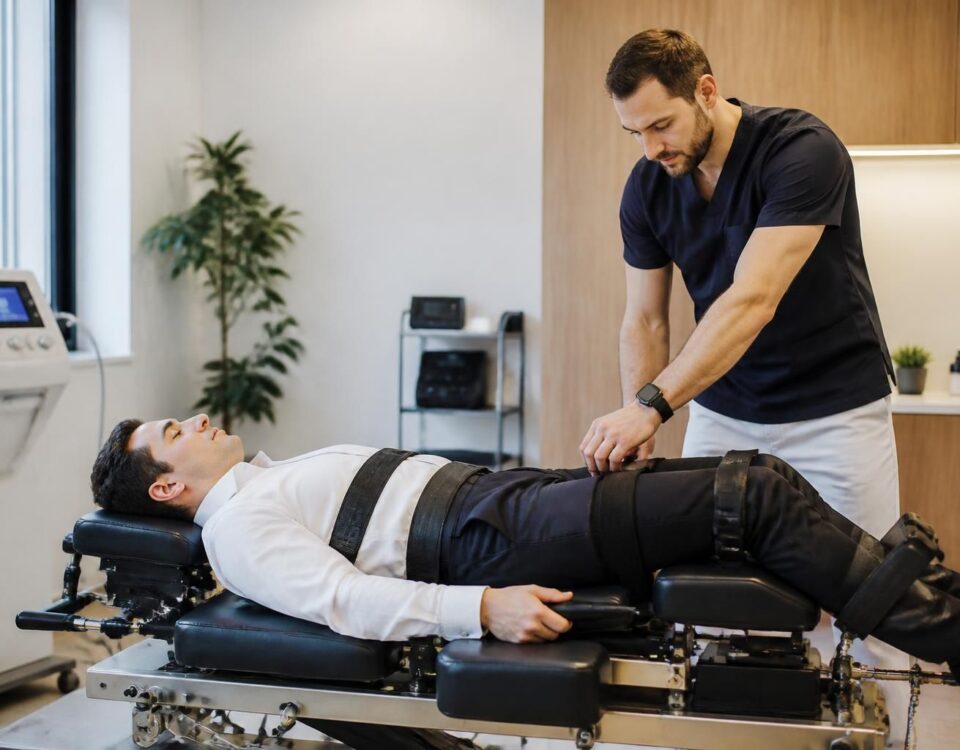
The neurovertebral decompression is an approach non-invasive which acts on the spine and nerves for Relieve pain and improve the Function of intervertebral discs. By releasing the pressure, it promotes better mobility and an nervous circulation optimized, thus facilitating recovery.
- Physical benefits : pain reduction, better mobility, faster recovery and decreases in nervous tension.
- Psychological benefits : decrease inanxiety and of stress, improvement of sleep and themood.
- Quality of life : Renewedautonomy, facilitated social interactions and strengthening of self-confidence.
This article, written by a health professional and expert in osteopathy, clearly presents the Physical and psychological benefits neurovertebral decompression. This non-invasive approach aims to reduce pain, restore mobility and support mental well-being. It is integrated into a global care approach and is offered in specialized clinics in Montreal and beyond.
Neurovertebral decompression is a technique that acts on the spine to reduce the pressure exerted on the nerves and discs. This pressure reduction can lead to pain reduction and an Improving mobility, with notable effects from the first sessions for some patients. It also contributes to a Improved traffic In nervous tissues, which promotes the nutrition of ligaments and discs and supports a lasting healing process.
This approach is particularly indicated for lower back and cervical pain and is offered in specialized structures, such as the TagMed Clinic in Montreal. It is distinguished by its character non-invasive and accessible, offering an alternative or complement to other treatments when appropriate. For those who wonder about the scientific bases and mechanisms, online resources present the principles and results observed in various clinical contexts.
dedicated resources describe how neurovertebral decompression can affect the Disc degeneration prevention and improving the spinal circulation, contributing to better nervous nutrition and a gradual return to daily activities. This information is based on technical descriptions and clinical experiences, and can be viewed via specialized sites.
To deepen the mechanisms and benefits, several pages draw up the observed results and the reported cases. For example, information from educational and clinical resources detail the physical benefits and indications of neurovertebral decompression. Examples and testimonials illustrate how pain can decrease and mobility improve, which promotes resumption of activities and a better quality of life. Complementary documents explain the mechanisms by which pain reduction can enhance the balance of the body and support nerve tissue.
For an overview, recognized articles and resources summarize the possibilities offered by neurovertebral decompression and position it as a Safe and non-invasive approach as part of a comprehensive care plan. Links to dedicated pages make it possible to explore the advantages and mechanisms, while recalling the importance of appropriate and personalized medical support. In terms of evidence and practice, it is recommended to rely on specialized resources and discuss any protocol with a health professional.
To deepen the physical aspects and indications, you can consult resources like Neurovertebral decompression and muscle pain associated with the back, Benefits explained and The physical and psychological benefits. These resources, while being informative, do not replace an individual assessment by a health professional.
PHYSICAL BENEFITS
The heart of the neurovertebral decompression rests on the decrease in pressure on the nerves and intervertebral discs. This action results in a pain reduction and an Improving mobility neck and back. It also promotes better bloodstream In nervous tissues, helping to nourish column structures and reduce muscle tension associated with chronic pain. Clinical observations report that some patients experience visible improvements after a few sessions, which can also facilitate the resumption of daily living activities. For those who want a general source on the subject, encyclopedic and professional pages can be consulted, while remaining aware of the specific limits in each case.
In a practical context, decompression can be offered in specialized clinics such as Tagmed Clinic in Montreal, where it is part of a global offer of non-invasive care. Public and professional resources underline that this type of therapy can be integrated into a process of prevention and management of spinal pain, while remaining distinct from invasive or pharmacological treatments when possible. To deepen the mechanisms, refer to general resources dedicated to neurovertebral decompression.
Additional information further details that the pain reduction can promote better sleep quality and an emotional stability, which contributes to a more effective functional recovery and a decrease in muscle tension related to pain. Dedicated resources explain the links between pain, mobility and blood circulation in the context of neurovertebral decompression.
Psychological benefits
The decrease in pain associated with neurovertebral decompression is often accompanied by remarkable psychological improvements. Many patients notice a Reduced anxiety and stress thanks to regained body safety and increased mobility. The Clinical survey And the testimonies report a better quality of life and a more stable mood when you suffer less. A more restorative sleep, linked to a decrease in pain, also contributes to more favorable emotional regulation and a resumption of social and personal activities.
pain loss can promote Renewal of self-esteem and a greater autonomy, which supports trust and involvement in daily activities. This positive dynamic is also reflected in social relationships, with patients being able to reconnect with leisure and interactions they had set aside because of the pain. Articles and studies accessible online describe these mechanisms and the psychological benefits observed in parallel with physical relief.
From a holistic perspective, neurovertebral decompression can be associated with other practices focused on mental and physical well-being. This combination aims to optimize the results, especially when chronic pain interferes with everyday life and mood. Online thematic resources describe how this approach can fit into a broader stress and pain management strategy.
For those looking for additional resources on psychological benefits, pages like Psychological benefits and Improved spinal circulation offer additional perspectives. For an encyclopedic view, you can consult Neurovertebral decompression – Wikipedia.
As part of a treatment, it is crucial to consult a qualified health professional to assess the adequacy of neurovertebral decompression and to guide the therapeutic path. For information, recognized training and professional references exist, including NUMSS and NAO, National University of Medical Sciences and National Academy of osteopathy, which certify approaches and practices in osteopathy and manual medicine. Relevant professional associations may include ACMA (Canadian Alternative Medicine Alliance) and the College of Canadian Osteopaths.
For a summary of effects and mechanisms, public and specialized resources offer accessible summaries. In addition, specialized pages promote the understanding of neurovertebral decompression as a complementary treatment to multidisciplinary care, without suggesting specific exercises or stretching for the conditions discussed.
For more information, see the following resources: Neurovertebral decompression and associated back pain, {{}}, Benefits explained, Disk Degeneration Prevention, Physical and psychological benefits, Complementary treatment to physiotherapy, Improved spinal circulation, Psychological benefits, Avoid spinal surgeries.
Medical Disclaimer: The information and advice provided on this site does not replace the health professional’s diagnosis or treatment. Please note that Dr. Sylvain Desforges osteopath is neither a doctor of medicine nor a doctor, and is not a specialist in a medical specialty as defined by the Collège des Médecins du Québec. Manual medicine, functional medicine and sports medicine as described on this site exclude any medical treatment or diagnosis made by a doctor or specialist doctor. Always consult your doctor for any medical questions. For more details, please read our full legal notice.
- pain reduction and discomfort
- Improving mobility and endurance
- Decreased muscle tension and cramps
- Better circulation Blood and Tissue Nutrition
- Accelerated recovery After the effort
- better sleep and night recovery
- Decreased anxiety and of stress
- mood enhancement and mental clarity
- Self-confidence found
- social relations strengthened and support
- Quality of life and increased motivation
- emotional stability and better management of emotions

This presentation highlights the benefits physical and psychological neurovertebral decompression. By targeting the spine and nerves, this non-invasive approach acts on the pain, the mobility and stress, with positive repercussions on the quality of life general. The article offers practical recommendations to optimize the results, while recalling the importance of an appropriate consultation with a health professional.
PHYSICAL BENEFITS
neurovertebral decompression allows pain reduction and an improvement in mobility due to a decrease in pressure on the nerves and intervertebral discs. This improvement can manifest itself from the first sessions and continues over the course of the treatment, facilitating daily gestures and the resumption of activities. By releasing tension, it contributes to better muscle coordination and a more balanced posture.
It also improves the circulation in nervous and peripheral tissues, which promotes the intake of nutrients and oxygen essential for recovery. This better vascularization supports the natural repair processes and can accelerate the reduction of discomfort associated with chronic tension. At the same time, reducing local inflammation can limit nerve irritation and pain triggers.
Beyond direct relief, neurovertebral decompression acts as a support for rehabilitation and at the prevention aggravations. By correcting or reducing spinal imbalances, it promotes better lumbar and cervical stability, which helps to prevent recurrent painful episodes and to support therapeutic exercises associated with other manual or functional approaches.
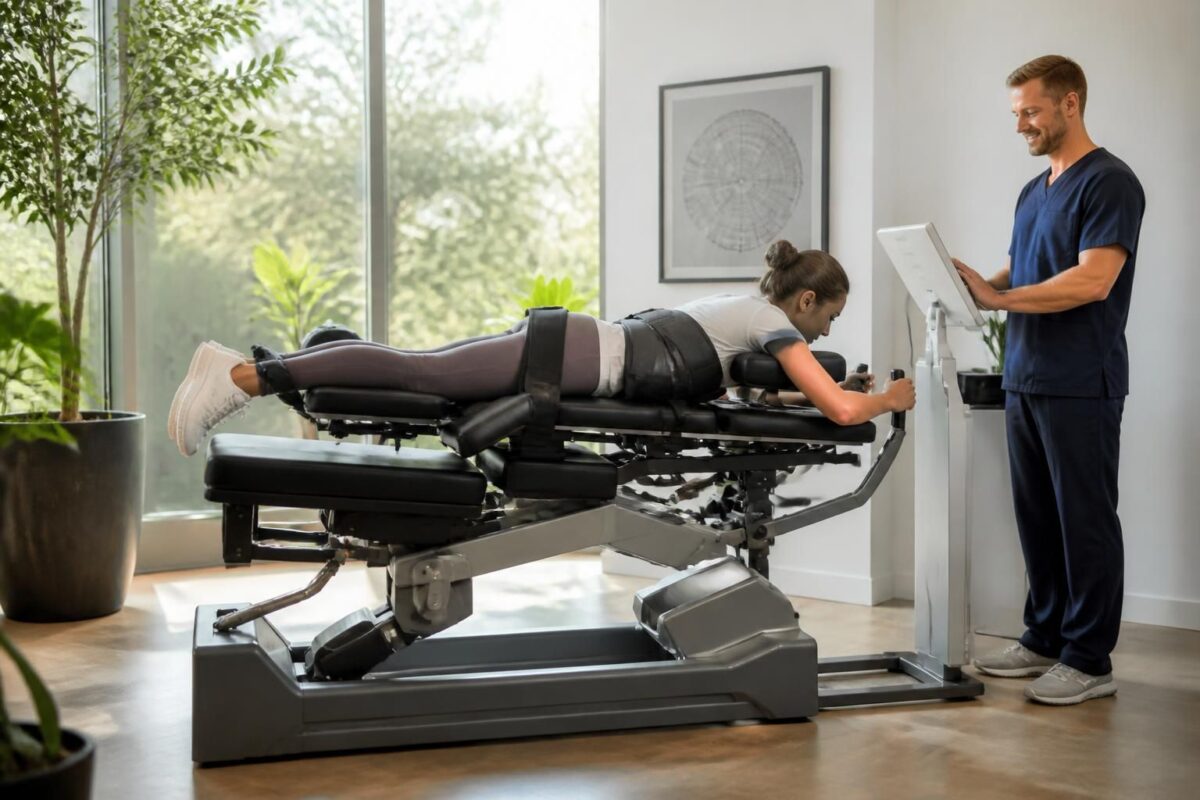
The long-term benefits of neurovertebral decompression for spinal health
In short In short, the neurovertebral decompression is a non-invasive approach that decreases the Pressure on intervertebral discs and nerves, favoring the Natural regeneration and tissue recovery. Its long-term benefits include Lasting pain reduction, Improving mobility and from the posture,…

Neurovertebral decompression and mobility: a return to an active life
In short In short, the neurovertebral decompression is therapy non-invasive who uses a gentle traction To create a space between the vertebrae and reduce the pressure on the Intervertebral discs and the nerves. It promotes a bloodstream improved, lowers tension…
Psychological benefits and well-being
The decrease in pain leads to Reduced anxiety and stress, because the mind is less solicited by discomfort and daily limitations. This improvement in the mental framework can result in greater serenity and better tolerance to daily stress, creating a virtuous circle between body and mind.
the impact on the sleep and themood is notable. Less nocturnal pain and more effective recovery promote more restorative nights, which improves emotional balance and concentration. A better mood can also facilitate social and professional interactions, strengthening the feeling of control over one’s life.
neurovertebral decompression contributes to a Self-esteem rehabilitation and theautonomy. Finding simple gestures and participating in appreciated activities strengthen self-confidence and the desire to invest in personal projects. This renewed autonomy can also improve social and family relationships, by reducing the feeling of isolation linked to pain.
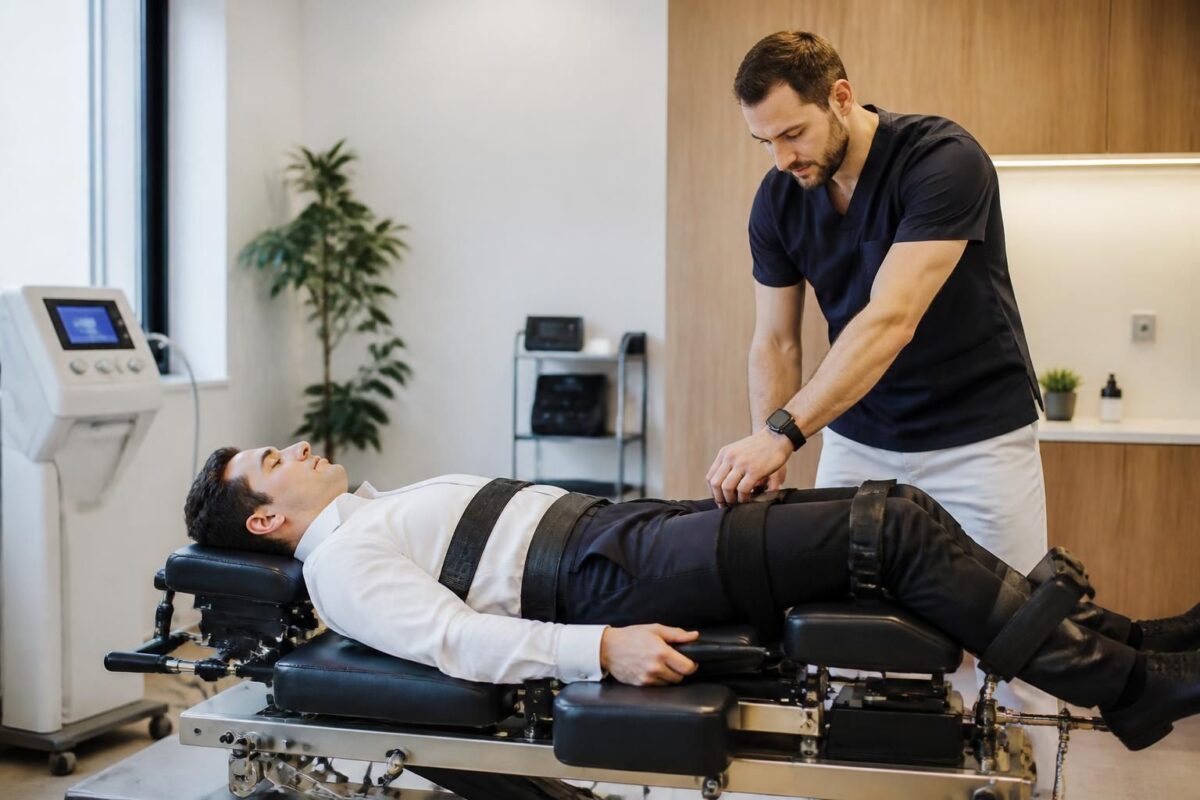
How Neurovertebral Decompression Prevents Diffuse Chronic Pain
In short decompression neurovertebral is one Non-invasive method aimed at reducing the Pressure on the intervertebral discs and the nerves, in order to prevent Diffuse chronic pain. It improves the circulation and thedisc hydration, decreases inflammation and promotes better mobility.…
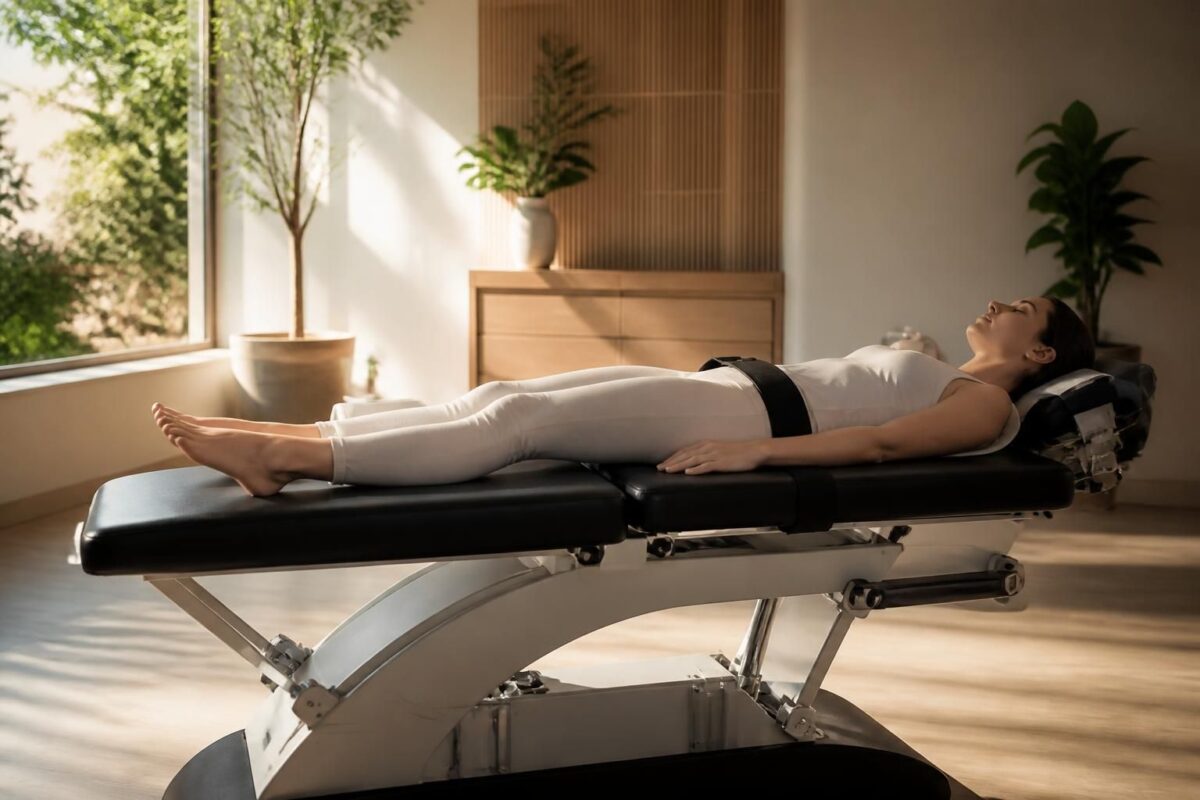
Neurovertebral Decompression and Body Alignment: Restoring Natural Balance
In short In short, neurovertebral decompression is one Non-invasive approach who restores theBody Alignment and thenatural balance back and neck. She acts by a Controlled traction of the spine to widen the intervertebral space and reduce the Pressure on discs…
Practical advice and precautions
When to consider decompression
Consider this approach when lumbar or cervical pain persists, associated with limitation of mobility, or when the usual conservative treatments do not give the expected results. It can be integrated into a global strategy for managing pain and well-being, in addition to other appropriate therapies.
What a session includes
A typical session begins with an adapted evaluation, followed by a personalized and progressive protocol. The pace and duration vary depending on the profile of each patient, with regular checks to adapt the treatment and optimize the results.
Good practices and safety
Check with a qualified professional before starting, in order to obtain an accurate diagnosis and an appropriate care plan. Respect any contraindications and discuss your personal goals in order to adjust treatment parameters and ensure optimal safety throughout the course.
| Aspect | benefits |
|---|---|
| reduction of pain | Decreased lumbar and cervical discomfort. |
| improvement of mobility | greater freedom of movement and daily activities. |
| impact on the sleep | More restorative nights and increased recovery. |
| reduction of Anxiety and stress | Decreased stress related to pain. |
| self-confidence and autonomy | Back to routines and renewed bodily confidence. |
| quality of the circulation and Nervous nutrition | Improved circulation and better nutrition of nerve tissue. |
| Reconciliation of social relations | Facilitated social participation and strengthened links. |
| reduction of Muscle tensions | Less fatigue and better posture. |
| Approach holistic well-being | Complement with other therapies to optimize overall well-being. |
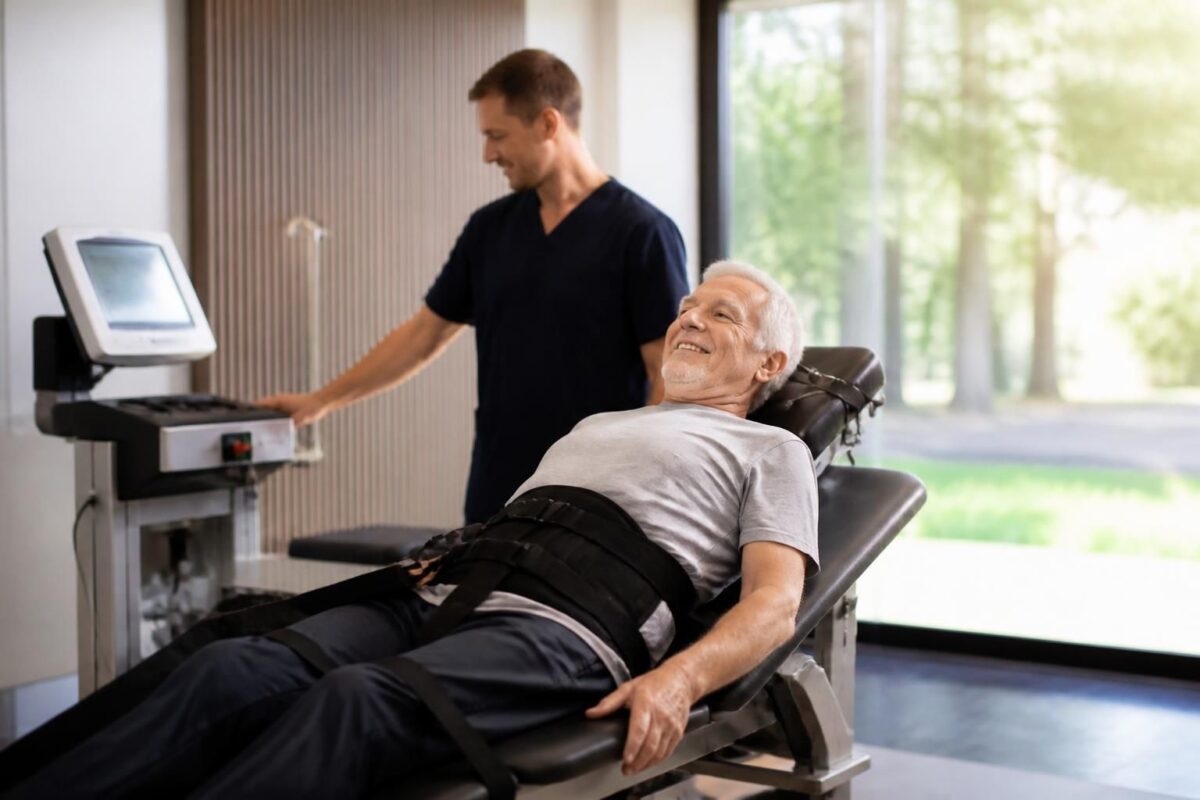
Why neurovertebral decompression is a lasting solution for active seniors
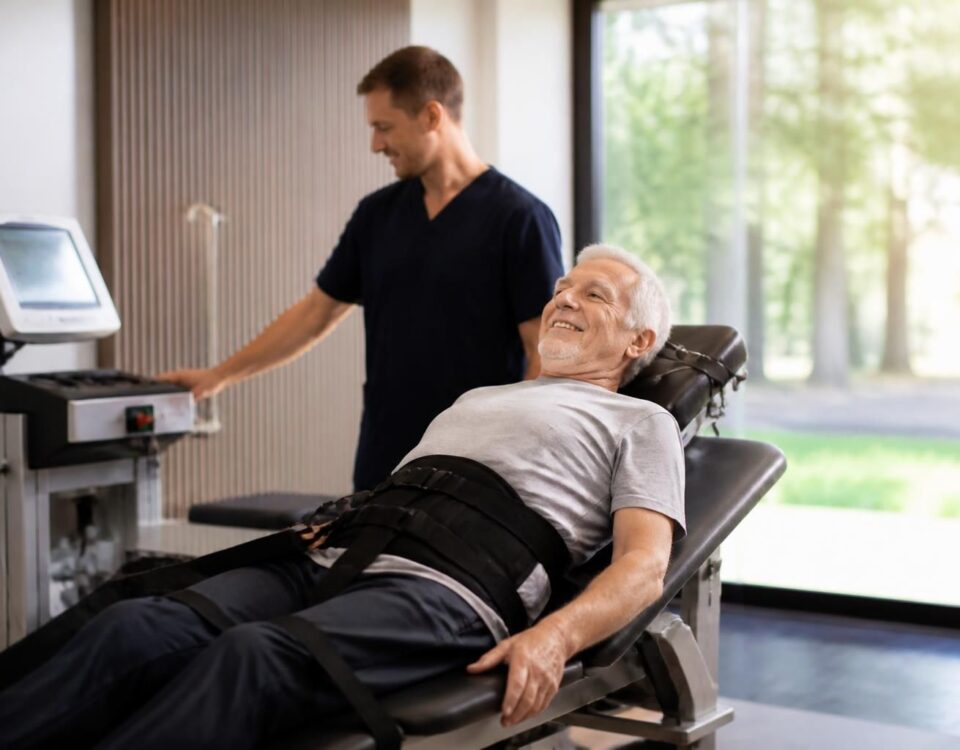
In short In short, the neurovertebral decompression is one Non-invasive therapy which sustainably relieves spinal pain in the spine active seniors By creating, by a Soft and controlled traction, a space between the vertebrae. At Montreal, it is recognized as…
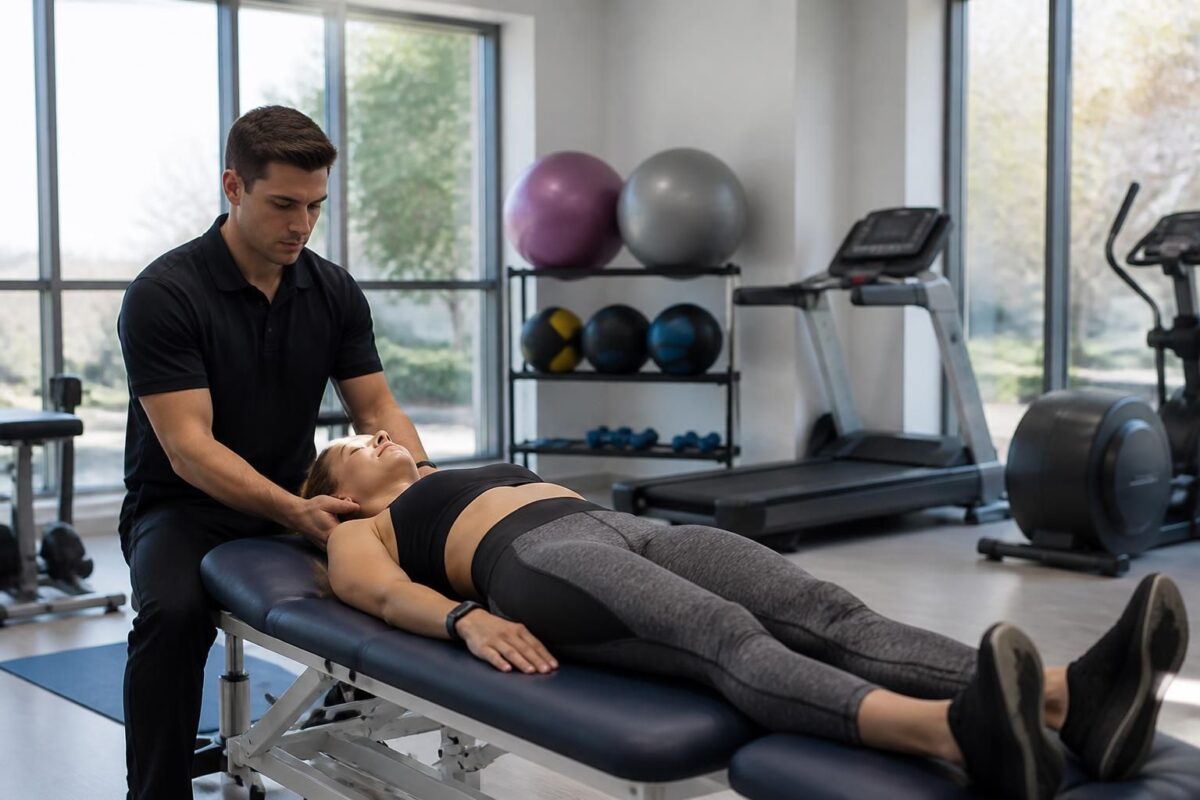
Neurovertebral decompression and recovery after severe sports injury
In short In short, the neurovertebral decompression is one Non-invasive method to Relieve the pressure on the Intervertebral discs and the gristle Via a Controlled traction, to facilitate the recovery After a severe sports injury. It improves the bloodstream towards…
Testimonials on the physical and psychological benefits of neurovertebral decompression
“Before you start neurovertebral decompression, pain lumbar hindered me in my daily activities. After a few sessions, pain decreased sharply, mobility has improved and I rediscover simple gestures like walking or getting up effortlessly. My sleep also found himself more peaceful, which positively influences my day. »
“I felt like I was blocked by the voltage and theanxiety. With decompression, pain is mastered and my quality of life Fly away: less than stress, a better sleep, and more energy for my projects. »
“the gain in self-confidence Is phenomenal: being able to go out, resume my favorite activities and feel independent has transformed my social life. Pain in decline also decreased my stress and improved my mood. »
“My neck pain has decreased, and I found a better concentration at work thanks to a sleep more regular and a stress reduction. It is a rebirth of my physical and mental energy. »
“I rediscovered family evenings without pain and without anxiety. The mobility found and the quality of life had a direct impact on my social relations and my stress reduction. »
“The pain retreated, and my resilience strengthened. I feel one Clarity of mind and a better concentration which allow me to approach my daily tasks with more serenity and motivation. »
“After a few sessions, I went from a constant state of fatigue to a energy found and a mobility optimized. My welfare mental has improved and I regained the taste for being socially active. »
Dr. Sylvain Desforges is a recognized practitioner in the fields ofosteopathy, from the naturopathy and from the manual medicine. He is the founding president of the TagMed clinics and the ACMA association. fort of a career dedicated to theHealth Innovation, he specializes in the management of Chronic pain and in theIntegration of advanced technologies such as the neurovertebral decompression, laser and shockwave therapy. Its mission is to offer care evidence-based In order to optimize the health and the welfare of his patients, by placing the individual at the heart of a personalized approach.
The neurovertebral decompression is a non-invasive therapeutic approach designed to relieve pain and restore function of nerves and intervertebral discs. By reducing the pressure exerted on these structures, it can lead to a significant decrease in pain and an improvement in mobility. In clinical practice, this therapy is particularly useful in case of back pain and of neck pain, where it promotes smoother nerve circulation and a gradual return to day-to-day activities without limitation.
On the plan physical, patients often describe rapid pain reduction and improvement in mobility articular. By releasing the tension and releasing the compressions, the circulation blood and tissue improves, which facilitates the transport of nutrients and the elimination of metabolic waste. This dynamic supports the Healing process and can reduce dependence on pharmacological treatments. Over time, the posture and Lbalance bodily recover, contributing to a quality of life increased.
Beyond physical relief, the benefits psychological are notable: a Anxiety Reduction and of stress related to pain, an improvement in sleep, and a better mood. the disappearance or the attenuation of the pain restores theautonomy and strengthens theself-esteem, facilitating social and professional reintegration. By establishing itself as a reliable basis for everyday life, neurovertebral decompression can transform the patient’s relationship with his body and environment.
The DNV Operates by several mechanisms: it increases the intervertebral space, improves tissue nutrition and releases the nerve pathways of certain compressions. This mechanical improvement is often accompanied by neuroendocrine modulation: a reduction in cortisol and an increase in serotonin, reflecting better stress regulation and a more stable mood. Although the results vary between individuals, clinical data argue that pain reduction can trigger a virtuous circle of mental wellness and active participation in daily life.
in an approach overall, neurovertebral decompression integrates with multidisciplinary care, includingosteopathy, the manual medicine and the naturopathy. It relies on personalized protocols and regular evaluations to adjust treatment and maximize benefits. Before undertaking this type of therapy, it is essential to consult a qualified professional and combine the DNV with advice on lifestyle, physical activity and stress management. Dr. Desforges is committed to providing an approach evidence-based and patient-oriented.
Its clinics regularly implement this method to support patients in a sustainable process of rehabilitation and rediscovery of their well-being.
This conclusion summarizes the Physical and psychological benefits of the neurovertebral decompression (DNV), highlighting its effects on pain, mobility and mental well-being, while highlighting its non-invasive framework and relevance in a holistic approach to health. It is based on clinical observations and patient feedback, and invites to deepen through specialized resources.
On the plan physical, neurovertebral decompression helps to reduce lumbar and cervical pain by releasing tension around the nerves and intervertebral discs. This reduction in pain has a Improving mobility and a faster return to daily activities. By promoting better circulation and more effective nutrition of nerve tissue, it participates in a Lasting healing and reduced functional limitations. To deepen the mechanisms and results observed, see in particular the analyzes on physical effects and patient feedback, which highlight rapid and tangible improvements. Specialized resources also detail how this approach can reduce inflammation and associated muscle tension.
On the plan psychological, the decrease in pain results in a Reduced anxiety and stress, a Improved sleep and an better mood. Patients report a Reclaiming self-esteem and a greater self-confidence, which facilitates the return to social and professional activities. This dynamic is supported by observations showing that pain reduction can alleviate symptoms of anxiety and depression, and promote a better overall quality of life. For reference elements, see the resources that examine the emotional and cognitive impacts associated with DNV.
Beyond the individual benefits, the DNV fits into a holistic approach health. It often integrates with other care practices — osteopathy, functional medicine, manual therapies and lifestyle counseling — to maximize outcomes and support overall well-being. Specialized sources insist on the importance of professional support to personalize the treatment and optimize the short and long-term effects. For those who wish to explore the psychological dimensions and the emotional impact of decompression, dedicated readings offer additional perspectives and concrete testimonies.
Patient feedback and clinical analyzes converge to show that the benefits are not limited to pain reduction. The Quick results and the Benefits on muscle tension testify to a positive dynamic that can also promote a Better Everyday Life and more serene social relationships. To support these observations, you can consult the resources that address the psychological benefits and the steps for successful treatment.
To deepen the psychological and emotional aspects of DNV, you can consult analyzes and testimonies on the links between pain reduction and improvement in mental well-being, as well as studies on emotional and neurological impact. Moreover, the DNV and its neurological emotional impact is addressed in several specialized sources, just like Psychological impacts. For a practical panorama of steps and results, the dedicated resources describe the Key stages and the results observed after structured management.
Finally, in order to ensure a complete understanding and to access additional information, you can consult the following resources: Psychological benefits and Other psychological benefits. For more details, also consult the post-accident prevention and support resources and information on quick results and treatment steps. For a legal and ethical framework, please read the legal notice available viahttps://www.acma-association.com/legal-notice/.
#ATFP_CLOSE_TRANSLATE_SPAN#Note that the information presented here does not replace the advice of a health professional. For any medical questions, consult your doctor and a specialist adapted to your situation. Medical warning and additional details: legal notice.
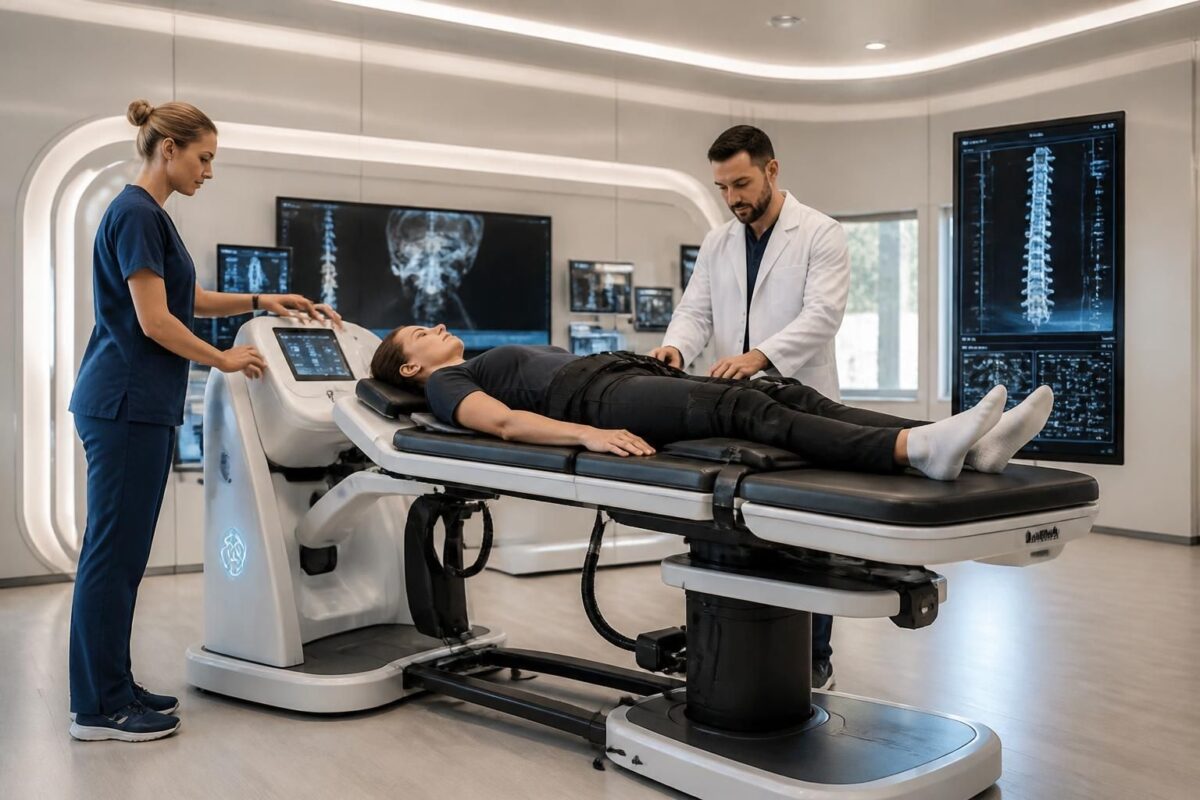
Recent innovations in neurovertebral decompression technologies
In short In short, the neurovertebral decompression is an approach non-invasive Aiming to reduce pressure on discs and nerves, and promote tissue regeneration. At Montreal, it is positioned as an effective option for lower back pain and herniated discs. The…
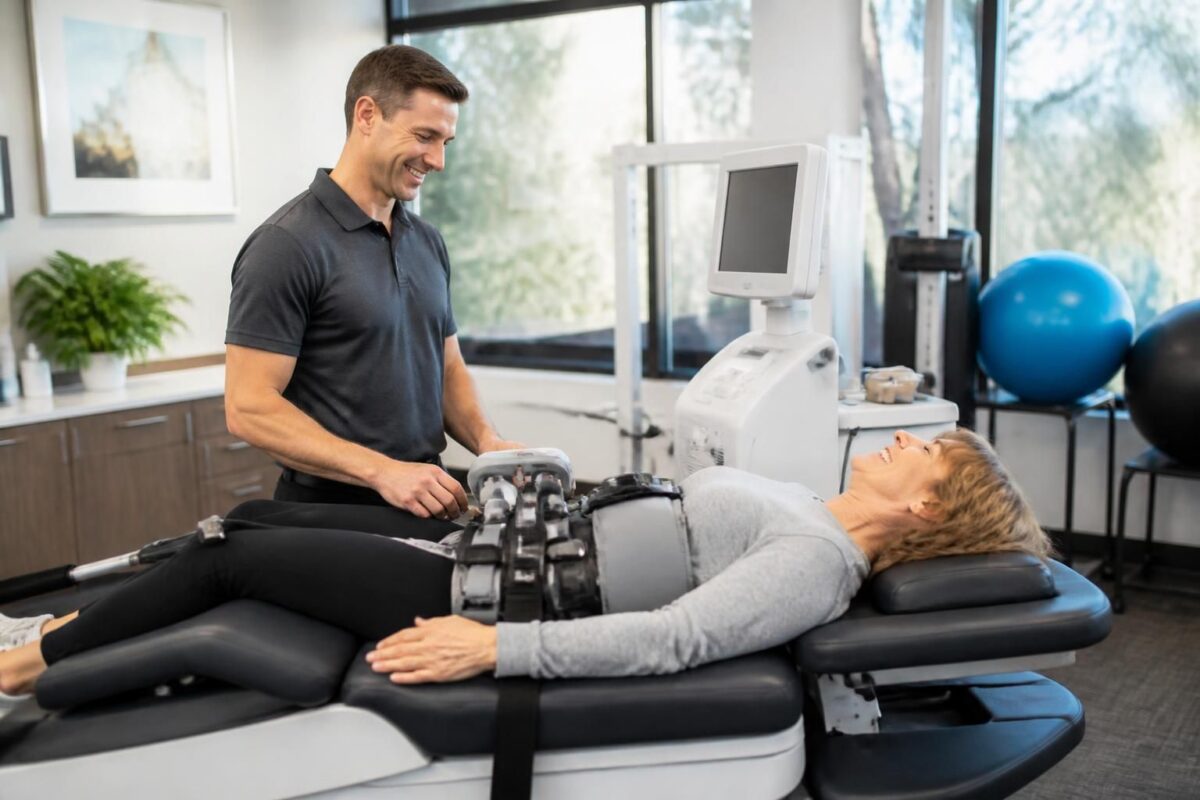
Neurovertebral decompression and diffuse pain: an appropriate solution
In short In short, the neurovertebral decompression is one Non-invasive solution For diffuse pain related to nerve irritation of the spine. She acts in Reducing pressure on intervertebral discs and nerves and improving the bloodstream, which promotes recovery and the…

Dr Sylvain Desforges
Dr Sylvain Desforges, B.Sc., D.O., N.D., osteopath, is the founding president of TAGMED and of the ACMA association. He dedicates his practice to chronic spinal pain, low back pain and symptoms compatible with sciatica, particularly when pain radiates toward the buttock, leg, calf, foot or toes.
Through SOS Sciatique, he publishes educational content on sciatica symptoms, possible causes such as disc herniation, disc narrowing, foraminal stenosis or irritation of a lumbar nerve root, as well as non-surgical approaches that may be considered according to the evaluation. At Clinique TAGMED, care may include, depending on the case, motorized neurovertebral decompression, specific osteopathic care or precision percussion.
For an evaluation related to sciatica treatment in Montreal / Mount Royal or sciatica treatment in Terrebonne, please consult the services available at Clinique TAGMED.
Medical disclaimer
The information published on SOS Sciatique is provided for educational purposes only and does not replace a consultation, diagnosis, opinion or treatment provided by a physician or another authorized healthcare professional. The author of this article is neither a medical doctor nor a specialist in a medical specialty recognized by the Collège des médecins du Québec. The osteopathic, manual medicine or functional support approaches described on this site do not constitute medical acts and are not intended to replace medical follow-up.
Consult a physician or emergency service in cases of loss of bladder or bowel control, anesthesia in the saddle area, significant or progressive weakness in the leg or foot, fever, recent trauma, severe pain or rapid worsening of symptoms. For more details, please read our Legal Notice.