Why neurovertebral decompression is essential after an accident
25/06/2026
Neurovertebral decompression and chronic pain: an innovative approach
26/06/2026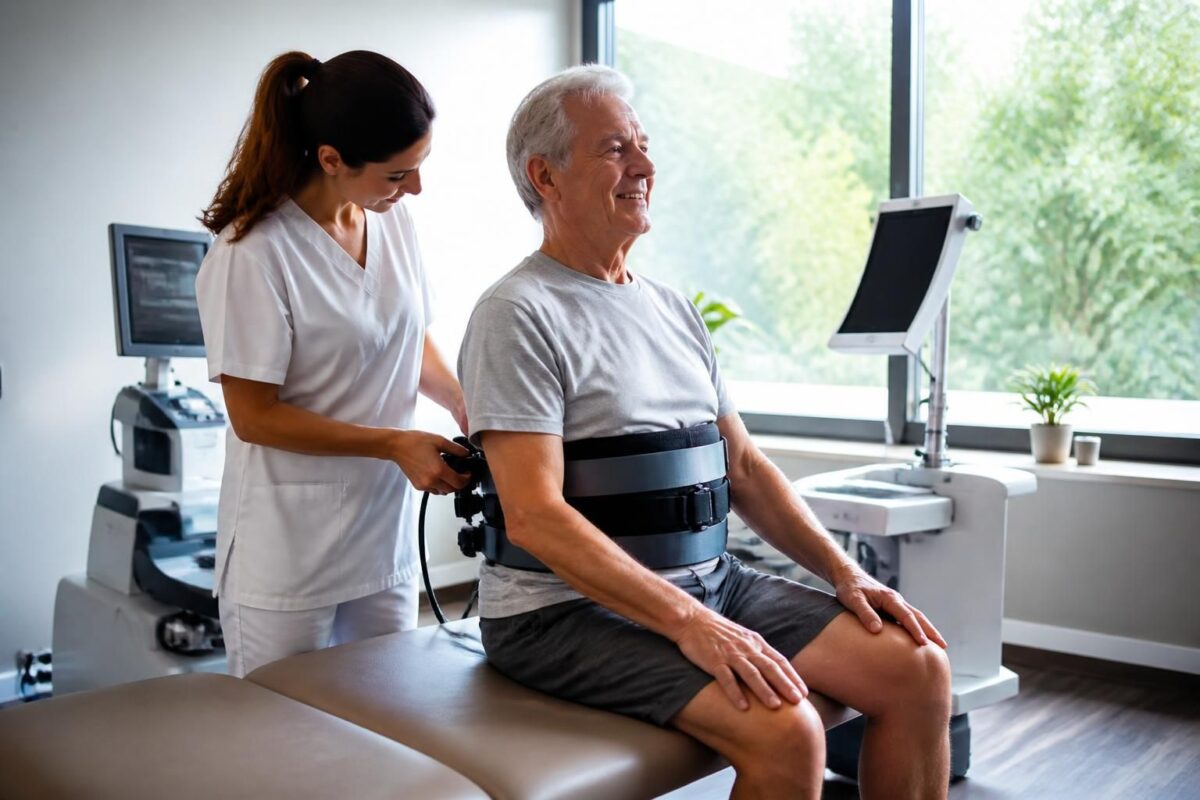
In short
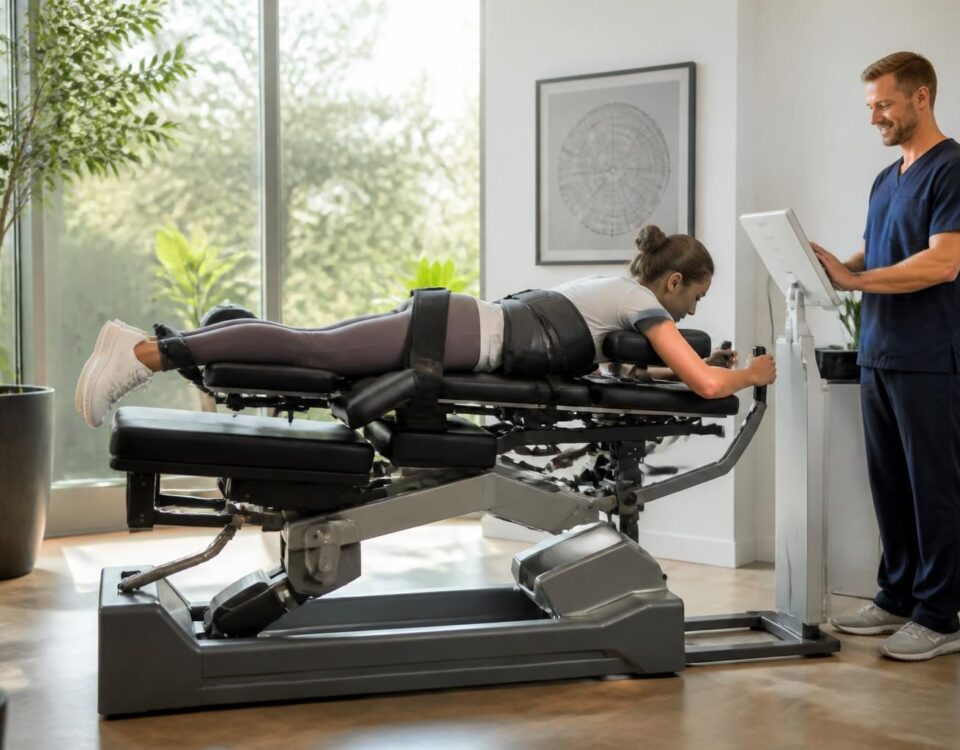
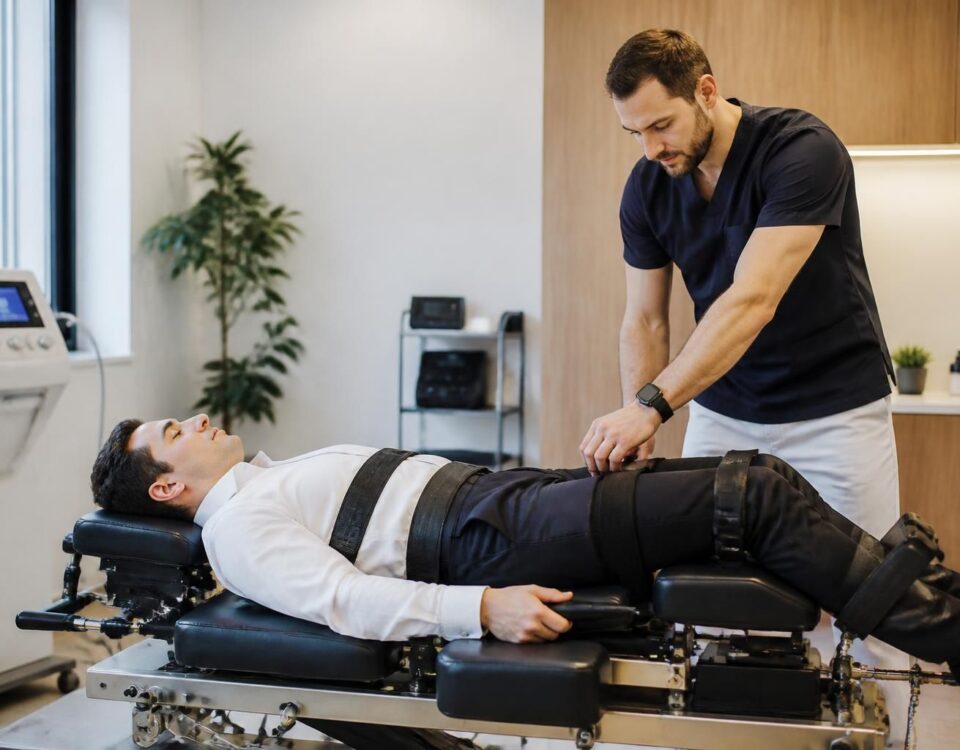
| In short, the neurovertebral decompression is one Non-invasive therapy aimed at reducing the pressure on Intervertebral discs and the nerves, in order to improve the mobility and relieve the Disc pain among seniors. Its main advantages include a pain reduction, a better flexibility and a faster return to daily activities, while integrating into a multidisciplinary care program. The mechanism is based on controlled segmental traction that improves blood circulation and promotes tissue recovery. At Montreal, this service is particularly recommended for seniors suffering from recurrent pain and seeking to avoid invasive treatments. |
The Proven results of the neurovertebral decompression among seniors show a Significant pain reduction and an Improving mobility when this technique is associated with a rehabilitation program. In randomized clinical trials, decompression resulted in Decreased Hernia Index and improvements in functional and electromyographic measurements compared to conventional traction.
Retrospective cohorts indicate a Disc pitch restoration correlated with decreased pain, and studies on the morphology of paraspinal muscles showed Measurable changes muscle properties after treatment, suggesting a positive effect on the Tissue mechanics and the muscle function. Overall, the evidence remains Moderates and mainly target the cases of Acute/subacute low back pain or herniated discs among seniors, but they support theefficiency of this non-invasive approach to improve the quality of life and the Daily function.
This text presents the proven results of neurovertebral decompression in seniors. It is based on available clinical data and the experience of specialized clinics. The results indicate a reduction in pain and improved mobility in elderly patients, when this therapy is integrated into a global care plan and supervised by qualified professionals. Online resources bring together cases and data on the effectiveness and mechanisms of action of this approach.
Current clinical evidence
The available data comes mainly from small studies and prospective series. In trials comparing decompression to conventional methods, the results show pain reduction and function improvement in seniors when decompression is associated with appropriate rehabilitation. These results support the use of decompression as a component of an overall care pathway.
To access summaries and results, see resources such as scientific studies, Disk regeneration and Benefits on mechanical pain.
Benefits observed among seniors
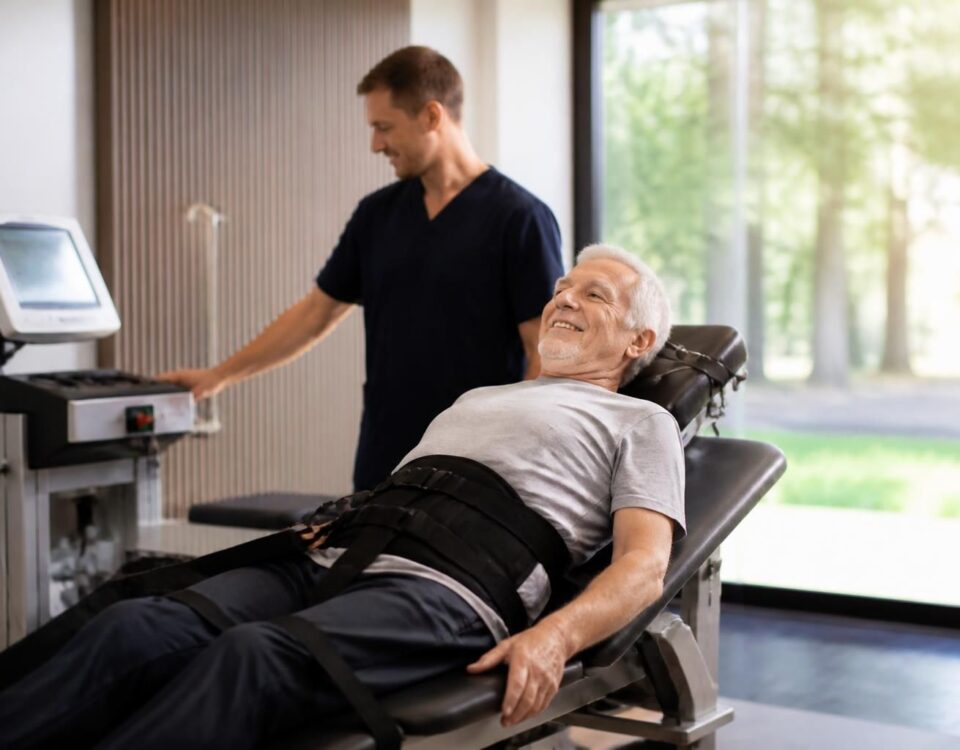
Seniors present a pain reduction and an Improving mobility. Decreased nerve pressure promotes better flexibility and greater autonomy in daily activities. These effects contribute to a quality of life improved and can reduce the limitations related to the chronic pain.
Data from clinical cases and series showed that regularity of sessions and follow-up by competent professionals are key factors in optimizing the results observed in elderly patients.
Security and tolerance
Neurovertebral decompression is an approach non-invasive and in general well tolerated among seniors. Adverse effects are rare and generally mild when the protocol is applied by osteopaths and professionals trained in specialized clinics.
Integration into a care pathway
Neurovertebral decompression is part of a multidisciplinary approach. It can be associated with osteopathic care and other non-surgical modalities to optimize the recovery and maintenance of functional gains. In the TagMed, Montreal and Terrebonne clinics, it can be offered as part of a global patient-centric program.
To learn more about integration and results, see Tagmed Clinic.
Evidence and limits
Existing research includes small, randomized trials and retrospective series. The results remain favorable decompression when associated with appropriate rehabilitation, but the evidence remains limited in volume and population studied. Further studies are needed to confirm efficacy and clarify optimal protocols in different profiles of senior patients.
Osteopathy professionals trained in institutes such as Numss, NAO, National University of Medical Sciences or National Academy of osteopathy provide a solid basis for the evaluation and implementation of neurovertebral decompression protocols, as part of a regulated care setting.
Additional resources and studies
For further exploration of clinical outcomes and cases, see:
– Long-term benefits of neurovertebral decompression on sossciatica.com
– Case studies and results combining decompression and osteopathy on sosherniediscale.com
– neurovertebral decompression and scientific studies on decompressioneurovertebrale.com
– Neurovertebral decompression and rehabilitation after a back injury on sossciatica.com
– How neurovertebral decompression promotes disc regeneration on sossciatica.com
– Decompression and mobility in senior patients on sosherniateddisc.com
– Posture and flexibility among seniors on Cliniquetagmed.com
– Benefits of neurovertebral decompression for mechanical pain on sossciatica.com
Additional resources describe the action and neurological mechanisms, including impact on foramen and paraspinal architecture, and present data on morphologies and mechanical properties after treatment.
Useful links to deepen the topic and clinical results:
– Long-term benefits of neurovertebral decompression
– Neurovertebral Decompression Techniques
– Rehabilitation after a back injury
– Disk regeneration
– Decompression and mobility among seniors
Medical Disclaimer: The information and advice provided on this site does not replace the health professional’s diagnosis or treatment. Please note that Dr. Sylvain Desforges osteopath is neither a doctor of medicine nor a doctor, and is not a specialist in a medical specialty as defined by the Collège des Médecins du Québec. Manual medicine, functional medicine and sports medicine as described on this site exclude any medical treatment or diagnosis made by a doctor or specialist doctor. Always consult your doctor for any medical questions. For more details, please read our full legal notice.
- pain reduction quickly measurable (pain and radiculopathy).
- Improving mobility and daily flexibility.
- Disc pitch restoration and decreased hernia-related symptoms.
- Functional improvement (NRS, ODI) as part of rehabilitation.
- Safety and non-invasiveness Without surgery, high tolerance in seniors.
- Multidisciplinary integration with osteopathy, physiotherapy and doctor.
- Tissue improvement thanks to better blood circulation and muscle healing.
- Moderate evidence and target population (radicular low back pain and disc pathologies in seniors).

This synthesis highlights the proven results of neurovertebral decompression in seniors. It summarizes the available clinical data, their implications for pain and mobility, and the conditions necessary for safe and effective use in a multidisciplinary care pathway. The objective is to allow an informed assessment of the potential benefits and limits of current protocols in elderly patients with disc pain.
Clinical evidence and results in seniors
The available data indicates that the neurovertebral decompression can bring measurable gains in terms of pain and of mobility among seniors when this approach is associated with an adapted rehabilitation program. Some studies show pain reduction and functional improvement immediately after the sessions, with lasting effects when the treatment is integrated into an overall strategy.
Among key studies, randomized research compared decompression to conventional traction techniques and observed a more marked decrease in hernia index and improvements in functional parameters. Another observation: retrospective analyzes suggest a partial restoration of disc pitch and a correlation between this morphological improvement and a decrease in pain. These results support the idea that, in seniors, decompression can affect both spinal dynamics and local inflammation.
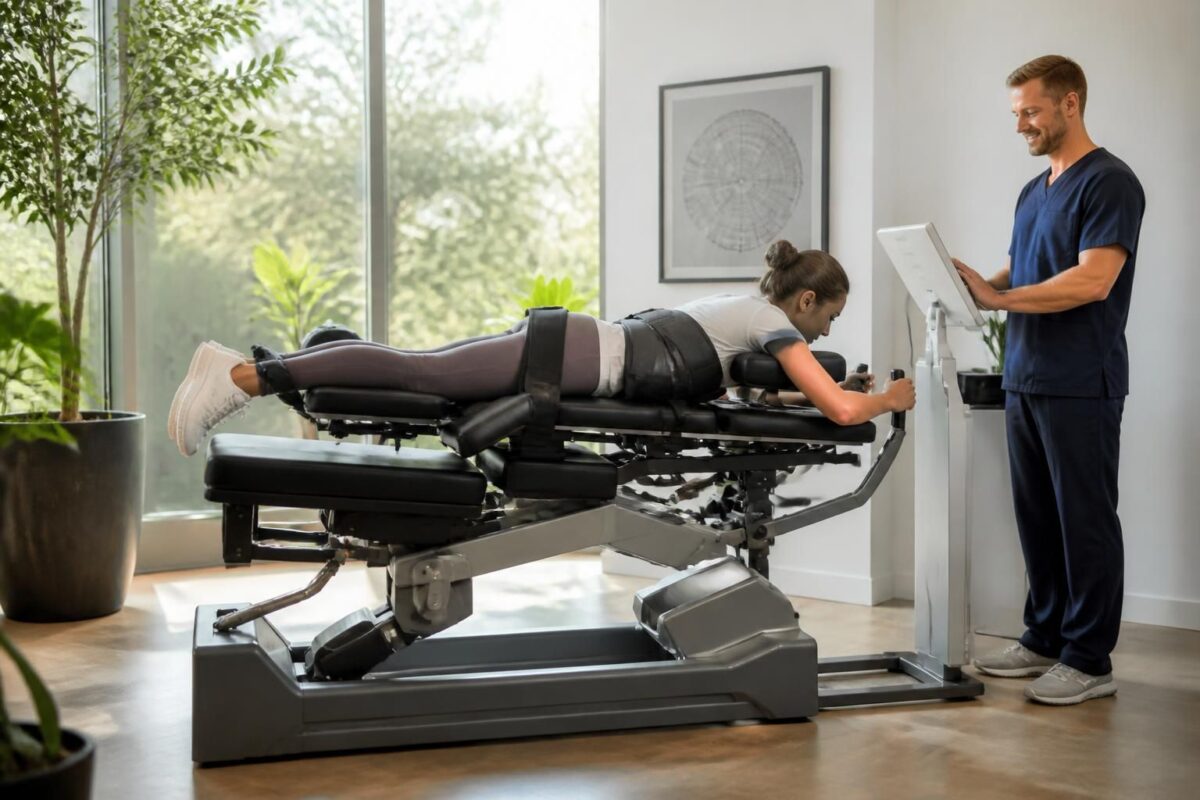
The long-term benefits of neurovertebral decompression for spinal health
In short In short, the neurovertebral decompression is a non-invasive approach that decreases the Pressure on intervertebral discs and nerves, favoring the Natural regeneration and tissue recovery. Its long-term benefits include Lasting pain reduction, Improving mobility and from the posture,…

Neurovertebral decompression and mobility: a return to an active life
In short In short, the neurovertebral decompression is therapy non-invasive who uses a gentle traction To create a space between the vertebrae and reduce the pressure on the Intervertebral discs and the nerves. It promotes a bloodstream improved, lowers tension…
Impact on pain and mobility
Pain reduction is a central benefit reported by elderly patients who benefit from decompression protocols, with a noticeable improvement in flexibility and range of motion. This improvement in mobility directly contributes to a better ability to carry out daily activities, to reduce the risk of falls and to promote the maintenance of autonomy in the elderly.
Clinical results also indicate a better function of the para-vertebral muscles after treatment, thanks to a modulation of tensions and a favored local blood circulation. This tissue dynamic can accelerate recovery after painful episodes and support long-term rehabilitation efforts.
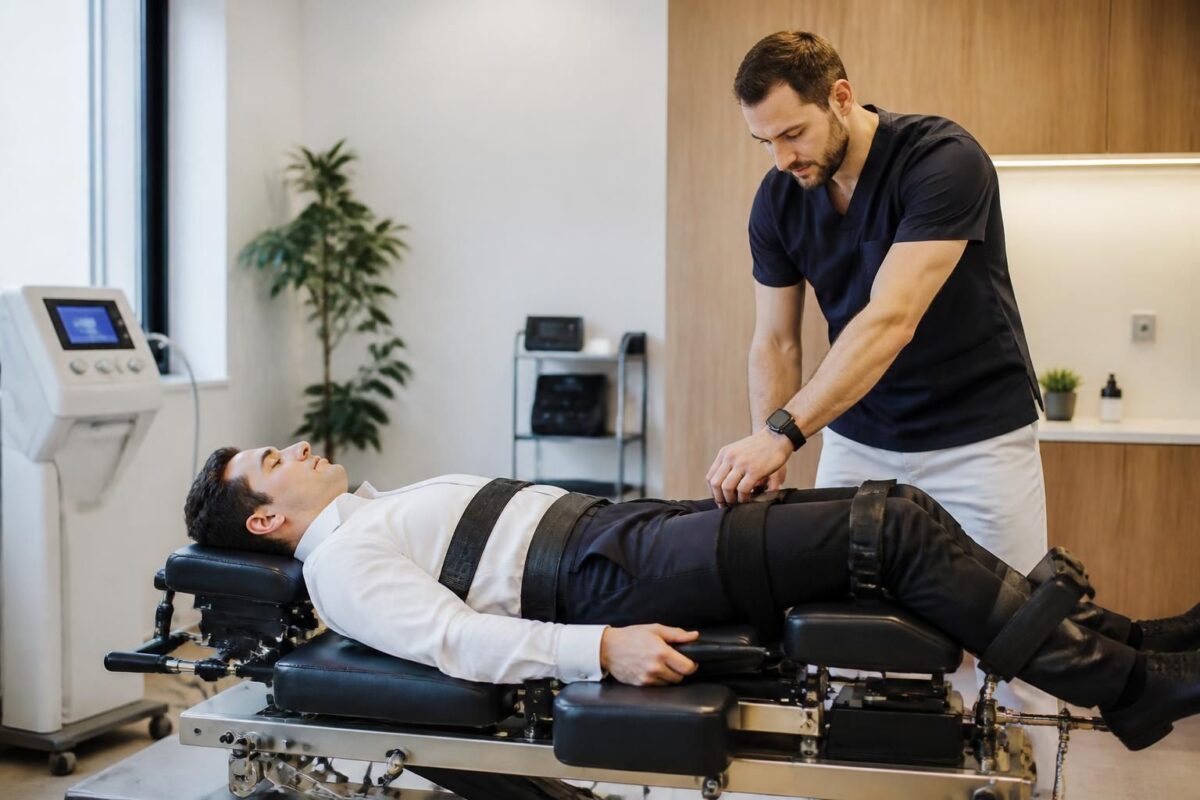
How Neurovertebral Decompression Prevents Diffuse Chronic Pain
In short decompression neurovertebral is one Non-invasive method aimed at reducing the Pressure on the intervertebral discs and the nerves, in order to prevent Diffuse chronic pain. It improves the circulation and thedisc hydration, decreases inflammation and promotes better mobility.…
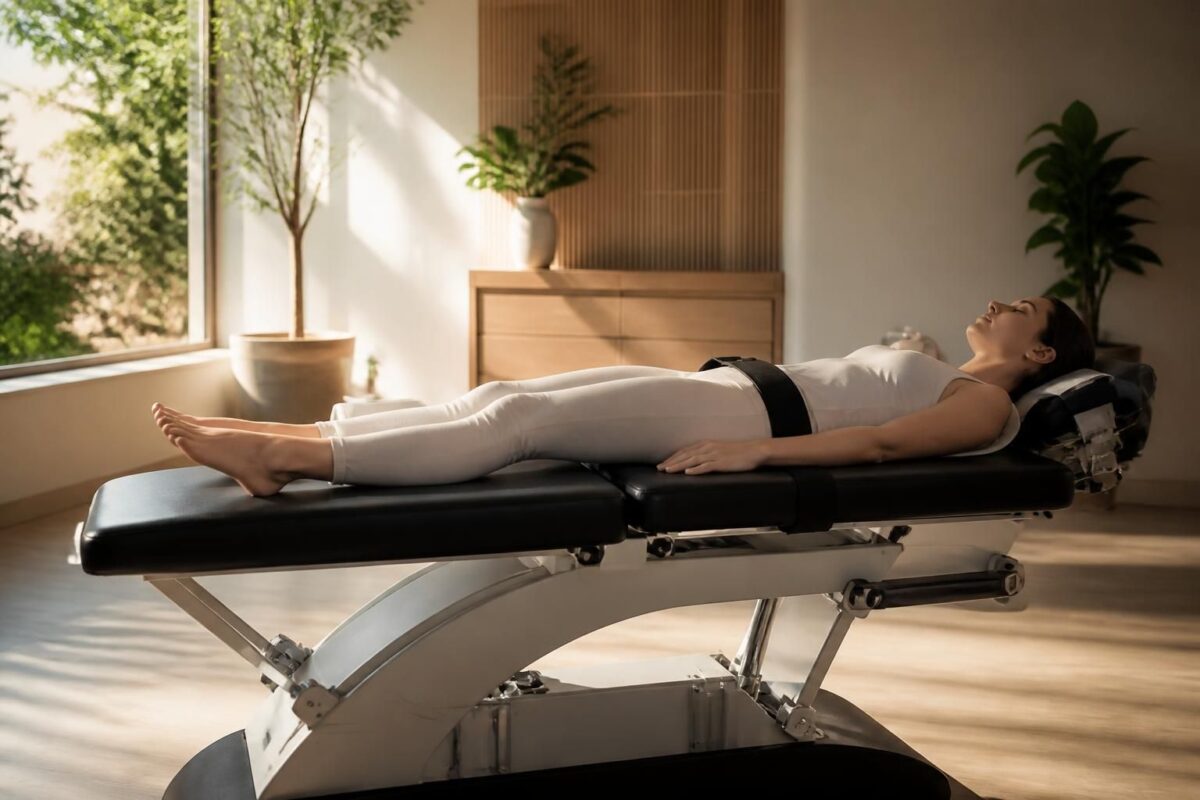
Neurovertebral Decompression and Body Alignment: Restoring Natural Balance
In short In short, neurovertebral decompression is one Non-invasive approach who restores theBody Alignment and thenatural balance back and neck. She acts by a Controlled traction of the spine to widen the intervertebral space and reduce the Pressure on discs…
Integration and security framework
For optimal results, neurovertebral decompression should be included in a Multidisciplinary care pathway, including rehabilitation exercises and manual adjustments to the patient. A preliminary assessment makes it possible to rule out the contraindications and to target the most problematic areas, in particular the intervertebral discs and nervous foramen.
Mechanistically, segmental traction can theoretically increase the diameter of intervertebral foramen, reducing root irritation and local edema. Specific and supervised protocols make it possible to optimize this benefit while remaining non-invasive and tolerable for elderly patients.
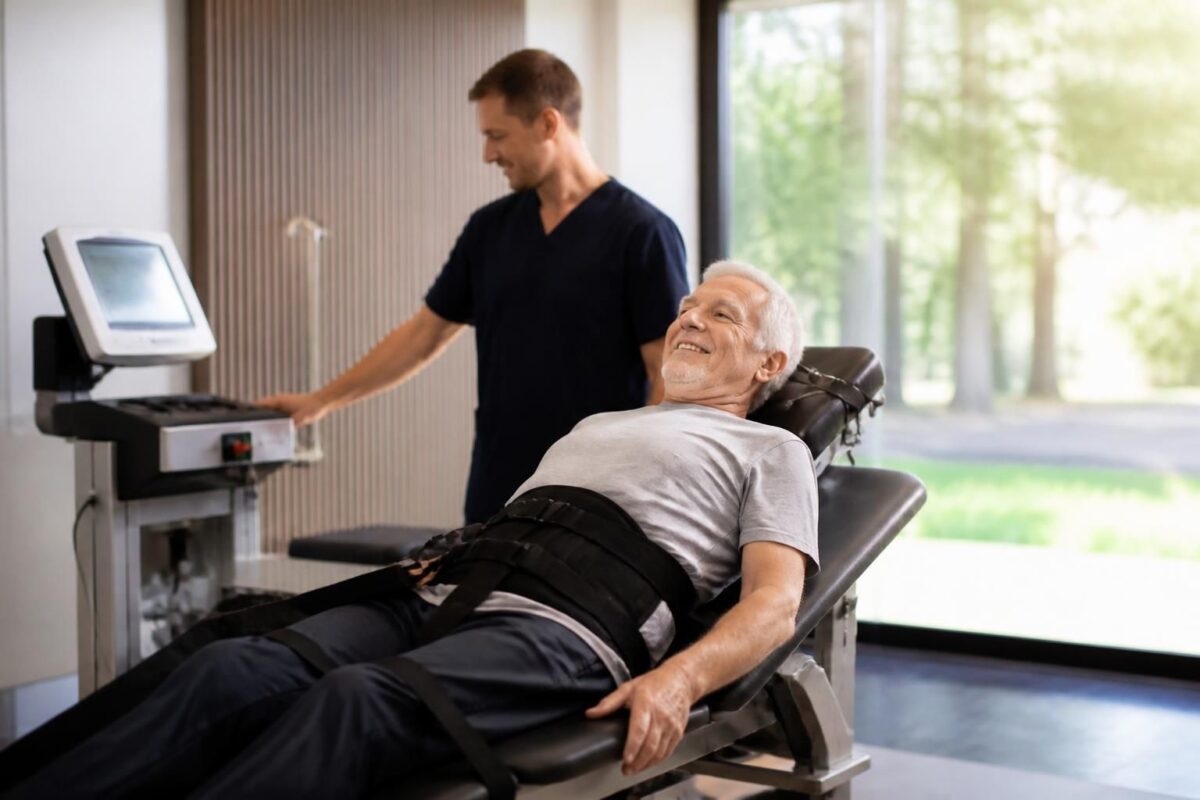
Why neurovertebral decompression is a lasting solution for active seniors
In short In short, the neurovertebral decompression is one Non-invasive therapy which sustainably relieves spinal pain in the spine active seniors By creating, by a Soft and controlled traction, a space between the vertebrae. At Montreal, it is recognized as…
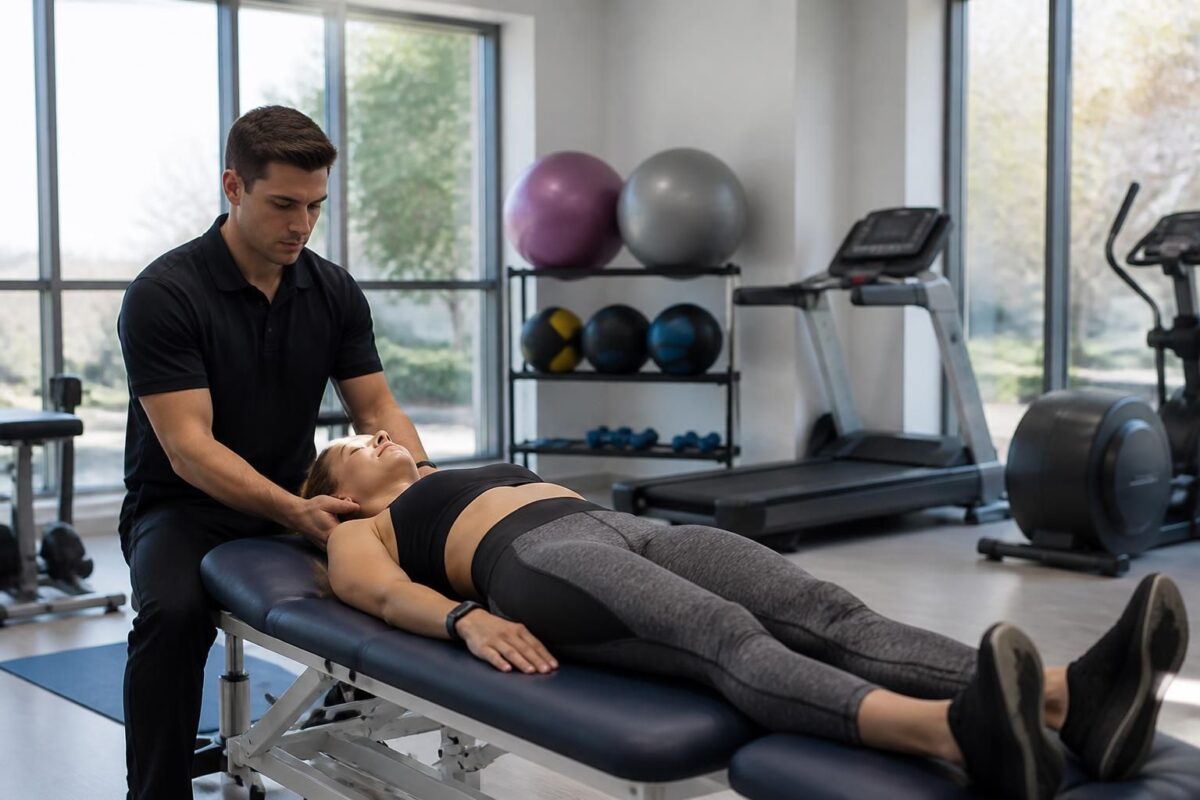
Neurovertebral decompression and recovery after severe sports injury
In short In short, the neurovertebral decompression is one Non-invasive method to Relieve the pressure on the Intervertebral discs and the gristle Via a Controlled traction, to facilitate the recovery After a severe sports injury. It improves the bloodstream towards…
Limitations and Prospects
Randomized trials remain small and the populations studied often focus on acute or subacute low back pain or disc herniations, which limits extrapolation to all seniors. The methodological quality varies and the results, although promising, require confirmations by larger and better controlled studies. Nevertheless, the existing data support the measured integration of decompression into personalized care plans for some patients.
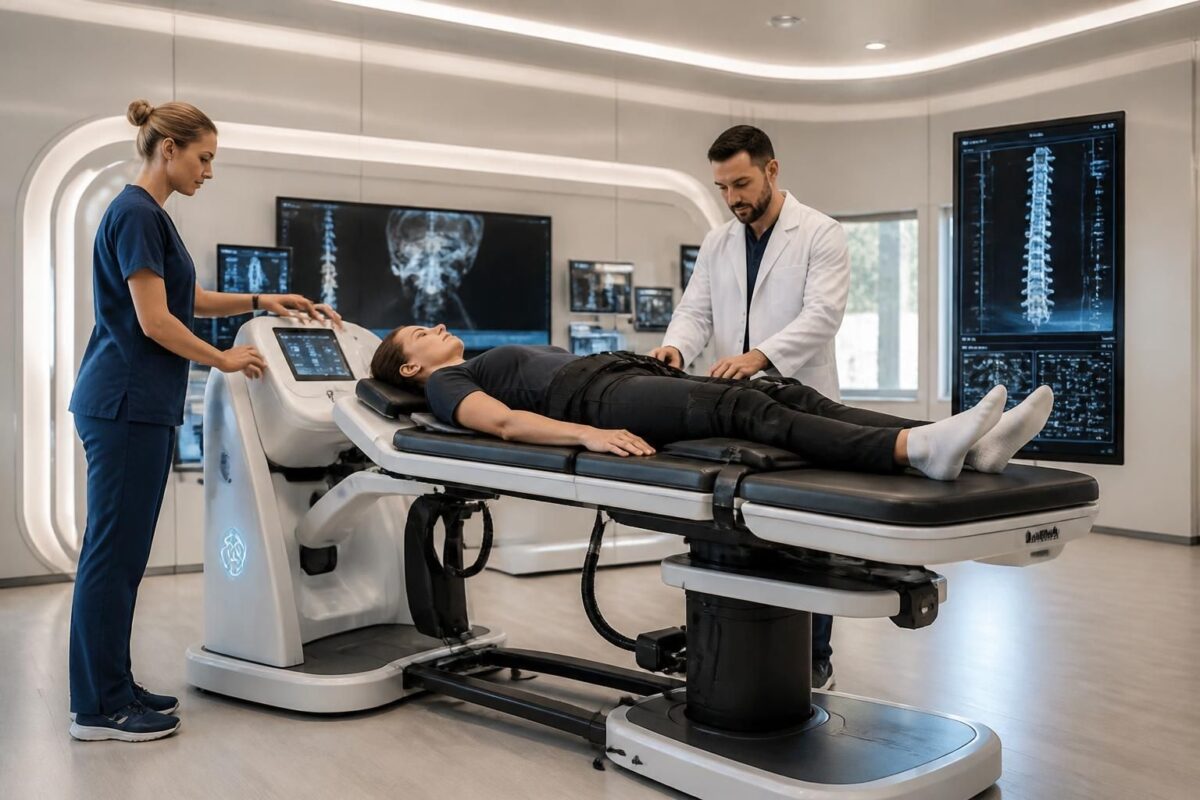
Recent innovations in neurovertebral decompression technologies
In short In short, the neurovertebral decompression is an approach non-invasive Aiming to reduce pressure on discs and nerves, and promote tissue regeneration. At Montreal, it is positioned as an effective option for lower back pain and herniated discs. The…
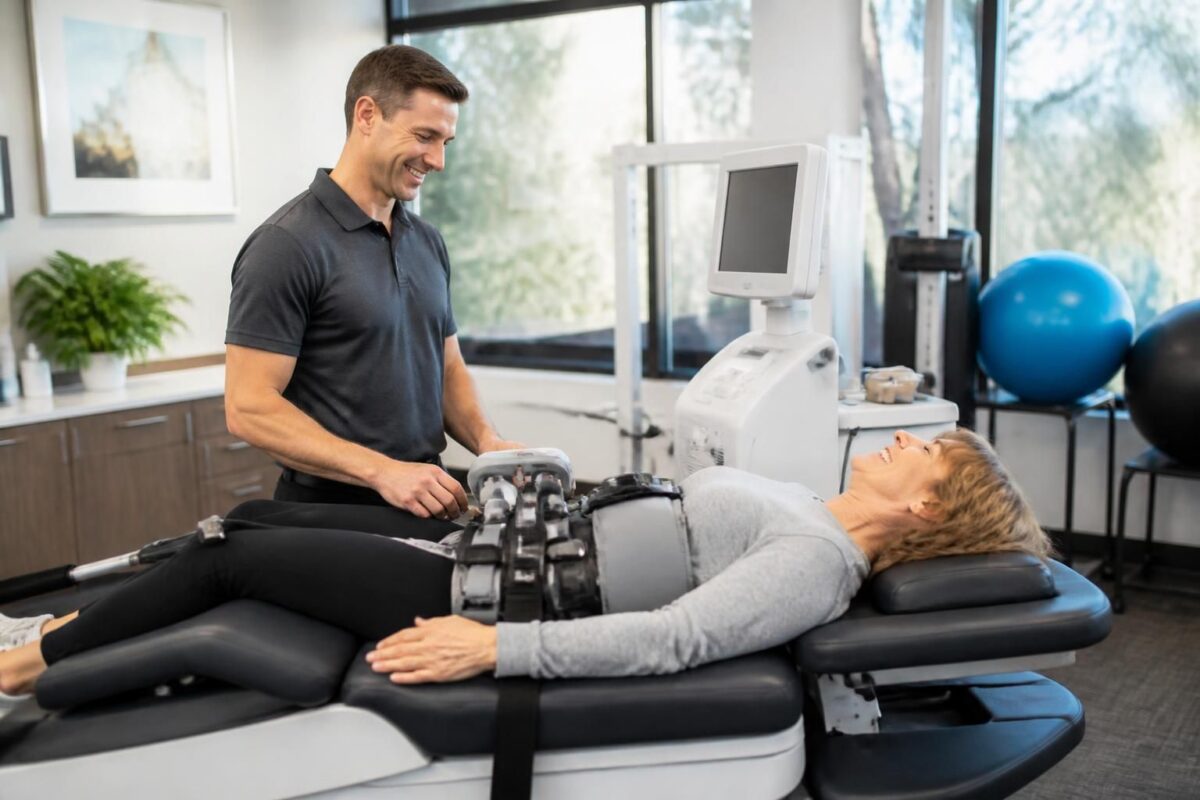
Neurovertebral decompression and diffuse pain: an appropriate solution
In short In short, the neurovertebral decompression is one Non-invasive solution For diffuse pain related to nerve irritation of the spine. She acts in Reducing pressure on intervertebral discs and nerves and improving the bloodstream, which promotes recovery and the…
Practical recommendations
Before considering a neurovertebral decompression, perform a Personalized evaluation is essential to determine the adequacy of the treatment. Adapting the protocol to the evolution of the patient and coordinating the sessions with the rehabilitation exercises and posture advice is recommended. Planning regular monitoring allows you to adjust the management and optimize the results by remaining attentive to the signs of contraindication or progression of pain.
| Indicator | Proven result |
|---|---|
| Pain and Mobility (radicular lumbar pain) | Reduction significant of the pain and improvement of mobility After decompression and rehabilitation. |
| Slipped disc and MRI | Hernia index reduction and functional improvement versus traction in a randomized study. |
| disc height | measurable increase in disc height correlated with pain reduction. |
| paraspinal muscles (morphology) | changes mechanics immediate muscle properties after treatment. |
| Functional mobility | Improvement of theamplitude movements and function. |
| Recovery and return to activities | Recovery accelerated and faster return to daily activities. |
| Non-invasive approach | techniques non-invasive, without surgery, better tolerance and safety. |
| Clinical evidence and frame | Results from RCT and various studies, showing benefits for low back pain and disc diseases. |
| Senior population and tolerance | Data compatible with favorable tolerance and safety in seniors. |
Testimonials on the proven results of neurovertebral decompression in seniors
“Before I started the neurovertebral decompression, my low back pain made my days endless. After a few weeks, I noticed a Significant decrease in pain and an Mobility found which allow me to walk much longer without shortness of breath or tugging. »
“At 72, I rediscover the pleasure of going out with my grandchildren. The Pressure on discs has been reduced, my posture improved and my quality of life increased significantly thanks to this non-invasive approach. »
“I suffered from chronic sciatic pain and I was skeptical at first. After the sessions, the pain decreases rapidly and my flexibility Find a good amplitude, which allows me to bend over and get up painlessly. »
“Clinical results support what I experience on a daily basis: a Better blood circulation and an muscle recovery accelerated. I feel my muscles work more harmoniously and my mobility improves from week to week. »
“What convinced me was the character non-invasive and the absence of side effects. I found a Progressive mobility And a lasting return to my usual activities, such as walks and daily tasks. »
“Clinical observations show that adding neurovertebral decompression to a rehabilitation program increases the chances of pain reduction and improvement in Mobility function. For me, this meant a Measurable improvement And a new confidence in my body. »
This expert in osteopathy, naturopathy and manual medicine stands out as a reference in the treatment of chronic back pain in seniors. Founding President of Clinics tagmed and association acma, it places thescientific evidence at the heart of his approach. His career is marked by a desire to innovate in the field of health, by integrating technologies such as the neurovertebral decompression, the laser and the Shockwave therapy. Its objective is to provide care that sustainably improves the health and well-being of elderly patients.
With regard to the proven results of the neurovertebral decompression Among seniors, clinical data are promising. In a small, randomized study, decompression demonstrated a greater reduction inHernia Index and an improvement in electromyographic parameters compared to conventional traction, indicating a greater effect on the Hernia Reduction and on lower back pain. Other trials have shown that, when this technique is associated with a stabilization and rehabilitation, patients show early gains in pain and in mobility.
Prospective and retrospective analyzes complete this framework by suggesting that the disc height can be restored and the properties of the paraspinal muscles change favorably after a decompression protocol. These results, although from often heterogeneous populations and of modest sizes, point to an improvement in the Locomotor trust and a decrease in symptoms during the rehabilitation phases. Recent observations indicate immediate effects on the morphology and mechanical properties of tissues, which reinforces the hypothesis of an impact on the local traffic and the muscle function.
On the mechanistic level, some studies evoke the potential increase in the diameter of the intervertebral forams and a reduction in root irritation thanks to controlled segmental traction. Although the evidence remains mainly from small series and specific studies, they support the idea that seniors can experience a Improving mobility and an pain reduction without surgery, thus helping to preserve independence and quality of life.
In its practice, the approach is integrated into a framework holistic and multidisciplinary. After a careful evaluation, decompression can be offered as part of a course combining osteopathic touches, rehabilitation exercises and lifestyle advice. Regular follow-up makes it possible to adjust the protocols and ensure constant progression, while remaining attentive to the indications and contraindications specific to each patient.
For professionals and patients, the challenge is to rely on a robust scientific basis and adaptive protocols, in order to preserve the independence of seniors, reduce chronic pain and support an active life. This approach, driven by the TagMed and ACMA clinics, illustrates the continued commitment to manual and technological medicine that places the long-term well-being of the elderly at the forefront.
This article presents a clear summary of Proven results of the neurovertebral decompression at the senior, highlighting the gains observed in pain, mobility and quality of life, when this therapy is integrated into a rehabilitation program and a multidisciplinary approach.
The Clinical evidence indicate a pain reduction and an Improving mobility among seniors treated by neurovertebral decompression, in particular when this non-invasive intervention is part of a global approach to care. In a randomized study of 31 participants, the decompression showed a More marked decrease in hernia index and gains on functional measurements compared to conventional traction, suggesting a greater effect on the restoration of morphology and function. For further results and interpretations, consult the dedicated resources.
Feedback and clinical series converge on benefits such asImproved flexibility, theIncreased disc pitch and the pain reduction, contributing to a faster resumption of daily activities in the elderly. This dynamic promotes a better ability to walk, bend over and perform simple gestures without excessive pain, and may decrease the risk of falls due to mobility limitations.
On the methodological level, the evidence remains mainly from small sample sizes and heterogeneous studies (randomized trials, cohorts and retrospective series). The most robust results relate to radicular lower back pain and function improvement when the decompression protocol is associated with rehabilitation and strengthening programs. Senior populations and spinal stenosis cases benefit from increasing indications, but the data remain specific and underscore the need to contextualize each patient.
To explore evidence and nuances, you can look at resources such as
Decompression#ATFP_CLOSE_TRANSLATE_SPAN# Neurovertebral – Back to Clinical Studies,
les#atfp_close_translate_span# Benefits on spinal stenosis,
LES#ATFP_CLOSE_TRANSLATE_SPAN# Clinical studies proving efficacy in cases of spinal stenosis,
Techniques#ATFP_CLOSE_TRANSLATE_SPAN# Advanced for acute pain,
Why#ATFP_CLOSE_TRANSLATE_SPAN# Essential for active patients,
LES#ATFP_CLOSE_TRANSLATE_SPAN# Proven results in clinical studies,
A#ATFP_CLOSE_TRANSLATE_SPAN# Natural solution for persistent pain,
at#atfp_close_translate_span# Seniors,
Study#ATFP_CLOSE_TRANSLATE_SPAN# Comparative therapeutic approaches,
Comment#atfp_close_translate_span# It helps to regain normal mobility.

Dr Sylvain Desforges, B.Sc., D.O., N.D., osteopath, is the founding president of TAGMED and of the ACMA association. He dedicates his practice to chronic spinal pain, low back pain and symptoms compatible with sciatica, particularly when pain radiates toward the buttock, leg, calf, foot or toes.
Through SOS Sciatique, he publishes educational content on sciatica symptoms, possible causes such as disc herniation, disc narrowing, foraminal stenosis or irritation of a lumbar nerve root, as well as non-surgical approaches that may be considered according to the evaluation. At Clinique TAGMED, care may include, depending on the case, motorized neurovertebral decompression, specific osteopathic care or precision percussion.
For an evaluation related to sciatica treatment in Montreal / Mount Royal or sciatica treatment in Terrebonne, please consult the services available at Clinique TAGMED.
Medical disclaimer
The information published on SOS Sciatique is provided for educational purposes only and does not replace a consultation, diagnosis, opinion or treatment provided by a physician or another authorized healthcare professional. The author of this article is neither a medical doctor nor a specialist in a medical specialty recognized by the Collège des médecins du Québec. The osteopathic, manual medicine or functional support approaches described on this site do not constitute medical acts and are not intended to replace medical follow-up.
Consult a physician or emergency service in cases of loss of bladder or bowel control, anesthesia in the saddle area, significant or progressive weakness in the leg or foot, fever, recent trauma, severe pain or rapid worsening of symptoms. For more details, please read our Legal Notice.