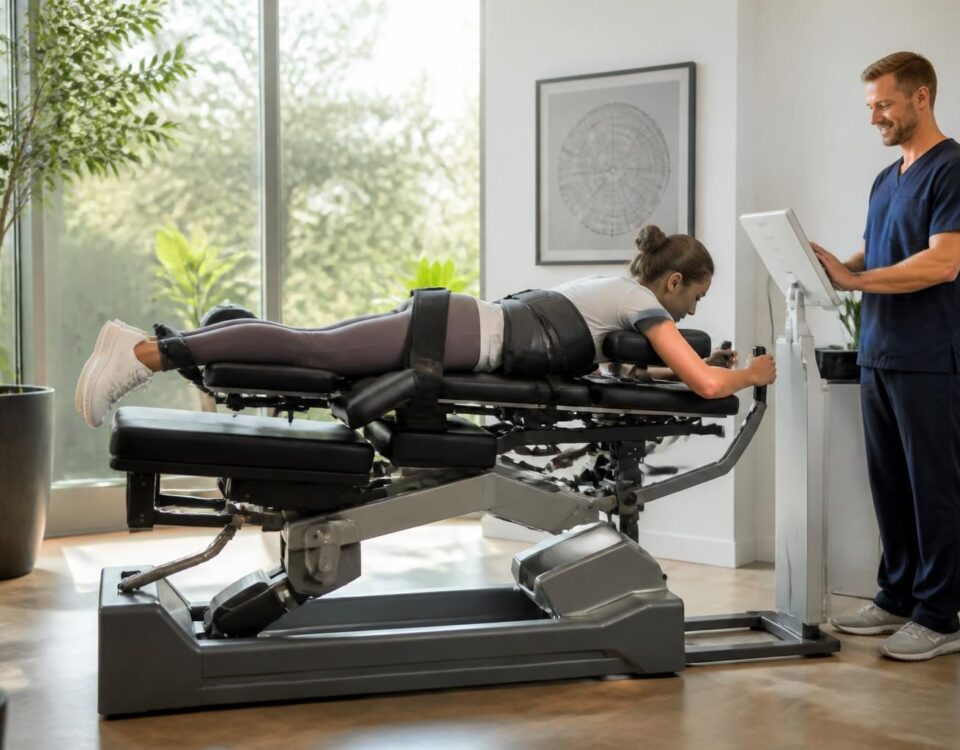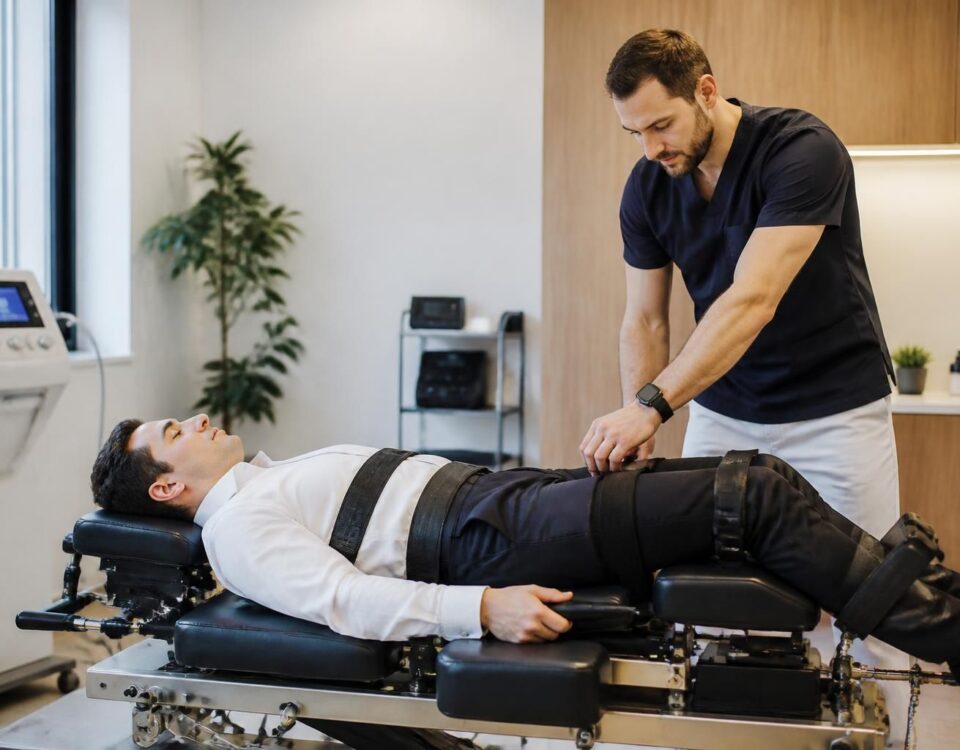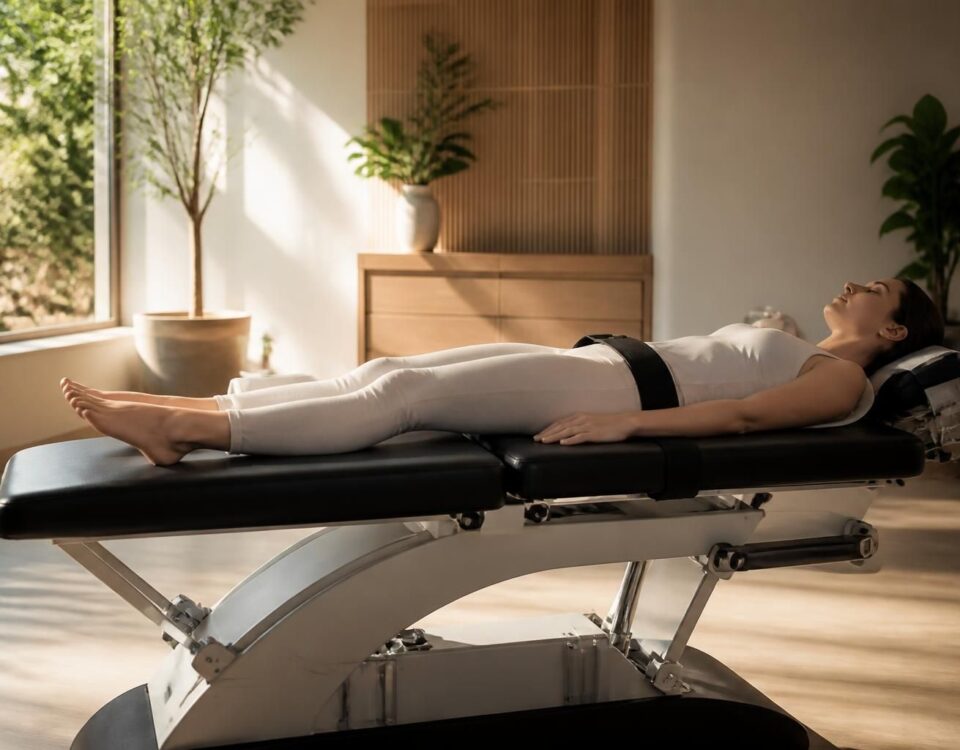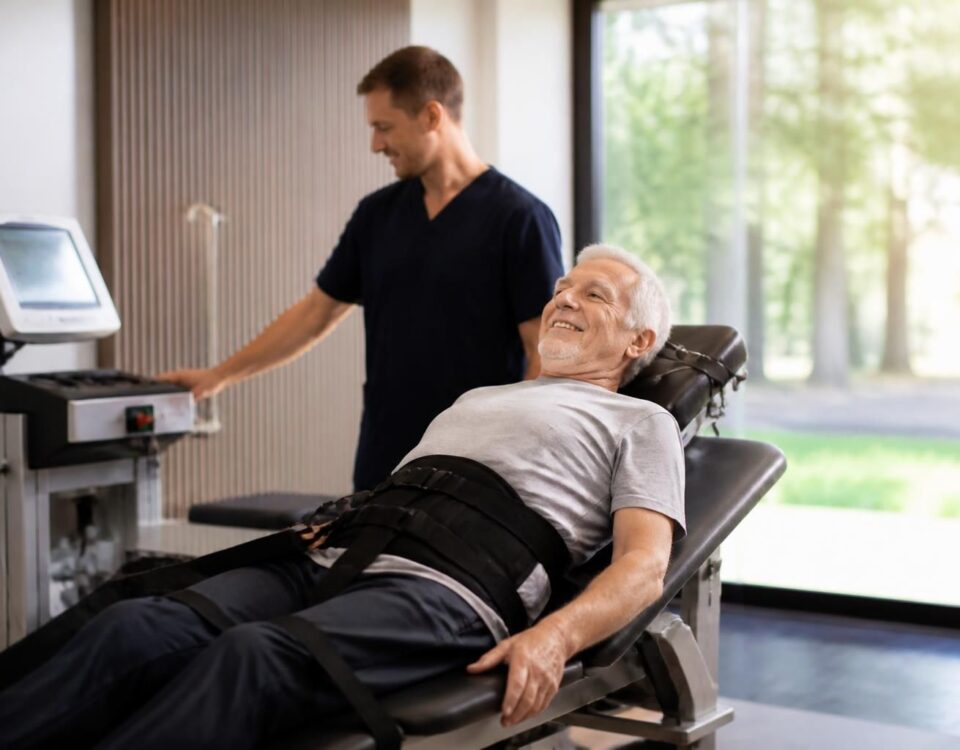
Why neurovertebral decompression is essential to avoid spinal surgeries
26/06/2026
Neurovertebral decompression and joint mobility: a complete approach
26/06/2026
In short
| In short, Successful clinical cases through neurovertebral decompression illustrate a Non-invasive solution for the Back and cervical pain related to pathologies such as herniated discs, the sciatica and theFacet osteoarthritis. What is it? a therapy which Reduces pressure on the Intervertebral discs and the gristle to improve mobility and reduce pain. What advantages? pain reduction, Improving mobility, Sustainable results and an Alternative to surgery to avoid invasive interventions. How does it work? by reducing pressure and stimulating blood circulation, with protocols custom adapted to each patient, promoting the recovery and prevention of recurrences. At Montreal, this service is particularly recommended for Chronic lower back pain and people wishing to avoid surgery. |
The Clinical cases demonstrate that the neurovertebral decompression can offer a Sustainable relief and non-invasive vertebral pain, with significant improvements in the mobility and from the quality of life.
- In a study involving 778 patientsabout 71% reported a Significant improvement of their state of health.
- In patients withFacet osteoarthritis, up to 75% obtained results deemed “good” to “excellent”.
- For lower back pain, Average improvement symptoms affected Almost 90%.
- The success rate in patients with lower back pain may reach approximately 86%.
- of Clinical cases illustrate theAvoidance of surgery Thanks to this approach non-invasive.
- of Custom protocols Optimize the efficiency and sustainability of results.
This article, written by a health professional and expert in osteopathy and manual medicine, presents clinical cases where neurovertebral decompression has led to significant improvements. It relies on clinical data and patient feedback to demonstrate the potential efficacy of this non-invasive approach in the management of spinal pain and related disorders. The objective is to inform professionals and patients on the results observed while remaining faithful to ethics and current clinical recommendations.
Overall results and rate of improvement
In a clinical series involving several hundred patients, a notable proportion reported a Significant improvement their state of health after treatment with neurovertebral decompression. The data demonstrates that this approach can reduce pain and improve mobility, with positive feedback that persists over time. The results are part of a non-invasive framework and complementary to other therapies as soon as the medical evaluation allows it.
Effectiveness according to common conditions
Neurovertebral decompression is particularly beneficial for pain related to sciatica and lower back pain. High improvement rates were reported, with patients describing a marked decrease in symptoms and a better quality of life after the sessions. In people with facet osteoarthritis, an important part indicated results ranging from “good” to “excellent”. These data reinforce the positioning of decompression as a non-surgical option in the management of chronic spinal pain.
Sustainable benefits and prevention of recurrences
Several studies show that the effects of neurovertebral decompression are not limited to short-term relief. The results suggest a sustained decrease in symptoms and a reduction in recurrence factors, thus contributing to better functional stability and a potential reduction in the use of other medical interventions. This durability is particularly relevant for patients wishing to avoid surgery and resume normal daily activity.
Personalized protocols and clinical adaptation
Decompression protocols are adjusted to each patient, taking into account clinical history, imaging and functional evaluation. This personalized approach maximizes the chances of lasting results and improves treatment tolerance. It is part of a global approach to pain and mobility management, consistent with other practices such as manual medicine and naturopathy when relevant and accepted by the patient.
Clinical cases and testimonials
Documented clinical cases illustrate rapid and notable improvements in pain and mobility. These feedbacks highlight the ability of neurovertebral decompression to alter the course of pain that is difficult to treat by conventional approaches. To access concrete examples and related analytics, see dedicated resources and case series published by specialized clinics.
Innovations and associated technologies
The technological advances used in decompression devices have helped to optimize protocols and results. Modern tools allow you to refine traction and integrate custom settings. To discover these innovations and their role in improving results, refer to the specialized resources and technical guides available on the reference portals.
To learn more about scientific bases and clinical results, you can check out the following resources and dedicated pages:
- Neurovertebral decompression – Wikipedia
- Advanced technologies in neurovertebral decompression equipment
- The benefits of neurovertebral decompression to relieve muscle tension
- Modern techniques of neurovertebral decompression explained
- Clinical results showing efficacy
- Case studies showing effectiveness
- Quick results obtained with neurovertebral decompression
- How neurovertebral decompression prevents disc degeneration
Associated Resources and Relevant Training Institutions include osteopathic training institutions such as Numss and NAO. Professionals can also refer to recognized professional associations, such as ACMA, the College of Canadian Osteopaths and the College of Canadian Osteopaths, for guidelines and compliant professional practices.
Medical Disclaimer: The information and advice provided on this site does not replace the health professional’s diagnosis or treatment. Please note that Dr. Sylvain Desforges osteopath is neither a doctor of medicine nor a doctor, and is not a specialist in a medical specialty as defined by the Collège des Médecins du Québec. Manual medicine, functional medicine and sports medicine as described on this site exclude any medical treatment or diagnosis made by a doctor or specialist doctor. Always consult your doctor for any medical questions. For more details, please read our full legal notice.
- Sciatica and low back pain — pain improvement and mobility
- Facet osteoarthritis — 75% of results good to excellent
- Slipped disc — Non-invasive relief and symptom reduction
- athletes — quick recovery and return to performance
- Surgery avoided — Fewer interventions surgical
- cervical — pain decrease and Mobility improvement
- Drug reduction — Drug addiction lesser
- Radiant pain — Reduced nerve pressure
- Daily activity — Functional improvement
- Satisfaction — majority of patients satisfied
- study 778 patients — 71% Significant improvement
- Lower back pain — ≈90% medium improvement
- Facet osteoarthritis — Up to 75% good to excellent
- Recurrence prevention — Sustainable results and maintain
- Success rate — 86% In lumbar patients
- Custom protocols — Treatment adapted to the patient
- Speed of effects — pain reduction After each session
- Mobility — Back to working life
- Non-invasive approach — Reduction of surgeries
- testimonials — Case documented and useful for tracking

This article highlights the Successful clinical cases Thanks to the neurovertebral decompression, demonstrating how this non-invasive approach can sustainably relieve spinal pain and improve mobility. Figures from studies and feedback show significant improvement rates in patients with sciatica, low back pain and facet osteoarthritis, with particularly convincing results when the protocols are personalized and followed in the long term.
Significant clinical cases and observed results
Sciatica and low back pain
In series of patients treated with neurovertebral decompression, 71% declared a Significant improvement their health status after treatment, with particularly marked results in people with sciatica and low back pain. The improvements are not limited to a local pain reduction: they result in better ability to move, walk and resume daily activities that were once inhibited by pain.
Facet osteoarthritis
In patients withFacet osteoarthritis, the results are also encouraging: up to 75% Individuals reported improvements ranked from “good” to “excellent”. This illustrates the positive impact of decompression on joint degeneration and quality of life, especially when the protocols take into account the degree of wear and available mobility.
herniated discs and cervical pain
For pain resulting from herniated discs and cervical pathologies, clinical data show a High success rate When decompression is associated with appropriate support. In some populations, results of the order of 86% of success have been observed for the reduction of symptoms and the improvement of functionality, which makes it an interesting non-invasive option before any surgery.
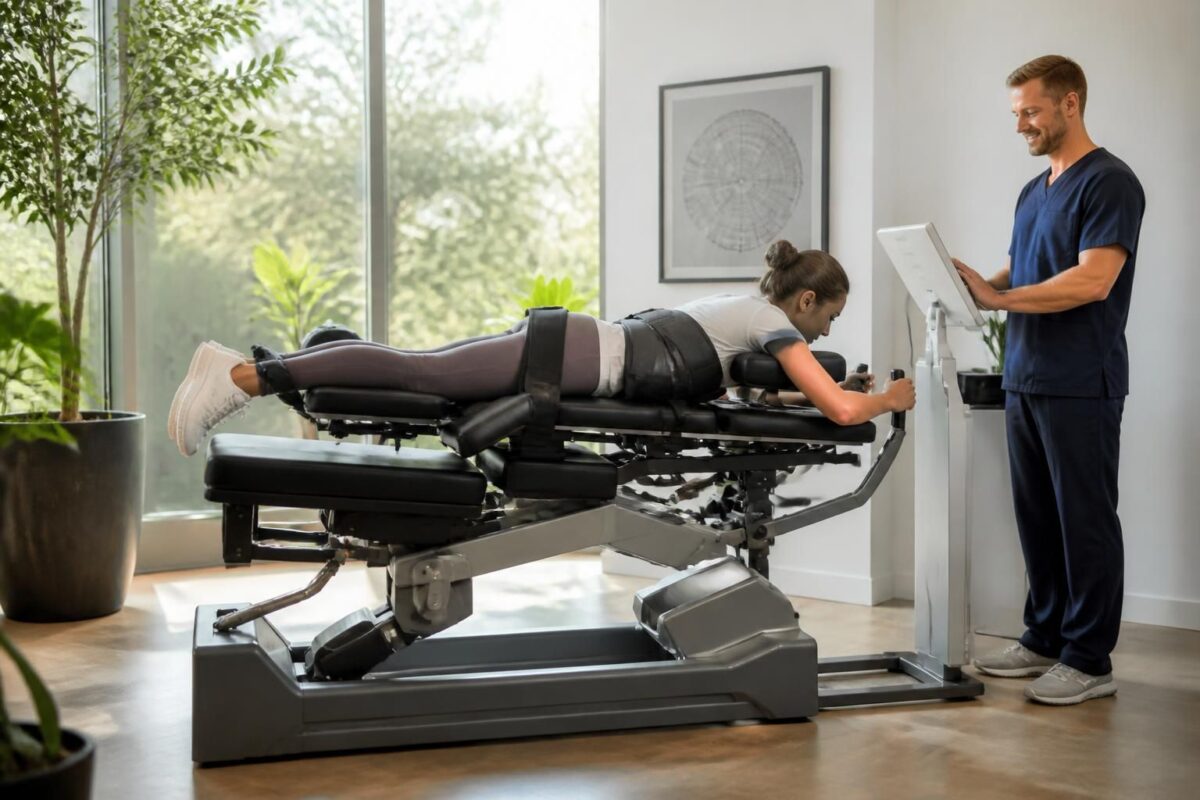
The long-term benefits of neurovertebral decompression for spinal health
In short In short, the neurovertebral decompression is a non-invasive approach that decreases the Pressure on intervertebral discs and nerves, favoring the Natural regeneration and tissue recovery. Its long-term benefits include Lasting pain reduction, Improving mobility and from the posture,…

Neurovertebral decompression and mobility: a return to an active life
In short In short, the neurovertebral decompression is therapy non-invasive who uses a gentle traction To create a space between the vertebrae and reduce the pressure on the Intervertebral discs and the nerves. It promotes a bloodstream improved, lowers tension…
Clinical approach and personalized protocols
Each patient benefits from a Custom Protocol which takes into account its painful location, the type of pathology and functional objectives. This approach is based on a measured reduction in the pressure exerted on the intervertebral discs and nerves, an improvement in blood circulation and a decrease in localized inflammation. Monitoring is ensured by standardized evaluations and regular adjustment of sessions to optimize results and sustainability of benefits.
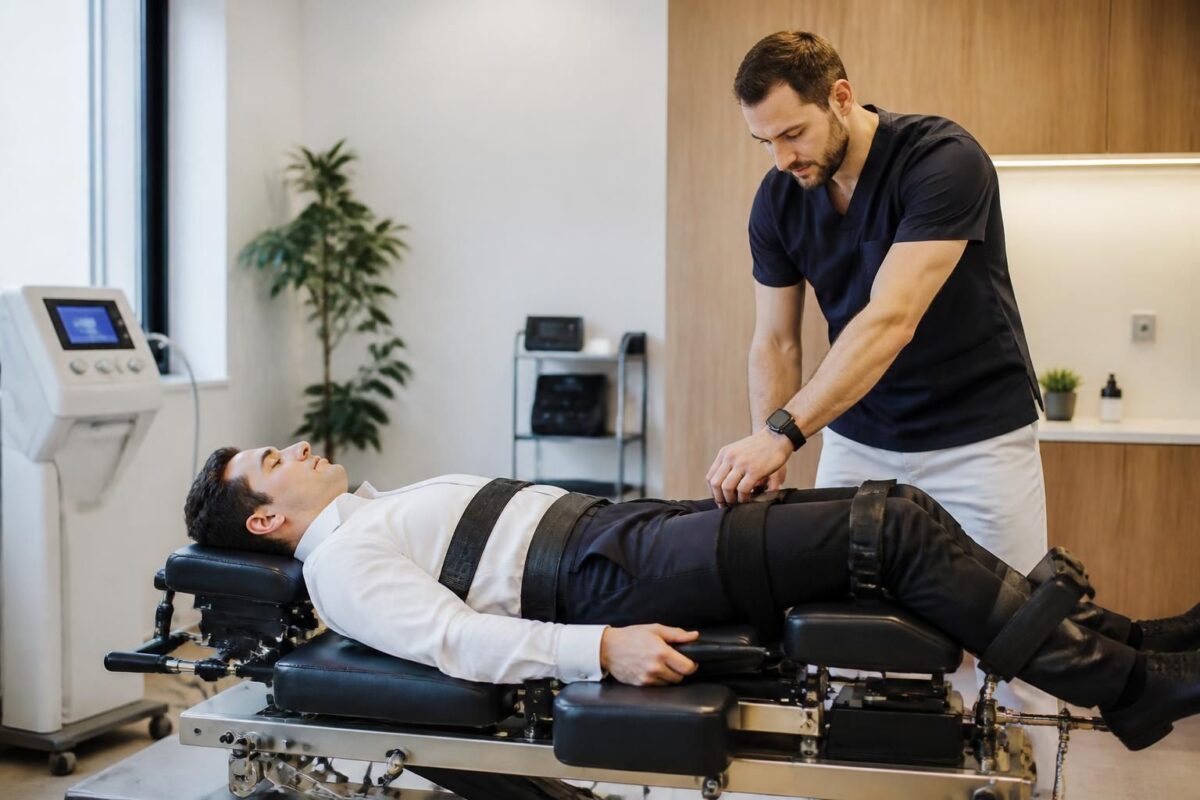
How Neurovertebral Decompression Prevents Diffuse Chronic Pain
In short decompression neurovertebral is one Non-invasive method aimed at reducing the Pressure on the intervertebral discs and the nerves, in order to prevent Diffuse chronic pain. It improves the circulation and thedisc hydration, decreases inflammation and promotes better mobility.…
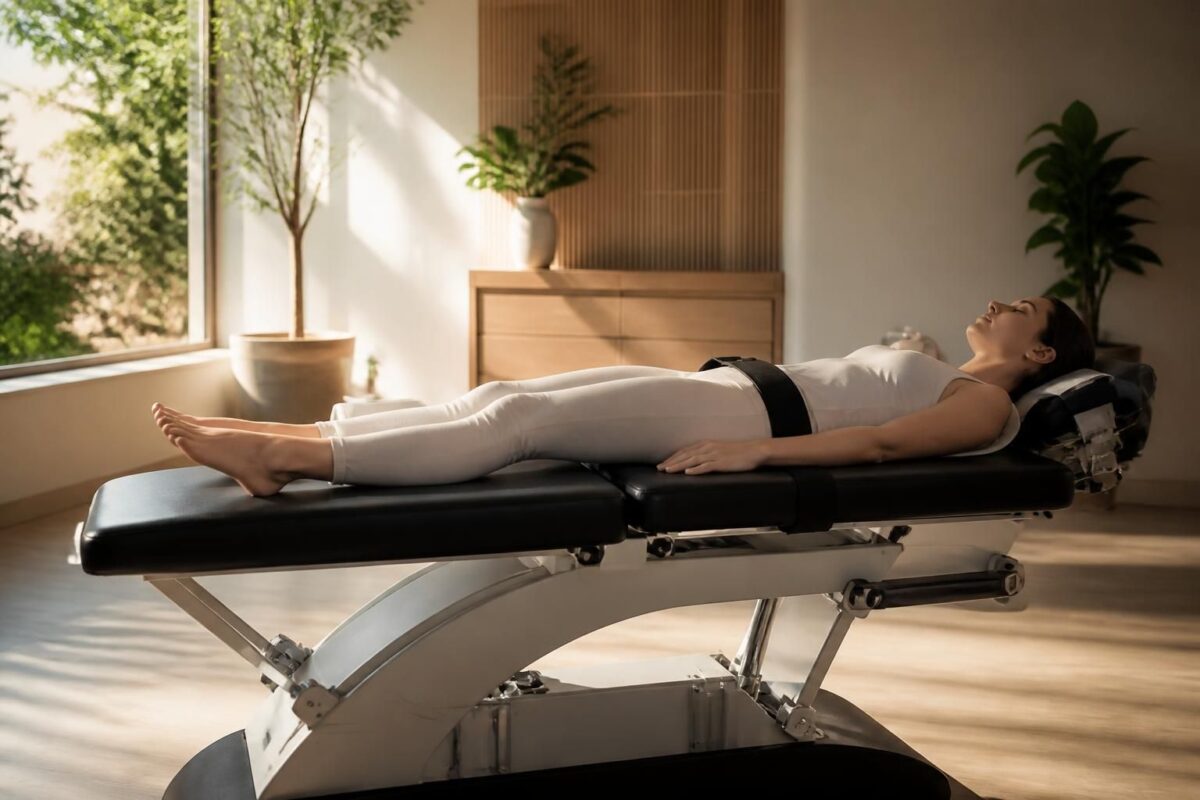
Neurovertebral Decompression and Body Alignment: Restoring Natural Balance
In short In short, neurovertebral decompression is one Non-invasive approach who restores theBody Alignment and thenatural balance back and neck. She acts by a Controlled traction of the spine to widen the intervertebral space and reduce the Pressure on discs…
Impact on mobility and quality of life
Beyond immediate relief, neurovertebral decompression promotes Increased mobility and an Better ability to conduct daily activities, which contributes to a Overall quality of life improvement. Patients frequently describe a decrease in radiant pain and better spine stability, which allows for progressively resumed physical and occupational activities.
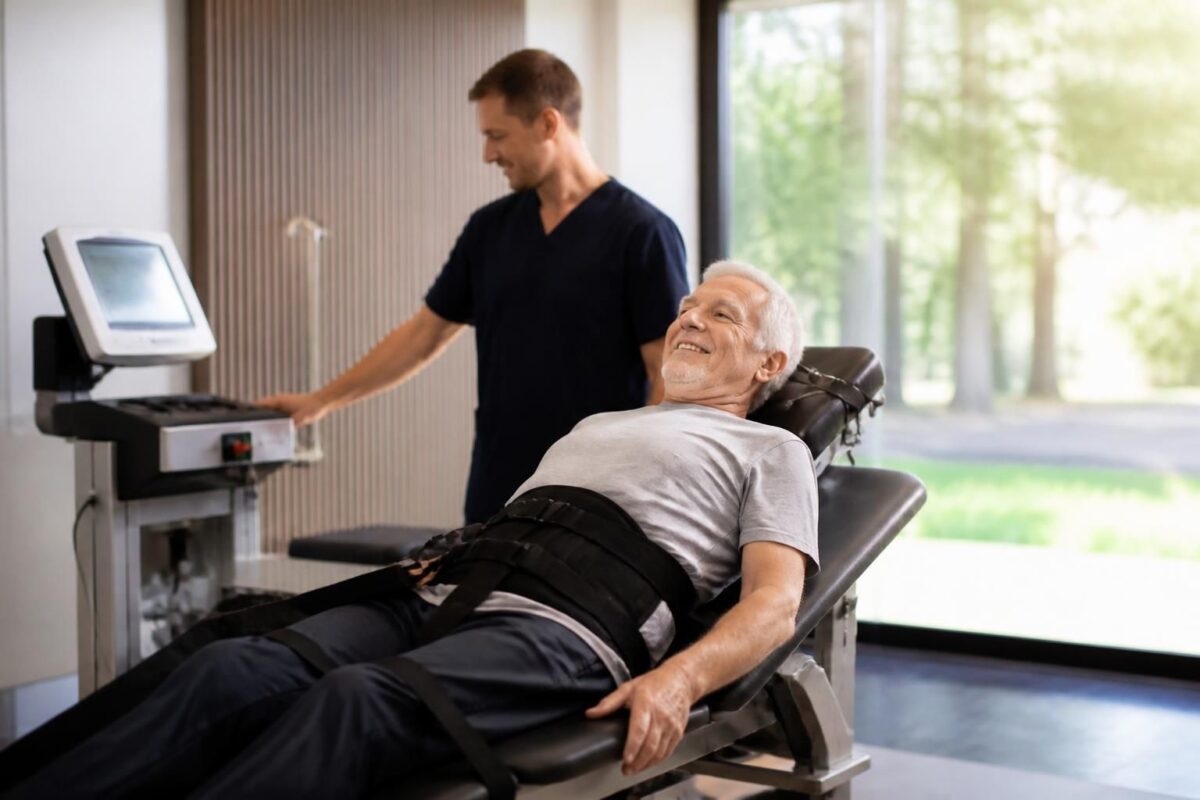
Why neurovertebral decompression is a lasting solution for active seniors
In short In short, the neurovertebral decompression is one Non-invasive therapy which sustainably relieves spinal pain in the spine active seniors By creating, by a Soft and controlled traction, a space between the vertebrae. At Montreal, it is recognized as…
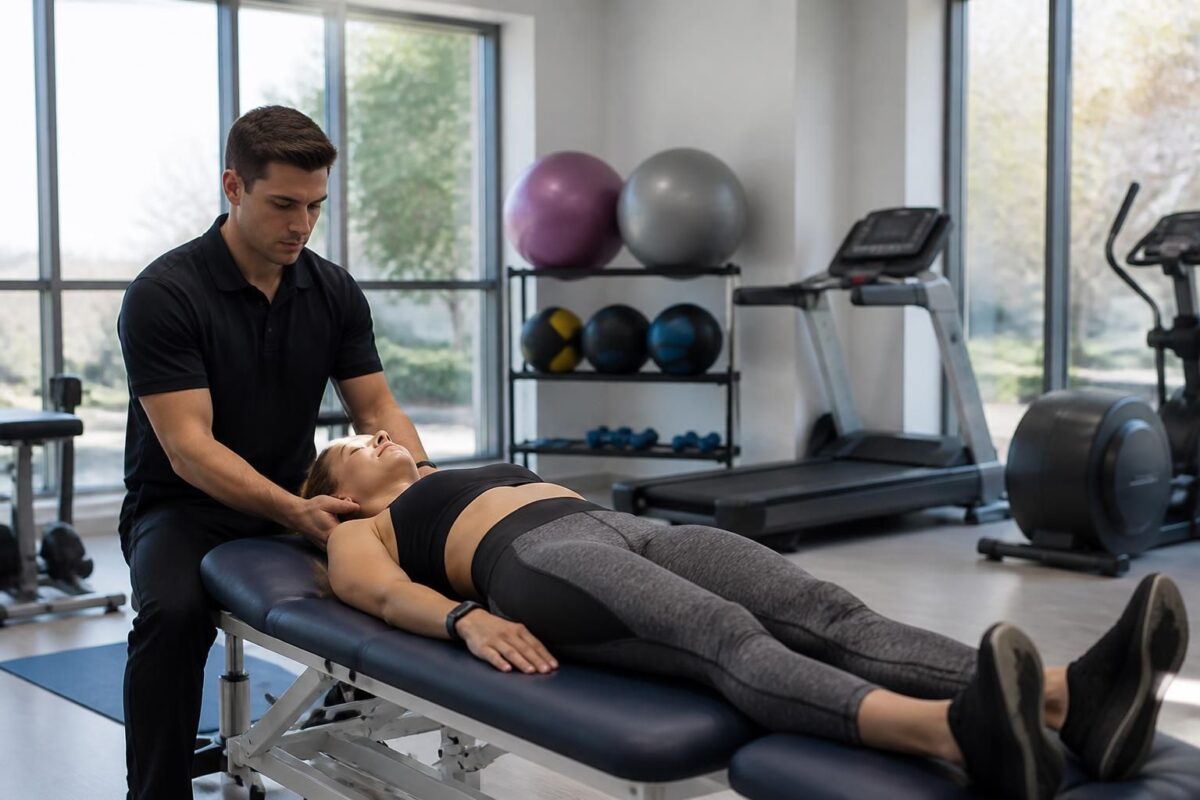
Neurovertebral decompression and recovery after severe sports injury
In short In short, the neurovertebral decompression is one Non-invasive method to Relieve the pressure on the Intervertebral discs and the gristle Via a Controlled traction, to facilitate the recovery After a severe sports injury. It improves the bloodstream towards…
Applications and perspectives
Successful clinical cases demonstrate that neurovertebral decompression can be considered as Non-invasive option To treat chronic back and cervical pain, while offering a reliable alternative to certain surgical procedures. The integration of associated technologies and complementary approaches can strengthen the results and promote the prevention of recurrences, in particular when the protocols adapt to the specific needs of each patient and the evolution of his state of health.
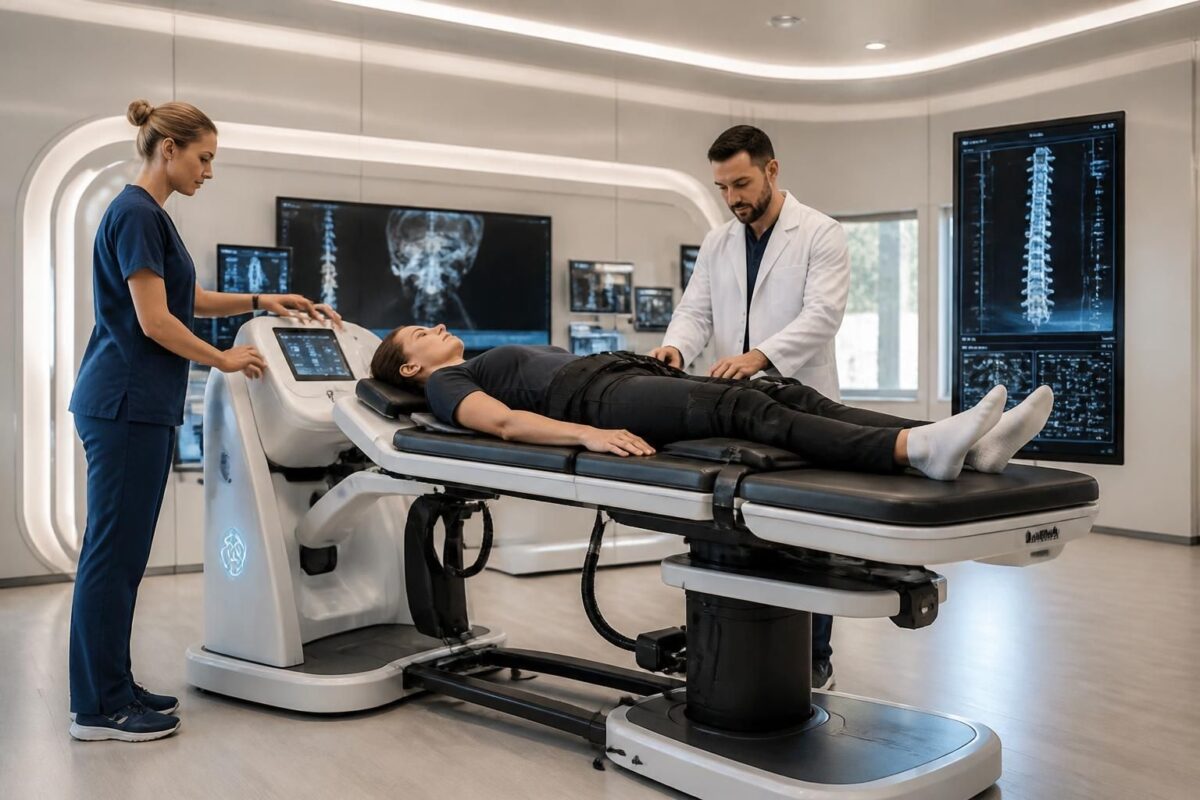
Recent innovations in neurovertebral decompression technologies
In short In short, the neurovertebral decompression is an approach non-invasive Aiming to reduce pressure on discs and nerves, and promote tissue regeneration. At Montreal, it is positioned as an effective option for lower back pain and herniated discs. The…
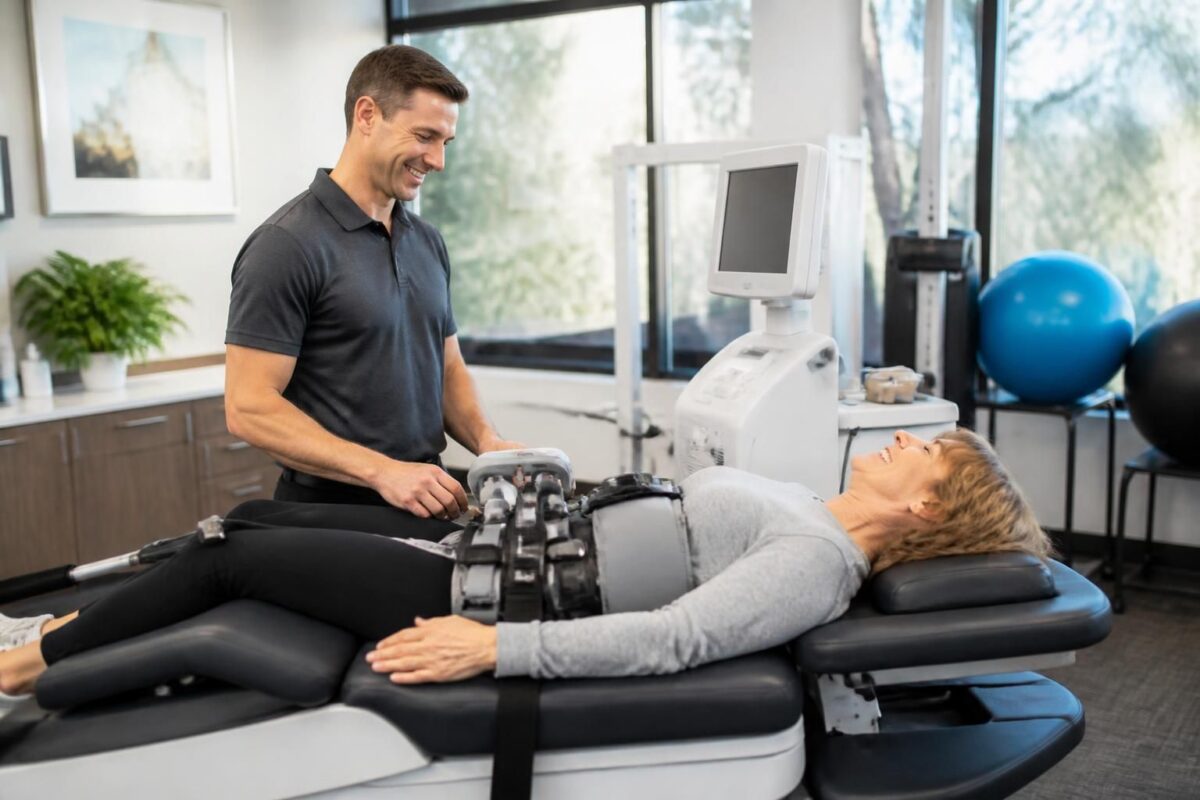
Neurovertebral decompression and diffuse pain: an appropriate solution
In short In short, the neurovertebral decompression is one Non-invasive solution For diffuse pain related to nerve irritation of the spine. She acts in Reducing pressure on intervertebral discs and nerves and improving the bloodstream, which promotes recovery and the…
Successful clinical cases thanks to neurovertebral decompression
| Clinical case | Observed impact |
|---|---|
| Lumbar sciatica and Chronic lower back pain | pain relief; Mobility and daily activities found. |
| Lumbar facet osteoarthritis | 75% of patients report good to excellent results; Reduced pain and stiffness. |
| Cervical disc herniation | Reduced irradiation and improved neck mobility. |
| Chronic lower back pain Non-surgical post-operations | Sustainable improvement and reduction of invasive therapies. |
| cervical degeneration or cervical osteoarthritis | Decreased pain and stiffness; Better posture. |
| Lumbar radiculopathy with irradiated pain | reduced irradiated suffering; Autonomy and mobility found. |
| Athlete in rehabilitation | accelerated recovery; Quick return to training and performance. |
| Prevention of lumbar recurrences | maintenance of earnings; Reduction in the risk of reappearance. |
Successful clinical cases thanks to neurovertebral decompression
“Before starting the neurovertebral decompression, my Lower back pain limited myself in my daily activities. After a few weeks of treatment, I found significant mobility and a much lower level of pain, ”says Ms. Dupont, 48 years old.
“my sciatica has greatly improved and the radiating pain in the leg almost disappeared after treatment. I became active again and I was able to resume my work without limitations, ”says Mr. Lefèvre, 52 years old.
“For my Facet osteoarthritis, the results were good to excellent according to my clinical evaluations. I gained comfort and functionality without surgery,” says Ms. Martin, 60.
“As an athlete, I benefited from an adapted protocol of neurovertebral decompression which accelerated my recovery after injury and allowed me to return to the competition more quickly,” says Mr. Bernard, 29.
“I am looking to the future thanks to this non-invasive approach. The neurovertebral decompression Helped me to prevent recurrences and to resume an active life without pain, ”concludes Ms. Leclerc, 54 years old.
This portrait highlights clinical cases that illustrate the remarkable efficacy of the neurovertebral decompression in the management of chronic spinal pain. The practitioner associated with this approach acts at the heart of a network dedicated to health innovation, where protocols are based on evidence and comprehensive patient care. TagMed Clinics and ACMA are important frameworks for this approach, offering advanced solutions to improve the mobility and well-being of people with back and neck pain.
The results obtained in representative clinical series show a tangible benefit for a majority of patients. In a cohort of 778 individuals treated, approximately 71% reported a significant improvement in their health after treatment, with a marked reduction in symptoms in subjects with low back pain and sciatica. For patients with facet osteoarthritis, the data indicate that up to 75% have described results ranging from “good” to “excellent”. These figures reinforce the idea that neurovertebral decompression can be an effective, non-invasive alternative to heavier interventions such as surgery.
Beyond the numbers, successful cases illustrate a gradual return to a more active life. Patients describe a lasting decrease in pain and an improvement in mobility that allow them to resume work, domestic activities and leisure. With this in mind, decompression acts not only on immediate symptoms, but it also contributes to a lasting improvement in the quality of life and the prevention of recurrences, thanks to a continuous reduction in the pressure exerted on the discs and nerves.
Specific cases highlight the impact on various pathologies, including chronic lower back pain, cervical pain related to herniated discs and irradiating pain. In patients with spinal stenosis or degenerate discs, personalized decompression protocols have demonstrated an ability to decrease painful manifestations and restore more normal function of the vertebral segments. The results also show a high average improvement in symptoms in the subjects treated, with better autonomy and a reduction in the use of analgesics on a daily basis.
Over the years, advanced protocols and associated technologies have evolved to maximize processing efficiency and safety. The integration of complementary solutions, such as manual approaches and naturopathic health principles, allows for more complete and personalized care. This synergy between solid diagnostic techniques and targeted therapies ensures a fine adaptation of the treatment to each patient, maximizing the chances of lasting results and improvement of the quality of life.
Patient testimonies and results from clinical analyzes reinforce the place of neurovertebral decompression as a major therapeutic option for spinal pain. Successful clinical cases demonstrate that this method can effectively address complex issues, offer significant benefits and support a care pathway focused on prevention and long-term well-being. Data and feedback continue to fuel the evolution of protocols and technologies used in this area. Professionals committed to this approach continue their work to expand access to this care and support each patient towards better spinal health without systematically resorting to surgery.
This article highlights the Successful clinical cases Thanks to the neurovertebral decompression, showing significant improvements in pain and mobility in many patients, including those with sciatica and lower back pain. In a study of 778 patients treated, 71% reported significant improvement, and nearly 75% of patients with facet osteoarthritis obtained results deemed “good” to “excellent”. Multiple testimonies and clinical cases illustrate the positive impact of this non-invasive approach, in particular in comparison with surgical options. To explore concrete examples and observed results, you can consult dedicated resources such as Studies#ATFP_CLOSE_TRANSLATE_SPAN# and the CAS#ATFP_CLOSE_TRANSLATE_SPAN# Successful Clinics.
Successful clinical cases: published reports and studies show that the neurovertebral decompression can be an alternative non-invasive and effective for patients with Prolapsed discs, of Lower back pain and of sciatica. Results observed in various clinical contexts, including cases published on specialized platforms, show sustained symptoms reduction and lasting functional improvement. For concrete examples and patient testimonials, please refer to the resources and clinical cases accessible via pages such as Studies#ATFP_CLOSE_TRANSLATE_SPAN# of case of neurovertebral decompression in action and Result#ATFP_CLOSE_TRANSLATE_SPAN# Clinic and Imaging.
Protocol and results: case success is based on Custom protocols and an Pre-treatment assessment (MRI or equivalent imaging) to precisely target the areas to be treated. treatments associated with testimonials Positive and feedback builds confidence in this approach and encourages collaboration between patients and care teams. To understand the steps and benefits, consult the resources on the LES#ATFP_CLOSE_TRANSLATE_SPAN# Key steps for successful processing and Why#atfp_close_translate_span# Decompression is safe and effective.
Impact on quality of life: beyond the reduction of pain, the cases demonstrate a Improving mobility, a Decreased drug dependence, and a better sleep quality in many patients. For additional perspectives and testimonials, see LA#ATFP_CLOSE_TRANSLATE_SPAN# Decompression and sleep and to Testimonials#ATFP_CLOSE_TRANSLATE_SPAN# and feedback.
To deepen clinical aspects and outcomes, specialized resources present additional cases and analyses: Studies#ATFP_CLOSE_TRANSLATE_SPAN#, CAS#ATFP_CLOSE_TRANSLATE_SPAN# Successful Clinics, Studies#ATFP_CLOSE_TRANSLATE_SPAN# of case of neurovertebral decompression in action, and additional analyzes on the integration of decompression with other therapeutic approaches.

Dr Sylvain Desforges, B.Sc., D.O., N.D., osteopath, is the founding president of TAGMED and of the ACMA association. He dedicates his practice to chronic spinal pain, low back pain and symptoms compatible with sciatica, particularly when pain radiates toward the buttock, leg, calf, foot or toes.
Through SOS Sciatique, he publishes educational content on sciatica symptoms, possible causes such as disc herniation, disc narrowing, foraminal stenosis or irritation of a lumbar nerve root, as well as non-surgical approaches that may be considered according to the evaluation. At Clinique TAGMED, care may include, depending on the case, motorized neurovertebral decompression, specific osteopathic care or precision percussion.
For an evaluation related to sciatica treatment in Montreal / Mount Royal or sciatica treatment in Terrebonne, please consult the services available at Clinique TAGMED.
Medical disclaimer
The information published on SOS Sciatique is provided for educational purposes only and does not replace a consultation, diagnosis, opinion or treatment provided by a physician or another authorized healthcare professional. The author of this article is neither a medical doctor nor a specialist in a medical specialty recognized by the Collège des médecins du Québec. The osteopathic, manual medicine or functional support approaches described on this site do not constitute medical acts and are not intended to replace medical follow-up.
Consult a physician or emergency service in cases of loss of bladder or bowel control, anesthesia in the saddle area, significant or progressive weakness in the leg or foot, fever, recent trauma, severe pain or rapid worsening of symptoms. For more details, please read our Legal Notice.