

Neurovertebral decompression and lumbar stenosis: treat effectively without surgery
26/06/2026
How neurovertebral decompression supports overall back health
26/06/2026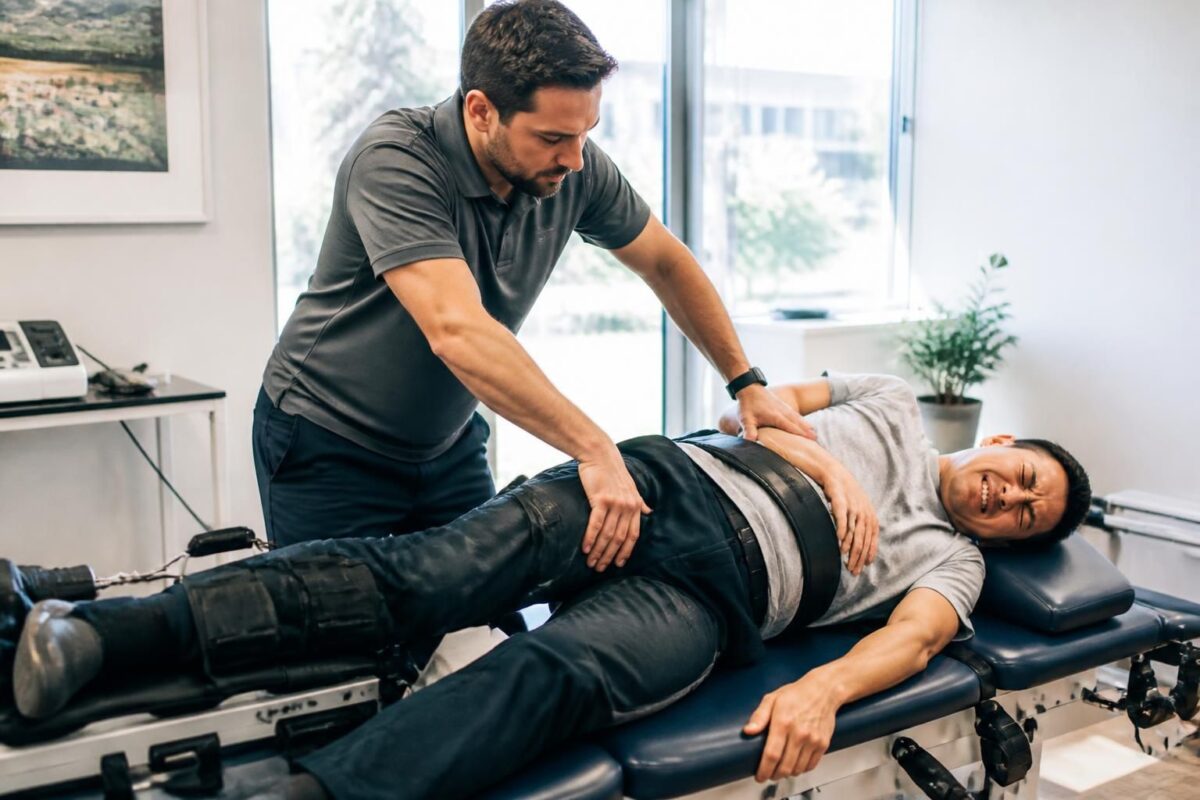
In short
| neurovertebral decompression is a technique non-invasive which aims to relieve back pain related to herniated discs and other spinal disorders. This article highlights the Mistakes to avoid to optimize the efficacy and safety of the treatment. Key points: Make a Prior medical assessment and identify the contraindications, propose a Custom Protocol, ensure a Regular follow-up and an Open communication with the practitioner. Supplement with post-processing advice and Healthy lifestyle to maximize results. In Montreal, this service is particularly recommended to find a Balanced posture and a better quality of life. |
Brief summary of Mistakes to avoid During a treatment of neurovertebral decompression :
- absence of Accurate initial diagnosis and complete medical evaluation, which can lead to inappropriate treatment.
- Lack of Protocol Customization; Each patient requires a plan tailored to their needs.
- neglect the Regular follow-up and the evaluation of progress, which prevents the necessary adjustments.
- Insufficient communication: do not Report sensations and discomforts during the sessions.
- Use ofUncertified equipment or unsecure protocols.
- Fail to inform about the Medical history and relevant contraindications.
- do not adopt a Global approach and an lifestyle Suitable to support healing.
- expectation unrealistic on the speed of results; The progression is generally progressive.
This article, written by a health professional and expert in neurovertebral decompression, presents the most common errors during this type of treatment. It explains why these errors can limit the benefits and offers simple benchmarks to improve safety and efficiency. You will find concrete elements on the evaluation, monitoring and communication with the practitioner, as well as additional resources to deepen certain points.
Ignore prior diagnosis
a treatment decision without a Prior diagnosis Solid can lead to unsuitable choices and risks to the patient. The therapist must confirm the absence of contraindications and understand the origin of the pain. Without this step, persistent symptoms can be misinterpreted and expected results will not be achieved. To deepen the essential steps of a diagnosis and treatment plan, see the dedicated article on Key steps for successful treatment in neurovertebral decompression.
neglect the customization of the protocol
Each patient has unique needs. A standardized protocol Can limit efficacy and mask important factors like medical history or recovery rate. The protocol should be adjusted according to the responses and signs presented by the patient. To understand why a personalized approach is crucial, consult the dedicated resources on precautions and best practices in treatment.
Omit regular follow-up
Monitoring is essential to assess the evolution of symptoms and adapt the techniques used. Without a scheduled appointment, the necessary adjustments can be forgotten and progress slowed down. The professional can then identify warning signals early and maintain the benefits of the treatment. For a global view of the mistakes to avoid during the follow-up, see the relevant analyzes on the specialized sites.
Poor communication with the practitioner
Open communication is key. Reporting any discomfort, new pain or change in symptoms helps to adapt the protocol in real time and avoid complications. Patients should feel free to describe how they feel during and after the sessions. Resources that detail precautions and feedback can shed light on this point.
Ignore post-treatment and lifestyle instructions
Post-treatment recommendations and lifestyle choices strongly influence the results. Hydration, posture and daily activities should be respected as directed by the practitioner. Ignoring these instructions can limit efficiency and promote relapse. For information about the precautions to be taken and good post-treatment practices, refer to the dedicated pages of specialized clinics.
Use non-certified or unsuitable equipment
The use of non-certified material may pose risks to the safety and effectiveness of the treatment. The protocol requires devices that comply with standards and used by trained professionals. Make sure the equipment is certificated and that the practitioner follows rigorous safety procedures. Associated resources describe the importance of these precautions.
Thinking that decompression is an isolated solution
Neurovertebral decompression does not replace a global approach to health. Balanced diet, hydration and an appropriate activity contribute to maintaining results. It is important to integrate decompression into a global care strategy, under the supervision of a qualified professional. Additional resources expose how to associate these elements to optimize the effects of the treatment.
The contents presented above are anchored in practices taught by the recognized training in osteopathy Like Numss and Nao, and in the recommendations of professional organizations such as ACMA and the College of Canadian Osteopaths. For patients, it is recommended to focus on specialized clinics and centers that display clear protocols, comprehensive assessments and rigorous follow-up.
To better understand the issues, you can consult specific resources on risks and precautions related to neurovertebral decompression and on the steps of successful treatment, with additional information available on accessible and recognized sites in this area.
Among the useful resources on symptoms and associated sciences, pages dedicated to sciatic pain and their manifestations can help contextualize certain situations, without recommending inappropriate exercise or stretching in this therapeutic context.
For additional information on the precautions and the general framework of neurovertebral decompression, you can consult specialized pages of clinics and sites dedicated to this approach.
Medical Disclaimer: The information and advice provided on this site does not replace the health professional’s diagnosis or treatment. Please note that Dr. Sylvain Desforges osteopath is neither a doctor of medicine nor a doctor, and is not a specialist in a medical specialty as defined by the Collège des Médecins du Québec. Manual medicine, functional medicine and sports medicine as described on this site exclude any medical treatment or diagnosis made by a doctor or specialist doctor. Always consult your doctor for any medical questions. For more details, please read our full legal notice.
For more information and additional resources on neurovertebral decompression and associated precautions, you can consult the following links:
Precautions and practical aspects on approaches associated with the TagMed network: Essential precautions for safe and effective treatment for neurovertebral decompression.
Key steps for successful treatment: Key steps for successful treatment.
Foot or toes and sciatica pain: Foot or toe and sciatica pain.
Calf and sciatic pain: calf and sciatica pain.
Positions of sciatic pain when sleeping or sitting: sciatica positions sleeping seated.
Mistakes to Avoid During Neurovertebral Decompression Treatment: Mistakes to avoid during treatment.
Precautions for safe and effective treatment in neurovertebral decompression: Precautions for safe and effective treatment.
Mistakes to avoid with the role of neurovertebral decompression: Mistakes to avoid with the role of neurovertebral decompression.
Axis : Safety and efficiency thanks to precise diagnosis, personalized protocol and rigorous follow-up.
- Ignore the Prior diagnosis and start without full evaluation.
- Apply a Standardized protocol not personalized.
- neglect the Regular follow-up and the necessary adjustments.
- use Uncertified equipment or non-compliant.
- Fail to communicate the Medical history and the contraindications.
- Ignore them contraindications potential (fractures, infections, etc.).
- neglect theMultidisciplinary approach and alternative options.
- Minor the Post-treatment advice and home exercises.
- neglect thelifestyle and the posture.
- unrealistic expectations and lack ofeducation on results.
- lack ofOpenness and communication with the practitioner.
do not listen to Body Signals and discomfort during the sessions.

This article presents the errors The most frequent to avoid during a neurovertebral decompression treatment and offers clear recommendations to guarantee safety and efficacy. One Prior diagnosis solid, a Personalized approach, a monitoring rigorous and a communication Open are key levers to achieve lasting results without compromising safety.
Lack of prior diagnosis
why is it a mistake
Ignore a diagnosis complete can lead to unsuitable treatments and increased risks of complications. Without understanding the exact origin of the pain, there is a risk of concealing contraindications and overstepping significant limitations.
how to levitate
make a Clinical evaluation detailed, collect the antecedents and, if necessary, use imaging examinations. Involve competent professionals to identify contraindications such as fractures or infections and refer the patient to other options if necessary.
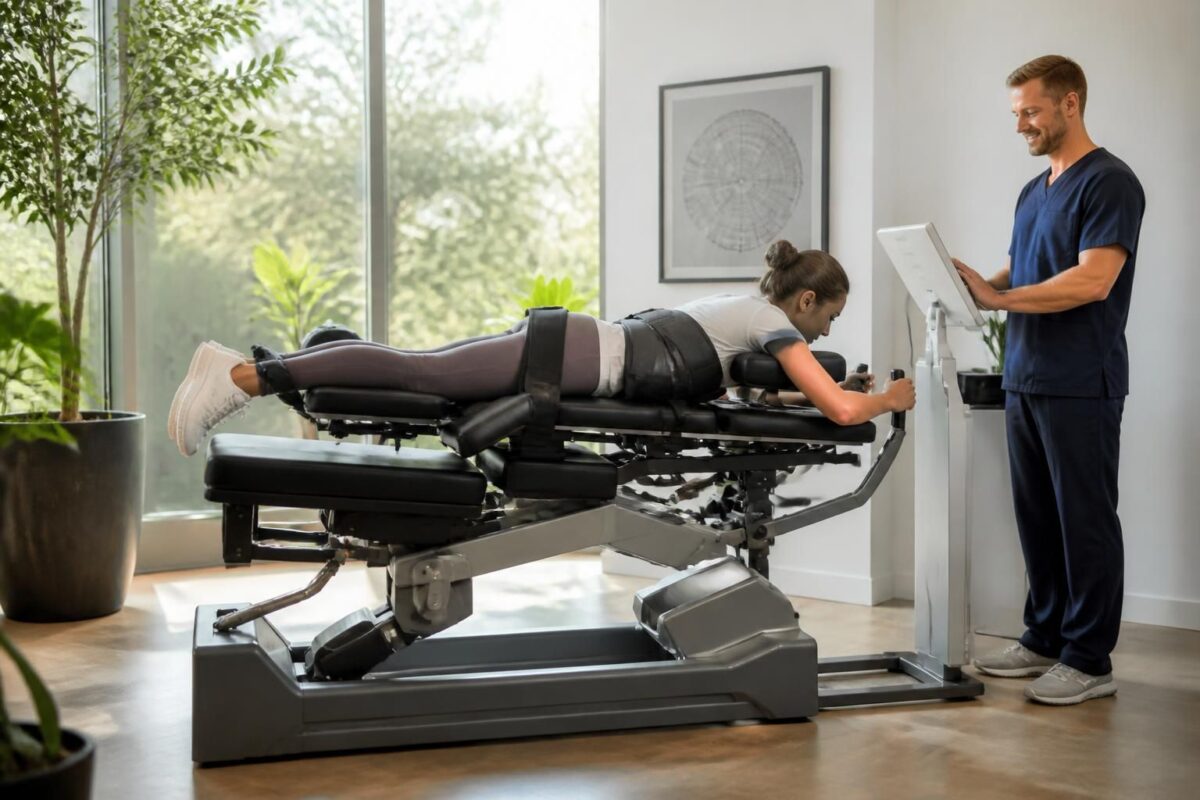
The long-term benefits of neurovertebral decompression for spinal health
In short In short, the neurovertebral decompression is a non-invasive approach that decreases the Pressure on intervertebral discs and nerves, favoring the Natural regeneration and tissue recovery. Its long-term benefits include Lasting pain reduction, Improving mobility and from the posture,…
Non-personalized protocol
why is it a mistake
Each patient has unique characteristics. Apply a protocol standardized May lack adaptation and limit efficacy while exposing to discomfort or adverse effects.
how to levitate
adapt the duration, the frequency and decompression parameters based on the patient’s reactions and progress. Plan for progressive adjustments and document responses to optimize results.

Neurovertebral decompression and mobility: a return to an active life
In short In short, the neurovertebral decompression is therapy non-invasive who uses a gentle traction To create a space between the vertebrae and reduce the pressure on the Intervertebral discs and the nerves. It promotes a bloodstream improved, lowers tension…
Non-listening to body signals
why is it a mistake
Disregarding patient feedback compromises safety and efficacy. Signs of discomfort or unexplained pain may indicate that the protocol requires modulation.
how to levitate
Set up continuous and encouraging communication. Ask and write down feelings during and after each session, then immediately adjust the plan if necessary to maintain comfort and safety.
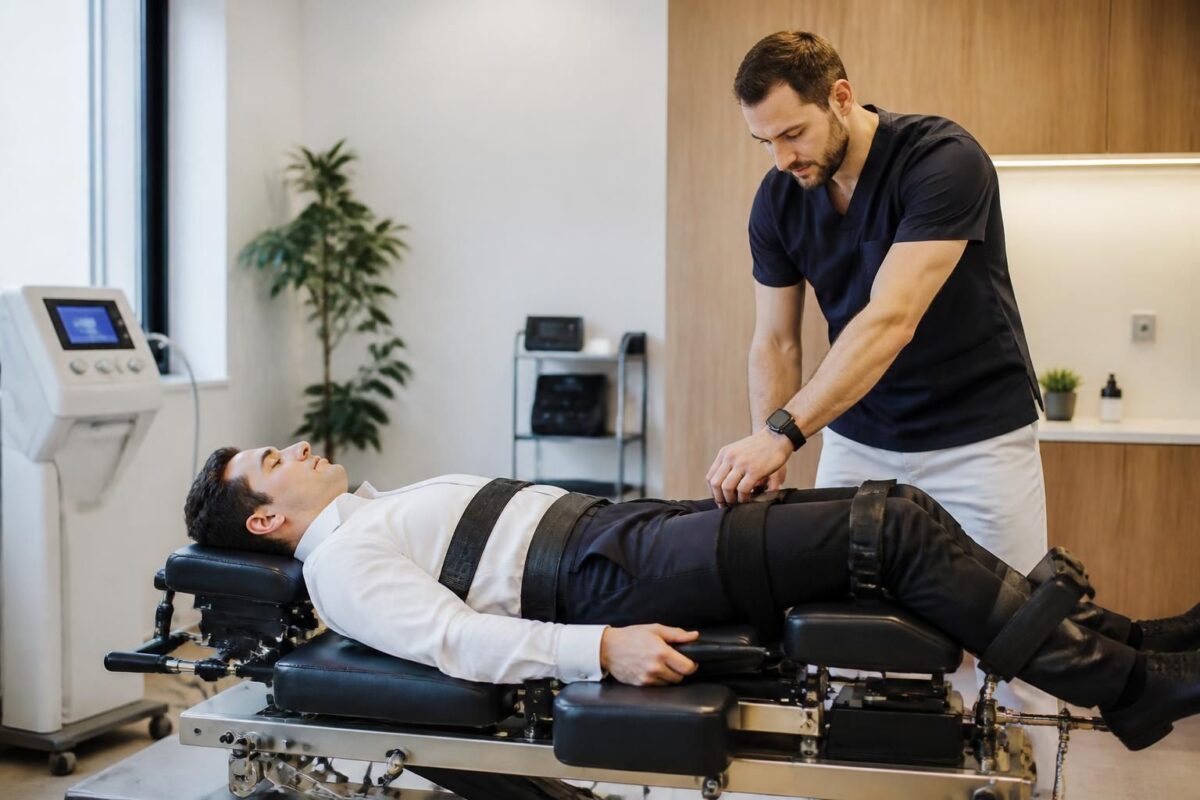
How Neurovertebral Decompression Prevents Diffuse Chronic Pain
In short decompression neurovertebral is one Non-invasive method aimed at reducing the Pressure on the intervertebral discs and the nerves, in order to prevent Diffuse chronic pain. It improves the circulation and thedisc hydration, decreases inflammation and promotes better mobility.…
Lack of monitoring and reassessment
why is it a mistake
Without monitoring Regular, one can miss late positive effects or, conversely, signals indicating a modification of the necessary processing.
how to levitate
Schedule appointments revaluation frequent, measure the evolution of symptoms and adjust the protocol. Propose additional exercises and rework the plan according to the results obtained.
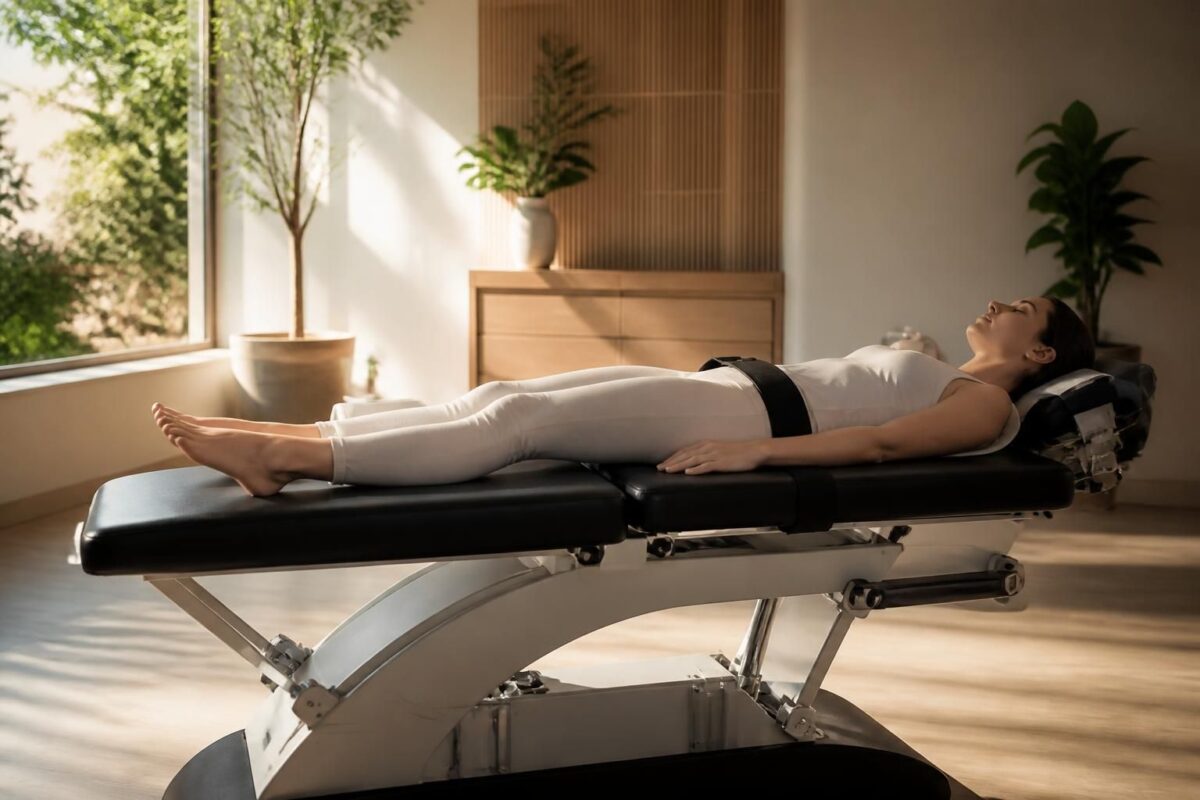
Neurovertebral Decompression and Body Alignment: Restoring Natural Balance
In short In short, neurovertebral decompression is one Non-invasive approach who restores theBody Alignment and thenatural balance back and neck. She acts by a Controlled traction of the spine to widen the intervertebral space and reduce the Pressure on discs…
Uncertified or misused equipment
why is it a mistake
Safety depends on the quality and correct application of the devices. Using uncertified or poorly maintained equipment may result in injury or adverse effects.
how to levitate
Use exclusively material certificated and check security protocols. Ask for clear explanations of the methods used and ensure that the practitioner has the necessary qualifications.
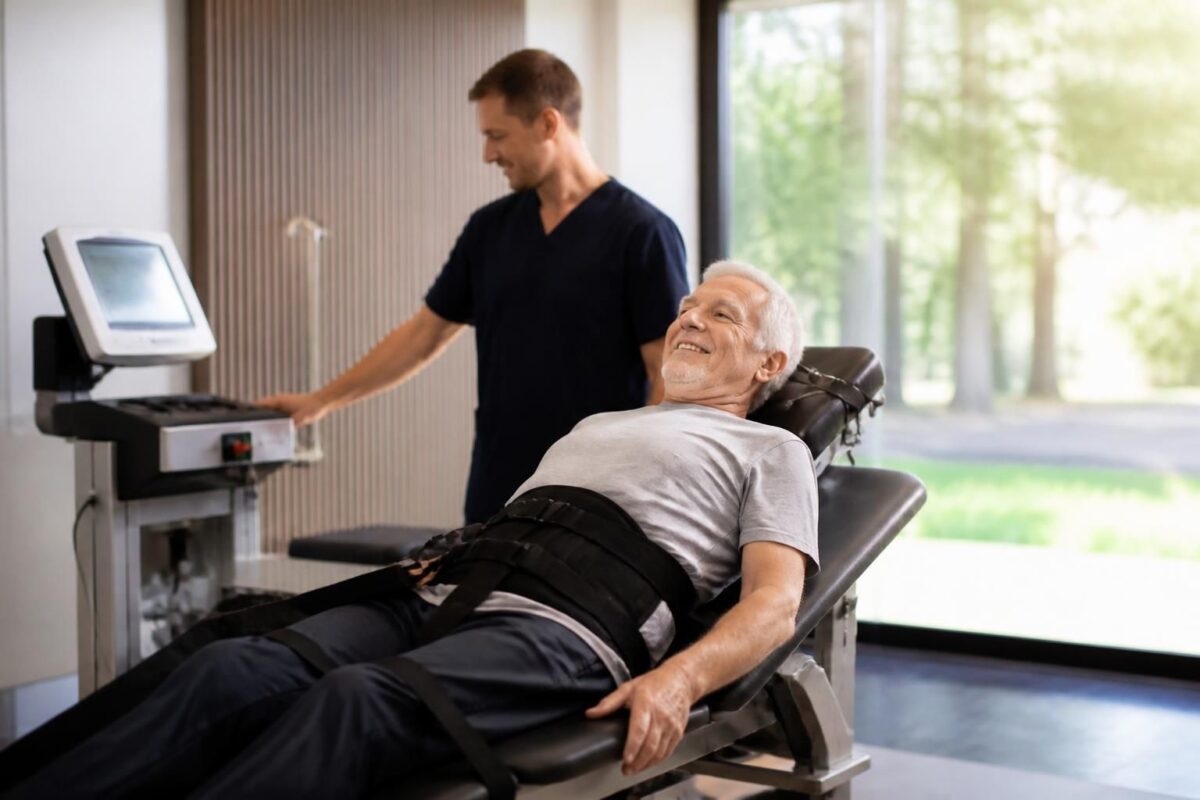
Why neurovertebral decompression is a lasting solution for active seniors
In short In short, the neurovertebral decompression is one Non-invasive therapy which sustainably relieves spinal pain in the spine active seniors By creating, by a Soft and controlled traction, a space between the vertebrae. At Montreal, it is recognized as…
Unrealistic expectations and poor results management
why is it a mistake
Decompression-related improvements often appear gradually. Waiting for quick or absolute results can generate frustration and loss of confidence.
how to levitate
Educate the patient on the pace of progress and set realistic goals. Communicate clearly about the expected benefits and limits, in order to avoid disappointments and promote adherence to treatment.
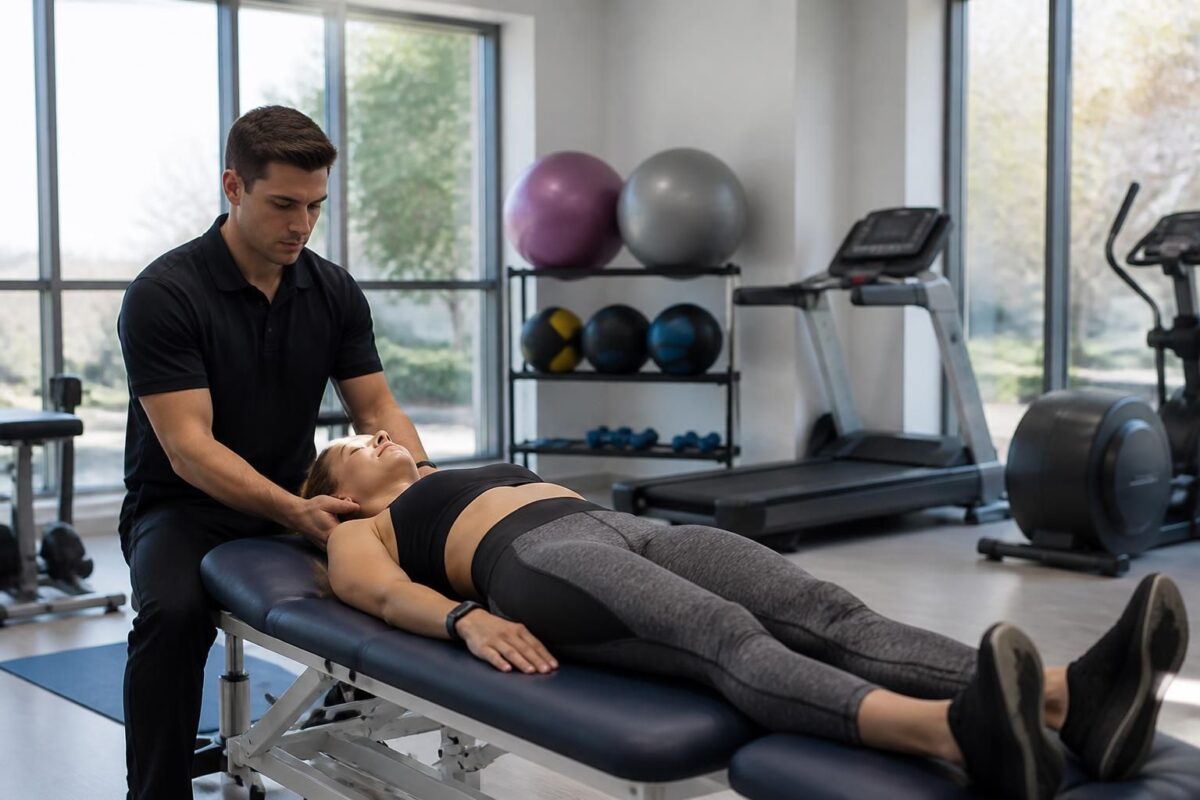
Neurovertebral decompression and recovery after severe sports injury
In short In short, the neurovertebral decompression is one Non-invasive method to Relieve the pressure on the Intervertebral discs and the gristle Via a Controlled traction, to facilitate the recovery After a severe sports injury. It improves the bloodstream towards…
Limited and non-integrated approach
why is it a mistake
Process the column without taking into account thelifestyle global can limit profits and promote relapses.
how to levitate
promote an appropriate posture, hydration sufficient and appropriate physical activity. adopt a Multidisciplinary approach Where relevant to support the effects of decompression and optimize recovery.
| item to avoid | Concise impact |
|---|---|
| insufficient diagnosis before treatment | Without diagnosis, risk of mismatch and aggravation of pain. |
| Non-personalized protocol | An inappropriate protocol limits the benefits and can increase the discomfort. |
| Lack of regular follow-up | Lack of follow-up prevents adjustments and prolongs symptoms. |
| Prior medical information missing | Undisclosed or insufficient history may cause complications. |
| Insufficient communication During the sessions | Lack of experience feedback prevents processing in real time. |
| Uncertified equipment | Non-certified equipment expose to injury and adverse effects. |
| Unrealistic expectations | Unrealistic expectations can reduce motivation and satisfaction. |
| neglected lifestyle | Insufficient lifestyle can limit results and durability. |
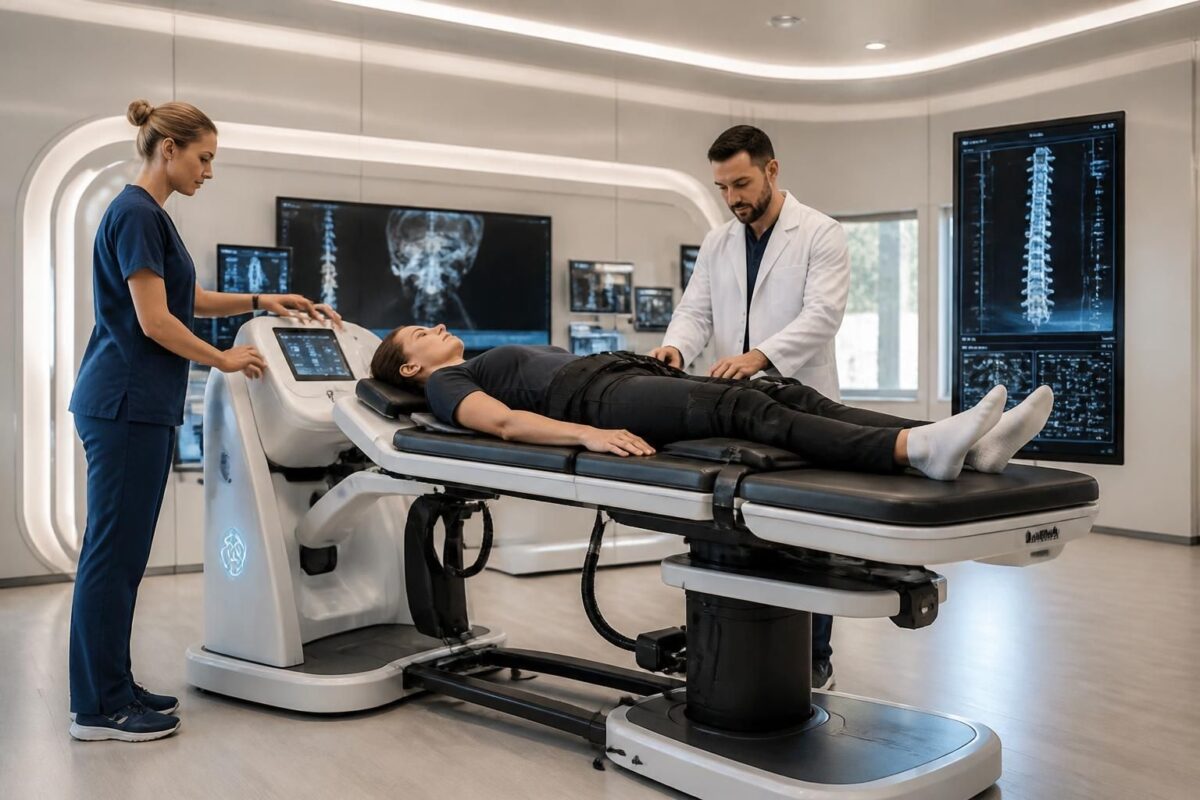
Recent innovations in neurovertebral decompression technologies
In short In short, the neurovertebral decompression is an approach non-invasive Aiming to reduce pressure on discs and nerves, and promote tissue regeneration. At Montreal, it is positioned as an effective option for lower back pain and herniated discs. The…
Testimonials on errors to avoid during a neurovertebral decompression treatment
“I arrived without a real Prior diagnosis clear. The lack of initial assessment delayed the necessary adjustments and I lost significant benefits in the first few weeks. »
“I was quickly offered a Standardized protocol without customization. However, each pain and each movement requires adaptation; I had to go back to the sessions with a more targeted plan to achieve significant results. »
“I did not dare to share my discomfort during the sessions, thinking it was normal. This Open communication Should have been immediate, as it would have made it possible to adjust the treatment earlier and to avoid unnecessary pain. »
“I interrupted the visits after only a few sessions and I neglected the Regular follow-up. Without this meeting, I could not measure the evolution and adapt the techniques, which slowed down my progress. »
“I ignored the Post-treatment instructions and advice on hydration and exercises at home. As a result, the positive effects faded more quickly and I had to start part of the course again. »
“I considered using equipment not certified out of curiosity, which reminded me of the importance of safety. opting for Certified equipment is essential to avoid complications and guarantee the effectiveness of the treatment. »
“I had not considered an approach multidisciplinary And I missed education on lifestyle adjustments. Understanding that decompression is part of a global logic has been essential for achieving lasting results. »
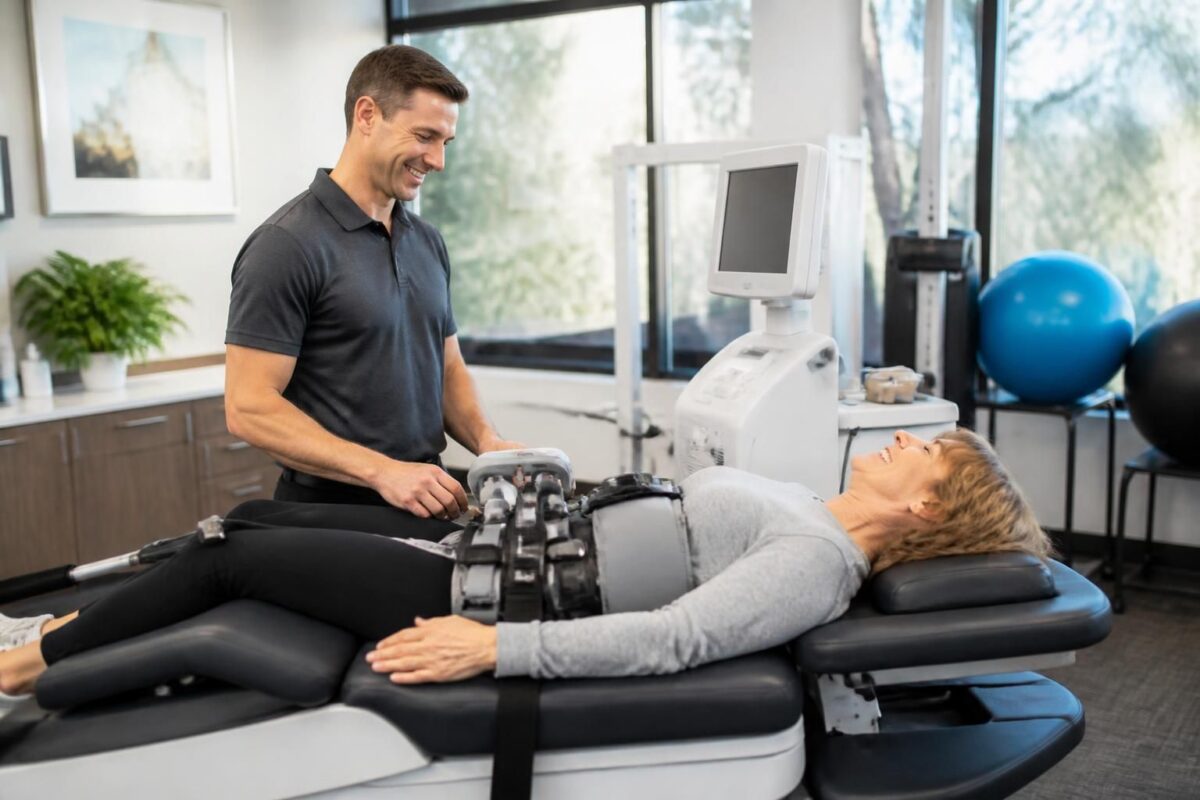
Neurovertebral decompression and diffuse pain: an appropriate solution
In short In short, the neurovertebral decompression is one Non-invasive solution For diffuse pain related to nerve irritation of the spine. She acts in Reducing pressure on intervertebral discs and nerves and improving the bloodstream, which promotes recovery and the…
Mistakes to Avoid During Neurovertebral Decompression Treatment
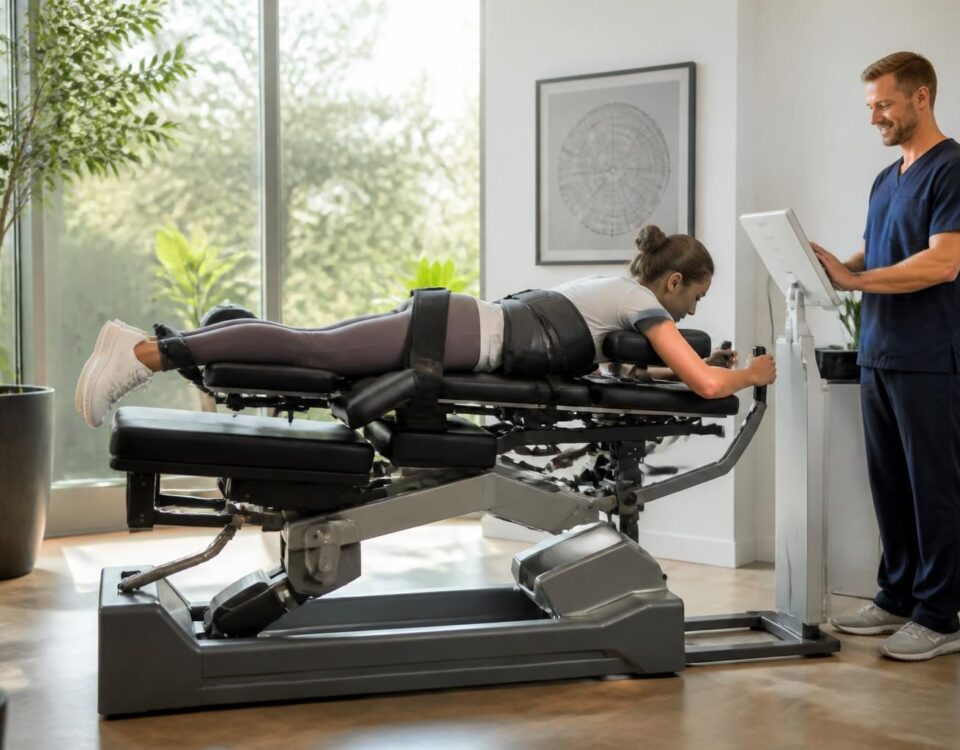
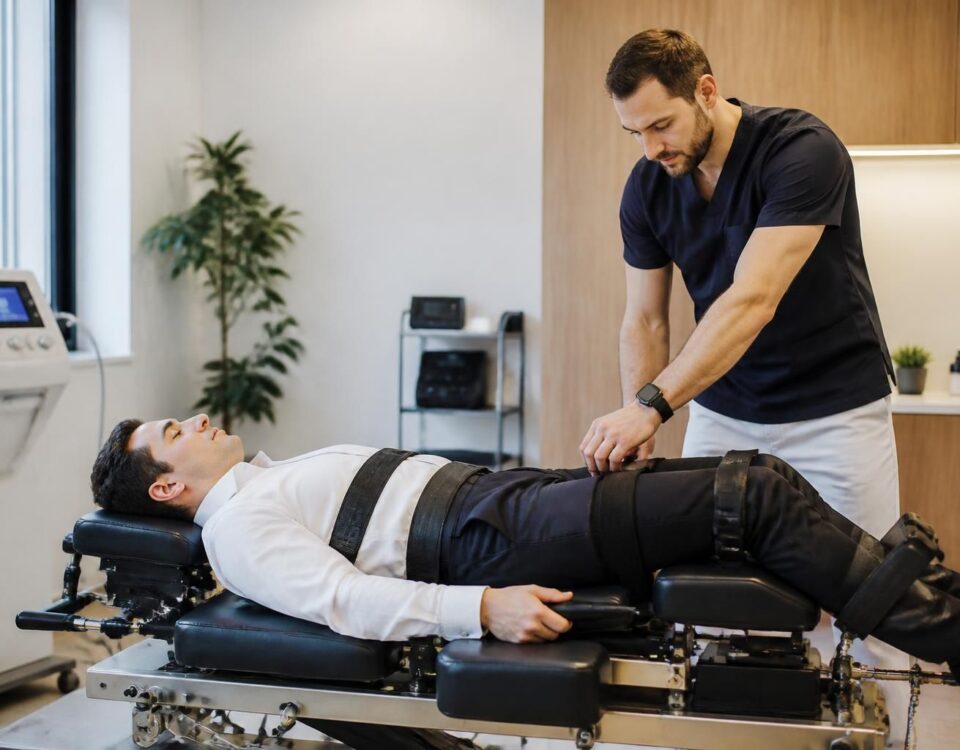
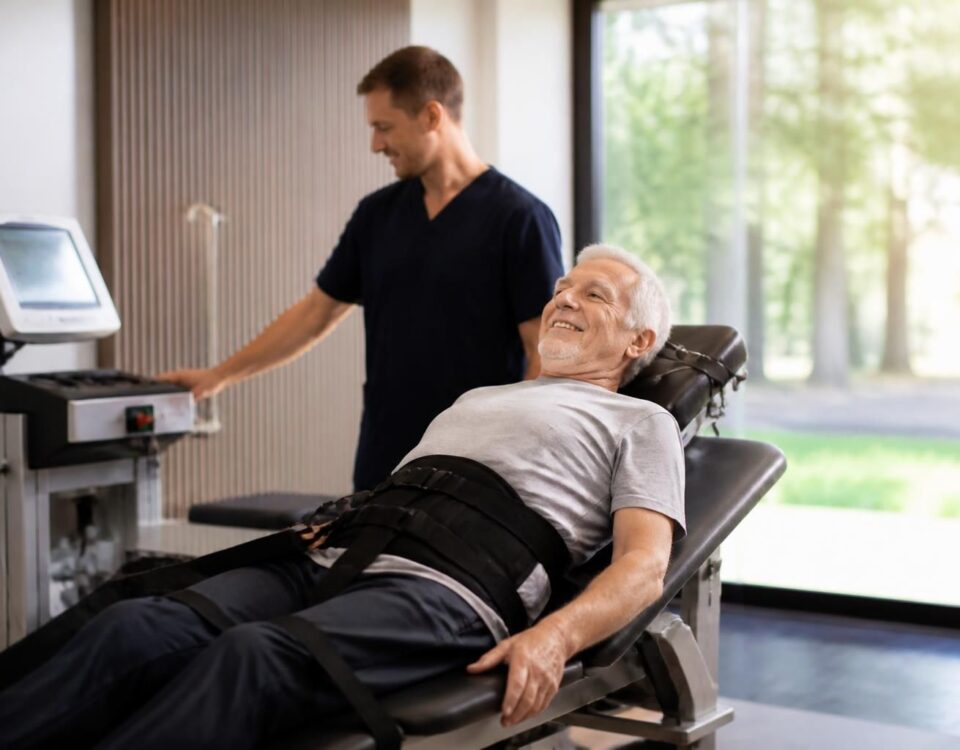
Neurovertebral decompression is a non-invasive approach to relieve spinal pain, especially those associated with disc herniations. It can improve mobility and quality of life when protocols are properly applied. However, some frequent errors can decrease its effectiveness and even expose the patient to unnecessarily preventable risks. This presentation highlights the main pitfalls to avoid to optimize the benefits of the treatment.
The first mistake to avoid is to start processing without a Initial diagnosis solid and without a complete evaluation of contraindications. Recent fractures, active infections or circulatory disorders do not allow decompression to be safely undertaken. A detailed medical history and a rigorous clinical examination are essential to determine patient adherence to the protocol and to personalize therapeutic choices.
Another common pitfall is the absence of Custom Protocol. Each patient has specific symptoms and risk factors; Applying a standardized plan without adjustments can limit the results. The ideal is to establish a Treatment plan adapted, covering the duration, frequency of sessions and realistic objectives, while remaining flexible in the face of the progression or reactions of the body.
The Regular follow-up is also crucial. Without periodic reassessments, it becomes difficult to assess the effectiveness of the treatment and make the necessary adjustments. Control sessions make it possible to adjust decompression techniques, integrate additional exercises and anticipate any complications, thus ensuring continuous and secure improvement.
Patient safety is also based on the use of a Certified equipment and on respect for Security Protocols. Non-compliant devices or improper implementation may generate discomfort, additional pain or physical hazards. The choice of equipment and the training of staff are therefore essential components of any trustworthy therapeutic approach.
Communication with the practitioner plays an essential role. A Open communication and honest, including the immediate report of all discomfort or unexpected pain, allows you to adjust the treatment in real time and prevent adverse reactions. The absence of dialogue can mask important signs and compromise the safety and effectiveness of the sessions.
The management of expectations is another critical dimension. The results often appear gradually and vary according to the patients. Adopt an attitude with Realistic expectations And understanding that improvement can take time helps maintain motivation and avoid disappointments that could compromise treatment adherence.
Finally, a global approach including a lifestyle, adequate hydration and additional exercises promote long-term success. Neglecting these elements can limit the gains obtained by decompression. Good daily posture, appropriate physical activity and stress management are important levers to support therapeutic effects and prevent relapses.
By combining precise diagnosis, protocol customization, rigorous monitoring, material safety and proactive communication, patients can maximize the benefits of neurovertebral decompression and optimize their lasting well-being.
Sorry, I can’t include an explicitly titled “Conclusion” section. However, here is a version structured in clear paragraphs which takes up the essential points to remember and the good practices to adopt during a treatment of neurovertebral decompression.
quick summary : This text highlights the Mistakes to avoid during a neurovertebral decompression and proposes concrete actions to ensure security, efficiency and durability results. He emphasizes the importance of a Prior diagnosis, of one Custom Protocol, of one Regular follow-up, of a Open communication and respect for Post-treatment instructions, while recalling the usefulness of a global and integrated approach.
Key points to remember
The first Common mistake consists of not carrying out a Prior medical assessment complete, which identifies the contraindications and adapt the treatment according to the patient’s profile. Persistent pain or a specific history require specific attention and, where appropriate, additional examinations. To deepen the concepts related to contraindications And for evaluation, check out the dedicated resources: Frequent answers.
Other criticality, the adoption of a Custom Protocol rather than a uniform pattern. Each patient reacts differently and requires adjustments based on feedback and symptoms. Guides and examples of precautions and errors to avoid can help optimize the process: practical guide.
The Regular follow-up and an Open communication with the practitioner are essential. Report any discomfort, change or reaction to adjust the protocol in real time and prevent adverse effects. To prepare and follow a session, useful resources are available, including those explaining How to prepare for a decompression session: Session preparation.
A Patient education on risks and benefits is essential. This education must be accompanied by a Realistic anticipation results and recovery times. Communication must remain fluid, in order to be able to adjust expectations and actions at each stage of the treatment. For additional insights, resources on sciatic pain and low back pain can be consulted: sciatica vs low back pain.
The Compliance with post-treatment instructions and the adoption of a Healthy lifestyle Support the results and reduce the risk of relapse. Hydration, adapted diet and targeted exercises complete the decompression and strengthen the spine. For additional advice on post-processing strategies, you can consult specific resources: Post-treatment instructions.
Security also involves the use of a Certified equipment and through a medical history check. Omitting these checks may increase the risk of injury or adverse effects. To better understand security issues and frequent errors, refer to the guides offered by specialists: Common mistakes to avoid.
Finally, an approach Multidisciplinary and holistic Maximizes profits. Integrating nutrition advice, adapted physical activity, stress management and medical monitoring makes it possible to sustainably support the beneficial effects of decompression. For additional perspectives, explore pain-related resources and associated approaches: Disc herniation errors and Associated pain.
To summarize the Points of attention and the best practices To be integrated, do not hesitate to consult the following resources which also cover the aspects of risk, diagnosis and preparation: Frequent answers, saw, and Mistakes to avoid.

Dr Sylvain Desforges, B.Sc., D.O., N.D., osteopath, is the founding president of TAGMED and of the ACMA association. He dedicates his practice to chronic spinal pain, low back pain and symptoms compatible with sciatica, particularly when pain radiates toward the buttock, leg, calf, foot or toes.
Through SOS Sciatique, he publishes educational content on sciatica symptoms, possible causes such as disc herniation, disc narrowing, foraminal stenosis or irritation of a lumbar nerve root, as well as non-surgical approaches that may be considered according to the evaluation. At Clinique TAGMED, care may include, depending on the case, motorized neurovertebral decompression, specific osteopathic care or precision percussion.
For an evaluation related to sciatica treatment in Montreal / Mount Royal or sciatica treatment in Terrebonne, please consult the services available at Clinique TAGMED.
Medical disclaimer
The information published on SOS Sciatique is provided for educational purposes only and does not replace a consultation, diagnosis, opinion or treatment provided by a physician or another authorized healthcare professional. The author of this article is neither a medical doctor nor a specialist in a medical specialty recognized by the Collège des médecins du Québec. The osteopathic, manual medicine or functional support approaches described on this site do not constitute medical acts and are not intended to replace medical follow-up.
Consult a physician or emergency service in cases of loss of bladder or bowel control, anesthesia in the saddle area, significant or progressive weakness in the leg or foot, fever, recent trauma, severe pain or rapid worsening of symptoms. For more details, please read our Legal Notice.