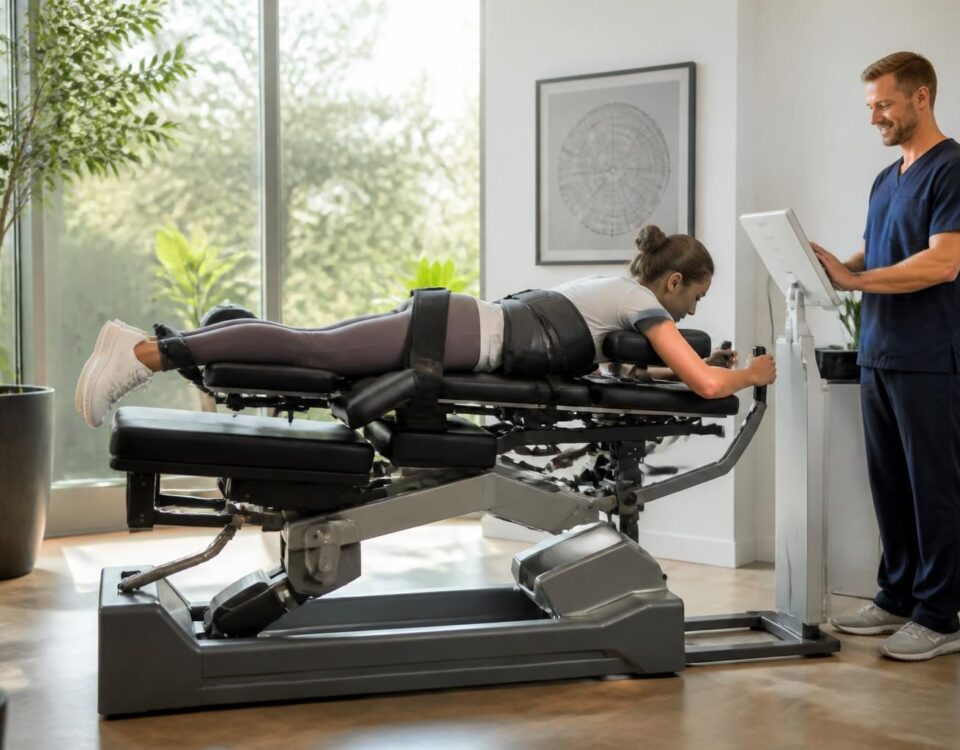
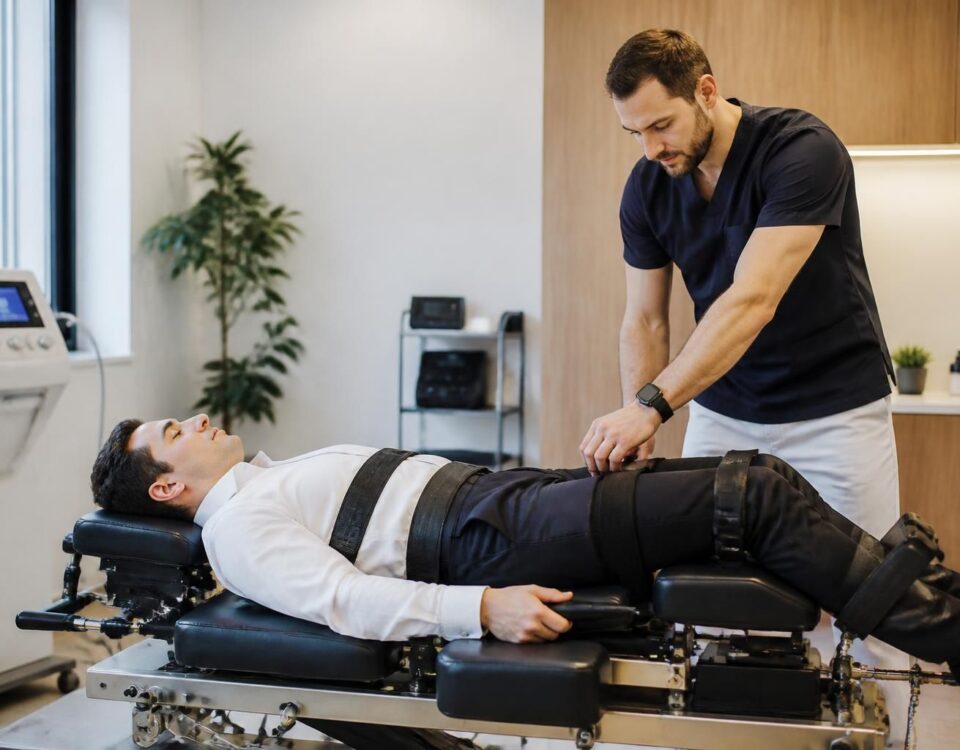
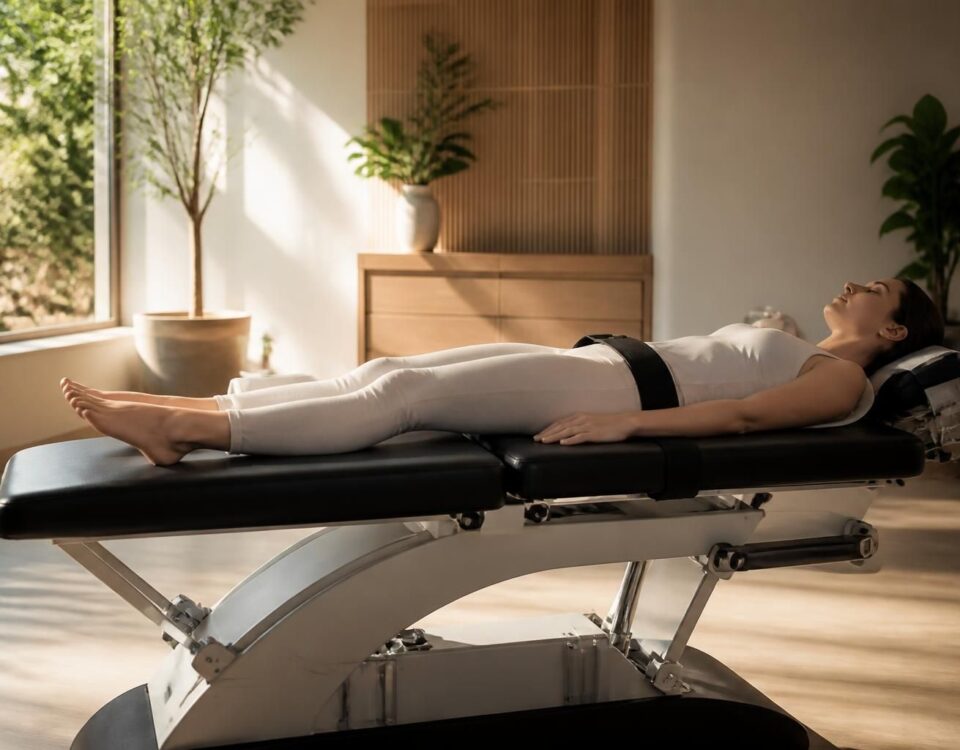
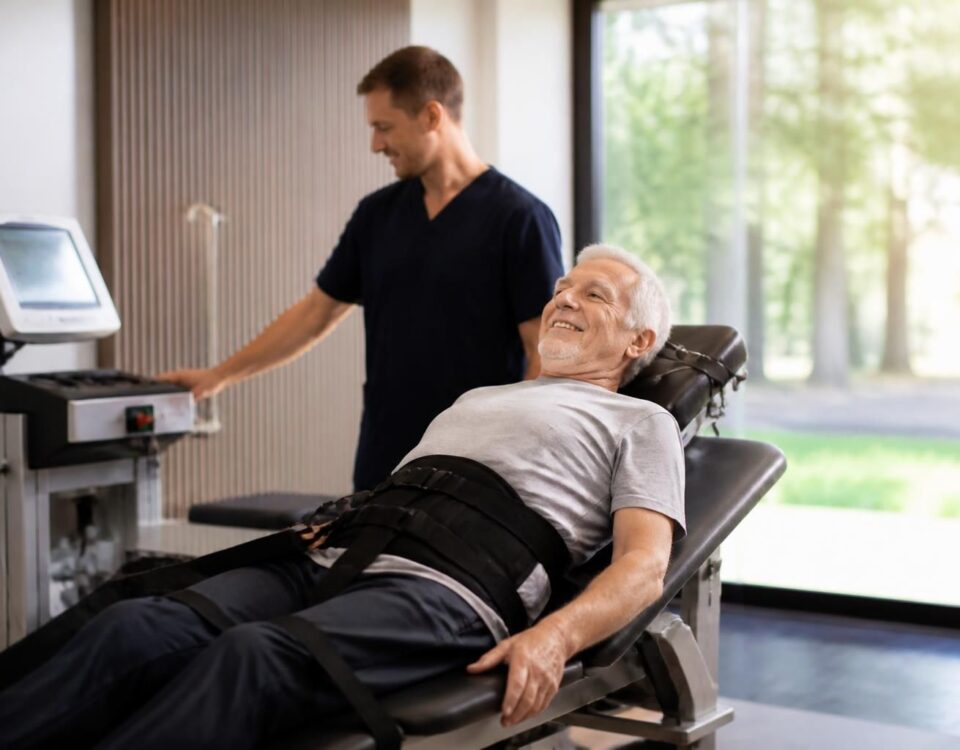
Innovations in the field of neurovertebral decompression
26/06/2026
Mistakes to Avoid During Neurovertebral Decompression Treatment
26/06/2026
In short In short, the neurovertebral decompression for the Lumbar stenosis is one Non-surgical solution which aims to relieve pain and improve mobility by creating a space between the vertebrae via controlled traction. Key Benefits: Reduced nerve pressure, lasting relief, rapid return to activity and decreased symptoms without surgery. Accessible in Montreal, this treatment is particularly recommended for people with low back pain related to stenosis and who wish to avoid surgery. By promoting the circulation and regeneration of tissues, it can allow effective functional recovery and a better quality of life. |
The neurovertebral decompression constitutes an approach non-invasive To treat the Lumbar stenosis by reducing the pressure on the nerves and widening the space between the vertebrae thanks to a Controlled traction.
It aims to relieve lower back pain and improve the mobility Without resorting to a surgery, offering an effective alternative when the symptoms come from a narrowing of the spinal canal.
- Sustainable relief pain and reduction of numbness or tingling
- Improving mobility and the ability to resume daily activities
- Preventing worsening and support for the healing of spinal structures
- Personalized approach adapted to each patient after evaluation by a professional
This therapy can be considered after a specialized evaluation and is often integrated into a global approach to pain management and muscle strengthening.
Neurovertebral decompression is a non-invasive approach that can reduce the symptoms of lumbar stenosis without having surgery. This article describes how this technique works, when it is indicated, what results to expect and how it fits into a global management in TagMed clinic and other specialized structures.
Context and issues
Lumbar stenosis is characterized by narrowing of the spinal canal at the lumbar level. This situation can compress the nerves and cause back pain, numbness and decreased mobility. The treatment aims to relieve the pressure on the nerves, improve circulation and restore function, while avoiding the risk of surgery when possible.
How does neurovertebral decompression work
The treatment is based on controlled and precise traction of the spine. This action creates space between the vertebrae, decreases the pressure on the intervertebral discs and nerves, and improves the circulation of fluids around the nerve structures. By promoting the intervertebral space, decompression helps to reduce nerve irritation and can support tissue regeneration from a non-surgical perspective. This approach is generally well tolerated and can be used as part of a global protocol in addition to other non-invasive therapies.
Indications, safety and follow-up
Neurovertebral decompression is indicated for patients with lower back pain related to mechanisms such as spinal stenosis, when other non-surgical options are relevant. An assessment carried out by a qualified health professional is essential to determine the suitability of treatment for each patient. Like any non-surgical intervention, precautions and regular monitoring allow the protocol to be adjusted according to progress and tolerance.
Efficiency and expected results
Patients often report a gradual decrease in pain and improved mobility after several sessions. The goal is to achieve lasting relief and better ability to carry out daily activities, without the need for surgery. Results vary depending on initial status and compliance with the care plan. To enrich the understanding of clinical mechanisms and feedback, you can consult specialized resources on neurovertebral decompression and spinal stenosis.
Integration of technologies and associated approaches
Neurovertebral decompression can be associated with other non-invasive interventions in order to potentiate the benefits. therapy at laser is a non-surgical option that can help reduce inflammation and promote tissue recovery. Resources detail the mechanisms and applications of these technologies in the context of spinal stenosis and neurovertebral decompression. To go further on the practical aspects and mechanisms, see the pages dedicated to decompression and its applications on specialized sites, in particular those that describe the physical and psychological benefits of neurovertebral decompression and modern treatment approaches.
As part of a course in TagMed clinic or other specialized centers, decompression can be combined with complementary technologies to optimize results. Online resources detail the benefits and indications of these approaches, including modern treatment methods and blood circulation aspects associated with decompression. For specific information, refer to the following resources:
Spinal stenosis – modern treatment methods
Physical and psychological benefits of neurovertebral decompression
Innovations in the field of neurovertebral decompression
Why neurovertebral decompression is an option for active patients
For vocational training, recognized references in osteopathy include NUMSS, NAO, National University of Medical Sciences and National Academy of osteopathy. These institutions are often cited as sources of continuing and specialized training for practitioners seeking to deepen pain management techniques and manual approaches.
Support and Accessibility Options
Neurovertebral decompression is accessible in specialized clinics and can be part of a multidisciplinary care course. In practice, it is offered in clinical settings that favor non-invasive alternatives and the integration of technologies associated with pain management and mobility improvement. Resources related to TagMed and other centers describe how these protocols relate to other non-surgical treatments available on the market.
References and Resources
To learn more, see the following resources:
Spinal stenosis – modern treatment methods
Physical and psychological benefits of neurovertebral decompression
Neurovertebral Decompression and Blood Circulation – Unexpected Benefit
Innovations in the field of neurovertebral decompression
Why neurovertebral decompression is an option for active patients
Essential FAQs on Neurovertebral Decompression
The physical and psychological benefits of neurovertebral decompression
Spinal stenosis – modern treatment methods
Medical Disclaimer: The information and advice provided on this site does not replace the health professional’s diagnosis or treatment. Please note that Dr. Sylvain Desforges osteopath is neither a doctor of medicine nor a doctor, and is not a specialist in a medical specialty as defined by the Collège des Médecins du Québec. Manual medicine, functional medicine and sports medicine as described on this site exclude any medical treatment or diagnosis made by a doctor or specialist doctor. Always consult your doctor for any medical questions. For more details, please read our full legal notice.
Axis : Approach non-invasive and centered on nerves and discs for the Lumbar stenosis.
- neurovertebral decompression : Controlled traction
- Reduction pressure on the gristle and discs
- non-invasive, without surgery
- Improvement mobility and function
- Recovery quick
- Lumbar stenosis : Release of intervertebral space
- Relief lasting pain
- better walking and stability
- No surgery necessary
- Custom Plan and monitoring

This article offers clear recommendations on the neurovertebral decompression for the Lumbar stenosis, focusing on effective and non-surgical management. You will discover eligibility criteria, mechanisms of action, treatment plan and follow-up conditions to optimize mobility and reduce pain without the need for an operative intervention.
Patient assessment and selection
The first step is based on a comprehensive clinical evaluation and an imaging examination to confirm the presence of a Lumbar stenosis and exclude other causes of back pain. This approach requires an individualized approach: not all patients respond in the same way to the neurovertebral decompression, and some profiles may require protocol adaptation or other therapeutic option.
Usual indications include chronic lower back pain associated with walking discomfort, tingling or numbness, and reduced mobility despite conservative treatments. Before starting treatment, an osteopath or trained specialist assesses the contraindications and determines whether this technique is the best solution for the given patient.
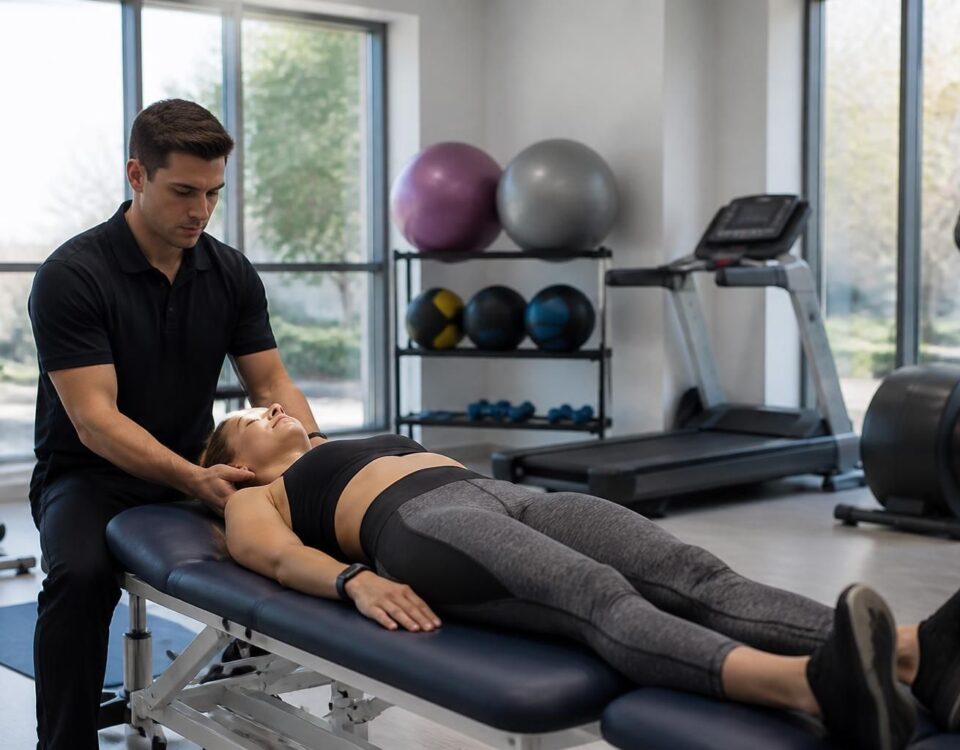
The long-term benefits of neurovertebral decompression for spinal health
In short In short, the neurovertebral decompression is a non-invasive approach that decreases the Pressure on intervertebral discs and nerves, favoring the Natural regeneration and tissue recovery. Its long-term benefits include Lasting pain reduction, Improving mobility and from the posture,…

Neurovertebral decompression and mobility: a return to an active life
In short In short, the neurovertebral decompression is therapy non-invasive who uses a gentle traction To create a space between the vertebrae and reduce the pressure on the Intervertebral discs and the nerves. It promotes a bloodstream improved, lowers tension…
Mechanism and objectives
The neurovertebral decompression acts by controlled traction on the column, creating a space between the vertebrae and decreasing the pressure exerted on the gristle and intervertebral discs. This increased space promotes the circulation of fluids and nutrients, which can support tissue regeneration and reduce nervous irritation. The main objective is therefore to sustainably relieve pain, improve mobility and delay a possible progression of symptoms, without the need for surgery.
This approach is non-invasive and can be combined with complementary technologies to optimize results. By working on the mechanical cause, it is part of a global care strategy focused on recurrence prevention and long-term functional remission.
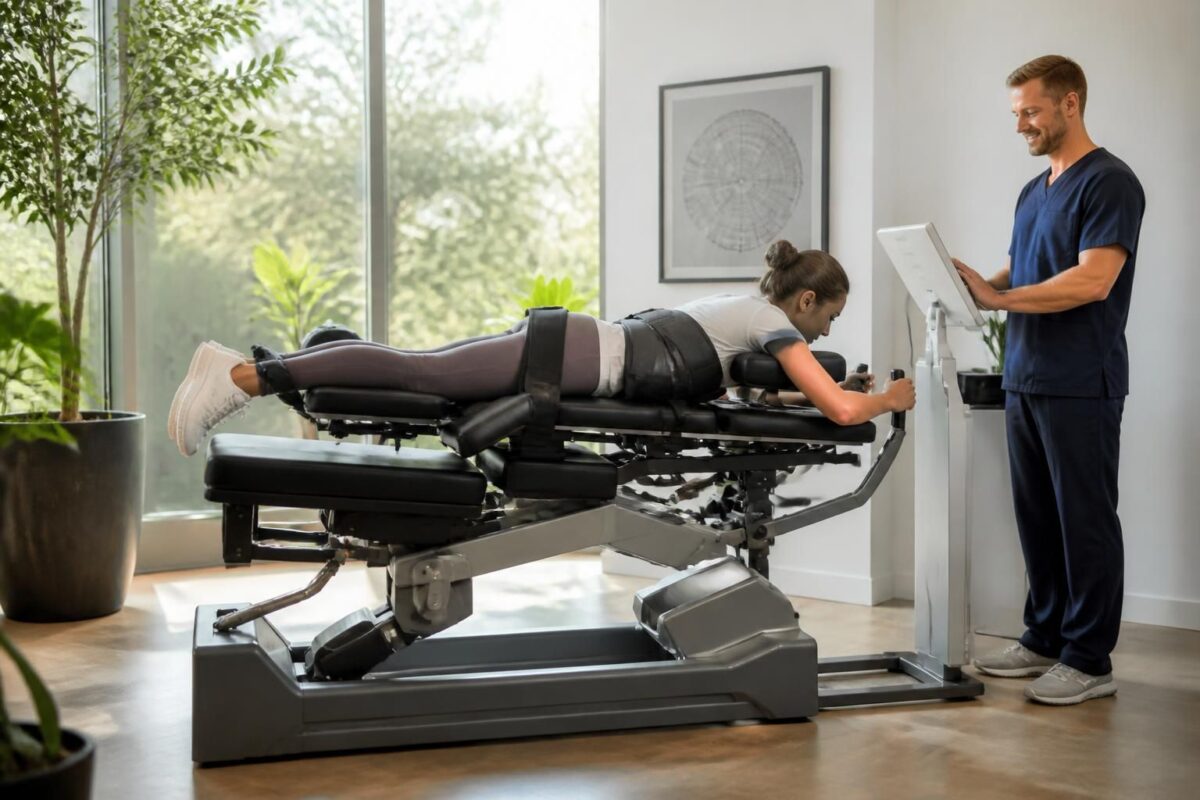
How Neurovertebral Decompression Prevents Diffuse Chronic Pain
In short decompression neurovertebral is one Non-invasive method aimed at reducing the Pressure on the intervertebral discs and the nerves, in order to prevent Diffuse chronic pain. It improves the circulation and thedisc hydration, decreases inflammation and promotes better mobility.…
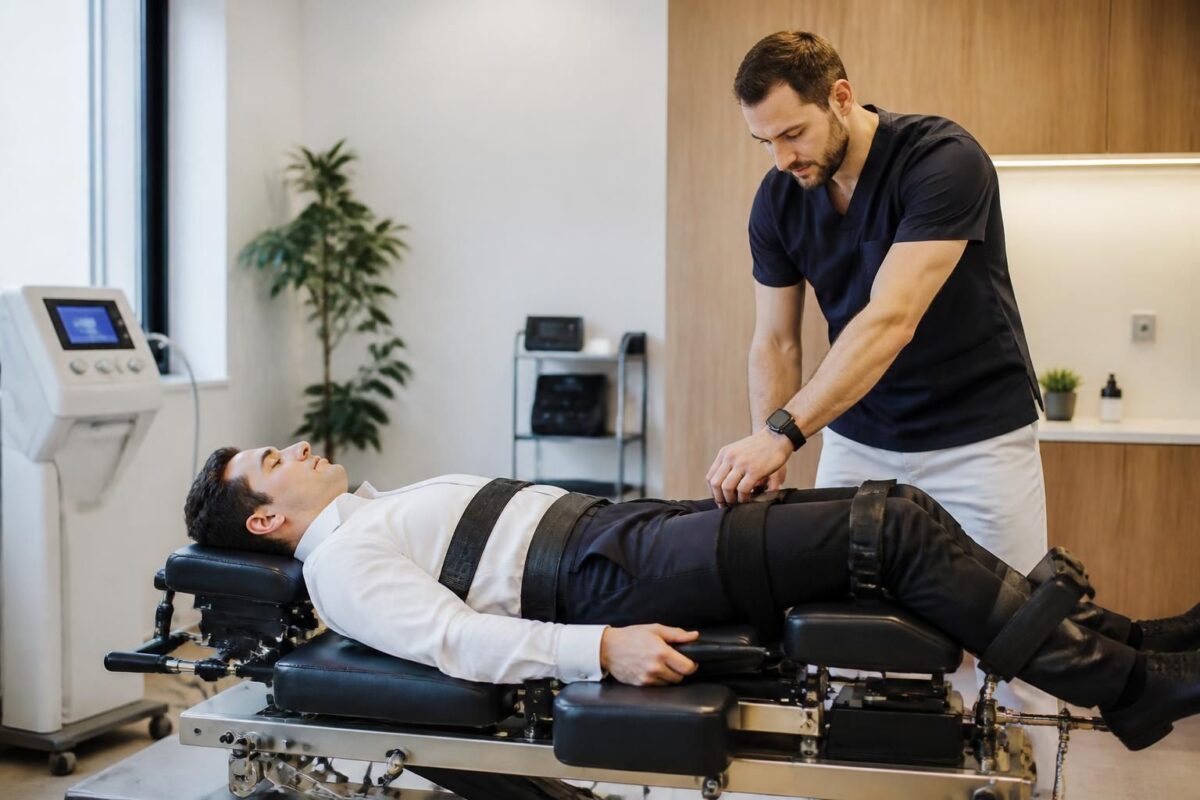
Neurovertebral Decompression and Body Alignment: Restoring Natural Balance
In short In short, neurovertebral decompression is one Non-invasive approach who restores theBody Alignment and thenatural balance back and neck. She acts by a Controlled traction of the spine to widen the intervertebral space and reduce the Pressure on discs…
Treatment plan and protocols
A typical program includes several supervised sessions, usually between 15 and 25, depending on the severity and response of the patient. Each session lasts about 30 minutes and allows for measured progression of the protocol, with regular monitoring of symptoms and functional objectives.
Therapeutic combinations and synergy
To amplify the effects, decompression can be associated with other non-invasive approaches such as laser therapy or shockwave therapy techniques, as well as supervised strengthening and mobilization exercises. This synergy aims to reduce inflammation, improve spine stability and promote faster recovery from daily activities. Support by a health professional makes it possible to adjust the plan as progress is made and to adapt the exercises according to the results observed.
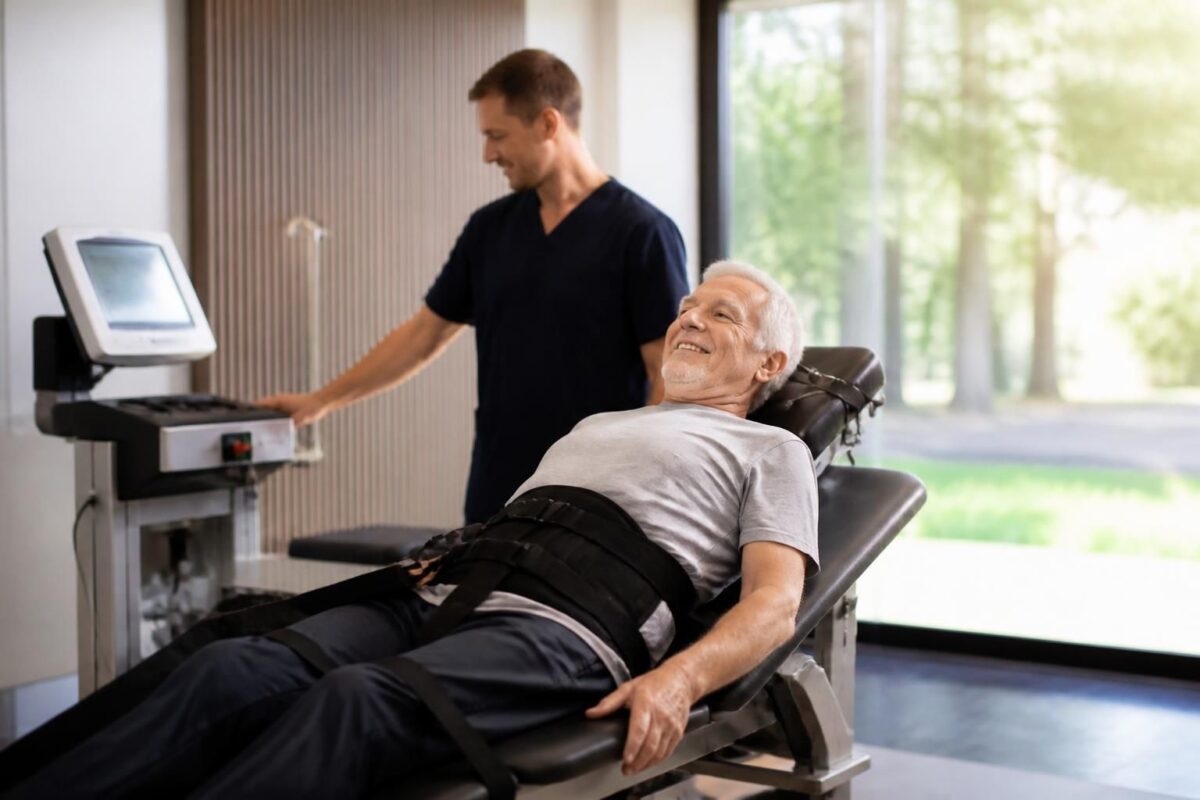
Why neurovertebral decompression is a lasting solution for active seniors
In short In short, the neurovertebral decompression is one Non-invasive therapy which sustainably relieves spinal pain in the spine active seniors By creating, by a Soft and controlled traction, a space between the vertebrae. At Montreal, it is recognized as…
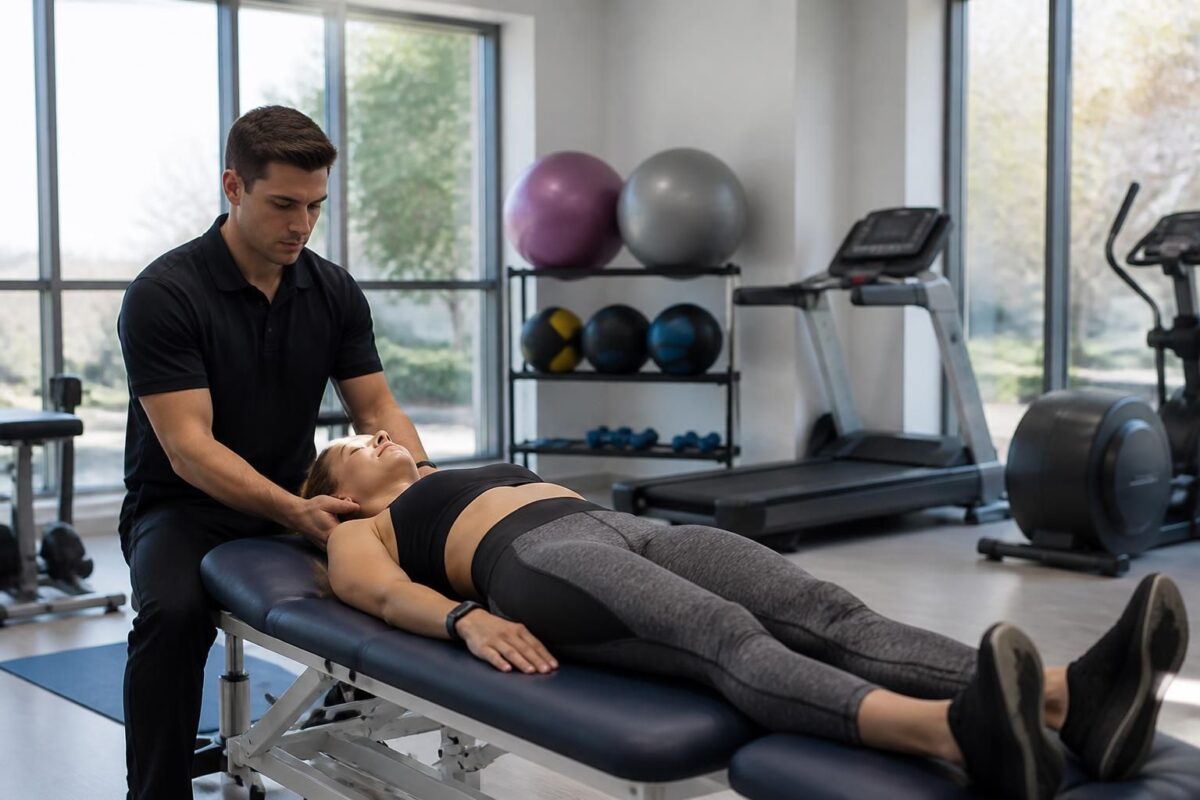
Neurovertebral decompression and recovery after severe sports injury
In short In short, the neurovertebral decompression is one Non-invasive method to Relieve the pressure on the Intervertebral discs and the gristle Via a Controlled traction, to facilitate the recovery After a severe sports injury. It improves the bloodstream towards…
Advantages and limits
Benefits include the absence of surgery, a gradual reduction in pain and an improvement in functional mobility, which can permanently transform quality of life. This approach also offers an option for patients who want to avoid the risks and recovery time associated with surgery.
Nevertheless, the results vary according to the patients and some do not respond optimally. It is crucial to continue an ongoing assessment and to integrate, when necessary, complementary therapy or lifestyle adjustments (ergonomics, adapted physical activity, weight management) to maximize benefits and minimize recurrences.
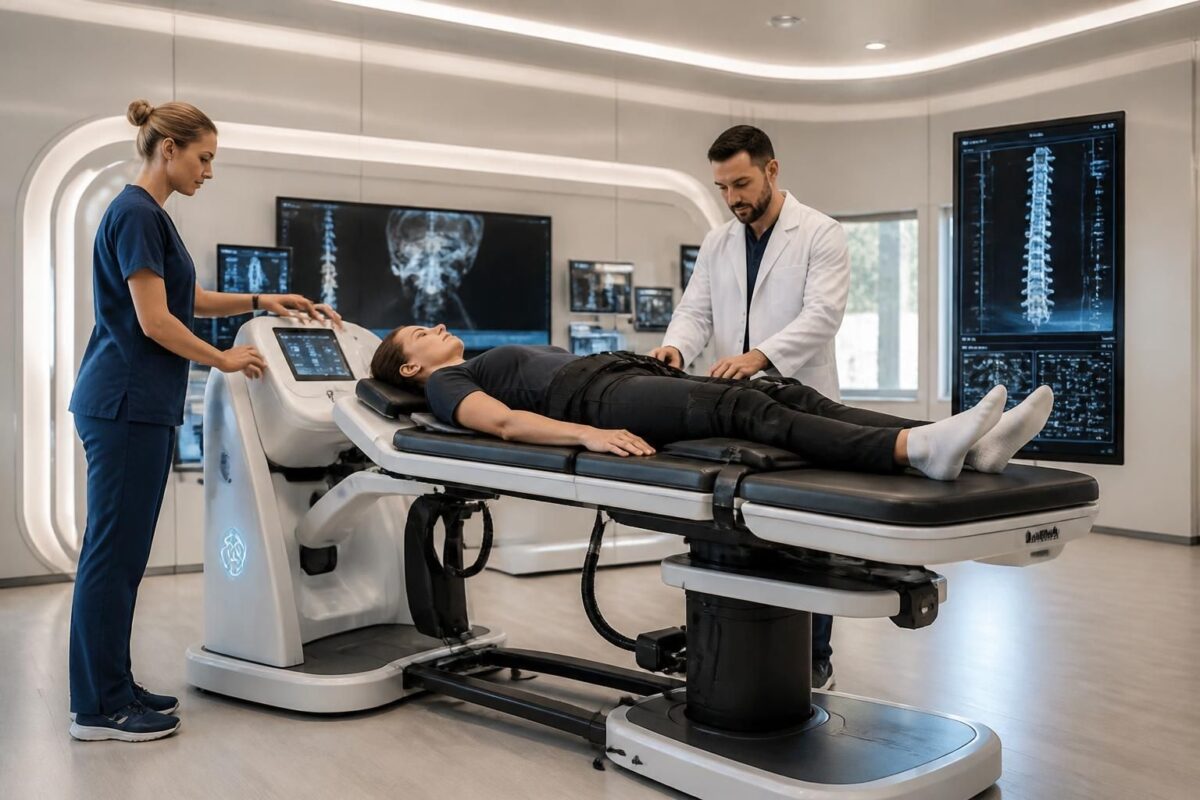
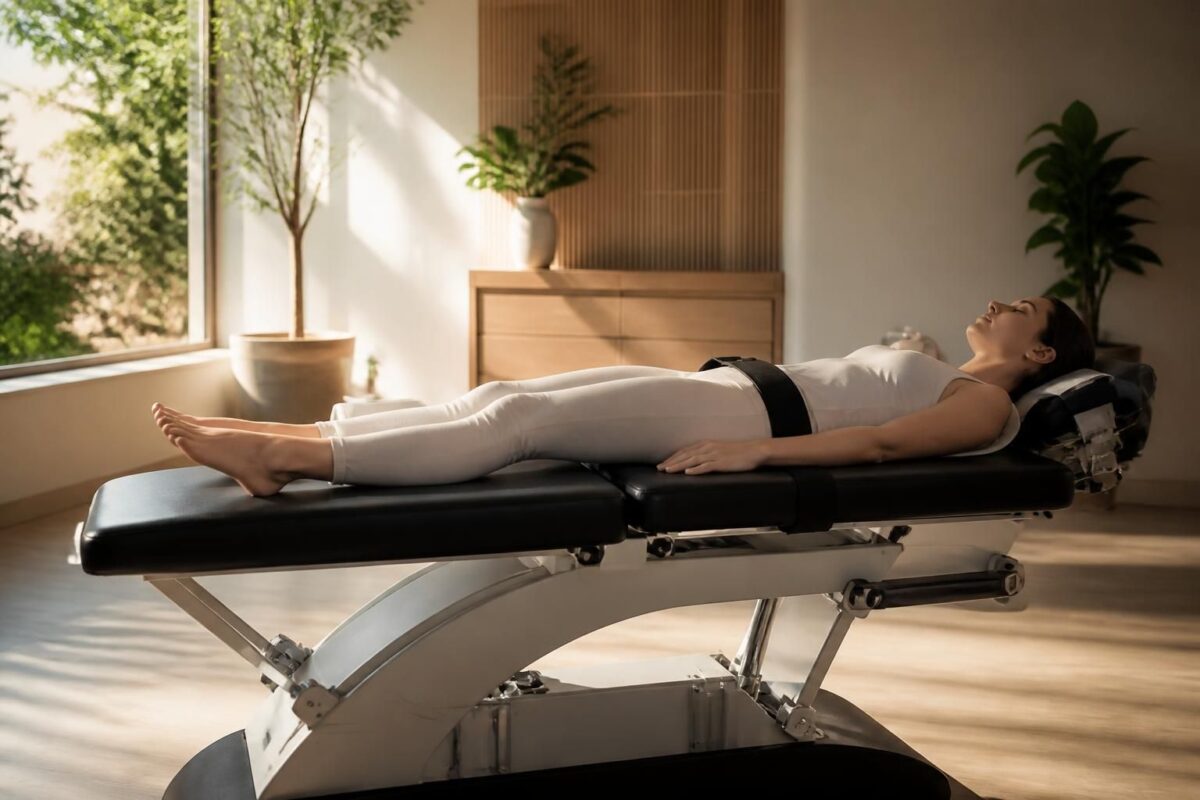
Recent innovations in neurovertebral decompression technologies
In short In short, the neurovertebral decompression is an approach non-invasive Aiming to reduce pressure on discs and nerves, and promote tissue regeneration. At Montreal, it is positioned as an effective option for lower back pain and herniated discs. The…
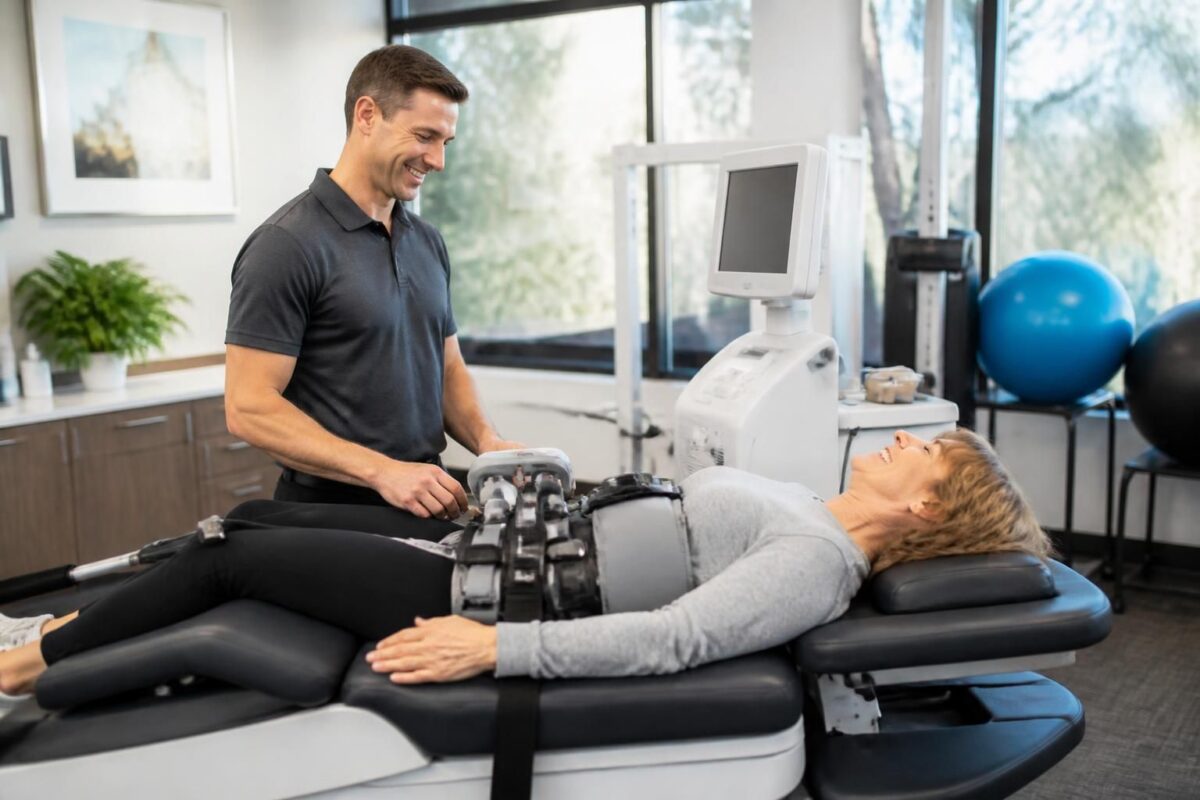
Neurovertebral decompression and diffuse pain: an appropriate solution
In short In short, the neurovertebral decompression is one Non-invasive solution For diffuse pain related to nerve irritation of the spine. She acts in Reducing pressure on intervertebral discs and nerves and improving the bloodstream, which promotes recovery and the…
Security and tracking
Safety is based on a rigorous assessment, a technique administered by trained professionals and a protocol adapted to the patient. Regular checks make it possible to adjust the traction, the frequency of the sessions and the proposed exercises, in order to avoid any worsening and to ensure appropriate progression.
In the event of increased pain, new neurological manifestations or any unusual symptoms, it is essential to quickly consult the healthcare professional in order to reassess treatment and anticipate additional needs.
| Aspect | Concise description |
|---|---|
| Objective | reduce the nerve pressure and the intervertebral space, relieve the lumbar pain and improve the mobility without surgery. |
| Key mechanism | Traction controlled applied to the spine to create a vacuum between the vertebrae and promote the Tissue regeneration. |
| directions | Lumbar stenosis with chronic pain, radiculopathy or nervous symptoms; prior assessment by a professional. |
| Benefits | Treatment non-invasive and without surgery, lasting pain reduction and improvement in mobility. |
| contraindications | pregnancy, recent fractures, severe instability or infections; need of a Medical assessment personalized. |
| Target audience | adults suffering from Spinal stenosis or Chronic pain looking for an alternative to surgery; adapted as appropriate. |
| Duration and sessions | Typical program: 15 to 25 sessions, approximately each session 30 minutes, proper progression. |
| Associated technologies | Possibility to integrate laser, shock waves and approach holistic to optimize the results. |
| Expected results | progressive pain relief, Improving mobility and Prevention of recurrences. |
Testimonials: neurovertebral decompression and lumbar stenosis — treat effectively without surgery
Marie, 62 years old: “Before starting treatment, my lower back pain forced me to stop after only a few steps. With the neurovertebral decompression and a suitable approach, I noticed a gradual decrease in pain and mobility found, all without surgery. I can once again enjoy my daily walks and my favorite activities.
Antoine, 45, active and sporty: “As an athlete, the idea of an operation frightened me. The Lumbar stenosis had become a brake on my training. After a few weeks of sessions focused on neurovertebral decompression, the pain decreased and I was able to resume my sessions with a better range of motion, without any surgery.
Lise, 72, retired: “I had noticed a loss of strength and numbness that bothered my movements. The non-invasive treatment allowed me to recover much of my mobility and relieve my Lower back pain. It’s reassuring to know that I don’t have to go through surgery to find an active life.
Karim, 38, dynamic executive: “The radiant pain disrupted my days and my sleep. After experimenting with neurovertebral decompression, I found a significant reduction in symptoms and a lasting improvement in my posture and ability to sit for a long time, all without surgery.
Sophie, 54, active mom: “The treatment allowed me to reconnect with my family activities. The combination of neurovertebral decompression and a personalized program decreased my aches and restored my mobility, without any recourse to surgery. I feel lighter and more confident on a daily basis.
Julien, 29, passionate about racing: “Before, I was afraid that the Lumbar stenosis Makes me give up my sporting goals. After the sessions, my stride came back and I find stability that allows me to resume my training smoothly, without surgery and without persistent pain.
Claire and Paul, both in their 60s: “We tested this course together and saw similar benefits. The neurovertebral decompression reassured our back and made it possible to reduce daily discomfort. Our usual activities are more fluid and our quality of life has improved, without going through surgery.
Dr. Sylvain Desforges is recognized as Expert in osteopathy, naturopathy and manual medicine, and it occupies the role of Founding President Tagmed clinics and the ACMA association. His approach is based on a Innovative and evidence-based approach to sustainably improve the health and well-being of its patients. Throughout his career, he merged technological advances with manual practices to offer personalized care pathways that allow, when possible, to avoid surgery and optimize mobility.
The Lumbar stenosis is a condition that narrows the spinal canal and compresses the major nerves, causing lower back pain, difficulty walking and a significant reduction in quality of life. Dr. Desforges adopts a patient-centric vision: comprehensive assessment, determination of contributing mechanical factors and developing an individualized therapeutic plan. Its purpose is to offer a Effective non-surgical solution when clinical circumstances permit, while remaining transparent about the options and expected results.
The basis of treatment is neurovertebral decompression, a non-invasive technique based on a Controlled spine traction. This approach aims to Increase the space between the vertebrae, reduce pressure on the intervertebral discs and nerve roots, and promote better fluid circulation and tissue restoration. By acting directly on the mechanical causes of pain, it offers progressive relief and improves mobility without having to resort to surgery.
In his practice, Dr. Desforges combines complementary therapies to strengthen the effectiveness of the protocol. Thus, the laser therapy Targets inflammation and accelerates tissue regeneration, while shock waves stimulate the circulation and healing of painful structures. This Integrative approach Optimizes the results by acting on the different components of pain and neurological dysfunction.
The results observed by patients and clinical teams are promising: progressive pain reduction, improvement in mobility and faster return to daily activities. Each course is designed as a scalable process, with regular assessments and care plan adjustments based on the patient’s progress and tolerances. This approach promotes Sustainable functional recovery and a better quality of life, while minimizing the risks and recovery times associated with surgery.
Beyond technique, Dr. Desforges embodies a form of clinical and pedagogical leadership: development of protocols, team training and adoption of a care framework that combines manual expertise, innovative technologies and scientific rigor. His commitment to realistic and personalized medicine makes him a key player in the non-surgical management of degenerative and protrusive lumbar pathologies, with particular attention paid to the continuous improvement of protocols and to the safety of patients.
For those looking for an approach Holistic and effective For neurovertebral decompression and lumbar stenosis, Dr. Desforges offers an integrated offer within the TagMed and Pulse Align clinics, focused on tangible results and a new quality of life.
This summary summarizes how the neurovertebral decompression offers an approach non-surgical effective for the Lumbar stenosis, by reducing the pressure on the nerves and promoting mobility through controlled and targeted traction. It highlights the mechanisms, indications, clinical benefits and resources available to optimize the management of lower back pain without having to resort to surgery.
Summary and next steps
the principle of neurovertebral decompression Relies on gentle and precise traction that improves the intervertebral space and decreases the load exerted on the nerves located in the lumbar canal. This approach can lead to a Sustainable relief pain, a Improving mobility and a reduction in radiant symptoms, while avoiding the risks and delays associated with surgery. In addition, technologies such as laser and Shockwave therapy Can be integrated to modulate inflammation and promote tissue regeneration, thus reinforcing the overall efficacy of treatment.
The directions Typical cover individuals suffering from lumbar pain related to spinal stenosis, with or without radiculopathy. However, a preliminary assessment carried out by an osteopath or health professional is essential to personalize the protocol and confirm that this approach is adapted to the patient’s profile. The goal is not only quick relief but also Preventing worsening and maintaining a satisfactory level of activity over the long term.
Implementation is generally part of a progressive program, including a number of sessions adapted to the condition of the patient and the severity of the pathology. The choice of techniques is based on an approach holistic and personalized, which can rely on additional resources such as Advanced Protocols and patient feedback. To deepen the mechanisms of action and observed results, you can also consult resources dedicated to neurovertebral decompression and lumbar stenosis on partner sites.
An important component is the integration of complementary technologies that can optimize results. For example, the Pulse Align And other neuromodulatory approaches offer non-invasive stimulation that can help restore muscle tone and improve mobility, without the need for medication or surgery. This combination of techniques allows support multidisciplinary and adapted to each patient.
For those who wish to deepen, several online resources describe the advantages and the application of these protocols, in particular the pages dedicated to neurovertebral decompression, non-invasive treatments and use cases in a sports context. You can find information about the indications, protocols and results observed, as well as testimonials and personalized treatment plans.
For more information and access to additional references, see the following links that address the subject in a natural and contextualized way: Treatment of spinal stenosis by neurovertebral decompression, Advanced protocols to effectively treat complex spinal stenosis, and Rehabilitation after a sports injury. Other useful resources explore the link between decompression, joint mobility and pain prevention, in particular via pages dedicated to prevention and spinal health.
In summary, neurovertebral decompression represents an approach effective and non-invasive For lumbar stenosis, offering a credible alternative to surgery when the clinical evaluation is favorable and the protocol is personalized. Its integration with complementary technologies and professional supervision makes it possible to optimize the functional results and the quality of life of patients.

Dr Sylvain Desforges
Dr Sylvain Desforges, B.Sc., D.O., N.D., osteopath, is the founding president of TAGMED and of the ACMA association. He dedicates his practice to chronic spinal pain, low back pain and symptoms compatible with sciatica, particularly when pain radiates toward the buttock, leg, calf, foot or toes.
Through SOS Sciatique, he publishes educational content on sciatica symptoms, possible causes such as disc herniation, disc narrowing, foraminal stenosis or irritation of a lumbar nerve root, as well as non-surgical approaches that may be considered according to the evaluation. At Clinique TAGMED, care may include, depending on the case, motorized neurovertebral decompression, specific osteopathic care or precision percussion.
For an evaluation related to sciatica treatment in Montreal / Mount Royal or sciatica treatment in Terrebonne, please consult the services available at Clinique TAGMED.
Medical disclaimer
The information published on SOS Sciatique is provided for educational purposes only and does not replace a consultation, diagnosis, opinion or treatment provided by a physician or another authorized healthcare professional. The author of this article is neither a medical doctor nor a specialist in a medical specialty recognized by the Collège des médecins du Québec. The osteopathic, manual medicine or functional support approaches described on this site do not constitute medical acts and are not intended to replace medical follow-up.
Consult a physician or emergency service in cases of loss of bladder or bowel control, anesthesia in the saddle area, significant or progressive weakness in the leg or foot, fever, recent trauma, severe pain or rapid worsening of symptoms. For more details, please read our Legal Notice.