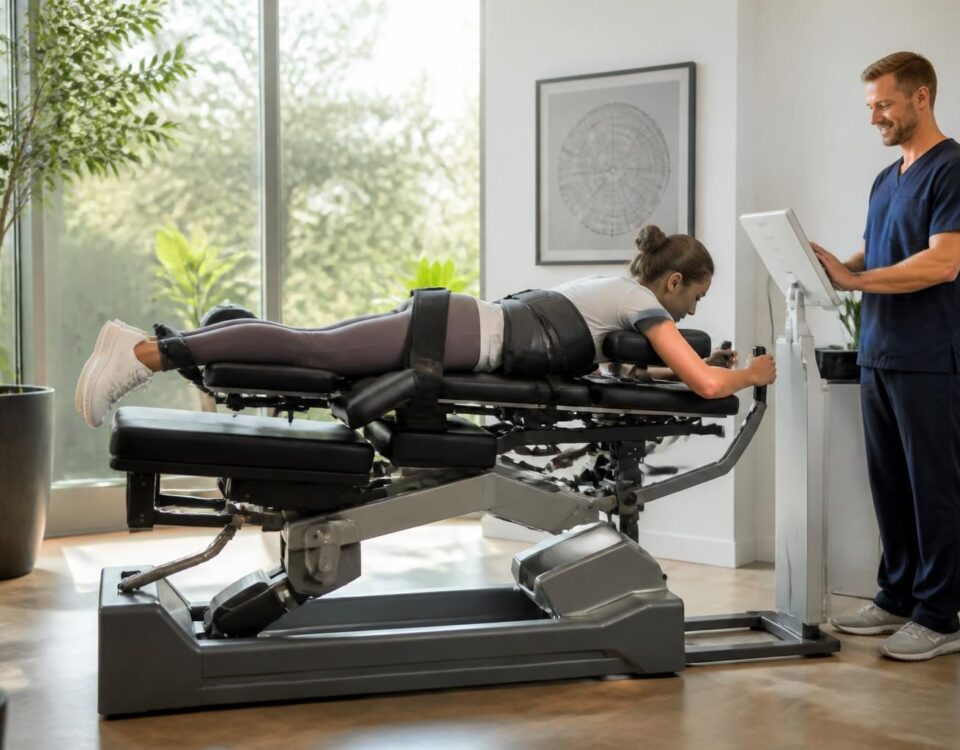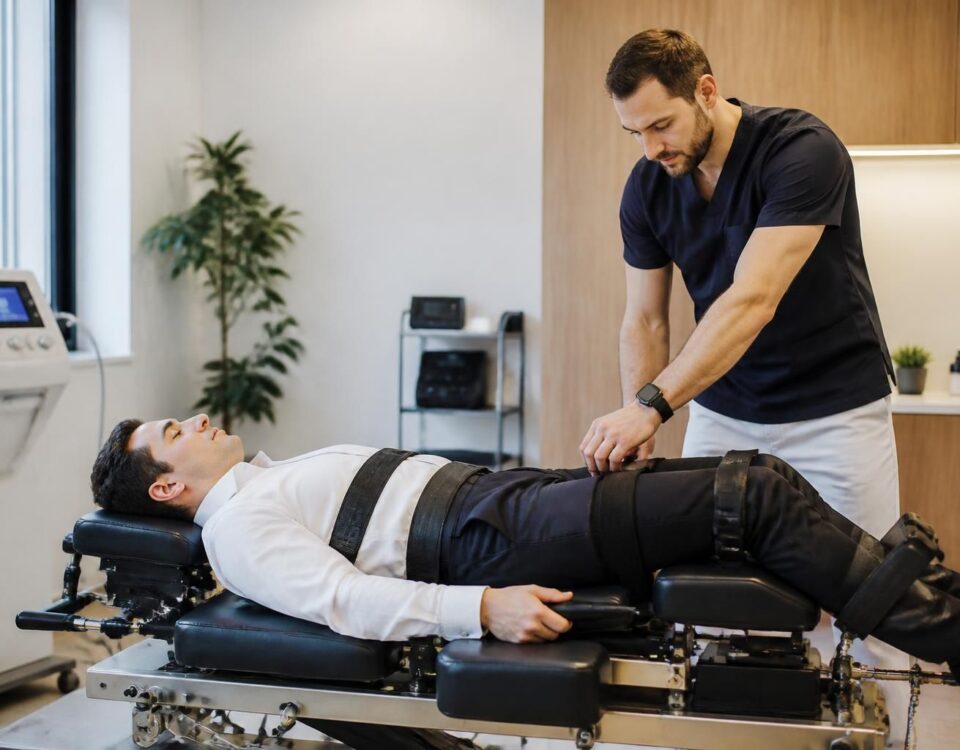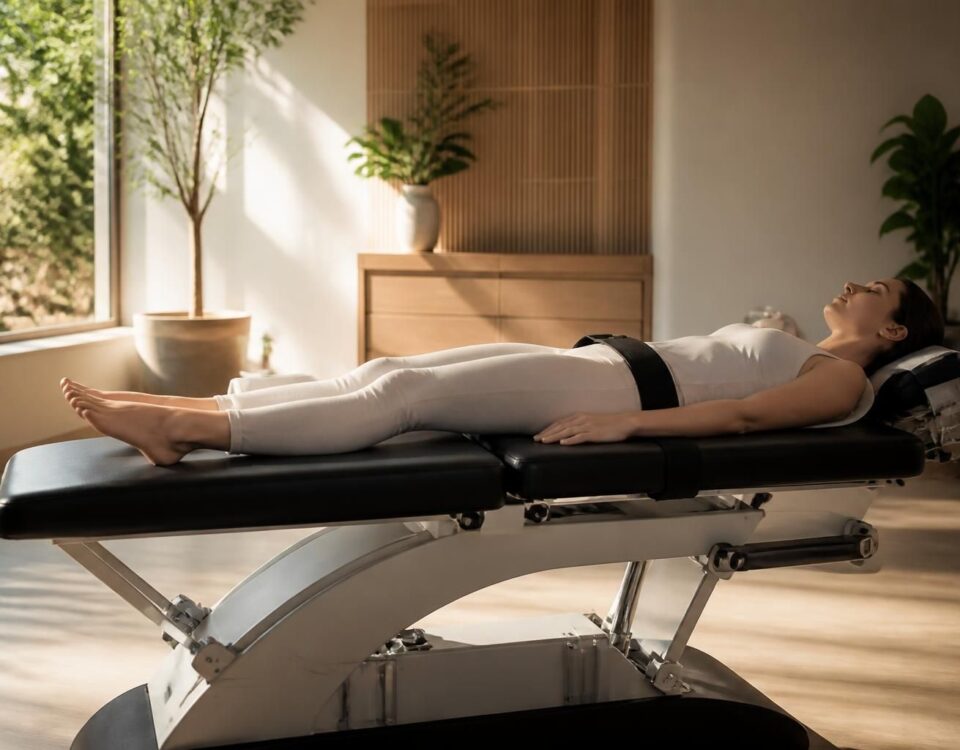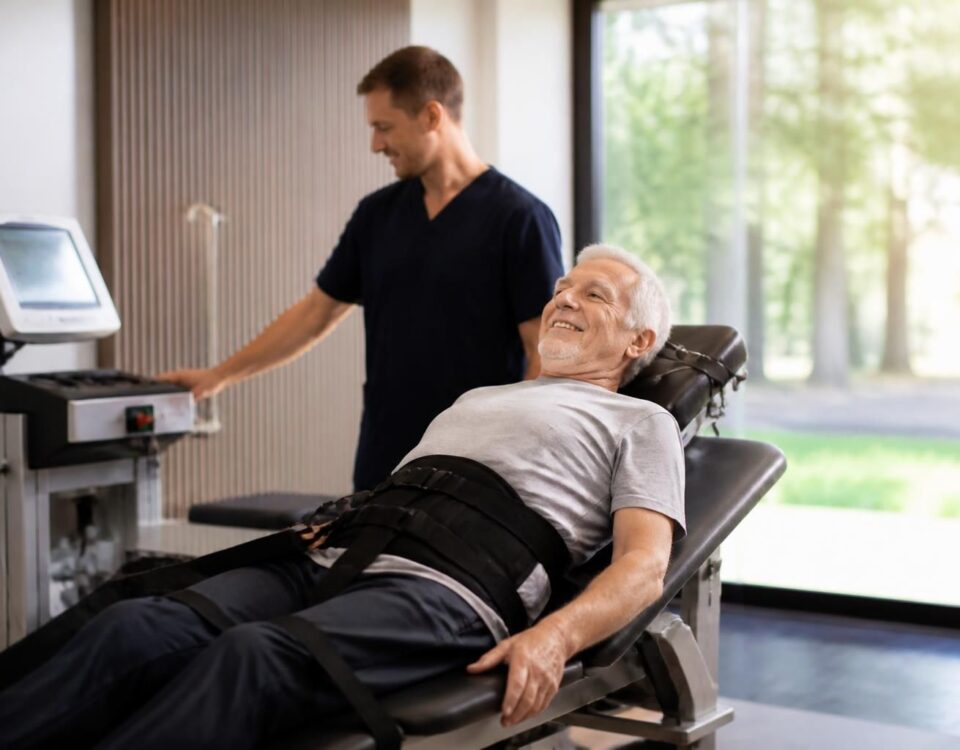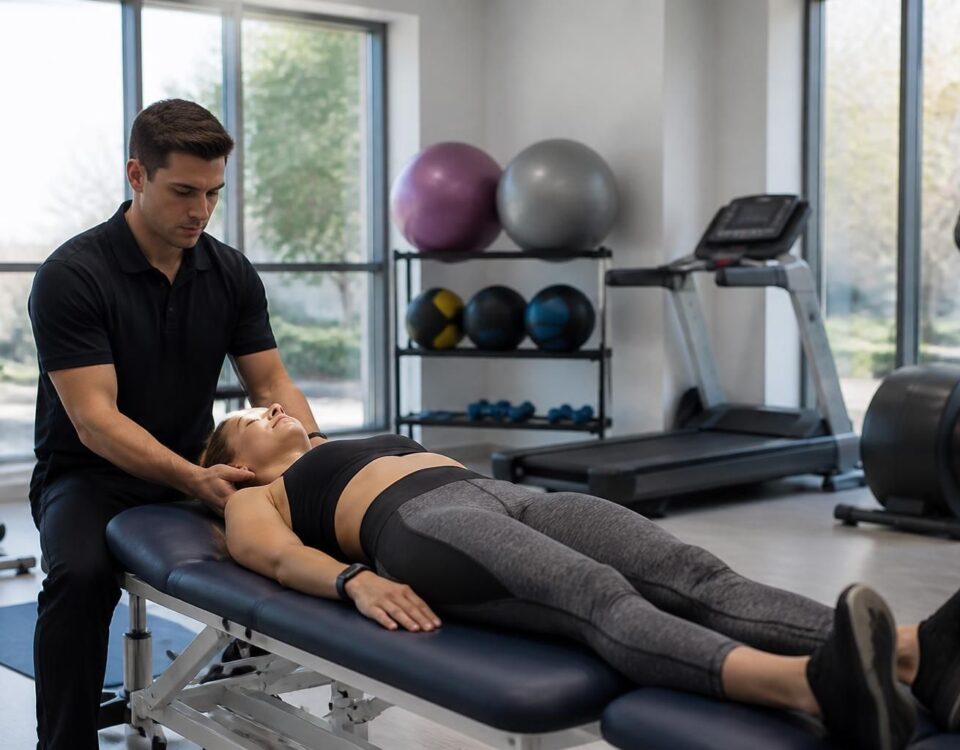
Neurovertebral decompression and optimization of recovery after injury
26/06/2026
Neurovertebral decompression and prevention of relapses of lower back pain
26/06/2026
In short |
In short, neurovertebral decompression is one Non-invasive approach Aiming to relieve back pain by reducing pressure on intervertebral discs and nerves. What does it bring? it improves mobility and sustainably reduces pain, with positive effects on the circulation and inflammation. How does it work? by a Controlled traction adapted and the integration of a Overall care plan (Adaptive physical activity, hydration and stress management). accessible to Paris, this treatment is particularly recommended for lower back and cervical pain and may be an alternative non-surgical to improve the quality of life and prevent relapses. |
The Long-term benefits of the neurovertebral decompression For the back reside in lasting pain reduction and progressive improvement in mobility.
By releasing the pressure exerted on the intervertebral discs and nerves, this non-invasive method promotes recovery and helps maintain daily activities without significant pain.
To optimize the results over the long term, it is accompanied by a Regular follow-up, of one Healthy lifestyle (hydration, adapted physical activity, posture) and any additional therapies that reinforce the mechanisms of repair of the body.
Overall, the Sustainable benefits result in a better quality of life, a reduction in relapses and a regained ability to practice the activities that matter.
This analysis, written by a health professional and expert in manual medicine, examines the Long-term benefits of the neurovertebral decompression For the back. This non-invasive approach aims to reduce the pressure on discs and nerves, which can promote recovery, improve mobility and reduce Chronic pain in the long term. Regular monitoring and an integrated approach are essential for optimizing results and maintaining spinal health over time.
Understanding the principle and framework of use
The neurovertebral decompression Acts by reducing the load on the spinal structures, which promotes better circulation of nutrients to the surrounding disks and tissues. This approach is particularly indicated for patients with lower back or cervical pain related to disc disorders, without the need for surgery. To deepen the technical aspects and clinical applications, you can consult specialized resources via the domains dedicated to these treatments.
Long-term benefits for the back
Long-term benefits include lasting pain reduction, improved mobility and better ability to resume daily activities without recurrent pain. Action on pain mechanisms and on nerve function can lead to improved spinal stability and decreased painful episodes. Adequate management and regular follow-up make it possible to prolong these effects and reduce potential relapses.
Integration into a global health approach
Neurovertebral decompression is part of a global health approach. It can be combined with advice on hydration, sleep and stress management to support natural body repair. A multidisciplinary approach may include trained professionals in recognized frameworks, with references to training organizations such as NUMSS, NAO, National University of Medical Sciences and National Academy of osteopathy, to ensure evidence-based, patient-friendly practices. To enrich your understanding, the study of available technologies and protocols can be consulted via specialized resources in this area.
Relapse monitoring and prevention
Regular follow-up with a qualified practitioner is crucial to assess progress and adjust treatment as needed. Integrating a healthy lifestyle, adequate hydration and stress management help maintain benefits. Resources dedicated to neurovertebral decompression underline the importance of continuous support and a personalized plan to prevent relapses and optimize the quality of life in the long term.
Resources and evidence
To deepen the mechanisms and clinical returns, several specialized resources offer insights on decompression and its long-term effects. Several articles and guides describe clinical indications, mechanisms of action and results observed in practice, while emphasizing the importance of medical follow-up and integration into a comprehensive care program. Reliable online resources allow you to explore benefits, associated technologies and patient experiences, while remaining aligned with practices recommended by professional associations and recognized training institutions.
To find out more,https://www.sossciatique.com/en/the-benefits-of-neurovertebral-decompression-to-prevent-spinal-complications
#ATFP_CLOSE_TRANSLATE_SPAN#In addition, you can also consult additional resources on the long-term approach and benefits through these areas: DecompressionNeurovertebrale.com, Decompression-neurovertebral and joint mobility, and Benefits for relieving muscle tension.
In addition, the TAGMED clinical framework offers an integrated, evidence-based approach, accessible via Tagmed Clinic.
Medical Disclaimer: The information and advice provided on this site does not replace the health professional’s diagnosis or treatment. Please note that Dr. Sylvain Desforges osteopath is neither a doctor of medicine nor a doctor, and is not a specialist in a medical specialty as defined by the Collège des Médecins du Québec. Manual medicine, functional medicine and sports medicine as described on this site exclude any medical treatment or diagnosis made by a doctor or specialist doctor. Always consult your doctor for any medical questions. For more details, please read our full legal notice.
Long-term benefits of neurovertebral back decompression
- Lasting pain reduction and better mobility
- Mobility and flexibility improved back
- Postural support reinforced by the work of the trunk
- Traffic and recovery optimized tissue
- disc hydration and disk health
- relapse prevention and spinal stability
- Regular follow-up and custom adjustments
- Adapted physical activity and good daily postures
- Hydration and food beneficial for the back
- stress management and general well-being
- Postural education and autonomy
- Long-term prevention by a lasting routine

Neurovertebral decompression can provide lasting benefits for the back by promoting the reduction of pressure on the discs and improving the nerve function. To optimize these long-term effects, it is necessary to adopt an integrated approach combining regular monitoring, a healthy lifestyle and preventive measures that support column stability and mobility.
Regular monitoring and evaluation
Tracking planning
Regular follow-up with a qualified professional makes it possible to assess progress and adjust the decompression protocol to maintain the gains obtained. This support promotes adherence to treatment and minimizes the risks of stagnation or relapse.
Keeping a pain, mobility and daily activity tracking journal helps to detect early signs of withdrawal or stress on the back early, and facilitates necessary adjustments.
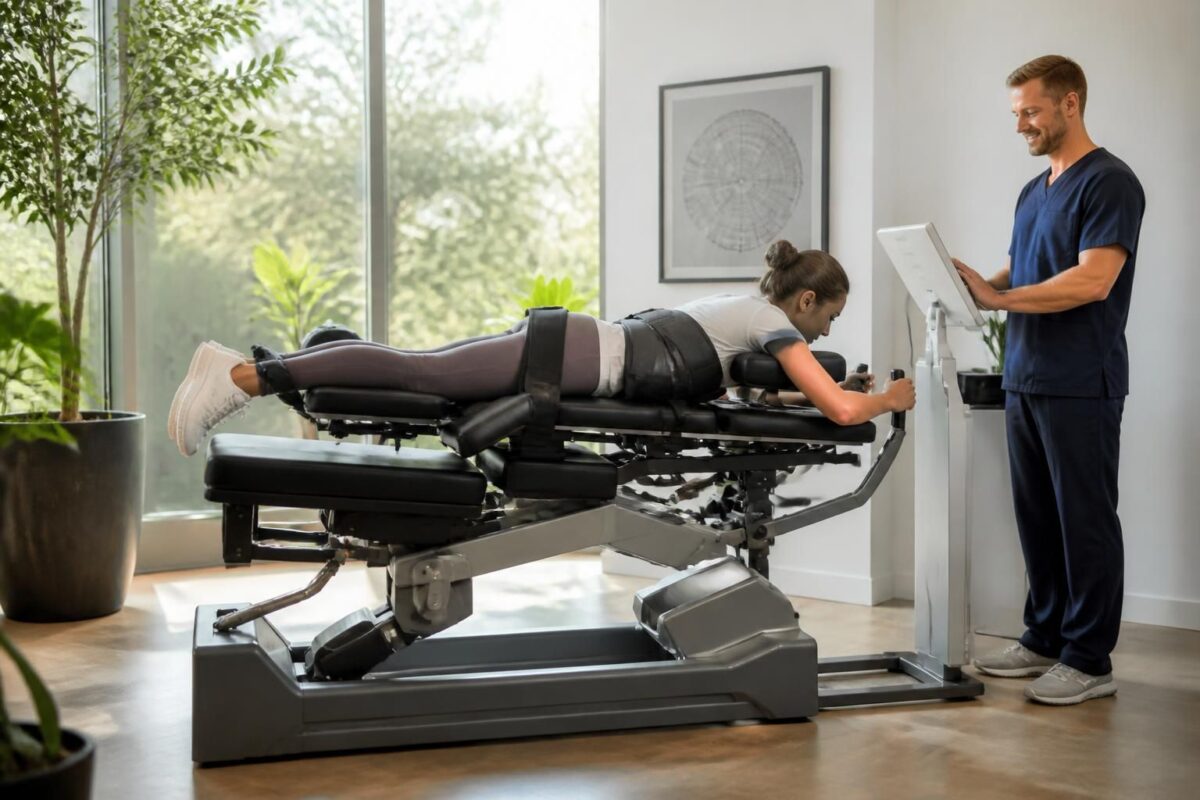
The long-term benefits of neurovertebral decompression for spinal health
In short In short, the neurovertebral decompression is a non-invasive approach that decreases the Pressure on intervertebral discs and nerves, favoring the Natural regeneration and tissue recovery. Its long-term benefits include Lasting pain reduction, Improving mobility and from the posture,…

Neurovertebral decompression and mobility: a return to an active life
In short In short, the neurovertebral decompression is therapy non-invasive who uses a gentle traction To create a space between the vertebrae and reduce the pressure on the Intervertebral discs and the nerves. It promotes a bloodstream improved, lowers tension…
Lifestyle and posture
Hydration and food
Sufficient hydration and a diet rich in anti-inflammatory nutrients support the spinal tissues and disk recovery. Balanced food choices help reduce inflammation and improve blood circulation.
Physical activity and daily posture
Adapted exercises, focused on trunk strengthening and relaxation, help stabilize the spine and increase mobility. Adopting an ergonomic posture at work and in domestic activities reduces mechanical stress and extends the benefits of decompression over the long term.
Sleep also plays a key role: pillows and positions promoting column alignment help preserve the gains obtained in the session and promote night recovery.
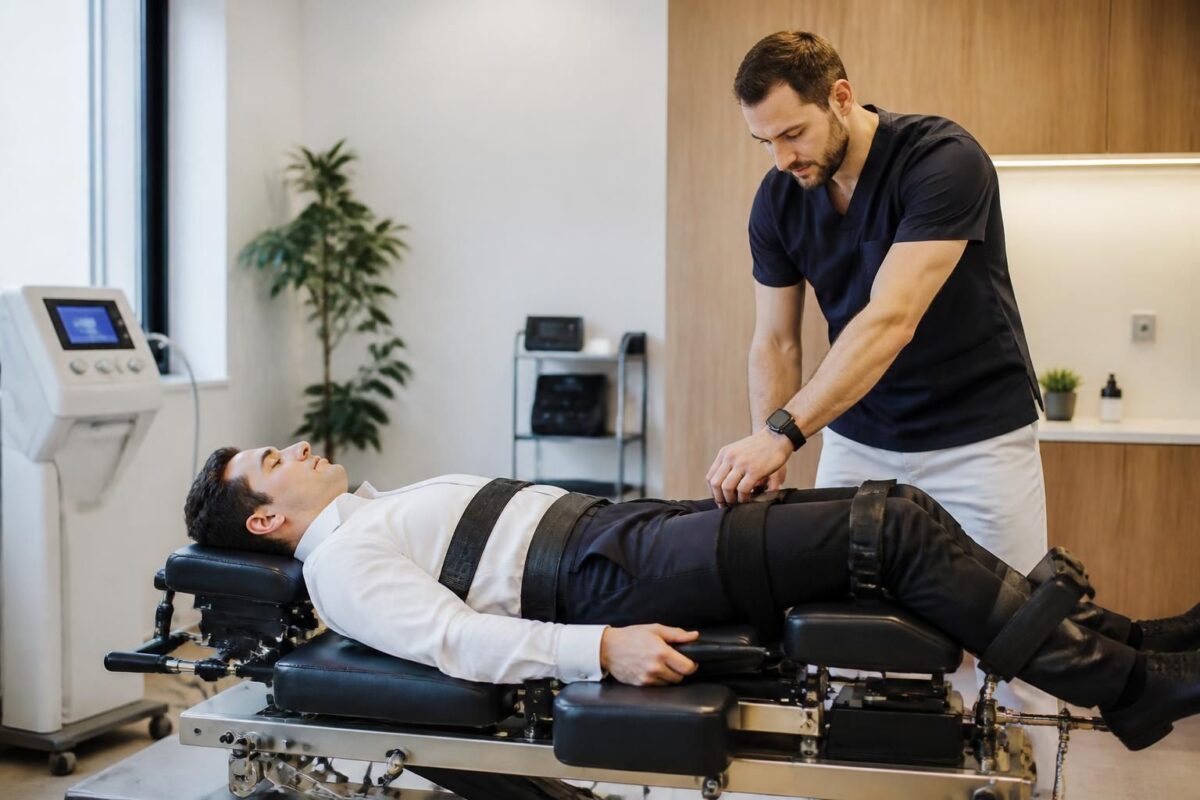
How Neurovertebral Decompression Prevents Diffuse Chronic Pain
In short decompression neurovertebral is one Non-invasive method aimed at reducing the Pressure on the intervertebral discs and the nerves, in order to prevent Diffuse chronic pain. It improves the circulation and thedisc hydration, decreases inflammation and promotes better mobility.…
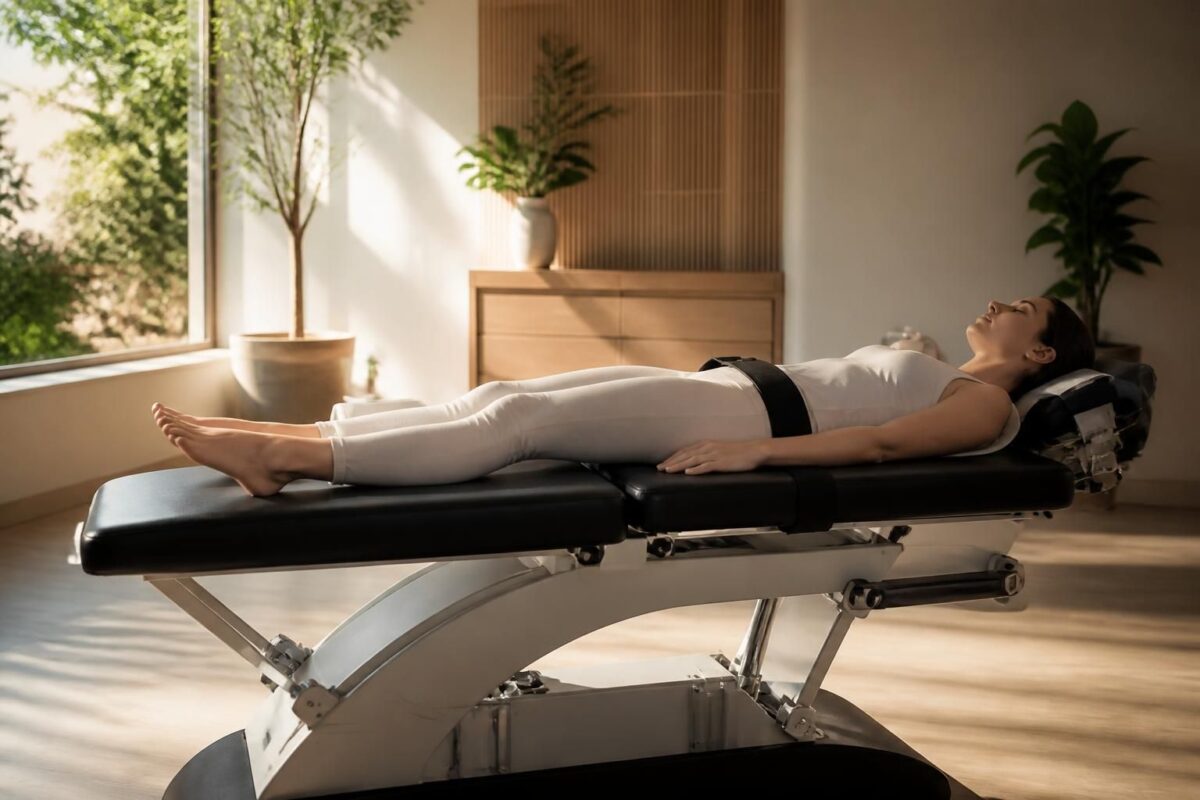
Neurovertebral Decompression and Body Alignment: Restoring Natural Balance
In short In short, neurovertebral decompression is one Non-invasive approach who restores theBody Alignment and thenatural balance back and neck. She acts by a Controlled traction of the spine to widen the intervertebral space and reduce the Pressure on discs…
Complementary therapies and integrated approach
Role of gentle therapies
Integrating complementary approaches such as massage therapy, acupuncture or manual therapy techniques can enhance relaxation, promote circulation and support tissue recovery. These practices should be used under professional supervision and adapted to each patient.
Stress management and mental health
Neurovertebral decompression is part of a global approach to well-being. Breathing, meditation or mindfulness techniques help reduce muscle tension and stress, which can reduce pain and increase the effectiveness of long-term sessions.
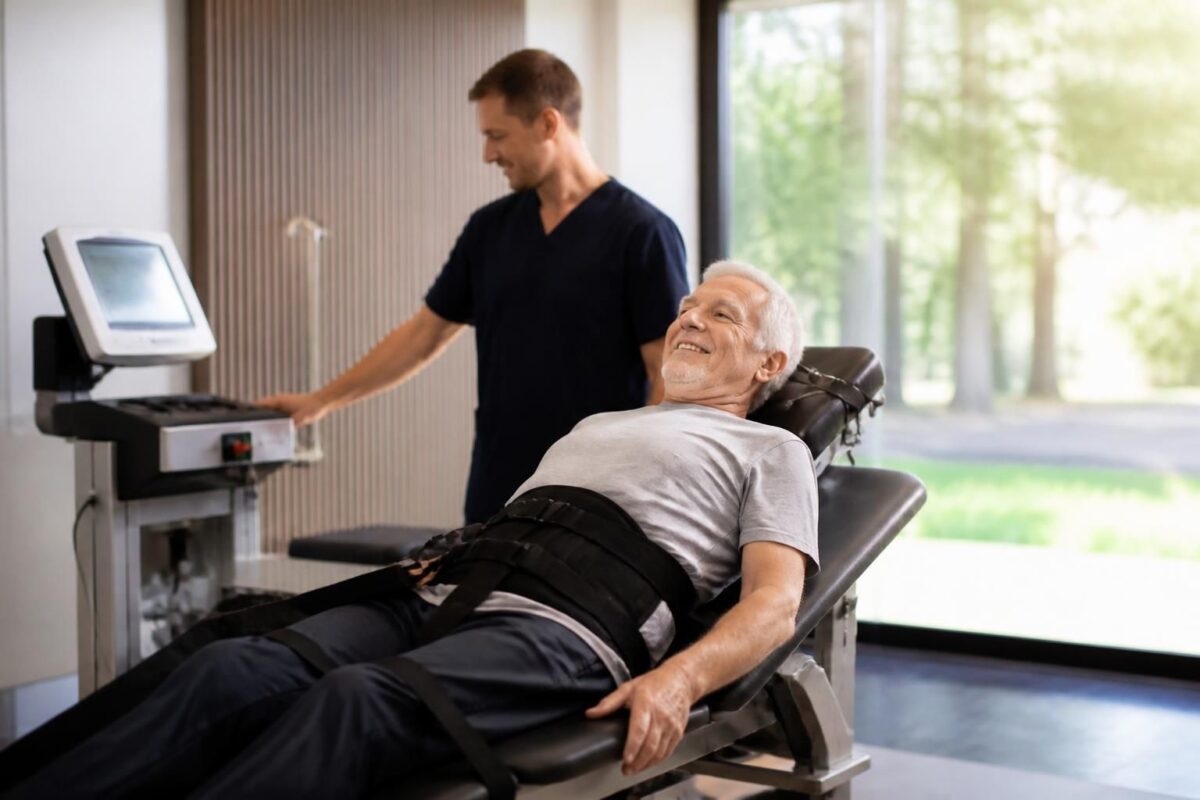
Why neurovertebral decompression is a lasting solution for active seniors
In short In short, the neurovertebral decompression is one Non-invasive therapy which sustainably relieves spinal pain in the spine active seniors By creating, by a Soft and controlled traction, a space between the vertebrae. At Montreal, it is recognized as…
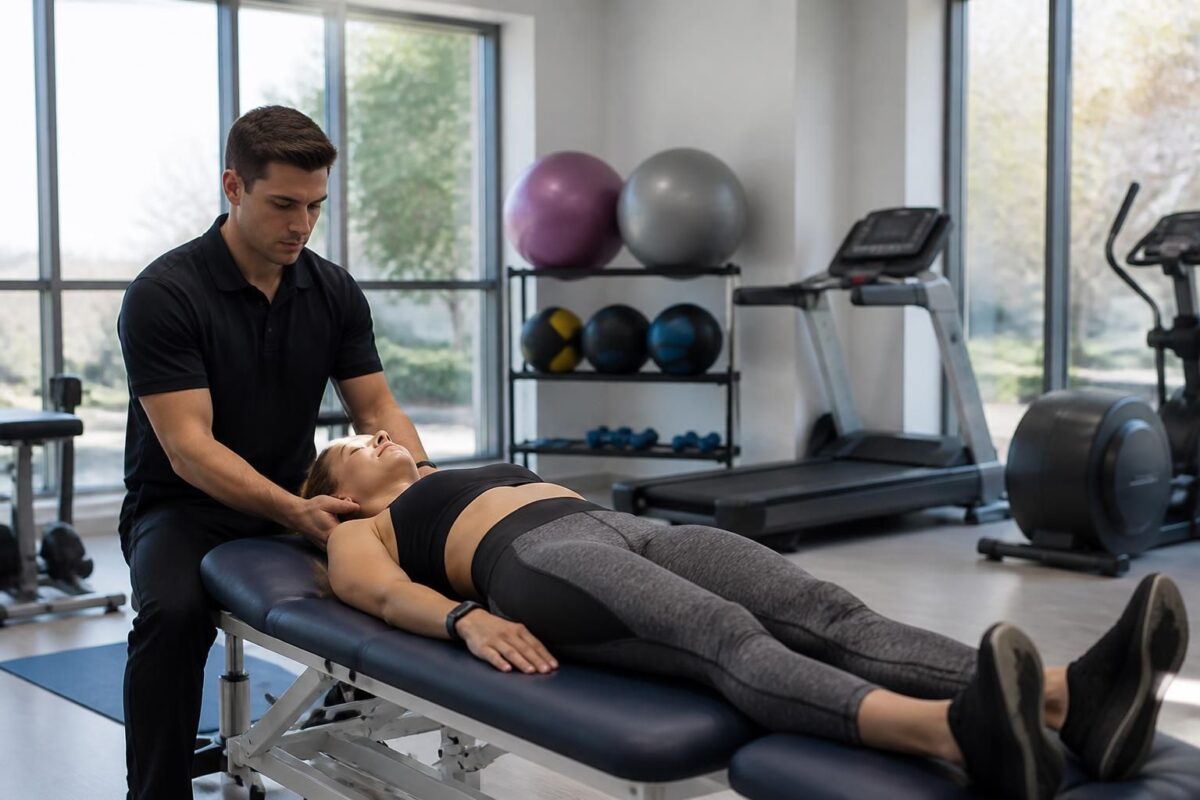
Neurovertebral decompression and recovery after severe sports injury
In short In short, the neurovertebral decompression is one Non-invasive method to Relieve the pressure on the Intervertebral discs and the gristle Via a Controlled traction, to facilitate the recovery After a severe sports injury. It improves the bloodstream towards…
Prevent relapses and maximize results
Education and prevention
Educating the patient about the protective habits of the spine – posture, daily gestures and stress management – is essential to prevent relapses and maintain improvements obtained by decompression.
Life plan and goals
Setting realistic and progressive goals, and regularly reassessing your progress, helps to stay committed to the therapeutic approach. Combining decompression with healthy lifestyles creates a dynamic conducive to better quality of life and lasting pain reduction.
| Axis | Long-term benefits |
|---|---|
| Sustainable relief pain | Sustainable improvement in comfort and reduction of lumbar and cervical pain thanks to the decrease in pressure on the discs and the improvement of tissue nutrition. |
| Mobility and flexibility | Increased amplitude of movement and reduction of stiffness, facilitating daily and professional activities over the long term. |
| relapse prevention | Stabilization of the back through follow-up and lifestyle habits that reduce repeated painful episodes. |
| Circulation and nutrition | Better blood circulation and increased nutrient intake to column tissues, accelerating recovery. |
| Reduction of inflammation | Decreased localized inflammation and favored tissue recovery after painful episodes. |
| Natural repair and stability | Activation of body repair mechanisms and trunk reinforcement for a more stable column. |
| Quality of sleep and well-being | More restful sleep and general wellness improved thanks to less pain and tension. |
| Posture and alignment | Improved dorsal posture and alignment, reducing joint pressure and muscle efforts. |
| Holistic approach and autonomy | Increased autonomy and sustainable adoption of healthy lifestyles through an integrative and educational approach. |
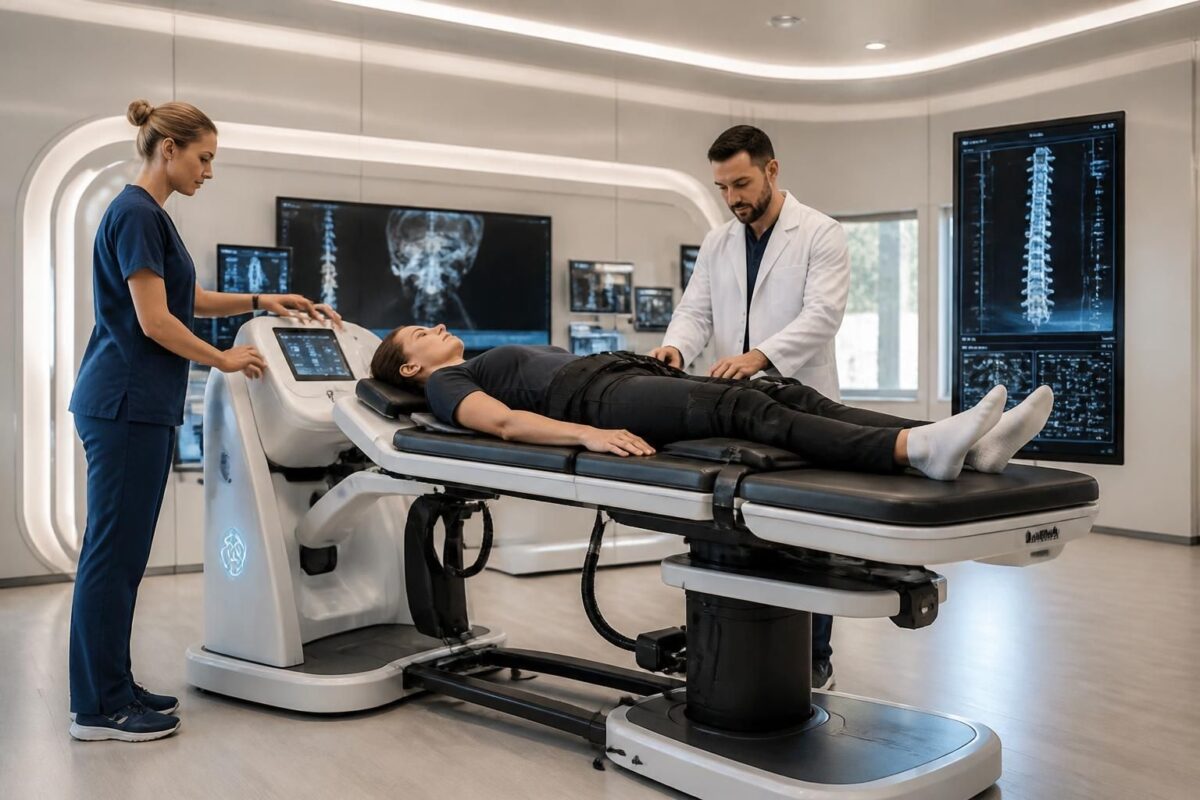
Recent innovations in neurovertebral decompression technologies
In short In short, the neurovertebral decompression is an approach non-invasive Aiming to reduce pressure on discs and nerves, and promote tissue regeneration. At Montreal, it is positioned as an effective option for lower back pain and herniated discs. The…
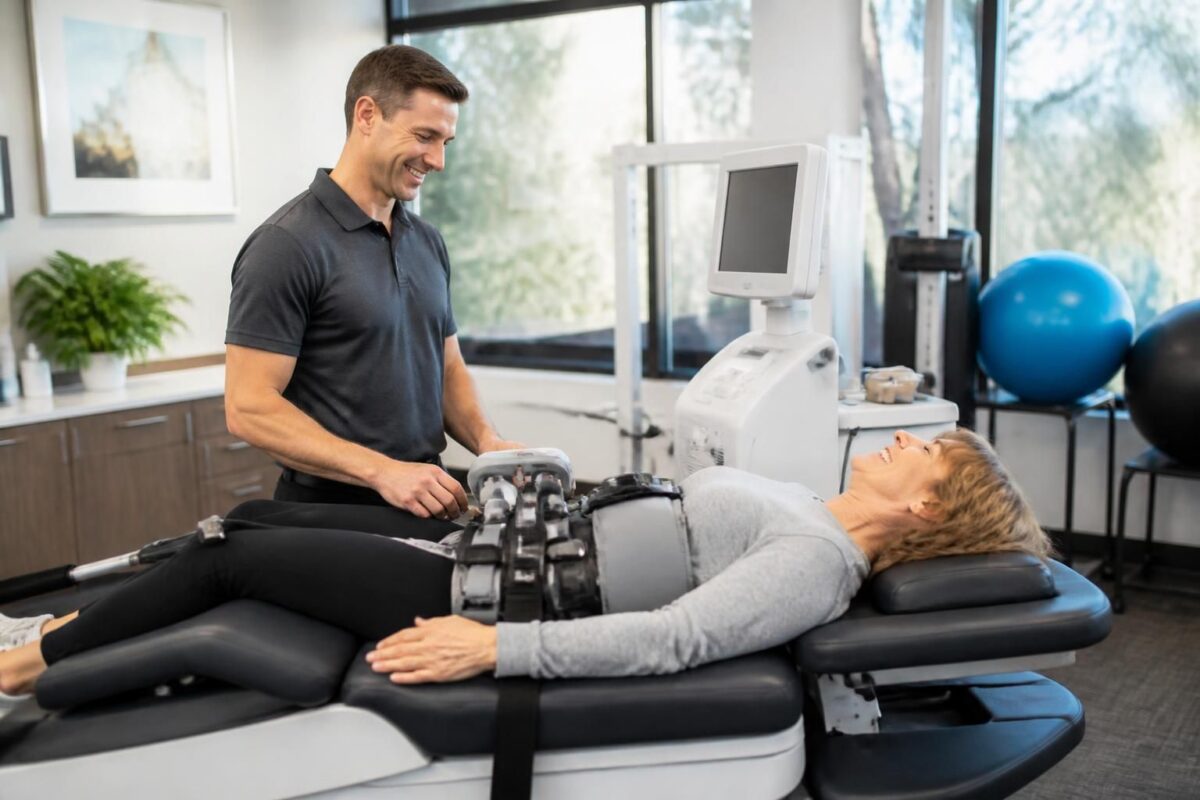
Neurovertebral decompression and diffuse pain: an appropriate solution
In short In short, the neurovertebral decompression is one Non-invasive solution For diffuse pain related to nerve irritation of the spine. She acts in Reducing pressure on intervertebral discs and nerves and improving the bloodstream, which promotes recovery and the…
Testimonials on the long-term benefits of neurovertebral decompression for the back
Marie, 34, testifies: since my first treatments neurovertebral decompression, my lower back pain has decreased in the long term and my mobility strengthened. I found activities that I liked and I feel more confident in my daily movements, without the constant fear of painful rashes.
Jean, 50, recounts his experience: the benefits extend far beyond the sessions, with less than pain nocturnal and recovery between visits which improves. This lasting improvement allowed me to resume regular physical activities without fearing a relapse, which greatly changed my quality of life.
Claudine, 42, Sharing: The Resumption of movements was progressive but lasting. The posture improved and muscle tension decreased greatly, which gave me a feeling of freedom in my spine on a daily basis.
Annie, 56, testifies: after several weeks of treatment, lower back pain has significantly decreased and my sleep has improved significantly. By continuing simple exercises at home, I have extended the beneficial effects and I feel more calm and resistant to the stress of daily life.
David, 29, explains: thanks to a regular commitment, I have found an active life and a Reduced pain in the long term. The feeling of control over my back health came back, and I was able to reintegrate my sports activities without limiting my daily actions.
The neurovertebral decompression is a non-invasive therapeutic approach that targets the mechanical cause of many back pain. by gradually releasing the pressure exerted on the gristle and the Intervertebral discs, it promotes better bloodstream and improved tissue nutrition. This combination contributes to a lasting reduction in pain and to a Significant improvement in mobility in the long term, even after the end of the active sessions.
Anatomically and functionally, the benefits are observed not only in a reduction in symptoms, but also in better stability and a more balanced distribution of forces on the spine. In practice, patients describe a posture improvement and a revival of feature which allows them to resume daily and professional activities with fewer restrictions. This dynamic is reinforced when decompression is associated with sessions of Targeted rehabilitation and patient-centric overall care.
Future profits depend on a follow-up framework and an integrated approach. A personalized program favors regular evaluations, in order to adjust the traction and alignment parameters according to the evolution of the patient. At the same time, adopting a healthy lifestyle plays a key role: Adequate hydration, balanced diet rich in anti-inflammatory nutrients, and practice of appropriate physical activities that strengthen the back muscles and improve posture.
Sustainable care also involves managing stress and supporting mental health. techniques such as meditation And breathing exercises can decrease muscle tension and improve recovery. The objective is to create a virtuous circle: less pain, better mobility, more activity, and therefore a reduction in the risk of relapse in the medium and long term.
In a multidisciplinary perspective, decompression benefits from additional support, in particular soft manual therapies, trunk strengthening exercises and functional approaches adapted to everyday life. This synergy promotes a Sustainable resilience of the spine in the face of the constraints of modern life and responds to the need for long-term results to be maintained.
Patient-reported results and clinical data indicate a Lasting pain reduction, a Mobility found and an Improved quality of life. By installing a maintenance routine early and integrating the advice of professionals, everyone can optimize the long-term effects of neurovertebral decompression and reduce the risk of relapse over time.
Quick summary: Neurovertebral decompression provides lasting gains for the back by gradually reducing pressure on discs and nerves, which improves pain, the mobility and the quality of life in the long term. Its effectiveness is based on a non-invasive, personalized approach and combining favorable life behaviors, complementary therapies and regular medical follow-up.
The Long-term benefits of neurovertebral decompression is manifested by a Lasting pain reduction and a better mobility of the spine. By acting on the mechanical mechanisms that cause compression, this technique helps to restore the alignment and balance of the column, which results in a Functional improvement and an relapse prevention when combined with other good practices.
To optimize these long-term effects, Regular follow-up With competent professionals is essential in order to adjust protocols and assess progress. An approach holistic Integrating decompression with complementary therapies such as targeted exercises, stress management techniques and a suitable diet can amplify gains and support natural tissue repair.
Setting up a clear routine is also crucial. This includes a Sufficient hydration, of Adapted physical exercises to strengthen the back and improve posture, and Breathing and meditation techniques to promote relaxation and reduce tension. These elements contribute to maintaining the benefits and reducing the risk of recurrence.
External resources provide additional insights on this subject. For example, you can consult the analyzes and feedback on the Long-term benefits in elderly patients, or the perspectives presented by Dr. Desforges. Clear comparisons and syntheses are also available via Dedicated resources, and specialized publications address the impact on overall spinal health through approaches preventive and anti-inflammatory.
through a Integrated approach, neurovertebral decompression can become a lasting component of a spinal care plan, with benefits that extend beyond immediate relief, including improving overall health and supporting prevention of future pain. To deepen the technical aspects and associated evidence, please refer to the following resources: Decompression and optimization of spinal health, Chronic Pain – Innovative Approach, Prevention of spine pain, and Comparative study of approaches.

Dr Sylvain Desforges
Dr Sylvain Desforges, B.Sc., D.O., N.D., osteopath, is the founding president of TAGMED and of the ACMA association. He dedicates his practice to chronic spinal pain, low back pain and symptoms compatible with sciatica, particularly when pain radiates toward the buttock, leg, calf, foot or toes.
Through SOS Sciatique, he publishes educational content on sciatica symptoms, possible causes such as disc herniation, disc narrowing, foraminal stenosis or irritation of a lumbar nerve root, as well as non-surgical approaches that may be considered according to the evaluation. At Clinique TAGMED, care may include, depending on the case, motorized neurovertebral decompression, specific osteopathic care or precision percussion.
For an evaluation related to sciatica treatment in Montreal / Mount Royal or sciatica treatment in Terrebonne, please consult the services available at Clinique TAGMED.
Medical disclaimer
The information published on SOS Sciatique is provided for educational purposes only and does not replace a consultation, diagnosis, opinion or treatment provided by a physician or another authorized healthcare professional. The author of this article is neither a medical doctor nor a specialist in a medical specialty recognized by the Collège des médecins du Québec. The osteopathic, manual medicine or functional support approaches described on this site do not constitute medical acts and are not intended to replace medical follow-up.
Consult a physician or emergency service in cases of loss of bladder or bowel control, anesthesia in the saddle area, significant or progressive weakness in the leg or foot, fever, recent trauma, severe pain or rapid worsening of symptoms. For more details, please read our Legal Notice.