The long-term benefits of neurovertebral decompression for the back
26/06/2026
Why neurovertebral decompression is essential for spinal health
26/06/2026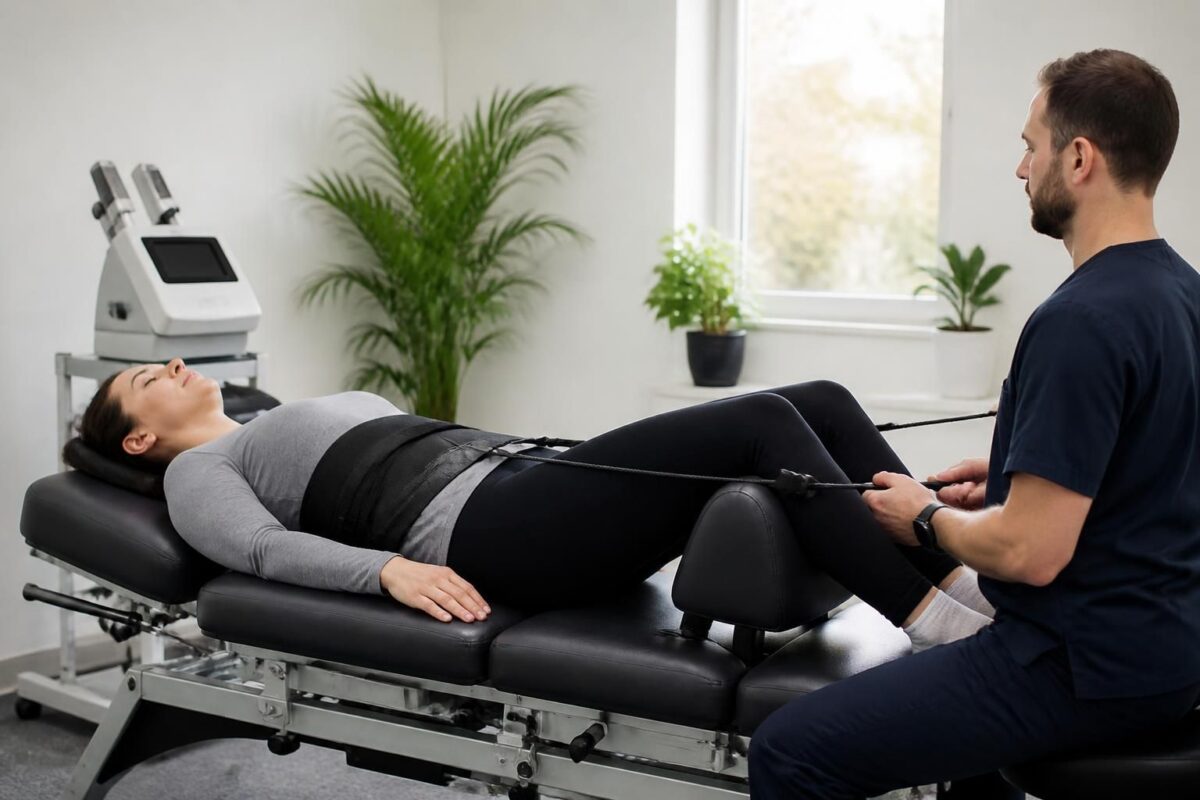
In short
| In short, the neurovertebral decompression is one Non-invasive therapy which soothes the Lower back pain and the Neuropathic pain by reducing the pressure on the discs and nerves thanks to a Soft and controlled traction. Its benefits main include a Lasting pain relief, a Improving mobility and an relapse prevention thanks to a realignment and an stability increased spine. accessible to Montreal, this treatment can be integrated into a course of rehabilitation personalized and can be supplemented by Associated therapies To optimize results and prevent recurrences. |
The neurovertebral decompression is an approach non-invasive Designed to relieve Lower back pain By reducing the pressure on the discs and nerves thanks to a controlled and gentle traction. By promoting the space between the vertebrae, it allows better hydration of the discs and a more effective circulation of nutrients, which can reduce pain and improve mobility. Often quick and lasting results, it fits ideally into a personalized rehabilitation program (physiotherapy, targeted exercises) in order to strengthen the back and stabilize the spine. It also plays a key role in the relapse prevention By improving the alignment and spinal stability, thus reducing the risk of recurrences when the activity resumes. Regular monitoring allows you to adjust the treatment plan and optimize the long-term benefits.
This article, written by a health professional and expert, presents how the neurovertebral decompression can prevent Relapses of lower back pain. He explains the mechanism, indications, and principles of management at the TagMed Clinic. The approach is non-invasive and centered on column stabilization and improved tissue circulation for a lasting return to mobility.
Understanding neurovertebral decompression
The neurovertebral decompression is non-surgical therapy. It is based on a Controlled traction applied to the spine. This action creates a space between the vertebrae and decreases the pressure on the Intervertebral discs and the gristle. The result can be a lasting reduction in pain and an improvement in tissue circulation around the spine.
how it helps prevent relapses
By improving the alignment of the vertebrae and decreasing the pressure on the nerves, decompression reduces repeated painful signals. It can promote better mobility and reduce factors that predict relapses. Regular monitoring and integration of a comprehensive care plan increases the chances of preventing recurrences.
Procedure and support plan
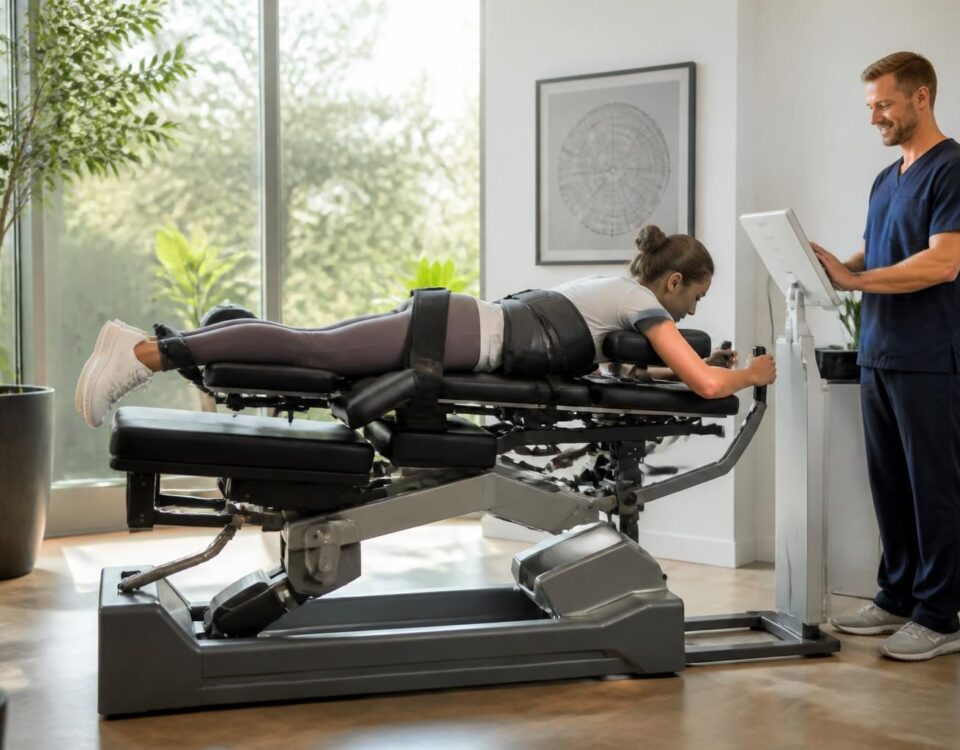
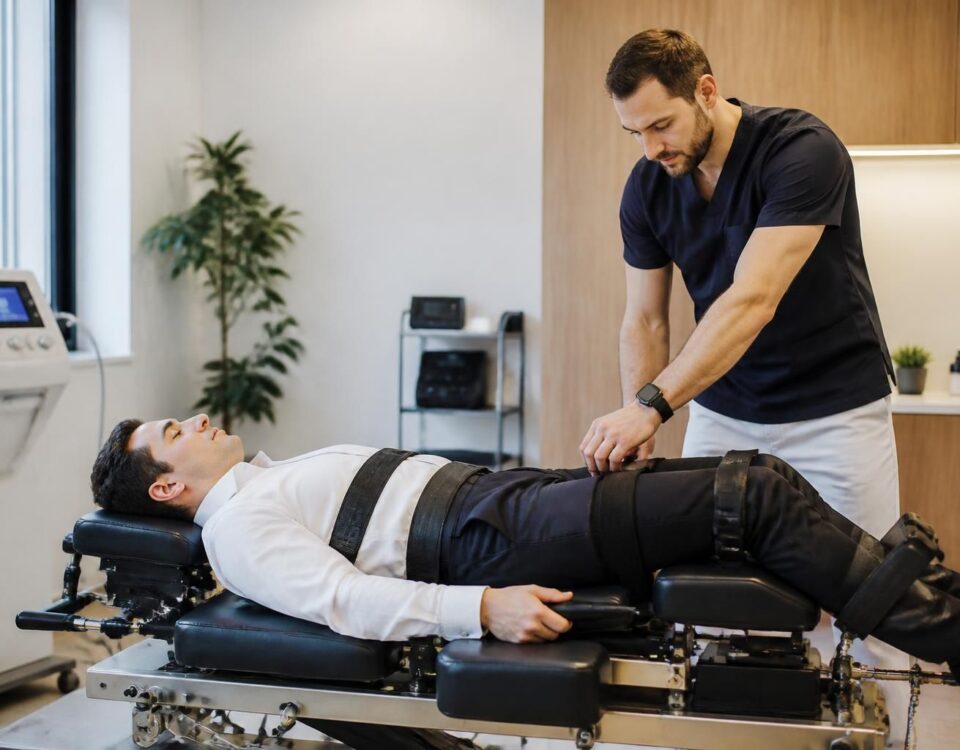
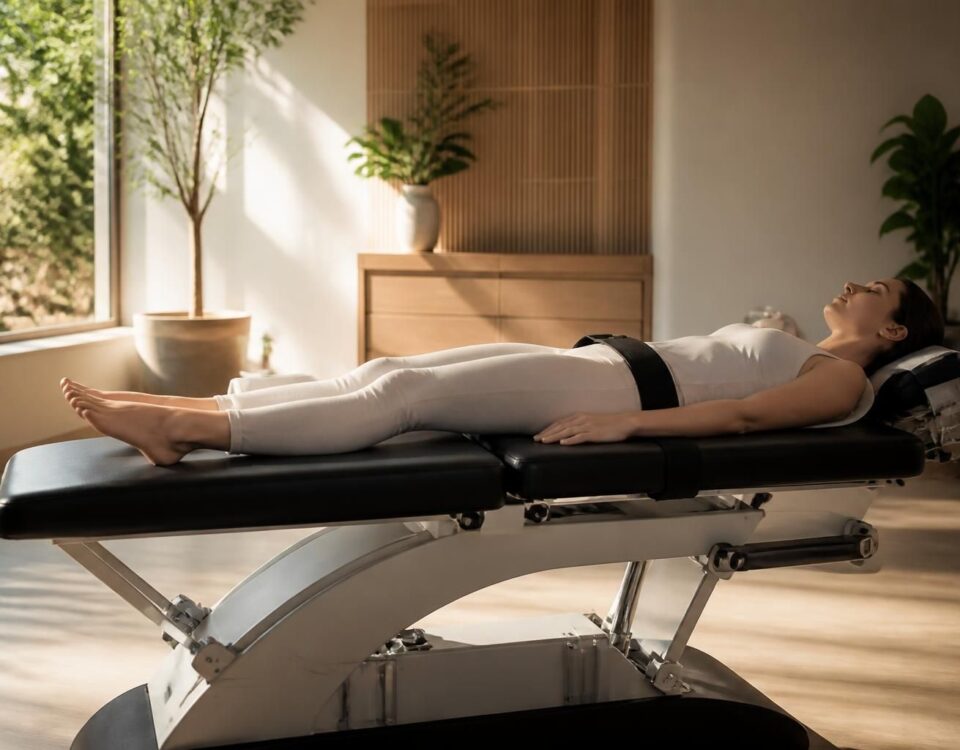
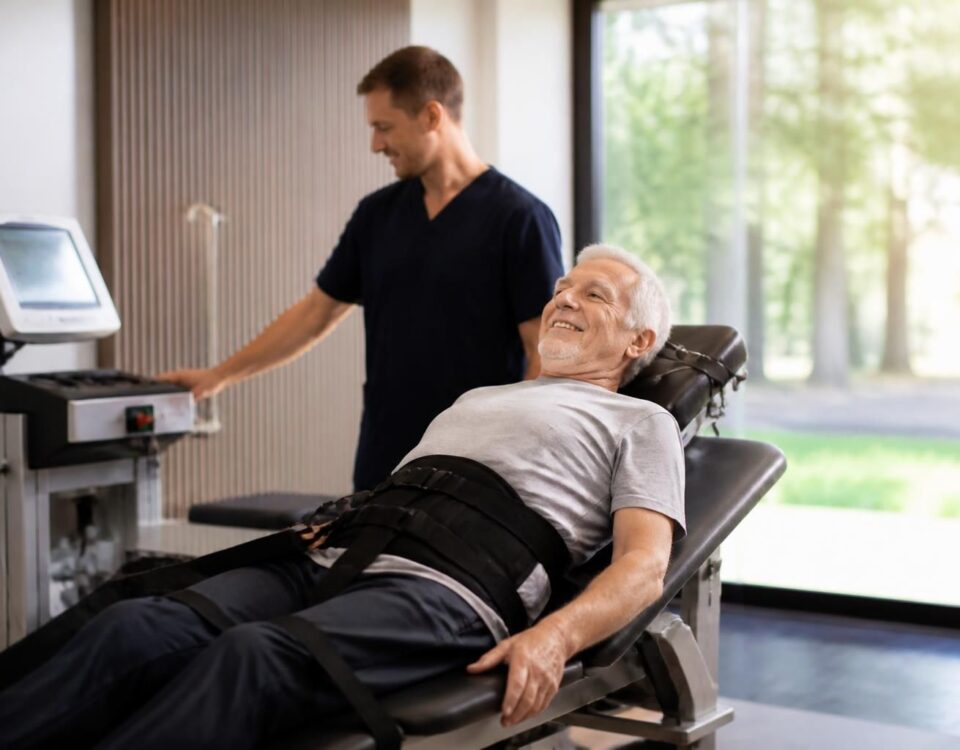
The initial assessment includes background analysis and, where appropriate, imaging reviews. The treatment takes place on a specialized table with guided and secure traction. A personalized treatment plan is established and follow-up visits adjust the protocol according to the patient’s results and progress. At Tagmed Clinic, the approach can be complemented by complementary technologies and continuous monitoring to optimize long-term effects.
Indications and contraindications
Main indications: Disc bulges, herniated discs, disc degeneration, Foraminal stenosis. Contraindications to consider include active vertebral infections, recent spinal surgery history, marked neurological disorders and unconsolidated vertebral fractures. A comprehensive medical assessment determines whether decompression is suitable for each patient.
Advantages and limits
Expected profits include a Lasting pain relief, a Improving mobility and an Prevention of recurrences. Like any approach, it has limitations and requires appropriate patient selection and rigorous follow-up. Efficacy is generally enhanced when decompression fits into an overall care strategy.
Resources and useful links
To learn more, see the following resources:
Tagmed Clinic,
Neurovertebral Decompression – Long Term Results,
Long-term benefits,
How decompression improves stability,
Prevention of chronic back pain,
relapse prevention,
Recommendations to optimize long-term effects,
Long-term results.
training and practice are based on recognized references and, when necessary, on training institutions in osteopathy legitimized. Professionals can be affiliated with organizations such as ACMA, the College of Canadian Osteopaths or the College of Canadian Osteopaths. For care in Montreal or Terrebonne, the TagMed clinic offers an integrated approach that focuses on patient evidence and safety.
Medical Disclaimer: The information and advice provided on this site does not replace the health professional’s diagnosis or treatment. Please note that Dr. Sylvain Desforges osteopath is neither a doctor of medicine nor a doctor, and is not a specialist in a medical specialty as defined by the Collège des Médecins du Québec. Manual medicine, functional medicine and sports medicine as described on this site exclude any medical treatment or diagnosis made by a doctor or specialist doctor. Always consult your doctor for any medical questions. For more details, please read our full legal notice.
- neurovertebral decompression: traction controlled Non-invasive to create a space between the vertebrae and reduce the pressure on the discs and nerves.
- Key indications: Disc bulges, slipped disc, Foraminal stenosis, disc degeneration.
- Observed benefits: Lasting pain reduction, Improving mobility, better quality of life.
- Safety and follow-up: Realization by a professional with a prior assessment and adaptation of the protocol.
- relapse prevention: improvement of the Spinal stability and from the vertebral mechanics To reduce nerve irritation.
- rehabilitation plan: targeted exercises of Back strengthening and of flexibility, daily posture.
- Lifestyle: ergonomy Adapted, regular physical activity, weight management.
- Follow-up and adjustment: Regular visits and reassessment of symptoms to adapt the protocol.
- Complementary therapies: Integrated approach with other non-invasive therapies to optimize results.

This summary presents how the neurovertebral decompression can help to sustainably relieve lower back pain and how to put in place relapse prevention effective, via a personalized rehabilitation, ergonomics and medical follow-up plan. It recalls the interest of a non-invasive approach adapted to each patient to preserve mobility and quality of life.
Understanding neurovertebral decompression
The neurovertebral decompression Relies on soft and controlled traction applied to the spine, to create a space between the vertebrae. This action aims to reduce the pressure on the intervertebral discs and on the nerves, thus promoting blood circulation, hydration of the discs and the recovery of surrounding tissues. This approach no invasive Can help reduce the symptoms of disc bulges and herniated discs, while improving flexibility and back mobility.
Well-conducted treatment involves in-depth initial assessment and personalized protocol, adapted to medical history and relevant imaging. The results vary depending on the case, but many patients see significant improvements after a few sessions and better ability to resume daily activities without persistent pain.
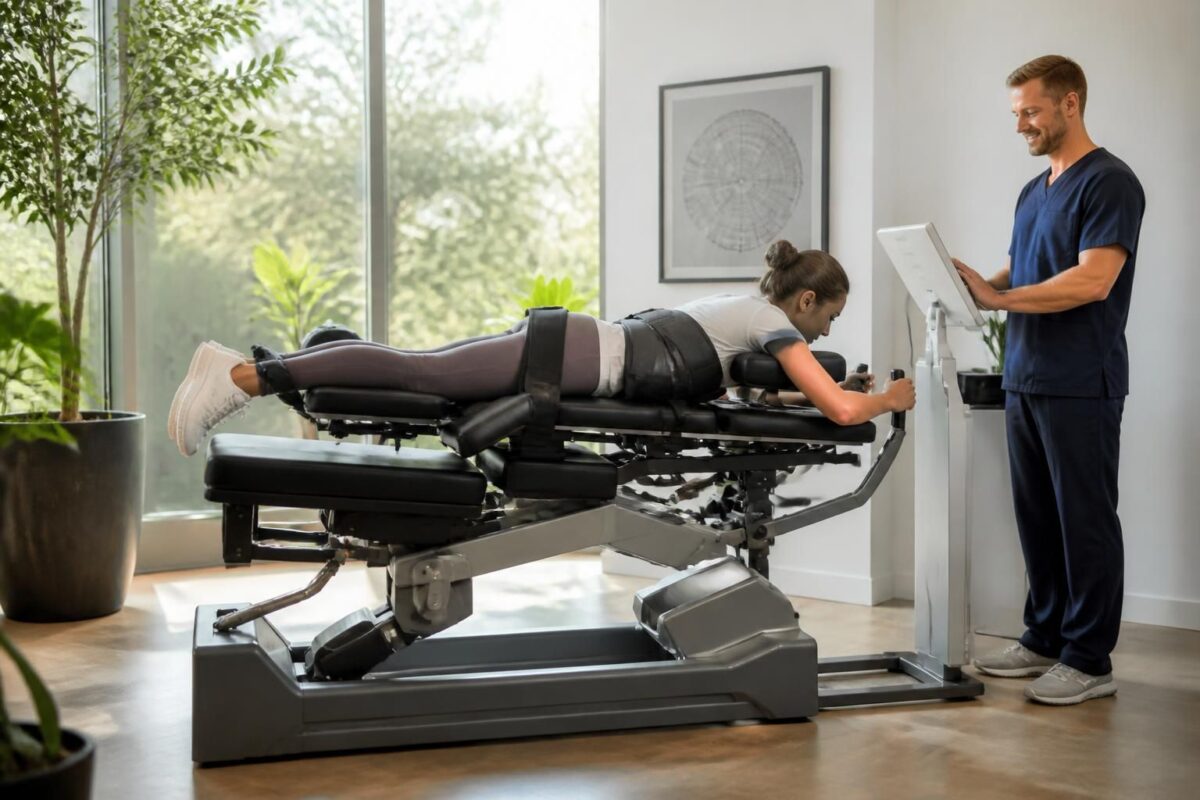
The long-term benefits of neurovertebral decompression for spinal health
In short In short, the neurovertebral decompression is a non-invasive approach that decreases the Pressure on intervertebral discs and nerves, favoring the Natural regeneration and tissue recovery. Its long-term benefits include Lasting pain reduction, Improving mobility and from the posture,…

Neurovertebral decompression and mobility: a return to an active life
In short In short, the neurovertebral decompression is therapy non-invasive who uses a gentle traction To create a space between the vertebrae and reduce the pressure on the Intervertebral discs and the nerves. It promotes a bloodstream improved, lowers tension…
Indications and safety
Major indications include disc conditions such as disc bulges, disc hernias and disc degeneration, as well as certain situations of low back pain related to foraminal stenosis. On the other hand, decompression is not suitable when active spinal infections, history of recent spinal surgery or advanced neurological disorders are present. A pre-assessment by a health professional is essential to determine eligibility and establish a safe and effective plan.
To ensure safety, the protocol must be supervised by trained practitioners adapted to each patient. The patient should be informed about realistic expectations and possible transient discomforts, while ensuring that traction remains controlled and progressive.
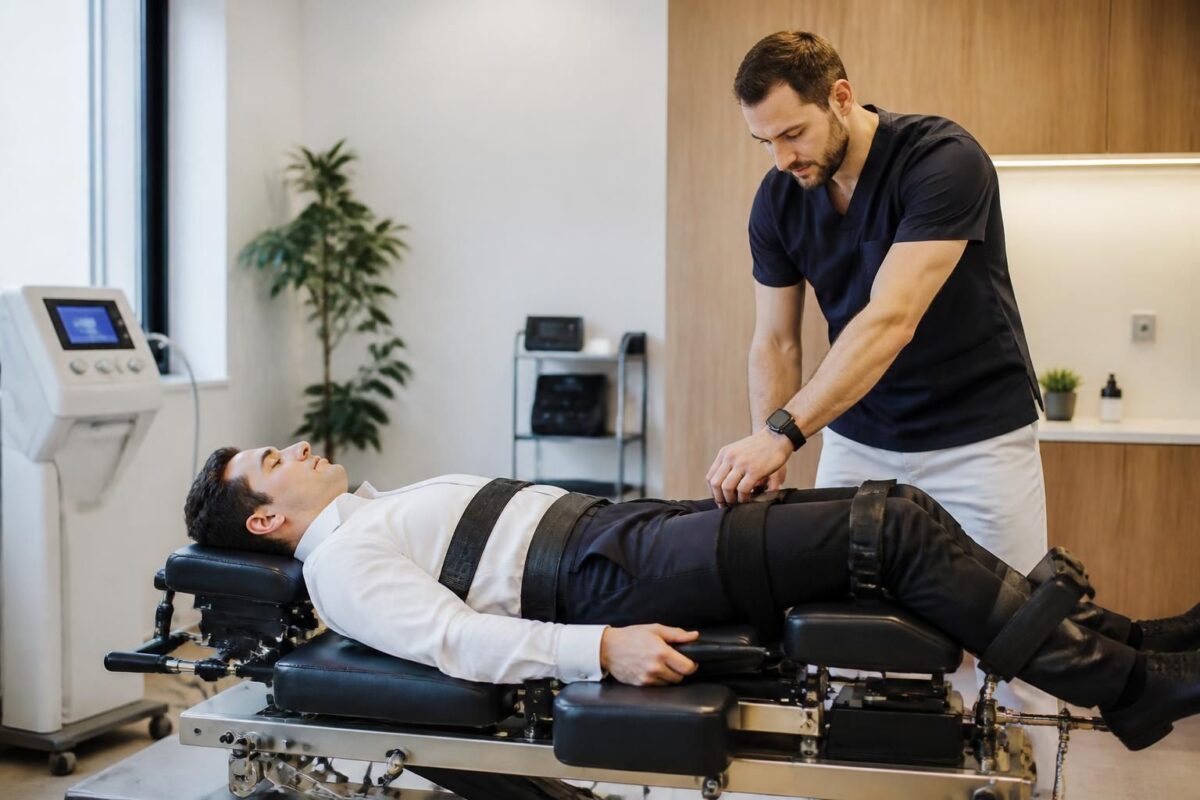
How Neurovertebral Decompression Prevents Diffuse Chronic Pain
In short decompression neurovertebral is one Non-invasive method aimed at reducing the Pressure on the intervertebral discs and the nerves, in order to prevent Diffuse chronic pain. It improves the circulation and thedisc hydration, decreases inflammation and promotes better mobility.…
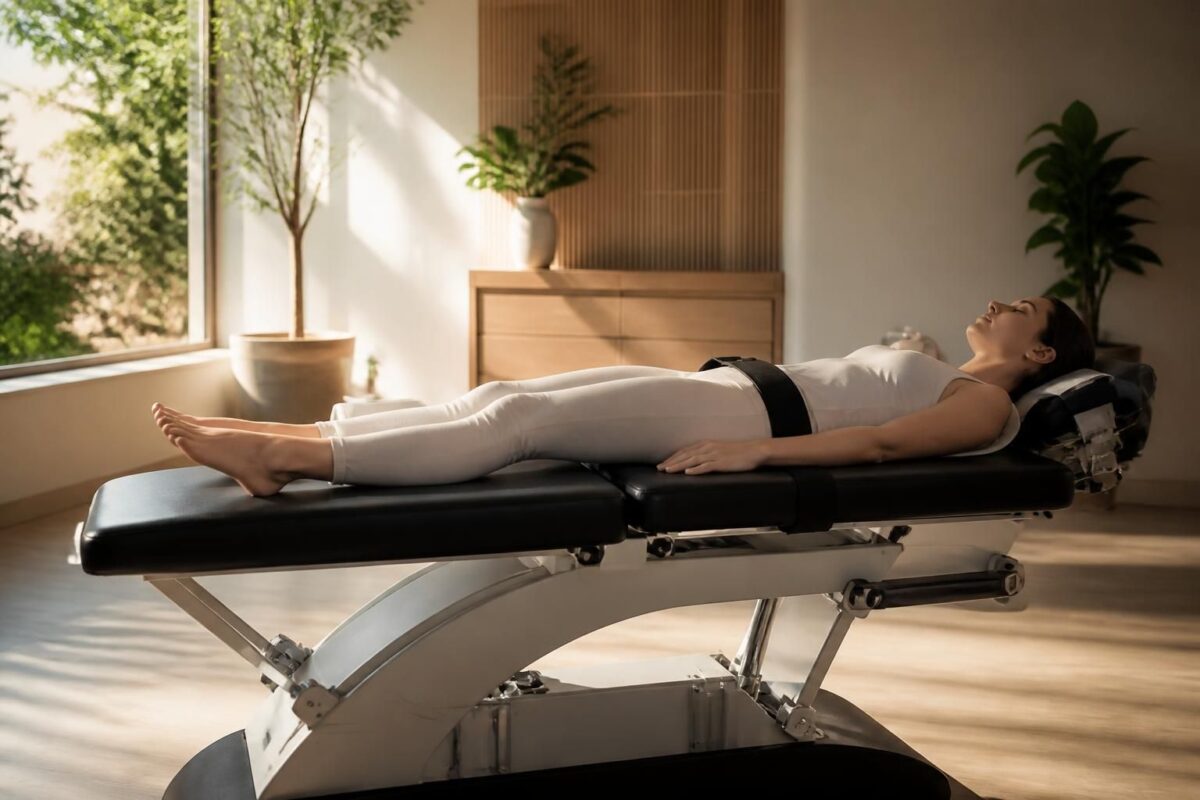
Neurovertebral Decompression and Body Alignment: Restoring Natural Balance
In short In short, neurovertebral decompression is one Non-invasive approach who restores theBody Alignment and thenatural balance back and neck. She acts by a Controlled traction of the spine to widen the intervertebral space and reduce the Pressure on discs…
Prevent Relapse: Key Strategies
Relapse prevention is based on a rehabilitation plan Sustainable, combining muscle strengthening, improvement of posture and daily actions. The goal is to stabilize the spine, promote better spinal mechanics and reduce repeated harmful loads on discs and nerves.
Ergonomics and daily posture
adapt your workstation, adopt a Neutral posture, limiting repeated intense flexions and favoring active pauses contribute to reducing the constraints on the back. Quality sleep and an adapted mattress also support nighttime recovery and overall posture.
Reinforcement and rehabilitation
a specific program of Back strengthening and abdominal muscles, combined with mobility and proprioception exercises, helps maintain the gains obtained during decompression sessions. The supervision of a physiotherapist or an osteopath ensures appropriate and safe progression.
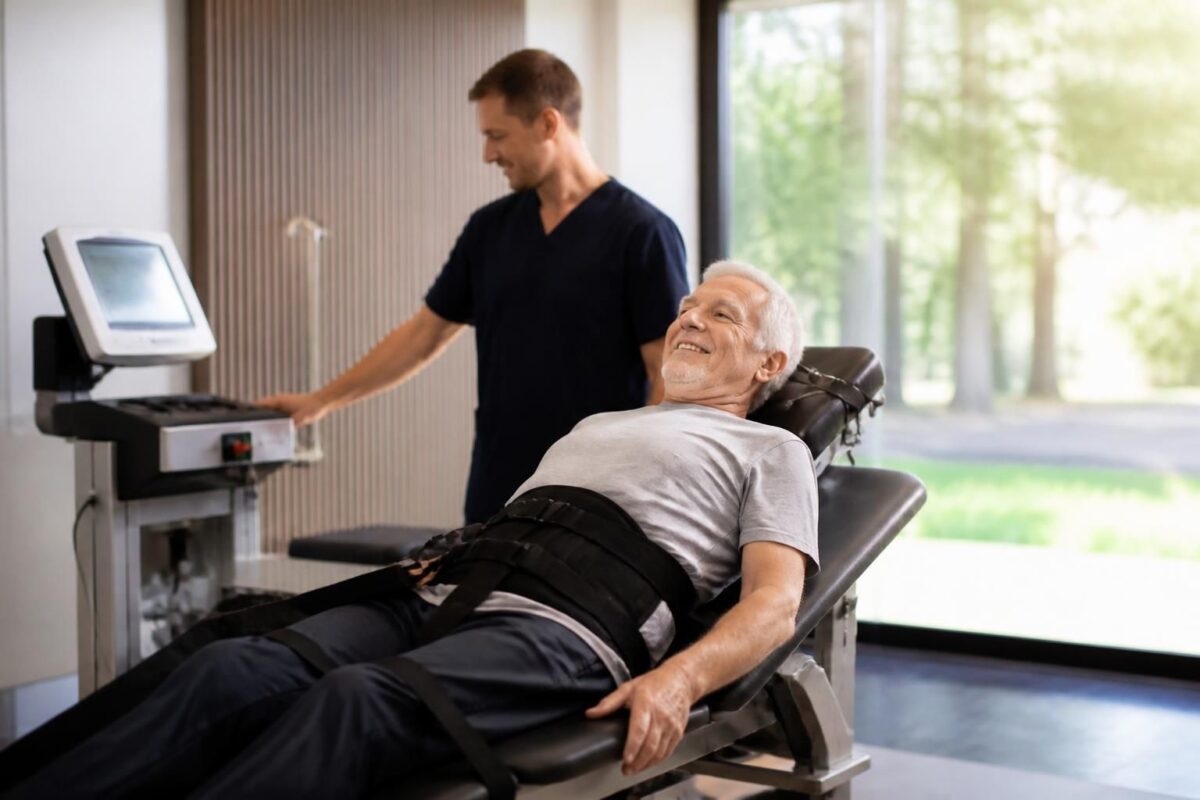
Why neurovertebral decompression is a lasting solution for active seniors
In short In short, the neurovertebral decompression is one Non-invasive therapy which sustainably relieves spinal pain in the spine active seniors By creating, by a Soft and controlled traction, a space between the vertebrae. At Montreal, it is recognized as…
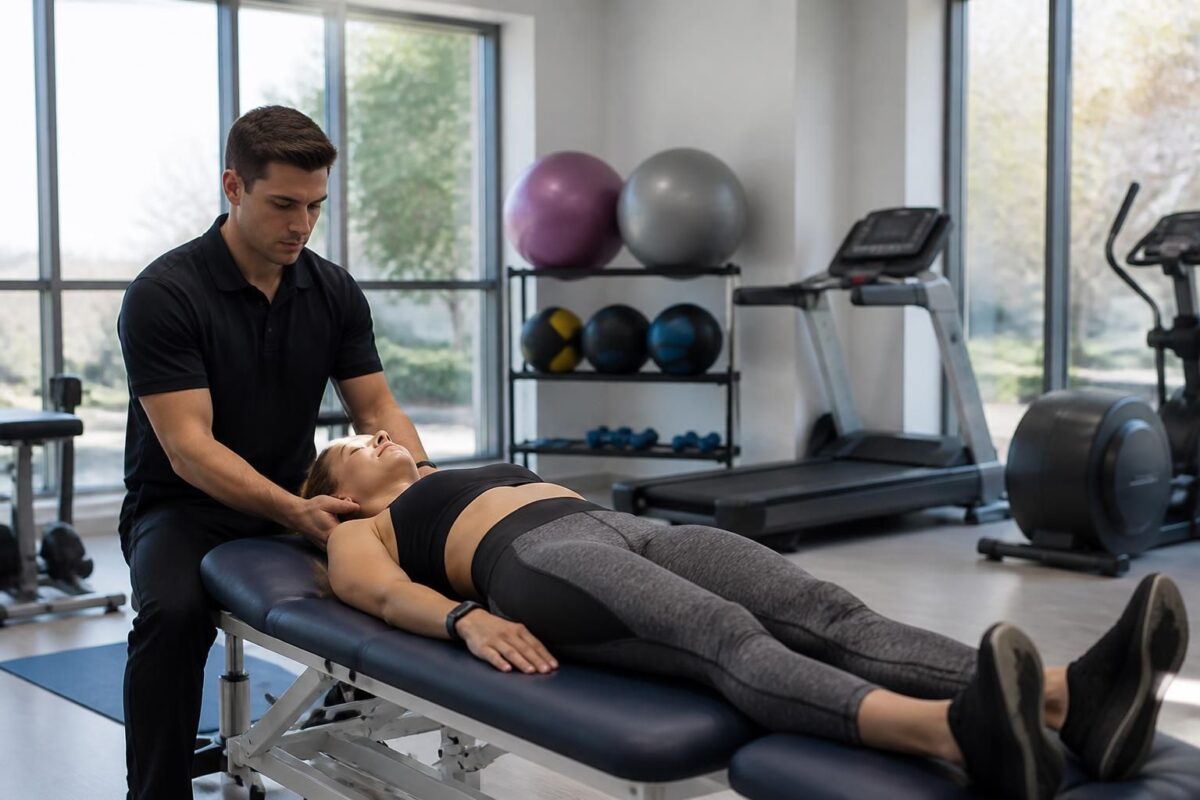
Neurovertebral decompression and recovery after severe sports injury
In short In short, the neurovertebral decompression is one Non-invasive method to Relieve the pressure on the Intervertebral discs and the gristle Via a Controlled traction, to facilitate the recovery After a severe sports injury. It improves the bloodstream towards…
Therapeutic integration and follow-up
To optimize the results and prevent relapses, decompression can be associated with complementary therapies such as physiotherapy, manual therapy or modalities such as laser or shock waves when appropriate. Regular visits make it possible to monitor progress, adjust the protocol and strengthen long-term prevention mechanisms. One Custom Plan is based on clinical criteria, functional objectives and patient feedback.
Important: These recommendations do not replace the advice of a health professional and should be adapted to each patient.
| Axis | Description |
|---|---|
| Objective | sustainably relieve the Lower back pain and reduce the Relapse risks by a better stability and mobility. |
| Mechanism | targeted gentle traction on the column which creates a space between the vertebrae and decreases the pressure on the records and the gristle. |
| directions | Lower back pain related to Disc bulges, herniated discs, Foraminal stenosis, or disc degeneration. |
| Avantages prévention | Stabilization of Spinal segment and alignment improved to limit Trigger factors and the relapses. |
| Treatment plan | Evaluation individual, sessions regular, monitoring and adaptation, integrating re-education and postural advice. |
| contraindications | vertebral infections active, Unconsolidated fractures, recent surgery, major neurological disorders; Pre-assessment needed. |
| Security | Procedure non-invasive and generally comfortable under professional supervision. |
| complementary and follow-up | Physiotherapy, strengthening exercises, ergonomic advice and follow-up plan personalized. |
| Expected results | Sustainable reduction of pain and improvement of mobility with prevention of relapses thanks to the maintenance of the gains. |
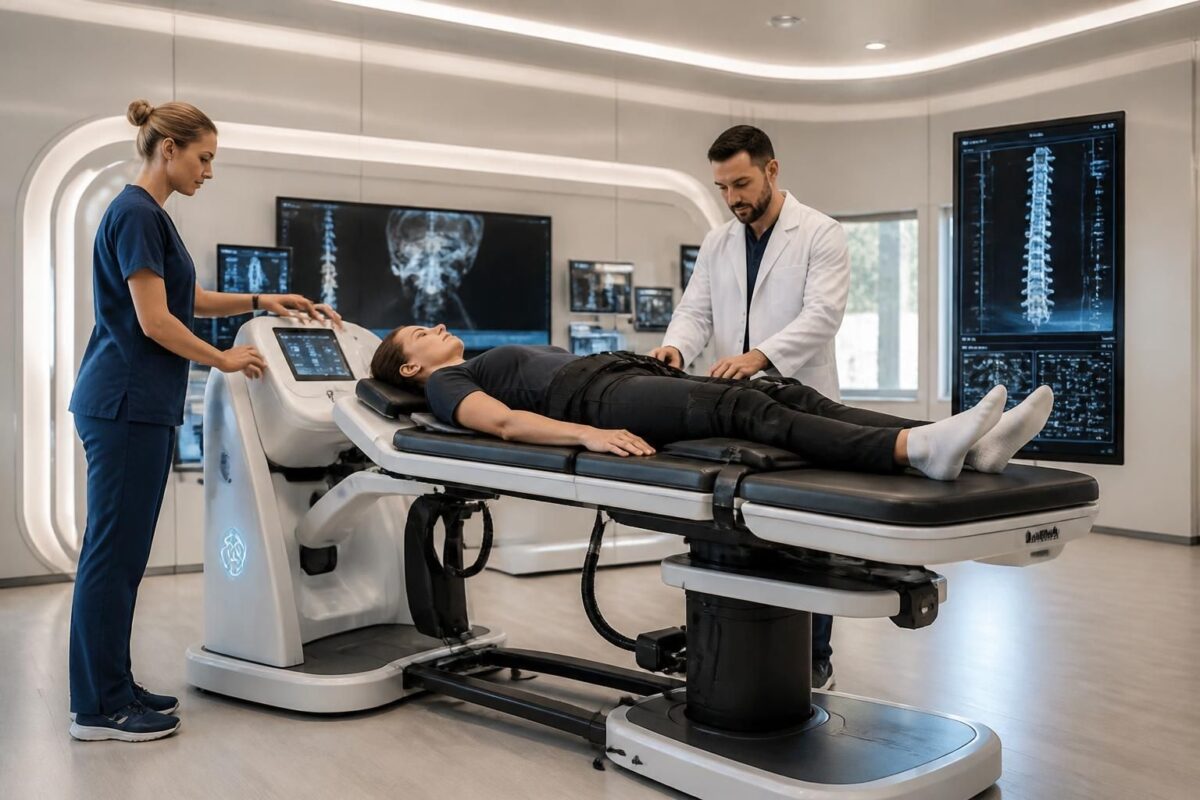
Recent innovations in neurovertebral decompression technologies
In short In short, the neurovertebral decompression is an approach non-invasive Aiming to reduce pressure on discs and nerves, and promote tissue regeneration. At Montreal, it is positioned as an effective option for lower back pain and herniated discs. The…
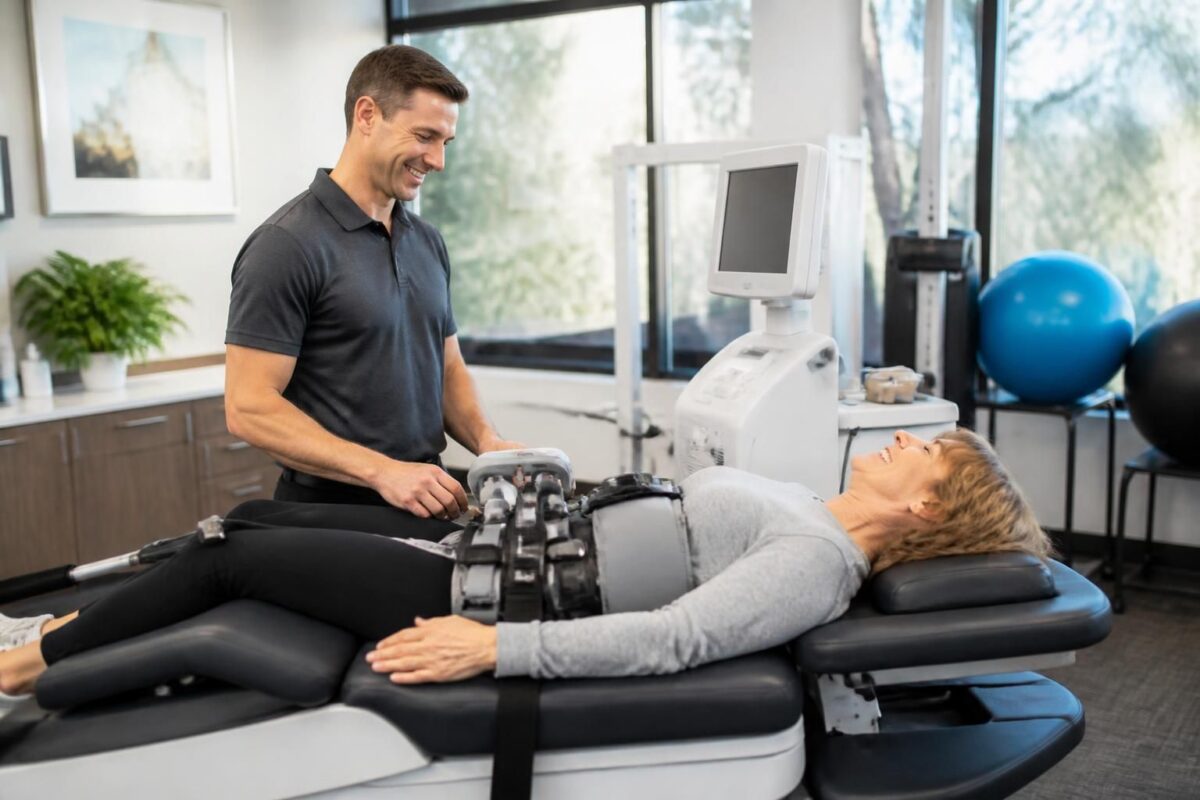
Neurovertebral decompression and diffuse pain: an appropriate solution
In short In short, the neurovertebral decompression is one Non-invasive solution For diffuse pain related to nerve irritation of the spine. She acts in Reducing pressure on intervertebral discs and nerves and improving the bloodstream, which promotes recovery and the…
Testimonials on neurovertebral decompression and prevention of relapses in lower back pain
Marie, 42 years old: “After years of lower back pain that resurfaced without warning, the neurovertebral decompression gave me lasting relief. With the Custom Plan and the monitoring, I learned simple gestures to prevent relapses and I finally find a mobility which allows me to enjoy my days without pain.”
Jean, 37: “As an athlete, my lower back pain prevented me from training. The neurovertebral decompression Reduced my pain and improved my mobility quickly. The staff guided me to exercises strengthening and advice from relapse prevention which allow me to continue my training smoothly, without fearing a relapse.
Claire, 55: “After a herniated disc, I was ready to consider surgery. The neurovertebral decompression and the monitoring that followed allowed me to greatly reduce the pain and avoid the intervention. Thanks to Custom Plan, I am now able to carry out my daily activities and prevent relapses with better posture and appropriate exercises.
Marc, 29 years old: “The sessions helped me find an active life with my children. I feel a marked improvement in my mobility and a decrease in pain thanks to the neurovertebral decompression. Ergonomic advice and Custom Plan accompany me in the relapse prevention So that the pain does not come back at the slightest effort.
Sophie, 46: “I suffered from neuropathic pain linked to a disc pathology. After treatment, the pain decreased and the relapse prevention Has become doable thanks to simple and effective routines. The monitoring and the Custom Plan gave me the tools to maintain good lumbar function on a daily basis.”
Luc, 60: “With lumbar osteoarthritis, painful episodes were frequent and limiting. The neurovertebral decompression gave me noticeable relief and mobility found. the program of relapse prevention allowed me to anticipate the tensions and keep a spine aligned over the long term.”
Neurovertebral decompression and prevention of relapses of lower back pain
This expert in osteopathy, naturopathy and manual medicine is recognized for its orientation towards Health Innovation and L Integration of advanced technologies in clinical practice. His approach focuses on Management of Chronic pain and, more particularly, on the prevention of relapses in order to sustainably improve the quality of life of patients. At the heart of this approach is the neurovertebral decompression, coupled with modalities such as laser and shockwave therapies, to offer solutions non-invasive and based on evidence.
In his capacity as founding president of the Tagmed clinics and the ACMA association, he worked to build multidisciplinary teams and standardized care protocols. This organization favors an approach holistic and personalized, where rigorous patient assessment and regular follow-up allow treatments to be adjusted according to individual needs and recovery goals. The pedagogy of the patient occupies a central place, in order to help him become an active player in his recovery and in the prevention of recurrent pain.
The neurovertebral decompression is a non-invasive technique based on a gentle traction and controlled the spine. This action creates a space between the vertebrae and changes the pressure exerted on the Intervertebral discs and the gristle surroundings. By promoting better circulation and hydration of the discs, it helps to reduce pain and restore smoother mobility. This approach is particularly suitable when the symptoms come from disc bulges, disc hernias, disc degeneration or foraminal stenosis, while remaining safe when practiced by trained and experienced professionals.
The results observed by patients using this therapy often demonstrate lasting relief and improved mobility, conceived as a freer return to daily activities. However, safety and efficacy require a thorough pre-assessment and a personalized protocol, with progression checks and adjustments based on clinical evolution. Neurovertebral decompression is thus part of a logic of proof and of safety which guides the entire care course.
To prevent relapses and optimize the maintenance of profits, the approach proposes a framework for Active prevention including tips fromergonomy and postures, a targeted rehabilitation program to strengthen back muscles and improve mobility, as well as regular follow-ups to adjust the treatment plan. Complementary therapies, such as functional rehabilitation and associated manual interventions, can be integrated to support recovery and reduce the risk of recurrence, always ensuring coordination with the medical team and ongoing treatment adaptation.
Driven by a patient-centered vision and supported by cutting-edge technologies, this commitment aims to offer not only rapid relief from lower back pain, but also a lasting strategy for Prevent relapses and sustainably restore the vertebral functionality and overall well-being. An approach that combines experience, Evidence and personalized care to accompany each patient on the way to a healthier and more resilient back.
Quick Summary: Neurovertebral decompression is a non-invasive approach that relieves lower back pain and can prevent relapses when paired with a personalized rehabilitation program and complementary therapies. This summary summarizes the mechanism, indications, treatment framework and benefits for mobility and well-being.
Synthesis
The principle central to this method is a gentle traction Applied to the spine, which creates a space between the vertebrae and reduces pressure on discs and nerves. This mechanism promotes circulation, hydration of discs and repair of tissues, leading to a Sustainable relief lower back pain.
This approach is non-invasive and can produce a Quick relief as well as a Improving mobility, especially when integrated into a rehabilitation plan and ergonomic advice. Its effectiveness is enhanced when it is associated with complementary therapies adapted to the patient’s profile.
Relapse prevention is based on the Maintaining good alignment and stability of the column, the muscle building back, exercises flexibility and an Postural habit adapted. complementary approaches such as Shockwave therapy and the laser can support long-term benefits and help prevent recurrent painful episodes.
The treatment framework is structured around a initial assessment, of one Custom Plan and one Regular follow-up In order to adjust the protocols according to the evolution of symptoms, functional abilities and patient objectives.
To deepen, consult specialized resources that describe steps, indications and results, for example:
Key steps for successful treatment,
relapse prevention,
Complementary therapy,
Integrative approach,
Option for active patients,
To complement these elements, additional resources include the impact on night pain, prevention of recurrences and integration with rehabilitation programs, accessible via the guides and dedicated pages of specialized clinics and associations.

Dr Sylvain Desforges, B.Sc., D.O., N.D., osteopath, is the founding president of TAGMED and of the ACMA association. He dedicates his practice to chronic spinal pain, low back pain and symptoms compatible with sciatica, particularly when pain radiates toward the buttock, leg, calf, foot or toes.
Through SOS Sciatique, he publishes educational content on sciatica symptoms, possible causes such as disc herniation, disc narrowing, foraminal stenosis or irritation of a lumbar nerve root, as well as non-surgical approaches that may be considered according to the evaluation. At Clinique TAGMED, care may include, depending on the case, motorized neurovertebral decompression, specific osteopathic care or precision percussion.
For an evaluation related to sciatica treatment in Montreal / Mount Royal or sciatica treatment in Terrebonne, please consult the services available at Clinique TAGMED.
Medical disclaimer
The information published on SOS Sciatique is provided for educational purposes only and does not replace a consultation, diagnosis, opinion or treatment provided by a physician or another authorized healthcare professional. The author of this article is neither a medical doctor nor a specialist in a medical specialty recognized by the Collège des médecins du Québec. The osteopathic, manual medicine or functional support approaches described on this site do not constitute medical acts and are not intended to replace medical follow-up.
Consult a physician or emergency service in cases of loss of bladder or bowel control, anesthesia in the saddle area, significant or progressive weakness in the leg or foot, fever, recent trauma, severe pain or rapid worsening of symptoms. For more details, please read our Legal Notice.