How neurovertebral decompression affects diffuse chronic pain
26/06/2026
The long-term benefits of neurovertebral decompression for the back
26/06/2026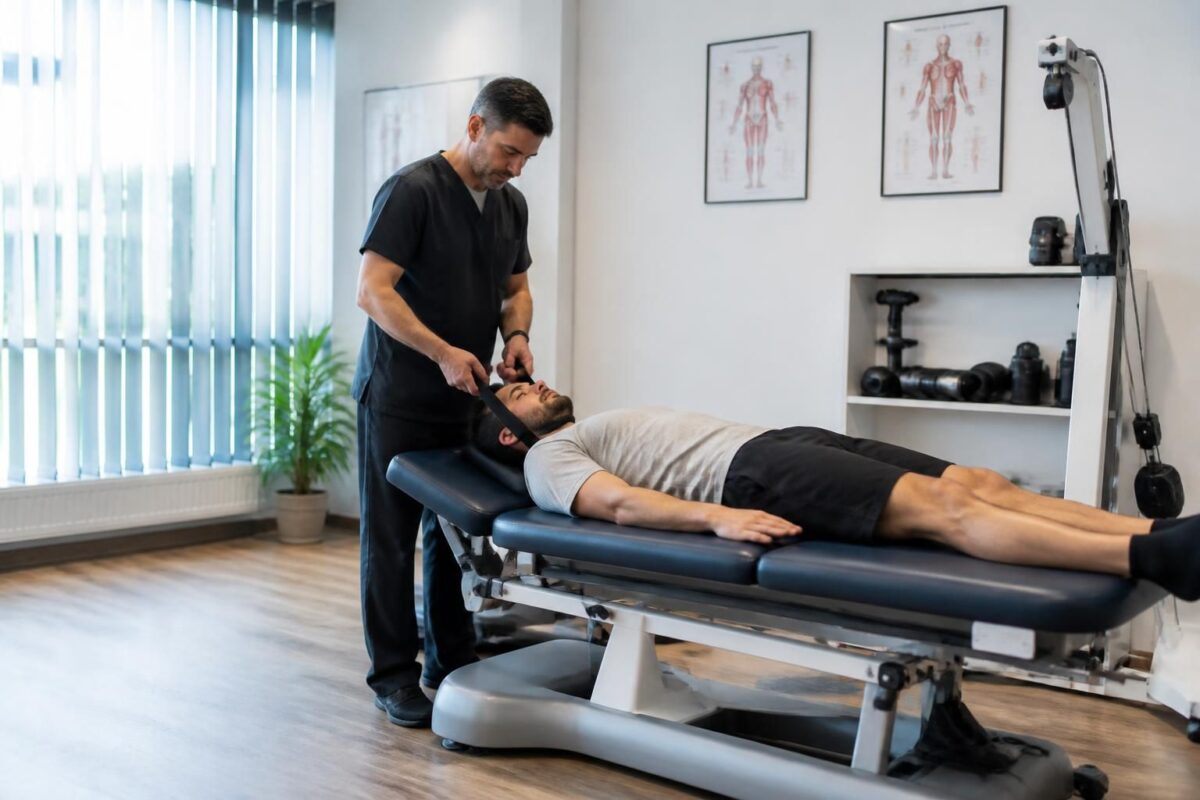
In short
| In short, the neurovertebral decompression is an approach non-invasive which aims to relieve the Back and cervical pain By reducing the pressure on the Intervertebral discs and the gristle. In Montreal, this service is particularly useful for the recovery after injury and the quick return to an active life. Its operation is based on a gentle stretch of the column that promotes the rehydration of the discs and the improvement of the circulation, contributing to tissue repair and better mobility and posture. The main advantages include a pain reduction, improved mobility and faster recovery, often without surgery, while easily integrating into a rehabilitation program. |
The neurovertebral decompression is an approach non-invasive intended to optimize the recovery after injury by acting on the spine. It aims to release the pressure exerted on the Intervertebral discs and the Spinal nerves, favoring a better bloodstream and lymphatic and facilitating tissue repair.
The effects observed include a pain reduction, a Improving mobility and a better posture. This therapy is ideally part of a program of rehabilitation global and can be associated with exercises, manual techniques and other protocols to accelerate the return to activity.
particularly useful after a sports injury or an intervention, it promotes a Quick return to activity while preventing recurring pain and long-term functional limitations.
This article presents the neurovertebral decompression and his role in Optimization of injury recovery. It explains the simple mechanism, common indications, integration into the care program and potential outcomes for patients and athletes. The subject is structured to be clear and direct, in order to facilitate understanding and application in clinical practice.
What is neurovertebral decompression ? It’s an approach non-invasive intended for reduce the pressure on the intervertebral discs and on the spinal nerves. It aims to improve the circulation and nutrition of tissues, which can promote the repair and reduce the pain.
How it acts for recovery after injury
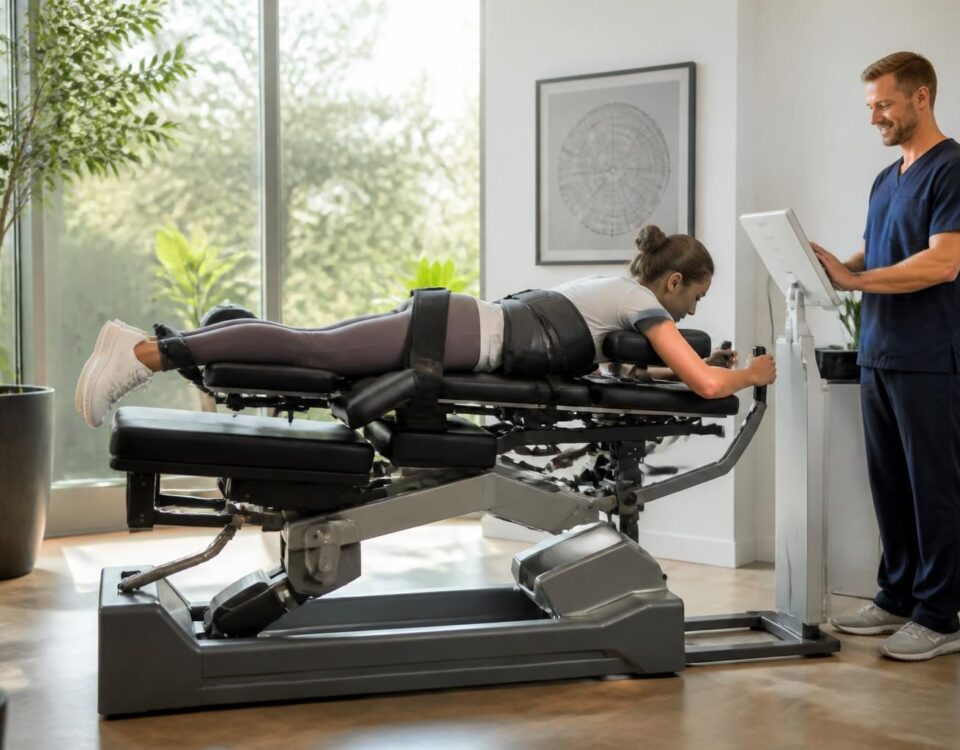
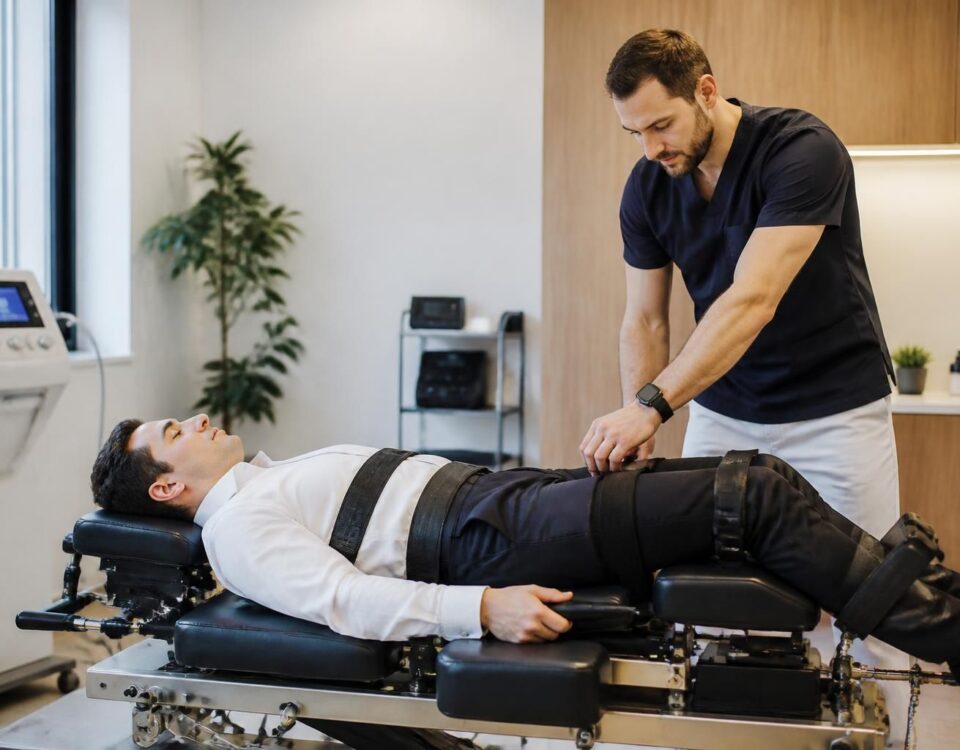
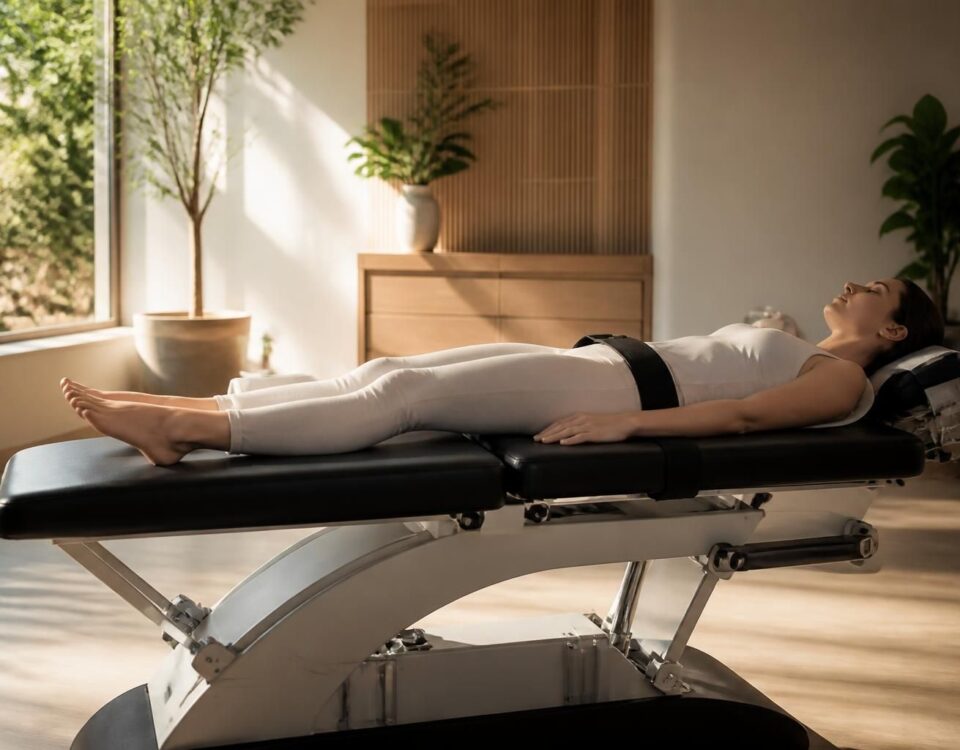
The decompression slightly stretches the spine, which decreases the internal pressure of the discs. This decrease in pressure facilitates local blood flow and the free flow of nutrients. The expected result is a Improving mobility and an pain reduction, without surgical recourse.
Main directions
it is particularly indicated in the event of Chronic lumbar or cervical pain, of herniated discs, of Protrusion pain or to a Foraminal stenosis, and when Post-surgical recovery. It can also be useful after a sports injury To optimize overall recovery in a supervised setting.
Integration into a rehabilitation program
Decompression is part of a comprehensive care program. It supports treatments supervised by qualified professionals and agrees with a multidisciplinary approach. It does not replace medical evaluation and the development of a personalized plan. She can help Improve posture and to facilitate the Back to activity After an injury, without proposing specific exercises as part of the protocol.
Role in athletes and in sports medicine
In athletes, decompression can contribute to a Faster recovery After an injury and a Improving mobility After the effort. It is part of a framework of Progressive rehabilitation Supervised and can help maintain performance level while protecting the spine.
Protocol and follow-up
A typical protocol includes 15 to 25 sessions, depending on the location and severity of symptoms. Each patient benefits from personalized follow-up, with regular assessments to adapt the care plan. The sessions are designed to be short and targeted, focused on reducing pain and improving function.
Considerations and security
A prior medical assessment is recommended to check the adequacy of the decompression. Any contraindications exist and must be examined by the health professional. As part of its adoption, it is essential to rely on practitioners trained in recognized frameworks, such as NUMSS, NAO, National University of Medical Sciences and National Academy of osteopathy.
Resources and additional readings
To explore further, see the following resources on specialized areas that describe the mechanisms and clinical applications of neurovertebral decompression:
- Neurovertebral decompression and rehabilitation after a sports injury
- Disc hernia and neurovertebral decompression
- Tunnels and peripheral syndromes
- Tagmed Clinic
- Senior Patient Recovery
training and reference professional associations remain acma, the College of Canadian Osteopaths and the College of Canadian Osteopaths. For care and protocols, focus on clinics that offer complete and coordinated solutions, such as Tagmed Clinic.
Medical Disclaimer: The information and advice provided on this site does not replace the health professional’s diagnosis or treatment. Please note that Dr. Sylvain Desforges osteopath is neither a doctor of medicine nor a doctor, and is not a specialist in a medical specialty as defined by the Collège des Médecins du Québec. Manual medicine, functional medicine and sports medicine as described on this site exclude any medical treatment or diagnosis made by a doctor or specialist doctor. Always consult your doctor for any medical questions. For more details, please read our full legal notice.
process & Mechanisms
- Targeted traction To reduce pressure on discs and nerves.
- muscle relaxation around the column.
- traffic improvement blood and lymphatic.
- Rehydration and repair tissue through decompression.
- Non-invasive approach and customizable depending on the patient.
Benefits & applications
- diminished pain and improved mobility.
- Accelerated recovery After injury and after surgery.
- Posture and flexibility improved.
- Multidisciplinary integration with rehabilitation and maneuvers.
- Prevention recurring pain and complications.

Quick summary: the neurovertebral decompression is an approach non-invasive which aims to reduce the pressure on the intervertebral discs and spinal nerves, improving the bloodstream and the Tissue repair. integrated into a program of rehabilitation, it accelerates the recovery after injury, reduces pain and facilitates return to the activity physical, while adapting to the specific needs of each patient, especially athletes. This guide provides practical recommendations for optimizing these results throughout the recovery.
Gains and Mechanisms of Neurovertebral Decompression
The technique acts in Gently stretching the spine In order to release the accumulated pressure on discs and nerve roots. This pressure reduction promotes better Disc hydration and a decrease in inflammation, which results in a Improving mobility and an pain reduction in the short and medium term.
By improving the local traffic and the Tissue repair, neurovertebral decompression contributes to a faster recovery of functional abilities. his option non-invasive makes it particularly suitable as an early stage or consolidation in a care pathway focused on the prevention of Chronic pain and gradual reintegration into daily activities.
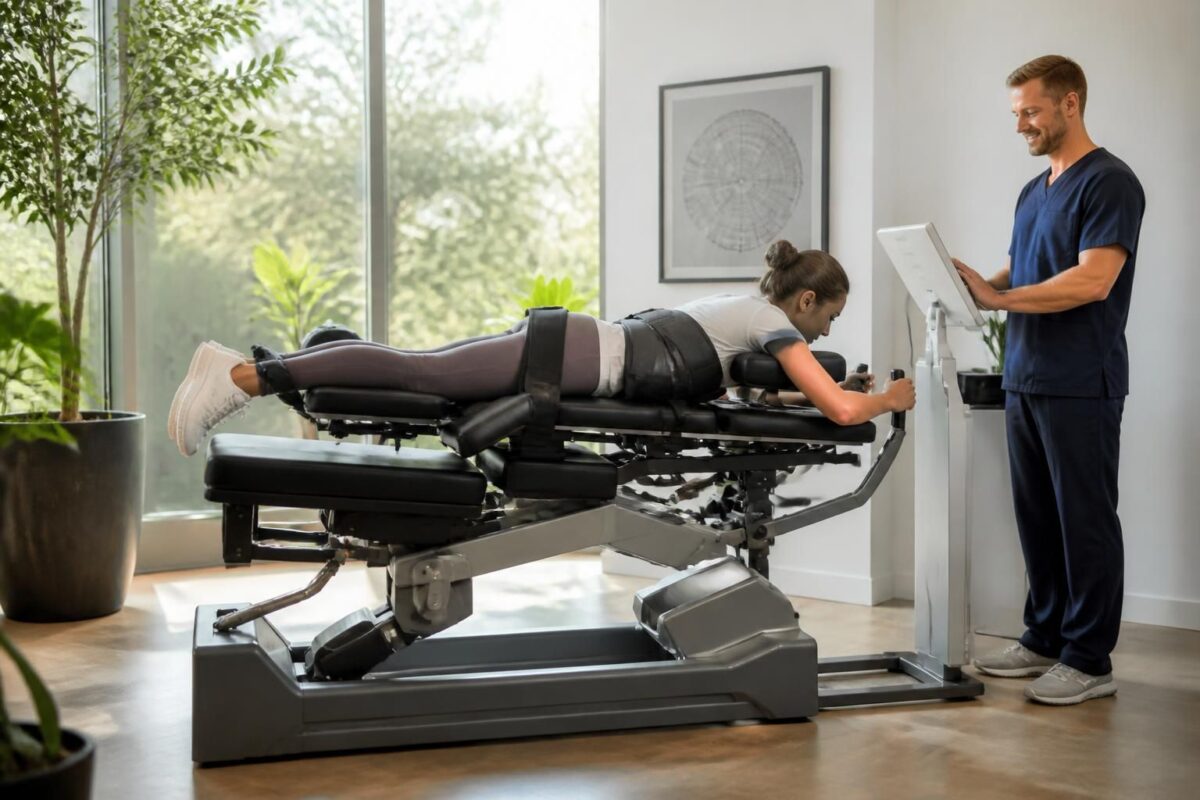
The long-term benefits of neurovertebral decompression for spinal health
In short In short, the neurovertebral decompression is a non-invasive approach that decreases the Pressure on intervertebral discs and nerves, favoring the Natural regeneration and tissue recovery. Its long-term benefits include Lasting pain reduction, Improving mobility and from the posture,…

Neurovertebral decompression and mobility: a return to an active life
In short In short, the neurovertebral decompression is therapy non-invasive who uses a gentle traction To create a space between the vertebrae and reduce the pressure on the Intervertebral discs and the nerves. It promotes a bloodstream improved, lowers tension…
Integration into a recovery program
To optimize the results, neurovertebral decompression must register in a Global program mingled rehabilitation exercises, manual adjustments and posture tips. The goal is to restore musculoskeletal balances, to improve the flexibility and prevent recurrences throughout the healing process.
Objectives and progression criteria
Set clear objectives (pain reduction, recovery of range of motion, improvement of posture) and re-evaluate them regularly makes it possible to adjust the number and frequency of sessions. A typical progression includes short and frequent sessions at the beginning, then a gradual increase in intensity and duration according to tolerance and results.
Frequency and duration of sessions
Protocols vary, but a common pattern combines a series of close sessions (e.g. 2-3 times/week) with a period of consolidation and active rehabilitation between visits. The objective is to support healing while allowing the patient to perform autonomous and appropriate exercises.
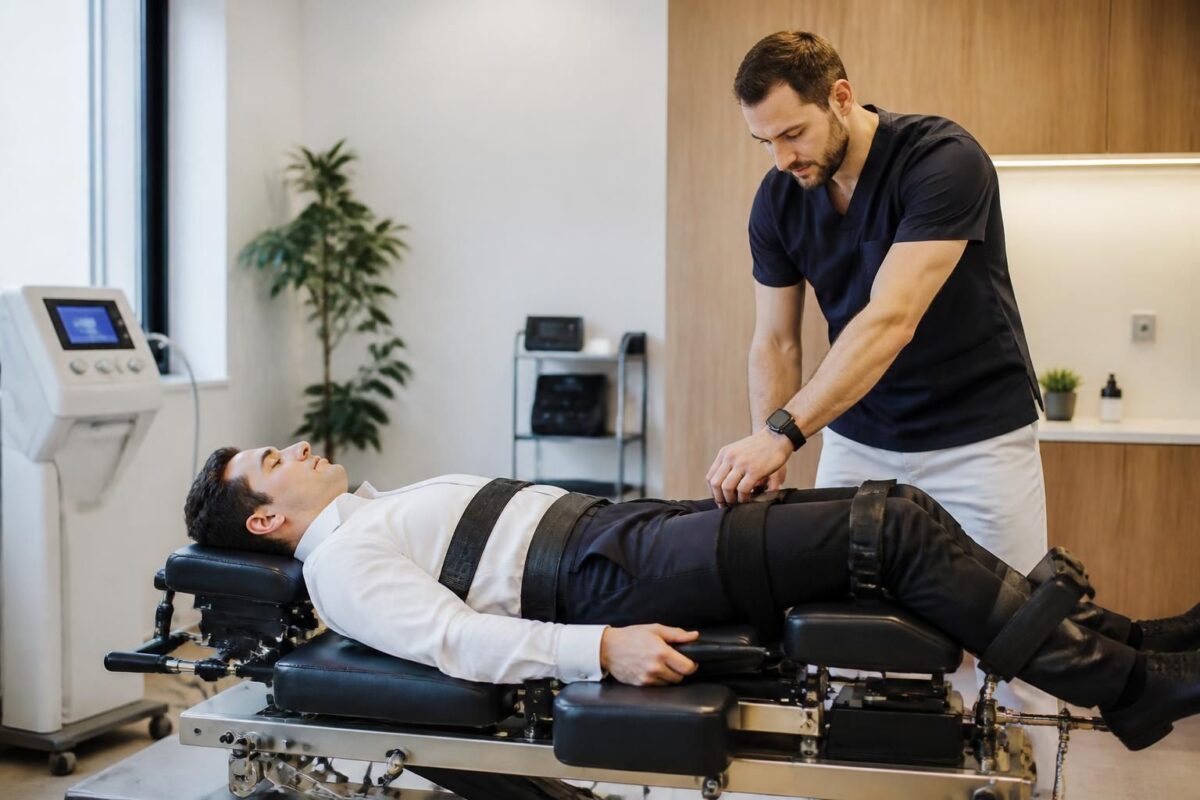
How Neurovertebral Decompression Prevents Diffuse Chronic Pain
In short decompression neurovertebral is one Non-invasive method aimed at reducing the Pressure on the intervertebral discs and the nerves, in order to prevent Diffuse chronic pain. It improves the circulation and thedisc hydration, decreases inflammation and promotes better mobility.…
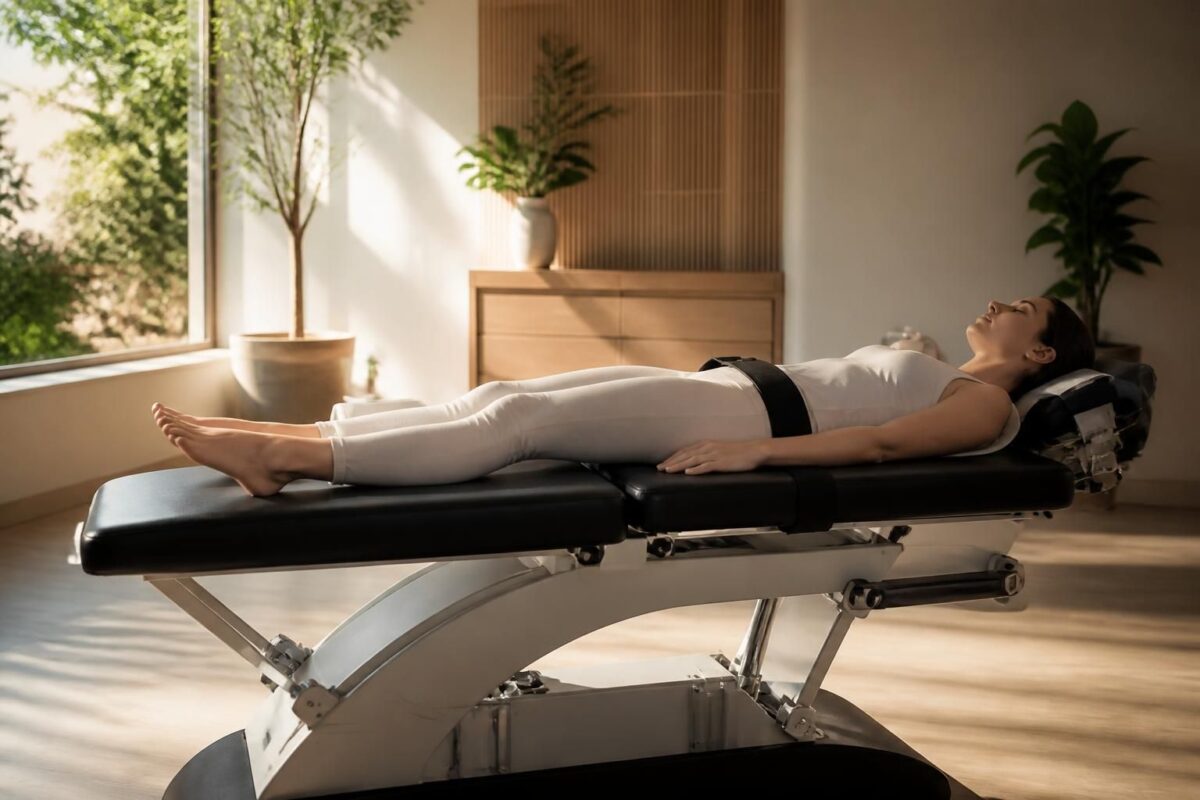
Neurovertebral Decompression and Body Alignment: Restoring Natural Balance
In short In short, neurovertebral decompression is one Non-invasive approach who restores theBody Alignment and thenatural balance back and neck. She acts by a Controlled traction of the spine to widen the intervertebral space and reduce the Pressure on discs…
Approach adapted to athletes and post-traumatic rehabilitation
In athletes, decompression can facilitate a Fast and safe return to training by reducing pain and restoring its vertebral mobility. It fits perfectly with specific reinforcement protocols targeting the back, trunk and supporting muscles to prevent recurrent injuries and optimize performance.
For sports injuries and post-operative recovery, this approach can be used as a key step in rehabilitation In order to improve the posture, to reduce the stresses on the nerves and to accelerate the healing process while remaining non-invasive.
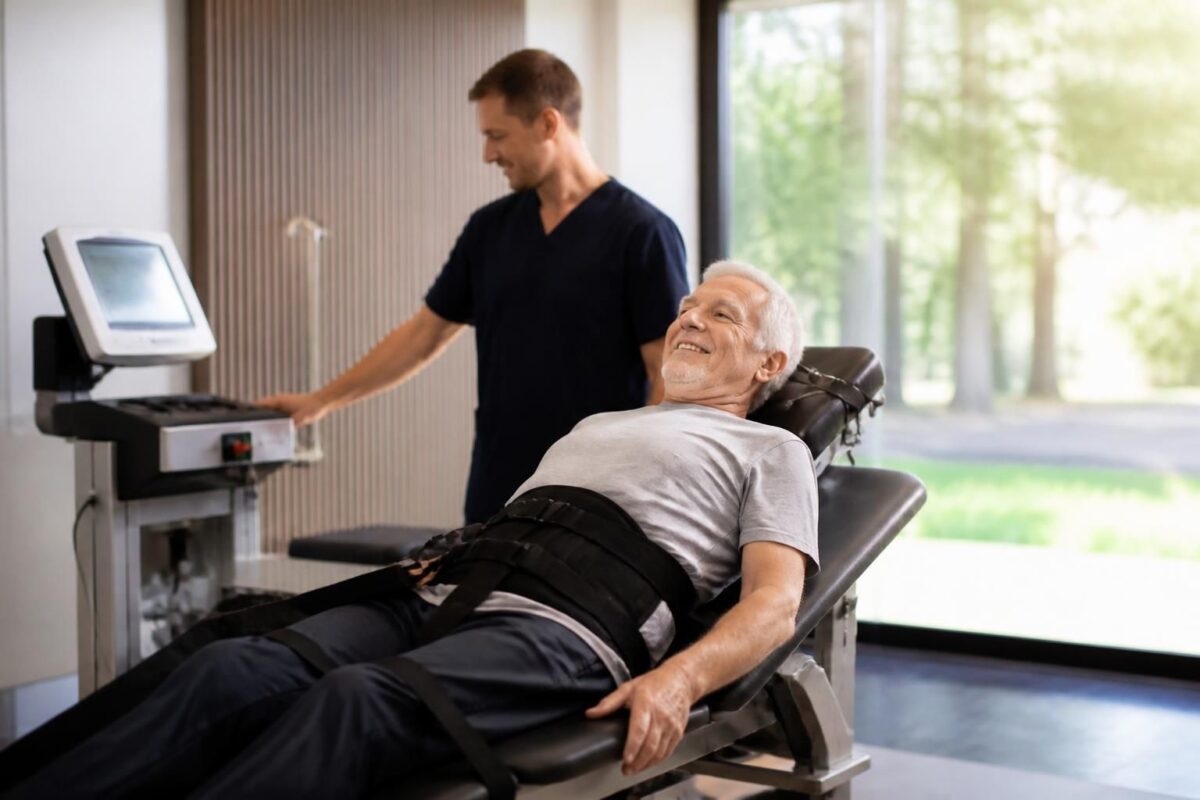
Why neurovertebral decompression is a lasting solution for active seniors
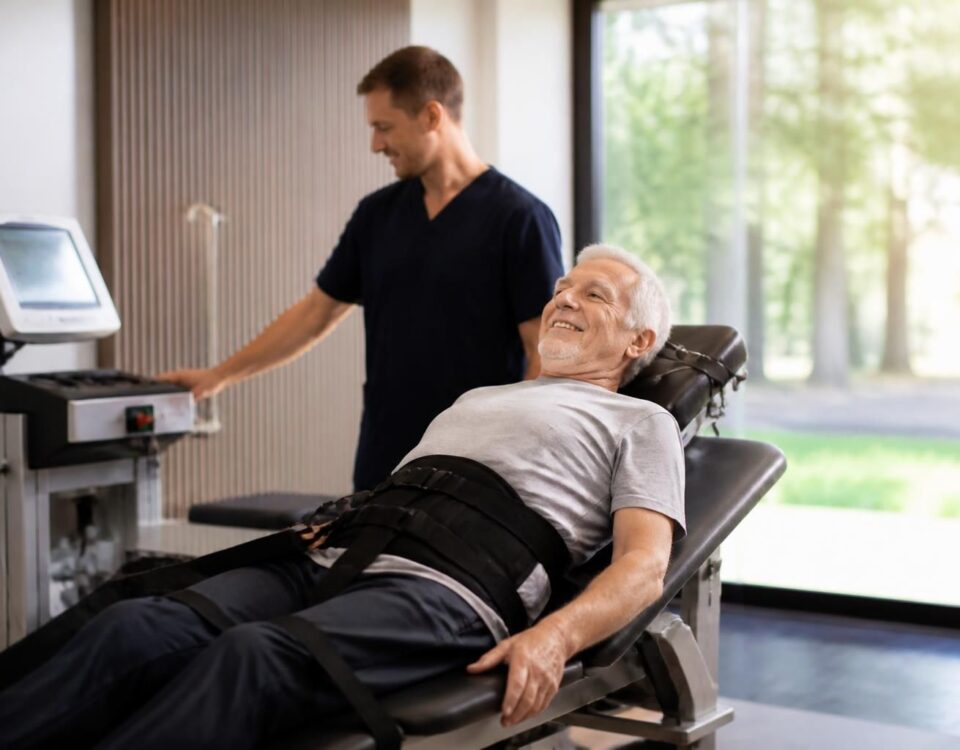
In short In short, the neurovertebral decompression is one Non-invasive therapy which sustainably relieves spinal pain in the spine active seniors By creating, by a Soft and controlled traction, a space between the vertebrae. At Montreal, it is recognized as…
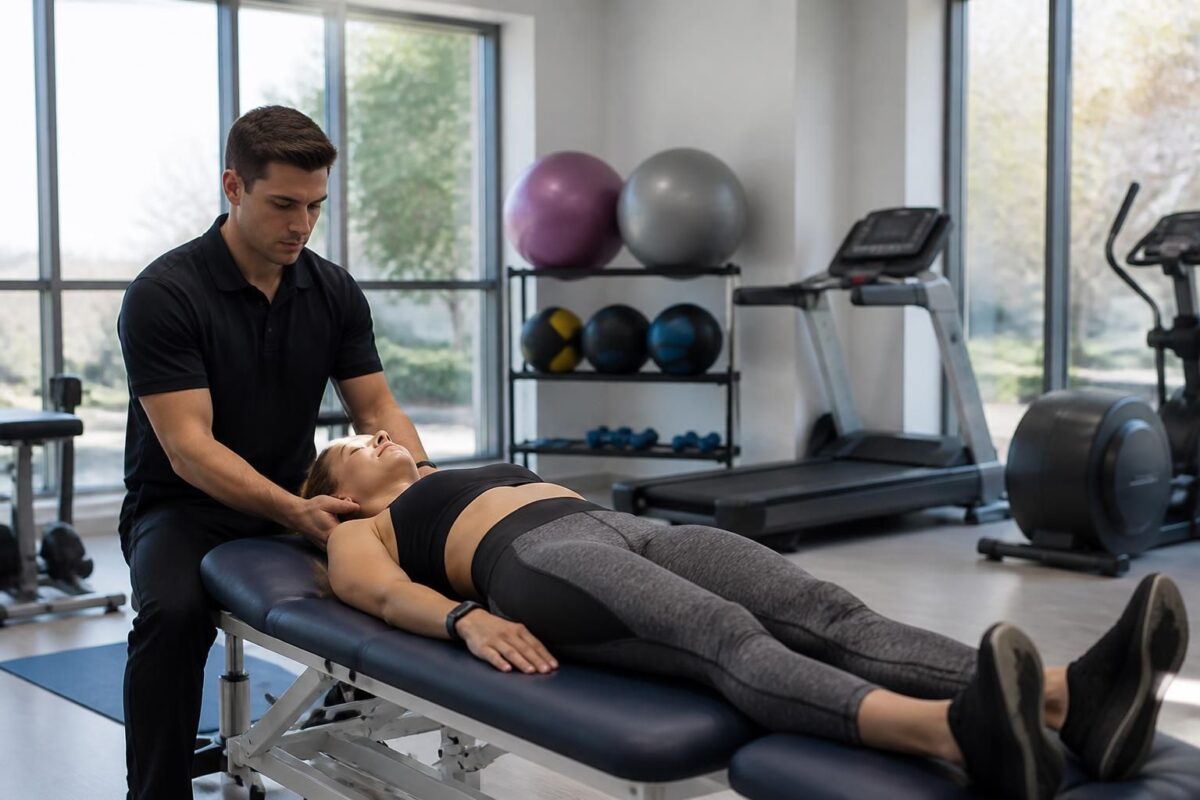
Neurovertebral decompression and recovery after severe sports injury
In short In short, the neurovertebral decompression is one Non-invasive method to Relieve the pressure on the Intervertebral discs and the gristle Via a Controlled traction, to facilitate the recovery After a severe sports injury. It improves the bloodstream towards…
Practical recommendations to maximize results
1) Systematically associate the decompression to a program ofdrill personalized and advice from posture and everyday ergonomics.
2) Hold a Adequate hydration And adopt lifestyle habits that promote tissue recovery and spine flexibility.
3) Plan a progression adapted to your sport and your pain level, favoring an approach progressive and individualized.
4) Discuss with your therapist the precise indications, any contraindications and the criteria for returning to sports activity, in order to personalize the safety and effectiveness thresholds.
5) Integrate active rest periods and micro-pauses into your routine, to allow the musculoskeletal system to gradually adapt to post-rehabilitation loads.
| Axis | Description |
|---|---|
| Main objective | Reduce pressure on discs and nerves to reduce pain and restore mobility. |
| Mechanism | Gently stretch the spine to rehydrate the discs and reduce inflammation. |
| Mode of intervention | non-invasive, without surgery; Personalized protocol according to pathology. |
| Typical indications | lumbar and cervical pain related to a herniated disc; sciatica; Post-surgical recovery. |
| Clinical Benefits | Reduced pain, improved flexibility, better circulation and tissue healing. |
| Integration in rehabilitation | Complementary treatment in a global program (exercises and manual therapy). |
| Duration and frequency | sessions of 20 to 40 minutes; 15 to 25 sessions depending on severity and response. |
| Security and tracking | pre-assessment; Monitoring and compliance with contraindications. |
| Impact on daily life | faster return to activity; Reducing limitations and improving well-being. |
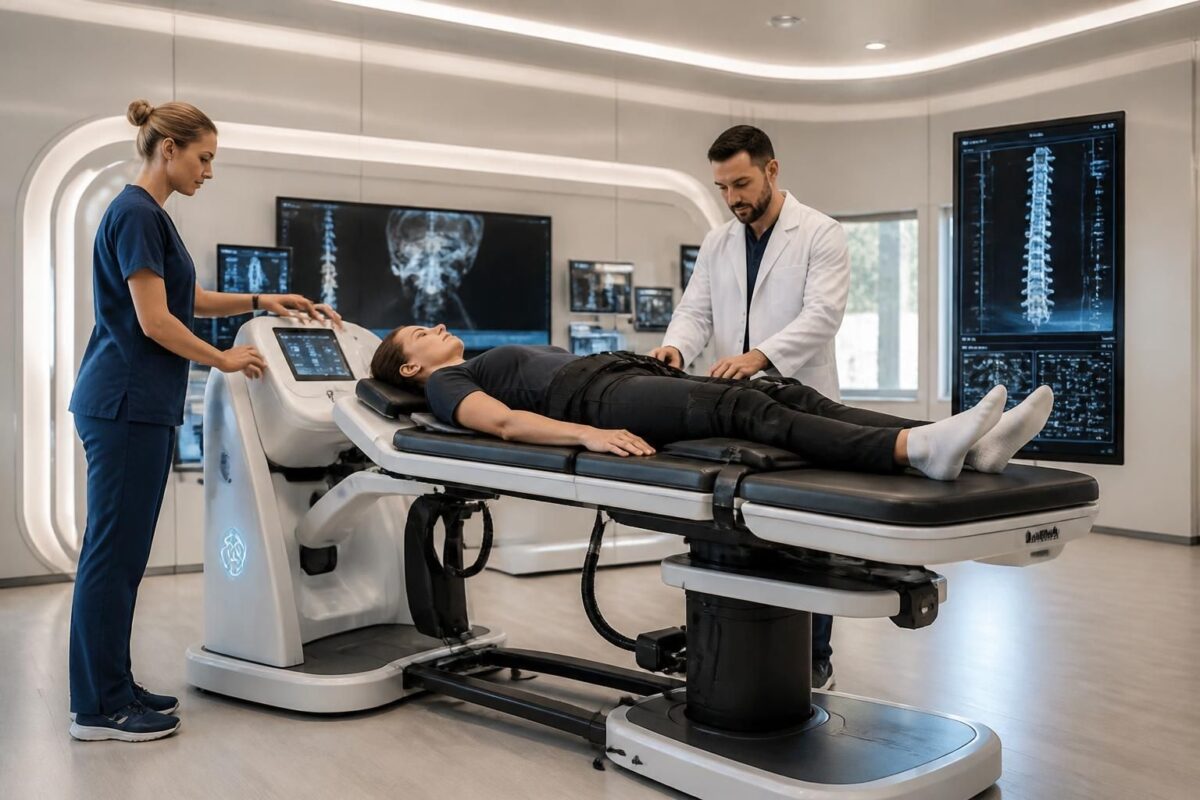
Recent innovations in neurovertebral decompression technologies
In short In short, the neurovertebral decompression is an approach non-invasive Aiming to reduce pressure on discs and nerves, and promote tissue regeneration. At Montreal, it is positioned as an effective option for lower back pain and herniated discs. The…
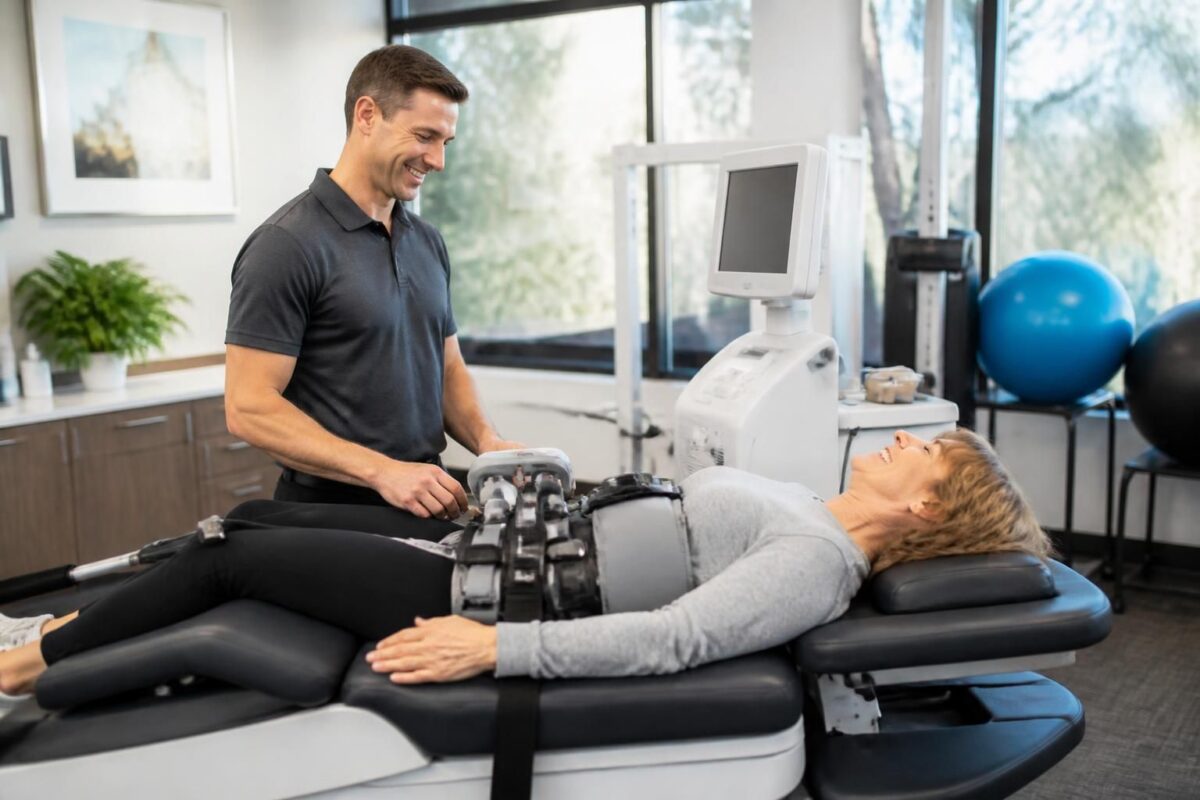
Neurovertebral decompression and diffuse pain: an appropriate solution
In short In short, the neurovertebral decompression is one Non-invasive solution For diffuse pain related to nerve irritation of the spine. She acts in Reducing pressure on intervertebral discs and nerves and improving the bloodstream, which promotes recovery and the…
Testimonials on Neurovertebral Decompression and Injury Recovery Optimization
“After my back injury, the neurovertebral decompression was the turning point in my rehabilitation. This approach non-invasive quickly diminished my lower back pain and improved my mobility. I was able to resume my daily activities and, above all, return to training faster than I had imagined, with a Optimized recovery at the heart of the process. »
“Following a lumbar surgery, I was offered a rehabilitation program including the neurovertebral decompression. the sessions strengthened my Postoperative recovery, reduces pain persisting along the column and facilitates the replacement of muscle tension around the operated areas. I feel more confident and able to resume my sports activities safely. »
“I suffered from chronic lower back pain that limited my activities. With the neurovertebral decompression, I found a Significant pain reduction and an posture improvement. My flexibility improved and my recovery after efforts accelerated, which allowed me to reconnect with my passions without fear of relapse. »
“My cervical pain linked to a stenosis led me to remove simple everyday gestures. After a few sessions of neurovertebral decompression, I felt a clear relief and a better Neck mobility. This liberated my professional and personal activities and strengthened my recovery after each painful episode. »
“As a junior athlete, I suffered a sports accident that compromised my prevention and recovery. The neurovertebral decompression gave me a Optimization of injury recovery, while avoiding invasive treatments. The sessions, short and targeted, reduced the pain And found an amplitude of movement that allowed me to return to training faster than expected. »
“With age, lower back pain becomes heavy and limiting. Since I started neurovertebral decompression, my pain decreased, my posture improved and my ability to move normally was strengthened. It is an effective way to Sustainable recovery and a better quality of life on a daily basis. »
This health professional is recognized as an expert in osteopathy, naturopathy and manual medicine. At the head of the TagMed clinics and the ACMA association, he embodies an approach centered on health innovation and chronic pain management. His practice combines scientific rigor and clinical experience to propose realistic and effective solutions. In his work, he emphasizes the integration of advanced technologies such as neurovertebral decompression, laser and shockwave therapy, to provide evidence-based care pathways for each patient. To learn more about its approach and the services available, its TagMed clinics offer personalized programs.
The field of neurovertebral decompression occupies a central place in its vision of optimizing recovery after injury. This non-invasive technique aims to gradually release the pressure exerted on the intervertebral discs and on the nerve roots, favoring better circulation, reduced inflammation and faster resumption of movements. In practice, it is part of a global rehabilitation framework, where pain is reduced without surgery and where the function gradually regains its full amplitude. Its objective is to allow the patient to resume his daily activities with more comfort and safety.
Neurovertebral decompression acts through guided traction in a targeted manner, creating an environment conducive to disc rehydration and soft tissue healing around the spine. By reducing the pressure on the spinal nerves, it contributes to a lasting reduction in pain and an improvement in mobility. This approach is particularly suitable after a sports injury, after surgery or in the face of chronic lower back and cervical pain. It offers a non-invasive path to recovery, usefully complementing exercises, strengthening programs and postural counseling.
At the heart of this approach, personalized evaluation and regular monitoring make it possible to adapt the protocol to the evolution of the patient. Each program is designed as a dynamic entity, adjusting the number and frequency of sessions based on progress and subjective feedback. In practice, decompression is often accompanied by a rehabilitation plan that integrates exercises for mobility, strengthening and managing muscle tension, in order to optimize recovery and prevent relapses. The approach values safety, gradual progression and compliance with medical contraindications.
The benefits are measured not only in terms of reduced pain, but also in improving posture, flexibility and ability to resume an active life. For athletes and active people, this technique can accelerate the return to training and support long-term performance. Its use as complementary treatment is part of a multidisciplinary vision, where neurovertebral decompression is usually associated with manual adjustments and personalized rehabilitation protocols. The results reported by patients underline a tangible improvement in quality of life and a reduction in functional limitations.
This practitioner defends an approach evidence-based and open communication with each patient. His commitment goes beyond individual sessions: he supervises clinics dedicated to health innovation, stimulates applied research and promotes high standards of safety and efficiency. By working with multidisciplinary teams and cutting-edge technologies, it helps to advance the management of back injuries and pain, supporting patients towards sustainable recovery and a better quality of life.
This summary summarizes how the neurovertebral decompression can promote a Optimization of injury recovery, by reducing the pressure on the discs and nerves, reducing pain and improving the mobility and the posture, all in one approach non-invasive and integrated into a personalized rehabilitation program.
Key Benefits : the neurovertebral decompression contributes to a rapid reduction in pain and a significant improvement in the mobility and from the flexibility, favoring the return to daily and sporting activity without having to resort to surgery. by facilitating tissue repair and improving the bloodstream, this approach supports a smoother and more sustainable recovery.
Mechanisms of action : by gently stretching the column, it Reduces pressure on intervertebral discs and nerves, which allows a better hydration and redistribution of nutrients to damaged tissues. This pressure modulation decreases inflammation and accelerates the Functional recovery, while promoting better posture and decreased muscle tension.
Integration into the rehabilitation program : This method is ideally part of a multidisciplinary approach, in addition to manual adjustments, exercise programs and targeted therapies. it acts as a lifter of the profit concentration of other interventions, while offering a way non-invasive and personalized to optimize the flexibility and the recovery.
Indications and precautions : Suitable for patients suffering from lower back or cervical pain, herniated discs or tensions related to an injury, it requires prior assessment and regular follow-up to rule out contraindications and adjust the protocol. A practice carried out by trained and experienced professionals is essential to guarantee safety and efficiency.
Additional resources and information : To deepen this topic, you can consult the following resources, which describe the steps, benefits and practical aspects of neurovertebral decompression:
– Key steps for successful treatment in neurovertebral decompression,
– Neurovertebral Decompression and Chronic Pain – Innovative Approach,
– Neurovertebral Decompression and Recovery – Scientific Approach,
– How neurovertebral decompression supports recovery after spinal injury,
– Neurovertebral decompression and optimization of recovery after injury,
– Neurovertebral decompression – a complementary therapy to optimize flexibility after recurrent injuries in the lumbar.
Testimonials and results observed : Patient feedback indicates a significant decrease in pain and an improvement in mobility after several sessions, with a faster return to activity. In athletes and individuals undergoing rehabilitation after injury, perceived benefits include better range of motion, reduced tension and smoother progression in the rehabilitation program.
Warning : The information presented does not replace the opinion of a health professional. Consult your doctor or osteopath to assess eligibility and the treatment plan appropriate for your situation.

Dr Sylvain Desforges
Dr Sylvain Desforges, B.Sc., D.O., N.D., osteopath, is the founding president of TAGMED and of the ACMA association. He dedicates his practice to chronic spinal pain, low back pain and symptoms compatible with sciatica, particularly when pain radiates toward the buttock, leg, calf, foot or toes.
Through SOS Sciatique, he publishes educational content on sciatica symptoms, possible causes such as disc herniation, disc narrowing, foraminal stenosis or irritation of a lumbar nerve root, as well as non-surgical approaches that may be considered according to the evaluation. At Clinique TAGMED, care may include, depending on the case, motorized neurovertebral decompression, specific osteopathic care or precision percussion.
For an evaluation related to sciatica treatment in Montreal / Mount Royal or sciatica treatment in Terrebonne, please consult the services available at Clinique TAGMED.
Medical disclaimer
The information published on SOS Sciatique is provided for educational purposes only and does not replace a consultation, diagnosis, opinion or treatment provided by a physician or another authorized healthcare professional. The author of this article is neither a medical doctor nor a specialist in a medical specialty recognized by the Collège des médecins du Québec. The osteopathic, manual medicine or functional support approaches described on this site do not constitute medical acts and are not intended to replace medical follow-up.
Consult a physician or emergency service in cases of loss of bladder or bowel control, anesthesia in the saddle area, significant or progressive weakness in the leg or foot, fever, recent trauma, severe pain or rapid worsening of symptoms. For more details, please read our Legal Notice.