How neurovertebral decompression improves the quality of life in elderly patients
26/06/2026
Why neurovertebral decompression is essential to avoid spinal surgeries
26/06/2026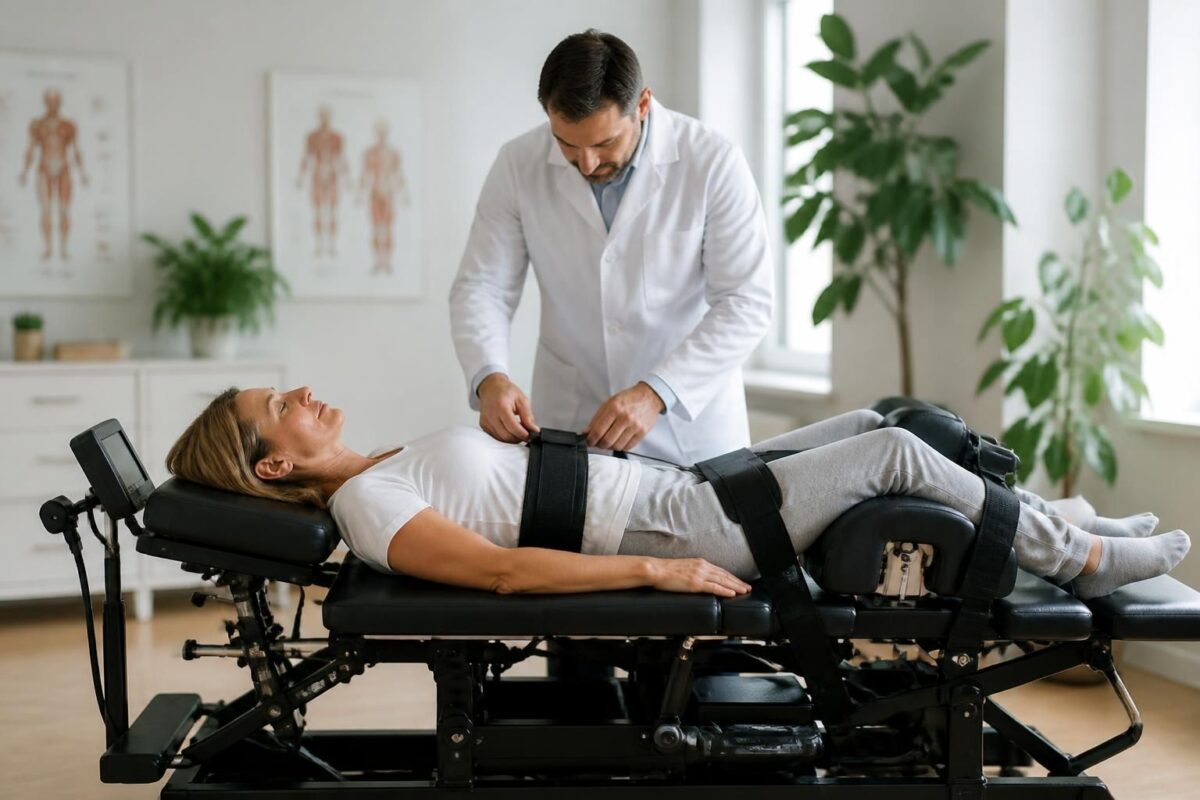
In short |
The neurovertebral decompression is an approach non-invasive aimed at reducing the pressure on Intervertebral discs and the gristle To prevent and relieve Spine pain. It improves the mobility and the posture, and can thus play a key role in the prevention chronic pain. Its operation is based on a gentle traction and targeted that creates a space between the vertebrae, favoring theDisc hydration and the reduction ofinflammation, without surgery. In Montreal, this service is particularly suitable for preventing daily pain and optimizing general well-being. |
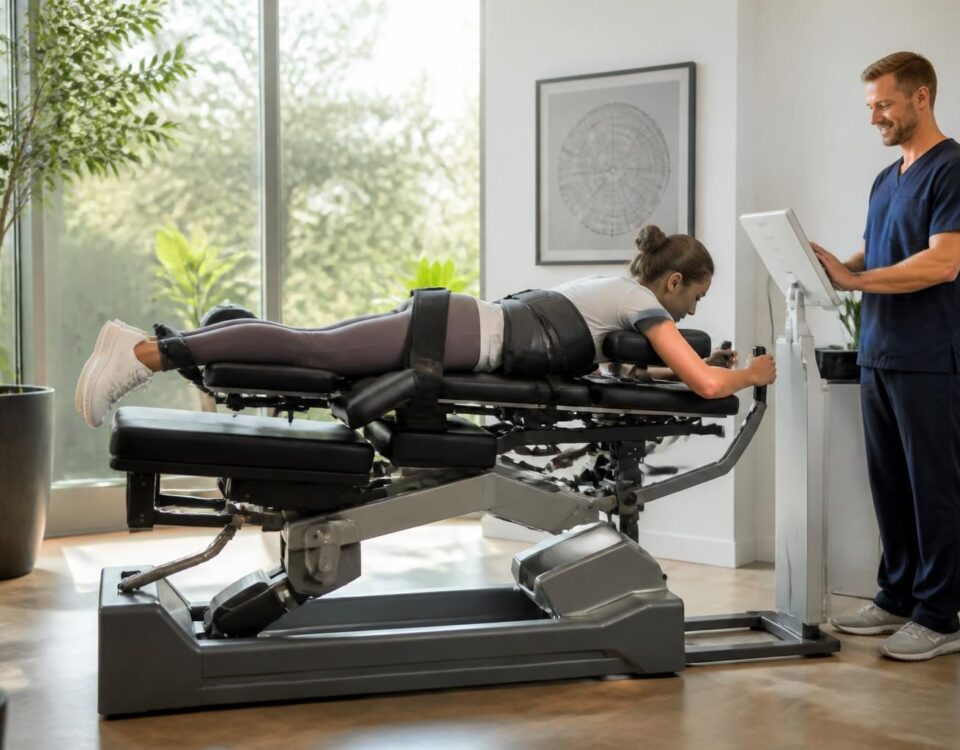
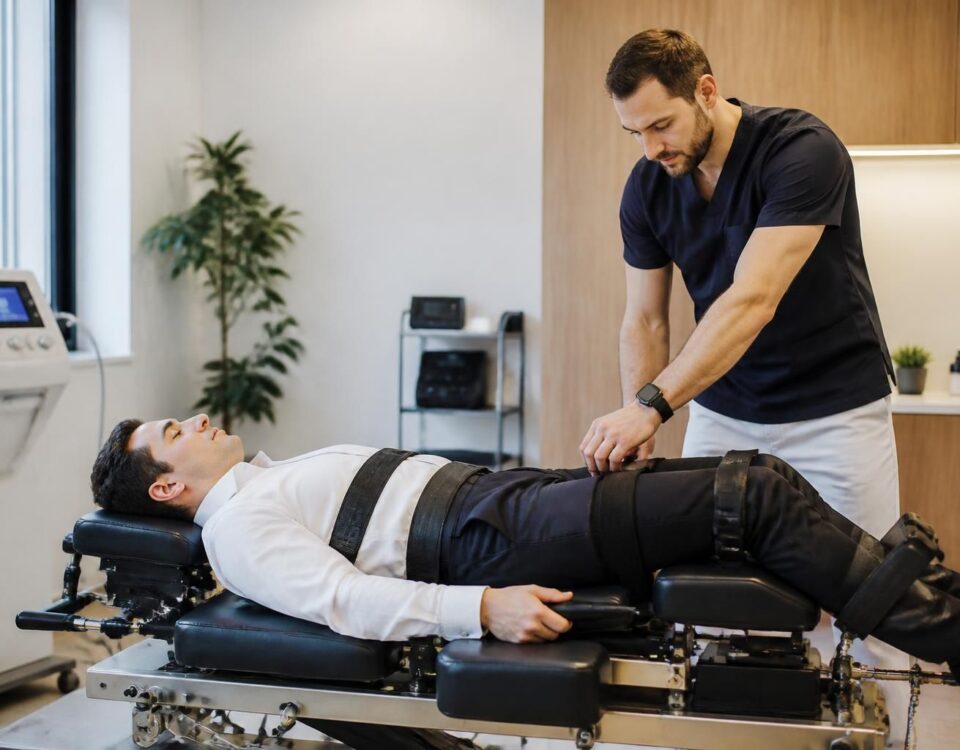
The neurovertebral decompression is an approach non-surgical which aims to relieve the column by reducing the pressure on the discs and nerves thanks to a Controlled traction which creates a space between the vertebrae.
It can help with spine pain such as Lower back pain, sciatica and herniated discs, by promoting theDisc hydration and the tissue regeneration, which can contribute to a faster and more sustainable resumption of activities.
To prevent pain and optimize the results, combine this therapy with prevention Simple and effective: muscle building, posture improvement, Postural education and adoption of an active and regular lifestyle. A personalized plan, adapted to the degree of injury, maximizes the benefits and longevity of the column.
This article explores neurovertebral decompression and its role in preventing spine pain. It describes the mechanism, indications and the integration of this approach into a global management, while presenting the limitations and elements necessary for safe and effective application.
The New spine decompression is a technique non-invasive aimed at reducing the pressure exerted on Intervertebral discs and the gristle that emerge from the spine. It can help prevent future pain by restoring the space between the vertebrae and improving the circulation of tissues around the spine.
Principles and mechanisms
The treatment is based on a gentle traction and controlled which creates a space between the vertebrae. This space allows Intervertebral discs to gain volume and improve their hydration. Inflammation is reduced and circulation is optimized, which reduces pain and supports Tissue regeneration. This approach is adapted to each patient and does not replace a traditional medical assessment.
The technique is distinguished by its precision and safety. It avoids muscle contractions associated with more aggressive pulls and promotes a reduction in pressure on the nerves. To deepen, see the resources available on the recommended sites.
Indications and prevention
Neurovertebral decompression can be considered to prevent recurrent pain in people with lower back pain and spine-related manifestations. It can help to limit recurrences after a painful episode and improve general mobility, without immediately resorting to invasive treatments.
It is part of a global preventive strategy and can be associated with an osteopathic approach and other non-pharmacological care. Additional resources explain the mechanisms and potential benefits, particularly on sites dedicated to this field.
Evidence and limits
Clinical evidence on neurovertebral decompression vary depending on the case and the conditions treated. Some data report pain reduction and improved mobility, while others show results comparable to other non-surgical approaches. Efficacy strongly depends on the exact nature of the spinal disorder and the implementation of therapy.
Integration into a global approach
The neurovertebral decompression fits into a Global approach spinal health. It can be associated with manual and functional approaches and be part of a coordinated program in specialized clinics. To access integrated services in Montreal and in the region, see Tagmed Clinic.
To learn more, see the following resources:
Why neurovertebral decompression is an alternative,
how it prevents disk degeneration,
Optimizing spinal health,
Neurovertebral decompression and herniated disc.
For practical and ethical information, health professionals rely on clinical protocols and specialized guides to ensure the safety and effectiveness of care. The orientation towards the treatments proposed by TagMed favors evidence-based approaches and individual patient assessment.
Medical Disclaimer: The information and advice provided on this site does not replace the health professional’s diagnosis or treatment. Please note that Dr. Sylvain Desforges osteopath is neither a doctor of medicine nor a doctor, and is not a specialist in a medical specialty as defined by the Collège des Médecins du Québec. Manual medicine, functional medicine and sports medicine as described on this site exclude any medical treatment or diagnosis made by a doctor or specialist doctor. Always consult your doctor for any medical questions. For more details, please read our full legal notice. »
neurovertebral decompression
- Principle : Controlled traction to create a space between the vertebrae and hydrate the discs.
- directions : slipped disc, low back pain and radiculopathy.
- Earnings : pain reduction, Improving mobility.
- Process : personalized evaluation and appropriate treatment plan.
- precautions : prior medical consultation; Potential contraindications (fractures, infections, circulatory disorders).
Prevention of spinal pain
- Objective : limit risk factors and preserve spinal health.
- Posture : Alignment of the spine and avoid repeated twists.
- Physical activity : Strengthening of the trunk and Regular stretching.
- Ergonomy : adapted workstation and active breaks.
- Sleep : suitable mattresses and pillows; sleep in neutral position.
- Maintenance : Periodic review and adaptation of activities to prevent recurrences.

The neurovertebral decompression is a non-invasive approach that aims to reduce the pressure exerted on the discs and nerves of the spine. This article offers clear recommendations to take advantage of its benefits while preventing pain, thanks to an integrated approach adapted to everyone. You will discover what this therapy is, how to act on a daily basis to prevent pain and how to integrate it into a global health plan.
What is neurovertebral decompression?
The neurovertebral decompression Can be performed without surgery and consists of controlled traction of the spine to increase the space between the vertebrae and promote the hydration of the discs. This action can reduce the pressure on the nerves and nerve roots, bringing relief and progressive improvement in mobility. It can be useful in case of lower back pain, sciatica or herniated discs, while requiring a personalized evaluation by a qualified professional. The reaction to this type of therapy is individual and depends on the initial state of the column; It is therefore essential to integrate this approach into a global care and medical surveillance plan.
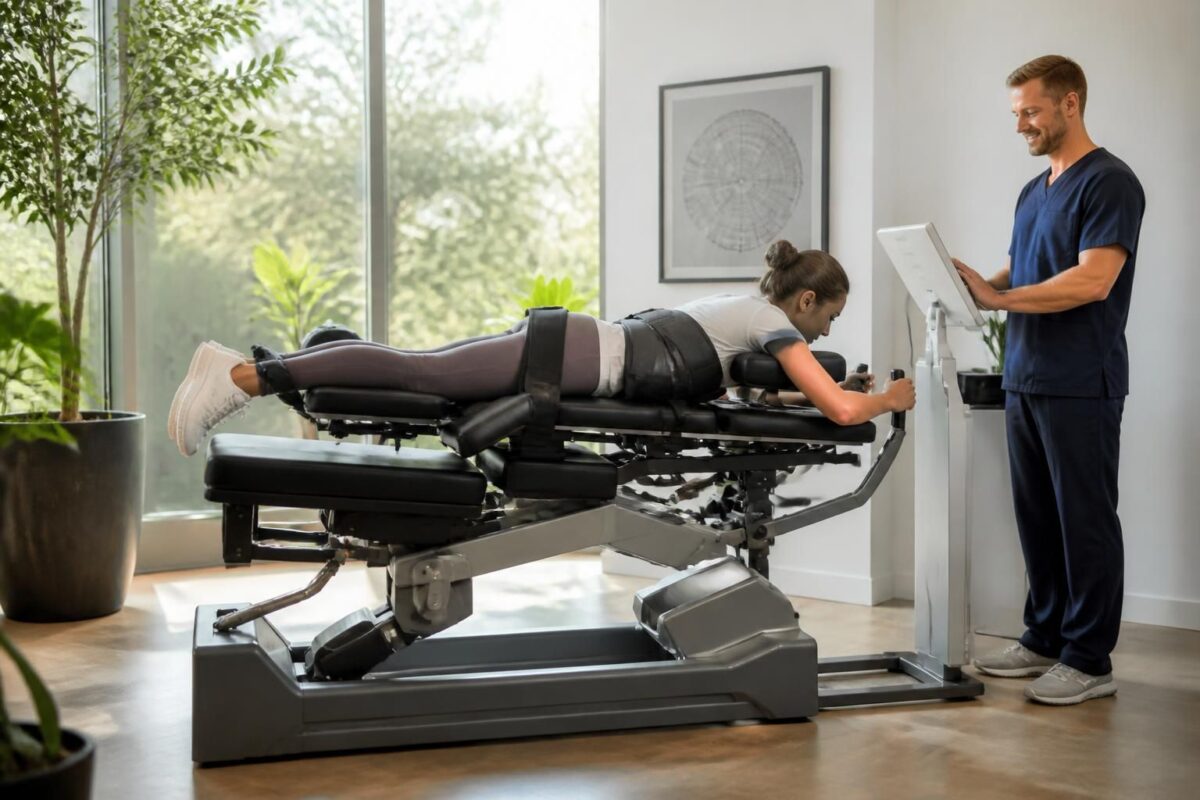
The long-term benefits of neurovertebral decompression for spinal health
In short In short, the neurovertebral decompression is a non-invasive approach that decreases the Pressure on intervertebral discs and nerves, favoring the Natural regeneration and tissue recovery. Its long-term benefits include Lasting pain reduction, Improving mobility and from the posture,…

Neurovertebral decompression and mobility: a return to an active life
In short In short, the neurovertebral decompression is therapy non-invasive who uses a gentle traction To create a space between the vertebrae and reduce the pressure on the Intervertebral discs and the nerves. It promotes a bloodstream improved, lowers tension…
Preventing daily spine pain
Posture and movement
Adopt a Neutral posture At work and in your daily activities: aligned shoulders, pelvis in natural position and head in the axis of the trapeze. Use a suitable chair, adjust the height of the desk and take regular breaks to relieve tension. Integrating micro-stretching and standing pauses can help reduce repetitive loads on the spine and preserve the mobility of the spinal segments.
Adapted physical activity
Choose low-impact activities that strengthen the trunk and improve stability: walking, swimming, cycling, or suitable yoga. Combine central muscle strengthening exercises with targeted stretching of hamstrings and hip flexors. The objective is to develop a more robust column, capable of withstanding daily constraints and preventing painful recurrences.
Traction and decompression: limits and precautions
The decompression should not be practiced without professional supervision. Following a personalized protocol is essential to avoid risks and adapt the parameters to your state. Talk to your osteopath or doctor about your treatment plan and do not undertake any traction without qualified support. Supervised support promotes security and optimizes results.
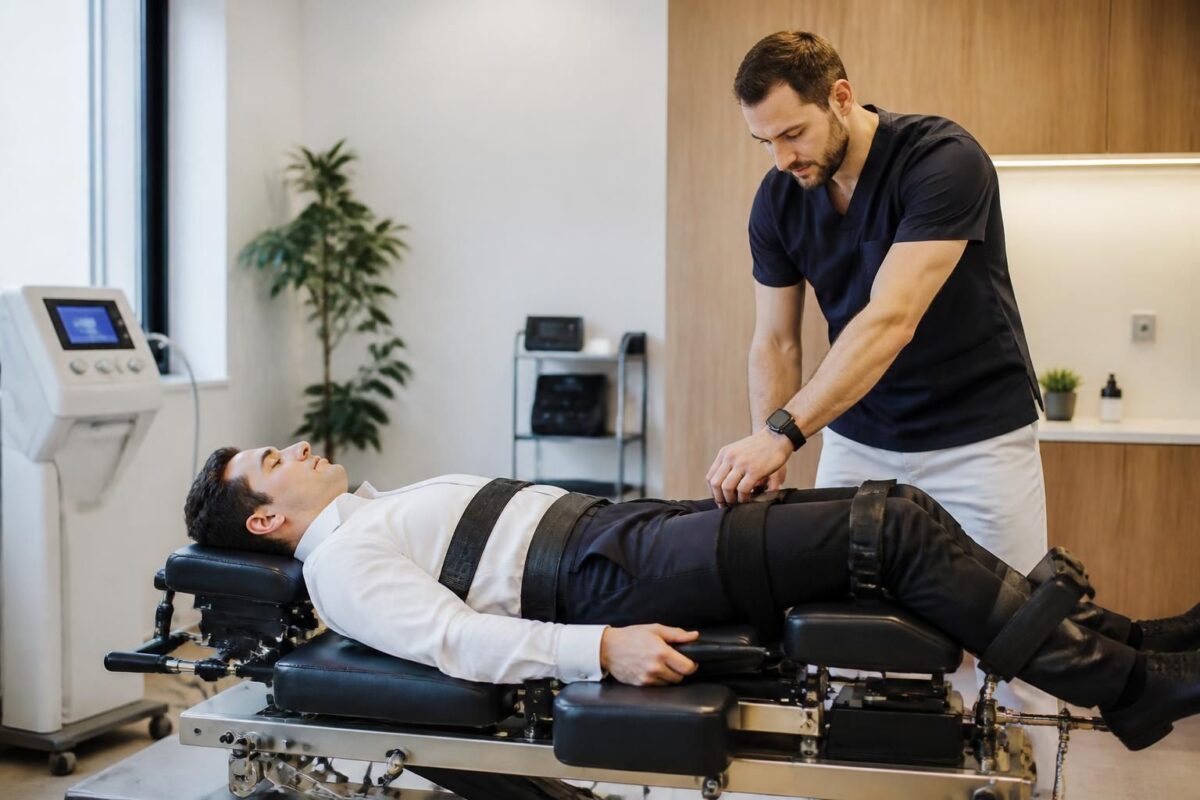
How Neurovertebral Decompression Prevents Diffuse Chronic Pain
In short decompression neurovertebral is one Non-invasive method aimed at reducing the Pressure on the intervertebral discs and the nerves, in order to prevent Diffuse chronic pain. It improves the circulation and thedisc hydration, decreases inflammation and promotes better mobility.…
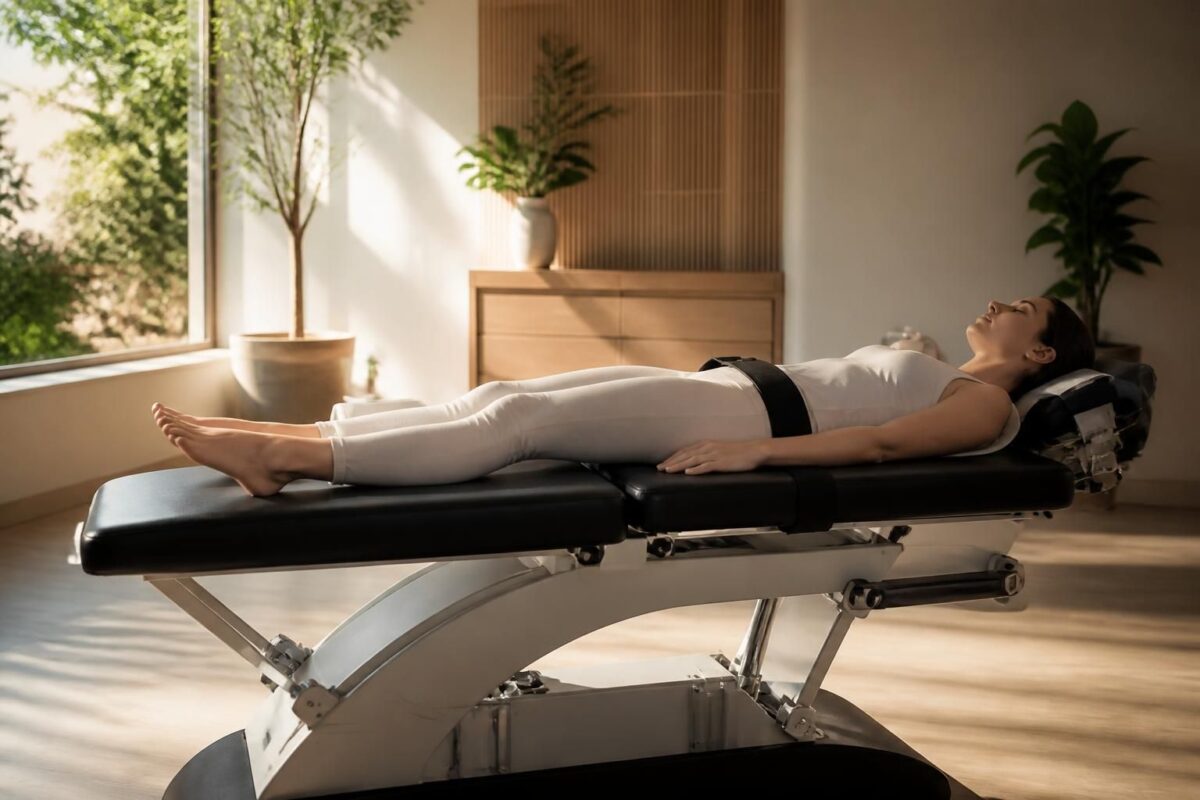
Neurovertebral Decompression and Body Alignment: Restoring Natural Balance
In short In short, neurovertebral decompression is one Non-invasive approach who restores theBody Alignment and thenatural balance back and neck. She acts by a Controlled traction of the spine to widen the intervertebral space and reduce the Pressure on discs…
Integrate decompression into a health plan
To maximize benefits, combine decompression with other non-invasive approaches, such as osteopathy and manual therapies, as well as complementary technologies when appropriate. The goal is an approach globalized and patient-centric that sustainably improves the mobility and the quality of life.
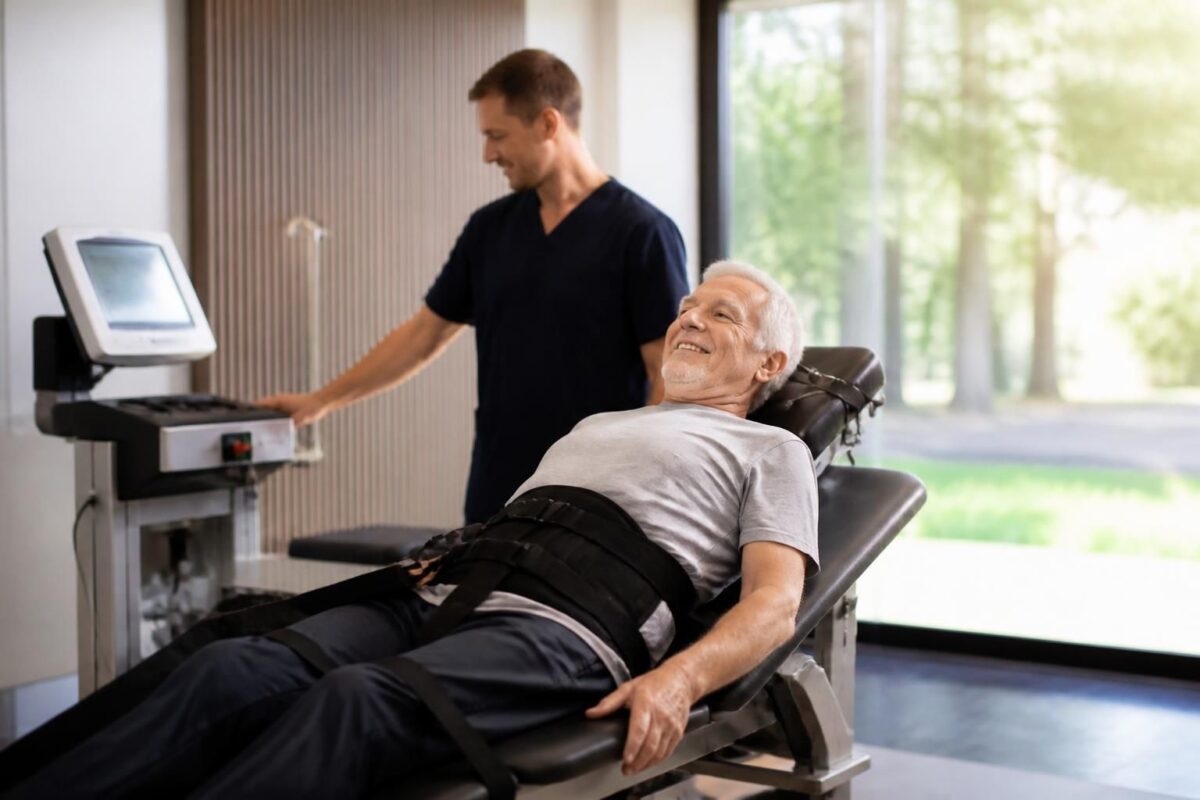
Why neurovertebral decompression is a lasting solution for active seniors
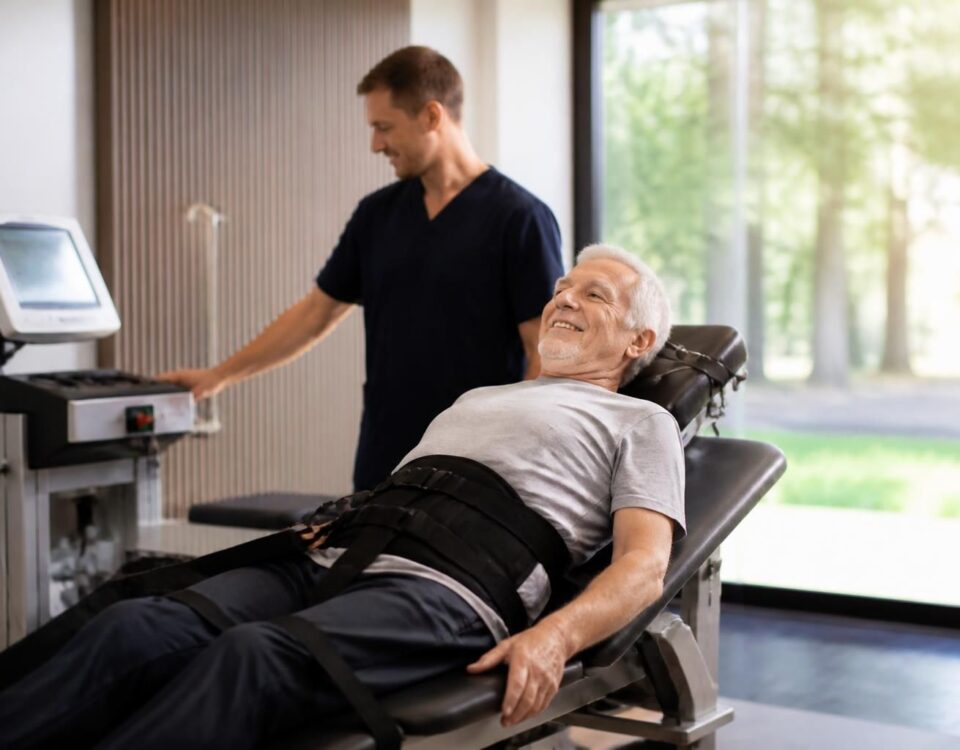
In short In short, the neurovertebral decompression is one Non-invasive therapy which sustainably relieves spinal pain in the spine active seniors By creating, by a Soft and controlled traction, a space between the vertebrae. At Montreal, it is recognized as…
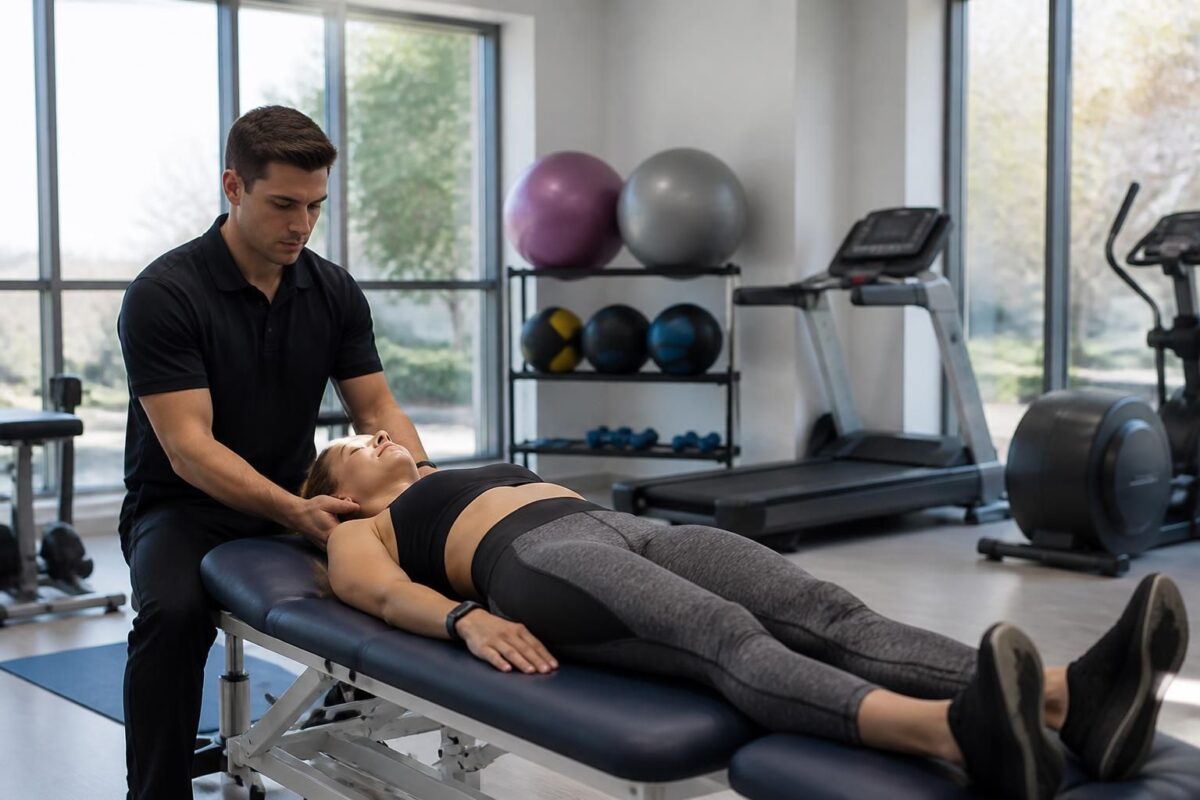
Neurovertebral decompression and recovery after severe sports injury
In short In short, the neurovertebral decompression is one Non-invasive method to Relieve the pressure on the Intervertebral discs and the gristle Via a Controlled traction, to facilitate the recovery After a severe sports injury. It improves the bloodstream towards…
Practical action plan
Evaluation and start-up
Start with a consultation for an accurate assessment of your column and your needs. Set realistic goals: pain reduction, improved range of motion, and relapse prevention.
Rhythm and tracking
Adopt a suitable progression: Begin with supervised sessions then maintain a regular routine according to professional advice. Combine these sessions with home exercises and healthy lifestyles to support the gains.
| Axis | Concise description |
|---|---|
| Objective | Purpose : reduce the pressure on the Discs and nerves so as to relieve the pain and dImprove mobility. |
| Mechanism | Mechanism : gentle traction creating a intervertebral space and favoring thehydration and the regeneration Tissue. |
| directions | directions : Lower back pain, sciatica, herniated discs; can contribute to the prevention by maintaining the mobility. |
| Associated prevention | Prevention : associate drill, posture and spinal habits to prevent recurrences. |
| contraindications | contraindications : Recent fractures, vertebral infections, severe circulatory disorders. |
| Duration and frequency | Duration and frequency : Plane personalized Staggered on several weeks, typically 4–8 weeks. |
| Side effects | Side effects : Generally light, such as temporary discomfort or fatigue. |
| Integration with other approaches | Integration : Optimal efficiency when paired with other approaches manuals and Dedicated technologies. |
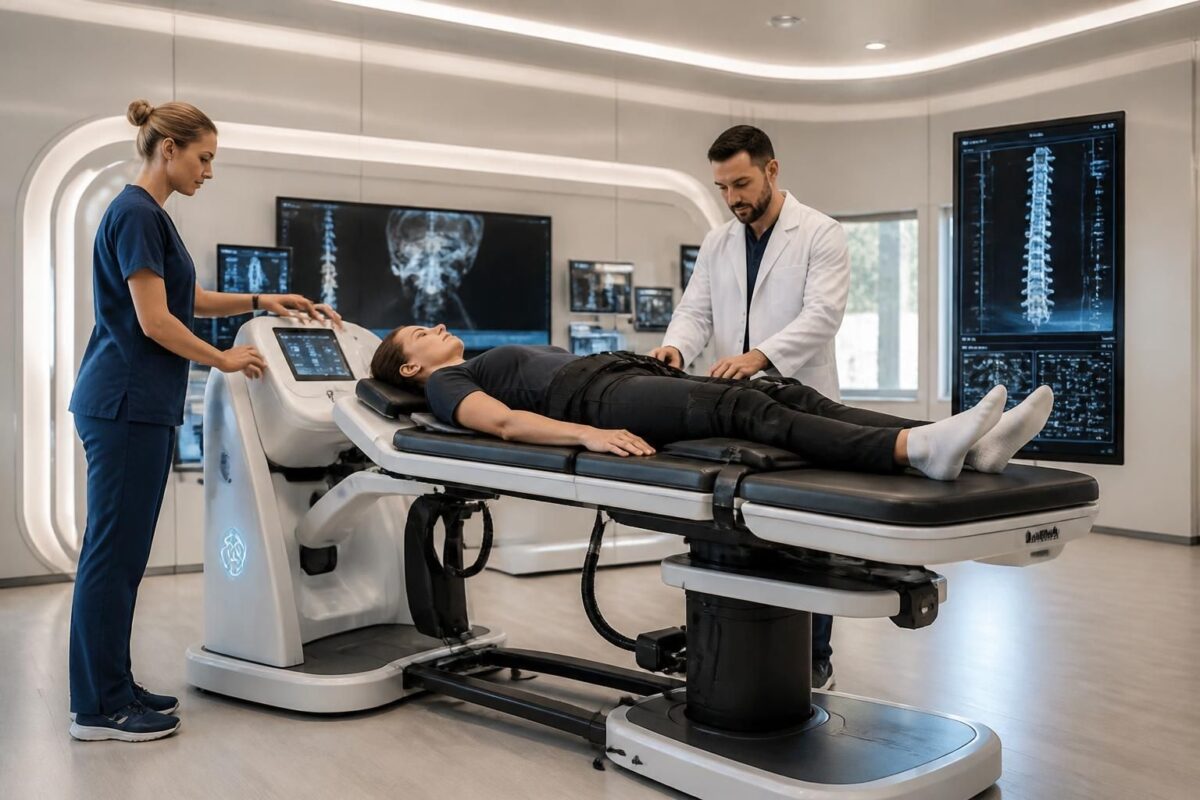
Recent innovations in neurovertebral decompression technologies
In short In short, the neurovertebral decompression is an approach non-invasive Aiming to reduce pressure on discs and nerves, and promote tissue regeneration. At Montreal, it is positioned as an effective option for lower back pain and herniated discs. The…
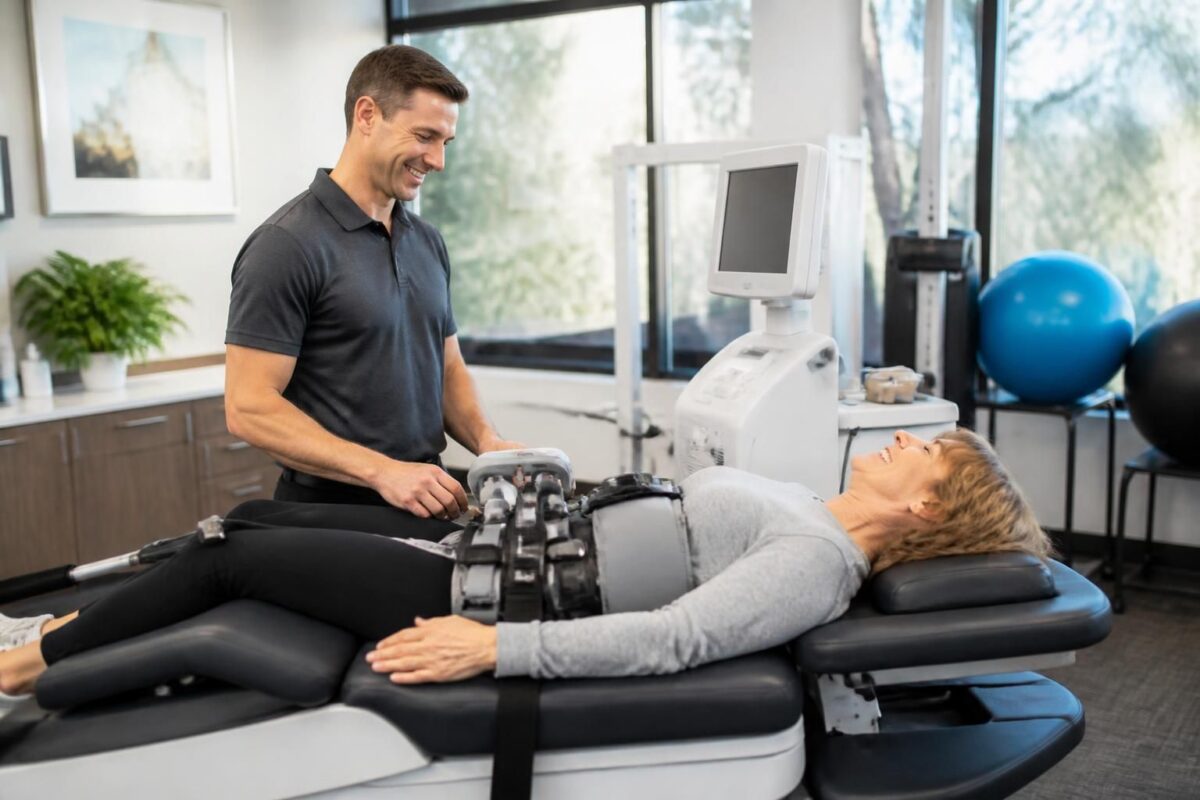
Neurovertebral decompression and diffuse pain: an appropriate solution
In short In short, the neurovertebral decompression is one Non-invasive solution For diffuse pain related to nerve irritation of the spine. She acts in Reducing pressure on intervertebral discs and nerves and improving the bloodstream, which promotes recovery and the…
Testimonials on neurovertebral decompression and spinal pain prevention
Marie, 38: after years of lower back pain related to a herniated disc, I tried the neurovertebral decompression. The sessions made it possible to reduce my pain and find a mobility who I missed. I can finally run after my children and resume my daily activities without fear.
Jacques, 52: initially skeptical, the neurovertebral decompression transformed my life. My lumbar pain decreased and my posture improved, which allowed me to return to work and my leisure without embarrassment.
Sophie, 45: my neck pain slowed me down; After the sessions, I noticed a better mobility and an reduction of tensions in the neck. I am more confident in my daily movements.
Antoine, 60: retired and sportsman, I found the pleasure of playing golf and gardening painlessly thanks to the neurovertebral decompression. It improved my quality of life and my mobility.
Léa, 29: after a sciatic pain and episodes of pain, neurovertebral decompression And postural advice helped to resume an active life without pain. The prevention and LPostural hygiene allow me to avoid recurrences.
Claire, 65: by adopting this approach as prevention, my aches have decreased and my posture improved. I remain active and independent on a daily basis.
Dr. Sylvain Desforges is a osteopathic Recognized, whose expertise extends to naturopathy and manual medicine. Aged 59, he plays the role of Founding President Tagmed clinics and the ACMA association, testifying to a deep commitment to health innovation. His career is guided by a strong conviction: combining clinical know-how and emerging technologies to offer care evidence-based and optimize the health and well-being of its patients. In his practice, he favors a multidisciplinary approach that combines manual therapies, lifestyle advice and technological tools in order to offer solutions adapted to each treatment course.
at the heart of his practice is the neurovertebral decompression, a non-invasive approach designed to reduce the pressure exerted on the nerves and intervertebral discs. By promoting controlled distraction of the vertebrae, this method seeks to create a favorable space for rehydration and disc recovery, which can accompany the reduction of pain linked to herniated discs, lower back or radicular pain. Integrated into a global protocol, it can be associated with complementary technologies such as treatments laser or by shock waves, in order to optimize blood circulation, inflammation and tissue regeneration. The use of decompression is adapted after a personalized evaluation and is part of a logic of rehabilitation, prevention and support for the maintenance of mobility.
At the same time, Dr. Desforges gives a central place to the prevention of pain in the spine. The objective is to anticipate relapses and preserve functionality on a daily basis. It goes through a Postural education rigorous, ergonomic advice adapted to work and leisure, a personalized program of Strengthening of the trunk and flexibility, as well as lifestyle overall including an adapted diet and stress management. By combining these elements with targeted manual therapy sessions, Dr. Desforges helps his patients establish lasting habits that reduce risk factors and improve spinal resilience over the long term.
This approach is based on a simple conviction: neurovertebral decompression is not an end in itself, but a lever in a personalized care program. It is part of a philosophy that values the autonomy of the patient and care adapted to each profile, from the athlete to the elderly, passing by those who recover from trauma or surgery. By combining clinical expertise and advanced technologies, Dr. Desforges works to restore spinal physiology, reduce pain and promote a quick and safe return to an active life without limitations.
This summary explains how the neurovertebral decompression can help to reduce Spine pain and to prevent their recurrence, based on controlled traction mechanisms and a multidisciplinary approach. She describes the foundations, indications and potential benefits on mobility, disc hydration and inflammation, while highlighting the importance of a personalized plan and follow-up by a professional. To enrich your understanding, specialized resources such as Neurovertebral decompression on Wikipedia and detailed explanations available at Benefits explained complete this panorama. Note that this information does not replace a personalized medical opinion and that a professional assessment is necessary to adapt the treatment to each patient.
The neurovertebral decompression aims to reduce the Pressure on the intervertebral discs and the gristle by creating a space between the vertebrae. This approach may promote Disc hydration, improve the Local blood circulation and decrease inflammation, resulting in a gradual reduction in pain and restoring the mobility. Although the results may vary depending on the case, this method often fits into a global and individualized care plan.
For pain prevention, favor a sustainable strategy taking into account posture, Reinforcement exercises trunk and paravertebral muscles, as well as theErgonomics at work. programs ofAdapted physical activity and regular, coupled with stretching and progressive progression, enhance the stability of the spine and reduce the risk of recurrence. online resources detail how decompression can be integrated into a preventive plan and improve spinal stability.
Integrated into a global approach to health, decompression can be reinforced by complementary technologies and therapies, such as light neuromodulation or other modalities used in manual medicine. For example, solutions like Pulse Align can promote reduction of tensions and improve the nervous functioning around the column, while supporting tissue recovery. To learn more about these synergies, see dedicated resources and related clinical presentations.
Ultimately, spinal pain prevention is based on a combination of targeted intervention and good daily practices. Adopt a suitable routine that combines postural control, regular movement and personalized follow-up, while remaining attentive to your body’s signals and seeking support from a qualified professional when necessary. To deepen the practical aspects and key steps of successful processing, you can refer to resources such as Key stages of treatment for neurovertebral decompression and How decompression helps sciatic pain. For a synthetic view of the impact on spinal health, see Neurovertebral Decompression – An ideal therapy to restore spinal health.

Dr Sylvain Desforges
Dr Sylvain Desforges, B.Sc., D.O., N.D., osteopath, is the founding president of TAGMED and of the ACMA association. He dedicates his practice to chronic spinal pain, low back pain and symptoms compatible with sciatica, particularly when pain radiates toward the buttock, leg, calf, foot or toes.
Through SOS Sciatique, he publishes educational content on sciatica symptoms, possible causes such as disc herniation, disc narrowing, foraminal stenosis or irritation of a lumbar nerve root, as well as non-surgical approaches that may be considered according to the evaluation. At Clinique TAGMED, care may include, depending on the case, motorized neurovertebral decompression, specific osteopathic care or precision percussion.
For an evaluation related to sciatica treatment in Montreal / Mount Royal or sciatica treatment in Terrebonne, please consult the services available at Clinique TAGMED.
Medical disclaimer
The information published on SOS Sciatique is provided for educational purposes only and does not replace a consultation, diagnosis, opinion or treatment provided by a physician or another authorized healthcare professional. The author of this article is neither a medical doctor nor a specialist in a medical specialty recognized by the Collège des médecins du Québec. The osteopathic, manual medicine or functional support approaches described on this site do not constitute medical acts and are not intended to replace medical follow-up.
Consult a physician or emergency service in cases of loss of bladder or bowel control, anesthesia in the saddle area, significant or progressive weakness in the leg or foot, fever, recent trauma, severe pain or rapid worsening of symptoms. For more details, please read our Legal Notice.