

Neurovertebral decompression: an alternative for chronic radicular pain
26/06/2026
Neurovertebral decompression and cervical pain: a proven solution
26/06/2026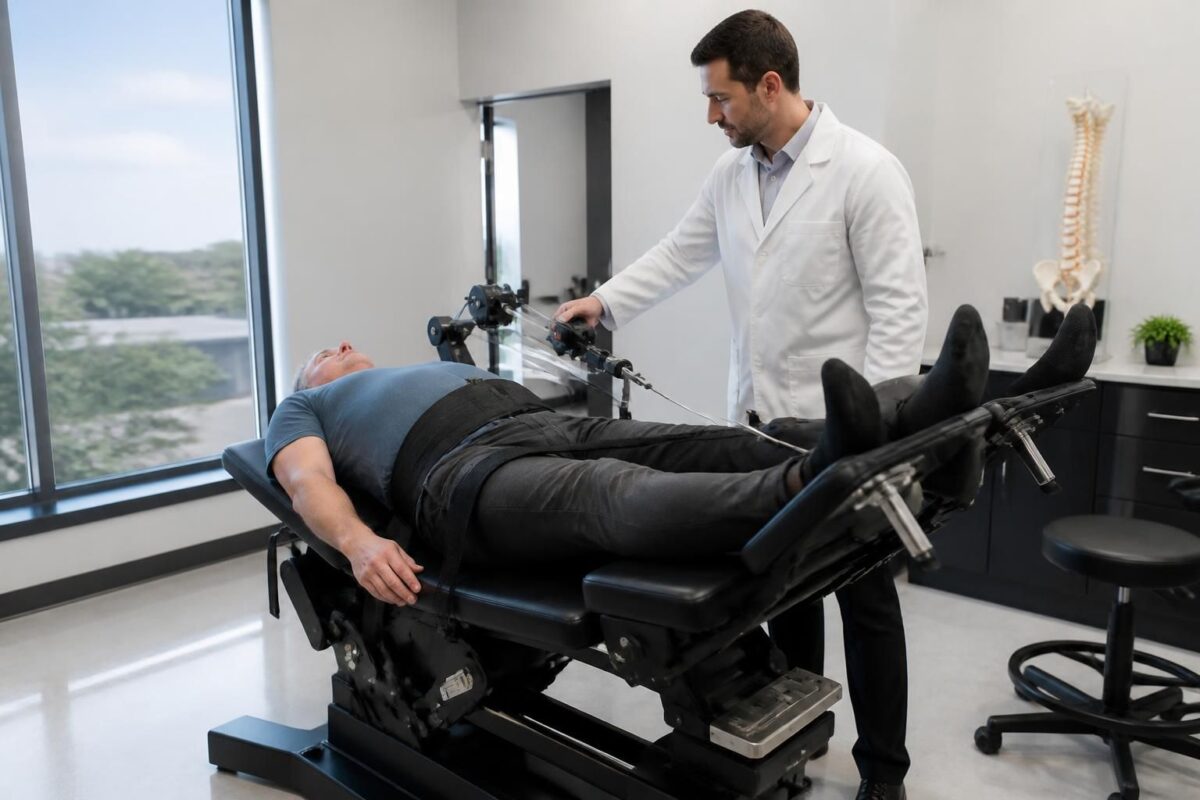
In short
| In short, the neurovertebral decompression is one Non-surgical solution for the back pain which acts by reducing the pressure on the records and the gristle Via a Controlled traction. This approach offers a Sustainable relief, a Improving mobility and a reduction in symptoms related to conditions such as herniated discs and theosteoarthritis, without drugs. A Typical session Combines a heat phase, a decompression phase and a recovery phase, all over a period of approximately one o’clock, under precise and personalized control. Accessible in Montreal and its surroundings, this treatment aims to restore comfort and quality of life by favoring a safe and respectful approach to the body. |
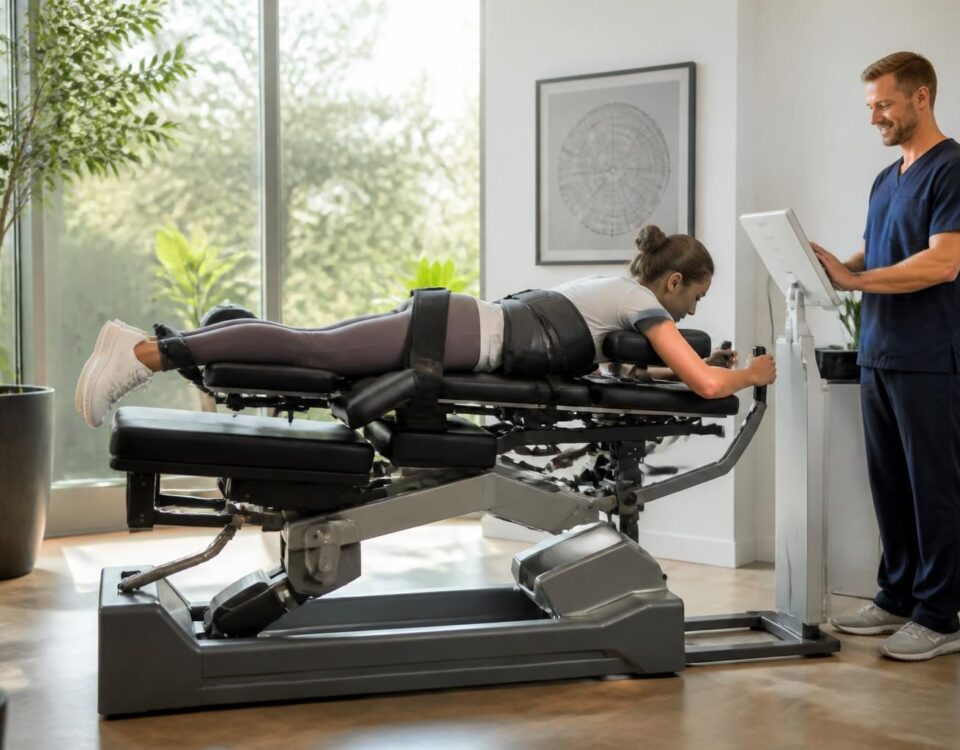
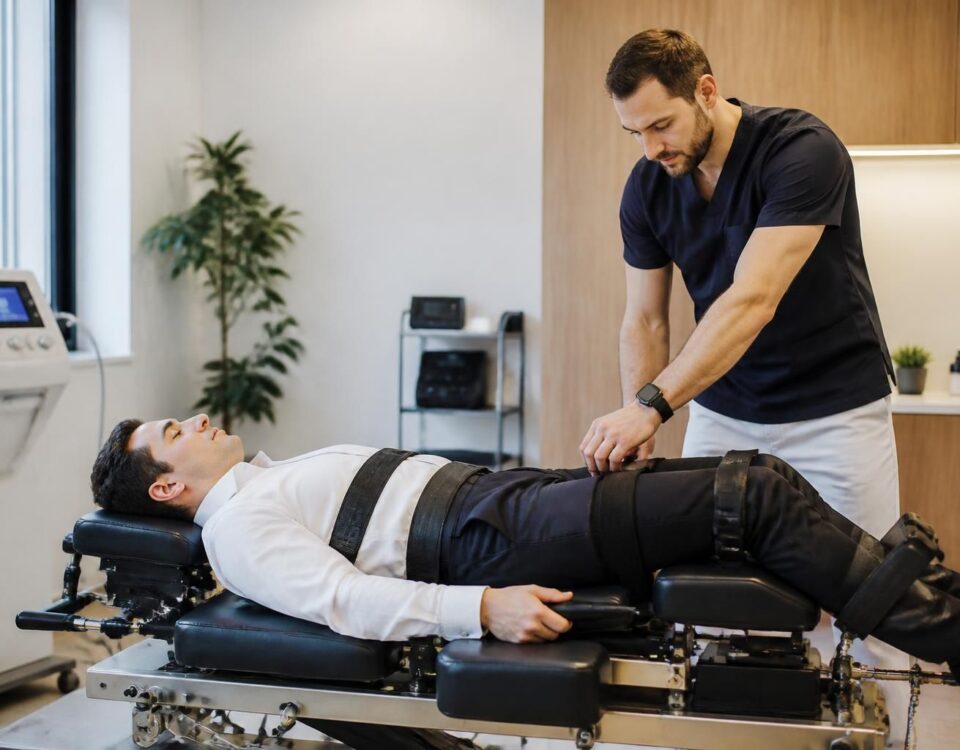
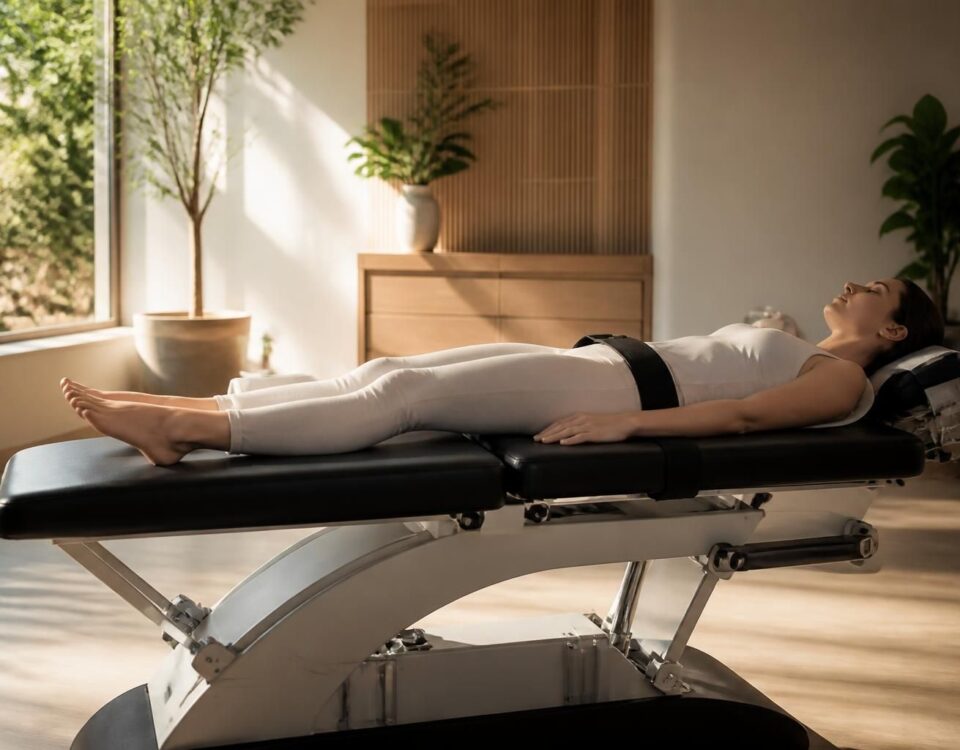
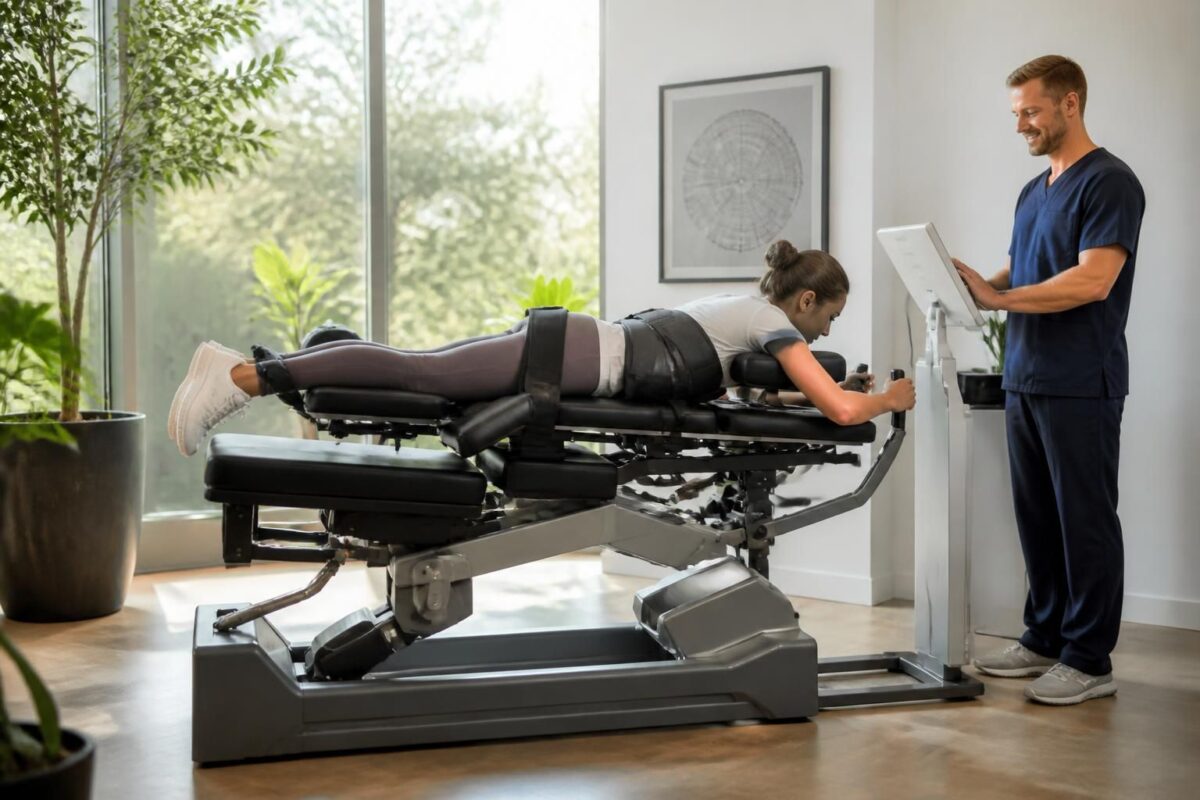
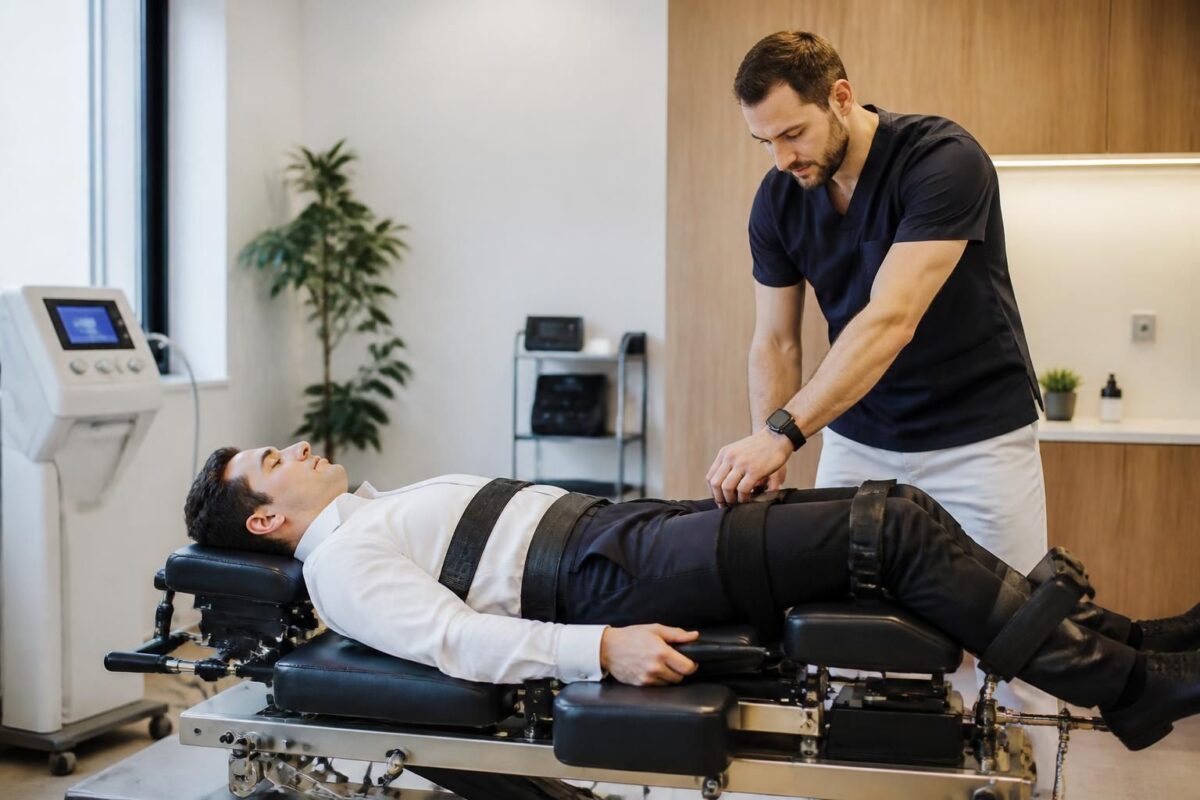
during a Typical session of neurovertebral decompression, you stay completely dressed and are installed on the table. For the lumbar, the pelvis is stabilized by a pelvic harness and the thorax and the pelvis are by an integrated device; For the neck, the table tilts at the angle required to target the vertebral segments. The device is computer controlled and apply a negative pressure measured via a Decompression vest and one compound device, generating weak microtractions Smooth and safe. A session lasts approximately 60 minutes: 15 minutes of heat, 30 minutes of decompression and 15 minutes of ice cream. It’s painless and relaxing; Some patients fall asleep and leave with reduced pain and better mobility.
This article explains in a direct and clear way the progress of a Typical session of neurovertebral decompression. It describes the technology used, the steps to follow and what the patient can wait before, during and after treatment. Everything is presented without exercises or stretching, in order to favor a safe and effective approach.
before the session
The practitioner performs an initial assessment to confirm that the decompression is appropriate. This step checks the history, symptoms and relevant indications. The material is checked and the application for processing is confirmed. The patient is informed of the course and the expected sensations. The patient remains fully clothed during treatment.
During the session
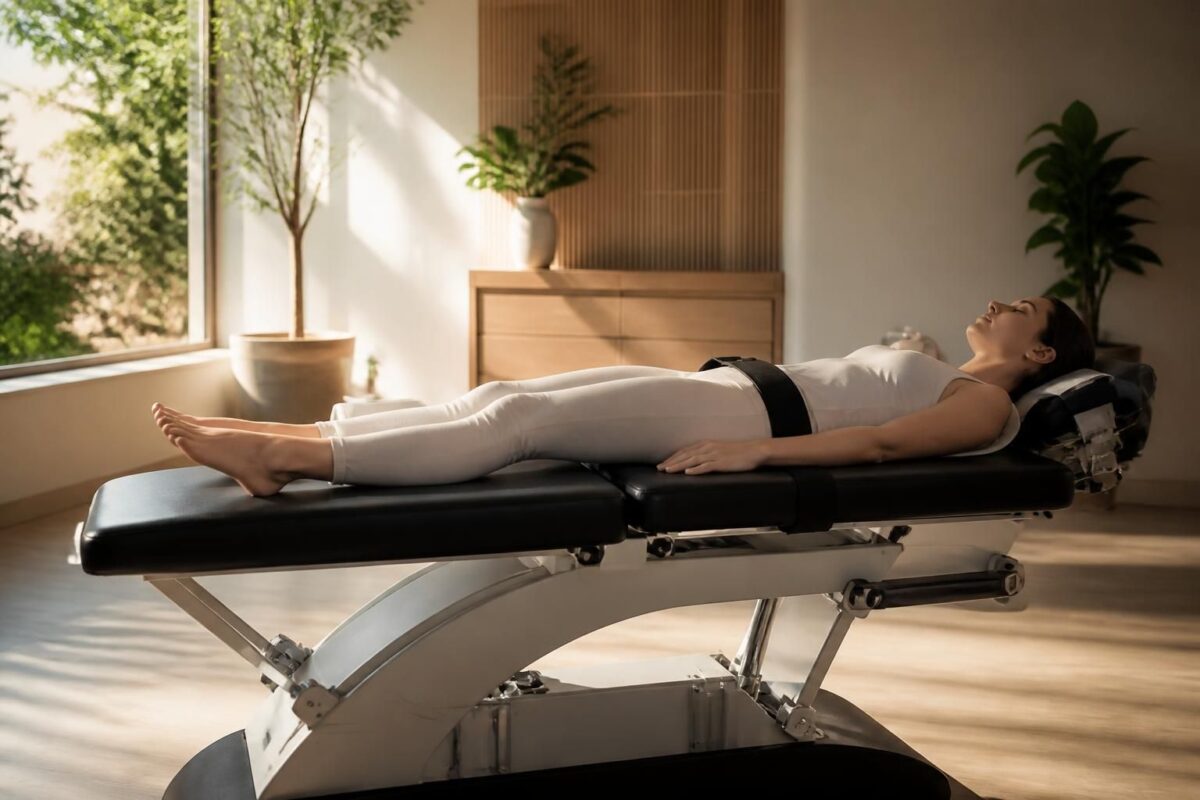
The patient is installed on a table specially designed for decompression. The pelvis is stabilized by a patented pelvic harness and the chest and the pelvis are supported by an integrated framework. The table can tilt electronically to target the desired segments of the column. The system applies controlled, very gentle negative forces to exert precise and safe microtractions on the vertebral segments. For lumbar procedures, the targeted region is stabilized and settings are adjusted by computer. For cervical procedures, the device tilts the head at the necessary angle and stabilizes the base of the skull. A typical session usually includes alternating phases, orchestrated by computer, to optimize comfort and safety.
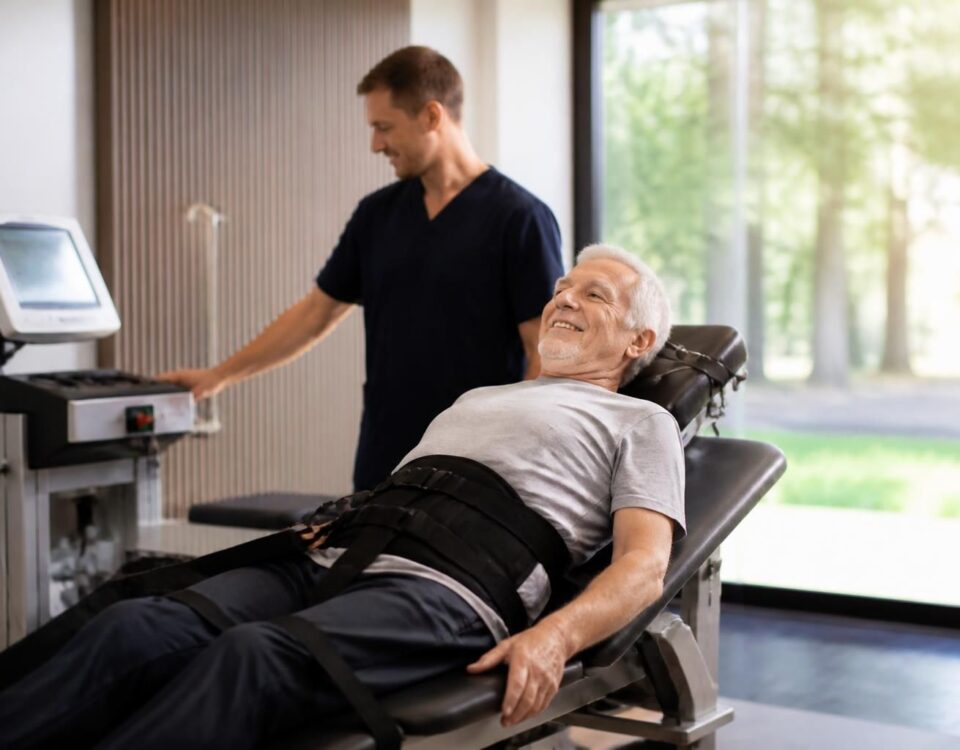
During the session, the patient may experience deep relaxation and a feeling of release in the treated area. The treatment is designed to avoid any pain and is generally well tolerated. Many patients find that the session is comfortable, and some fall asleep during the process.
After the session
The decompression is followed by a short period of rest and exchanges with the practitioner. The protocol may include cold local therapy to soothe tissues and promote recovery. The practitioner discusses observed results and plans the follow-up plan, which may include multiple sessions depending on the severity of symptoms and response to treatment.
Comfort, safety and expected results
The session is non-surgical and painless when performed by qualified professionals. The system is designed to be safe and stable, with computerized control of parameters and sensors that ensure patient safety. Patients often describe a gradual improvement in pain and mobility after several sessions, although the results vary according to the individual condition and response.
Additional information and resources
To learn more, you can consult resources on The complete guide to neurovertebral decompression or the pages dealing with the benefits and safety of this therapy. The integration of this protocol into a rehabilitation program can be mentioned in the trainings and practices associated with Tagmed Clinic. For general perspectives, you can also consult The encyclopedic article or specialized resources on Why is it safe and effective.
Useful links
- Advantages and prevention of spinal complications
- Ideal for radicular pain
- Proven results in seniors
- Muscle and back pain
- care and hernias
- Tagmed Clinic
Medical Disclaimer: The information and advice provided on this site does not replace the health professional’s diagnosis or treatment. Please note that Dr. Sylvain Desforges osteopath is neither a doctor of medicine nor a doctor, and is not a specialist in a medical specialty as defined by the Collège des Médecins du Québec. Manual medicine, functional medicine and sports medicine as described on this site exclude any medical treatment or diagnosis made by a doctor or specialist doctor. Always consult your doctor for any medical questions. For more details, please read our full legal notice.
- Preparation : Patient dressed, stabilization of the pelvis with the harness.
- positioning : cervical and lumbar alignment depending on the treated area.
- Control : Computer supervision and sensors for precise traction.
- Traction : Soft and secure traction, painless.
- Comfort : continuous monitoring and stop if necessary.
- Thermal phase : 15 minutes of preliminary heat.
- Decompression phase : 30 minutes of controlled decompression.
- cryotherapy phase : 15 minutes of ice for inflammation.
- Posture and advice : Post-session recommendations and gentle exercises.
- Monitoring : Assessment and adjustment of the plan according to progress.

This article describes the typical functioning of a session of neurovertebral decompression, from the initial evaluation to post-session monitoring, to installation, traction and advice to support results. It is a non-invasive, controlled and safe treatment, intended to relieve pain related to disc attacks and to promote mobility.
Preparation and evaluation before the session
Before any intervention, a Full assessment is done to understand your state and specific needs. This step includes reviewing the history, evaluating your symptoms and, if necessary, clinical indications that will guide the protocol. One Custom Plan is then defined and any contraindications are checked to ensure your safety. You are informed of the objectives, progress and approximate duration of the session. During this phase, you stay dressed comfortably And the team accompanies you to answer all your questions.
The long-term benefits of neurovertebral decompression for spinal health
In short In short, the neurovertebral decompression is a non-invasive approach that decreases the Pressure on intervertebral discs and nerves, favoring the Natural regeneration and tissue recovery. Its long-term benefits include Lasting pain reduction, Improving mobility and from the posture,…
course of a typical session
Installation and positioning
The patient is installed on a specialized table and remains fully dressed. the thorax and the pelvis are stabilized to guarantee a Body stability during treatment. A pelvic harness or suitable support devices ensure good restraint and make it possible to precisely target the area to be treated. The device is adjusted according to the angle and the target segment, in order to prepare the traction necessary without creating unnecessary tension.
Controlled decompression phase
The traction is applied in a way Sweet and intermittent on the targeted vertebral segments. This action creates a space between the vertebrae and reduces the pressure on the discs and nerves, thus helping to improve the circulation and nutrition of the tissues. The system is computer-controlled and continuously monitored to ensure a safe progress adapted to your feelings. The duration of this phase varies according to the individual protocol and can be around 20 to 30 minutes.
Recovery and closure
After decompression, a short recovery period is expected. Some sessions may incorporate a light heat phase before or after traction, then an application of ice to promote recovery and limit localized inflammation. The session ends with personalized advice on hydration, posture and simple exercises to carry out independently to support the results obtained.

Neurovertebral decompression and mobility: a return to an active life
In short In short, the neurovertebral decompression is therapy non-invasive who uses a gentle traction To create a space between the vertebrae and reduce the pressure on the Intervertebral discs and the nerves. It promotes a bloodstream improved, lowers tension…
Sensations and safety
The session is usually painless and, for most patients, comfortable. Some feel a stretching sensation or a slight tension recording in the treated area, which quickly disappears. It is common to see a gradual improvement in symptoms after several sessions. In case of pain or discomfort, the protocol is immediately adjusted or interrupted, and the team reassess your situation.
How Neurovertebral Decompression Prevents Diffuse Chronic Pain
In short decompression neurovertebral is one Non-invasive method aimed at reducing the Pressure on the intervertebral discs and the nerves, in order to prevent Diffuse chronic pain. It improves the circulation and thedisc hydration, decreases inflammation and promotes better mobility.…
Post-session follow-up and advice
The monitoring is essential to maximize profits. A personalized schedule can be established, with regular reassessments to adjust the frequency and intensity of the sessions. Practical advice on posture, lifestyle and targeted exercises are provided to promote the sustainability of results and prevent recurrences. In case of doubt or change of symptoms, a new point will be made with your practitioner to adapt the care plan.
| Phase | Description |
|---|---|
| Welcome phase and objectives | Patient reception, background check and clarification of the objectives of the session neurovertebral decompression. |
| Positioning and comfort | Installation of the patient on the table, back stabilization and checking of safety equipment. |
| Preparation and relaxation | application of heat and relaxation of the muscles to prepare the traction and limit tensions. |
| Getting started with decompression | Activation of the decompression system with electronic control and parameter monitoring. |
| Targeted traction | Soft microtractions and precise adjustment by segment to relieve discs. |
| targeting according to level | Orientation of the device towards the cervical or lumbar levels concerned. |
| Duration and rhythm | Typical session of approximately 60 minutes With alternating decompression, heat and ice. |
| Tolerance and safety | comfort monitoring; Immediate stop in case of pain or discomfort and adjustment of parameters. |
| post-processing | Applied ice, recovery tips and posture to promote recovery. |
Neurovertebral Decompression and Body Alignment: Restoring Natural Balance
In short In short, neurovertebral decompression is one Non-invasive approach who restores theBody Alignment and thenatural balance back and neck. She acts by a Controlled traction of the spine to widen the intervertebral space and reduce the Pressure on discs…
Testimonials on the functioning of a typical neurovertebral decompression session
“Before my first session, I was worried about feeling a pull on my spine, but I was explained each step. The team started with a initial assessment complete and established a Custom Plan adapted to my situation. Then the session took place in three simple times: 15 minutes of heat, 30 minutes of decompression with the SpineMed system, and 15 minutes of cold therapy. »
“The session begins with a Basin stabilization and chest, then the device is calibrated to precisely target the painful areas. We feel a delicate negative traction on specific segments, computer controlled and monitored by the practitioner. it’s painless and very comfortable; Some patients even find the time long and fall asleep peacefully. »
“After a few sessions, I noticed a gradual improvement in my mobility. The staff clearly explains each step and adjusts the program based on progress, which gave me confidence. The session is short and well structured: 15 minutes of heat, 30 minutes of decompression and 15 minutes of ice cream To conclude. »
“What struck me the most was the careful follow-up and practical advice that accompanies each treatment. At the end of each session, the practitioner evaluates my sensations and adjusts the Care plan if necessary. I am also reminded of the importance of posture and thehydration To optimize results and promote sustainable rehabilitation. »
“At the end of the program, the pain decreased and my function improved significantly. This approach non-invasive and body respectful gave me a real alternative to more invasive treatments. I highly recommend anyone with back pain to try this structured and reassuring journey. »
Why neurovertebral decompression is a lasting solution for active seniors
In short In short, the neurovertebral decompression is one Non-invasive therapy which sustainably relieves spinal pain in the spine active seniors By creating, by a Soft and controlled traction, a space between the vertebrae. At Montreal, it is recognized as…
How does a typical neurovertebral decompression session work — Professional biography
In his practice, this recognized specialist in osteopathy, naturopathy and manual medicine illustrates how a Typical session of neurovertebral decompression is part of a global and non-invasive approach. Driven by health innovation, it aims to sustainably relieve back pain and improve patient mobility through advanced technologies and evidence-based approach.
Before any intervention, the practitioner performs a Full assessment suitable for the patient. This step includes history analysis, precise identification of painful areas and location of radiating pain. Depending on the symptoms, physical and neuromuscular tests are carried out, and when necessary, imaging investigations may be considered to clarify the diagnosis and guide the treatment protocol. The goal is to establish a personalized plan that maximizes benefits while respecting patient safety.
Once the diagnosis is made, the patient is prepared for the session in a comfortable and professional setting. The patient remains fully dressed and is installed on a specialized table. A pelvic retention system ensures the stabilization of the pelvis, while the chest and the pelvis benefit from a support designed to limit unwanted movement. This meticulous installation guarantees an ideal position for traction and minimizes muscle tension during treatment.
The clinical course is then guided by a technology computer controlled and equipped with sensors that evaluate in real time the angle and magnitude of the traction applied. The practitioner finely adjusts the adjustment of the targeted segments, whether at the lumbar or cervical level, in order to create a space between the vertebrae and reduce the pressure on the nerve structures. This approach is based on microtraction movements, carried out in a manner secure and precise, in order to avoid any discomfort or muscle resistance.
The standard duration of a session is structured and controlled: it begins with a short-term heat phase to prepare the fabrics, follows with approximately 30 minutes of neurovertebral decompression, then ends with a recovery period associated with cooling tips. Throughout the session, the patient generally feels a feeling of relaxation and relaxation; The treatment is painless and some patients fall asleep during the session, proof of its soothing and safe character.
After the session, a quick assessment is used to measure the immediate effects on pain and mobility. The practitioner discusses the sensations felt and adjusts the treatment plan based on the progress observed and the patient’s feedback. The objective is to establish a progressive course that integrates the following sessions and, if necessary, additional recommendations such as postural exercises, hydration and lifestyle advice to support rehabilitation.
This approach holistic Focuses on sustainable nerve pressure reduction, improved intervertebral nutrition, and restoring functional mobility. By combining neurovertebral decompression with personalized advice and, when necessary, other manual therapies, the practitioner strives to provide a safe, effective and appropriate care experience for each individual.
This summary presents the detailed operation of a typical session of neurovertebral decompression, from the initial positioning to the post-treatment follow-up, highlighting the mechanisms, the progress and the expected benefits. It gives you a clear and concise view of key steps and possible outcomes without the need for surgery.
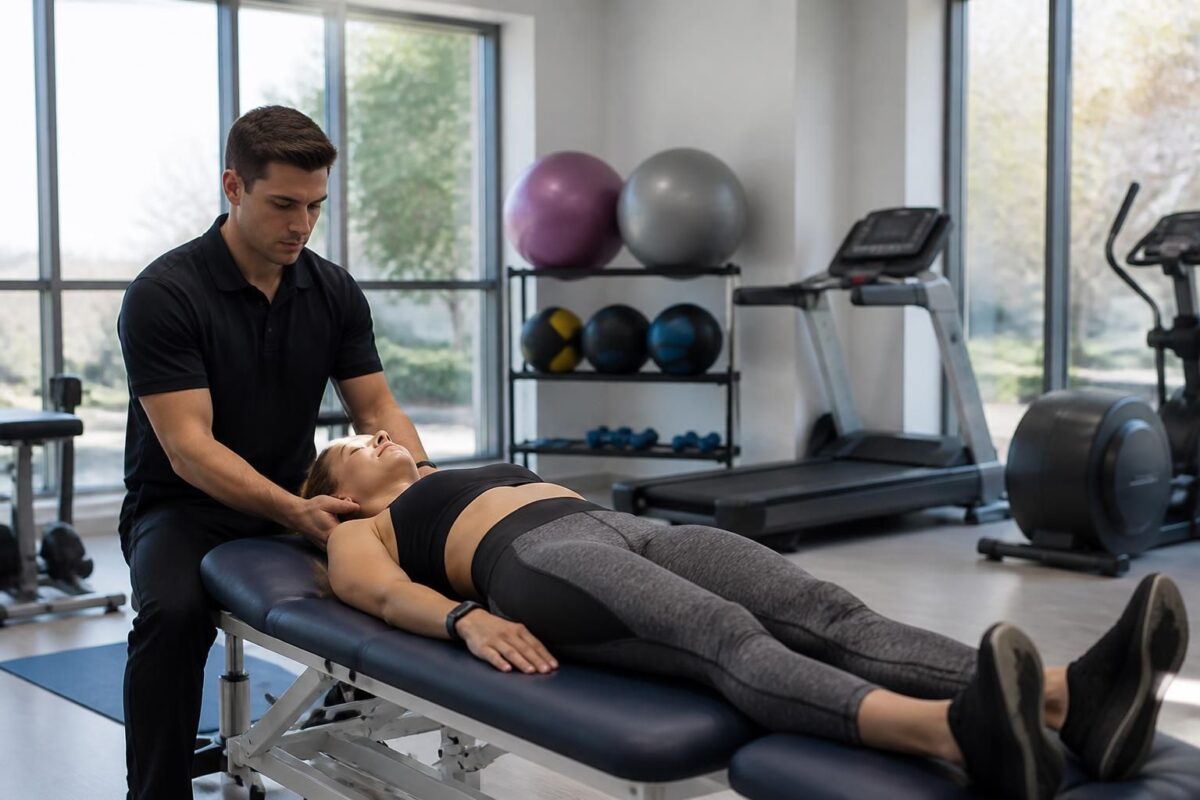
Neurovertebral decompression and recovery after severe sports injury
In short In short, the neurovertebral decompression is one Non-invasive method to Relieve the pressure on the Intervertebral discs and the gristle Via a Controlled traction, to facilitate the recovery After a severe sports injury. It improves the bloodstream towards…
Typical session process
Before the start of the session, the practitioner performs a quick assessment to confirm the alignment of the treatment with your condition and check any contraindications. Throughout the protocol, the patient remains completely dressed and is installed on a specialized table equipped with a pelvic restraint device and a chest and pelvic stabilization system to guarantee a comfortable and secure position.
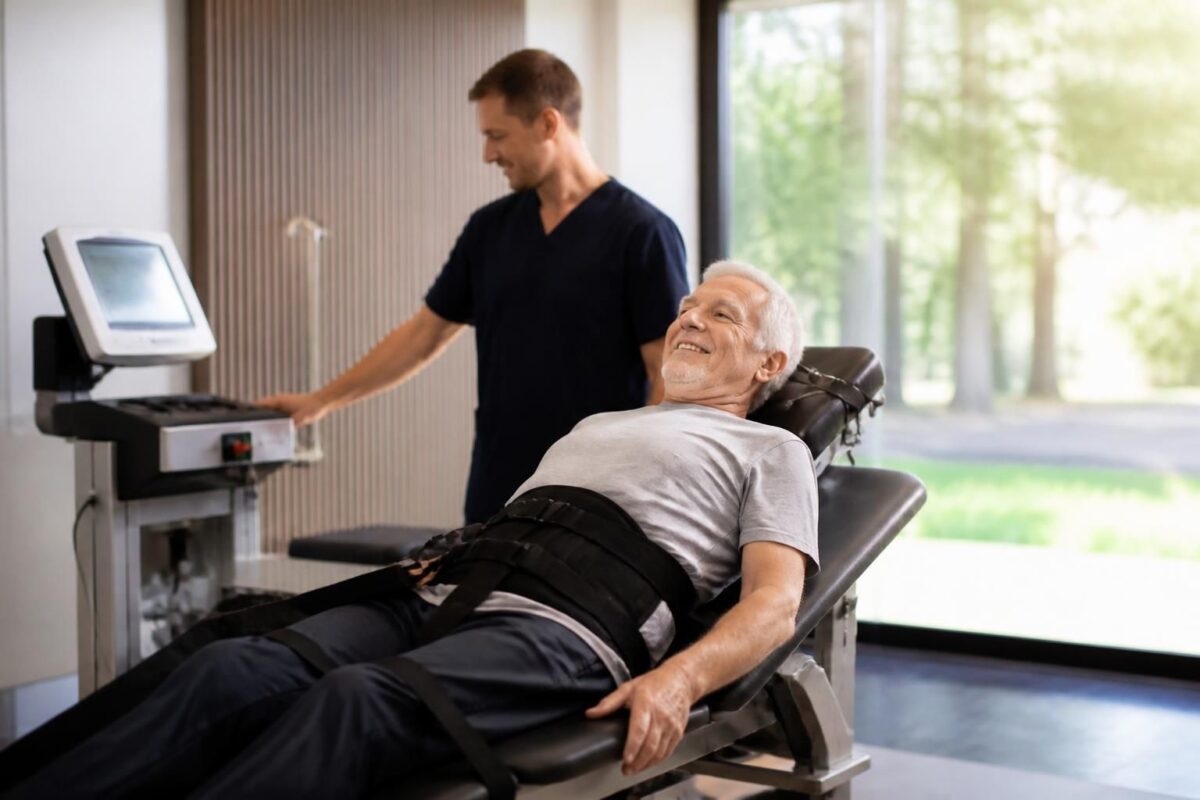
The session is then orchestrated by a computerized system that adjusts the required angle according to the target region (lumbar or cervical). The traction vest, connected to a pulley mechanism, applies controlled and precise decompression to the spine, as part of a non-invasive and safe treatment. This gentle traction is designed to create spacing between the vertebrae and reduce pressure on discs and nerves.
A typical session takes place in three distinct phases. It begins with about 15 minutes of therapeutic heat to prepare the tissues and promote relaxation. Then, about 30 minutes of neurovertebral decompression with the SpineMed system allow you to exercise targeted and controlled microtractions on the column. Finally, about 15 minutes of cold therapy (ice) conclude the session by promoting the reduction of inflammation and muscle recovery. This structure promotes a comfortable and progressive experience, with generally well tolerated and sometimes even relaxing sensations.
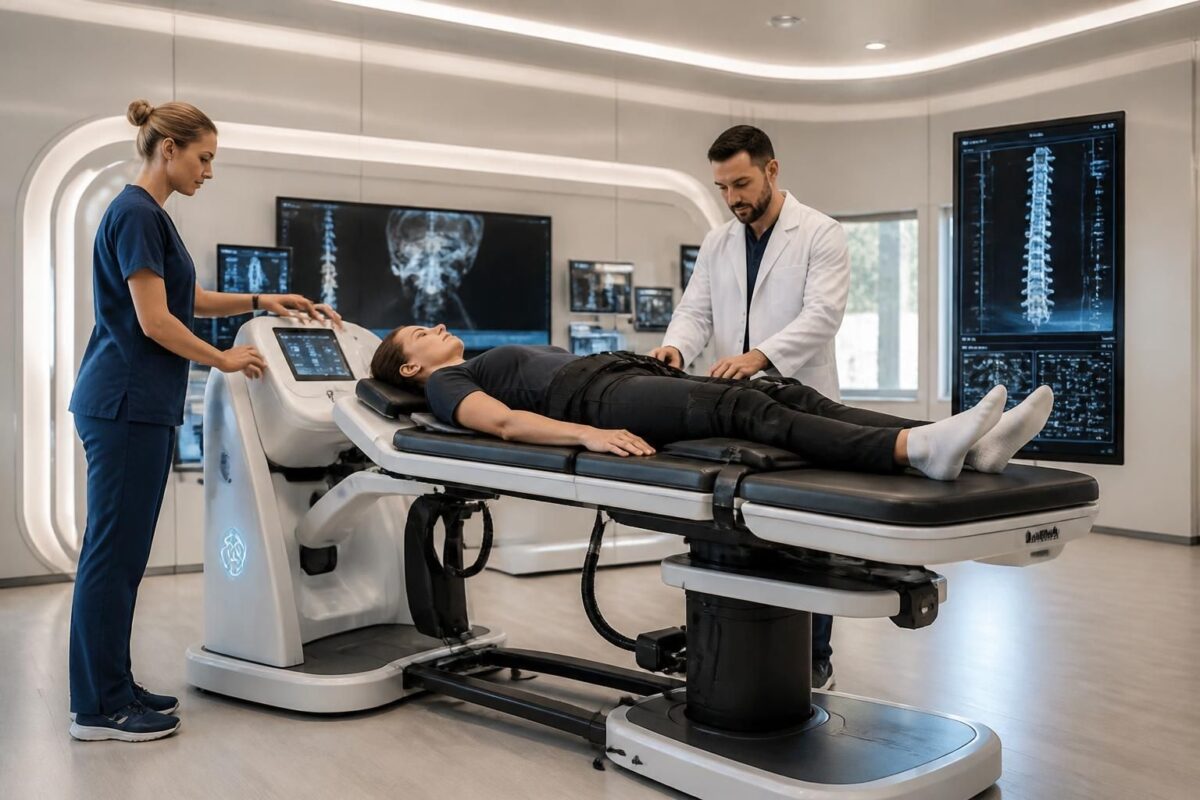
Recent innovations in neurovertebral decompression technologies
In short In short, the neurovertebral decompression is an approach non-invasive Aiming to reduce pressure on discs and nerves, and promote tissue regeneration. At Montreal, it is positioned as an effective option for lower back pain and herniated discs. The…
Mechanics and effects on discs
The neurovertebral decompression acts on the gelatinous nucleus (nucleus) and the fibrous ring (annulus) which constitute the intervertebral disc. By lowering the pressure inside the disc, the diffusion of nutrients and oxygen is facilitated, which can promote the recovery and nutrition of disc tissues when the body is lying down. This mechanism gradually reduces the pressure exerted on the nerve roots and can reduce pain associated with herniated discs or degenerative disc disease. The process is thought to be synergistic with other manual approaches and targeted rehabilitations.
The decompression system is designed to work with precision on problem segments. In cervical or lumbar, angles and applied forces are adapted in real time, allowing smooth and safe modulation of traction. This approach aims to restore mobility, improve fluid circulation and promote sustainable functional recovery, while remaining strictly non-surgical and non-invasive.
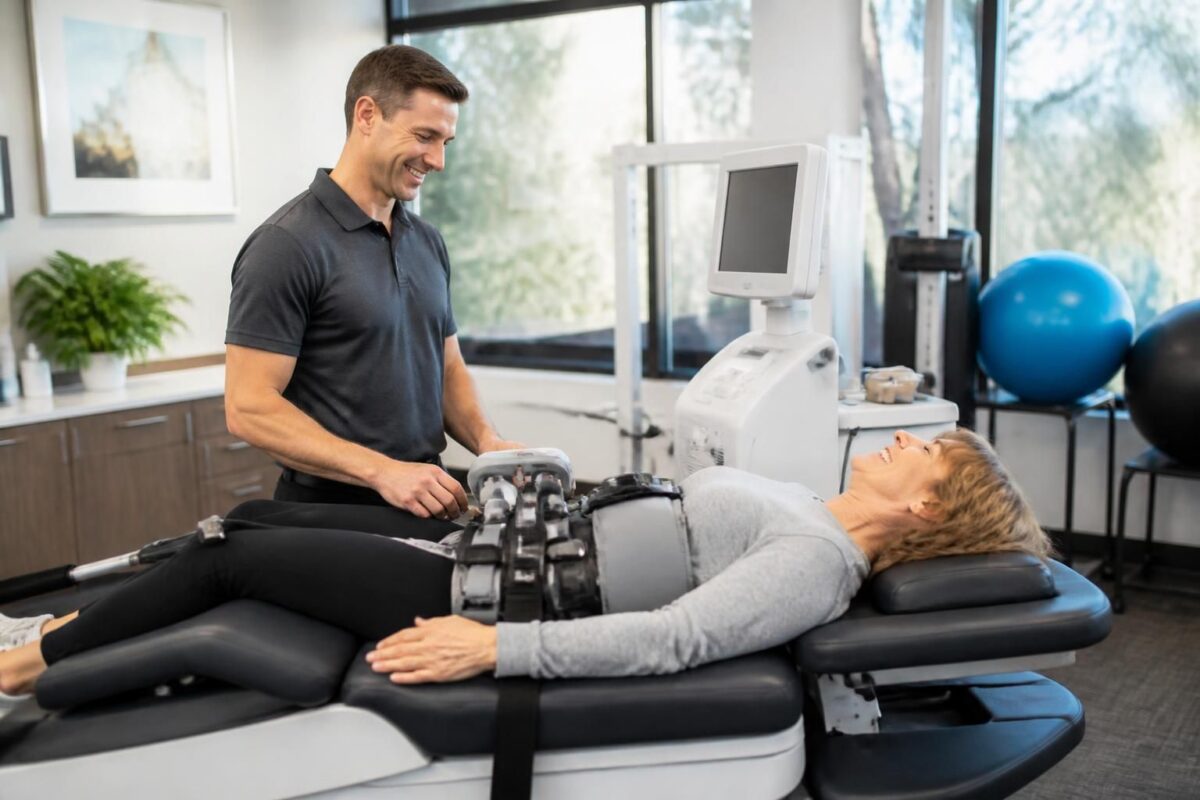
Neurovertebral decompression and diffuse pain: an appropriate solution
In short In short, the neurovertebral decompression is one Non-invasive solution For diffuse pain related to nerve irritation of the spine. She acts in Reducing pressure on intervertebral discs and nerves and improving the bloodstream, which promotes recovery and the…
Indications, safety and contraindications
This technology is particularly suitable for people suffering from back pain or cervical pain related to pathologies such as disc hernias, mechanical pain and vertebral osteoarthritis. After a complete assessment, the practitioner determines whether this treatment is most appropriate and establishes the number of sessions necessary to obtain the desired results. Treatment is generally well tolerated and can offer significant improvement in pain and mobility when integrated into a global rehabilitation program.
Security is a priority. Although the treatments are non-invasive, some contraindications exist, including advanced osteoporosis, active cancer, spinal infection, or the presence of specific metal implants in the spine. Pregnant women and people who have had recent surgery may also require an alternative assessment. A prior consultation allows you to assess the risks and personalize the treatment plan accordingly.
Post-processing follow-up and advice
Following a session, follow-up is essential to adjust the treatment plan based on your feedback and the evolution of symptoms. Recommendations on lifestyle, posture and specific exercises can be provided to optimize results and reduce the risk of recurrence. The integration of neurovertebral decompression in a multidisciplinary approach (manual medicine, complementary therapies and rehabilitation program) contributes to supporting recovery and promoting a better quality of life in the long term.

Dr Sylvain Desforges, B.Sc., D.O., N.D., osteopath, is the founding president of TAGMED and of the ACMA association. He dedicates his practice to chronic spinal pain, low back pain and symptoms compatible with sciatica, particularly when pain radiates toward the buttock, leg, calf, foot or toes.
Through SOS Sciatique, he publishes educational content on sciatica symptoms, possible causes such as disc herniation, disc narrowing, foraminal stenosis or irritation of a lumbar nerve root, as well as non-surgical approaches that may be considered according to the evaluation. At Clinique TAGMED, care may include, depending on the case, motorized neurovertebral decompression, specific osteopathic care or precision percussion.
For an evaluation related to sciatica treatment in Montreal / Mount Royal or sciatica treatment in Terrebonne, please consult the services available at Clinique TAGMED.
Medical disclaimer
The information published on SOS Sciatique is provided for educational purposes only and does not replace a consultation, diagnosis, opinion or treatment provided by a physician or another authorized healthcare professional. The author of this article is neither a medical doctor nor a specialist in a medical specialty recognized by the Collège des médecins du Québec. The osteopathic, manual medicine or functional support approaches described on this site do not constitute medical acts and are not intended to replace medical follow-up.
Consult a physician or emergency service in cases of loss of bladder or bowel control, anesthesia in the saddle area, significant or progressive weakness in the leg or foot, fever, recent trauma, severe pain or rapid worsening of symptoms. For more details, please read our Legal Notice.