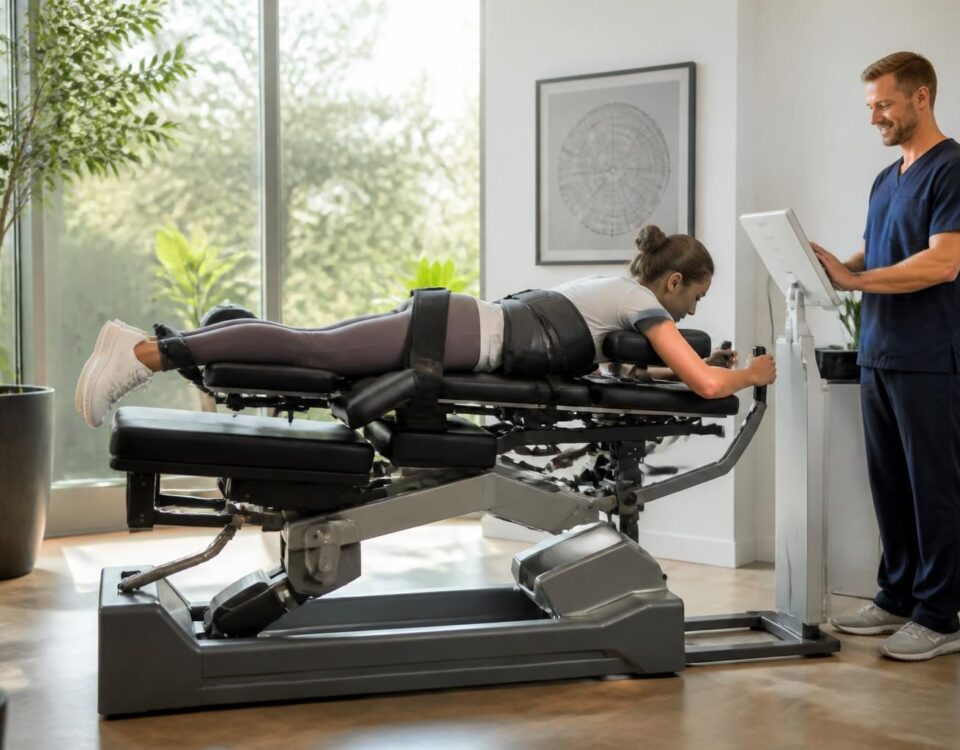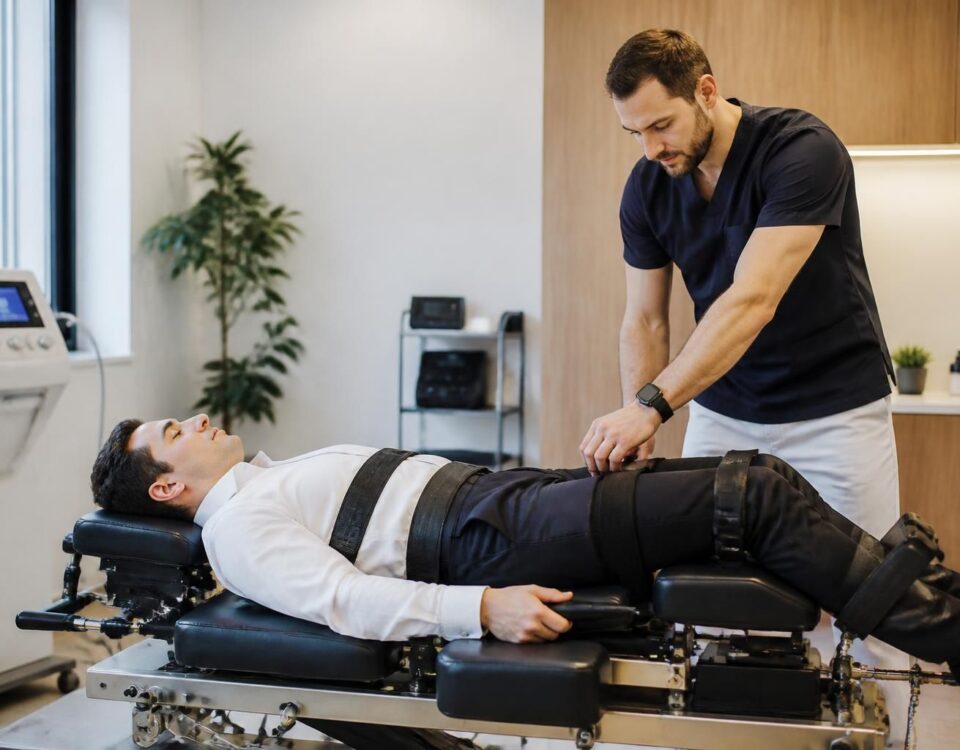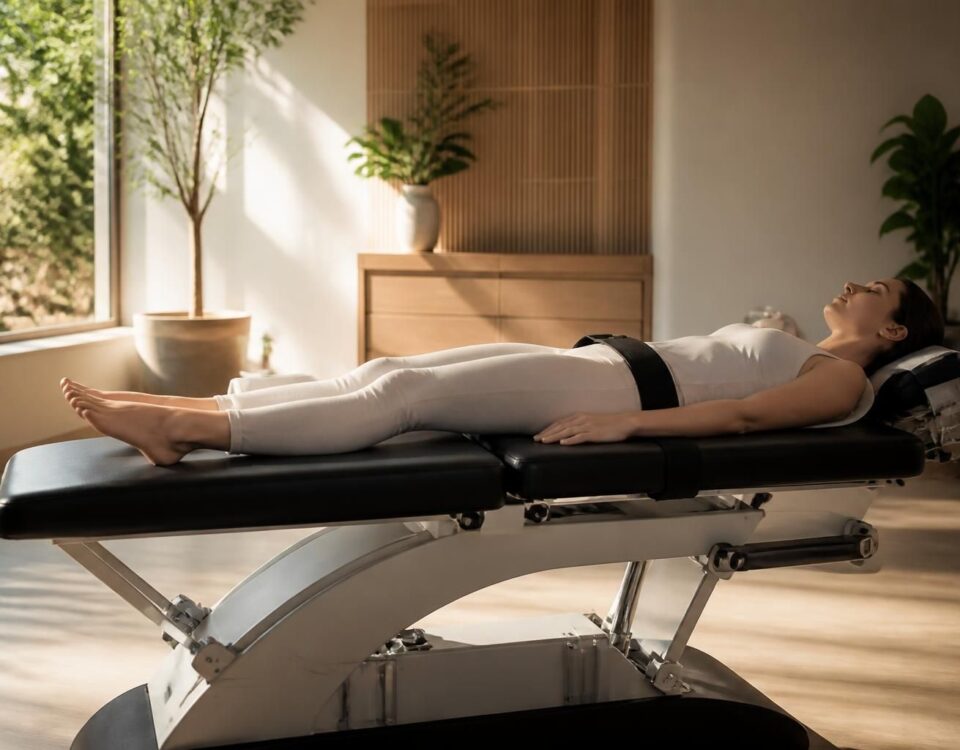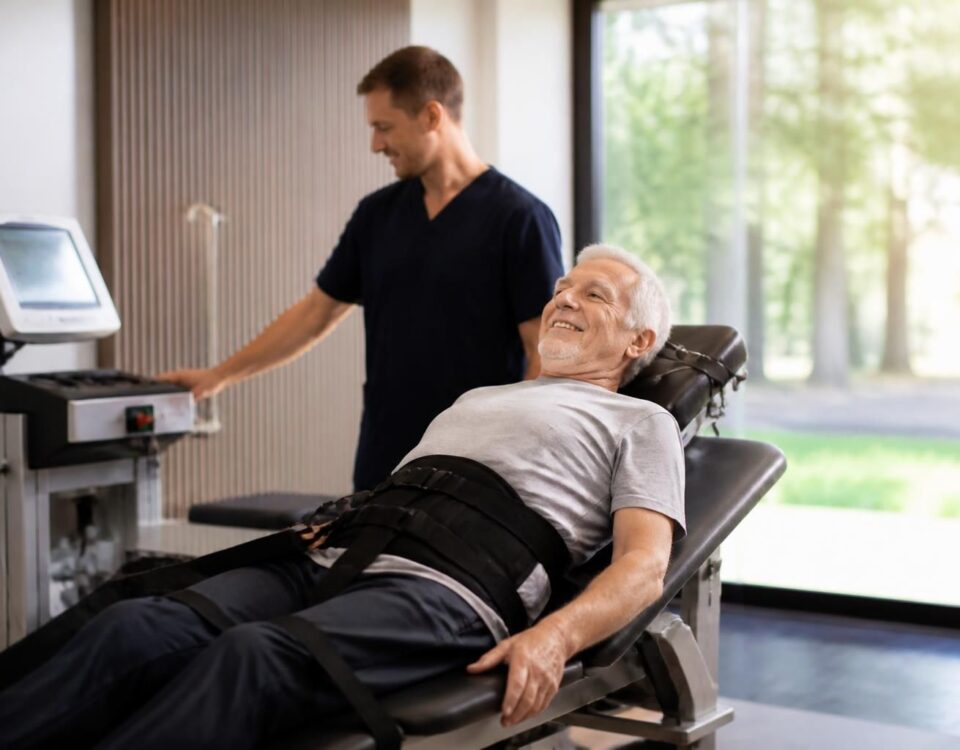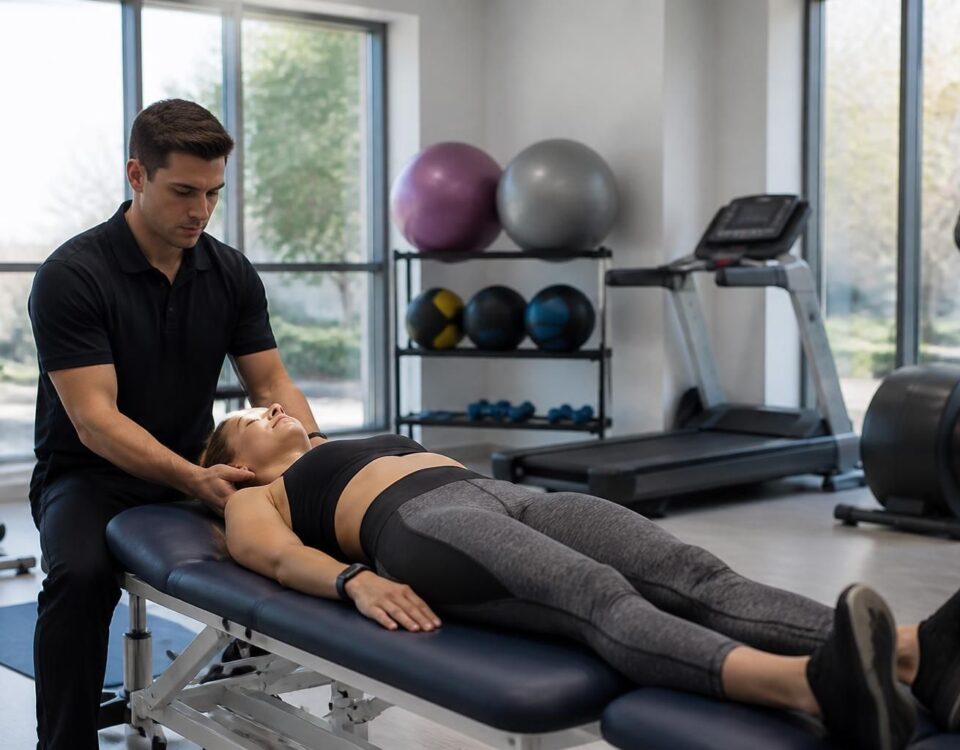
How does a typical neurovertebral decompression session work
26/06/2026
Why neurovertebral decompression is recommended for athletes
26/06/2026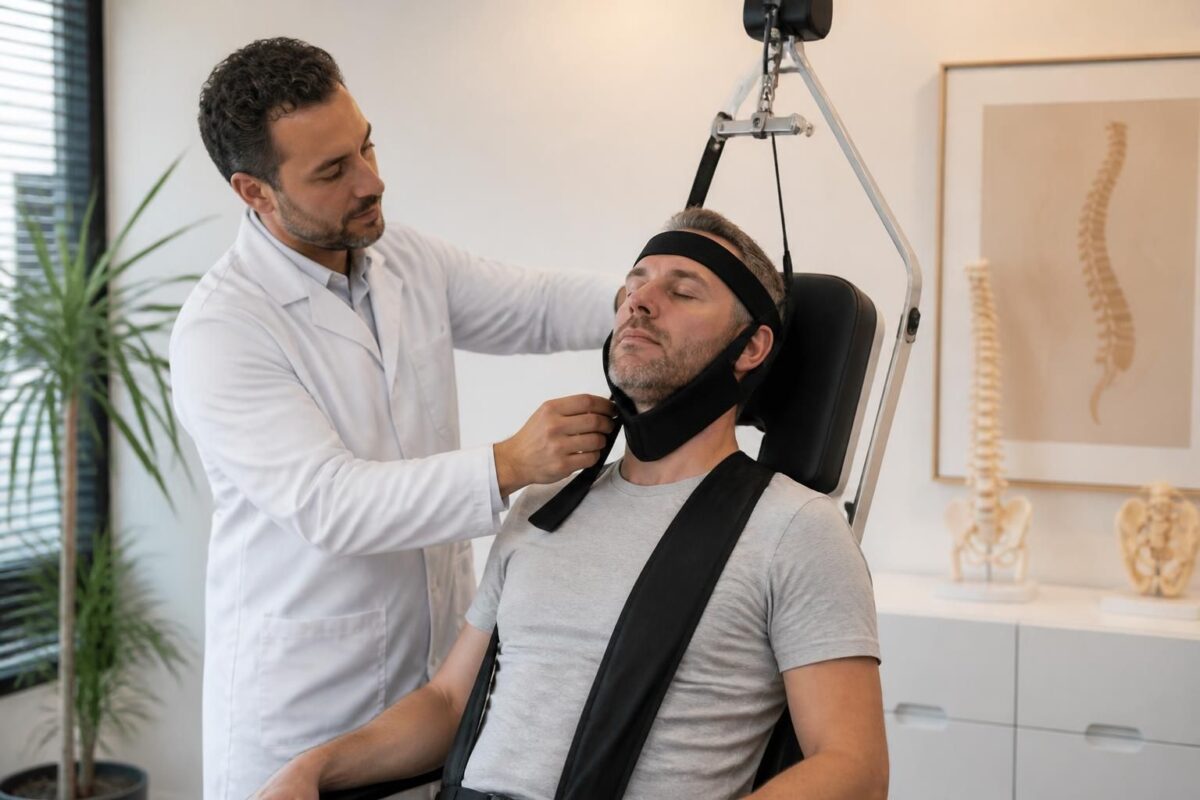
In short
| In short, the neurovertebral decompression is one Non-invasive solution for the neck pain related to nervous or disc compressions. It consists of creating a space between the vertebrae to reduce the pressure on the discs and nerves, improving mobility and comfort. Advantages: lasting pain reduction, accelerated recovery and low risk compared to surgery, with a personalized plan adapted to each patient. Operation: Controlled traction and professional follow-up, with short sessions and appropriate progression. Accessible in Montreal, this treatment is recommended for people with Chronic pain cervical that limit daily life. |
The neurovertebral decompression is one Non-invasive solution intended to relieve neck pain related to causes such as herniated discs and nerve compression. By increasing the space between the vertebrae and reducing the pressure on the intervertebral discs and nerve roots, it can improve the mobility and comfort without the need for surgery. of clinical studies indicate that approximately 71% patients treated with Significant improvement of their condition. Although the results vary depending on the case, this approach proven is often integrated into a personalized care plan to sustainably reduce symptoms and promote better quality of life, in addition to a rehabilitation program.
This article, written by a health professional and expert in manual therapies, presents neurovertebral decompression as a reliable option for cervical pain. It exposes the mechanism, available evidence, indications and the role of multidisciplinary care in a clinic like TagMed. The goal is to provide clear and useful information for patients and professionals.
neurovertebral decompression is a non-invasive approach that aims to reduce pressure on intervertebral discs and cervical nerves. This gentle traction creates space between the vertebrae and facilitates blood circulation in the tissues around the cervical. It can be part of a global strategy for managing pain and mobility, without immediate recourse to surgery.
Mechanism and principle
Neurovertebral decompression acts by controlled traction on the cervical spine. It reduces the pressure exerted on the nerves and discs, which can decrease the symptoms associated with nerve compression. This approach promotes better hydration and nutrition of discs, contributing to tissue recovery and increased mobility.
Indications and scientifically observed results
Patients with cervical pain related to causes such as cervical disc herniation or foraminal stenosis may be candidates for this technique. Clinical reports show that a significant proportion of patients gets a noticeable improvement in their condition after regular sessions. On average, more than seven out of ten patients cite disease reduction and better quality of life after treatment.
Professionals insist on the importance of assessing each case individually and opting for appropriate planning. The results depend on factors such as the precise origin of the pain and the duration of the symptoms. This decompression is presented as a safe option when practiced in appropriate clinical settings.
Reasons to opt for a non-invasive approach
Compared to more invasive interventions, neurovertebral decompression offers an interesting alternative to limit surgery and associated risks. It can be considered as part of a multidisciplinary course in specialized clinics. For interested patients, resources and expert opinions available on dedicated sites allow you to learn more about the overall mechanisms and outcomes.
For people wishing to explore practical aspects and feedback, informative resources exist on specialized sites, including pages dedicated to neurovertebral decompression and its cervical applications. In particular, you can refer to user guides and reviews that describe program steps and potential benefits.
Integration into global support
In Montreal and in the regions, clinics like Tagmed Clinic propose a multidisciplinary approach. This approach combines neurovertebral decompression and associated technologies to support recovery and function. Treatment plans remain personalized and avoid surgical interventions when possible.
The professionals and associations involved in the field of osteopathy and manual approaches underline the value of a structured and ethical framework. The relevant training refers in particular to recognized organizations in the field, such as NUMSS and NAO, without mentioning other institutions not concerned by this discipline.
Useful resources and links
To learn more about the steps of a personalized neurovertebral decompression program, see the following resources:
The steps of a personalized program
To understand the benefits in amateur athletes, see:
For explanations on the mode of action on radiant pain:
How decompression affects radiant pain
For general information and expert opinions, see:
For non-surgical solutions related to cervical pain:
Cervical pain: solutions without surgery
To understand how decompression can influence posture and correct imbalances:
Decompression and posture: correcting imbalances
For additional information on training paths and associated resources:
Neurovertebral decompression: a recognized solution
Disclaimer
Medical Disclaimer: The information and advice provided on this site does not replace the health professional’s diagnosis or treatment. Please note that Dr. Sylvain Desforges osteopath is neither a doctor of medicine nor a doctor, and is not a specialist in a medical specialty as defined by the Collège des Médecins du Québec. Manual medicine, functional medicine and sports medicine as described on this site exclude any medical treatment or diagnosis made by a doctor or specialist doctor. Always consult your doctor for any medical questions. For more details, please read our full legal notice.
- Demonstrated efficacy: Reduced pressure on discs and cervical nerves, increased mobility.
- pain reduction: Relief of associated cervical and neuropathic pain.
- Functional improvement: return to daily and professional activities.
- Targeted indications: herniated discs and cervical foraminal stenosis.
- non-invasive: alternative to surgery, without incision.
- Security and tolerance: Low risk when practiced in an adapted clinical setting.
- Custom Plan: treatment adjusted to each patient and his cause.
- Short session time: 30–60 minutes, immediate resumption of activities; Recommended follow-up to optimize results.

This recommendation presents the neurovertebral decompression like a Proven solution For neck pain. Non-invasive and focused on lasting relief, it aims to reduce the pressure on nerves and discs, improve mobility and limit neuropathic pain. Clinical evidence and patient feedback support its effectiveness in the management of neck pain, in addition to other therapeutic approaches. A personalized assessment is essential to determine the suitability of the treatment.
What is neurovertebral decompression and why it is relevant to the cervical
Neurovertebral decompression is based on controlled and gentle traction of the spine, creating a space between the vertebrae and thus reducing the pressure exerted on the nerve roots and intervertebral discs. This mechanical modulation also improves tissue irrigation and can promote the recovery of cervical structures.
how it works
By decreasing nerve compression, the technique can help reduce symptoms such as radiating pain, tingling and numbness. It also contributes to a better range of motion and a general feeling of relief, while avoiding surgical interventions in many cases.
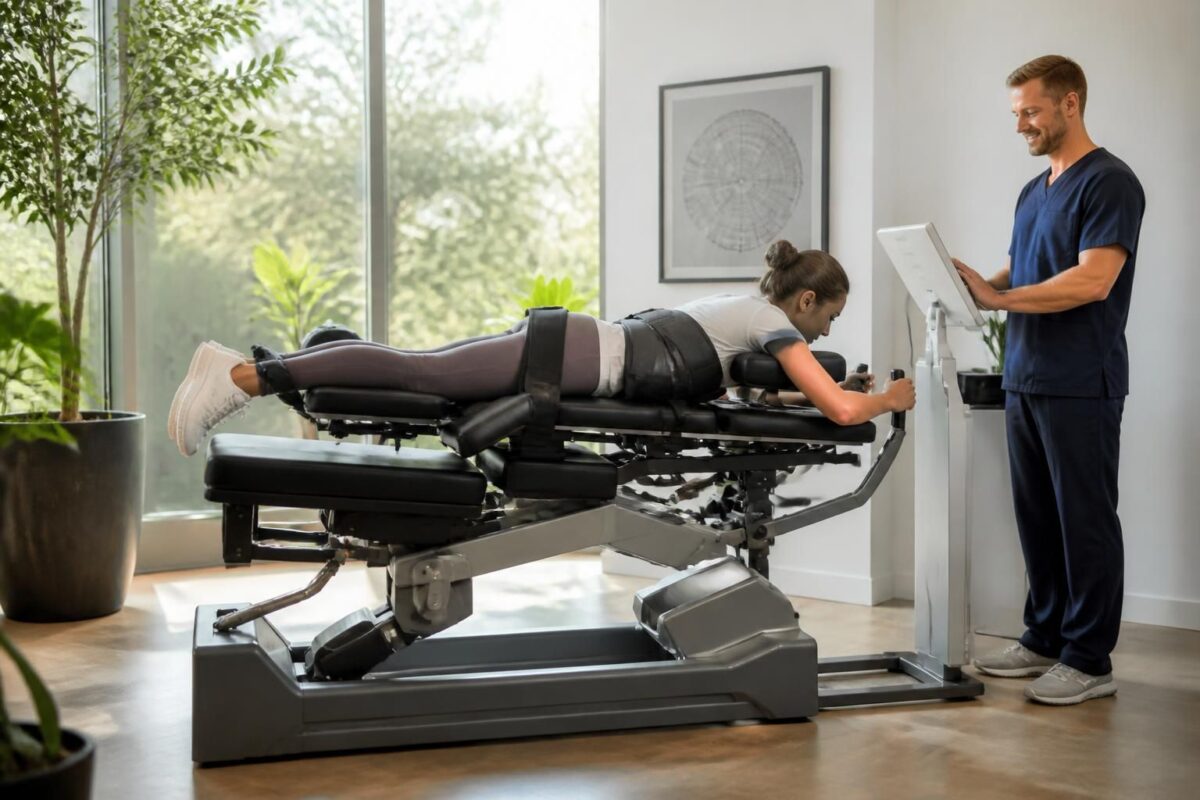
The long-term benefits of neurovertebral decompression for spinal health
In short In short, the neurovertebral decompression is a non-invasive approach that decreases the Pressure on intervertebral discs and nerves, favoring the Natural regeneration and tissue recovery. Its long-term benefits include Lasting pain reduction, Improving mobility and from the posture,…

Neurovertebral decompression and mobility: a return to an active life
In short In short, the neurovertebral decompression is therapy non-invasive who uses a gentle traction To create a space between the vertebrae and reduce the pressure on the Intervertebral discs and the nerves. It promotes a bloodstream improved, lowers tension…
Evidences and indications
Clinical data indicates that a significant proportion of patients treated with neurovertebral decompression report improved condition, with notable results for cervical pain related to herniated discs or radicular pain. This approach is recognized as non-invasive And can be preferred when conservative treatments have failed or when the risk of surgery is high.
Clinical evidence
Reviews and clinical trials suggest that the benefits fall within a realistic range of efficacy for patients targeting specific cervical pathologies, while emphasizing the importance of a personalized treatment plan and regular follow-up.
Cervical indications
It is particularly indicated in the event of cervical pain associated with protrusions or cervical disc herniated and radiculopathy, when caution is required and non-surgical options are preferred.
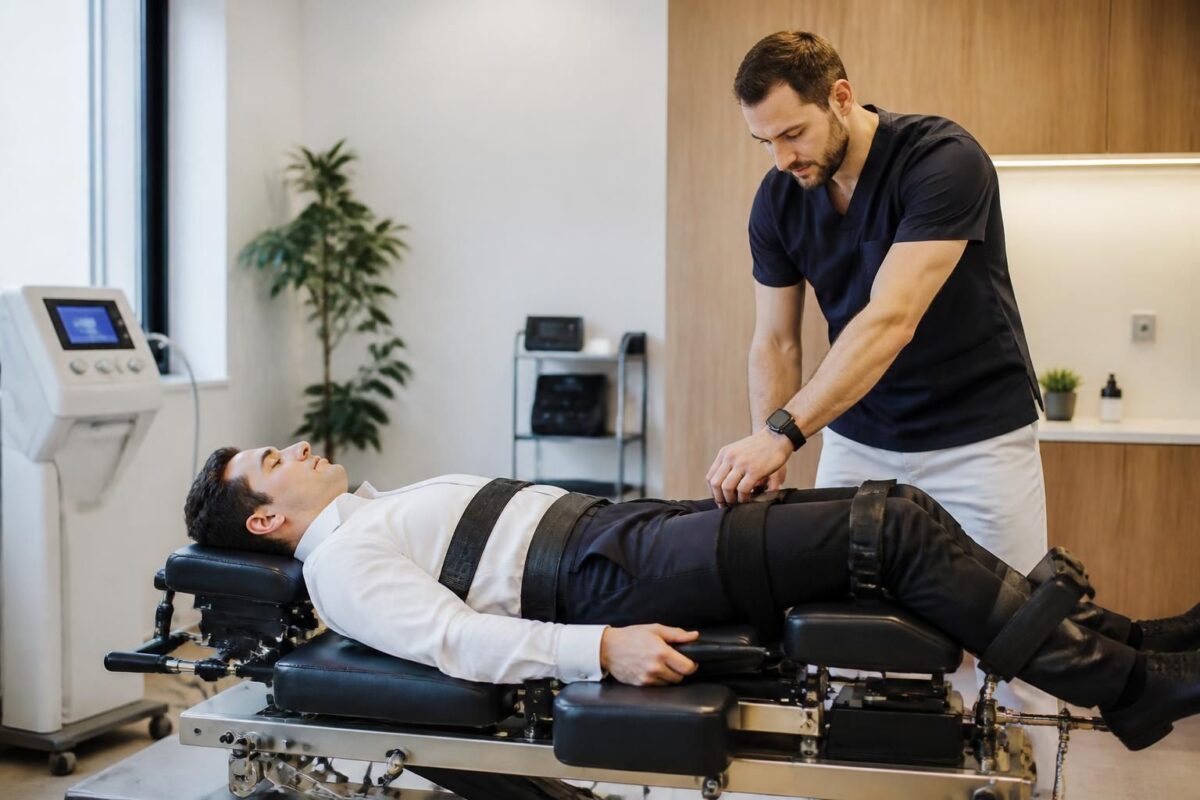
How Neurovertebral Decompression Prevents Diffuse Chronic Pain
In short decompression neurovertebral is one Non-invasive method aimed at reducing the Pressure on the intervertebral discs and the nerves, in order to prevent Diffuse chronic pain. It improves the circulation and thedisc hydration, decreases inflammation and promotes better mobility.…
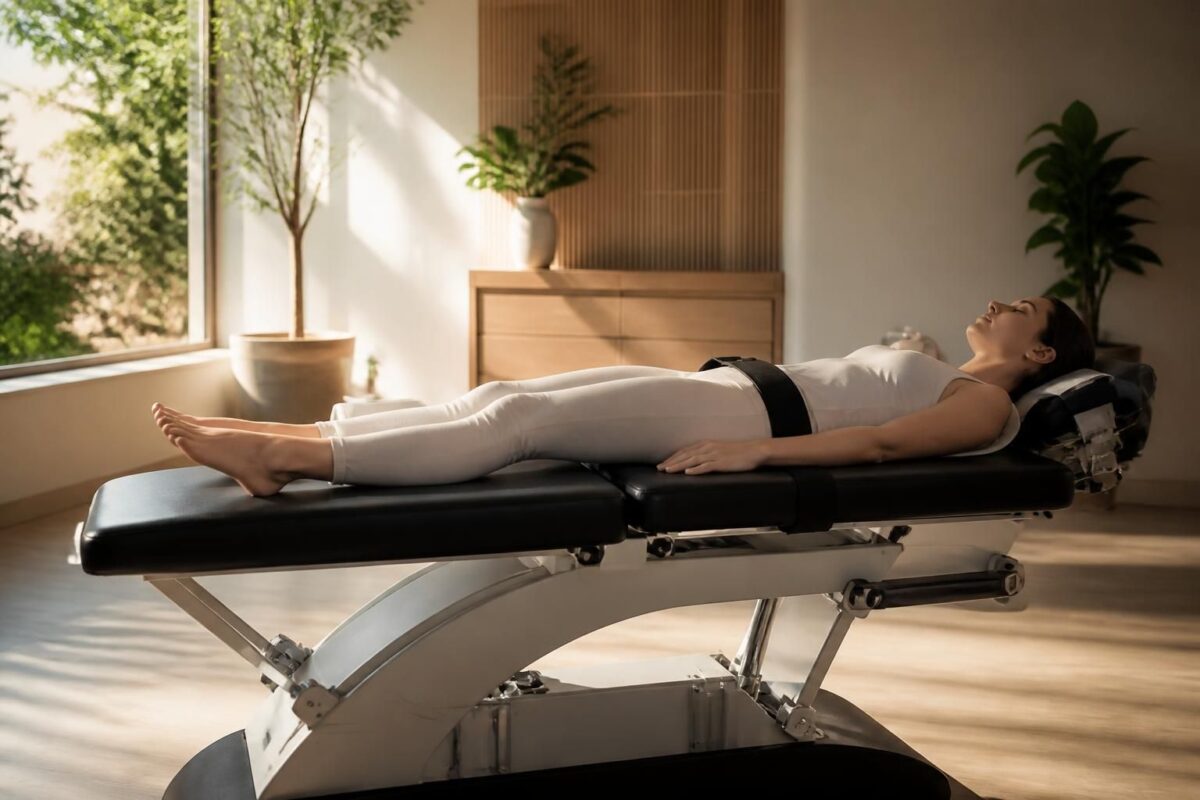
Neurovertebral Decompression and Body Alignment: Restoring Natural Balance
In short In short, neurovertebral decompression is one Non-invasive approach who restores theBody Alignment and thenatural balance back and neck. She acts by a Controlled traction of the spine to widen the intervertebral space and reduce the Pressure on discs…
Processing and organization of processing
The treatment is generally organized around specific sessions, adapted to each patient. A initial assessment Allows you to determine decompression suitability and set goals. The standard protocol includes regular sessions, the duration of which can vary between 20 and 40 minutes, depending on the severity of the symptoms.
Sessions
Each session is supervised by a professional and can be adjusted according to the patient’s tolerance. The standard plan provides for slow progression, with an adapted frequency (for example 1 to 3 times a week) and a periodic reassessment to adapt the program.
Plan Customization
The treatment is tailor-made, taking into account the individual characteristics, the origin of the pain and the functional constraints. The possible integration of targeted exercises and postural advice is an integral part of the overall plan to optimize results.
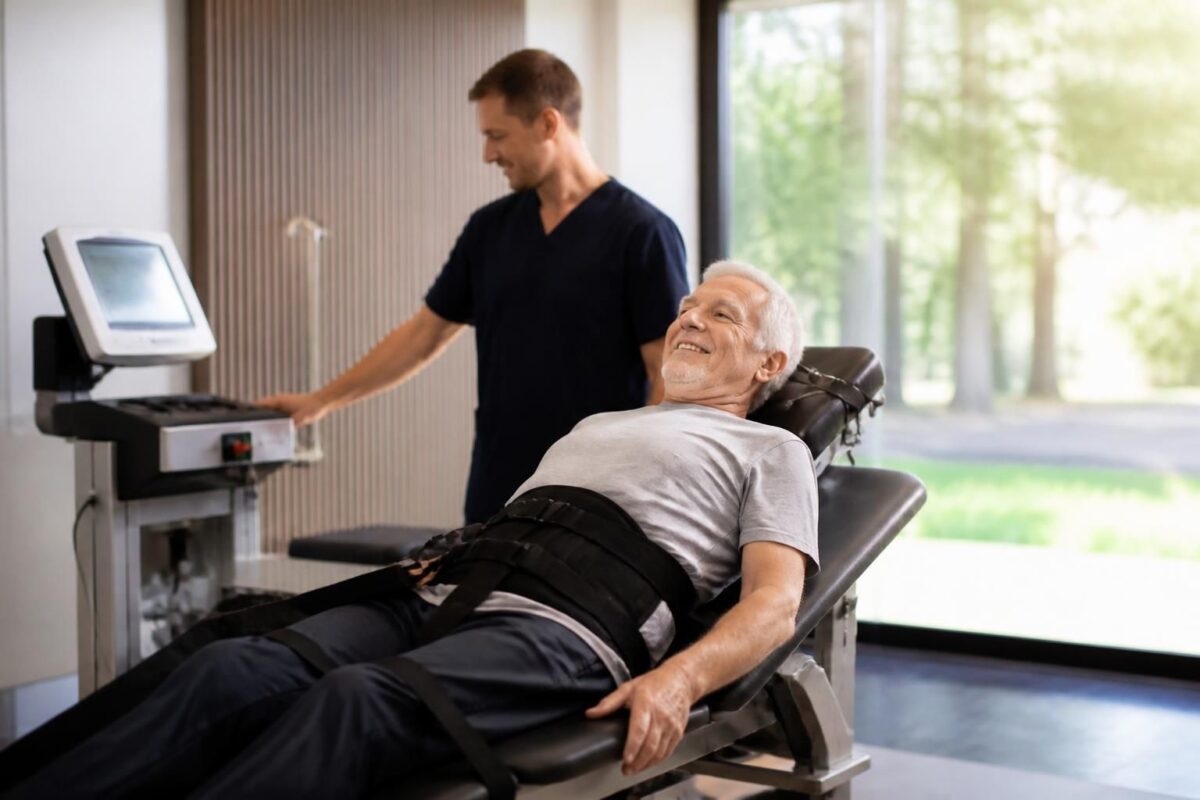
Why neurovertebral decompression is a lasting solution for active seniors
In short In short, the neurovertebral decompression is one Non-invasive therapy which sustainably relieves spinal pain in the spine active seniors By creating, by a Soft and controlled traction, a space between the vertebrae. At Montreal, it is recognized as…
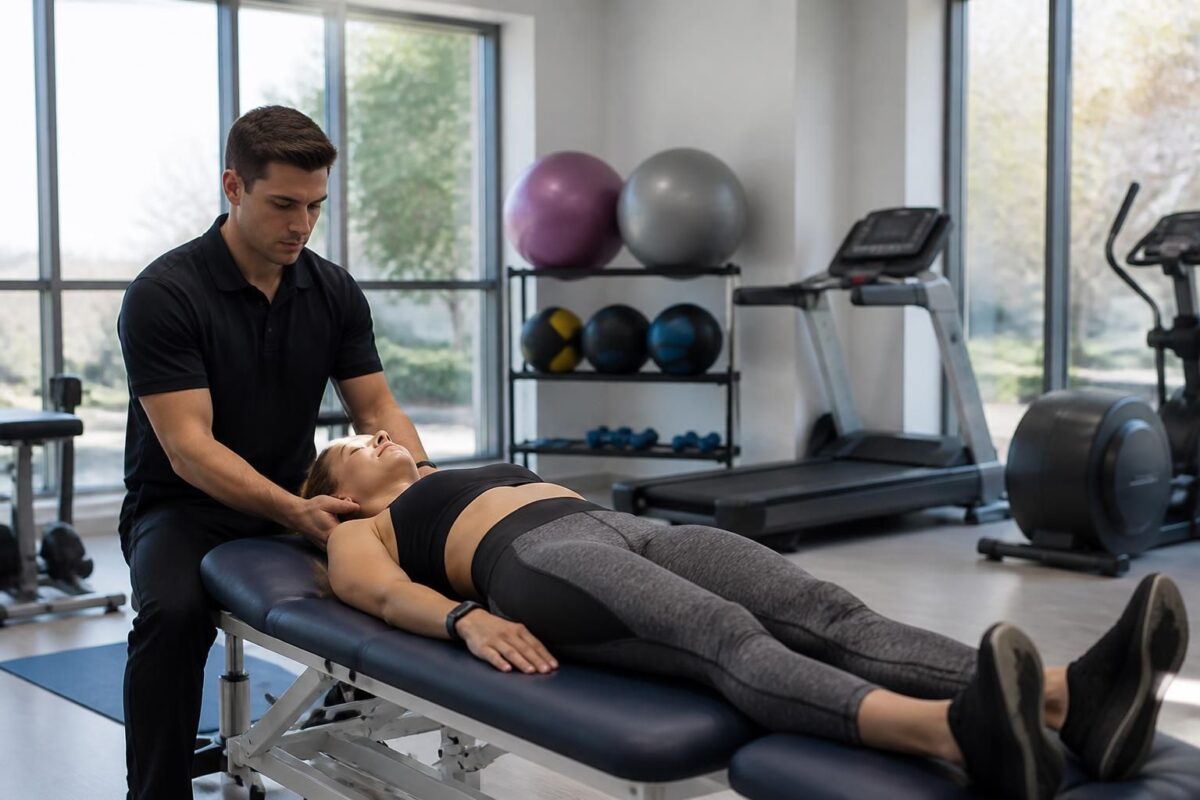
Neurovertebral decompression and recovery after severe sports injury
In short In short, the neurovertebral decompression is one Non-invasive method to Relieve the pressure on the Intervertebral discs and the gristle Via a Controlled traction, to facilitate the recovery After a severe sports injury. It improves the bloodstream towards…
the main earnings Expected include a reduction in cervical pain, improved mobility, decreased radiant pain and muscle tension. Many patients also report better sleep quality and easier recovery in daily activities.
Limits and precautions
As with any treatment, the results are not identical from one patient to another. Some cases may require other approaches or a combined approach, and potential risks and contraindications should be assessed during the initial assessment. Temporary pain or slight discomfort after certain sessions may occur but generally remain transient.
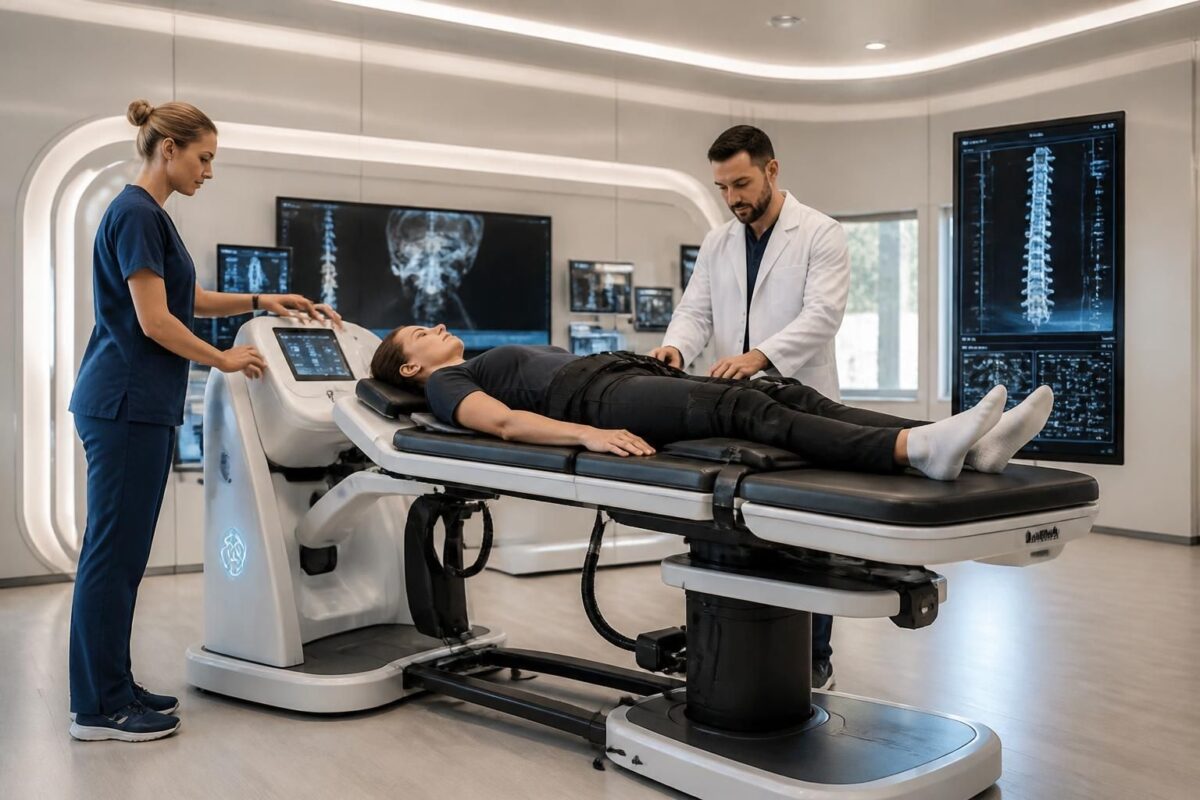
Recent innovations in neurovertebral decompression technologies
In short In short, the neurovertebral decompression is an approach non-invasive Aiming to reduce pressure on discs and nerves, and promote tissue regeneration. At Montreal, it is positioned as an effective option for lower back pain and herniated discs. The…
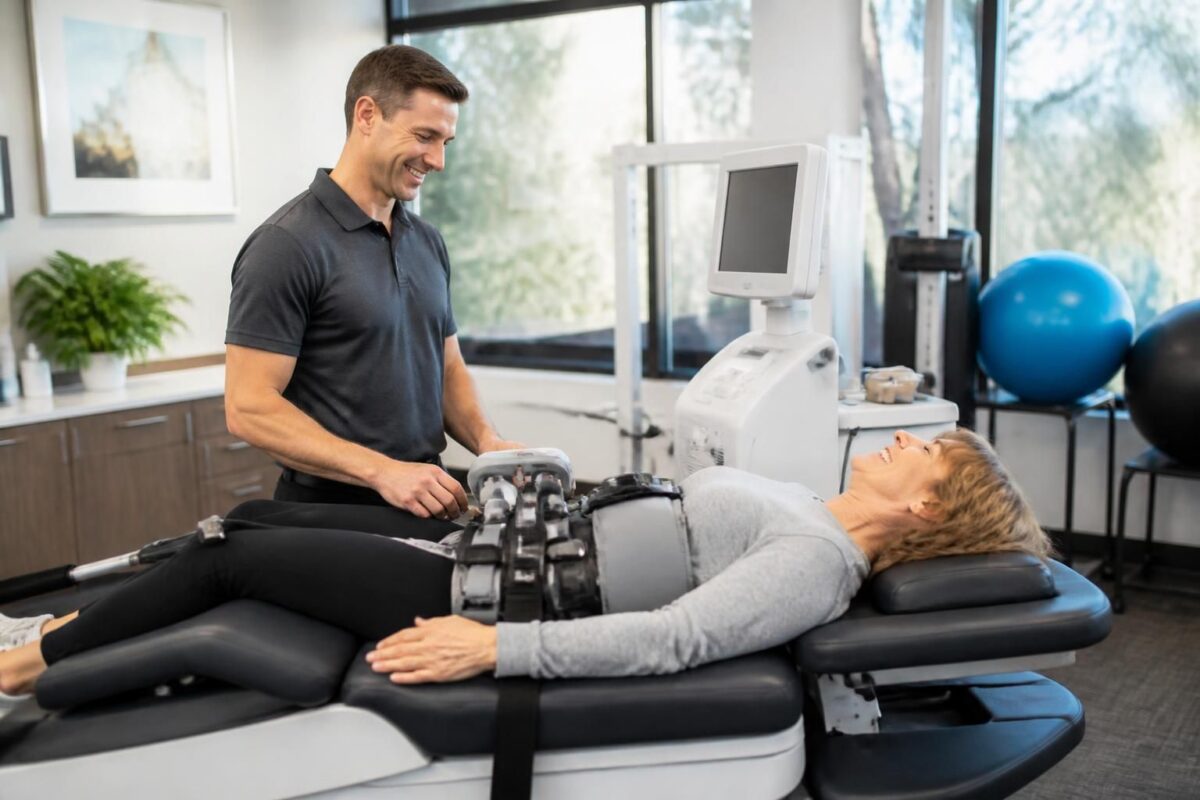
Neurovertebral decompression and diffuse pain: an appropriate solution
In short In short, the neurovertebral decompression is one Non-invasive solution For diffuse pain related to nerve irritation of the spine. She acts in Reducing pressure on intervertebral discs and nerves and improving the bloodstream, which promotes recovery and the…
If you are considering this option, start with a Professional assessment To confirm eligibility and define a Personalized treatment plan. Adopt a routine combining appropriate exercises, good daily posture and regular physical activity, while remaining attentive to your body and signaling any changes in symptoms.
Daily integration
Reconcile sessions with postural hygiene practices, active breaks and hydration adapted to support disc health and nervous function. Coordination between osteopath, doctor and therapist can maximize the chances of lasting relief.
Neurovertebral decompression and cervical pain: a proven solution
| Element | Impact / Description |
|---|---|
| Mechanism of action | Reduces the pressure On discs and nerve roots by increasing the space between the vertebrae, reducing pain and improving mobility. |
| Type of treatment | Procedure non-invasive Without surgery, promoting rapid recovery and less risk. |
| Main directions | Suitable for cervical pain related to herniated discs, nervous compression and Foraminal stenosis. |
| Demonstrated efficacy | Clinical data indicates significant improvements for a majority of patients, with reduced symptoms and better quality of life. |
| Time and pace of sessions | Each session lasts approximately 30 to 60 minutes, with a program spanning several weeks. |
| Security and risks | Risk low, to be carried out in a dedicated framework and under professional supervision. |
| Impact on mobility and autonomy | Improvement of the mobility and return to daily activities without noticeable pain. |
| Accessibility and framework | Available in specialized clinics in the region and requires prior assessment. |
| Approach and follow-up | fits into a Multidisciplinary program including exercises and life advice; Recommended follow-up. |
“Before, my neck pain blocked my movements and broke my nights. The neurovertebral decompression offered me an alternative non-invasive and effective, and after only a few sessions, my mobility came back and the awakening is no longer synonymous with pain. »
“As a sportswoman, my neck pain braked me in my competitions. Thanks to the neurovertebral decompression, the pain decreased and my mobility improved, allowing me to resume training without fear and aim for my goals. »
“As a dancer, my movements were limited by pain in the neck. After treatment, my neck pain were significantly reduced and my mobility recovered, letting me dance with a new ease. »
“After a car accident, I had stubborn neck pain. The neurovertebral decompression offered me a solution non-invasive, and my quality of life improved rapidly; I found a peaceful sleep and smoother movements. »
“In the office, tensions in the neck were accumulating. Thanks to this approach, my neck pain have decreased and my posture and mobility improved, which boosted my productivity and my quality of life. »
“I thought that my cervical pain would follow me everywhere, but after a few sessions, the neurovertebral decompression Changed the game: neck pain reduced, mobility found and welfare sustainable. »
In the field of neck pain, the neurovertebral decompression presents itself as an effective option and non-invasive to restore function and improve quality of life. This approach aims to reduce the pressure exerted on the vertebral structures and to promote the restoration of the movements of the cervico-thoracic spine, while preserving the integrity of the adjacent soft tissues.
The mechanism is based on a Soft and controlled traction applied to the spine. By creating a space between the vertebrae, it reduces the pressure on the Intervertebral discs and the nerve roots sensitive, thus improving the irrigation and hydration of the discs. This biomec spoiler modulation restores cervical mobility, relaxes muscle tension and promotes natural healing without surgical recourse.
This approach is ideally integrated into a multidisciplinary care pathway and can be associated with other modalities such as stimulation and rehabilitation technologies to maximize outcomes. His character non-invasive In fact a valuable alternative for patients who wish to avoid operative interventions or heavy drug treatments, while benefiting from lasting relief and significant functional improvement.
Data from clinical studies and various clinical experiences indicate a Significant improvement in about 71% of patients Treaties, testimony to its effectiveness. These results concern common situations such as Protrusions or herniated disc cervical, neuropathic pain related to root compression and symptoms attributable to degenerative conditions. The importance of pre-assessment and accurate targeting of symptoms remains essential to maximize the chances of relief.
At the heart of the specialized centers, the neurovertebral decompression is considered as part of a Personalized treatment plan. Each patient receives an in-depth assessment to determine the suitability of the technique, followed by an adapted protocol which may include strengthening exercises, postural counseling and additional physical therapy sessions. Regular monitoring allows you to adjust the treatment according to the evolution of symptoms and functional objectives.
For people with cervical conditions such as cervical osteoarthritis, disc protrusions and foraminal stenosis, neurovertebral decompression offers a compelling option to reduce nerve pressure and restore more natural mobility. Its effectiveness is based on a simple and robust logic: to reduce the stress on the nerve and the disc to allow the body to recover its mechanisms of movement and tissue recovery, while avoiding the risks associated with more invasive treatments.
In practice, the objective is to propose a solution tried which combines safety, tolerance and lasting results, while remaining aligned with best practices based on evidence. Patients who embark on this path often experience a reduction in pain, an improvement in range of movements and a better quality of life on a daily basis.
This analysis highlights the neurovertebral decompression as proven solution For cervical pain, exposing its mechanism, available evidence and practical implications for patients. By combining an approach non-invasive With a targeted stimulation of cervical structures, it aims to restore the mobility and the quality of life.To deepen, consult reliable resources such as Neurovertebral decompression — a natural alternative and associated information pages.
The Clinical evidence indicate that a significant proportion of patients benefiting from a neurovertebral decompression Report a Significant improvement cervical pain, mobility and neuropathic symptoms. analyzes and testimonies published on specialized resources, in particular SOS SCIATIC and tagmed, describe the mechanisms and results observed in practice.
The mechanism of action is based on Reduction of pressure on intervertebral discs and the cervical nerves, which frees up space, improves the bloodstream and promotes theDisc hydration. This dynamic leads to a Improving mobility and a decrease in associated muscle tension, while offering an option non-invasive which can be considered before any surgery. For detailed explanations, see Resources such as SOS Sciatica – Modern Techniques and related information sheets.
In a practical approach, individual assessment by a qualified health professional remains essential: each case of neck pain can be linked to multiple causes (herniated disc, degeneration, nervous compression) and requires a personalized plan, as recalled by dedicated resources such as tagmed and associated clinical guides.
Beyond immediate relief, the neurovertebral decompression Can be integrated into a global rehabilitation strategy. Technical and clinical references underline a Prevention of recurrences and a lasting improvement in the Spine function, while remaining an option non-invasive and adaptable to different pain profiles. To explore the mechanisms and results in a multimodal approach, you can consult SOS SCIATIC and additional resources.
For a broader overview of applications and mechanisms, additional resources provide explanations of effectiveness and indications, in particular via Dr Desforges and the recaps published by the dedicated clinics. Finally, practical and patient-oriented resources, such as Back clinics, provide concrete information on the benefits and the implementation framework.

Dr Sylvain Desforges, B.Sc., D.O., N.D., osteopath, is the founding president of TAGMED and of the ACMA association. He dedicates his practice to chronic spinal pain, low back pain and symptoms compatible with sciatica, particularly when pain radiates toward the buttock, leg, calf, foot or toes.
Through SOS Sciatique, he publishes educational content on sciatica symptoms, possible causes such as disc herniation, disc narrowing, foraminal stenosis or irritation of a lumbar nerve root, as well as non-surgical approaches that may be considered according to the evaluation. At Clinique TAGMED, care may include, depending on the case, motorized neurovertebral decompression, specific osteopathic care or precision percussion.
For an evaluation related to sciatica treatment in Montreal / Mount Royal or sciatica treatment in Terrebonne, please consult the services available at Clinique TAGMED.
Medical disclaimer
The information published on SOS Sciatique is provided for educational purposes only and does not replace a consultation, diagnosis, opinion or treatment provided by a physician or another authorized healthcare professional. The author of this article is neither a medical doctor nor a specialist in a medical specialty recognized by the Collège des médecins du Québec. The osteopathic, manual medicine or functional support approaches described on this site do not constitute medical acts and are not intended to replace medical follow-up.
Consult a physician or emergency service in cases of loss of bladder or bowel control, anesthesia in the saddle area, significant or progressive weakness in the leg or foot, fever, recent trauma, severe pain or rapid worsening of symptoms. For more details, please read our Legal Notice.