Common myths about corrected neurovertebral decompression
26/06/2026
Why neurovertebral decompression is a safe treatment for seniors
26/06/2026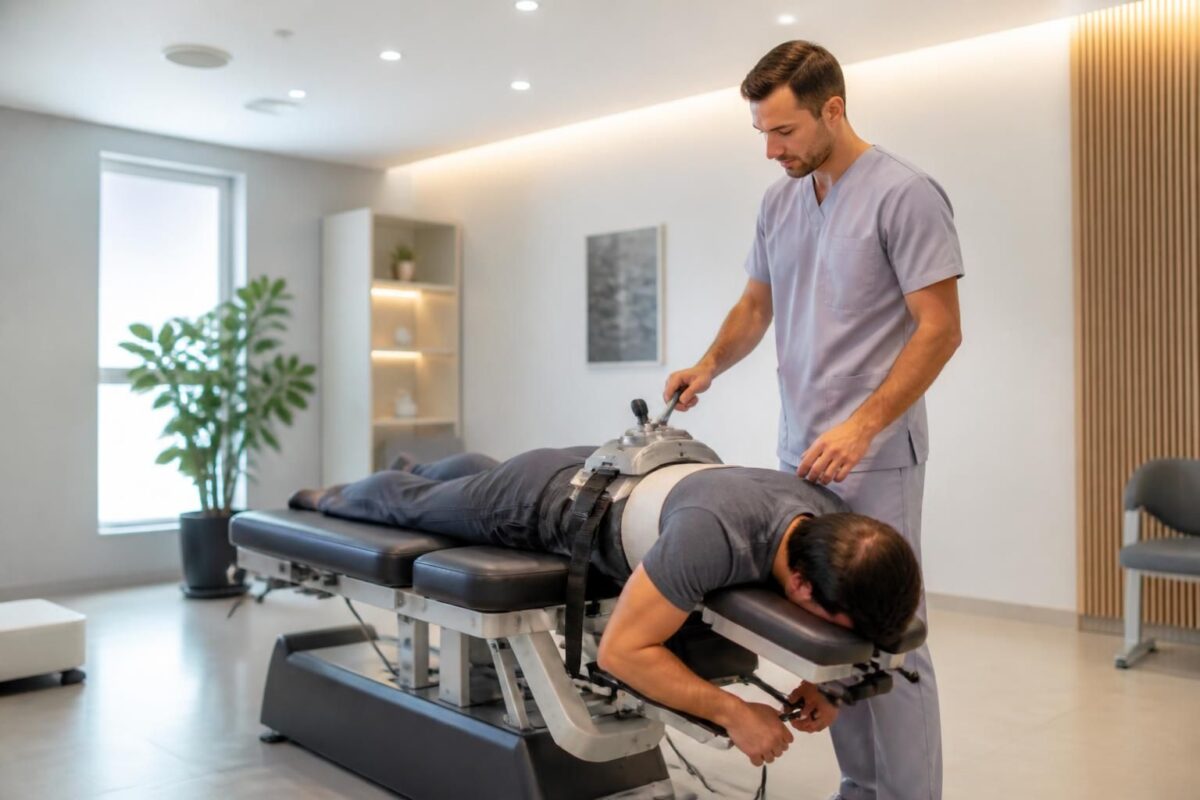
In short
| In short, neurovertebral decompression is one Non-invasive approach which targets the vertebral imbalances and the Associated muscle pain. It creates a space between the vertebrae via a Controlled traction, which Reduces pressure on nerves and intervertebral discs and Improves circulation. The advantages: pain relief, Mobility found, Decreased muscle tension and Reduction of drug use. Its operation is based on a Precise traction and one Overall care plan including theosteopathy and other non-invasive approaches. accessible to Paris, this Global solution helps patients to recover faster, prevent recurrences and sustainably improve the quality of life. |
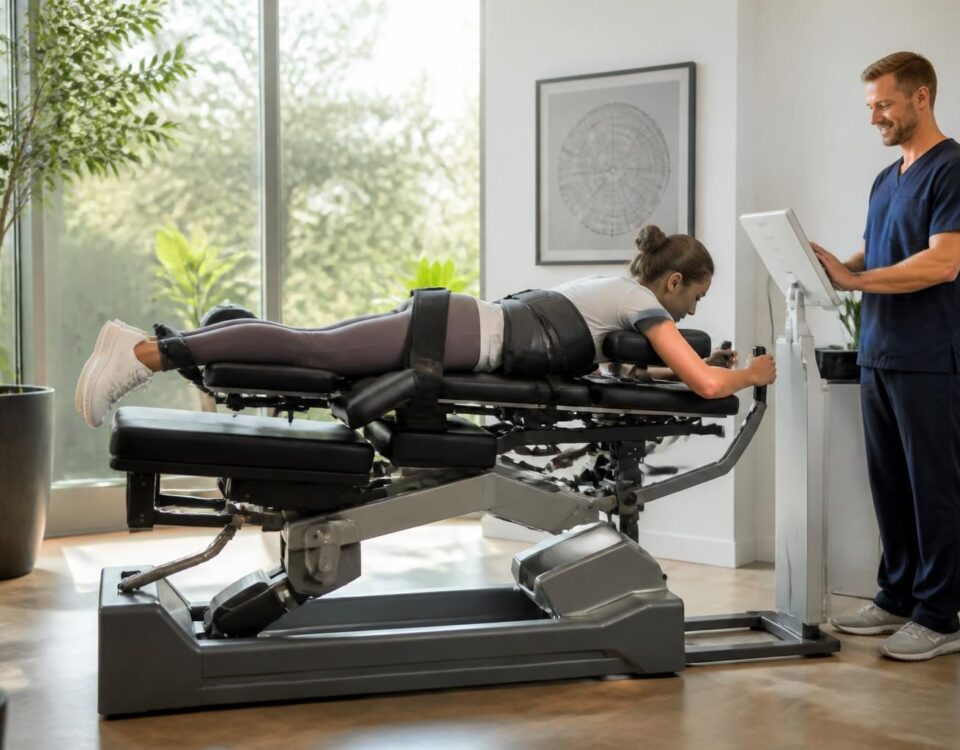
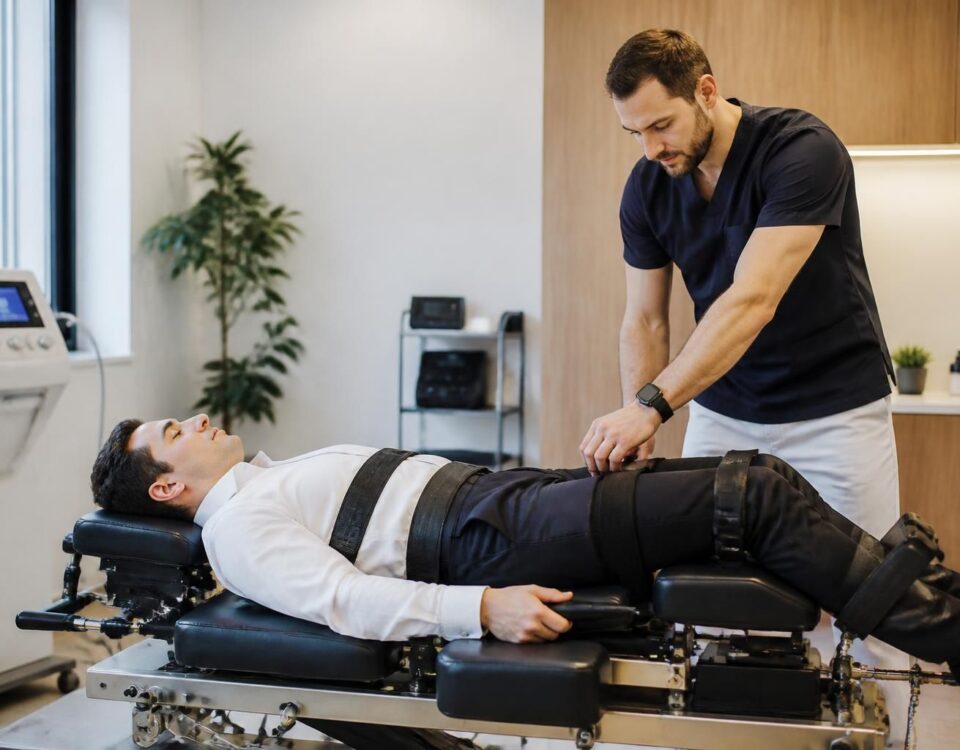
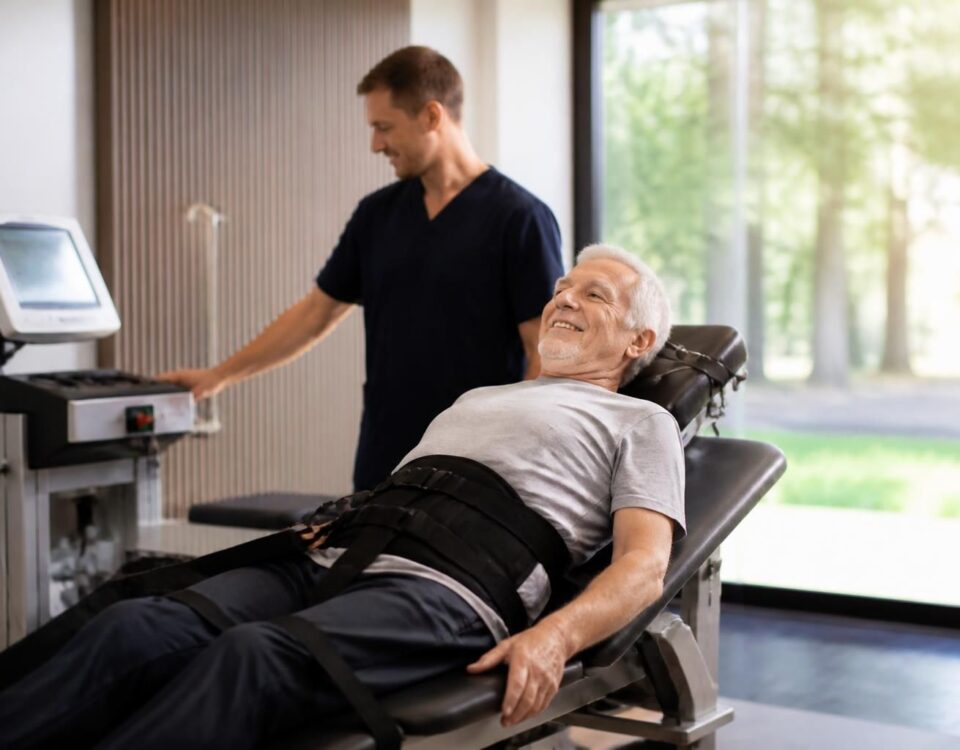
The neurovertebral decompression is an approach non-invasive which targets spinal imbalances and associated muscle tension. by a Controlled traction On the column, it creates a space between the vertebrae, Decreasing pressure on nerves and intervertebral discs.
This pressure reduction is accompanied by a Improved blood circulation, a release of Muscle tensions and a better Postural alignment, thus contributing to a relief of back and cervical pain as well as associated muscle pain.
integrated into a Global program, this approach promotesMusculoskeletal balance and sustainable mobility, in addition to other manual therapies and a healthy lifestyle. It’s a Global solution To improve the quality of life of people with Chronic pain related to nervous tension or herniated discs, without recourse to surgery.
Neurovertebral decompression is an approach non-invasive which targets the Associated muscle pain to spinal imbalances. It offers a strategy overall To reduce tension, improve mobility and promote better quality of life without the need for surgical procedures. This article describes the principle, the benefits and the integration of this method in a coordinated support.
Principle and mechanism
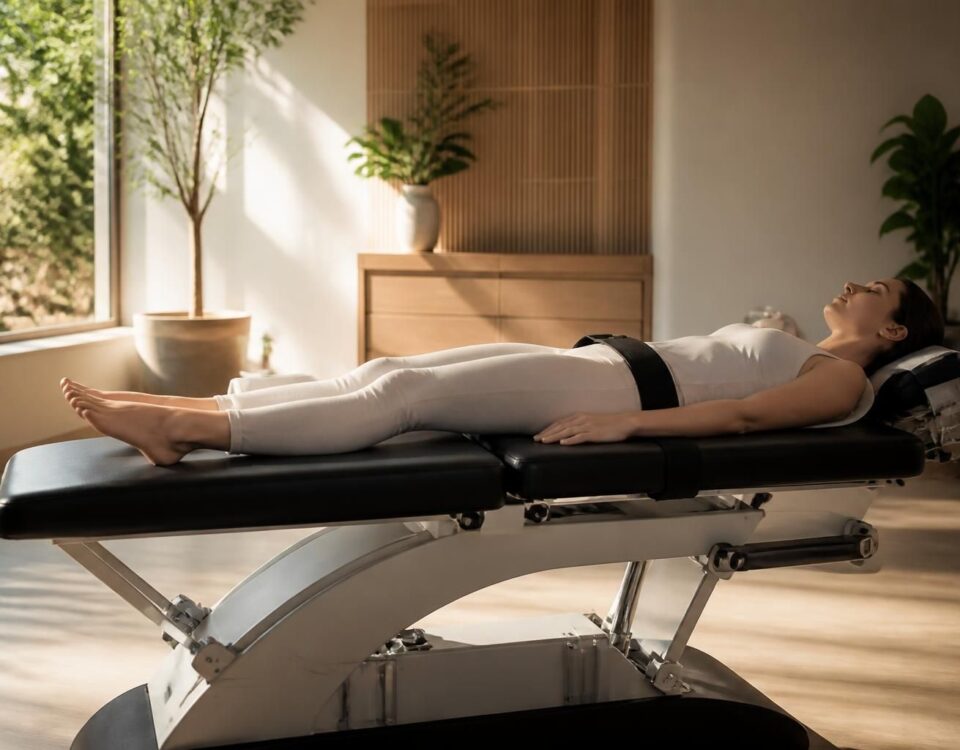
Neurovertebral decompression is based on a Controlled traction of the spine. This traction creates a space between the vertebrae and Reduces pressure on spinal nerves and intervertebral discs. By reducing this pressure, we favor a bloodstream improved and a Tissue regeneration more efficient. The result: Reduced pain and Ease of movements.
This approach also aims to restore theMusculoskeletal balance by releasing tensions along the column. The gain is a Mobility found and an More stable posture, which helps to prevent future pain and recurrence.
Benefits for muscle pain and well-being
Muscle pain related to spinal imbalances can decrease rapidly thanks to this method fresh and targeted. a better one vertebral structure and an Reduction of muscle tension Improve posture and reduce fatigue. Patients often find Increased mobility and one Durable comfort, which facilitates the return to their daily activities.
The process supports the Blood circulation around the spinal tissues, providing the necessary nutrients to repair the associated structures and helping to reduce local inflammation. With a better aligned column, the forces are distributed more harmoniously and the chronic pain recedes.
Integration into a global approach to health
Neurovertebral decompression is part of an approach multidisciplinary including osteopathy and naturopathic approaches. This synergy makes it possible to address both the origins and the manifestations of muscle and vertebral pain. In TagMed clinics, for example, this approach is proposed in a coordinated and personalized framework. Tagmed Clinic offers this care in a professional setting and dedicated to the effectiveness of non-invasive care.
Online resources and clinical returns argue that decompression can be complemented by nutrition and stress management advice, in order to potentiate results and sustainably improve spinal health.
Evaluation, monitoring and choice of treatment
Before the start of a decompression protocol, an assessment No vacancies is made. This assessment makes it possible to determine the number and frequency of sessions and to adapt the plan to each patient. One Regular follow-up Allows you to track progress, adjust treatment and ensure long-term benefits. Analysis may include clinical examination and imaging information when needed.
Decompression fits easily into a global care pathway. It can be associated with other non-invasive approaches recommended by the doctor, while avoiding invasive treatments when possible. This approach is particularly useful for people exposed to musculoskeletal imbalances due to lifestyle or prolonged postures.
Training, professional executive and organization
The professionals offering this approach rely on recognized training in the field. Frequently cited courses include NUMSS, NAO, National University of Medical Sciences and National Academy of osteopathy. Professional associations like ACMA, College of Canadian Osteopaths and College of Canadian Osteopaths support this practice and ethics framework.
For patients seeking coordinated and accessible care, TagMed clinics offer multidisciplinary musculoskeletal health services in the cities of Montreal and Terrebonne. More information on Tagmed Clinic.
Online resources and references
To learn more, you can consult the following resources: Neurovertebral decompression and neuropathic pain: innovative management, Improves the quality of life of elderly patients, Understanding neurovertebral decompression, Post-surgical pain, the technology, A global approach to health, The key stages, Complex vertebral imbalances, Advanced Protocols, Muscle tension and disc herniation.
Links to the resources used in this article and to the treatment options available in TagMed and Partner clinics can be viewed via the following addresses: Tagmed Clinic, and domains sossciatica.com, decompressionneurovertebrale.com, SoshernieDiscale.com, SosherniatedDisc.com, sostunnelcarpien.com, sossciatica.com.
Medical Disclaimer: The information and advice provided on this site does not replace the health professional’s diagnosis or treatment. Please note that Dr. Sylvain Desforges osteopath is neither a doctor of medicine nor a doctor, and is not a specialist in a medical specialty as defined by the Collège des Médecins du Québec. Manual medicine, functional medicine and sports medicine as described on this site exclude any medical treatment or diagnosis made by a doctor or specialist doctor. Always consult your doctor for any medical questions. For more details, please read our full legal notice.
“Medical disclaimer: The information and advice provided on this site does not replace the health professional’s benefit, diagnosis or treatment. Please note that Dr. Sylvain Desforges osteopath is neither a doctor of medicine nor a doctor, and is not a specialist in a medical specialty as defined by the Collège des Médecins du Québec. Manual medicine, functional medicine and sports medicine as described on this site exclude any medical treatment or diagnosis made by a doctor or specialist doctor. Always consult your doctor for any medical questions. For more details, please read our full legal notice. »
- Targeted diagnosis and Custom Plan To target areas to be treated and functional objectives.
- Controlled traction and intervertebral space which decrease the pressure on the nerves and discs.
- Reduced nerve pressure on the Nerves and discs To decrease pain and inflammation.
- traffic improvement and Tissue nutrition to the discs and muscles.
- Muscle relaxation and Postural rebalancing For a more aligned posture.
- Quick relief and Mobility found thanks to a targeted and progressive action.
- Multidisciplinary integration with osteopathy, physical therapy and lifestyle tips.
- Prevention and follow-up To maintain thevertebral alignment and reduce the risk of recurrence.

This article presents how the neurovertebral decompression can respond to Associated muscle pain By enrolling in a Global solution and personalized. By combining gentle techniques, precise assessment and lifestyle adaptations, it aims to reduce tension, restore spinal balance and promote sustainable improvement in mobility and well-being.
Understanding neurovertebral decompression and its effects on muscle pain
The principle is based on a Controlled traction of the spine that creates a space between the vertebrae. This increased space decreases the Pressure on spinal nerves and intervertebral discs, which helps to reduce pain and inflammation. This action also promotes a better bloodstream Around the column, bringing the necessary nutrients for tissue regeneration and muscle recovery.
In addition, decompression helps to release tensions muscular accumulated in the back and neck, thus improving the posture and the mobility. By rebalancing the tension mechanisms, it acts not only on the symptoms but also on the causes related to the spinal imbalances, offering a lasting improvement musculoskeletal function.
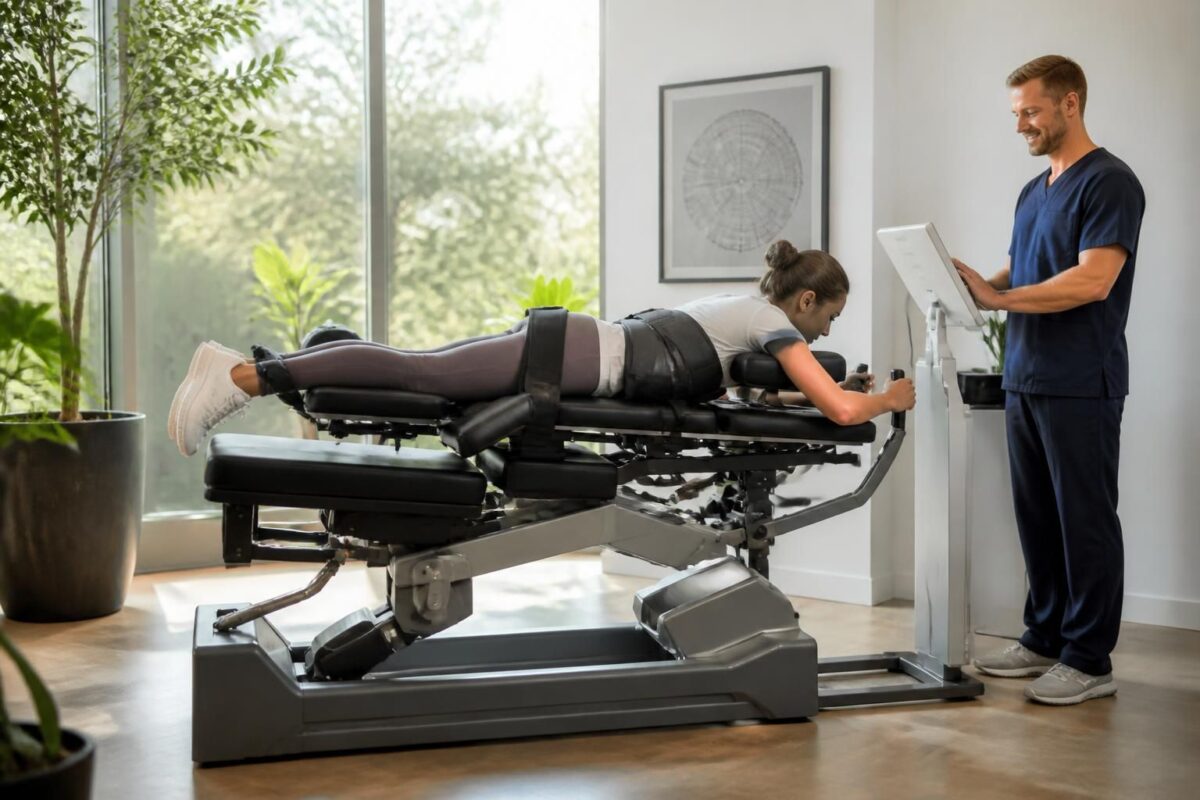
The long-term benefits of neurovertebral decompression for spinal health
In short In short, the neurovertebral decompression is a non-invasive approach that decreases the Pressure on intervertebral discs and nerves, favoring the Natural regeneration and tissue recovery. Its long-term benefits include Lasting pain reduction, Improving mobility and from the posture,…

Neurovertebral decompression and mobility: a return to an active life
In short In short, the neurovertebral decompression is therapy non-invasive who uses a gentle traction To create a space between the vertebrae and reduce the pressure on the Intervertebral discs and the nerves. It promotes a bloodstream improved, lowers tension…
Towards a global and personalized approach
Integration of disciplines and lifestyles
To optimize the results, decompression is part of a Global approach Including osteopathy or manual therapy, adapted exercises (mild to moderate physical activity), sufficient hydration and ergonomics adapted to everyday life. A diet and resting habits conducive to tissue repair complete the program and reinforce the beneficial effects on muscle and spinal pain.
Treatment plan and follow-up
Each patient benefits from a Initial balance To target the areas to be treated and adapt the number of sessions. The plan is monitored and adjusted regularly according to the evolution of symptoms and functional objectives, to ensure safe progression and Efficient rehabilitation.
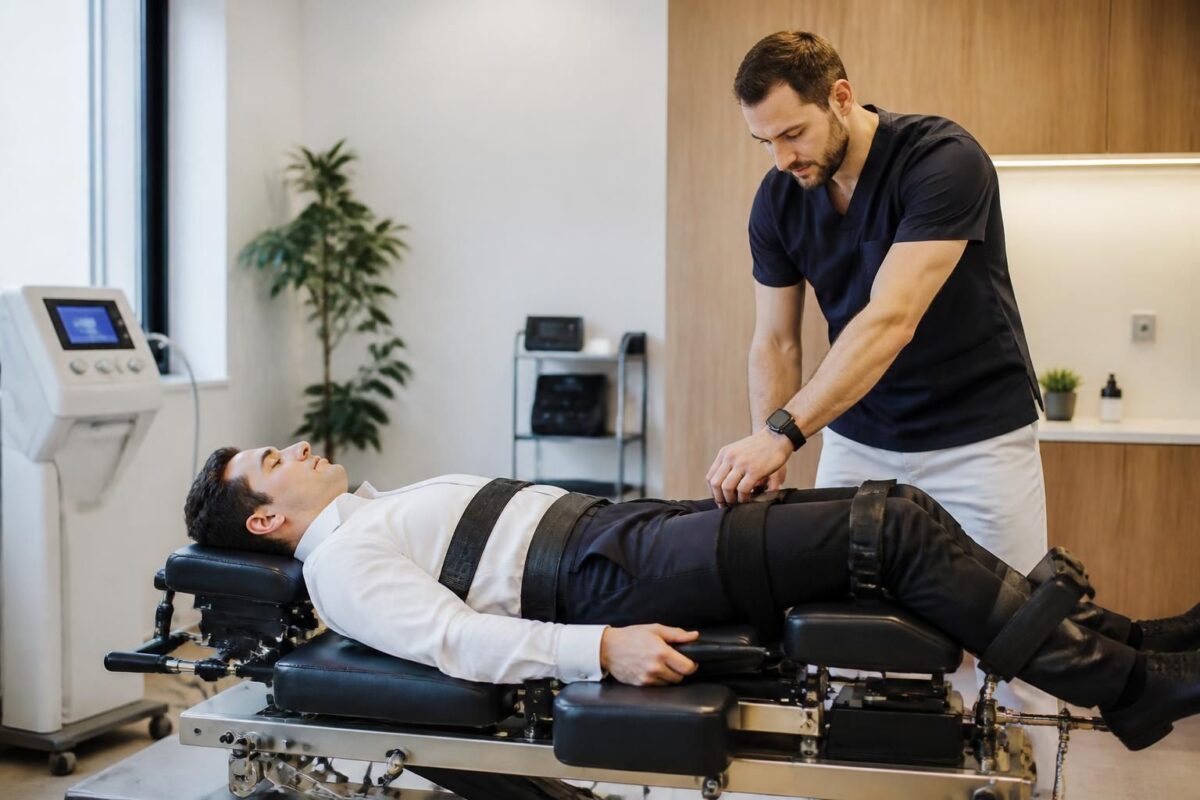
How Neurovertebral Decompression Prevents Diffuse Chronic Pain
In short decompression neurovertebral is one Non-invasive method aimed at reducing the Pressure on the intervertebral discs and the nerves, in order to prevent Diffuse chronic pain. It improves the circulation and thedisc hydration, decreases inflammation and promotes better mobility.…
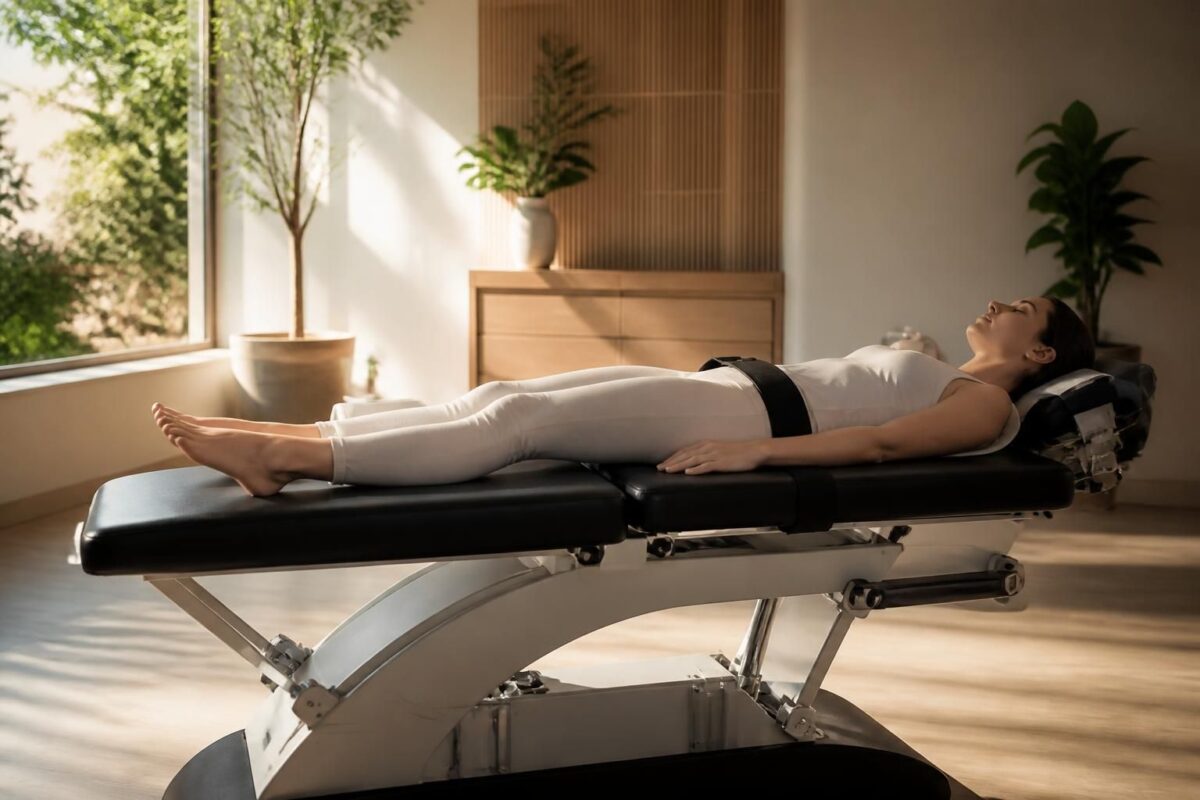
Neurovertebral Decompression and Body Alignment: Restoring Natural Balance
In short In short, neurovertebral decompression is one Non-invasive approach who restores theBody Alignment and thenatural balance back and neck. She acts by a Controlled traction of the spine to widen the intervertebral space and reduce the Pressure on discs…
Expected profits
With a suitable decompression, one can observe a rapid pain reduction muscle related to vertebral tension, associated with a Better mobility and to a posture improvement. Increased circulation promotes oxygenation and elimination of toxins, accelerating the tissue regeneration and recovery after efforts. This approach often makes it possible to reduce the use of drugs and prevent recurrences by developing protection and sustainable mobility mechanisms.
By enrolling in a preventive framework, she supports a Regular physical activity and a better quality of life, even in the presence of chronic pain. Patients generally find Overall improvement their endurance and their ability to resume daily or sporting activities without major limitation.
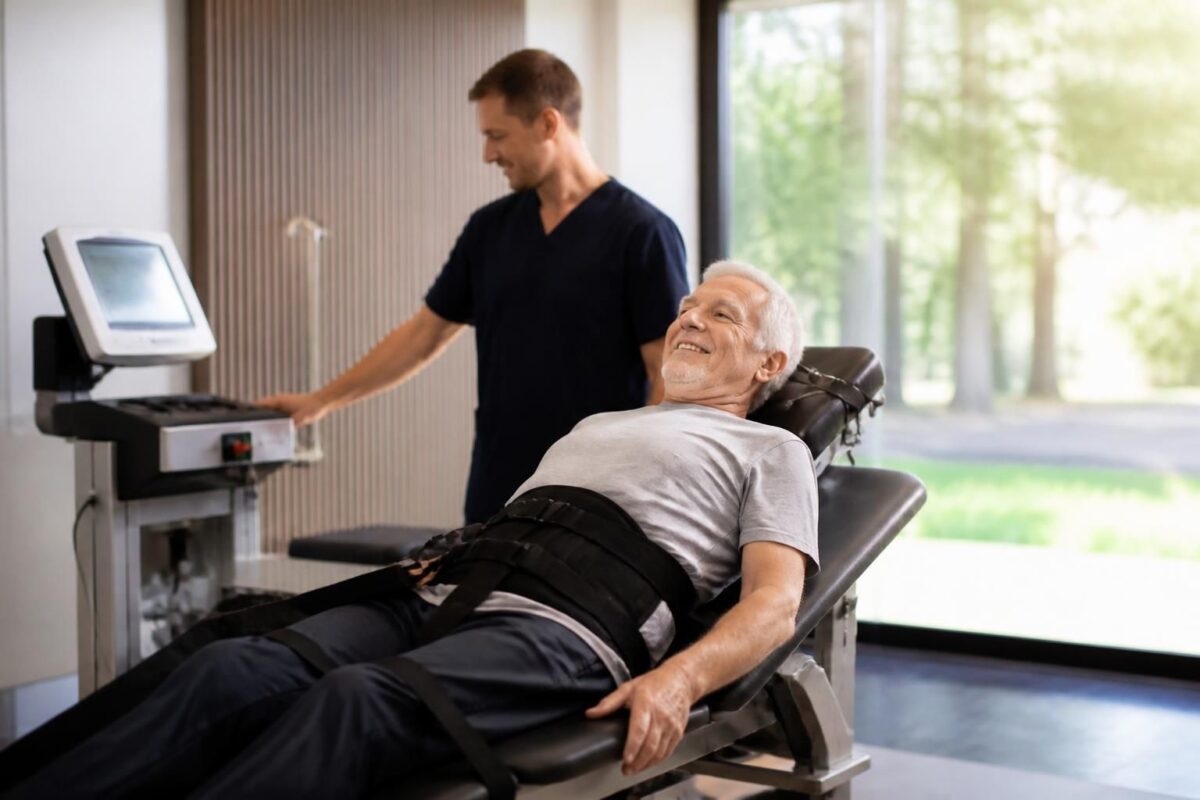
Why neurovertebral decompression is a lasting solution for active seniors
In short In short, the neurovertebral decompression is one Non-invasive therapy which sustainably relieves spinal pain in the spine active seniors By creating, by a Soft and controlled traction, a space between the vertebrae. At Montreal, it is recognized as…
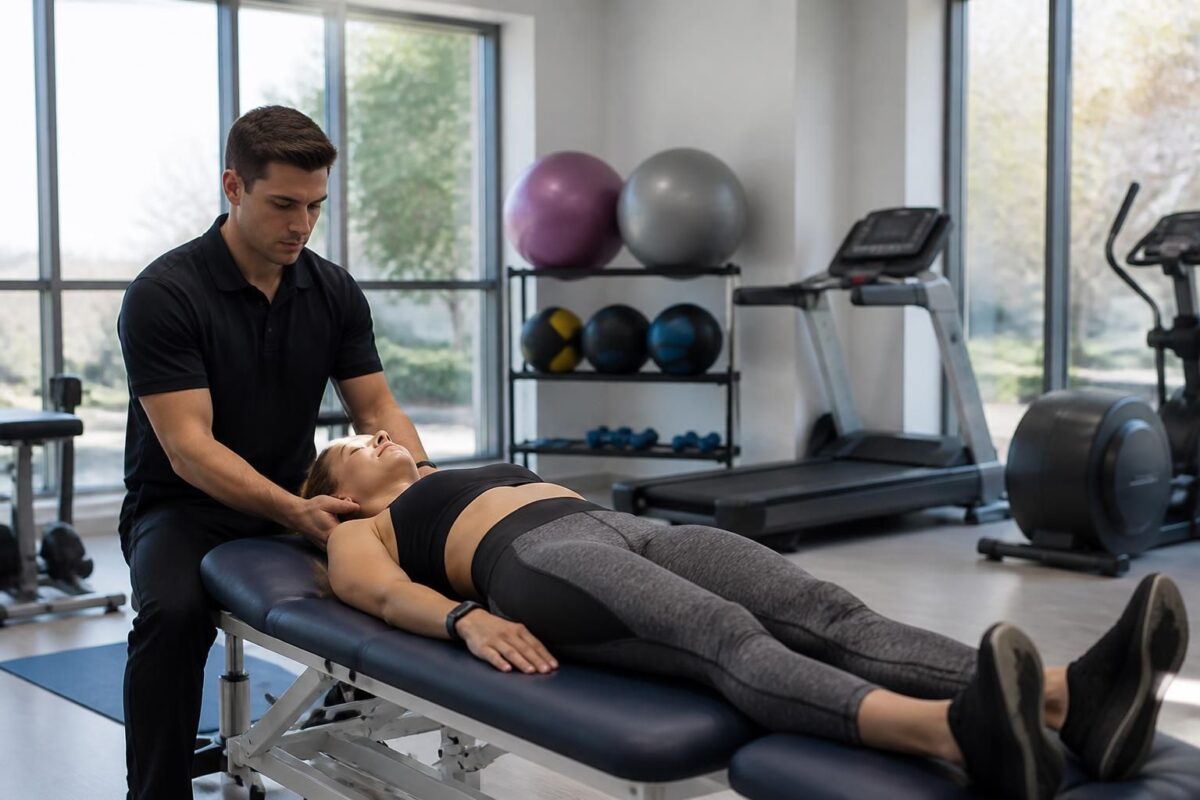
Neurovertebral decompression and recovery after severe sports injury
In short In short, the neurovertebral decompression is one Non-invasive method to Relieve the pressure on the Intervertebral discs and the gristle Via a Controlled traction, to facilitate the recovery After a severe sports injury. It improves the bloodstream towards…
Precautions and safety
The information presented remains Non-substitutes for professional advice of health. Before starting, a Clinical assessment is essential to exclude any contraindication and adapt the protocol to your situation. The security And the customization of the treatment is based on supervision by a qualified practitioner and on a progression adapted to your tolerance and your response to the care.
To optimize your spinal health monitoring, consider neurovertebral decompression as a component of the overall plan of care, in addition to other non-invasive approaches and a targeted exercise program.
| Aspect | key elements |
|---|---|
| Objective | reduce the pressure on nerves and discs, Restore thevertebral alignment and improve the mobility and the quality of life. |
| Mechanism | controlled traction creating an intervertebral space to promote the bloodstream and the Tissue regeneration. |
| Target population | adults with Lower back pain or cervical related to nervous tensions or to a slipped disc; adaptation sportswoman possible. |
| Main directions | persistent pain and reduced mobility due to a nervous compression or disc, evaluated by a professional. |
| Benefits | Quick relief and lasting, improvement of the posture and reduction of Invasive treatments. |
| Limits/Constraints | requires a initial assessment, a Custom Plan and one Regular follow-up; Not suitable in case of contraindications or of fracture. |
| Integration with other approaches | Encourages integration with osteopathy, physical therapy and advice naturopathy in an approach overall. |
| Results measurement | regular assessments of pain, from the mobility and from the quality of life. |
| Prerequisites and security | prior medical consultation and supervision by a Qualified practitioner; treatment non-invasive and High tolerance. |
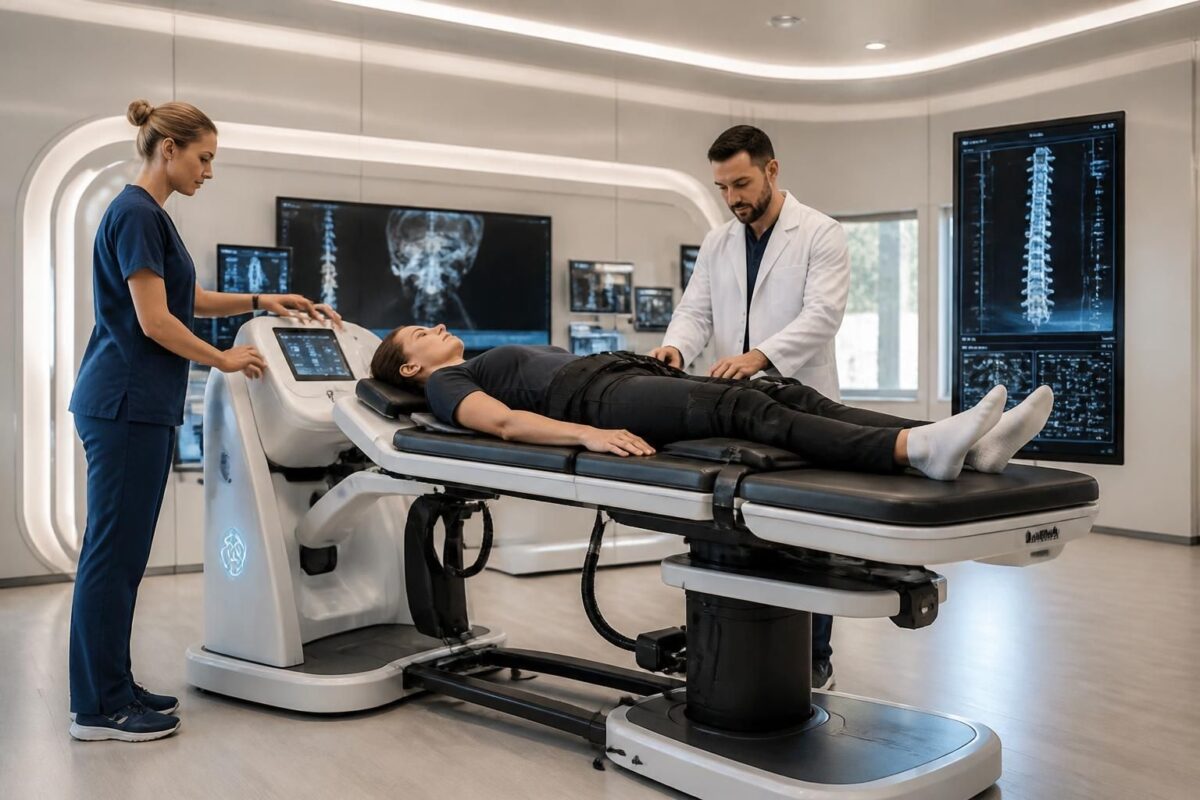
Recent innovations in neurovertebral decompression technologies
In short In short, the neurovertebral decompression is an approach non-invasive Aiming to reduce pressure on discs and nerves, and promote tissue regeneration. At Montreal, it is positioned as an effective option for lower back pain and herniated discs. The…
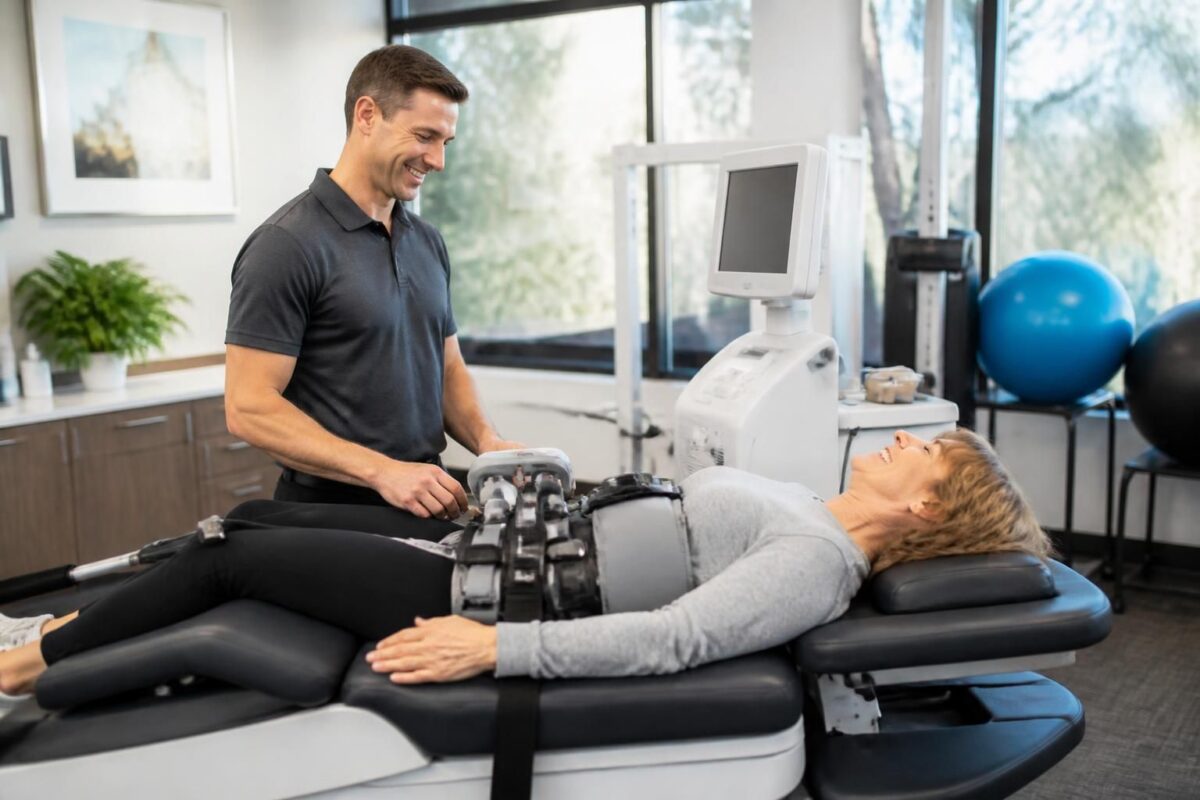
Neurovertebral decompression and diffuse pain: an appropriate solution
In short In short, the neurovertebral decompression is one Non-invasive solution For diffuse pain related to nerve irritation of the spine. She acts in Reducing pressure on intervertebral discs and nerves and improving the bloodstream, which promotes recovery and the…
Testimonials on neurovertebral decompression and associated muscle pain: a global solution
Before discovering the neurovertebral decompression, my lower back pain and my muscle tension limited my days. After a few sessions, I felt a noticeable decrease in pain and better back flexibility. For me, it was more than just a treatment; It was a Global solution : soft traction frees up the space between the vertebrae and, combined with osteopathic accompaniment and lifestyle advice, it soothes the Associated muscle pain and rebalance my posture for a long time.
As an athlete, I experienced post-exercise muscle pain and cervical stiffness. After joining the neurovertebral decompression In my program and supplemented by targeted exercises, I found better mobility and faster recovery. It’s a real Global solution which combines immediate relief and lasting reinforcement, with improved circulation and muscle recovery.
often working in front of a screen, my shoulders and back accumulated tension and Associated muscle pain. Neurovertebral decompression calmed the pain and improved my posture. The personalized follow-up allowed me to integrate stretching and posture advice on a daily basis, making this approach a real Global solution.
Aged 62, I suffered from chronic pain and stiffness. After the treatment, my spinal alignment and mobility improved, and I regained energy for my daily activities. This approach, combined with adapted exercises and healthy living advice, is a Global solution To sustainably reduce Associated muscle pain and regain a quality of active life.
At first, I was skeptical. Then I noticed a decrease in pain, muscle relaxation and better mobility after a structured program around the neurovertebral decompression. This experience convinced me that it is a Global solution Able to address the cause and sustainably improve Associated muscle pain, without resorting to invasive treatments.
Neurovertebral decompression is a non-invasive therapeutic approach that is fully in line with an approach overall management of muscle pain associated with spinal imbalances. It is distinguished by its ability to link symptom relief to the lasting improvement of musculoskeletal function, thus providing a pathway that is suitable for both active and those suffering from chronic nervous tension.
At the heart of this method is a controlled traction exerted on the spine, designed to create a space between the vertebrae. This increased space releases the pressure exerted on the spinal nerves and intervertebral discs, which mechanically reduces painful messages and promotes the passage of nerve signals in a more fluid way. This process also contributes to better local blood circulation, facilitating the supply of essential nutrients and the evacuation of metabolic waste that can maintain inflammation.
But the impact does not stop at reducing pain. By releasing the muscular tensions accumulated around the spine, decompression contributes to the restoration of a musculoskeletal balance. The muscles of the back and neck gradually regain their physiological tone, the posture improves and the loads are distributed more harmoniously on the spinal axis. Result: regained mobility and a decrease in painful episodes that once limit daily activities.
This technique is part of a Global approach spinal and musculoskeletal health. It can be integrated into a multidisciplinary program including osteopathy, manual medicine, naturopathy and complementary therapies such as laser or shockwave therapies. The goal is to treat the root cause of pain, not just to alleviate symptoms, to support sustainable rehabilitation, improve quality of life and prevent recurrences.
Before starting a treatment, a personalized assessment is carried out to assess the state of the column and identify the specific imbalances. The protocol is then adapted to each patient, with a number and frequency of sessions determined according to the results observed and the patient’s experience. Regular monitoring makes it possible to adjust the objectives and ensure the sustainability of the benefits, while teaching the patient the gestures and postures to adopt on a daily basis.
In practice, neurovertebral decompression acts as a therapeutic lever that favorably influences the entire musculoskeletal system. By increasing the intervertebral space, it reduces compression on the nerves and promotes better tissue regeneration. This dynamic supports not only the reduction of acute and chronic pain, but also the improvement of posture and the prevention of future tensions linked to postural habits or an active or sedentary lifestyle.
This article presents the neurovertebral decompression as an effective approach to treating associated muscle pain, while being part of a global spinal health approach. By combining controlled traction and non-invasive complementary techniques, this method aims to reduce nervous tension, improve circulation and restore musculoskeletal balance, in order to regain sustainable mobility and a better quality of life.
The neurovertebral decompression is based on a Controlled traction of the spine that frees the space between the vertebrae. This moderate opening decreases the pressure exerted on the spinal nerves and intervertebral discs, promoting better tissue nutrition and a reduction in local inflammation. At the same time, it contributes to a Muscle relaxation and a decrease in tension in the muscles of the back and neck, which results in a Rapid mobility improvement and a decrease in post-exercise pain.
Beyond immediate relief, this approach acts on the Musculoskeletal rebalancing. By improving the vertical alignment and the distribution of forces, it facilitates a more natural posture and prevents future imbalances. Profits also extend to bloodstream, allowing better disk hydration and more effective removal of metabolic waste, which supports tissue regeneration and recovery after intense efforts.
integrated into a Global approach, neurovertebral decompression can be associated with other non-invasive care areas such as osteopathy, physical therapy and wellness practices. This synergy maximizes the beneficial effects and promotes Sustainable rehabilitation. For those who suffer from lumbar or cervical pain linked to spinal imbalances, it offers an effective alternative to reduce addiction to drug treatments and limit possible surgical interventions.
Common indications include persistent pain, reduced mobility, and signs of nerve compression, all of which emanate from an appropriate clinical assessment and imaging. Each patient benefits from a personalized plan, with a number and frequency of sessions adjusted according to the clinical response and functional objectives. Regular monitoring is essential to consolidate gains and adapt treatment continuously.
the literature and clinical feedback underline the potential of the neurovertebral decompression as a central element of a care pathway focused on sustainable well-being. To deepen the mechanisms and feedback, you can explore resources on topics such as spinal alignment, post-effort muscle pain management and the benefits of a multidisciplinary approach, including through the following links: Vertebral alignment and decompression, Post-exercise muscle pain, DNV back pain solution, and Full support.
To learn more about specific mechanisms, indications, precautions and feedback, please refer to the following resources: Associated muscle pain — Overall solution, A natural treatment For back health, and Lumbar stenosis without surgery.
From a prevention and performance perspective, neurovertebral decompression is a key step in a care program that also integrates hydration, appropriate physical activity and daily actions aimed at preserving the integrity of the spine. By combining these elements, it is possible to obtain a Lasting pain reduction and an Continuous improvement in mobility.

Dr Sylvain Desforges, B.Sc., D.O., N.D., osteopath, is the founding president of TAGMED and of the ACMA association. He dedicates his practice to chronic spinal pain, low back pain and symptoms compatible with sciatica, particularly when pain radiates toward the buttock, leg, calf, foot or toes.
Through SOS Sciatique, he publishes educational content on sciatica symptoms, possible causes such as disc herniation, disc narrowing, foraminal stenosis or irritation of a lumbar nerve root, as well as non-surgical approaches that may be considered according to the evaluation. At Clinique TAGMED, care may include, depending on the case, motorized neurovertebral decompression, specific osteopathic care or precision percussion.
For an evaluation related to sciatica treatment in Montreal / Mount Royal or sciatica treatment in Terrebonne, please consult the services available at Clinique TAGMED.
Medical disclaimer
The information published on SOS Sciatique is provided for educational purposes only and does not replace a consultation, diagnosis, opinion or treatment provided by a physician or another authorized healthcare professional. The author of this article is neither a medical doctor nor a specialist in a medical specialty recognized by the Collège des médecins du Québec. The osteopathic, manual medicine or functional support approaches described on this site do not constitute medical acts and are not intended to replace medical follow-up.
Consult a physician or emergency service in cases of loss of bladder or bowel control, anesthesia in the saddle area, significant or progressive weakness in the leg or foot, fever, recent trauma, severe pain or rapid worsening of symptoms. For more details, please read our Legal Notice.