

Neurovertebral decompression and chronic lower back pain: a lasting solution
26/06/2026
How neurovertebral decompression helps prevent surgical interventions
26/06/2026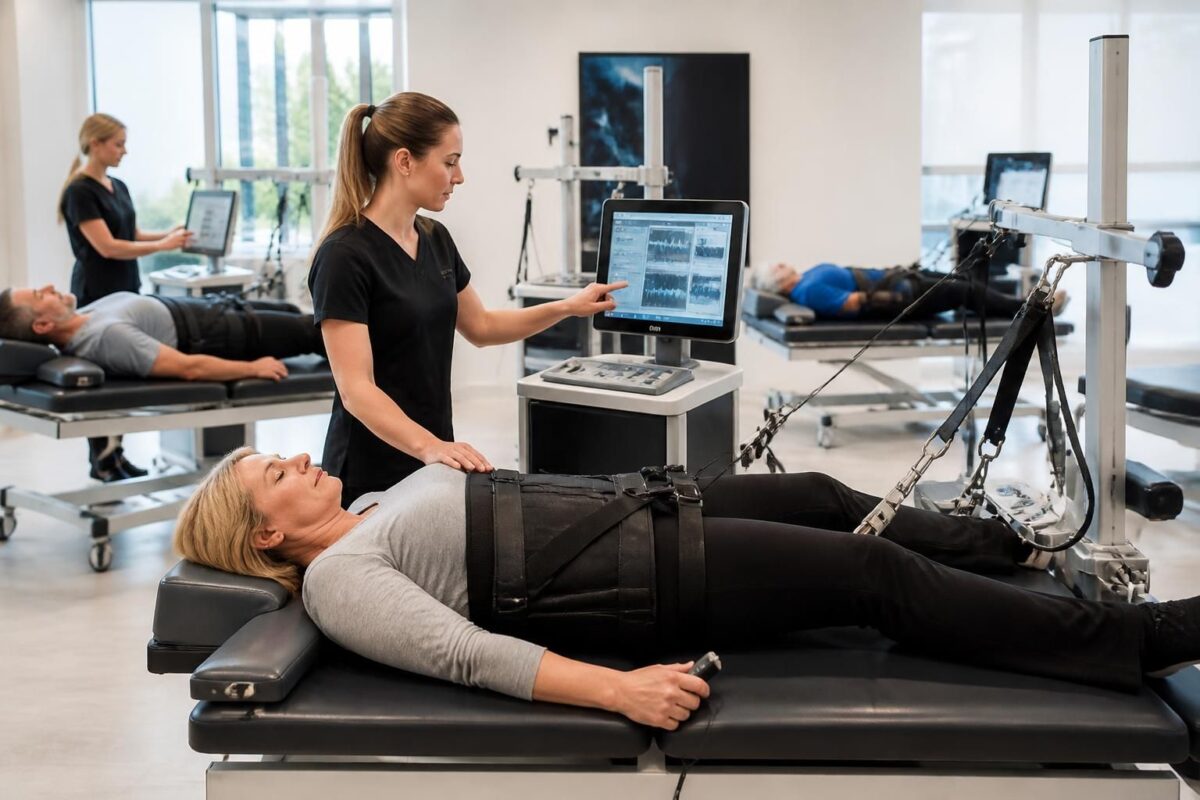
In short
| In short, the Advanced neurovertebral decompression protocols for the acute pain are a non-invasive approach to rapidly reduce the pressure on discs and nerves. What is it? It’s a series of protocols custom who use a Controlled traction and an initial assessment deep to adapt the treatment to each patient and target the painful areas. What advantages? Quick relief pain, Improving mobility, reduction of the risk of recurrence and possible integration with complementary therapies such asosteopathy where the physiotherapy. How does it work? After The initial assessment, the Custom Protocol is applied in regular sessions with a monitoring To adjust the traction and optimize the results, while offering posture and rehabilitation advice. |
the advanced protocols of neurovertebral decompression for the acute pain Propose a targeted and non-invasive approach to quickly relieve spinal symptoms. They are based on a In-depth initial assessment who examines the history, symptoms and, if necessary, imaging, to determine the most suitable plan.
thanks to a Controlled traction And to smart devices, these protocols adjust traction in real time according to the patient’s response to reduce the pressure on the discs and nerves. They favor a Processing customization via mobility tests and movement analysis, in order to obtain a Quick and lasting relief acute pain and promote functional recovery. To optimize the results, they plan a Integration with complementary therapies and one Regular follow-up To adapt the protocol continuously.
Quick Summary: This article, written by a healthcare professional and expert in neurovertebral decompression, presents advanced protocols for acute pain. It describes initial assessment, controlled traction techniques, technologies used and integration with other therapeutic approaches. The objective is to explain how these protocols allow rapid reduction in pain and improved spinal function, while underlining the importance of follow-up and prevention of recurrences.
Initial assessment and diagnosis
The process begins with a precise collection of history and symptoms. A targeted clinical examination is performed. Imaging elements and movement analyzes guide the choice of decompression techniques. Each patient has specificities that influence the treatment plan.
Phases and principles of advanced protocols
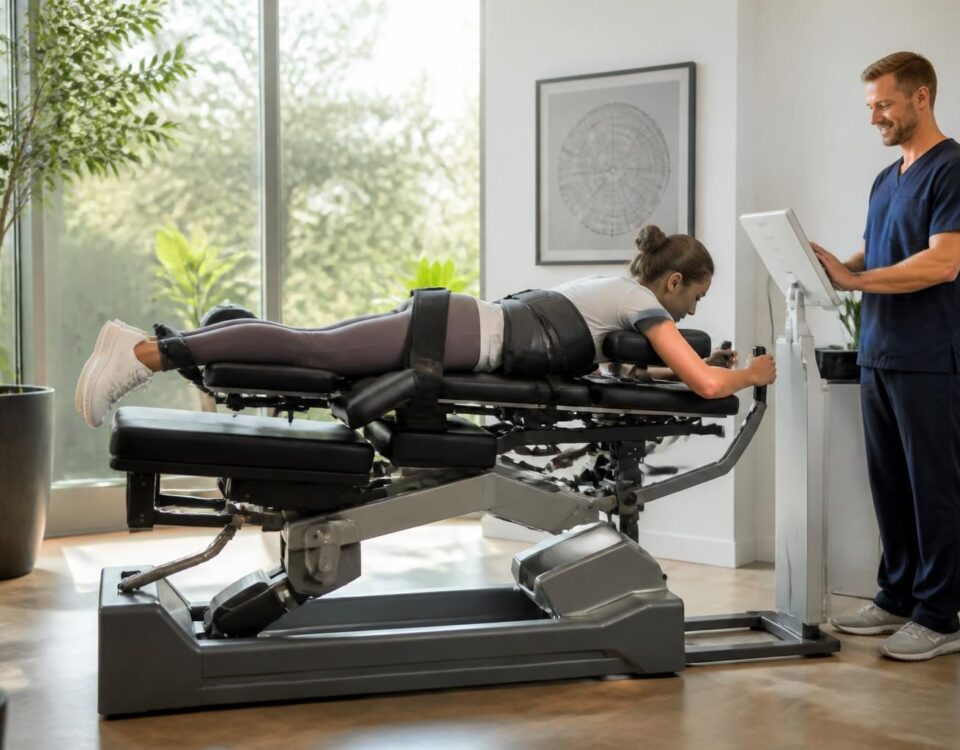
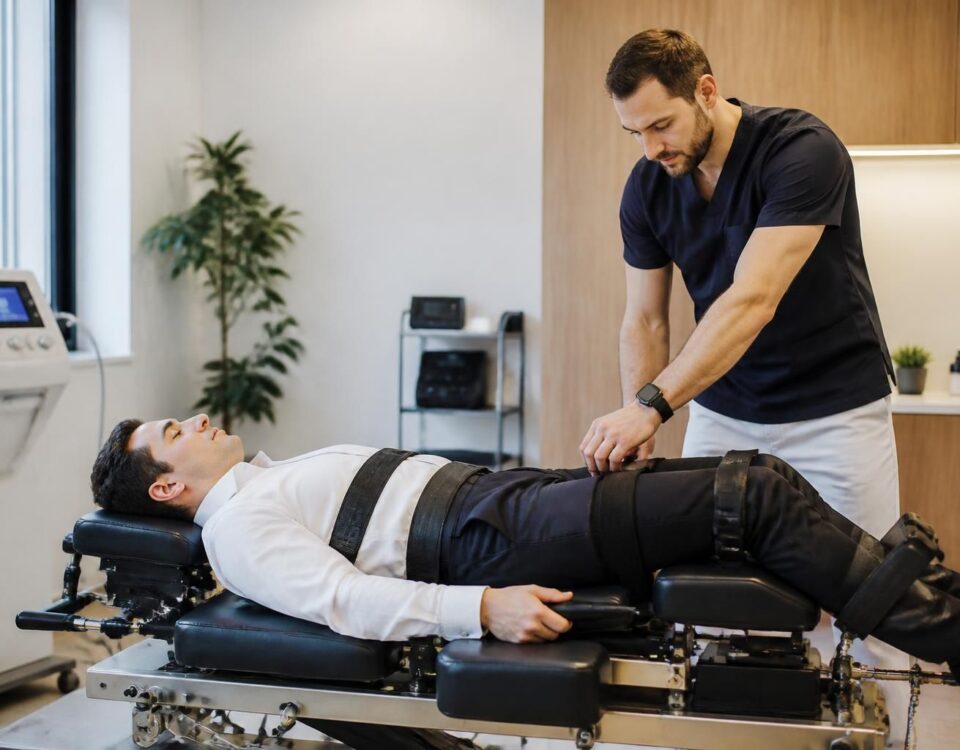
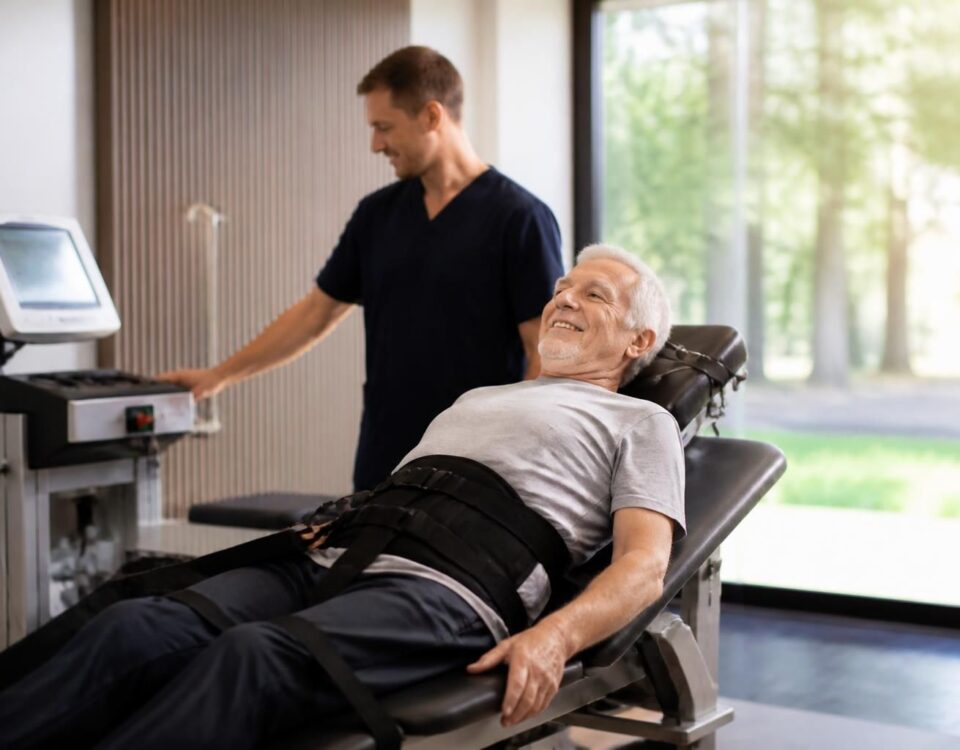
Advanced protocols use a Controlled traction and a functional evaluation to guide treatment. Computerized devices adjust traction in real time according to the patient’s reactions. This reduces the pressure on the discs and gradually improves mobility and pain.
Technologies and mechanisms
Modern technologies make it possible to target the painful areas and reduce the pressure on the nerves. Traction is applied in a gentle way, with a follow-up of physiological responses. This approach promotes better circulation, reduction of local inflammation and progressive tissue recovery. To learn more, check out resources like Neurovertebral decompression and muscle tension and modern techniques to maximize results.
Integration with complementary approaches
To optimize the results, advanced protocols are associated with manualized approaches and stress management methods. Osteopathy and relaxation techniques can amplify the benefits by working on muscle tension and postural imbalances. This synergy can accelerate pain reduction and facilitate rehabilitation.
Monitoring, prevention and safety
Regular monitoring is essential. Progress guides the adjustment of protocols and duration of treatment. Education on postural habits and ergonomics helps prevent recurrences. Within the framework of advanced protocols, a global approach is favored rather than isolated gestures.
Professional aspects and training
Professionals train through recognized institutions such as Numss, NAO, National University of Medical Sciences and National Academy of osteopathy. These trainings support evidence-based practice and a multidisciplinary approach. Professional associations such as ACMA and College of Canadian Osteopaths supervise practices in this area.
Resources and useful links
To expand your knowledge, these resources may be relevant, remaining in authorized areas:
- Current protocols of neurovertebral decompression
- Long-term benefits of neurovertebral decompression
- Neurovertebral decompression and posture: sustainably improve your alignment
- Modern techniques to maximize results in neurovertebral decompression
- Advanced Neurovertebral Decompression Techniques for Acute Pain
- Advanced protocols for patients with neurovertebral decompression
Additional resources can be consulted to understand the importance of protocols and their practical application. exchanges with certified professionals and clinics recognized as Tagmed Clinic or specialized centers provide access to services that comply with current standards.
Note: In the context of neurovertebral decompression and associated conditions (discal herniation, protrusion, disc bulge, foraminal stenosis or disc degeneration), this article avoids proposing specific exercises or stretching. The objective is to present the protocols and their clinical framework, as well as the management options available in specialized clinics.
In addition, you can explore resources dedicated to prevention and vertebral well-being on Benefits of decompression to prevent spinal complications and Current protocols and efficiency.
For more information on advanced protocols and clinical perspectives, see the resources associated with soften and Current protocols.
Medical Disclaimer: The information and advice provided on this site does not replace the health professional’s diagnosis or treatment. Please note that Dr. Sylvain Desforges osteopath is neither a doctor of medicine nor a doctor, and is not a specialist in a medical specialty as defined by the Collège des Médecins du Québec. Manual medicine, functional medicine and sports medicine as described on this site exclude any medical treatment or diagnosis made by a doctor or specialist doctor. Always consult your doctor for any medical questions. For more details, please read our full legal notice.
- Rapid initial assessment History analysis and acute pain for personalized plan.
- Adapted and secure traction Acute stage specific parameters to limit aggravation.
- Target decompression Focus on painful segments and compressed nerves.
- Custom protocols adjusted in real time according to the responses and movements.
- rapid reduction in inflammation and disc pressure to promote movement.
- Brief and effective sessions Cadence adapted to the urgency of pain.
- Integration of complementary therapies osteopathy and physiotherapy to amplify the results.
- dynamic follow-up real-time adjustments thanks to the monitoring of physiological parameters.
- Safety and contraindications clear protocols before each session.
- Prevention and self-care Post-treatment advice to avoid recurrences.
- Exit Goals Definition of the number of sessions and success criteria.
- Advice and support Continuous communication with the patient and the healthcare team.

This sheet presents the Advanced neurovertebral decompression protocols intended for acute pain of the spine. It focuses on targeted assessment, customization of traction techniques and the integration of complementary therapies to achieve rapid pain reduction and faster and more sustainable resumption of activity.
Initial assessment and clear objectives
Any beginning of treatment is based on a In-depth initial assessment which identifies compression areas, history and specific symptoms. This step makes it possible to determine the therapeutic framework, any contraindications and the objectives to be achieved, such as reducing pain, improving mobility and reducing inflammation. An analysis of movements and, if necessary, targeted imaging elements guide the choice of decompression techniques and their intensity. Each patient being unique, this step lays the foundations for a personalized and safe plan.
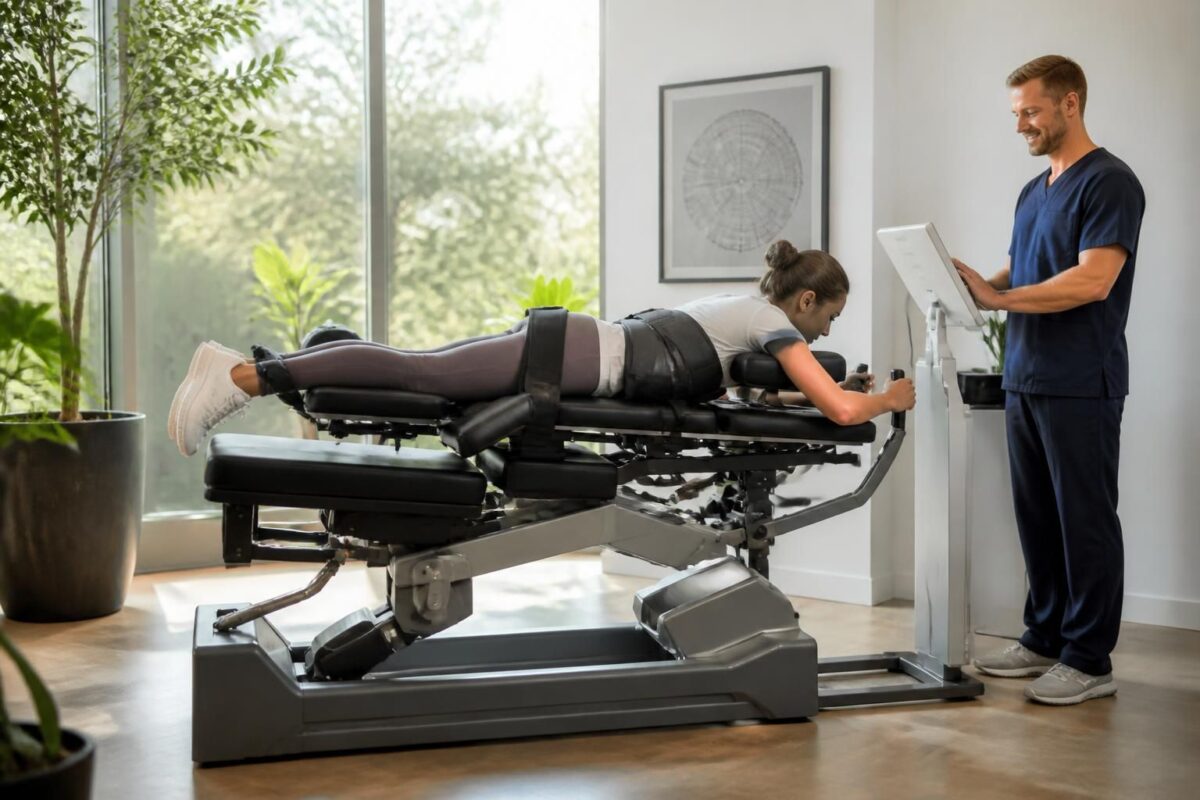
The long-term benefits of neurovertebral decompression for spinal health
In short In short, the neurovertebral decompression is a non-invasive approach that decreases the Pressure on intervertebral discs and nerves, favoring the Natural regeneration and tissue recovery. Its long-term benefits include Lasting pain reduction, Improving mobility and from the posture,…
Advanced protocols and customization
protocols advanced are based on a personalization rigorous treatment. The traction is adapted to the morphology, the level of pain and the response of the patient, with a gradual progression in the volume and the duration of the sessions. Modern protocols incorporate continuous assessment of physiological reactions and adjustments in real time to avoid further aggravation and maximize efficiency. The goal is to achieve a balance between quick relief and safety, while preparing the body for more complete rehabilitation phases.

Neurovertebral decompression and mobility: a return to an active life
In short In short, the neurovertebral decompression is therapy non-invasive who uses a gentle traction To create a space between the vertebrae and reduce the pressure on the Intervertebral discs and the nerves. It promotes a bloodstream improved, lowers tension…
Integration of technologies and complementary approaches
To maximize results, advanced protocols use Computerized devices which adjust the traction according to the patient’s responses. In addition, the association with manual approaches, such asosteopathy and the physiotherapy, strengthens the effects by working on muscle imbalances, tensions and postural control mechanisms. This holistic synergistic improves circulation, decreases nervous tension and accelerates recovery, while providing a safe and verified framework for acute pain.
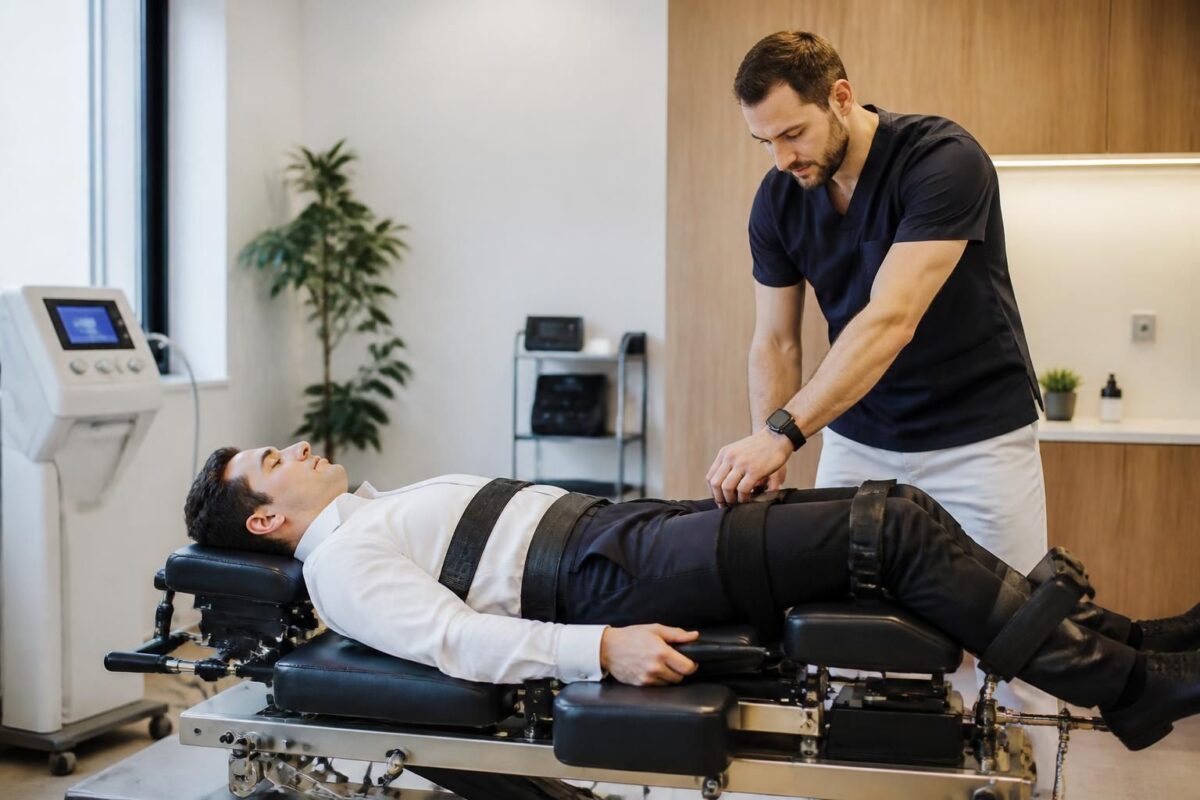
How Neurovertebral Decompression Prevents Diffuse Chronic Pain
In short decompression neurovertebral is one Non-invasive method aimed at reducing the Pressure on the intervertebral discs and the nerves, in order to prevent Diffuse chronic pain. It improves the circulation and thedisc hydration, decreases inflammation and promotes better mobility.…
Risk management and security
Security is central in advanced protocols. special vigilance is given to the contraindications such as recent fractures, spinal infections, instability or serious neurological damage. Clear tolerance criteria and stopping thresholds allow treatment to be adjusted or interrupted if necessary. Careful follow-up during and after the sessions helps to prevent complications and to guarantee appropriate progression for each patient.
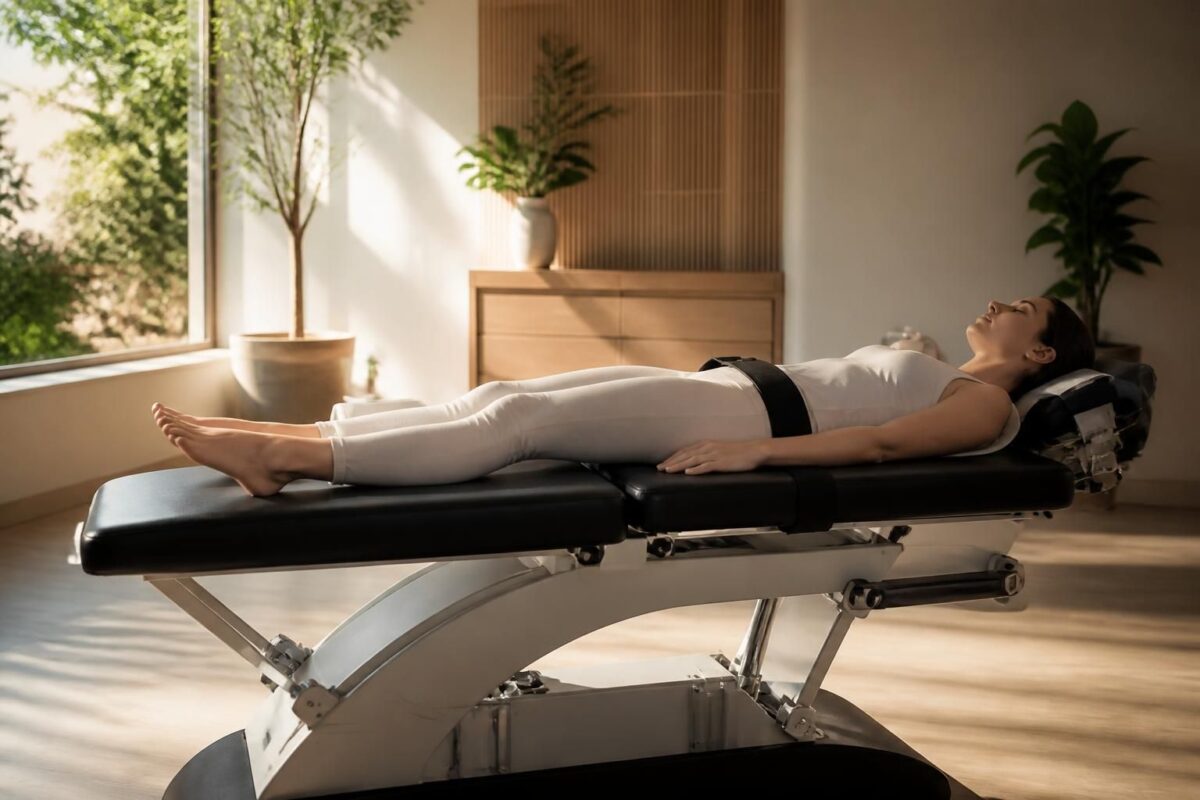
Neurovertebral Decompression and Body Alignment: Restoring Natural Balance
In short In short, neurovertebral decompression is one Non-invasive approach who restores theBody Alignment and thenatural balance back and neck. She acts by a Controlled traction of the spine to widen the intervertebral space and reduce the Pressure on discs…
Monitoring and adaptation of the protocol
One Regular follow-up Allows you to evaluate progress, readjust settings and plan the rest of the steps. The decompression sessions are then supplemented by rehabilitation exercises and practical advice for everyday life, in order to ensure the sustainability of the results and reduce the risk of recurrence. The exchange with the patient and the adjustment of the protocol according to returns are key elements of success.
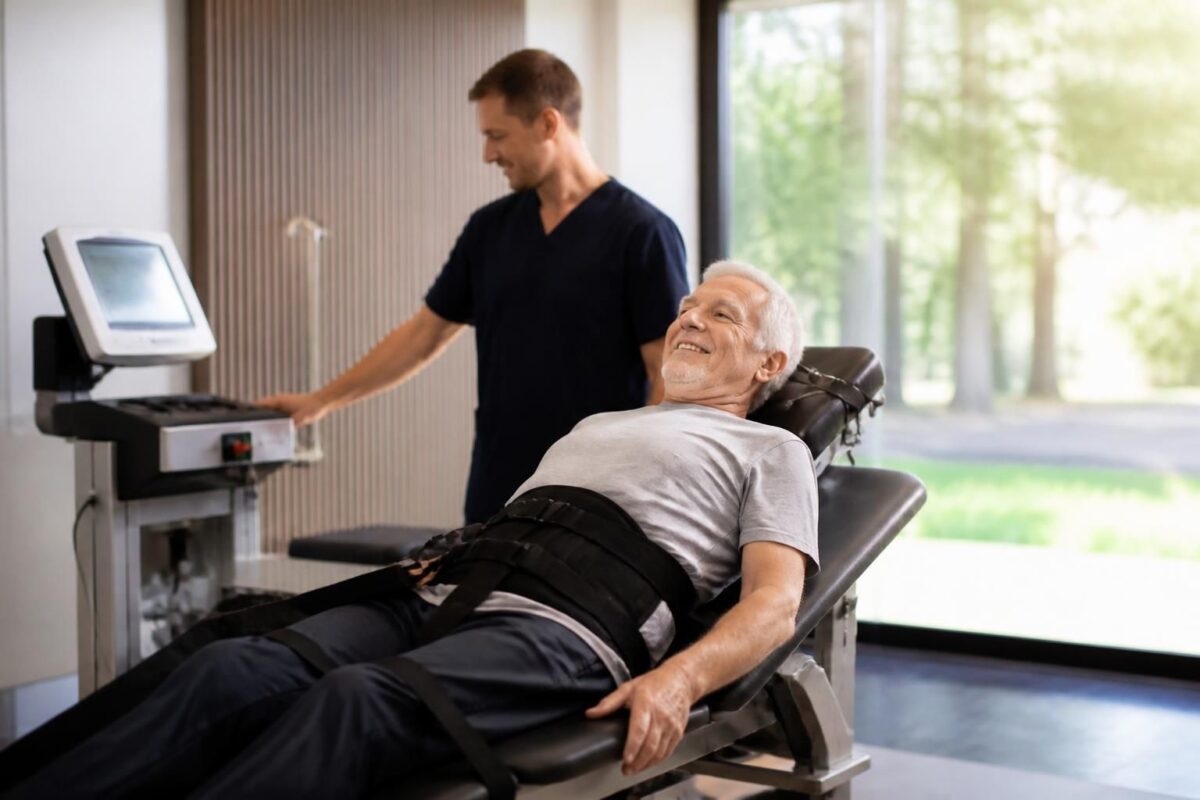
Why neurovertebral decompression is a lasting solution for active seniors
In short In short, the neurovertebral decompression is one Non-invasive therapy which sustainably relieves spinal pain in the spine active seniors By creating, by a Soft and controlled traction, a space between the vertebrae. At Montreal, it is recognized as…
Education and prevention of recurrences
Beyond the session, patient education on thePostural hygiene, the ergonomics of the workstation and an adapted hydration support the benefits obtained. Lifestyle recommendations and stress management strategies complement care to prevent recurrence of pain and promote resumption of lasting activity.
Example of progress over a few weeks
A standard plan can provide Regular sessions Over 4 to 6 weeks, with a measured progression of expenses and a transition to autonomous exercises, in order to consolidate the gains and support the functional recovery.
| Element | Description |
|---|---|
| Objective | reduce the pressure on discs and nerves for Quick Relief acute pain and restore the mobility. |
| directions | aches acute of the back linked to a hernia or a protrusion disc with indication to a non-invasive approach. |
| initial assessment | history and symptoms analysis, targeted examination and imaging as needed to establish a Custom Plan. |
| Personalization | Adaptation of the traction, rhythm and intensity according to the constitution and the patient’s response. |
| Technologies used | devices computerized of Controlled traction with Real-time tracking. |
| Plan and duration | initial series concentrated, then adjustments according to progress over a period of a few weeks. |
| Therapeutic integration | association with osteopathy, physiotherapy and techniques of relaxation to optimize the results. |
| Monitoring and adjustments | Regular assessments and change of parameters according to the evolution of symptoms. |
| Preventions and precautions | accounts: recent fractures, vertebral infections or neurological pathologies; requires a medical consultation If doubt. |
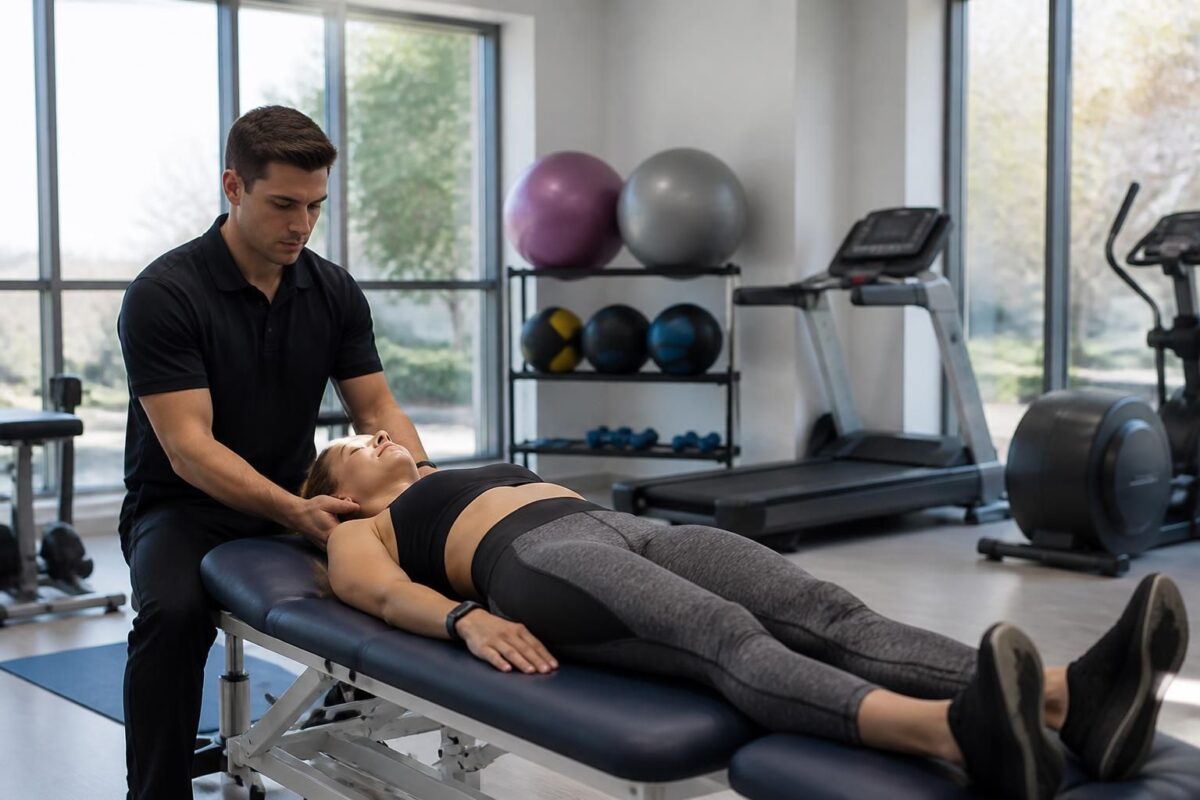
Neurovertebral decompression and recovery after severe sports injury
In short In short, the neurovertebral decompression is one Non-invasive method to Relieve the pressure on the Intervertebral discs and the gristle Via a Controlled traction, to facilitate the recovery After a severe sports injury. It improves the bloodstream towards…
Testimonials on advanced neurovertebral decompression protocols for acute pain
I was suffering from a sharp pain Lumbar after a fall and I was afraid of not being able to move. The Advanced Protocols of neurovertebral decompression have been clearly explained and applied with a Controlled traction adapted to my body. From the first sessions, the pain began to decrease and I regained some of my mobility, which allowed me to resume my outdoor activities gently.
As a pianist, my neck was shooting me after a car accident. This Acute cervical pain prevented me from playing and sleeping. Thanks to Advanced Protocols, associating initial assessment and decompression, I found better mobility and more serene nights, which allowed me to resume my rehearsals without fear.
amateur sportsman, I suffered a Acute back pain Who stopped me in my workouts. the personalized plan of Advanced Protocols combined neurovertebral decompression and complementary techniques. I was able to resume training in less than a month with few recurrences and a resumption of performance which surprised me.
For me who spends long hours sitting at work, a Acute radiculopathy came to upset my daily gestures. After the full evaluation and several sessions of decompression, I noticed a clear decrease in pain and an observable improvement in my walking and my daily gestures.
Aged 65, I suffered a sprain and developed a sharp pain persistent in the back. The Advanced Protocols have been adapted to my age and condition. The Controlled traction And the regular follow-up allowed me to gain mobility and limit drug remedies, while regaining a better quality of life.
the advanced protocols of neurovertebral decompression for the acute pain represent an innovative and pragmatic approach in the rapid and targeted management of back and neck pain. This technical biography traces the itinerary of these methods, from their biomechanical foundations to their clinical adoption in acute contexts, where the priority is to quickly release compressed structures without resorting to surgery. In other words, a major evolution that combines security, efficiency and customization, in order to transform a lively and debilitating pain into a transient and manageable phase, thanks to precise and controlled decompression.
The base of these protocols is based on a initial assessment comprehensive and an approach personalized and patient-centric. Detailed anamnesis, precise pain location, nerve irritation patterns and mobility tests guide the formulation of a therapeutic plan. Functional assessments allow us to estimate the associated amplitude, stability and musculoskeletal imbalances. Targeted imaging and movement analyzes complete this diagnosis to determine the vertebral segments to be treated and to anticipate possible responses during the first sessions. Each protocol is thus adapted to the morphology, age and level of activity of the patient, in order to optimize efficacy while minimizing risks.
At the heart of the protocols are Technologies and devices sophisticated that allow a Controlled traction and secure. Computerized models adjust the parameters in real time based on physiological feedback and patient tolerance, ensuring targeted decompression of intervertebral discs and nerve conduits. This approach favors a gradual and graduated pressure reduction, avoiding excessive loads and higher pain. The sessions often incorporate a combination of traction, gentle mobilization and continuous monitoring, with protocols that extend over several weeks to stabilize the gains and promote the evolution towards daily and sporting activities.
Therapeutic integration is a key component of advanced protocols. In addition to decompression, manual interventions and associated therapies — including osteopathy, physiotherapy and rehabilitation programs — reinforce body preparation and consolidation of results. additional elements such as laser and the Shockwave therapy Can be used to reduce inflammation, facilitate tissue regeneration and improve local circulation. This approach multidisciplinary Aims to treat acute pain as a whole, prevent recurrences and optimize spinal function, while remaining non-invasive and compatible with the sporting needs of patients.
Security and results are the core of the action. Protocols are accompanied by a Attentive follow-up and a Continuing assessment progress, in order to adjust the parameters, to avoid overloads and to ensure appropriate progress. Typical benefits include a rapid pain reduction, a Better range of motion and an Early reintegration into working life. This dynamic also promotes post-decompression rehabilitation and the gradual return to training, while limiting the possible use of more invasive treatments.
The Prevention of recurrences is integrated from the first sessions. Advice on posture, ergonomics and respiratory regimens complete the treatment, and a progressive rehabilitation plan is put in place to strengthen spinal stability. Regular monitoring allows you to evaluate progress and adjust protocols based on patient feedback and fitness goals. This proactive approach helps to maintain the results achieved and reduce the risk of further acute pain, by promoting sustained autonomy in the management of its spinal health.
In perspective, advanced neurovertebral decompression protocols for acute pain embody a major evolution of manual medicine. by associating Precise diagnosis, advanced technologies and Personalized approach, they offer a way non-invasive Towards a quick and lasting recovery. These protocols are part of a dynamic based on evidence and responsibility towards the patient, favoring safety, effectiveness and functional rehabilitation. As the practice evolves, multidisciplinary support and the sharing of clinical experiences will continue to refine these methods, to allow everyone to regain an optimal quality of life after acute pain.
This summary highlights the Advanced neurovertebral decompression protocols For acute pain, by explaining how the initial assessment, customization of techniques and the integration of complementary technologies and therapies allow rapid pain reduction and effective rehabilitation. It also explores the challenges of monitoring and prevention of recurrences and offers practical resources to deepen the subject.
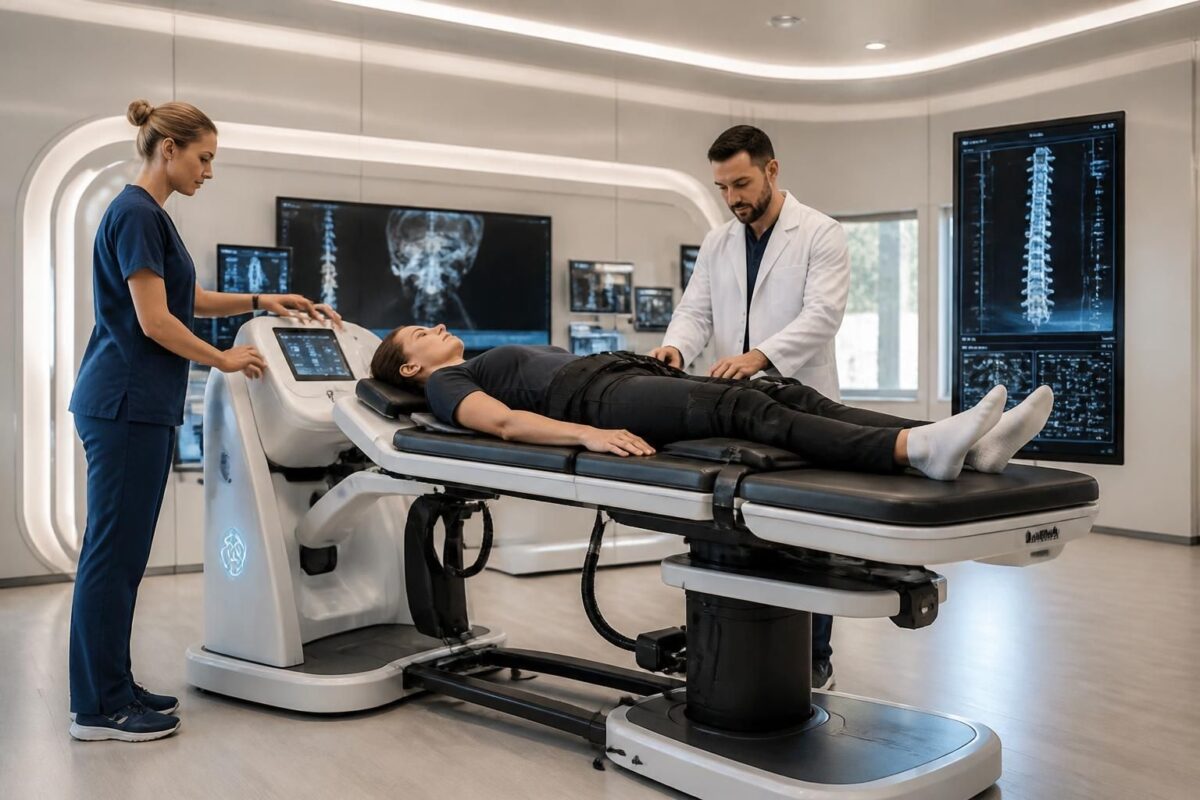
Recent innovations in neurovertebral decompression technologies
In short In short, the neurovertebral decompression is an approach non-invasive Aiming to reduce pressure on discs and nerves, and promote tissue regeneration. At Montreal, it is positioned as an effective option for lower back pain and herniated discs. The…
Summary and final considerations
The Advanced Protocols aim to treat acute pain by rapidly decreasing pressure on the intervertebral discs and nerve roots thanks to a Controlled traction adapted. This non-invasive approach seeks to restore the vertebral space, reduce inflammation and accelerate functional recovery, while minimizing discomfort during sessions.
Success is based on In-depth initial assessment and an Processing customization. Analysis of history, symptoms and movement abilities guides the choice of techniques and the frequency of sessions. Tools such as mobility tests and imaging explorations make it possible to precisely direct the areas to be treated and to adjust the plan according to the individual responses.
The integration of Advanced technologies And some Complementary therapies is a key performance factor. Computerized devices ensure smooth and targeted traction, with real-time adjustments based on the patient’s reactions. In addition, the association with approaches such as osteopathy, physiotherapy and relaxation techniques reinforces the results and promotes a more complete recovery. To understand the technological possibilities and their impacts, consult in particular the resources dedicated to these Advanced technologies and their role in spinal health.
Post-treatment monitoring and recurrence prevention are not additional options but pillars of the therapeutic device. A rehabilitation program, postural advice, stress management strategies and regular control appointments help maintain benefits and reduce the risk of pain recurrence. Resources dedicated to the prevention and optimization of spinal health offer additional perspectives to support patients in the long term. To explore preventive benefits and holistic approaches, refer to recent articles on prevention and spinal health.
It is essential to recognize the limits and precautions associated with these protocols. An accurate diagnosis is essential, and certain contraindications must be ruled out before starting treatment. The use of a multidisciplinary team and continuous evaluation helps to adjust protocols and ensure optimal safety, especially in patients with complex pathologies or specific medical history. To deepen clinical considerations and protocols in the event of complex pathologies, you can consult the dedicated resources.
To go further and discover additional perspectives on neurovertebral decompression, you can consult the following resources: Innovations, protocols and case studies, Advanced protocols to maximize effects, and Prevention of spine pain. Other useful readings address the importance of technologies and associated approaches, including through the following resources: Why decompression is essential and Alternative for radicular pain.
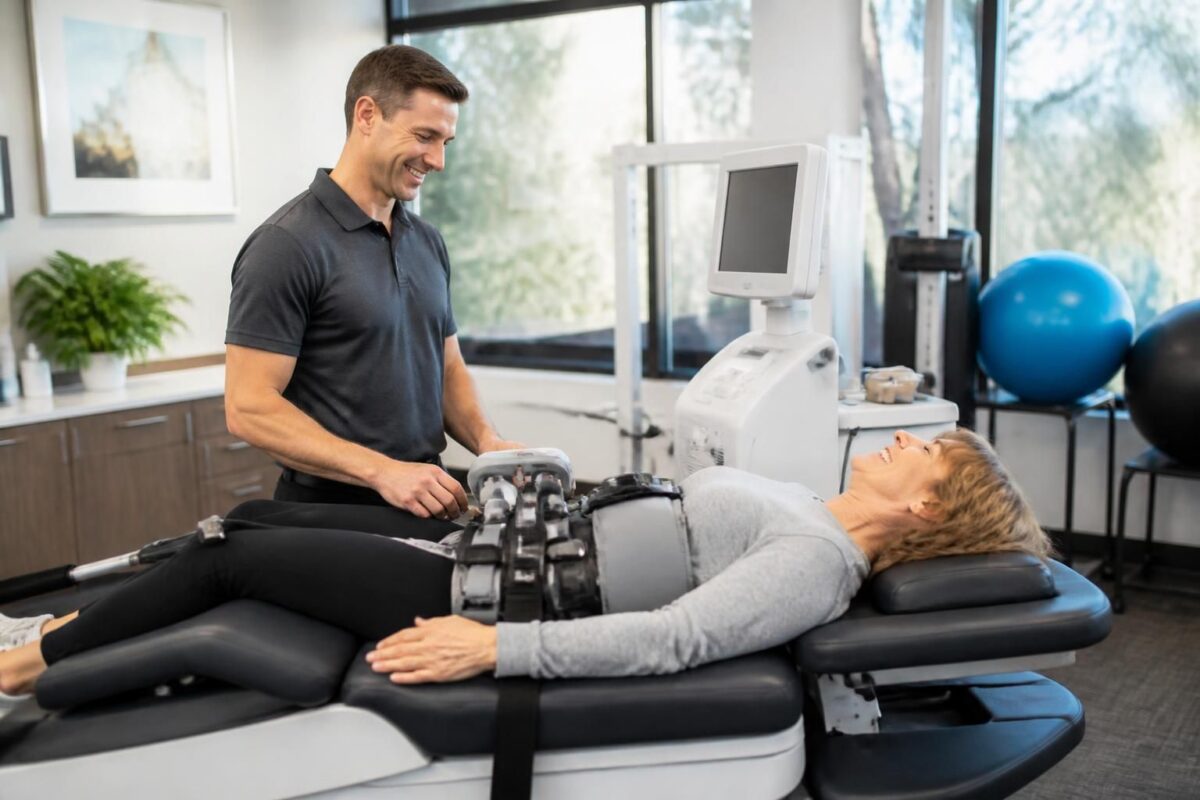
Neurovertebral decompression and diffuse pain: an appropriate solution
In short In short, the neurovertebral decompression is one Non-invasive solution For diffuse pain related to nerve irritation of the spine. She acts in Reducing pressure on intervertebral discs and nerves and improving the bloodstream, which promotes recovery and the…

Dr Sylvain Desforges, B.Sc., D.O., N.D., osteopath, is the founding president of TAGMED and of the ACMA association. He dedicates his practice to chronic spinal pain, low back pain and symptoms compatible with sciatica, particularly when pain radiates toward the buttock, leg, calf, foot or toes.
Through SOS Sciatique, he publishes educational content on sciatica symptoms, possible causes such as disc herniation, disc narrowing, foraminal stenosis or irritation of a lumbar nerve root, as well as non-surgical approaches that may be considered according to the evaluation. At Clinique TAGMED, care may include, depending on the case, motorized neurovertebral decompression, specific osteopathic care or precision percussion.
For an evaluation related to sciatica treatment in Montreal / Mount Royal or sciatica treatment in Terrebonne, please consult the services available at Clinique TAGMED.
Medical disclaimer
The information published on SOS Sciatique is provided for educational purposes only and does not replace a consultation, diagnosis, opinion or treatment provided by a physician or another authorized healthcare professional. The author of this article is neither a medical doctor nor a specialist in a medical specialty recognized by the Collège des médecins du Québec. The osteopathic, manual medicine or functional support approaches described on this site do not constitute medical acts and are not intended to replace medical follow-up.
Consult a physician or emergency service in cases of loss of bladder or bowel control, anesthesia in the saddle area, significant or progressive weakness in the leg or foot, fever, recent trauma, severe pain or rapid worsening of symptoms. For more details, please read our Legal Notice.