Advanced neurovertebral decompression protocols for acute pain
26/06/2026
Neurovertebral Decompression and Radiant Pain: Deep Relieve
26/06/2026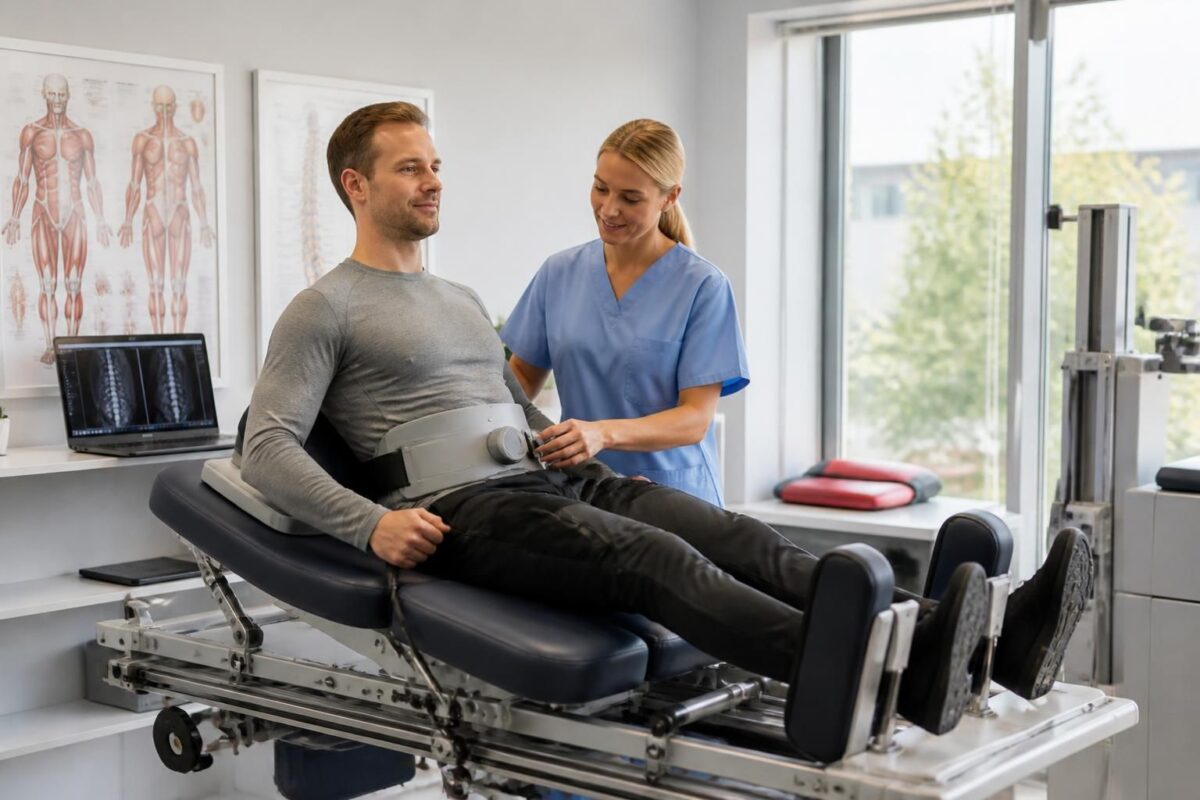
In short
| In short, the neurovertebral decompression is one Non-invasive method which can help Prevent surgical interventions By treating pain and limitations related to the back and neck early. By exercising a Controlled traction On the column, it creates a space between the vertebrae and reduces the pressure on the gristle and the Intervertebral discs, promoting recovery and mobility. The main advantages include pain reduction, LImproving mobility and the Disc rehydration, which may delay, or even avoid, surgery. available to Montreal, this service is particularly recommended to prevent complications and optimize post-surgical rehabilitation when necessary. |
The neurovertebral decompression is a method non-invasive which can help Prevent surgical interventions treating disc pathologies early. By applying controlled traction to reduce the pressure on the nerves and discs, it promotes Disk regeneration, improves the Circulation of nutrients and reduces pain, without surgery.
integrated into a Global rehabilitation program, it can allow delay or even avoid surgery While restoring mobility and the quality of life.
This article explains how the neurovertebral decompression May help prevent surgical procedures. By acting in a way non-invasive, it reduces pressure on nerves and discs, improves circulation and supports regeneration. It is part of an integrative approach to care and can be offered in specialized clinics such as Tagmed Clinic.
Principle and mechanism
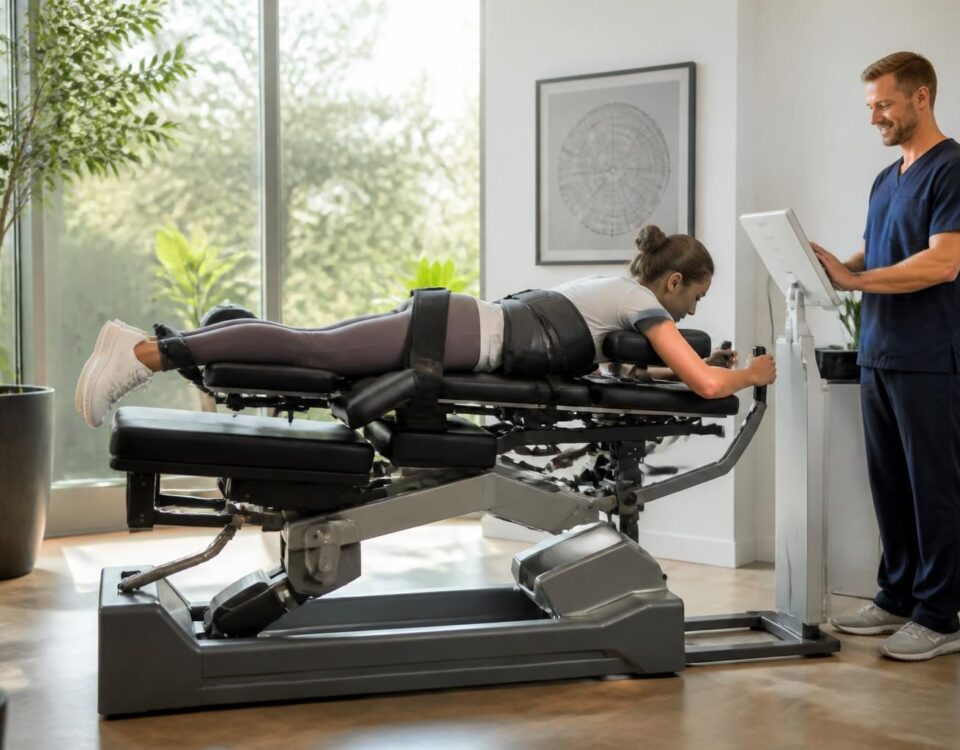
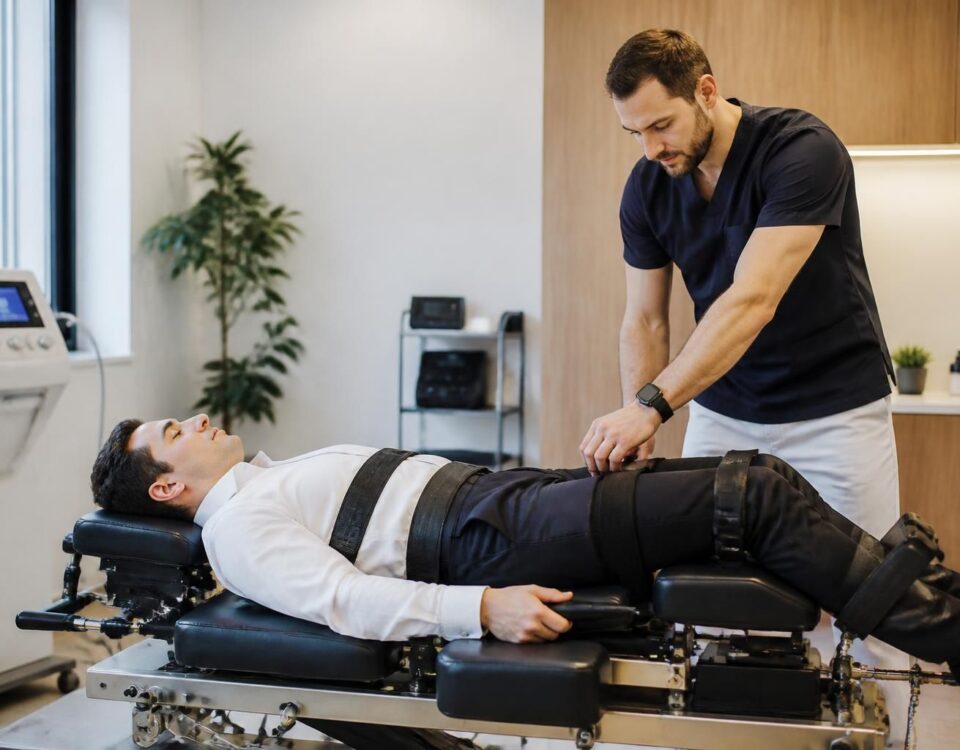
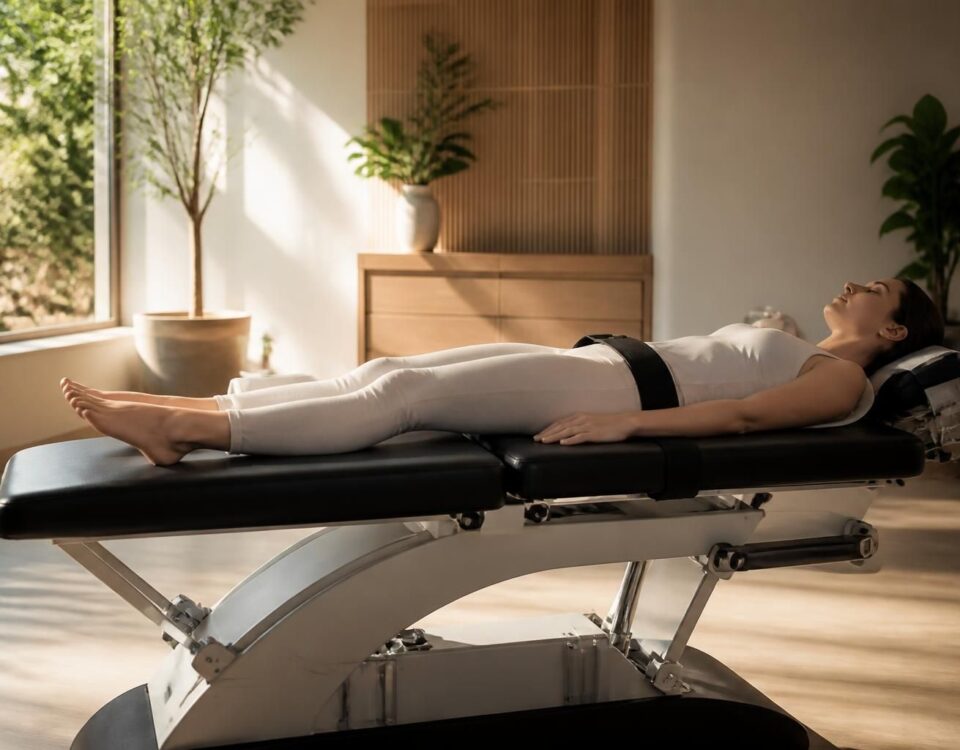
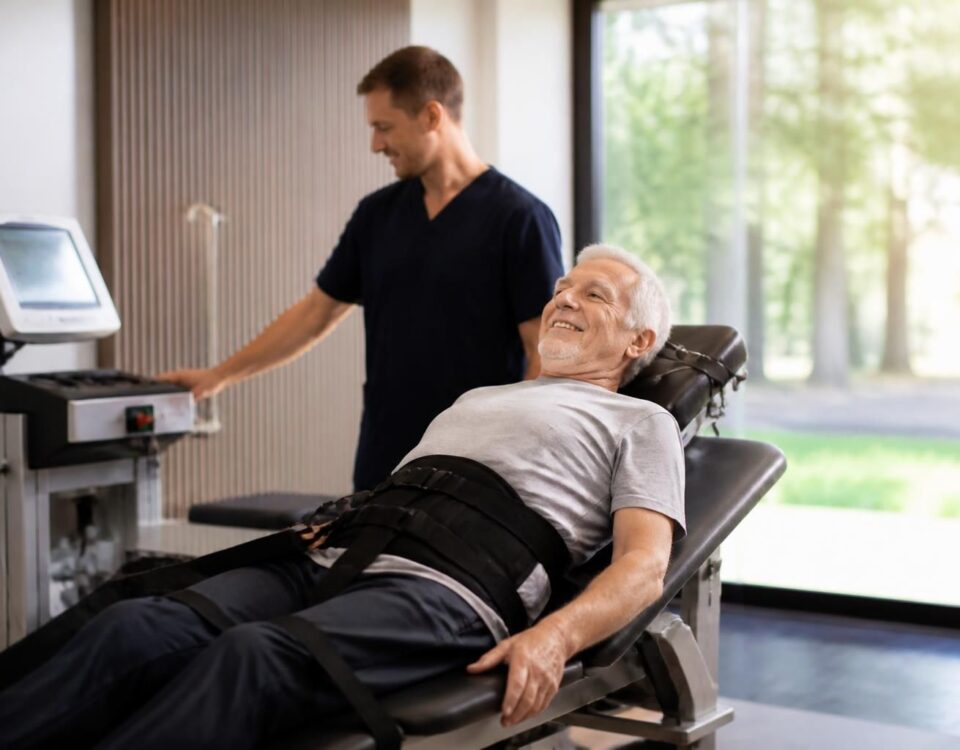
Neurovertebral decompression is based on controlled traction of the spine. This action creates a space between the vertebrae. this space decreases the pressure exerted on the gristle and the Intervertebral discs. This pressure reduction promotes the circulation of fluids and nutrients in neighboring tissues. It can thus contribute to stabilizing or improving the function of the spine without the need for surgery.
Direct clinical benefits
The effects observed include a pain reduction, a Improving mobility and a better fabric functioning around problematic areas. By limiting the mechanical stresses, the technique can limit the worsening of the conditions which, if not, could evolve towards a surgical solution.
Impact on intervention prevention
By working on the underlying mechanical causes, decompression can anticipate the onset of more serious symptoms. This often makes it possible to avoid surgery or delay its need. It acts as a preventive step, favoring rehabilitation Smooth and progressive rather than invasive procedures.
Integration into the care pathway
Neurovertebral decompression is part of a comprehensive care plan. It can be associated with other approaches and technologies to optimize results. In our practice, it is coordinated with non-invasive support protocols and complementary technologies to facilitate recovery and preserve mobility.
To learn more about mechanisms and benefits, see the following resources:
- Neurovertebral decompression and postoperative recovery
- Helps relieve sciatic pain
- Physical and psychological benefits
- Benefits to prevent spinal complications
- Long-term back benefits
- Typical Session Operation
Conditions and indications
Decompression can be considered when the symptoms come from mechanical elements of the column. It does not replace a complete medical assessment and should not be applied without professional follow-up. This approach is proposed as part of a diagnosis and treatment plan adapted to each patient.
Clinical integration
In our establishments, neurovertebral decompression is offered as a non-invasive option and is integrated into a set of care aimed at preserving mobility and improving quality of life. For patients wishing to obtain information on the available solutions, it is possible to inquire directly via the resources associated with Tagmed Clinic.
Medical Disclaimer: The information and advice provided on this site does not replace the health professional’s diagnosis or treatment. Please note that Dr. Sylvain Desforges osteopath is neither a doctor of medicine nor a doctor, and is not a specialist in a medical specialty as defined by the Collège des Médecins du Québec. Manual medicine, functional medicine and sports medicine as described on this site exclude any medical treatment or diagnosis made by a doctor or specialist doctor. Always consult your doctor for any medical questions. For more details, please read our full legal notice.
Remark : In articles dealing with neurovertebral decompression and associated conditions, we avoid recommending specific exercises or stretching. The information below remains for informational purposes and does not replace a personalized medical consultation.
- surgical prevention : Reduces the factors leading to an intervention (pain, loss of mobility).
- Reduced nerve pressure : Controlled traction creates an intervertebral space and reduces nerve irritation.
- Hydration and nutrition of discs : Improves nutrient distribution and disc flexibility.
- Decreased preoperative inflammation : Relieves tissues and facilitates treatment decisions.
- maintenance of mobility : Preserves amplitude and prepares the ground for effective rehabilitation.
- Stability and alignment : Supports the column and reduces the risk of aggravation requiring surgery.
- Disc Integrity Preservation : Slows down degeneration and bulges.
- Maintaining the daily active : Less pain keeps you operational and functional.
- Integration into the prevention plan : agrees with other conservative and followed therapies.
- Cost and time savings : Reduced needs for long-term invasive interventions.

This recommendation explains how the neurovertebral decompression May prevent or delay surgical procedures by treating the underlying causes of pain and loss of mobility in the spine. It details the mechanism, the clinical benefits, the integration into the preoperative course and the criteria for success.
Key roles in the prevention of surgical interventions
The neurovertebral decompression Acts as a preventive approach by reducing factors that often lead to surgery, including chronic pain, muscle hyperactivity and movement limitation. By relieving the pressure exerted on the nerves and discs, it can allow a Sustainable improvement in mobility and a decrease in symptoms that would otherwise be considered as indicators of surgery.
It also contributes to slowing down or preventing the evolution of certain degenerative pathologies by maintaining a better Fluid circulation and favoring theDisc hydration, which supports the resistance and elasticity of the spine.
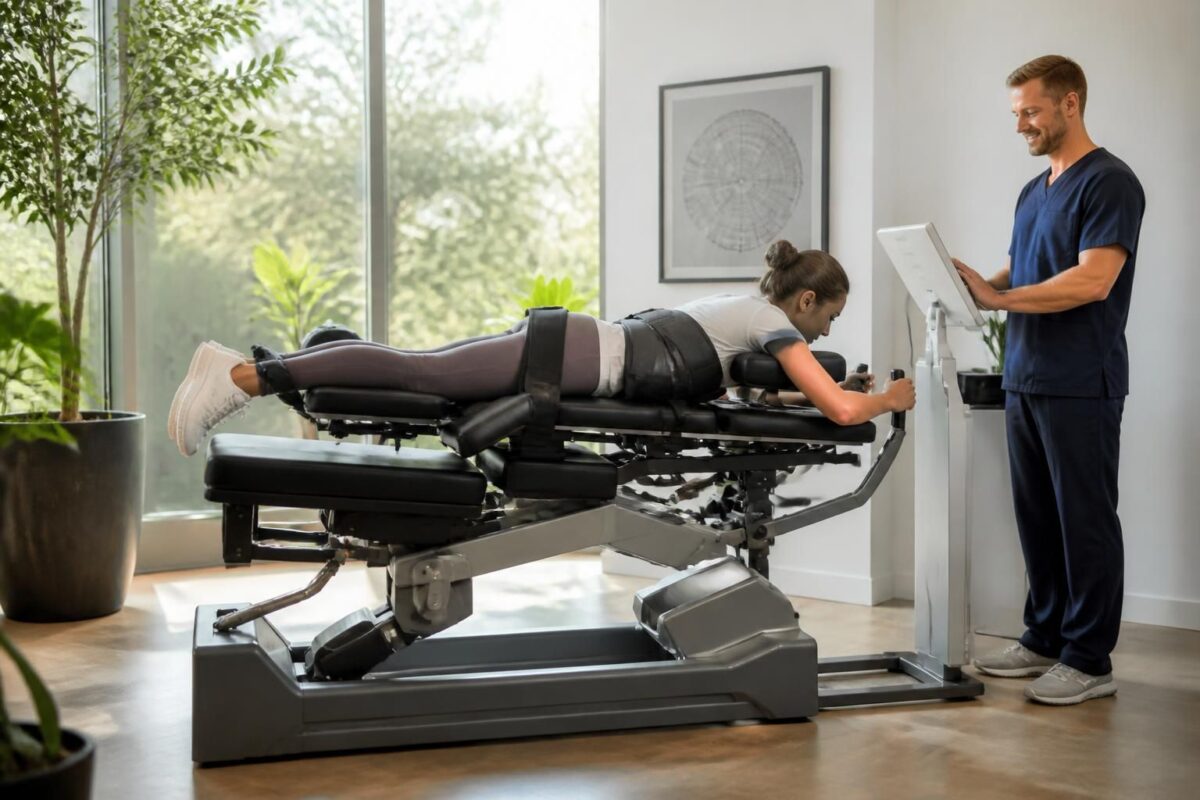
The long-term benefits of neurovertebral decompression for spinal health
In short In short, the neurovertebral decompression is a non-invasive approach that decreases the Pressure on intervertebral discs and nerves, favoring the Natural regeneration and tissue recovery. Its long-term benefits include Lasting pain reduction, Improving mobility and from the posture,…

Neurovertebral decompression and mobility: a return to an active life
In short In short, the neurovertebral decompression is therapy non-invasive who uses a gentle traction To create a space between the vertebrae and reduce the pressure on the Intervertebral discs and the nerves. It promotes a bloodstream improved, lowers tension…
Mechanism of action and expected results
Mechanism of action
The principle is based on a Controlled traction applied to the spine, which creates a space between the vertebrae and decreases the pressure on nerves and discs. This non-invasive approach improves the bloodstream and the distribution of nutrients to damaged tissues, promoting their recovery and hydration.
Expected results
Patients can observe a pain reduction and an Improving mobility After a few sessions, which can transform the management plan and avoid immediate surgery. In the longer term, regular decompression can contribute to the Prevention of future painful events and to a Better functional stability.
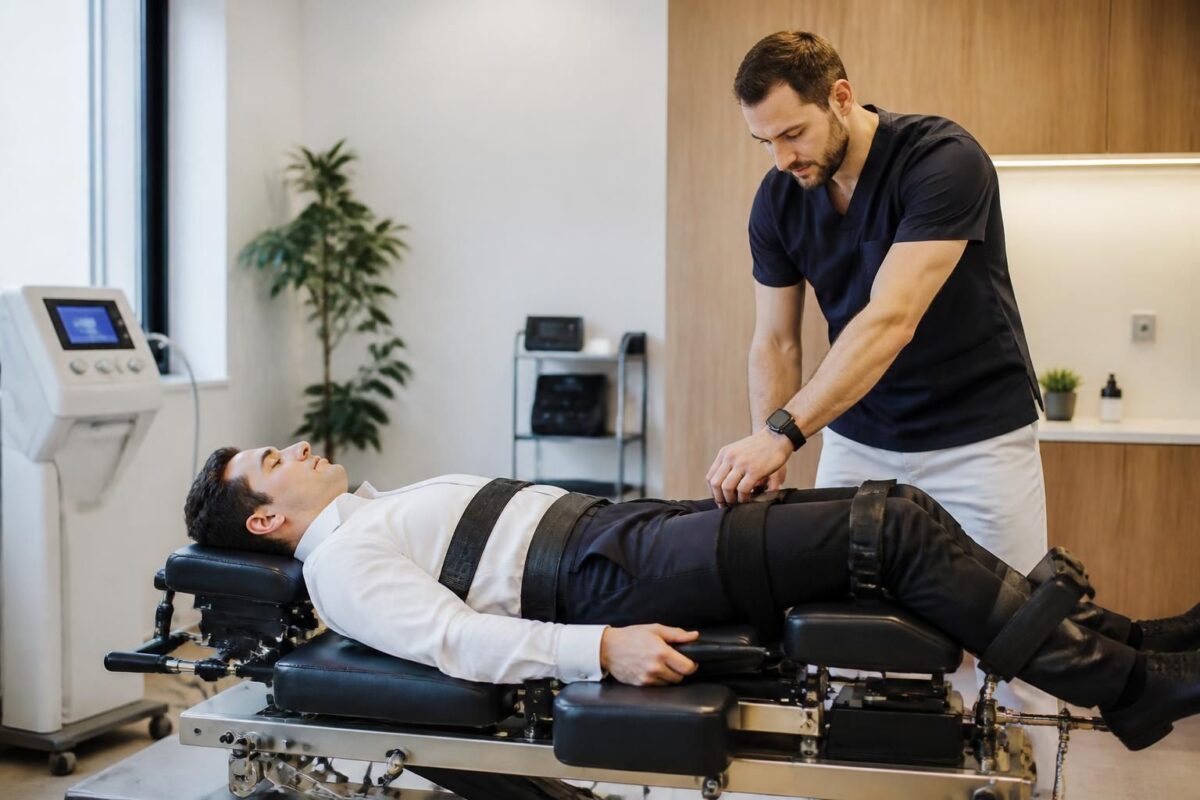
How Neurovertebral Decompression Prevents Diffuse Chronic Pain
In short decompression neurovertebral is one Non-invasive method aimed at reducing the Pressure on the intervertebral discs and the nerves, in order to prevent Diffuse chronic pain. It improves the circulation and thedisc hydration, decreases inflammation and promotes better mobility.…
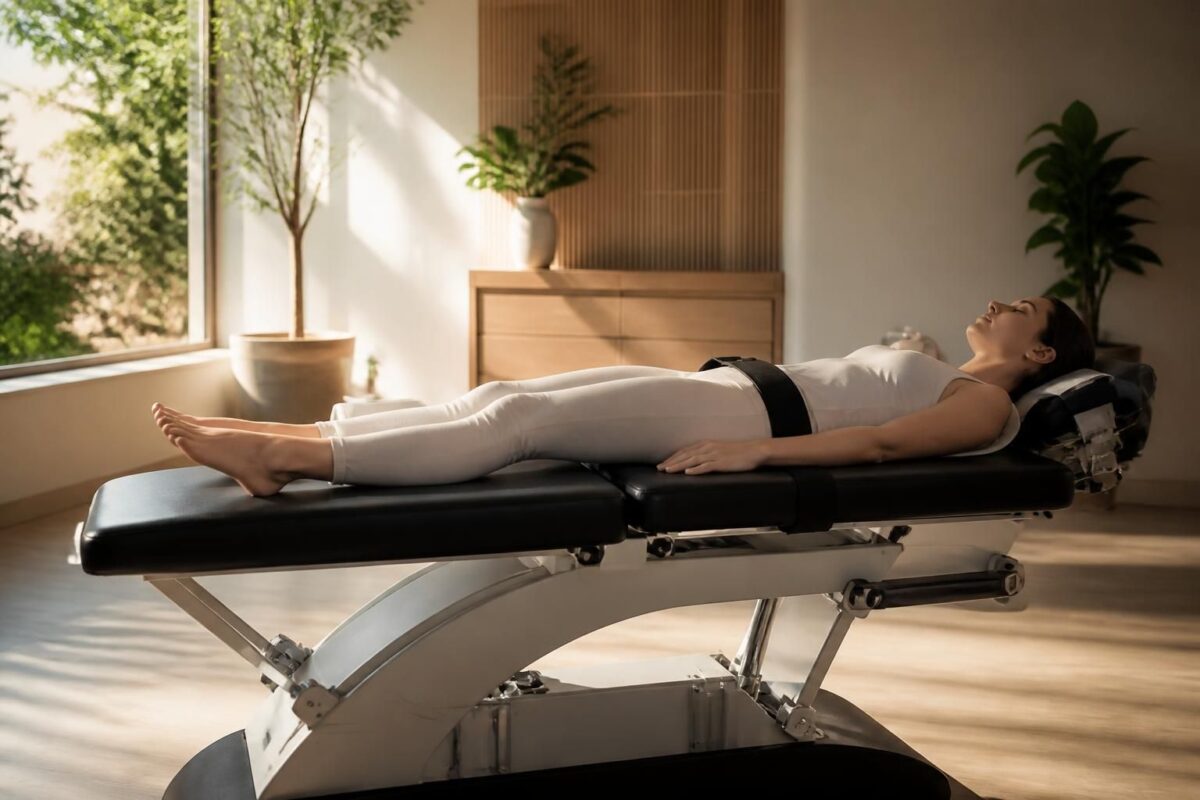
Neurovertebral Decompression and Body Alignment: Restoring Natural Balance
In short In short, neurovertebral decompression is one Non-invasive approach who restores theBody Alignment and thenatural balance back and neck. She acts by a Controlled traction of the spine to widen the intervertebral space and reduce the Pressure on discs…
Integration into the preoperative course
The preoperative approach is to assess the indications and determine whether decompression can change the prognosis of a potential surgery. It is ideally integrated into a multidisciplinary plan including targeted exercises, manual techniques and complementary therapies, in order to optimize the Functional preparation and reduce operative risks.
Case assessment and selection
A Full assessment is essential to identify the signs that would benefit most from decompression. Compatible diagnoses include pain related to bulging or degenerate discs, radiculopathies and some forms of stenosis without immediate surgical indication.
Preoperative treatment plan
The plan should aim at a Reduction of symptoms and an Functional improvement by an adapted combination of decompression sessions, postural advice and exercises. Regular monitoring allows to adjust the intensity and duration of treatment according to the evolution of the symptoms and the results obtained.
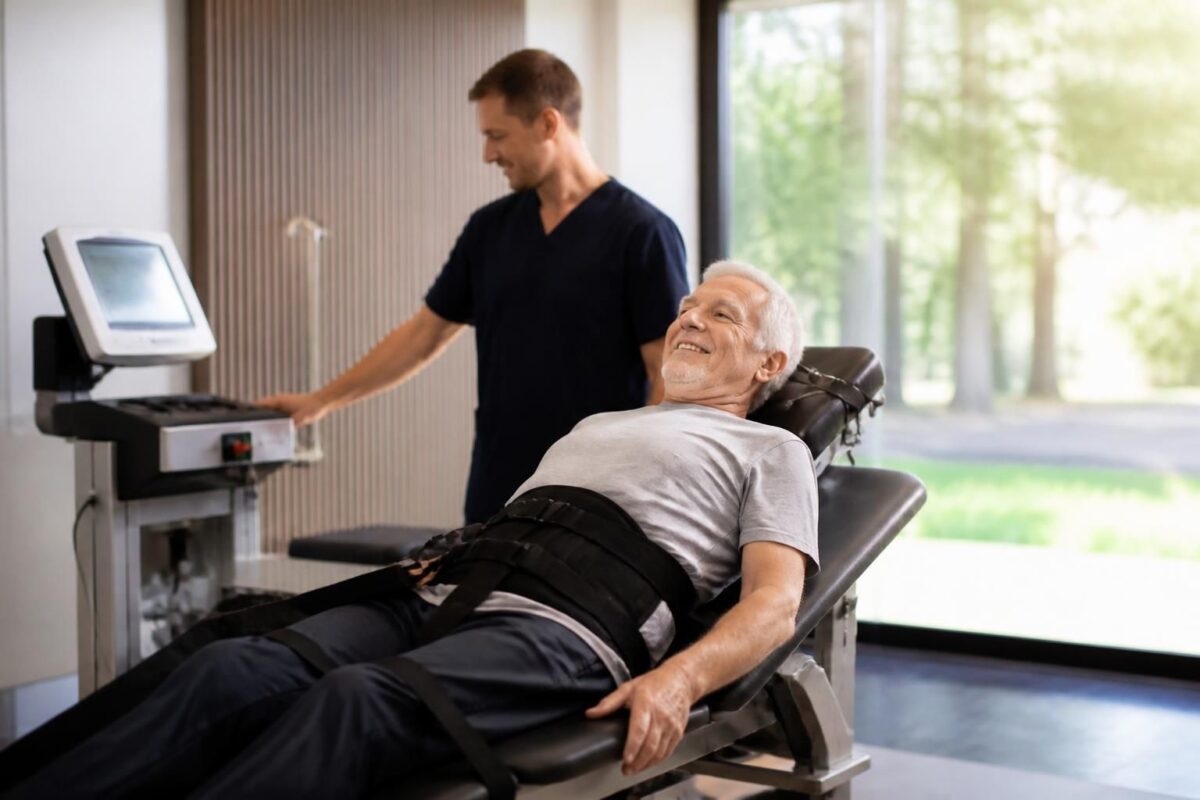
Why neurovertebral decompression is a lasting solution for active seniors
In short In short, the neurovertebral decompression is one Non-invasive therapy which sustainably relieves spinal pain in the spine active seniors By creating, by a Soft and controlled traction, a space between the vertebrae. At Montreal, it is recognized as…
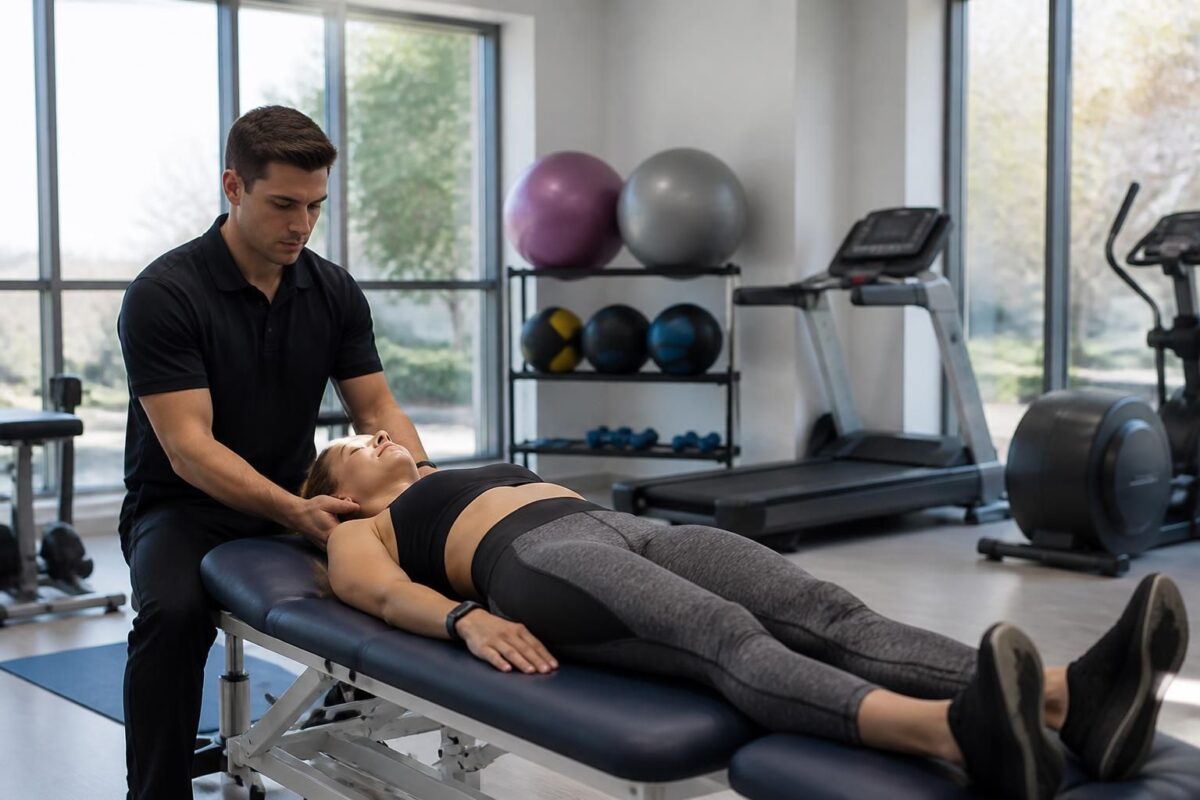
Neurovertebral decompression and recovery after severe sports injury
In short In short, the neurovertebral decompression is one Non-invasive method to Relieve the pressure on the Intervertebral discs and the gristle Via a Controlled traction, to facilitate the recovery After a severe sports injury. It improves the bloodstream towards…
Security, tracking and success indicators
Safety is paramount: each patient benefits from a screening and one Follow-up plan personalized. Success indicators include lasting pain reduction, improved range of motion, and reduced functional limitations that otherwise could lead to surgery.
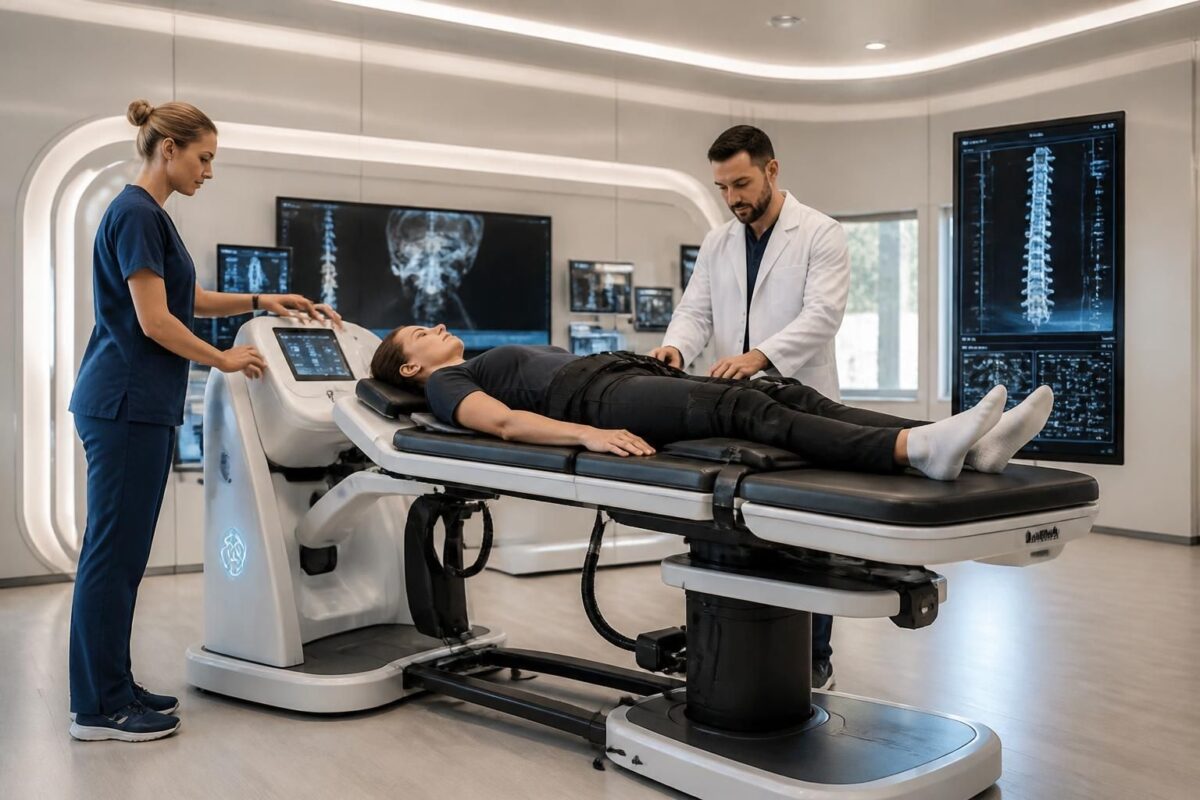
Recent innovations in neurovertebral decompression technologies
In short In short, the neurovertebral decompression is an approach non-invasive Aiming to reduce pressure on discs and nerves, and promote tissue regeneration. At Montreal, it is positioned as an effective option for lower back pain and herniated discs. The…
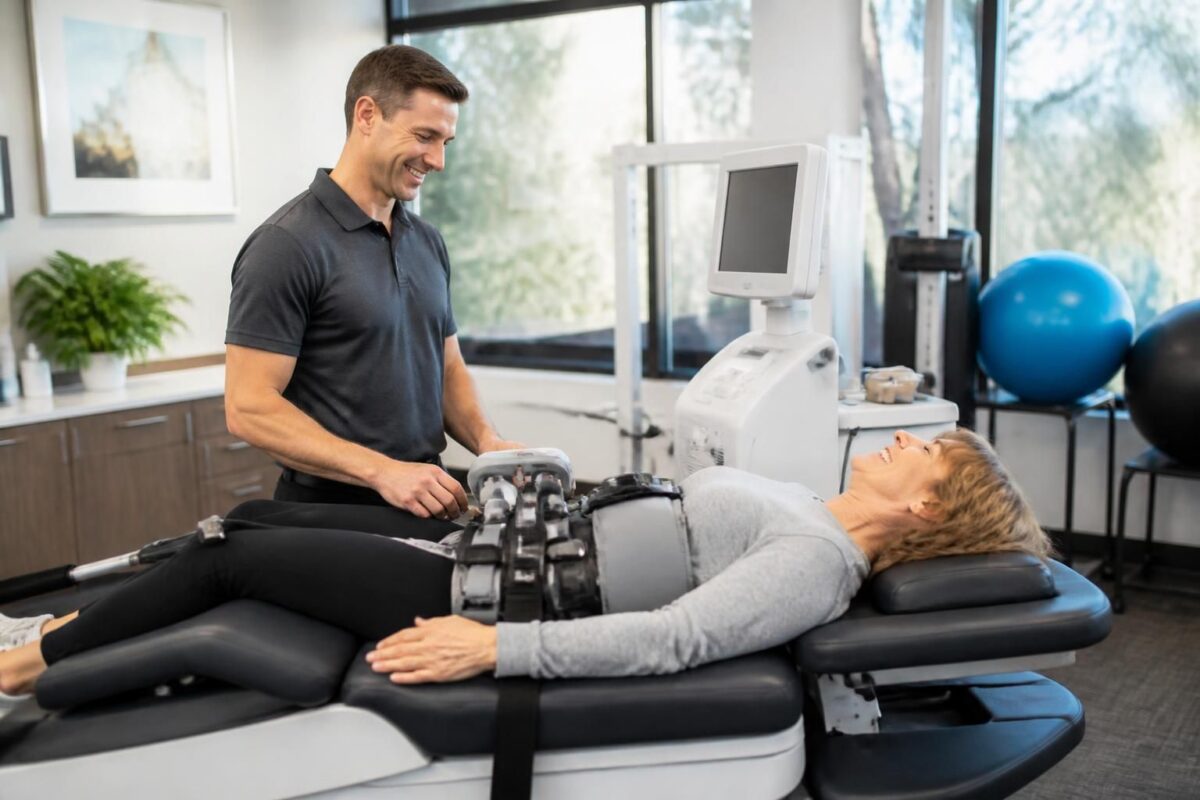
Neurovertebral decompression and diffuse pain: an appropriate solution
In short In short, the neurovertebral decompression is one Non-invasive solution For diffuse pain related to nerve irritation of the spine. She acts in Reducing pressure on intervertebral discs and nerves and improving the bloodstream, which promotes recovery and the…
When to favor this preventive approach
This strategy is particularly relevant when pain and functional limitations reflect disc lesions or radicular manifestations that are not yet strictly indicative of surgery, or when the patient wishes to delay an intervention while regaining quality of life and physical activity. In these cases, decompression can be an efficient and less invasive alternative to optimize the path to a possible surgery or to avoid it.
Typical cases and scenarios
Patients with herniated discs, disc bulges or mild to moderate stenosis without major neurological deficit may benefit from preventive treatment. The objective is to stabilize the condition and improve functionality in order to delay, when possible, surgery.
| Axis | Concise impact |
|---|---|
| Pressure on nerves and discs | The Controlled traction creates a space between the vertebrae and Reduces pressure on the gristle and the records, decreasing the risk of aggravation requiring surgery. |
| Hydration and disc regeneration | Improve thehydration discs and promotes their regeneration, supporting the durability column and mobility, avoiding intervention. |
| Mobility and activity | Gradually restores the mobility, limiting the stiffness and the limitations that could lead to surgery. |
| Inflammation and pain | decreases linflammation and the aches local, reducing pre- and postop factors that lead to surgery. |
| Prevention of complications | reduces the risk of complications related to wear and Chronic pain likely to lead to an intervention. |
| Therapeutic integration | integrates with a Global plan including re-education and Other care To prevent surgical scaling. |
| Detection and eligibility | prior assessment makes it possible to adapt the treatment and delay even dto avoid an intervention. |
| Accessibility | Option non-invasive, fast and accessible in specialized clinics. |
| Long-term results | lasting improvement pain and function, helping to avoid surgery. |
Testimonials: How Neurovertebral Decompression Helps Prevent Surgery
Marie, 49, suffered from low back pain linked to a herniated disc. After exploring non-invasive options, she started neurovertebral decompression. In a few weeks, she found a pain reduction and an Improving mobility, which allowed him to avoid surgery and gradually resume his daily activities.
Jean, 56, had severe cervical pain with diffuse irradiation. Thanks to a series of targeted sessions, he observed a pain reduction and an Gradual return to function, which delayed, then avoided, the surgery initially envisaged and made him confident in his daily life.
Sophie, 62, suffered from cervical osteoarthritis and movement limitations. With the use of neurovertebral decompression as part of an integrated treatment plan, she found a Improved mobility and an Reduction of inflammation, allowing him to stop the discussions around surgery and to favor non-invasive rehabilitation.
Antoine, 44, an amateur athlete, had a disc protrusion that threatened his sports career. After favoring neurovertebral decompression, he was able to Reduce the pain and recover essential ranges of motion for his training, thus avoiding surgery that would have interrupted his training program and his progression.
Claire, 38, lived with recurrent lower back pain and inflammatory episodes. his doctor offered him a combined approach and non-invasive centered on decompression. She observed a Prevention of painful flare-ups and an Preservation of spinal stability, which convinced her to avoid surgery and to pursue appropriate rehabilitation.
Luc, 70, was suffering from a progressive foraminal stenosis that could require surgery. After adoption of neurovertebral decompression, he noted a Reduced nerve pressure and an Better quality of life, allowing him to maintain his favorite activities and to delay or avoid the proposed operation.
Neurovertebral decompression as a lever for preventing surgery
As part of an approach preventive and innovative, neurovertebral decompression is presented as a non-invasive option capable of avoiding certain surgical interventions when pain and mobility disorders linked to disc pathologies remain manageable by manual therapies associated with advanced technologies. What distinguishes it is its ability to act upstream of the indications for surgery by gradually reducing the nerve and the disc to a situation of physiological tolerance. By favoring a controlled traction adapted to each patient, this technique aims to restore a mechanical and circulatory balance that directly influences the long-term prognosis.
The mechanism of action is based on the creation of a space between the vertebrae and the reduction in the pressure exerted on the spinal nerves and the intervertebral discs. This promotes the Tissue regeneration and the Disc rehydration, two determining elements for spinal stability. At the same time, improving the bloodstream and the supply of essential nutrients support repair of damaged tissue and reduce mechanical pain. This dynamic can correct postural imbalances and limit the inflammatory processes that fuel chronic pain, contributing to a smoother recovery without immediate surgical recourse.
For patients whose symptoms threaten to progress to surgery, decompression may be inserted into a global treatment plan function preservation and the Prevention of complications. It is often associated with other non-invasive modalities — such as laser, shockwave therapies or targeted rehabilitation portions — to strengthen outcomes and extend periods without surgery. This multidisciplinary approach makes it possible to address specific risk factors, in particular the bulges, foraminal stenosis or cervical and lumbar pain which, without improvement, could progressively lead to surgery.
At the heart of this approach is a personalized assessment that takes into account the patient’s clinical history, imaging and functional objectives. By identifying the most problematic levels and gradually adjusting the traction parameters, the practitioner maximizes the chances of delaying and, in some cases, avoiding surgery. Patients often testify to Improving mobility and a Lasting pain reduction, which allows daily activities to resume with less pain and less physical limiters.
This method, integrated into a global vision of musculoskeletal care, emphasizes thePatient empowerment and proactive prevention rather than on ad hoc solutions. Considered as a gateway to sustainable rehabilitation, it offers a credible and safe alternative for those who wish to optimize their spine health and limit the risks associated with future surgery..
This text presents how the neurovertebral decompression Acts upstream for Prevent surgical interventions, correcting mechanical imbalances, reducing nerve pressure and improving disc function. It exposes non-invasive mechanisms, clinical benefits and ways to integrate this approach into a health course focused on prevention and quality of life. You will find out why this method can often avoid heavy surgery and promote more natural rehabilitation.
The Prevention of surgical procedures is based on a proactive intervention that aims to reduce risk factors at the spinal level. The neurovertebral decompression, applied in a way Controlled and non-invasive, allows Create a space between the vertebrae, improve fluid circulation and promote Rehydration and Disk Regeneration. This approach can thus reduce the pressure exerted on the nerve roots, relieve pain and improve mobility, helping to prevent the appearance of symptoms that could lead to surgery.
From a prevention perspective, the integration of decompression into a Multidisciplinary plan is essential. protocols custom Allows you to accurately assess the areas to be treated and adapt the sessions according to the patient’s profile, in order to obtain lasting results without the need for surgery. To learn more about these personalized approaches, check out specialized resources like Our personalized protocols.
Typical indications for a preventive approach include pathologies that are slowly evolving or presenting risks of progression to a degradation requiring surgery, such as herniated discs, the Disc bulges or the first signs of Spinal stenosis. By acting early, we can preserve the mobility And limit the painful episodes, which considerably reduces the use of the operation. To understand how these mechanisms translate in real cases, refer to the analyzes and testimonies on post-operative prevention and recovery such as this article.
Beyond the direct impact on symptoms, decompression prevents complications associated with possible surgery, such as prolonged inflammation and functional limitations. By promoting better circulation and a reduction in muscle tension, it supports posture and stability, key factors in the reduction of surgical risk. To explore how this approach fits into post-surgery prevention and support pathways, you can view the available resources at tagmed and neurovertebral decompression.
Finally, the effectiveness of decompression as a preventive tool is based on early evaluation and appropriate monitoring. By associating this technique with other non-invasive modalities such as targeted rehabilitation and posture advice, one maximizes the chances of preventing surgery while improving the quality of life durably. For an overview of practical integration and long-term benefits, you can consult resources like This detailed guide and analyzes relating to the prevention of pain and post-surgery disputes.
To deepen the practical aspects and protocols adapted to your needs, do not hesitate to explore the following resources that illustrate how decompression can support the prevention and optimization of posture and mobility after heavy surgeries: Decompression and prevention of neuropathic pain, Natural pain management, Post-surgical pain.

Dr Sylvain Desforges, B.Sc., D.O., N.D., osteopath, is the founding president of TAGMED and of the ACMA association. He dedicates his practice to chronic spinal pain, low back pain and symptoms compatible with sciatica, particularly when pain radiates toward the buttock, leg, calf, foot or toes.
Through SOS Sciatique, he publishes educational content on sciatica symptoms, possible causes such as disc herniation, disc narrowing, foraminal stenosis or irritation of a lumbar nerve root, as well as non-surgical approaches that may be considered according to the evaluation. At Clinique TAGMED, care may include, depending on the case, motorized neurovertebral decompression, specific osteopathic care or precision percussion.
For an evaluation related to sciatica treatment in Montreal / Mount Royal or sciatica treatment in Terrebonne, please consult the services available at Clinique TAGMED.
Medical disclaimer
The information published on SOS Sciatique is provided for educational purposes only and does not replace a consultation, diagnosis, opinion or treatment provided by a physician or another authorized healthcare professional. The author of this article is neither a medical doctor nor a specialist in a medical specialty recognized by the Collège des médecins du Québec. The osteopathic, manual medicine or functional support approaches described on this site do not constitute medical acts and are not intended to replace medical follow-up.
Consult a physician or emergency service in cases of loss of bladder or bowel control, anesthesia in the saddle area, significant or progressive weakness in the leg or foot, fever, recent trauma, severe pain or rapid worsening of symptoms. For more details, please read our Legal Notice.