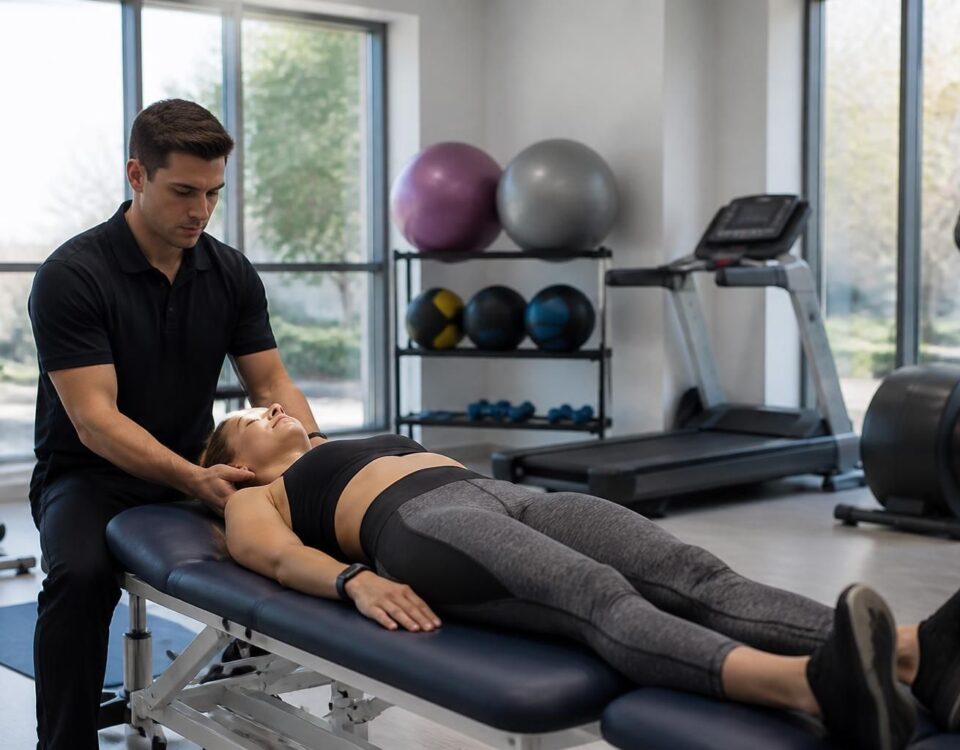
Why neurovertebral decompression is recommended for athletes
26/06/2026
Neurovertebral decompression and blood circulation: an unexpected benefit
26/06/2026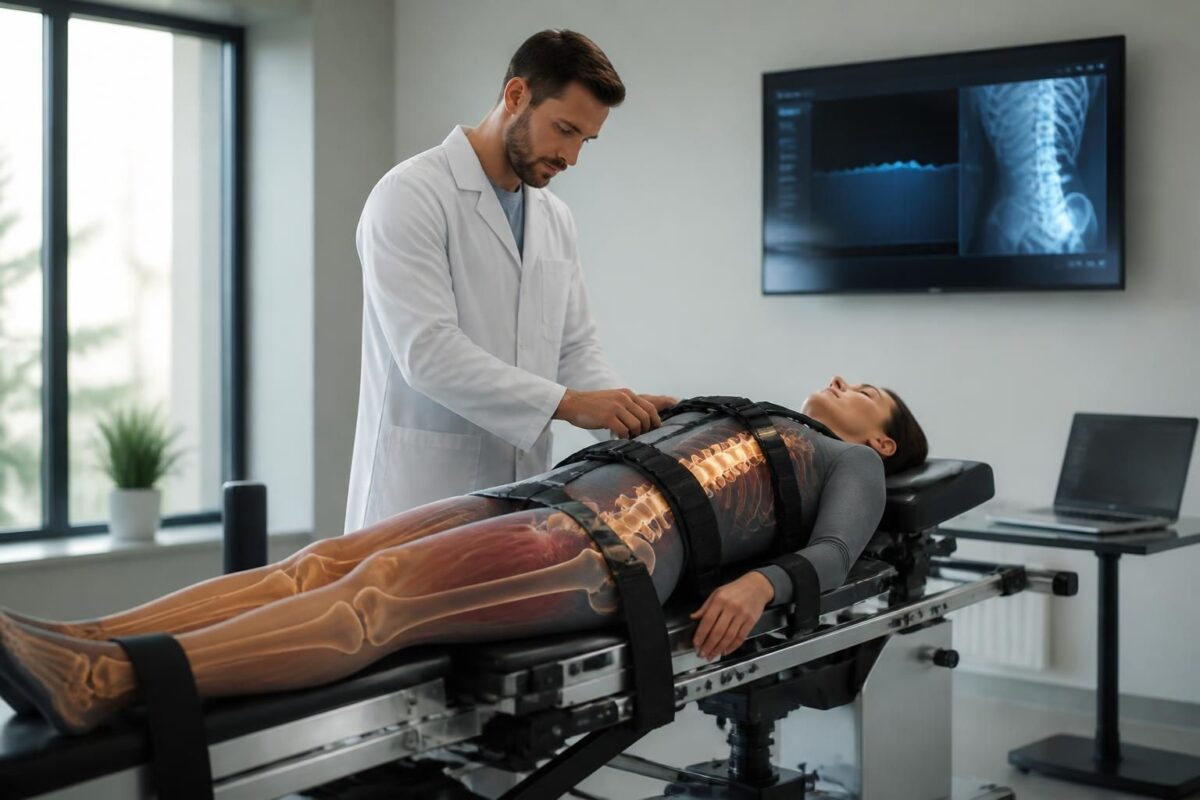
In short
| In short, the Custom protocols in neurovertebral decompression constitute an approach non-invasive which targets Optimal results For spinal pain. In Montreal, this service is accessible and recommended for people with mobility difficulties. The principle is based on a Personalized evaluation and one Individualized treatment plan associate Controlled traction and modern technologies, such as computerized tables. This approach benefits from a Synergy with physiotherapy and osteopathy, of one Regular follow-up and post-treatment exercises to sustainably improve mobility and quality of life, while remaining non-pharmacological. |
Custom protocols in neurovertebral decompression are designed to optimize results by adapting each parameter to the Single Profile of each patient. A In-depth initial assessment Guide LAdaptation of traction, from the duration and therapeutic goals. using Advanced technologies such as the Computerized decompression tables for a Soft and controlled traction, these protocols aim to reduce pressure on the intervertebral discs. lMultidisciplinary integration (Physiotherapy and osteopathy) Increases efficiency and supports global rehabilitation. One Regular follow-up, of Post-treatment exercises and an adapted education Help maintain benefits and prevent recurrences. The result is a Sustainable relief pain, a Improved mobility and a better quality of life.
This article introduces custom protocols in neurovertebral decompression as a key lever to achieve optimal results. It explains how precise assessment, use of modern technologies and a multidisciplinary approach align to sustainably relieve spine-related pain and improve mobility, without resorting to invasive gestures. The objective is to offer a clear and effective procedure adapted to each patient, while insisting on follow-up and education to prevent recurrences.
Personalized evaluation and tailor-made plan. Before any treatment, a comprehensive assessment helps identify the specific needs of the patient. This step focuses on medical history, symptoms and imaging results when available. The decompression plan is adjusted according to these elements to aim for quick and lasting relief. To deepen, discover a comprehensive approach through dedicated resources such as Neurovertebral decompression and joint mobility.
Controlled traction and modern technologies
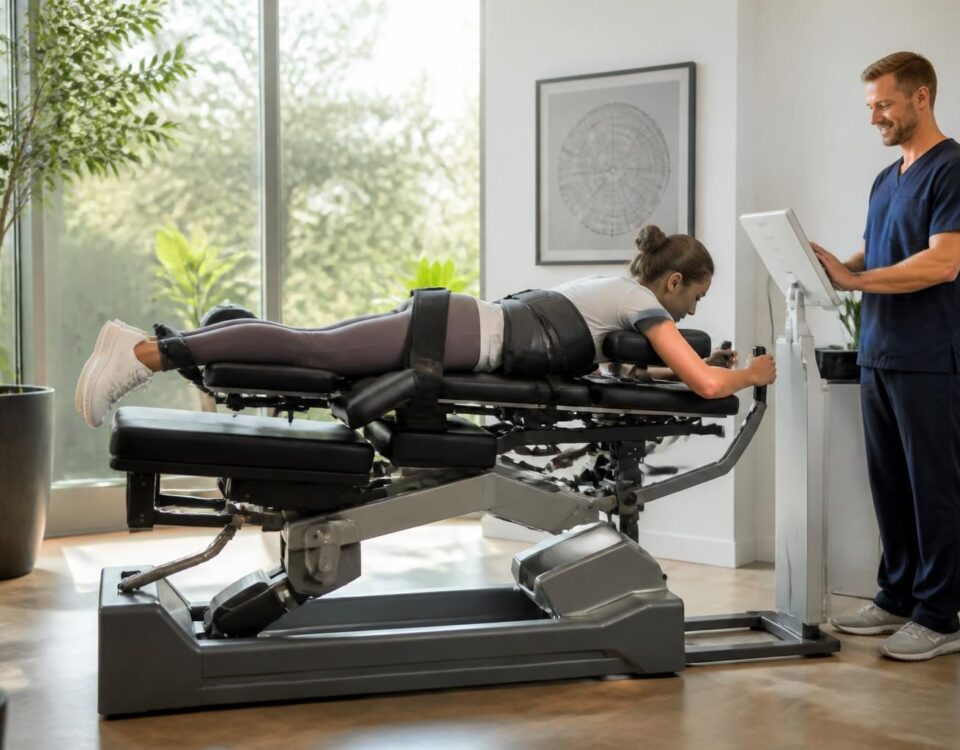
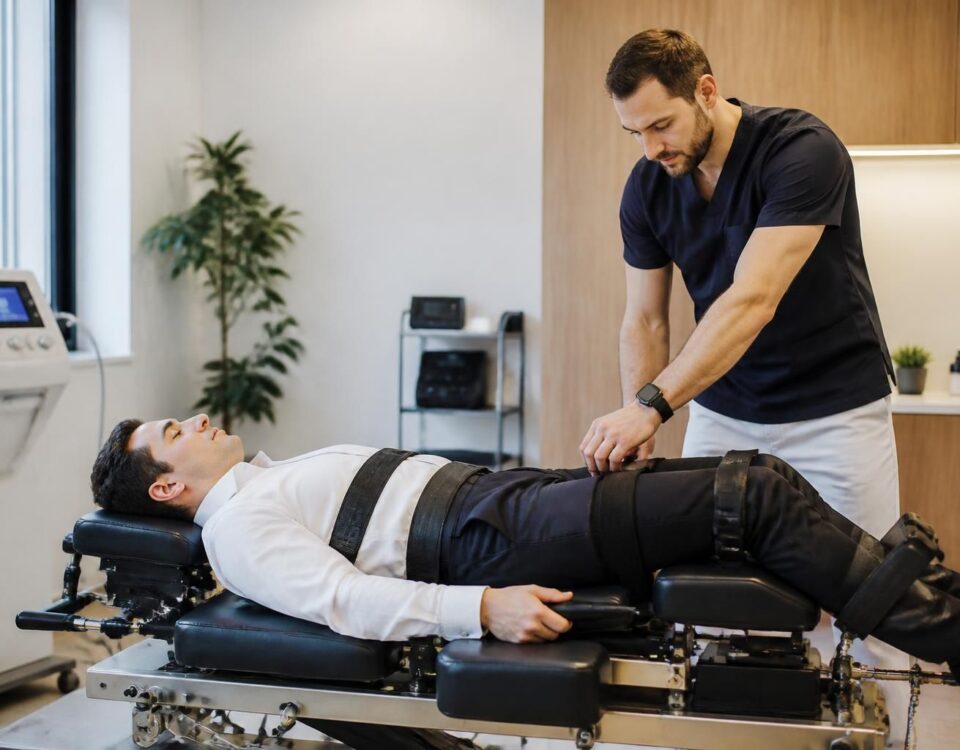
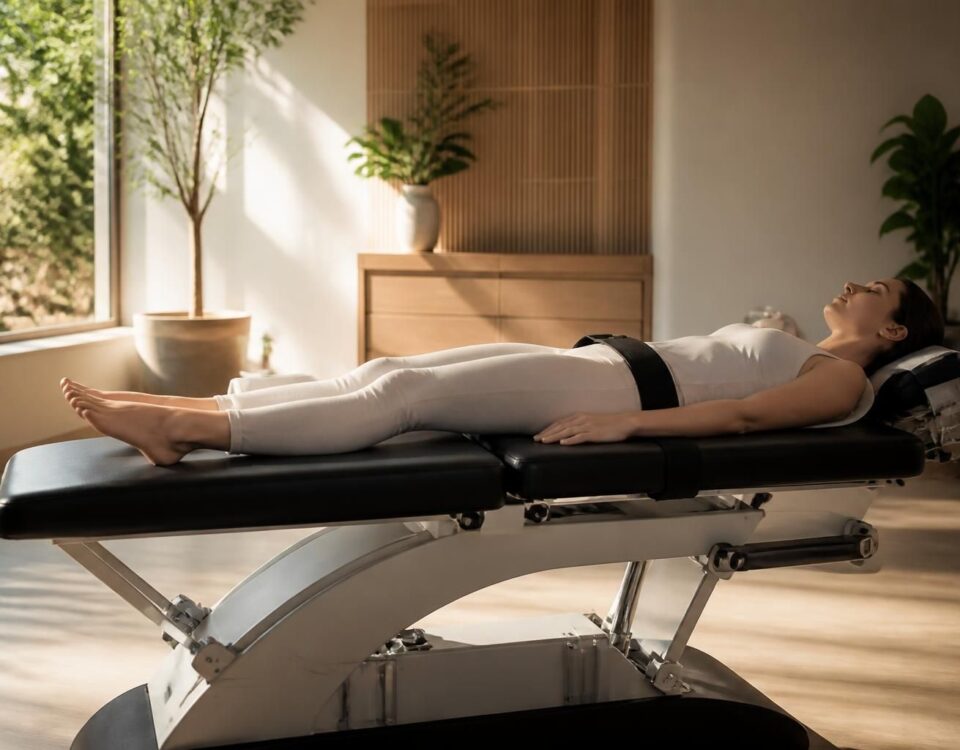
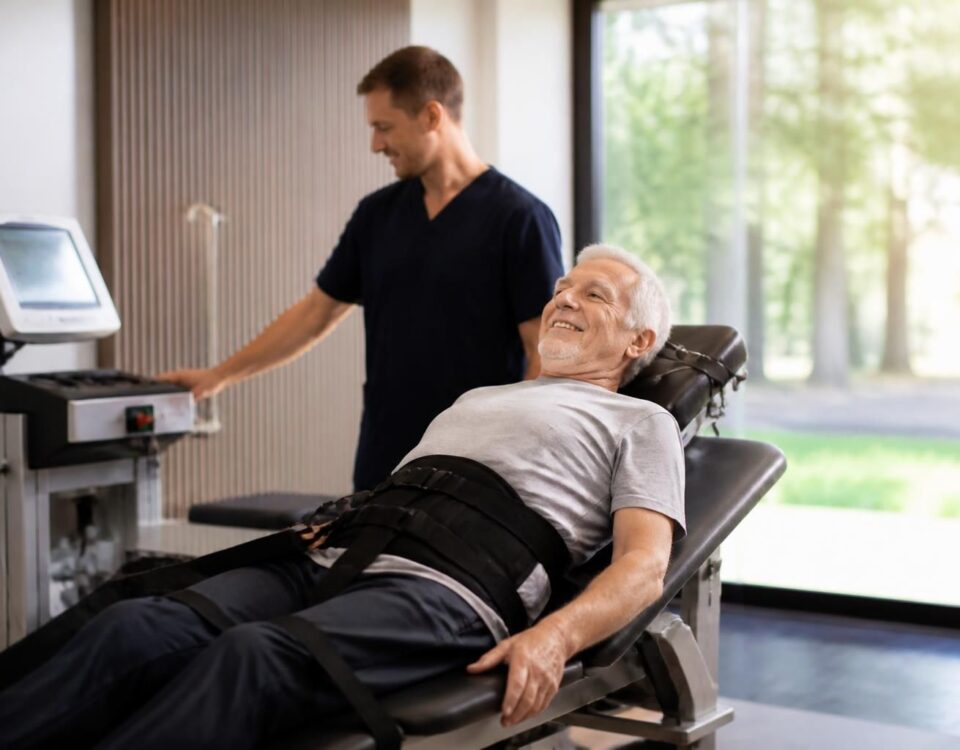
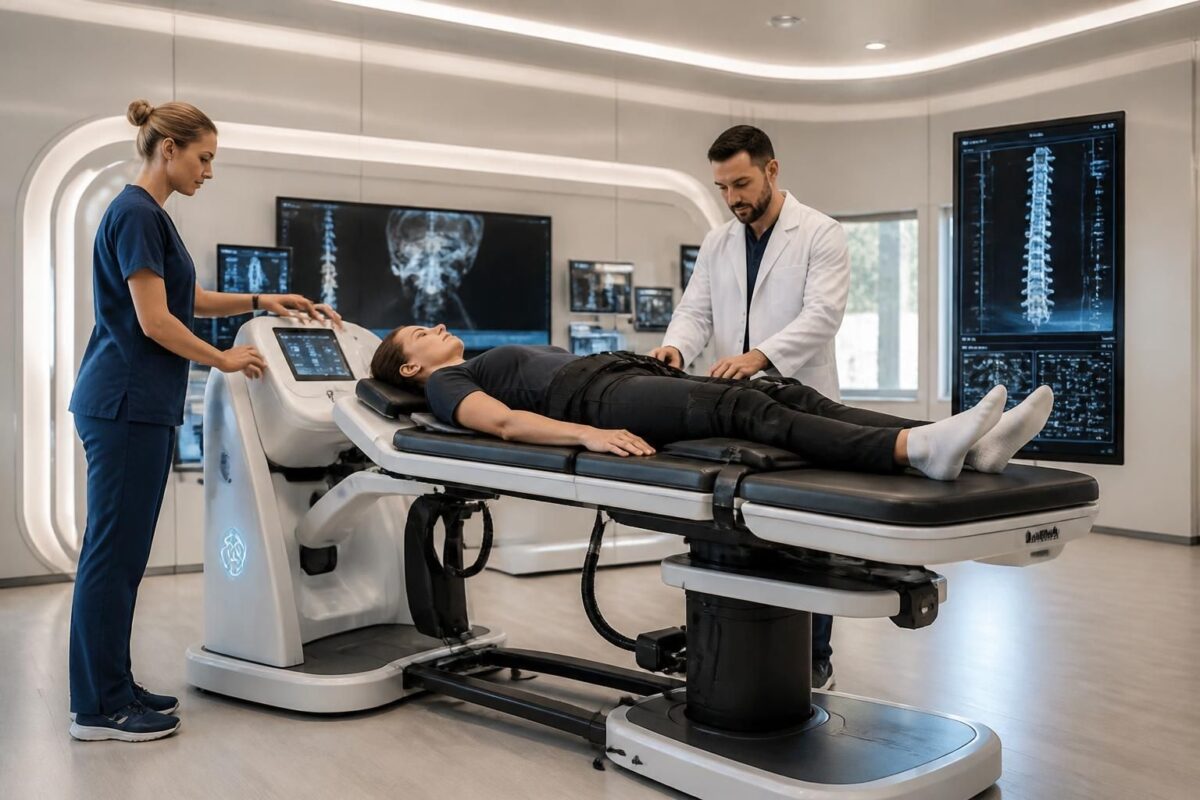
Modern protocols are based on smooth and controlled traction, applied by computerized devices. This traction aims to reduce the pressure on the intervertebral discs and to promote tissue circulation. The use of computerized tables and systems ensures precise and personalized support. To learn more about advanced techniques, see the following resources: Advanced decompression techniques and Current protocols. These tools facilitate effective treatment without surgery and fit into a holistic back approach.
Multidimensional approach and therapeutic synergies
To optimize the effects, custom protocols incorporate other non-invasive modalities that reinforce decompression action. Osteopathy is often associated with decompression to harmonize the whole body and promote post-treatment recovery. In some cases, multi-criteria protocols also combine elements of relaxation and postural management in order to sustainably improve the quality of life. To explore additional models, see Decompression and vertebral alignment and modern protocols to maximize effects.
Integration of advanced technologies, such as therapy in laser Or ultrasound, can help target the painful area and speed up the recovery process. To understand how these technologies integrate, consult resources dedicated to these approaches related to neurovertebral decompression through references such as Gentle and effective approach.
Monitoring, education and prevention
Regular monitoring is essential to assess progress and adapt the protocol if necessary. The practitioner checks the symptoms and adjusts the plan, ensuring safe and effective progression. Patient education focuses on the principles of posture, work posture and healthy lifestyles to maintain the benefits of decompression. Additional resources can be consulted to deepen the educational component, for example on Psychological benefits.
Modern protocols in neurovertebral decompression are based on an appropriate assessment, the use of advanced technologies and a multidimensional approach. This combination aims to reduce pain, improve mobility and preserve quality of life in the long term. For information on protocols and results, additional resources are available on TagMed Custom Protocols and Technology and performance.
Comparative table of associated approaches
| gentle traction | Physiotherapy | osteopathy |
|---|---|---|
| Strong targeted traction adapted to the patient; non-invasive; Advantages in disc pressure reduction. | effective treatment for certain musculoskeletal disorders; shows variable results depending on the case; In some protocols, the effectiveness is less than the associated decompression. | A global approach that can complement decompression with bodily mobilization and equilibrium techniques. |
For patients seeking full care in Montreal or Terrebonne, TagMed clinics offer personalized protocols and coordination with specialists. More information is available on Tagmed Clinic.
To explore resources and examples of protocols, you can also view articles and guides on Full approach and Current protocols. Other advanced resources can be found on Advanced Techniques.
Some practitioners show how personalized protocols are based on recognized training. Practitioners from training such as NUMSS or NAO, in the context of osteopathy, follow these approaches to offer secure and effective care. For patients who want additional resources, associated pages describe the benefits and mechanisms of decompression and vertebral alignments related to resources such as An effective duo.
For information on the services and protocols offered at the TagMed Clinic, visit Modern protocols.
Medical Disclaimer: The information and advice provided on this site does not replace the health professional’s diagnosis or treatment. Please note that the osteopath practitioner is neither a doctor of medicine nor a doctor, and is not a specialist in a medical specialty as defined by the Collège des Médecins du Québec. Manual medicine, functional medicine and sports medicine as described on this site exclude any medical treatment or diagnosis made by a doctor or specialist doctor. Always consult your doctor for any medical questions. For more details, please read our full legal notice.
Useful links and additional references
To deepen the notions of neurovertebral decompression and its applications, see the following resources: Decompression and herniated disc, Alignment and decompression, Psychological benefits, and Advanced Techniques. Additional information on the protocols and their implementation can also be found on Current protocols and on Tagmed Clinic.
- Personalized evaluation and tailor-made plan based on history, symptoms and imaging
- Controlled traction adapted to the patient’s profile for precise decompression
- Therapeutic integration with osteopathy and physiotherapy To maximize the effect
- Sustainable goal: Fast relief and targeted functional improvement
- advanced technology Computerized tables and devices for soft and secure traction
- Multidimensional approach: decompression + complementary methods (relaxation, posture)
- Regular follow-up With protocol readjustment according to progress
- Education and self-care: posture, physical activity and lifestyle to maintain benefits
- Post-treatment exercises targeted to strengthen stabilizers and improve mobility
- Prevention of recurrences: Proactive strategies to sustain the results

Clear summary in opening
This guide explains the Key recommendations To optimize the Custom protocols in neurovertebral decompression, in order to obtain Optimal results and sustainable. It focuses on a Individualized assessment, a Controlled traction Associated with Advanced technologies, a Multidisciplinary approach, a Regular follow-up and an Active education of the patient to prevent recurrences and promote sustainable recovery.
The long-term benefits of neurovertebral decompression for spinal health
In short In short, the neurovertebral decompression is a non-invasive approach that decreases the Pressure on intervertebral discs and nerves, favoring the Natural regeneration and tissue recovery. Its long-term benefits include Lasting pain reduction, Improving mobility and from the posture,…
Personalized assessment and accurate diagnosis
The base of success is based on a Personalized evaluation deep. Before any session, a detailed medical history and symptom analysis guide the development of a Tailor-made treatment plan. This approach makes it possible to identify the areas to be treated, to understand the patient’s limitations and to adapt the intensity and duration of the sessions. Continuous assessment throughout the course ensures that adjustments remain aligned with changing needs and outcomes.

Neurovertebral decompression and mobility: a return to an active life
In short In short, the neurovertebral decompression is therapy non-invasive who uses a gentle traction To create a space between the vertebrae and reduce the pressure on the Intervertebral discs and the nerves. It promotes a bloodstream improved, lowers tension…
Controlled traction and modern technologies
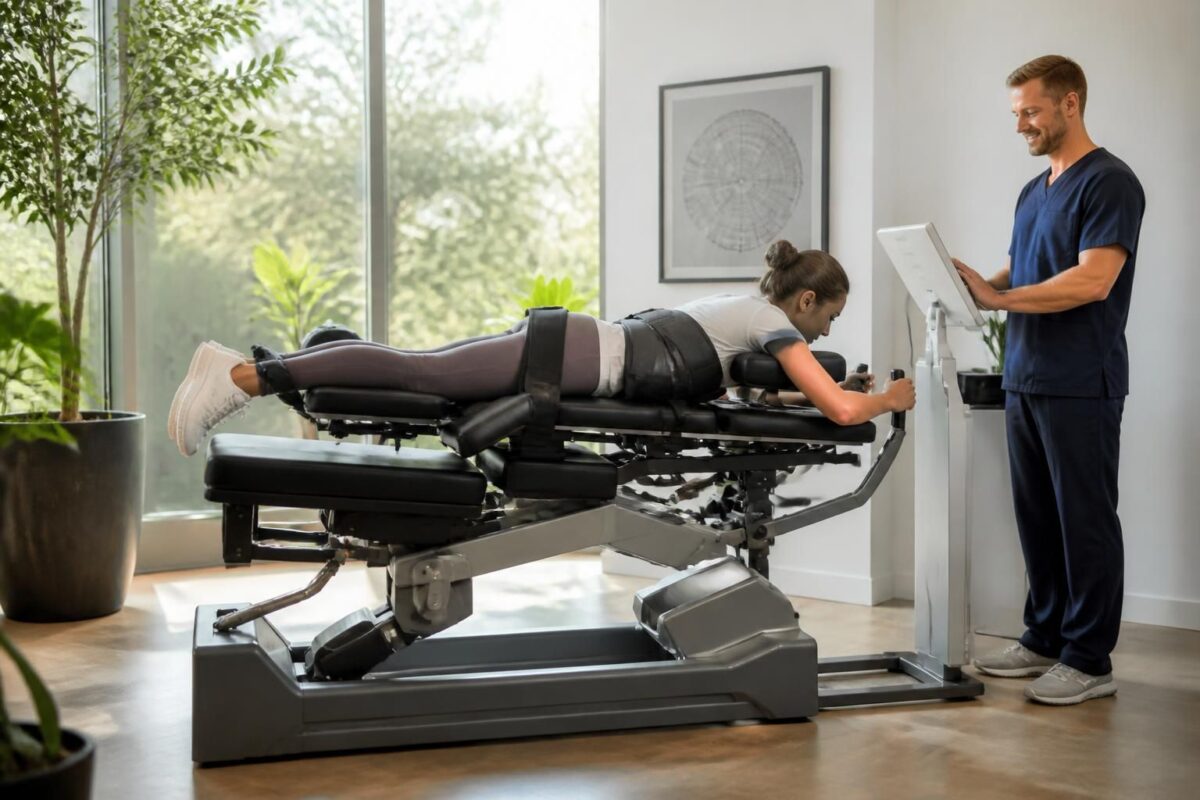
Modern protocols are based on a Controlled traction And some Advanced technologies to act precisely on the intervertebral discs. Computerized devices allow soft and targeted force to be applied, reducing the pressure on the discs and improving the circulation of tissues. Using these tools increases the chances of quick relief and more effective recovery, while minimizing risks.
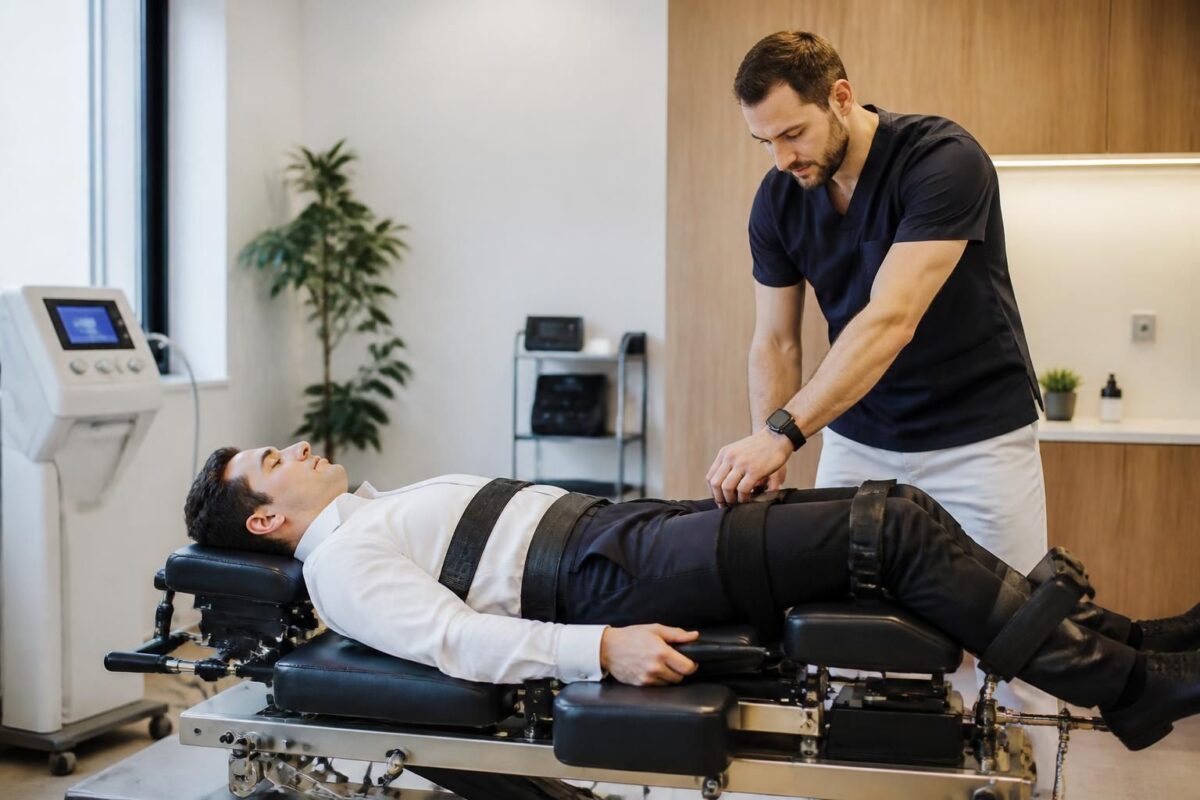
How Neurovertebral Decompression Prevents Diffuse Chronic Pain
In short decompression neurovertebral is one Non-invasive method aimed at reducing the Pressure on the intervertebral discs and the nerves, in order to prevent Diffuse chronic pain. It improves the circulation and thedisc hydration, decreases inflammation and promotes better mobility.…
Multidimensional approach and therapeutic synergy
To maximize effects, protocols recommend a Multidimensional approach which combines neurovertebral decompression with other therapeutic modalities. This synergy addresses both the cause and the symptoms. A Proactive integration With therapies such as physiotherapy and osteopathy enhance stability, mobility and spinal function, thus accelerating the recovery process.
Integrated physiotherapy
The physiotherapy Associated strengthens support muscles and improves post-treatment mobility. Targeted and progressive exercises complete the decompression sessions, contributing to better stability and lasting pain reduction.
Complementary osteopathy
theosteopathy Allows you to harmonize the body and optimize the efficiency of decompression by working on mobility patterns, muscle tension and overall alignment. This approach promotes more complete recovery and better tolerance to the sessions.
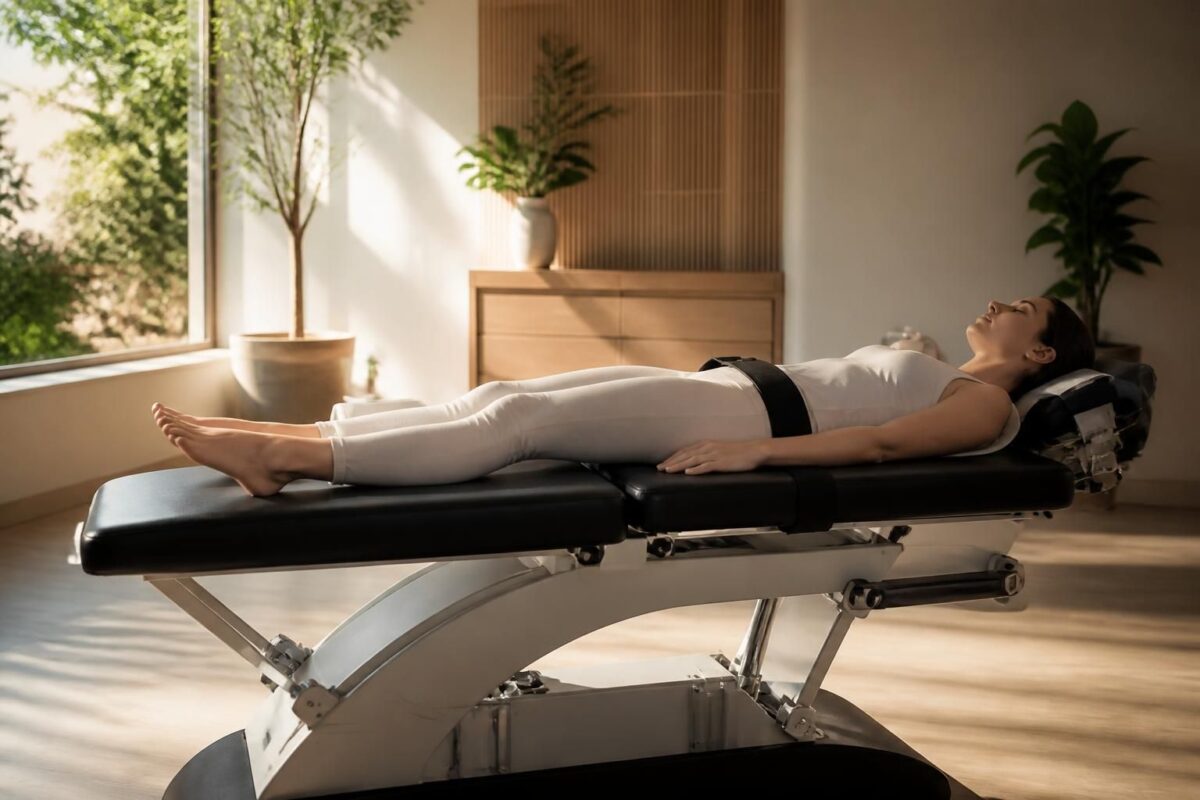
Neurovertebral Decompression and Body Alignment: Restoring Natural Balance
In short In short, neurovertebral decompression is one Non-invasive approach who restores theBody Alignment and thenatural balance back and neck. She acts by a Controlled traction of the spine to widen the intervertebral space and reduce the Pressure on discs…
Regular monitoring and readjustment of protocols
One Regular follow-up is essential to assess progress and adjust the plan in real time. patient feedback and clinical measurement guide Accurate readjustments protocols, in order to maintain efficiency throughout the course. This dynamic approach makes it possible to prevent improvement ceilings and to quickly adapt objectives.
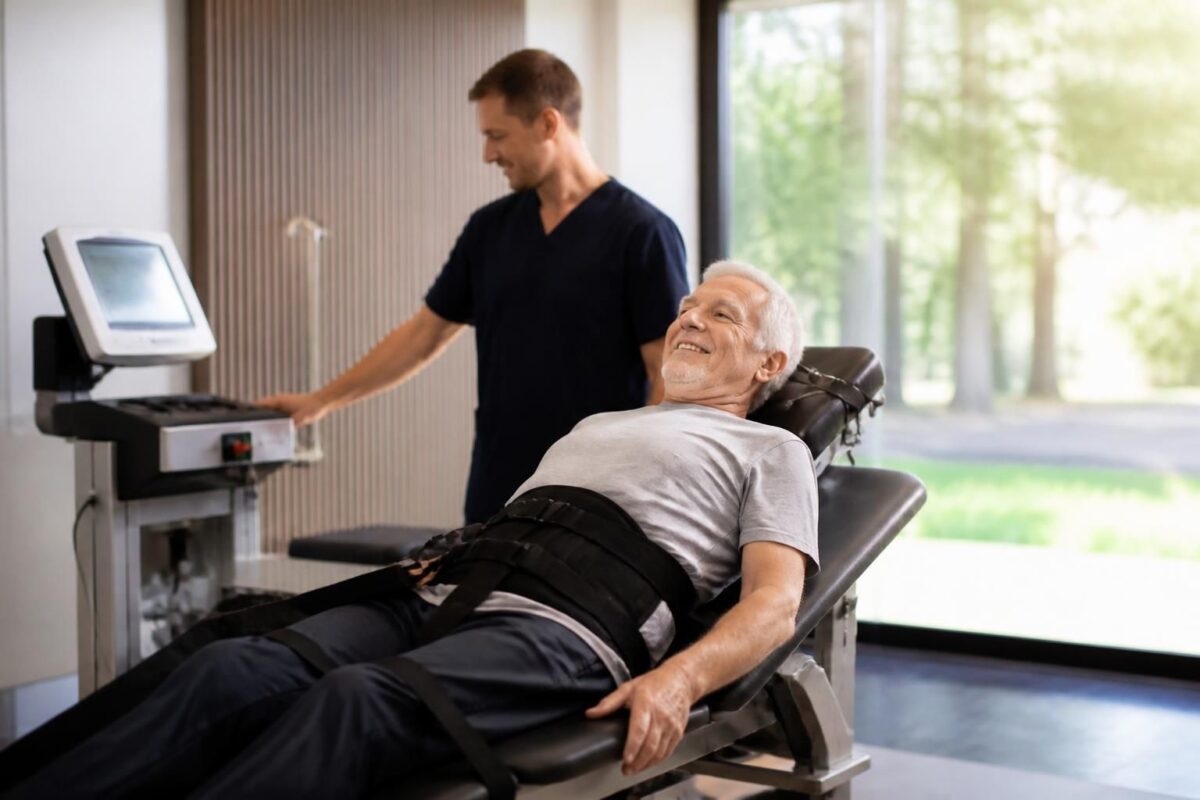
Why neurovertebral decompression is a lasting solution for active seniors
In short In short, the neurovertebral decompression is one Non-invasive therapy which sustainably relieves spinal pain in the spine active seniors By creating, by a Soft and controlled traction, a space between the vertebrae. At Montreal, it is recognized as…
Education and self-care for sustainable prevention
Patient education plays a central role in long-term success. Informing about the principles of good posture, lifestyle habits and maintenance exercises extends the benefits of decompression. Practical advice and self-care programs promote Prevention of recurrences and support an active and painless quality of life.
For results durable, combine a Personalized evaluation, a Controlled traction with some Advanced technologies, a Multidisciplinary collaboration, a Regular follow-up and an Self-care training. These elements constitute a convergent approach that maximizes efficiency and ensures sustainable recovery.
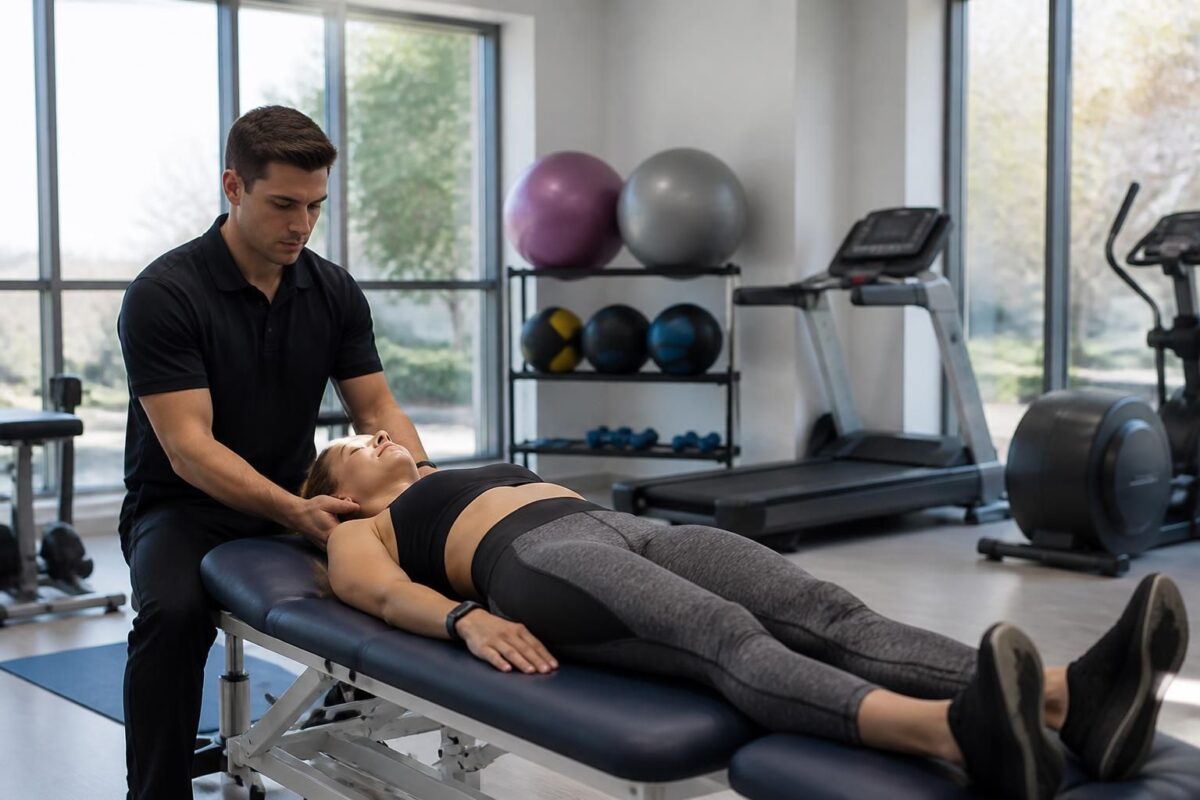
Neurovertebral decompression and recovery after severe sports injury
In short In short, the neurovertebral decompression is one Non-invasive method to Relieve the pressure on the Intervertebral discs and the gristle Via a Controlled traction, to facilitate the recovery After a severe sports injury. It improves the bloodstream towards…
Custom protocols in neurovertebral decompression: differentiator axis and optimized results
| key | Concise description |
|---|---|
| initial assessment | Background analysis and imaging to customize the protocol |
| Controlled traction | Soft and targeted traction on discs via computerized tables |
| Advanced technologies | Real-time traction adjustment and reaction tracking |
| Multidimensional approach | Decompression associated with physiotherapy and osteopathy |
| Integrated physiotherapy | Muscle strengthening and improved post-treatment mobility |
| osteopathy | Harmonization of the body to optimize the benefits |
| Regular follow-up | Assessment of progress and readjustment of the plan according to the evolution |
| Post-treatment exercises | Targeted programs to stabilize and prevent recurrences |
| Patient education | Practical advice and posture to maintain results |
| Expected results | Sustainable relief and improved mobility and quality of life |
Recent innovations in neurovertebral decompression technologies
In short In short, the neurovertebral decompression is an approach non-invasive Aiming to reduce pressure on discs and nerves, and promote tissue regeneration. At Montreal, it is positioned as an effective option for lower back pain and herniated discs. The…
Testimonials on personalized neurovertebral decompression protocols for optimal results
“Thanks to Custom Protocol in neurovertebral decompression, I felt a quick and lasting relief. thePersonalized evaluation took into account my history and my movements, which made it possible to design a Tailor-made treatment plan. After a few sessions, my mobility improved and lumbar pain decreased significantly. »
“As an amateur sportswoman, my back pain limited my practice. The Multidisciplinary treatment with osteopathy and Integrated physiotherapy coordinated perfectly with the Controlled traction Modern tables. Result: Optimal results And a quick resumption of workouts. »
“I had tried a lot of things and was not hoping much anymore. The Custom Plan allowed me to understand the process and to be an actor in my rehabilitation. decompression, associated with targeted exercises and Regular follow-up, changed my quality of life. »
“. »
“I highly recommend these Custom protocols For their results optimal. each session is adapted to my needs, and the combination of techniques such as the decompression, the physiotherapy and theosteopathy helped me find an active life without pain. »
Neurovertebral decompression and diffuse pain: an appropriate solution
In short In short, the neurovertebral decompression is one Non-invasive solution For diffuse pain related to nerve irritation of the spine. She acts in Reducing pressure on intervertebral discs and nerves and improving the bloodstream, which promotes recovery and the…
Custom protocols in neurovertebral decompression: a tailor-made approach for optimal results
Custom protocols in neurovertebral decompression A non-invasive approach designed to sustainably relieve spinal pain, including those caused by herniated discs. This approach places the patient at the heart of the process, adapting each step of the treatment to their specific needs in order to obtain Optimal results. by associating decompression with additional modalities such as the physiotherapy and theosteopathy, these protocols aim for a lasting reduction in pain, better mobility and a regained quality of life.
Personalized evaluation : The initial step is based on an in-depth analysis of available history, symptoms and examinations. This assessment identifies problem areas and musculoskeletal factors that influence pain. The analysis of movement, posture and functional limitations makes it possible to design a tailor-made decompression plan, minimizing risks and maximizing the chances of a quick and lasting relief.
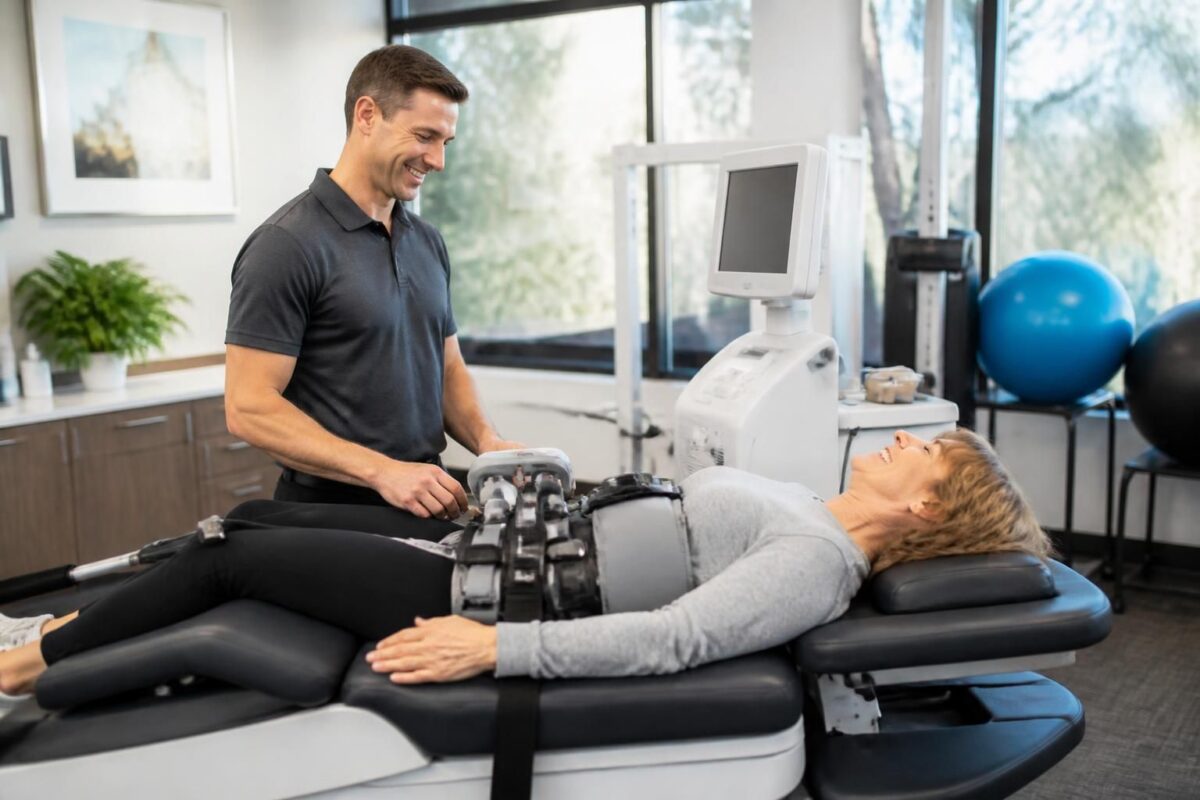
Controlled traction and Advanced technologies : Modern protocols are based on computerized traction systems that apply soft and progressive force to the spine. The real-time control adjusts the force and pressure exerted on the intervertebral discs, promoting tissue rehydration and nervous relaxation. This secure approach, coupled with traction adapted to each patient, accelerates recovery and optimizes symptom relief.
Multidimensional approaches : Decompression is not limited to traction. It is part of an integrated therapeutic approach that combines physiotherapy and osteopathy to treat both the causes and manifestations of pain. By strengthening the stabilizing muscles and restoring the overall balance of the body, this synergy improves spinal stability, mobility and post-treatment resilience.
Tailor-made treatment plan : Each therapeutic path is structured according to the results of the evaluation and progresses gradually. An initial phase of relief is favored, followed by reinforcement and stability work. The program is regularly readjusted according to the progress and feedback of the patient, with targeted home exercises and ergonomic advice to extend benefits and prevent relapses.
Monitoring and education : Regular monitoring allows you to adjust the sessions and evaluate the progress. Patient education focuses on good post-treatment practices, posture, ergonomics and self-care exercises. By strengthening the patient’s autonomy, the chances of sustaining results and preventing long-term recurrences are increased.
Results and evidence : Customized neurovertebral decompression protocols show significant pain reduction and improved mobility in a large number of patients. The science-based approach, individualized evaluation and the integration of advanced technologies contributes to sustainable results and a better quality of life on a daily basis.
This conclusion summarizes the key elements of the Custom protocols in neurovertebral decompression and their potential to deliver Optimal results. By relying on a Personalized evaluation, the integration of Advanced technologies and an Multidisciplinary approach, these protocols aim for lasting pain relief and a significant improvement in the mobility and quality of life of patients.
the base of Custom protocols is based on a Personalized evaluation Comprehensive that identifies the specific causes, limitations and functional objectives of each patient, making it possible to establish a tailor-made decompression plan. This step ensures that each session acts on the relevant elements and maximizes the chances of lasting relief. To deepen the steps of a personalized program, see Stages of a personalized program.
The integration of Advanced technologies and of Controlled traction Provides increased accuracy and security. Computerized decompression tables allow real-time settings to be adjusted, reducing disk pressure and promoting rapid recovery. To understand the Custom protocols and their impact, refer to Custom protocols for optimal results and to Current techniques and protocols.
A Multidimensional approach Maximizes results by associating osteopathy, physiotherapy and targeted exercises. This synergy strengthens the supporting muscles, corrects imbalances and optimizes the effect of decompression. Specialized resources highlight the impact of this approach, especially in sporting contexts: Custom protocols and processing and Benefits for athletes.
The Regular follow-up and thePatient education are essential to maintain the benefits obtained and prevent recurrences. Practitioners re-evaluate progress, adjust protocols and encourage healthy lifestyles, such as good posture and appropriate physical activity. To deepen the educational aspects and benefits of natural pain management, see Why choose neurovertebral decompression and Custom Program – Steps.
The clinical results and patient feedback indicate that well-conducted neurovertebral decompression can sustainably reduce pain and improve mobility, with a real improvement in quality of life. Recent syntheses on theNews and effectiveness of protocols and the Innovations for a better quality of life support this conclusion.
For those looking for additional perspectives, the resources below offer in-depth analysis and concrete cases: Study of personalized protocols, Advanced protocols for severe back pain, and Innovations in decompression.

Dr Sylvain Desforges, B.Sc., D.O., N.D., osteopath, is the founding president of TAGMED and of the ACMA association. He dedicates his practice to chronic spinal pain, low back pain and symptoms compatible with sciatica, particularly when pain radiates toward the buttock, leg, calf, foot or toes.
Through SOS Sciatique, he publishes educational content on sciatica symptoms, possible causes such as disc herniation, disc narrowing, foraminal stenosis or irritation of a lumbar nerve root, as well as non-surgical approaches that may be considered according to the evaluation. At Clinique TAGMED, care may include, depending on the case, motorized neurovertebral decompression, specific osteopathic care or precision percussion.
For an evaluation related to sciatica treatment in Montreal / Mount Royal or sciatica treatment in Terrebonne, please consult the services available at Clinique TAGMED.
Medical disclaimer
The information published on SOS Sciatique is provided for educational purposes only and does not replace a consultation, diagnosis, opinion or treatment provided by a physician or another authorized healthcare professional. The author of this article is neither a medical doctor nor a specialist in a medical specialty recognized by the Collège des médecins du Québec. The osteopathic, manual medicine or functional support approaches described on this site do not constitute medical acts and are not intended to replace medical follow-up.
Consult a physician or emergency service in cases of loss of bladder or bowel control, anesthesia in the saddle area, significant or progressive weakness in the leg or foot, fever, recent trauma, severe pain or rapid worsening of symptoms. For more details, please read our Legal Notice.