Why neurovertebral decompression is a safe and effective choice
26/06/2026
Advanced neurovertebral decompression protocols for acute pain
26/06/2026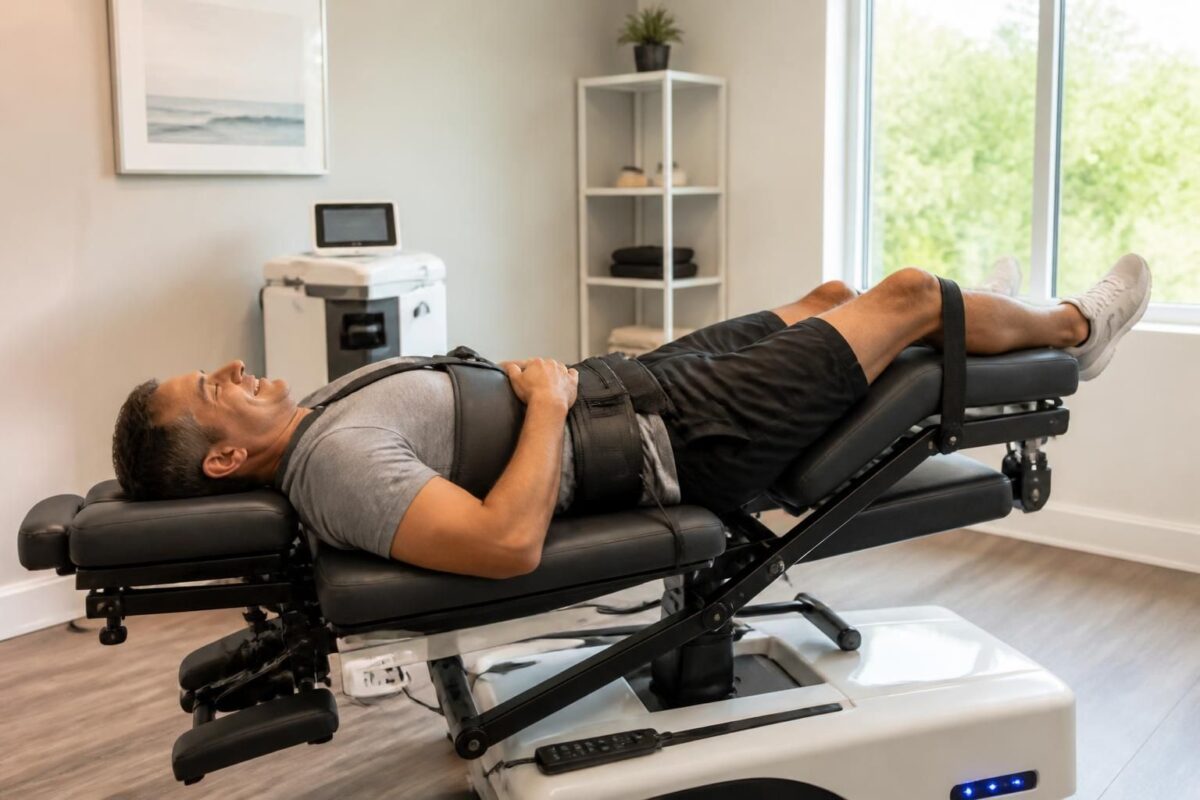
In short
| In short, the neurovertebral decompression is one Durable solution for the Chronic pain of lower back which offers a Non-invasive relief and improves the mobility and the posture. It acts by reducing the pressure on the discs and nerves and can be practiced in the office or at home with soft and controlled devices. This approach is particularly suitable for back pain and the sciatica and aims for progressive results, while preventing recurrences. |
The neurovertebral decompression offer a Durable solution for the Chronic pain lower back By acting on mechanical causes.
It aims to Reduce intra-discal pressure, Release compressed nerves and improve theSpinal alignment by controlled and adapted traction.
Indicated for chronic low back pain, sciatica and degenerative disc disease, it can be part of a global rehabilitation program.
Profits include pain reduction, Improving mobility and Prevention of recurrences, with an approach non-invasive and progressive.
Implementation is practiced in practice under medical supervision; In some cases, home devices allow regular and secure practice.
The neurovertebral decompression is an approach lasting for the Chronic lower back pain. It aims to reduce the pressure on Intervertebral discs and improve spinal alignment, without surgery or systematic medication. This article describes the principle, indications and options available in TagMed Clinic to support your back health and well-being on a daily basis.
How does neurovertebral decompression work
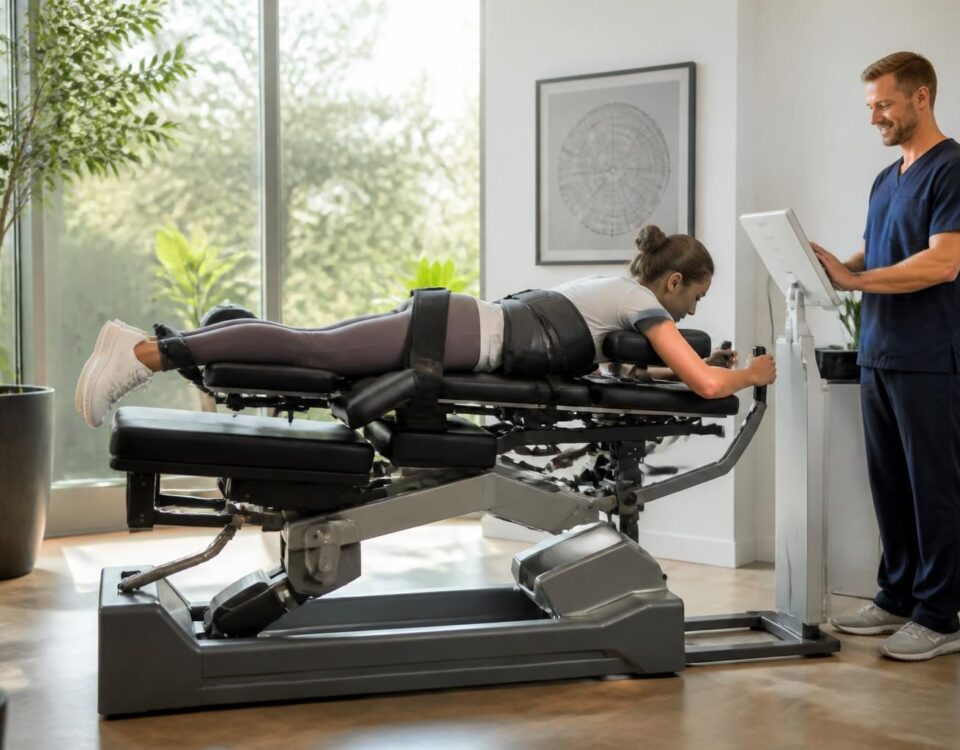
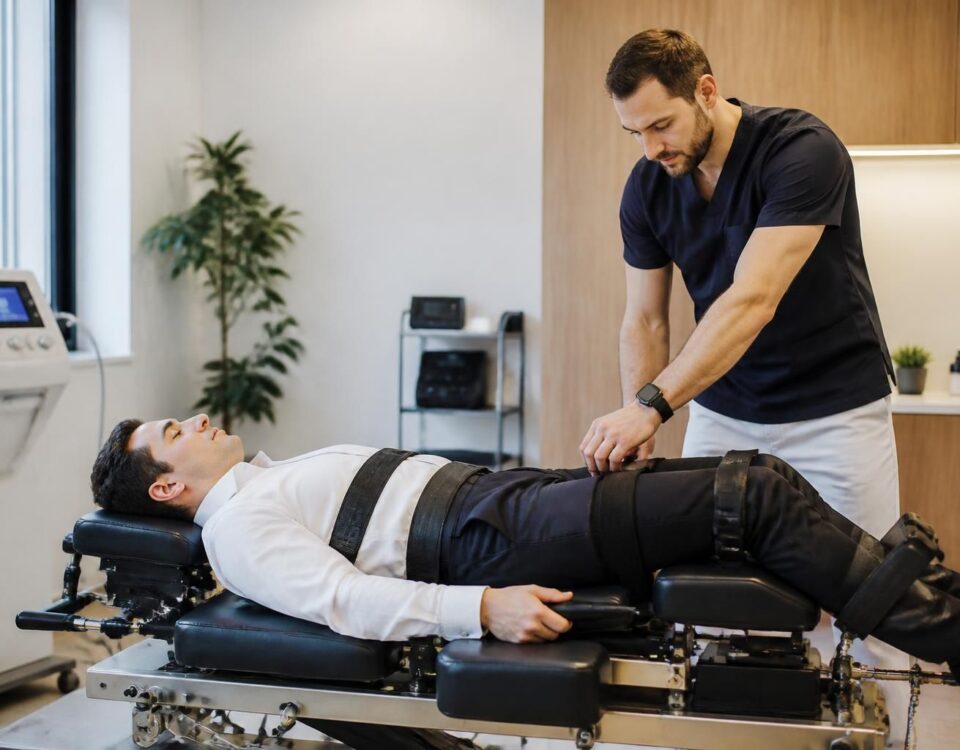
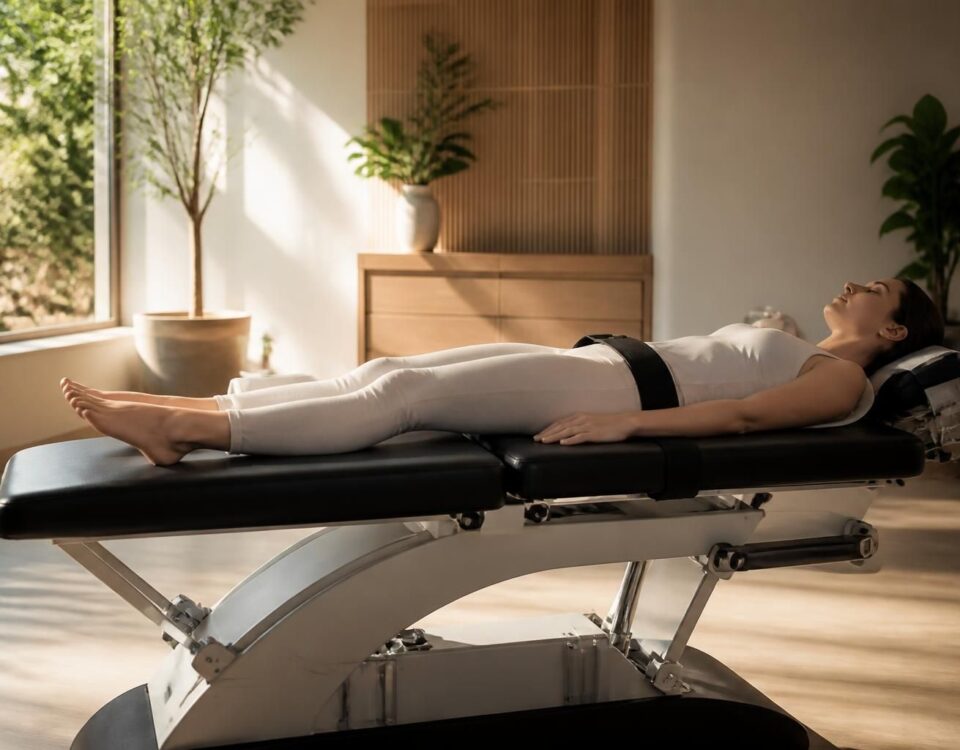
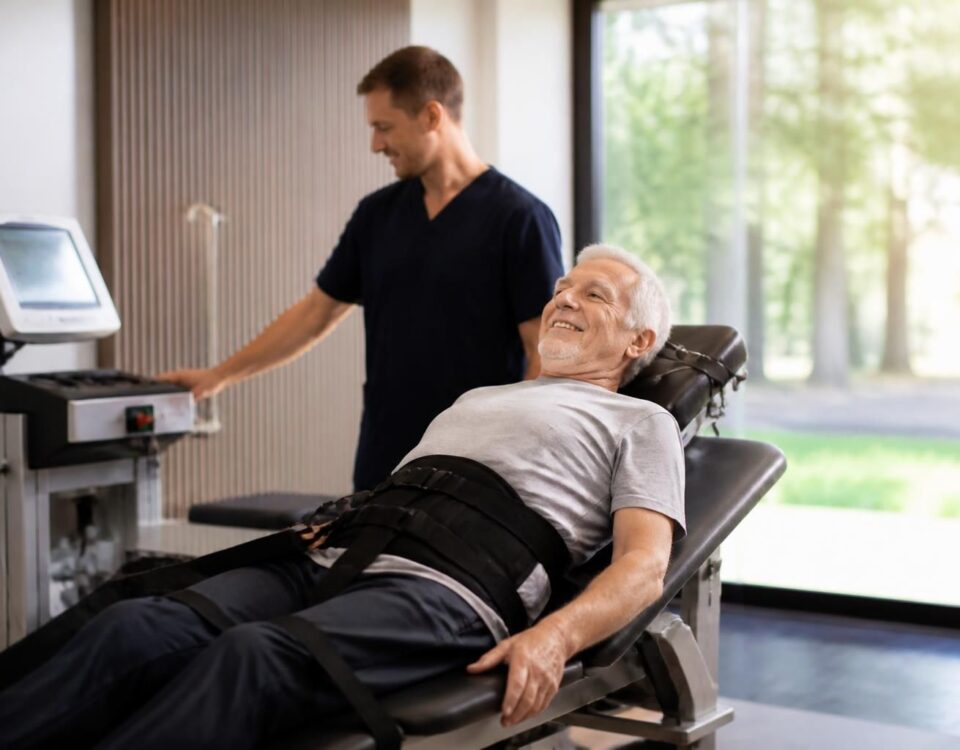
Decompression uses controlled traction to create more space between the vertebrae. This action reduces the pressure on the spinal structures and promotes the relaxation of nervous tissue. In the clinic, the protocol is personalized and carried out under supervision with adapted devices, in order to remain non-invasive and safe.
Indications and expected results
The Common indications Includes lower back pain related to discopathies, protrusions or nerve compressions. The results appear gradually. There is a reduction in pain, improved mobility and better posture. In athletes, this can facilitate recovery and re-athletics while preserving fabrics.
neurovertebral decompression in the office and course
At the TagMed Clinic, in Montreal and Terrebonne, the team evaluates each patient and offers appropriate care. The decompression fits into a global care program and takes place on controlled traction tables, with regular monitoring. This approach is recommended when conditions such as persistent lower back pain or neurological signs require targeted action, always under professional prescription and supervision.
To learn more about the options in the office and the routes offered, consult Tagmed Clinic.
Precautions and safety
Decompression is generally well tolerated. Contraindications exist and a medical check-up is necessary in the presence of certain conditions. It is important not to force during treatment and follow professional recommendations. The use of this treatment must be part of a supervised approach adapted to each patient.
Useful links and resources
To deepen, accessible resources address neural decompression and associated pain at sites like sosciatica and sosciatica. For a more general presentation and clinical information, you can consult neurovertebral decompression and Proven cervical decompression. Additional information and use cases on associated resources can also be viewed on Sosciatica – Recovery Optimization.
For detailed information and testimonials, check out the following resources: Disc hernia and neurovertebral decompression and Neurovertebral decompression and persistent mechanical pain. Other relevant resources can be found on Cervical pain – proven solution and Chronic lower back pain.
References and professional contexts
This approach is part of the professional standards involving ACMA, the College of Canadian Osteopaths and the College of Canadian Osteopaths. The trainings and practices mentioned are part of standards recognized by these bodies.
For interactions with clinical services, patients can be referred to the TagMed Clinic services in Montreal or Terrebonne, where treatments are based on a comprehensive assessment and personalized planning.
Additional links for the reader:
Tagmed Clinic – Cliniquetagmed.com
neurovertebral decompression – Prevent recurrences of herniated discs
Sosciatica – Decompression and persistent mechanical pain
Medical Disclaimer: The information and advice provided on this site does not replace the health professional’s diagnosis or treatment. Please note that Dr. Sylvain Desforges osteopath is neither a doctor of medicine nor a doctor, and is not a specialist in a medical specialty as defined by the Collège des Médecins du Québec. Manual medicine, functional medicine and sports medicine as described on this site exclude any medical treatment or diagnosis made by a doctor or specialist doctor. Always consult your doctor for any medical questions. For more details, please read our full legal notice.
- Sustainable reduction Lower back pain by soft traction
- Disc Space Improved and released nerves
- Posture and mobility improved, decreased muscle tension
- Supervised traction and patient-friendly progression
- Autonomy with home exercises to support earnings
- Non-invasive option Avoiding surgery and drugs
- Integration to the overall rehabilitation program
- Follow-up and progress secure, 1 to 2 sessions per week if necessary

This summary presents the neurovertebral decompression like a Durable solution for the Chronic lower back pain, with practical advice, simple exercises to do and appropriate options, whether at home or in the office. By combining softness and method, you can reduce the pressure on the discs and sustainably improve your mobility and comfort.
Understand the approach and its benefits
The neurovertebral decompression consists of slightly stretching the column to reduce the Intra-discal pressure and release the nerve roots, while restoring a more favorable alignment of the spine. This approach aims to Lasting pain reduction, an improvement in the mobility and a better posture. It can be recommended in addition to other non-invasive approaches and participates in the overall rehabilitation of the back and neck.
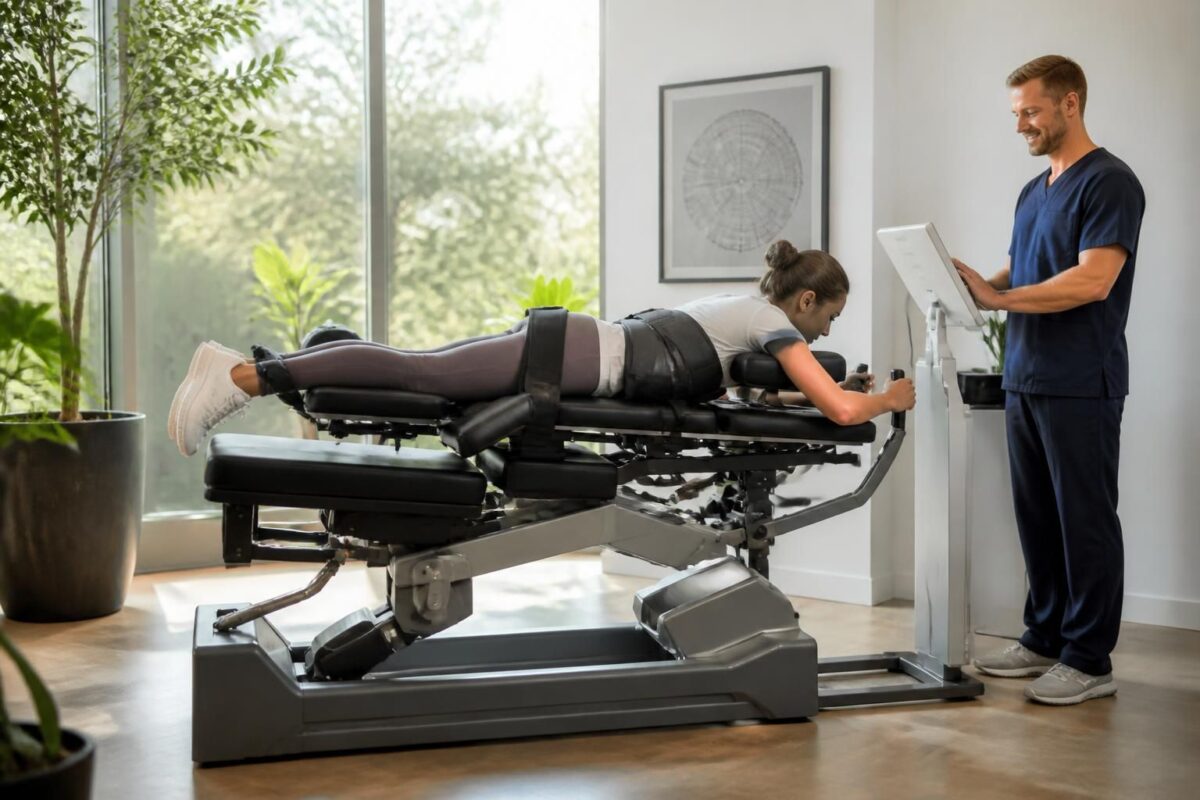
The long-term benefits of neurovertebral decompression for spinal health
In short In short, the neurovertebral decompression is a non-invasive approach that decreases the Pressure on intervertebral discs and nerves, favoring the Natural regeneration and tissue recovery. Its long-term benefits include Lasting pain reduction, Improving mobility and from the posture,…
Indications and expected results
It is particularly useful in the face of persistent lumbar or cervical pain, degenerative disc disease, disc herniation or areas of compressed nerves. In practice, the results appear gradually: decreased pain, improved flexibility, and postural rebalancing that reduces muscle tension associated with poor posture.

Neurovertebral decompression and mobility: a return to an active life
In short In short, the neurovertebral decompression is therapy non-invasive who uses a gentle traction To create a space between the vertebrae and reduce the pressure on the Intervertebral discs and the nerves. It promotes a bloodstream improved, lowers tension…
Exercises and practice at home
Passive suspension
Use a secure pull-up bar in a door opening. Let the body hang slightly with the arms outstretched, the feet resting if necessary. Hold for 20 to 30 seconds and repeat 2 to 3 times. This exercise promotes gentle and natural traction of the spine to release pressure on the lumbar and cervical discs.
Lumbar flexion on the ground
Lie on your back, knees bent. Bring the knees to the chest and wrap them with your arms, holding the 30-second position. Repeat 3 times. This stretch helps to decompress the lumbar vertebrae and stimulate local circulation.
Raised leg posture
Lie on a rug, legs bent 90° on a chair or large cushion. Hold this position for 5 to 10 minutes, breathing slowly. This posture reduces pressure on the lumbar region and relaxes the pelvis to promote better vertebral mobility.
Stretching the puppy (yoga)
On all fours, hands advanced, hips lined up with the knees. Lower the chest to the ground, releasing the head and hold for 30 seconds to 1 minute. This stretch targets the top of the spine and can relieve thoracic and cervical tension.
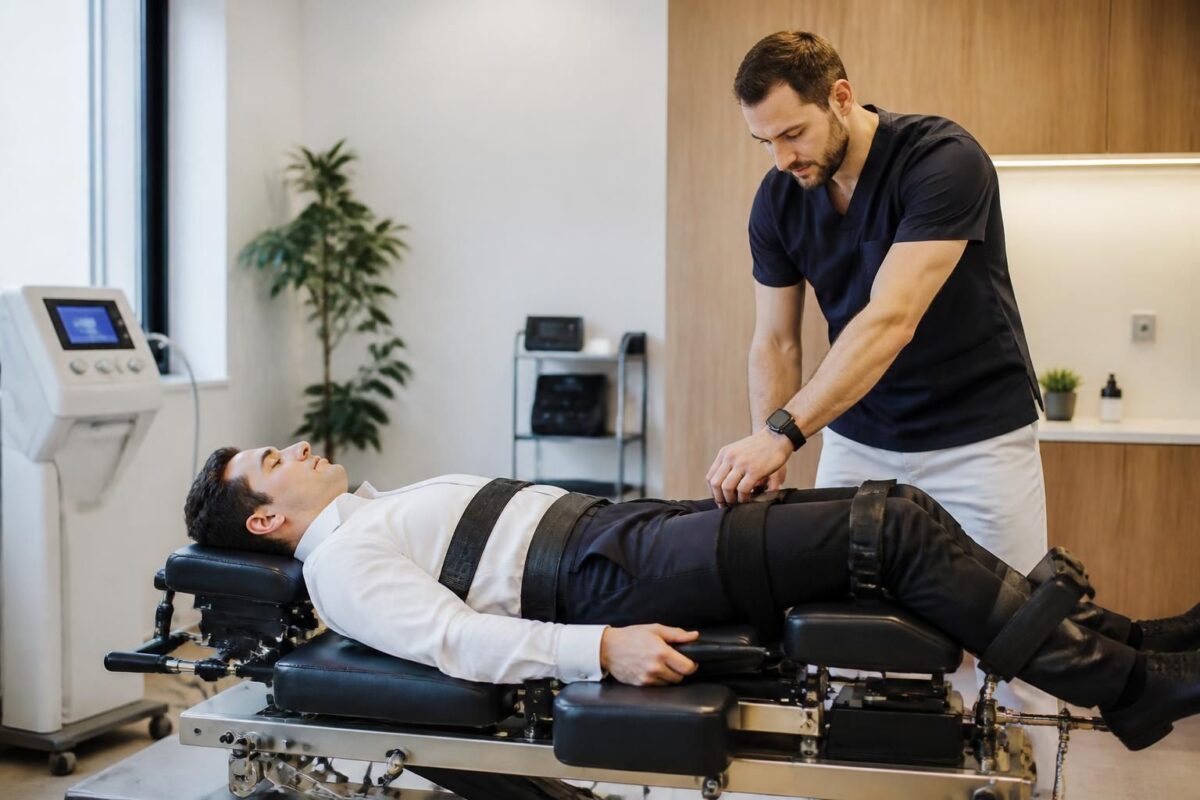
How Neurovertebral Decompression Prevents Diffuse Chronic Pain
In short decompression neurovertebral is one Non-invasive method aimed at reducing the Pressure on the intervertebral discs and the nerves, in order to prevent Diffuse chronic pain. It improves the circulation and thedisc hydration, decreases inflammation and promotes better mobility.…
Home assisted decompression: practical advice
In addition to manual stretching, it is possible to use Gentle decompression at home. These tools allow controlled and reproducible traction, without significant physical effort, and integrate into a global program. A suitable device offers progressive and customizable traction to reduce the pressure on the discs and gently realign the column.
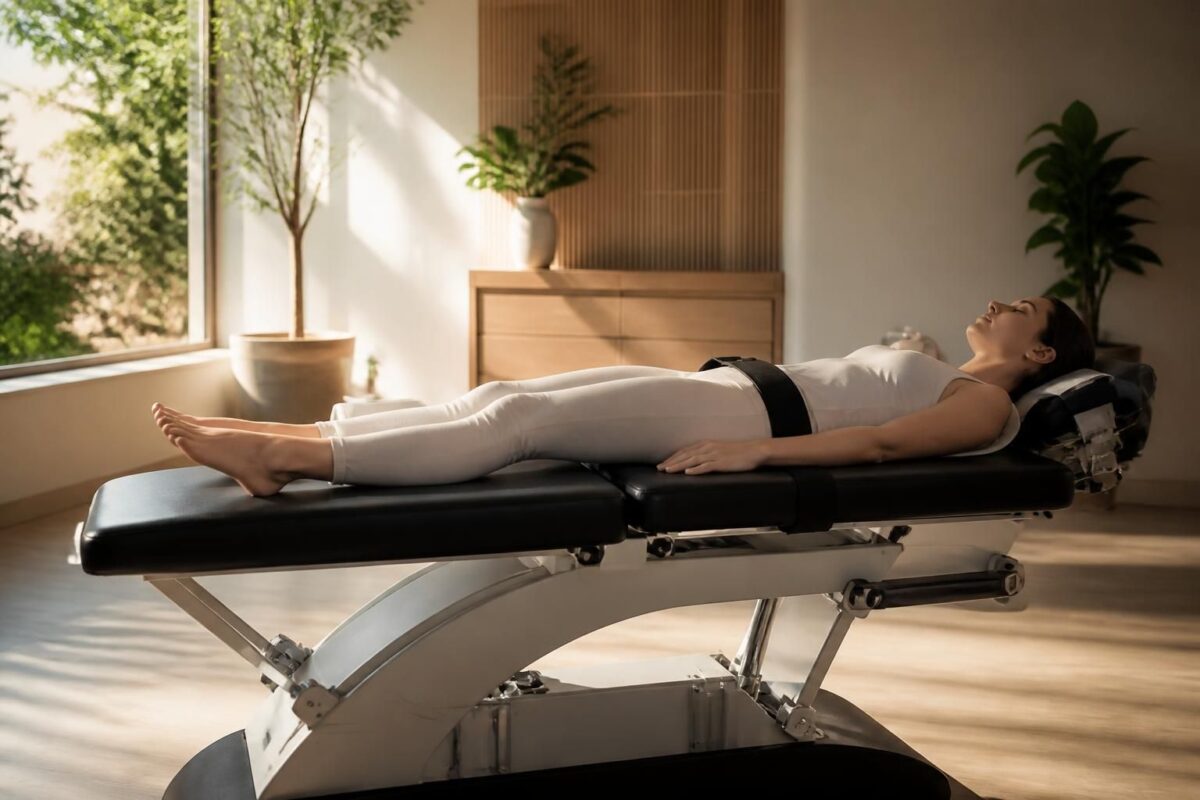
Neurovertebral Decompression and Body Alignment: Restoring Natural Balance
In short In short, neurovertebral decompression is one Non-invasive approach who restores theBody Alignment and thenatural balance back and neck. She acts by a Controlled traction of the spine to widen the intervertebral space and reduce the Pressure on discs…
Decompression in the office and care pathway
For complex cases or recurrent pain, the Decompression in the office is practiced using a traction table or computerized system, with precise intensity, duration and angle adjustments. The protocol generally has 1 to 2 sessions per week and fits into a personalized rehabilitation program, with regular monitoring and adjustments depending on the evolution.
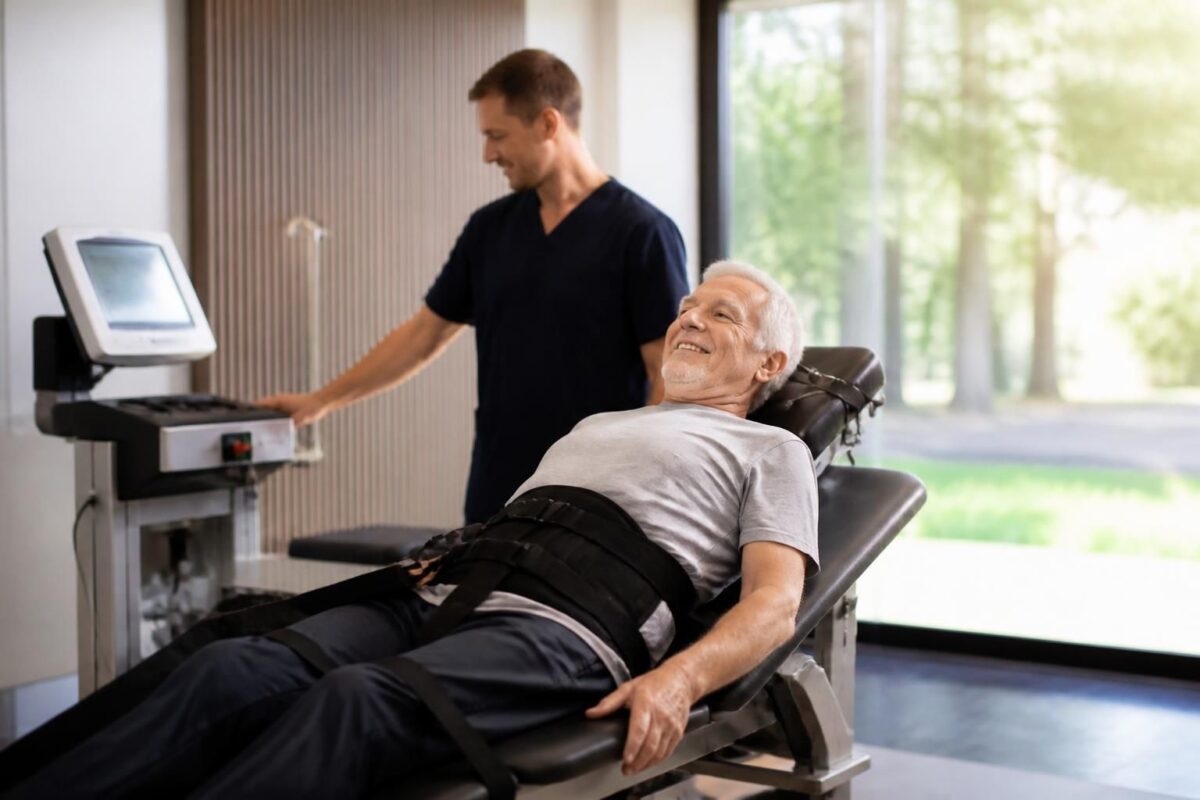
Why neurovertebral decompression is a lasting solution for active seniors
In short In short, the neurovertebral decompression is one Non-invasive therapy which sustainably relieves spinal pain in the spine active seniors By creating, by a Soft and controlled traction, a space between the vertebrae. At Montreal, it is recognized as…
Spinal hygiene and daily advice
Adopt a Overall spinal hygiene To support the results: sleeping on a suitable mattress, avoiding poorly distributed loads, practicing a regular activity such as walking or swimming, taking care of the posture at work and hydrating enough. Combine these gestures with a regular decompression practice to optimize the comfort and longevity of your back.
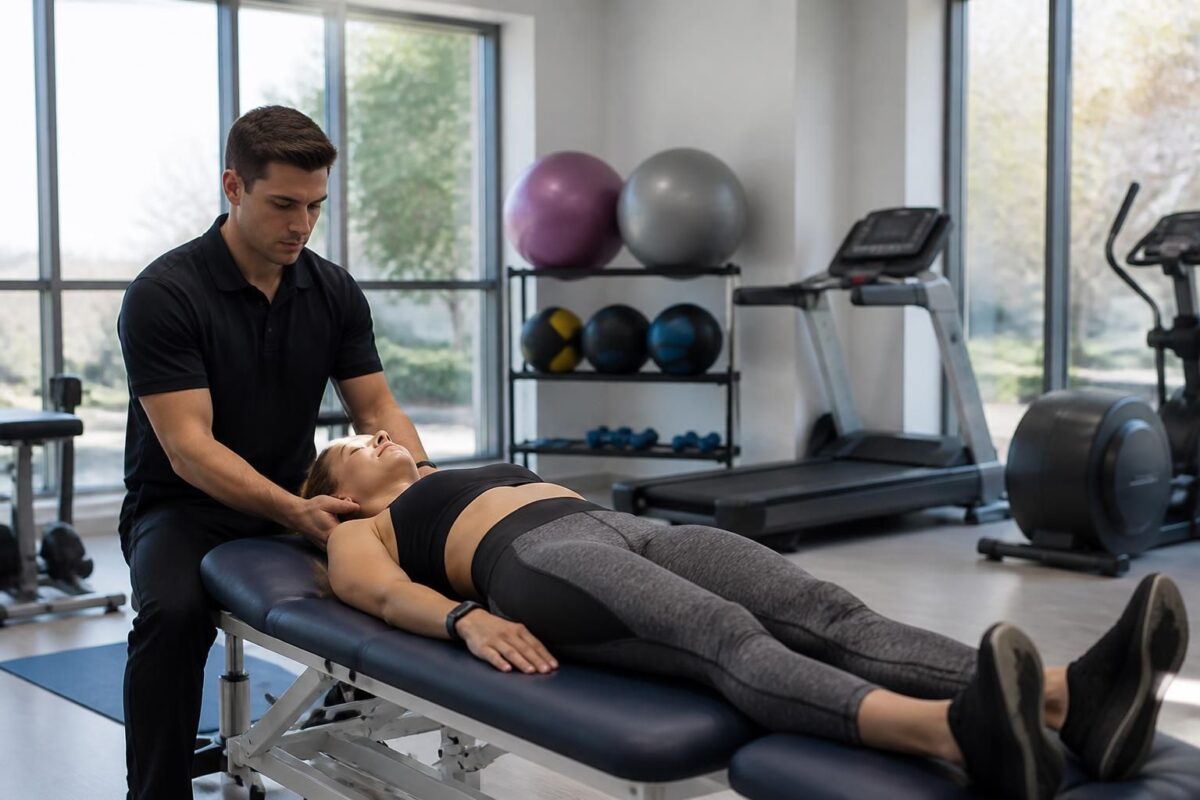
Neurovertebral decompression and recovery after severe sports injury
In short In short, the neurovertebral decompression is one Non-invasive method to Relieve the pressure on the Intervertebral discs and the gristle Via a Controlled traction, to facilitate the recovery After a severe sports injury. It improves the bloodstream towards…
Important precautions and advice
Never force during stretching and adapt the intensity to your feelings. Begin gradually and avoid too intense exercise during periods of acute seizure. In case of severe disc herniation or marked neurological symptoms, consult a health professional before undertaking any decompression programs.
| Aspect | Concise description |
|---|---|
| Nature and role | Quick description: a non-invasive technique that traction the column to release the gristle and reduce the disc pressure. |
| Main objective | Objective: sustainably relieve the Lower back pain and the sciatica By restoring thealignment vertebral. |
| Mechanism of action | Mechanism: Creates an intervertebral space, releases the Intra-discal pressure and improves the circulation local. |
| Frequent indications | Frequent indications: herniated disc, degenerative disc diseases and chronic lumbar or cervical pain with Nerve compressions. |
| Implementation methods | Modalities: Practice in office on traction table or via traction devices at home under supervision. |
| Frequency and duration | Frequency and duration: typically 1 to 2 sessions/week Over several weeks, with adjustment by the therapist. |
| Advantages and security | Advantages and safety: non-invasive, low risk and progressive improvement over surgery. |
| Limits and precautions | Limits and precautions: avoid in acute crisis or in case ofmajor hernia without medical advice; Consult before startup. |
| Global integration | Integration into the global approach: completes the stretches, the posture and thehydration for a Sustainable reduction pains. |
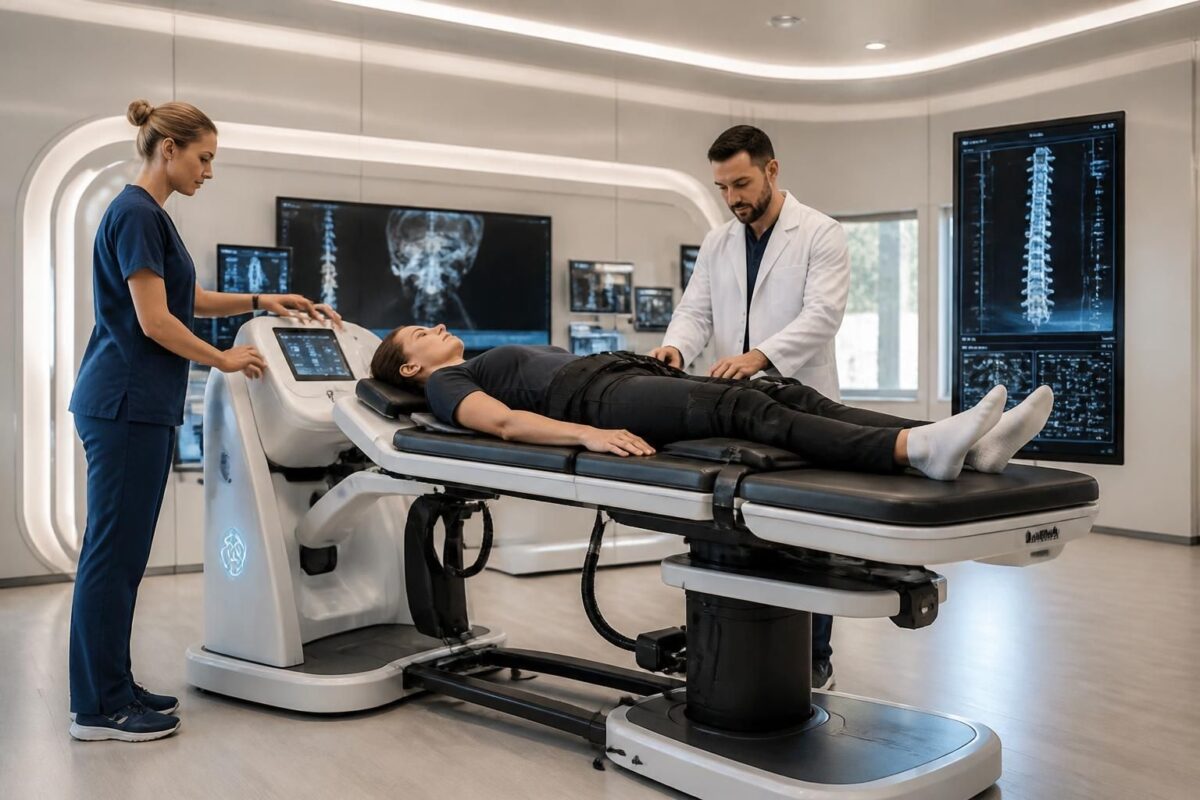
Recent innovations in neurovertebral decompression technologies
In short In short, the neurovertebral decompression is an approach non-invasive Aiming to reduce pressure on discs and nerves, and promote tissue regeneration. At Montreal, it is positioned as an effective option for lower back pain and herniated discs. The…
Testimonials on neurovertebral decompression and chronic lower back pain: a lasting solution
Since I started neurovertebral decompression, my Lower back pain decreased significantly and sustainably. I can finally go out, walk and enjoy my weekends without this permanent tension in the back.
As an athlete, I appreciate that this approach is non-invasive and that it improves my mobility without putting my recovery in danger. Five sessions were enough to feel a real lasting improvement.
Before, the pain in the lower back prevented me from sitting for a long time. After a decompression and stretching program, my posture corrected and tensions cleared up over the long term.
I had tried everything, from anti-inflammatories to injections; Decompression brought me a Durable solution and a better quality of life without side effects.
The treatment helped me release the nerves compressed and rehydrate my discs, which resulted in a pain reduction and an Better mobility Lower back on a daily basis, durably.
In the office, the program has been personalized and I can combine traction with exercises at home. Result? a Chronic pain controlled and an gradual recovery and sustainable.
Nothing changed my life like this approach fresh and effective. I move without fear and I have rediscovered the pleasure of living without this lumbar pain which followed me every day, durably.
Chronic lower back pain affects a significant part of the population and can undermine the quality of life in the long term. In this context, the neurovertebral decompression Presents as a natural and lasting approach, intended to relieve tension, reduce pressure on the intervertebral discs and restore healthy spinal alignment. This method is part of a proactive approach to prevention and rehabilitation, aimed not only at pain, but also function and overall well-being.
The fundamental principle of vertebral decompression Based on controlled traction of the column which increases the spinal space, releases the compressed nerve roots and rehydrates the discs. By reducing intra-discal pressure and improving local circulation, it helps to relieve symptoms associated with pathologies such as herniated discs, protrusions and degenerative disc diseases. This approach can be integrated into a conservative care program, in order to avoid, where possible, more invasive treatments.
Typical indications include persistent lumbar and radicular pain, sciatica episodes and postural disorders associated with spinal imbalances. In a daily practice, the neurovertebral decompression is often proposed as a complementary treatment — combining practice sessions and targeted exercises — to achieve progressive and lasting results. In delicate cases, it can be supervised by experienced health professionals and adapted to each patient thanks to intelligent and secure traction devices.
Beyond the mechanical effect, this therapy is part of a holistic approach. It is accompanied by work on lifestyle habits, posture, strengthening of deep muscles and flexibility. Simple exercises at home, postural advice and appropriate hydration reinforce the gains obtained in the session and contribute to preventing recurrences. In some cases, complementary technologies, such as laser Or shockwave therapies, can enrich the treatment path and accelerate recovery, while remaining compatible with a non-invasive and body-friendly strategy.
The sustainability of this solution is based on a gradual and personalized implementation. Profits can occur over several weeks, then consolidate as mobility improves and pain decreases. The objective is clear: to restore an optimal spinal function, to promote a good posture, reduce muscle tension and prevent future worsening. It is a path that favors the continuity of care and the patient’s autonomy, in order to regain an active and unconclusive life.
In practice, the path to a sustainable solution involves individual evaluation, selection of the most suitable techniques and a structured program. The patient benefits from clear support, precise instructions and regular follow-up to adjust the treatment according to the evolution. With an approach centered on evidence and security, the neurovertebral decompression stands out as a reassuring and effective response to chronic lower back pain.
This conclusion summarizes the essential points on the neurovertebral decompression and its role as a lasting solution for Chronic lower back pain. It specifies the mechanisms, indications, options at home and precautions, while emphasizing the importance of a personalized program combining exercises, spinal hygiene and professional follow-up.
The neurovertebral decompression Acts gently on the spine by reducing the pressure exerted on the discs and nerve roots, which can help relieve lower back pain and improve mobility. To deepen the basics and use cases, you can view resources such as articles Why neurovertebral decompression is ideal for radicular pain and Neurovertebral decompression and vertebral alignment.
It can be practiced in a practice under professional supervision or, depending on the case, associated with home devices that offer controlled and gentle traction, contributing to the intervertebral space and the release of nerves. For a global view adapted to all profiles, the page A therapy suitable for all ages and descriptions of preventive benefits on Benefits to prevent spinal complications prove useful.
Observed benefits include pain reduction, decreased intradiscal pressure, and improved mobility and postural alignment. In complex cases or resistant to conservative treatments, coordinated management with health professionals remains recommended, as highlighted by the resources of specialized clinics and professional associations.
To enrich your journey, several clinical resources and experiences underline how the neurovertebral decompression integrates into a global approach to column health. Explore clinical cases and specialized analyzes via references such as Successful clinical cases and the pages dedicated to sports support and chronic pain.
Finally, for professionals and patients seeking a solid clinical setting, the resources proposed by clinics and associations demonstrate that neurovertebral decompression can be part of a sustainable program against Chronic lower back pain. Useful references include Neurovertebral decompression: a durable solution and the review of associated clinical practices on Back clinics.
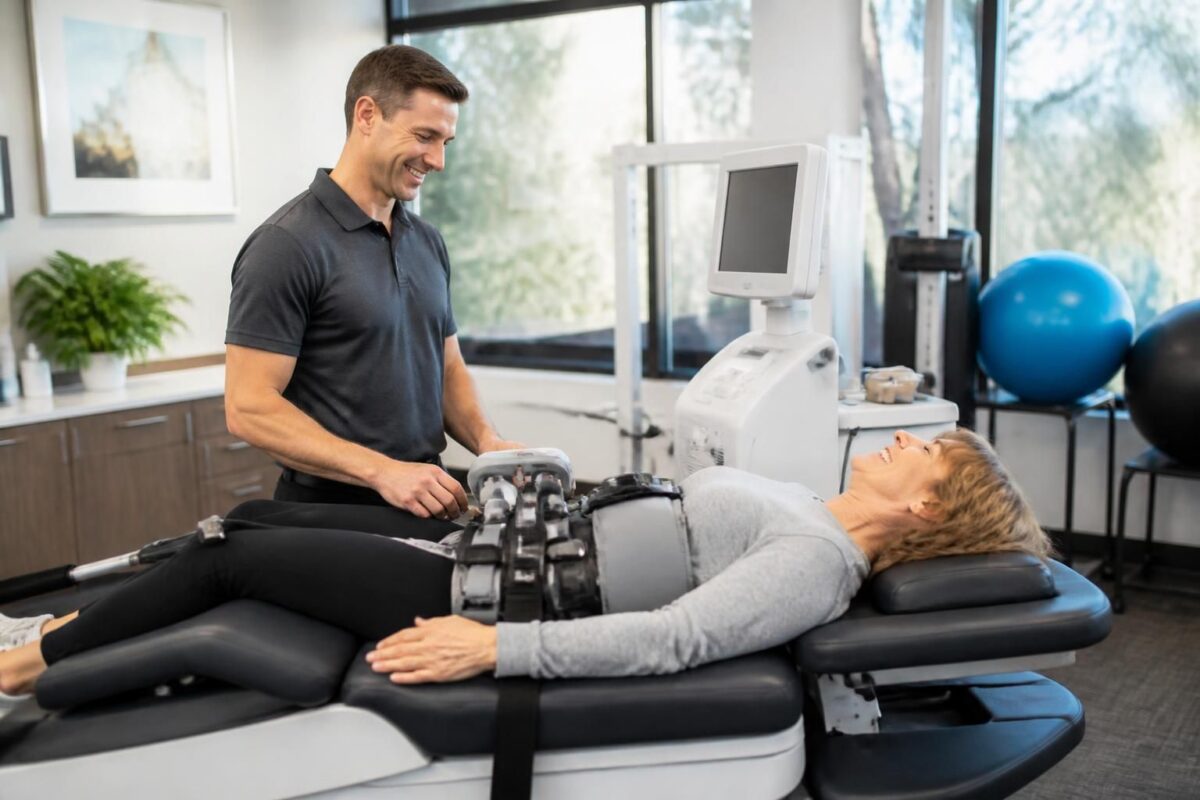
Neurovertebral decompression and diffuse pain: an appropriate solution
In short In short, the neurovertebral decompression is one Non-invasive solution For diffuse pain related to nerve irritation of the spine. She acts in Reducing pressure on intervertebral discs and nerves and improving the bloodstream, which promotes recovery and the…

Dr Sylvain Desforges, B.Sc., D.O., N.D., osteopath, is the founding president of TAGMED and of the ACMA association. He dedicates his practice to chronic spinal pain, low back pain and symptoms compatible with sciatica, particularly when pain radiates toward the buttock, leg, calf, foot or toes.
Through SOS Sciatique, he publishes educational content on sciatica symptoms, possible causes such as disc herniation, disc narrowing, foraminal stenosis or irritation of a lumbar nerve root, as well as non-surgical approaches that may be considered according to the evaluation. At Clinique TAGMED, care may include, depending on the case, motorized neurovertebral decompression, specific osteopathic care or precision percussion.
For an evaluation related to sciatica treatment in Montreal / Mount Royal or sciatica treatment in Terrebonne, please consult the services available at Clinique TAGMED.
Medical disclaimer
The information published on SOS Sciatique is provided for educational purposes only and does not replace a consultation, diagnosis, opinion or treatment provided by a physician or another authorized healthcare professional. The author of this article is neither a medical doctor nor a specialist in a medical specialty recognized by the Collège des médecins du Québec. The osteopathic, manual medicine or functional support approaches described on this site do not constitute medical acts and are not intended to replace medical follow-up.
Consult a physician or emergency service in cases of loss of bladder or bowel control, anesthesia in the saddle area, significant or progressive weakness in the leg or foot, fever, recent trauma, severe pain or rapid worsening of symptoms. For more details, please read our Legal Notice.