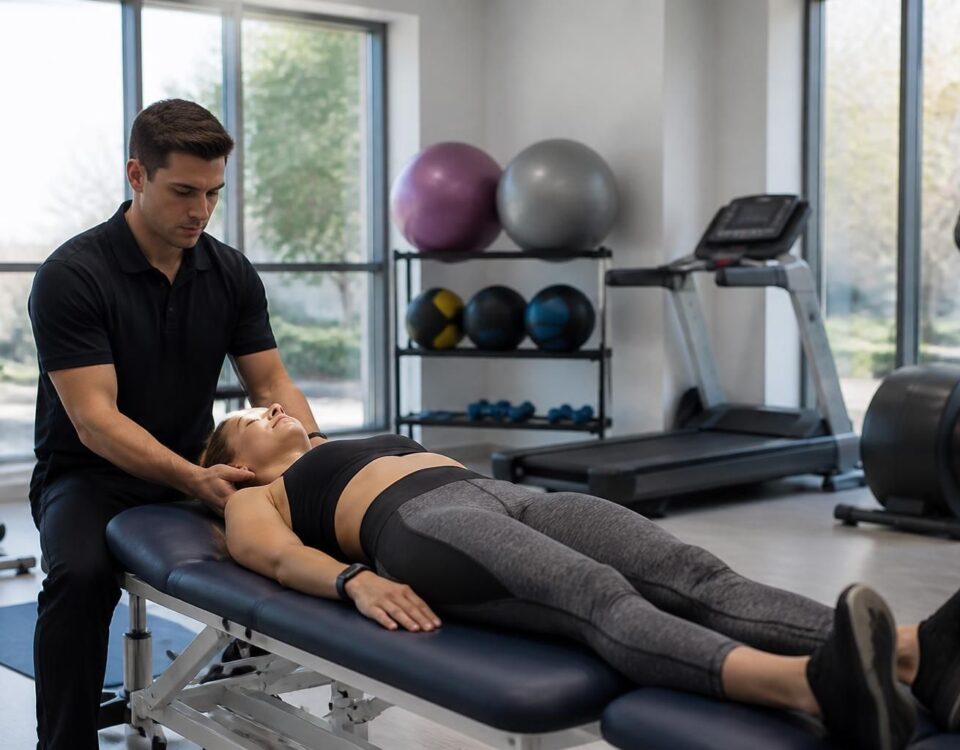
The quick results obtained thanks to neurovertebral decompression
26/06/2026
Neurovertebral decompression and chronic lower back pain: a lasting solution
26/06/2026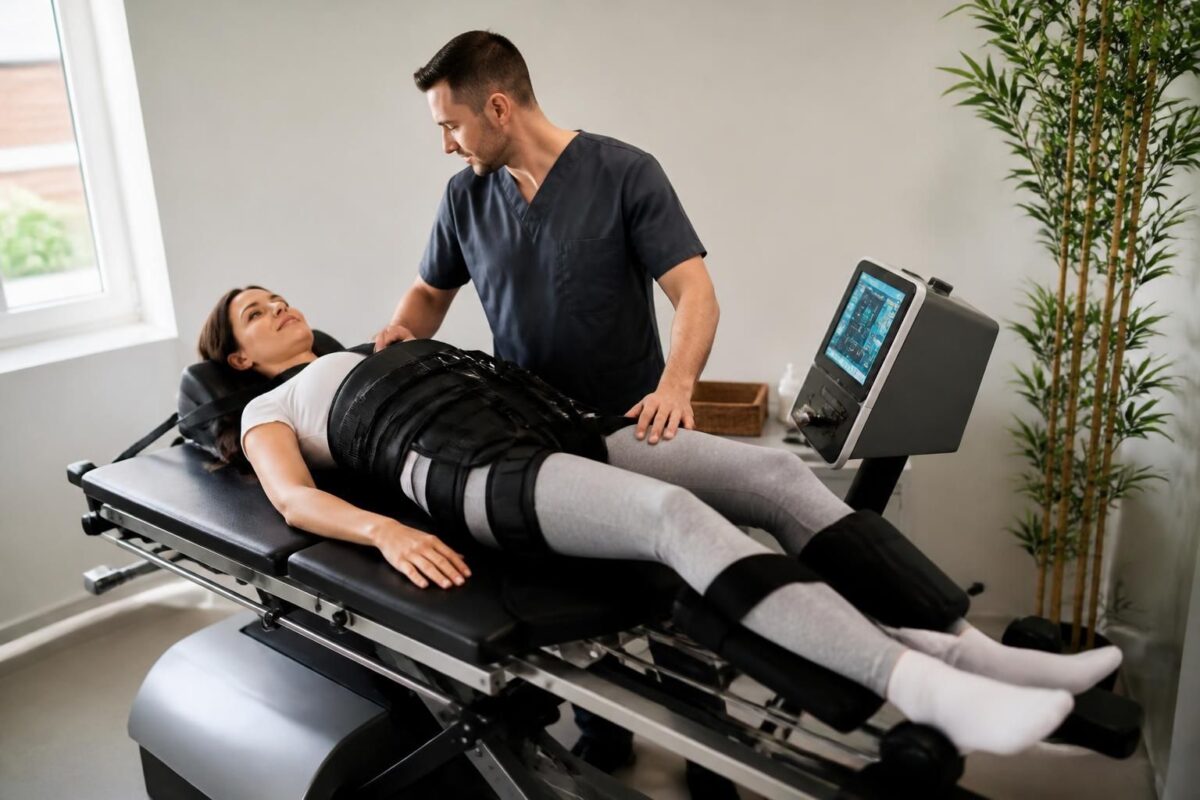
In short
| In short, the neurovertebral decompression is one Non-invasive therapy which aims to Reduce pressure on discs and nerves by controlled traction. What is it? An approach to alleviate lower back and cervical pain associated with slipped disc, Disc protrusion or stenosis. What are the advantages? Reduced pain, Improved mobility, Back to activities Faster and Non-surgical alternative to the intervention. How does it work? It generates a negative pressure In the intervertebral discs, promoting rehydration and clearing of the nerves to reduce symptoms. In Montreal, this service is particularly recommended for adults with Chronic pain back or neck looking for a solution effective and secure without surgery. |
The neurovertebral decompression is one Non-invasive therapy sturdy enough to Relieve back pain in Reducing pressure on intervertebral discs and nerves. Here’s why it can be a safe and effective choice:
- Security and High tolerance : sessions are generally Soft and comfortable with risks (very) weak.
- Efficiency : by promoting a negative pressure in the discs and a better Circulation of nutrients, it can lead to a pain reduction and to a Improving mobility.
- Non-surgical alternative : often used for Avoid or delay surgery, with a Custom Plan suitable for each patient.
- Treatment plan : requires a Professional assessment and typically a program of 15 to 25 sessions.
- Back to activity : most patients can Resume their daily activities after the sessions.
Note: the results vary depending on the case and there are contraindications; A pre-assessment by a health professional is essential.
This article explains why the neurovertebral decompression is a safe and effective choice for spinal pain. This non-invasive therapy aims to reduce the pressure on the discs and nerves. It can improve mobility and quality of life without the need for surgery. The article describes the operation, indications and what to expect in a typical program, with resources to learn and access recognized centers such as Tagmed Clinic.
What exactly is it
Neurovertebral decompression is a therapy that can be non-surgical and computer-guided. It creates a space between the vertebrae and can help restore the volume of the intervertebral discs. The objective is to reduce the pressure exerted on the nerves and on the marrow to reduce pain and improve function.
how it works
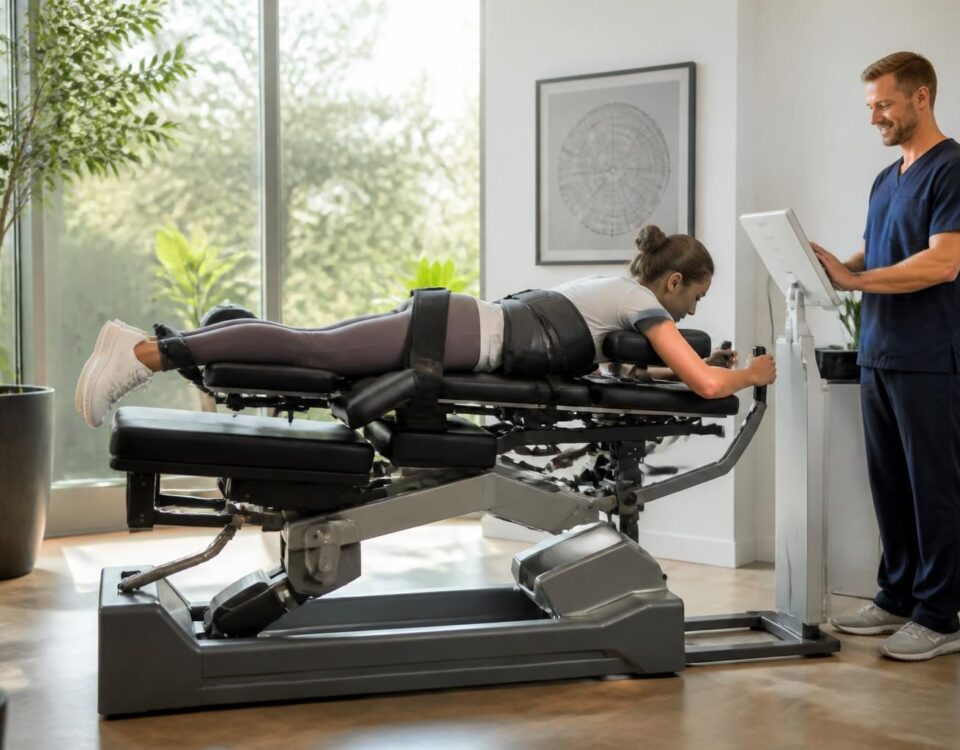
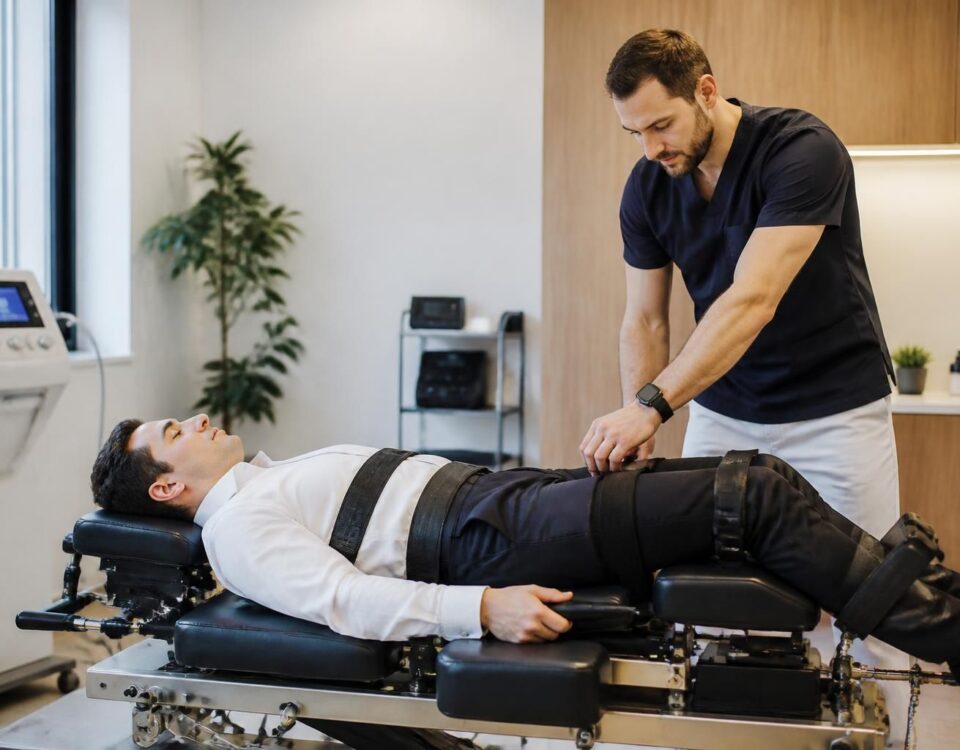
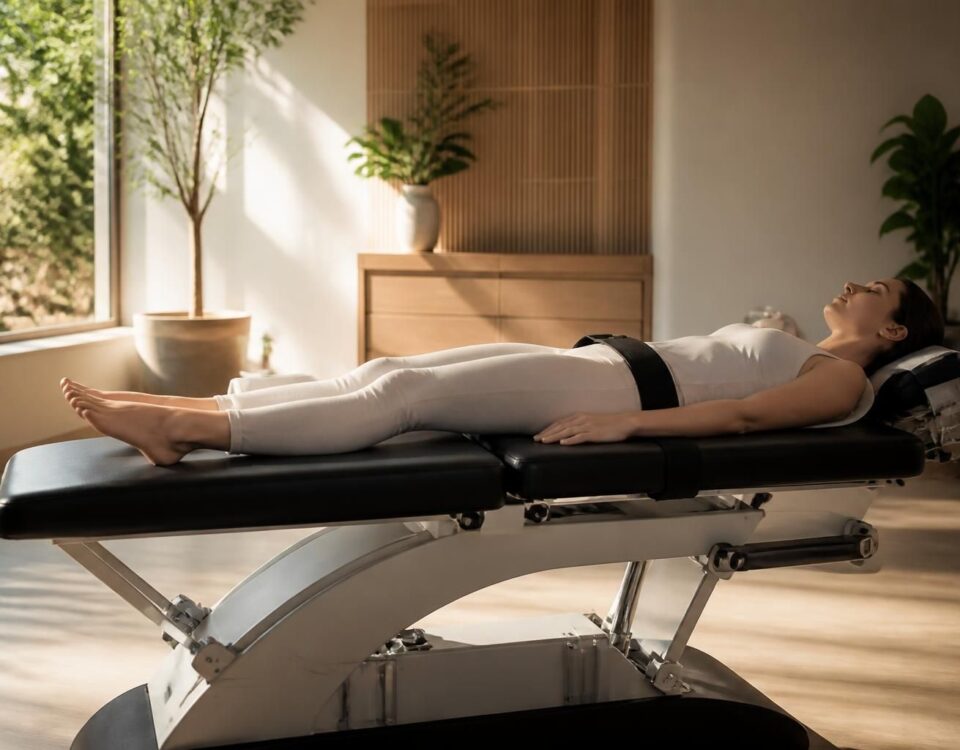
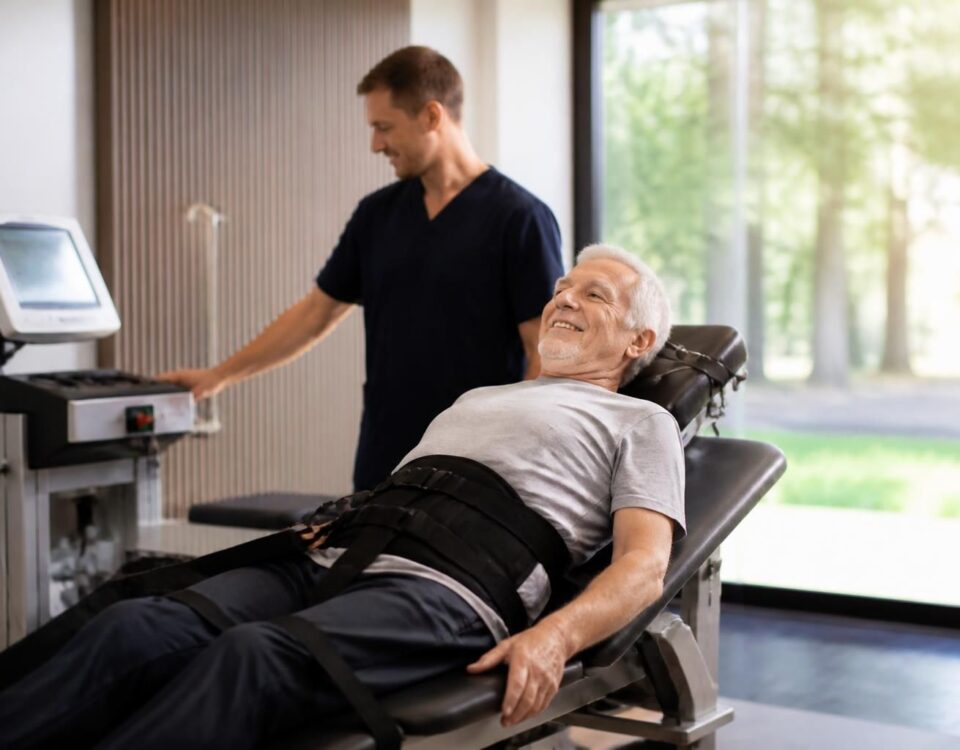
A device applies controlled traction on the column. This traction creates a negative pressure In the discs, facilitating the circulation of fluids and nutrients. This can help reduce nerve irritation and promote muscle relaxation associated with pain.
Common indications
This approach can be considered in cases of slipped disc, of protrusion or of bulge disc, as well as during pain related to disc degeneration, Foraminal stenosis or at the Spinal stenosis. Other compatible signs may include irradiated pain and prolonged periods of back or cervical pain.
What to expect during treatment
Each session typically lasts between 15 and 30 minutes. The program often includes between 15 and 25 sessions, depending on the severity and location of the pathology. The treatment is generally comfortable and not painful. Some people experience a feeling of relaxation after the sessions. No specific stretching or exercise prescription is required for this therapy.
Where to get treated and cost
Decompression can be offered in specialized clinics such as neurovertebral decompression or in structures associated with tagmed. In Montreal or in the inner suburbs, recognized centers offer preliminary assessments to determine eligibility and the most appropriate plan. The cost is generally lower than surgery and the risk is lower when the therapy is well supervised.
To learn more, see the following resources: Why decompression is a safe and effective choice, How decompression helps sciatic pain, and Decompression for persistent mechanical pain. These resources also describe the mechanisms and results observed in some patients.
Integration and security
The clinics that offer this therapy rely on clear protocols and screening assessments. They are part of a multidisciplinary approach, with security checks and rigorous eligibility criteria. For those looking for official information, the guides and institutional pages focus on the safety and effectiveness of the treatment.
Recommended resources and readings
For more information, you can view resources at Prevention and management of spinal pain, or again radicular pain. Other pages address safety aspects and options for active patients.
For more technical and clinical information, recognized platforms offer explanations on the safety and efficacy of treatment. You can also focus on resources dedicated to TagMed and neurovertebral decompression via the following links: Sensitive choice before surgery, Safe for seniors, and Safety and effectiveness of treatment.
For active and sports patients, some pages discuss potential benefits and how decompression can support return to activity, without imposing specific exercise programs in this approach.
Structure and coordination of care
TagMed-affiliated clinics and professional networks favor a coordinated approach. They promote clear communication between the patient, the practitioner and the specialists involved in the diagnosis and follow-up.
If you want to know more, check out the following resources and descriptive pages of participating clinics: Credible alternative to invasive solutions, Ideal for radicular pain, and Column pain prevention.
useful links to deepen the aspects security and efficiency of the treatment can be found on the domains sossciatica.com and decompressioneurovertebrale.com, accessible above.
For those who wish to contact a nearby clinic, the TagMed clinic offers resources and personalized support. Check out their site for details and appointments.
Medical Disclaimer: The information and advice provided on this site does not replace the health professional’s diagnosis or treatment. Please note that Dr. Sylvain Desforges osteopath is neither a doctor of medicine nor a doctor, and is not a specialist in a medical specialty as defined by the Collège des Médecins du Québec. Manual medicine, functional medicine and sports medicine as described on this site exclude any medical treatment or diagnosis made by a doctor or specialist doctor. Always consult your doctor for any medical questions. For more details, please read our full legal notice.
- Controlled traction Decreasing pressure on nerves and discs.
- non-invasive And without surgery.
- pain reduction and improved mobility after the sessions.
- Low risk and high tolerance with few side effects.
- Evidence and protocol based on clinical results and trials.
- Custom Plan Suitable for the location and extent of the lesion.
- Quick recovery and resumption of daily activities earlier.
- Alternative to surgery to avoid or delay an intervention.

This article presents why the neurovertebral decompression is a safe and effective choice to treat back and neck pain. It offers an approach non-surgical which acts directly on the cause of the pain by decreasing the pressure on the discs and nerves. Often, it is proposed as an intermediate step before any invasive intervention and can allow a significant improvement in mobility and well-being.
A non-invasive approach centered on the source
The neurovertebral decompression is based on a Controlled traction which spaces the vertebrae and frees the path of the compressed nerves. This dynamic creates a negative pressure inside the discs, favoring their rehydration and the reduction of their protrusion. As a result, pain and radicular symptoms decrease, which facilitates daily activities without having to resort to surgery.
This method directly targets the mechanism responsible for pain, rather than masking symptoms. Modern protocols are personalized depending on the place of pain (neck or back), the type of lesion and the degree of compression, which improves efficiency while preserving patient safety.
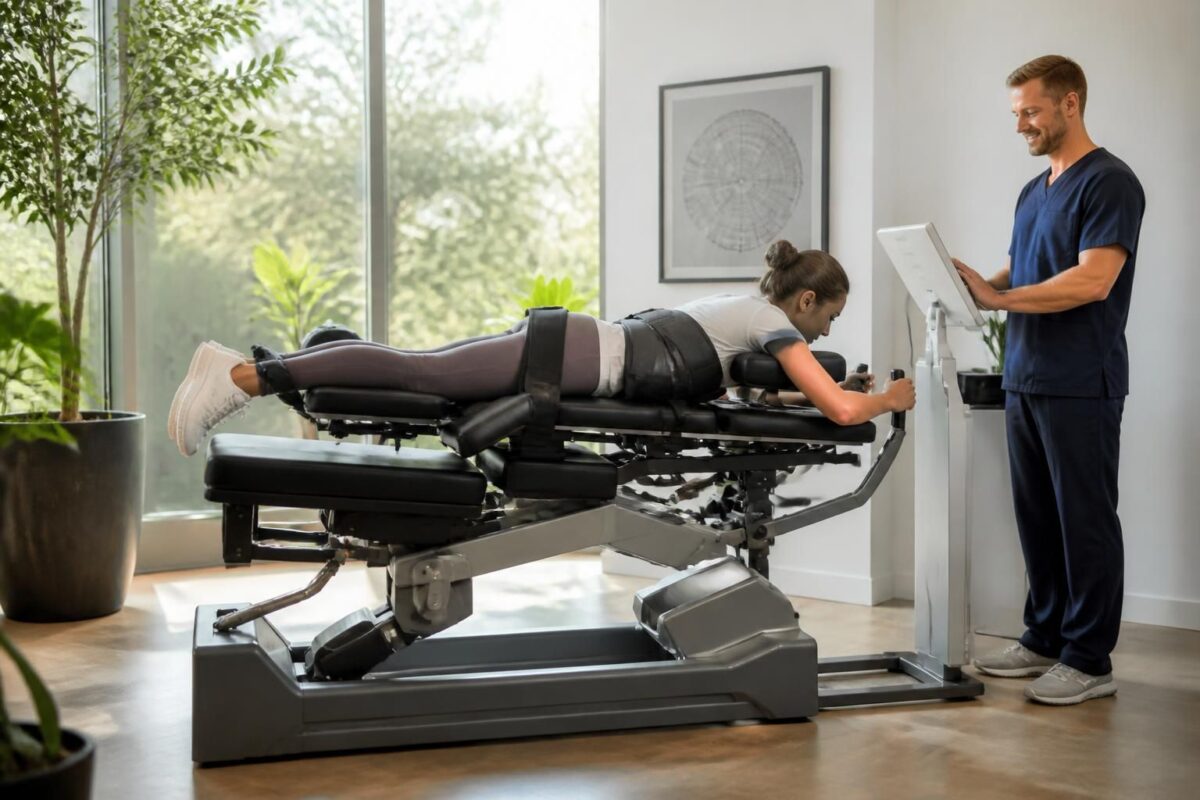
The long-term benefits of neurovertebral decompression for spinal health
In short In short, the neurovertebral decompression is a non-invasive approach that decreases the Pressure on intervertebral discs and nerves, favoring the Natural regeneration and tissue recovery. Its long-term benefits include Lasting pain reduction, Improving mobility and from the posture,…

Neurovertebral decompression and mobility: a return to an active life
In short In short, the neurovertebral decompression is therapy non-invasive who uses a gentle traction To create a space between the vertebrae and reduce the pressure on the Intervertebral discs and the nerves. It promotes a bloodstream improved, lowers tension…
Indications and safety
It is particularly suitable for adults suffering from pain related to disc phenomena such as hernias or protrusions, as well as symptoms noticeable with spondylosis or radiculopathy. The safety profile is favorable: the side effects are rare and generally benign, such as a slight temporary stiffness after a session.
Safety and efficiency depend on a Pre-therapeutic assessment rigorous and Personalized treatment plan. Certain medical conditions, such as fractures, active infections or structural abnormalities, may constitute contraindications. In all cases, the use of a qualified professional makes it possible to determine eligibility and to adjust the protocol to optimize the results.
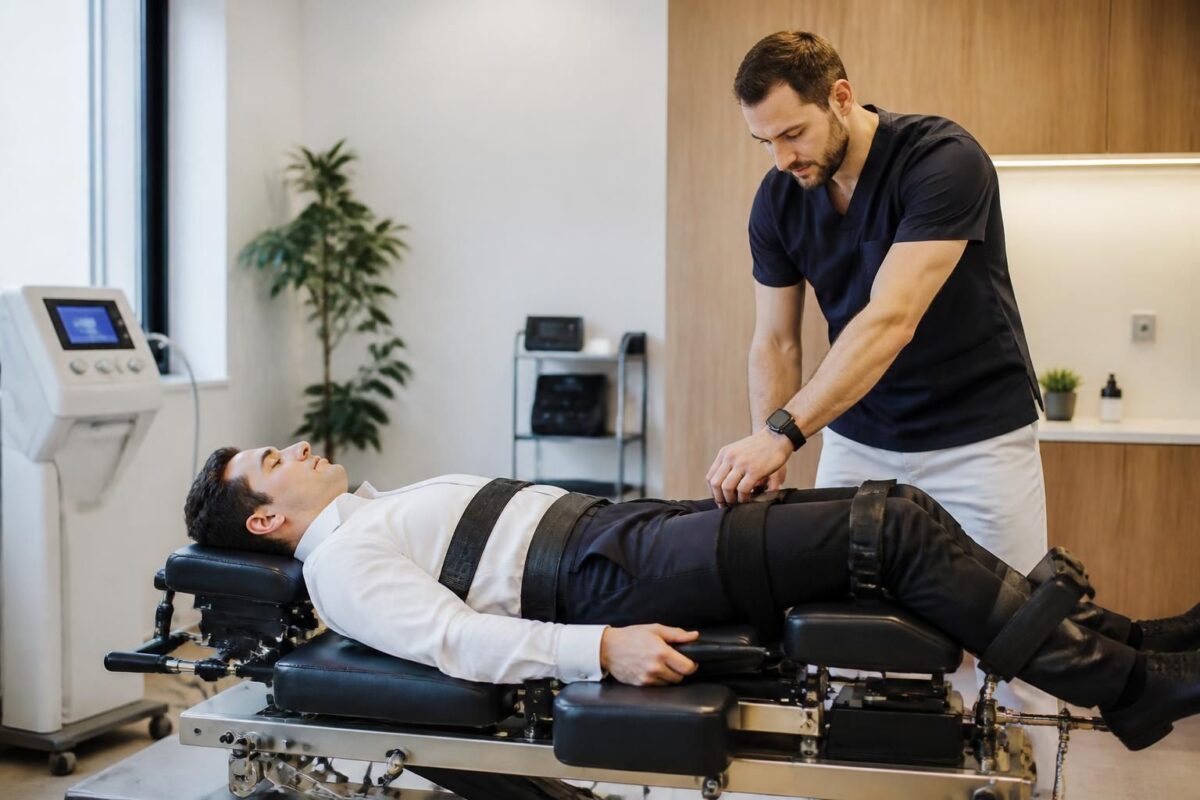
How Neurovertebral Decompression Prevents Diffuse Chronic Pain
In short decompression neurovertebral is one Non-invasive method aimed at reducing the Pressure on the intervertebral discs and the nerves, in order to prevent Diffuse chronic pain. It improves the circulation and thedisc hydration, decreases inflammation and promotes better mobility.…
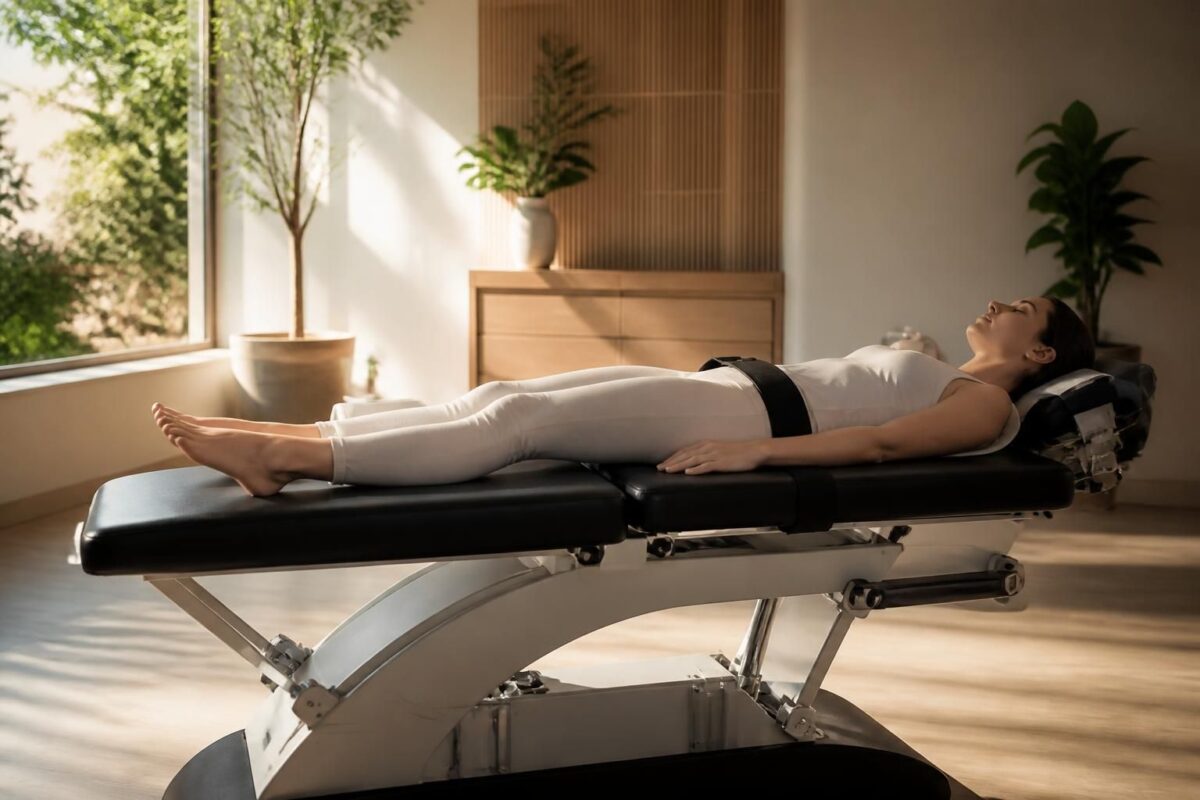
Neurovertebral Decompression and Body Alignment: Restoring Natural Balance
In short In short, neurovertebral decompression is one Non-invasive approach who restores theBody Alignment and thenatural balance back and neck. She acts by a Controlled traction of the spine to widen the intervertebral space and reduce the Pressure on discs…
Treatment plan and expected results
A typical program includes approximately 15 to 25 sessions, spread over several weeks. Each session lasts on average between 15 and 30 minutes, and the parameters are adjusted over the course of treatment according to the patient’s tolerance and progress. The goal is a measurable progression of pain and mobility.
Expected results include a Significant pain reduction, an improvement in the mobility and a decrease in symptoms such as numbness or tingling. In many patients, this allows you to resume activities frustrated with pain and, in some cases, reduce or avoid surgery.
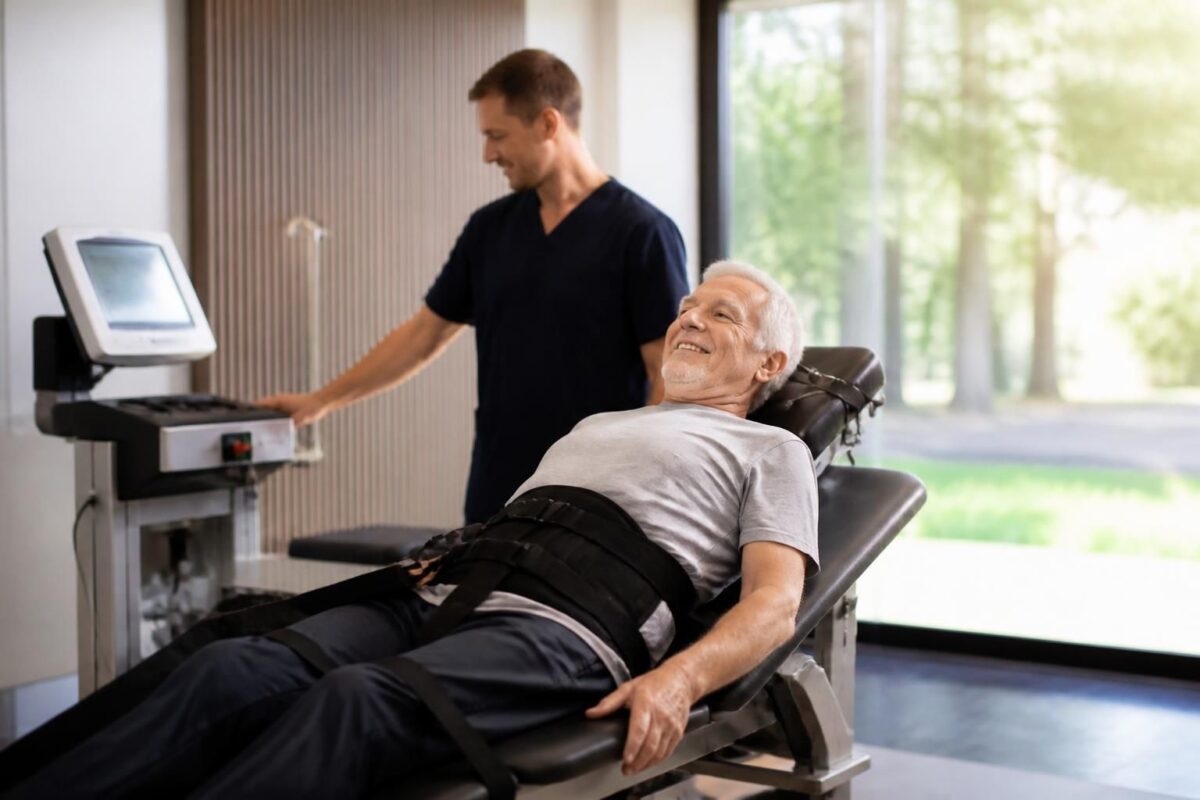
Why neurovertebral decompression is a lasting solution for active seniors
In short In short, the neurovertebral decompression is one Non-invasive therapy which sustainably relieves spinal pain in the spine active seniors By creating, by a Soft and controlled traction, a space between the vertebrae. At Montreal, it is recognized as…
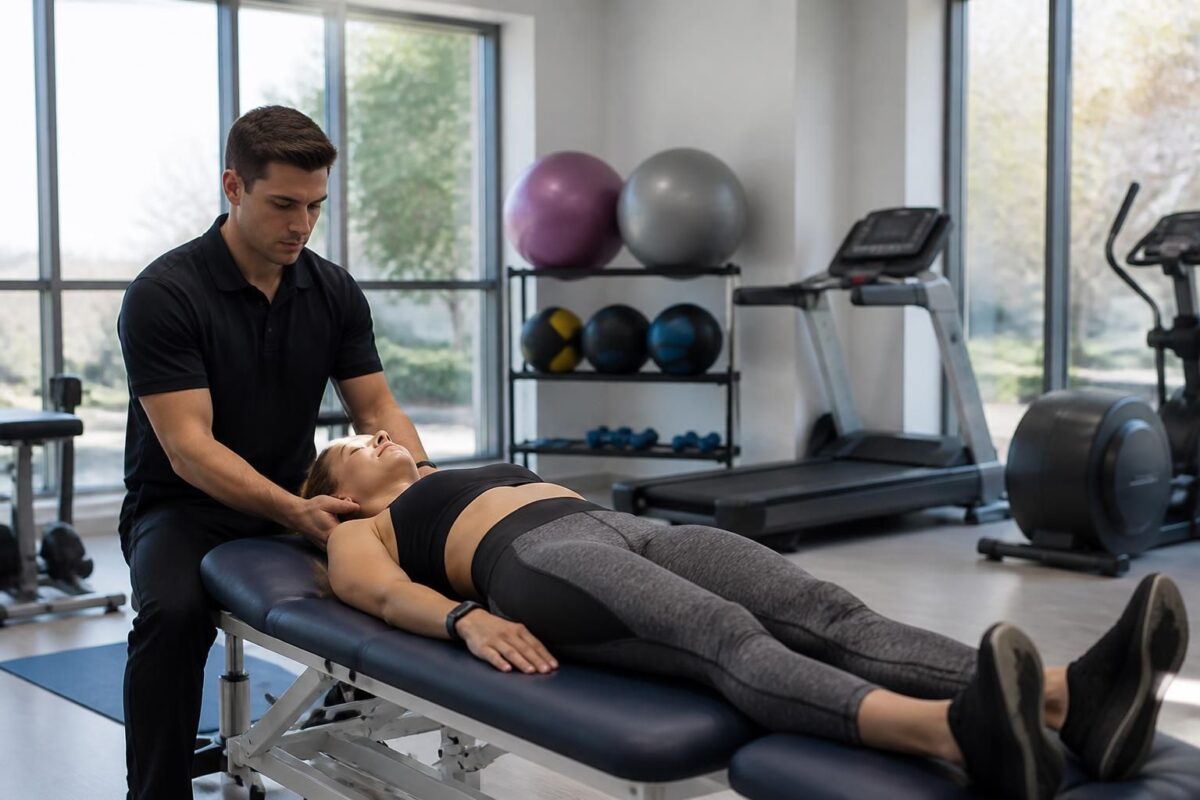
Neurovertebral decompression and recovery after severe sports injury
In short In short, the neurovertebral decompression is one Non-invasive method to Relieve the pressure on the Intervertebral discs and the gristle Via a Controlled traction, to facilitate the recovery After a severe sports injury. It improves the bloodstream towards…
Integration with other approaches
Decompression is even more effective when combined with muscle building, of Functional rehabilitation and other non-invasive support technologies. This approach multidisciplinary Promotes better column stability and faster recovery while limiting the risks associated with more invasive treatments.
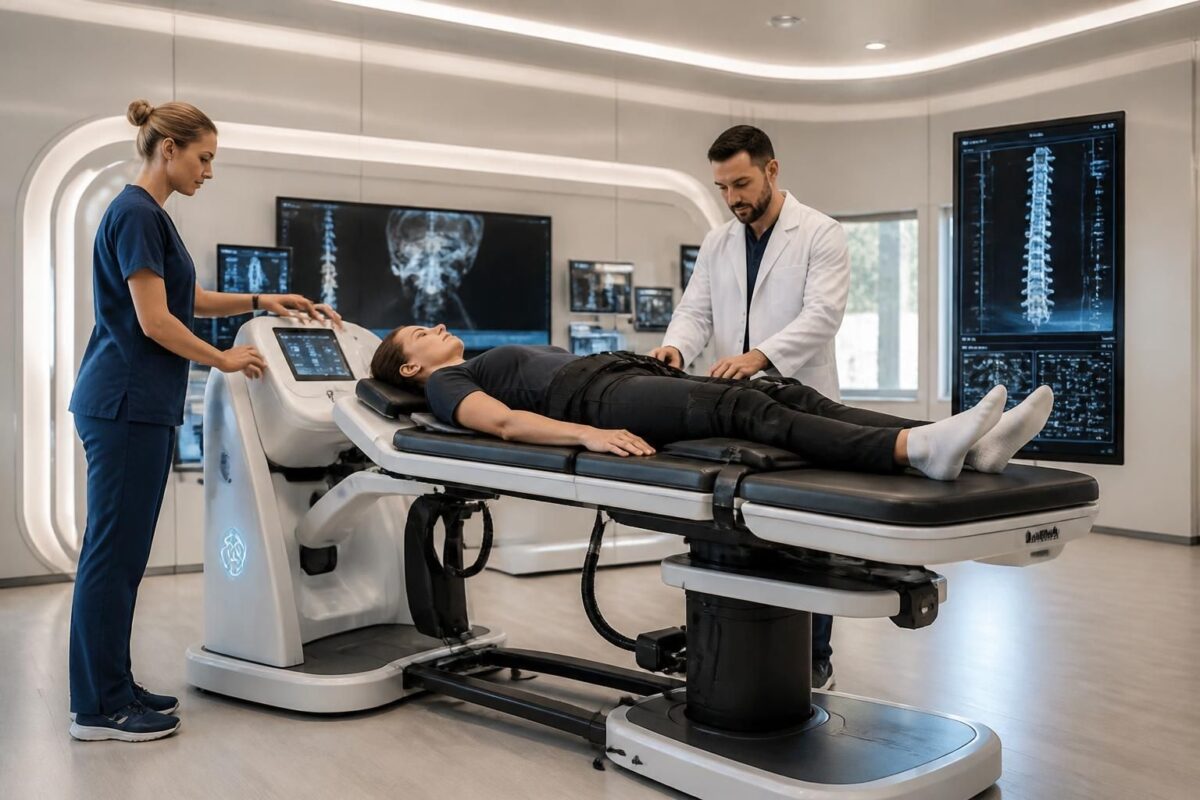
Recent innovations in neurovertebral decompression technologies
In short In short, the neurovertebral decompression is an approach non-invasive Aiming to reduce pressure on discs and nerves, and promote tissue regeneration. At Montreal, it is positioned as an effective option for lower back pain and herniated discs. The…
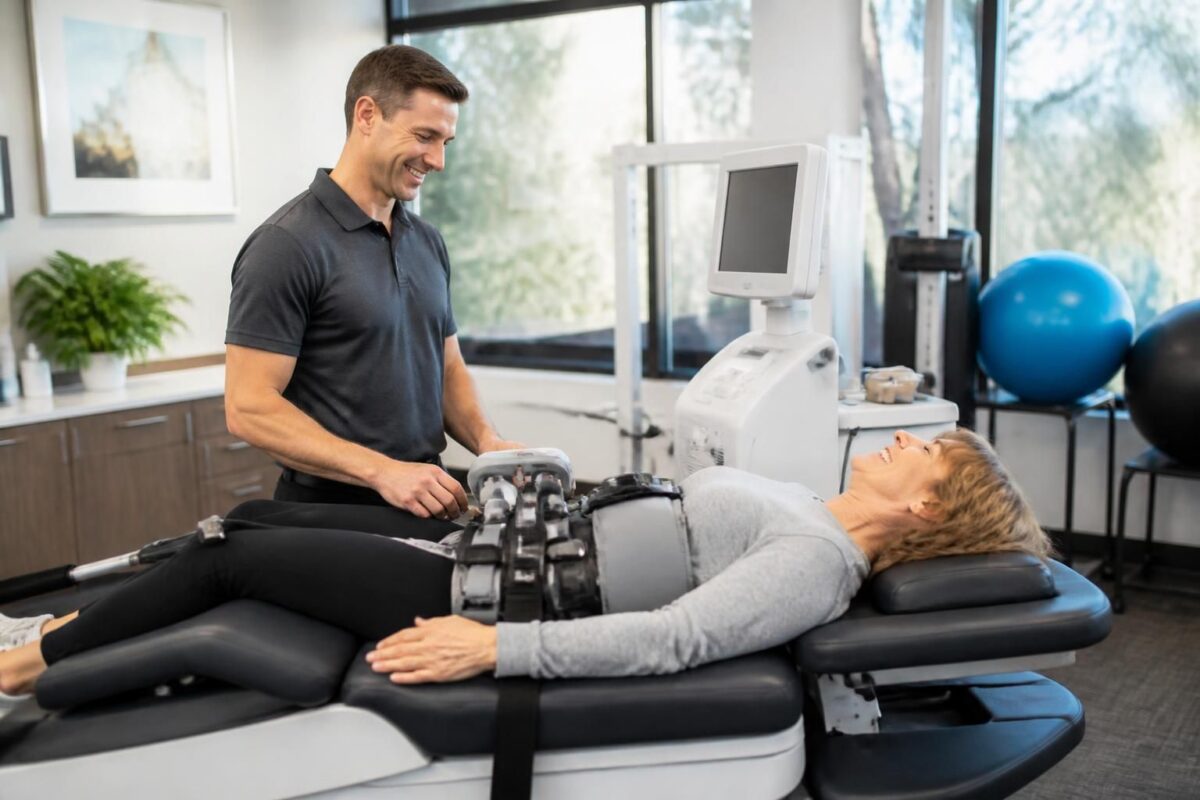
Neurovertebral decompression and diffuse pain: an appropriate solution
In short In short, the neurovertebral decompression is one Non-invasive solution For diffuse pain related to nerve irritation of the spine. She acts in Reducing pressure on intervertebral discs and nerves and improving the bloodstream, which promotes recovery and the…
Practical advice and appointment
To optimize the results, choose a Full assessment Before starting the treatment and follow the proposed plan. Communicate any discomfort or symptom change to quickly adjust the settings. Prepare for a multi-week commitment and discuss financial aspects and repayment opportunities with your insurer. Finally, be sure to consult a competent professional to assess eligibility and maximize potential benefits.
| Axis | Concise description |
|---|---|
| Principle and security | Traction controlled and accurate positioning Reducing pressure On discs and nerves without surgery. |
| Efficiency and results | pain reduction and improved mobility in many patients after a Dedicated program. |
| Eligibility and targeting | adults suffering from herniated discs, protrusions or radiculopathies may be candidates after evaluation. |
| contraindications | Assess major contraindications: Advanced osteoporosis, vertebral infections, tumors, recent fractures. |
| Duration and rhythm | Typical sessions 15 to 30 minutes; Current plan of 15 to 25 sessions. |
| Comparison with surgery | Alternative non-surgical effective in avoiding or delaying an intervention, with Reduced risks. |
| Cost and refund | Usually cost less than surgery; insurance coverage variable according to the contract. |
| Long-term security | Favorable safety profile with few side effects transitory. |
| Therapeutic integration | can be associated with the physiotherapy and exercise programs to optimize results. |
Testimonials: Why neurovertebral decompression is a safe and effective choice
“From the beginning, I have found that this approach is secure and non-invasive. The sessions are gentle and well tolerated, which gave me confidence from the first consultation. After a few weeks, my pain decreased and my ability to move improved without any side effects. »
“I was a candidate for surgery, but the results obtained with the neurovertebral decompression allowed me to avoid the operation. It’s a choice effective and preventive who gave me the freedom to resume my daily activities without constant pain. »
“The sessions are short, comfortable and they directly target the source of my pain. I gradually find mobility and a better quality of life, which proves that this treatment is secure and effective in the long term. »
“As a senior, I had concerns about the safety of back treatments. But I felt safe Throughout the course, with results that show themselves quickly: less pain, more stability and an improvement in balance. »
“My doctor had recommended rest and anti-inflammatory drugs, but I chose decompression, which proved fresh and non-invasive. After a few weeks, I could redo activities that are close to my heart without suffering, which demonstrates theefficiency and the security of this treatment. »
“By associating regular sessions with a personalized program, I saw a Sustainable reduction pain and a Improving mobility. This approach gives me a security and an quality of life found, without resorting to surgery. »
Neurovertebral decompression is a therapeutic approach non-surgical which aims to reduce the pressure exerted on the intervertebral discs and the nerves of the spine. By acting in a targeted way on the space between the vertebrae, it allows to restore normal function of the back and neck while offering a progressive path towards lasting relief from pain. This method is part of a logic evidence-based, integrating standardized protocols and personalized evaluation to adapt to each patient. If you suffer from back pain, radiculopathies or pain related to disc degeneration, decompression can be a key step towards a better quality of life.
In terms of safety, the device uses traction controlled and adapted to the anatomy of each person. The sessions take place under surveillance and with progressive adjustments to guarantee comfort and safety throughout the treatment. The risks are generally weak-willed and serious side effects are rare; In practice, some people may experience a passing discomfort or slight stiffness after the first sessions. Before initiating the program, a clinical assessment and, if necessary, imaging examinations make it possible to rule out contraindications such as recent fractures, spinal infections, or major osteoporosis. This selection phase ensures that each patient benefits from a truly safe and optimized plan.
The mechanism is based on the creation of a vertebral space and on a negative pressure inside the discs. This dynamic promotes the Disc rehydration, improves the circulation of nutrient fluids and decreases the pressure on the nerve roots. The practical result is a reduction in pain, an improvement in mobility and a reduction in neurological symptoms. Treatment is particularly relevant for conditions such as herniated discs, disc protrusions and certain forms of spinal stenosis. A typical program usually plans between 15 and 25 sessions, with long-term results when patients are actively involved in their rehabilitation and lifestyle.
Compared to surgery, neurovertebral decompression offers an alternative non-invasive and often faster in terms of returning to normal activity. It can make it possible to avoid or delay a heavier surgical intervention, while being part of a global approach to care that combines physical therapies, adapted exercises and postural advice. In addition to other conservative treatments, it often improves the effectiveness of physiotherapy and muscle strengthening programs, and it is particularly beneficial for people concerned with preserving their autonomy and their daily life without resorting to surgery.
In a modern approach and multidisciplinary, decompression integrates with other technologies and treatment protocols to optimize the results. Each patient benefits from an accurate diagnosis and a personalized therapeutic path, which promotes measurable progression adapted to their own pace. For any questions about eligibility and the development of a tailor-made plan, it is recommended to consult a specialized practitioner who will be able to guide you towards the safest and most effective choice for your back and your well-being. Get in touch with a specialized clinic to assess potential benefits and next steps together.
Quick summary: Neurovertebral decompression is a non-invasive approach that aims to relieve back and neck pain by reducing pressure on discs and nerves through controlled traction. Performed according to a personalized evaluation, it is generally part of a protocol of 15 to 25 sessions and can promote lasting pain reduction, improved mobility and faster return to daily activities, while remaining an alternative to surgery in some cases. This therapy is presented as safe and effective when administered by qualified professionals and as part of an integrated care plan. For further information, see in particular the resources available on neurovertebral decompression and with specialized clinics such as Tagmed Clinic.
Security and Low risks are pillars of this approach when it is carried out by experienced professionals. A screening assessment is used to identify contraindications and adjust treatment, which helps to minimize adverse effects and to ensure appropriate follow-up. The information available shows that in the majority of cases, patients tolerate the protocol well and resume their activities quickly after the sessions.
Efficiency and Mechanism: Controlled traction creates artificial and long-lasting ventilation of the intervertebral space, with a negative pressure which promotes the rehydration and nutrition of the discs, while reducing compression on the nerves. Although the results may vary by person and by the location of the lesions, many patients report a pain reduction and an Improving mobility After a sufficient number of sessions (often between 15 and 25). For summaries and testimonials, you can consult specialized resources such as Essential FAQs and items available through partner sites.
Role in the care pathway: This therapy is inscribed as a Remarkable alternative to surgery when it is indicated and can sometimes make it possible to avoid or delay surgery. It is based on an approach Planned and multidisciplinary, with medical supervision and progress adapted to each patient. This is an option to consider after evaluation of the underlying causes and results of conservative treatments, especially when symptoms persist despite physiotherapy and drug treatments. For analytics and comparisons, see the following resources: How decompression affects chronic pain and Role and patient information.
In practice, neurovertebral decompression is often associated with other conservative interventions (manual therapy, exercises, postural advice) to optimize results and promote A lasting improvement in the quality of life. To access this modality in a well-kept and adapted framework, it is recommended to turn to specialized clinics and to request a detailed initial assessment, as in the resources and services offered by Tagmed Clinic.
For those who wish to broaden their understanding of the subject and explore the technical and scientific contexts surrounding the technique, additional references and specialized journals are available via the links provided below, including neurovertebral decompression and resources dedicated to safety, efficiency and impact on mobility.

Dr Sylvain Desforges, B.Sc., D.O., N.D., osteopath, is the founding president of TAGMED and of the ACMA association. He dedicates his practice to chronic spinal pain, low back pain and symptoms compatible with sciatica, particularly when pain radiates toward the buttock, leg, calf, foot or toes.
Through SOS Sciatique, he publishes educational content on sciatica symptoms, possible causes such as disc herniation, disc narrowing, foraminal stenosis or irritation of a lumbar nerve root, as well as non-surgical approaches that may be considered according to the evaluation. At Clinique TAGMED, care may include, depending on the case, motorized neurovertebral decompression, specific osteopathic care or precision percussion.
For an evaluation related to sciatica treatment in Montreal / Mount Royal or sciatica treatment in Terrebonne, please consult the services available at Clinique TAGMED.
Medical disclaimer
The information published on SOS Sciatique is provided for educational purposes only and does not replace a consultation, diagnosis, opinion or treatment provided by a physician or another authorized healthcare professional. The author of this article is neither a medical doctor nor a specialist in a medical specialty recognized by the Collège des médecins du Québec. The osteopathic, manual medicine or functional support approaches described on this site do not constitute medical acts and are not intended to replace medical follow-up.
Consult a physician or emergency service in cases of loss of bladder or bowel control, anesthesia in the saddle area, significant or progressive weakness in the leg or foot, fever, recent trauma, severe pain or rapid worsening of symptoms. For more details, please read our Legal Notice.