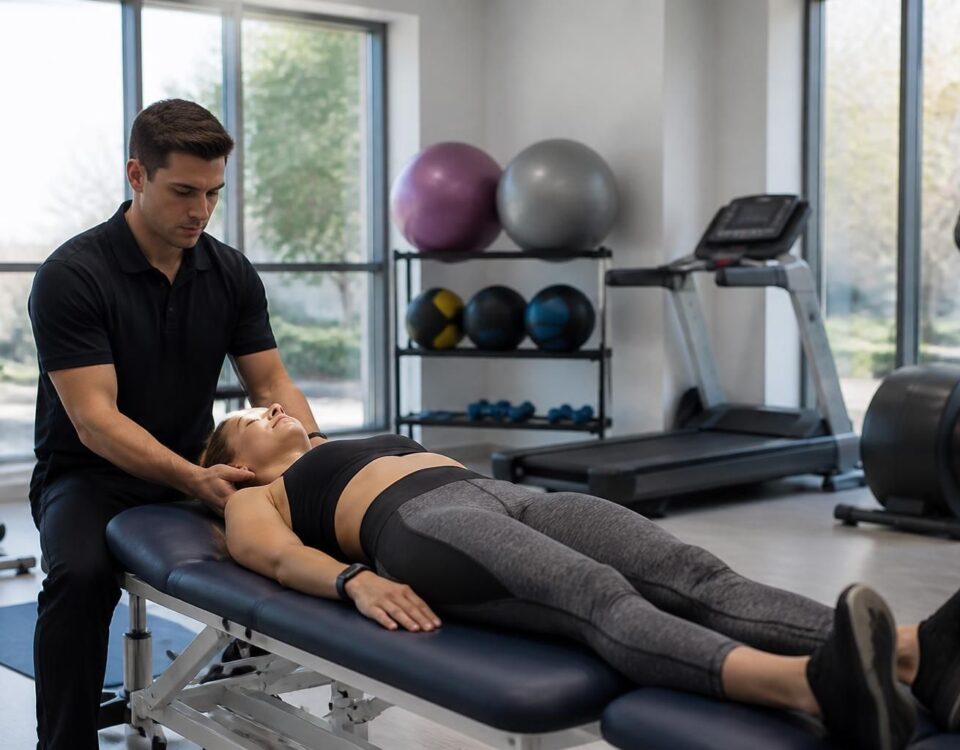
Why neurovertebral decompression is essential for spinal health
26/06/2026
Innovations in the field of neurovertebral decompression
26/06/2026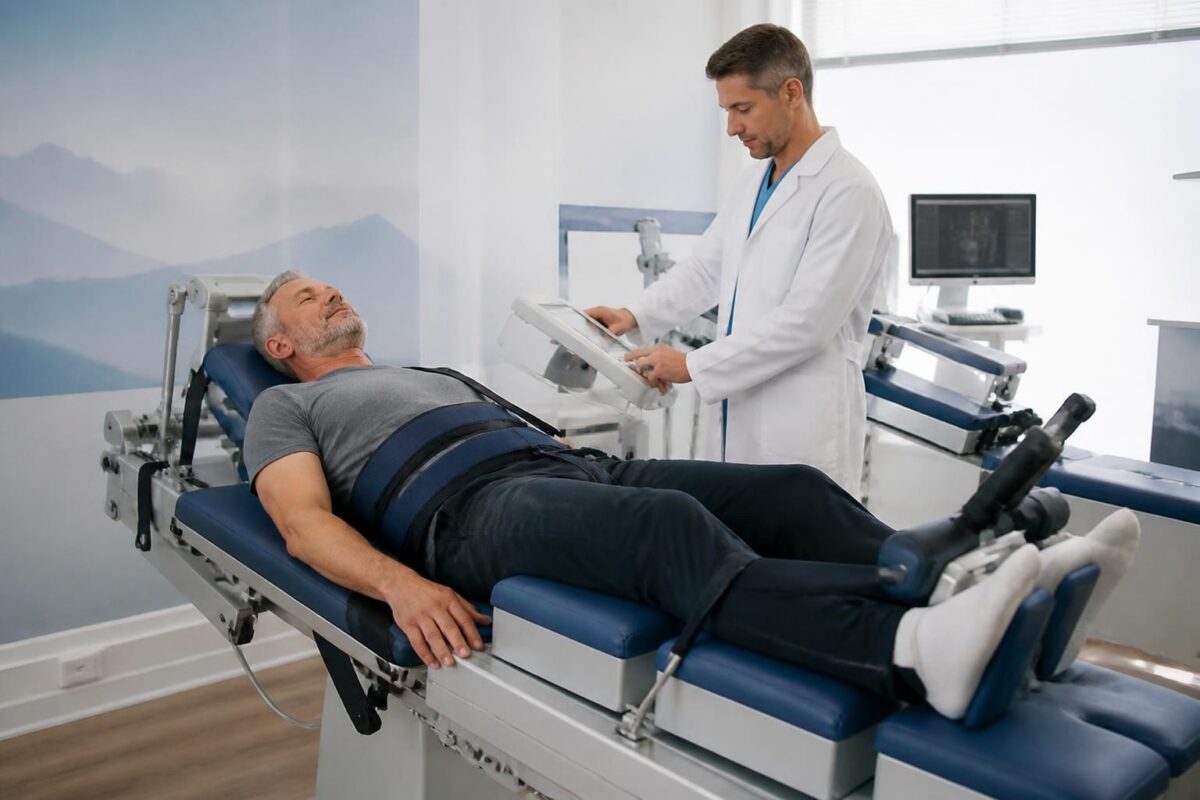
In short
| In short, neurovertebral decompression is an approach non-invasive which facilitates the Post-surgical recovery By reducing the pressure on the Intervertebral discs and the gristle. It allows a Rapid pain relief and an Improving mobility, favoring the return to theautonomy. At Montreal, this service is particularly recommended for Post-surgical pain and rehabilitation after lumbar surgery, offering an option fresh and effective without the risks of invasive treatments. |
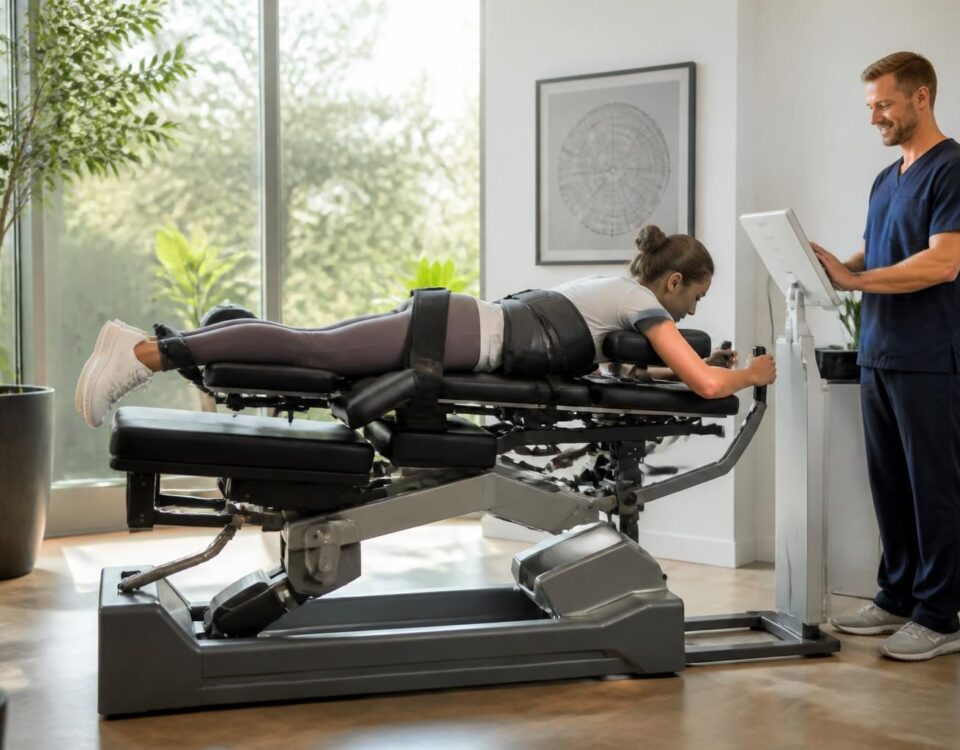
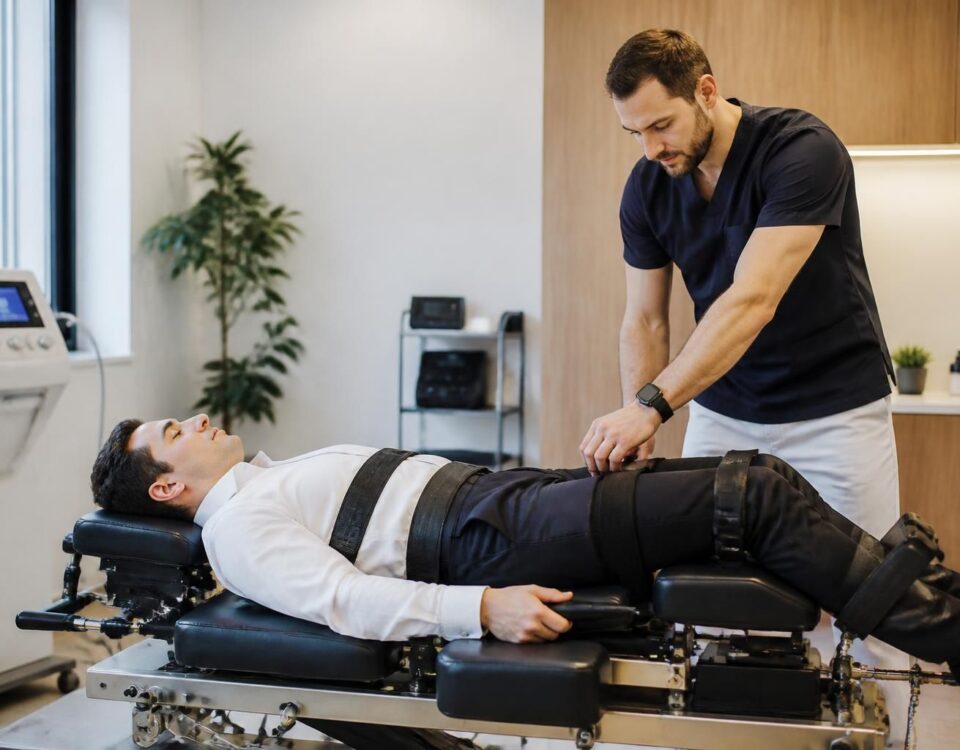
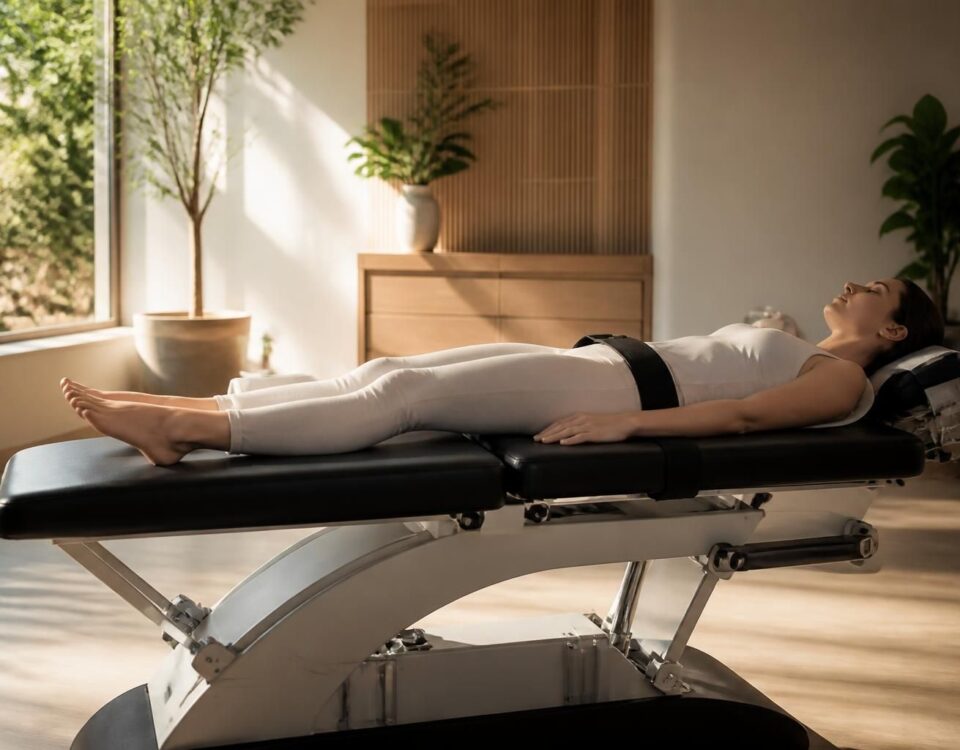
The neurovertebral decompression is an approach non-invasive which acts by a gentle traction To create a space between the vertebrae and decrease the pressure on the intervertebral discs and nerves. This modulation improves the bloodstream and theDisc hydration, promoting recovery after surgery and regained mobility.
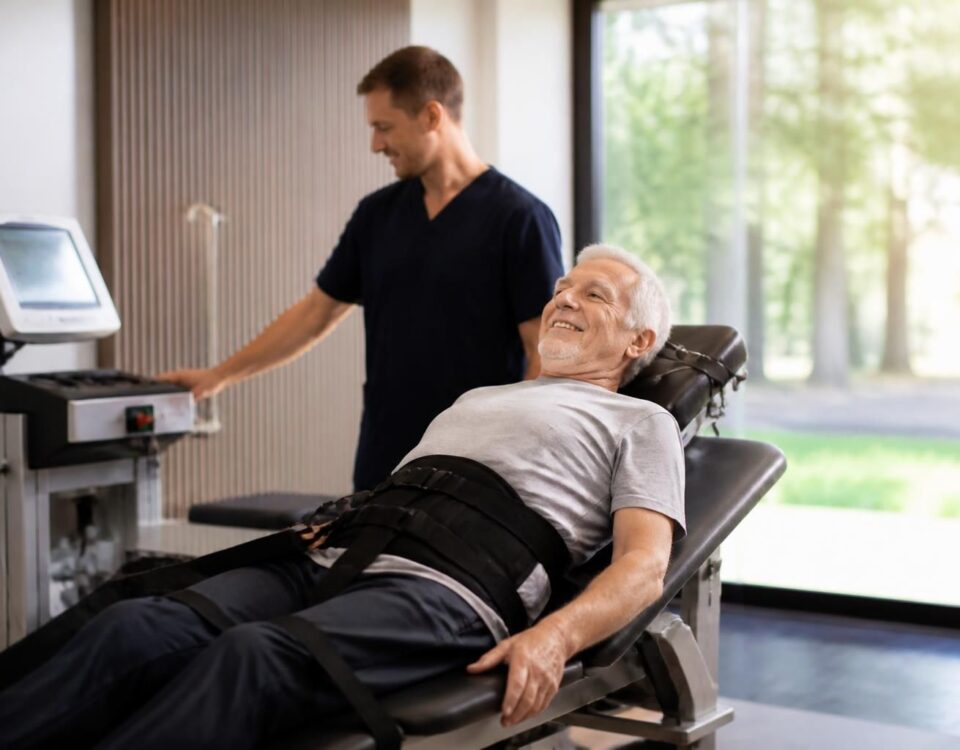
For the senior and patients in post-surgery, she represents a precious help By allowing a rapid pain reduction, a Improving mobility and an Accelerated recovery, while reducing drug needs and risks associated with more invasive treatments. The use of a Personalized follow-up and to a holistic vision Care ensures lasting results and a return to an active life.
Neurovertebral decompression appears as an effective non-invasive approach to accompanying recovery after back surgery. This article, written by a health professional and expert in the fields of manual medicine and associated technologies, describes the mechanism, benefits and integration of this therapy in care pathways, particularly within TagMed clinics. It is based on an evidence-based approach and aims to optimize comfort, mobility and post-operative quality of life.
The neurovertebral decompression acts smoothly on the spine to reduce the pressure exerted on the discs and nerves. This pressure reduction promotes better circulation in the affected region and helps to hydrate and regenerate the intervertebral tissues. The treatment is designed to accompany postoperative recovery without the need for additional surgical procedures and without prolonged drug dependence. Patients often find a gradual improvement in mobility, a decrease in pain and a more comfortable resumption of daily activities.
Understand the mechanism and the effects of decompression
Principle and targeted actions
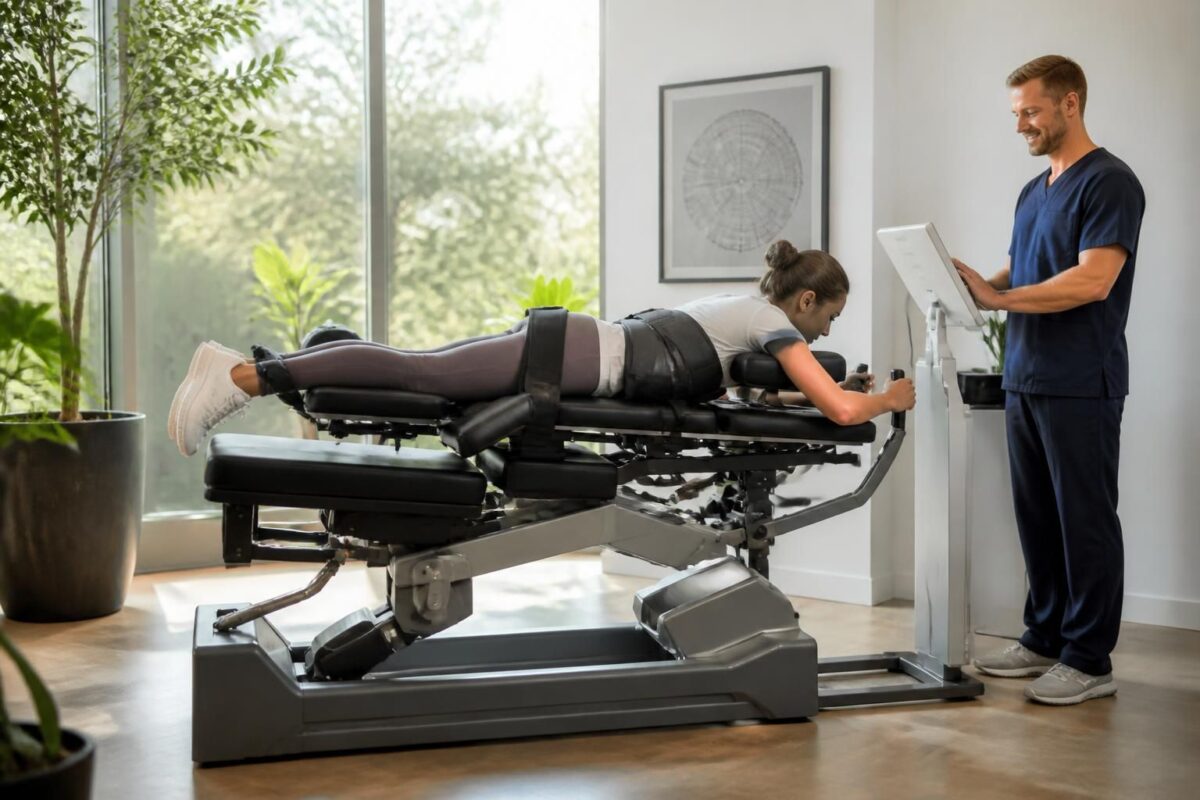
The technique is based on controlled traction that creates a space between the vertebrae. This space decreases the pressure on the nerves and discs, and improves local blood circulation. By facilitating the hydration and regeneration of the discs, it promotes more fluid recovery and a reduction in muscle tension associated with postoperative pain.
Impact on column structures and well-being
By bringing the tissues back to a state of equilibrium, decompression can help restore a more aligned posture and limit the phenomena of stiffness after surgery. This approach is particularly suitable for seniors and patients who have undergone complex operative procedures, as it aims for functional recovery without involving additional invasive actions.
The long-term benefits of neurovertebral decompression for spinal health
In short In short, the neurovertebral decompression is a non-invasive approach that decreases the Pressure on intervertebral discs and nerves, favoring the Natural regeneration and tissue recovery. Its long-term benefits include Lasting pain reduction, Improving mobility and from the posture,…
Benefits for patients after surgery
Several key benefits emerge from the application of neurovertebral decompression after lumbar or cervical surgery. It helps to quickly reduce post-operative pain and improve mobility, while promoting more effective tissue recovery and reduced functional limitations. At the same time, it helps prevent Chronic pain By supporting tissue health and preparing the body to resume daily activities independently.
Pain Relief and Mobility Recovery
Patients often describe a noticeable decrease in pain and a regained range of motion. This development contributes to a resumption of usual activities and better confidence in the rehabilitation process.
Safety and non-invasive approach
Given its non-invasive nature, neurovertebral decompression has a favorable safety profile compared to complementary surgical treatments or certain long-term drug protocols. It can thus reduce the risks associated with more aggressive treatments and limit the side effects associated with medication.

Neurovertebral decompression and mobility: a return to an active life
In short In short, the neurovertebral decompression is therapy non-invasive who uses a gentle traction To create a space between the vertebrae and reduce the pressure on the Intervertebral discs and the nerves. It promotes a bloodstream improved, lowers tension…
Integration in care pathways in TagMed
Tagmed clinics offer this therapy in a structured setting, with experienced staff and appropriate protocols. The objective is to propose a global care that combines an in-depth evaluation, a progressive protocol and regular monitoring to adjust the treatment according to the progress observed. This approach is part of a holistic approach aimed at sustainable well-being and maintaining post-surgical autonomy. To learn more about the options and services offered, see Tagmed Clinic and associated resources.
To enrich the information, you can also explore specialized resources that describe the mechanisms and results observed in current practice, including analyzes and feedback published on the following sites:
Neurovertebral decompression and sciatic pain and Recovery after complex interventions. Other useful resources can be viewed on Neurovertebral Decompression – Postoperative Recovery, and on Tagmed – Recognized therapy.
Additional information on benefits and mechanisms can be consulted on The benefits of neurovertebral decompression and Neurovertebral decompression and posture.
Medical warning: Medical Disclaimer: The information and advice provided on this site does not replace the health professional’s diagnosis or treatment. Please note that Losteopath is neither a doctor of medicine nor a doctor, and is not a specialist in a medical specialty as defined by the Collège des Médecins du Québec. Manual medicine, functional medicine and sports medicine as described on this site exclude any medical treatment or diagnosis carried out by a doctor or specialist doctor. Always consult your doctor for any medical questions. For more details, please read our full legal notice.
Useful links and authorized domains to deepen information:
neurovertebral decompression – complex pathologies,
Relief of sciatic pain,
Benefits for muscle tension,
Posture and imbalances,
Tagmed – neurovertebral decompression,
Neurovertebral Decompression – Postoperative Recovery,
Mobility after heavy interventions,
Recovery after complex pathologies
- Mechanism : gentle traction creating a space between the vertebrae and Decreasing the pressure on discs and nerves.
- directions : postoperative pain and reduced mobility.
- Quick profits : pain reduction, better mobility and comfort during rehabilitation.
- Drug reduction : less long-term recourse to analgesics.
- Personalized route : Regular follow-up and adjustments depending on progress.
- holistic approach : integrated into a rehabilitation program Aiming theautonomy.
- Security : therapy non-invasive, suitable for seniors, low risk.
- infrastructure : specialized clinics equipped with Advanced technologies to secure the sessions.

This article presents the neurovertebral decompression as a valuable aid for post-surgical pain. Non-invasive and targeted, this treatment aims to reduce the pressure on the discs and nerves through controlled traction, thus facilitating recovery, mobility and quality of life after an operation. This is an option to consider in a personalized rehabilitation program, in order to avoid more invasive treatments and to limit the prolonged use of analgesics.
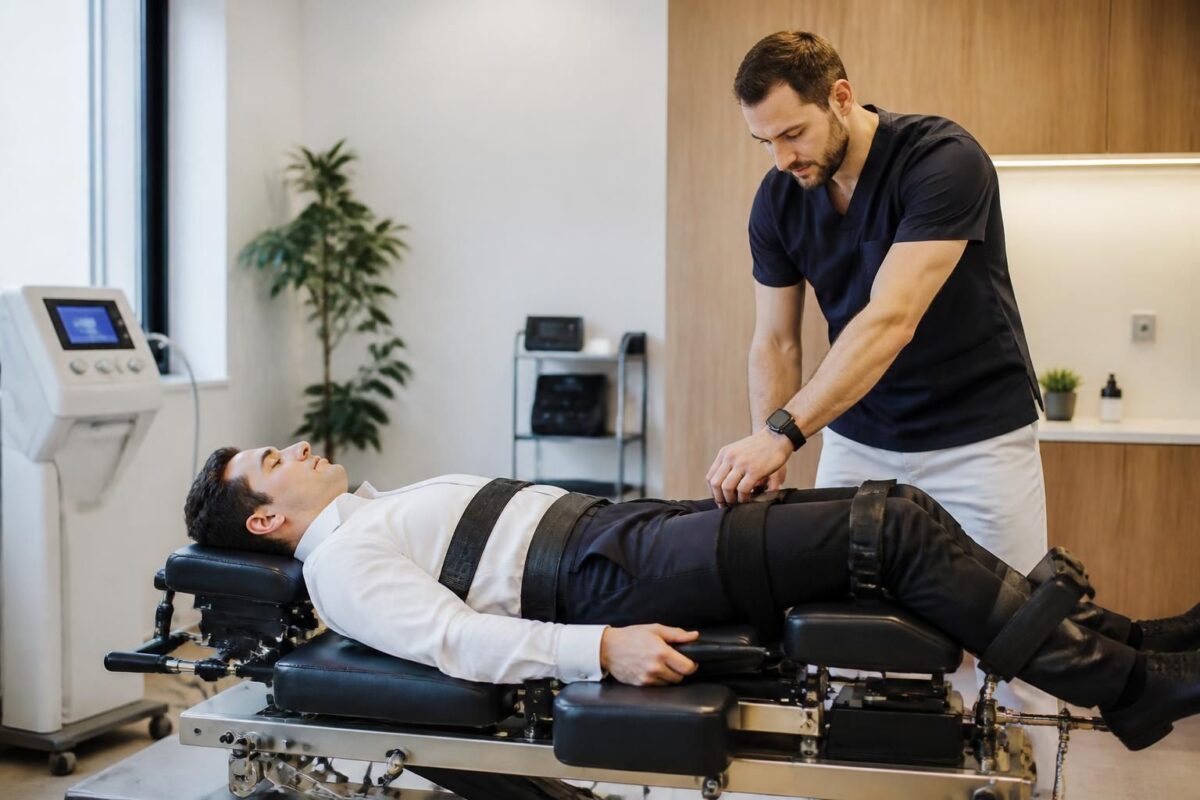
How Neurovertebral Decompression Prevents Diffuse Chronic Pain
In short decompression neurovertebral is one Non-invasive method aimed at reducing the Pressure on the intervertebral discs and the nerves, in order to prevent Diffuse chronic pain. It improves the circulation and thedisc hydration, decreases inflammation and promotes better mobility.…
Understanding neurovertebral decompression
Neurovertebral decompression is based on a gentle traction which creates a space between the vertebrae. By reducing the pressure on the intervertebral discs and nerves, it improves local blood circulation and promotes hydration and regeneration of discs, essential elements for regaining mobility and reducing pain.
This approach non-invasive acts in favor of a progressive recovery and is part of a preventive logic. By improving the flexibility of the spine and reducing associated muscle tension, it helps to restore more natural posture and prevent painful recurrences in the long term.
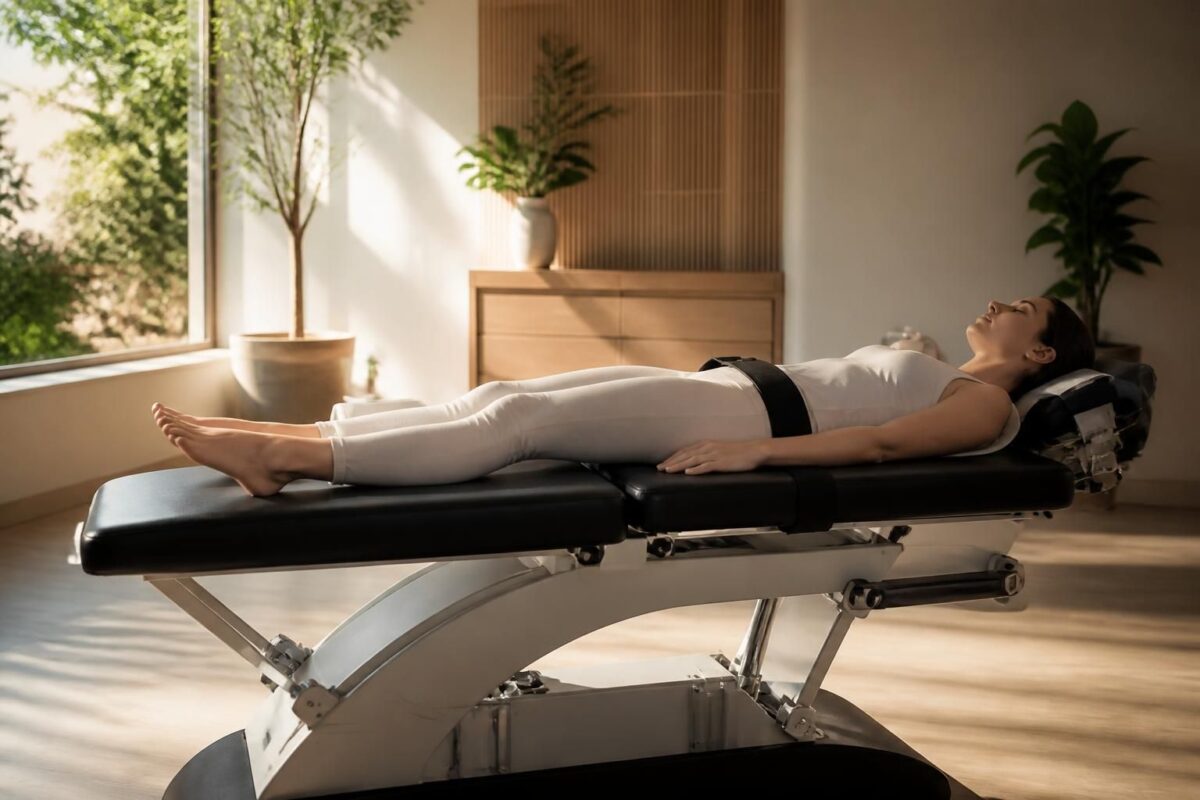
Neurovertebral Decompression and Body Alignment: Restoring Natural Balance
In short In short, neurovertebral decompression is one Non-invasive approach who restores theBody Alignment and thenatural balance back and neck. She acts by a Controlled traction of the spine to widen the intervertebral space and reduce the Pressure on discs…
Decompression after surgery and postoperative pain
After surgery, many patients suffer from residual pain and stiffness. The neurovertebral decompression Can help alleviate these pains and accelerate the return to functional activities. By facilitating movements and reducing constraints on operated tissues, this therapy supports rehabilitation and promotes faster autonomy.
It is ideally integrated into a global care course that takes into account the general condition of the patient, the objective being to improve exercise tolerance and limit prolonged rest periods, while avoiding the side effects associated with drug treatments.
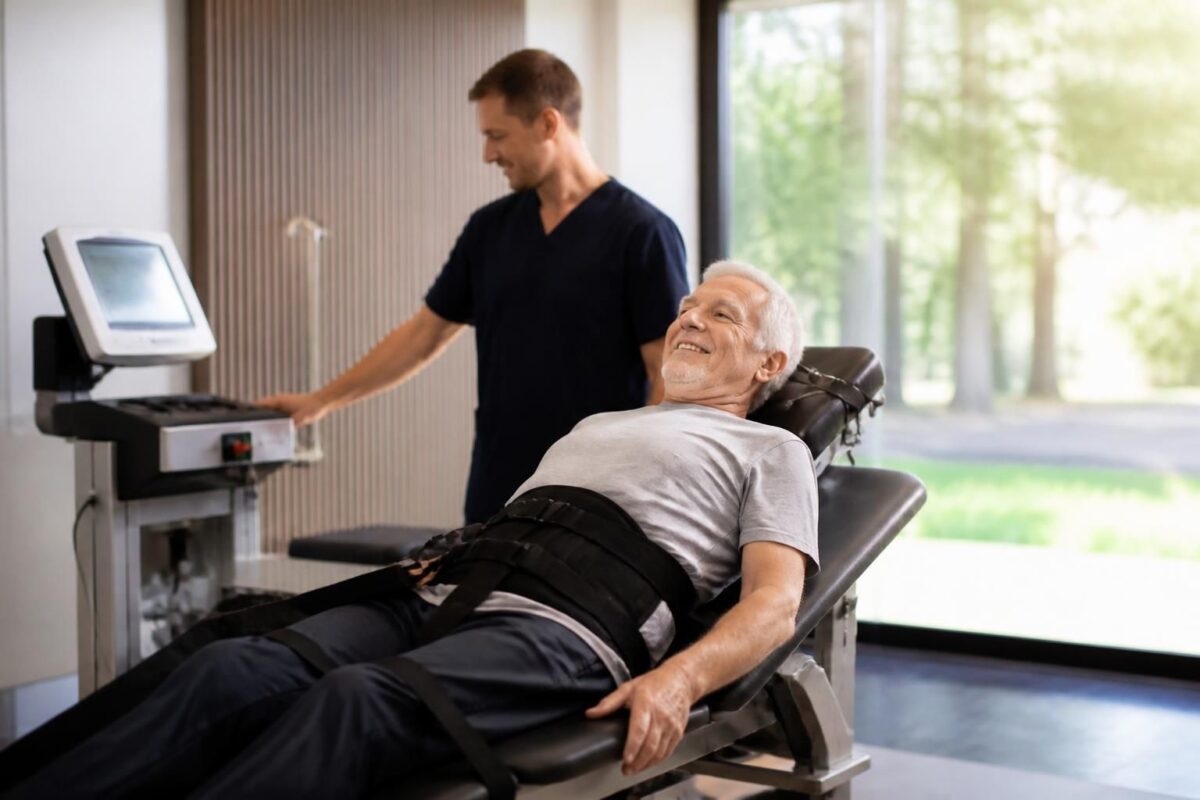
Why neurovertebral decompression is a lasting solution for active seniors
In short In short, the neurovertebral decompression is one Non-invasive therapy which sustainably relieves spinal pain in the spine active seniors By creating, by a Soft and controlled traction, a space between the vertebrae. At Montreal, it is recognized as…
Concrete advantages and expected results
Improved mobility and posture
By releasing spinal tensions and realigning the column, decompression helps Find an range of motion And to resume daily activities with more ease and less pain.
Patients see better posture and decrease in stiffness after several sessions, which contributes to preserving autonomy and preventing future limitations.
Rapid pain relief and accelerated recovery
Reduction of pressure on the nerves and discs frequently leads to a Notable pain reduction and decreased drug use. This improvement can result in a faster return to simple activities and once-limiting leisure activities.
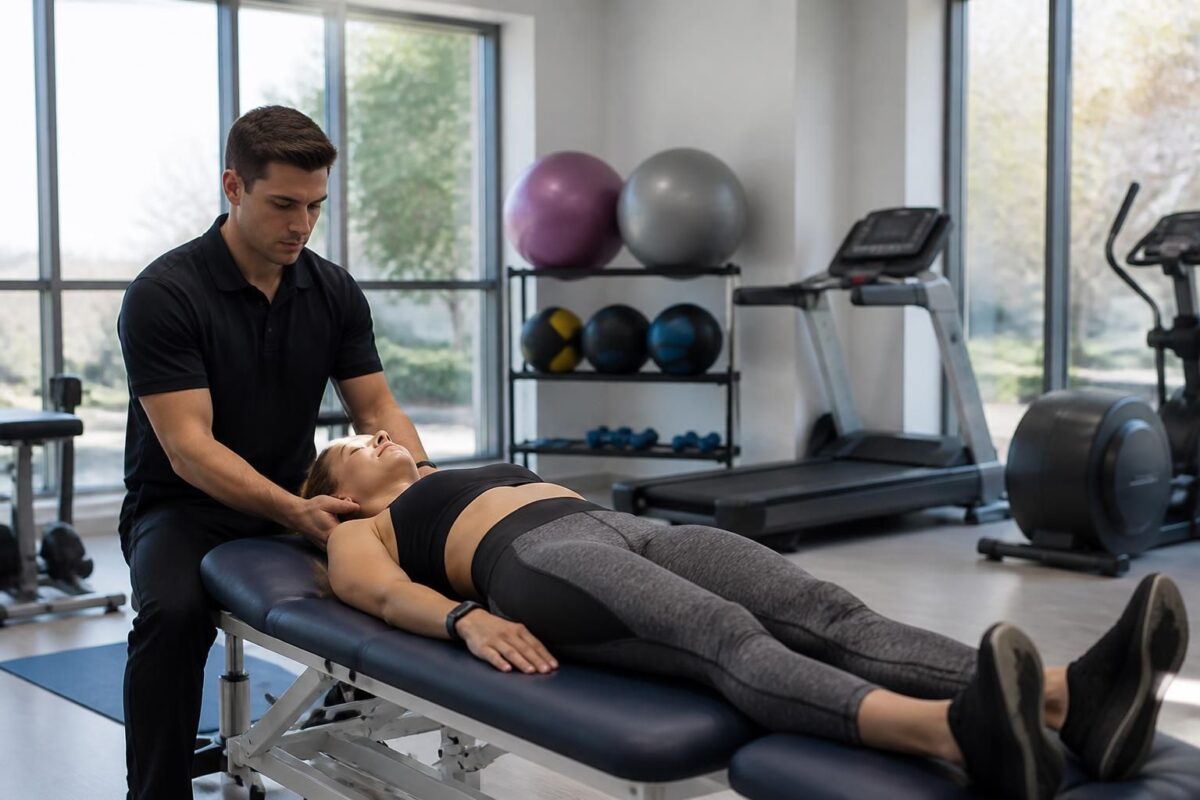
Neurovertebral decompression and recovery after severe sports injury
In short In short, the neurovertebral decompression is one Non-invasive method to Relieve the pressure on the Intervertebral discs and the gristle Via a Controlled traction, to facilitate the recovery After a severe sports injury. It improves the bloodstream towards…
Sessions and personalized follow-up
Each protocol is adapted to the patient and his post-operative course. The sessions, carried out in safe environments, use controlled and progressive traction to avoid any pain during treatment.
The follow-up is regular and adjusted according to the evolution of the condition. Additional rehabilitation exercises and advice on posture, stretching and muscle building support the benefits of decompression and promote sustainable recovery.
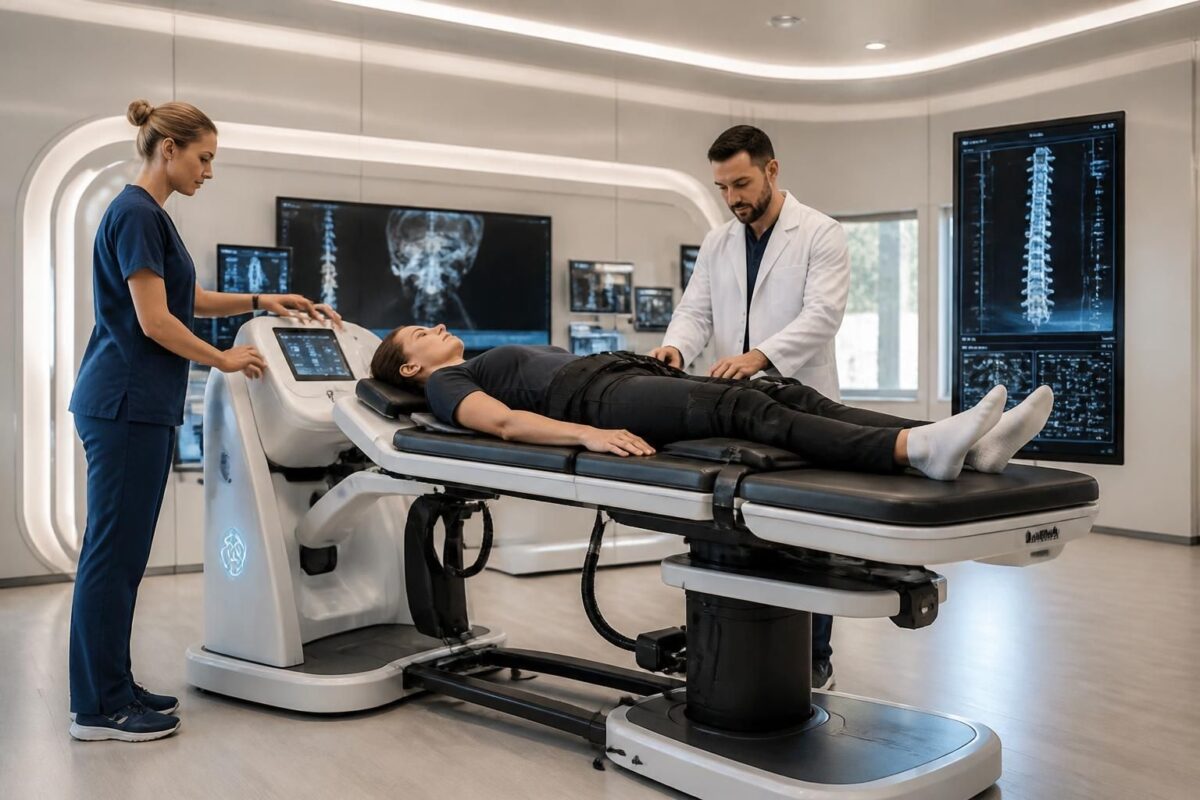
Recent innovations in neurovertebral decompression technologies
In short In short, the neurovertebral decompression is an approach non-invasive Aiming to reduce pressure on discs and nerves, and promote tissue regeneration. At Montreal, it is positioned as an effective option for lower back pain and herniated discs. The…
Security and selection criteria
Neurovertebral decompression is suitable for many post-surgical situations, but it is not indicated in all cases. Before starting, it is essential to carry out a medical assessment and to discuss with your doctor or osteopath to confirm the safety and suitability of this treatment for your situation.
Choosing an experienced practitioner and having a personalized protocol ensures optimal security and optimized results.
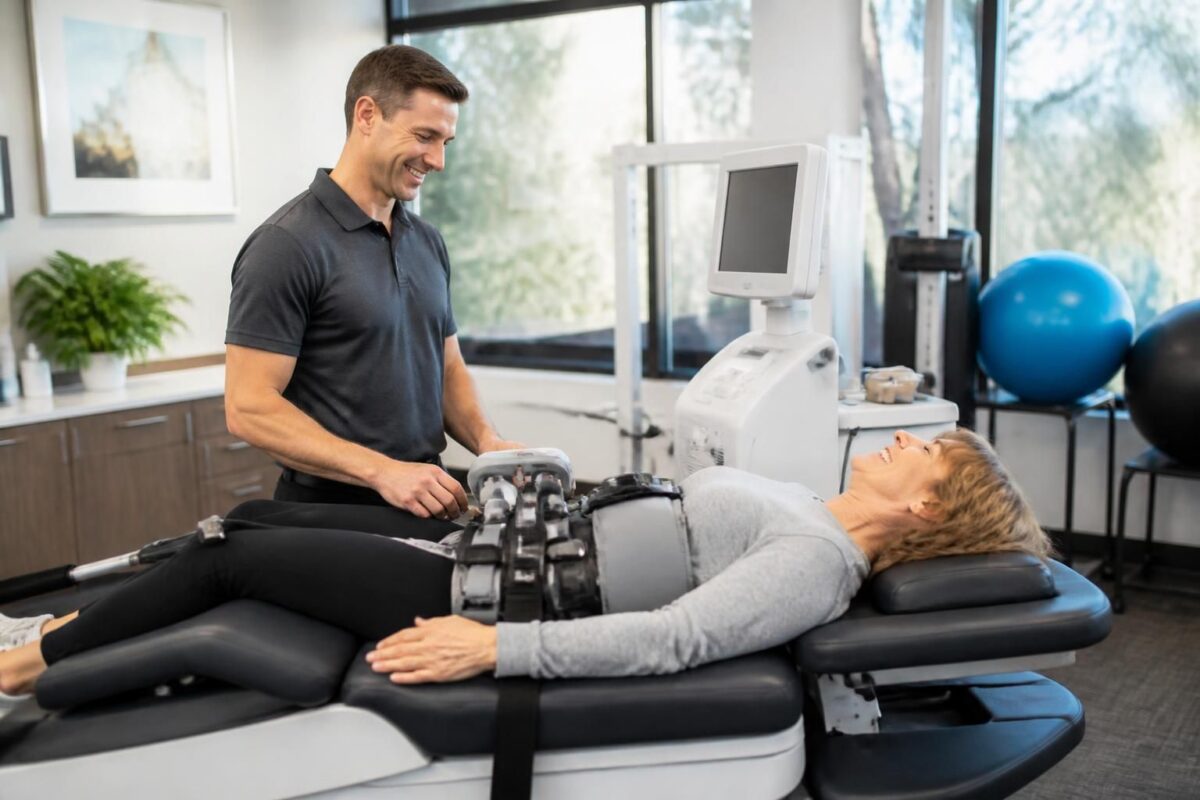
Neurovertebral decompression and diffuse pain: an appropriate solution
In short In short, the neurovertebral decompression is one Non-invasive solution For diffuse pain related to nerve irritation of the spine. She acts in Reducing pressure on intervertebral discs and nerves and improving the bloodstream, which promotes recovery and the…
Practical tips to maximize benefits
Hydrate yourself properly and follow the rest-active indications recommended by your therapist. Combine decompression with gentle exercises of mobility, strengthening and trunk stability, adapted to your post-operative state. Adopt a balanced diet and ensure a restful sleep to support recovery.
| Analysis axis | Impact on the patient (concise) |
|---|---|
| Main objective | Facilitates recovery by reducing tension and improving spinal alignment. |
| pain relief | Reduces post-operative pain quickly without resorting to invasive options. |
| Mobility and flexibility | Restores range of motion and flexibility without additional surgery. |
| Postoperative recovery | Accelerates rehabilitation and allows faster return to daily activities. |
| Drug reduction | Decreases dependence on long-term drug treatments. |
| Security and invasiveness | Non-invasive and safe, with less risk than conventional surgical procedures. |
| Tracking and customization | Individualized program with regular adjustments according to the evolution. |
| Autonomy and quality of life | Improves autonomy and well-being, especially for post-operative seniors. |
Testimonials on neurovertebral decompression and post-surgical pain: a precious help
Marie, 58, Montreal: “From the first sessions of neurovertebral decompression, I felt a relief from pain and an improvement in my mobility. My post-operative recovery seemed to accelerate and I resume my activities with more confidence. »
Jean-Pierre, 72, Lyon: “Before I started, I was worried about resuming my daily actions. Decompression reduced the pressure on my nerves and discs, and I was able to reduce my medications while finding a quality of life Best. »
Claire, 66, Paris: “I was afraid of the side effects of drug treatments. With this approach no invasive, I felt listened to and followed step by step, which facilitated my recovery post-operative and the return to autonomy. »
Luc, 60, Nice: “After my surgery, the stiffness and pain persist. Decompression improved my posture and my mobility And I was able to resume my activities without limitation, earlier than expected. »
Sophie, 74, Marseille: “I thought the pain would be part of my life after the operation. thanks to decompression, my pain decreased and I found a working life and an autonomy which allow me to enjoy my days. »
The neurovertebral decompression is a non-invasive therapeutic approach that aims to facilitate recovery after back or spine surgery. Based on soft and controlled traction, it creates a space between the vertebrae, releasing the pressure exerted on the intervertebral discs and nerves. This targeted action improves circulation, promotes the hydration of tissues and acts directly on the painful mechanisms that often accompany the postoperative course. Suitable for patients wishing to limit invasive treatments, it is part of a dynamic of gentle and progressive rehabilitation.
The mechanism of action is based on a precise reduction in intravertebral pressure. Thanks to adapted sessions, the Controlled traction Allows you to rally the vertebral movements without imposing painful constraints. This approach promotes disc rehydration and regeneration, while reducing nerve irritation. the results result in a Improving mobility and an Rapid post-operative pain reduction, which facilitates engagement in rehabilitation exercises and the gradual return to an active life.
For seniors and patients who have undergone complex surgical procedures, neurovertebral decompression is a particularly valuable option. It helps to restore the Spine flexibility, restore postural alignment and prevent future chronic pain. By limiting the risks associated with more invasive interventions and reducing the consumption of analgesic drugs, this therapy contributes to Accelerated recovery and to a Improved quality of life during and after rehabilitation.
The patient journey revolves around a Personalized follow-up and a holistic treatment plan. Each session is designed based on medical history, physical condition and patient goals. In addition to traction, advice fromSupportive exercises and postural hygiene can be integrated to strengthen the muscles that surround the spine and support the results obtained. This global approach promotes a relapse prevention and lasting autonomy, rather than a simple ad hoc reduction in pain.
Specialized infrastructures and multidisciplinary teams ensure the safety and effectiveness of treatment. Experienced practitioners evaluate each case, adjust the protocols and ensure Regular support until full recovery. By combining neurovertebral decompression with other spinal care technologies, it is possible to optimize the benefits and offer a clear path to sustainable well-being after lumbar or cervical surgery.
Testimonials from patients indicate that after a few sessions, the pain decreases and mobility increases, making daily activities more accessible and less restrictive. The positive effect goes beyond the physical: regaining correct posture and regained confidence in one’s daily abilities also contributes to a better emotional and social balance. In this context, neurovertebral decompression is confirmed as a Gentle, efficient and suitable solution To support post-surgical rehabilitation and preserve patient autonomy.
This conclusion quickly summarizes the benefits of the neurovertebral decompression As part of Post-surgical pain, emphasizing his character non-invasive, its effectiveness on the pain and the mobility found, as well as the importance of a Personalized follow-up and a holistic approach in the rehabilitation process.
Synthesis and perspectives
Mode of action : gentle traction applied during the session creates a space between the vertebrae, reduces pressure on the intervertebral discs and nerves, and improves the bloodstream as well as theDisc hydration, favoring the rehydration and regeneration Tissue.
Post-surgery benefits : by targeting post-operative pain, the method contributes to a Quick relief and to a Improving mobility, which accelerates the recovery and facilitates the return to daily activities while strengthening theautonomy.
Prevention and autonomy : registered in a Personalized approach and holistic, it helps to prevent chronic pain and preserve theautonomy seniors and active patients.
Security and integration : as a treatment non-invasive, she presents Fewer risks as surgical procedures and can be easily integrated into existing rehabilitation protocols.
Resources and links : To learn more, refer to the following resources that describe the functioning, sessions and post-operative benefits, as well as patient feedback and application contexts:
- Neurovertebral decompression and prevention of relapses of lower back pain
- Neurovertebral decompression and recovery after surgery
- How neurovertebral decompression prevents post-surgical complications
- How does a typical neurovertebral decompression session work
- How neurovertebral decompression supports recovery after heavy surgery
- Acts on post-surgical neuropathic pain
- Neurovertebral decompression: an alternative for chronic radicular pain
- Neurovertebral decompression and optimization of recovery after injury
- Neurovertebral Decompression and Chronic Back Pain Prevention
- Neurovertebral decompression: a complementary therapy to improve posture after heavy surgeries
- How neurovertebral decompression affects post-surgical neuropathic pain
In practice, decompression can be considered as part of a post-surgical rehabilitation course, with sessions adapted to each patient and follow-up that can evolve according to specific progress and needs.

Dr Sylvain Desforges, B.Sc., D.O., N.D., osteopath, is the founding president of TAGMED and of the ACMA association. He dedicates his practice to chronic spinal pain, low back pain and symptoms compatible with sciatica, particularly when pain radiates toward the buttock, leg, calf, foot or toes.
Through SOS Sciatique, he publishes educational content on sciatica symptoms, possible causes such as disc herniation, disc narrowing, foraminal stenosis or irritation of a lumbar nerve root, as well as non-surgical approaches that may be considered according to the evaluation. At Clinique TAGMED, care may include, depending on the case, motorized neurovertebral decompression, specific osteopathic care or precision percussion.
For an evaluation related to sciatica treatment in Montreal / Mount Royal or sciatica treatment in Terrebonne, please consult the services available at Clinique TAGMED.
Medical disclaimer
The information published on SOS Sciatique is provided for educational purposes only and does not replace a consultation, diagnosis, opinion or treatment provided by a physician or another authorized healthcare professional. The author of this article is neither a medical doctor nor a specialist in a medical specialty recognized by the Collège des médecins du Québec. The osteopathic, manual medicine or functional support approaches described on this site do not constitute medical acts and are not intended to replace medical follow-up.
Consult a physician or emergency service in cases of loss of bladder or bowel control, anesthesia in the saddle area, significant or progressive weakness in the leg or foot, fever, recent trauma, severe pain or rapid worsening of symptoms. For more details, please read our Legal Notice.