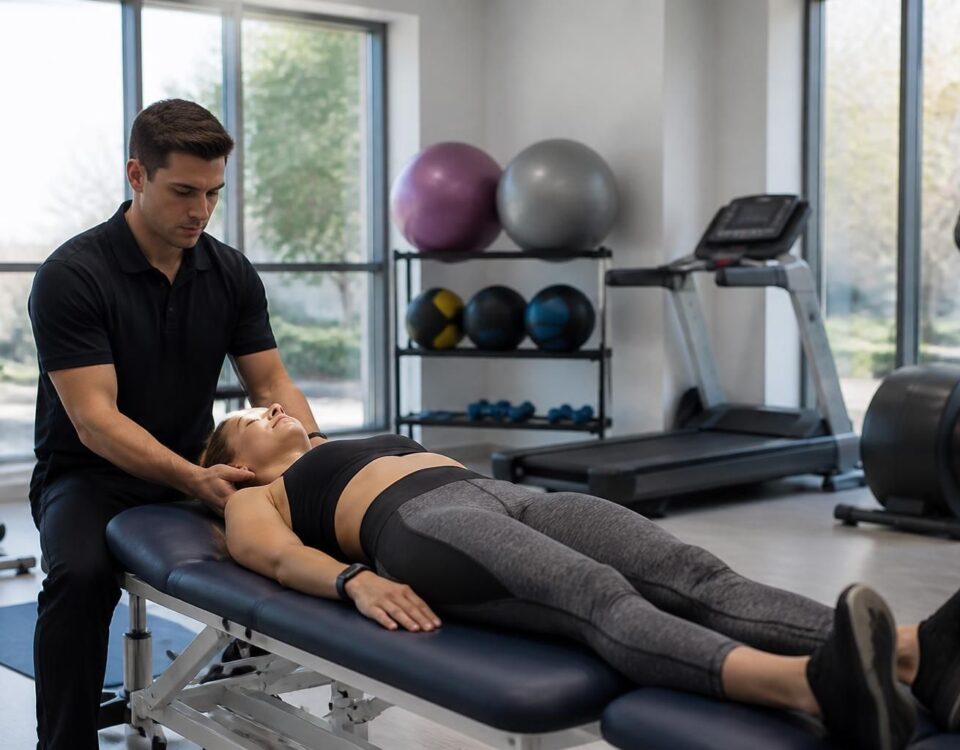
Neurovertebral decompression and persistent lower back pain: effective solutions
26/06/2026
Neurovertebral Decompression and Prevention of Chronic Injury Relapses
26/06/2026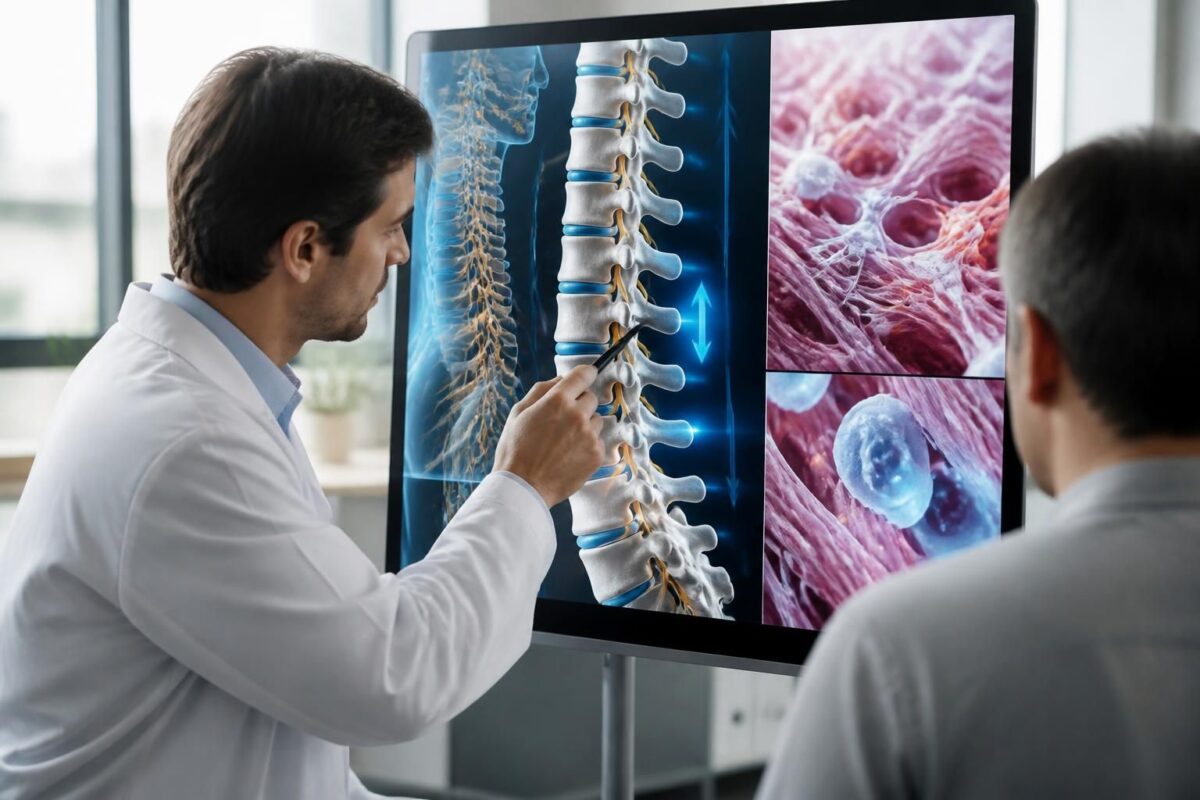
In short
| In short, the neurovertebral decompression is an approach non-invasive which aims to reduce the pressure on the Intervertebral discs and the gristle Via a Controlled traction To create a space between the vertebrae. This technique promotes tissue regeneration By improving the bloodstream and Lnutrient intake and in hydration of the discs. The main advantages include a pain reduction, a Improving mobility and an quick recovery, while generally remaining well tolerated and suitable for herniated discs and the sciatica. accessible to Montreal, this treatment offers a Non-surgical alternative To preserve the health of the column and promote a return to daily activities. |
The neurovertebral decompression offers a non-invasive route to stimulate the tissue regeneration. In Reducing pressure on the intervertebral discs and nerves and favoring a Increased blood circulation, it improves the nutrient intake and hydration of the discs. This creates the optimal conditions for the Tissue repair, while helping to reduce pain and accelerate the return to mobility.
Neurovertebral decompression is a non-invasive approach that can improve tissue regeneration by decreasing pressure on intervertebral discs and nerves. This article clearly presents how this process stimulates circulation, nutrient supply and natural tissue repair mechanisms, while specifying indications and limits. It also highlights the integration of this therapy into a modern clinical setting, in particular at TagMed, for personalized and evidence-based treatments.
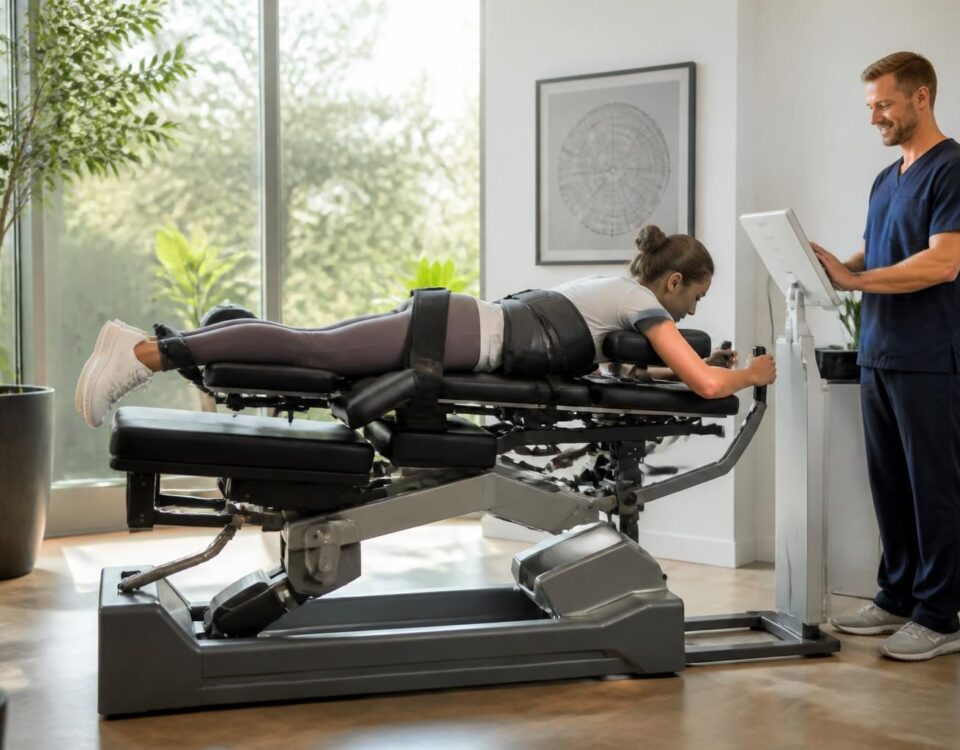
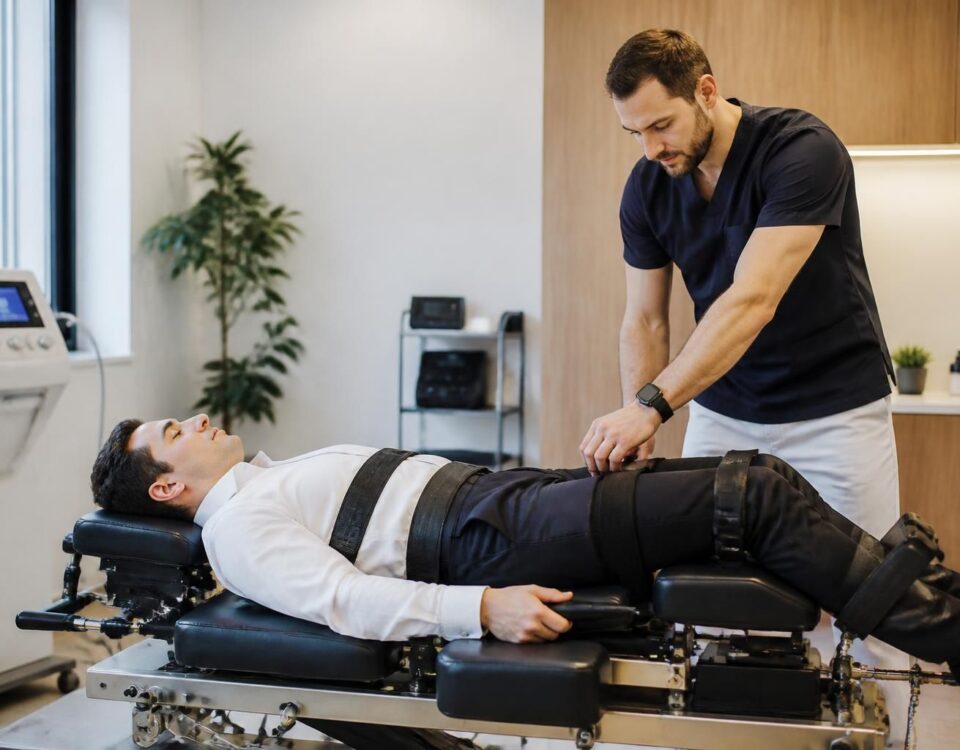
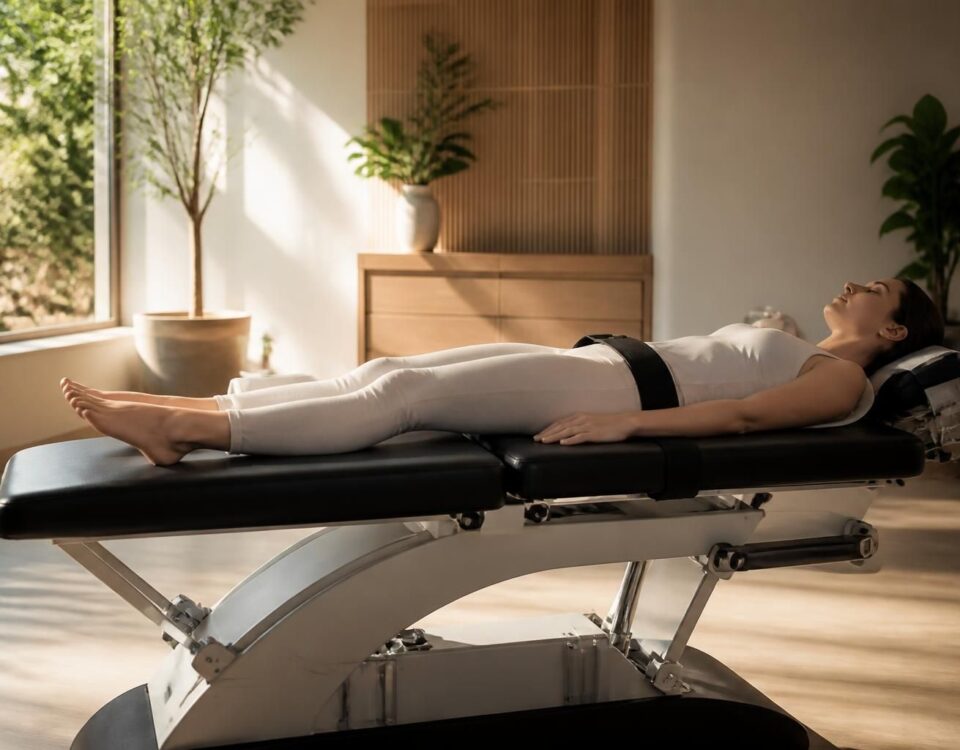
Neurovertebral decompression is based on a controlled traction technique that creates a space between the vertebrae. This space reduces pressure on intervertebral discs and adjacent nerves. This pressure reduction facilitates the rehydration and nutrition of the tissues, which are essential for their regeneration. The effects observed include better mobility and decreased pain associated with vertebral pathologies, while promoting the natural healing process.
Principle and mechanism
The fundamental principle is to apply a gentle and targeted force on the spine, in order to increase the space between the vertebrae. This action reduces the compression exerted on the discs and nerves, which improves the supply of fluids and nutrients. The result is a more favorable regeneration dynamic for the surrounding disc and soft tissues. Neutrovertebral decompression Acts therefore as a natural repair lever, supporting physiological processes that rehydrate and restore the elasticity of vertebral structures.
Effects on circulation and nutrient intake
Thanks to the traction, the local blood circulation is optimized. The increased flow brings more essential oxygen and nutrients to discs and nerve tissues. This improved nutrition promotes cell repair and disposal of metabolic waste. Better blood supply also supports tissue resilience and can accelerate healing processes after injury or disc deterioration.
Regeneration of intervertebral discs and surrounding tissues
By increasing the intervertebral space, decompression facilitates the return of fluids necessary for the nutrition of the discs. This contributes to the hydration of the nucleus and the restoration of damping. The process reduces mechanical stress and supports tissue regeneration, while reducing associated pain. This non-invasive approach thus integrates as a key option to preserve the health of the spine and prevent degenerative evolution.
Impact on nerve tissue
Reducing nerve pressure improves nerve function and can decrease pain signals of neurogenic origin. Better nerve fiber and a reduction in local inflammation support functional recovery and quality of life for patients. Benefits often result in increased mobility and better coordinated sensitivity around the regions concerned.
Indications and limits
Neurovertebral decompression is indicated for pain related to vertebral pathologies such as disc protrusions, herniated discs and other degenerative states when conservative treatments have failed or are not enough. An in-depth medical assessment is necessary to verify eligibility and adapt the treatment plan. This therapy does not replace medical treatments when indicated and should not be considered a single solution in all cases.
Integration with TagMed Clinical Resources
In the TagMed clinics in Montreal and Terrebonne, neurovertebral decompression can be combined with other advanced technologies to optimize results. A multidisciplinary approach makes it possible to adjust the treatment according to the evolution of the patient, while favoring solutions based on evidence. To learn more about integrating this method and its contribution to tissue regeneration, see the following resources:
- TagMed – How neurovertebral decompression improves the regeneration of damaged nerve tissue
- Tagmed Clinic
- SOS Sciatica – Quick Results
- Successful clinical cases
- Neurovertebral Decompression – Official Site
- Chronic inflammations of nerve tissue
- File on herniated discs
- SOS SCIATIC
Research and clinical results
Clinical data indicates that neurovertebral decompression can reduce pain and improve nerve function in patients with vertebral pathologies. The results vary depending on the case, but many patients report lasting improvement in mobility and attenuation of symptoms. Like any therapy, efficacy depends on the severity of the condition and the individual response to treatment.
Internal references and resources
To further explore the subject and access additional resources, you can consult the sources proposed below, which remain compatible with authorized domains:
Custom protocols in neurovertebral decompression
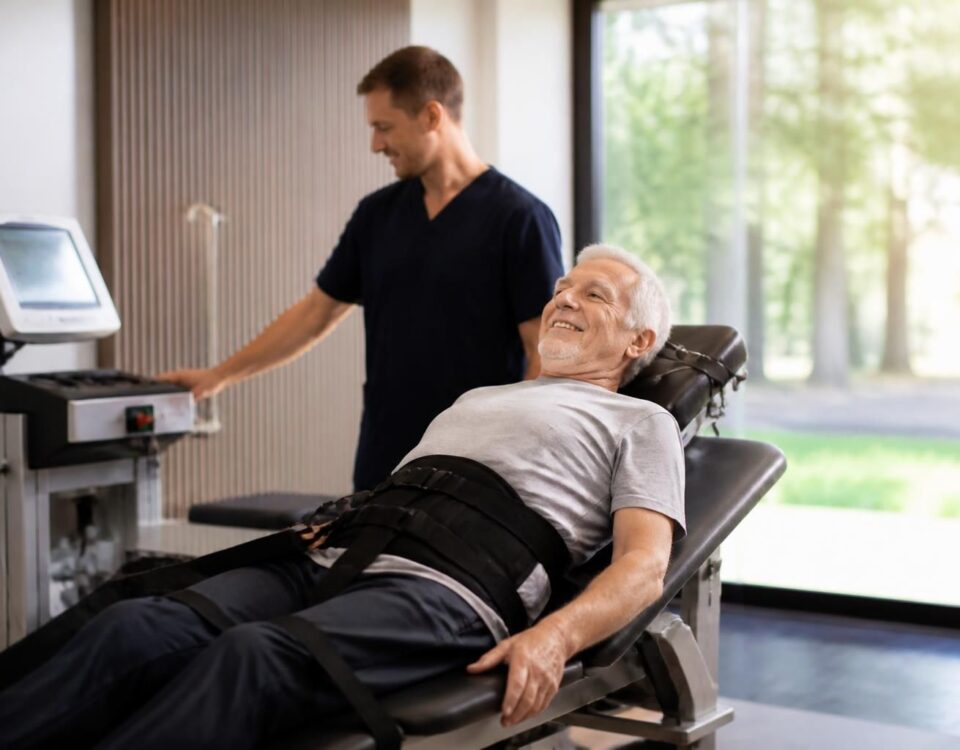
Treatment suitable for seniors
Quick results obtained thanks to decompression
For more information on mechanisms and clinical applications, you can also visit the official TagMed website and the resources associated with neurovertebral decompression on authorized domains.
Medical Disclaimer: The information and advice provided on this site does not replace the health professional’s diagnosis or treatment. Please note that Dr. Sylvain Desforges osteopath is neither a doctor of medicine nor a doctor, and is not a specialist in a medical specialty as defined by the Collège des Médecins du Québec. Manual medicine, functional medicine and sports medicine as described on this site exclude any medical treatment or diagnosis made by a doctor or specialist doctor. Always consult your doctor for any medical questions. For more details, please read our full legal notice.
- Controlled traction creates an intervertebral space and Reduces pressure on discs and nerves.
- Increased traffic around the discs, bringing oxygen and nutrients.
- Hydration and nutrition Discs enhanced by blood flow.
- Reduction of inflammation and tensions around the vertebral structures.
- Improved alignment and stability of the spinal segments.
- less pain and better exertion tolerance, facilitating movement.
- Tissue regeneration boosted by the sufficient intake in nutrients and in oxygen.
- tissue regeneration thanks to a better hydration discs and a better stream.
- Activation of cell metabolism and Waste disposal metabolics.
- Reduction of mechanical stresses On soft tissue, facilitating repair.
- Degenerative prevention by protecting disk integrity.
- Accelerated recovery and quick return to theactivity.

This analysis presents clear recommendations on how the neurovertebral decompression can promote tissue regeneration at the level of the spine. By promoting a Controlled traction and increased intervertebral space, this non-invasive approach improves the bloodstream and thehydration intervertebral discs, which supports tissue repair and remodeling processes. The goal is to optimize local conditions for tissues to recover their structure and function, while reducing the mechanical factors responsible for pain and motion limitations.
Principle and mechanisms supporting regeneration
The decompression system acts by a smooth and progressive traction mechanism on the column, creating a intervertebral space which releases pressure on discs and nerves. This decrease in compression promotes better diffusion of fluids and nutrients to damaged structures, while allowing the disc to resume its normal deformability. At the same time, the reduction of mechanical stress on peripheral tissues reduces inflammatory stimuli and facilitates natural processes of repair. This approach non-invasive Easily integrates into a comprehensive pain and function management strategy, with positive effects on mobility and posture.
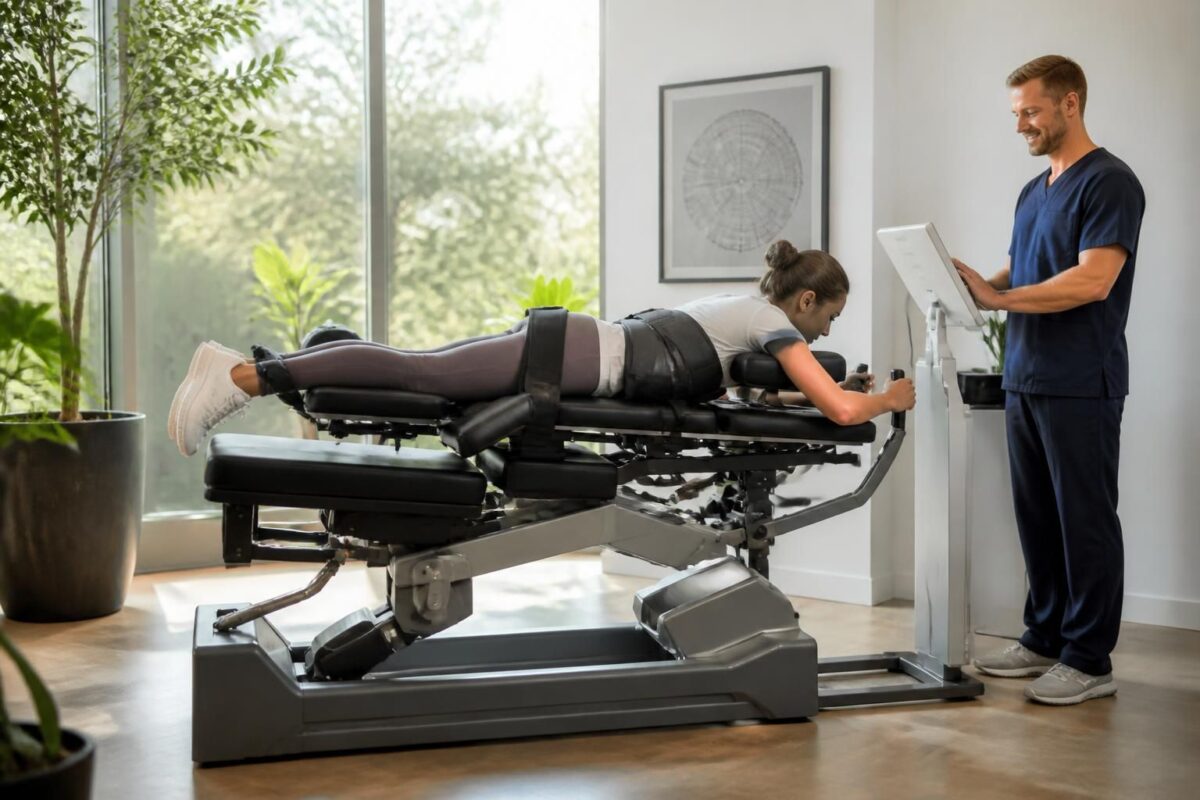
The long-term benefits of neurovertebral decompression for spinal health
In short In short, the neurovertebral decompression is a non-invasive approach that decreases the Pressure on intervertebral discs and nerves, favoring the Natural regeneration and tissue recovery. Its long-term benefits include Lasting pain reduction, Improving mobility and from the posture,…

Neurovertebral decompression and mobility: a return to an active life
In short In short, the neurovertebral decompression is therapy non-invasive who uses a gentle traction To create a space between the vertebrae and reduce the pressure on the Intervertebral discs and the nerves. It promotes a bloodstream improved, lowers tension…
Impact on Disc Nutrition and Hydration
The regeneration of the discs strongly depends on an adequate supply of nutrients and water. By lowering the pressure exerted on the discs, the bloodstream local is improving and nutrient exchanges are increasing. The hydration of the discs is favored, which restores elasticity and mechanical resistance. This improvement in the tissue environment supports the processes of cell repair and helps to stabilize the disc architecture, reducing the risk of recurrence and worsening of lesions.
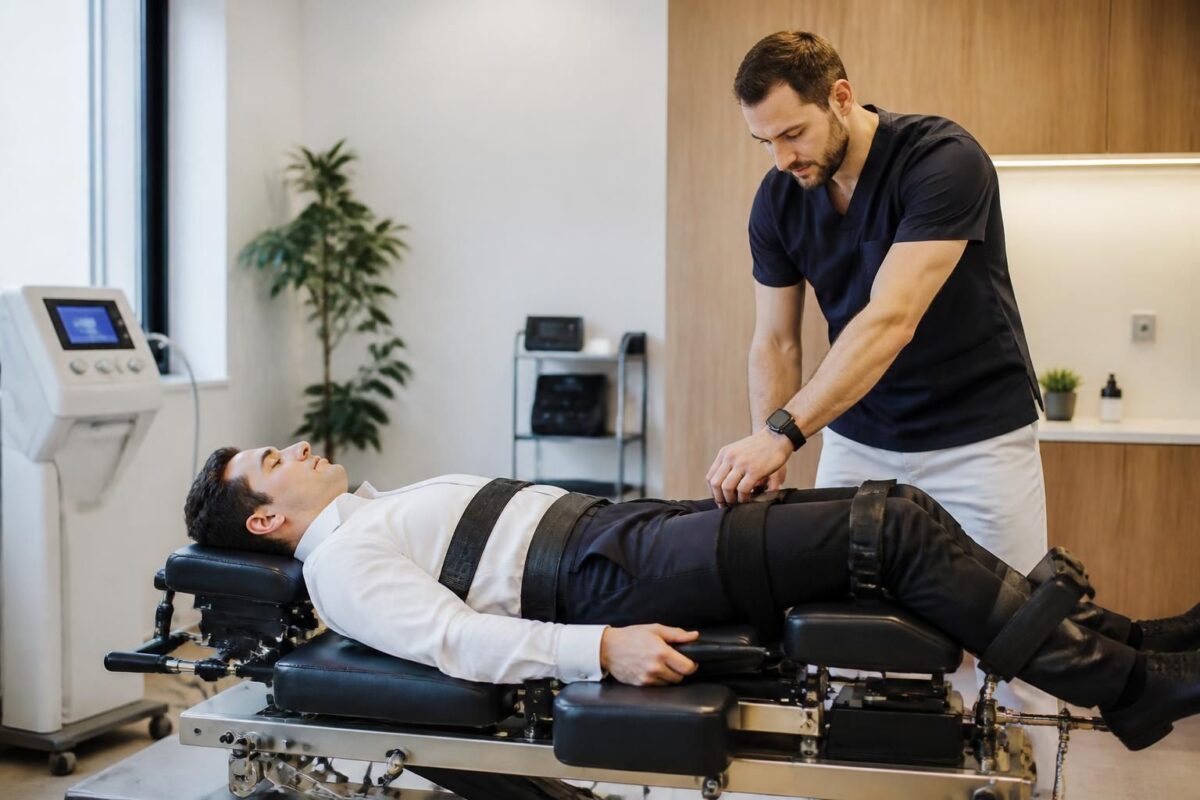
How Neurovertebral Decompression Prevents Diffuse Chronic Pain
In short decompression neurovertebral is one Non-invasive method aimed at reducing the Pressure on the intervertebral discs and the nerves, in order to prevent Diffuse chronic pain. It improves the circulation and thedisc hydration, decreases inflammation and promotes better mobility.…
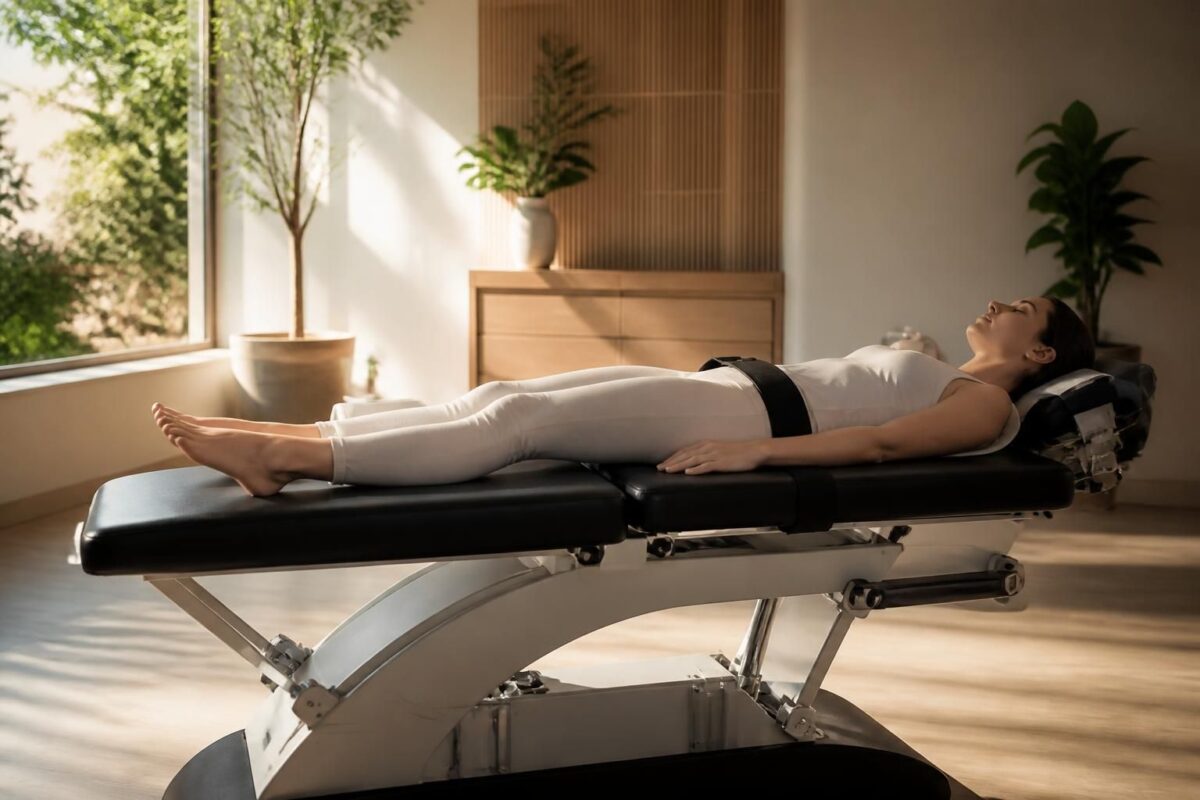
Neurovertebral Decompression and Body Alignment: Restoring Natural Balance
In short In short, neurovertebral decompression is one Non-invasive approach who restores theBody Alignment and thenatural balance back and neck. She acts by a Controlled traction of the spine to widen the intervertebral space and reduce the Pressure on discs…
Integration with other therapies and security
To strengthen the effects on the tissue regeneration, it is relevant to envisage a synergistic approach with non-invasive complementary interventions, such as therapies by laser or by shock waves when indicated. The objective is to optimize nutrition and circulation while promoting muscle relaxation and the replacement of tension around the vertebrae. However, the selection of patients and the protocol must be individualized according to the vertebral state and eligibility, in order to avoid any contraindications and to ensure optimal safety.
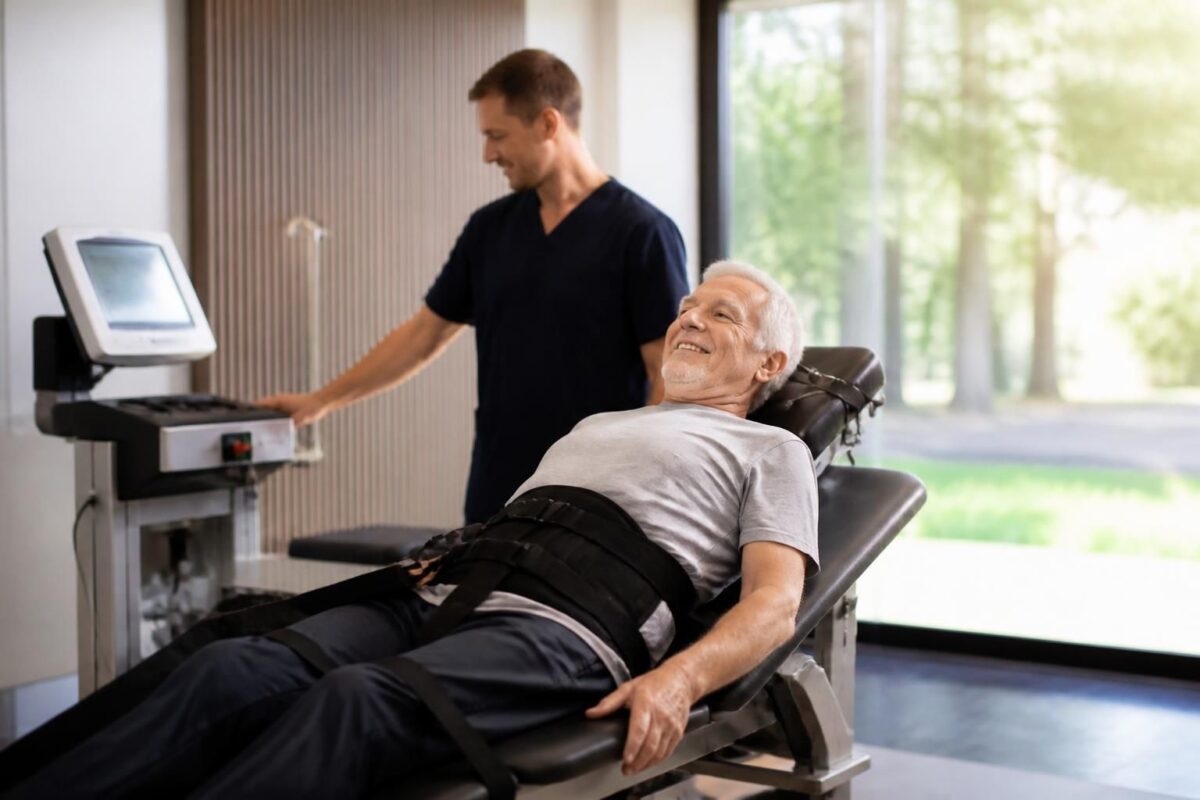
Why neurovertebral decompression is a lasting solution for active seniors
In short In short, the neurovertebral decompression is one Non-invasive therapy which sustainably relieves spinal pain in the spine active seniors By creating, by a Soft and controlled traction, a space between the vertebrae. At Montreal, it is recognized as…
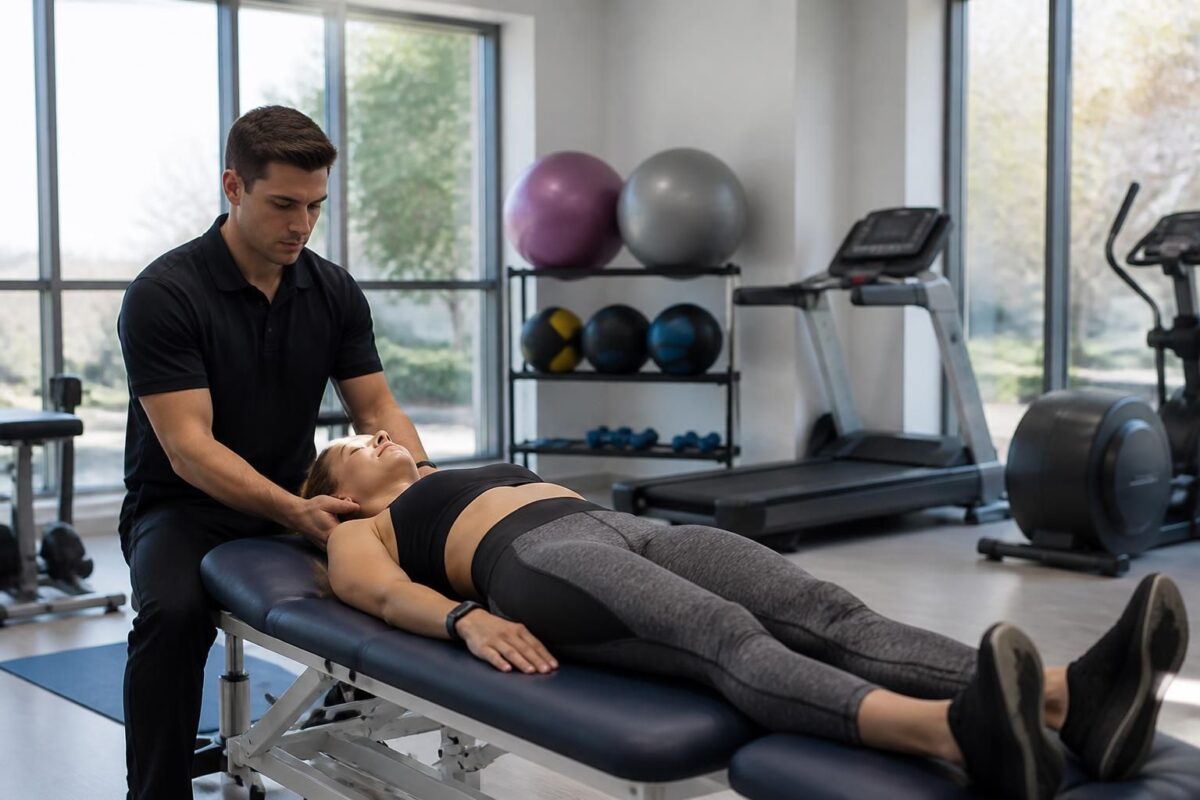
Neurovertebral decompression and recovery after severe sports injury
In short In short, the neurovertebral decompression is one Non-invasive method to Relieve the pressure on the Intervertebral discs and the gristle Via a Controlled traction, to facilitate the recovery After a severe sports injury. It improves the bloodstream towards…
Evaluation and personalized plan
Begin with an in-depth assessment that allows you to target the affected levels and determine the number of sessions needed. A personalized plan should specify regeneration objectives, session frequency and potential combinations with other non-invasive techniques to optimize the tissue regeneration.
Typical program and follow-up
Generally, a structured program includes regular sessions over a given period, with progression adapted to the clinical response. Monitoring should measure the signs of tissue regeneration (improvement in mobility, reduction in pain, decrease in numbness) and adjust the plan accordingly to maximize long-term benefits.
Daily elements that support regeneration
Adopt correct postural habits, integrate gentle mobility exercises and favor adequate hydration. Combine these efforts with a balanced diet and active breaks to maintain the intervertebral space and support tissue repair mechanisms.
| Axis | Concise effect on regeneration |
|---|---|
| Increased intervertebral space and pressure reduction | Controlled traction creates a space between the vertebrae and decreases the pressure on the discs and nerves, promoting tissue regeneration. |
| Improved local traffic to disks | increased blood flow brings nutrients and oxygen, supporting cellular repair. |
| Optimal disk hydration and nutrition | Improved hydration and nutritious feeding increase the discs’ ability to regenerate. |
| Reduced pressure on nerves and discs | Less compression decreases lesions and promotes tissue recovery. |
| Relaxation of peripheral muscle tension | Less tense muscles reduce mechanical stress on the discs and improve the healing environment. |
| Stimulation of mechanoreceptors and modulation of tone | Improved posture and balance support regeneration processes with a suitable load. |
| Improved oxygenation and cell metabolism | Increased oxygenation optimizes the metabolism of the disc cells and accelerates the repair. |
| Alignment and protection of spinal structures | Improved alignment reduces repetitive stress and supports the regeneration of joint and disc tissues. |
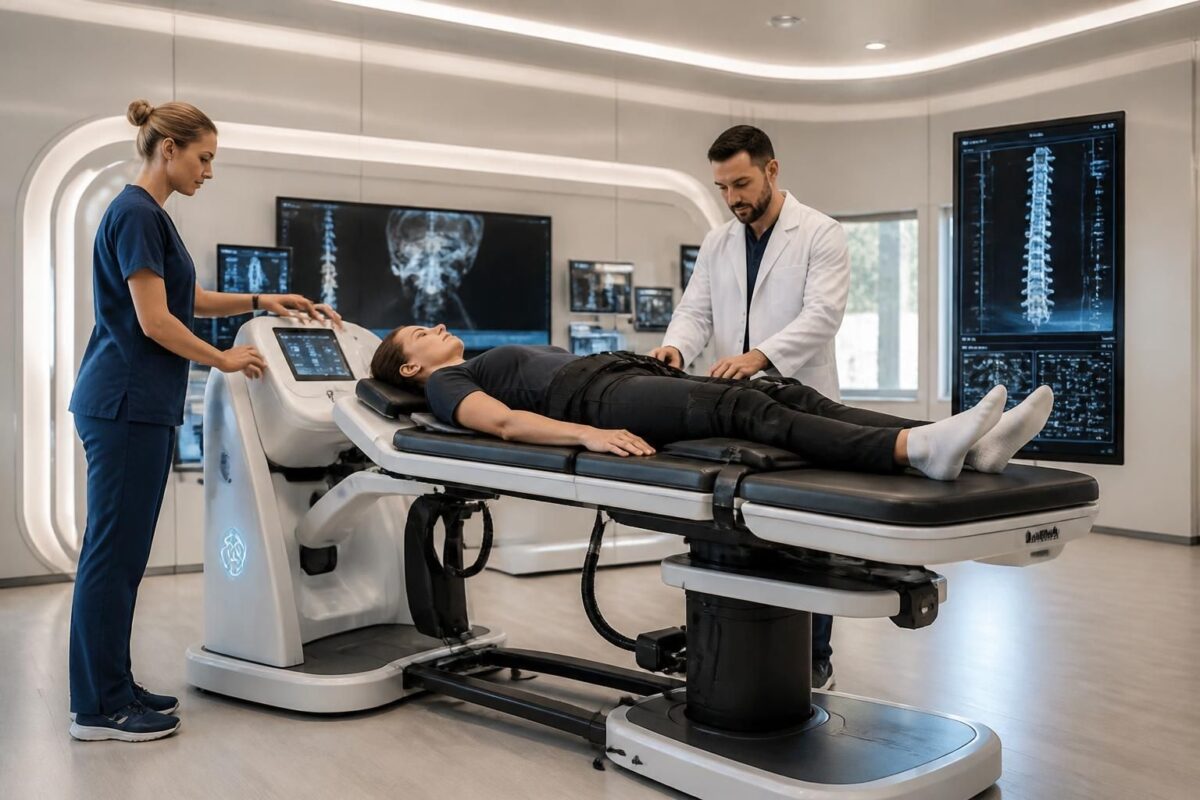
Recent innovations in neurovertebral decompression technologies
In short In short, the neurovertebral decompression is an approach non-invasive Aiming to reduce pressure on discs and nerves, and promote tissue regeneration. At Montreal, it is positioned as an effective option for lower back pain and herniated discs. The…
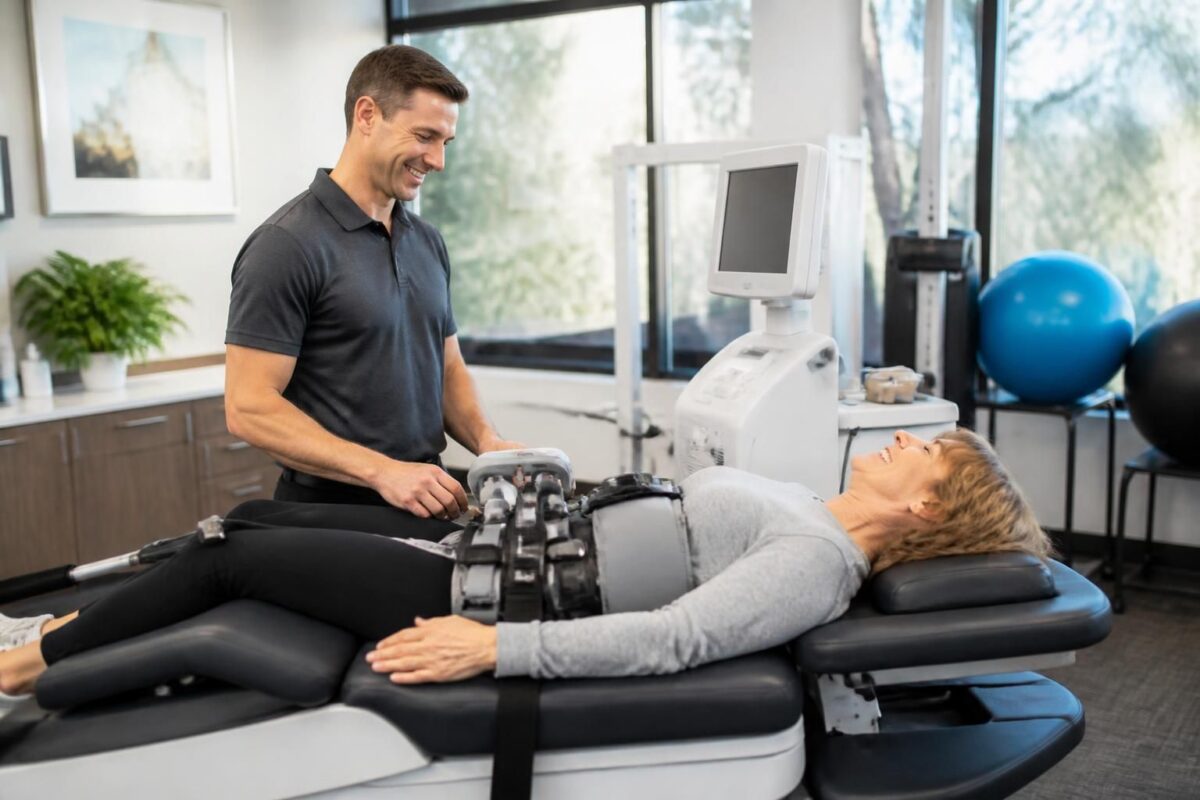
Neurovertebral decompression and diffuse pain: an appropriate solution
In short In short, the neurovertebral decompression is one Non-invasive solution For diffuse pain related to nerve irritation of the spine. She acts in Reducing pressure on intervertebral discs and nerves and improving the bloodstream, which promotes recovery and the…
Testimonials on tissue regeneration through neurovertebral decompression
Marie, 52, Montreal: “Since I started neurovertebral decompression, I perceived a real tissue regeneration around my records. thanks to a Increased blood circulation and a better Hydration of intervertebral discs, my fabrics have recovered and my mobility has returned.”
Antoine, 44, Laval: “After several weeks, I noticed a tissue regeneration which progresses around the affected areas. A Improved blood circulation and an Increased hydration of intervertebral discs supported the Tissue repair and my mobility came back.
Sophie, 39, Terrebonne: “Each session brought a new stage of tissue regeneration. I felt the clarity of the tissues of the back improve thanks to a better Fabric nutrition and to a Inflammation reduction. My mobility and my quality of life are getting stronger.”
Julien, 60, Longueuil: “Decompression favored tissue regeneration degenerative zones and has improved the circulation. I notice a Disc rehydration and an Improving mobility that allows me to resume daily activities.”
Clara, 50, Sainte-Thérèse: “I was looking for a non-invasive solution and I discovered that the Tissue regeneration was possible thanks to the decompression. The Fabric food is better and I feel that my discs recover their flexibility, with a pain reduction.
Ahmed, 34, Repentigny: “After a few weeks, I noticed a tissue regeneration around the discs and a Better hydration discs, which decreased the pressure on the nerves. My pain decreases and my mobility improve.”
Isabelle, 65, Laval: “The regeneration of tissues was accompanied by a gradual recovery and dune traffic improvement. I feel lighter and more active, with a tissue regeneration degenerative areas that seemed unattainable before.”
neurovertebral decompression and tissue regeneration
in a resolutely oriented approach tissue regeneration, the neurovertebral decompression stands out as a non-invasive technique that acts directly on the spine to free the space between the vertebrae. By reducing the pressure exerted on the intervertebral discs and nerves, it facilitates the flow of essential fluids and nutrients to the damaged tissues. This decrease in mechanical stress creates an environment conducive to repair, hydration and structural reorganization of the discs, thus promoting better tissue density and elasticity.
At the heart of the process is a precise action of controlled traction that does not break the continuity of the body but gently expands the intervertebral space. This decompression promotes bloodstream local and the Tissue nutrition, allowing the nutrients to feed the cells of the discs and surrounding tissues. The result is a stimulation of natural healing mechanisms, better water absorption and progressive rehydration of the nucleus and disc ring, which contributes to the pain reduction and improving mobility.
The beneficial effects also extend to Tissue plasticity and at the Cell reorganization at the level of the spinal structures. By lowering the pressure, collagen fibers regain a more favorable orientation and extracellular matrix producing cells can resume their normal activity. This dynamic helps to limit inflammation, reduce nerve irritations and promote more lasting tissue healing, while preserving the overall stability of the spine.
The typical protocol includes regular sessions, usually of a short and progressive duration, under specialized supervision. Each session is thought of as a step in the path to disc and tissue regeneration, with a personalized plan that takes into account the location of the attacks, the age of the symptoms and the functional objectives of the patient. This gradual approach makes it possible to optimize profits while minimizing transient discomfort.
Clinical data support the effectiveness of decompression for lower back and cervical pain associated with disc pathologies, including reducing nerve pressure and improving mobility. Although the results vary depending on the case, many patients report a reasonable expectation of relief and improved quality of life, with faster recovery from daily activities. The rigorous and individualized application framework is essential to maximize the chances of regeneration.
This approach is part of a global strategy that can be enriched by complementary technologies such as laser and shockwave therapies, as well as by osteopathic or associated physiotherapy treatment. It is aimed at patients with Chronic pain or disc diseases without surgical recourse, while remaining attentive to contraindications and safety. The complete medical assessment remains essential before starting a series of decompressions.
A evidence-based, patient-centric philosophy guides every step: focusing on natural healing mechanisms, protecting spine integrity, and promoting lasting regeneration of adjacent discs and tissues. This approach aims to restore functionality, improve posture and restore the body’s ability to repair itself independently, durably.
Neurovertebral decompression is a non-invasive approach that acts by gradually reducing the pressure exerted on the intervertebral discs and nerves, thus promoting tissue regeneration. By improving blood supply, hydration and transport of nutrients to the tissues, it creates an environment conducive to repairing adjacent discs and structures, while reducing inflammation and associated pain. This article details the mechanisms, benefits and conditions necessary to optimize tissue regeneration through this treatment.
neurovertebral decompression acts mainly by Controlled traction which creates a space between the vertebrae and Reduces pressure on discs and nerves. This decrease in mechanical stress improves the bloodstream around the discs and promotes their rehydration, which facilitates the intake of essential nutrients and accelerates the Tissue regeneration. As a result, disc and peripheral fabrics benefit from an optimal environment to repair and regain their normal functionality. To understand the mechanisms of these effects and their scope, see the resources dedicated to disk regeneration and support for the regeneration of intervertebral discs.
Biologically, increasing the intervertebral space and reducing pressure allow better circulation of fluids and nutrients to the nucleus and the disk envelope. This dynamic supports cell nutrition and tissue metabolism, contributing to Stimulation of disc regeneration and decreased painful symptoms. Clinical feedback shows significant improvements in pain and mobility in many patients, supported by convincing clinical results.
To achieve lasting results, it is crucial that the treatment be personalized and supervised by a complete initial medical evaluation, with a progressive protocol adapted to the patient’s profile. Avoid common mistakes and follow the advice of a qualified professional significantly increases the chances of effective regeneration and a quick return to working life (to avoid).
Resources also detail how neurovertebral decompression fits into a recovery strategy after injury and can contribute to Relieve radiant pain and to Prevent surgical interventions. For an overview of the results and evidence, also see Clinical results and dedicated journals available on the web.
In the end, neurovertebral decompression offers a safe and non-invasive setting that actively supports the regeneration of intervertebral discs and surrounding tissues. By combining targeted traction, tissue hydration and nutrition improvement, it facilitates the natural healing process and contributes to a lasting improvement in spinal function and quality of life. To explore the mechanisms and benefits in detail, click on the following resources and discuss with your specialist the appropriate options for your situation.
To deepen the mechanisms and benefits, see the following resources: How neurovertebral decompression improves spinal flexibility, Support for the regeneration of intervertebral discs, and Regenerates your discs.

Dr Sylvain Desforges, B.Sc., D.O., N.D., osteopath, is the founding president of TAGMED and of the ACMA association. He dedicates his practice to chronic spinal pain, low back pain and symptoms compatible with sciatica, particularly when pain radiates toward the buttock, leg, calf, foot or toes.
Through SOS Sciatique, he publishes educational content on sciatica symptoms, possible causes such as disc herniation, disc narrowing, foraminal stenosis or irritation of a lumbar nerve root, as well as non-surgical approaches that may be considered according to the evaluation. At Clinique TAGMED, care may include, depending on the case, motorized neurovertebral decompression, specific osteopathic care or precision percussion.
For an evaluation related to sciatica treatment in Montreal / Mount Royal or sciatica treatment in Terrebonne, please consult the services available at Clinique TAGMED.
Medical disclaimer
The information published on SOS Sciatique is provided for educational purposes only and does not replace a consultation, diagnosis, opinion or treatment provided by a physician or another authorized healthcare professional. The author of this article is neither a medical doctor nor a specialist in a medical specialty recognized by the Collège des médecins du Québec. The osteopathic, manual medicine or functional support approaches described on this site do not constitute medical acts and are not intended to replace medical follow-up.
Consult a physician or emergency service in cases of loss of bladder or bowel control, anesthesia in the saddle area, significant or progressive weakness in the leg or foot, fever, recent trauma, severe pain or rapid worsening of symptoms. For more details, please read our Legal Notice.