Advanced techniques in neurovertebral decompression for neck pain
26/06/2026
How neurovertebral decompression improves tissue regeneration
26/06/2026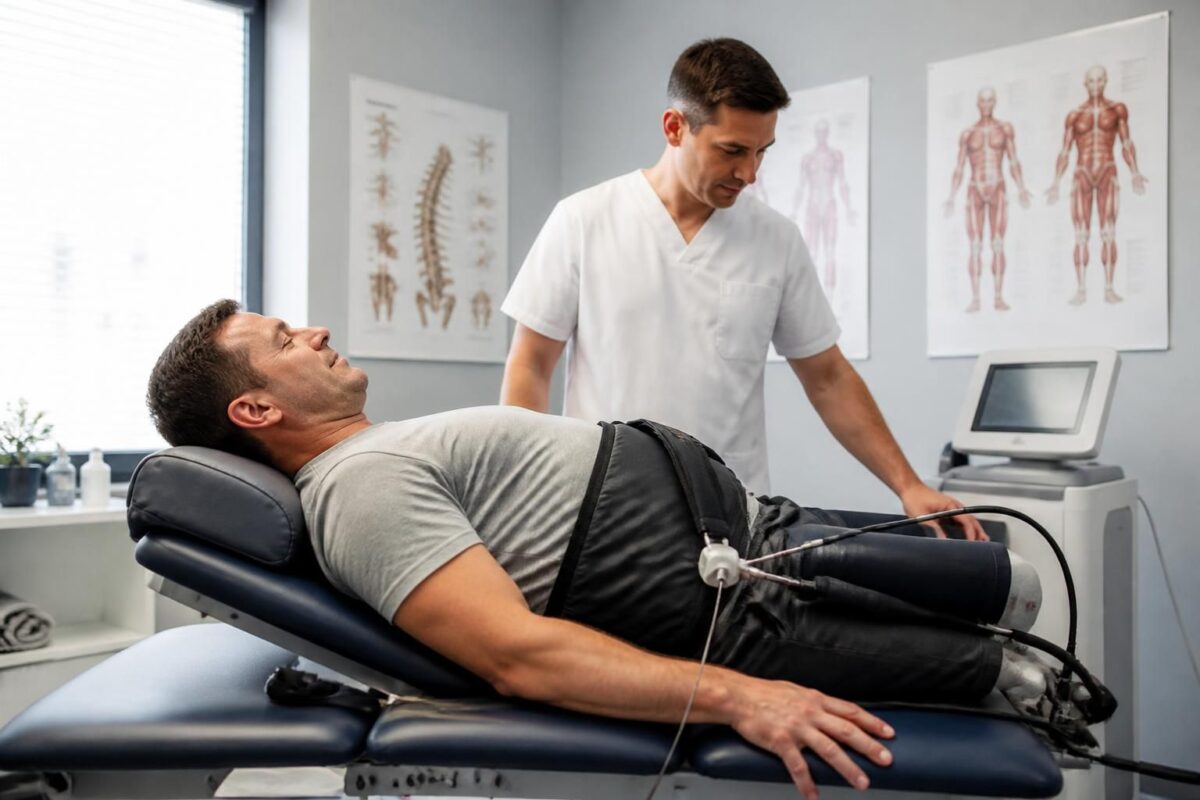
In short
In short, neurovertebral decompression is one Non-invasive therapy which aims to reduce pressure on the intervertebral discs and lumbar nerves by controlled traction. She attacks directly disc pinch and can relieve the Persistent lower back pain, improve mobility and help prevent recurrences without surgery. Useful for the disc pinch, the slipped disc and the Spinal stenosis, it deploys its effects by creating a space between the vertebrae and facilitating the rehydration of the discs. In Montreal, this service is particularly recommended for recurrent lower back pain when conventional treatments fail. The operation is based on a traction table that applies a soft and controlled force, allowing the disc to reposition itself, improve circulation and reduce nerve impulses. Its key advantages: quick and lasting relief, improved mobility, and option non-surgical Suitable for multiple profiles, often associated with other approaches to optimize results. |
neurovertebral decompression is one Non-invasive therapy who can bring a Relief of persistent lower back pain by acting directly on the spine.
It is based on a Controlled traction performed on a specialized table, which creates a space between the vertebrae and allows Hydration and repositioning of discs, thus reducing the nerve pressure.
This approach is suitable for various conditions such as disc pinch, the slipped disc, the Foraminal/spinal stenosis and the radiculopathy, and can be offered alone or in addition to other manual therapies such asosteopathy.
Benefits include its character non-invasive, the absence of anesthesia and surgery, and Short sessions (approximately 20 to 30 minutes) can be enrolled in a treatment program over several weeks.
Before starting, a complete evaluation (clinical examination and imaging, MRI or X-ray) is recommended to confirm the adequacy of the treatment and ensure safety. Some patients are not candidates, especially in the presence of Recent fractures, frominfections or of tumors.
To optimize the results, the treatment often fits into a global plan including exercises, good posture and strengthening the muscles of the trunk.
Important : This information does not replace the advice of a health professional.
This content, written by a health professional and expert, explains how neurovertebral decompression can make a significant improvement in Persistent lower back pain. This approach non-invasive Directly targets column mechanics, reduces pressure on discs and nerves, and can facilitate more comfortable recovery. It can be offered alone or in association with other practice in practice, particularly in the context of Tagmed clinics.
What is neurovertebral decompression?
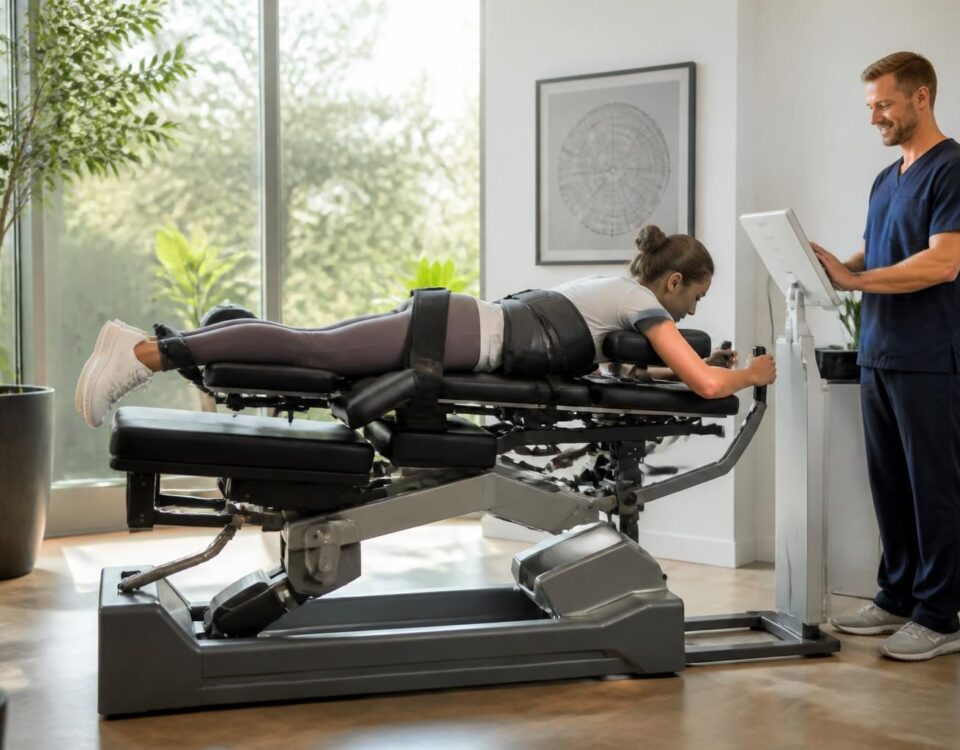
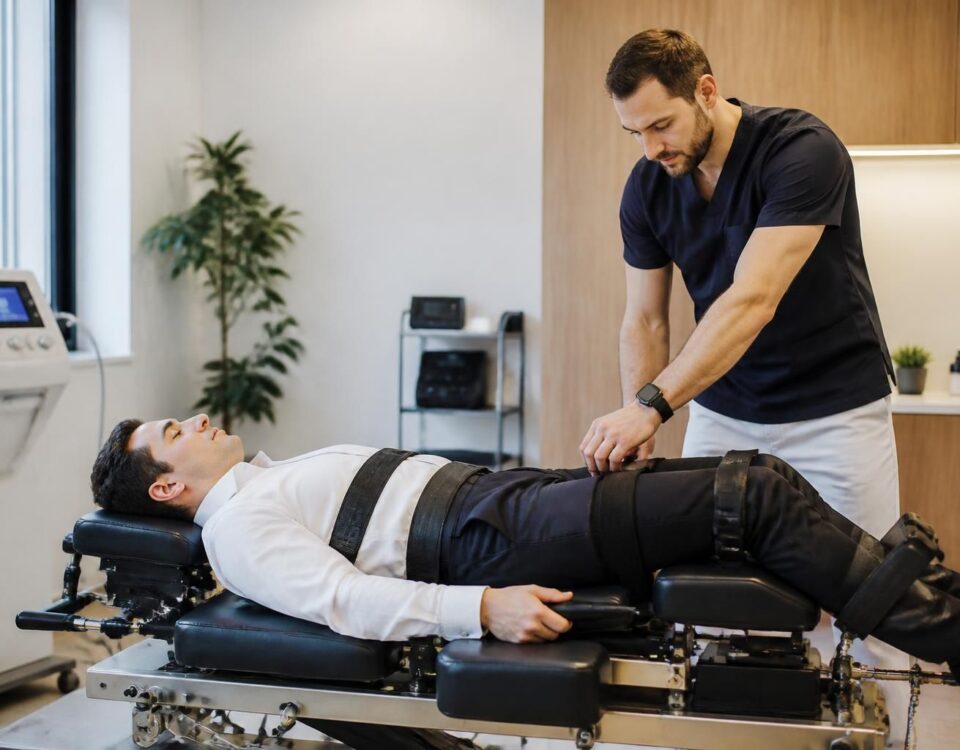
Neurovertebral decompression is a therapeutic technique that uses controlled traction on the spine. This action creates a space between the vertebrae and can promote rehydration and repair of damaged discs, while decreasing pressure on the nerves. The process is carried out without surgery and without anesthesia, and the sessions generally last between 20 and 30 minutes as part of a personalized protocol.
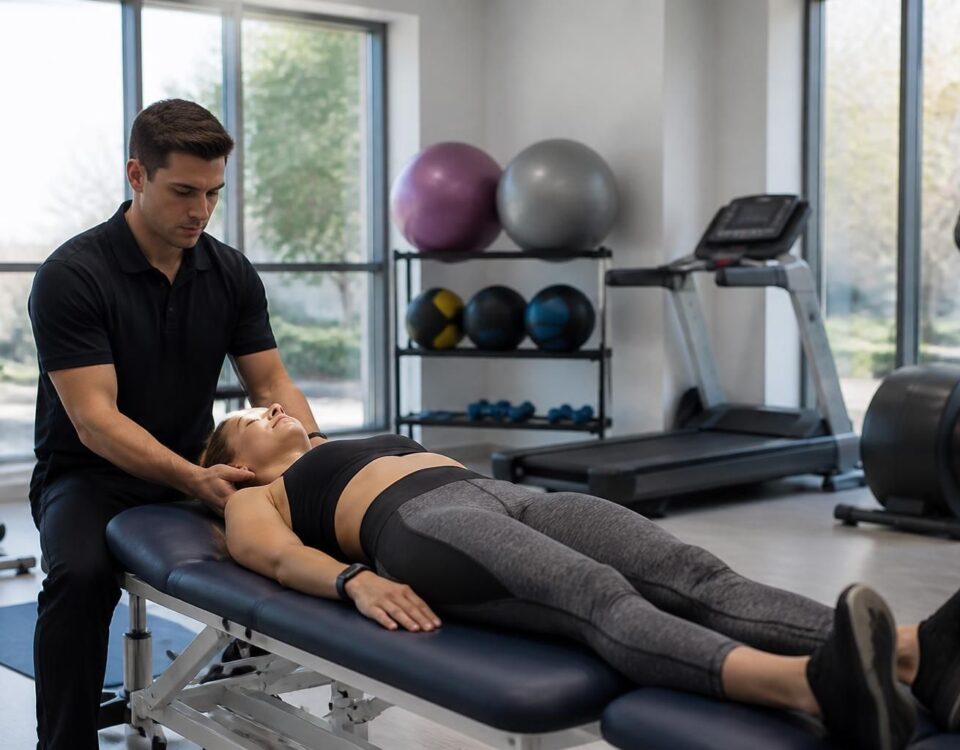
It can be considered for various spinal-related conditions, including disc pinching, protrusions and disc hernias, as well as forms of stenosis or disc degeneration. This approach is often integrated into a global care that can include manual osteopathic techniques to support mobility and function, without prescribing specific stretching or exercises in the sessions.
Indications and contraindications
Typical indications include lower back pain related to disc problems with radiculopathy raising radiant symptoms in the limbs, limited mobility and pain that persists despite other treatments. However, decompression is not suitable for all patients. The contraindications relate to recent vertebral fractures, certain spinal infections, tumors, or other conditions that require a different approach and a thorough medical assessment.
Before starting treatment, the practitioner performs a clinical assessment and may recommend imaging to confirm treatment orientation. It is crucial to discuss medical history and specific situations in order to determine the adaptation of neurovertebral decompression to each patient.
Sessions and security
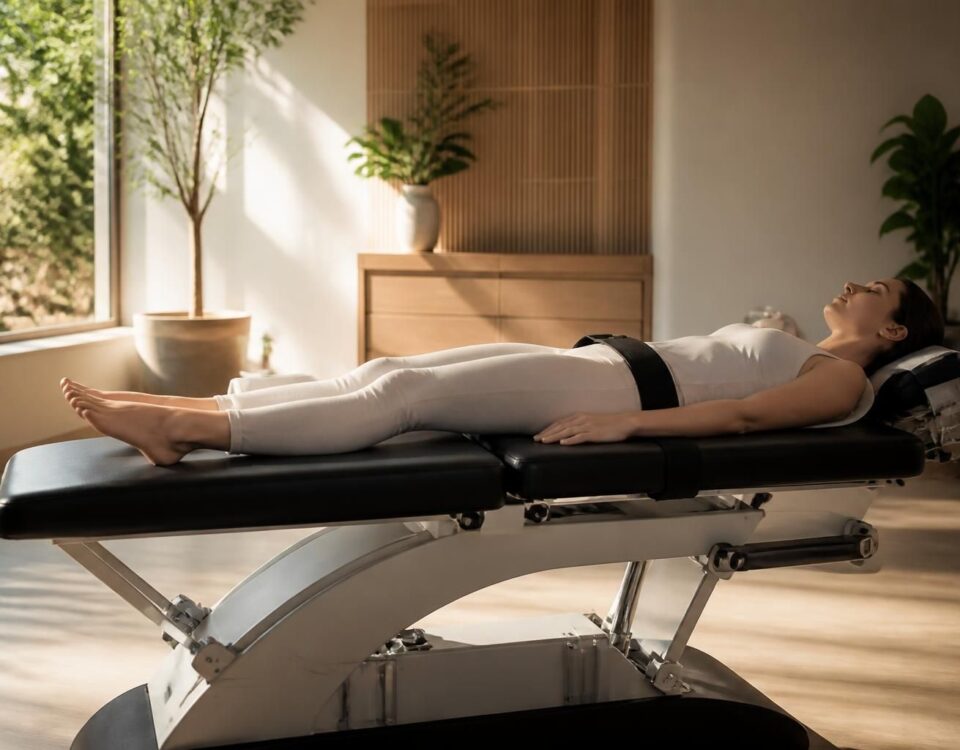
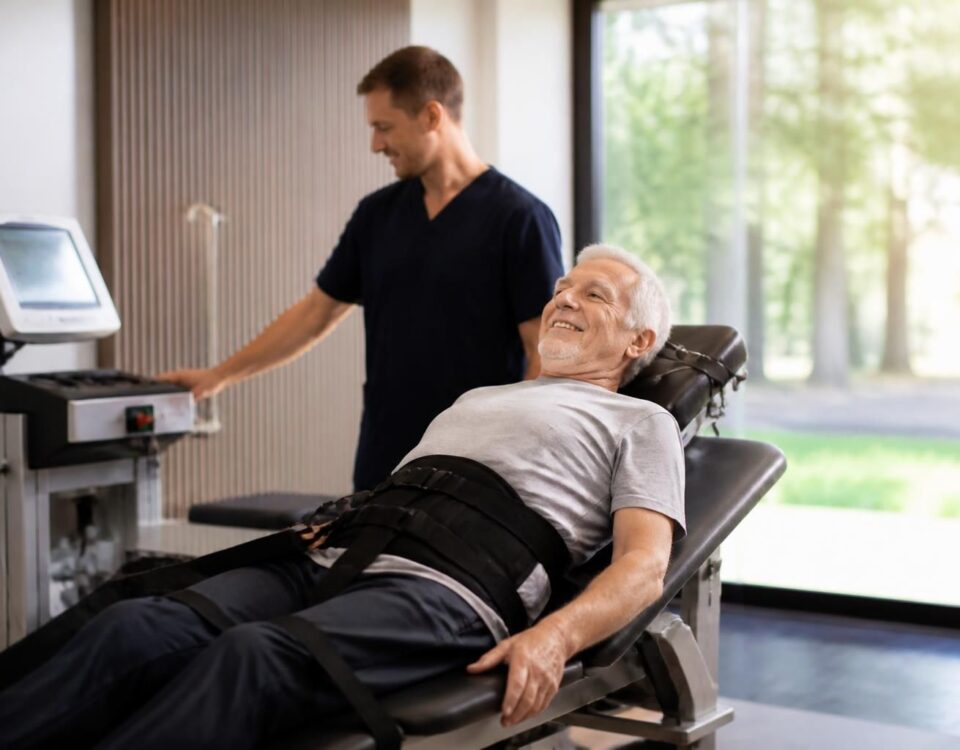
Each session takes place within the framework of an individual protocol. The patient is installed on a specialized table and connected to straps that allow soft and secure traction. The equipment is controlled by computer or by an assisted protocol, in order to maintain forces adapted to the pathology and comfort of the patient. No anesthesia is required and the procedure is designed to be tolerated by most patients.
Clinical information and testimonies converge on Promising clinical results, with a noticeable reduction in pain and improved mobility after several sessions. In some cases, decompression can be combined with other non-invasive approaches to optimize results and promote sustainable recovery.
Advantages and limits
Among the main advantages is the character non-invasive, lack of surgery, low risk compared to surgical procedures and the possibility of rapid improvement in pain and function. The technique is generally well tolerated and side effects are rare and transient when they occur.
The limits include that the results vary according to the patient and that certain conditions do not allow this modality to be used. A comprehensive assessment is necessary to rule out contraindications and adapt the treatment plan. Patients should understand that this treatment is not a universal solution and that long-term follow-up and lifestyle adaptation often remains necessary to prevent recurrences.
Integration with other approaches
Neurovertebral decompression may be associated with other non-invasive interventions. In Tagmed clinics, it can be part of a multidisciplinary approach that relies on evidence-based care and optimization of spinal function without the need for drug treatment or surgery when it is not necessary. Note that the use of systematic exercises or stretching is not recommended in the protocols deployed around this technique.
For the elderly or suffering from chronic lower back pain, specialized resources and advice highlight the potential benefits of neurovertebral decompression as a complementary or alternative option. Evidence from clinical research and patient feedback supports the use of this approach as part of a pain and mobility management program.
Resources and useful links
To learn more, check out these recognized resources. Note that these links do not replace individual medical advice and that each situation must be assessed by a health professional.
Neurovertebral decompression and chronic lower back pain: Neurovertebral decompression and chronic lower back pain
Discal pinch and matching treatment: Disc pinch processing
Benefits according to seniors: Why decompression is a treatment on seniors
Decompression and muscle tension: Gently relieve
Alternative to drug treatments: Alternative to drug treatments
Sciatica and decompression without surgery: Relieve without surgery
Disc herniation – Diagnosis and solutions: Disc herniation and solutions
Evolution of flexibility after lower back injuries: Optimize flexibility
Cervical pain and decompression: Cervical pain – proven solution
Prevent relapses and follow-up: Prevent relapses
Tagmed Clinic – Additional Information: Tagmed Clinic
Other Resources: Relieve sciatica without surgery
For more information and context, you can also consult training and professional association resources, such as ACMA, College of Canadian Osteopaths and College of Canadian Osteopaths.
Medical Disclaimer: The information and advice provided on this site does not replace the health professional’s diagnosis or treatment. Please note that Dr. Sylvain Desforges osteopath is neither a doctor of medicine nor a doctor, and is not a specialist in a medical specialty as defined by the Collège des Médecins du Québec. Manual medicine, functional medicine and sports medicine as described on this site exclude any medical treatment or diagnosis made by a doctor or specialist doctor. Always consult your doctor for any medical questions. For more details, please read our full legal notice.
- neurovertebral decompression is an approach non-surgical which relieves low back pain by reducing the pressure on the discs and nerves.
- Common indications: Persistent lower back pain linked to disc, protrusion or hernia, with radiculopathy.
- Mechanism: Soft and controlled traction that widens the intervertebral space and promotes the rehydration of the discs.
- Main Benefits: without operation, without general anesthesia, sessions of 20–30 minutes.
- Safety profile: well tolerated but requires pre-treatment and verification of contraindications.
- Therapeutic integration: often associated with osteopathy and trunk strengthening exercises.
- Expected results: Reduction of pain, improvement of mobility and comfort in daily activities.
- Comparative: alternative non-invasive to surgery and may reduce the use of medications.
- Treatment plan: cycle over several weeks, adjusted according to the individual response.
- Preparation and safety: pre-treatment imaging (MRI or X-ray) and regular medical follow-up.
- Action parallels: adapted posture, trunk reinforcement and regular physical activity.
- Practical notes: Tracking symptoms and measurable goals to assess progress.

This article presents how the neurovertebral decompression can help Persistent lower back pain, describing its principle, the indications, the practical framework and the reasons for integrating it into a personalized therapeutic course.
What is neurovertebral decompression and why it can help
The neurovertebral decompression is a non-surgical approach that applies gentle, controlled traction on the spine to create a space between the vertebrae. This space promotes the rehydration and fitness of intervertebral discs and reduces the pressure exerted on the nerves and surrounding tissues.
Principles and mechanisms
Thanks to a computer-adjusted device, the traction targets the painful areas and adapts the intensity and duration. The goal is to reduce pain, improve mobility and support disc healing, without resorting to invasive interventions.
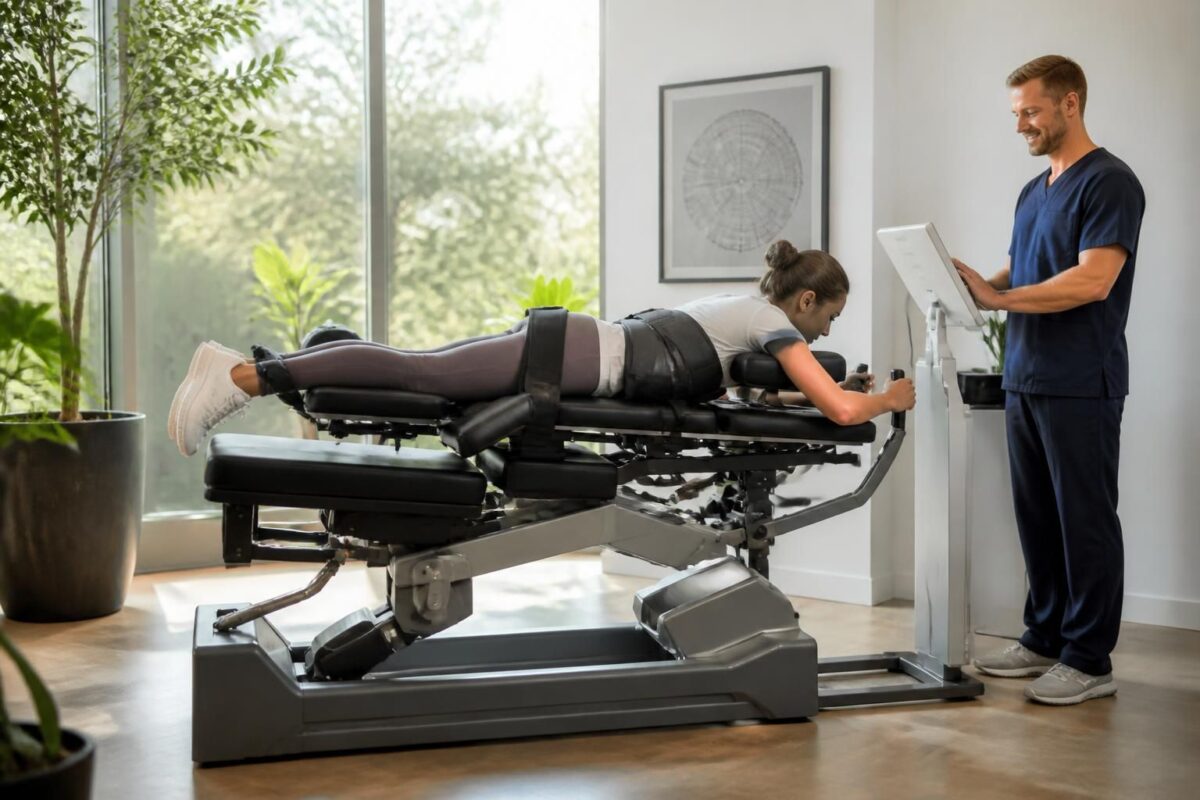
The long-term benefits of neurovertebral decompression for spinal health
In short In short, the neurovertebral decompression is a non-invasive approach that decreases the Pressure on intervertebral discs and nerves, favoring the Natural regeneration and tissue recovery. Its long-term benefits include Lasting pain reduction, Improving mobility and from the posture,…

Neurovertebral decompression and mobility: a return to an active life
In short In short, the neurovertebral decompression is therapy non-invasive who uses a gentle traction To create a space between the vertebrae and reduce the pressure on the Intervertebral discs and the nerves. It promotes a bloodstream improved, lowers tension…
Indications and adapted profiles
Typical indications include disc hernias, disc bulges and symptoms related to foraminal stenosis or nerve compression. This option is not suitable for everyone: Major contraindications include recent vertebral fractures, vertebral infections, certain tumors and specific neurological disorders. An in-depth medical assessment is essential to determine the adequacy of the treatment.
Contraindications and safety
A healthcare professional will assess your background and imaging if necessary to ensure decompression is appropriate and safe in your case. In appropriate configurations, the technique is generally well tolerated, with minor and temporary side effects when performed according to protocols.
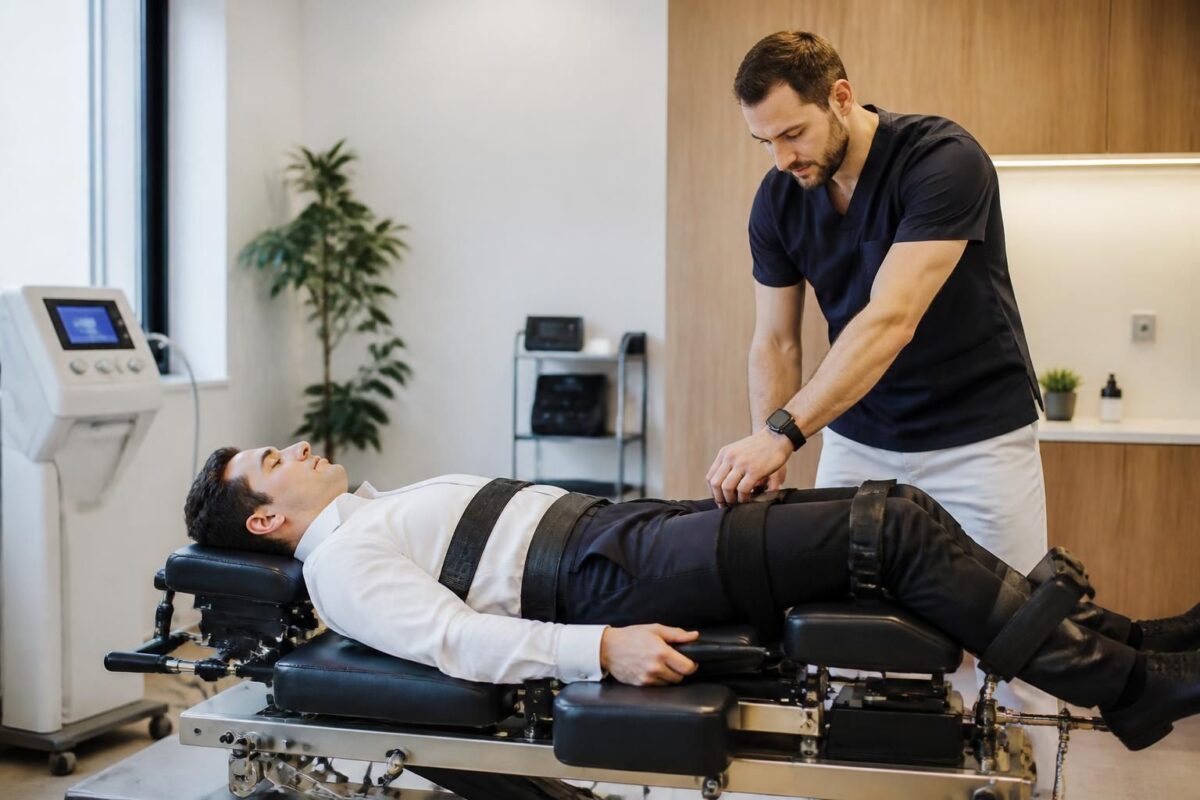
How Neurovertebral Decompression Prevents Diffuse Chronic Pain
In short decompression neurovertebral is one Non-invasive method aimed at reducing the Pressure on the intervertebral discs and the nerves, in order to prevent Diffuse chronic pain. It improves the circulation and thedisc hydration, decreases inflammation and promotes better mobility.…
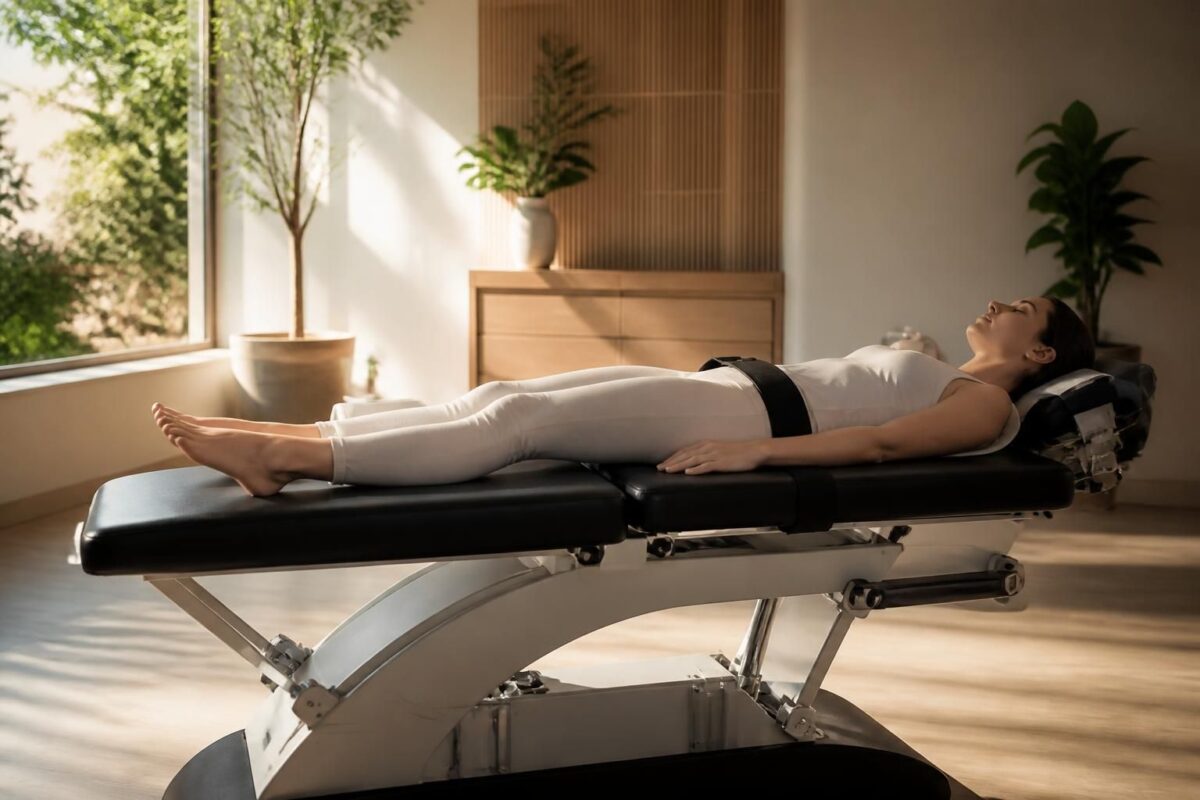
Neurovertebral Decompression and Body Alignment: Restoring Natural Balance
In short In short, neurovertebral decompression is one Non-invasive approach who restores theBody Alignment and thenatural balance back and neck. She acts by a Controlled traction of the spine to widen the intervertebral space and reduce the Pressure on discs…
Sessions and practical framework
The sessions typically last between 20 and 30 minutes and are carried out in the office, under supervision. The protocol is often organized over several weeks, with several sessions per week depending on the severity and individual response. Many patients experience noticeable relief from the first sessions and continuous progression as the treatment progresses.
What the patient feels
The traction is usually painless; Some patients describe a feeling of relaxation or an improvement in flexibility during or after the sessions, in connection with the decrease in pressure on the discs and nerves.
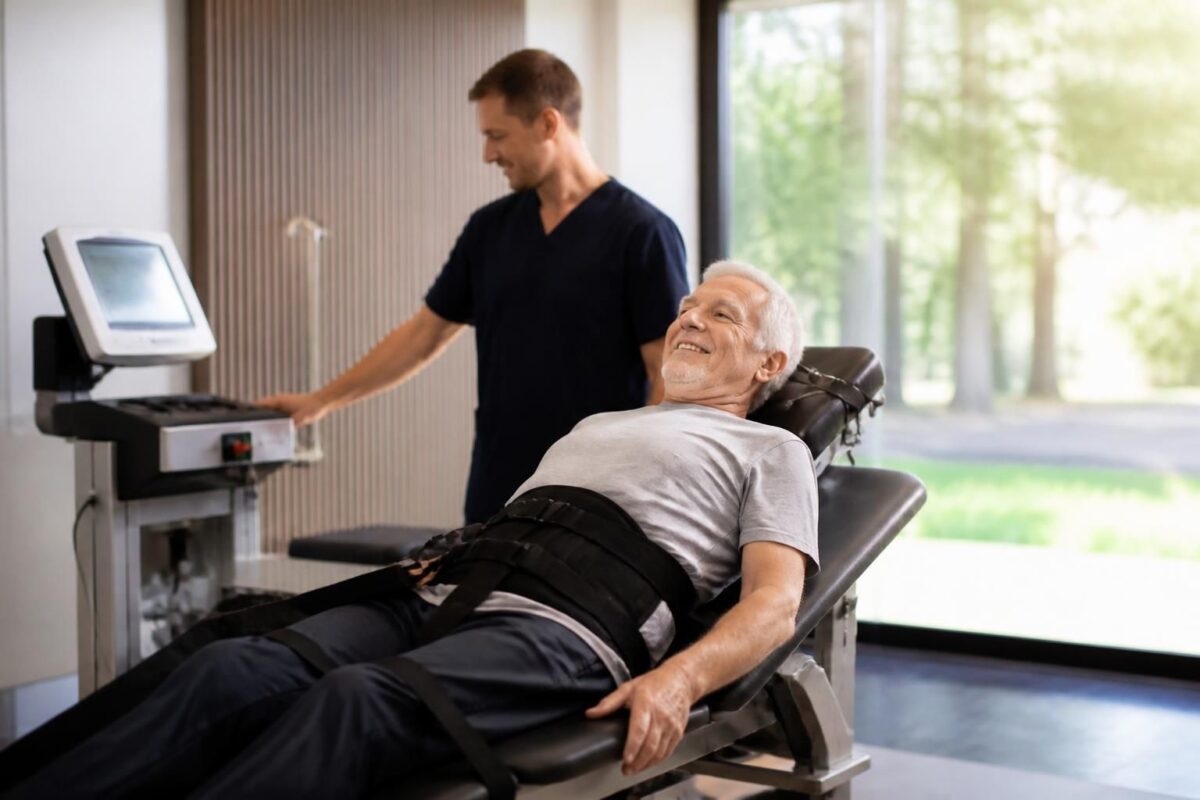
Why neurovertebral decompression is a lasting solution for active seniors
In short In short, the neurovertebral decompression is one Non-invasive therapy which sustainably relieves spinal pain in the spine active seniors By creating, by a Soft and controlled traction, a space between the vertebrae. At Montreal, it is recognized as…
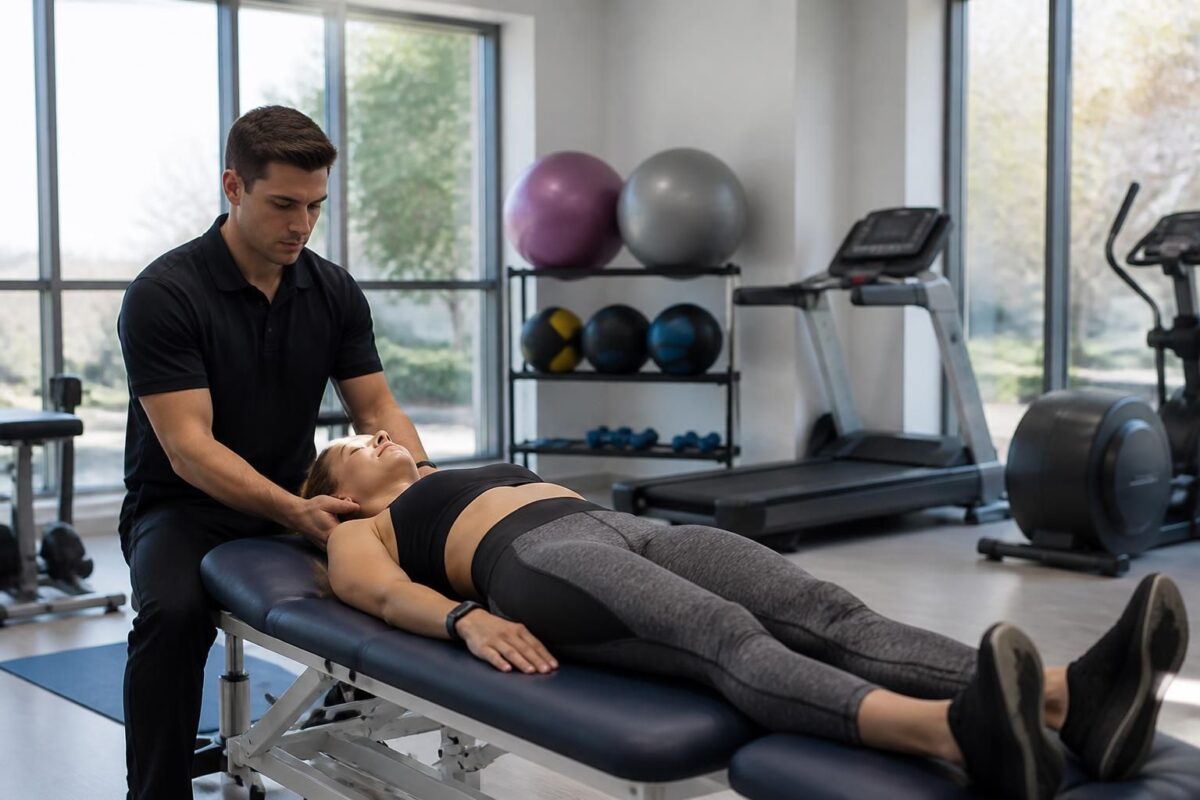
Neurovertebral decompression and recovery after severe sports injury
In short In short, the neurovertebral decompression is one Non-invasive method to Relieve the pressure on the Intervertebral discs and the gristle Via a Controlled traction, to facilitate the recovery After a severe sports injury. It improves the bloodstream towards…
Advantages and complementarity with other approaches
In addition to other manual therapies such as osteopathy, decompression can optimize the mobility of the spine, reduce inflammation and facilitate the rehabilitation of the trunk. This approach can help prevent recurrences by improving the alignment and overall stability of the column. The results, however, depend on the individual and on appropriate follow-up, including exercises and postural advice at home.
Integration with osteopathy and lifestyle
Combining decompression with osteopathic techniques and a targeted exercise program can amplify benefits and promote faster and more sustainable resumption of activities.
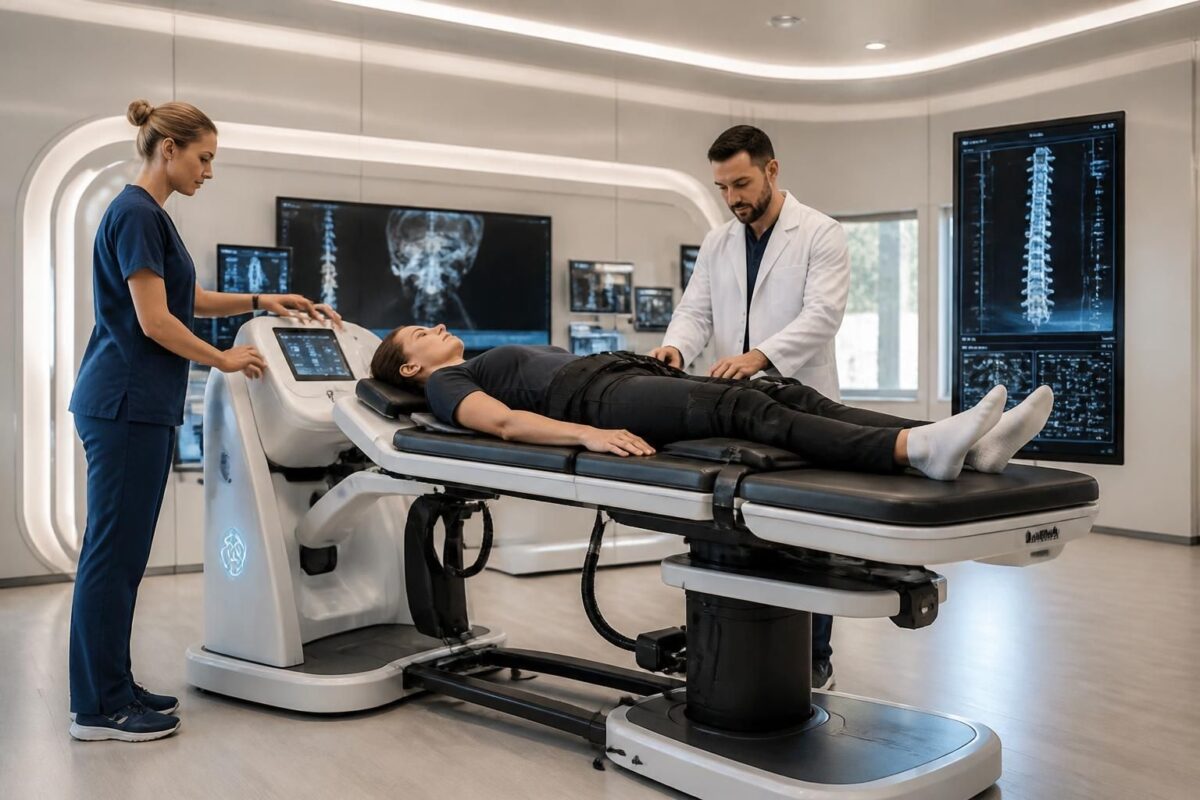
Recent innovations in neurovertebral decompression technologies
In short In short, the neurovertebral decompression is an approach non-invasive Aiming to reduce pressure on discs and nerves, and promote tissue regeneration. At Montreal, it is positioned as an effective option for lower back pain and herniated discs. The…
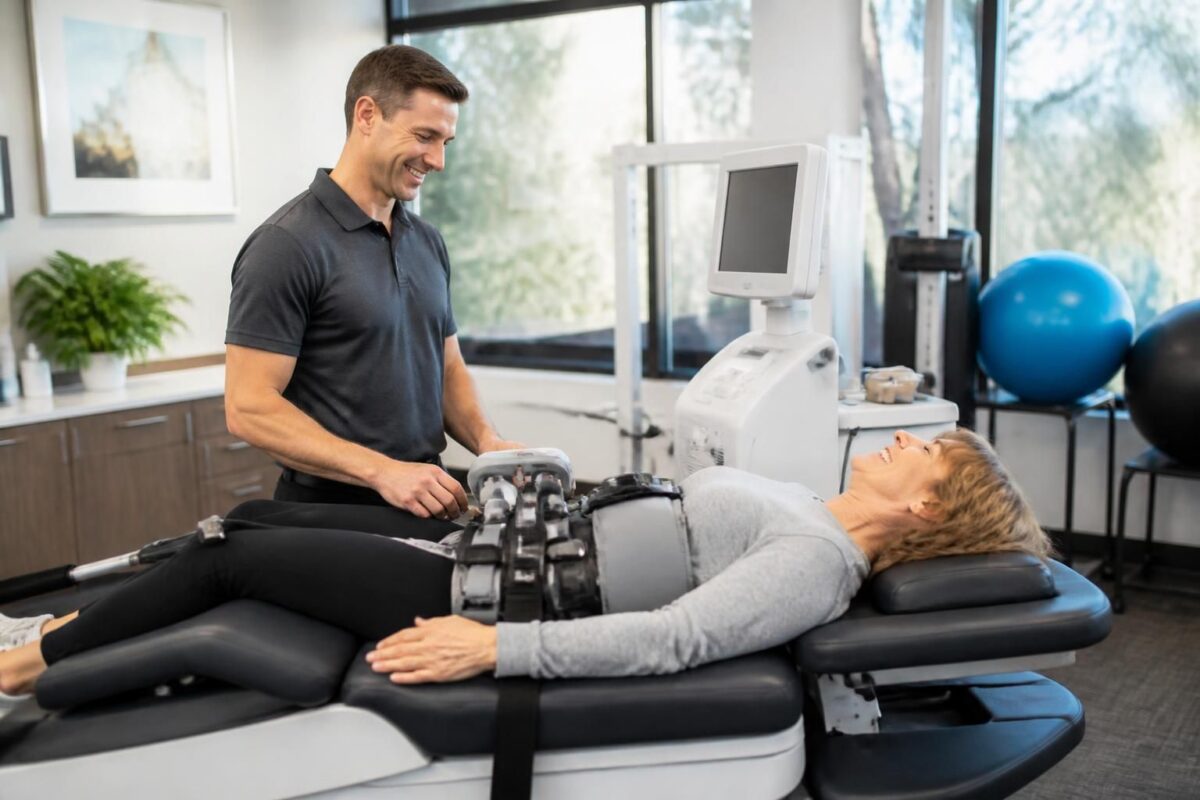
Neurovertebral decompression and diffuse pain: an appropriate solution
In short In short, the neurovertebral decompression is one Non-invasive solution For diffuse pain related to nerve irritation of the spine. She acts in Reducing pressure on intervertebral discs and nerves and improving the bloodstream, which promotes recovery and the…
Prepare your care and discuss with your practitioner
Choose an experienced practitioner and clearly discuss your goals, what you need to assess (imaging, clinical assessment) and the planned progression plan. Ask for a precise schedule of sessions, follow-up criteria and expected results. Integrate a program of exercises to strengthen the trunk and improve posture, in order to maximize long-term benefits.
To get the most out of this treatment, ask how decompression can fit into your overall journey and how it will interact with other non-invasive therapies you might consider.
| Evaluation axis | concise statement |
|---|---|
| Clinical efficacy | Patients experience Sustainable reduction lower back pain and Improving mobility After several sessions. |
| Mechanism of action | controlled traction that creates a space intervertebral, favoring the Disc rehydration and the decrease in pressure On the nerves. |
| Type of treatment | Technical non-surgical, without general anesthesia, offering Non-invasive alternative to surgery. |
| directions | Suitable for foraminal or spinal bulging, hernia, bulge and stenosis with possible radiculopathy, depending on the evaluation. |
| Security and tolerance | good general tolerance; Low risks but possible contraindications (recent fractures, infections, tumors); Recommended supervision. |
| Compatibility with other therapies | Can be associated with other approaches like osteopathy and manual therapy to strengthen muscle support. |
| Procedure and duration | Typical sessions of 20 to 30 minutes, 1 to 3 times a week, over several weeks depending on the severity. |
| Results and impact | Expected: pain reduction, Increased mobility and better quality of life. |
| Limits and alternatives | Universal not: Some situations require options like other treatments or surgical procedures. |
Testimonials on neurovertebral decompression and persistent lower back pain: effective solutions
Marie, 52, suffered from Persistent lower back pain who hindered his daily life. After a series of sessions neurovertebral decompression, she notices a significant reduction in pain and can resume her usual activities. She shares: “From the first session, I felt relief and my mobility improved significantly. »
David, 44, was faced with a slipped disc and pain that radiated towards the leg. After treatment, he describes a gradual resumption of his active life and a marked decrease in pain. “I have regained the ability to walk and stay active without permanent pain,” he explains, highlighting the clarity of a lasting improvement.
Sophie, 39, spent long hours in front of a computer and lived with a Chronic lumbar pain. Following the protocol of neurovertebral decompression And at additional osteopathy sessions, she feels a marked improvement in her posture, less stiffness and better sleep. “I wake up painlessly and have regained energy for my activities,” she testifies.
Marc, 60, suffered from Lumbar radiculopathy which limited his mobility and sleep. After a few weeks of treatment, he notices a reduction in pain and a better stability of his spine. “My pains decreased and I was able to resume my outings and my daily routines without hesitation,” he says.
Claire, 47, works in a physically demanding environment and felt a Recurrent lumbar pain. Thanks to neurovertebral decompression And at targeted exercises, she notices an improvement in her exertion tolerance and an ability to stay aligned for longer. “My body feels lighter and my daily tasks are easier,” she says.
Alexandre, 33, athlete, had to manage a Post-injury lumbar pain. After treatment, he notices a faster recovery and a gradual resumption of workouts. “I have regained my mobility and my performance without persistent pain,” he concludes, happy to see a Effective solution for his sports recovery.
This expert in osteopathy, Naturopathy and Manual Medicine is at the head of the Tagmed clinics and the ACMA association, testifying to a deep commitment to health innovation. His journey is guided by a simple conviction: persistent lower back pain can be approached with targeted, non-invasive and evidence-based solutions. This integrated approach places the patient at the heart of the therapeutic process and relies on close collaboration between disciplines to optimize well-being and function.
the heart of its action is the management of Chronic pain and the integration of advanced technologies to improve patient outcomes. Among these tools, the neurovertebral decompression occupies a central place, supplemented by therapies such as the laser and shockwave therapy. This combination not only reduces the symptoms, but also restores the structural integrity of the spine and promotes lasting recovery, by focusing on treating the underlying mechanical causes rather than simply relieving the pain temporarily.
His approach is based on a rigorous evaluation and advanced customization of treatment plans. Before any treatment, the patient benefits from a functional and morphological assessment which can be based on imaging examinations and clinical tests. Each protocol is then adapted to the location and severity of disc attacks, including low back pain related to disc pinches, protrusions or foraminal stenosis. This individualized approach aims to optimize recovery, improve mobility and prevent long-term recurrences.
The neurovertebral decompression is a non-surgical technique which, by a DOCC (soft and controlled) traction of the column, makes it possible to create a space between the vertebrae. This increased space promotes the rehydration and reorientation of damaged discs, relieving the pressure on the nerves and thus improving the nerve and muscle function. The sessions, generally short, are part of a progressive program and can be associated with osteopathic care and other manual therapies to strengthen spinal support and stabilize the gains obtained.
The results observed in practice oriented towards persistent low back pain show a significant reduction in pain, improved mobility and a better quality of life. This non-invasive approach offers an attractive alternative for those who hesitate between prolonged drug treatments and heavier interventions. It is also part of a preventive strategy, by strengthening proprioceptive control and posture, in order to limit risk factors and recurrences.
Beyond the technique itself, the expert promotes a holistic and educational approach: informing patients about the mechanisms of pain, promoting beneficial lifestyles and offering regular follow-up to adjust treatments according to progress. Through this philosophy, patients are not only receiving treatment; They obtain a clear framework to restore and maintain their bodily autonomy in the face of persistent lower back pain.
In short, neurovertebral decompression, integrated into a multidisciplinary offer, represents an effective solution for persistent lower back pain, paving the way for a faster, lasting and less dependent movement of motion from symptomatic treatments. This structured and personalized approach makes each session a step towards a painless life and a healthier spine.
This summary highlights the neurovertebral decompression like a Effective solution for the Persistent lower back pain, by proposing an approach non-invasive which attacks the mechanical cause of pain. It reviews the functioning, available evidence, precautions and possibilities of integration with other therapies in order to optimize the recovery and quality of life of patients.
The neurovertebral decompression is a technique non-surgical which acts by decreasing the Pressure on the intervertebral discs and close nerves. Through a traction controlled, it creates a space between the vertebrae, favoring the rehydration and the Disc rehabilitation while improving the overall mobility of the column. This approach can fit into a full course including theosteopathy and specific trunk strengthening exercises, in order to sustainably support the spine and prevent recurrences.
Clinical data indicates Significant improvements pain and function in a large number of patients after repeated sessions. However, the technique is not suitable for all cases and has contraindications such as recent vertebral fractures, infections, tumors or pregnancy. A Pre-treatment assessment rigorous is essential to confirm the indication and adjust the protocol.
To optimize the results, it is recommended to integrate decompression into a coordinated therapeutic framework: combine with interventions manuals targeted, exercises of Abdominal and lumbar strengthening, postural advice and regular follow-up. Periodic evaluations, including imaging reviews when appropriate, allow tracking of progress and adapting the treatment plan over time. To explore mechanisms and benefits, you can consult specialized resources such as This guide to advanced techniques in neurovertebral decompression or Medi-Lum.
For athletes and people in rehabilitation, decompression can be a key step in reviving recovery and performance, with specific applications as part of a structured program. Find out why it is particularly suitable for athletes in This content dedicated to athletes in rehabilitation And how it can fit into a global strategy of returning to training.
Comparative analyzes and feedback support the interest of this approach compared to other non-surgical modalities, as shown by studies and syntheses available online. For more information on results and therapeutic choices, see for example A comparative study of therapeutic approaches and The physical and psychological benefits.
For those seeking practical perspectives and concrete solutions, several online resources present the benefits and mechanisms of decompression, including Effective solutions to persistent lower back pain and A dedicated look at persistent lower back pain. For a more general and accessible presentation, This resource on chronic radicular pain can be useful.
In addition, specialized articles and pages offer practical information on the use of decompression in various contexts, including the sports environment and relapse prevention. For example, you can access concrete examples and clear explanations via How it acts on refractory lower back pain and His recommendation for athletes.

Dr Sylvain Desforges, B.Sc., D.O., N.D., osteopath, is the founding president of TAGMED and of the ACMA association. He dedicates his practice to chronic spinal pain, low back pain and symptoms compatible with sciatica, particularly when pain radiates toward the buttock, leg, calf, foot or toes.
Through SOS Sciatique, he publishes educational content on sciatica symptoms, possible causes such as disc herniation, disc narrowing, foraminal stenosis or irritation of a lumbar nerve root, as well as non-surgical approaches that may be considered according to the evaluation. At Clinique TAGMED, care may include, depending on the case, motorized neurovertebral decompression, specific osteopathic care or precision percussion.
For an evaluation related to sciatica treatment in Montreal / Mount Royal or sciatica treatment in Terrebonne, please consult the services available at Clinique TAGMED.
Medical disclaimer
The information published on SOS Sciatique is provided for educational purposes only and does not replace a consultation, diagnosis, opinion or treatment provided by a physician or another authorized healthcare professional. The author of this article is neither a medical doctor nor a specialist in a medical specialty recognized by the Collège des médecins du Québec. The osteopathic, manual medicine or functional support approaches described on this site do not constitute medical acts and are not intended to replace medical follow-up.
Consult a physician or emergency service in cases of loss of bladder or bowel control, anesthesia in the saddle area, significant or progressive weakness in the leg or foot, fever, recent trauma, severe pain or rapid worsening of symptoms. For more details, please read our Legal Notice.