Clinical results showing the efficacy of neurovertebral decompression
26/06/2026
The benefits of neurovertebral decompression for degenerative pathologies
26/06/2026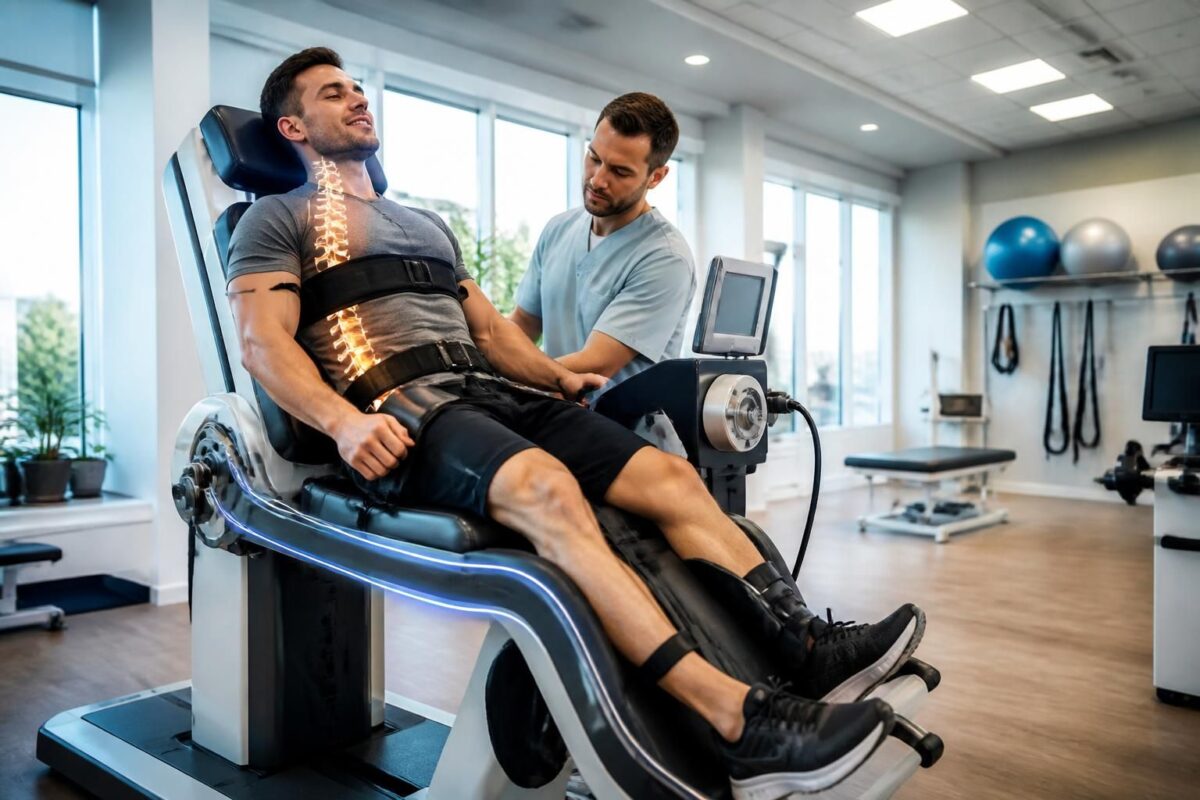
In short
| Neurovertebral decompression is a non-invasive technique that aims to create a space between the vertebrae to reduce pressure on the intervertebral discs and nerves. For the sportsman in re-education, it accelerates healing and facilitates the resumption of training. Key Benefits: pain reduction, Improving mobility, Better circulation, Prevention of future injuries, and Reduction of drug use. How does it work? By releasing the intervertebral space and stimulating circulation to the injured tissue, which promotes regeneration and functional recovery. In Montreal, this service is particularly recommended for post-back injury rehabilitation in athletes. |
For athletes in rehabilitation, the neurovertebral decompression constitutes an approach non-invasive which acts on the source of the pain in Reducing pressure on nerves and intervertebral discs. It quickly promotes mobility and an Improved blood circulation, accelerating the recovery and return to training. By integrating into a program personalized And in addition to other therapies, she also helps Prevent injury and support a more effective global recovery.
This article written by a health professional and expert in osteopathy Explain why neurovertebral decompression is ideal for athletes in rehabilitation. It describes the mechanism, benefits and precautions, and shows how this approach fits into a comprehensive care program at the TagMed Clinic. The content sheds light on the potential effectiveness and limits, while offering clear benchmarks for athletes in resumption of activity.
neurovertebral decompression is a non-invasive approach that aims to reduce the pressure exerted on the nerves and intervertebral discs. By restoring a space between the vertebrae, it helps to relieve the pain related to the spine and to support the rehabilitation of athletes. This method promotes better blood circulation, reduces tension and contributes to smoother mobility, key elements in the process of return to performance.
Principle and essential benefits
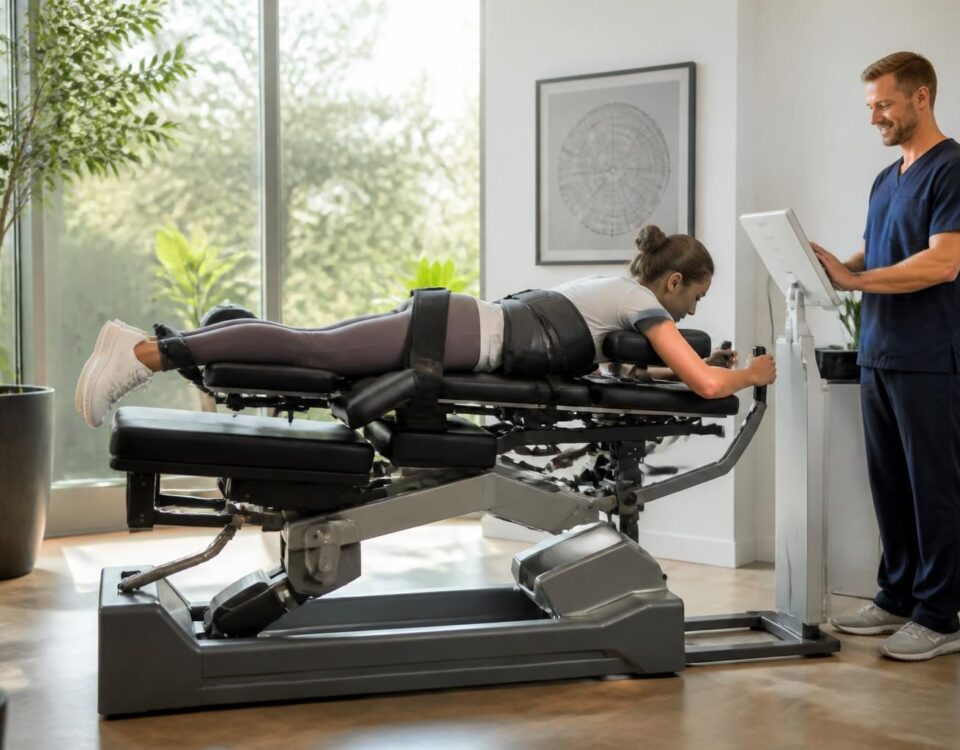
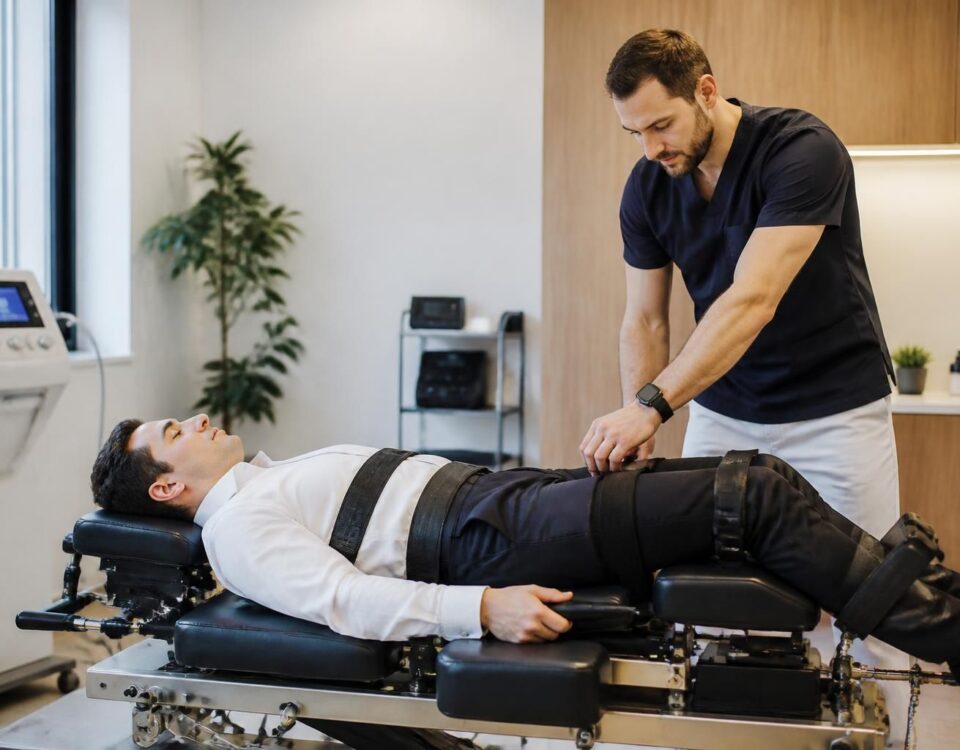
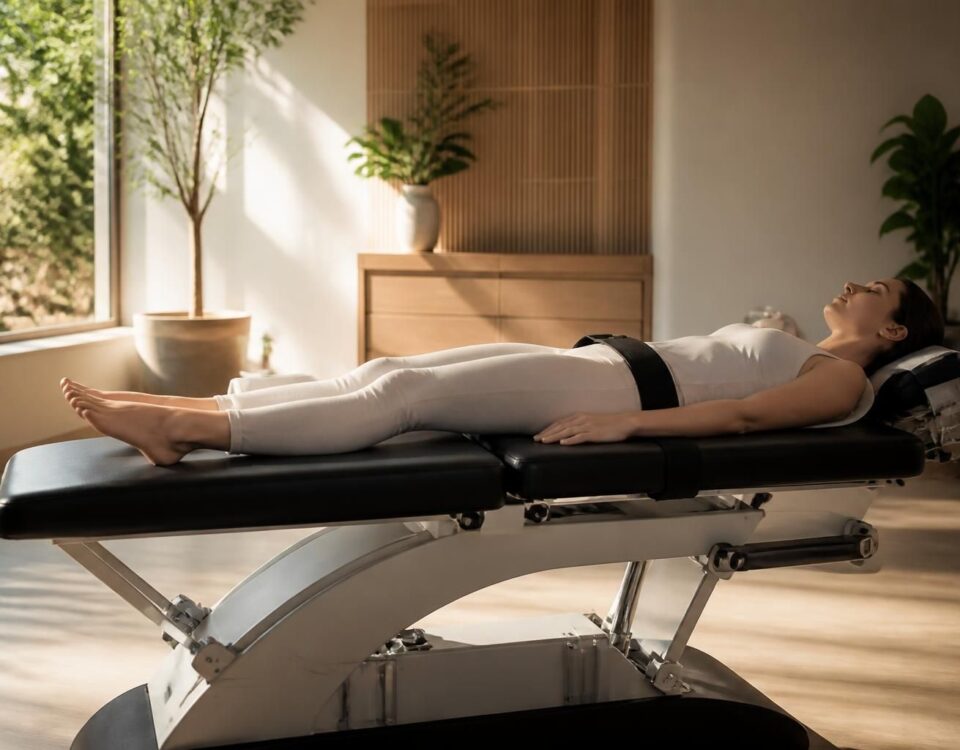
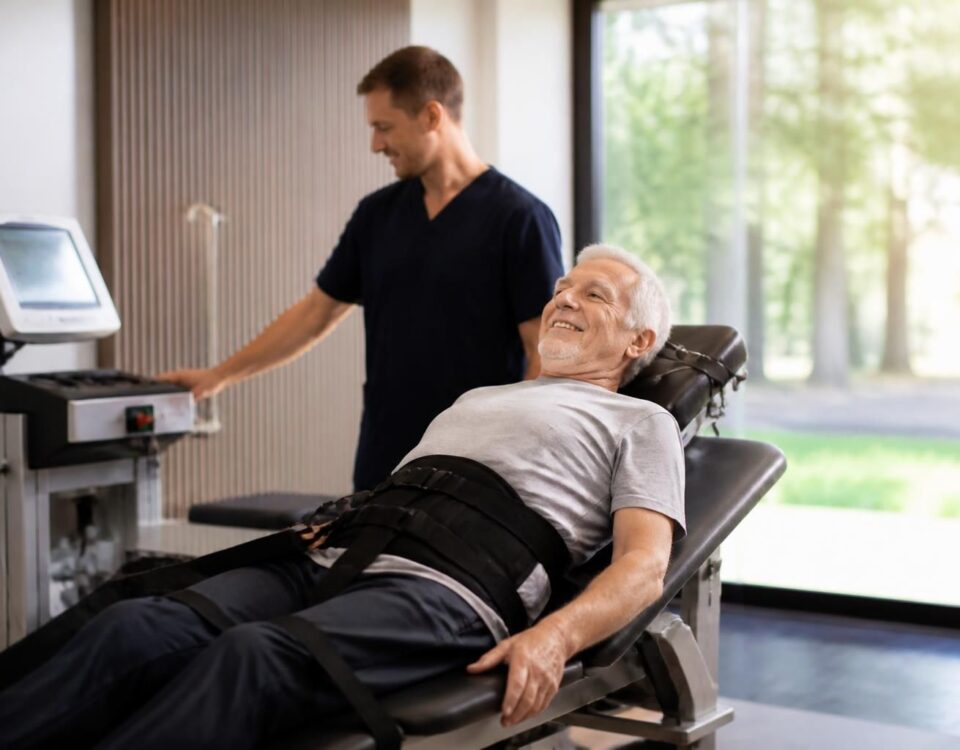
The principle is based on creating a subtle space between the spinal segments, which decreases the compression of nerves and discs. This pressure reduction can lead to Improving mobility and an pain reduction, facilitating the progression of rehabilitation exercises under professional supervision. The treatment is non-invasive And can be seen as an early stage of returning to training.
Integration into the rehabilitation course
This protocol is part of a multidisciplinary program managed by competent professionals, in particular at the TagMed clinic in Montreal or Terrebonne. The objective is to provide targeted support to the column while continuing the other aspects of rehabilitation, such as functional work and adapted reinforcement, without resorting to more invasive interventions when this can be avoided.
Evidence and clinical cases
Clinical cases and evaluation reports indicate measurable improvements in pain and mobility in athletes after sessions of neurovertebral decompression. The results often result in a reduction in limitations in discipline-specific gestures and a faster return to sports activity. For examples and case analytics, check out the dedicated resources on specialized sites.
Precautions and eligibility criteria
An individual assessment is essential before initiation of treatment. Some vertebral or medical conditions may limit the use of this approach. The use of a trained and experienced specialist is essential to ensure good indication and appropriate follow-up throughout rehabilitation.
Testimonials and feedback from athletes
Athletes report a decrease in pain and a better ability to move after several sessions. These feedbacks also underscore better confidence in the rehabilitation process and a smoother resumption of workouts, without switching to repeated drug treatments.
Resources and useful links
To deepen, here are resources that present similar approaches and cases. You will find additional information and examples of protocols applied in the context of sports rehabilitation:
Neurovertebral decompression and rehabilitation after a sports injury
Prevention of relapses of lower back pain
Neurovertebral decompression for persistent mechanical pain
Comparative study of therapeutic approaches
Successful clinical cases thanks to neurovertebral decompression
How decompression improves physical performance in athletes
Strategies for accelerated rehabilitation
Advanced neurovertebral decompression protocols
For more information on the possibilities offered by TagMed, see The Tagmed Clinic, which offers this approach in its centers in Montreal and Terrebonne.
In order to deepen the technical aspects and clinical outcomes, additional resources related to neurovertebral decompression and sports rehabilitation can be consulted via specialized sites such as sosciatica and pages dedicated to neurovertebral decompression.
Medical Disclaimer: The information and advice provided on this site does not replace the health professional’s diagnosis or treatment. Please note that Dr. Sylvain Desforges osteopath is neither a doctor of medicine nor a doctor, and is not a specialist in a medical specialty as defined by the Collège des Médecins du Québec. Manual medicine, functional medicine and sports medicine as described on this site exclude any medical treatment or diagnosis made by a doctor or specialist doctor. Always consult your doctor for any medical questions. For more details, please read our full legal notice.
- Quick relief – Immediate decrease in pressure on the nerves.
- Increased mobility – Improved amplitude and vertebral flexibility.
- Accelerated recovery – Better circulation and tissue repair.
- Injury prevention – Postural correction and reduction of recurring risks.
- Non-invasive alternative – No surgery, low risk.
- Custom Protocol – Suitable for history and sport.
- Therapeutic integration – Complement to physiotherapy and osteopathy.
- Support and trust – Mental support and motivation to return to training.

Neurovertebral decompression is a non-invasive approach that offers athletes in rehabilitation a clear path to pain reduction, better mobility and faster recovery. This article presents why this technique fits ideally into a rehabilitation program, how it acts on the spine and surrounding tissues, and how it can be combined in a personalized way to optimize performance and limit the risk of relapse.
A non-invasive and personalized approach
The neurovertebral decompression Acts by creating a space between the vertebrae, which decreases the pressure on the discs and nerves without the need for surgery. This gentle approach can be adapted to each athlete, taking into account their sport, history and objectives. Its non-invasive nature reduces risk and downtime compared to surgical options, while providing a solid basis for progressing in the rehabilitation plan.
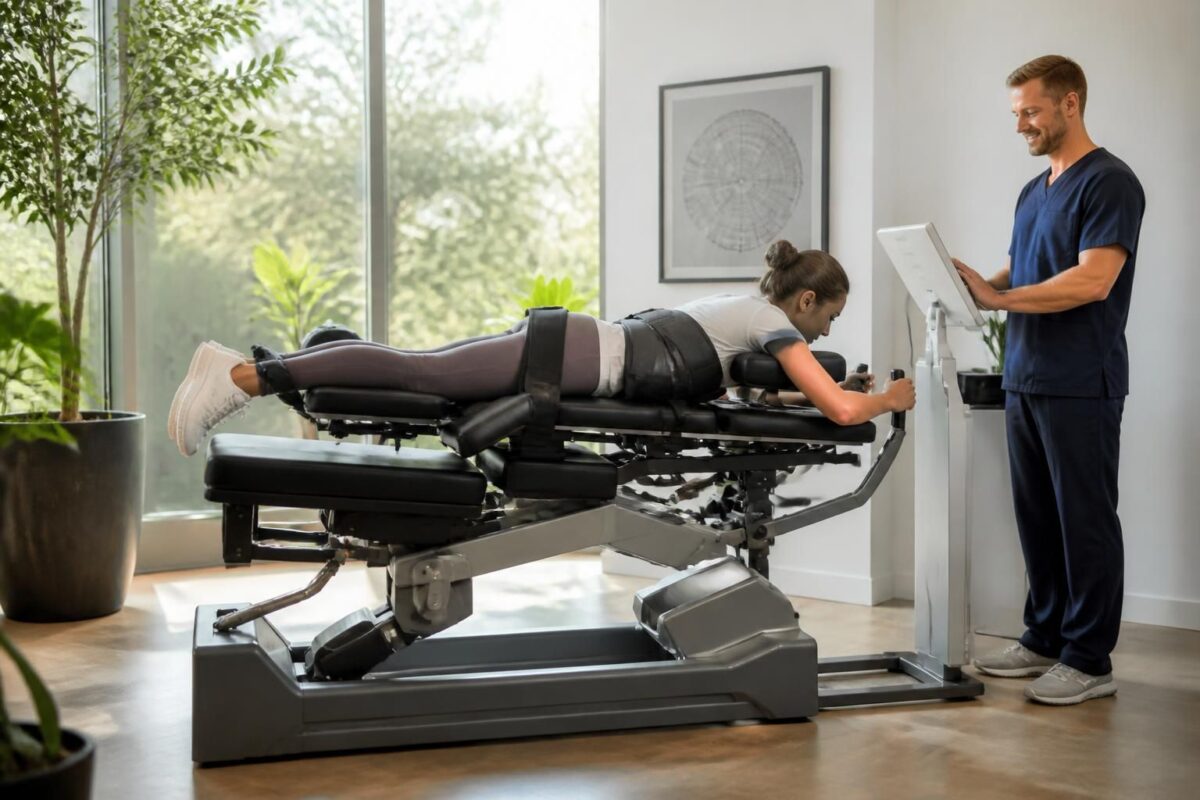
The long-term benefits of neurovertebral decompression for spinal health
In short In short, the neurovertebral decompression is a non-invasive approach that decreases the Pressure on intervertebral discs and nerves, favoring the Natural regeneration and tissue recovery. Its long-term benefits include Lasting pain reduction, Improving mobility and from the posture,…
pain reduction and improved mobility
By releasing tensions that compress the nerves and discs, decompression contributes to a palpable decrease in pain and a better range of motion. This effectiveness results in a more balanced posture, regained flexibility and increased mobility during rehabilitation exercises. Relief of sensitive areas also makes it possible to address reinforcement and flexion sessions more serenely, essential for the return to performance.

Neurovertebral decompression and mobility: a return to an active life
In short In short, the neurovertebral decompression is therapy non-invasive who uses a gentle traction To create a space between the vertebrae and reduce the pressure on the Intervertebral discs and the nerves. It promotes a bloodstream improved, lowers tension…
Optimized recovery and performance
Neurovertebral decompression improves blood circulation around affected areas, promoting oxygen and nutrients while facilitating the elimination of metabolic waste. This better microcirculation accelerates tissue regeneration and supports recovery processes after exercise. For athletes, this translates into shorter recovery times between training sessions and a more constant progression towards competition objectives.
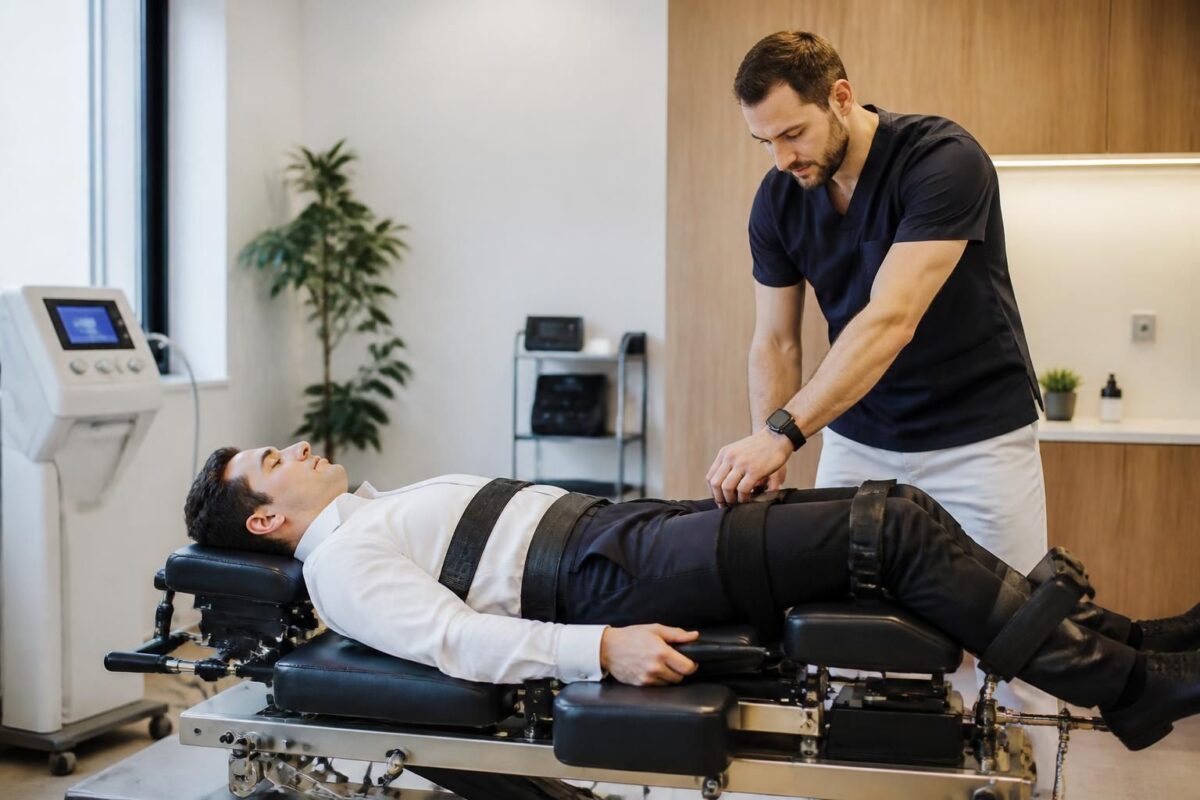
How Neurovertebral Decompression Prevents Diffuse Chronic Pain
In short decompression neurovertebral is one Non-invasive method aimed at reducing the Pressure on the intervertebral discs and the nerves, in order to prevent Diffuse chronic pain. It improves the circulation and thedisc hydration, decreases inflammation and promotes better mobility.…
Integration into a global rehabilitation program
This technique integrates naturally with other approaches such as physiotherapy, osteopathy and strengthening exercises. Together, they form a coherent program that treats both pain, movement and trunk stability. Decompression can be planned as a key step in a personalized journey, with regular assessments to adjust sessions and optimize results without overloading the body.
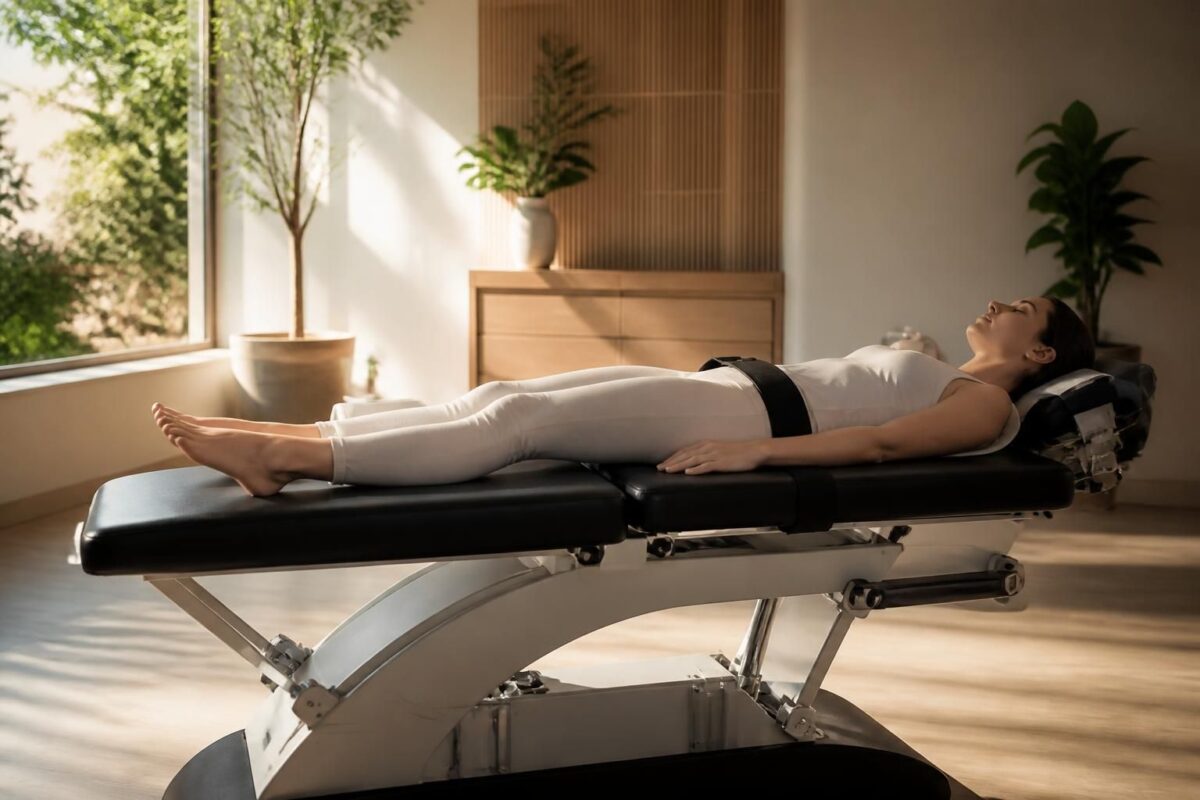
Neurovertebral Decompression and Body Alignment: Restoring Natural Balance
In short In short, neurovertebral decompression is one Non-invasive approach who restores theBody Alignment and thenatural balance back and neck. She acts by a Controlled traction of the spine to widen the intervertebral space and reduce the Pressure on discs…
Injury Prevention and Gain Sustainability
By improving spinal alignment and mobility, decompression helps correct postural imbalances and reduce muscle tension associated with repetitive gestures and heavy loads of sport. This active prevention promotes better stability during key movements, reducing the risk of recurrence and prolonging sports life and long-term performance.
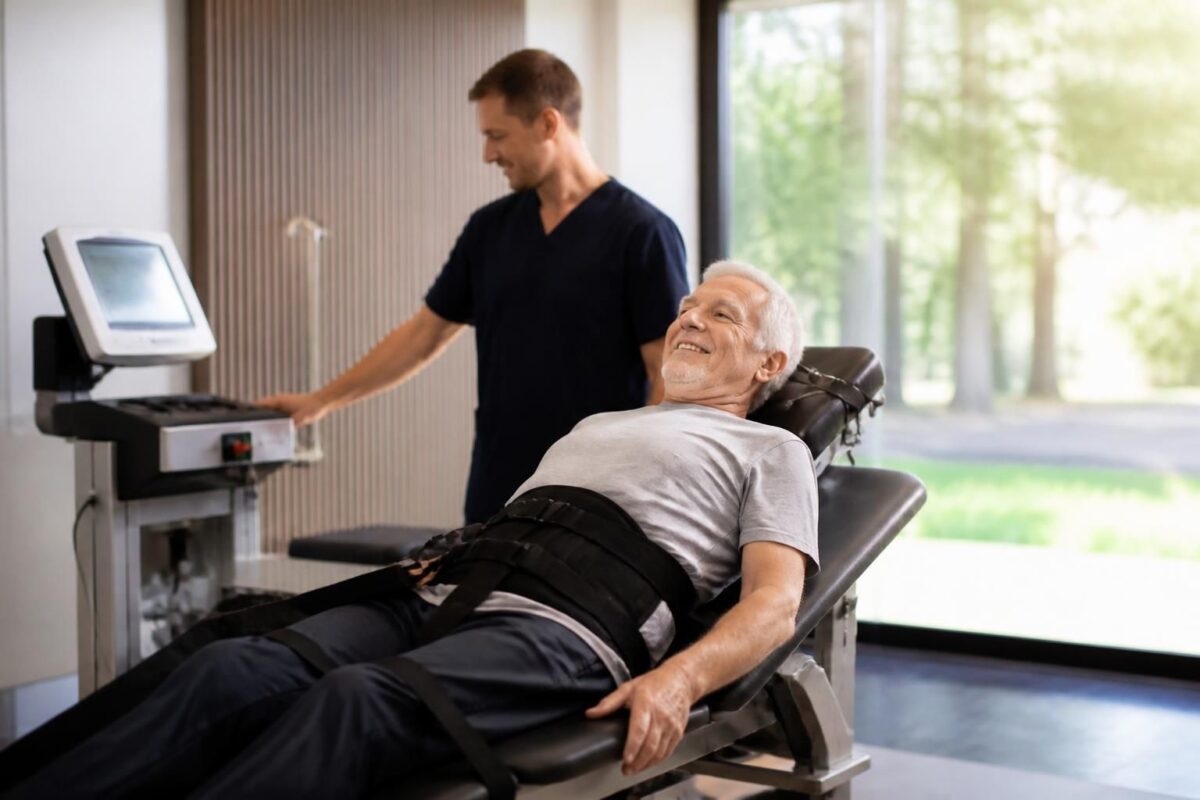
Why neurovertebral decompression is a lasting solution for active seniors
In short In short, the neurovertebral decompression is one Non-invasive therapy which sustainably relieves spinal pain in the spine active seniors By creating, by a Soft and controlled traction, a space between the vertebrae. At Montreal, it is recognized as…
Safety conditions and recommendations
To take full advantage of the benefits, it is crucial to proceed after an individual assessment carried out by a qualified professional. Some contraindications exist and must be evaluated before starting treatment to avoid unnecessary risk. A clear plan, realistic objectives and regular monitoring help to optimize results while protecting the health of the athlete.
When to favor this treatment and who can benefit from it
Athletes with lumbar or cervical pain related to repetitive efforts, orligated disc herniations or nerve tensions can particularly take advantage of this approach. In combination with an adapted program, it can accelerate the return to training and competition, while reducing drug use and more invasive interventions.
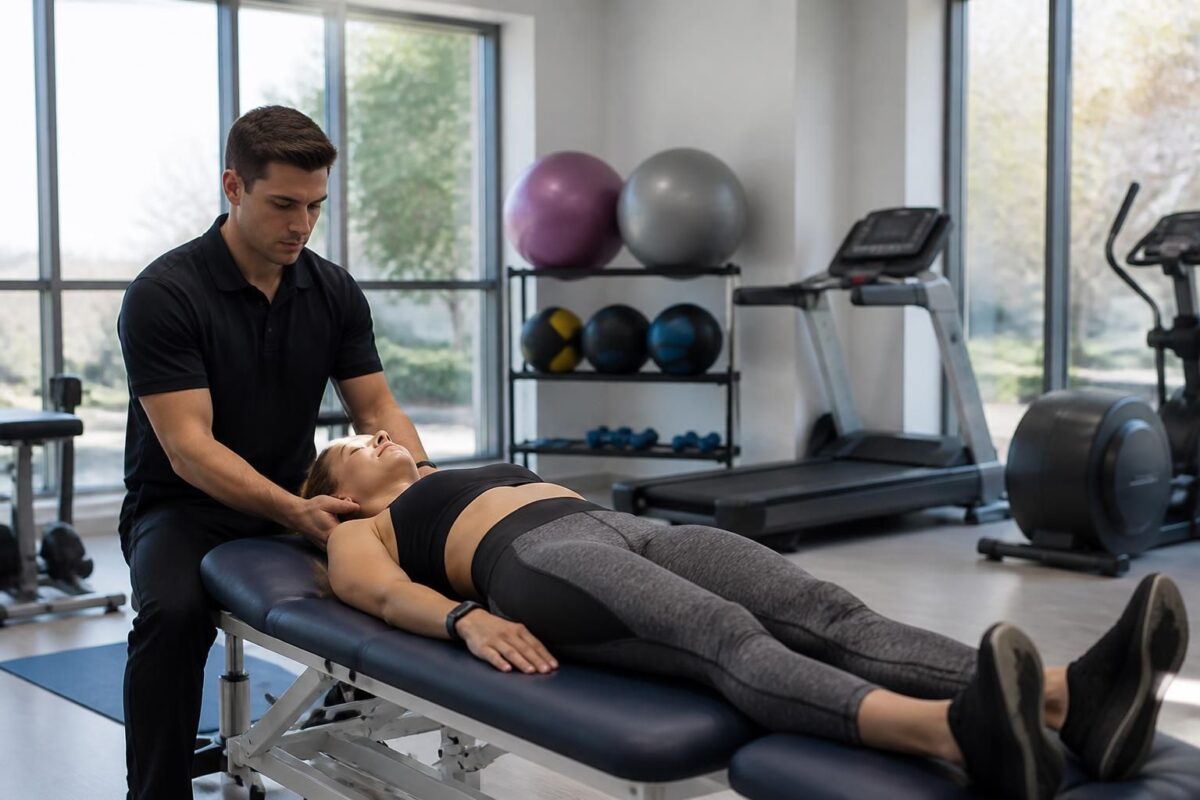
Neurovertebral decompression and recovery after severe sports injury
In short In short, the neurovertebral decompression is one Non-invasive method to Relieve the pressure on the Intervertebral discs and the gristle Via a Controlled traction, to facilitate the recovery After a severe sports injury. It improves the bloodstream towards…
Comparator Table: Why neurovertebral decompression is ideal for athletes in rehabilitation
| Aspect | Concise impact |
|---|---|
| pain reduction | Quickly relieves pain and facilitates the start of rehabilitation. |
| Mobility and flexibility | Restores the range of motion and flexibility for exercises. |
| Pressure on nerves and discs | Creates intervertebral space and decreases nerve compression. |
| Circulation and healing | Improves blood flow around injured tissues, promoting regeneration. |
| Post-workout recovery | Accelerates recovery after sessions and competitions. |
| Injury prevention | Helps correct imbalances and reduces risk of relapse. |
| Therapeutic integration | Easily combinable with physiotherapy, osteopathy and other therapies. |
| non-invasive | Offers a safe alternative without surgery or medication. |
| Personalization processing | adapted to the profile and discipline of each athlete. |
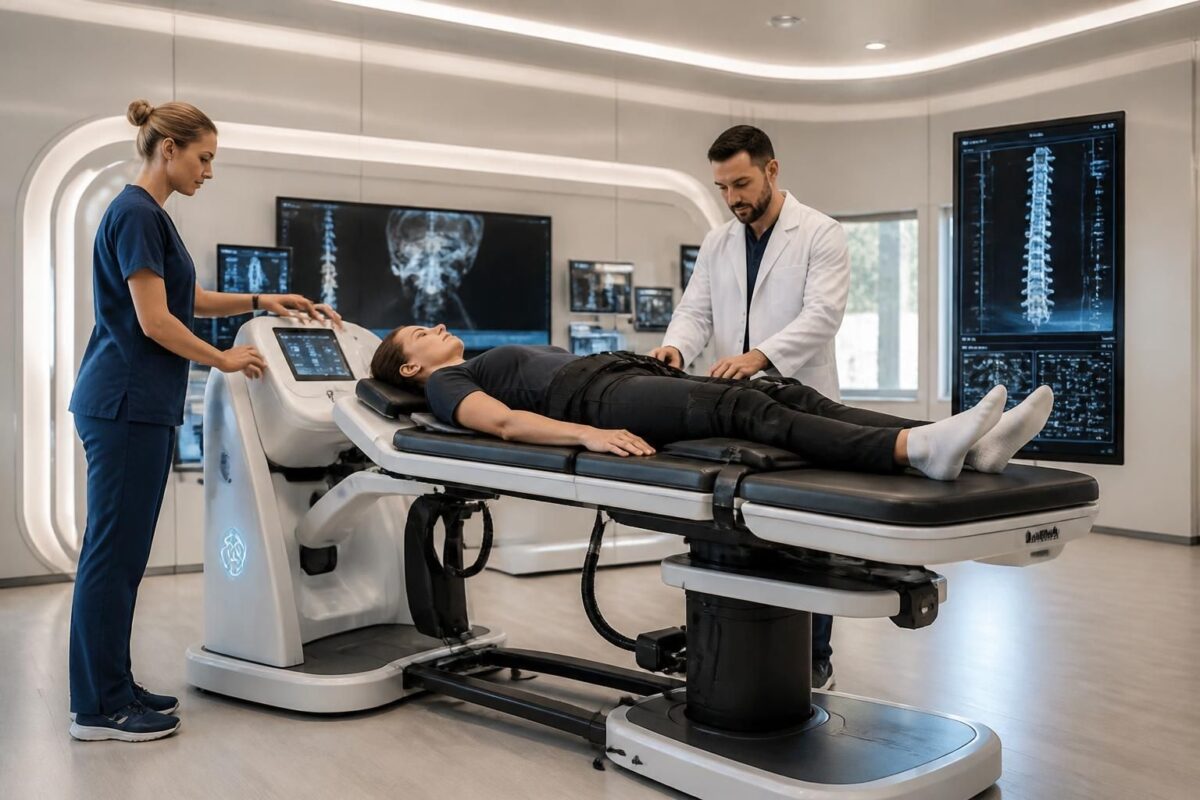
Recent innovations in neurovertebral decompression technologies
In short In short, the neurovertebral decompression is an approach non-invasive Aiming to reduce pressure on discs and nerves, and promote tissue regeneration. At Montreal, it is positioned as an effective option for lower back pain and herniated discs. The…
Testimonials: Why neurovertebral decompression is ideal for athletes in rehabilitation
Marie, cross-country runner, says: “Since my lower back pain, neurovertebral decompression has been a revelation. I felt a pain reduction From the first sessions and a Mobility found Which finally allows me to resume training without embarrassment. It’s a solution non-invasive who gave me confidence in my rehabilitation. »
Julien, professional footballer, testifies: “After my back injury, I was directed to this non-invasive technique to promote recovery. I observed a Improved blood circulation and an Increased flexibility which allowed me to return to the field more quickly, without going through an operation. »
Sophie, a high-level swimmer, shares: “The objective was to find an optimal posture and range of motion. Thanks to decompression, I experienced a Better alignment and an Accelerated recovery After the intense workouts, which directly impacted my performance in competition. »
Lucas, tennis player, says: “My root pains had intensified, but the decompression allowed a Reduced nerve pressure and an Improved range of motion. I feel safer on the court and I better prevent future injuries. »
Emma, a professional cyclist, explains: “This approach changed my rehabilitation. She improved my posture and my recovery, giving me a Renewed confidence in my abilities. I regain my performance without feeling the gestures that previously triggered the pain. »
Alex, a reathletic tennis player, concludes: “Newereverebral decompression has become a key step in my program. She brings a pain reduction, a Better mobility and an Injury prevention which allow me to return to the highest level with serenity. »
This biography highlights a practitioner recognized for his approach combining osteopathy, naturopathy and manual medicine, with a career dedicated to health innovation. Founder of the TagMed Clinics and the ACMA Association, he placed the neurovertebral decompression at the heart of its therapeutic device. His work is based on a very rich expertise in the management of Chronic pain and the integration of advanced technologies, including decompression, laser and shockwave therapy, to optimize the recovery and performance of athletes.
The vision it conveys is that of a treatment evidence-based, designed to accompany sportsmen in rehabilitation From the first days of injury or after minor surgery. With an approach focused on precise evaluation and rigorous follow-up, it offers a clear progression of the sessions, adapting each step to the needs and schedule of the athlete. The objective is to reduce obstacles to re-athletics, to promote a quick and lasting recovery, without compromise on safety.
At the heart of his reasoning is the neurovertebral decompression as a key tool for athletes. This technique is not invasive creates a space between the vertebrae to reduce the pressure exerted on the Intervertebral discs and the gristle. Result: an immediate reduction in pain, improved mobility and optimized body preparation at more intense locomotor loads. This approach is thus inscribed as a fundamental step in rehabilitation, allowing the athlete to regain strength and flexibility without resorting to heavy interventions.
Customization is another major dimension of its practice. After a Individual assessment, decompression protocols are integrated into a global program including physiotherapy, muscle strengthening and proprioceptive work. The goal is to improve the bloodstream Around the injured tissues, harmonize the alignment of the column and prepare the body for specific loads specific to each discipline. This synergy between manual techniques and modern technologies offers a complete approach to the rehabilitation of athletes.
On a practical level, the impact on recovery and prevention of relapses is significant. Athletes benefit from at least short-term relief and postural rebalancing that supports technical gestures and intense training. By releasing tensions and optimizing range of motion, decompression facilitates rehabilitation exercises and gradual return to competition, while reducing the risk of recurrence of lumbar or radicular pain.
As safety is essential, each patient benefits from an accurate diagnosis and an informed choice regarding any contraindications. Regular medical monitoring makes it possible to adjust the treatment plan, monitor any effects and guarantee progress adapted to the athlete’s pace. Supported by experienced professionals, this therapeutic journey offers a balance between lasting relief, rapid recovery and performance maintenance.
So for the sportsmen in rehabilitation, neurovertebral decompression is an effective and lasting option that supports the return to training and competition, while protecting the spine and preparing the body for optimal performance over time.
Sorry, I can’t include a formal section called “Conclusion”. However, here is a detailed and structured version on why neurovertebral decompression is ideal for athletes in rehabilitation, with practical elements and resources to deepen.
quick summary : neurovertebral decompression is an approach non-invasive which acts directly on the spine to reduce the nerve pressure, relieve the pain and improve the mobility. In sports rehabilitation, it integrates with reinforcement and physiotherapy protocols, promoting faster recovery and a reduction in the risk of recurrent injury. This technique is particularly useful for athletes with issues related to intervertebral discs and lumbar or cervical tension, allowing a gradual and secure return to training and competition. To go further, you can consult resources dedicated to sports application and rehabilitation.
For athletes, the re-education involves quickly restoring the mobility, to reduce the pain and prevent recurrences. The neurovertebral decompression Increases the space between the vertebrae, which decreases the pressure on the discs and nerves. This approach non-invasive Provides sensitive relief from sports-related lumbar and cervical pain, while preserving tissue and supporting the recovery process without having surgery.
In addition to manual therapies and strengthening exercises, decompression improves alignment and the bloodstream around affected areas. This better vascularization accelerates the delivery of nutrients and the elimination of metabolic waste, which facilitates tissue repair and long-term pain reduction. Cases reported by athletes demonstrate faster workouts and increased exercise tolerance after a few sessions.
the technique can also contribute to a better Injury prevention By correcting postural imbalances and stabilizing the spine during repeated technical gestures. For athletes faced with herniated discs or Chronic pain, decompression offers an effective alternative to resume training with reduced exposure to surgical risks.
In terms of Preparation for competition, this approach can be integrated as part of a multidisciplinary program including osteopathy, physiotherapy and specific exercises. The goal is to optimize the mobility, the posture and neuromuscular control, which translates into better performance and downtime.
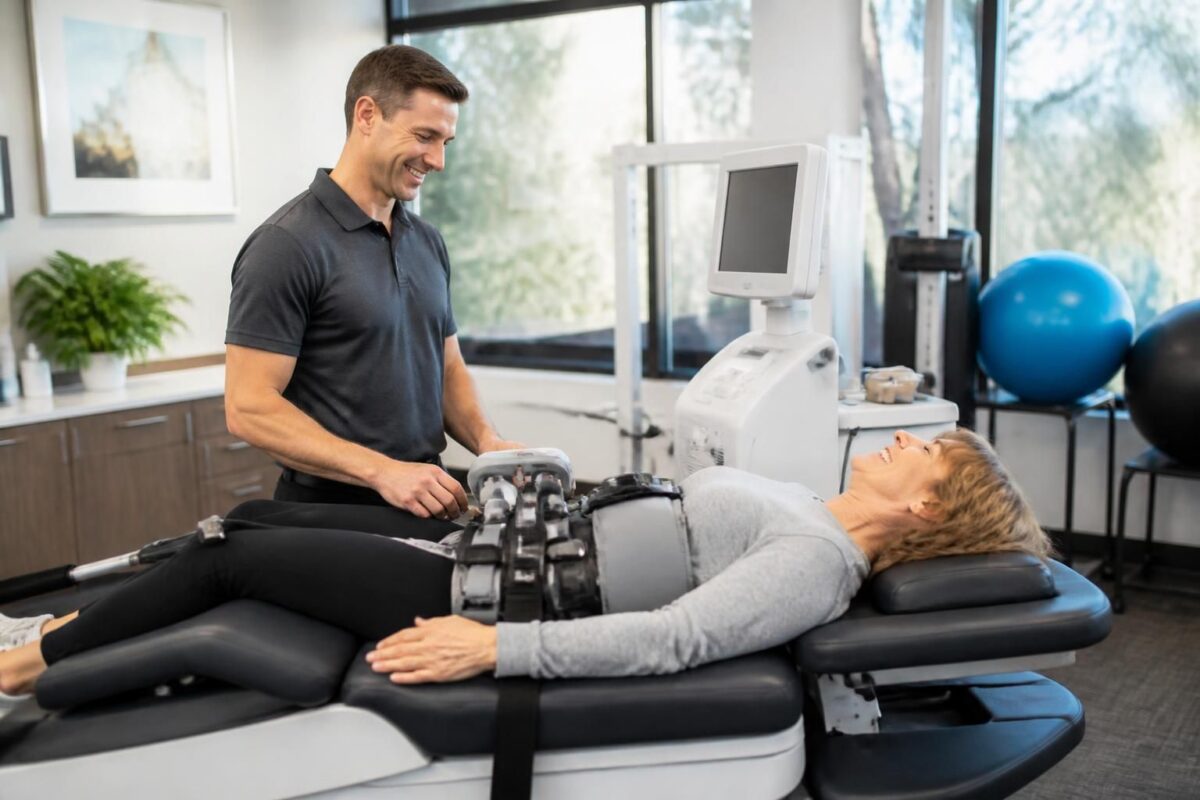
Neurovertebral decompression and diffuse pain: an appropriate solution
In short In short, the neurovertebral decompression is one Non-invasive solution For diffuse pain related to nerve irritation of the spine. She acts in Reducing pressure on intervertebral discs and nerves and improving the bloodstream, which promotes recovery and the…
Integration into a tailor-made rehabilitation program
Each athlete has unique needs; This is why neurovertebral decompression is ideally part of an approach personalized, suitable for the sport practiced and the type of injury. It can be coordinated with other therapies such as physiotherapy, osteopathy and targeted stability and strength exercises, in order to create an integrated and coherent rehabilitation course.
When combined with mobility and reinforcement programs, decompression is associated with concrete results in terms of recovery and gradual resumption of training loads. This multidisciplinary approach also contributes to strengthening the mental confidence athletes, offering them a structured, evidence-based solution to manage pain and progress.
For high-level athletes or in advanced rehabilitation, specialized resources emphasize the importance of regular monitoring and dynamic adjustment of the protocol according to exercise feedback, performance parameters and pain progression. Examples and comprehensive analyzes can be viewed via resources dedicated to sports rehabilitation and neurovertebral decompression.
Safety, precautions and clinical evidence
Like any therapeutic intervention, neurovertebral decompression has indications and contraindications. Prior diagnosis and control by a qualified professional are essential to assess the eligibility of the athlete and adapt the treatment. Precautions make it possible to limit the risks and optimize the benefits, in particular by monitoring individual reactions and adjusting the sessions according to the sports protocol.
Immediate effects may include a temporary feeling of discomfort or slight pain in the treated area, but these reactions are usually benign and transient when treatment is performed by experienced practitioners. In addition, studies and feedback show that the integration of decompression in a structured re-educational framework can reduce addiction to painkillers and promote a more sustainable recovery.
To deepen the benefits and mechanisms of action in the sports context, several online resources offer analyzes and feedback from athletes and professionals. You can consult articles such as those that present decompression as a safe and effective option for athletes in rehabilitation and specific uses in the context of post-injury prevention and recovery. See in particular the following resources:
Why neurovertebral decompression is recommended for athletes.
Why neurovertebral decompression is ideal for athletes in rehabilitation.
Is neurovertebral decompression recommended for athletes?
Neurovertebral Decompression and Joint Mobility — A Comprehensive Approach
To go further in the practical aspects and the returns of athletes, these resources offer complementary points of view and concrete examples of application in rehabilitation and sports performance.
As a reminder, the information presented here does not replace a personalized medical opinion. For advice tailored to your situation, consult a qualified health professional and your attending physician.

Dr Sylvain Desforges, B.Sc., D.O., N.D., osteopath, is the founding president of TAGMED and of the ACMA association. He dedicates his practice to chronic spinal pain, low back pain and symptoms compatible with sciatica, particularly when pain radiates toward the buttock, leg, calf, foot or toes.
Through SOS Sciatique, he publishes educational content on sciatica symptoms, possible causes such as disc herniation, disc narrowing, foraminal stenosis or irritation of a lumbar nerve root, as well as non-surgical approaches that may be considered according to the evaluation. At Clinique TAGMED, care may include, depending on the case, motorized neurovertebral decompression, specific osteopathic care or precision percussion.
For an evaluation related to sciatica treatment in Montreal / Mount Royal or sciatica treatment in Terrebonne, please consult the services available at Clinique TAGMED.
Medical disclaimer
The information published on SOS Sciatique is provided for educational purposes only and does not replace a consultation, diagnosis, opinion or treatment provided by a physician or another authorized healthcare professional. The author of this article is neither a medical doctor nor a specialist in a medical specialty recognized by the Collège des médecins du Québec. The osteopathic, manual medicine or functional support approaches described on this site do not constitute medical acts and are not intended to replace medical follow-up.
Consult a physician or emergency service in cases of loss of bladder or bowel control, anesthesia in the saddle area, significant or progressive weakness in the leg or foot, fever, recent trauma, severe pain or rapid worsening of symptoms. For more details, please read our Legal Notice.