Neurovertebral Decompression and Radiant Pain: Deep Relieve
26/06/2026
Why neurovertebral decompression is ideal for athletes in rehabilitation
26/06/2026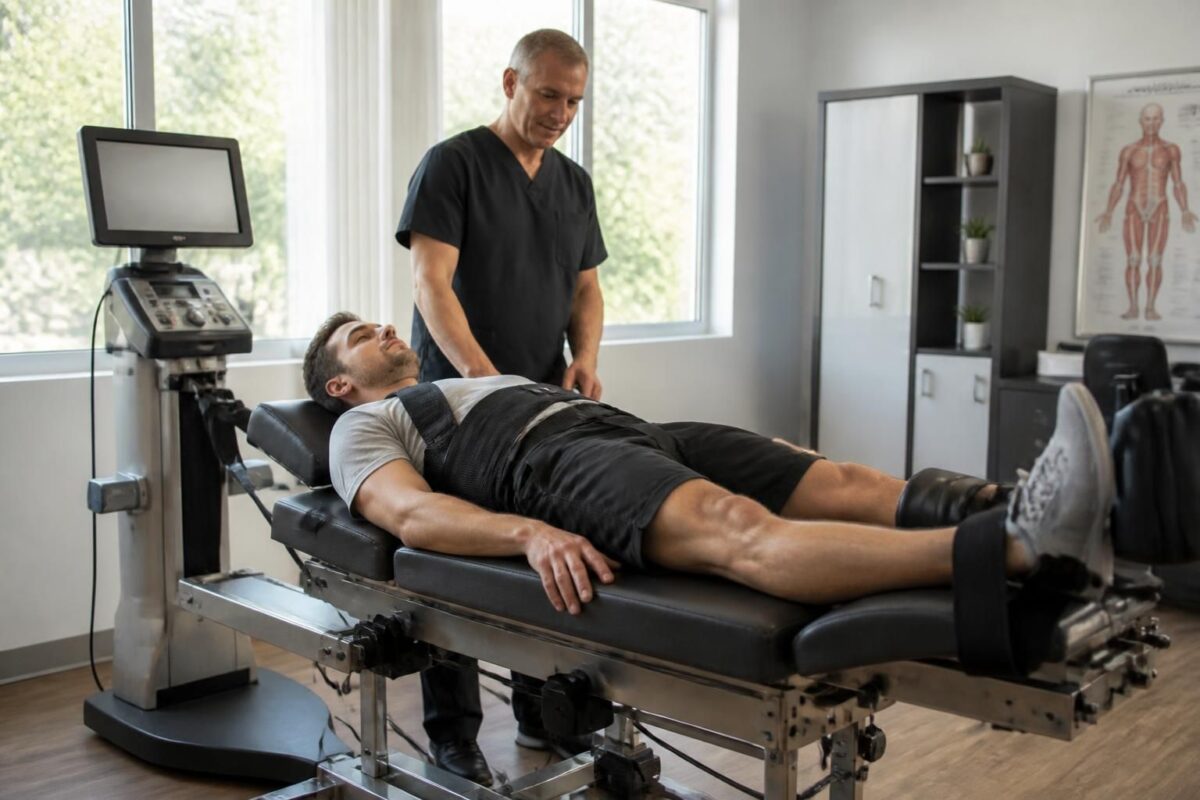
In short
| In short, neurovertebral decompression is one Non-invasive technique which aims to relieve the Spine pain, especially the slipped disc and the sciatica. What is it? It’s an approach that Reduces pressure on discs and nerves and improves the Local blood circulation to promote tissue healing. Advantages and applications: pain reduction, Improving mobility, Quick return to activities, and Decreased disability. accessible to Montreal, this service is particularly recommended for people with chronic back pain who have not found any relief with other treatments. The Clinical results show around 71% ofSignificant improvement After treatment and up to 86% of success among those who had failed other approaches. With a Adapted follow-up, decompression offers a Sustainable relief and an Improved quality of life. |
the clinical results prove the effectiveness of the neurovertebral decompression For chronic spinal pain related to spine, including herniations discs and the sciatica.
Studies involving hundreds of patients indicate that approximately 71% reported a Significant improvement, and that 86% Patients who have tried other treatments have obtained improvement after this treatment. Profits include a pain reduction, a Better mobility and an Improved quality of life, with lasting results after several sessions. Regular monitoring allows you to adjust the protocol and optimize the results.
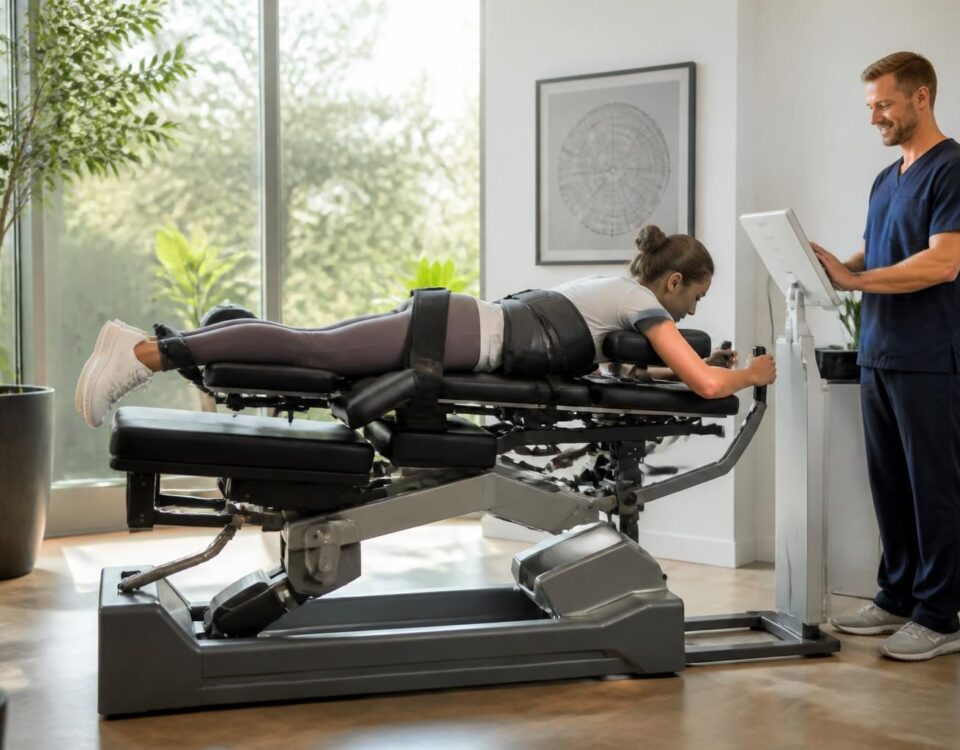
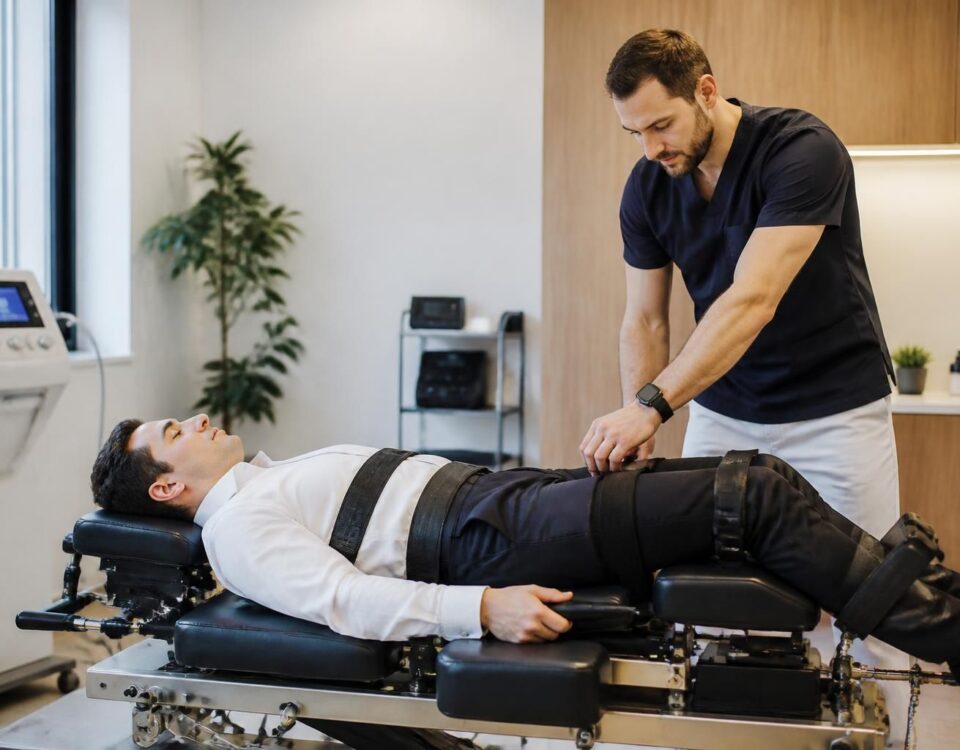
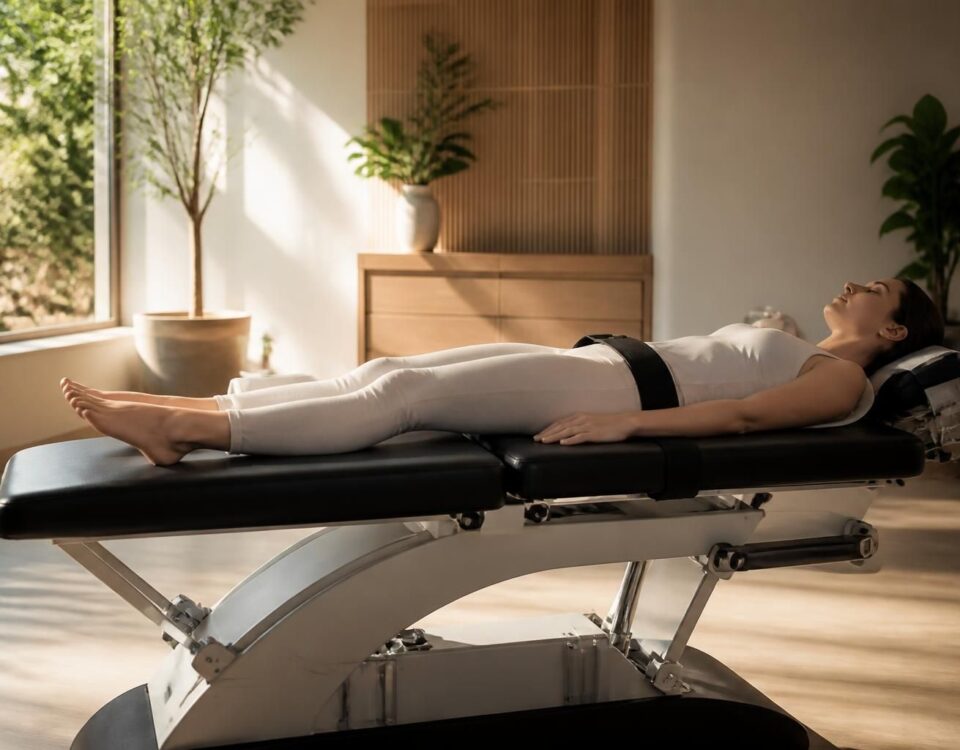
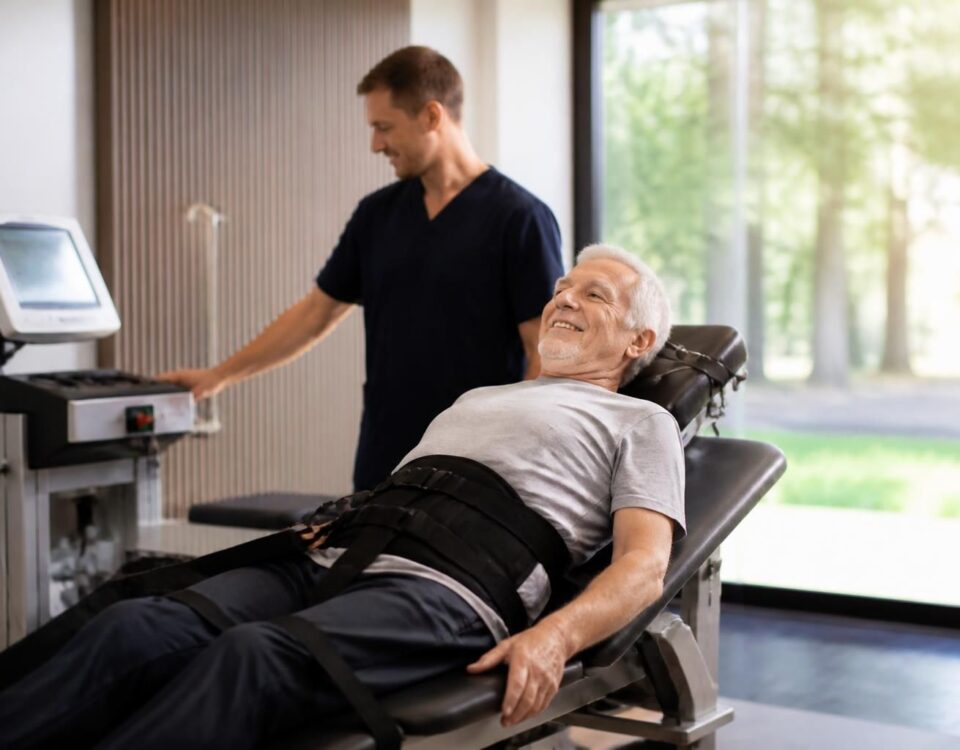
This article presents the Clinical results that prove the effectiveness of the neurovertebral decompression For lower back pain, sciatica and other spinal-related conditions. It synthesizes real clinical data, explains the mechanisms of action and specifies the implications for the care pathway. The goal is to provide a clear and useful view for patients and professionals.
Data from clinical studies show a Improvement rate global about 71% In patients treated with neurovertebral decompression. This figure reflects significant improvements in pain and function in a large number of patients, following a standardized protocol and a series of appropriate sessions.
For patients who had not found any relief with other treatments, the results are even more encouraging. Clinical analyzes indicate a Success rate going up to about 86% in this subgroup. These figures underline the potential of decompression as a conservative, non-invasive option for complex back pain.
These results are reinforced when considering the areas of application. The improvements concern in particular pain related to herniated discs, sciatica and other painful manifestations of intervertebral discs. The action on the spine promotes better local circulation, which contributes to the natural healing of tissues and better mobility.
Several clinical series and specialized journals underline that the benefits appear after the first sessions and can be maintained in the long term with appropriate follow-up. Patients report lasting pain reduction, decreased disability and improved ability to perform daily activities.
To deepen the specific results and contexts, you can consult the clinical analyzes and associated studies at the following links:
Studies#ATFP_CLOSE_TRANSLATE_SPAN# Clinics on neurovertebral decompression
and
Analysis#ATFP_CLOSE_TRANSLATE_SPAN# Clinical results.
Evidence from publications and specialized journals indicates consistent results in various clinical scenarios. This consistency supports the idea that neurovertebral decompression can be an effective and safe alternative when conservative treatments have failed or when a non-surgical approach is desired. For summaries and clarifications, refer to specialized resources and protocols from specialized clinics.
Results by pathology and indication
In patients with disc protrusion or unruptured disc herniation, neurovertebral decompression can reduce the pressure on the nerve roots and improve mobility, which results in reduced radiant pain and improved functionality. The results vary according to severity and clinical context, but the studies report significant benefits in most well-selected cases.
In cases of lower back pain associated with degenerative phenomena or nerve compressions, the clinical results show a reduction in pain and a better ability to resume daily and professional activities. The data also underscore the importance of appropriate monitoring and a comprehensive treatment plan to optimize results.
The results obtained after decompression treatment are frequently accompanied by improved quality of life and reduced anxiety associated with chronic pain. Functional assessments and patient feedback support these observations, with a tendency to better tolerance on a daily basis and greater autonomy.
Impact on mobility and quality of life
Beyond the simple reduction of pain, neurovertebral decompression contributes to a Improving mobility and to a Better quality of life in a significant proportion of patients. Clinical studies show progress in the ability to perform daily and professional activities, which can favorably influence overall well-being and perceived health status.
Medium- and long-term follow-ups indicate that the benefits may persist beyond the active treatment phases, provided that appropriate follow-up and maintenance. This sustainability is a central point of published clinical outcomes and supports the use of decompression as a sustainable option in care pathways.
Security and results limits
Neurovertebral decompression is a non-invasive approach, generally well tolerated. The risks are low, and adverse effects are rare and usually transient. However, certain medical conditions may constitute contraindications and require a thorough assessment by a health professional before initiating treatment.
It is essential to consult a specialist to assess eligibility and adapt the protocol to each case. Imaging examinations and clinical evaluation confirm indications and identify potential treatment limits.
Integration of results in care pathways
Clinical results should be part of a structured care setting. The initial assessment determines whether the decompression is appropriate. The treatment plan provides a defined number of sessions and regular follow-up to adjust the protocols according to the patient’s response. Monitoring may include 4-6 months controls and, if necessary, imaging reassessments to document the evolution of the condition.
In Montreal and the surrounding area, the TagMed clinic offers these approaches within a multidisciplinary framework. To learn more about services and related technologies, visit Tagmed Clinic.
For those who want to compare with other non-surgical approaches, here are some key points. The neurovertebral decompression Acts directly on the source of pain and promotes regression of nerve compression. On the other hand, pharmacological treatments or physical treatments without spinal traction can offer more modest gains under certain conditions and require a complementary approach adapted to the patient. TagMed professionals favor protocols based on evidence and adapted to each profile.
Health professionals trained in NUMSS, at nao, at the National University of Medical Sciences and at the National Academy of osteopathy participate in the implementation of these protocols. For professional exchanges and guidelines, you can refer to professional organizations such as the ACMA (Canadian Alternative Medicine Alliance), the College of Canadian Osteopaths and the College of Canadian Osteopaths.
For additional resources and analytics, you can check these links:
Neurovertebral decompression and persistent mechanical pain,
Overall back health support,
Scientific advances and efficiency,
Key steps for successful treatment.
Additional references and resources
For clarifications and summaries, see:
Clinical studies on neurovertebral decompression,
Analysis of clinical results.
Official pages and specialized journals offer summary and clinical cases relevant to professionals.
For further clarification on protocols and results, additional resources mentioned include neurovertebral decompression site pages and associated analyses.
Medical Disclaimer: The information and advice provided on this site does not replace the health professional’s diagnosis or treatment. Please note that Dr. Sylvain Desforges osteopath is neither a doctor of medicine nor a doctor, and is not a specialist in a medical specialty as defined by the Collège des Médecins du Québec. Manual medicine, functional medicine and sports medicine as described on this site exclude any medical treatment or diagnosis made by a doctor or specialist doctor. Always consult your doctor for any medical questions. For more details, please read our full legal notice.
“Medical disclaimer: The information and advice provided on this site does not replace the health professional’s benefit, diagnosis or treatment. Please note that Dr. Sylvain Desforges osteopath is neither a doctor of medicine nor a doctor, and is not a specialist in a medical specialty as defined by the Collège des Médecins du Québec. Manual medicine, functional medicine and sports medicine as described on this site exclude any medical treatment or diagnosis made by a doctor or specialist doctor. Always consult your doctor for any medical questions. For more details, please read our full legal notice. »
- 71% of patients have Significant improvement symptoms after treatment (study in 778 patients).
- 86% success in patients who have failed other treatments.
- Reduction lasting pain and Improved mobility After several sessions.
- Improvement of the Functional capacity and reduction ofdisability.
- relief of back pain And some sciatica with long-term benefits.
- Efficiency on Disc protrusions and nervous compressions.
- Return quick physical activity and at work.
- medium/long-term follow-up with a satisfaction high (approximately 80% at 4–6 months).

This article presents a set of clinical results that demonstrate the effectiveness of the neurovertebral decompression For spinal pain, including disc herniation and sciatica. The gathered data show significant benefit in the majority of patients, with lasting improvement in pain and mobility, while remaining a non-invasive and well-tolerated approach.
Clinical evidence and study results
Trials and cohorts that evaluate neurovertebral decompression report substantial improvement rates. Overall, about 71% Patients get a significant improvement in their condition after treatment. These results concern various pathologies such as lower back pain, pain related to disc diseases and radicular symptoms, and are often accompanied by measurable pain reduction and better functional capacity.
Overall improvement rates and success rates
Among patients who had tried other unsuccessful approaches, the success rate is estimated around 86%, highlighting the potential of decompression as a viable alternative option. These figures reflect the technique’s ability to reduce pressure on nerve structures and promote improved blood circulation, facilitating tissue recovery and long-term functional rehabilitation.
Results by pathology
the available data show robust benefits in the cases of slipped disc, of Lower back pain and of sciatica. In these patients, reducing nerve pressure and improving blood supply contribute to a significant decrease in painful symptoms and better ability to perform daily activities, with positive feedback on regained mobility.
Impact on quality of life and function
Beyond the immediate reduction of pain, studies and testimonies indicate a lasting improvement in the quality of life and from the Physical function. Patients often report better participation in family and professional activities, reduced pain anxiety and greater independence in everyday actions.
Security and tolerance
The neurovertebral decompression is a non-invasive therapy with a favorable safety profile. The risks remain low and punctual, such as a slight stiffness or sensitivity after the sessions, but the contraindications and indications must be evaluated by a qualified health professional in order to ensure appropriate and secure care.
Practical recommendations for patients
To optimize the results, it is recommended to adopt an individualized approach, with a rigorous medical evaluation before the start of the protocol. It is necessary to strictly follow the proposed session plan and to integrate targeted exercises and lifestyle advice to support the effects of decompression. Coordination with other non-invasive interventions can be considered to enhance pain reduction and spine stability over the long term.
Monitoring and sustainability of results
Positive results are generally maintained over several months, with pain and mobility assessments carried out during control visits. Monitoring protocols allow adjustments to the number and frequency of sessions based on individual response and functional objectives, thus contributing to lasting stability of the gains obtained.
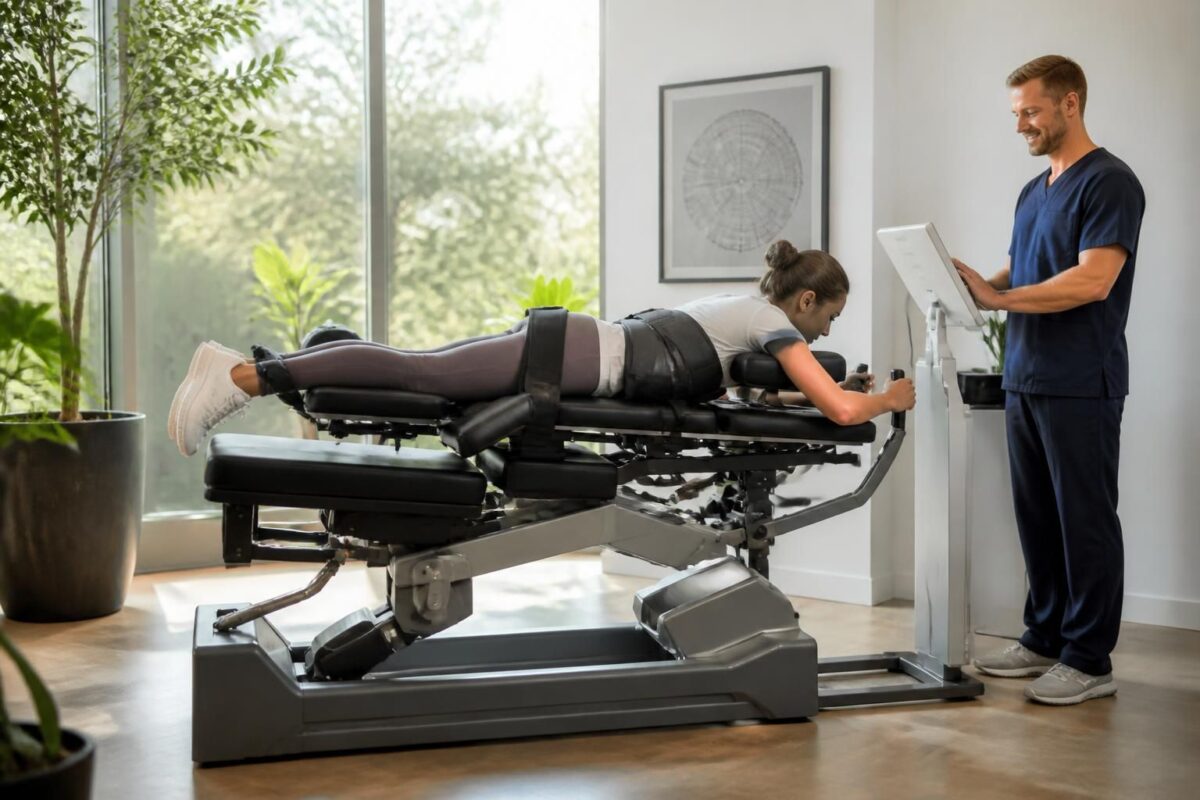
The long-term benefits of neurovertebral decompression for spinal health
In short In short, the neurovertebral decompression is a non-invasive approach that decreases the Pressure on intervertebral discs and nerves, favoring the Natural regeneration and tissue recovery. Its long-term benefits include Lasting pain reduction, Improving mobility and from the posture,…

Neurovertebral decompression and mobility: a return to an active life
In short In short, the neurovertebral decompression is therapy non-invasive who uses a gentle traction To create a space between the vertebrae and reduce the pressure on the Intervertebral discs and the nerves. It promotes a bloodstream improved, lowers tension…
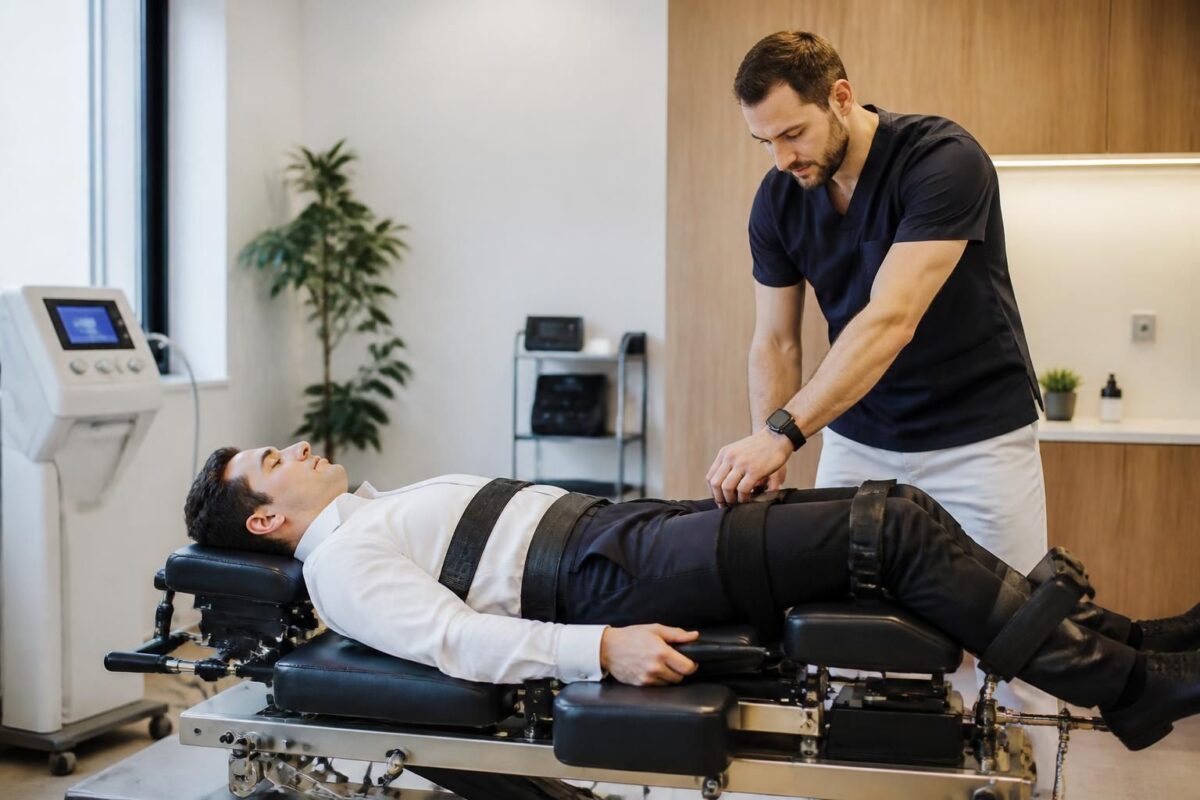
How Neurovertebral Decompression Prevents Diffuse Chronic Pain
In short decompression neurovertebral is one Non-invasive method aimed at reducing the Pressure on the intervertebral discs and the nerves, in order to prevent Diffuse chronic pain. It improves the circulation and thedisc hydration, decreases inflammation and promotes better mobility.…
Clinical results proving the efficacy of neurovertebral decompression
| Indicator | Summary result |
|---|---|
| Improvement rate | 71% of patients report significant improvement after treatment. |
| Pass rate after failure of other treatments | 86% success in patients who did not receive any relief with other interventions. |
| Sample studied | 778 patients included in the clinical data analyzed. |
| Pathologies treated | herniated discs, sciatica and lower back pain. |
| Impact on mobility | Improved mobility and reduced disability reported. |
| Duration of relief | Sustainable relief after the protocol, with long-term benefits maintained. |
| Security | Non-invasive procedure with low incidence of adverse effects. |
| Professional recognition | considered as an effective option by specialized health professionals. |
| Post-processing follow-up | Regular monitoring and proactive adjustments optimize results and durability. |
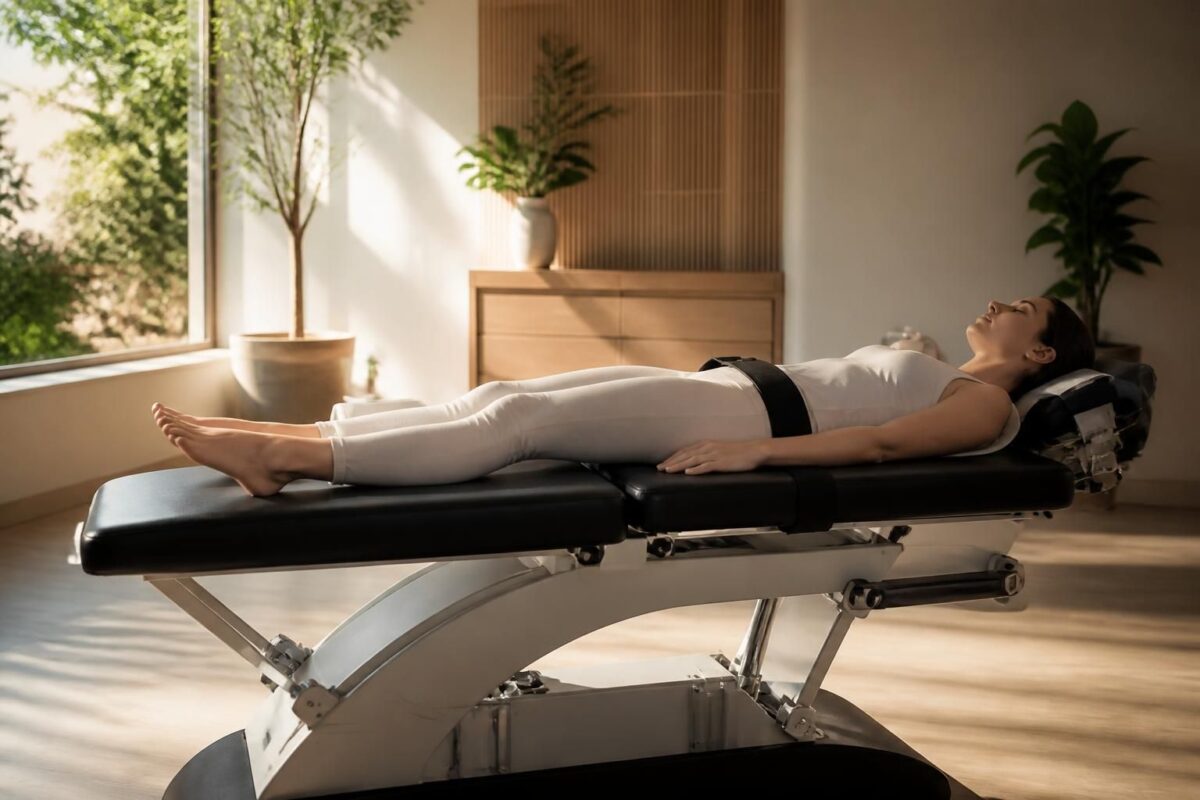
Neurovertebral Decompression and Body Alignment: Restoring Natural Balance
In short In short, neurovertebral decompression is one Non-invasive approach who restores theBody Alignment and thenatural balance back and neck. She acts by a Controlled traction of the spine to widen the intervertebral space and reduce the Pressure on discs…
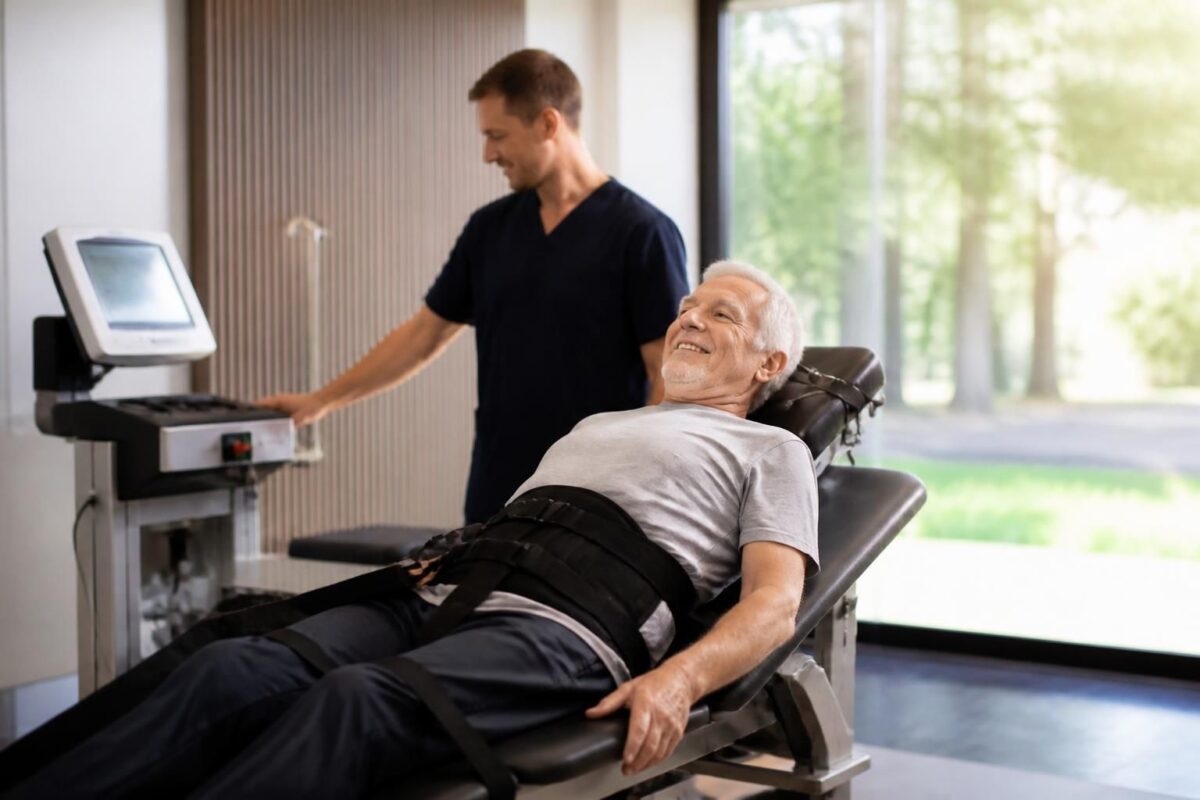
Why neurovertebral decompression is a lasting solution for active seniors
In short In short, the neurovertebral decompression is one Non-invasive therapy which sustainably relieves spinal pain in the spine active seniors By creating, by a Soft and controlled traction, a space between the vertebrae. At Montreal, it is recognized as…
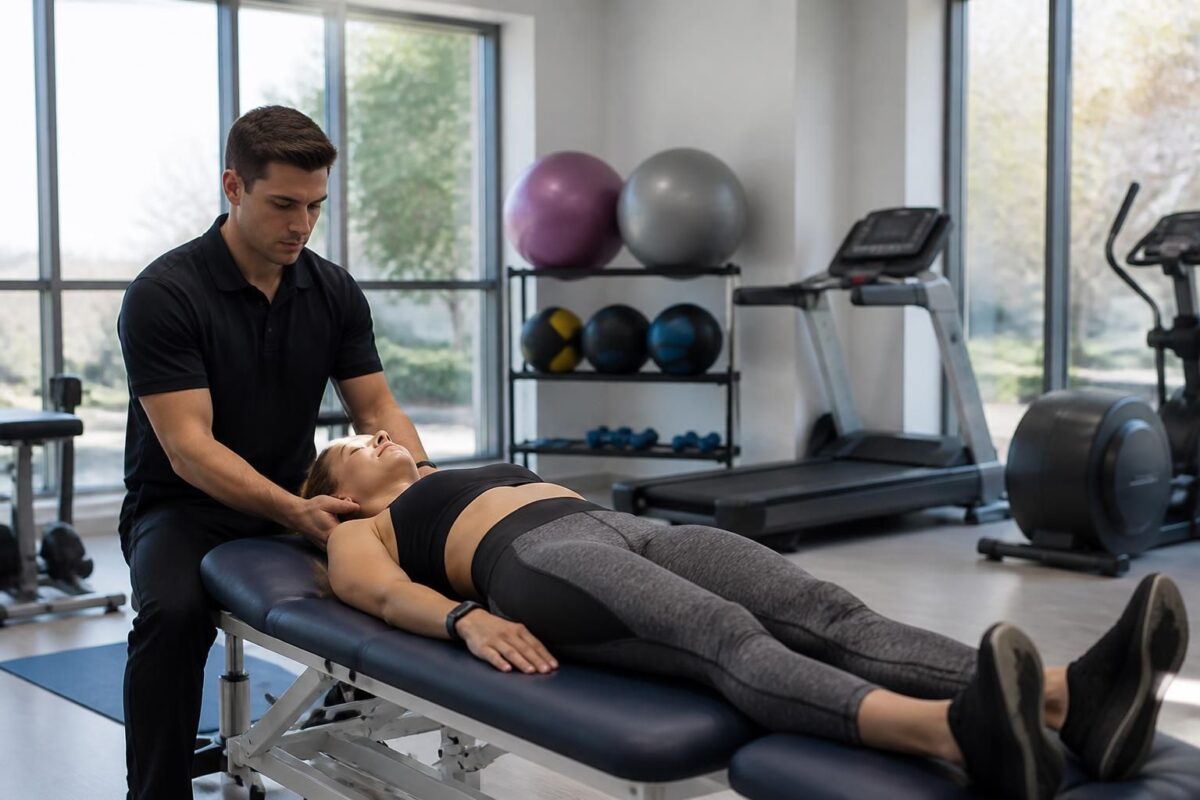
Neurovertebral decompression and recovery after severe sports injury
In short In short, the neurovertebral decompression is one Non-invasive method to Relieve the pressure on the Intervertebral discs and the gristle Via a Controlled traction, to facilitate the recovery After a severe sports injury. It improves the bloodstream towards…
Testimonials on clinical results proving the efficacy of neurovertebral decompression
“After years of low back pain related to a disc protrusion, I started treatment with neurovertebral decompression. From the first weeks, my pain went from 9/10 to 3/10 and I find simple gestures that I had forgotten. »
“As a sportswoman, sciatica had prevented me from training. After 12 sessions, I found a Mobility found And I can resume my training without limiting my performance. The pain has significantly reduced and recovery is faster after each session. »
“My daily life was upset by lower back pain that prevented me from walking for more than a few minutes. With decompression, pain decreased and mobility improved, allowing me to do my shopping and cook without pain. »
“I was reassured to learn that the clinical results show an improvement rate of about 71% patients and that, in those who had tried everything, this rate can rise to 86%. These figures confirm that this approach actually targets the cause and offers lasting relief. »
“After 15 sessions, my pain decreased and my quality of life has improved significantly. I find an energy for my daily activities and I feel more confident in my simple gestures. »
“From a clinical point of view, I observed in several patients a significant reduction in radiant pain and a better ability to resume activities that had become impossible. Positive feedback on the neurovertebral decompression highlight a lasting improvement in mobility and daily life, even in people who had considered more invasive options. »
Dr. Sylvain Desforges, osteopath, naturopath and doctor Manuel, is a leading figure in health innovation. Founding president of the Tagmed clinics and the ACMA association, he has made chronic pain management and the integration of advanced technologies his core business. Its approach focuses on evidence-based care, integrating neurovertebral decompression, laser and shockwave therapy in a multidisciplinary strategy intended to sustainably restore the function and well-being of patients.
In this perspective, neurovertebral decompression Is presented as a non-invasive option to treat back pain related to conditions such as protrusions and disc hernias, as well as sciatica pain. Dr. Desforges ensures a rigorous evaluation and systematic monitoring of responses, in order to adjust the protocol continuously according to the evolution of each patient. This approach is supported by clinical results demonstrating that the technique acts directly on the spine to reduce the pressure exerted on the nerves and promote better blood circulation, which contributes to the natural healing of the tissues.
Figures published in clinical studies on neurovertebral decompression reflect a tangible reality. In a cohort of 778 patients, approximately 71% Participants reported significant improvement in their condition after treatment. Better still, in patients who had not obtained any relief with other treatments, the success rate reached 86%. These results indicate a high probability of lasting pain reduction and renewed mobility for individuals with low back pain, sciatica and various disc pathologies.
Beyond the numbers, patient feedback illustrates the deep impact of neurovertebral decompression on daily life. Improvements in mobility make it easier to carry out usual and professional activities, while the reduction in pain contributes to a better quality of life and a reduction in anxiety associated with chronic pain. Data from medium and long-term follow-ups indicate that these benefits may persist beyond the first sessions, strengthening the credibility of this approach as a non-invasive alternative in conservative care plans.
Clinically, Dr. Desforges’ experience and observed results support a thoughtful integration of neurovertebral decompression in the therapeutic courses of patients who do not respond sufficiently to conventional treatments. The available results highlight a marked improvement in pain and function, coupled with a better ability to resume sports and professional activities. This dynamic is reinforced by the personalized support and the regular follow-up set up by the practitioner to optimize the long-term benefits.
The work and results presented testify to Dr. Desforges’ commitment to medicine that combines safety, efficiency and sustainability. Through the illumination provided by clinical evidence, neurovertebral decompression appears as a solid and defensible option for patients with spinal pathologies and associated pain, especially when traditional approaches have not brought the expected relief.
This contribution presents, in a clear and detailed way, the clinical results that demonstrate the effectiveness of the neurovertebral decompression. It brings together data from studies and cohorts that highlight significant pain relief, improved mobility and positive impacts on the quality of life of patients, including those with disc diseases such as herniated discs and SCIATIA. It relies on notable analyzes and medium- and long-term follow-ups to offer a transparent view of the observed benefits.
The Clinical results demonstrate a Improvement rate global around 71% patients who have benefited from neurovertebral decompression, with a Significant relief and lasting pain reduction after a series of sessions. For the subgroup of patients who had not found responsiveness with other treatments, the Success rate rises to approximately 86%, which illustrates the interest of this approach as a conservative option when conventional therapies fail. Analyzes involving 778 patients reinforce this positive trend and confirm benefits on conditions such as slipped disc and neuropathic pain associated with the spine.
These results are not limited to a punctual reduction in pain. They come with a Sustainable improvement in mobility and a progressive re-establishment of the function, which contributes to a better quality of life and increased ability to resume daily and sporting activities. The data also indicates that patients often experience a faster return to activity levels that had been compromised by pain, especially in athletes and active people.
Mechanistically, decompression works by decreasing pressure on nerve roots and intervertebral discs, facilitating local blood circulation and tissue recovery. This effect is corroborated by feedback from clinical experiences and published analyzes that describe a reduction in nervous irritation and an improvement in functional mobility after the therapeutic cycles.
From a practical point of view, these data support the integration of the neurovertebral decompression in multimodal support protocols. They emphasize the importance of a Precise diagnosis, an individualized treatment plan and a Regular follow-up (For example, a typical program with between 15 and 25 sessions depending on severity) to optimize long-term results. To deepen recent evidence and results, you can consult the resources dedicated to Recent clinical studies and the analyzes presented on Studies demonstrating effectiveness.
For a complementary view of mechanisms and results, refer to the resources that detail the Technologies and equipment used in current protocols, as well as to summaries on clinical benefits and specific indications such as Lumbar stenosis and sciatic pain treated without surgery.
In summary, the data clinics maintain that the neurovertebral decompression Offers an effective non-invasive alternative for managing chronic back pain and disc disorders, with results ofimprovement which are maintained over time and positive feedback on the ability to regain mobility and autonomy. To deepen the results and associated studies, access the additional resources proposed above and in the partner links.
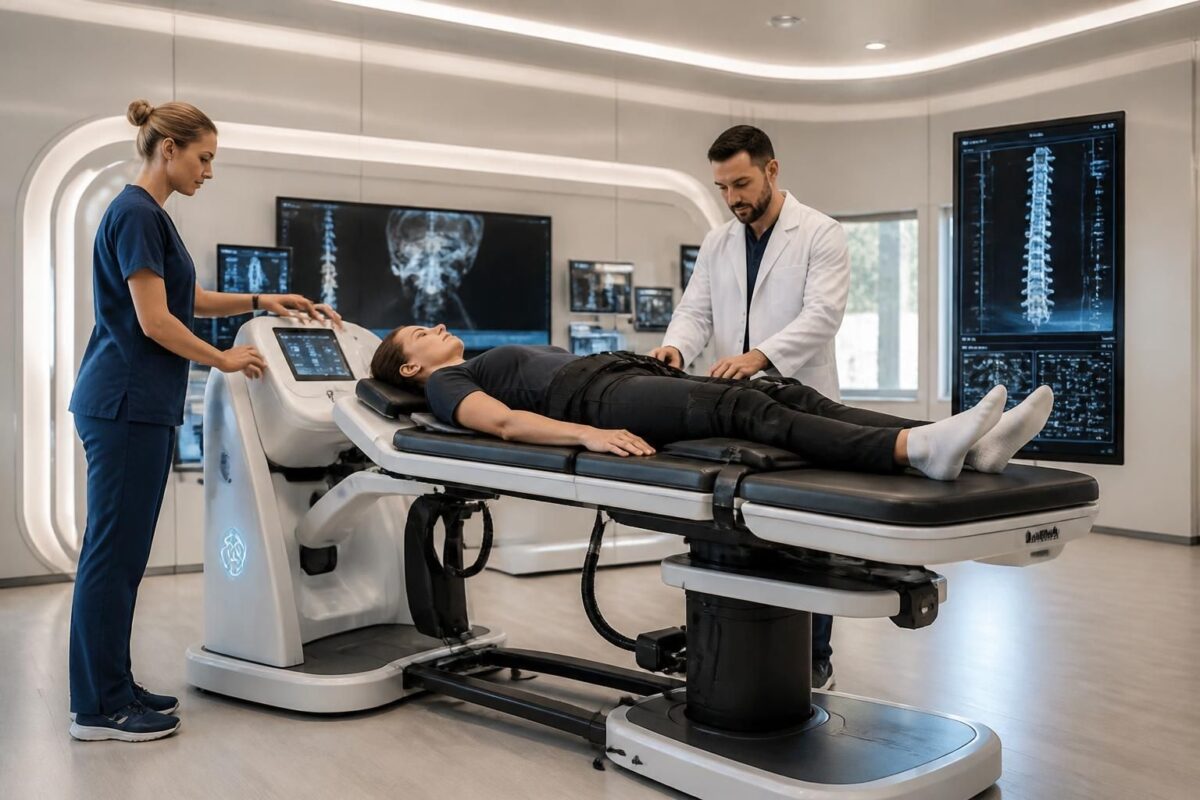
Recent innovations in neurovertebral decompression technologies
In short In short, the neurovertebral decompression is an approach non-invasive Aiming to reduce pressure on discs and nerves, and promote tissue regeneration. At Montreal, it is positioned as an effective option for lower back pain and herniated discs. The…
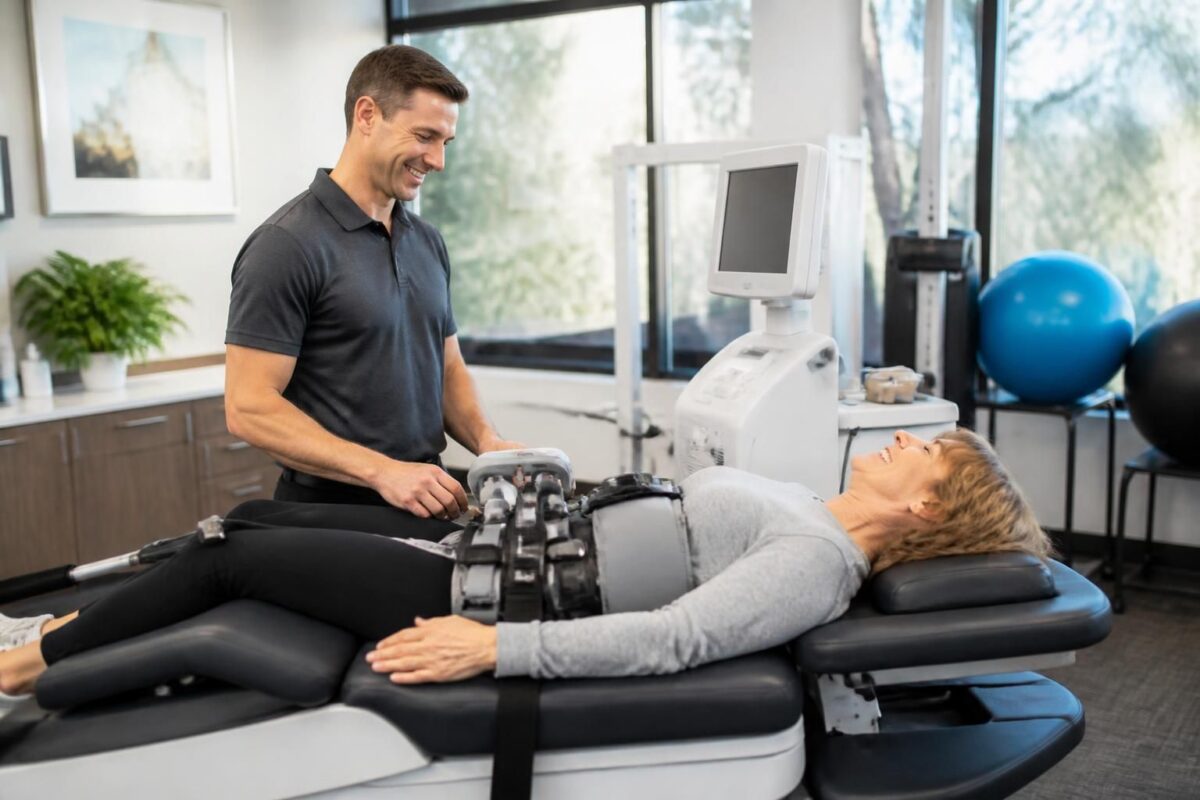
Neurovertebral decompression and diffuse pain: an appropriate solution
In short In short, the neurovertebral decompression is one Non-invasive solution For diffuse pain related to nerve irritation of the spine. She acts in Reducing pressure on intervertebral discs and nerves and improving the bloodstream, which promotes recovery and the…

Dr Sylvain Desforges, B.Sc., D.O., N.D., osteopath, is the founding president of TAGMED and of the ACMA association. He dedicates his practice to chronic spinal pain, low back pain and symptoms compatible with sciatica, particularly when pain radiates toward the buttock, leg, calf, foot or toes.
Through SOS Sciatique, he publishes educational content on sciatica symptoms, possible causes such as disc herniation, disc narrowing, foraminal stenosis or irritation of a lumbar nerve root, as well as non-surgical approaches that may be considered according to the evaluation. At Clinique TAGMED, care may include, depending on the case, motorized neurovertebral decompression, specific osteopathic care or precision percussion.
For an evaluation related to sciatica treatment in Montreal / Mount Royal or sciatica treatment in Terrebonne, please consult the services available at Clinique TAGMED.
Medical disclaimer
The information published on SOS Sciatique is provided for educational purposes only and does not replace a consultation, diagnosis, opinion or treatment provided by a physician or another authorized healthcare professional. The author of this article is neither a medical doctor nor a specialist in a medical specialty recognized by the Collège des médecins du Québec. The osteopathic, manual medicine or functional support approaches described on this site do not constitute medical acts and are not intended to replace medical follow-up.
Consult a physician or emergency service in cases of loss of bladder or bowel control, anesthesia in the saddle area, significant or progressive weakness in the leg or foot, fever, recent trauma, severe pain or rapid worsening of symptoms. For more details, please read our Legal Notice.