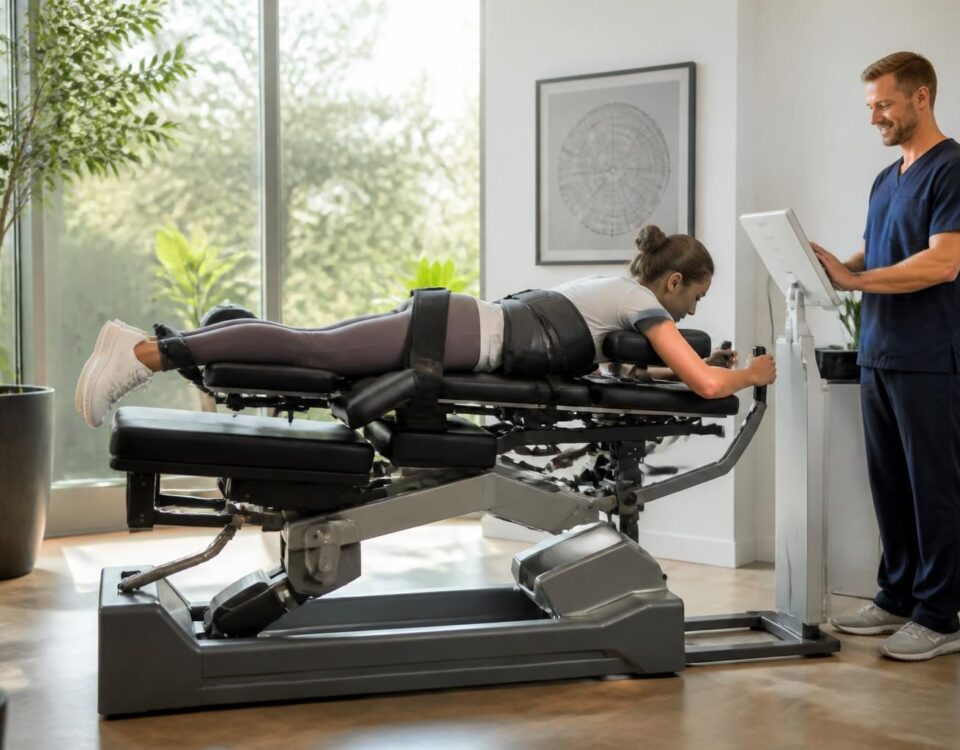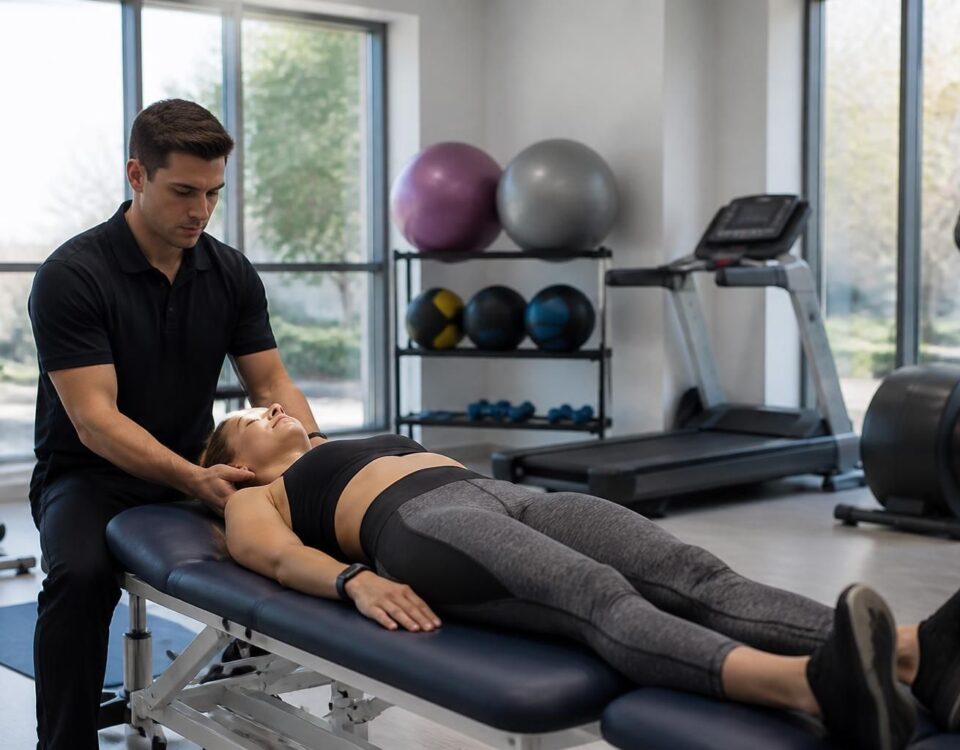
Why neurovertebral decompression is ideal for athletes in rehabilitation
26/06/2026
How neurovertebral decompression improves recovery after back injury
26/06/2026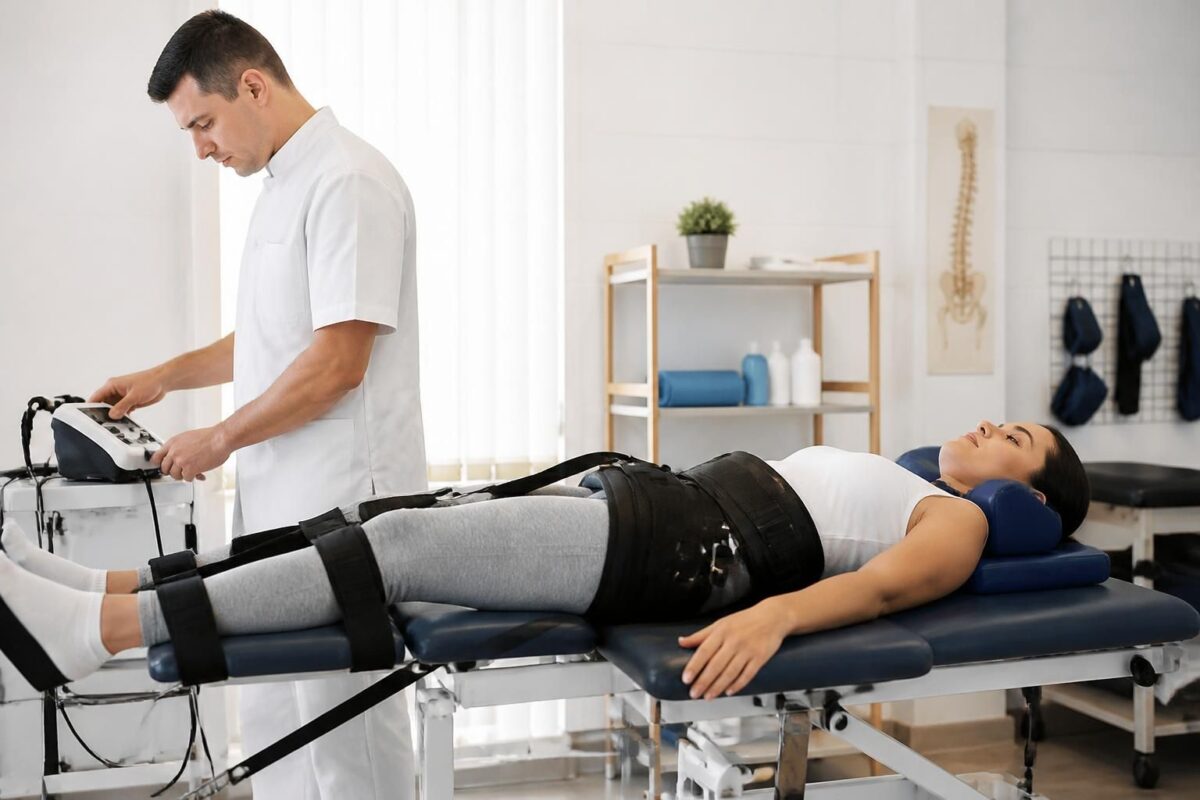
In short
| In short, neurovertebral decompression is one Non-invasive method intended to treat the Degenerative pathologies of the spine. It acts by reducing pressure on the intervertebral discs and nerves, thus promoting circulation and tissue regeneration, which leads to a pain reduction and to a Improved mobility. Its main advantages include a pain decreased, a Flexibility regained and an quick recovery without surgery. accessible to Montreal And in the region, it is particularly suitable for people withherniated discs and of Degenerative discopathies who are looking for a sustainable solution to live better on a daily basis. |
The neurovertebral decompression is an approach non-invasive intended for Degenerative pathologies of the spine. By exerting soft traction, it reduces pressure on discs and nerves, favoring Disc rehydration and an Better circulation around the vertebral structures.
The benefits observed include a pain reduction, a Improving mobility and a faster resumption of daily activities. In addition, this method contributes to the Prevention of recurrences and at theSustainable improvement in quality of life, while remaining non-surgical and adaptable to each patient. It can be used in addition to other therapies and is a reassuring option for those looking for an effective solution without surgery.
This article presents the benefits decompression neurovertebral For degenerative pathologies of the spine. This is a non-invasive approach that aims to reduce the pressure on discs and nerves, while improving circulation in the affected area. The goal is to alleviate pain and restore better mobility, without immediate recourse to surgery.
Principle and objectives
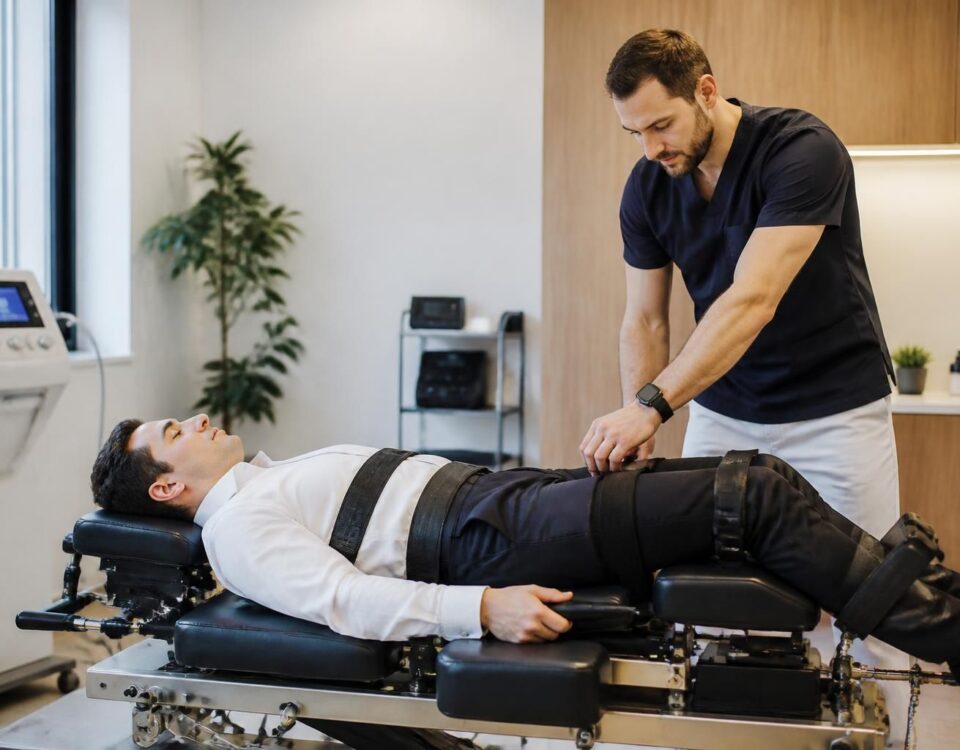
Neurovertebral decompression acts by controlled and gentle traction on the spine. This action creates a space between the vertebrae and decreases the pressure on the intervertebral discs and nerves. Blood flow to neighboring tissues improves, inflammation may decrease and injured tissues can begin their repair process. This approach aims to promote more normal functioning of the spine and to limit pain linked to degenerative pathologies.
pain reduction and improved mobility
Patients frequently describe a noticeable reduction in pain and better range of motion after several sessions. This improvement makes it possible to resume daily activities with less discomfort and greater ease of movement.
Indications and limits
Typical pathologies that can benefit from this therapy include degenerative discopathies and protrusions associated with sometimes irradiating neurological symptoms. Decompression is not suitable for all situations. A prior medical assessment is required to determine eligibility and adjust treatment accordingly.
Integration into global support
Neurovertebral decompression is part of a multidisciplinary approach. In TagMed clinics in Montreal and Terrebonne, it can be combined with other non-invasive solutions and personalized follow-up to maximize patient outcomes and safety. For more information on the services offered, consult Tagmed Clinic.
Preventions and long-term results
A regular and well-structured program can contribute to sustained results over time. By reducing pressures and mechanical tensions, decompression promotes better spine stability and may decrease the risk of painful recurrences. This approach can also allow a reduction in the use of analgesic drugs in the long term.
Associated technologies and innovations
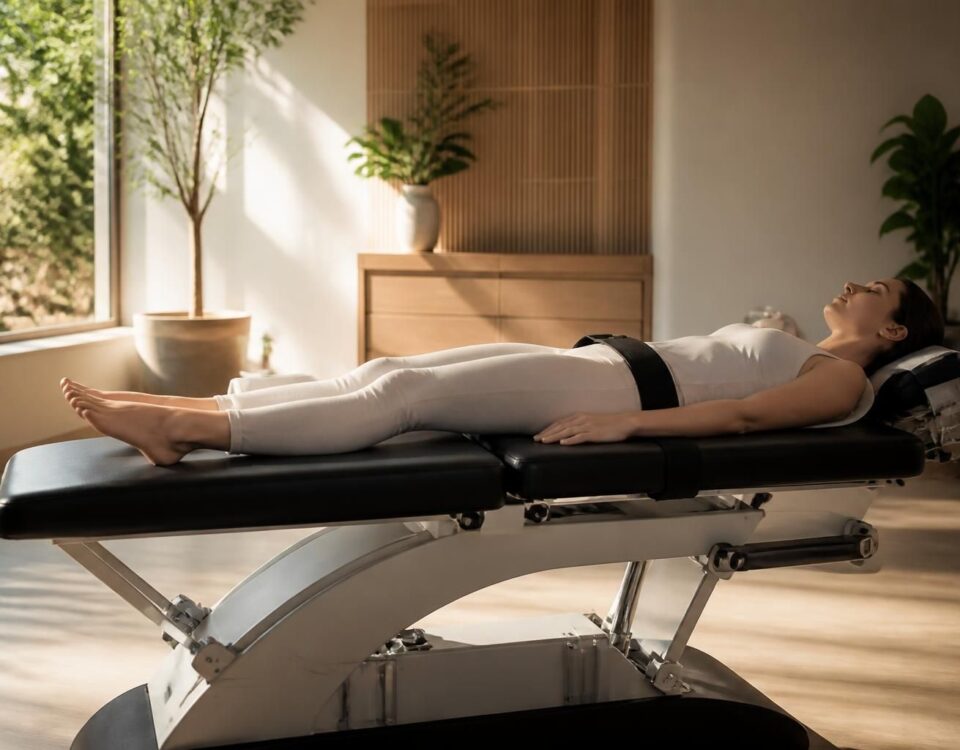
Neurovertebral decompression benefits from the integration of advanced technologies dedicated to controlled and personalized traction. These devices make it possible to adjust the applied forces and ensure optimal comfort during the sessions. To deepen the technical aspects and clinical bases, see the specialized resources on neurovertebral decompression, or consult the following information sites: sossciatica.com, SoshernieDiscale.com, SosherniatedDisc.com, sostunnelcarpien.com.
Precautions and training context
As with any intervention, an in-depth evaluation is necessary. Training and references exist for professionals, including via NUMSS, NAO, National University of Medical Sciences and National Academy of osteopathy. Relevant professional associations include ACMA, College of Canadian Osteopaths and College of Canadian Osteopaths.
Frequently encountered questions
Can decompression be effective in mild to moderate spinal stenosis? Yes, it can provide relief and functional improvement in some cases, under medical supervision. Is it suitable if multiple vertebral levels are affected? Yes, some protocols make it possible to intervene on several levels according to the needs of the patient. The goal is a lasting reduction in pain and better mobility, without surgery.
Comparison with other non-surgical approaches
Decompression provides a non-invasive setting and may be associated with other non-pharmacological treatments. In comparison, more traditional therapies like some physiotherapy programs may offer benefits, but their overall effectiveness may be more limited for advanced degenerative pathologies. In some cases, the TagMed clinic favors alternative and complementary options rather than invasive treatments.
| Therapy | General efficacy in degenerative pathologies | Risk and recovery |
|---|---|---|
| neurovertebral decompression | often significant for pain and mobility | non-invasive; quick recovery |
| Physiotherapy | Varies by patient; Sometimes modest profit alone | minimum risk; Requires discipline and follow-up |
| Surgery (for comparison) | dependent results; Higher risk | prolonged recovery; Operating risks |
Resources and references
To deepen, you can consult the following resources on recognized specialized sites in this area: neurovertebral decompression, SOS SCIATIC, SOS Herniated Disc, SOS Carpal Tunnel, and Tagmed Clinic.
Further information on training levels and professional approaches can be viewed via NUMSS, NAO, National University of Medical Sciences and National Academy of Osteopathy.
For patients seeking targeted information on degenerative pathologies and decompression, you can also explore the following resources: Decompression and radiating pain, and rehabilitation after sports injury.
Medical Disclaimer: All articles must include, at the bottom of the page, the following text as a disclaimer:
“Medical disclaimer: The information and advice provided on this site does not replace the health professional’s benefit, diagnosis or treatment. Please note that Dr. Sylvain Desforges osteopath is neither a doctor of medicine nor a doctor, and is not a specialist in a medical specialty as defined by the Collège des Médecins du Québec. Manual medicine, functional medicine and sports medicine as described on this site exclude any medical treatment or diagnosis made by a doctor or specialist doctor. Always consult your doctor for any medical questions. For more details, please read our full legal notice. »
Note that the references and links mentioned are part of a clinical and prevention framework. The content avoids, in cases of conditions such as herniated disc, protrusion, bulge disc, foraminal stenosis, spinal stenosis, disc pinching or disc degeneration, any recommendation for exercises or stretching not justified by a Personalized medical advice.
For any questions or appointments, contact the Tagmed Clinic in Montreal or Terrebonne via Tagmed Clinic.
Immediate clinical benefits
- Sustainable reduction pain and comfort.
- Improving mobility and spinal amplitude.
- Reduction of muscle tension around the column.
- Flexibility and stability of the spine.
- Improved sleep thanks to less nocturnal pain.
Functional and preventive effects
- Increased blood circulation around the discs.
- Hydration and regeneration intervertebral discs.
- Prevention of recurrences by maintaining mobility.
- Non-invasive option avoiding surgery.
- Integration with other therapies For a holistic approach.

The neurovertebral decompression offers an approach non-invasive For degenerative pathologies of the spine. This article presents its main mechanisms, its benefits on the pain and the mobility, as well as the precautions and elements to consider to optimize the results and promote a Prevention of recurrences.
Context and relevance for degenerative pathologies
Degenerative conditions such as discopathies, disc hernias and stenosis can lead to persistent pain, stiffness and reduced ability to act. neurovertebral decompression is an option non-surgical which acts by lowering the pressure exerted on the intervertebral discs and nerves, while promoting disc rehydration and improved mobility.
Integrated into a multidisciplinary care plan, this process can be associated with other approaches such as osteopathy, rehabilitation and postural advice to sustainably support the spine and quality of life.
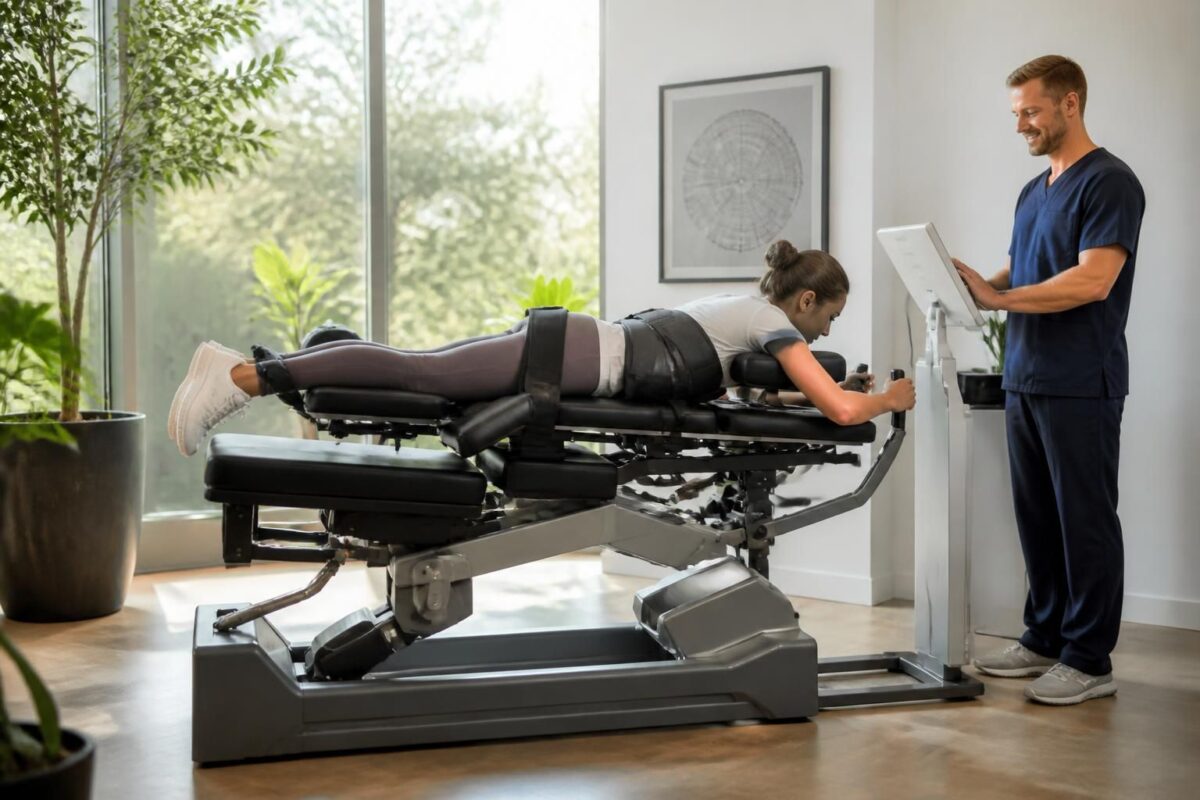
The long-term benefits of neurovertebral decompression for spinal health
In short In short, the neurovertebral decompression is a non-invasive approach that decreases the Pressure on intervertebral discs and nerves, favoring the Natural regeneration and tissue recovery. Its long-term benefits include Lasting pain reduction, Improving mobility and from the posture,…
Principles and mechanisms
The heart of this therapy is based on a gentle traction and controlled the spine. This action creates a space between the vertebrae and reduces the pressure on the intervertebral discs, which can reduce pain and facilitate movement.
Soft traction and disc space
Targeted traction restores the play of the spinal segments and allows the discs to reposition themselves, promoting better structural integrity and reduced symptoms. This approach can accelerate postural rehabilitation and resumption of activities.
Impact on disc circulation and nutrition
By lowering compression around nerves and tissues, blood flow and spinal tissue nutrition improve. This better oxygenation supports tissue repair and can limit inflammation, contributing to Sustainable recovery.

Neurovertebral decompression and mobility: a return to an active life
In short In short, the neurovertebral decompression is therapy non-invasive who uses a gentle traction To create a space between the vertebrae and reduce the pressure on the Intervertebral discs and the nerves. It promotes a bloodstream improved, lowers tension…
Clinical benefits on pain and mobility
Many patients find pain reduction, including nocturnal, and a Improved flexibility and range of motion. This progression can promote a return to daily and sports activities, while reducing the possible dependence on drugs.
Over the course of the sessions, the posture and the stability of the spine can be strengthened, which contributes to a better effectiveness of the exercises and complementary therapies.
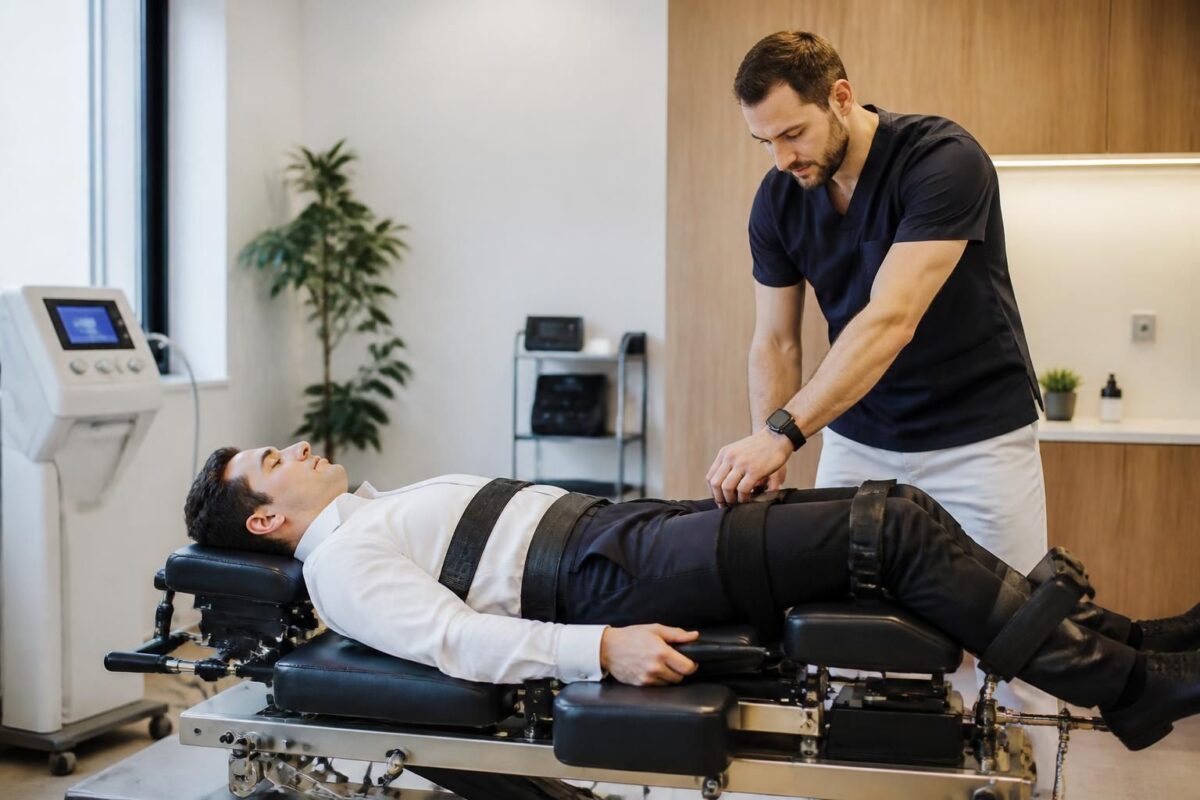
How Neurovertebral Decompression Prevents Diffuse Chronic Pain
In short decompression neurovertebral is one Non-invasive method aimed at reducing the Pressure on the intervertebral discs and the nerves, in order to prevent Diffuse chronic pain. It improves the circulation and thedisc hydration, decreases inflammation and promotes better mobility.…
Prevention and sustainability
Beyond a punctual relief, decompression helps to limit recurrences by treating the mechanical factors that underlie the spinal pain. A regular program helps maintain the disc space, improve alignment and promote proactive management of postural stresses and muscle tension.
By being part of a holistic approach, it can be a lasting pillar to preserve functionality and prevent the aggravation of degenerative pathologies.
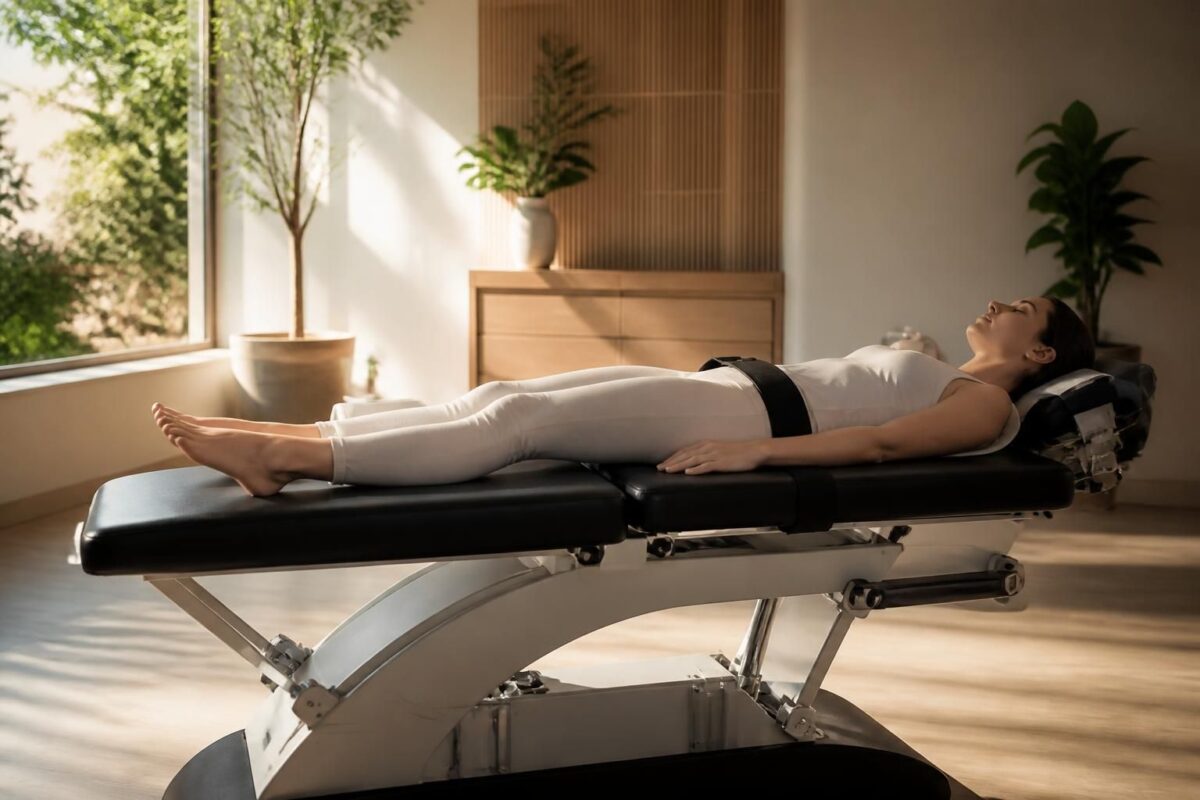
Neurovertebral Decompression and Body Alignment: Restoring Natural Balance
In short In short, neurovertebral decompression is one Non-invasive approach who restores theBody Alignment and thenatural balance back and neck. She acts by a Controlled traction of the spine to widen the intervertebral space and reduce the Pressure on discs…
Safety conditions and recommendations
Pre-assessment is essential to determine eligibility and adjust the protocol. Some situations, such as recent fractures, major osteoporosis or other contraindications, require an appropriate or alternative therapeutic approach. Careful monitoring and personalized follow-up optimize results while ensuring patient safety.
It is recommended to integrate decompression into an appropriate therapeutic routine, including strengthening exercises, a healthy lifestyle and postural advice, in order to maximize benefits and limit long-term tensions.
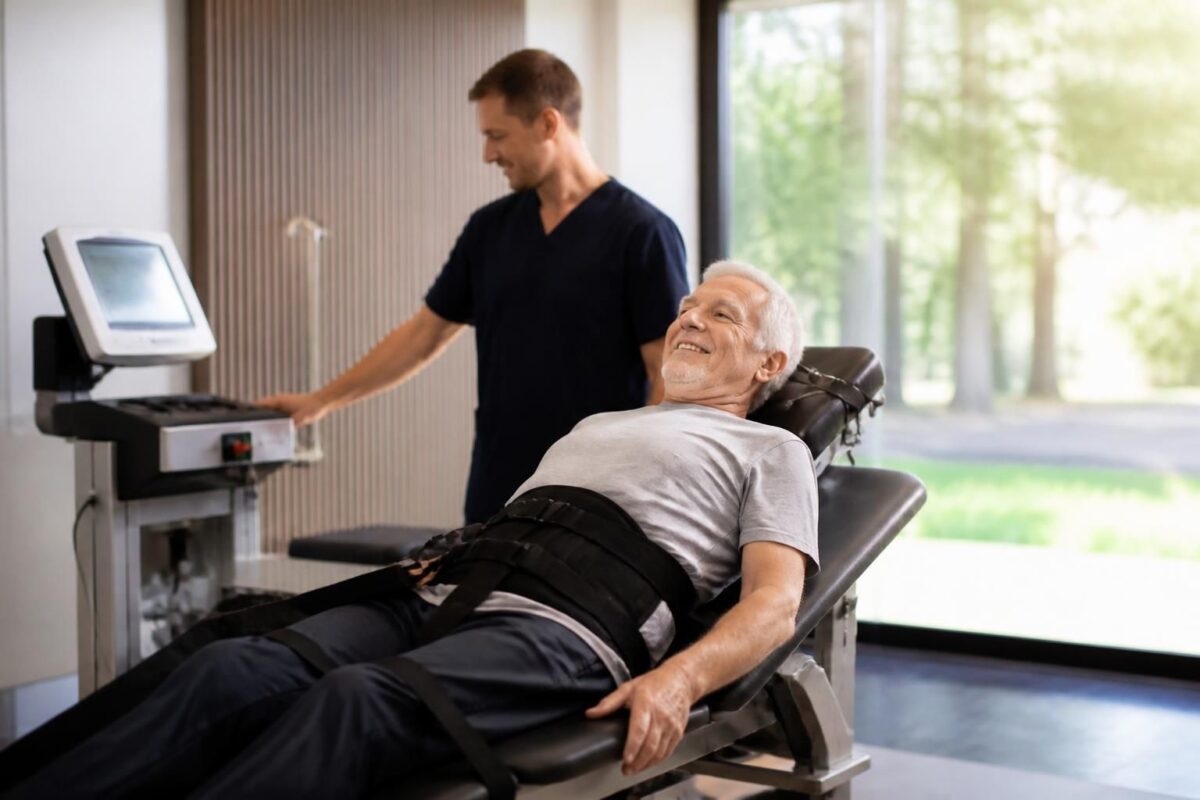
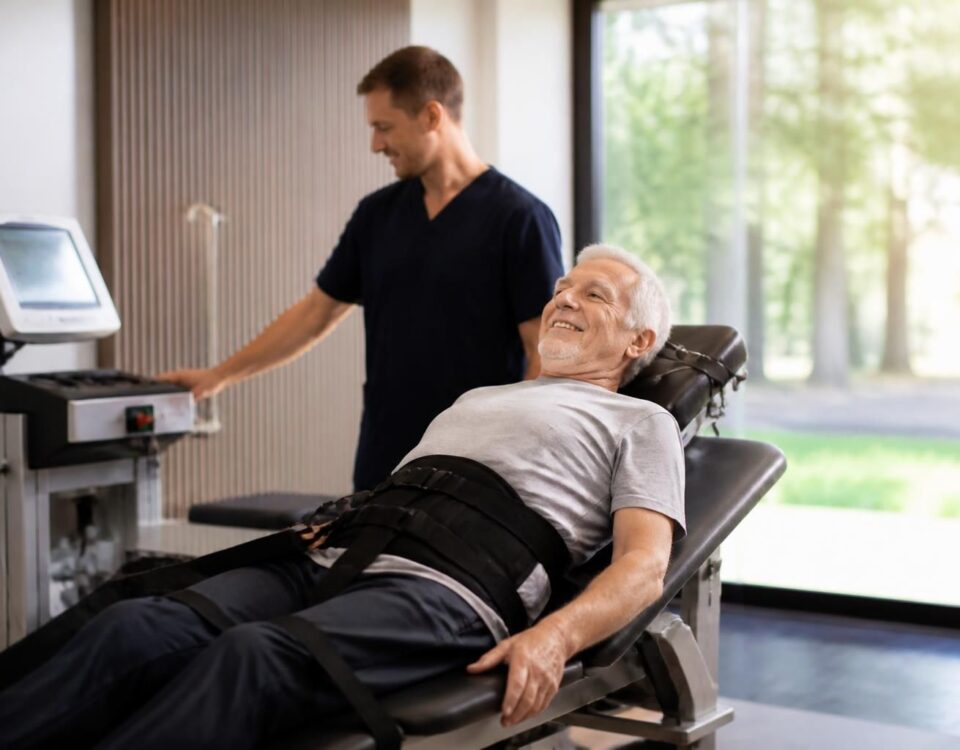
Why neurovertebral decompression is a lasting solution for active seniors
In short In short, the neurovertebral decompression is one Non-invasive therapy which sustainably relieves spinal pain in the spine active seniors By creating, by a Soft and controlled traction, a space between the vertebrae. At Montreal, it is recognized as…
Integration into a global approach
For degenerative pathologies, neurovertebral decompression Can be enrolled as a key step in a global program, complemented by manual techniques, targeted exercises and pain prevention measures. The goal is to improve sustainably The quality of life and promote realistic and personalized rehabilitation.
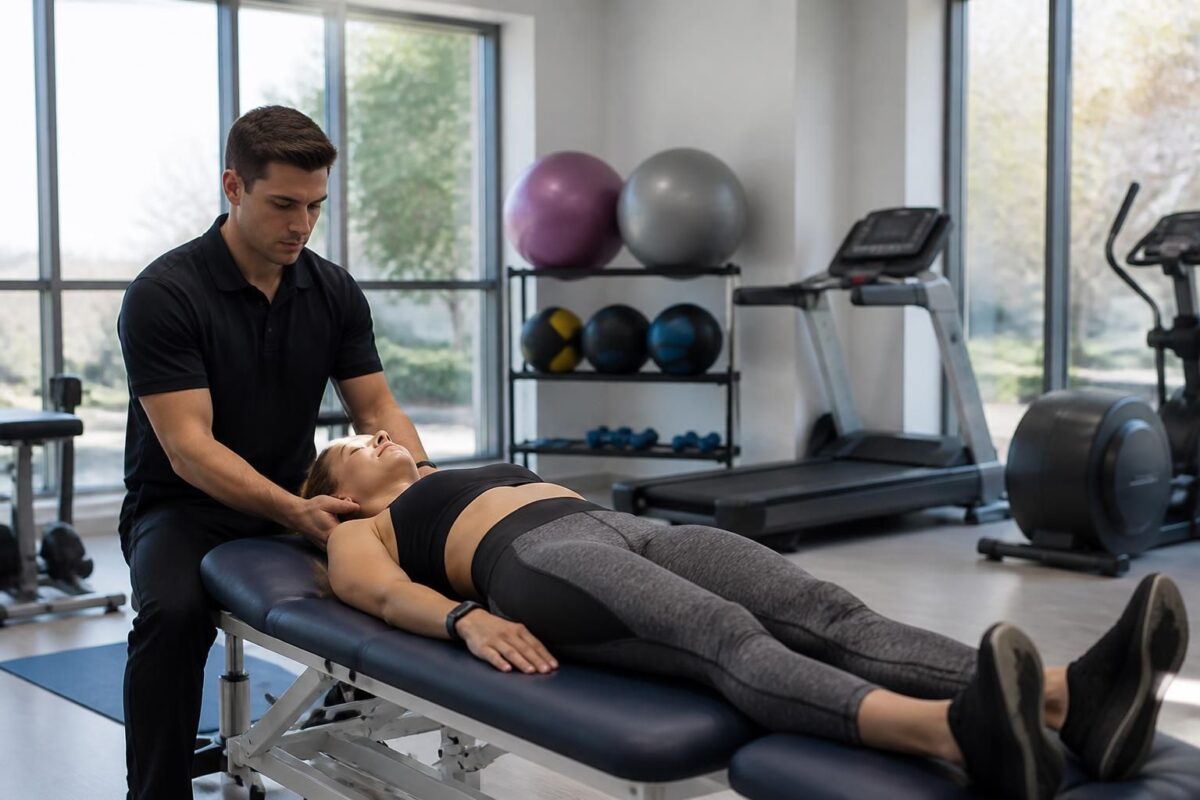
Neurovertebral decompression and recovery after severe sports injury
In short In short, the neurovertebral decompression is one Non-invasive method to Relieve the pressure on the Intervertebral discs and the gristle Via a Controlled traction, to facilitate the recovery After a severe sports injury. It improves the bloodstream towards…
Benefits of neurovertebral decompression for degenerative pathologies
| Axis | Concise impact |
|---|---|
| Relief pain | Measurable reduction in pain and inflammation, facilitating the resumption of activities. |
| Improving mobility | Increased range of motion and decreased stiffness. |
| Prevention of recurrences | Helps to correct imbalances and reduce the risk of relapse. |
| Vascular stimulation | Increased circulation around discs and nerves, promoting nutrition and tissue oxygenation. |
| Adaptability of the therapeutic course | Personalized program according to the degenerative level and the evolution of pain. |
| Safety and non-invasiveness | Non-surgical option, low risk and absence of long convalescence. |
| Quality of life | Improved sleep, energy and functional autonomy. |
| therapeutic complementarity | Combine with other approaches to optimize results. |
| Prevention of complications | Maintenance of hydrated discs and reduced pressure on the nerves. |
| cost-effectiveness | preventive and economic option avoiding more expensive interventions. |
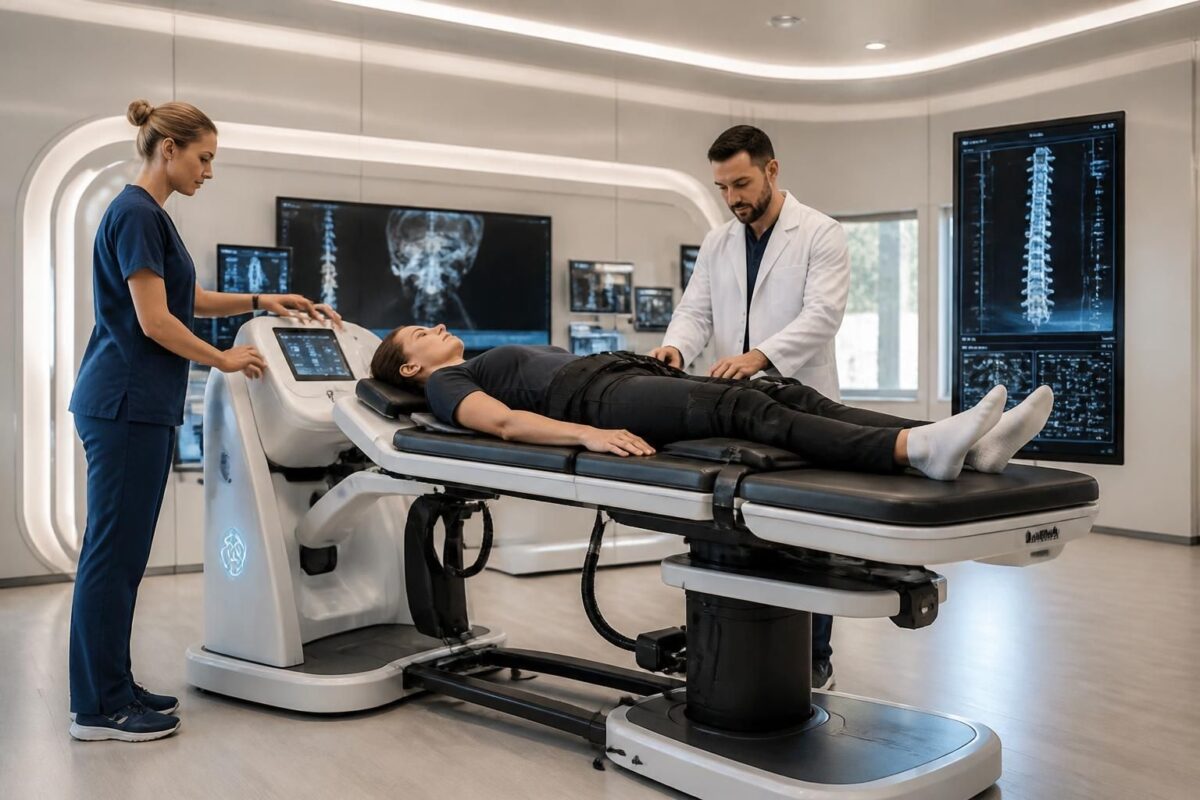
Recent innovations in neurovertebral decompression technologies
In short In short, the neurovertebral decompression is an approach non-invasive Aiming to reduce pressure on discs and nerves, and promote tissue regeneration. At Montreal, it is positioned as an effective option for lower back pain and herniated discs. The…
Testimonials on the benefits of neurovertebral decompression for degenerative pathologies
Marie, 62, Montreal: “Since I started the neurovertebral decompression, my Pains related to my degenerative disc disease have decreased sharply and my mobility improved day after day. I finally find simple activities that I had to abandon and I feel reassured for the future. »
Pierre, 58, Laval: “At first, I was skeptical, but after a few sessions, I noticed a clear pain reduction and an Better quality of life. The therapy is non-invasive And allowed me to resume my outings without fear. »
Sophie, 70, Terrebonne: “This approach saved me from surgery and offered me a lasting improvement in my mobility and my Daily function. I can take care of my family again without being limited by the pain. »
Claire, 66, Saint-Eustache: “After several months of treatment, I feel a more aligned posture and an reduction of tensions in the back. The decompression brought me back to simple gestures that I thought were lost. »
Ahmed, 65, Repentigny: “I found a Improved blood circulation around the column and a Faster recovery fabrics. My lower back pain related to degenerative osteoarthritis is less present and less disabling. »
Jeanne, 74, Longueuil: “I rediscover the pleasure of walking and gardening without permanent pain. The therapy gave my body a chance to readjust and my mind a greater confidence in my physical abilities. »
Lucas, 45, Montreal: “As an athlete, I was afraid of losing my vitality. thanks to decompression, my chronic pain decreased and I was able to resume training smoothly with a Improving mobility and an Optimization of recovery. »
Dr. Sylvain Desforges is known for his Expertise in osteopathy, naturopathy and manual medicine. Founding President of TagMed Clinics and ACMA, he leads an approach focused on health innovation and chronic pain management. His work offers a thoughtful integration of advanced technologies, in particular the neurovertebral decompression, the laser and shockwave therapy to provide evidence-based care that is appropriate for each patient.
The neurovertebral decompression is a method non-invasive which acts by gentle traction on the spine. This mechanical pressure, applied in a controlled way, allows Reduce pressure on intervertebral discs and neighboring nerves, thus facilitating the rebalancing of the vertebral structures. Subsequently, nutrients and oxygen circulate more easily in the discs, promoting tissue recovery and a reduction in pain associated with degenerative pathologies. This approach regularly offers a Quick relief and a lasting improvement in mobility, while remaining Tissue Preserver and vertebral functions.
For the Degenerative pathologies, the benefits are manifested on several aspects. First, a pain reduction which allows you to find daily activities with less apprehension. Second, a Improving mobility and flexibility, making it possible to better carry out daily gestures and sports activities. Third, a Optimized blood circulation Around the vertebrae helps nourish the tissues and reduce localized inflammation. Finally, the intervention is distinguished by the Low risk and the quick recovery, making it an attractive option in the face of more invasive treatments.
Benefits extend to various common conditions in adults and the elderly, such as herniated discs, the degenerative discs and the Spinal stenosis. By acting on the spine, decompression helps relieve tension and restore functional alignment, while providing Prevention of recurrences by better stability and a more balanced posture over the medium and long term.
The protocol is generally personalized and can be supplemented with other complementary therapies, such as rehabilitation, targeted exercises and additional non-invasive treatments. This holistic approach reduces drug dependence and optimizes long-term outcomes. At Dr. Desforges and his teams, the initial assessment is crucial to determine eligibility and to design an adapted therapeutic course, integrating the specific needs of each patient and the requirements of degenerative pathologies.
In practice, the sessions are part of a progressive and secure framework, with a progression of objectives ranging from initial relief to continuous improvement of posture and neuromuscular functions. The technologies used, including decompression and associated options, aim to restore the spinal balance while minimizing risk and downtime. This philosophy is based on a solid scientific basis and clinical experience focused on sustainable efficacy for patients with chronic pain related to degenerative disorders.
This text presents the Benefits of neurovertebral decompression for the Degenerative pathologies of the spine, focusing on an approach non-invasive, customizable and focused on pain reduction, mobility improvement and recurrence prevention.
The main benefits of neurovertebral decompression result in a Significant pain reduction and an Improving mobility, which makes it possible to find a better quality of life without systematic recourse to surgery. By acting on the compression mechanisms and on the circulation around the intervertebral discs, this therapy contributes to a Favorable tissue regeneration and a decrease in muscle tension, while offering a Prevention of recurrences thanks to better postural hygiene and stabilization of the spine. His character non-invasive In fact a relevant option for patients wishing to avoid heavy interventions and their rehabilitation period.
Mechanically, the technique consists of a Soft and controlled traction which frees the space between the vertebrae and reduces pressure on the intervertebral discs and adjacent nerves. This approach is particularly suited to herniations discs, at Degenerative discopathies and at the Spinal stenosis, while integrating with other physical therapies such as physiotherapy and targeted exercises. The observed efficacy is based on improving blood circulation, returning nutrients to the tissues and relaxing tensions, which promotes a gradual and lasting recovery.
For patients and professionals, it is essential to approach this therapy from a global perspective. A In-depth medical assessment Allows you to determine the indications and to adapt the protocol (number and duration of the sessions) to the specific needs of each one. Although the results are promising, it is necessary to remain vigilant about the contraindications, especially in the presence of severe osteoporosis or recent fractures. Personalized support and regular follow-up promote the chances of success and resumption of activity without pain.
This approach can be complemented by technologies associated with decompression, which act on muscle tone and proprioception to optimize results. For example, neuromodulation solutions and advanced devices can support recovery and improve daily mobility. To enrich your knowledge and consider a complete approach, consult the following resources that detail the mechanisms, benefits and precautions related to neurovertebral decompression:
To learn more, check out these resources and guides:
Neurovertebral decompression and vertebral alignment: an effective duo • Improved daily mobility • Mistakes to avoid during treatment • A therapy for degenerative disc pain • Benefits for degenerative pathologies • Essential role and knowledge for patients • Recommended for seniors • Advanced technologies in equipment • Understand its advantages • Why decompression is essential for spinal health
Note: This information is intended to clarify and do not replace the opinion of a health professional. A personalized assessment is necessary to determine the most appropriate approach to your situation.
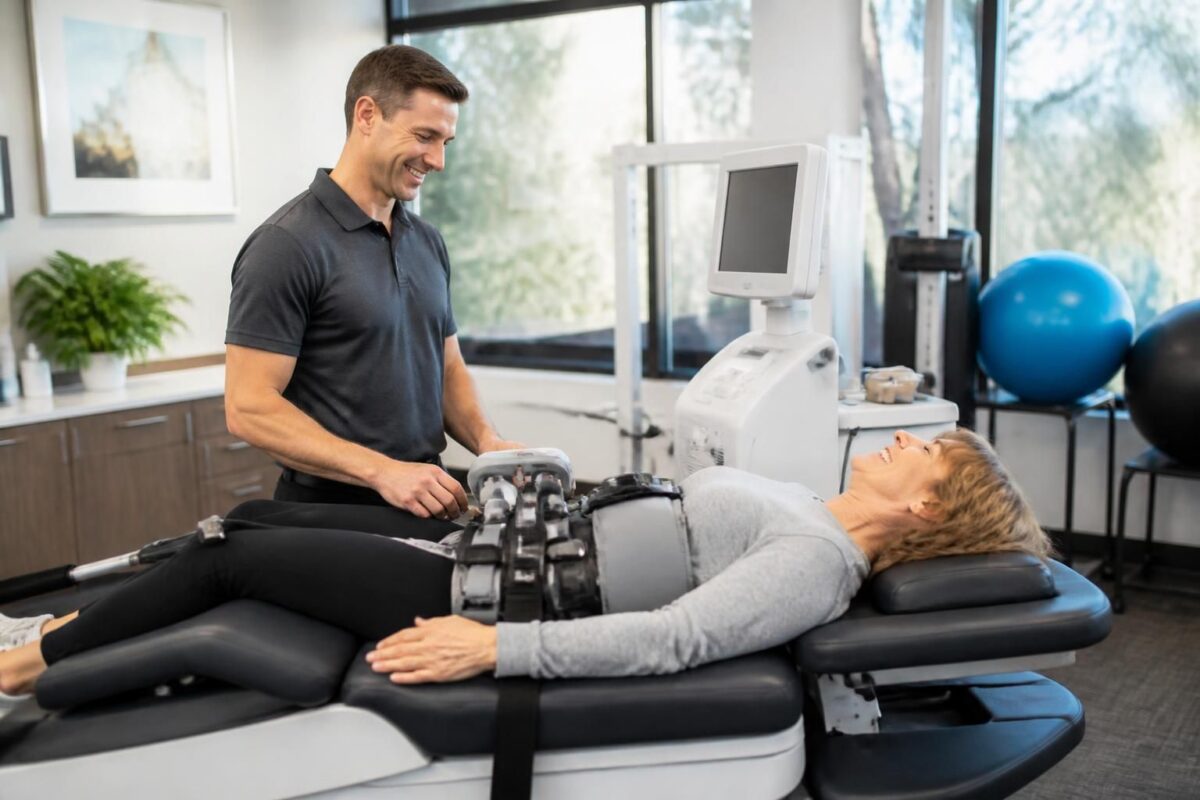
Neurovertebral decompression and diffuse pain: an appropriate solution
In short In short, the neurovertebral decompression is one Non-invasive solution For diffuse pain related to nerve irritation of the spine. She acts in Reducing pressure on intervertebral discs and nerves and improving the bloodstream, which promotes recovery and the…

Dr Sylvain Desforges, B.Sc., D.O., N.D., osteopath, is the founding president of TAGMED and of the ACMA association. He dedicates his practice to chronic spinal pain, low back pain and symptoms compatible with sciatica, particularly when pain radiates toward the buttock, leg, calf, foot or toes.
Through SOS Sciatique, he publishes educational content on sciatica symptoms, possible causes such as disc herniation, disc narrowing, foraminal stenosis or irritation of a lumbar nerve root, as well as non-surgical approaches that may be considered according to the evaluation. At Clinique TAGMED, care may include, depending on the case, motorized neurovertebral decompression, specific osteopathic care or precision percussion.
For an evaluation related to sciatica treatment in Montreal / Mount Royal or sciatica treatment in Terrebonne, please consult the services available at Clinique TAGMED.
Medical disclaimer
The information published on SOS Sciatique is provided for educational purposes only and does not replace a consultation, diagnosis, opinion or treatment provided by a physician or another authorized healthcare professional. The author of this article is neither a medical doctor nor a specialist in a medical specialty recognized by the Collège des médecins du Québec. The osteopathic, manual medicine or functional support approaches described on this site do not constitute medical acts and are not intended to replace medical follow-up.
Consult a physician or emergency service in cases of loss of bladder or bowel control, anesthesia in the saddle area, significant or progressive weakness in the leg or foot, fever, recent trauma, severe pain or rapid worsening of symptoms. For more details, please read our Legal Notice.