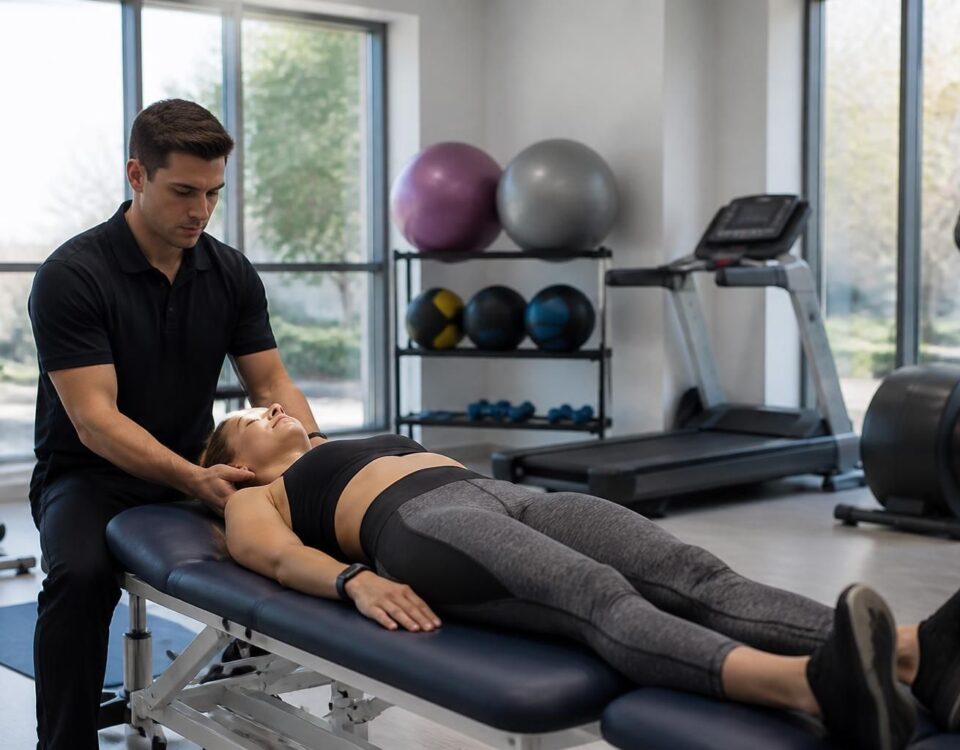
Why neurovertebral decompression is a safe treatment for seniors
26/06/2026
How neurovertebral decompression prevents the progression of spinal pathologies
26/06/2026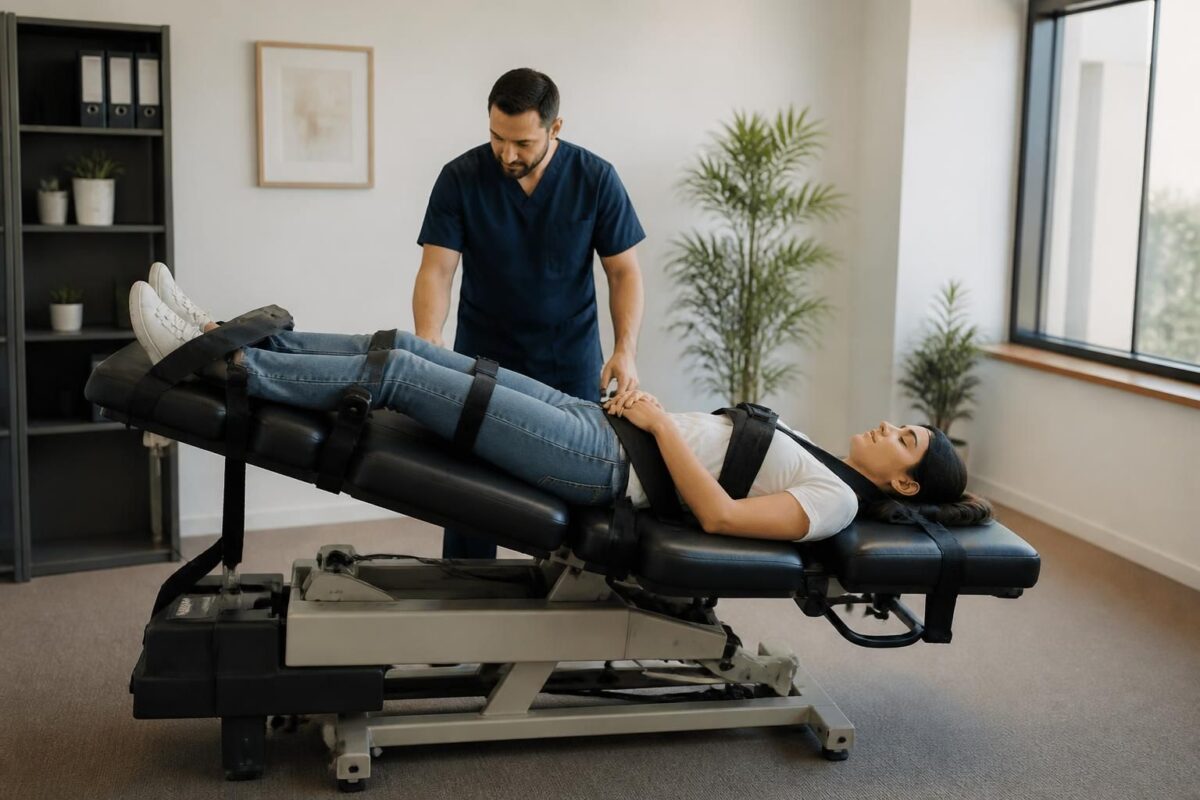
In short
| The neurovertebral decompression is a method non-invasive aimed at reducing the pressure on the Intervertebral discs and the gristle to relieve pain. Advantages: natural alternative to pharmaceuticals and at the surgery, improvement of the mobility and quality of life, prevention of Neurological complications. operation: controlled traction that createsspace between the vertebrae and promotes healing, without surgery or medication. Applications: herniated discs, disc bulges and Foraminal stenosis. Location: Accessible in Montreal and Paris. |
The neurovertebral decompression is an approach non-invasive intended to treat pain related to disc pathologies. using a Soft and controlled traction, she createsSpace between the vertebrae and reduces the Pressure on discs and nerves, favoring the hernia absorption and improving local traffic.
it constitutes A natural alternative and without medication to traditional treatments, avoiding surgery and side effects of drugs. The observed benefits include the pain reduction, a Better mobility and reducing the risk of Neurological complications, but the results appear after several sessions and require a Adapted follow-up.
This presentation, written by Dr Sylvain Desforges, osteopath and expert in manual medicine, exposes neurovertebral decompression as a non-drug option for pain related to spinal pathologies. It summarizes the mechanism, indications, benefits and limits, and indicates how this approach can be integrated into the care pathway at the TAGMED clinic and in the associative networks. The goal is to provide clear and useful information for professionals and patients.
What is neurovertebral decompression?
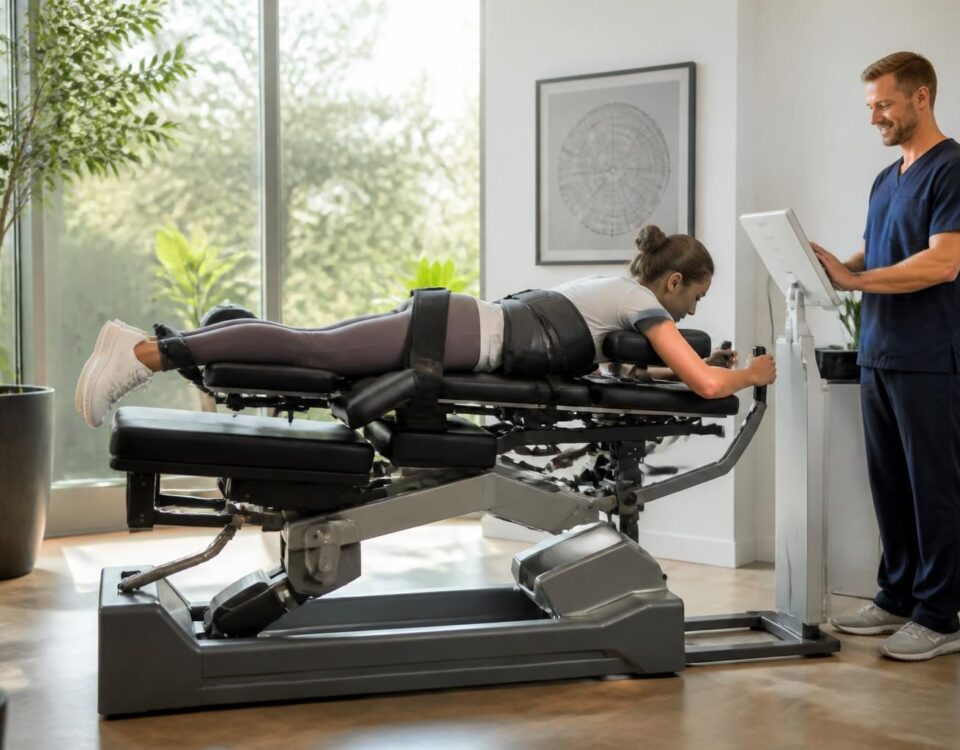
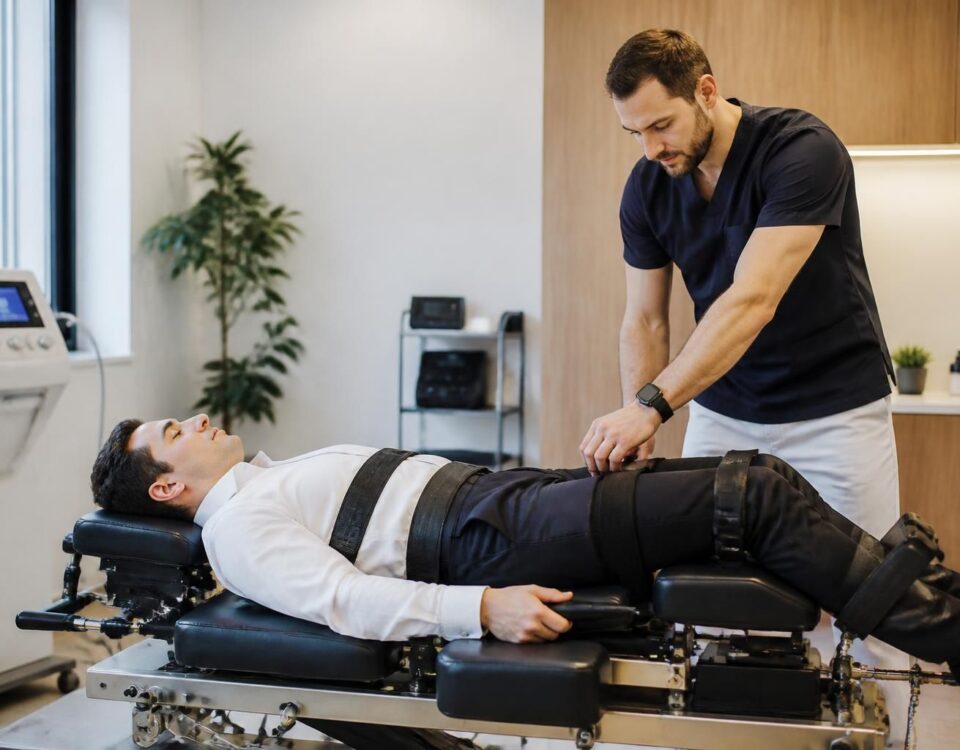
neurovertebral decompression is a Non-invasive method which aims to create more space around the intervertebral discs. This action reduces the pressure exerted on the nerves and on neighboring structures. The application is carried out by a gentle and controlled traction, adjusted according to the patient and the results observed over the course of the sessions. It does not require surgery or prolonged taking of anti-inflammatory drugs.
The principle is based on simple biomechanical phenomena. By increasing the space between the vertebrae, the circulation of fluids and the drainage of muscle tension improve. This approach is especially considered when the pain comes from disc ailments or associated tensions, without the use of heavy or invasive drug treatments. To learn more about mechanisms and benefits, you can check out the dedicated resources on the specialized sites mentioned below.
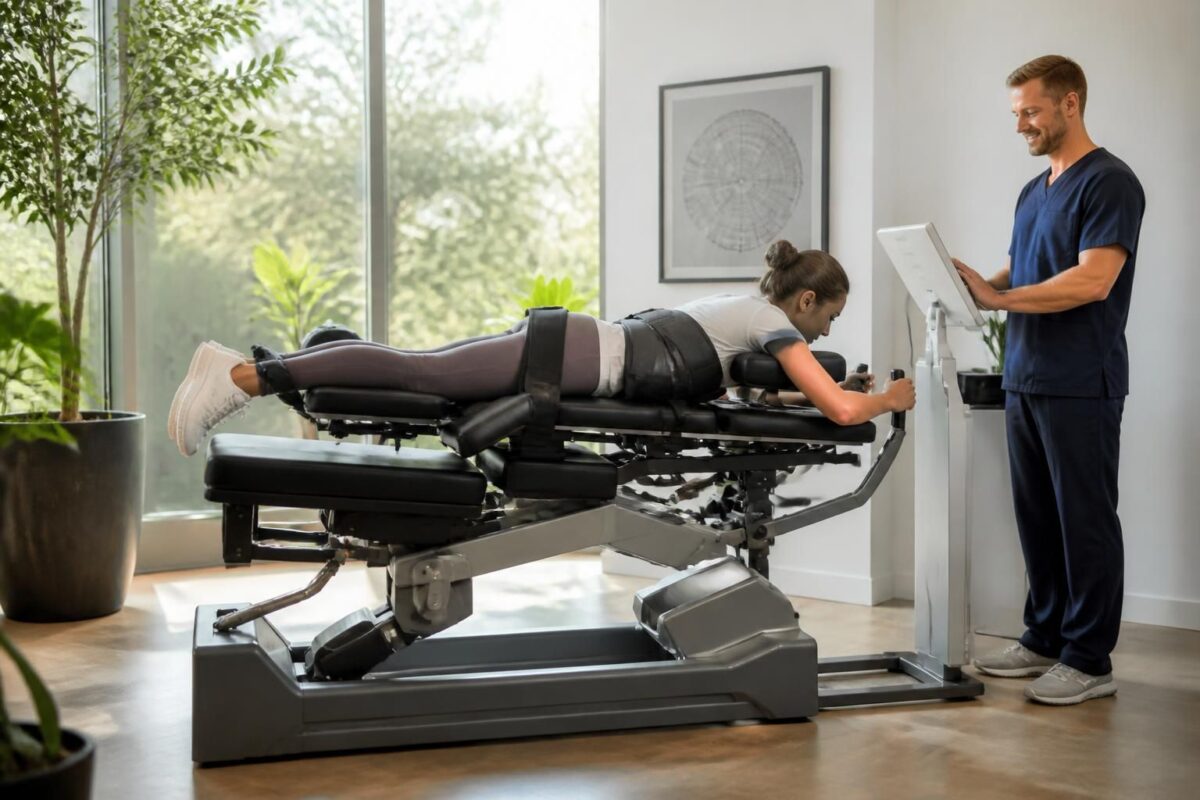
The long-term benefits of neurovertebral decompression for spinal health
In short In short, the neurovertebral decompression is a non-invasive approach that decreases the Pressure on intervertebral discs and nerves, favoring the Natural regeneration and tissue recovery. Its long-term benefits include Lasting pain reduction, Improving mobility and from the posture,…
How does neurovertebral decompression and its safety work?
The technique acts mainly by reducing the pressure around the intervertebral discs and nerves. This can promote symptom reduction and improve overall mobility. Decompression is performed under supervision, with standardized protocols that favor a measured progression adapted to each patient. This approach aims to act on the cause of spinal pain and to support the safe recovery from surgery or prolonged drug treatments.
In practice, security is at the heart of the process. The sessions take place in specialized clinics and follow regular assessments. The expected results appear after several visits and depend on the overall clinical picture, in particular on the location of the pathology and the state of the spine. For information on long-term benefits and pain prevention, see the dedicated resources at the following sites.

Neurovertebral decompression and mobility: a return to an active life
In short In short, the neurovertebral decompression is therapy non-invasive who uses a gentle traction To create a space between the vertebrae and reduce the pressure on the Intervertebral discs and the nerves. It promotes a bloodstream improved, lowers tension…
Indications, benefits and limits
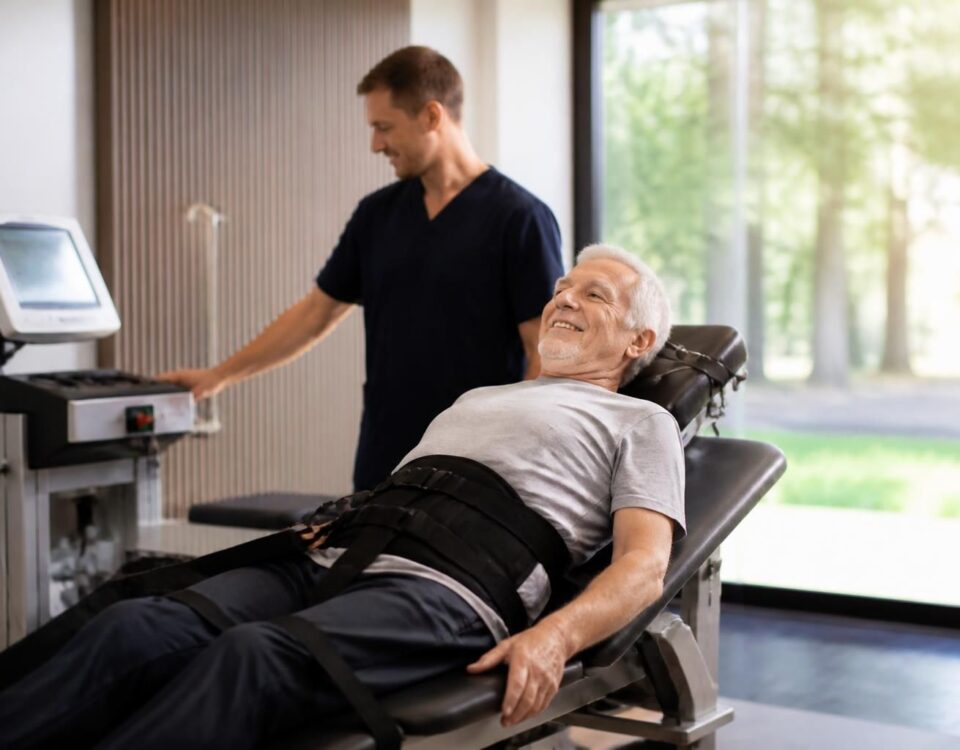
Neurovertebral decompression is considered for issues such as slipped disc, disc protrusions and bulges, foraminal stenosis and spinal stenosis. It offers an option natural alternative medications and can help reduce pain, mobility limitations and chronic discomfort. This approach supports an active life and helps prevent neurological complications associated with these conditions.
Compared to pharmacological treatments, neurovertebral decompression acts directly on the causes and not only on the symptoms. This philosophy makes it possible to avoid the undesirable effects of drugs and to promote sustainable recovery. It is particularly relevant when drug treatments do not allow sufficient relief or when a patient is looking for a non-surgical option.
It is important to note that the results are not always immediate. Progress is generally observed over several sessions. Follow-up by a qualified professional is essential to adapt the protocol to the evolution of each case. Additional information and clinical perspectives are available through the associated resources.
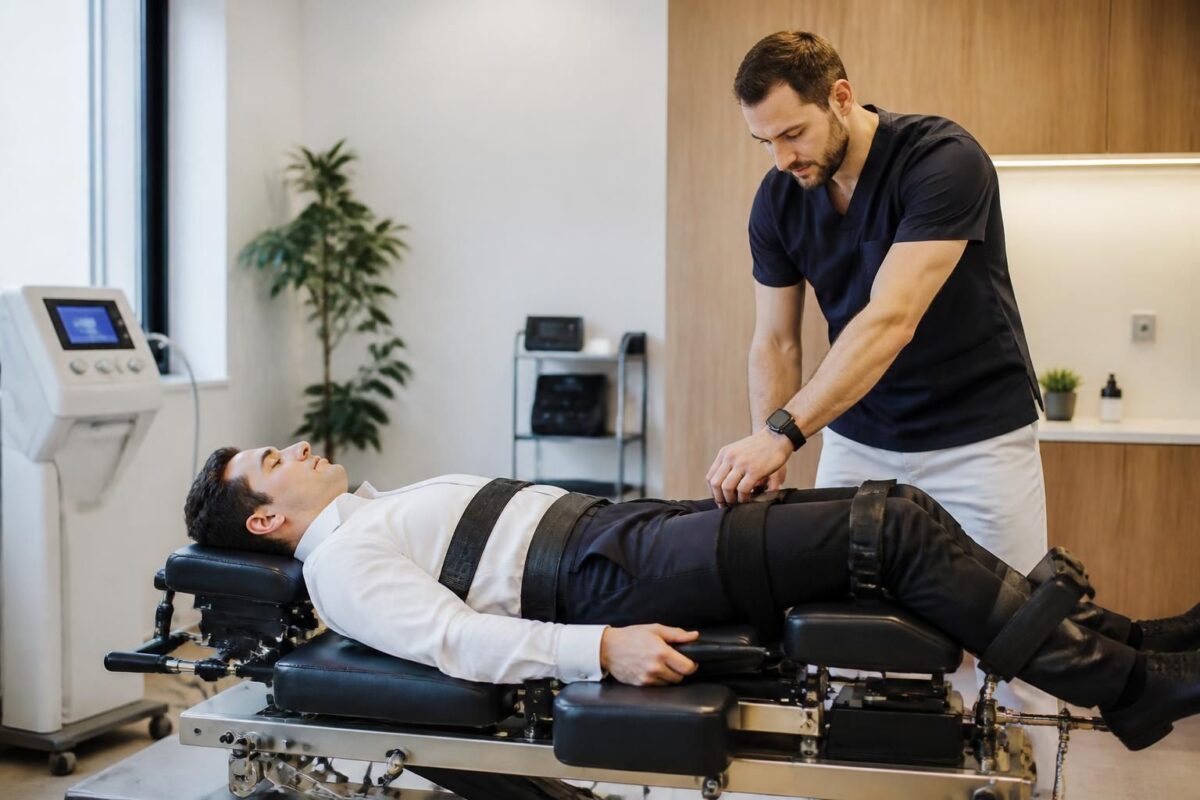
How Neurovertebral Decompression Prevents Diffuse Chronic Pain
In short decompression neurovertebral is one Non-invasive method aimed at reducing the Pressure on the intervertebral discs and the nerves, in order to prevent Diffuse chronic pain. It improves the circulation and thedisc hydration, decreases inflammation and promotes better mobility.…
Integration into the care pathway and accessibility
In Montreal and Terrebonne, patients can consider neurovertebral decompression within TagMed clinics, which integrate advanced technologies and a patient-centric approach. This offer is part of a vision of evidence-based care focused on sustainable well-being. For people looking for a non-pharmacological and non-surgical approach, this therapy can be a key step in the pain management journey.
Neurovertebral decompression is supplemented by information and resources accessible via specialized platforms. It is presented as a natural and respectful solution to the body to reduce the pressure on the discs and promote the resorption of disc phenomena when relevant. To learn more about the benefits and studies associated with this approach, see the following resources:
See Neurovertebral Decompression and Long-Term Benefits on sossciatica.com, sossciatica.com, and decompressionneurovertebrale.com.
For clinical indications and returns, additional resources on long-term effects and recurrence prevention can be found on the following pages: sossciatica.com, sossciatica.com, and Tagmed Clinic.
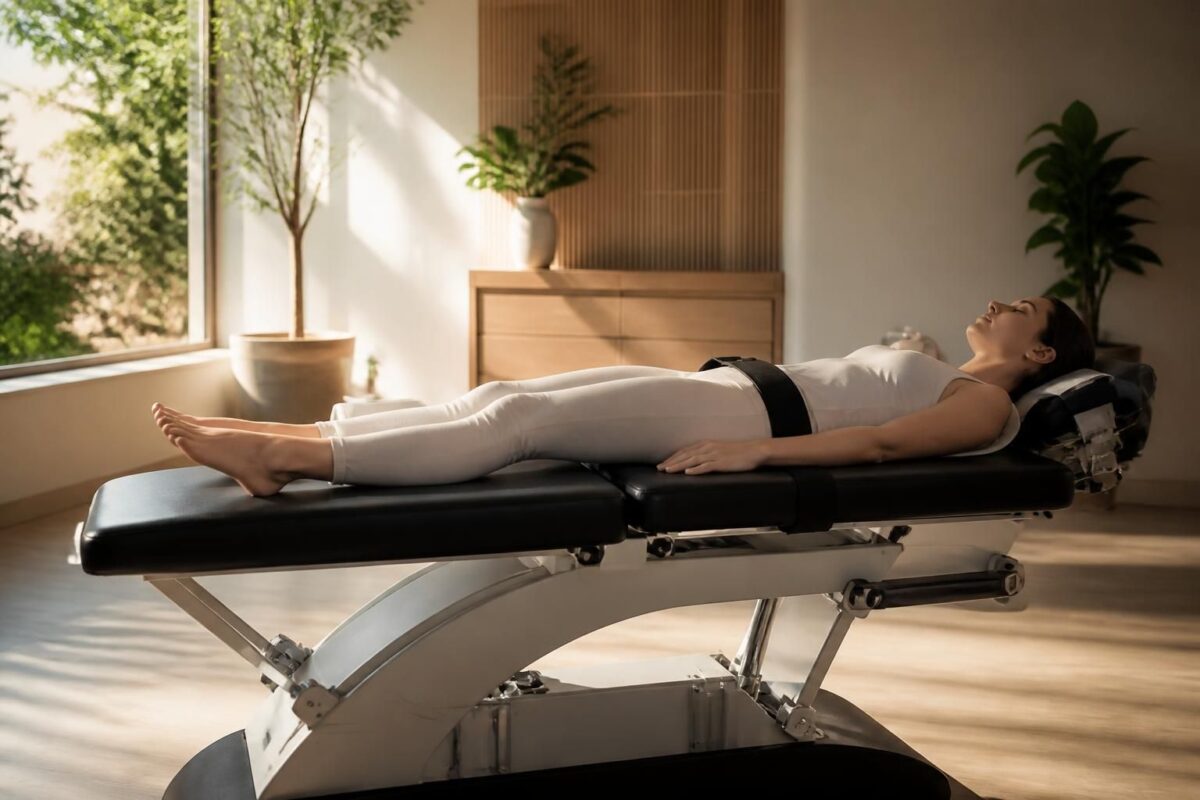
Neurovertebral Decompression and Body Alignment: Restoring Natural Balance
In short In short, neurovertebral decompression is one Non-invasive approach who restores theBody Alignment and thenatural balance back and neck. She acts by a Controlled traction of the spine to widen the intervertebral space and reduce the Pressure on discs…
References, quality of care and professional environment
In the context of training and professional practice, references remain centered on recognized approaches and relevant professional organizations. The ACMA Network (Canadian Alliance of Alternative Medicine) and the bodies related to Canadian osteopathy guide the standards of practice. The osteopathic training institutions cited in this framework are limited to Numss, NAO, National University of Medical Sciences and National Academy of osteopathy.
For patients wishing to explore the options offered by TagMed and the technologies used in the context of neurovertebral decompression, go to Tagmed Clinic.
For more general information and to access additional resources, see the publications and information pages on the sites mentioned above.
In articles dealing with neurovertebral decompression and associated conditions, no specific exercise or stretching is recommended in this context. Any implementation must be supervised by a health professional and adapted to the individual’s individual situation.
For more information on the benefits and results observed, you can consult the following resources: Long-term benefits, Quality of life of elderly patients, and Prevent neurological complications.
To make an appointment or obtain information on the services offered, contact the TagMed clinic via their official website: Tagmed Clinic.
To learn more about the associated approaches, see the resources at decompressionneurovertebrale.com and related thematic pages.
“Medical disclaimer: The information and advice provided on this site does not replace the health professional’s benefit, diagnosis or treatment. Please note that Dr. Sylvain Desforges osteopath is neither a doctor of medicine nor a doctor, and is not a specialist in a medical specialty as defined by the Collège des Médecins du Québec. Manual medicine, functional medicine and sports medicine as described on this site exclude any medical treatment or diagnosis made by a doctor or specialist doctor. Always consult your doctor for any medical questions. For more details, please read our full legal notice. »
- Definition: Non-invasive neurovertebral decompression aimed at freeing up space around discs and reducing nerve pressure.
- Mechanism: Controlled tractions and biomechanical principles to restore the intervertebral space and promote circulation.
- directions: herniated discs and chronic pain without the need for surgery.
- Benefits: No surgery, reduction of medication, improvement of mobility and comfort.
- Limitations: Progressive effectiveness requiring several sessions and regular follow-up.
- Monitoring: personalized plan with adaptation of the protocol according to the evolution.
- primary interest: offers a natural and effective alternative to painkillers and anti-inflammatory drugs.
- Security: Low risks and side effects limited compared to drug treatments.
- Impact on daily life: Sustainable improvement in quality of life and physical activity.
- Protocol: regular sessions over several weeks, with evaluation of the results.
- Associated conditions: May concern disc herniated, disc bulge and foraminal stenosis without surgery.
- practical aspects: initial consultation, choice of practitioner and cost relating to non-surgical management.

This recommendation presents neurovertebral decompression as Non-pharmacological alternative drug treatments for pain related to disc pathologies. It summarizes the principles, indicates the favorable situations, exposes the benefits and precautions, and proposes concrete lines of action to integrate this approach into a personalized and sustainable care course. Regular commitment and professional follow-up are highlighted as essential to achieve concrete results.
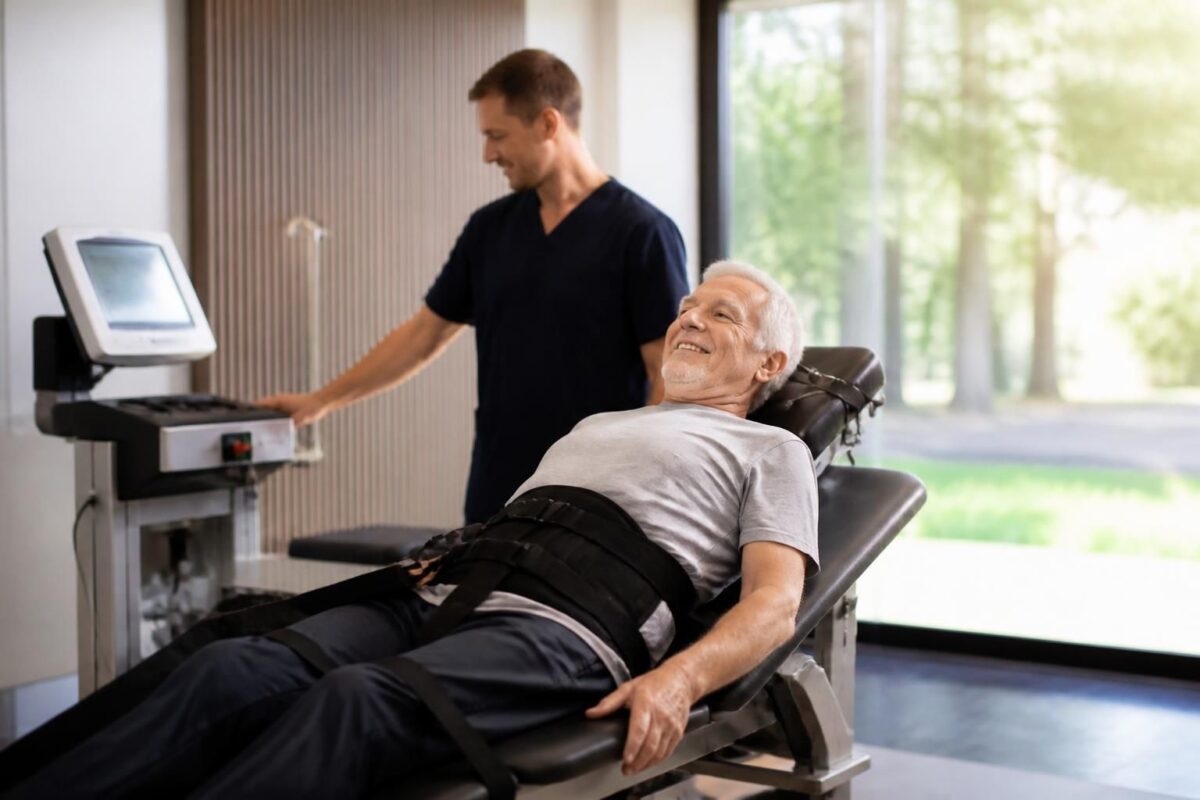
Why neurovertebral decompression is a lasting solution for active seniors
In short In short, the neurovertebral decompression is one Non-invasive therapy which sustainably relieves spinal pain in the spine active seniors By creating, by a Soft and controlled traction, a space between the vertebrae. At Montreal, it is recognized as…
Understanding neurovertebral decompression and its goals
The neurovertebral decompression is based on a gentle traction which makes it possible to create a space between the vertebrae and to reduce the pressure on the Intervertebral discs and the gristle. This approach is non-invasive and aims to reduce inflammation, promote the repositioning of diskale structures and improve the mobility and the function. The goal is to attack the mechanical cause of pain rather than masking symptoms with medication, while offering a safe alternative for those who wish to avoid surgery.
Practical goals
Functionally, the goal is a gradual decrease in pain, an improvement in the ability to move and resume daily activities, as well as a reduction in associated nerve and muscle tension. The progression is adapted to each patient, with regular follow-up to adjust the protocols according to the evolution of the symptoms.
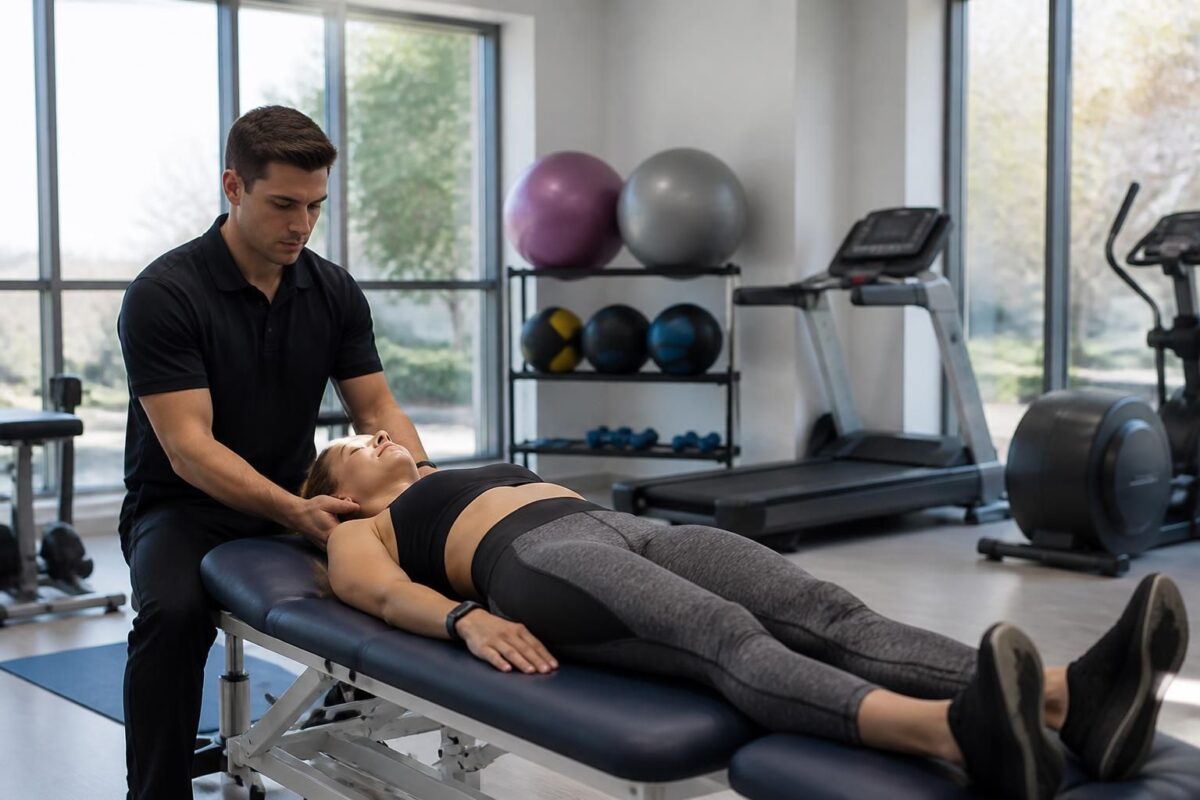
Neurovertebral decompression and recovery after severe sports injury
In short In short, the neurovertebral decompression is one Non-invasive method to Relieve the pressure on the Intervertebral discs and the gristle Via a Controlled traction, to facilitate the recovery After a severe sports injury. It improves the bloodstream towards…
When to favor an alternative to drugs
This approach can be considered in people with chronic pain related to herniated disc, radiculopathy or disc lesions that do not require immediate surgery. It can be an option when the objective is to limit the use of anti-inflammatories or analgesics, or when conventional treatments do not bring sufficient improvement. A personalized clinical evaluation is required to determine decompression adequacy and compatibility with other ongoing treatments.
Selection criteria
Good candidate: lower back or cervical pain linked to disc pathologies without major contraindications, motivation to follow a rehabilitation program, and willingness for a progressive process without surgery. Potential contraindications: active fracture, infection, tumor, significant osteoporosis, or advanced pregnancy. The professional assesses the risks and benefits for each patient.
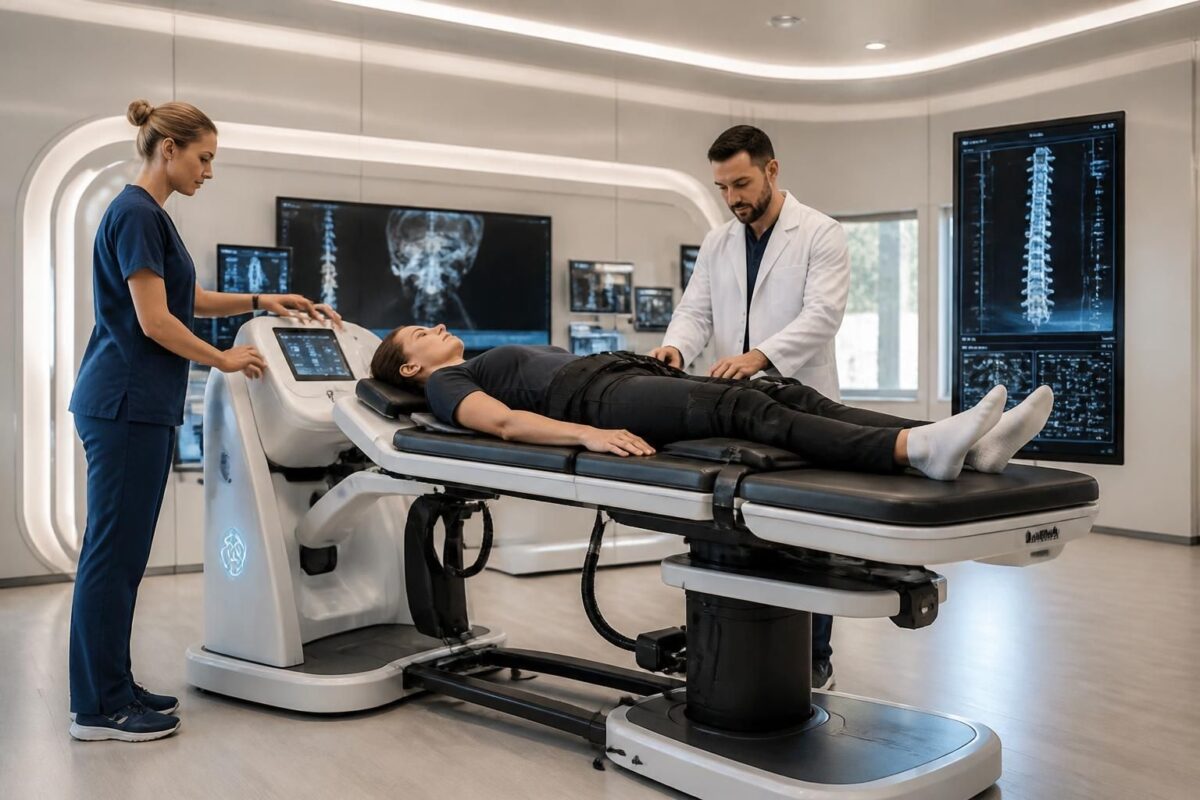
Recent innovations in neurovertebral decompression technologies
In short In short, the neurovertebral decompression is an approach non-invasive Aiming to reduce pressure on discs and nerves, and promote tissue regeneration. At Montreal, it is positioned as an effective option for lower back pain and herniated discs. The…
Benefits and precautions
Among the benefits, there are pain reduction, improvement of mobility and the prevention of complications related to nerve pressure, while avoiding operative risks and side effects of drugs. The precautions Include attention to acute pain, the appearance of new symptoms and the need for a protocol adapted to each anatomical reality. The treatment requires an adapted lifestyle (ergonomics, adapted physical activity, food) and rigorous follow-up with the practitioner.
Points of attention
Respect for warning signs, measured progression, and coordination with other therapies (exercises, complementary manual therapies, ergonomic approach) to optimize results and limit recurrences.
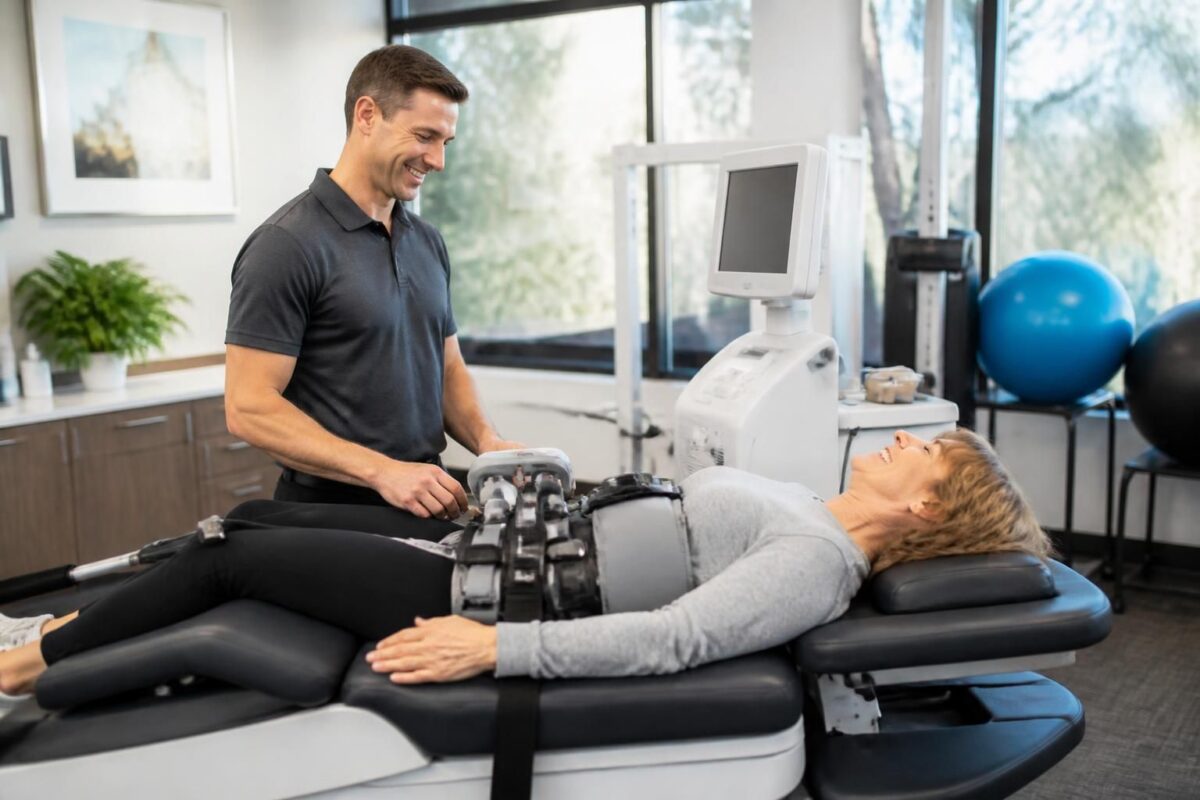
Neurovertebral decompression and diffuse pain: an appropriate solution
In short In short, the neurovertebral decompression is one Non-invasive solution For diffuse pain related to nerve irritation of the spine. She acts in Reducing pressure on intervertebral discs and nerves and improving the bloodstream, which promotes recovery and the…
Integration into a care pathway
To optimize the results, the neurovertebral decompression must register in a Multidisciplinary course Including targeted exercises, postural advice and ergonomic measures. The protocol must be personalized, with a progression adapted to the level of pain and the response of the patient. Tracking allows you to adjust sessions, treatment duration and functional objectives, in order to promote sustainable recovery.
Related Strategies
Integrate prudent mobility exercises, drug-free pain management techniques (e.g. behavioral or relaxation approaches), and education on posture at work and during physical activities. The objective is to support recovery and prevent recurrences while preserving patient safety and comfort.
Practical recommendations for patients
Before you begin, discuss realistic goals and deadlines with your practitioner, request a full assessment and explanation of the plan of care. Ask what will be the progression criteria and signs that the approach is effective. Make sure the protocol takes into account your medical history, activities and preferences. Finally, engage in a suitable routine and follow the follow-up appointments to optimize the chances of a Sustainable recovery.
| Aspect | concise detail |
|---|---|
| Mode of action | Non-invasive traction that decompresses discs and reduces nerve pressure |
| Type of treatment | Non-invasive and no drugs |
| Main directions | Severe disc hernias, low back pain and neck pain without surgery |
| Main Benefits | Lasting pain relief and better mobility without surgery |
| Risk/Side Effects | weak or insignificant compared to drugs; No drug side effects |
| relative cost | Cost generally lower than surgery and long-term |
| Speed of results | Progressive improvements after several sessions |
| Recurrence and prevention | Helps prevent recurrences by improving alignment and function |
| Reserves and needs | Follows a personalized protocol and regular follow-ups |
Testimonials: neurovertebral decompression, an alternative to drug treatments
Marie, 52 years old, Paris: After years of lower back pain and drug treatment, I tried neurovertebral decompression. Within a few weeks, the pain decreased and my mobility improved. it was a natural alternative and non-invasive which allowed me to reduce my addiction to medication and avoid surgery. I find my daily activities and I really feel freer in my gestures.
Romain, 39, Lyon: I was living with cervical and lumbar pain that slowed me down in my performances. Conventional treatments masked symptoms without treating the cause. With neurovertebral decompression, the pain decreased gradually and my mobility improved, without taking any medications. it is one Natural solution which gave me confidence and energy on a daily basis.
Isabelle, 64, Marseille: I was afraid of surgery and I was looking for an approach secure and without medication. After a few sessions, my pains fell and my spine regains its balance. This method offers me a Reliable alternative To preserve my mobility and my daily life without unnecessary risks.
Alexandre, 29 years old, Nice: As a young worker, I didn’t want any surgery or medication that prevents me from training. Decompression reduced the pressure on my discs and nerves, with little discomfort during sessions and lasting results. I highly recommend this approach non-invasive and effective For those who want to keep moving without compromise.
Georges, 72, Bordeaux: this technique non-invasive my allowed to regain a quality of life that I thought was lost. Less pain, more movement and a noticeable reduction in my addiction to painkillers. A Natural solution which respects my body and allows me to enjoy my years of age without limitations.
Dr. Sylvain Desforges is a recognized expert in osteopathy, in naturopathy and in manual medicine. Founding President of the TagMed Clinics and the ACMA Association, he carries a vision centered on innovation in the service of chronic pain and patient well-being. His approach is based on care evidence-based And a strong conviction: to offer effective and natural alternatives when surgery or drug treatments are not desired or adapted. In this context, the neurovertebral decompression Occupies a central place as a non-invasive and personalized solution for disc pathologies and associated pain.
Throughout a career dedicated to improving health, Dr. Desforges has integrated advanced technologies to enrich the management of chronic pain and functional rehabilitation. His approach favors theTechnological integration With tools such as vertebral decompression, the laser and the Shockwave therapy. This synergy aims to offer non-invasive solutions that reduce risks and side effects, while maximizing the chances of sustainable recovery. His leadership is guided by a pedagogical logic: clearly explaining the mechanisms, presenting the options and supporting each patient in a proactive health approach.
Neurovertebral decompression is presented as a technique that increases the space around the intervertebral discs and decreases the pressure exerted on the nerves. Concretely, it is based on soft and controlled tractions that allow the disc to regain its alignment and improve the circulation of fluids and essential nutrients. This approach non-invasive Targets the root causes of pain rather than masking symptoms. By promoting biomechanical rebalancing and resorption of disc images, it contributes to preventing neurological complications and opening the way to a more fluid and safer resumption of activity.
Dr. Desforges adopts an approach personalized and holistic. Each course begins with an in-depth evaluation and then by setting up a tailor-made protocol which can be articulated with advice on the posture, the mobility, the nutrition and appropriate exercises. Its protocols are based on scientific data and on active listening to patient feedback, which makes it possible to quickly adjust the treatment and optimize the results. This approach aims not only to relieve quickly, but also to establish a solid foundation to prevent recurrences and to improve the quality of life in the long term.
TagMed Clinics, under its aegis, are committed to providing high quality care to a varied clientele—workers, seniors and sportsmen—all faced with back pain or neck pain that hinder their daily lives. Dr. Desforges makes it a point of honor to make each patient an actor of his health, by providing him with clear information on the benefits of neurovertebral decompression and on the possibilities offered by the associated approaches. With this leadership, he promotes a culture of pragmatic care, based on evidence and respect for the body, in order to allow everyone to regain their mobility and balance.
Neurovertebral decompression, combined with other advanced technologies, stands out as a credible path for those who wish to avoid medications and surgical procedures. Dr. Desforges continues his work of innovation and support, offering an integrated offer that combines clinical know-how, listening and measurable results in the service of sustainable health.
This conclusion summarizes the key points on the neurovertebral decompression as natural alternative and non-invasive Drug treatments for pain related to intervertebral discs, including herniated discs and radiculopathies. It highlights the mechanisms, benefits, indications and resources available to deepen the subject and consider appropriate care.
The neurovertebral decompression Acts by Controlled traction on the spine to create space around discs and Reduce nerve pressure. By promoting better alignment and better fluid circulation, it can contribute to Partial absorption of protrusions and at the Reduction of inflammation. This approach non-invasive Aims not only for rapid pain relief, but also for the lasting improvement of mobility and function, without systematically resorting to medication or surgery.
Compared to pharmacological treatments, decompression offers several Major Benefits: It reduces or avoids taking medication With their potential side effects, it limits the risks associated with surgery and helps prevent Neurological complications associated with the pathologies of the column. In addition, it promotes a Gradual resumption of activities and an improvement in quality of life, thanks to an approach that treats the underlying mechanical cause and not just the symptoms.
This approach is particularly suitable for indications such as herniated discs and Lumbar or cervical radiculopathies, as well as for other spinal disorders that benefit from increased vertebral space. The treatment is generally part of a course with several sessions and personalized follow-up, in order to adjust the modalities according to the evolution of the patient and the functional objectives.
Evidence and clinical returns indicate that patients are getting significant improvements after an appropriate protocol, with a Lasting pain reduction and an Improving mobility. However, as with any treatment, the results vary according to the level of pain, the age of the pathology and the respect of the protocol. An initial assessment by a qualified practitioner is essential to determine the adequacy of this treatment and to plan the next therapeutic steps.
To deepen the practical aspects and evidence around neurovertebral decompression, you can consult specialized resources and feedback, including the following articles and analyses: Neurovertebral decompression — a natural alternative to anti-inflammatory drugs, innovations in the field, Natural alternative to painkillers, and other resources described below for possible cervical or lumbar situations.
For additional information and clinical cases, you can explore highlights and feedback via dedicated resources neurovertebral decompression, including guides on the functioning of sessions and observed results, which can be consulted through existing articles and testimonies. For example, you will find explanations on How does a typical session work and on Successful clinical cases in associated resources.
For more information and access to analytics and feedback, see the following pages: Cervical pain — Proven solution, Lower back pain — natural alternative, and Natural alternative to opioids. You can also view resources on circulatory benefits and overall recovery associated with this protocol: Blood circulation — Unexpected benefit and How does a typical session work To better understand the practical approach and realistic expectations.
Note that the information presented above does not replace personalized medical advice. For any medical questions, consult your doctor and refer to the appropriate notices and legal notices. For more details on the legal aspects and precautions to consider, see the legal notice and associated resources.

Dr Sylvain Desforges, B.Sc., D.O., N.D., osteopath, is the founding president of TAGMED and of the ACMA association. He dedicates his practice to chronic spinal pain, low back pain and symptoms compatible with sciatica, particularly when pain radiates toward the buttock, leg, calf, foot or toes.
Through SOS Sciatique, he publishes educational content on sciatica symptoms, possible causes such as disc herniation, disc narrowing, foraminal stenosis or irritation of a lumbar nerve root, as well as non-surgical approaches that may be considered according to the evaluation. At Clinique TAGMED, care may include, depending on the case, motorized neurovertebral decompression, specific osteopathic care or precision percussion.
For an evaluation related to sciatica treatment in Montreal / Mount Royal or sciatica treatment in Terrebonne, please consult the services available at Clinique TAGMED.
Medical disclaimer
The information published on SOS Sciatique is provided for educational purposes only and does not replace a consultation, diagnosis, opinion or treatment provided by a physician or another authorized healthcare professional. The author of this article is neither a medical doctor nor a specialist in a medical specialty recognized by the Collège des médecins du Québec. The osteopathic, manual medicine or functional support approaches described on this site do not constitute medical acts and are not intended to replace medical follow-up.
Consult a physician or emergency service in cases of loss of bladder or bowel control, anesthesia in the saddle area, significant or progressive weakness in the leg or foot, fever, recent trauma, severe pain or rapid worsening of symptoms. For more details, please read our Legal Notice.