Neurovertebral decompression: an alternative to drug treatments
26/06/2026
The benefits of neurovertebral decompression for patients undergoing rehabilitation
26/06/2026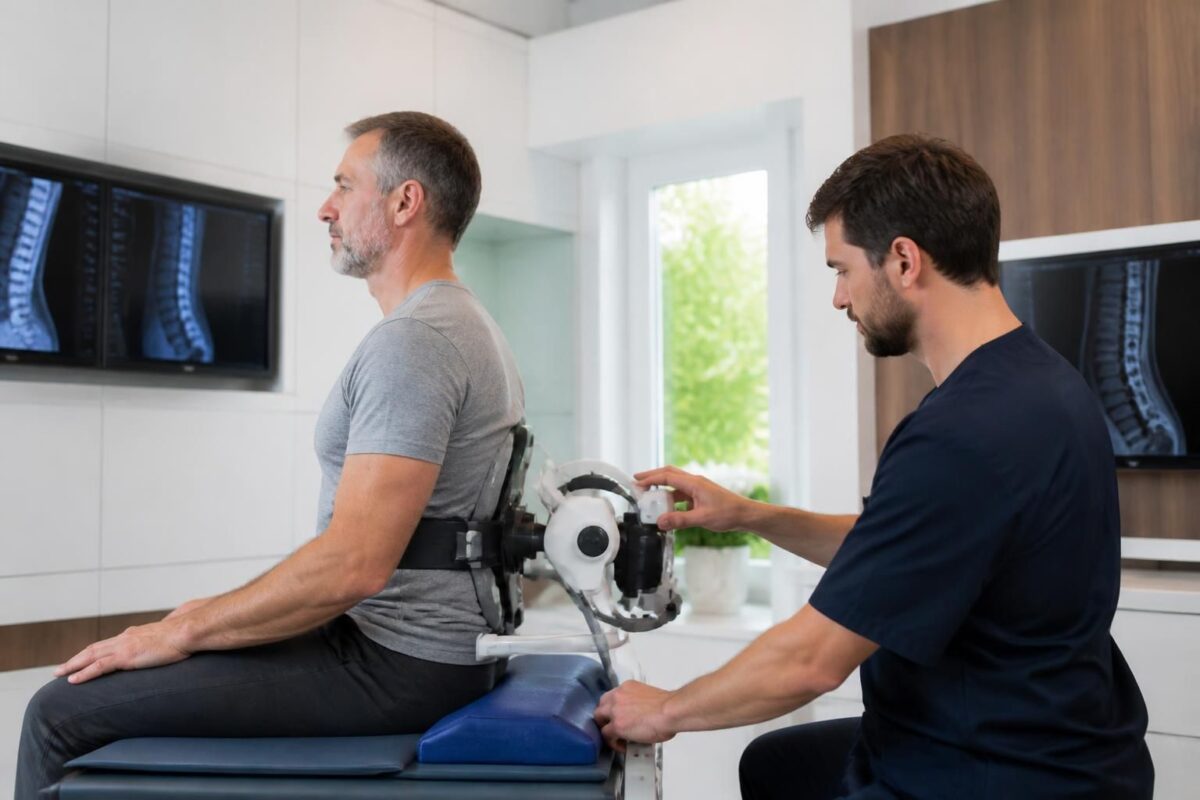
In brief in French
| In short, the neurovertebral decompression is one Non-invasive therapy which Prevents progress of Spinal pathologies By reducing the Pressure on the intervertebral discs and the Spinal nerves. By creating a space between the vertebrae, it improves the bloodstream and Lhydration discs, favoring their regeneration and the mobility. Result: pain reduction and better quality of life. In Montreal, this service is ideal for an approach fresh and non-surgical. |
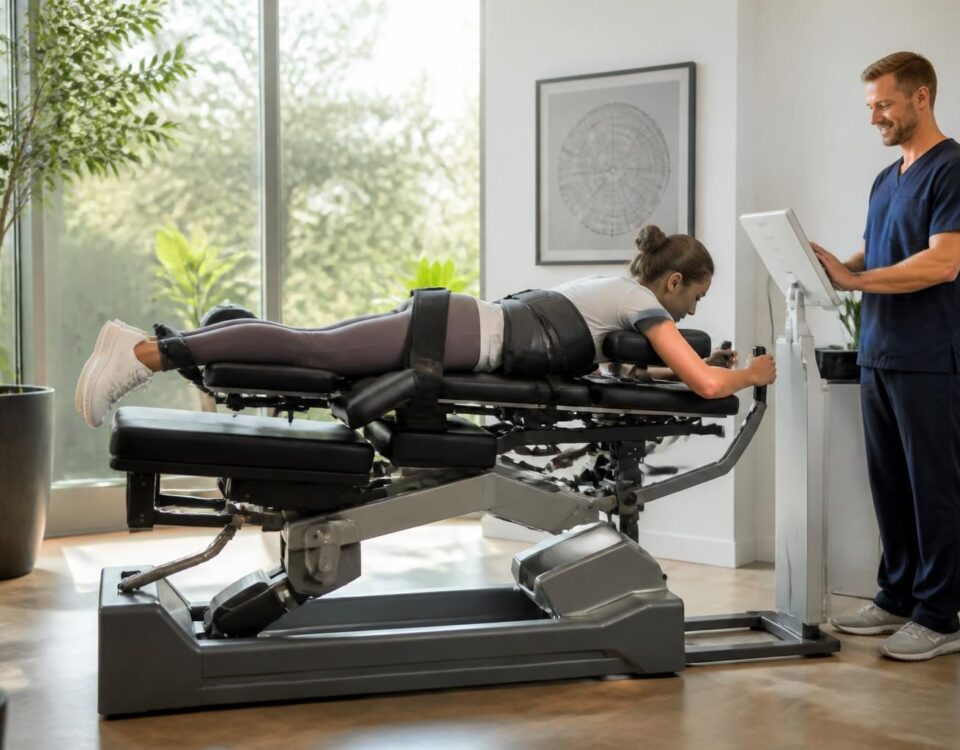
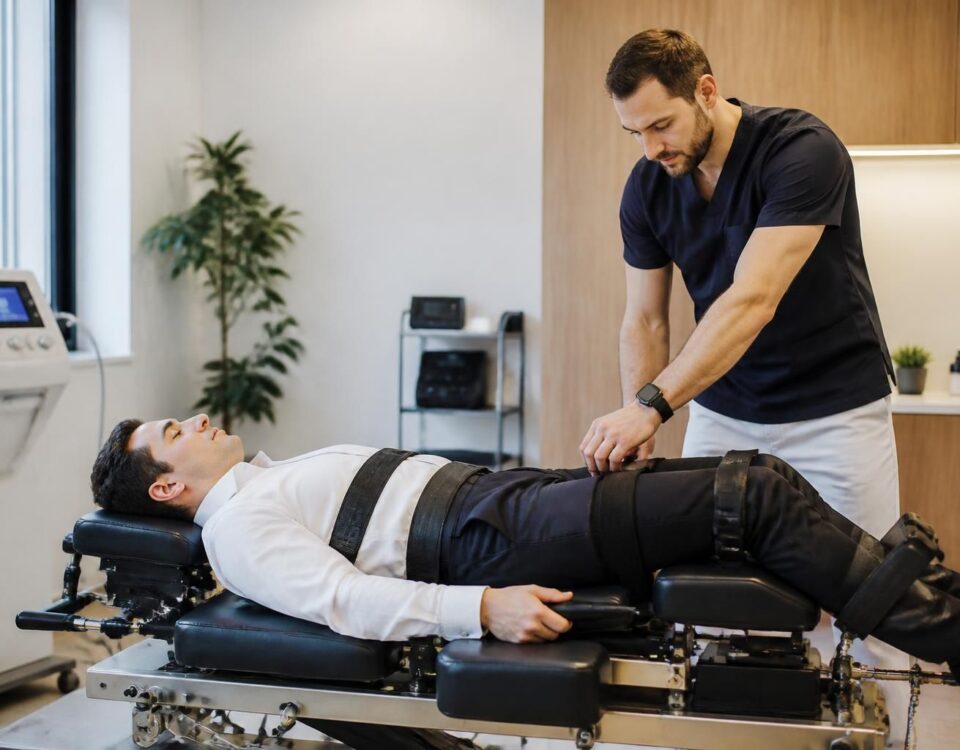
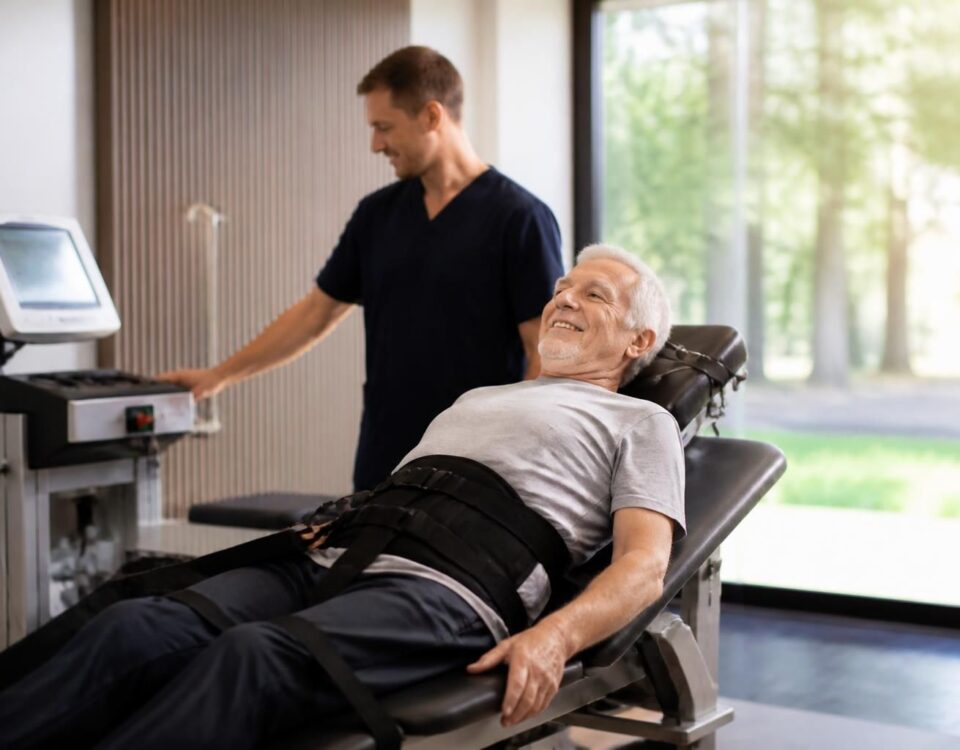
The neurovertebral decompression is therapy non-invasive which is based on a gentle traction of the column, creating a space between the vertebrae and reducing the Pressure on the intervertebral discs and on the Spinal nerves.
This pressure reduction improves blood circulation and promotes thehydration and the regeneration fabrics, supporting the recovery and operation of discs.
As a result, the pain subsides, the mobility improves, and the progression of spinal pathologies is warned.
neurovertebral decompression is an approach non-invasive which aims to reduce the pressure exerted on the intervertebral discs and nerves. This article explains how this technique can Prevent the progression of spinal pathologies By improving the circulation of fluids, feeding the discs and limiting pain mechanisms. It is part of a global clinical approach and can contribute to maintaining mobility and quality of life without surgical recourse.
Principle and mechanisms
Neurovertebral decompression is based on controlled traction that creates a space between the vertebrae. this action Lowers the pressure on discs and nerves and Facilitates fluid circulation. The increased intake of nutrients and oxygen promotes tissue nutrition, which supports their healing and slows down degeneration.
Effects on the progression of spinal pathologies
By relieving pressure and improving blood flow, the technique decreases local inflammation and associated pain. It helps to preserve theColumn alignment and reduces muscle tension around the spine. These combined effects contribute to Preventing the worsening of vertebral pathologies and maintain better spinal function in the long term.
Impact on current conditions
Spinal stenosis and foraminal stenosis
Decompression reduces pressure on the nerve roots and improves circulation around the spinal structures. This can help slow the progression of symptoms and preserve mobility, without surgery.
Herniated discs and protrusions
By reducing the load on the disc and improving the hydration of tissues, decompression supports the process of rebalancing affected segments and may decrease associated nerve irritations.
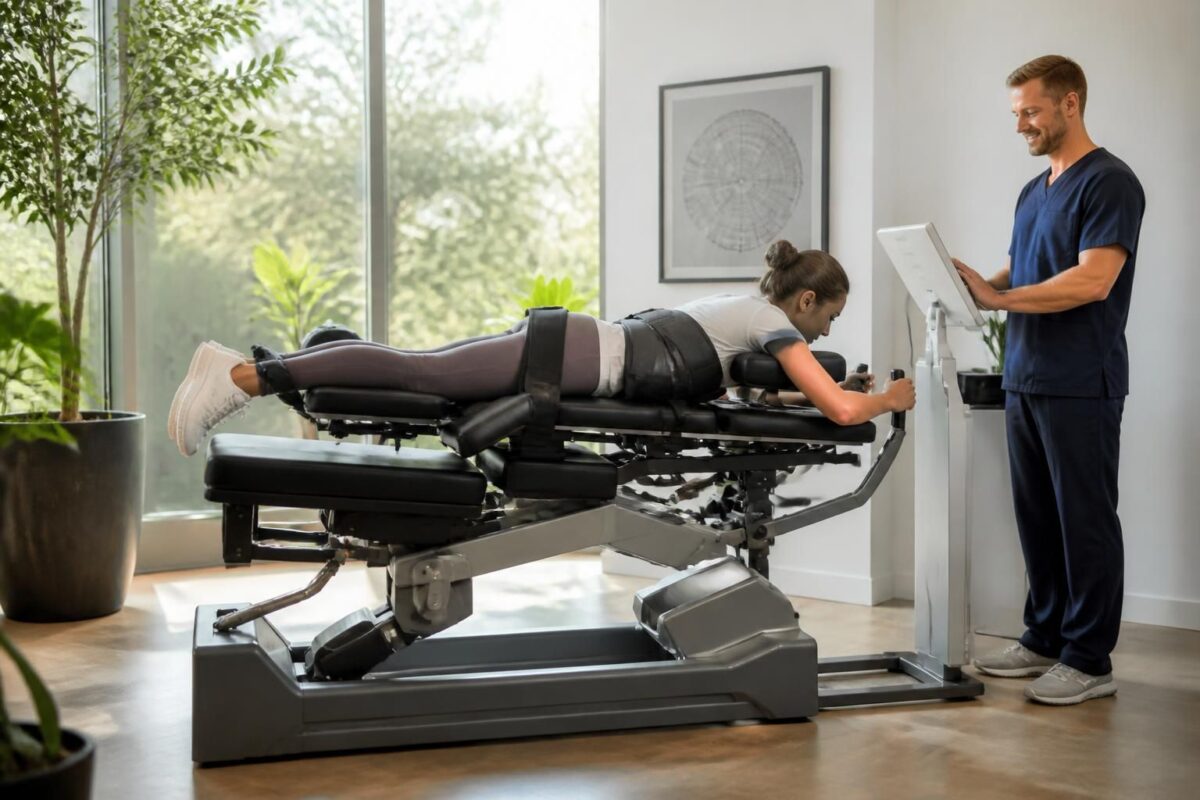
The long-term benefits of neurovertebral decompression for spinal health
In short In short, the neurovertebral decompression is a non-invasive approach that decreases the Pressure on intervertebral discs and nerves, favoring the Natural regeneration and tissue recovery. Its long-term benefits include Lasting pain reduction, Improving mobility and from the posture,…
Integration and follow-up in practice
Integration into a care plan
In the TagMed clinics in Montreal, neurovertebral decompression is proposed as part of a multimodal plan. It is associated with lifestyle advice and complementary technologies to optimize results.
Synergies with other therapies
Decompression can be associated with non-invasive approaches to support regeneration and mobility. Technologies such as stimulation devices and advanced protocols can be integrated, while remaining focused on maximum safety and high tolerance.

Neurovertebral decompression and mobility: a return to an active life
In short In short, the neurovertebral decompression is therapy non-invasive who uses a gentle traction To create a space between the vertebrae and reduce the pressure on the Intervertebral discs and the nerves. It promotes a bloodstream improved, lowers tension…
Testimonials and results observed
patients describe a Lasting pain reduction and an Improving mobility after decompression sessions. They also note a better ability to resume daily activities and increased quality of life, without operative remedies.
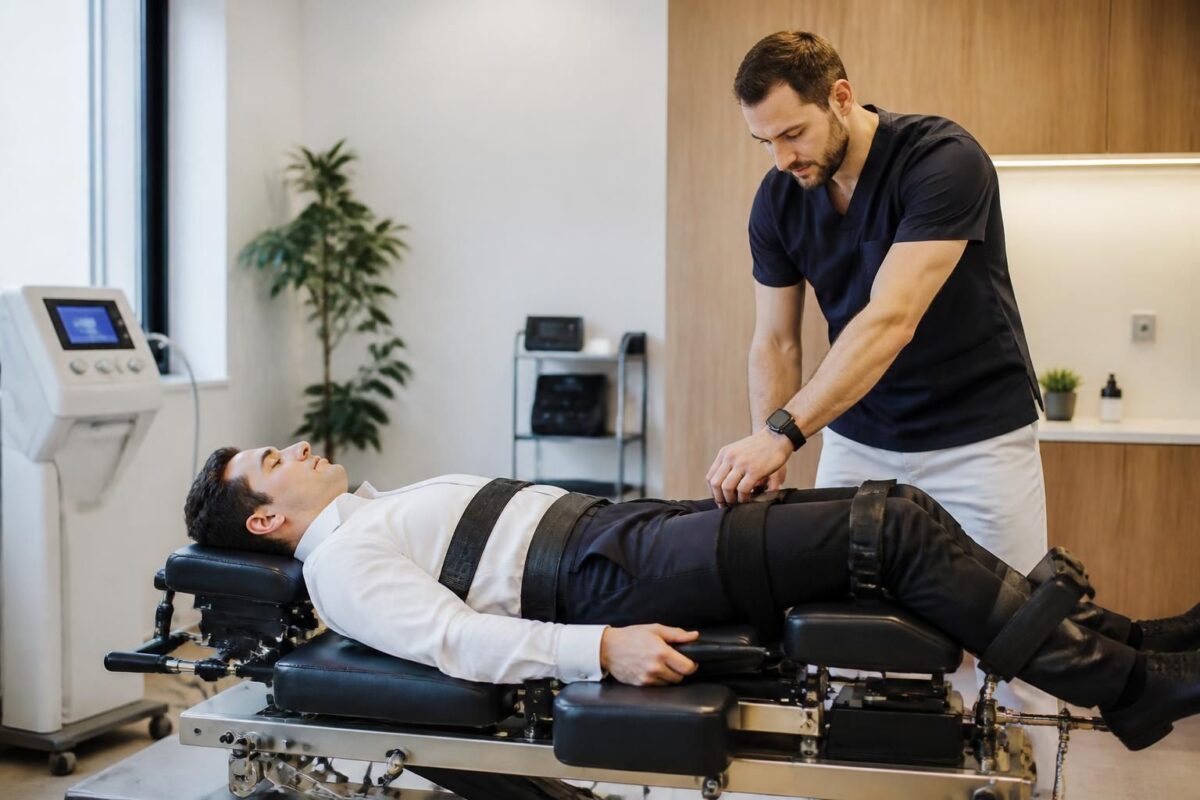
How Neurovertebral Decompression Prevents Diffuse Chronic Pain
In short decompression neurovertebral is one Non-invasive method aimed at reducing the Pressure on the intervertebral discs and the nerves, in order to prevent Diffuse chronic pain. It improves the circulation and thedisc hydration, decreases inflammation and promotes better mobility.…
Resources and useful references
To learn more, refer to the following resources, which present syntheses and studies on neurovertebral decompression and its applications in various disc and vertebral pathologies:
Neurovertebral Decompression and Associated Muscle Pain — A Global Solution
The benefits of neurovertebral decompression for degenerative pathologies
Neurovertebral Decompression — Comparative Study of Therapeutic Approaches
Neurovertebral Decompression — Alternative for chronic radicular pain
Neurovertebral Decompression — An Effective Solution to Prevent Progression of Spinal Stenosis
Advanced neurovertebral decompression protocols for acute pain
Why neurovertebral decompression is essential for spinal health
Medical Disclaimer: The information and advice provided on this site does not replace the health professional’s diagnosis or treatment. Please note that Dr. Sylvain Desforges osteopath is neither a doctor of medicine nor a doctor, and is not a specialist in a medical specialty as defined by the Collège des Médecins du Québec. Manual medicine, functional medicine and sports medicine as described on this site exclude any medical treatment or diagnosis made by a doctor or specialist doctor. Always consult your doctor for any medical questions. For more details, please read our full legal notice.
- pressure reduction On discs and nerves
- traffic improvement blood to the spinal tissues
- Hydration and nutrition increased discs
- Muscle relaxation Around the column
- intervertebral space Created to facilitate fluid flow
- Stimulation of cell metabolism disc
- Degeneration prevention disc
- pain reduction related to nerve compression
- Improving mobility and amplitude
- Prevention of acute episodes and relapses
- Non-invasive alternative avoiding surgery
- Integration into a care plan multidisciplinary

This article offers practical recommendations on how neurovertebral decompression can prevent the progression of spinal pathologies. It acts gently on the spine to reduce the pressure on the discs and nerves, while improving the circulation and hydration of tissues. Combined with a multidisciplinary approach and a personalized care plan, this non-invasive therapy aims to curb the evolution of spinal conditions and to preserve mobility and quality of life.
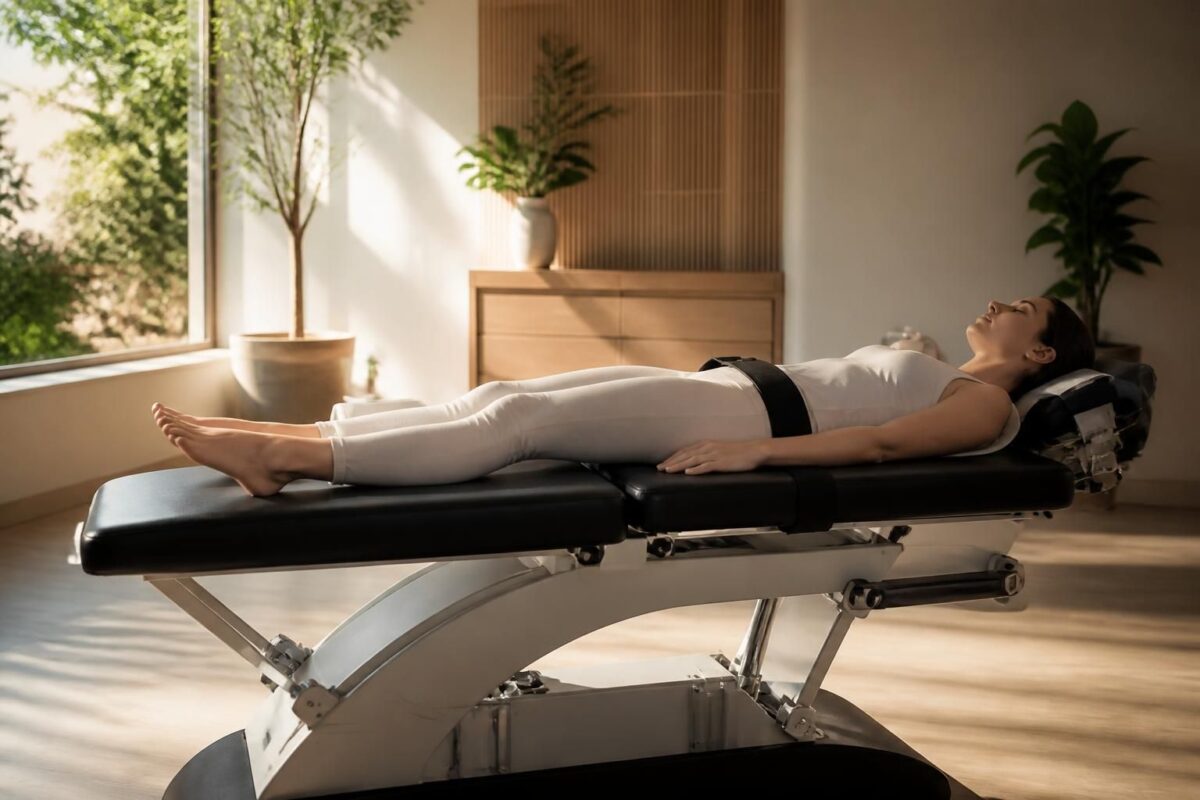
Neurovertebral Decompression and Body Alignment: Restoring Natural Balance
In short In short, neurovertebral decompression is one Non-invasive approach who restores theBody Alignment and thenatural balance back and neck. She acts by a Controlled traction of the spine to widen the intervertebral space and reduce the Pressure on discs…
Principle and key mechanisms
The neurovertebral decompression Relies on controlled traction that creates a space between the vertebrae. This separation reduces the pressure exerted on the intervertebral discs and nerve roots, which promotes better circulation of fluids and essential nutrients. As a result, the damaged tissues have the resources necessary for their regeneration and hydration, allowing a more complete and lasting recovery.
In parallel, the stimulation of the bloodstream and nutrient flow recovery supports inflammation reduction and facilitates repair of degenerative areas. The improvement of the mobility and flexibility promotes freer and less painful movements, helping to prevent aggravations linked to repetitive gestures or bad postures.
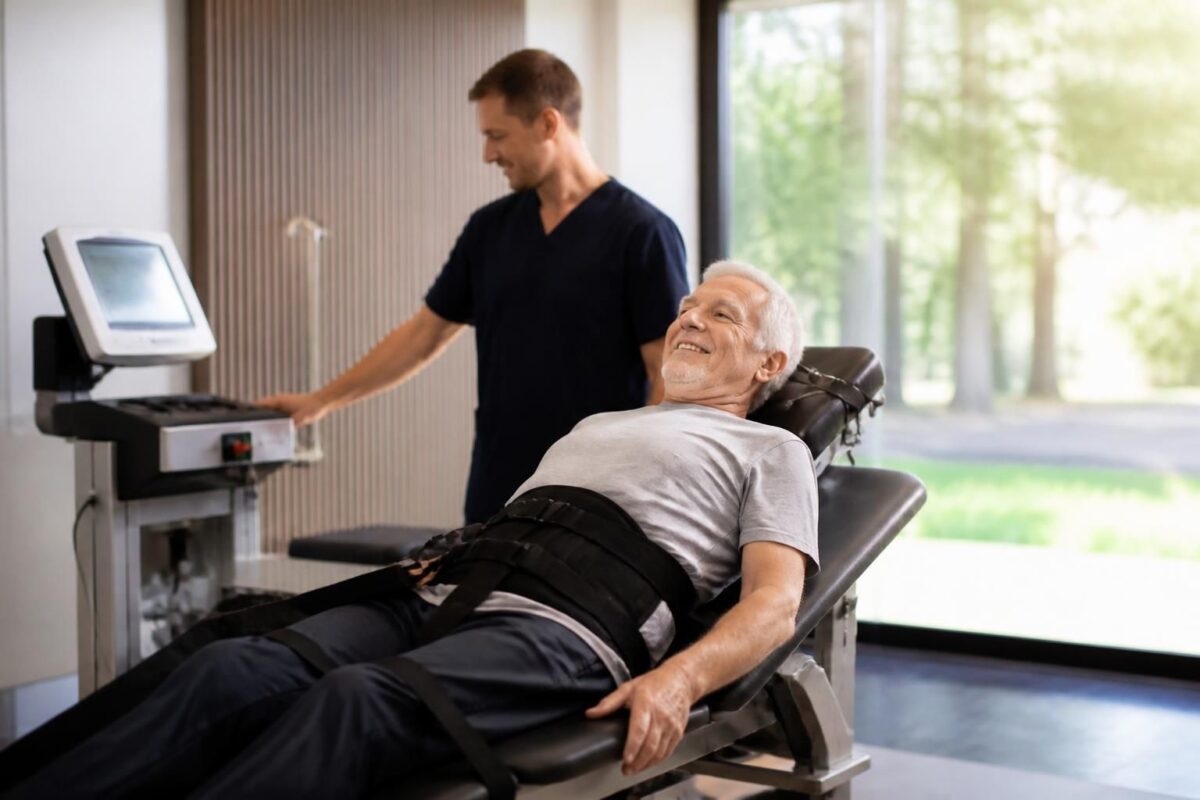
Why neurovertebral decompression is a lasting solution for active seniors
In short In short, the neurovertebral decompression is one Non-invasive therapy which sustainably relieves spinal pain in the spine active seniors By creating, by a Soft and controlled traction, a space between the vertebrae. At Montreal, it is recognized as…
Selection and security criteria
This approach is particularly suitable for patients with signs of disc degeneration or nerve compression without major contraindications. It can be considered when the symptoms progress slowly and the surgical risk is deemed high or undesirable. A prior assessment by a qualified practitioner is essential to verify the absence of fracture, infection, tumor or vertebral instability, which would be contraindications to decompression.
Security and efficiency are based on an application precise and personalized traction. Sessions carried out by an experienced professional make it possible to adjust the intensity, duration and progress of the treatment according to the patient’s tolerance and the evolution of the symptoms. Warning signs like aggravation of pain, new paresthesia or loss of strength require rapid reassessment.
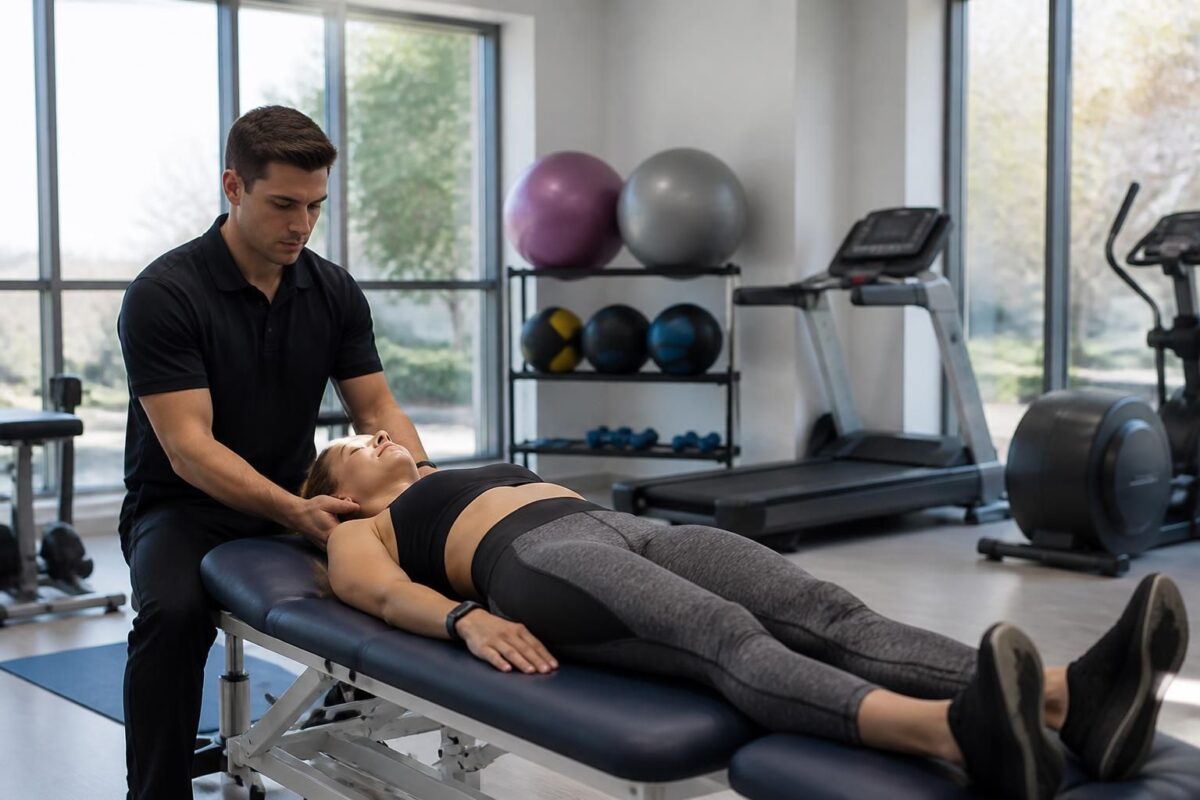
Neurovertebral decompression and recovery after severe sports injury
In short In short, the neurovertebral decompression is one Non-invasive method to Relieve the pressure on the Intervertebral discs and the gristle Via a Controlled traction, to facilitate the recovery After a severe sports injury. It improves the bloodstream towards…
Treatment plan and multidisciplinary integration
Standard plan and objectives
A typical plan takes place over several weeks, with regular sessions adapted to each patient (for example once or twice a week, adjusted according to the therapeutic response). The objective is to sustainably reduce pain, increase the range of motion and slow down degenerative progression by supporting disc regeneration and tissue hydration.
Periodic evaluations allow progress to be monitored, the protocol adjusted and new functional objectives, such as the smooth resumption of daily and sporting activities.
Integration with other therapies
Decompression fits ideally in an approach multidisciplinary. It can be associated with osteopathy, physiotherapy sessions, and, if necessary, with complementary techniques such as shockwave therapy or laser. Advice on posture, specific exercises and muscle-building programs stabilize the gains and strengthen spinal resistance in the long term.
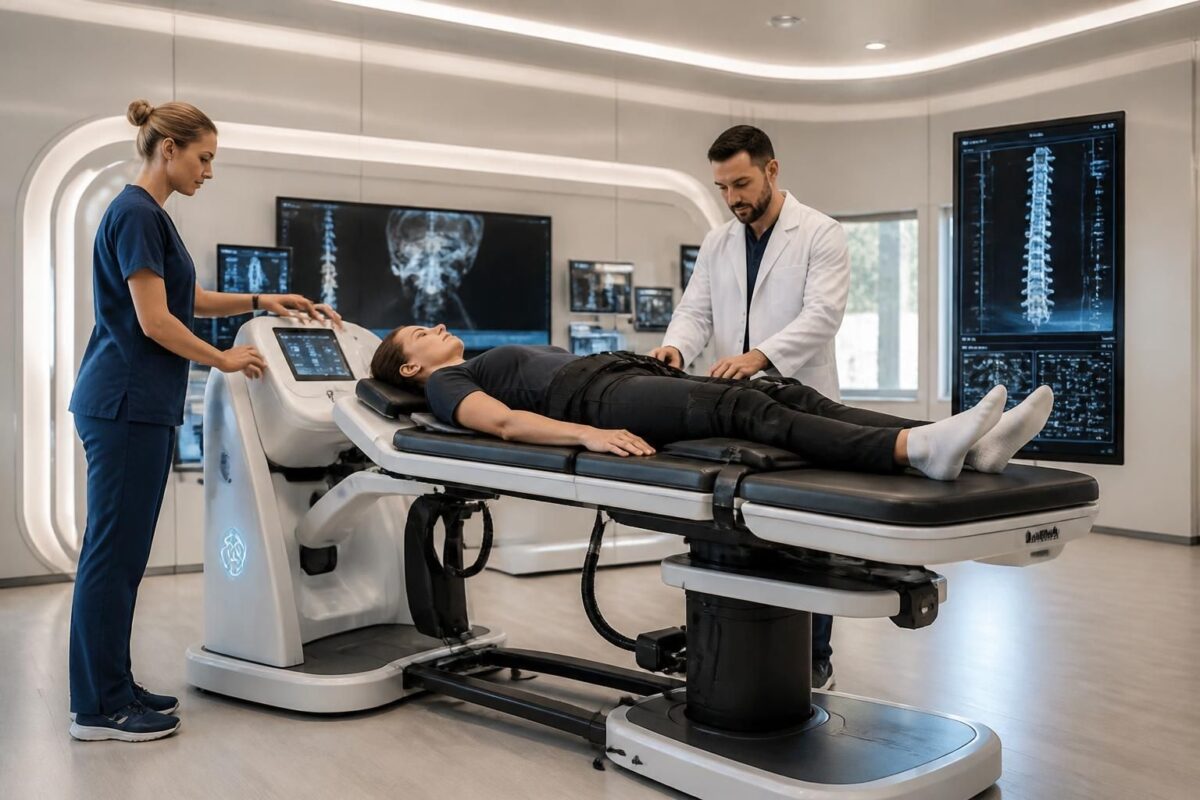
Recent innovations in neurovertebral decompression technologies
In short In short, the neurovertebral decompression is an approach non-invasive Aiming to reduce pressure on discs and nerves, and promote tissue regeneration. At Montreal, it is positioned as an effective option for lower back pain and herniated discs. The…
Effectiveness measures and progression prevention
To assess the impact of decompression on the progression of spinal pathologies, clinical and functional criteria, such as pain reduction, improvement in range of motion, and the ability to perform daily tasks are monitored without significant limitation. Objective indicators, including repeated imaging results or flexibility tests, can complement the subjective assessment.
Beyond immediate relief, the action of decompression aims to prevent the worsening of spinal conditions by promoting improved hydration and nutrition of the discs, maintaining correct alignment and reducing mechanical loads on the structures vertebral. This approach thus contributes to preserving the spinal function and quality of life of patients in the long term.
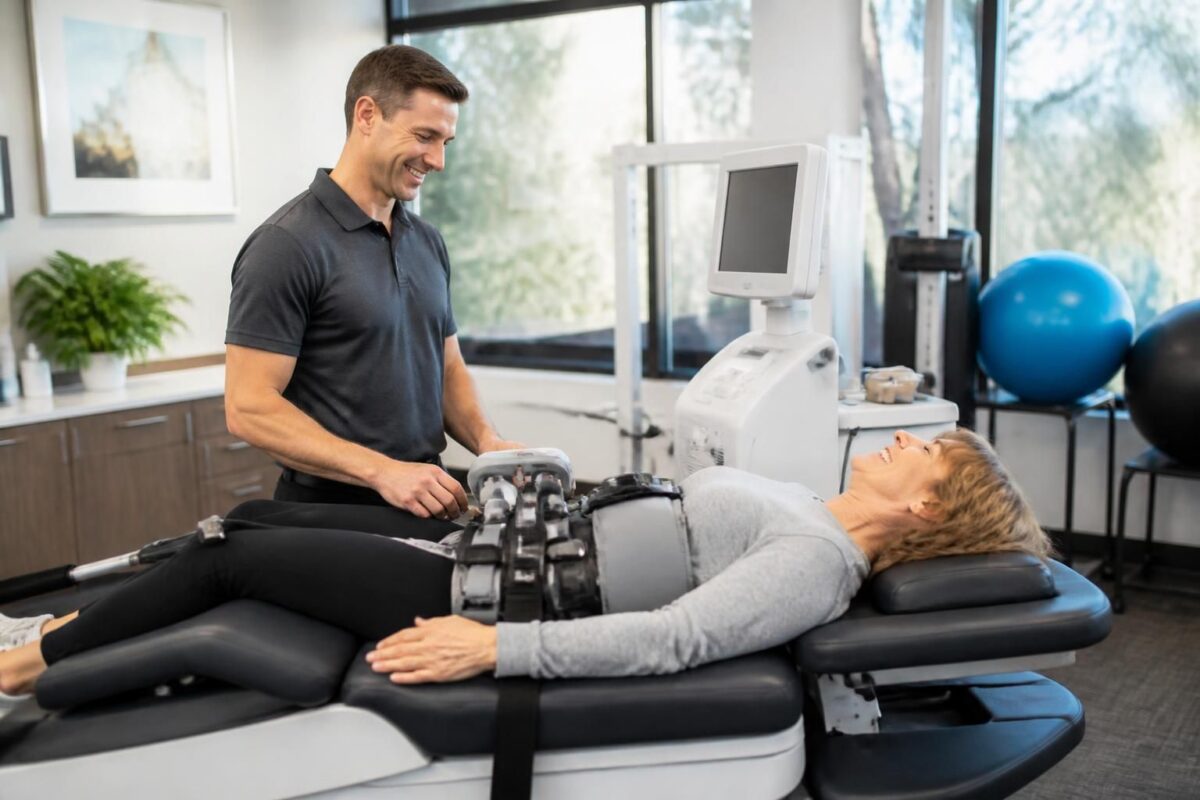
Neurovertebral decompression and diffuse pain: an appropriate solution
In short In short, the neurovertebral decompression is one Non-invasive solution For diffuse pain related to nerve irritation of the spine. She acts in Reducing pressure on intervertebral discs and nerves and improving the bloodstream, which promotes recovery and the…
Practical tips for optimizing results
To maximize benefits, it is advisable to strictly follow the prescribed plan and maintain an appropriate routine of postural and reinforcement exercises. Adequate hydration and balanced diet support tissue regeneration processes. Adopting a correct posture on a daily basis, avoiding sudden gestures and progressing slowly in physical activities promote the durability of effects. Finally, coordinating the sessions with the other therapists involved makes it possible to continuously adjust the protocol and optimize the results.
Prevention of the progression of spinal pathologies by neurovertebral decompression
| Aspect | Concise impact |
|---|---|
| Reduction of disc pressure and nerves | soft traction creates an intervertebral space that decreases the disc pressure and the nerves, slowing down the progression of pathologies. |
| Improved blood circulation | The bloodstream is improved to discs and spinal tissues, promoting nutrition and waste disposal. |
| Hydration and nutrition of discs | Increased disk hydration and essential nutrient intake thanks to better circulation. |
| Disk Regeneration Stimulation | By nourishing the tissues, decompression supports the natural mechanisms of regeneration and repair. |
| Reduction of muscle tension | release of Muscle tensions around the column decreases the constraints and protects the discs. |
| Mobility and alignment | the improvement of the mobility and from thealignment postural restores a more stable spinal function. |
| Pain and radiant symptoms | The relief of aches and symptoms help maintain activities and reduce the risk of aggravation. |
| Disc degeneration prevention | The prevention Disc degeneration is reinforced by load reduction and metabolic support. |
| Recovery after injury and relapse prevention | The recovery After injury is accelerated, with a quick return to activity. |
Testimonials: how neurovertebral decompression prevents the progression of spinal pathologies
“Before undertaking neurovertebral decompression, my lower back pain made it difficult every day. After a few sessions, I saw a Reduced nerve pressure and an Improving mobility. This approach helps me Prevent progression of my pathology and to find a certain serenity on a daily basis. »
“At 62, suffering from a herniated disc and radiant pain, I was apprehensive about surgery. Neurovertebral decompression gave me a pain reduction and an Better mobility, with the impression that my column holds better and that I can Prevent progression of my symptoms without surgery. »
“As a sportsman, I was afraid that my disc generation worsens. This therapy allowed me to Stimulation of regeneration and an Progression prevention troubles. I can resume my training with confidence and feel my spine more stable. »
“My 70-year-old mother suffered from pain related to stenosis. After treatment, she finds a Increased mobility and an Improved quality of life. We clearly observe a Preventing worsening And daily comfort found, which changes everything for her. »
“As an active patient, I was worried about the progression of my spinal pathology. Neurovertebral decompression gave me a Lasting pain reduction and an function preservation without surgery. I am more confident in my activities and I feel that my column is protected against progression. »
the journey of Dr. Sylvain Desforges is part of an integrated vision of the vertebral health, where prevention occupies a central place. Formerly involved in health innovation and engaged in the management of Chronic pain, he favors an evidence-based approach and combining advanced technologies with manual practices. Its action aims to prevent the evolution of Spinal pathologies By promoting the body’s natural ability to regenerate, rather than stick to symptomatic treatments.
The neurovertebral decompression is a method non-invasive which is based on controlled traction of the spine. By gradually creating a space between the vertebrae, it reduces the pressure exerted on the Intervertebral discs and the nerve roots. This pressure reduction facilitates the flow of fluids and essential nutrients to the tissues, while allowing better hydration of the discs. This approach directly aims to slow down or prevent degenerative alterations that characterize many spinal conditions.
From a prevention perspective, decompression acts as a stabilizer of the musculoskeletal system. By relieving the discs and releasing the nerves, it helps to slow down the progression of pathologies such as herniated discs, the disc generation and, when present, the Spinal stenosis. By reducing pain and spasms, it promotes better mobility and limits compensatory mechanisms that can lead to other pain and long-term postural imbalances.
The physiological mechanisms involved are multiple and complementary. A Improved blood circulation Supply nutrients to damaged tissues, thus accelerating the repair and maintenance of discs. The pressure reduction on discs and nerves allows a Increased hydration and a better Functioning of regeneration mechanisms. Added to this is a decrease in inflammation and muscle tension, which together promote a Improved flexibility and overall spinal alignment.
This approach is not considered in isolation but is part of a multidisciplinary strategy. In addition to other technologies and techniques—such as laser, shockwave therapies and rehabilitation protocols—neurovertebral decompression maximizes the chances of slowing pathways progression and offering quality of life reinforced. It also makes it possible to delay, when possible, surgery and to offer an alternative secure and tolerable For patients.
The practical framework that surrounds these treatments is based on a lasting and personalized care philosophy. Through accurate assessment, treatment plans are adjusted to each patient’s individual progression, taking into account symptoms, physical constraints and life goals. This personalization is at the heart of the approach of prevention and of rehabilitation vertebral, in order to preserve the integrity and function of the spine in the long term.
As a pioneer in TagMed clinics and within the ACMA association, the approach described is based on a holistic vision where neurovertebral decompression Is integrated into a care architecture that promotes mobility, lasting pain reduction and maintaining an aligned spine. This framework promotes the emergence of a balance between active prevention and appropriate management of symptoms, in order to slow down the progression of spinal pathologies and to improve daily life.
Quick Summary: This article details how the neurovertebral decompression can prevent the progression of spinal pathologies by reducing the pressure on the Intervertebral discs and the nerves, improving the bloodstream and thehydration discs, and supporting a regeneration natural, all in an approach multimodal and non-invasive accessible in Montreal.
The neurovertebral decompression Acts on several key mechanisms which, together, slow down or prevent the progression of spinal pathologies. First, controlled traction creates An intervertebral space which decreases the pressure on the Intervertebral discs and nerve roots, releasing tension and improving mobility. This pressure reduction facilitates the Fluid circulation and nutrient intake, promoting Hydration and tissue nutrition, essential elements for the regeneration discs and reduced inflammation.
As a result, patients often find a Improving mobility and an pain reduction which, in the long term, contribute to delaying the progression of degenerative pathologies such as Spinal stenosis and the slipped disc. By strengthening the interverteral space and facilitating alignment, this approach can limit painful episodes and prevent recurrences, sometimes avoiding more invasive interventions.
Decompression should ideally be part of a care plan multimodal including advice onphysical activity, the posture and relaxation techniques, in order to optimize the results and ensure the sustainability of the benefits. Complementary technologies such as Shockwave therapy or the laser can increase efficiency as appropriate.
In terms of security, this method is non-invasive and generally well tolerated, offering a reliable option for patients who wish to avoid surgery and limit the associated risks. Each plan is personalized according to the state of the discs and the symptoms, in order to maximize the chances of stabilizing or reversing certain attacks and improving the quality of life.
To deepen and access additional resources on the benefits and mechanisms of neurovertebral decompression, you can consult specialized resources such as SOS#ATFP_CLOSE_TRANSLATE_SPAN# Disc herniation, TagMed#ATFP_CLOSE_TRANSLATE_SPAN# – Support for disk regeneration, or the articles explaining the approach and the associated evidence on Wikipedia.#ATFP_CLOSE_TRANSLATE_SPAN# Other useful resources include A#ATFP_CLOSE_TRANSLATE_SPAN# Complementary therapy to prevent spinal stenosis progression and Prevention#ATFP_CLOSE_TRANSLATE_SPAN# Relapses of lower back pain, which offer practical details and testimonials.

Dr Sylvain Desforges, B.Sc., D.O., N.D., osteopath, is the founding president of TAGMED and of the ACMA association. He dedicates his practice to chronic spinal pain, low back pain and symptoms compatible with sciatica, particularly when pain radiates toward the buttock, leg, calf, foot or toes.
Through SOS Sciatique, he publishes educational content on sciatica symptoms, possible causes such as disc herniation, disc narrowing, foraminal stenosis or irritation of a lumbar nerve root, as well as non-surgical approaches that may be considered according to the evaluation. At Clinique TAGMED, care may include, depending on the case, motorized neurovertebral decompression, specific osteopathic care or precision percussion.
For an evaluation related to sciatica treatment in Montreal / Mount Royal or sciatica treatment in Terrebonne, please consult the services available at Clinique TAGMED.
Medical disclaimer
The information published on SOS Sciatique is provided for educational purposes only and does not replace a consultation, diagnosis, opinion or treatment provided by a physician or another authorized healthcare professional. The author of this article is neither a medical doctor nor a specialist in a medical specialty recognized by the Collège des médecins du Québec. The osteopathic, manual medicine or functional support approaches described on this site do not constitute medical acts and are not intended to replace medical follow-up.
Consult a physician or emergency service in cases of loss of bladder or bowel control, anesthesia in the saddle area, significant or progressive weakness in the leg or foot, fever, recent trauma, severe pain or rapid worsening of symptoms. For more details, please read our Legal Notice.