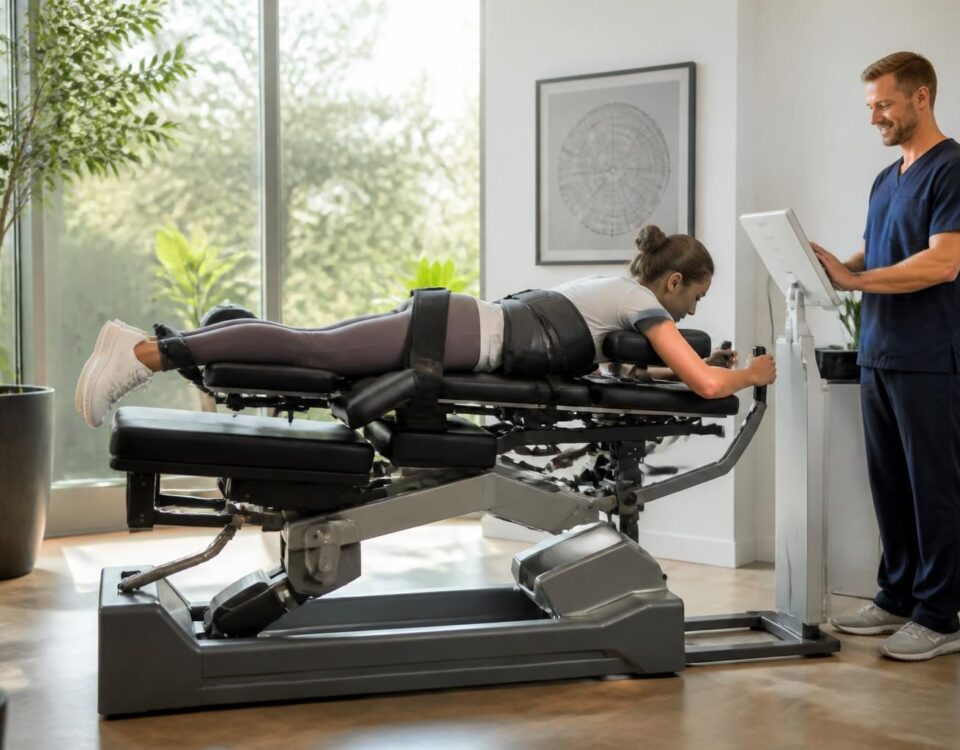
Why neurovertebral decompression is essential after a sports injury
26/06/2026
Neurovertebral decompression and persistent lower back pain: effective solutions
26/06/2026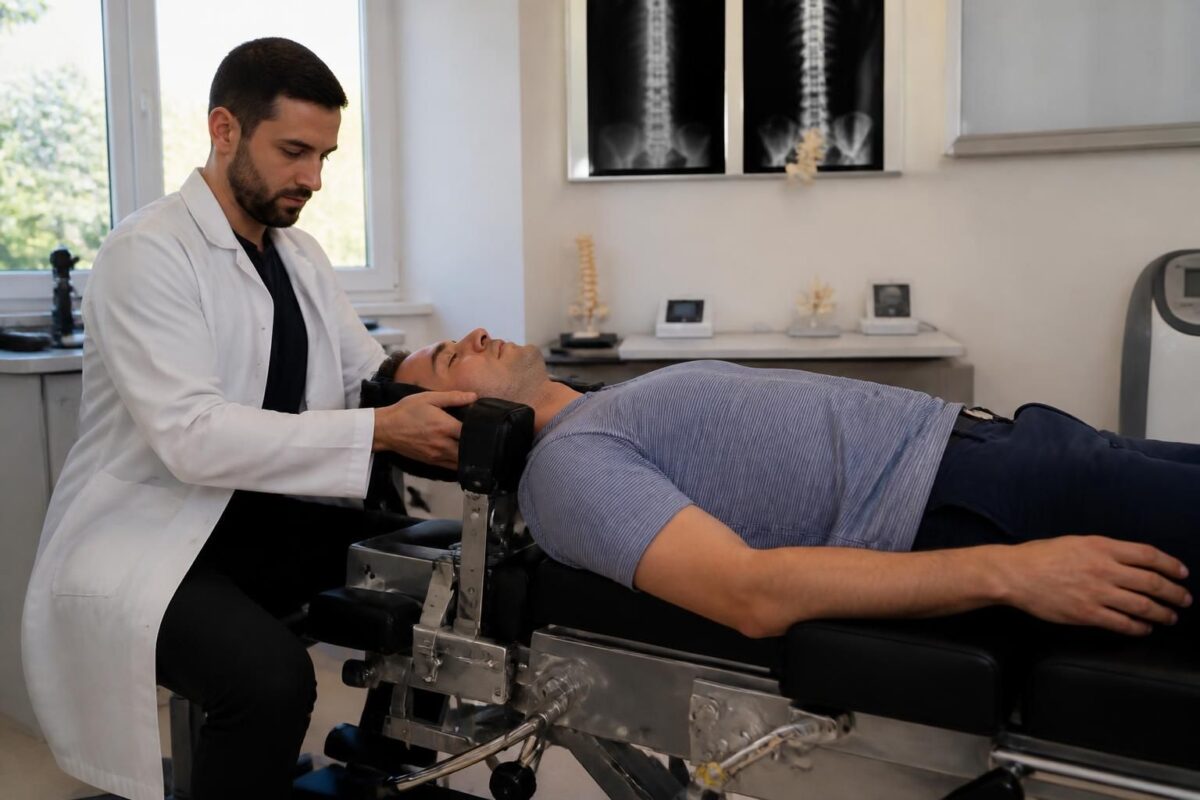
In short
| In short, Advanced techniques in neurovertebral decompression for the neck pain offer a Non-invasive solution To relieve the pressure on the gristle and on the Intervertebral discs. This approach improves the mobility, the bloodstream and the Restful sleep, contributing to a quality of life found. At Montreal, this service is accessible and may constitute a Safe alternative surgery or drug treatments for advanced cervical pathologies. In practice, it involves a Controlled traction which creates a space between the vertebrae and reduces the pressure on the Nerves and discs, with quick and lasting results. |
Advanced techniques in neurovertebral decompression for neck pain
- neurovertebral decompression non-invasive using a Controlled traction To create a space between the vertebrae and reduce the pressure on the Intervertebral discs and the cervical nerves.
- Integration of Computerized technologies and of Decompression tables allowing real-time adjustment and personalized processing.
- use of advanced systems such as DRX9000 and other platforms that combine traction and relaxation to optimize efficiency and comfort.
- Complementary approaches: laser, shock waves and Pulse Align Neuro-Modulation To reduce inflammation and promote tissue healing.
- Common indications: Cervical disc herniation, Foraminal stenosis and cervical degeneration.
- Advantages: Reduced pain, Improving mobility and of sleep, better posture and reduction of invasive treatments.
- Duration of typical sessions: 30 to 60 minutes, with Personalized follow-up and exercise recommendations to strengthen the neck and maintain gains.
This summary presents the Advanced techniques in neurovertebral decompression For neck pain. It describes the principles, technologies, indications and results observed, while underlining the importance of professional clinical support and a non-invasive framework. The goal is to clearly expose how these approaches improve pain, mobility and sleep in patients, without the need for surgery or heavy drug treatments.
Controlled traction and computerized tables
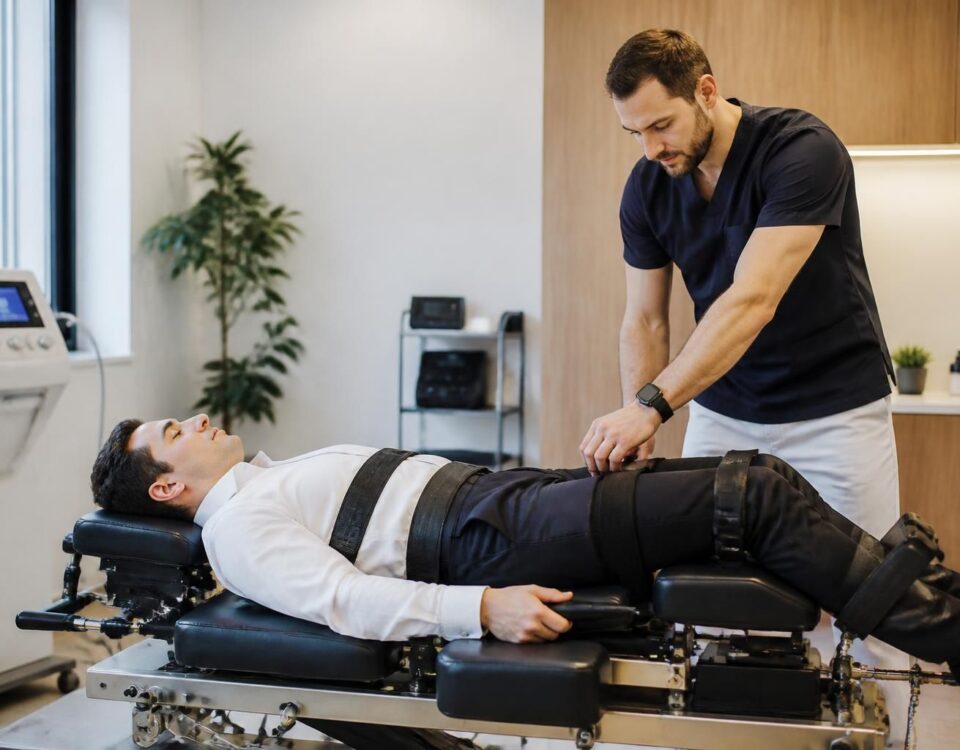
Decompression is based on traction controlled applied to the cervical spine. of Computerized tables Adjust the parameters in real time, in order to create a space between the vertebrae and reduce the pressure exerted on the discs and cervical nerves. This approach promotes gradual recovery and non-invasive, without incision or surgery. To learn more about technological aspects, see the associated resources on sites dedicated to neurovertebral decompression.
Intervertebral discs and nerve resistance
By gradually releasing the pressure on the nerve structures of the neck, decompression facilitates better local blood circulation and contributes to better tissue nutrition. This can result in increased mobility and decreased cervical pain, especially in older people with degenerative signs or disc protrusions. For additional information, see the resources dedicated to neurovertebral decompression.
Integration of non-invasive complementary therapies
Modern approaches sometimes associate decompression with non-invasive techniques that support global recovery. These technologies are part of a coordinated care setting and can be used in specialized clinics such as Tagmed Clinic in Montreal or Terrebonne. For additional lighting, you can consult specialized resources on platforms dedicated to the lumbar and brain.
Indications and safety
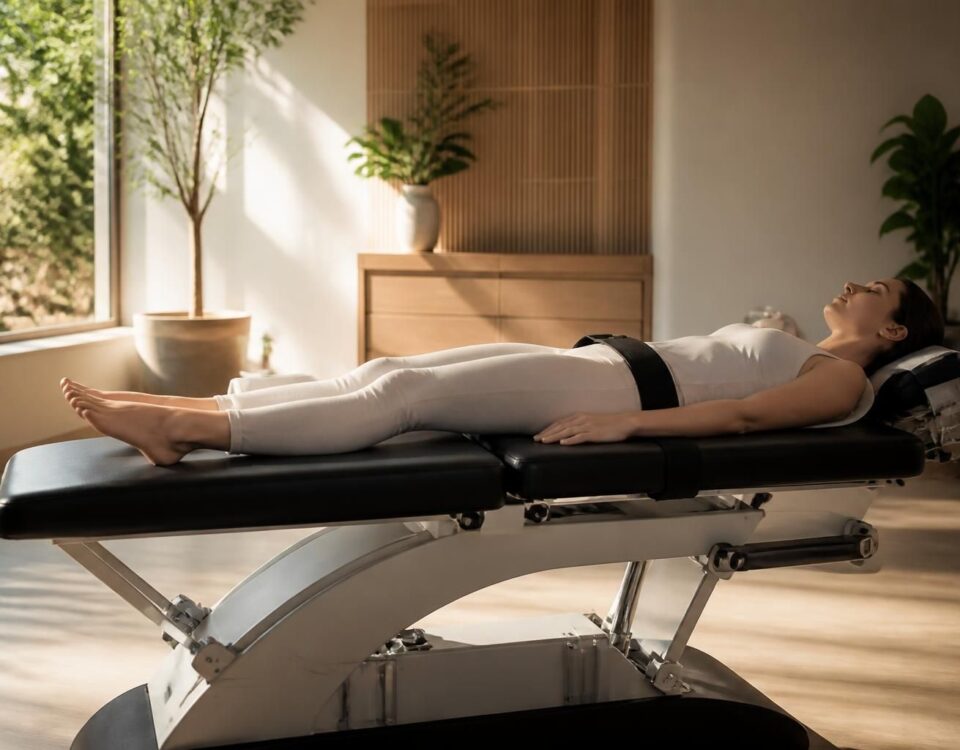
The main indications concern advanced cervical conditions requiring a mechanical reduction in pressure on the nerves and discs. This includes disc protrusions, foraminal stenosis and degenerative processes of the cervical spine. Before any session, a clinical evaluation is carried out by a qualified professional to determine the safest and most effective protocol. The typical session generally lasts between 30 and 60 minutes and takes place on a suitable table in a secure clinical setting. Treatment is seen as a non-surgical alternative when the potential benefits outweigh the risks.
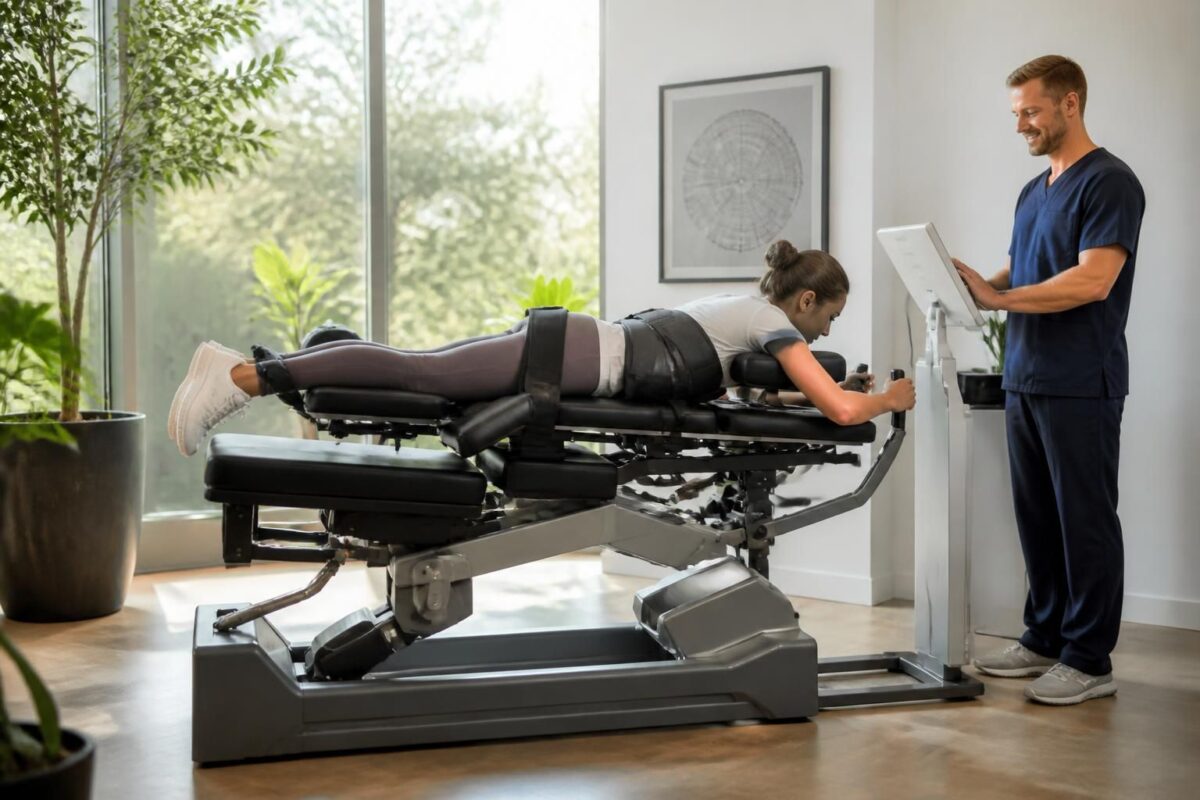
The long-term benefits of neurovertebral decompression for spinal health
In short In short, the neurovertebral decompression is a non-invasive approach that decreases the Pressure on intervertebral discs and nerves, favoring the Natural regeneration and tissue recovery. Its long-term benefits include Lasting pain reduction, Improving mobility and from the posture,…
Consultation process and conduct of sessions
The course begins with a precise assessment, combining history, imaging when necessary and patient tolerance. The protocol is personalized and supervised by competent professionals. Follow-up may include lifestyle and postural advice, without requiring exercises or stretching as part of the decompression treatment itself.

Neurovertebral decompression and mobility: a return to an active life
In short In short, the neurovertebral decompression is therapy non-invasive who uses a gentle traction To create a space between the vertebrae and reduce the pressure on the Intervertebral discs and the nerves. It promotes a bloodstream improved, lowers tension…
What patients report and expected results
Patients frequently mention a rapid pain reduction, a Better mobility and one Improved sleep After a few sessions. They also note a feeling of increased support from the cervical spine, which facilitates the resumption of daily activities. These results are part of a non-invasive perspective and often avoid the use of long-term drugs.
To deepen technical aspects and clinical feedback, see dedicated resources on specialized platforms and partner clinic pages.
Additional resources and general information can be accessed via the following links: SOS SCIATIC, SOS Herniated Disc, SOS Herniated Disc, and SostunnelCarpal, with additional details on the technologies and results observed in specialized clinics.
To access additional information on technologies and protocols, consult the resources presented by Decompression technologies and the information pages of Tagmed Clinic.
The options available in TagMed and Partner clinics include integrated and non-invasive approaches that focus on comprehensive and sustainable management of cervical pain. Additional details can be found on associated pages and relevant institutional resources.
Medical Disclaimer: The information and advice provided on this site does not replace the health professional’s diagnosis or treatment. Please note that Dr. Sylvain Desforges osteopath is neither a doctor of medicine nor a doctor, and is not a specialist in a medical specialty as defined by the Collège des Médecins du Québec. Manual medicine, functional medicine and sports medicine as described on this site exclude any medical treatment or diagnosis made by a doctor or specialist doctor. Always consult your doctor for any medical questions. For more details, please read our full legal notice. »

This article presents the Advanced techniques in neurovertebral decompression For cervical pain, focusing on mechanisms, indications and safety conditions, as well as integration with complementary therapies and personalized follow-up to optimize relief and function.
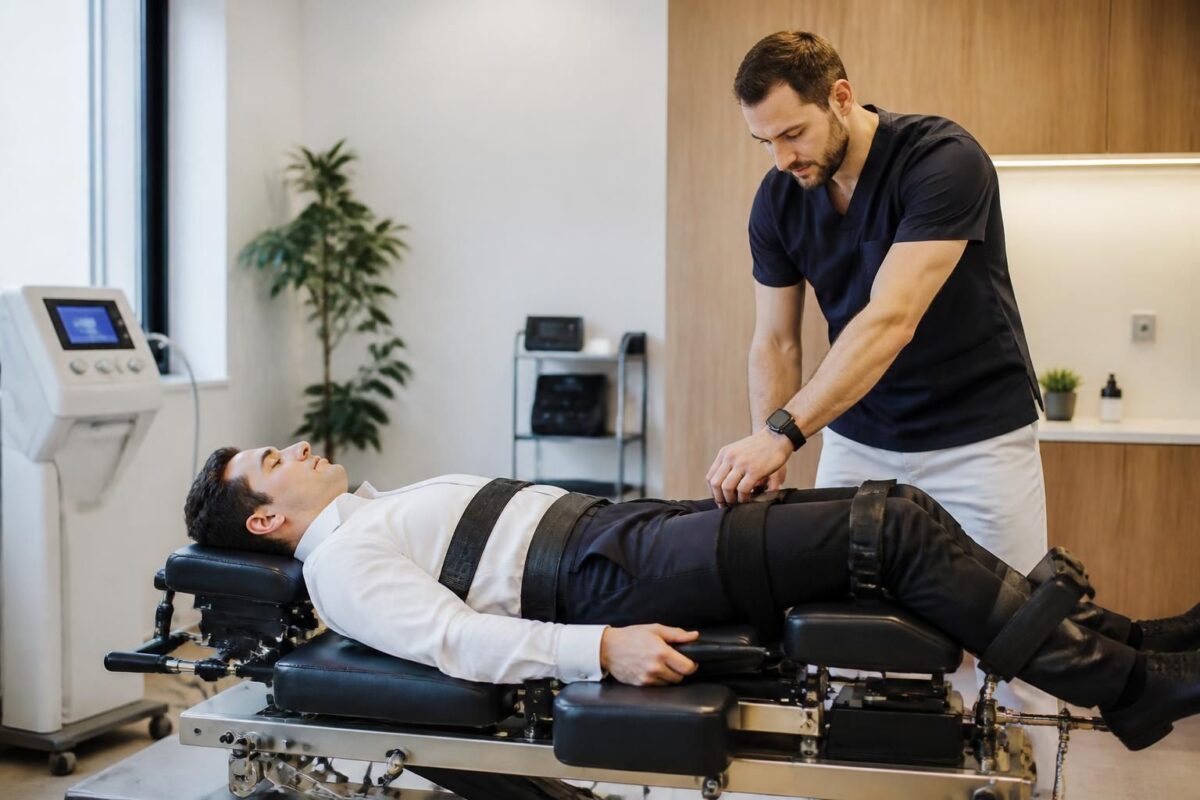
How Neurovertebral Decompression Prevents Diffuse Chronic Pain
In short decompression neurovertebral is one Non-invasive method aimed at reducing the Pressure on the intervertebral discs and the nerves, in order to prevent Diffuse chronic pain. It improves the circulation and thedisc hydration, decreases inflammation and promotes better mobility.…
Advanced Techniques Overview
Modern neurovertebral decompression combines controlled traction systems with intelligent protocols that adjust settings in real time. The objective is to create a space between the cervical vertebrae in order to reduce the pressure on the discs and nerves, while respecting an approach non-invasive and focused on patient comfort.
In an optimal context, these techniques are part of a global care plan, where pre-treatment evaluation allows the method to be adapted to the individual profile. Sessions, generally performed on tables equipped with computerized technologies, aim for a progressive reduction in pain, an improvement in mobility and a better quality of sleep.
Computerized traction and dynamic adjustment
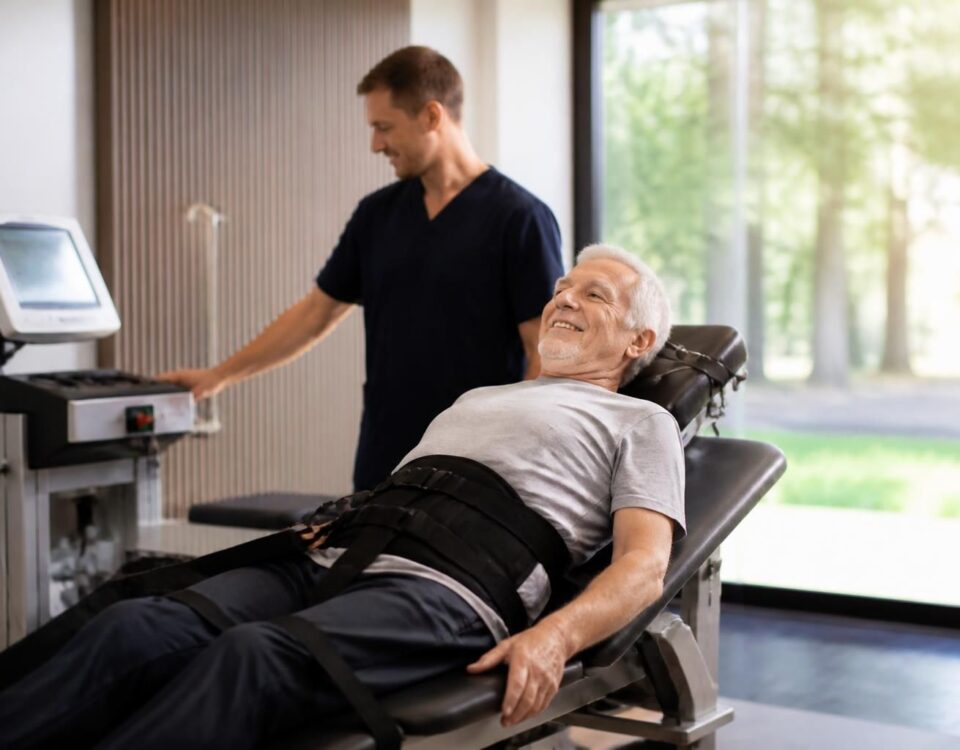
traction systems computerized Measure patient responses and instantly adjust session intensity and duration. This personalized approach increases therapeutic efficacy while minimizing risks, especially in the elderly or with a history of vertebral fragility. The process provides targeted relief, by modulating the tensile force according to tolerance and clinical results.
To achieve lasting results, it is crucial to combine traction with targeted exercises and postural advice. The objective is not only to reduce pain, but also to restore optimal cervical alignment and promote tissue recovery.
associated non-invasive techniques
In addition to traction, complementary approaches, Therapeutic laser and shock waves Can be integrated to reduce local inflammation and stimulate soft tissue healing. Some multi-service platforms combine traction, relaxation and stimulation to provide more comprehensive support, while remaining non-invasive.
Light neuromodulation and biofeedback protocols can also help optimize neck muscle coordination, supporting spinal posture and stability during daily activities.
Precautions and safety
A rigorous selection of patients is essential. The contraindications include certain conditions of advanced osteoporosis, cervical instability or neurological pathologies requiring a specialized evaluation. A clinical assessment and, if necessary, additional imaging is recommended before starting any treatment.
Throughout the course, the patient must be followed by a qualified professional and be attentive to the signals of his body in order to adapt the protocol and avoid any aggravation.
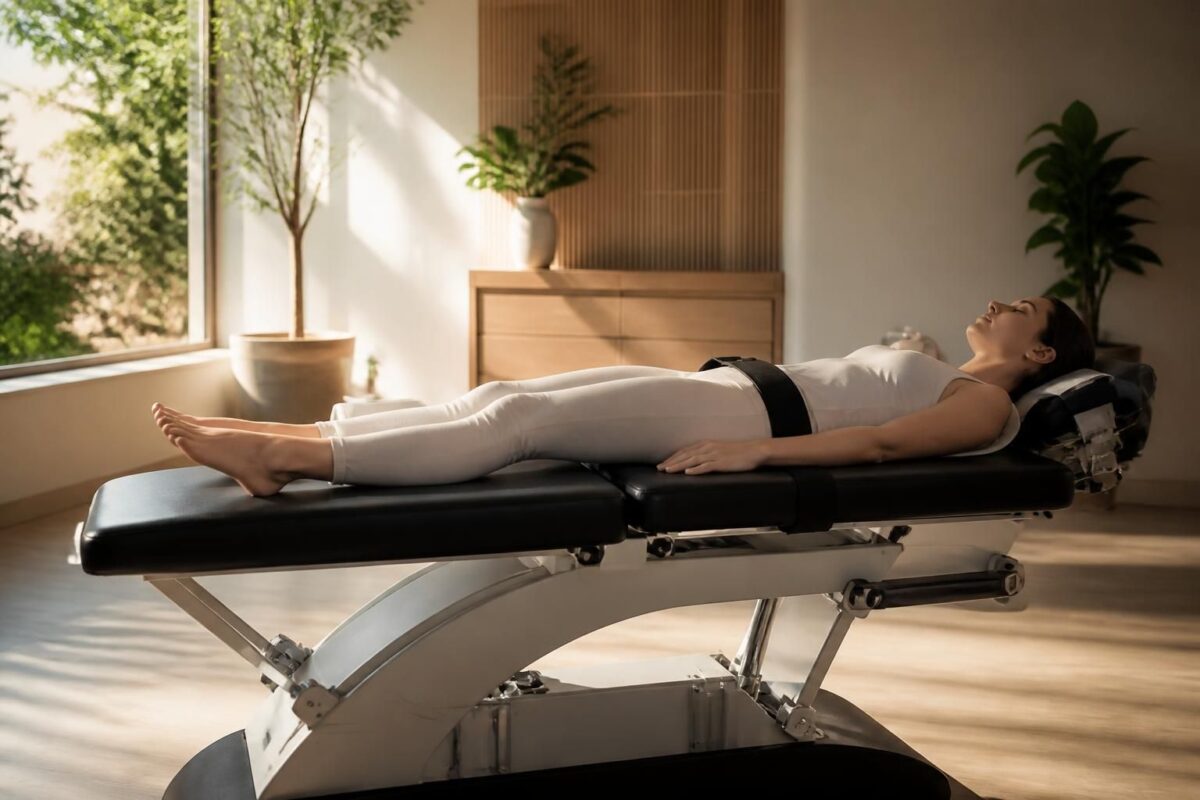
Neurovertebral Decompression and Body Alignment: Restoring Natural Balance
In short In short, neurovertebral decompression is one Non-invasive approach who restores theBody Alignment and thenatural balance back and neck. She acts by a Controlled traction of the spine to widen the intervertebral space and reduce the Pressure on discs…
Personalized integration and follow-up
To maximize results, decompression must be part of a holistic care plan. This includes exercises to strengthen the neck and upper back muscles, ergonomic advice and daily routines adapted to the patient’s lifestyle. Regular monitoring helps assess progress and adjust the program, focusing on relapse prevention and sustainable posture improvement.
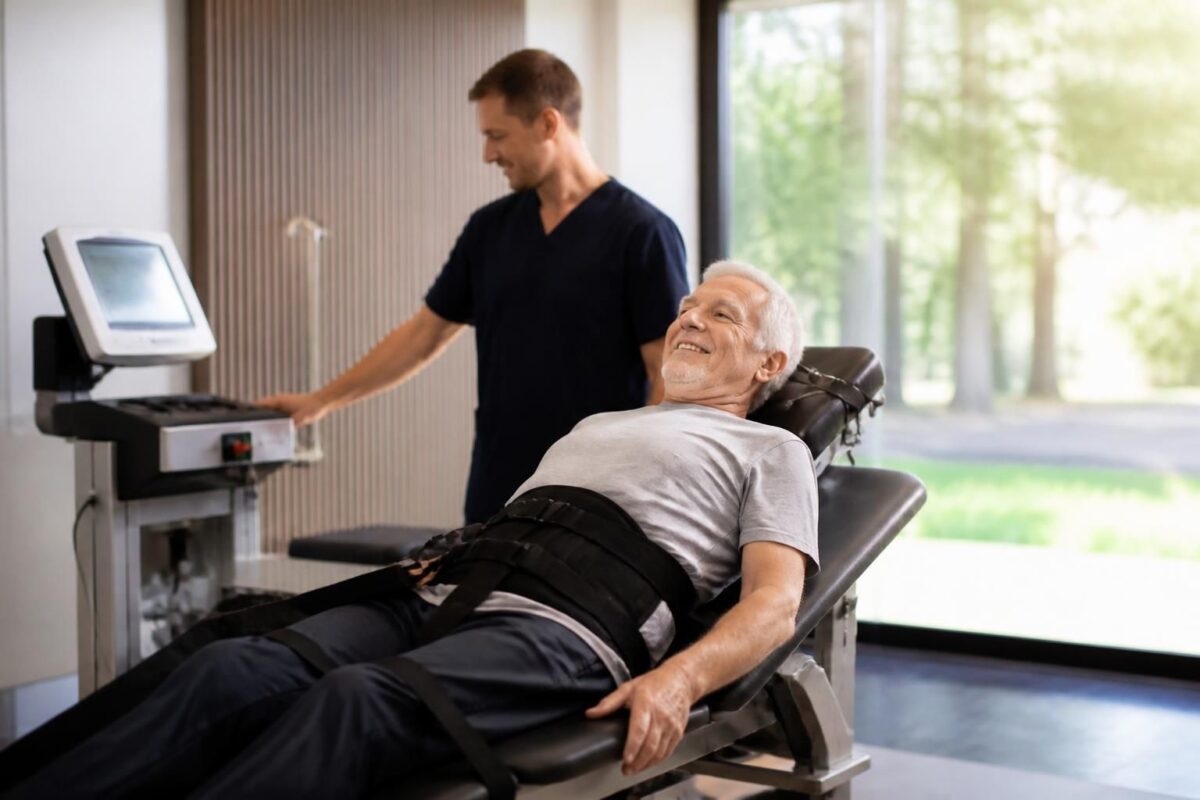
Why neurovertebral decompression is a lasting solution for active seniors
In short In short, the neurovertebral decompression is one Non-invasive therapy which sustainably relieves spinal pain in the spine active seniors By creating, by a Soft and controlled traction, a space between the vertebrae. At Montreal, it is recognized as…
Indications, efficacy and practical recommendations
Practical recommendations emphasize an accurate initial assessment and measured progression of the sessions. patients typically report a rapid pain reduction, better range of motion and more restful sleep after the first few weeks. To optimize the results, it is advisable to associate decompression with an adapted physical activity routine and stress management strategies.
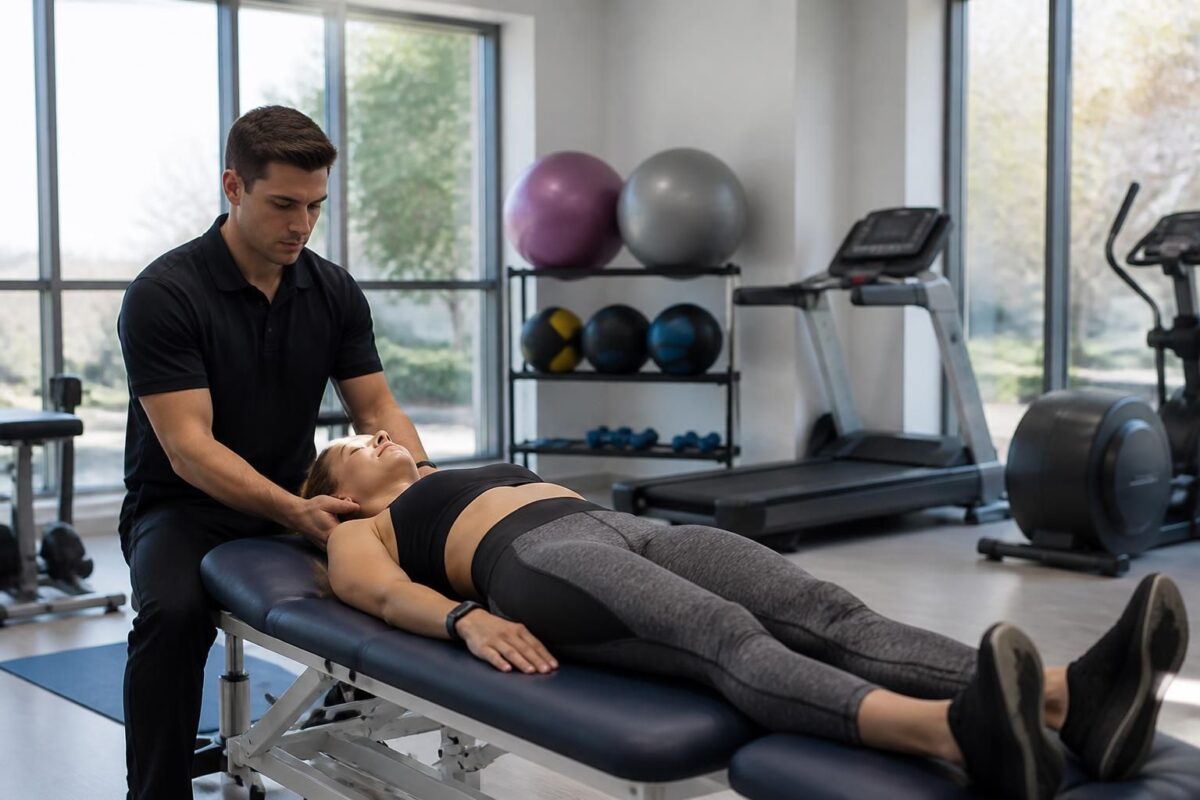
Neurovertebral decompression and recovery after severe sports injury
In short In short, the neurovertebral decompression is one Non-invasive method to Relieve the pressure on the Intervertebral discs and the gristle Via a Controlled traction, to facilitate the recovery After a severe sports injury. It improves the bloodstream towards…
Advanced techniques in neurovertebral decompression for neck pain
| Technical | Concise description |
|---|---|
| Computer-assisted neurovertebral decompression | Traction controlled which creates a space between the vertebrae and decreases the pressure on the discs and nerves, improving circulation without surgery. |
| Targeted low amplitude cervical traction | Application Smooth and progressive On the neck to release nerves and discs, promoting mobility and postural comfort. |
| Computerized devices and real-time adjustment | parameters adjusted in real time via sensors, offering an approach personalized and more comfortable. |
| DRX9000 Devices and Related Options | Association of traction and of relaxation To reduce disc pressures and improve blood flow. |
| Integrated laser therapy | therapeutic laser aimed at Reduce inflammation and to promote tissue repair around the cervical. |
| Shockwave therapy | stimulation which Promotes regeneration and decreases pain, with improved mobility. |
| Neuromodulation Pulse Align | Impulse vibrations targeted on the mechanoreceptors to restore the muscle balance and release tension. |
| Personalized tracking and adjustments | continuous evaluation, adjustments of the protocol and recommendations of cervical exercises for better posture. |
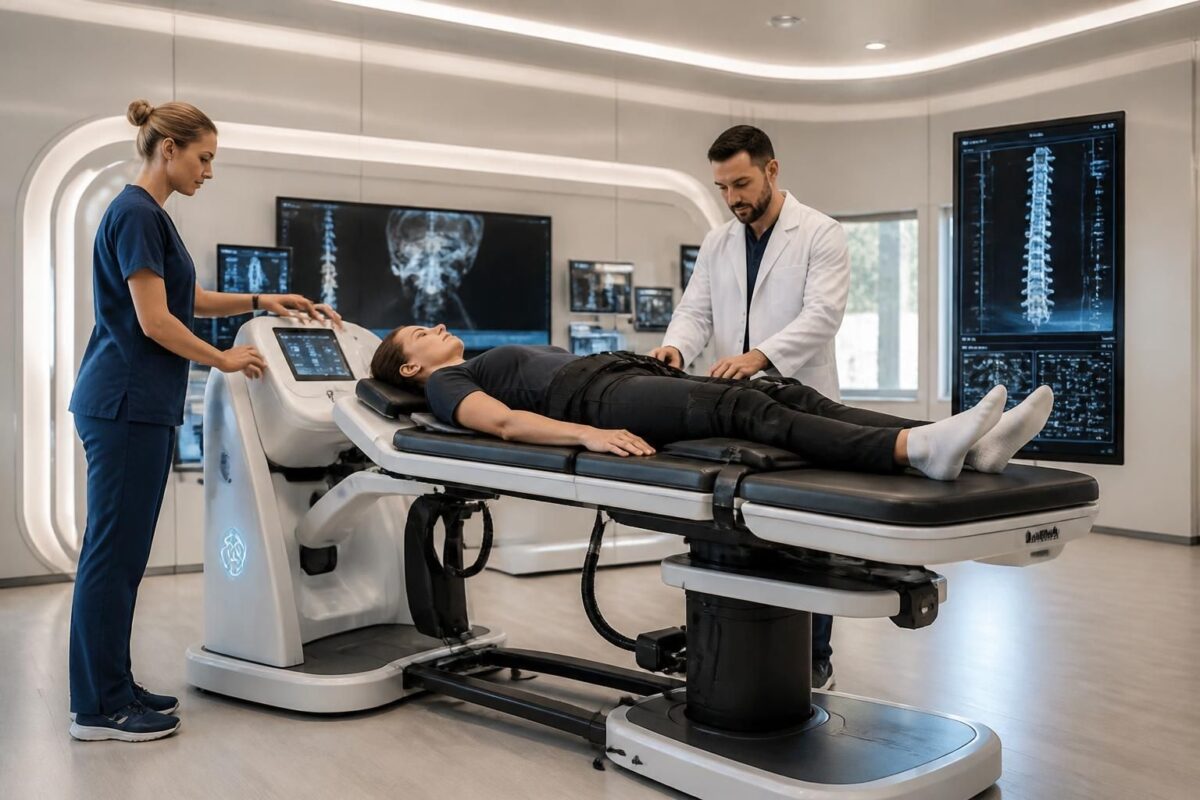
Recent innovations in neurovertebral decompression technologies
In short In short, the neurovertebral decompression is an approach non-invasive Aiming to reduce pressure on discs and nerves, and promote tissue regeneration. At Montreal, it is positioned as an effective option for lower back pain and herniated discs. The…
Testimonials on advanced techniques in neurovertebral decompression for neck pain
Marc, 66, tells how the neurovertebral decompression transformed his daily life. “After a few sessions, the pressure on my nerves decreased and I found an amplitude of movement that I thought was lost. My cervical pain no longer prevents me from sleeping; I fall asleep better and wake up less tense. It’s an approach non-invasive and personalized, adapted to my needs, which acts directly on the mechanical causes of pain. »
Isabelle, 58, testifies to the effectiveness of technologies progress used during the sessions. “The traction is applied in a controlled and real-time way by a computerized system. There is a feeling of progressive relaxation in the neck, and the migraines linked to the tension decrease. It is reassuring to know that each session is adapted to my feelings of the day, with quick and lasting results. »
Jean, 72, shares his experience on improving mobility and from the posture. “Before, a simple rotation of the head was enough to trigger acute pain. Today, I find better endurance and I can move without thinking at each step. Decompression acts as a natural recovery of the tissues around the vertebrae, and I sleep better thanks to a reduction in nocturnal tensions. It’s a solution secure and fresh For seniors. »
Clara, 64, underlines the role of Personalized follow-up and complementary therapies. “My therapist combined decompression with targeted exercises and postural advice. The result is tangible: less pain on a daily basis, more clarity in my movements and a restful sleep that accompanies me every night. It is a holistic approach that respects my body and my limits. »
Louis, 69, insists on the character non-invasive and the benefit on the quality of life. “I had considered surgery, but decompression offered an effective alternative without surgery. The sessions are comfortable, and we feel a gradual reduction in cervical pain and stiffness. I feel freer in my daily gestures and less dependent on analgesics. »
Emma, 55, talks about the importance of Associated technologies in his journey. “In addition to traction, I benefited from support with complementary therapies such as laser and stimulation methods. This synergy accelerated recovery and allowed a marked decrease in inflammation, which changed my ability to resume my sports activities without pain. »
Pauline, 61, concludes on the speed of the effects and the safety of the treatment. “I felt relief from the first sessions and a constant improvement over the course of the treatments. It is reassuring to know that the protocols are supervised by experienced professionals and that the parameters are adjusted according to my feelings and my progress. For me it’s a solution effective, quick and body respectful. »
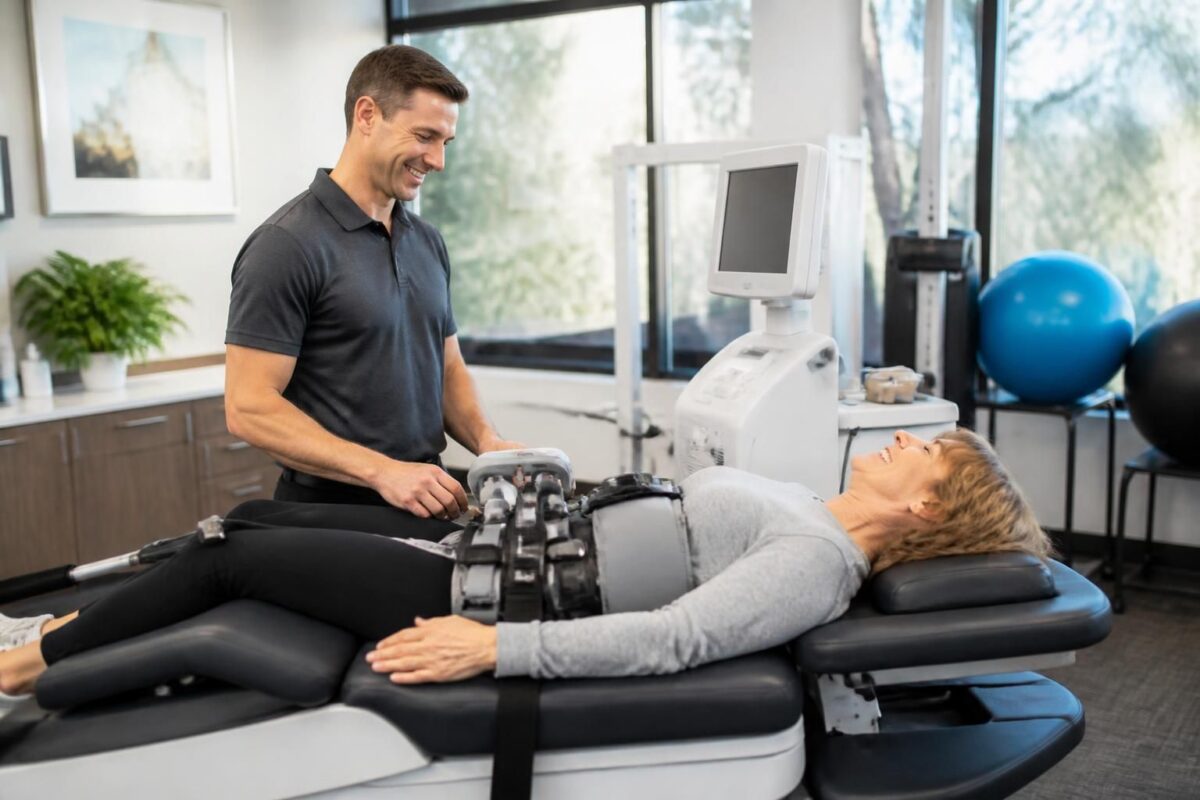
Neurovertebral decompression and diffuse pain: an appropriate solution
In short In short, the neurovertebral decompression is one Non-invasive solution For diffuse pain related to nerve irritation of the spine. She acts in Reducing pressure on intervertebral discs and nerves and improving the bloodstream, which promotes recovery and the…
Advanced techniques in neurovertebral decompression for neck pain
Dr. Sylvain Desforges is recognized as an expert in osteopathy, naturopathy and manual medicine. Founding president of the Tagmed clinics and the ACMA association, he carries an approach focused on health innovation. His career is directed towards the management of Chronic pain and the integration of advanced technologies to optimize the quality of life of its patients. Its commitment is to offer care based on scientific evidence, adapted to each individual and focused on sustainable well-being.
neurovertebral decompression is a modern, non-invasive therapeutic approach that involves applying controlled traction to the spine to create a space between the vertebrae. This action reduces the pressure exerted on the intervertebral discs and on the cervical nerves, which promotes pain relief and improves local microcirculation. By directly targeting painful structures, this technique can help restore postural balance and accelerate the recovery of soft and nervous tissues.
The indications particularly cover advanced cervical pathologies, such as cervical herniated discs and degenerative disorders reproaching for marked nerve tension. In these contexts, neurovertebral decompression aims to reduce mechanical pressures, improve blood supply and facilitate smoother movements. For elderly patients, it offers a non-surgical alternative that can limit the progression of symptoms and reduce addiction to drug treatments.
The course of the sessions is based on a preliminary evaluation by a qualified professional. This step makes it possible to adjust the approach according to the profile and specific needs of each patient. The sessions generally last between 30 and 60 minutes, and the patient is comfortably installed on a specialized table. The care plan is personalized, with a progressive follow-up that takes into account the evolution of pain, mobility and posture.
Advanced techniques associated with neurovertebral decompression enhance the effectiveness of treatment. The use of the therapeutic laser can address inflammation and promote tissue regeneration, while shockwave therapies support healing of painful structures and improve local vascularization. Some clinics also incorporate computerized systems that adjust traction and relaxation parameters in real time, providing a more accurate and personalized treatment experience.
Expected benefits include a marked reduction in pain, regained mobility and more restful sleep. By promoting better circulation and releasing nervous tensions, neurovertebral decompression helps prevent aggravation and limit the use of drugs in the long term. This approach is particularly suitable for seniors with chronic cervical pain, who are looking for an effective, safe and non-invasive solution to improve their daily lives.
Beyond the technique itself, Dr. Desforges favors a holistic and personalized approach. The follow-up includes recommendations for targeted exercises, postural counseling and lifestyle adjustments to support the progress achieved by decompression sessions. This orientation makes it possible not only to obtain lasting relief but also to strengthen the stability and resilience of the spine in the long term.
Quick summary: This conclusion summarizes the Advanced Techniques in neurovertebral decompression for cervical pain, focusing on approaches non-invasive, computerized systems, mechanisms of action and clinical benefits, while emphasizing the importance of a personalized care plan and regular monitoring.
The Advanced techniques in neurovertebral decompression constitute an effective approach and personalized To treat cervical pain, especially when disc pathologies advance and limit mobility. favoring protocols non-invasive And controlled tractive forces, they aim to increase the intervertebral space, reduce the pressure on the nerves and promote the recovery of tissues. This approach often allows a rapid reduction in pain and an improvement in the mobility, while improving the bloodstream and sleep.
systems computerized and modern decompression tables allow a Real-time adjustment traction parameters. Devices like the DRX9000™ illustrate this trend by combining traction and relaxation to provide treatment specific and comfortable. This customization capacity enhances the safety and effectiveness of treatment, adapting precisely to the profile of each patient.
Beyond the decompression itself, the Complementary therapies such as the laser therapy and the shock waves Provide inflammatory and tissue support, accelerating recovery and potentiating results. The neuromodulation by Pulse Align Provides targeted action on muscle mechanoreceptors, helping to release tension and restore tonic balance of neck and back muscles.
To achieve lasting results, these techniques must be part of a Holistic care plan Including an initial assessment by a qualified professional, strengthening exercises, and appropriate postural counseling. Monitoring makes it possible to adjust protocols and avoid recurrences, by protecting the column and sustainably improving the posture and the quality of life.
Technological and clinical advances in this area open up promising prospects for elderly patients or patients with chronic cervical pain. To deepen recent developments and practical applications, consult the following resources: Vertebral Technologies – Future of Cervical Treatment, For seniors, Advanced techniques in neurovertebral decompression, Global solution.

Dr Sylvain Desforges, B.Sc., D.O., N.D., osteopath, is the founding president of TAGMED and of the ACMA association. He dedicates his practice to chronic spinal pain, low back pain and symptoms compatible with sciatica, particularly when pain radiates toward the buttock, leg, calf, foot or toes.
Through SOS Sciatique, he publishes educational content on sciatica symptoms, possible causes such as disc herniation, disc narrowing, foraminal stenosis or irritation of a lumbar nerve root, as well as non-surgical approaches that may be considered according to the evaluation. At Clinique TAGMED, care may include, depending on the case, motorized neurovertebral decompression, specific osteopathic care or precision percussion.
For an evaluation related to sciatica treatment in Montreal / Mount Royal or sciatica treatment in Terrebonne, please consult the services available at Clinique TAGMED.
Medical disclaimer
The information published on SOS Sciatique is provided for educational purposes only and does not replace a consultation, diagnosis, opinion or treatment provided by a physician or another authorized healthcare professional. The author of this article is neither a medical doctor nor a specialist in a medical specialty recognized by the Collège des médecins du Québec. The osteopathic, manual medicine or functional support approaches described on this site do not constitute medical acts and are not intended to replace medical follow-up.
Consult a physician or emergency service in cases of loss of bladder or bowel control, anesthesia in the saddle area, significant or progressive weakness in the leg or foot, fever, recent trauma, severe pain or rapid worsening of symptoms. For more details, please read our Legal Notice.