

Neurovertebral decompression and body alignment: regaining natural balance
26/06/2026
Advanced techniques in neurovertebral decompression for neck pain
26/06/2026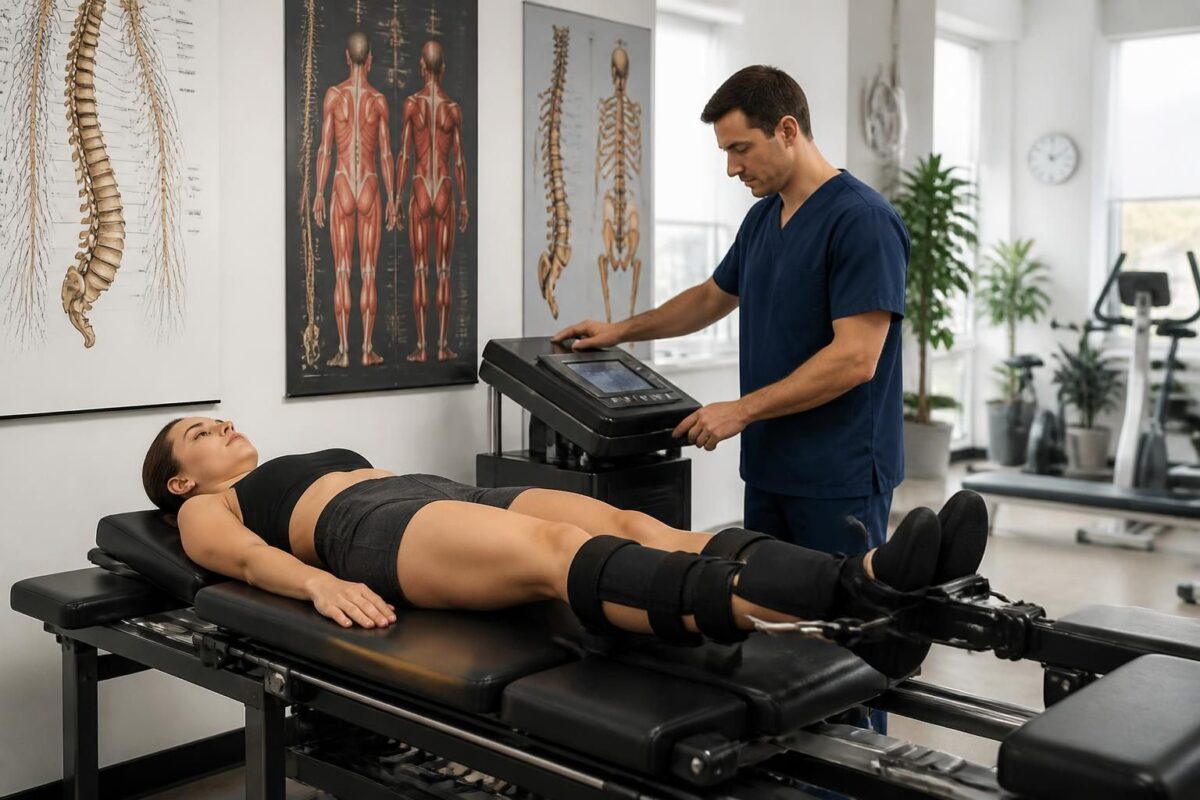
In short
| In short, the neurovertebral decompression is one Non-invasive approach which supports recovery after a sports injury. What is it? It is a technique which, by a gentle traction on the column, creates a space between the vertebrae and reduces the pressure on the Intervertebral discs and the gristle. What are the advantages? it quickly relieves pain, improves the mobility and accelerates healing by improving the bloodstream, while preventing recurrences thanks to better alignment. How does it work? The treatment is applied smoothly, without surgery, and fits into a personalized rehabilitation program to bring the athlete back to his activity more quickly and safely. accessible to Montreal, this service is particularly beneficial for athletes in rehabilitation who are looking to regain their performance without pain. |
The neurovertebral decompression is core After a sports injury because it acts in a way non-invasive To reduce the Pressure on the intervertebral discs and the gristle, which quickly reduces the pain and improves the mobility.
By promoting a better bloodstream and Loxygenation fabrics, it accelerates the recovery and allows a Faster return to training.
his nature non-invasive avoids the risk of surgery and side effects; Integrated into a rehabilitation program, it helps Preserve alignment of the column and contributes to the Prevention of recurrences.
This guide clearly presents why the neurovertebral decompression is essential after a sports injury. It describes its operation, its benefits on the pain and the mobility, and explains how to integrate it safely into a clinical rehabilitation program.
As part of recovery after a sports injury, the neurovertebral decompression Reduces the pressure exerted on the intervertebral discs and nerves. This non-invasive approach promotes the bloodstream In the spine, accelerates tissue regeneration and contributes to faster recovery, while reducing the risk of future complications. It is ideally integrated into a multidisciplinary rehabilitation course, in addition to other treatments available at Tagmed Clinic and in our Tagmed clinics in Montreal and Terrebonne.
How does neurovertebral decompression work
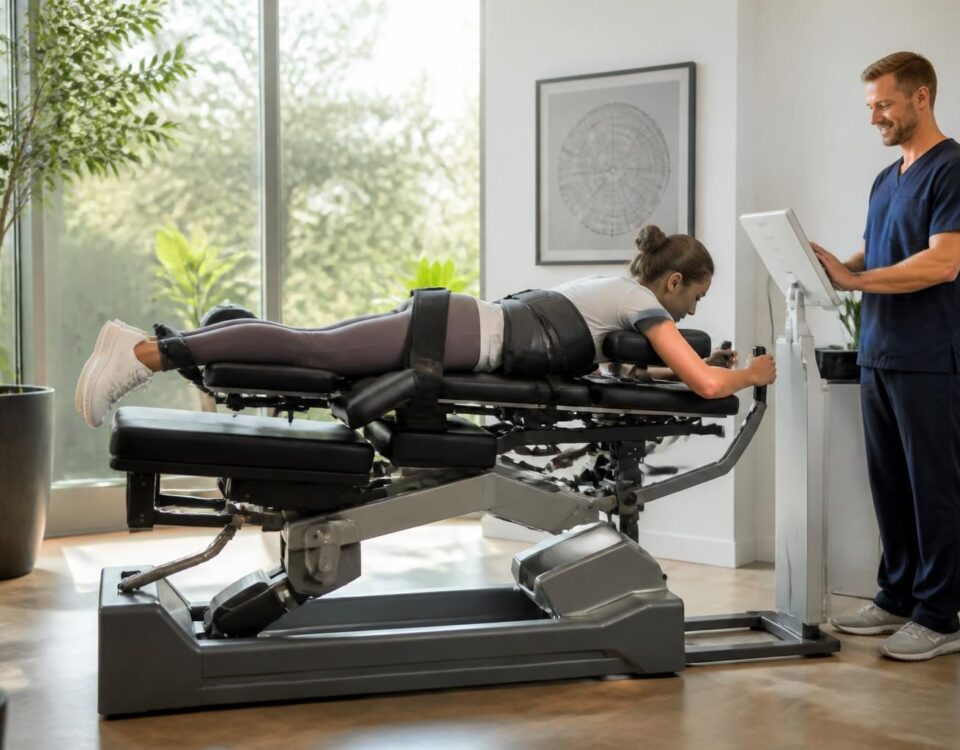
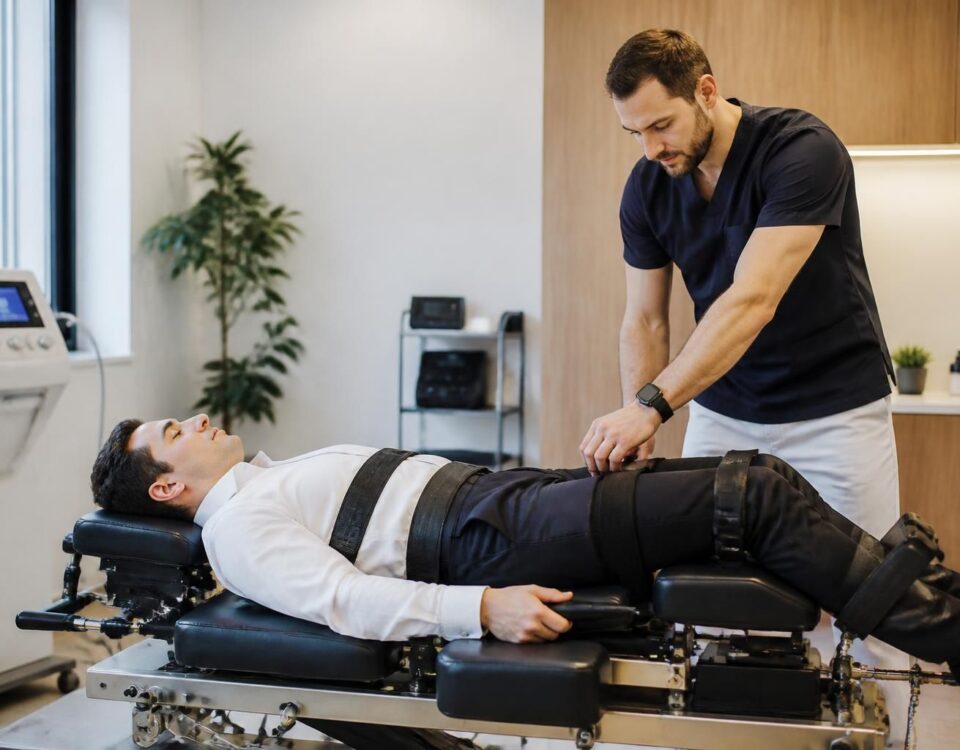
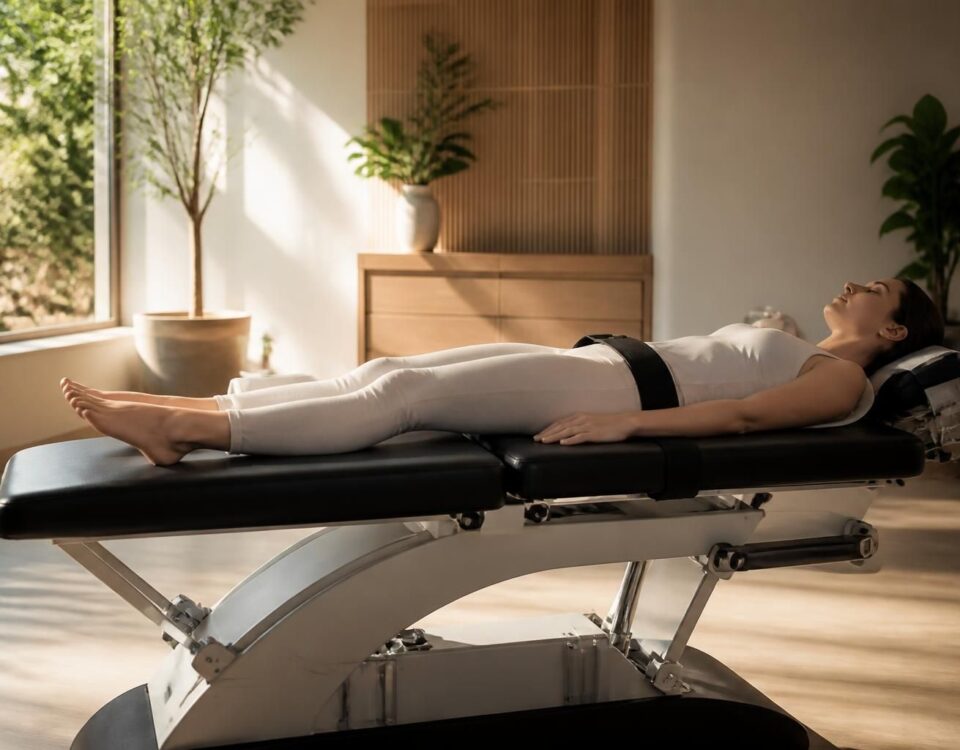
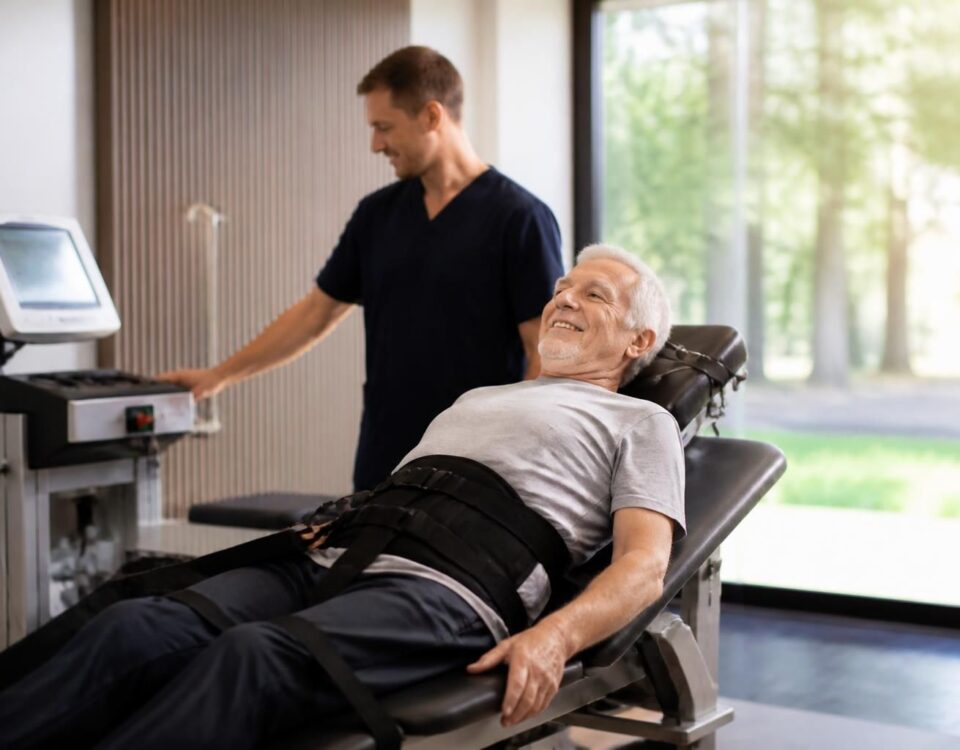
The technique is based on a Soft and controlled traction which creates a space between the vertebrae. This space reduces the pressure on the gristle and on the Intervertebral discs, which can relieve pain and promote the recovery of damaged tissues. This approach is non-invasive, does not involve surgery and does not depend on drugs. For more information on the mechanisms, you can consult dedicated resources on specialized sites.
For further details and reasons to use this approach after a sports injury, see the following resources:
How neurovertebral decompression affects diffuse chronic pain,
Why choose neurovertebral decompression after a sports injury,
Neurovertebral decompression, alternative to drug treatments.
Benefits for athletes in rehabilitation
the athletes in rehabilitation note a pain reduction, a Improving mobility and an Faster recovery functional capabilities. By acting on discs and nerves, decompression helps restore healthy spine alignment and prevent recurrences associated with poor posture or muscle overload.
Impact on pain and mobility
This approach helps to reduce Lumbar and cervical pain associated with a sports injury. At the same time, it promotes the return to more fluid movements, improves the flexibility and supports a Appropriate traffic in the affected region. The benefits often appear from the first sessions, which can accelerate the return to training.
Integration into a rehabilitation program
To optimize the results, neurovertebral decompression is integrated into a supervised rehabilitation program. This approach can be associated with other therapies coordinated by professionals in the Tagmed Clinic or partner clinics, in order to ensure a safe and appropriate progression for each athlete. Personalized protocols allow you to adjust the care plan according to the specific needs of each one.
Safety, tolerance and non-invasiveness
neurovertebral decompression is a Non-invasive therapy which avoids surgery and the systematic use of drugs. It has few side effects and can be offered in patients of different ages, under professional supervision. This safety makes it an attractive option for athletes who wish to resume physical activity without risks associated with invasive interventions.
Recurrence prevention and spinal alignment
maintaining a good Spine Alignment, decompression helps prevent recurrences and limit muscle tension associated with poor posture. This preventive dimension is particularly useful for athletes who want to preserve their performance and extend their sports career.
Integration with other clinical solutions
Neurovertebral decompression can be offered in addition to other treatment methods in the clinic. As part of the TagMed clinic in Montreal or Terrebonne, it can be associated with osteopathic evaluations and other manual approaches to optimize the results of rehabilitation, while avoiding pharmacological treatments when possible.
To learn more about the benefits and integration of neurovertebral decompression, see the resources below:
Neurovertebral decompression and spinal health,
Vertebral alignment and decompression, effective duo,
Support for athletes in rehabilitation,
Innovations in neurovertebral decompression,
Neurovertebral decompression and recovery after sports injury.
Services relating to neurovertebral decompression and posture improvement are available mainly in our TagMed clinics in Montreal and Terrebonne. For more information, visit Tagmed Clinic.
Medical Disclaimer: The information and advice provided on this site does not replace the health professional’s diagnosis or treatment. Please note that Dr. Sylvain Desforges osteopath is neither a doctor of medicine nor a doctor, and is not a specialist in a medical specialty as defined by the Collège des Médecins du Québec. Manual medicine, functional medicine and sports medicine as described on this site exclude any medical treatment or diagnosis made by a doctor or specialist doctor. Always consult your doctor for any medical questions. For more details, please read our full legal notice.
- Quick relief of pain by releasing nerve pressure.
- Mobility found and amplitude movement to resume training.
- Accelerated healing thanks to a Better blood circulation and tissue nutrition.
- Non-invasive approach avoiding surgery and drugs.
- Muscle relaxation and reduced ignition tensions.
- prevention of recurrences by a vertebral alignment optimal.
- maintenance of the posture and improvement of Trunk stability.
- Return quick sports activity with less risk of relapse.
- Integration into a Personalized rehabilitation program.
- Contribution to the Sports longevity and at the vertebral health.

This recommendation explains why the neurovertebral decompression is essential after a sports injury. It highlights its main benefits, its role in the rehabilitation athletes and how to integrate it into a structured care pathway, in order to promote a Quick return to performance while minimizing the risk of recurrence.
Key benefits after a sports injury
pain relief
By creating a space between the vertebrae, the neurovertebral decompression Reduces the pressure exerted on the gristle and intervertebral discs. This pressure decrease contributes to a Rapid pain relief, which allows the athlete to resume activities gradually without aggravating the injury.
Recovery and mobility
By releasing tensions and facilitating movement, this approach promotes improvement in mobility and the flexibility necessary for the resumption of technical gestures specific to sport. Recovered mobility will reduce functional limitations and support effective progression of the rehabilitation program.
Blood circulation and tissue nutrition
The technique improves the bloodstream Around damaged tissues, providing more oxygen and nutrients essential to regeneration. This better infusion accelerates the healing and increases the chances of a sustainable recovery.
Recurrence prevention and alignment
By helping to maintain a good alignment From the column and to stabilize the posture, decompression helps prevent recurrent pathologies linked to musculoskeletal imbalances. This approach prevents relapses and supports a sustainable progression towards the performance.
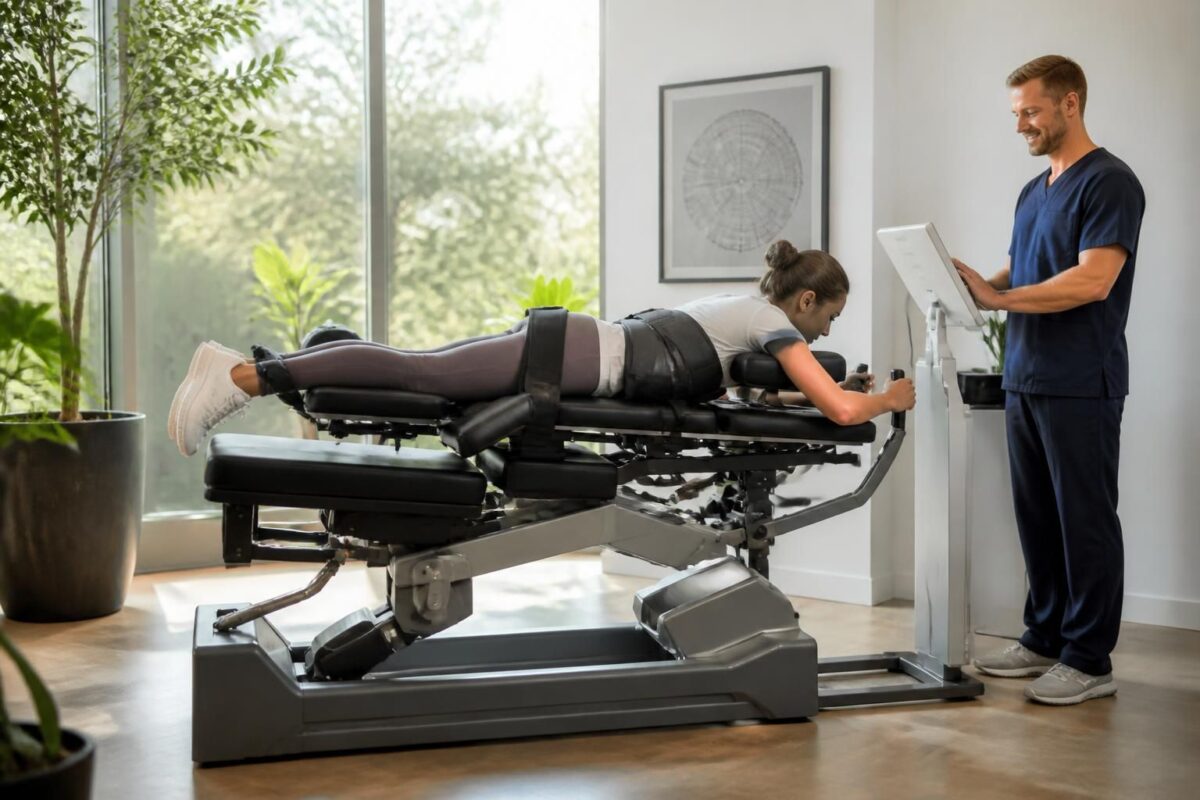
The long-term benefits of neurovertebral decompression for spinal health
In short In short, the neurovertebral decompression is a non-invasive approach that decreases the Pressure on intervertebral discs and nerves, favoring the Natural regeneration and tissue recovery. Its long-term benefits include Lasting pain reduction, Improving mobility and from the posture,…

Neurovertebral decompression and mobility: a return to an active life
In short In short, the neurovertebral decompression is therapy non-invasive who uses a gentle traction To create a space between the vertebrae and reduce the pressure on the Intervertebral discs and the nerves. It promotes a bloodstream improved, lowers tension…
Prevention and long term
Alignment and reduction of recurrences
maintaining a alignment Durable Powering reduces abnormal stress on the spinal structures. For the athlete, this translates into a Prevention of recurrences and better stability during training sessions and competitions.
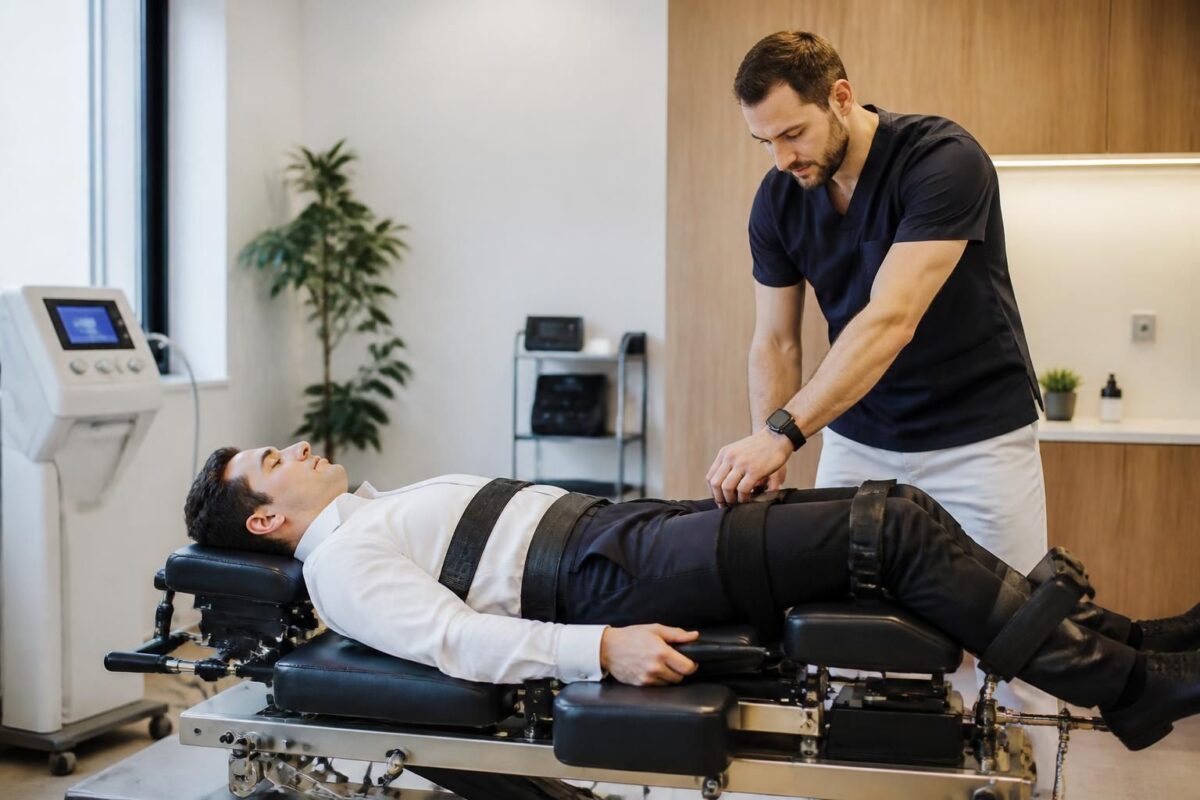
How Neurovertebral Decompression Prevents Diffuse Chronic Pain
In short decompression neurovertebral is one Non-invasive method aimed at reducing the Pressure on the intervertebral discs and the nerves, in order to prevent Diffuse chronic pain. It improves the circulation and thedisc hydration, decreases inflammation and promotes better mobility.…
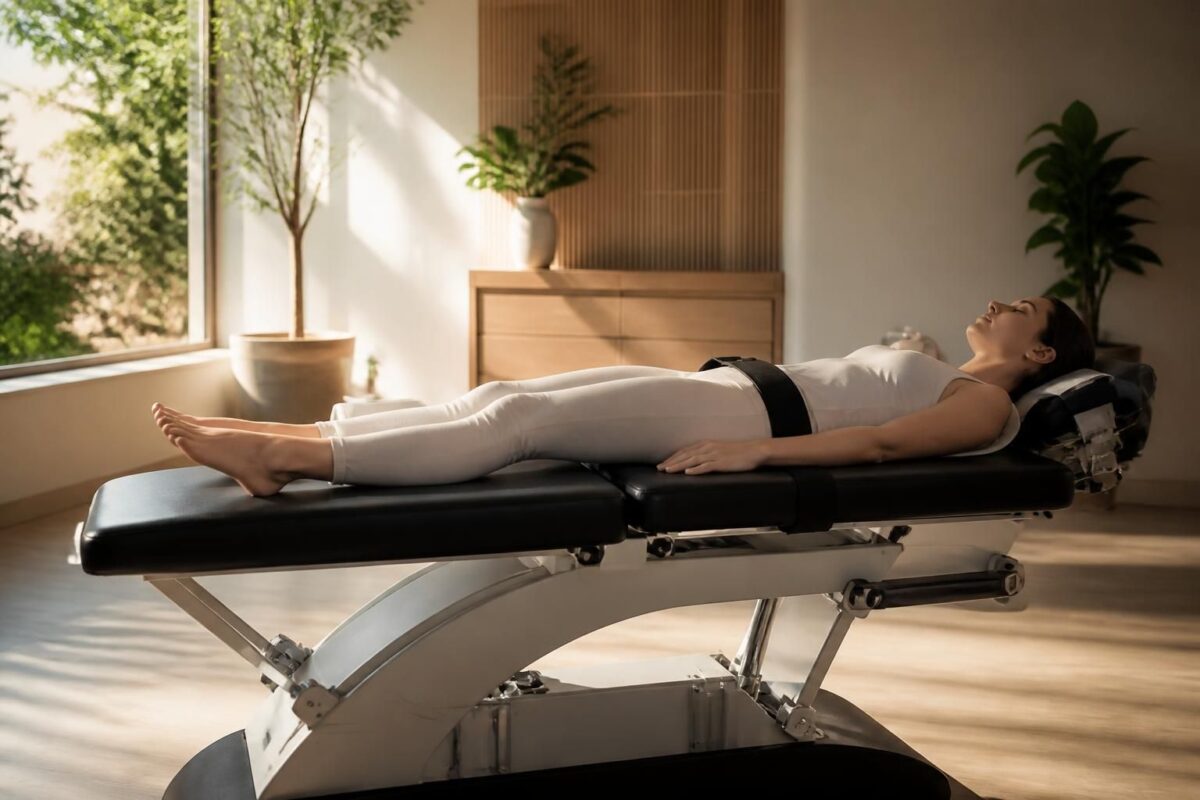
Neurovertebral Decompression and Body Alignment: Restoring Natural Balance
In short In short, neurovertebral decompression is one Non-invasive approach who restores theBody Alignment and thenatural balance back and neck. She acts by a Controlled traction of the spine to widen the intervertebral space and reduce the Pressure on discs…
Integration into the rehabilitation course
Personalized follow-up
The neurovertebral decompression fits into a program tailor-made rehabilitation. Each session is adjusted according to the specific needs of the athlete, with a Personalized follow-up which optimizes the results and guarantees appropriate progress.
Coordination with complementary approaches
To maximize profits, she joins forces with other care techniques such as physiotherapy, strengthening exercises and recovery protocols. This multidisciplinary approach allows a faster and safer resumption of sports activities.
Session planning
The sessions are planned as part of a clear schedule, with intermediary objectives and regular assessment of gains in mobility, in pain and depending on the return to training. This planning promotes consistent progression and avoids overloads.
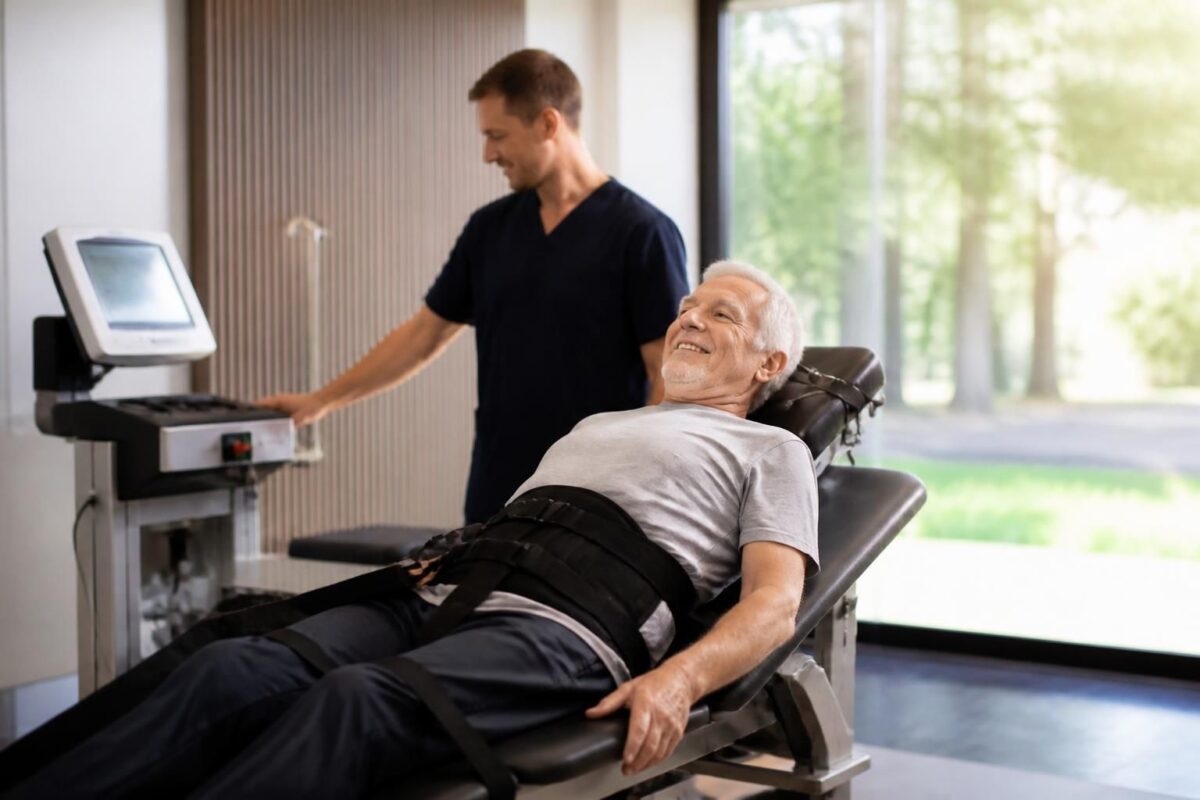
Why neurovertebral decompression is a lasting solution for active seniors
In short In short, the neurovertebral decompression is one Non-invasive therapy which sustainably relieves spinal pain in the spine active seniors By creating, by a Soft and controlled traction, a space between the vertebrae. At Montreal, it is recognized as…
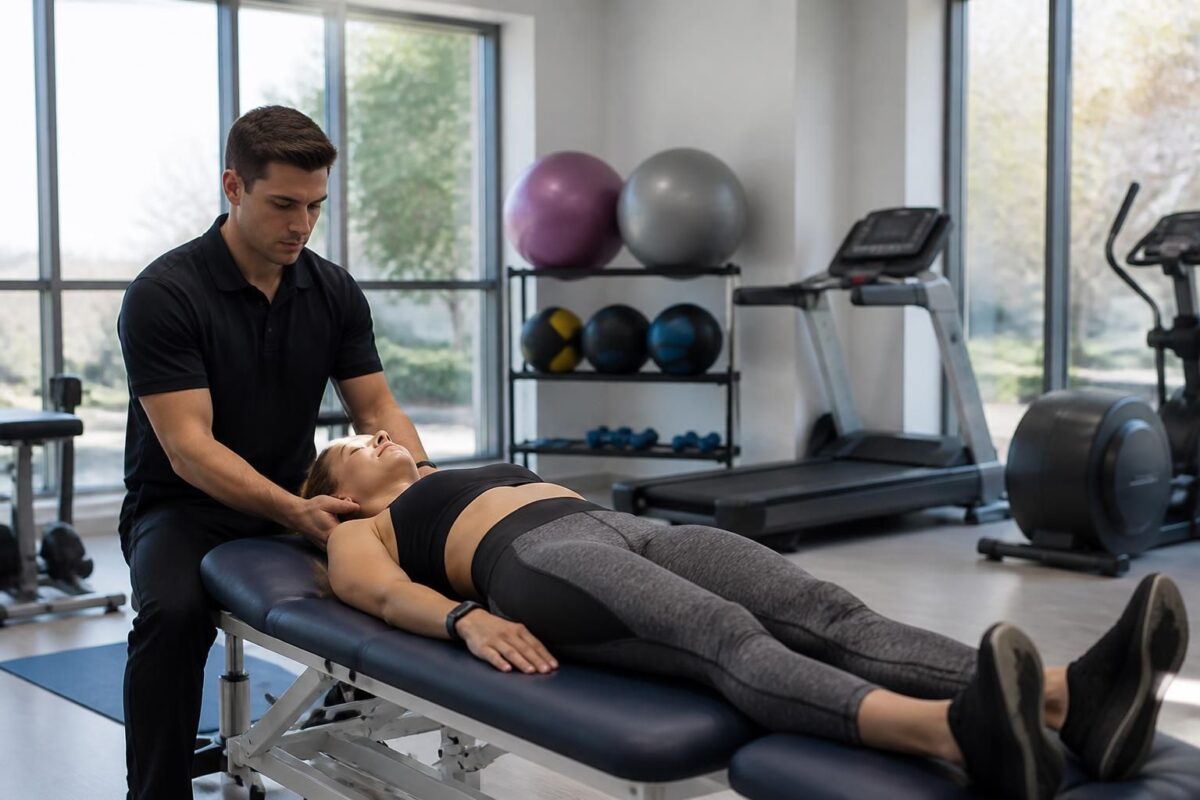
Neurovertebral decompression and recovery after severe sports injury
In short In short, the neurovertebral decompression is one Non-invasive method to Relieve the pressure on the Intervertebral discs and the gristle Via a Controlled traction, to facilitate the recovery After a severe sports injury. It improves the bloodstream towards…
Impact on athletes and performance
Quick return to training
By promoting a healing faster and a mobility found, decompression allows a Quick return to training and competition, while reducing downtime and loss of fitness.
Career preservation
the ability to maintain a good alignment and to prevent Future injuries contributes to the Career preservation sport, by limiting relapses and supporting sustainable progress towards performance objectives.
| Aspect | Concise impact |
|---|---|
| Pain and discomfort | Quick relief and pain reduction. |
| Pressure on the records and the gristle | Decreased pressure and relief of symptoms. |
| Circulation and Fabric nutrition | Improved irrigation and nutrient intake. |
| Recovery and Back to sport | Accelerated healing and faster return to training. |
| Mobility and flexibility | Restoration of amplitude and fluidity of movements. |
| Alignment and posture | Better vertebral alignment and postural stability. |
| Prevention of recurves | Maintenance of an optimal spinal space reducing the risk. |
| Security and non-invasive | Process without surgery and low risk. |
| Integration in the rehabilitation program | Optimizes results when associated with physiotherapy and exercises. |
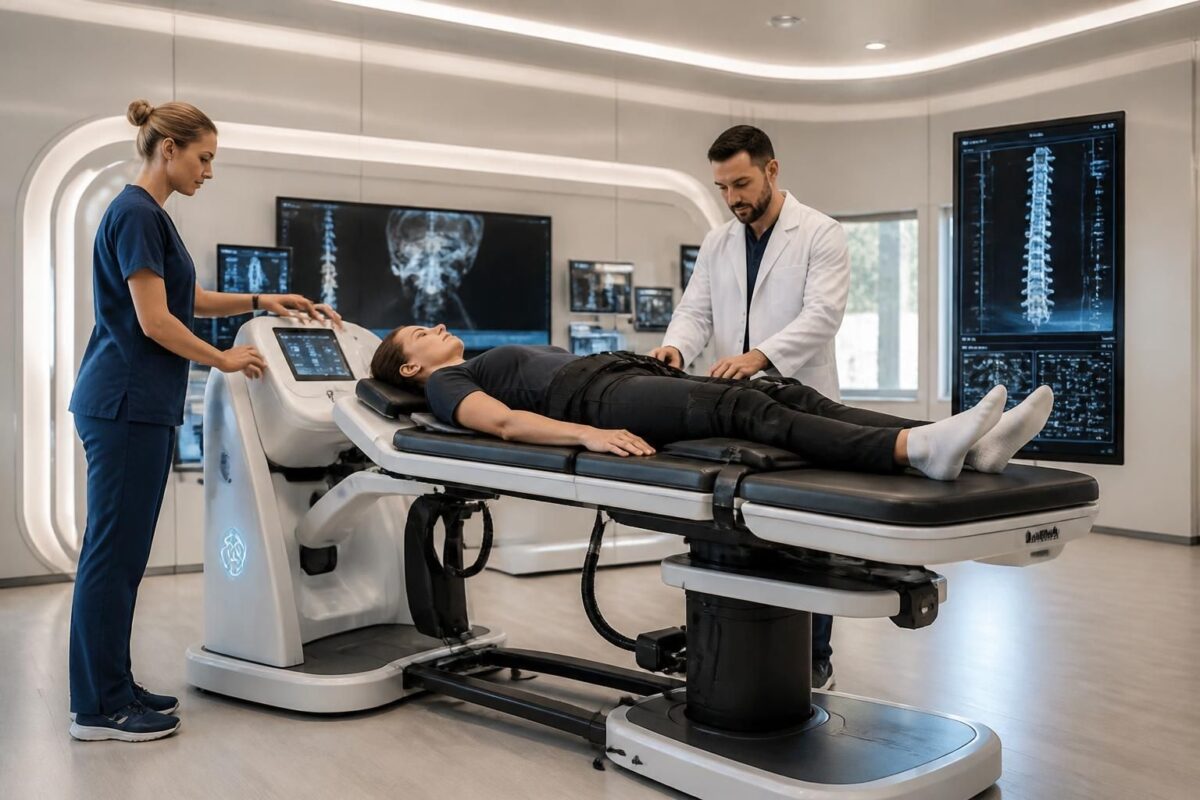
Recent innovations in neurovertebral decompression technologies
In short In short, the neurovertebral decompression is an approach non-invasive Aiming to reduce pressure on discs and nerves, and promote tissue regeneration. At Montreal, it is positioned as an effective option for lower back pain and herniated discs. The…
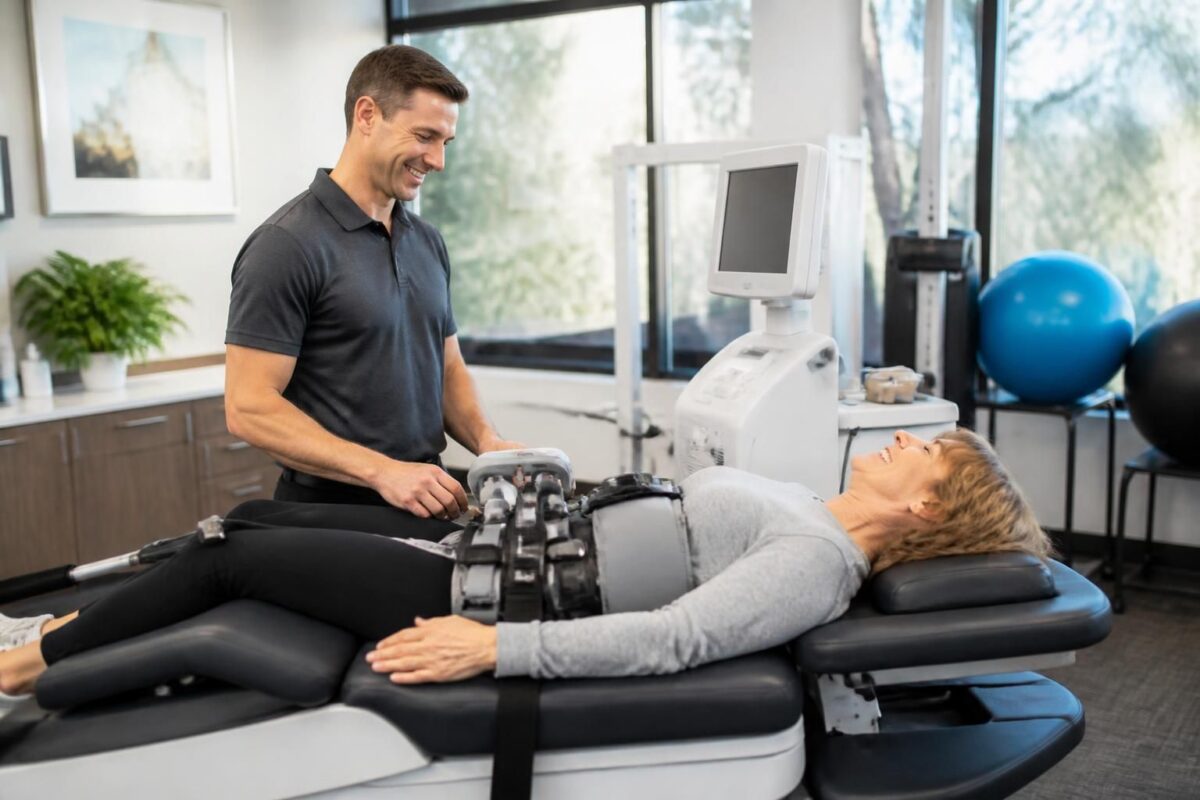
Neurovertebral decompression and diffuse pain: an appropriate solution
In short In short, the neurovertebral decompression is one Non-invasive solution For diffuse pain related to nerve irritation of the spine. She acts in Reducing pressure on intervertebral discs and nerves and improving the bloodstream, which promotes recovery and the…
Testimonials on the importance of neurovertebral decompression after a sports injury
“After a lumbar sprain during a competition, neurovertebral decompression was the trigger for my rehabilitation. gentle traction reduced pressure on the intervertebral discs and on the nerves, resulting in a pain relief almost immediate and a Improving mobility. I quickly returned to training and I regained confidence in my spine. »
“As a runner, I apprehended recurrences and joint limitations. Thanks to the neurovertebral decompression, I felt a better bloodstream in the injured sector and above all a Prevention of recurrences who accompanies me in every workout. »
“For the cyclist that I am, each cervical pain could change everything. After a few sessions, I saw a Reduction of inflammation and an Improved cervical mobility, which allowed me to return to the race department with a better fluidity of movement. »
“In rugby, the lower back pain limited my sprints and my tackles. Thanks to the neurovertebral decompression, I found my Strength and stability and an circulation Optimized in the back, which transformed my performance in the field. »
“In swimming, the back must remain aligned and without tension. This approach is non-invasive and gave me a quick recovery Without surgery or drugs, allowing me to resume my series with better sensations. »
“Since my rehabilitation, I strongly recommend neurovertebral decompression to my teammates. It is a true ally for Reduce the pain, restore the flexibility and support a Safe sports reintegration. »
As part of the recovery of athletes after an injury, the neurovertebral decompression stands out as a key step. This non-invasive approach acts directly on the spine by creating a space between the vertebrae, which allows Reduce pressure on intervertebral discs And on the nerves that walk nearby. By releasing this pressure, it alleviates pain from sports injuries and facilitates a faster recovery of movements essential to performance.
The mechanism is based on controlled and gentle traction that does not involve any surgery. By promoting theOpening of intervertebral spaces, it improves blood circulation in affected tissues, facilitates nutrient delivery and accelerates the elimination of metabolic waste. This improvement in local traffic supports natural body repair processes and contributes to a More efficient recovery After a sports injury, whether at the lumbar or cervical level.
Beyond immediate relief, decompression promotes Sustainable improvement in mobility. By reducing the tension around the nerves and discs, it allows you to gradually regain a more fluid and less painful range of motion. This resumption of flexibility is crucial for athletes who have to perform technical gestures, maintain their speed and preserve their endurance throughout rehabilitation.
Neurovertebral decompression fits ideally into a program of Multidisciplinary rehabilitation. It acts as a foundation on which other interventions such as physiotherapy, muscle strengthening and targeted soft tissue treatments can be based. By associating this technique with adapted exercises and postural management, we obtain a lasting reduction in pain and better prevention of recurrences, essential elements to prevent relapses and secure the return to competition.
clinically, this approach is supported by a philosophy evidence-based, favoring individualized protocols and careful monitoring of patient responses. It is particularly suitable for athletes in the rehabilitation phase, including those with herniated discs, lower back or cervical pain, or symptoms associated with mild stenosis. By optimizing column alignment and stability, decompression Strengthens spinal resilience and contributes to the longevity of the sports career.
Finally, the expertise associated with this technique includes the integration of complementary technologies used in specialized clinics, such as physical stimulation and targeted manual approaches. This combination allows each athlete to be accompanied with a Personalized approach, adapted to his sport, his fitness level and his injury history. By adopting this method, health professionals are aiming not only for quick relief, but also a lasting improvement in function and performance, so that the athlete can resume training and competition in complete safety..
Quick summary: neurovertebral decompression is an approach non-invasive essential after a sports injury, because it acts directly on the spine to release tension, reduce pain, accelerate recovery and promote a lasting resumption of physical activity.
First, Reduce the pain And the discomfort associated with an injury is the basis of any successful rehabilitation. By reducing the pressure exerted on the gristle and the Intervertebral discs, This method allows quick and lasting relief, paving the way for strengthening and mobility exercises without unnecessary pain.
Then theImproving mobility is a key advantage for athletes. By restoring a healthy spinal space, decompression promotes a more fluid range of motion and better flexibility, crucial elements to perform technical gestures and prevent relapses when resuming training. To learn more, see the associated resources on tagmed and Dr Desforges.
On the biological level, the Improved blood circulation Around the damaged tissues opens an optimal nutrient flow and accelerates healing processes. As a result, the fabrics regenerate faster, which reduces rest time and allows a gradual and safe return to sport. Additional resources describe this mechanism and its clinical implications on partner sites.
prevention of recurrences is another pillar. By helping to maintain a harmonious alignment of the spine and correct postural imbalances, neurovertebral decompression reduces the risk of recurrence and recurrent pain after injury. This preventive dimension is reinforced when the technique is integrated into a global rehabilitation program, as underlined by the approaches published by Dr Desforges.
Moreover, Integration into a multidisciplinary program is crucial. Neurovertebral decompression can be associated with other therapies (physiotherapy, targeted exercises, etc.) to optimize the results and personalize the healing journey. To understand how this approach fits into post-injury rehabilitation, consult the resources on SOS SCIATIC.
Finally, the dimension Practical efficiency is at the heart of the message for recovering athletes. Testimonials and clinical studies converge towards a faster return to training and competition, while preserving long-term spinal health. To deepen the advanced protocols and observed results, see the pages dedicated to neurovertebral decompression and protocols for acute pain on SOS SCIATIC and tagmed.
For those who wish to go further, additional resources and detailed explanations of the mechanisms, results and practical implementation of neurovertebral decompression after a sports injury are available via the links mentioned above and related articles on the Dr. Desforges. For example, the pages dedicated to the comparison between decompression and other approaches, and its role in rehabilitation after injury, offer a concrete view of functional gains and patient well-being. See in particular the articles Recovery after severe sports injury and Neurovertebral decompression and rehabilitation.

Dr Sylvain Desforges, B.Sc., D.O., N.D., osteopath, is the founding president of TAGMED and of the ACMA association. He dedicates his practice to chronic spinal pain, low back pain and symptoms compatible with sciatica, particularly when pain radiates toward the buttock, leg, calf, foot or toes.
Through SOS Sciatique, he publishes educational content on sciatica symptoms, possible causes such as disc herniation, disc narrowing, foraminal stenosis or irritation of a lumbar nerve root, as well as non-surgical approaches that may be considered according to the evaluation. At Clinique TAGMED, care may include, depending on the case, motorized neurovertebral decompression, specific osteopathic care or precision percussion.
For an evaluation related to sciatica treatment in Montreal / Mount Royal or sciatica treatment in Terrebonne, please consult the services available at Clinique TAGMED.
Medical disclaimer
The information published on SOS Sciatique is provided for educational purposes only and does not replace a consultation, diagnosis, opinion or treatment provided by a physician or another authorized healthcare professional. The author of this article is neither a medical doctor nor a specialist in a medical specialty recognized by the Collège des médecins du Québec. The osteopathic, manual medicine or functional support approaches described on this site do not constitute medical acts and are not intended to replace medical follow-up.
Consult a physician or emergency service in cases of loss of bladder or bowel control, anesthesia in the saddle area, significant or progressive weakness in the leg or foot, fever, recent trauma, severe pain or rapid worsening of symptoms. For more details, please read our Legal Notice.