

How neurovertebral decompression affects mid-back pain
26/06/2026
Why neurovertebral decompression is essential after a sports injury
26/06/2026
In short
| The neurovertebral decompression and LBody Alignment are a therapeutic approach aimed at relieving the pain and to restore thenatural balance of the body by readjusting the spine. This method offers advantages such as reducing nerve pressure, improving mobility and posture, and renewed stability. Its operation is based on gentle techniques that lengthen and realign the column, supplemented by postural advice and appropriate exercises. In Montreal, this service is particularly recommended for people with Chronic pain and postural imbalances in order to regain their mobility and quality of life. |
The neurovertebral decompression aims to relieve pressure on the nerves and discs by increasing the space between the vertebrae, thus promoting the recovery of spinal structures.
In synergy with theBody Alignment, it contributes to Back to natural balance of the column and the reduction of muscle tension, which can improve the mobility and reduce the pain.
The process is based on a Personalized evaluation and postural exercises, in order to maintain results and support daily well-being.
Medical warning: This information does not replace the advice of a health professional and should be used in the context of appropriate medical follow-up.
This article presents the link between the neurovertebral decompression and LBody Alignment. It explains how a targeted approach can help restore thenatural balance of the body. You will discover the mechanisms, possible results and limits, without resorting to unnecessary invasive treatments.
What is neurovertebral decompression?
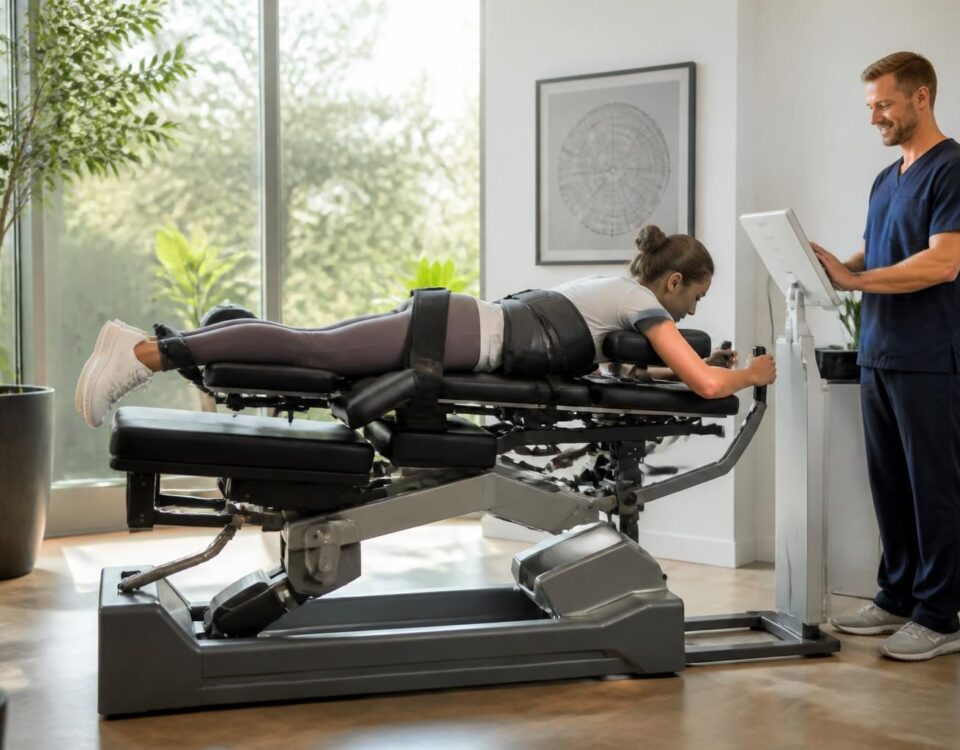
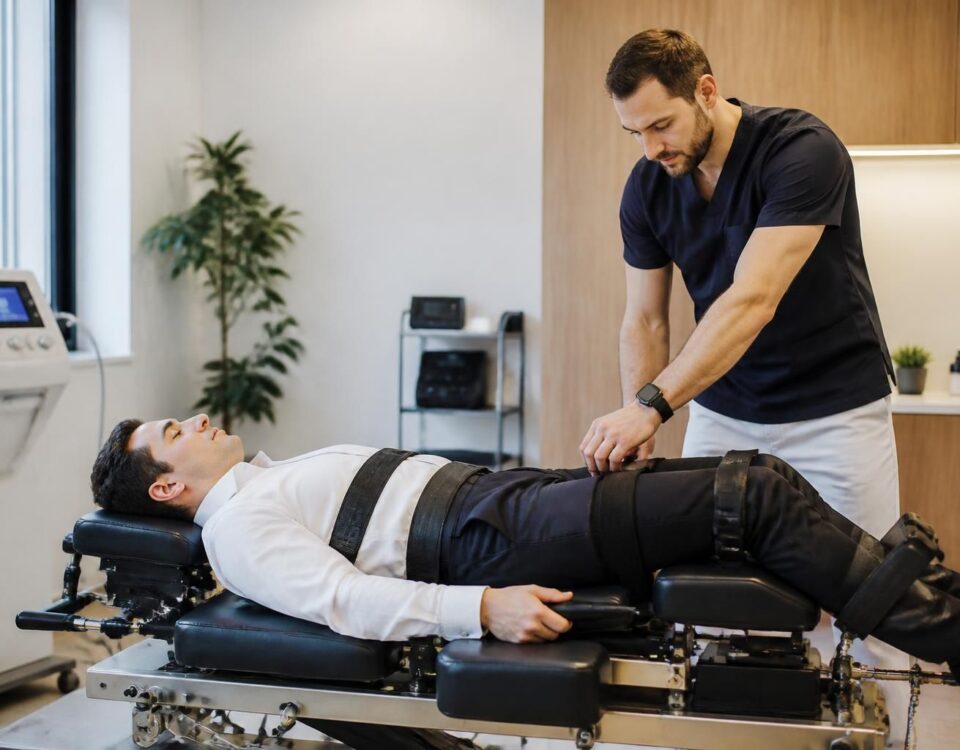
The neurovertebral decompression is a non-surgical approach that aims to relieve stress on the nerves and intervertebral discs. It is based on clear and personalized protocols, carried out in a clinical setting. This method seeks to restore sufficient space and mobility to support thealignment and the posture of the body.
How does it influence body alignment?
When the spinal segments regain a more tolerant alignment, the posture can improve sustainably. The objective is to improve coordination between segments and avoid new tensions that disrupt the overall balance.
Mechanisms and clinical evidence
Decompression works by reducing pressure on nerve structures and restoring better compliance of the spinal segments. The clinical data show possible improvements in alignment and function, as part of a global approach to care. For more information, see the following resources.
Integrating decompression into a global approach
Decompression can be proposed within a multidisciplinary approach. At the TagMed Clinic, evaluation and treatment options are part of a global and personalized framework. You can discover the services available at the Tagmed Clinic. To understand the benefits and limitations, refer also to the specialized resources on decompression and alignment techniques.
Resources and useful links
To learn more, see the following resources:
Why neurovertebral decompression is a safe and effective choice,
Neurovertebral decompression and prevention of relapses of lower back pain,
Neurovertebral decompression: an alternative to drug treatments,
How neurovertebral decompression helps prevent surgical interventions,
Neurovertebral decompression and posture: sustainably improve your alignment.
This content focuses on an evidence-based approach and clear communication. For any questions specific to your case, discuss it with your health professional.
Medical Disclaimer: The information and advice provided on this site does not replace the health professional’s diagnosis or treatment. Please note that Dr. Sylvain Desforges osteopath is neither a doctor of medicine nor a doctor, and is not a specialist in a medical specialty as defined by the Collège des Médecins du Québec. Manual medicine, functional medicine and sports medicine as described on this site exclude any medical treatment or diagnosis made by a doctor or specialist doctor. Always consult your doctor for any medical questions. For more details, please read our full legal notice.
- neurovertebral decompression — decreases disc pressure
- segmental mobility — Release tensions
- nervous protection — Reduction of irritation
- Postural preparation — Facilitates exercises
- Body Alignment — Neutral posture
- Chain balance — Myofasciales
- reduction of compensation — Effective movement
- Support during the movement — Vertebral stability

Here is a clear and pragmatic presentation on neurovertebral decompression and LBody Alignment, two complementary approaches to find your natural balance. You will discover what these techniques imply, how they act on the spine and the body, for whom they are suitable, and how to set up a simple and effective plan on a daily basis.
What is neurovertebral decompression and body alignment?
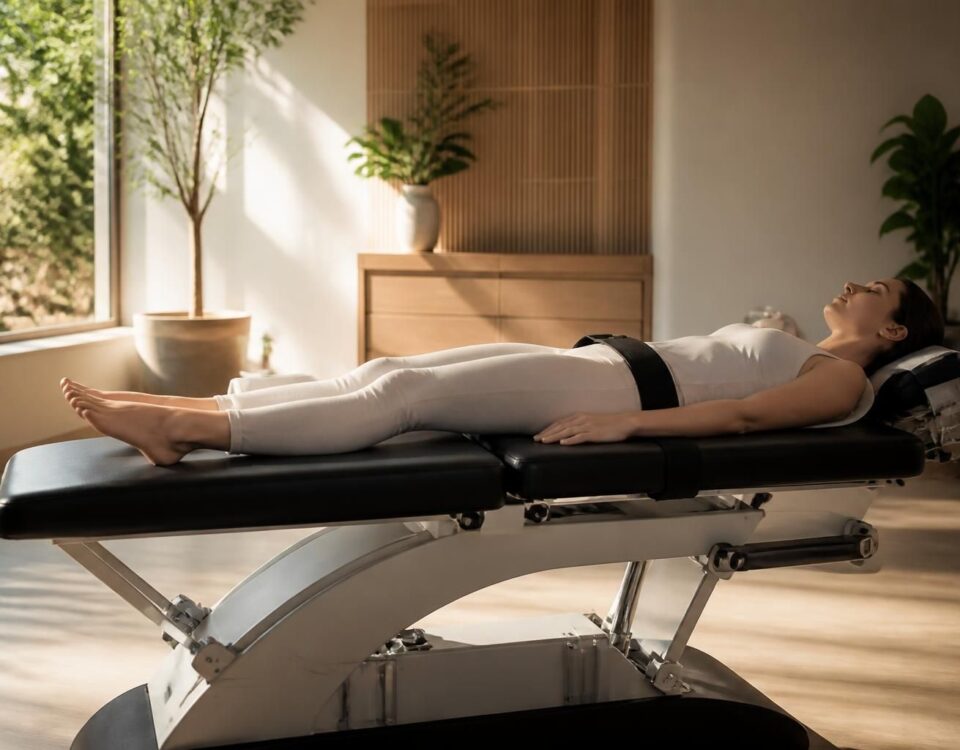
The neurovertebral decompression is a non-invasive technique that aims to reduce the pressure exerted on the vertebral structures and intervertebral discs, using traction or gentle postural rebalancing mechanisms. lBody Alignment Strengthens the harmony between the segments of the spine and the muscles that support them, in order to improve the posture and the distribution of loads. Together, they promote better mobility and decrease in mechanical pain.
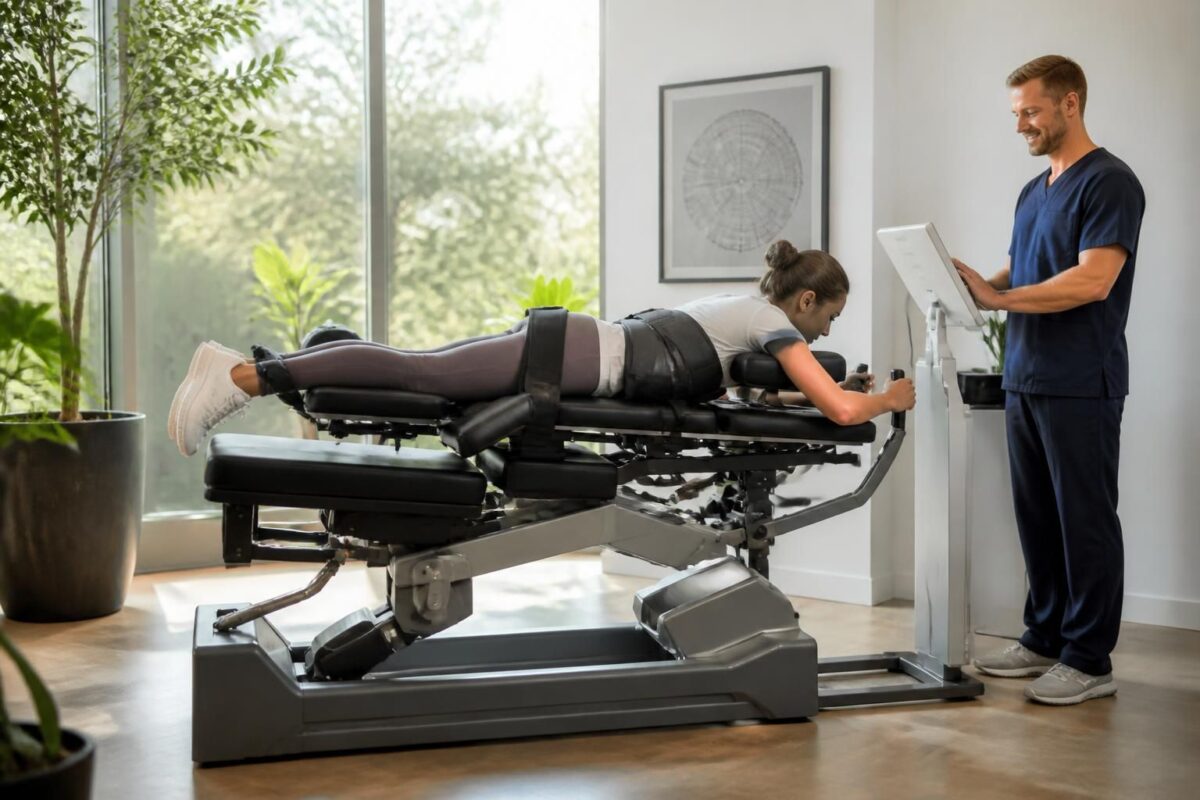
The long-term benefits of neurovertebral decompression for spinal health
In short In short, the neurovertebral decompression is a non-invasive approach that decreases the Pressure on intervertebral discs and nerves, favoring the Natural regeneration and tissue recovery. Its long-term benefits include Lasting pain reduction, Improving mobility and from the posture,…

Neurovertebral decompression and mobility: a return to an active life
In short In short, the neurovertebral decompression is therapy non-invasive who uses a gentle traction To create a space between the vertebrae and reduce the pressure on the Intervertebral discs and the nerves. It promotes a bloodstream improved, lowers tension…
How it works for your body
The decompression Acts by increasing the intervertebral space, facilitating the movement of fluids and nutrients in the disc, which can help relieve tension and nervous irritation. lBody Alignment strives to restore a natural curvature and stability of the muscle chains, which reduces unnecessary efforts in certain areas and improves coordination between the upper and lower body.
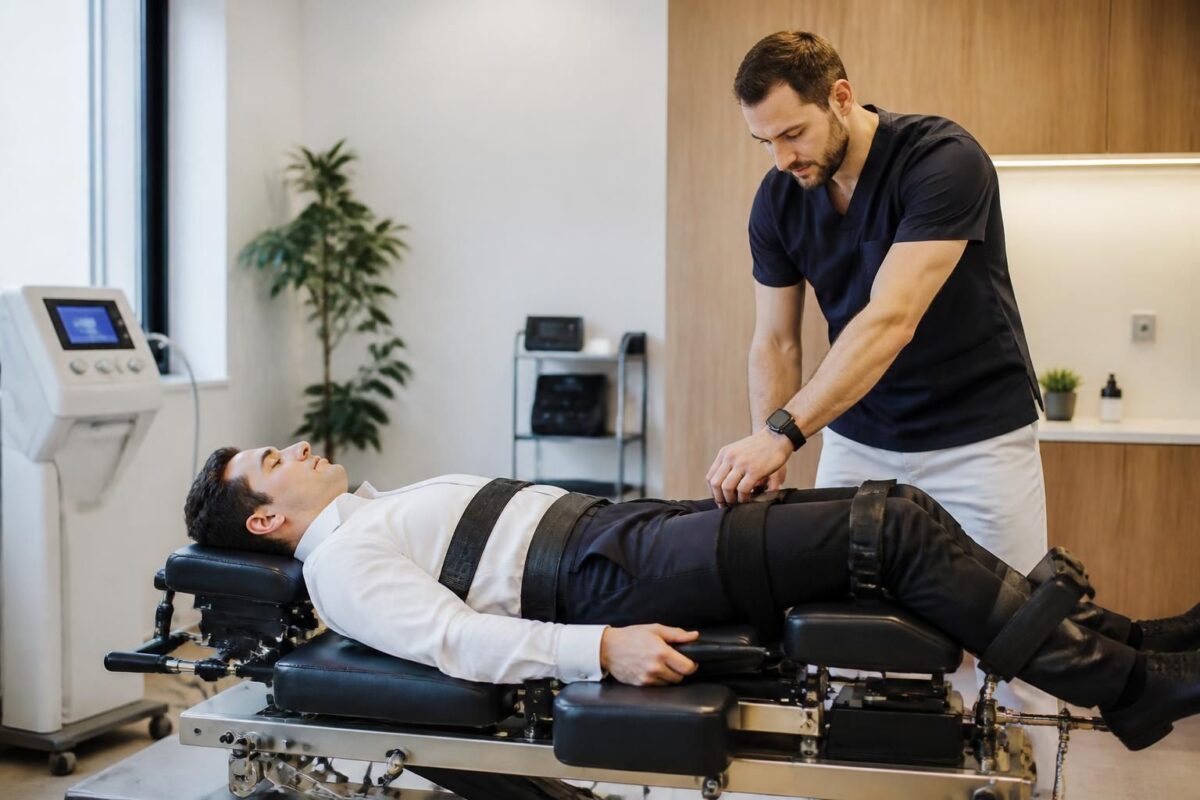
How Neurovertebral Decompression Prevents Diffuse Chronic Pain
In short decompression neurovertebral is one Non-invasive method aimed at reducing the Pressure on the intervertebral discs and the nerves, in order to prevent Diffuse chronic pain. It improves the circulation and thedisc hydration, decreases inflammation and promotes better mobility.…
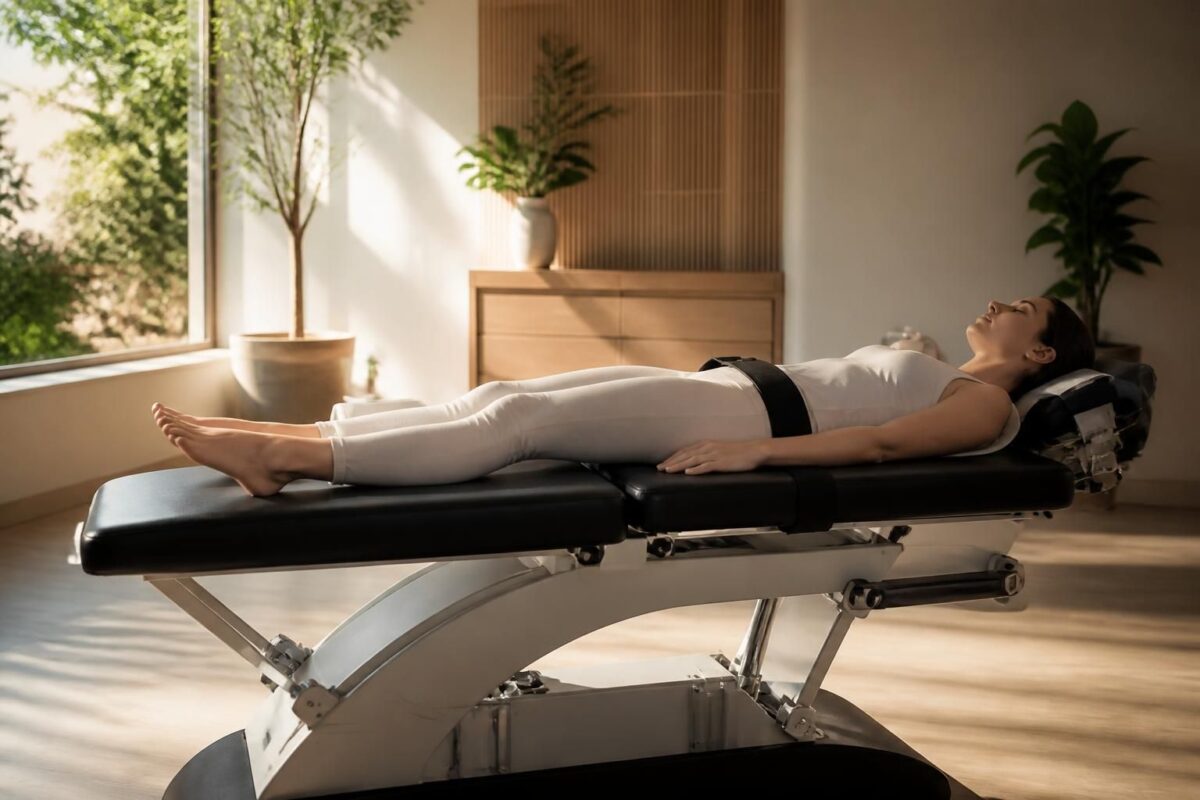
Neurovertebral Decompression and Body Alignment: Restoring Natural Balance
In short In short, neurovertebral decompression is one Non-invasive approach who restores theBody Alignment and thenatural balance back and neck. She acts by a Controlled traction of the spine to widen the intervertebral space and reduce the Pressure on discs…
For whom and when to consider an integrated approach
This approach is often suitable in the presence of chronic mechanical pain related to prolonged posture, morning stiffness, or muscle imbalances that limit mobility. It can be associated with other manual therapies, targeted exercises and lifestyle habits that promote optimal alignment. Professional assessments allow you to adapt the protocol to your situation and your tolerance.
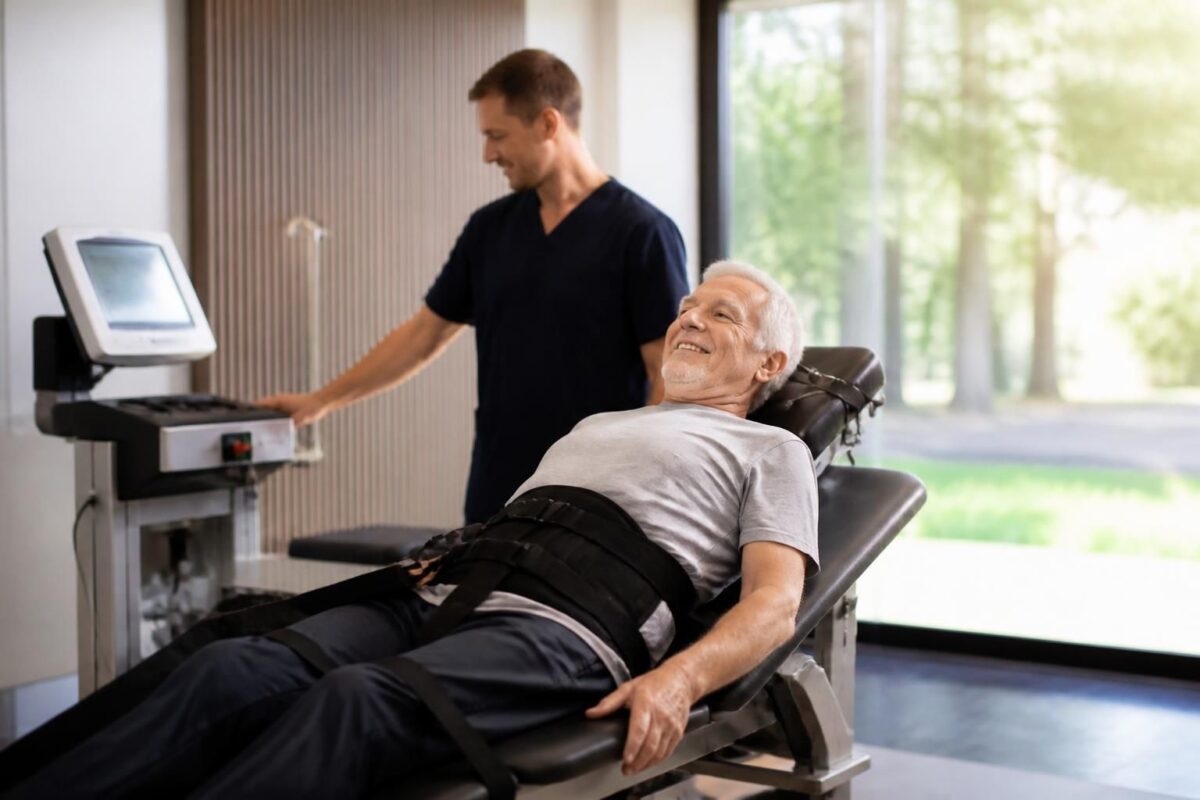
Why neurovertebral decompression is a lasting solution for active seniors
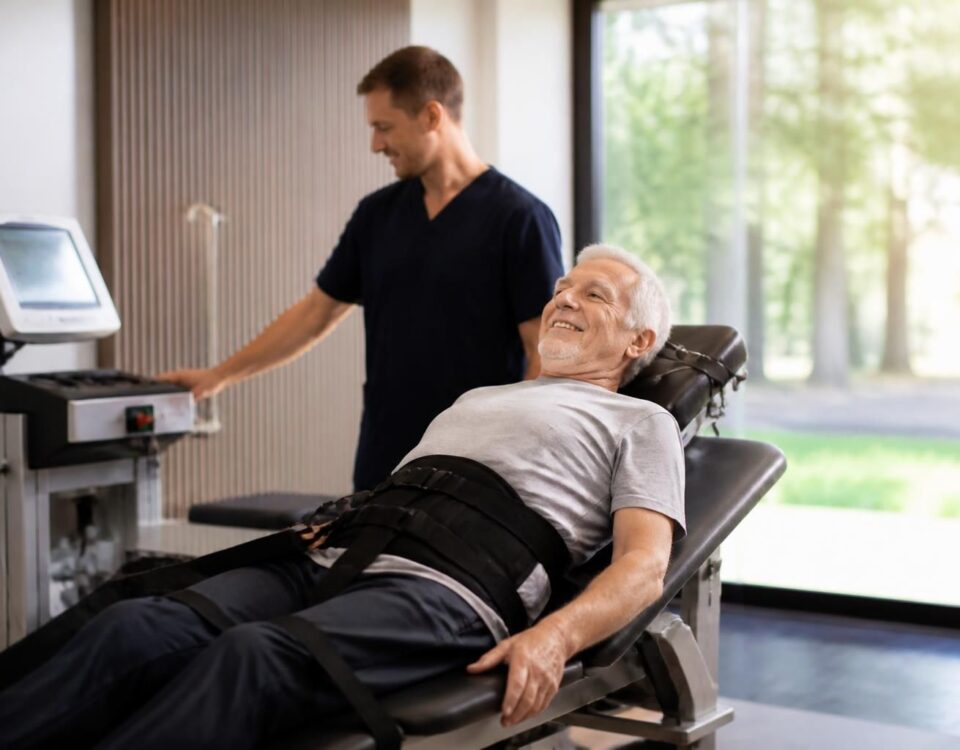
In short In short, the neurovertebral decompression is one Non-invasive therapy which sustainably relieves spinal pain in the spine active seniors By creating, by a Soft and controlled traction, a space between the vertebrae. At Montreal, it is recognized as…
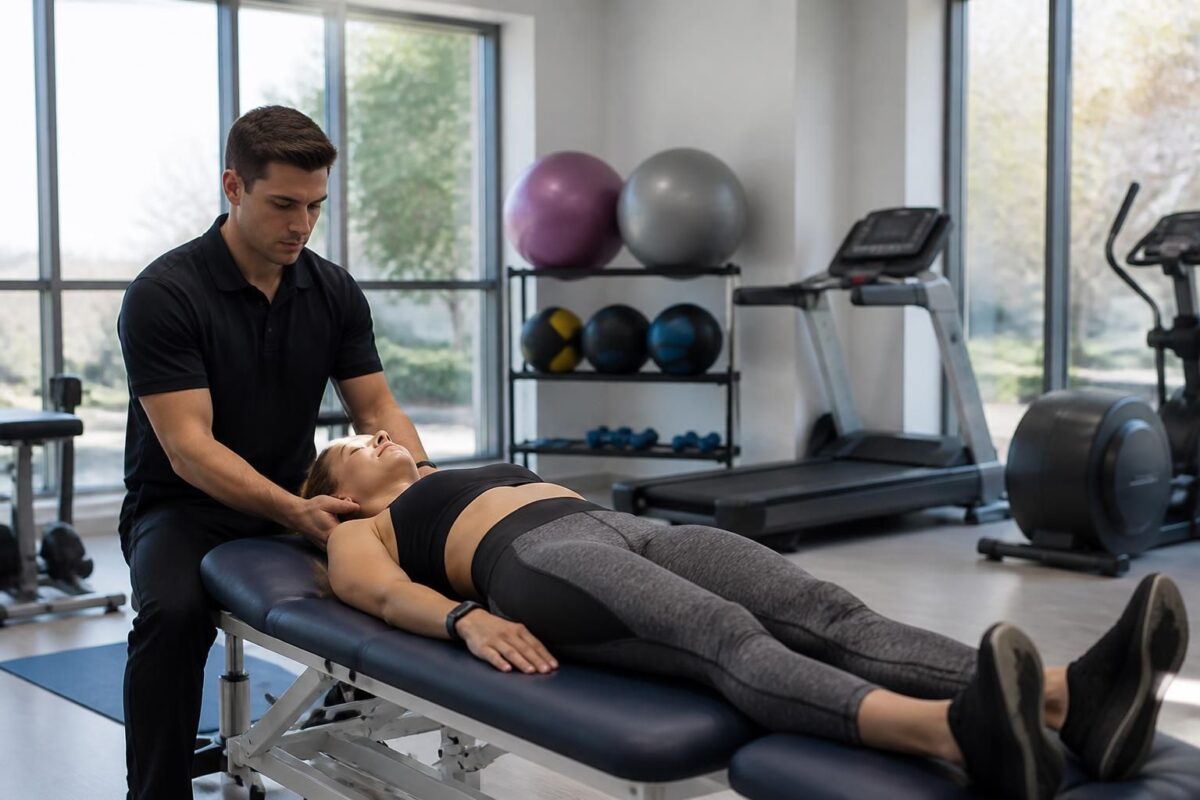
Neurovertebral decompression and recovery after severe sports injury
In short In short, the neurovertebral decompression is one Non-invasive method to Relieve the pressure on the Intervertebral discs and the gristle Via a Controlled traction, to facilitate the recovery After a severe sports injury. It improves the bloodstream towards…
Practical action plan
Evaluation and objectives
An initial assessment makes it possible to identify the areas of tension, the asymmetries and the movements that limit you. The goal is to set realistic goals: improved mobility, pain reduction and better posture on a daily basis.
Sessions and protocols
The sessions combine gentle decompression techniques and postural alignment exercises. The protocol is progressive, adapted to your pace and focused on tolerance, in order to preserve your comfort and avoid overload.
Home exercises and habits
Simple and regular exercises support the results: targeted stretching, breathing work and scapulo-peritovertebral stability, and active micro-breaks during sedentary periods. Good hydration, sleep habits and a functional displacement routine complete the effectiveness of your program.
| Aspect | Concise impact |
|---|---|
| Principle and foundation of the neurovertebral decompression and from theBody Alignment | Reduces mechanical stress and restores the harmony of vertebral curvatures. |
| Earnings on the pain and the mobility | Pain relieves and improves mobility. |
| Mechanisms action and reduction of tensions | Release of tensions and restoration of functional alignments. |
| Security and Risk profile | Supervised procedures and personalized monitoring. |
| directions Clinics for thePostural integration | Pain related to spinal imbalances and altered posture. |
| Associated interventions | Manual therapy, exercises and postural advice. |
| Duration and progression | Progressive phases with regular evaluations. |
| Accessibility and cost | Adapted offer and personalized tracking options. |
| Results expected | Recovered natural balance and improved functional ability. |
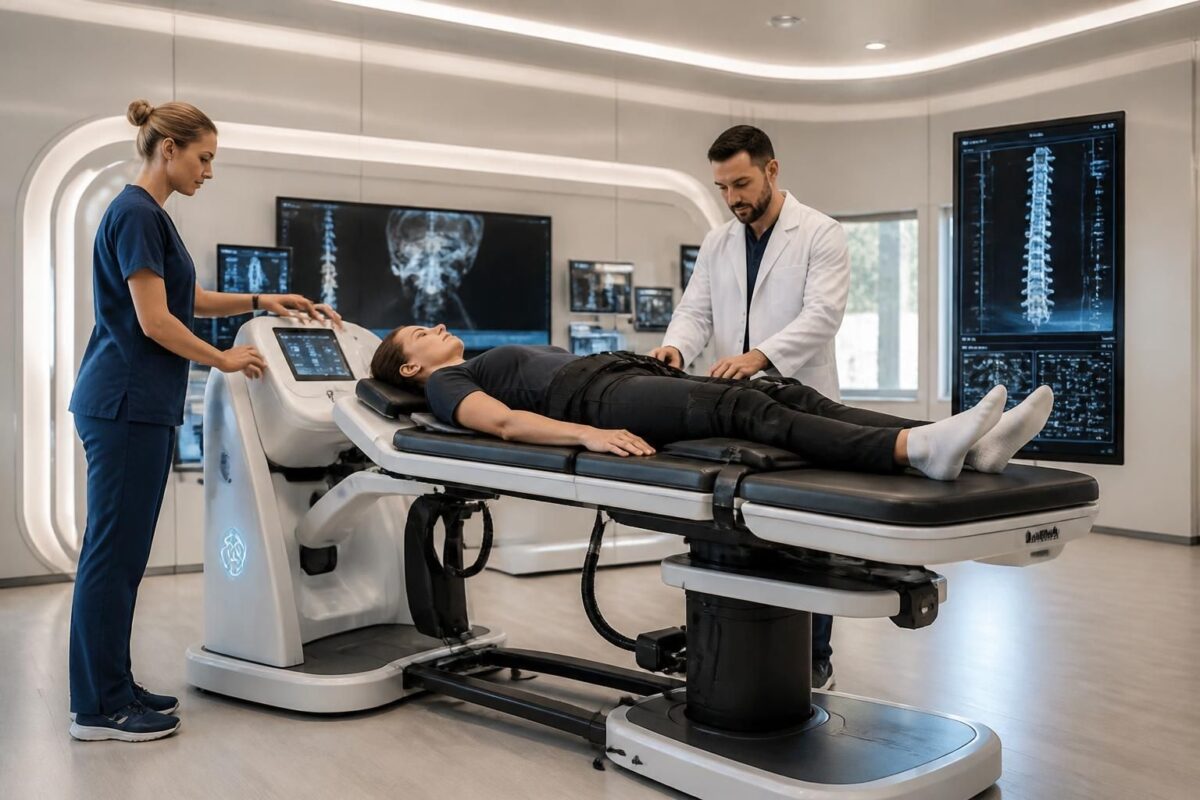
Recent innovations in neurovertebral decompression technologies
In short In short, the neurovertebral decompression is an approach non-invasive Aiming to reduce pressure on discs and nerves, and promote tissue regeneration. At Montreal, it is positioned as an effective option for lower back pain and herniated discs. The…
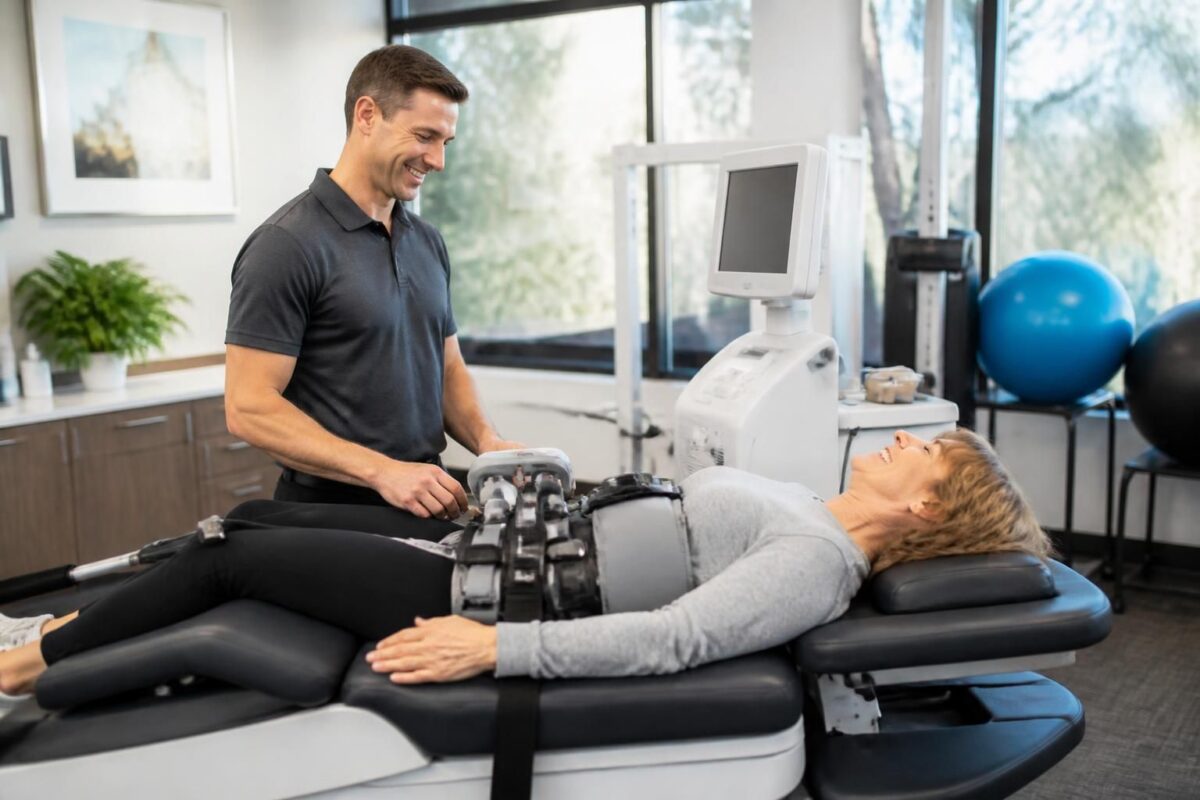
Neurovertebral decompression and diffuse pain: an appropriate solution
In short In short, the neurovertebral decompression is one Non-invasive solution For diffuse pain related to nerve irritation of the spine. She acts in Reducing pressure on intervertebral discs and nerves and improving the bloodstream, which promotes recovery and the…
Testimonials on neurovertebral decompression and body alignment: regaining the natural balance
Before starting the treatment, my lower back pain limited me in my daily activities. After a few weeks of sessions centered on the neurovertebral decompression and theBody Alignment, I noted a significant reduction in pain and a gradual return to a natural posture, thus finding my natural balance.
I had headaches linked to cervical stiffness. The neurovertebral decompression contributed to freeing the column and, combined with the training ofBody Alignment, my neck regains fluid mobility and calmer nights.
As an amateur athlete, I was looking for a lasting solution. The program strengthened my stability and reduced repetitive tensions. The duo neurovertebral decompression + Body Alignment give me a natural balance more consistent and better recovery.
The therapist took the time to explain the mechanisms and personalize the sessions. I understood how the vertebral space and posture influence the nervous system, and I feel that my natural balance stabilized thanks to this targeted work.
Since the beginning of the course, I have found better posture at work and less tension in the back. the combination of techniques neurovertebral decompression and ofBody Alignment brings me a lasting feeling of welfare and freedom of movement.
Dr Sylvain Desforges, osteopath and expert in manual medicine, is the founding president of the Tagmed clinics and the ACMA association. His approach is anchored in a holistic vision of health where Postural balance and the pain reduction are the essential conditions for lasting well-being. With a career dedicated to health innovation, he leads a multidisciplinary approach that combines science, clinical experience and commitment to the patient, in order to propose solutions adapted to each course of care.
At the heart of his practice, the neurovertebral decompression and theBody Alignment appear as two complementary axes to regain the natural balance. By targeting the vertebral segments subjected to pressures or mobility disorders, this approach aims to free up the intervertebral spaces, reduce nerve irritations and restore functional posture. The objective is simple: to allow the body to resume its physiological rhythm, with a measurable reduction in tensions and an improvement in the capacity of self-regulation.
Its practice integrates advanced technologies to optimize results. neurovertebral decompression is deployed as a non-invasive tool, gradually modulating the mechanical stresses of the spine. To these techniques is added the use of laser and from the Shockwave therapy, which support inflammation reduction, accelerate recovery and promote patient-friendly muscle and tissue resilience. This combination aims to treat chronic pain from a global and personalized angle.
With an evidence-based approach, Dr. Desforges favors comprehensive assessments and individualized treatment plans. Each course begins with a postural evaluation, functional analysis and clear objectives in collaboration with the patient. The protocols then evolve according to the feelings, the progress observed and the measurable results. The focus is on patient education, self-management and proprioceptive capacity building to support body alignment between sessions.
At the same time, Dr. Desforges’ action extends beyond individual care. As founding president of the TagMed clinics and the ACMA association, he supports initiatives aimed at disseminating innovative and safe practices in the field of manual medicine, naturopathy and functional rehabilitation. His commitment is to training, applied research and the development of services that put the patient at the center, with active listening and a transparent approach.
Through this integrated approach, Dr. Desforges strives to offer a therapeutic experience where Postural balance is the foundation of well-being: less pain, more amplitude and a regained quality of life, reinforced by a relationship of trust and concrete results. The path to natural balance is built step by step, with clear objectives, adapted tools and personalized support that respects the rhythm and needs of each patient.
This text presents how the neurovertebral decompression can promote theBody Alignment and find thenatural balance back and body, combining gentle techniques and daily adaptations.
The neurovertebral decompression May promote rebalancing of theBody Alignment and support thenatural balance By releasing the intervertebral spaces and reducing tension around the nerve roots, which facilitates movement and can help alleviate associated pain.
To optimize the effects, it is relevant to associate decompression techniques with targeted exercises, Conscious posture and to a Functional rehabilitation adapted, all under professional supervision. The integration of relevant technologies can support recovery and prevent relapses, while respecting the individual needs of each patient.
To deepen, consult the following resources and enrich your understanding of the topic by reading articles that address the role of neurovertebral decompression in different contexts:
Why neurovertebral decompression is an over-for seniors treatment, Neurovertebral decompression and lumbar stenosis: treat without surgery, How neurovertebral decompression supports overall back health, Neurovertebral decompression and optimization of recovery after injury, and Neurovertebral Decompression and Sciatia: Relieve Without Surgery.

Dr Sylvain Desforges, B.Sc., D.O., N.D., osteopath, is the founding president of TAGMED and of the ACMA association. He dedicates his practice to chronic spinal pain, low back pain and symptoms compatible with sciatica, particularly when pain radiates toward the buttock, leg, calf, foot or toes.
Through SOS Sciatique, he publishes educational content on sciatica symptoms, possible causes such as disc herniation, disc narrowing, foraminal stenosis or irritation of a lumbar nerve root, as well as non-surgical approaches that may be considered according to the evaluation. At Clinique TAGMED, care may include, depending on the case, motorized neurovertebral decompression, specific osteopathic care or precision percussion.
For an evaluation related to sciatica treatment in Montreal / Mount Royal or sciatica treatment in Terrebonne, please consult the services available at Clinique TAGMED.
Medical disclaimer
The information published on SOS Sciatique is provided for educational purposes only and does not replace a consultation, diagnosis, opinion or treatment provided by a physician or another authorized healthcare professional. The author of this article is neither a medical doctor nor a specialist in a medical specialty recognized by the Collège des médecins du Québec. The osteopathic, manual medicine or functional support approaches described on this site do not constitute medical acts and are not intended to replace medical follow-up.
Consult a physician or emergency service in cases of loss of bladder or bowel control, anesthesia in the saddle area, significant or progressive weakness in the leg or foot, fever, recent trauma, severe pain or rapid worsening of symptoms. For more details, please read our Legal Notice.