

Clinical studies proving the efficacy of neurovertebral decompression
26/06/2026
Neurovertebral decompression and optimization of physical performance
26/06/2026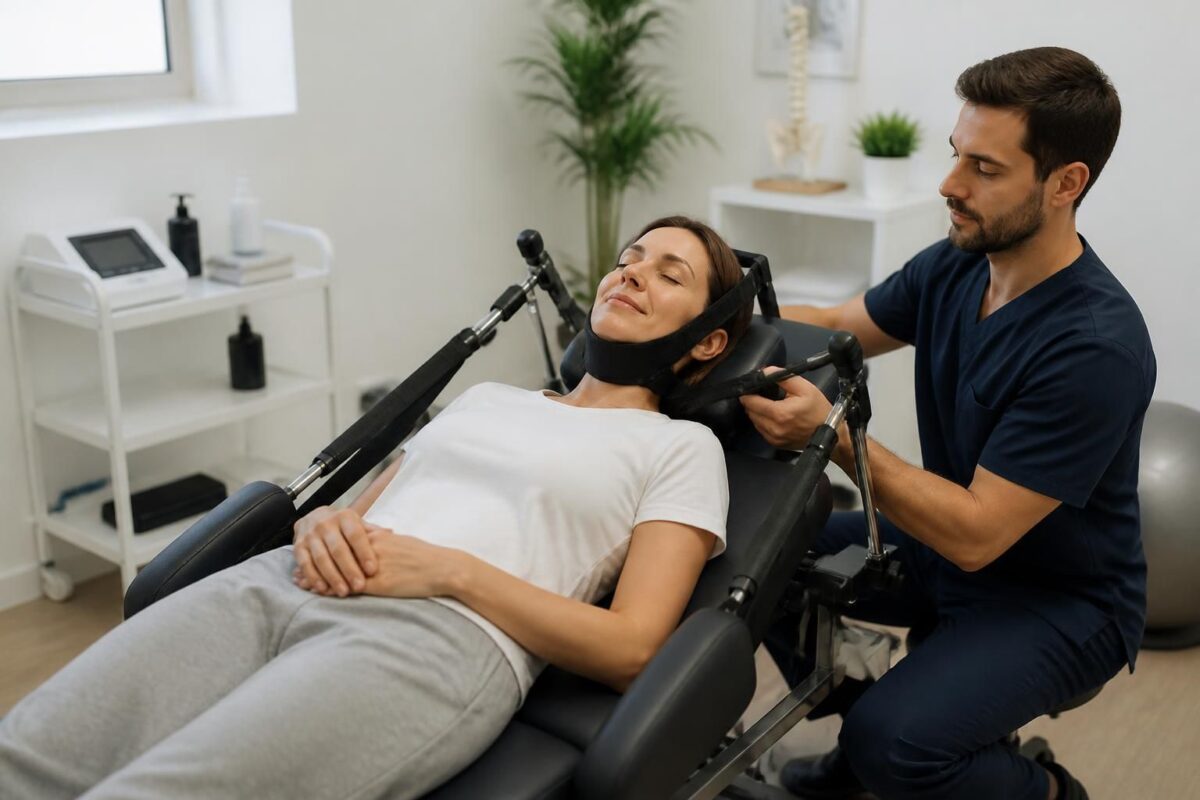
In short
| In short, the neurovertebral decompression is one Non-invasive method intended to relieve Chronic cervical pain in Reducing pressure on intervertebral discs and nerves. By acting by controlled traction, it Creates an intervertebral space, improves the bloodstream and promotes the tissue rehydration and regeneration, contributing to a Quick relief and to a Increased mobility. accessible to Montreal, she is a Safe and effective alternative to surgery and can be integrated into a comprehensive care plan without using pharmaceuticals. |
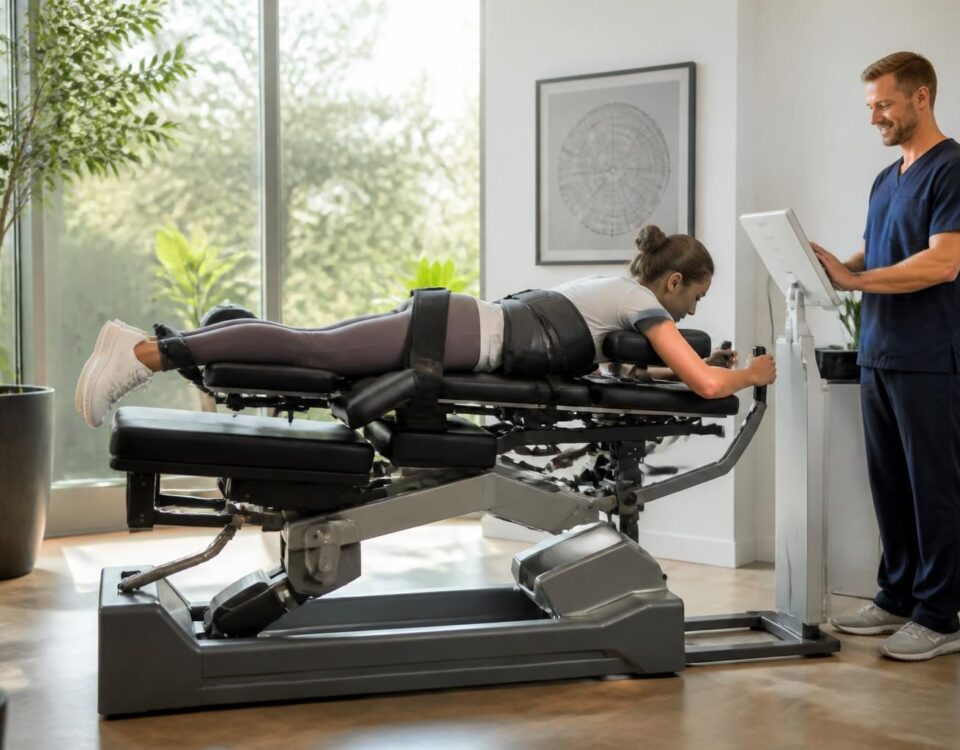
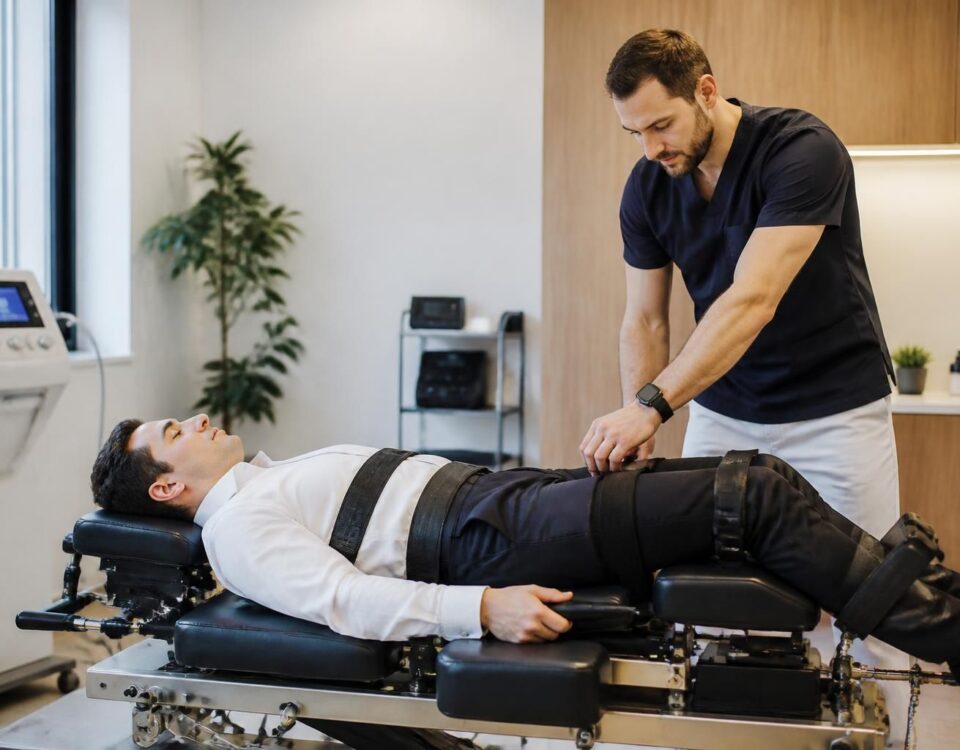
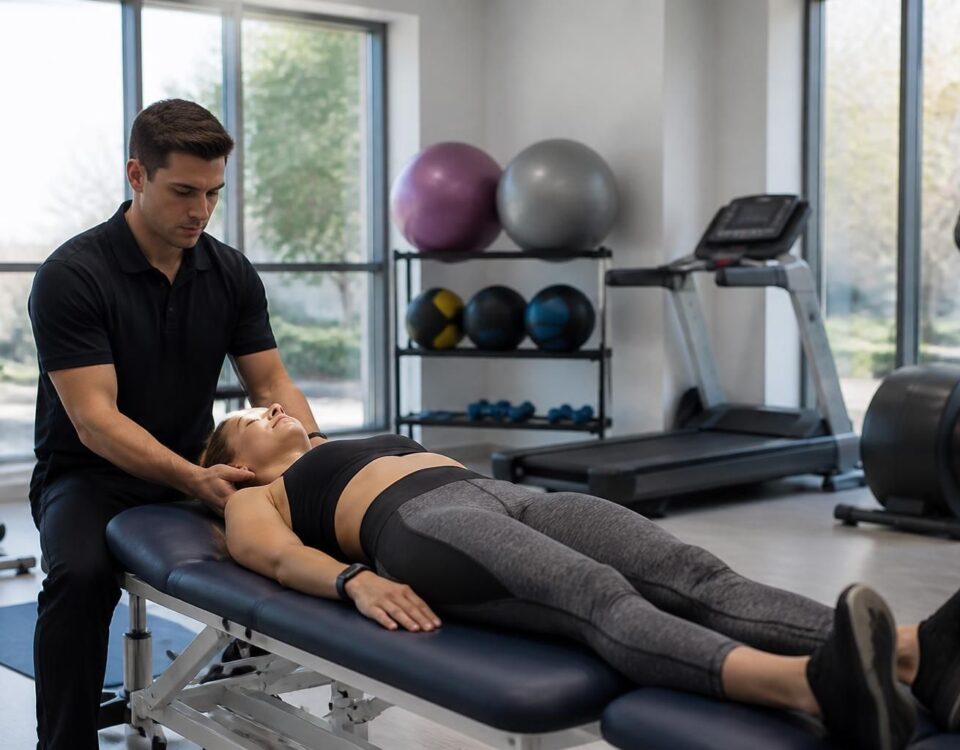
The neurovertebral decompression is an approach non-invasive aimed at relieving chronic cervical pain. She acts by a gentle traction on the cervical spine, creatingintervertebral space and reducing the pressure on the Intervertebral discs and the gristle.
by rehydrating the discs and promoting the tissue regeneration, it improves the circulation fluids and decreases inflammation, which leads to a pain reduction and to a Improving mobility of the neck.
This treatment is secure and maybe integrated other approaches such as losteopathy or physiotherapy, offering a quick recovery and a useful alternative to surgery or drugs.
This text describes in a clear and direct way how the neurovertebral decompression acts on the Chronic cervical pain. It explains the mechanism, benefits, evaluation and application process, as well as integration into a TagMed clinic plan of care. The goal is to offer an option non-invasive Effective to improve the quality of life while avoiding surgical procedures.
How does neurovertebral decompression work?
The Soft and controlled traction On the cervical spine creates a space between the vertebrae. This action reduces the pressure exerted on the Intervertebral discs and on the nerves, which releases tension and facilitates the natural regeneration of tissues. It improves the bloodstream Around the discs, which promotes the supply of nutrients and the hydration of the structural elements. By promoting tissue rebalancing and reducing inflammation, this approach can reduce pain and restore better mobility.
Benefits for neck pain
This method offers several Substantial advantages : she is non-invasive, does not involve surgery and is low risk of adverse effects. Patients often testify to pain reduction after a few sessions and better ability to carry out daily activities. theintegration Decompression in a global care plan sustainably supports cervical function and prevents recurrences, without systematically using drugs or invasive treatments.
Process and eligibility
Before you begin, a full assessment is performed. This may include a clinical examination and imaging to identify the origin of cervical pain and choose the most appropriate approach. The treatment takes place in sessions adapted to the needs of the patient, generally between 15 and 30 minutes each. The protocol is personalized and adjusted according to the progress observed. This approach aims for a gradual recovery and lasting, while minimizing the risks compared to more invasive options.
Integration into a care plan
Decompression can be integrated into a global care plan, especially within TagMed clinics. It can be associated with other manual approaches or specific follow-ups in osteopathy, in order to optimize the results. This approach holistic Targets the source of cervical pain and can improve the stability and mobility of the spine without the need for surgical procedures.
Testimonials and results
Many patients describe a marked decrease in their pain and an improvement in their mobility after several sessions. They also underline a better quality of life and a regained ability to perform activities that they appreciated before the onset of symptoms. These returns help to demonstrate the effectiveness of decompression as part of a personalized care plan supervised by qualified professionals.
Security and considerations
Decompression is an option secure and non-surgical, with few side effects usually reported when performed by experienced practitioners. As with any treatment, an assessment of the individual medical context is essential to identify contraindications and ensure patient safety.
To learn more, you can consult additional resources and information on the specialized areas below:
To find out more about the mechanisms and results, focus on reliable sources and clinics specializing in osteopathy and manual medicine.
Medical Disclaimer: The information and advice provided on this site does not replace the health professional’s diagnosis or treatment. Please note that Dr. Sylvain Desforges osteopath is neither a doctor of medicine nor a doctor, and is not a specialist in a medical specialty as defined by the Collège des Médecins du Québec. Manual medicine, functional medicine and sports medicine as described on this site exclude any medical treatment or diagnosis made by a doctor or specialist doctor. Always consult your doctor for any medical questions. For more details, please read our full legal notice.
“Medical disclaimer: The information and advice provided on this site does not replace the health professional’s benefit, diagnosis or treatment. Please note that Dr. Sylvain Desforges osteopath is neither a doctor of medicine nor a doctor, and is not a specialist in a medical specialty as defined by the Collège des Médecins du Québec. Manual medicine, functional medicine and sports medicine as described on this site exclude any medical treatment or diagnosis made by a doctor or specialist doctor. Always consult your doctor for any medical questions. For more details, please read our full legal notice. »
- Controlled traction Releases intervertebral space and decreases pressure on discs.
- Disc rehydration Favored by stretching, helping to restore their shape.
- Release of nervous pressure Reduced cervical root compression.
- Improved traffic Around discs and nerves, optimized nutrient supply.
- pain reduction and reduced inflammation.
- Amplitude and mobility Improved neck for daily movements.
- quick recovery without surgery or heavy drugs.
- Integration into the care plan with other therapeutic approaches to strengthen the benefits.

This article presents how the neurovertebral decompression can relieve the Chronic cervical pain, describing its mechanism, its practical benefits, eligibility criteria, and advice to optimize treatment in a care process. It is offered as a non-invasive option to improve mobility and quality of life, while avoiding surgical approaches when possible.
Understanding the mechanism of neurovertebral decompression
The first step is to understand the principle of this technique. a pull Controlled and gentle is applied to the cervical spine, which allowsLightly stretch the vertebrae and create additional space between them. This action aims to decrease the pressure exercised on the Intervertebral discs and on the gristle, thus reducing irritation and inflammation associated with conditions such as herniated discs or protrusions. At the same time, improving the circulation and hydration of the discs promotes Tissue regeneration and the restoration of neural and muscular functions.
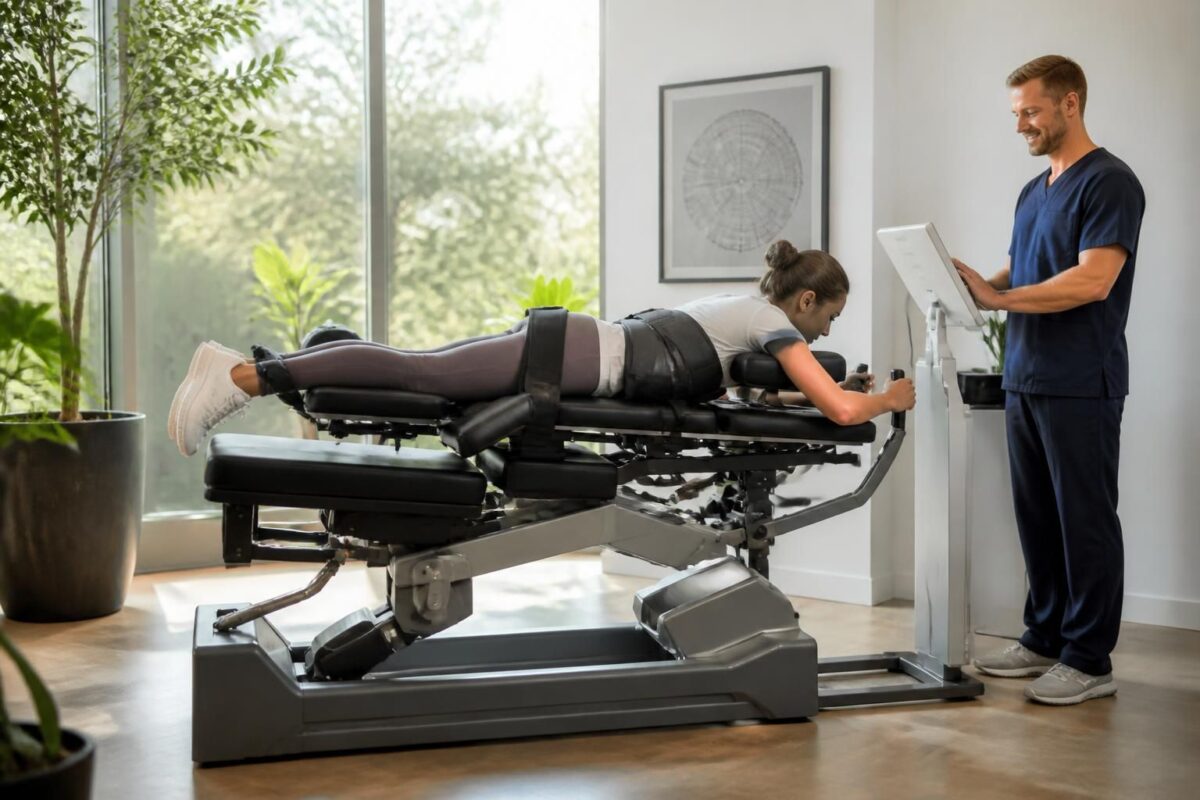
The long-term benefits of neurovertebral decompression for spinal health
In short In short, the neurovertebral decompression is a non-invasive approach that decreases the Pressure on intervertebral discs and nerves, favoring the Natural regeneration and tissue recovery. Its long-term benefits include Lasting pain reduction, Improving mobility and from the posture,…

Neurovertebral decompression and mobility: a return to an active life
In short In short, the neurovertebral decompression is therapy non-invasive who uses a gentle traction To create a space between the vertebrae and reduce the pressure on the Intervertebral discs and the nerves. It promotes a bloodstream improved, lowers tension…
Relief of cervical pain: mechanisms and benefits
By acting on the intervertebral space and the nutrition of the discs, decompression contributes to a Lasting pain reduction and to a Improving mobility. Patients often find a decrease in muscle tension and a reduction in local inflammation. This approach non-invasive Avoids the risks associated with surgery and allows a gradual return to daily activities. Over the course of the sessions, some patients note a best posture and an Prevention of recurrences thanks to a more functional and better hydrated cervical spine.
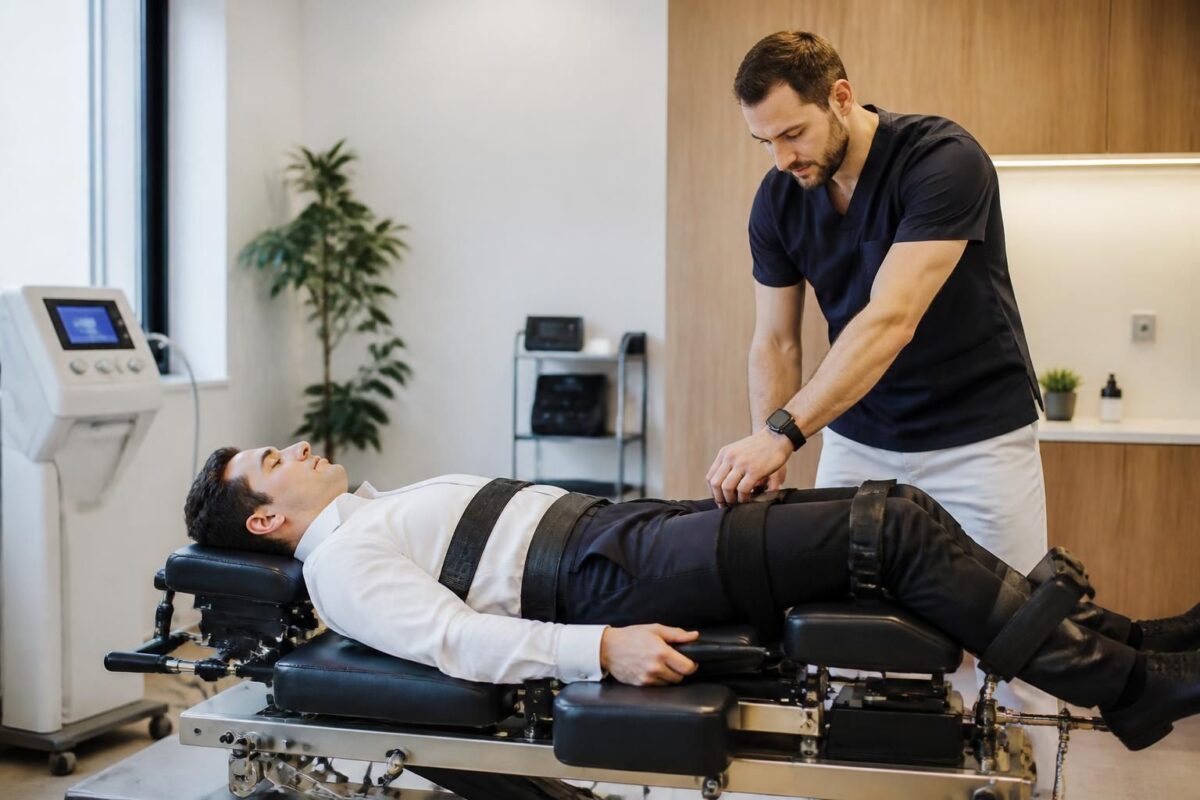
How Neurovertebral Decompression Prevents Diffuse Chronic Pain
In short decompression neurovertebral is one Non-invasive method aimed at reducing the Pressure on the intervertebral discs and the nerves, in order to prevent Diffuse chronic pain. It improves the circulation and thedisc hydration, decreases inflammation and promotes better mobility.…
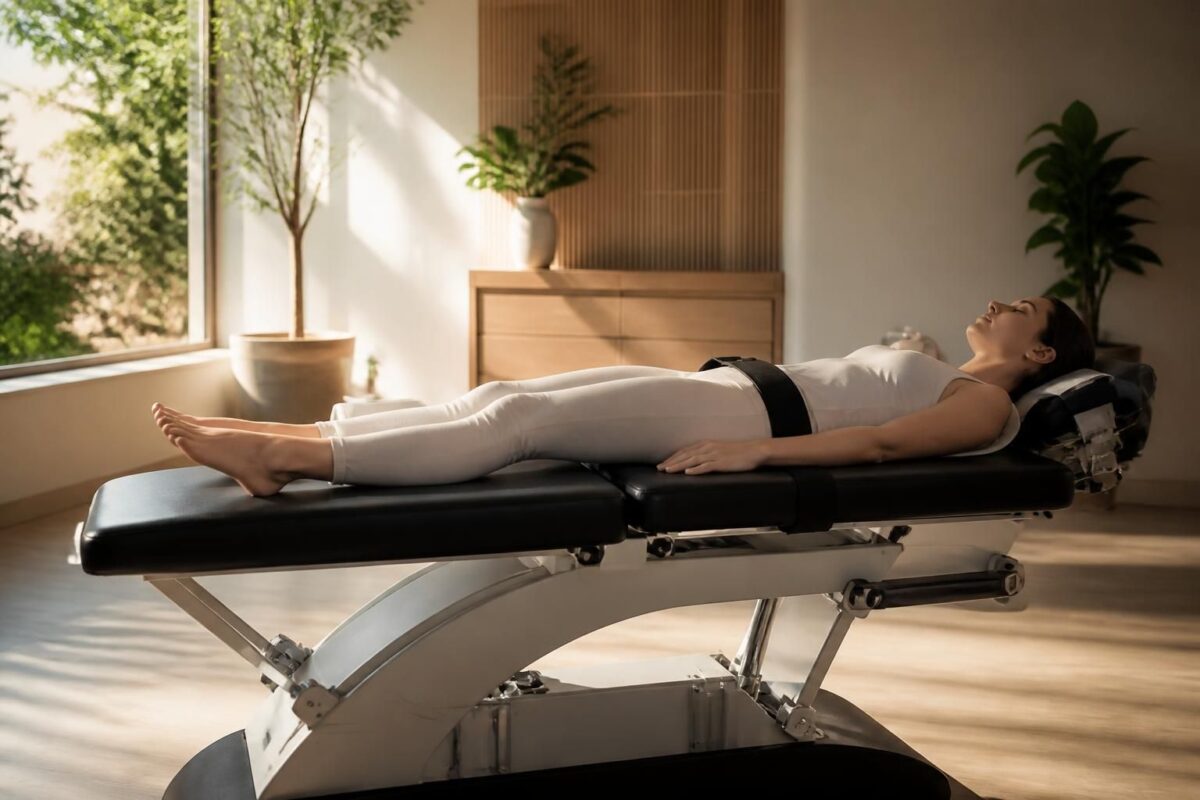
Neurovertebral Decompression and Body Alignment: Restoring Natural Balance
In short In short, neurovertebral decompression is one Non-invasive approach who restores theBody Alignment and thenatural balance back and neck. She acts by a Controlled traction of the spine to widen the intervertebral space and reduce the Pressure on discs…
Eligibility and security: what to check
Eligibility criteria
This treatment is mainly considered when cervical pain is linked to disc problems or vertebral degeneration and when medical evaluation does not reveal any major contraindications. A Full assessment is needed to determine thePersonal eligibility and adapt the protocol.
Contraindications and precautions
Some situations require avoiding decompression, such as vertebral infections, fractures, vertebral instability marked, tumors or conditions that make traction problematic. Appropriate imaging (for example, an MRI or X-ray) is usually necessary before starting treatment, in order to ensure Security and efficiency.
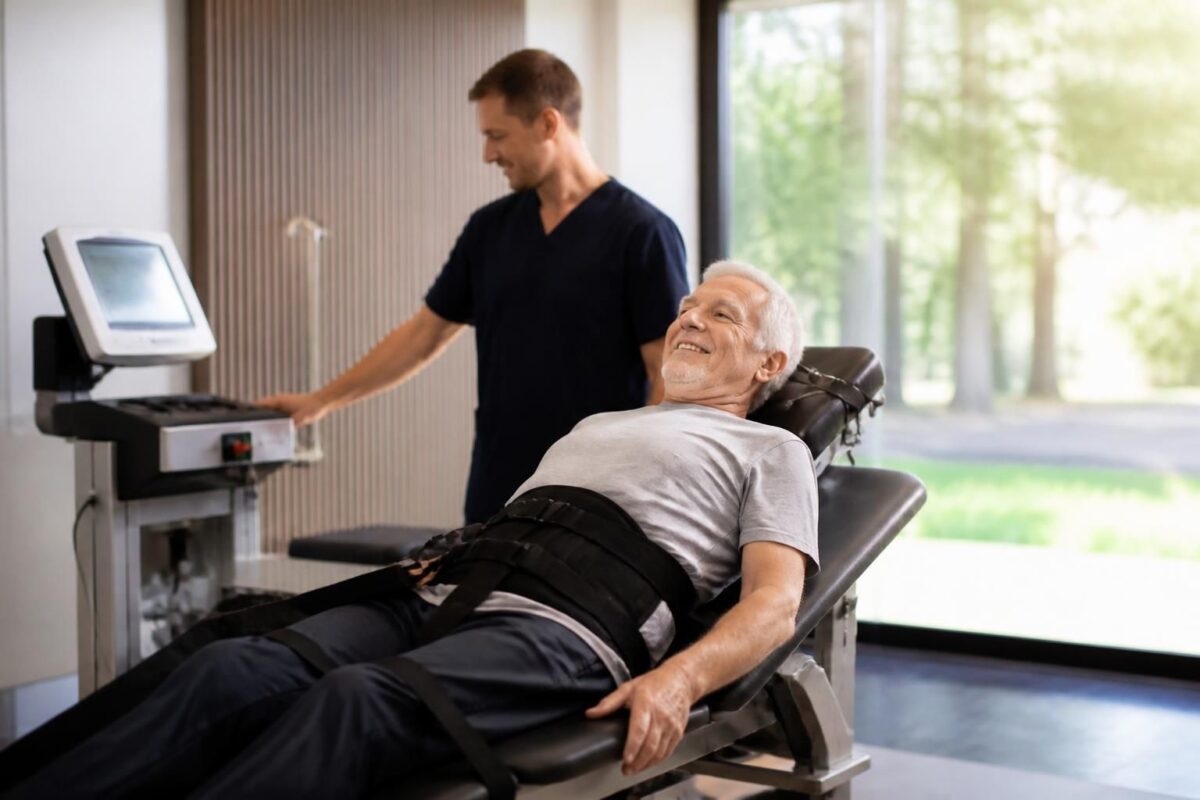
Why neurovertebral decompression is a lasting solution for active seniors
In short In short, the neurovertebral decompression is one Non-invasive therapy which sustainably relieves spinal pain in the spine active seniors By creating, by a Soft and controlled traction, a space between the vertebrae. At Montreal, it is recognized as…
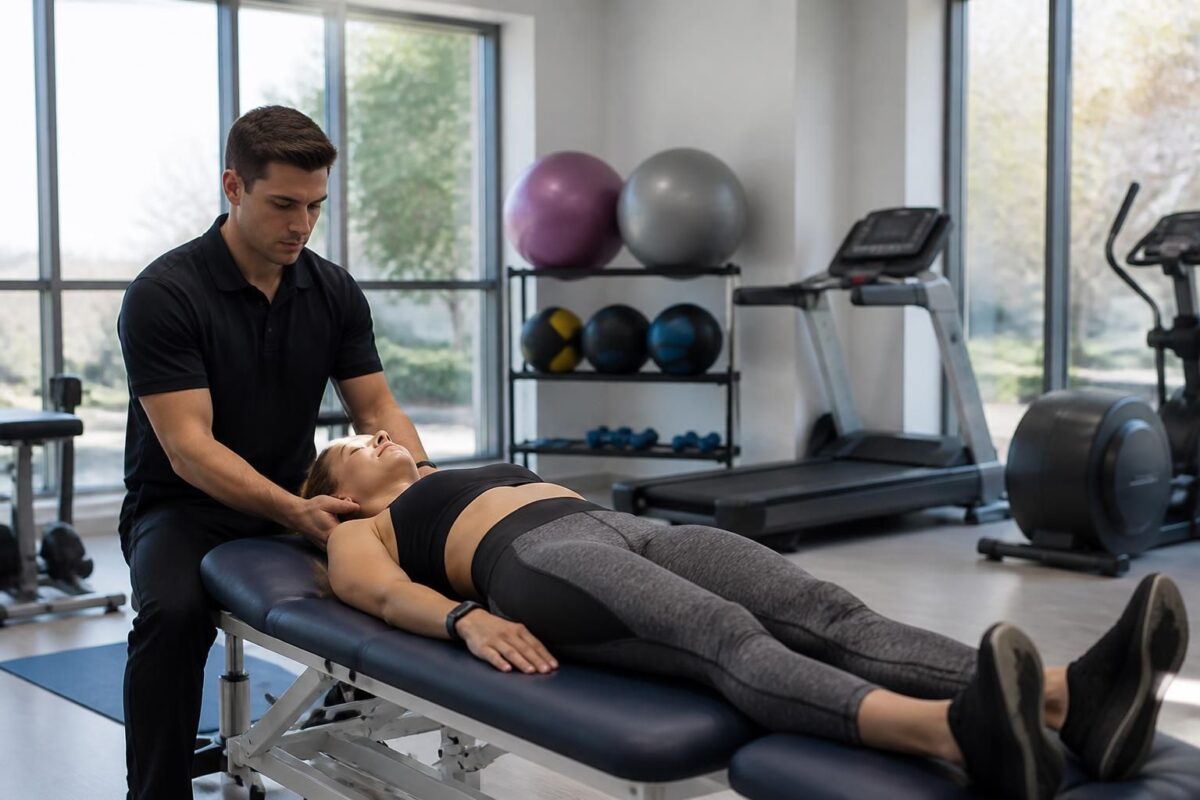
Neurovertebral decompression and recovery after severe sports injury
In short In short, the neurovertebral decompression is one Non-invasive method to Relieve the pressure on the Intervertebral discs and the gristle Via a Controlled traction, to facilitate the recovery After a severe sports injury. It improves the bloodstream towards…
Integration into a care plan and practical advice
To optimize the results, the neurovertebral decompression Ideally fits into a comprehensive care plan, which can be associated with approaches such asosteopathy where the physiotherapy. A personalized program adjusts the duration and frequency of the sessions according to the patient’s tolerance and progress. In addition, practical advice is essential: maintaining a Sufficient hydration, work on the posture On a daily basis, and integrate targeted exercises to strengthen the neck muscles and support the spine. A guided progression allows you to move gradually to functional activities without re-exposing the column to excessive constraints.
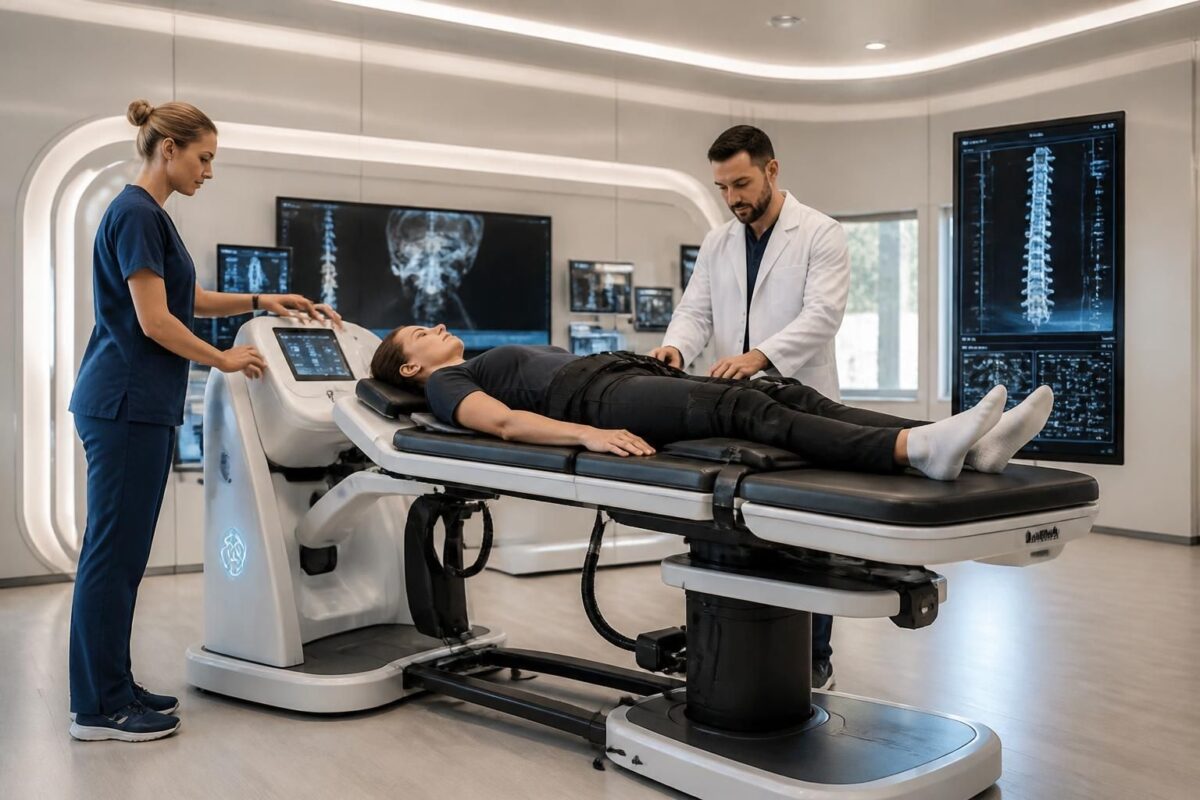
Recent innovations in neurovertebral decompression technologies
In short In short, the neurovertebral decompression is an approach non-invasive Aiming to reduce pressure on discs and nerves, and promote tissue regeneration. At Montreal, it is positioned as an effective option for lower back pain and herniated discs. The…
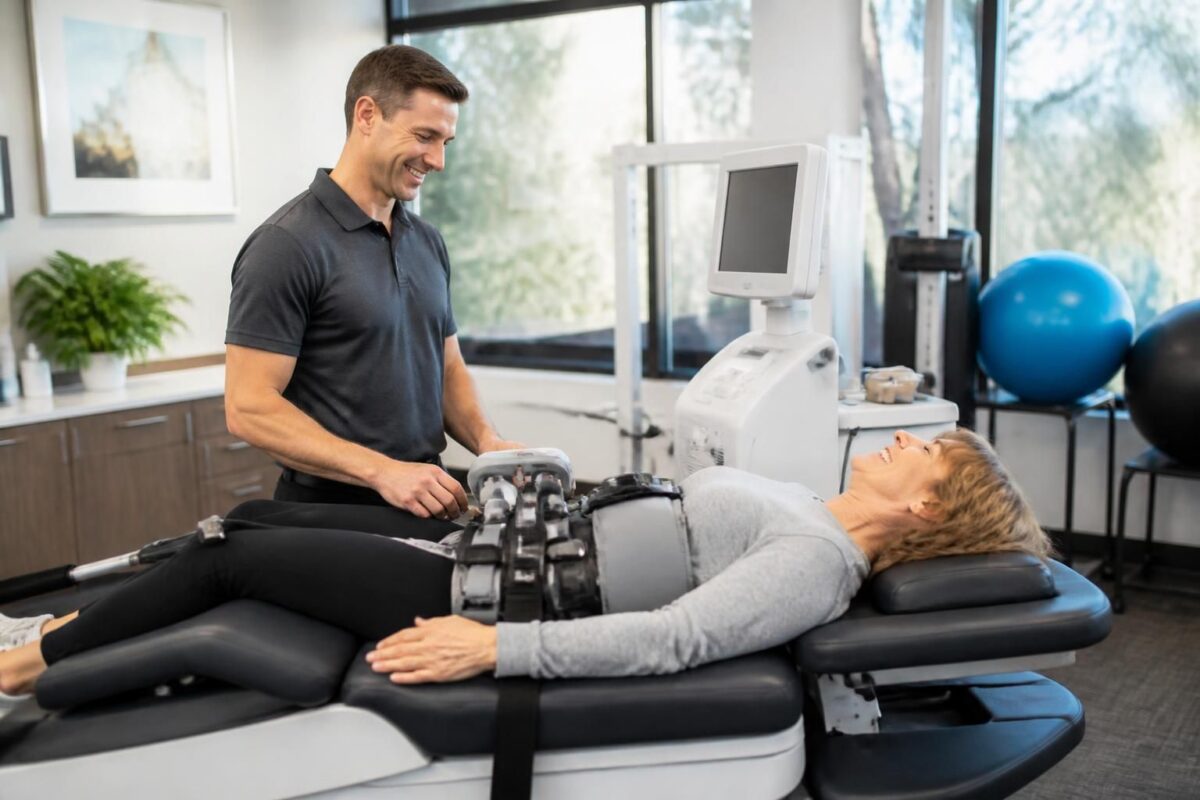
Neurovertebral decompression and diffuse pain: an appropriate solution
In short In short, the neurovertebral decompression is one Non-invasive solution For diffuse pain related to nerve irritation of the spine. She acts in Reducing pressure on intervertebral discs and nerves and improving the bloodstream, which promotes recovery and the…
Long-term follow-up and results
Regular follow-up is used to assess the progress and adjust the care plan to maintain the gains obtained. the lasting results are based on the Combination of targeted traction and complementary therapies, which enhance the stability and flexibility of the cervical spine. Clearly, decompression offers a Efficient and safe solution For persistent cervical pain, with significant feedback on mobility and quality of life when the approach is personalized and followed by competent professionals. If you are considering this treatment, discuss it with your specialist to obtain an assessment adapted to your situation and benefit from a tailor-made plan.
| Aspect | Description |
|---|---|
| Mechanism main | Controlled traction that stretches the column and creates a space between the vertebrae, decreasing the pressure on the discs and nerves. |
| Disc hydration | Rehydration of discs and restoration of their shape, promoting tissue regeneration. |
| pain relief | Reduced pressure and decreased inflammation, leading to a gradual decrease in pain. |
| Mobility and amplitude | Improved neck movements and reduced pain-related limitations. |
| Circulation and metabolism | Better local blood flow and increased intake of nutrients to cervical tissues. |
| Relaxation muscular | Reduced tension around the neck, reducing muscle tension and pain mechanisms. |
| non-invasive | Procedure without surgery or anesthesia, with low risk and rapid recovery. |
| Personalization | Initial assessment and protocol adapted to the cause, pain level and patient functioning. |
| Integration | Can be combined with osteopathy or physiotherapy to optimize results and follow-up. |
Testimonials: How neurovertebral decompression relieves chronic cervical pain
Marie, 46, librarian: “Before starting treatment, my Chronic cervical pain prevented me from reading or working comfortably. After a few sessions of neurovertebral decompression, I felt a Significant pain reduction and an Better mobility of the neck. It is as if a constant pressure had been released and my days had regained their fluidity.”
Antoine, 52, chef: “The first sessions allowed me to note a Less intense pain and an Greater range of motion during my tasks in the kitchen. This non-invasive approach offers a feeling of security and hope: less drugs, more freedom in my daily gestures. »
Clara, 29, graphic designer: “I felt like I was limited by cervical tensions related to my work in front of the computer. After A few sessions decompression, I found a neck fluidity and an Reduction of inflammation. I can work for a long time again without feeling this painful fatigue in my upper back.”
Julien, 63, retired: “Because of my age, neck pain slowed me down in my leisure activities. The gentle traction Applied during the sessions created a space between the vertebrae and improved circulation around the discs. Result: A pain that gradually fades away and an More stable posture.»
Isabelle, 39, commercial: “I dreaded heavy treatments, but decompression really convinced me. I found a Lasting pain reduction and an Better ability to turn your head without embarrassment. It has become a key step in my daily well-being and professional performance.”
Thomas, 50, executive: “My daily life was punctuated by repeated painful episodes. Since the start of the program, my neck pain manifest themselves less frequently and my Muscle reactions around the neck have calmed down. It’s a solution non-invasive which allowed me to gradually resume my activities without depending on analgesics.
How neurovertebral decompression relieves chronic cervical pain
Dr. Sylvain Desforges embodies a resolutely oriented approach to efficiency and safety in the field of manual health. Expert in osteopathy, naturopathy and manual medicine, he organizes his practice around a clear objective: to offer evidence-based solutions to sustainably improve the well-being of his patients. His vision is based on a precise understanding of the mechanisms of cervical pain and on the integration of innovative technologies in the service of a personalized care plan.
The neurovertebral decompression is at the heart of his approach to chronic cervical pain. This technique is based on a Soft and controlled traction which allowsGradually stretch the cervical spine and create a space between the vertebrae. By decreasing the Pressure exerted on the intervertebral discs and on the cervical nerves, it promotes the rehydration and regeneration of damaged tissues, while reducing inflammation and associated pain. This mechanism does not require surgical intervention and is part of a dynamic of Natural healing of the body.
The clinical results perceived by his patients are manifested in particular by a Improving mobility of the neck and a Significant decrease in pain After a few sessions. Decompression promotes the circulation of nutrients and oxygen to the cervical tissues, which contributes to restoring the function of the spinal structures and preventing future aggravations. In this context, the treatment is personalized and adapted to the unique condition of each patient, with careful supervision and adjustments according to the therapeutic response.
Beyond its direct effect on discs and nerves, the neurovertebral decompression integrates harmoniously into a global care offer. Dr. Desforges often associates this approach with complementary modalities such asosteopathy, the Shockwave therapy and the laser, in order to strengthen profits and accelerate recovery. This synergy makes it possible to address the different components of pain – mechanical, inflammatory and muscular – to offer a complete and effective treatment plan.
Convinced that the sustainability of the results goes through an evidence-based approach, Dr. Desforges favors a Early and in-depth assessment patients, including a rigorous clinical examination and, when necessary, imaging examinations. This approach ensures that each decompression protocol is secure, appropriate and aligned with the best available data. By combining scientific rigor and careful listening, it aims not only to relieve pain, but also to restore quality of life and confidence in the body’s ability to heal itself.
For those looking for non-invasive and effective solutions against persistent cervical pain, the neurovertebral decompression proposed by Dr. Desforges represents a structured and promised option. His approach is guided by the idea that each patient deserves a clear, safe and sustainable outcome-focused care path. Discover his approach and the services available within the TagMed clinics and the ACMA association to understand how this technique can fit into a personalized health course.
This text presents how the neurovertebral decompression can relieve the Chronic cervical pain By reducing the pressure on discs and nerves, promoting disc rehydration and improving circulation. This approach non-invasive fits into a Overall care plan And can be an effective alternative to surgery to regain mobility and quality of life.
neurovertebral decompression First act by a Soft and controlled traction which creates a space between the cervical vertebrae. This action reduces the pressure exerted on the Intervertebral discs and the cervical nerves, which promotes better circulation of nutrients and allows rehydration discs. As a result, patients find a pain reduction, a Improving mobility and a gradual resumption of activities, without resorting to invasive surgical treatments. To understand the mechanisms and benefits in various professional and age-related situations, you can consult resources that explain how this dynamic traction improves intervertebral circulation and participates in tissue regeneration.
Beyond mechanical action, Non-invasive benefits of this approach are based on a Minimum risk of side effects and an Easy integration in one Overall care plan. This technique can be combined with other therapies, including osteopathy or physiotherapy, in order to maximize results and prevent recurrences. For sedentary workers and active seniors, dedicated resources explain why it is particularly suitable and recommended in these populations: Ideal#atfp_close_translate_span# for sedentary workers and Recommended#ATFP_CLOSE_TRANSLATE_SPAN# for active seniors.
The evaluation and personalization process is central: each patient benefits from a Tailor-made plan After a clinical examination and, if necessary, imaging examinations (MRI, X-ray). This targeted approach allows sessions to 15 to 30 minutes that adapt to the individual healing rhythm and can be associated with exercises or other therapies to enhance results. To deepen the assessment and treatment perspectives, consult the resources related to chronic cervical pain management: Management#ATFP_CLOSE_TRANSLATE_SPAN# Chronic cervical pain.
Patient feedback and clinical reviews indicate a significant decrease in pain and better ability to perform daily activities. This approach can also help prevent recurrences by improving the stability and integrity of cervical tissues. For concrete perspectives and examples, you can refer to resources such as Decompression#ATFP_CLOSE_TRANSLATE_SPAN# Neurovertebral and herniated disc and Prevent#ATFP_CLOSE_TRANSLATE_SPAN# Recurrence of spinal pathologies.
Finally, the neurovertebral decompression can and should be considered as a component of a comprehensive care plan, coupled with modern technologies and approaches to optimize the mobility and the quality of life. Specialized articles and resources explain how it fits into a strategy for managing musculoskeletal imbalances related to recurrent cervical pathologies and how it can be integrated with advanced devices and protocols: Influence#ATFP_CLOSE_TRANSLATE_SPAN# on musculoskeletal imbalances, Relieve#ATFP_CLOSE_TRANSLATE_SPAN# Cervicalgia, and Improvement#atfp_close_translate_span# of intervertebral circulation.
For patients wishing to go further, additional resources and exchanges can be considered via our affiliated partner and clinic structures. For all practical information and personalized evaluation, contact our teams and discover the available options: Tagmed Clinic and tagmed.

Dr Sylvain Desforges, B.Sc., D.O., N.D., osteopath, is the founding president of TAGMED and of the ACMA association. He dedicates his practice to chronic spinal pain, low back pain and symptoms compatible with sciatica, particularly when pain radiates toward the buttock, leg, calf, foot or toes.
Through SOS Sciatique, he publishes educational content on sciatica symptoms, possible causes such as disc herniation, disc narrowing, foraminal stenosis or irritation of a lumbar nerve root, as well as non-surgical approaches that may be considered according to the evaluation. At Clinique TAGMED, care may include, depending on the case, motorized neurovertebral decompression, specific osteopathic care or precision percussion.
For an evaluation related to sciatica treatment in Montreal / Mount Royal or sciatica treatment in Terrebonne, please consult the services available at Clinique TAGMED.
Medical disclaimer
The information published on SOS Sciatique is provided for educational purposes only and does not replace a consultation, diagnosis, opinion or treatment provided by a physician or another authorized healthcare professional. The author of this article is neither a medical doctor nor a specialist in a medical specialty recognized by the Collège des médecins du Québec. The osteopathic, manual medicine or functional support approaches described on this site do not constitute medical acts and are not intended to replace medical follow-up.
Consult a physician or emergency service in cases of loss of bladder or bowel control, anesthesia in the saddle area, significant or progressive weakness in the leg or foot, fever, recent trauma, severe pain or rapid worsening of symptoms. For more details, please read our Legal Notice.