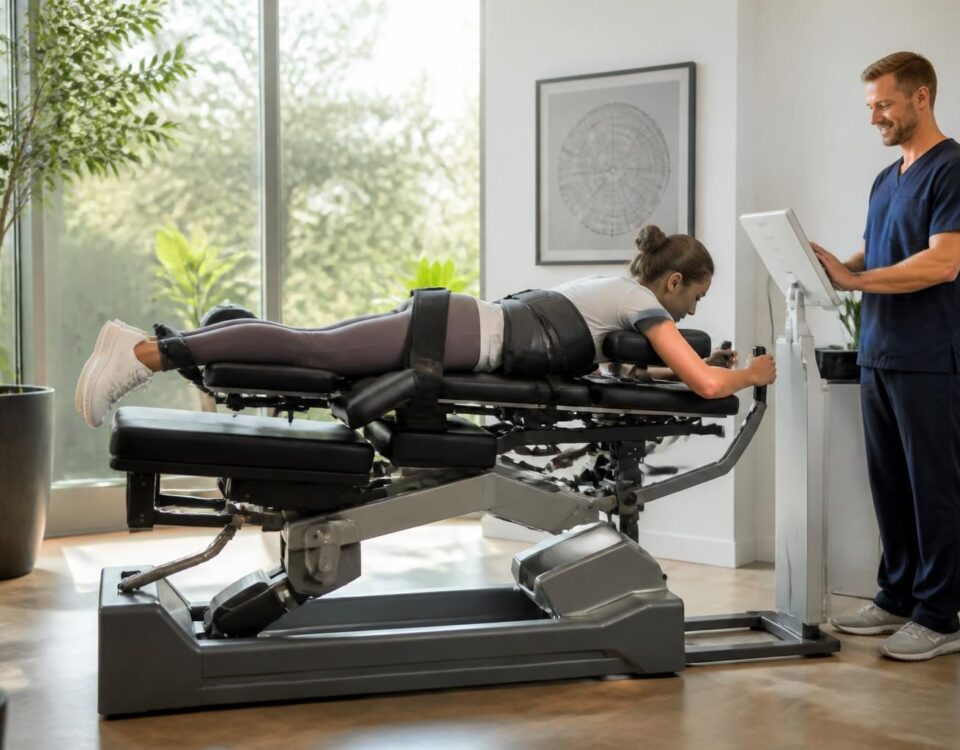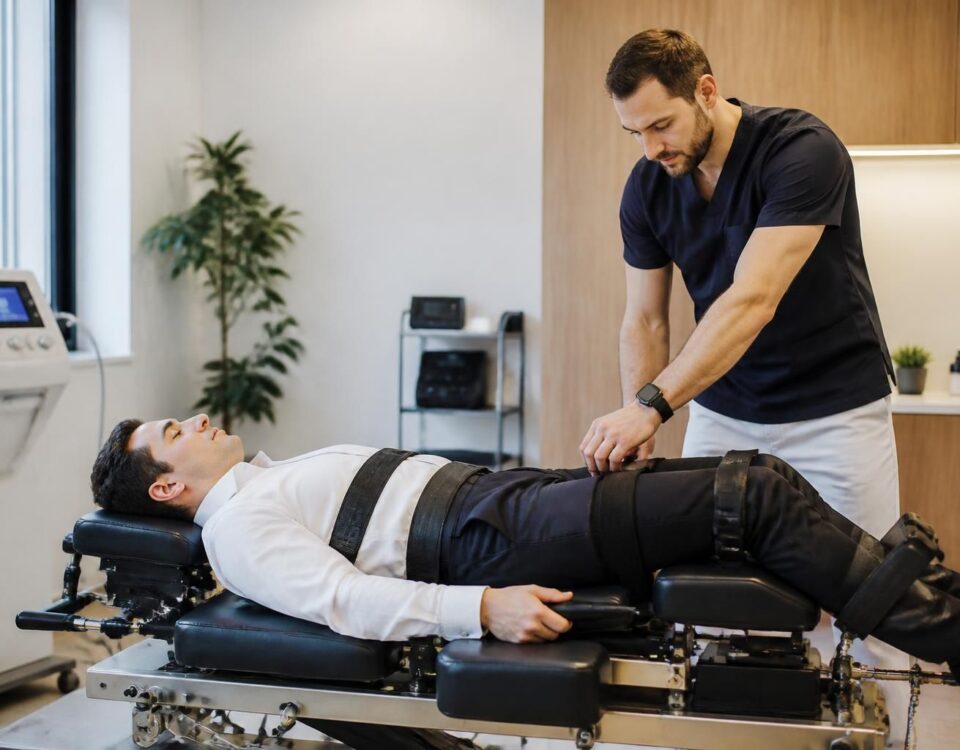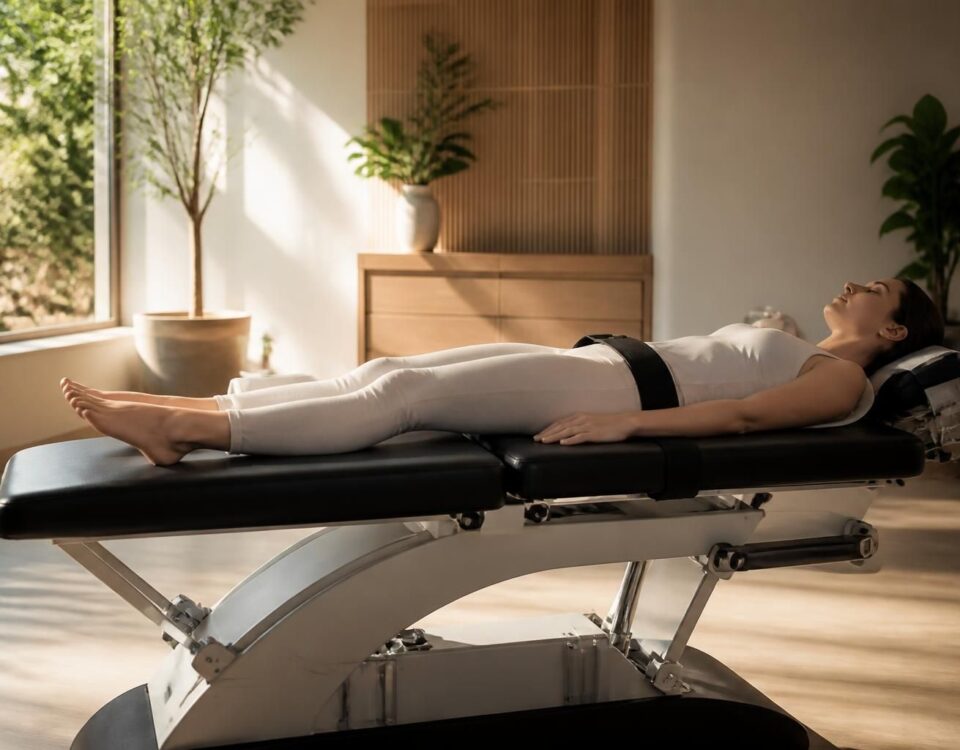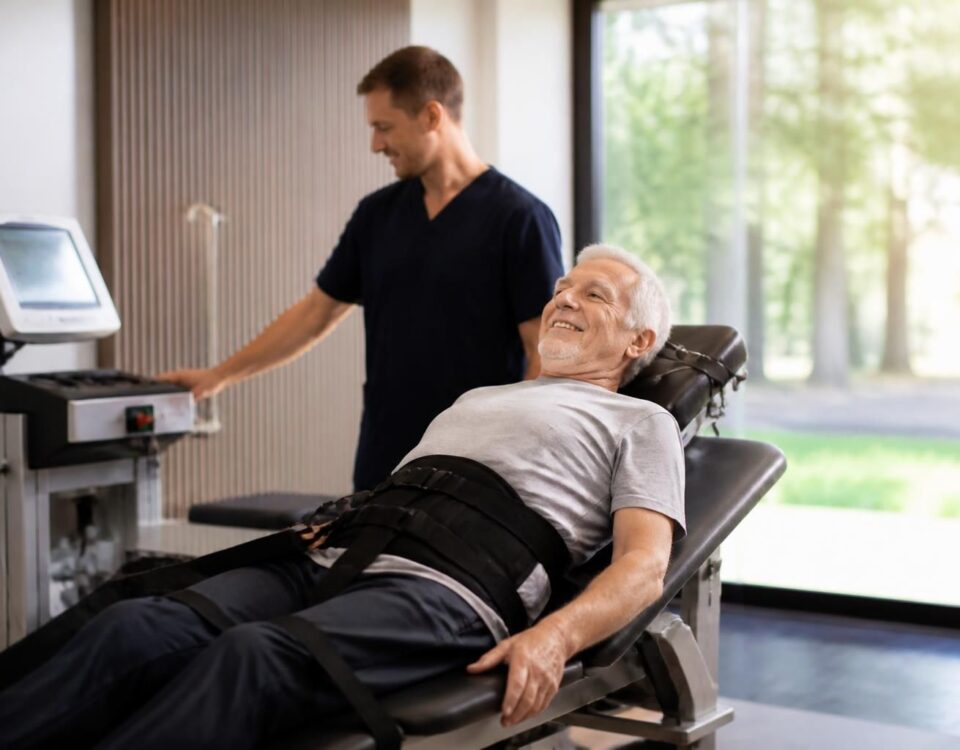
Neurovertebral decompression and treatment of persistent radicular pain
26/06/2026
How neurovertebral decompression helps relieve chronic neck pain
26/06/2026
In short
| In short, the neurovertebral decompression is an approach non-invasive To treat pain related to Lumbar disc disease and to Foraminal stenosis. The clinical studies show a pain reduction and an function improvement In patients subacute and chronicles, with rates reaching approximately 70 to 90% according to the series. The mechanism is based on a reduction in the Intradiscal pressure and a better vascularization of the nerves, promoting recovery. Main advantages: security and lack of surgery, lasting improvement mobility and rapid resumption of activities. In Montreal, this service is particularly suitable for people with low back pain and radiculopathy seeking an effective and safe alternative. |
Here is a short summary of clinical studies demonstrating lefficiency of the neurovertebral decompression in the treatment of pain related to Foraminal stenosis and lumbar disc diseases.
- A key study involving a large sample found that approximately 71% patients reported Significant improvement their symptoms after several sessions.
- The results showed a pain reduction and improvements in function and from the quality of life.
- The mechanism of action is based on the Reduction in intradiscal pressure and a better bloodstream around the intervertebral discs.
- Compared to non-invasive and pharmacological treatments, decompression is an approach non-invasive which avoids operative risks.
- The limitations lie in the fact that the majority of the data comes from studies retrospectives with various protocols; of randomized controlled trials are necessary to confirm these results.
This article presents the clinical evidence available on efficiency of the neurovertebral decompression. It highlights data from studies in patients with lumbar disc disease and radiculopathy, and explains how this non-surgical approach can influence pain and function. The goal is to offer a clear and reliable synthesis for professionals and patients who are considering non-invasive therapeutic options.
Context and objectives of the research
The work focuses on the capacity of the neurovertebral decompression Reduce pressure on nerve structures and improve nutrient intake in the intervertebral discs. They evaluate groups of patients with chronic symptoms related to lumbar disc disease and herniated discs. The results are oriented towards reducing pain and improving function without the need for surgery.
Key results of clinical trials and analyses
A series of studies report encouraging results. For example, a review and clinical series show that up to 71% Patients with foraminal stenosis and lumbar disc disease reported significant improvement after several non-surgical decompression sessions. These data highlight a lasting effect on pain and functional ability.
In other analyses, high percentages of patients describe a marked decrease in pain and a better quality of life after treatment. Some reports indicate that improvement rates of the order of 70 to 90% have been observed on various cohorts, which confirms the potential of decompression to relieve chronic symptoms and promote return to daily activities.
The data also suggests better mobility and reduction of symptoms such as paresthetic and numbness in treated patients. These results support the idea that decompression can facilitate functional recovery and reduce the impact of pain on working life.
Mechanism of action and clinical implications
The mechanism of action is based on the reduction of intradiscal pressure and the redistribution of forces on the nervous elements. This decompression facilitates the circulation of fluids and the supply of oxygen and nutrients in the nervous tissues, promoting healing and regeneration. In practice, this approach offers a non-invasive alternative that can complement other non-pharmacological treatments when symptoms persist.
Comparisons and therapeutic context
The results of the studies show that decompression neurovertebral May offer similar benefits to other non-surgical modalities, while avoiding the risks associated with surgery. It is presented as a relevant option for patients seeking a less invasive approach focused on pain reduction and functional improvement.
Resources and information points
To deepen the evidence, you can consult the following resources:
Clinical studies on neurovertebral decompression
Natural approach and decompression for recurrent disc hernias
Other associated resources:
For a technical overview and consolidated results, you can also view the documents and reports available on the sites referenced above and in the resources associated with TagMed and partner clinics.
Additional reference: Clinical studies demonstrating efficacy
IMPORTANT NOTE : The information presented does not replace the opinion of a health professional. Each patient benefits from a personalized diagnosis and an appropriate treatment plan.
Medical Disclaimer: The information and advice provided on this site does not replace the health professional’s diagnosis or treatment. Please note that Dr. Sylvain Desforges osteopath is neither a doctor of medicine nor a doctor, and is not a specialist in a medical specialty as defined by the Collège des Médecins du Québec. Manual medicine, functional medicine and sports medicine as described on this site exclude any medical treatment or diagnosis made by a doctor or specialist doctor. Always consult your doctor for any medical questions. For more details, please read our full legal notice.
- Multicentric study (n ≈ 778): 71% significant improvement in symptoms after neurovertebral decompression.
- Pain : majority of patients report lasting reduction after the sessions.
- Function : Measurable improvement in ODI and EVA post-processing scores.
- Mobility : Progressive renewed mobility and activities
- Satisfaction and quality of life : High rate of satisfaction after treatment.
- Varied population : efficacy observed in adults with lumbar, subacute and chronic discopathy.
- Comparison with other therapies : results equivalent to or greater than conventional traction in certain series.
- Combined diagrams : Increased benefits when decompression associated with conventional physiotherapy.

clinical studies on neurovertebral decompression demonstrate a efficiency significant in reducing the pain and improved function in patients with Lumbar disc disease and of Foraminal stenosis. Important series report improvement rates ranging from 60% to 90%, with a significant proportion of patients regaining mobility and autonomy. In this research, the satisfaction and improvement of the quality of life Turn out to be recurring and lasting results, making this non-invasive approach a valuable option to avoid or even delay surgical procedures.
Clinical evidence available
Of the available data, a retrospective study of a large sample of patients showed that about 71% of participants who received this treatment reported significant improvement after several sessions. Other registers describe efficacy increases of up to 90% depending on the symptoms and assessment tools used, such as pain indices and functional questionnaires. These results indicate a relative constancy of profits when the neurovertebral decompression is associated with standardized protocols.
The results on the function and the pain are confirmed by measurable improvements in clinical scores, including decreases in visual analogue scale (EVA) and disability (ODI) scores. Specific series also report improvements related to mobility and the ability to accomplish daily living activities, with high satisfaction rates in treated patients. These observations support the idea that decompression can produce clear clinical benefits in populations prone to Chronic pain.
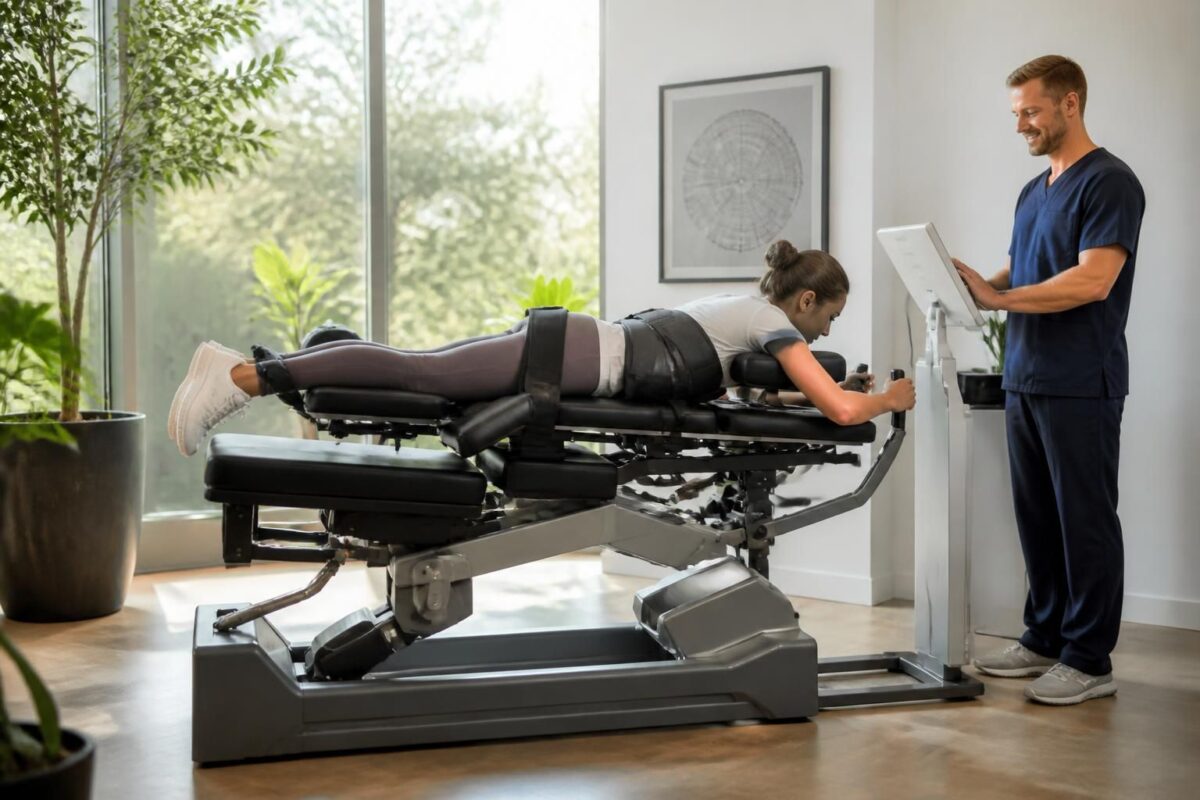
The long-term benefits of neurovertebral decompression for spinal health
In short In short, the neurovertebral decompression is a non-invasive approach that decreases the Pressure on intervertebral discs and nerves, favoring the Natural regeneration and tissue recovery. Its long-term benefits include Lasting pain reduction, Improving mobility and from the posture,…

Neurovertebral decompression and mobility: a return to an active life
In short In short, the neurovertebral decompression is therapy non-invasive who uses a gentle traction To create a space between the vertebrae and reduce the pressure on the Intervertebral discs and the nerves. It promotes a bloodstream improved, lowers tension…
Clinical mechanisms and indicators
The mechanism of action is based on reducing pressure on the nerve roots and increasing blood supply and nutrients at the disc and nervous level. This modulation promotes the calming of symptoms and can accelerate the healing of tissues. The Clinical indicators keys include the Eva (subjective pain), theodd (functional incapacity) and functional assessments, as well as radiological results when available. Correlations between MRI changes and clinical improvements have been described, strengthening the link between mechanism and therapeutic response.
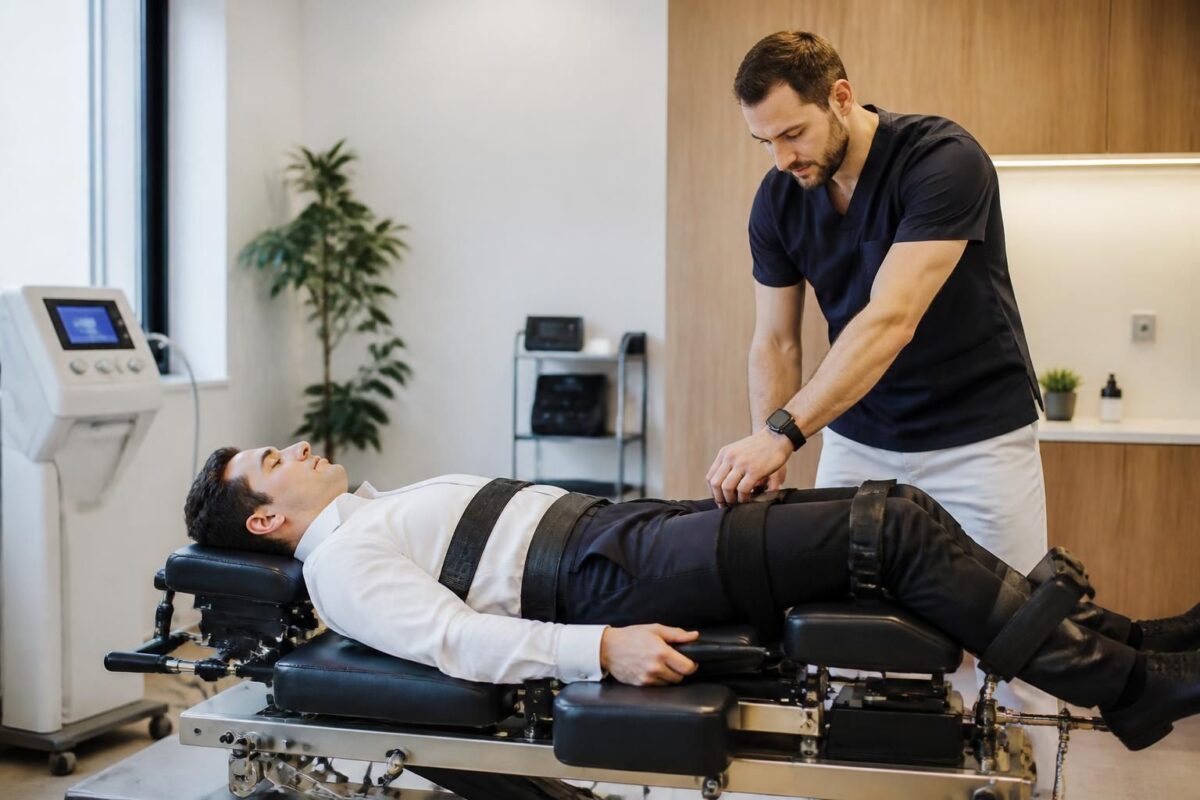
How Neurovertebral Decompression Prevents Diffuse Chronic Pain
In short decompression neurovertebral is one Non-invasive method aimed at reducing the Pressure on the intervertebral discs and the nerves, in order to prevent Diffuse chronic pain. It improves the circulation and thedisc hydration, decreases inflammation and promotes better mobility.…
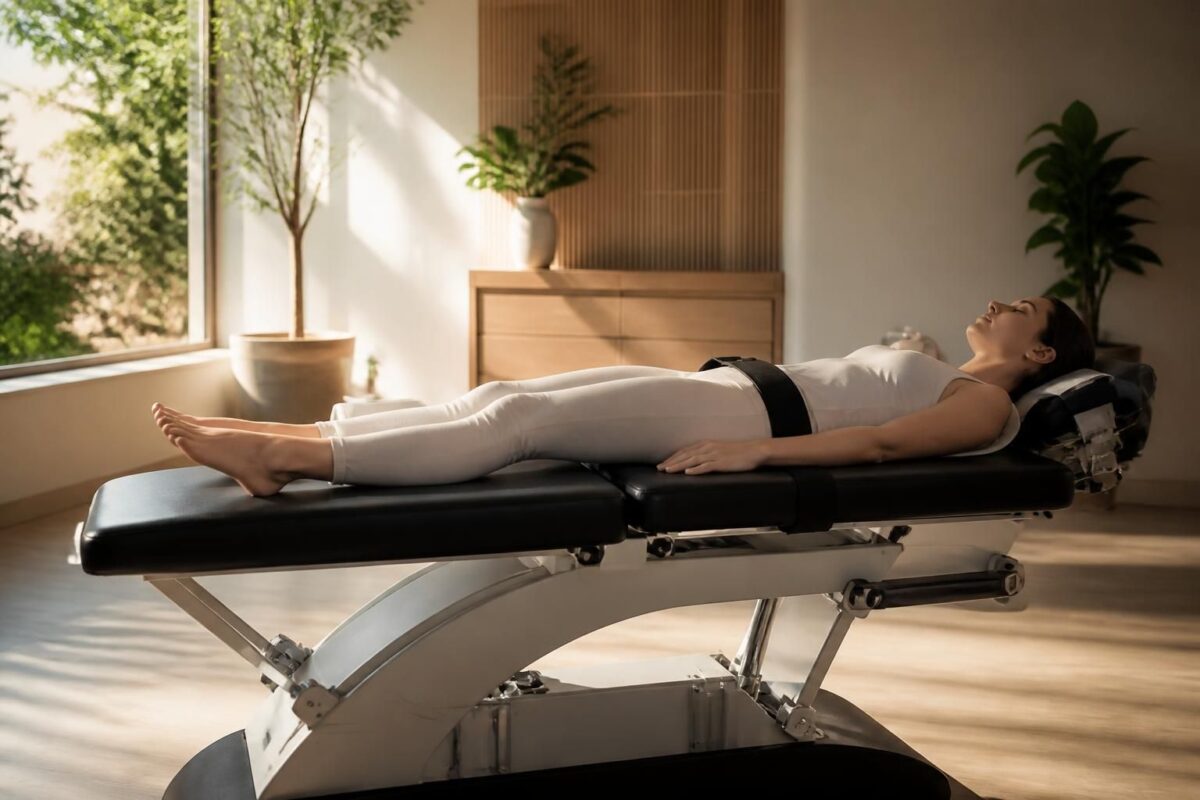
Neurovertebral Decompression and Body Alignment: Restoring Natural Balance
In short In short, neurovertebral decompression is one Non-invasive approach who restores theBody Alignment and thenatural balance back and neck. She acts by a Controlled traction of the spine to widen the intervertebral space and reduce the Pressure on discs…
Protocols and security
Several publications emphasize the importance of using protocols standardized to optimize the results and facilitate comparisons between studies. Typical protocols recommend controlled traction, adapted to the patient’s weight and tolerance, on regular sessions and generally of a duration of around 20 minutes. Safety is ensured by emergency stop mechanisms and professional supervision, in order to avoid any worsening of symptoms. Parameter consistency (intensity, duration, frequency) contributes to more predictable and reproducible results.
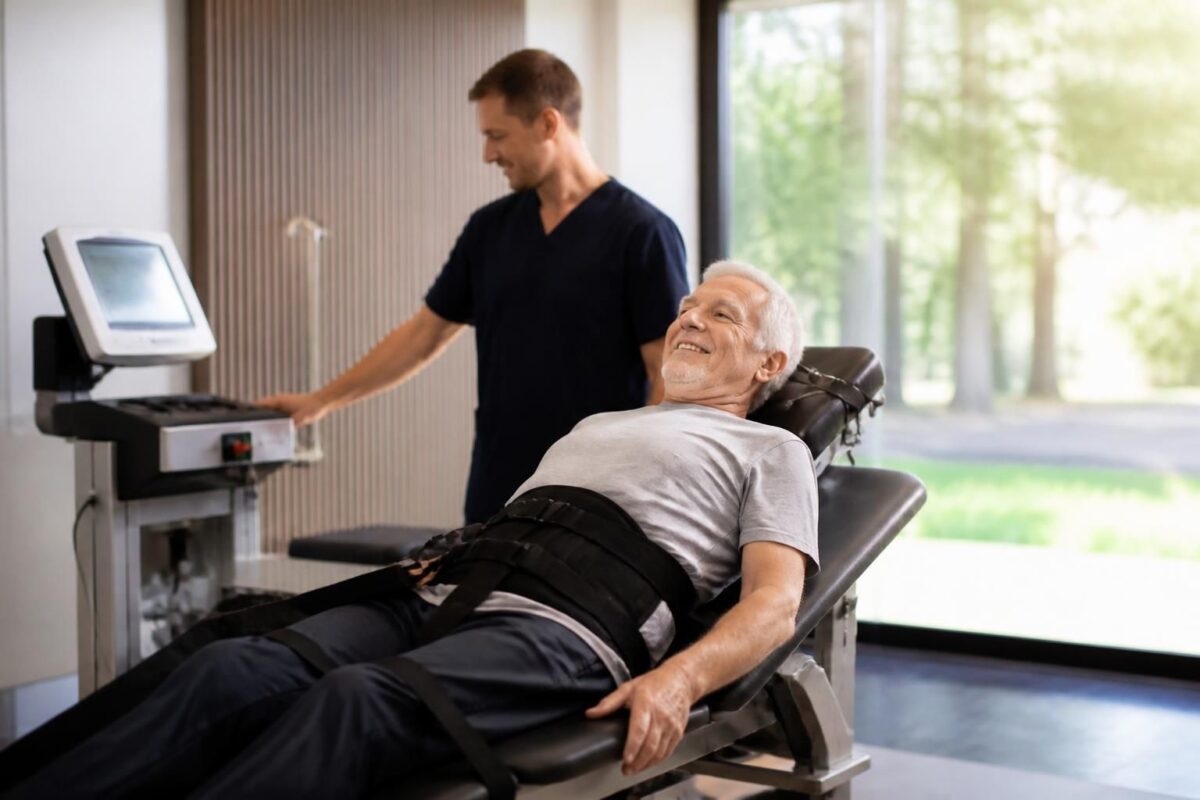
Why neurovertebral decompression is a lasting solution for active seniors
In short In short, the neurovertebral decompression is one Non-invasive therapy which sustainably relieves spinal pain in the spine active seniors By creating, by a Soft and controlled traction, a space between the vertebrae. At Montreal, it is recognized as…
Neurovertebral decompression and recovery after severe sports injury
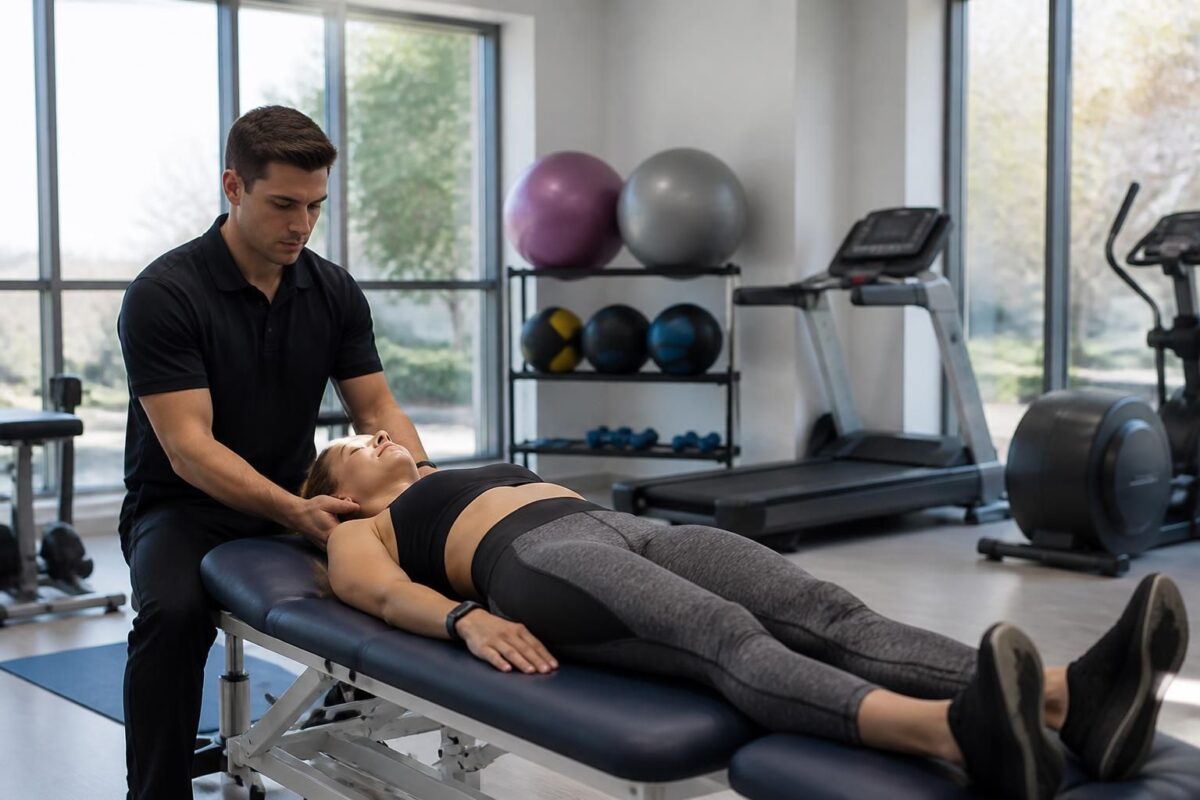
In short In short, the neurovertebral decompression is one Non-invasive method to Relieve the pressure on the Intervertebral discs and the gristle Via a Controlled traction, to facilitate the recovery After a severe sports injury. It improves the bloodstream towards…
Populations concerned and data limits
Evidence mainly concerns patients with Lumbar disc disease subacute or chronic and Foraminal stenosis, with or without radiculopathy. Although the results are encouraging, most analyzes remain retrospectives and subject to the heterogeneity of groups, comorbidities and protocols. Randomized, controlled trials with balanced groups are needed to clarify the magnitude of the advantage and the exact place of decompression in the management algorithms.
Recent innovations in neurovertebral decompression technologies
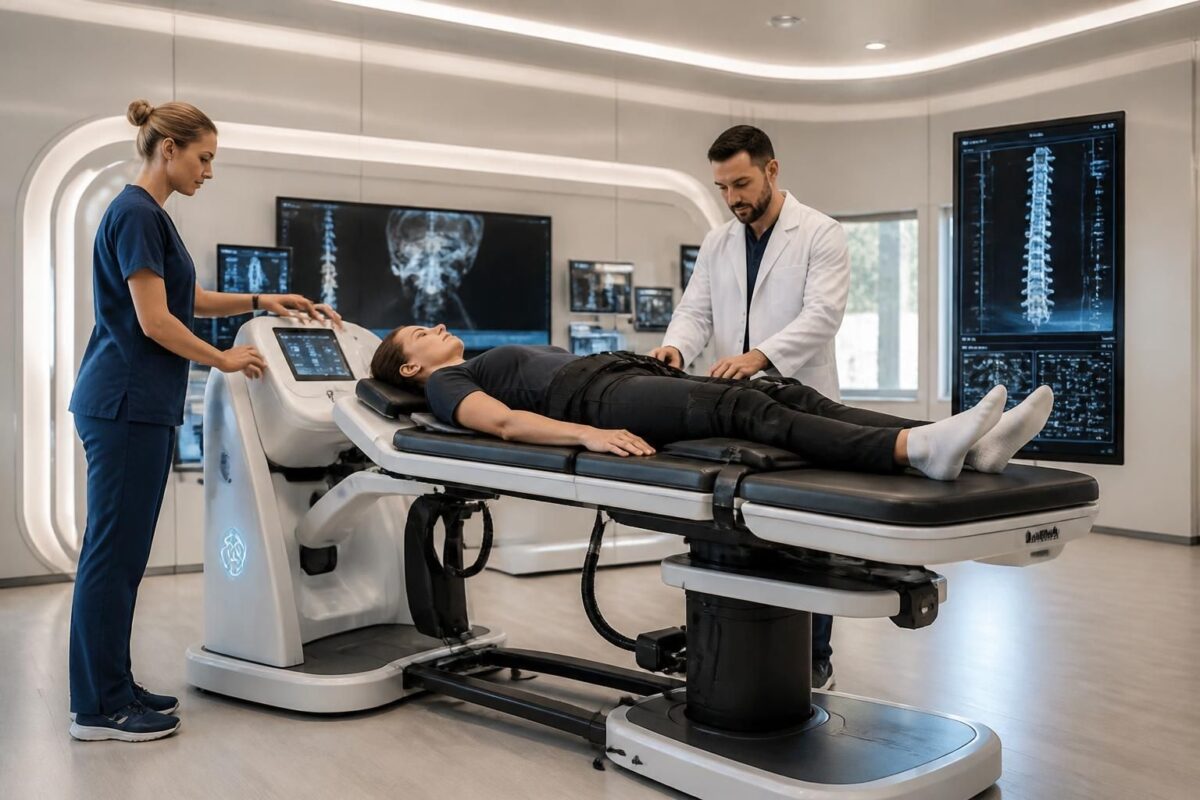
In short In short, the neurovertebral decompression is an approach non-invasive Aiming to reduce pressure on discs and nerves, and promote tissue regeneration. At Montreal, it is positioned as an effective option for lower back pain and herniated discs. The…
Neurovertebral decompression and diffuse pain: an appropriate solution
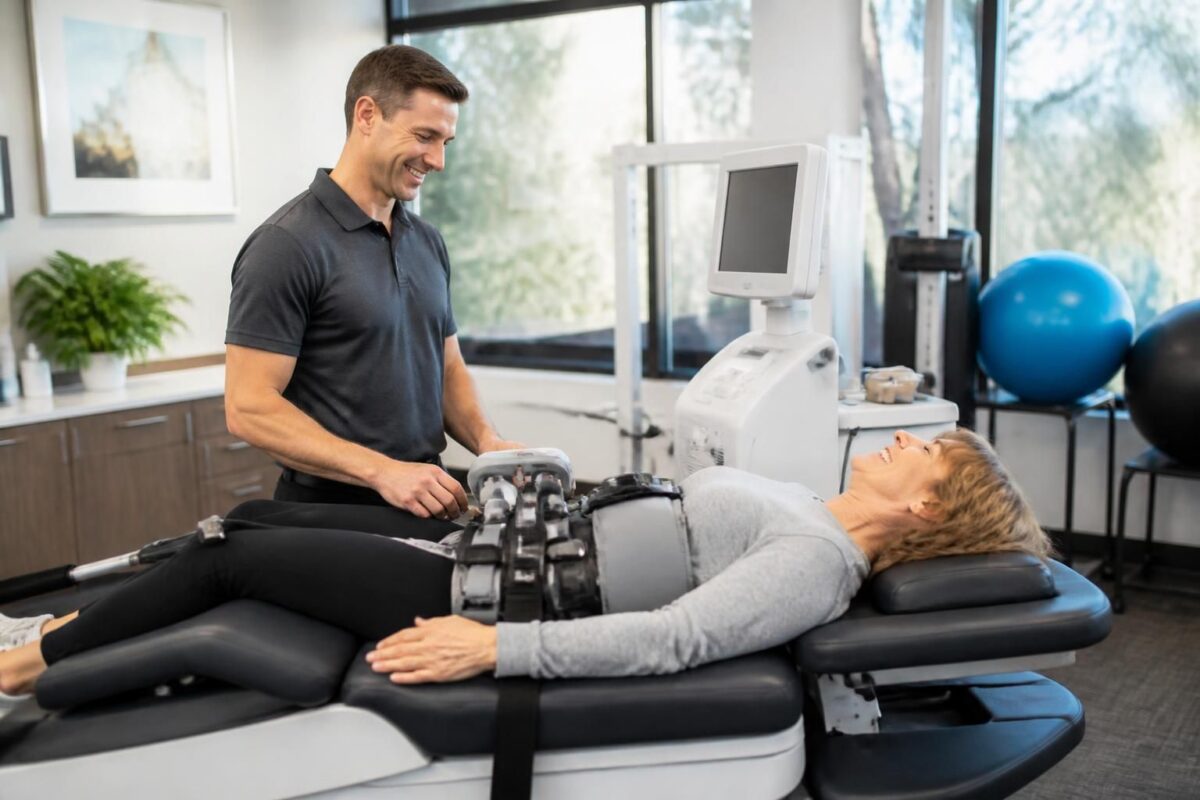
In short In short, the neurovertebral decompression is one Non-invasive solution For diffuse pain related to nerve irritation of the spine. She acts in Reducing pressure on intervertebral discs and nerves and improving the bloodstream, which promotes recovery and the…
Practical recommendations for clinicians
Integrate the neurovertebral decompression In a multimodal strategy may be relevant in patients with repetitive lower back pain and signs of radiculopathy without immediate surgical indication. Use protocols standardized, ensure careful monitoring and regularly assess the Eva and odd Allows you to track progress and adjust treatment. Finally, considering these treatments as complementary or pre-surgical options can contribute to an overall optimization of care and a better quality of life for patients.
Clinical studies proving the efficacy of neurovertebral decompression
| rated item | Concise finding |
|---|---|
| Population and design | retrospective studies on patients with Foraminal stenosis Lumbar with discopathy |
| Sample size | major study on 778 patients; Complementary cohort of 160 patients |
| Overall efficiency | ≈ 71% of patients report significant improvement after decompression |
| Efficacy Pain and Function | Significant reduction in pain and disability in treated groups |
| Protocol | Standard Physiotherapy + traction or decompression Non-surgical, regular sessions |
| Mechanism and radiological effects | reduction of the Intradiscal pressure and increased disc pitch observed in imaging |
| Comparison of traction vs decompression | overall similar results between traction and decompression |
| Tolerance and safety | Good general tolerance with monitoring and stopping in case of pain |
| Limits and Prospects | studies mainly retrospectives and heterogeneous; Need toRandomized trials |
Testimonials on clinical evidence of the efficacy of neurovertebral decompression
“Before starting treatment, my chronic lower back pain prevented me from enjoying my daily activities. According to a study of 778 patients, approximately 71% reported significant improvement after several sessions of neurovertebral decompression. My experience was similar: the pain decreased and my mobility improved significantly. »
“I was convinced that nothing could alleviate my foraminal stenosis pain, but the results of the study showing that 90% Patients with herniated discs had an improvement after non-surgical decompression reassured me. After a few weeks, I noticed a marked decrease in pain and a gradual resumption of my daily walks. »
“In a clinical series, 86% Patients reported improvement in pain and function after treatment combined with physiotherapy. For me, it was the turning point: my movements were released and my life was rekindled without the limitations previously imposed by pain. »
“Studies indicate that 82% of the participants experienced better quality of life after treatment. I am one of them: less pain, more energy, and a regained ability to share moments with my loved ones without this sword of Damocles that was pain. »
“For those who are reluctant to resume their activities, the study that mentions that near 70% patients were able Resume their daily activities is particularly encouraging. I myself found the daily trip without limitation and it transformed my morale as much as my physical condition. »
“Another study summary highlights a Improvement of symptoms around 75% Cases after decompression, which resonated strongly with my journey: less pain, more mobility and a more stable routine. »
“In the elderly, there is often a lasting relief in lower back pain in about 80% patients treated with neurovertebral decompression. This testimony reflects this lasting relief that I experienced, and which allowed me to remain active and autonomous on a daily basis. »
the DR Sylvain Desforges, expert in osteopathy, naturopathy and manual medicine, is the founding president of the Tagmed clinics and the ACMA association. His career is entirely dedicated toHealth Innovation and chronic pain management, with a marked specialization for theIntegration of advanced technologies such as the neurovertebral decompression, the laser and shockwave therapy. Its mission is to offer care evidence-based In order to optimize the health and well-being of its patients, by placing clinical efficacy at the heart of each treatment.
The clinical studies On neurovertebral decompression constitute a major axis of its approach. In cohorts to assess lumbar and root disc disorders, results collected in real practice settings show that the addition of decompression to conventional physiotherapy leads to significant improvements in pain and disability, compared to physiotherapy alone. Standardized measurements, such as the Analog Visual Scale (EVA) and Oswestry Disability Index (ODI), decrease statistically significantly after treatment, and this benefit often appears more pronounced when decompression is associated with other active modalities. These data support the idea that decompression can increase foraminal space and reduce neural pressure, creating an environment conducive to disc recovery and functional rehabilitation.
More broadly, large sets of clinical data reveal encouraging figures: in a massive study of patients with foraminal stenosis, about a majority — around 70 to 75% according to the cohorts — reports a significant improvement in its symptoms after a series of Sessions. In populations with herniated discs, improvement rates of up to 90% have been reported in some series, highlighting the potential impact of decompression on irradiated pain and mobility. Other studies indicate high levels of patient satisfaction and significant improvements in quality of life and functional autonomy after non-surgical treatments. These results, although largely derived from retrospective observations, reinforce the role of decompression as an effective non-invasive option in the spectrum of spinal pain.
In practice, Dr. Desforges relies on this evidence to orchestrate clinical protocols that combine decompression with physio-therapeutic approaches and complementary technologies. His argument is based on the reproducibility of the results and the support on objective measures, while remaining attentive to the limits inherent in the current evidence — mainly the predominance of retrospective studies and the need for randomized controlled trials for conclusions more solid. This approach favors a rapid translation of research results in daily accessible and adapted care research.
Dr. Desforges’ work thus illustrates a pathway where neurovertebral decompression is seen as a key component of a multidisciplinary program, aimed at reducing pain, restoring mobility and improving patient independence. Its continued commitment to critical assessment of clinical data and the integration of emerging technologies demonstrates a practice based on tangible and measurable results for those suffering from chronic vertebral pathologies.
This article summarizes the clinical studies demonstrating the effectiveness of the neurovertebral decompression In the treatment of Foraminal stenosis and low back pain, especially when this approach is associated with a Conventional physiotherapy. the results indicate a net reduction in the pain and an improvement in function, with improvement rates that vary by population and protocols implemented. The proposed mechanisms include a Decreased intradiscal pressure and a better nervous circulation, while highlighting the need for randomized research and standardized protocols to better establish long-term benefits.
The Clinical evidence available suggest that a treatment integrating the neurovertebral decompression May decrease pain andFunctional disability in patients with lumbar disc disease and Foraminal stenosis, with particularly marked results in large series. For example, significant cohorts reported that approximately 71% of the participants demonstrated a Significant improvement after several sessions, and that pain improvement rates can reach 70 to 90% according to the sub-populations and criteria assessed. These results support the idea that non-surgical decompression can be an effective option in multidisciplinary treatment.
Comparisons with approaches alone or with less invasive protocols highlight a potential advantage when decompression is associated with a physiotherapy structured. Clinical data shows superior improvements inEva and theodd When these modalities are combined, which results in better reduction in root pain and a more lasting improvement in daily activities. To deepen these results and access analyzes and trials, see associated resources such as studies supporting efficacy in spinal stenosis cases and foraminal stenosis results.
The mechanism of action is based on reducing the Pressure on discs and the increase in the intervertebral space, favoring a better vascularization nerve tissue and faster recovery. These anatomical foundations, corroborated by correlations with clinical scores, explain the functional gains observed in many patients and support the integration of decompression into personalized treatment plans. To explore these mechanisms and associated data, several external resources detail how decompression improves intervertebral circulation and how it can be associated with other non-pharmacological interventions.
Despite these promising results, the limitations of the studies must be clearly recognized. Many studies are retrospective in nature, with some heterogeneity of groups and protocols, and randomized trials remain rare. Prospective, well-controlled and long-term follow-up research is needed to clarify the conditions in which neurovertebral decompression brings the most important benefits and to clarify its relative role in relation to motorized traction and other non-surgical approaches. Comparative analyzes and standardization of parameters (duration, intensity, cadence) will make it possible to establish stronger recommendations for clinicians and patients.
To deepen these results and access recent sources, see the following resources:
Clinical studies demonstrating the efficacy of neurovertebral decompression in cases of spinal stenosis,
Studies proving efficacy in the treatment of foraminal stenosis,
and other associated analyzes on SOS Sciatica and Clinical IDN, in particular Neurovertebral Decompression and Prevention of Chronic Injury Relapses, Studies on neurovertebral decompression, and other relevant resources listed below to broaden your understanding of observed mechanisms and results.
For a practical and pedagogical approach, you can also consult specialized resources on advanced techniques of neurovertebral decompression and their clinical implications, which detail protocols and results in cervical and lumbar pain. Finally, several studies and reviews offer syntheses of the effects on the intervertebral circulation and the rare pathologies treated by this approach, in order to shed light on the clinical decisions and to guide the therapeutic choices.
How neurovertebral decompression improves intervertebral circulation,
Rare pathologies treated with neurovertebral decompression, and other useful clinical references.

Dr Sylvain Desforges, B.Sc., D.O., N.D., osteopath, is the founding president of TAGMED and of the ACMA association. He dedicates his practice to chronic spinal pain, low back pain and symptoms compatible with sciatica, particularly when pain radiates toward the buttock, leg, calf, foot or toes.
Through SOS Sciatique, he publishes educational content on sciatica symptoms, possible causes such as disc herniation, disc narrowing, foraminal stenosis or irritation of a lumbar nerve root, as well as non-surgical approaches that may be considered according to the evaluation. At Clinique TAGMED, care may include, depending on the case, motorized neurovertebral decompression, specific osteopathic care or precision percussion.
For an evaluation related to sciatica treatment in Montreal / Mount Royal or sciatica treatment in Terrebonne, please consult the services available at Clinique TAGMED.
Medical disclaimer
The information published on SOS Sciatique is provided for educational purposes only and does not replace a consultation, diagnosis, opinion or treatment provided by a physician or another authorized healthcare professional. The author of this article is neither a medical doctor nor a specialist in a medical specialty recognized by the Collège des médecins du Québec. The osteopathic, manual medicine or functional support approaches described on this site do not constitute medical acts and are not intended to replace medical follow-up.
Consult a physician or emergency service in cases of loss of bladder or bowel control, anesthesia in the saddle area, significant or progressive weakness in the leg or foot, fever, recent trauma, severe pain or rapid worsening of symptoms. For more details, please read our Legal Notice.