Neurovertebral decompression and enhanced vertebral function
26/06/2026
Neurovertebral Decompression and Radiant Pain: Relieve Safely
26/06/2026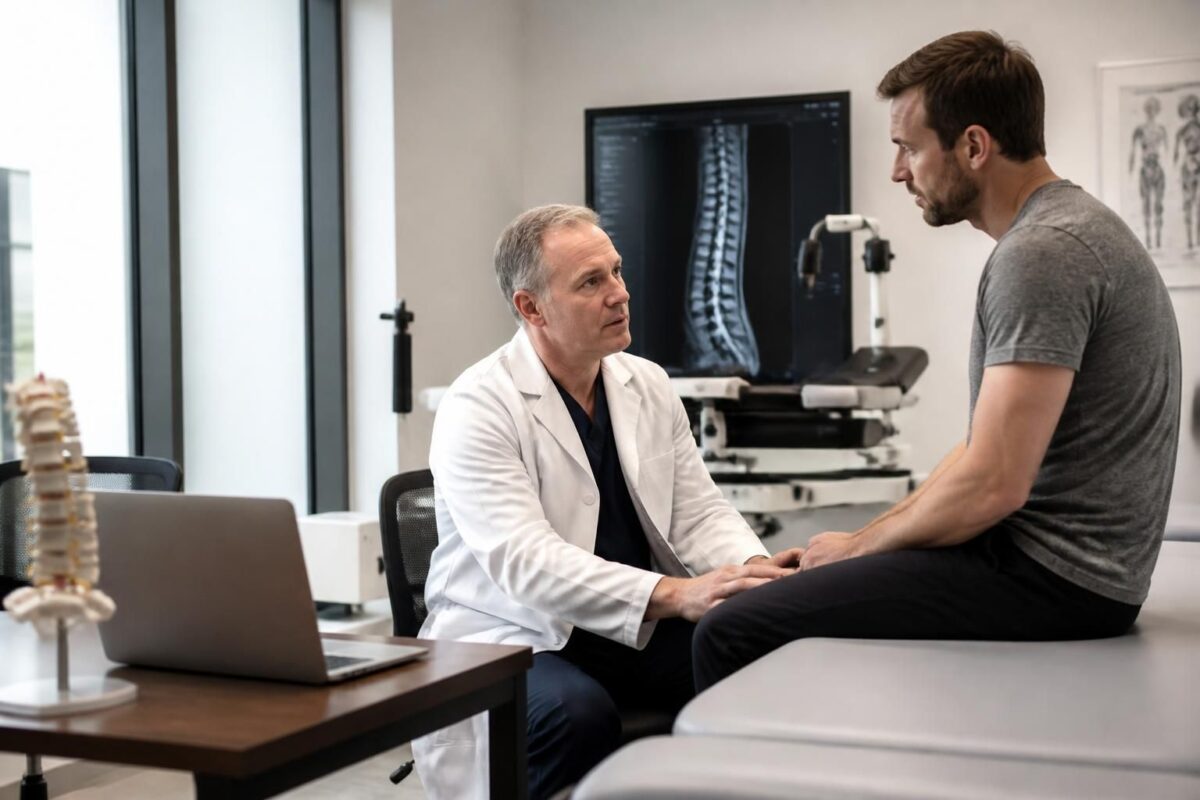
In short
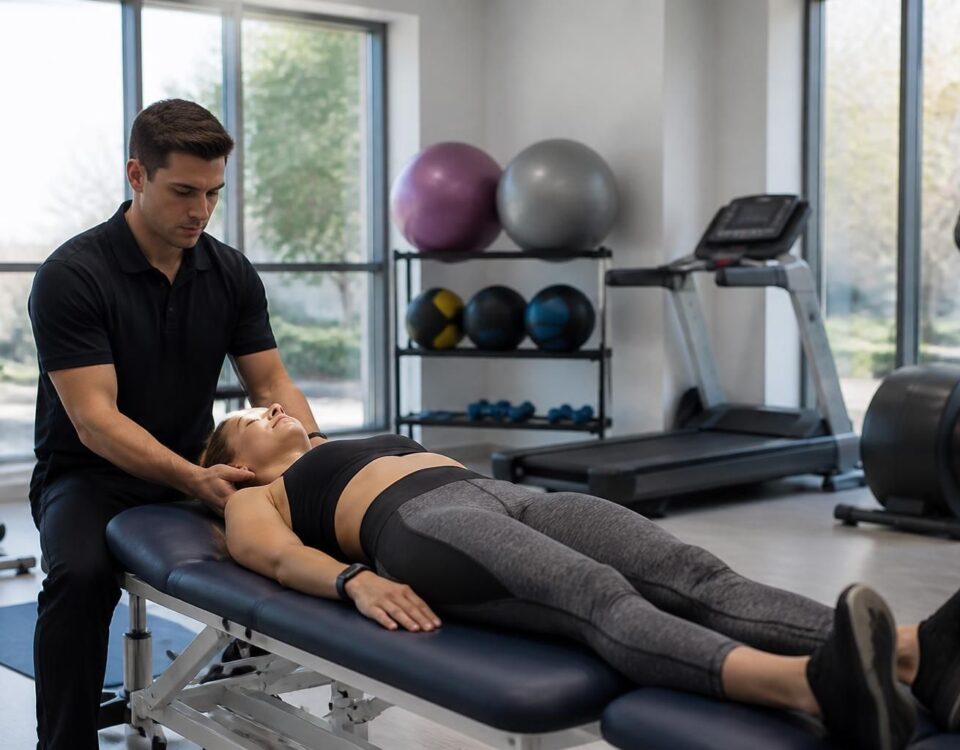
In short, the neurovertebral decompression is one Non-invasive technique which acts by reducing the pressure on the Intervertebral discs and the nerve roots for Relieve spinal pain and improve the mobility. It targets Rare diseases of the spine, like the birth defects, the neuropathies and the Complex pain syndromes. accessible to Montreal, this treatment offers a Quick relief and sustainable without surgery and can be combined with other therapies. |
Rare pathologies treated by neurovertebral decompression Bring together infrequent spinal conditions that can cause pain, neurobility and functional limitations. This non-invasive approach acts by controlled traction to free up space around discs and nerve roots, promoting recovery without surgery and with a generally low risk.
- birth defects of the spine (eg Chiari and Klippel-feil) which alter pressure and nerve conduction.
- Nerve compression syndromes Rare, requiring decompression to relieve roots and improve mobility.
- Cauda equina syndrome and other lumbar damage associated with nerve compression.
- Intraspinal tumors and rare compressive lesions that cause pain and deficits, where decompression can reduce pressure and promote tissue regeneration.
- Rare degenerative pathologies which limit mobility and quality of life, for which a reduction in spinal pressure can provide lasting relief.
This article written by a health professional addresses Rare pathologies processed by the neurovertebral decompression. It describes the clinical framework, indications and results observed, based on clinical experience and current data. The goal is to clarify when this non-invasive approach can provide lasting relief, even in complex situations.
The neurovertebral decompression Acts by decreasing pressure on discs and nerve roots, which can relieve pain and improve mobility when the causes are linked to rare pathologies. This approach is used in specific contexts and requires evaluation by trained professionals. To find out more, you can consult the specialized resources on FAQ Neurovertebral Decompression and information available on partner clinic sites.
Congenital spinal malformations
Congenital malformations in the spine can cause nerve compression or degeneration of the spinal canal. Neurovertebral decompression is considered when the space around the nerves and discs is insufficient. The treatment aims to restore adequate space and reduce symptoms, while avoiding invasive surgical procedures. To understand the theoretical framework, see the articles dedicated to these rare pathologies.
Rare nerve compression syndromes
Some nervous disorders involve nerve compression that is manifested by pain, numbness or loss of function. Decompression can provide relief by reducing pressure on the nerves concerned. This approach is part of a comprehensive strategy for managing pain and nerve function, without resorting to aggressive treatments when the indications are clear. For explanations and examples, consult the specialized resources on Decompression and spinal nerves.
Rare degenerative pathologies
particular forms of disc degeneration or prolapse can touch segments of the column to a degree that requires a suitable approach. Neurovertebral decompression can reduce disc pressure and promote better fluid circulation, which can help relieve pain and improve mobility, without surgery. For additional information, see the dedicated resources on The benefits of neurovertebral decompression.
Rare neurological pathologies
Some rare neurological conditions lead to pain and functional limitations associated with spinal compression. Decompression can be considered when the assessment confirms that the space around the nerve roots is insufficient and the potential benefits outweigh the risks. Clinical discussions and specialized evaluations help determine the adequacy of treatment. For a general perspective, consult the resources on associated pathologies and Clinical Programs from TagMed.
Patients who benefited from this approach testify to a faster return to daily living activities and lower pain levels. In some cases, decompression can be integrated with other non-invasive therapies to optimize comfort and function. To explore cases and feedback, refer to recent publications and clinical guides of neurovertebral decompression.
For additional information on the rare pathologies treated and the options available, you can consult:
For broader insight into the therapeutic framework, you can consult the resources associated with TagMed and its clinical network.
References and Associated Concepts: Traction mechanisms, disc pressure reduction and tissue flow improvement play a central role in the approach. The information below illustrates the key points and general indications without proposing protocols for exercises or stretching.
To learn more about the topics covered, consult the following resources:
- Neurovertebral Decompression – FAQ
- Impact on spinal nerves
- Advantages over other treatments
- Tagmed Clinic
For patients and professionals wishing to deepen the institutional framework, training in osteopathy And the relevant associations remain centralized around NUMSS, NAO, National University of Medical Sciences and National Academy of Osteopathy structures, with professional organizations ACMA, College of Canadian Osteopaths and College of Canadian Osteopaths.
Useful links and direct resources:
- How neurovertebral decompression reduces pressure on spinal nerves
- Frequently Asked Questions about Neurovertebral Decompression
- Advantages over other treatments
- Neurovertebral decompression and mechanical pain
- Tagmed Clinic
Medical Disclaimer: The information and advice provided on this site does not replace the health professional’s diagnosis or treatment. Please note that the osteopath practitioner is neither a doctor and is not a specialist in a medical specialty as defined by the Collège des Médecins du Québec. Manual medicine, functional medicine and sports medicine as described on this site exclude any medical treatment or diagnosis made by a doctor or specialist doctor. Always consult your doctor for any medical questions. For more details, please read our full legal notice.
Medical Disclaimer: The information and advice provided on this site does not replace the health professional’s diagnosis or treatment. Please note that Dr. Sylvain Desforges osteopath is neither a doctor of medicine nor a doctor, and is not a specialist in a medical specialty as defined by the Collège des Médecins du Québec. Manual medicine, functional medicine and sports medicine as described on this site exclude any medical treatment or diagnosis made by a doctor or specialist doctor. Always consult your doctor for any medical questions. For more details, please read our full legal notice.
Rare pathologies treated with neurovertebral decompression
Organizational axis: Location and nature of the pathology

This article presents the Rare pathologies who can benefit from neurovertebral decompression, an approach non-invasive Aiming to relieve pain and promote the regeneration of spinal tissues. It offers clear recommendations for identifying indications, composing a personalized treatment plan and optimizing results while ensuring patient safety.
What is neurovertebral decompression and why for rare pathologies?
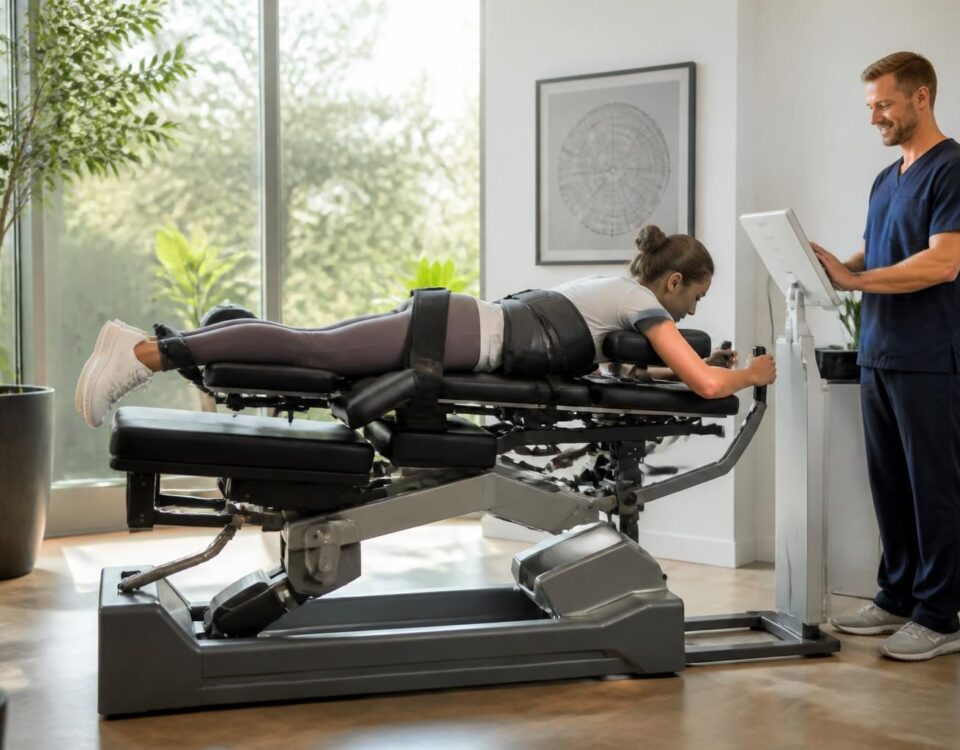
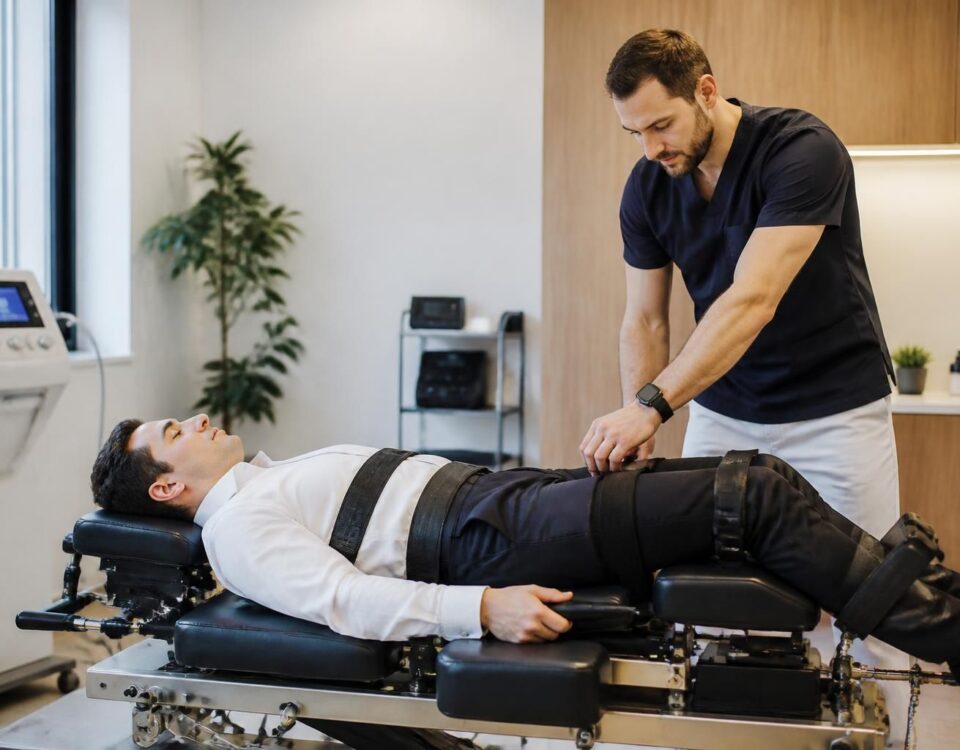
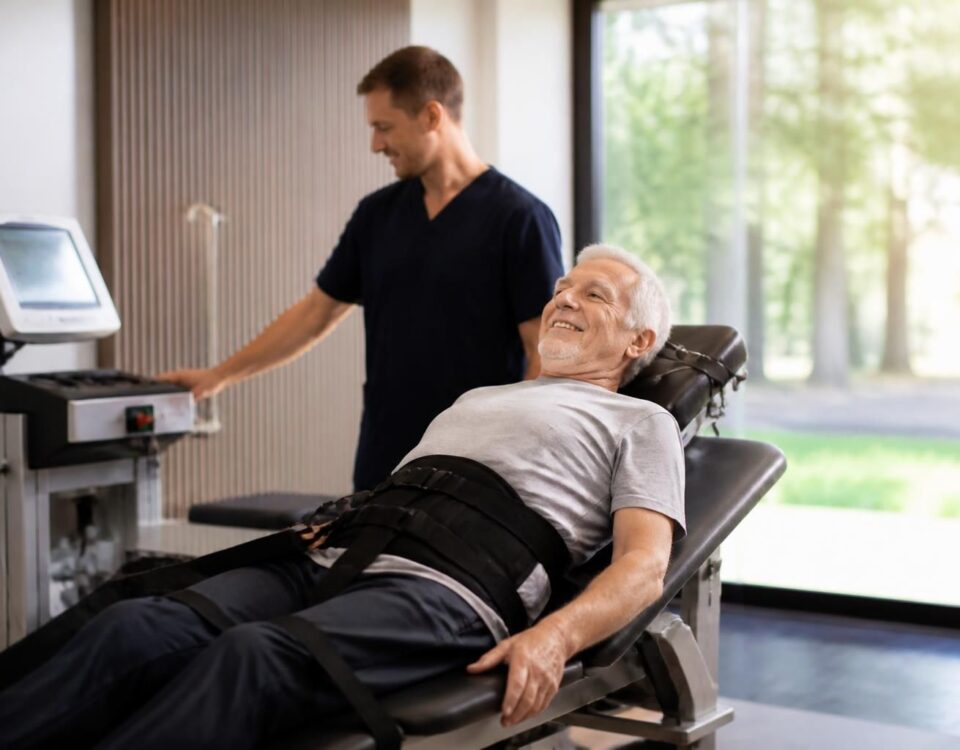
Neurovertebral decompression uses controlled traction on the spine to reduce the pressure exerted on the intervertebral discs and nerve roots. This approach non-surgical May reduce pain and improve mobility in patients with rare conditions, including degenerative conditions or malformations, when conventional treatments remain insufficient.
For pathologies uncommon, decompression offers a therapeutic option attentive to safety, capable of providing lasting relief without the risks associated with more invasive interventions. It can be a key step in a multimodal strategy integrating other manual and functional approaches, while facilitating a return to meaningful daily living activity.
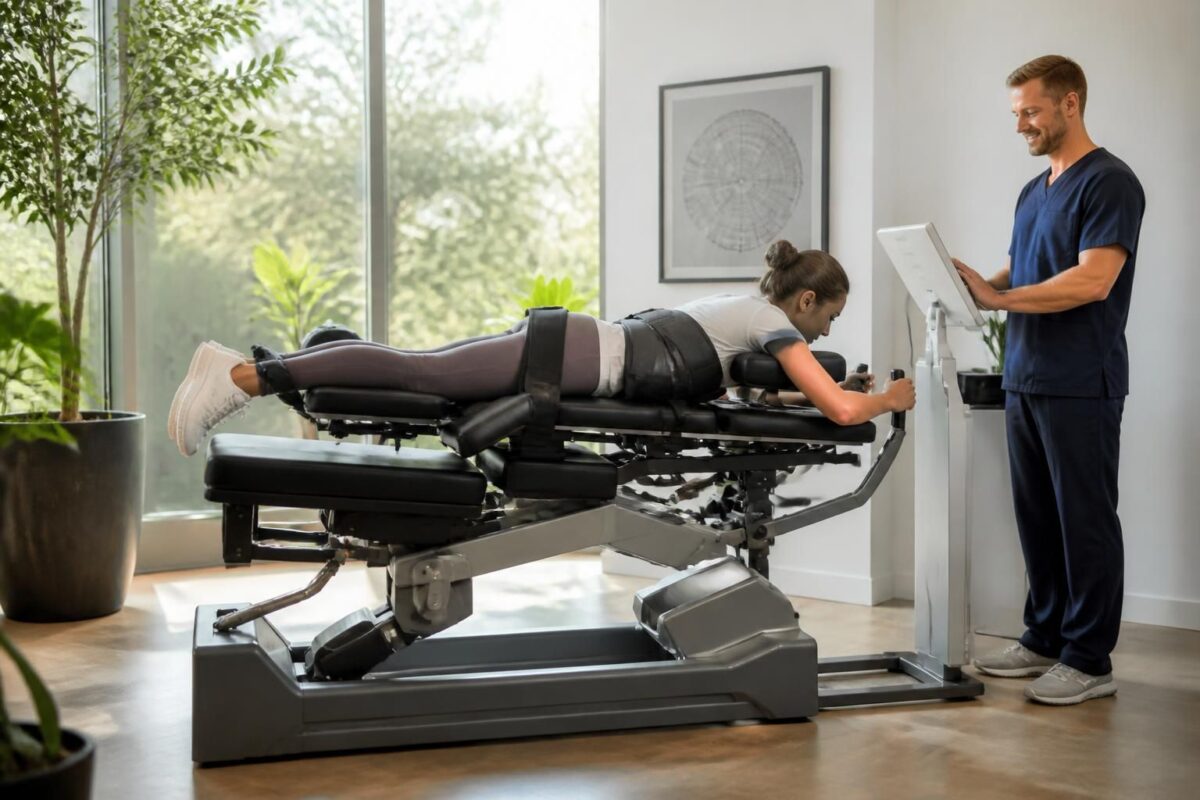
The long-term benefits of neurovertebral decompression for spinal health
In short In short, the neurovertebral decompression is a non-invasive approach that decreases the Pressure on intervertebral discs and nerves, favoring the Natural regeneration and tissue recovery. Its long-term benefits include Lasting pain reduction, Improving mobility and from the posture,…

Neurovertebral decompression and mobility: a return to an active life
In short In short, the neurovertebral decompression is therapy non-invasive who uses a gentle traction To create a space between the vertebrae and reduce the pressure on the Intervertebral discs and the nerves. It promotes a bloodstream improved, lowers tension…
Rare pathologies concerned
Neurological and compressive pathologies
Situations involving a nervous compression Or radiculopathies may be candidates for decompression, when the symptoms persist despite conservative treatments. Cases of irradiated pain and loss of function can sometimes be mitigated by expanding space around the nerves and improving local circulation.
Pathologies such as complex pain syndromes or specific neurological disorders that can be caused by vertebral compression benefit from precise targeting of the affected area thanks to appropriate and personalized traction.
Degenerative and disc disorders
The Disc protrusions, bulges or degenerative discopathies can be associated with a reduction in intradiscal pressure and better nutrition of the pulposus nucleus. Decompression can thus help to reduce back pain or cervical pain and improve functional mobility without the need for surgery.
In situations of Foraminal stenosis, the increase in space around the nerve roots can reduce irritation and tingling, improvement which results in a better quality of life and a gradual resumption of usual activities.
Congenital conditions and malformations
Congenital spinal malformations or structural abnormalities can cause nerve disorders and Chronic pain. Targeted decompression reduces stress on the affected areas, facilitating better spinal function and increased mobility, while avoiding heavy surgical procedures when possible.
Painful pathologies and associated neuropathies
Neuropathies linked to nerve damage or degenerative failures can be addressed by a decompressive approach that aims to release the pressure on the nerves and promote better vascularization of the affected tissues. This approach can alleviate persistent pain and contribute to functional recovery.
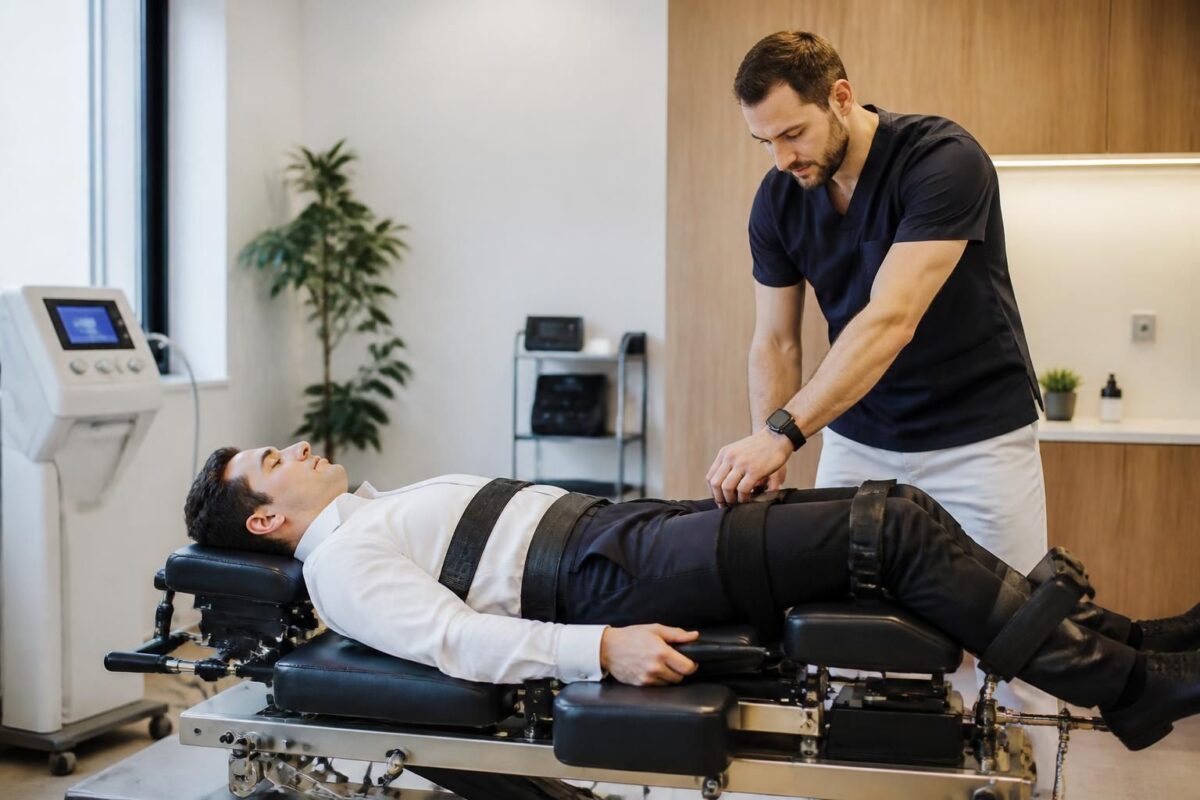
How Neurovertebral Decompression Prevents Diffuse Chronic Pain
In short decompression neurovertebral is one Non-invasive method aimed at reducing the Pressure on the intervertebral discs and the nerves, in order to prevent Diffuse chronic pain. It improves the circulation and thedisc hydration, decreases inflammation and promotes better mobility.…
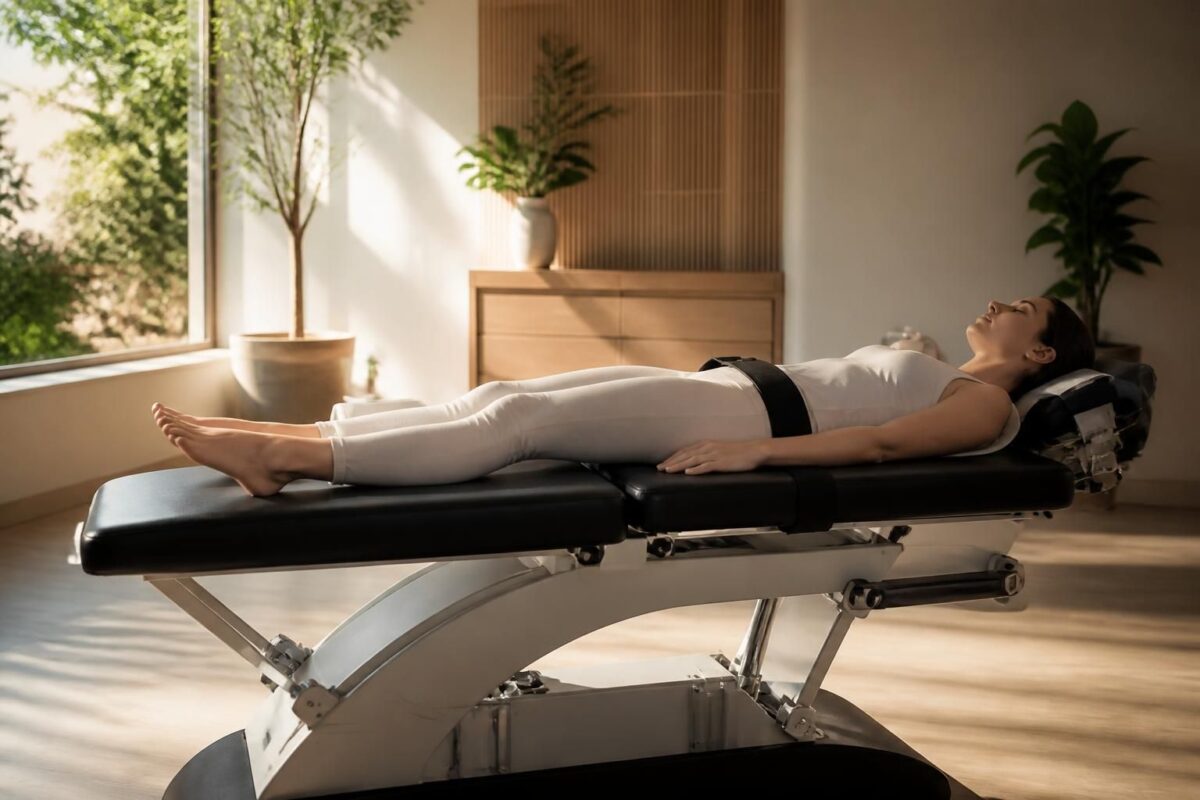
Neurovertebral Decompression and Body Alignment: Restoring Natural Balance
In short In short, neurovertebral decompression is one Non-invasive approach who restores theBody Alignment and thenatural balance back and neck. She acts by a Controlled traction of the spine to widen the intervertebral space and reduce the Pressure on discs…
Practical recommendations to optimize results
Rigorous pre-therapeutic evaluation: favoring a Complete clinical evaluation and appropriate imaging examinations to identify areas to target and the spinal levels involved.
Personalized treatment plan: develop a Individualized plan which specifies the number of sessions, the functional objectives and the progression criteria, taking into account the comorbidities and preferences of the patient.
Integration with other approaches: consider decompression as An element of an integrated journey, in synergy with osteopathy, physiotherapy and functional therapies to optimize recovery and prevent recurrences.
Safety and Tolerance: Monitor patient feedback and adjust traction based on comfort and clinical responses, making sure to limit risks and prevent potential complications.
Long-term follow-up: plan for regular monitoring to sustainably assess pain improvement, renewed mobility and impact on daily activities, and adapt the protocol if necessary.
| Rare pathology | Indication and concise effect |
|---|---|
| Chiari malformation | Reduced pressure on the marrow and cerebellum; Improved cervical mobility |
| Cerebral cysticercosis | Relief of compression-related neuropathic pain; Better local traffic |
| Traumatic myelopathy | Improved spinal circulation and reduced nerve compression |
| Tarlov Syndrome | Pain Reduction by Reducing Nerve Tissue Pressure |
| Congenital spinal stenosis | Creating space in the vertebral canal to restore the nerve function |
| pressure neuropathy | Decompression of affected nerves and decreased pain |
| Facet joint syndrome | Release of pressure on the joints and improvement of movement |
| Degenerative disc degeneration | Promotes rebalancing and disc recovery, pain reduction |
| Association of cervicogenic headaches | Reduced cervical tension and decreased headache frequency |
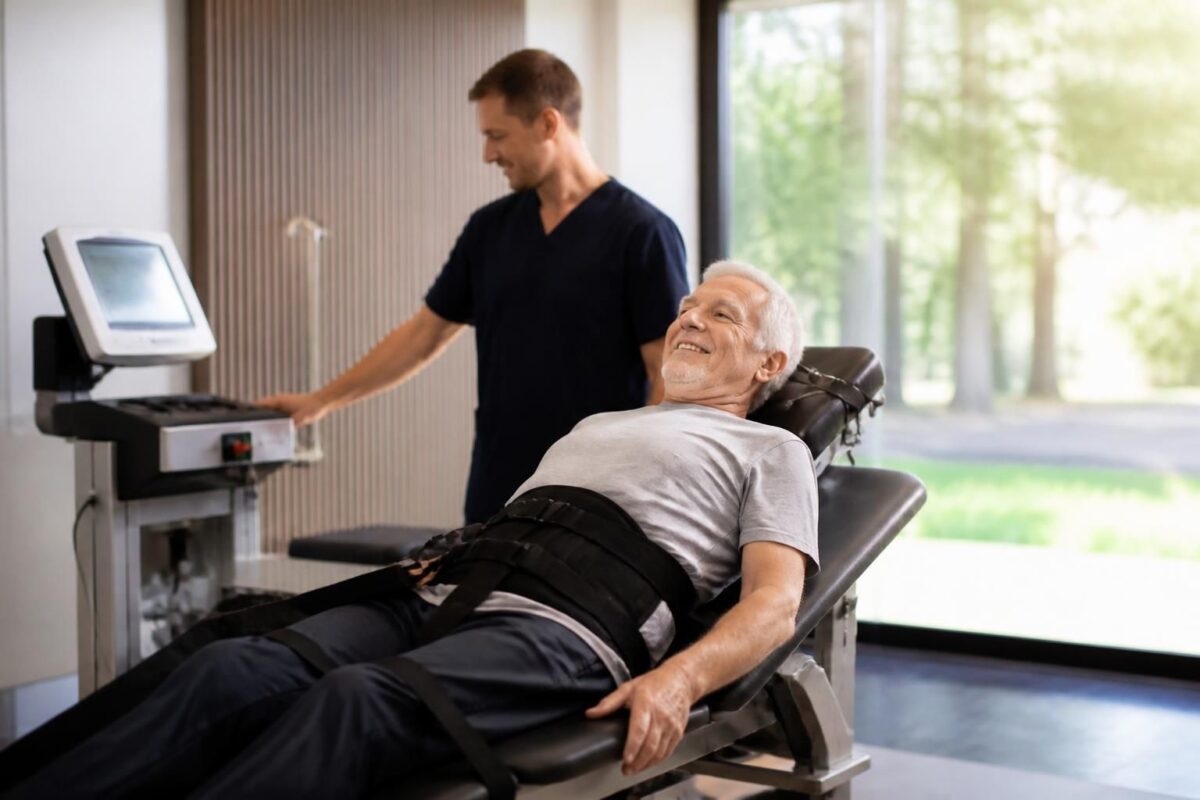
Why neurovertebral decompression is a lasting solution for active seniors
In short In short, the neurovertebral decompression is one Non-invasive therapy which sustainably relieves spinal pain in the spine active seniors By creating, by a Soft and controlled traction, a space between the vertebrae. At Montreal, it is recognized as…
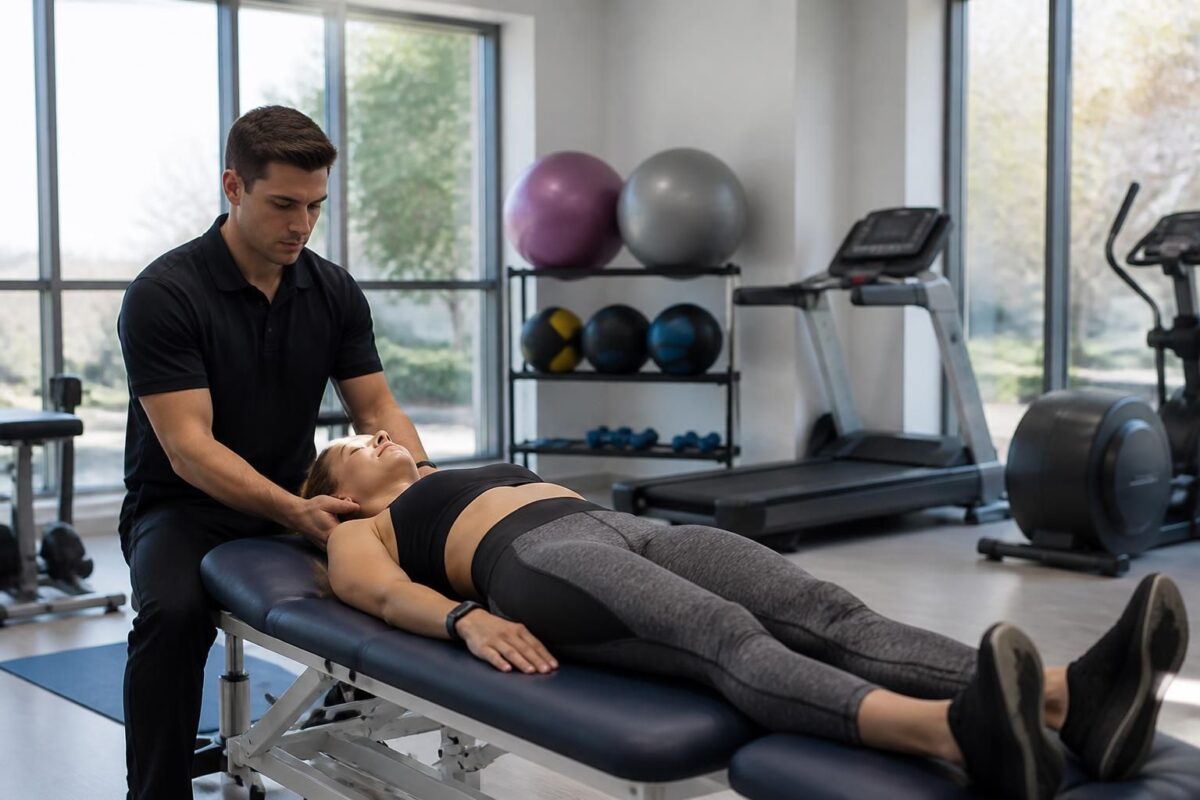
Neurovertebral decompression and recovery after severe sports injury
In short In short, the neurovertebral decompression is one Non-invasive method to Relieve the pressure on the Intervertebral discs and the gristle Via a Controlled traction, to facilitate the recovery After a severe sports injury. It improves the bloodstream towards…
Testimonials on rare pathologies treated with neurovertebral decompression
Emilie, 34 years old recounts his journey after a congenital malformation of the column. “The neurovertebral decompression was a real revelation for me. She reduced my pain and allowed me to regain mobility that I thought was lost forever. It’s an approach non-invasive Who gave me the courage to resume my daily activities without major limitation. »
Francois, 47 years old shares his experience in the face of neuropathy linked to a rare pathology. “Before the treatment, the radiant pains paralyzed me and it was difficult for me to stay active. Thanks to the neurovertebral decompression, I felt a tangible and lasting relief. My quality of life has improved and I am able to enjoy my outings and hobbies again. »
Claire, 59 years old testifies to an atypical disc degeneration. “I had lost confidence in my ability to move without pain. After a personalized plan, neurovertebral decompression gave me concrete results: less pain, more amplitude and better posture. I feel freer in my movements and more confident for the future. »
Jules, 25 years old Describes the impact on his life with an ankylosing spondylitis. “This rare pathology should not define my daily life. With neurovertebral decompression and appropriate support, I have found real mobility and I can resume my sports activities. It’s a solution secure and effective which helps me to consider the future without fear of pain. »
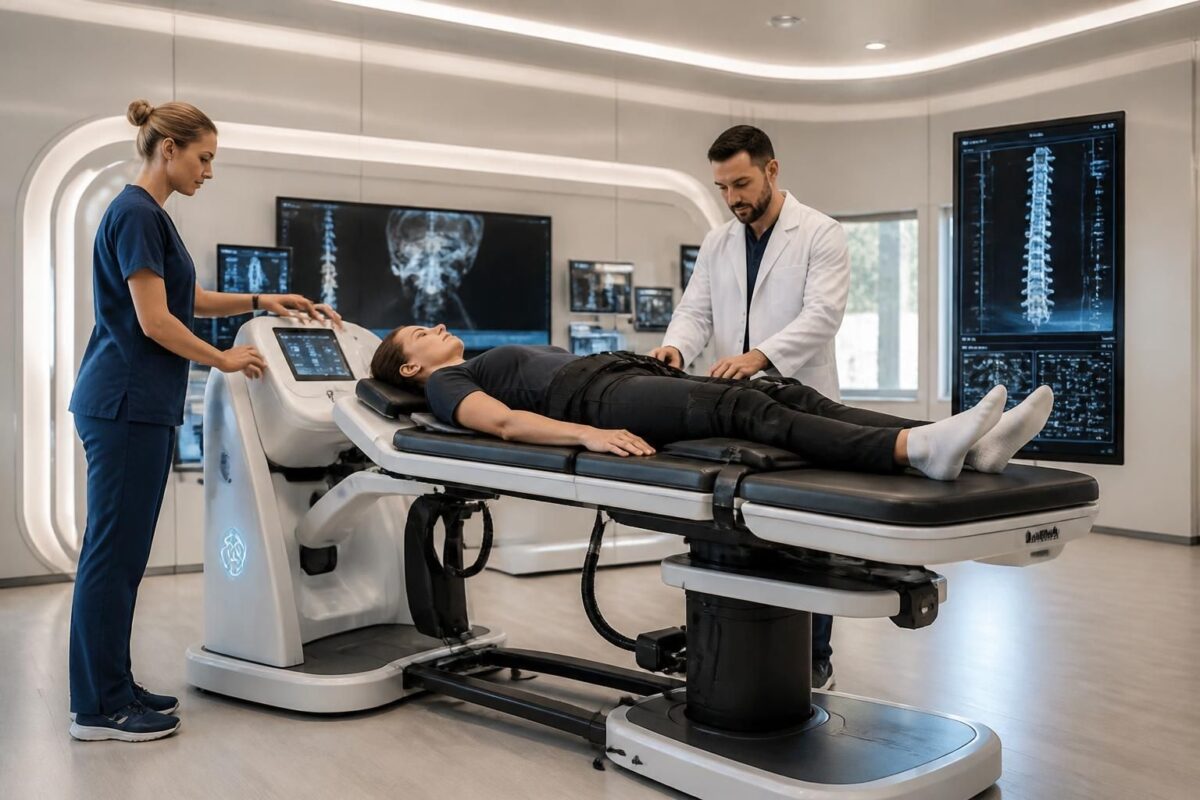
Recent innovations in neurovertebral decompression technologies
In short In short, the neurovertebral decompression is an approach non-invasive Aiming to reduce pressure on discs and nerves, and promote tissue regeneration. At Montreal, it is positioned as an effective option for lower back pain and herniated discs. The…
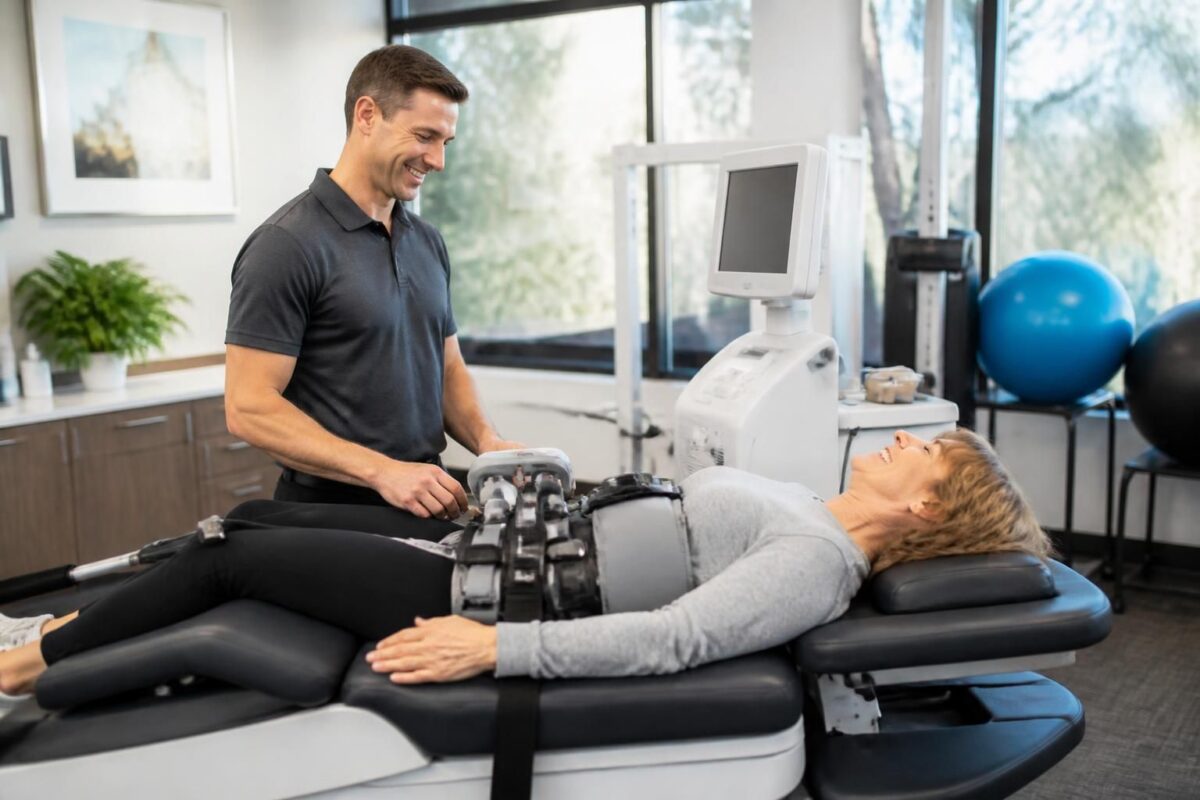
Neurovertebral decompression and diffuse pain: an appropriate solution
In short In short, the neurovertebral decompression is one Non-invasive solution For diffuse pain related to nerve irritation of the spine. She acts in Reducing pressure on intervertebral discs and nerves and improving the bloodstream, which promotes recovery and the…
Rare pathologies treated with neurovertebral decompression
The Rare pathologies of the spine constitute a complex field where the neurovertebral decompression offers a way non-invasive To alleviate pain and restore nerve function when spinal structures are under excessive pressure. This approach aims to create a space between the vertebrae and promote the essential nutrient intake for local healing. It is particularly relevant when symptoms derive from atypical nerve compression or when conventional treatments have shown insufficient results. In these contexts, it can improve mobility and reduce pain without having to resort to surgery.
Dr. Sylvain Desforges, Expert in osteopathy, naturopathy and manual medicine, is the founding president of the clinics tagmed and association acma. With a career dedicated toHealth Innovation, his practice focuses on the Chronic pain management and the integration of advanced technologies such as vertebral decompression, the laser and the Shockwave therapy. His approach is based on care evidence-based and customization of the treatment, in order to optimize the health and the welfare of his patients. Discover his approach and the services available within TagMed.
Among the Rare pathologies Being able to benefit from neurovertebral decompression are disorders where nerve compression is the cause of a range of symptoms. Some rare degenerative manifestations and spinal canal disorders can be addressed by an appropriate strategy to reduce nerve and disc pressure, restore intervertebral space and promote tissue regeneration. Each case is evaluated individually: the therapeutic plan is adjusted according to the patient’s results, symptoms and goals, in order to optimize the chances of recovery and social and professional reintegration.
The benefits observed in this context include a Quick relief Back and cervical pain, improved local microcirculation and reduced inflammation. When performed by qualified professionals and as part of a personalized protocol, neurovertebral decompression has a high safety profile and can allow faster return to daily activities and sports practice. The risks remain lowly and are anticipated through prior assessment and regular follow-up, which enhances patient confidence in this therapeutic option.
from a perspective interdisciplinary, this approach often integrates with other non-pharmacological techniques such as re-education, the Shockwave therapy and the laser, in order to optimize the results and avoid more invasive interventions. The goal is to improve the mobility and accompany a Back to an active life For patients with rare pathologies, while respecting their individual needs and limits.
For those considering this route, the key step is a Specialized assessment In order to determine the adequacy of the treatment and to establish a Custom Plan. This approach involves an in-depth review of the background, possibly imaging examinations and a clear presentation of the benefits and risks. A loyal and transparent communication throughout the course ensures that each patient can make an informed decision adapted to their state of health and their life objectives.
Driven by his leadership and approach evidence-based, Dr. Desforges pursues its mission to improve the lives of patients through solutions innovative and secure, offering attentive listening and integrated care designed for rare pathologies treated with neurovertebral decompression.
This conclusion summarizes the key elements on the Rare pathologies processed by the neurovertebral decompression, highlighting the observed mechanisms, indications and clinical returns. It also recalls the importance of specialized evaluation and appropriate follow-up when exploring this non-invasive approach for atypical spinal conditions.
The Rare pathologies who can benefit from neurovertebral decompression include situations such as birth defects of the column, Nerve compression syndromes atypical and complex degenerative conditions. In these contexts, the controlled traction applied by a suitable device aims to increase the space between the vertebrae and to decrease the pressure on the intervertebral discs and nerve roots, which can lead to a lasting reduction in pain and improved mobility. To deepen the foundations and progress in progress, you can consult the resources dedicated to the Research in progress.
The mechanism of action is based on an approach non-invasive which aims to create spaces conducive to fluid circulation and tissue regeneration around the affected discs and nerves. This perspective is reinforced by the scientific explanations presented by the authors and clinicians specializing in the field, including the resources available on The science behind neurovertebral decompression.
The Clinical results And the feedback collected indicates rapid relief and progressive improvement in function in patients with radicular symptoms or chronic pain associated with discs subject to abnormal pressure. These observations are based on feedback scientists and on data from various clinical practices, which generally underscore favorable safety when treatment is carried out by qualified professionals.
However, it should be remembered that success depends on a rigorous pre-therapeutic evaluation and a personalized plan. People with rare conditions should be followed by multidisciplinary teams to ensure an appropriate approach, establish realistic goals and integrate decompression sessions into a comprehensive care program. To better understand the indications and limits, do not hesitate to consult the dedicated resources and the reports of practices published by the specialized clinics.
Finally, the research and exchanges between professionals continue to enrich the protocols and refine the patient’s most likely to benefit from this therapy. This dynamic is accompanied by an integrated approach with other complementary therapies, which can include postural advice, rehabilitation and non-pharmacological interventions, in order to optimize the recovery and quality of life of patients affected by rare pathologies.

Dr Sylvain Desforges, B.Sc., D.O., N.D., osteopath, is the founding president of TAGMED and of the ACMA association. He dedicates his practice to chronic spinal pain, low back pain and symptoms compatible with sciatica, particularly when pain radiates toward the buttock, leg, calf, foot or toes.
Through SOS Sciatique, he publishes educational content on sciatica symptoms, possible causes such as disc herniation, disc narrowing, foraminal stenosis or irritation of a lumbar nerve root, as well as non-surgical approaches that may be considered according to the evaluation. At Clinique TAGMED, care may include, depending on the case, motorized neurovertebral decompression, specific osteopathic care or precision percussion.
For an evaluation related to sciatica treatment in Montreal / Mount Royal or sciatica treatment in Terrebonne, please consult the services available at Clinique TAGMED.
Medical disclaimer
The information published on SOS Sciatique is provided for educational purposes only and does not replace a consultation, diagnosis, opinion or treatment provided by a physician or another authorized healthcare professional. The author of this article is neither a medical doctor nor a specialist in a medical specialty recognized by the Collège des médecins du Québec. The osteopathic, manual medicine or functional support approaches described on this site do not constitute medical acts and are not intended to replace medical follow-up.
Consult a physician or emergency service in cases of loss of bladder or bowel control, anesthesia in the saddle area, significant or progressive weakness in the leg or foot, fever, recent trauma, severe pain or rapid worsening of symptoms. For more details, please read our Legal Notice.