Rare pathologies treated with neurovertebral decompression
26/06/2026
How neurovertebral decompression supports patients after failed surgery
26/06/2026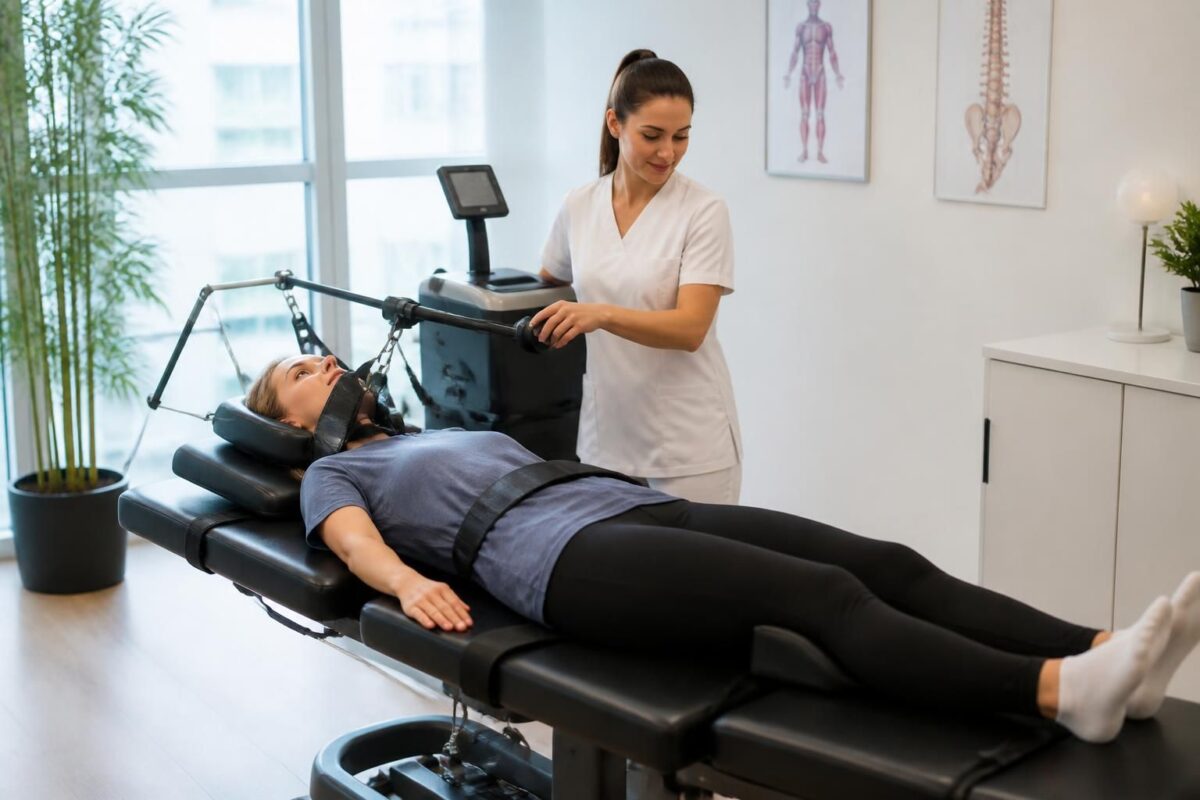
In short
| In short, the neurovertebral decompression is one Non-invasive therapy To relieve the Radiant pain caused by compression of nerves in the spine. In Paris, it acts via a gentle and targeted traction that reduces pressure on discs and nerve roots, improves circulation and promotes tissue regeneration. Main advantages: Sustainable relief, better mobility and absence of surgery, with a high safety and comfort profile. After an evaluation, personalized protocols optimize the results, offering an effective and safe solution without surgery for radiant pain. |
The neurovertebral decompression is an approach non-invasive Designed to relieve Radiant pain related to nerve compression in the spine. By applying a gentle traction On the column, this therapy reduces the pressure on the Intervertebral discs and the nerve roots, promoting the circulation and regeneration of damaged tissues.
- Sustainable relief Radiant pain and improved mobility.
- Controlled traction with treatment non-invasive avoiding surgery.
- Improved quality of life and quick return to daily activities.
- Approach personalized and regular follow-up to adapt the protocol.
This method, administered under professional supervision, offers security and High tolerance and can be integrated into a global rehabilitation program to prevent recurrences.
The neurovertebral decompression is an approach non-invasive aimed at relieving Radiant pain caused by nerve compression in the spine. This article describes the mechanism, indications and safety, the conduct of the sessions and the available evidence. It also highlights the integration of this therapy into global care within TagMed clinics, with the possible support of associated technologies to optimize comfort and results.
How does neurovertebral decompression work
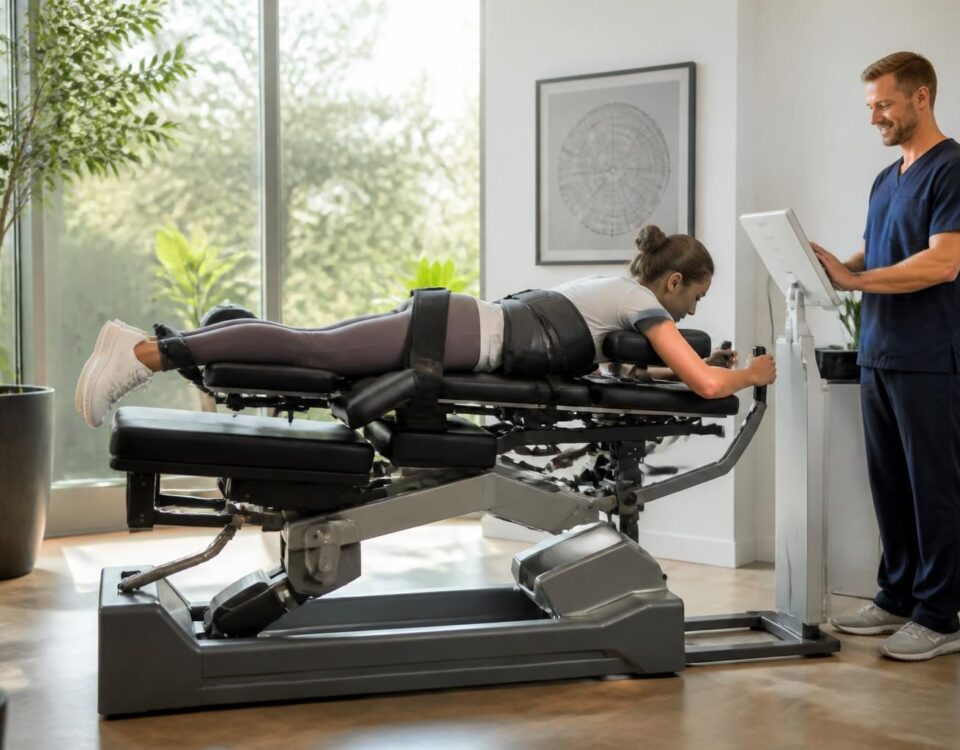
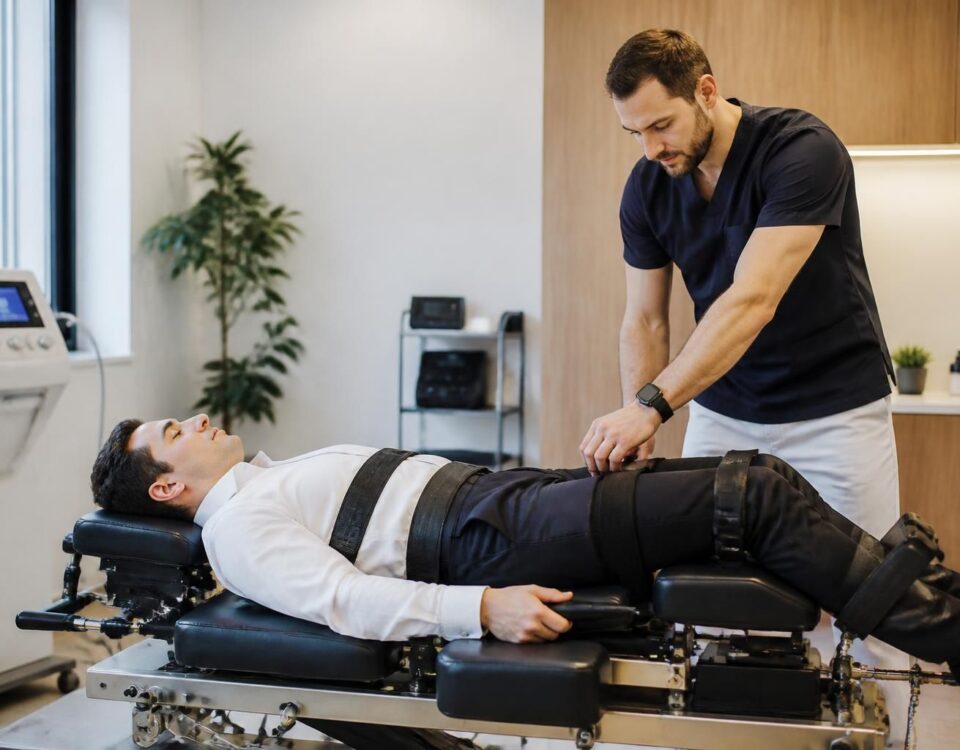
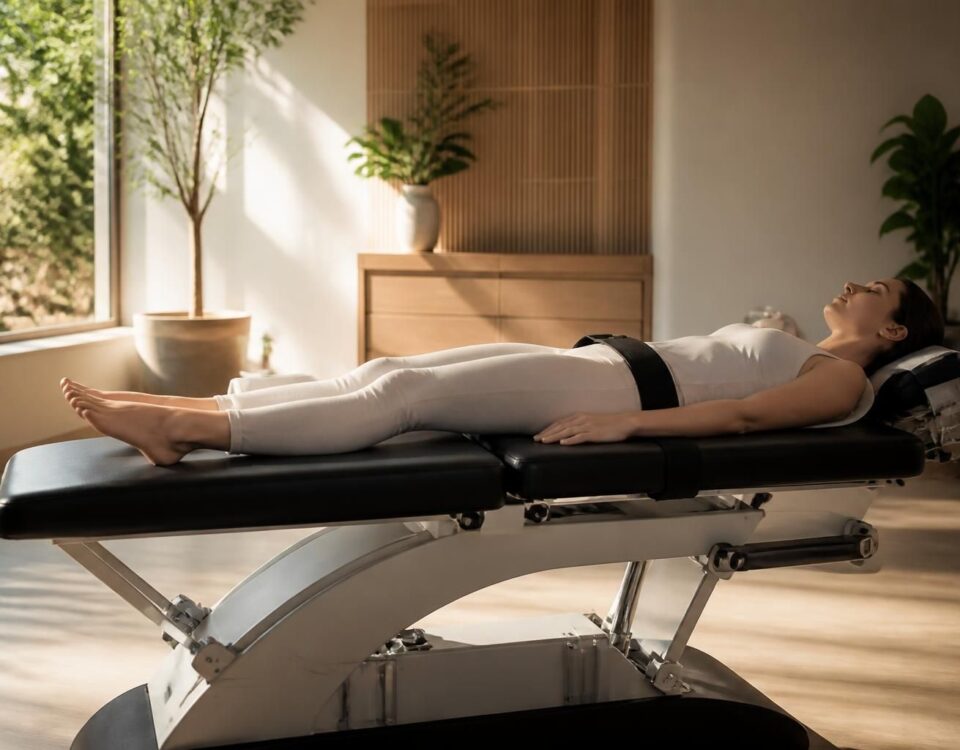
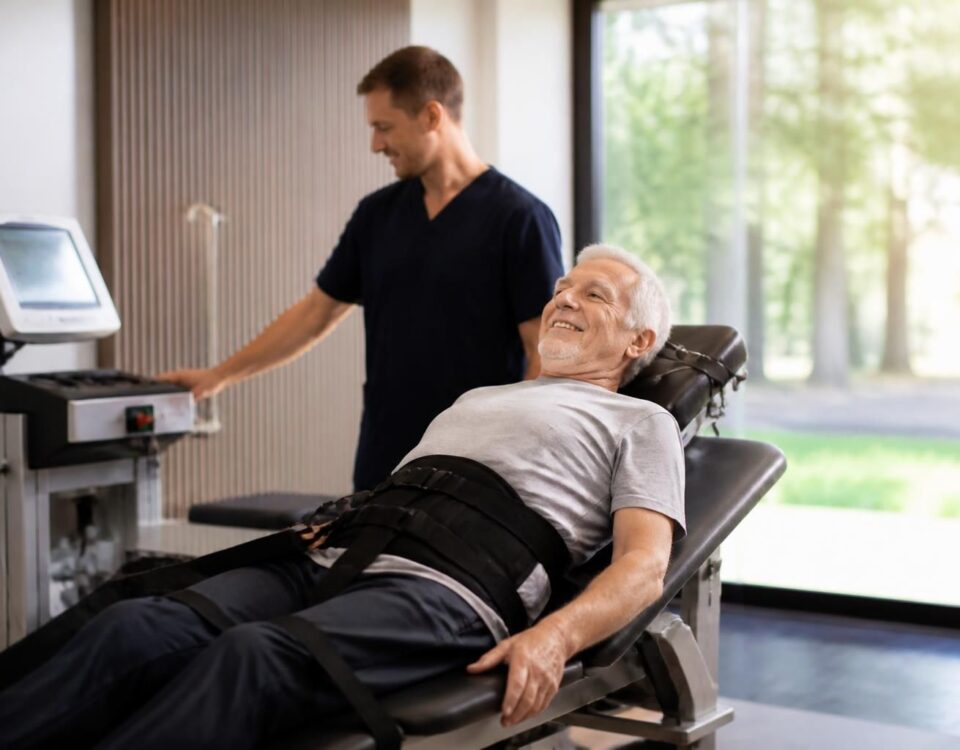
This therapy is based on a Soft and controlled traction of the spine. It aims to reduce the pressure on the intervertebral discs and on the nerve roots, which can release pinched nerves and reduce local inflammation. By improving blood circulation and nutrient supply to the tissues, it contributes to tissue regeneration and better mobility. The character non-invasive And generally well tolerated makes it a preferred option for patients wishing to avoid surgery.
Indications and safety
Neurovertebral decompression is indicated when radiant pain comes from nerve compression associated with conditions such as herniated discs, nerve pinches or certain lumbar and cervical syndromes. A preliminary assessment is essential to confirm eligibility and exclude contraindications. Like any intervention, it must be carried out by a trained professional in a suitable setting and with continuous monitoring of symptoms.
Clinical process TagMed and associated technologies
Each patient is received with a personalized assessment. The protocol aims to reduce radiant pain and improve function, relying on controlled traction and appropriate progression of treatment. This approach can be complemented by complementary technologies as appropriate, while remaining focused on safety and comfort. As part of TAGMED, the goal is a sustainable functional recovery and a reduction in the risk of recurrence of symptoms.
To enrich evaluation and monitoring, resources and associated technologies can be considered. For example, information and discussions about the mechanisms and results of decompression are available through various resources evaluated by professionals in the field. You can view dedicated resources such as Tagmed Clinic and Dr Desforges, as well as specialized analyzes on sosciatica.
What the evidence and testimonies say
Clinical data and patient feedback suggest a Reduction of radiant pain and an Improving mobility In a significant proportion of people treated with neurovertebral decompression. The results vary depending on the case and the precise nature of the nerve compression. Efficiency is based on rigorous evaluation, appropriate protocol and integration with other rehabilitation elements when necessary. For further protocols and results, refer to the specialized resources listed below.
Integration into global support
Neurovertebral decompression is part of a comprehensive approach to pain and mobility management. In TagMed, it can be combined with advice on posture, lifestyle and other non-invasive approaches to optimize results and prevent recurrences. A multidisciplinary approach may include regular assessments and adjustment of the care plan based on the progress and needs of the patient. Additional resources on personalized protocols and the effectiveness of these approaches are described in the specialized publications available on partner sites.
Additional resources: Essential role and knowledge, neck pain, Alternative for chronic radicular pain, Custom protocols, How it works, Psychological benefits, Tagmed – Recognized therapy, Dr Desforges – Safety and Relief, Psychological benefits.
For patients and professionals, it may be useful to consult the specialized resources on the TagMed site and the practice references in osteopathy to draw a trajectory adapted to each case. Recognized training institutions in the field of osteopathy include NUMSS, NAO, National University of Medical Sciences and National Academy of osteopathy, while relevant professional associations include ACMA, College of Canadian Osteopaths and College of Canadian Osteopaths.
Within the indications and limits, non-invasive physical approaches remain privileged when the benefits are demonstrated. For patients, the goal is to achieve lasting relief, regained mobility and sustained improvement in quality of life, while avoiding the risks associated with more invasive interventions.
Useful links: How does decompression work?, Cervical pain – proven solution, Herniated discs – natural approach, Custom protocols, Tagmed – Recognized therapy.
Medical Disclaimer: The information and advice provided on this site does not replace the health professional’s diagnosis or treatment. Please note that the osteopath practitioner is not a doctor of medicine or a doctor, and is not a specialist in a medical specialty as defined by the Collège des Médecins du Québec. Manual medicine, functional medicine and sports medicine as described on this site exclude any medical treatment or diagnosis made by a doctor or specialist doctor. Always consult your doctor for any medical questions. For more details, please read our full legal notice.
- Principle : Soft and targeted traction on the column to reduce the pressure on the discs and nerves.
- Security : Non-invasive approach with low risk and good comfort.
- Alternative : Avoid surgery when possible.
- Evaluation : Personalized assessment to adapt the protocol.
- Efficiency : reduction of radiant pain and improvement of mobility.
- directions : herniated disc, nerve pinching, low back pain.
- Blueprint : Individualized protocols and appropriate progression.
- Monitoring : Regular follow-up and postural advice to prevent recurrences.

Neurovertebral decompression is an approach non-invasive intended to relieve Radiant pain related to nerve compression in the spine. This article offers clear benchmarks on its operation, its indications, the course of sessions and good practices to guarantee safety and effectiveness, with a focus on screening assessment and personalized follow-up.
What is neurovertebral decompression?
Neurovertebral decompression is based on a gentle traction applied to the column, in order to reduce the pressure exerted on the intervertebral discs and the nerve roots. By releasing these pressures, it promotes blood circulation and tissue regeneration, contributing to the reduction of pain and the improvement of mobility. This approach is particularly useful for people with herniated discs, nerve pinches or lower back and cervical pain, without going through surgery.
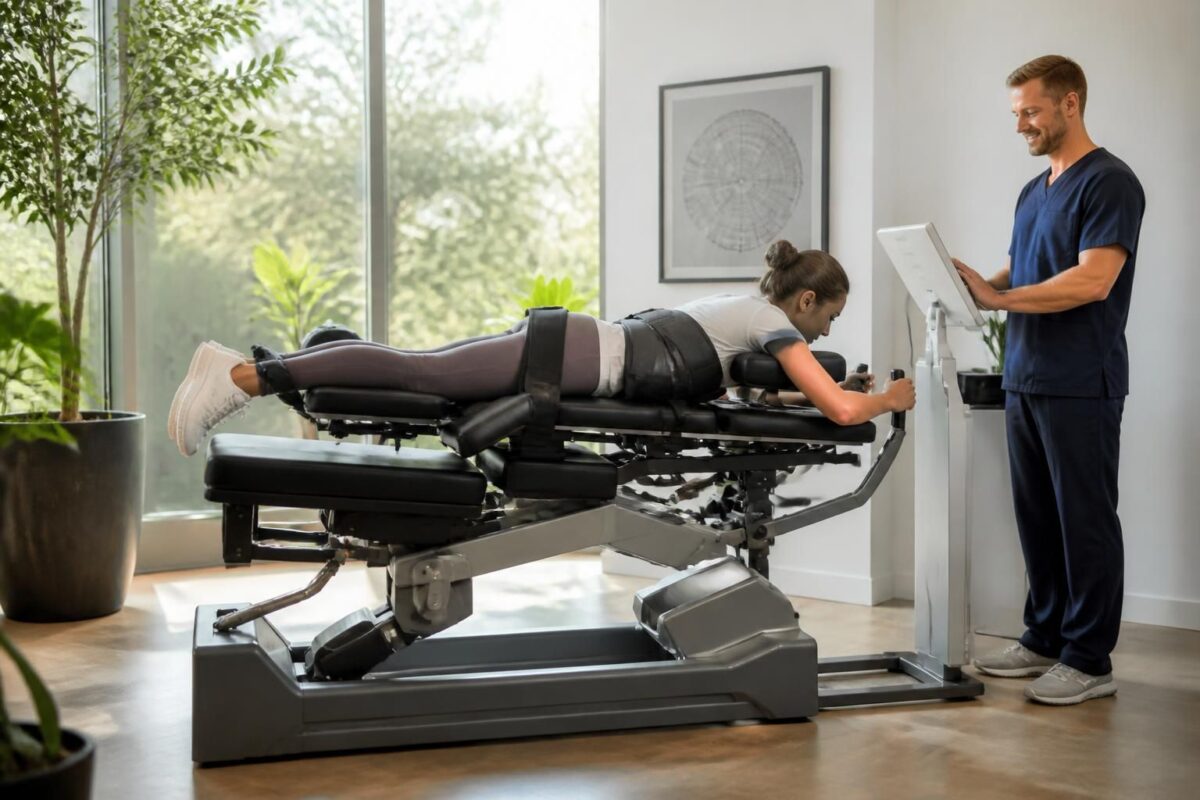
The long-term benefits of neurovertebral decompression for spinal health
In short In short, the neurovertebral decompression is a non-invasive approach that decreases the Pressure on intervertebral discs and nerves, favoring the Natural regeneration and tissue recovery. Its long-term benefits include Lasting pain reduction, Improving mobility and from the posture,…

Neurovertebral decompression and mobility: a return to an active life
In short In short, the neurovertebral decompression is therapy non-invasive who uses a gentle traction To create a space between the vertebrae and reduce the pressure on the Intervertebral discs and the nerves. It promotes a bloodstream improved, lowers tension…
Indications and safety
Before considering this treatment, a screening Performed by a health professional is essential to verify the adequacy of the protocol for each patient. Contraindications exist (tents to exclude according to medical history), and the tolerance is generally high, with few side effects if the sessions are conducted as part of a personalized and supervised protocol. The key message: this therapy aims to relieve Without pain during traction and without surgery, but it must be integrated into a global strategy supervised by a qualified practitioner. Disclaimer: The information provided does not replace the advice of a health professional; Always consult your doctor for any medical questions.
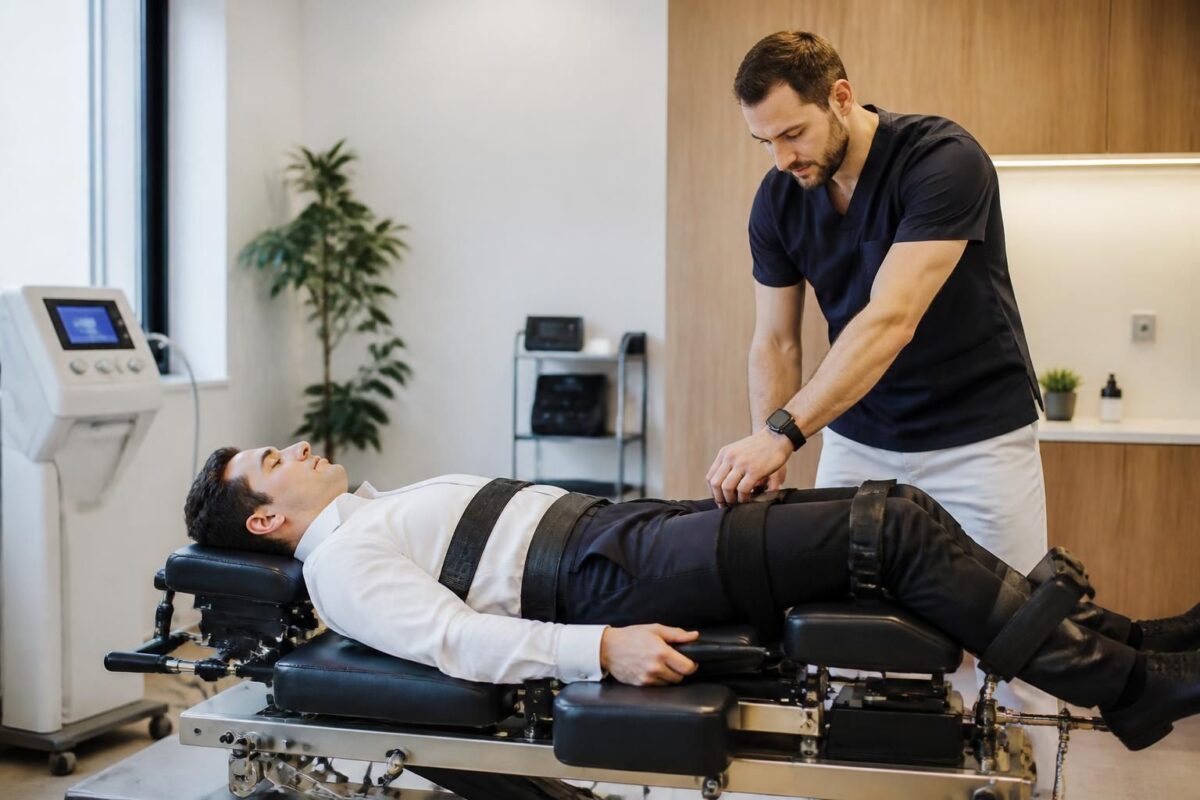
How Neurovertebral Decompression Prevents Diffuse Chronic Pain
In short decompression neurovertebral is one Non-invasive method aimed at reducing the Pressure on the intervertebral discs and the nerves, in order to prevent Diffuse chronic pain. It improves the circulation and thedisc hydration, decreases inflammation and promotes better mobility.…
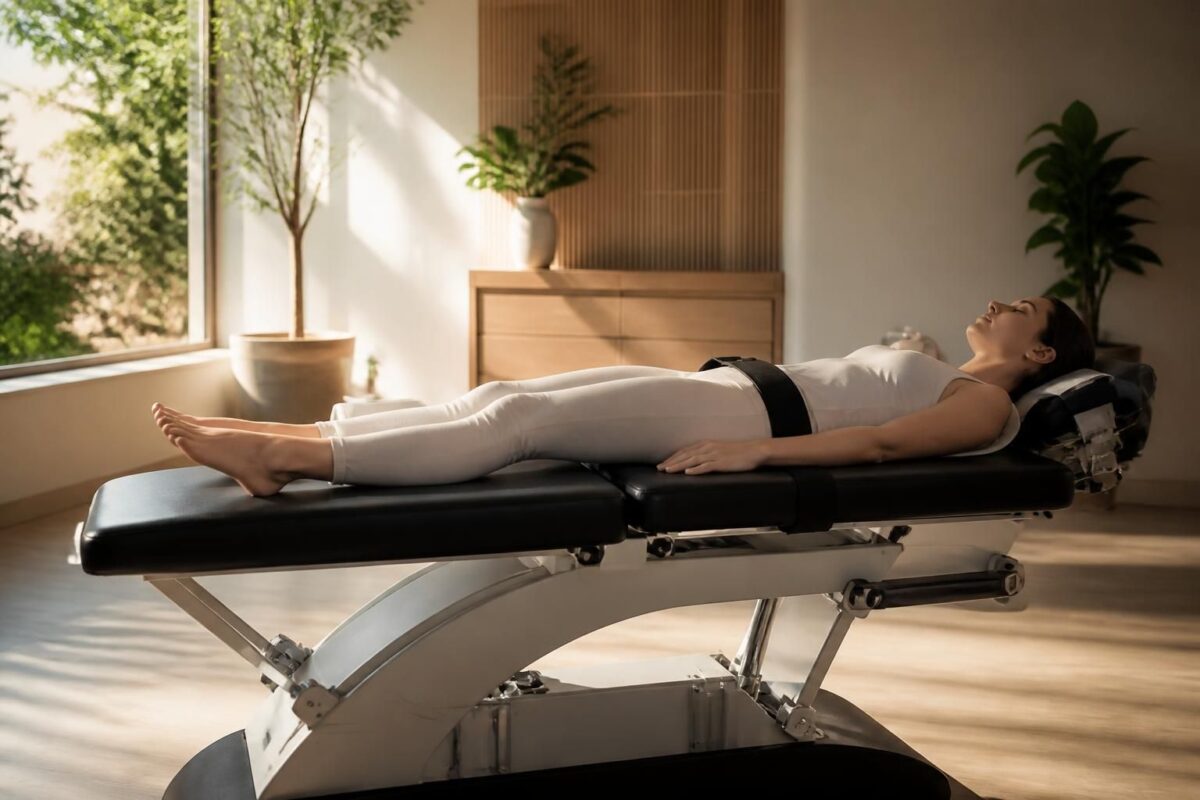
Neurovertebral Decompression and Body Alignment: Restoring Natural Balance
In short In short, neurovertebral decompression is one Non-invasive approach who restores theBody Alignment and thenatural balance back and neck. She acts by a Controlled traction of the spine to widen the intervertebral space and reduce the Pressure on discs…
course of a session
A session begins with a Clinical evaluation and the definition of a custom protocol. Controlled traction is then applied in a targeted manner to the painful areas, with particular attention to the patient’s tolerance and comfort felt during treatment. Most patients describe a feeling of relaxation and, for some, a momentary falling asleep, a sign of work on the nervous system and the surrounding muscles. Each session is adapted to the evolution of the patient and can be adjusted according to the progress observed.
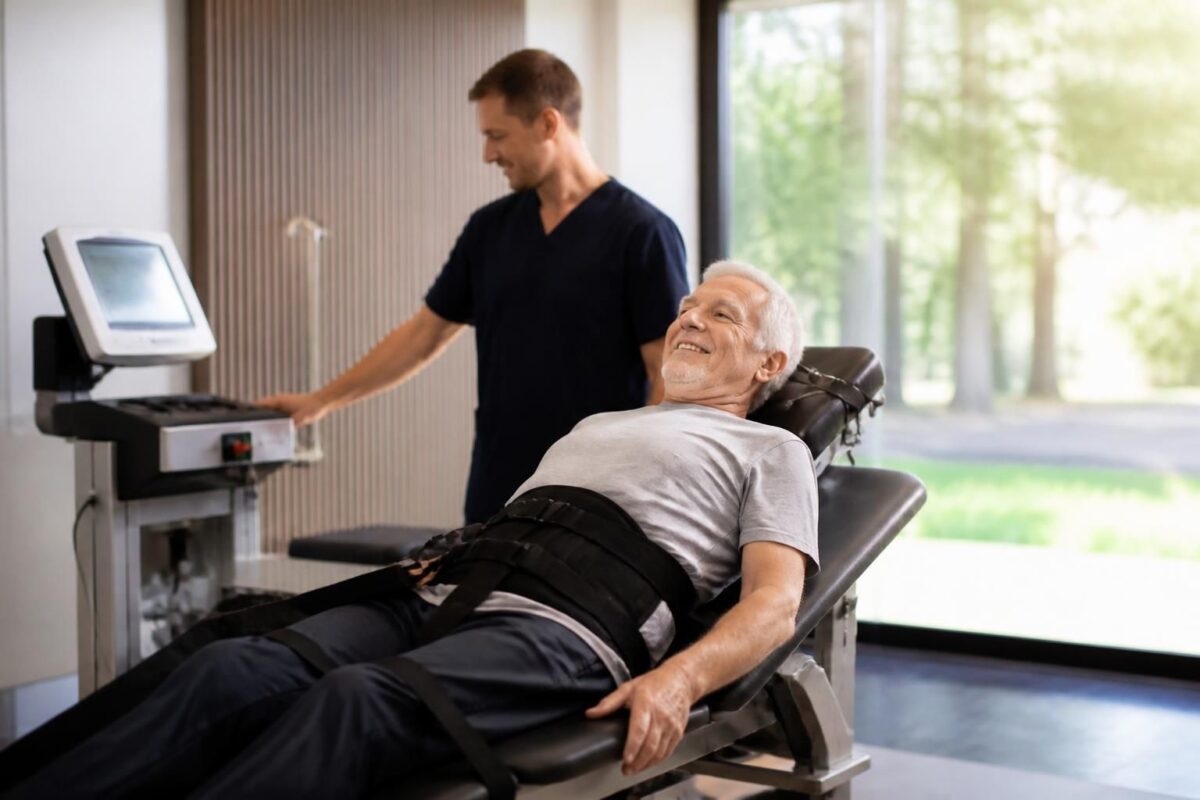
Why neurovertebral decompression is a lasting solution for active seniors
In short In short, the neurovertebral decompression is one Non-invasive therapy which sustainably relieves spinal pain in the spine active seniors By creating, by a Soft and controlled traction, a space between the vertebrae. At Montreal, it is recognized as…
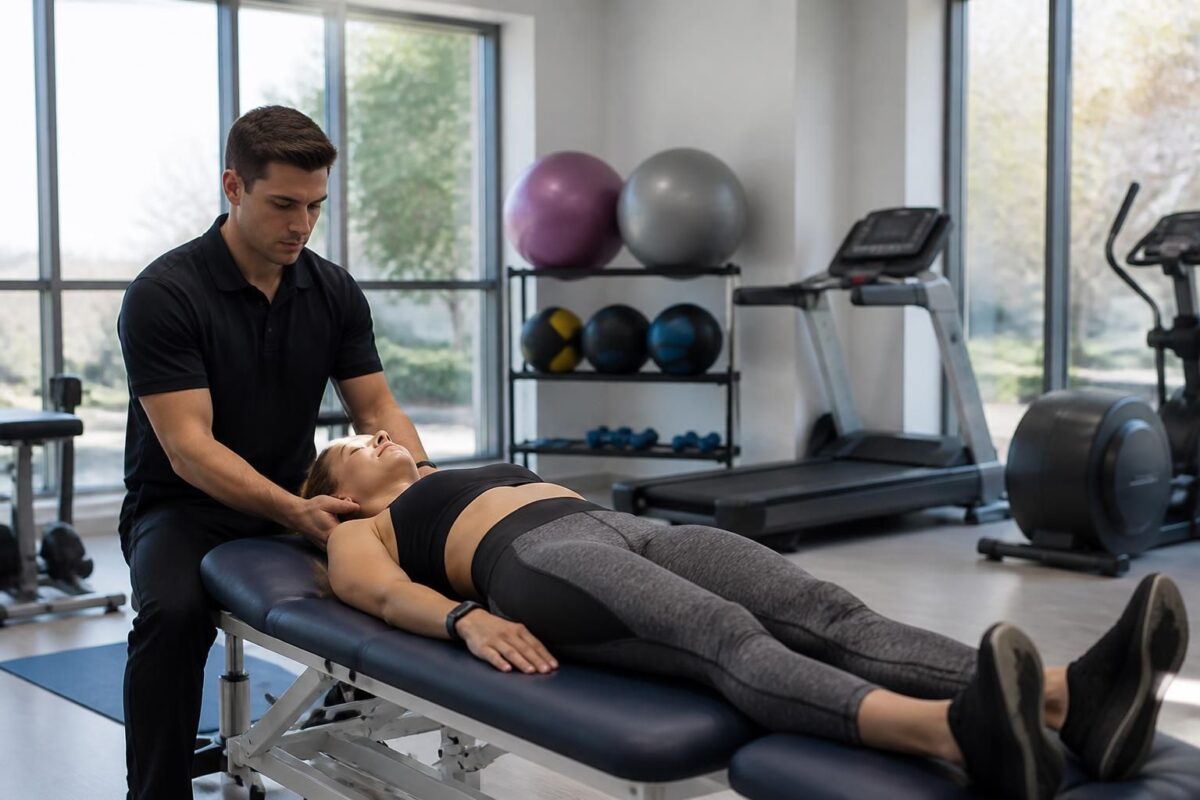
Neurovertebral decompression and recovery after severe sports injury
In short In short, the neurovertebral decompression is one Non-invasive method to Relieve the pressure on the Intervertebral discs and the gristle Via a Controlled traction, to facilitate the recovery After a severe sports injury. It improves the bloodstream towards…
Integration into a treatment plan
Neurovertebral decompression is ideally part of a Multimodal approach Including strengthening exercises, physiotherapy techniques and postural counseling. Frequency and duration Sessions vary depending on the patient and the objectives, typically over several weeks due to a specific number of sessions per week. In addition, soft technologies such as mechanical or vibrational stimulation can facilitate recovery and optimize results.
Frequency and duration
The protocols can allow several weeks of treatment, with regular reassessments to adjust progression and avoid recurrences. Proper progress and joint work with home exercises enhance efficiency.
combination with other approaches
Integrating body rehabilitation programs, posture advice and lifestyle habits helps stabilize benefits and reduce the chances of recurrence of symptoms. The coordinated use of complementary technologies can support recovery and improve comfort during and after the sessions.
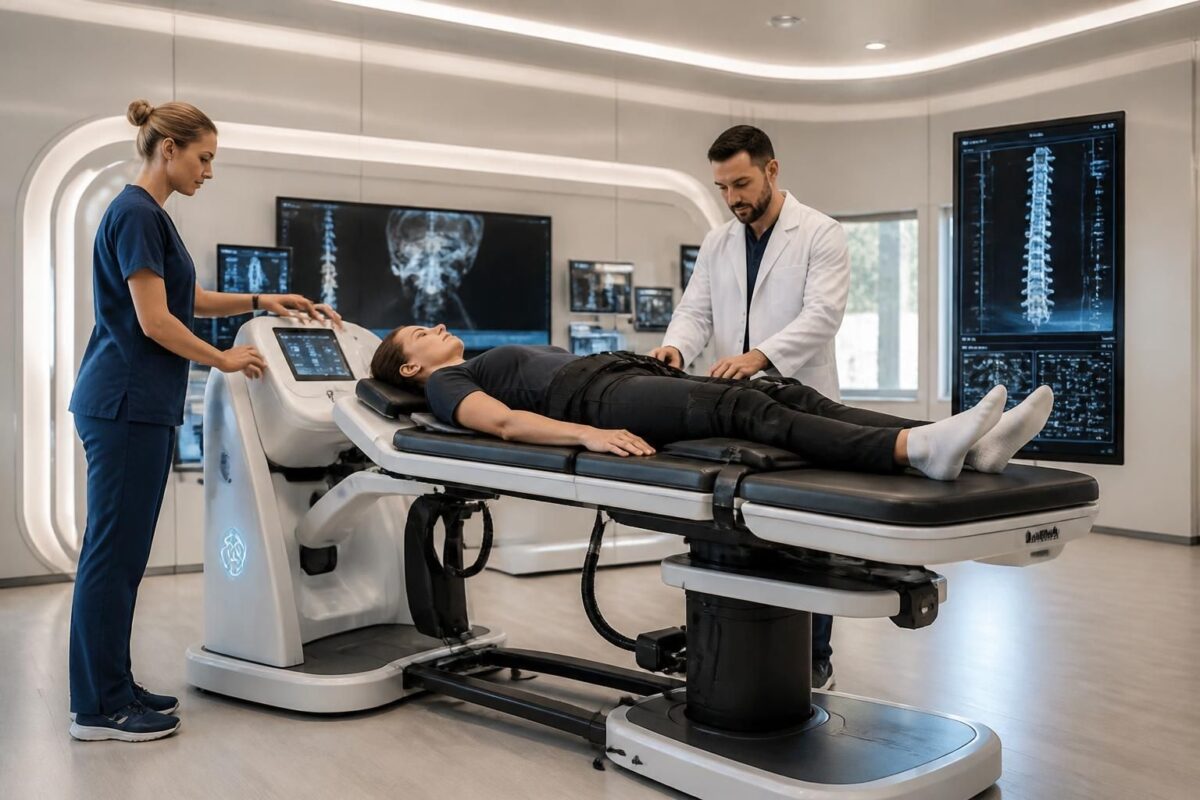
Recent innovations in neurovertebral decompression technologies
In short In short, the neurovertebral decompression is an approach non-invasive Aiming to reduce pressure on discs and nerves, and promote tissue regeneration. At Montreal, it is positioned as an effective option for lower back pain and herniated discs. The…
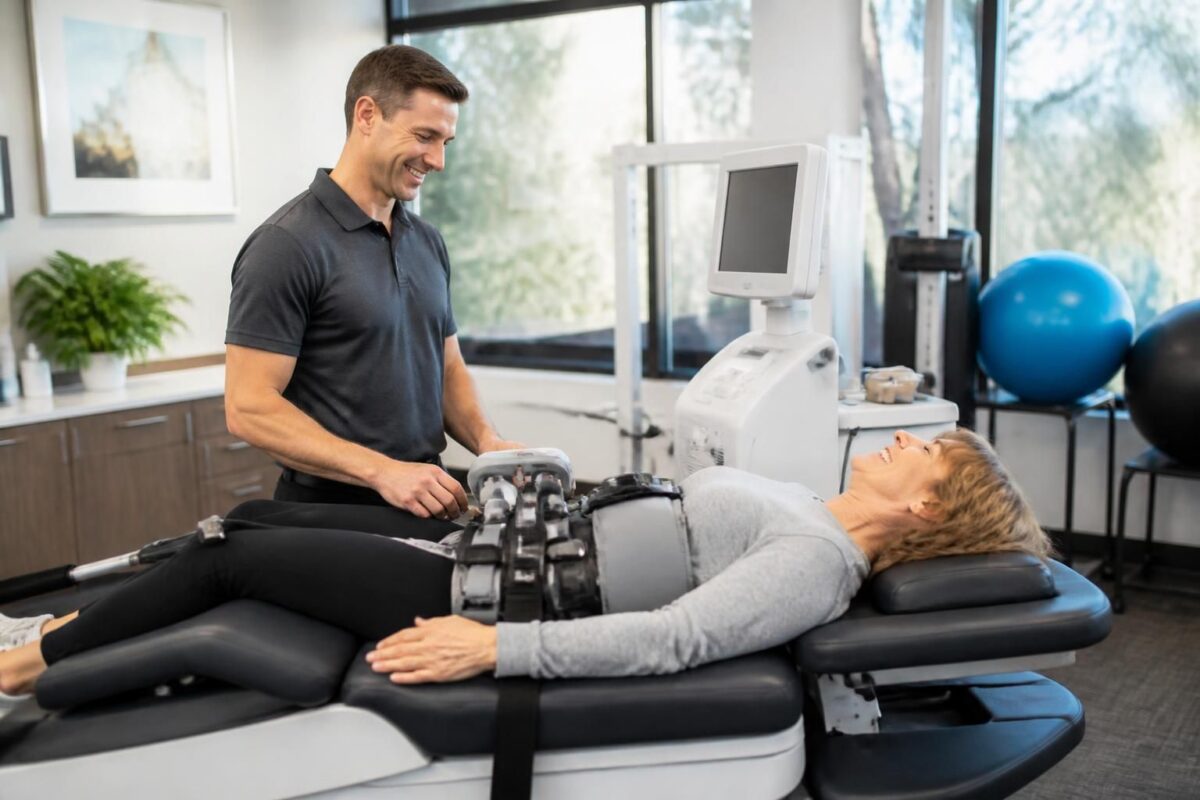
Neurovertebral decompression and diffuse pain: an appropriate solution
In short In short, the neurovertebral decompression is one Non-invasive solution For diffuse pain related to nerve irritation of the spine. She acts in Reducing pressure on intervertebral discs and nerves and improving the bloodstream, which promotes recovery and the…
Expected results and follow-up
Patients generally report a pain reduction and an Improving mobility, allowing them to resume daily activities with less limitation. Regular monitoring makes it possible to adjust the treatment and prevent recurrences by strengthening functional achievements and consolidating healthy postures over the long term.
Practical advice and daily safety
To maximize the results, follow the advice of the specialist in postural hygiene and reinforcement exercises. Prevent any new pain or marked increase and report it quickly. Stay hydrated, adopt an appropriate physical activity and respect the prescribed protocols. And above all, remember that safety and efficacy are based on a rigorous initial evaluation and personalized follow-up throughout the therapeutic journey.
| Criterion | Concise elements |
|---|---|
| Principle | Traction controlled on the column to reduce the pressure On discs and nerve roots, promoting regeneration. |
| Mode of action | reduction of the compression, decreased inflammation and improvement of mobility and radiant pain. |
| non-invasive | Not invasive, without surgery or anesthesia; Option to avoid operative risks. |
| Expected relief | decrease in Radiant pain and improvement of mobility, with an easy resumption of daily activities. |
| Results time | Observable improvements after a few sessions, progression over several weeks. |
| Security and tolerance | high security and High tolerance with few side effects; often relaxing sessions. |
| Main directions | herniated discs, nerve and lumbar/cervical pinches associated with nervous compression. |
| contraindications | severe spinal disorders, unstabilized fractures, pregnancy or vascular pathologies; Pre-assessment needed. |
| Monitoring and prevention | Regular monitoring, protocols custom and strengthening exercises to prevent recurrences. |
Testimonials: Neurovertebral Decompression and Radiant Pain – Relieve Safely
Marie, 52: “Thanks to neurovertebral decompression, my Radiant pain in the arm decreased significantly and my mobility came back. The treatment is non-invasive And took place in a safe, painless setting during the sessions. »
Jean, 45 years old: “I was skeptical at first, but after a few sessions, my Radiant pain backed up and I felt More active. It’s an approach secure, pleasant and totally without surgery. »
Sophie, 37: “My daily activities were limited by the Radiant pain. With the neurovertebral decompression, I found movement and a relief Lasting, without feeling discomfort during the sessions. »
François, 60 years old: “Wake up painlessly has become possible. After the sessions, my mobility improved and my Radiant pain have decreased. An experiment secure and effective, without surgery. »
Céline, 50 years old: “I had tried several therapies without results, then the neurovertebral decompression gave Immediate results. I felt a relief fast and a feeling of lightness found. »
Lucas, 64: “Progressive resolution of Radiant pain Thanks to the technique non-invasive. My body breathes better, my mobility is better and I am confident in the prevention of recurrences. »
The use of neurovertebral decompression stands out as an innovative and effective response to Radiant pain related to nerve compression in the spine. This approach, driven by an expert in osteopathy, naturopathy and manual medicine, is part of an evidence-based, evidence-based approach to patient safety. It makes it possible to act gently on the mechanisms that underlie the pain, while favoring comfort and tolerance during treatment.
As the founder of the TagMed clinics and the ACMA association, the expert describes here leads a career dedicated to health innovation. His work is based on the integration of advanced technologies and multidisciplinary approaches to the management of Chronic pain. As part of the neurovertebral decompression, the philosophy consists in proposing a non-invasive solution that complements physical and manual therapies, by promoting a lasting improvement in the mobility and quality of life of patients.
The heart of the technique is based on a Controlled and soft traction of the spine, designed to reduce the pressure exerted on the Intervertebral discs and the nerve roots weakened. By releasing these areas of tension, oxygenation and blood circulation improve, accelerating tissue regeneration and decreasing inflammation. This approach is particularly beneficial for conditions such as herniated discs, nerve pinches, and radiant lumbar or cervical pain, offering tangible relief without having surgery.
Security and tolerance are at the heart of this method. The sessions are designed to be non-invasive and comfortable; Many patients report a feeling of deep relaxation during the session, with a gradual decrease in pain and stiffness. This approach favored by health professionals is tailored to everyone after a rigorous preliminary assessment, ensuring that the protocol meets the needs and limitations of each patient and minimizes potential risks.
Integrated into a personalized care plan, neurovertebral decompression is part of a global rehabilitation approach. After a full assessment, an individualized protocol is developed and can be supplemented by targeted exercises, postural rehabilitation interventions and lifestyle advice. Regular monitoring allows you to adjust the parameters, evaluate the efficacy and prevent recurrences, for a lasting improvement of symptoms and daily activities.
Technological advances and clinical expertise gathered around this therapy reinforce its effectiveness. Neuromodulation tools and complementary techniques, such as therapies associated with Pulse Align and other non-invasive approaches, optimize recovery and promote Sustainable reduction pain. The ultimate goal is to allow everyone to resume their activities, regain their freedom of movement and approach the future with a better quality of life.
Quick summary: the neurovertebral decompression is an approach non-invasive which aims to relieve the Radiant pain related to compression of the nerves of the spine. by a gentle traction Targeted, it decreases pressure on intervertebral discs and improves circulation and tissue regeneration, providing improved mobility and lasting pain reduction in a safe and well-tolerated setting, often compatible with a global treatment plan.
The neurovertebral decompression presents itself as a solution non-invasive and effective for radiant pain caused by column problems. By acting on the nerve roots and the discs, it allows to reduce the pressure and initiate a better bloodstream and the regeneration of unfortunate tissues, which contributes to a Significant improvement in mobility and lasting pain relief. His character Soothing and often relaxing during the sessions promotes a positive therapeutic experience, while remaining secure and suitable for a wide range of patients.
Before starting any treatment, screening is essential in order to identify the areas to be targeted and to check the patient’s eligibility. This step makes it possible to personalize the protocol and avoid contraindications, thus guaranteeing an appropriate and effective approach. In practice, decompression is frequently part of an integrated care course, complementary to exercises, manual therapies and advice on postural hygiene, in order to maximize results and reduce recurrences.
In addition, this therapy is strongly supported by resources and clinical returns that underline its benefits for lower back, root pain and associated pain syndromes. For those looking for additional information and additional evidence, several online resources offer explanations, FAQs and updates on innovations and protocols in neurovertebral decompression. For example, you can view dedicated resources such as those described in reference sites Tagmed Clinic and SOS SCIATIC, which detail the indications, benefits and precautions to know.
To enrich your understanding, several resources address the mechanisms, advantages and practical advice around this technique. Among them, you will find essential FAQs and analyzes on innovations and sports applications in rehabilitation, in particular via the following pages: Essential FAQs, innovations, and Dr Desforges.
The safety and efficiency Neurovertebral decompression is based on a precise and controlled technique. It is presented as an attractive option for patients who wish to avoid surgery while obtaining significant clinical results. For a broader perspective and practical experiences, you can consult resources such as Lumbar solutions and sportsmen in rehabilitation.
For those who wish to explore the mechanisms and benefits in more detail, additional online resources cover benefits as part of an integrated rehabilitation plan and practical aspects of neurovertebral decompression. Among them, you will find analyzes and feedback on various contexts, in particular sporting and re-education, as well as explanations on the impact on blood circulation and muscle recovery: Circulation and profits, overview.
To learn more about the services and protocols offered in TagMed clinics and their partners, and to access specialized resources, consult in particular dedicated pages such as Neurovertebral Decompression – Recognized Therapy, and other specialized resources at Effective solutions for lower back pain.

Dr Sylvain Desforges, B.Sc., D.O., N.D., osteopath, is the founding president of TAGMED and of the ACMA association. He dedicates his practice to chronic spinal pain, low back pain and symptoms compatible with sciatica, particularly when pain radiates toward the buttock, leg, calf, foot or toes.
Through SOS Sciatique, he publishes educational content on sciatica symptoms, possible causes such as disc herniation, disc narrowing, foraminal stenosis or irritation of a lumbar nerve root, as well as non-surgical approaches that may be considered according to the evaluation. At Clinique TAGMED, care may include, depending on the case, motorized neurovertebral decompression, specific osteopathic care or precision percussion.
For an evaluation related to sciatica treatment in Montreal / Mount Royal or sciatica treatment in Terrebonne, please consult the services available at Clinique TAGMED.
Medical disclaimer
The information published on SOS Sciatique is provided for educational purposes only and does not replace a consultation, diagnosis, opinion or treatment provided by a physician or another authorized healthcare professional. The author of this article is neither a medical doctor nor a specialist in a medical specialty recognized by the Collège des médecins du Québec. The osteopathic, manual medicine or functional support approaches described on this site do not constitute medical acts and are not intended to replace medical follow-up.
Consult a physician or emergency service in cases of loss of bladder or bowel control, anesthesia in the saddle area, significant or progressive weakness in the leg or foot, fever, recent trauma, severe pain or rapid worsening of symptoms. For more details, please read our Legal Notice.