Why Neurovertebral Decompression Is Recommended For Active People
26/06/2026
Neurovertebral decompression and enhanced vertebral function
26/06/2026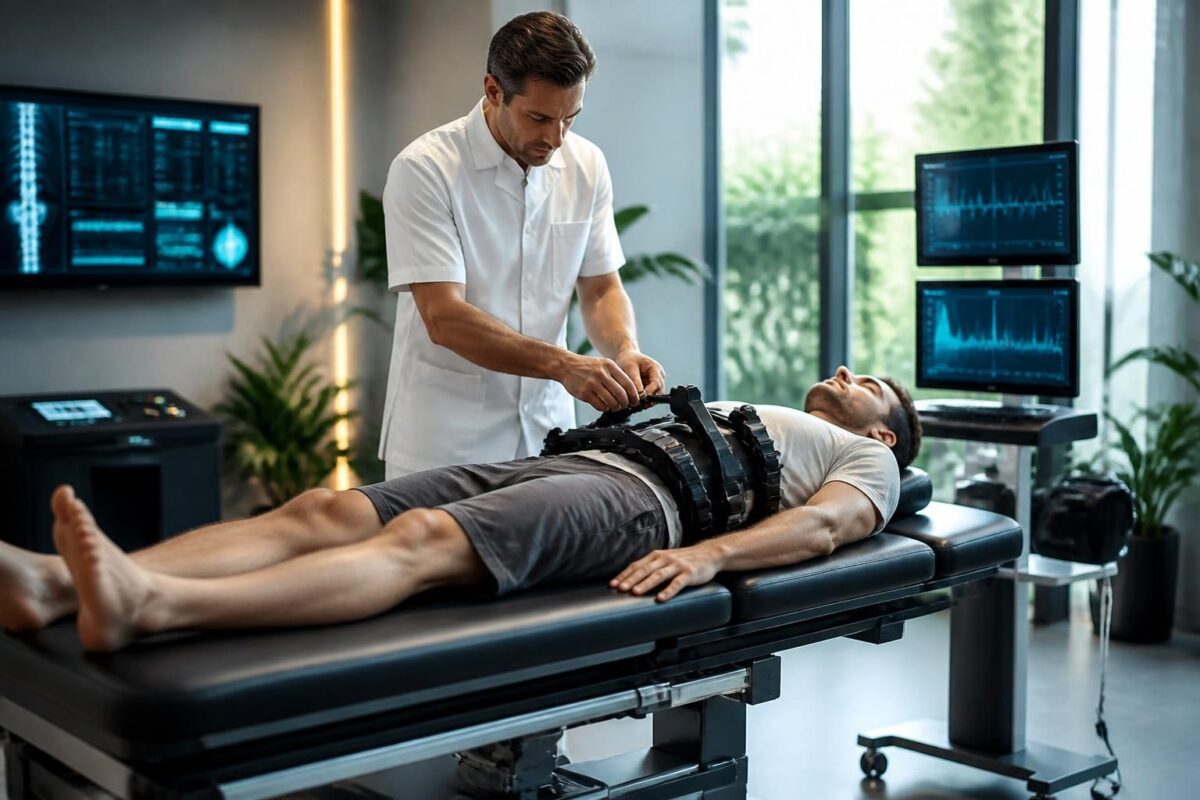
In short
| In short, the Custom protocols for the neurovertebral decompression constitute an approach non-invasive which aims to maximize the results by adapting each session to theinitial assessment and the patient’s response. This method is based on a Targeted traction and on the integration of Complementary therapies (for example physiotherapy and osteopathy), while relying on modern technologies for precise control of the forces. In Montreal, this service is particularly recommended for spinal pain and disc pathologies, with benefits such as rapid pain reduction, improved mobility and faster return to activity. Regular monitoring and continuous adjustments ensure lasting progress and prevent relapses. |
Custom protocols for neurovertebral decompression are designed for Maximize results by adapting each treatment to the individual needs of the patient.
It all starts with a In-depth initial assessment who examines the history and symptoms, in order to establish a Tailor-made plan and adjust the intervention to the severity of the pathology.
The sessions use a Soft and controlled traction whoseintensity, the duration and the frequency are adjusted according to progress. One Regular follow-up Allows you to measure the evolution and revise the protocol if necessary.
The integration of complementary therapies such as physiotherapy or osteopathy, combined with the use of advanced technologies, optimizes efficacy and contributes to a lasting improvement mobility and quality of life.
patient education and Adapted hydration Support recovery and help prevent recurrences.
This article presents, from a clinical and practical angle, how the Custom protocols allow to Maximize the results of neurovertebral decompression. It describes the key steps, technological choices, and the role of follow-up in a patient-centred, evidence-based approach. The objective is to explain how to adapt each treatment to the clinical history and response of the patient, in order to promote lasting pain reduction and better mobility.
Initial assessment and care plan
The basis of a Personalized care plan is based on a initial assessment complete. This step collects the medical history, location and nature of pain, symptoms and factors that influence function. Additional examinations, when necessary, make it possible to specify the areas to be treated and assess the risks. On this basis, the practitioner determines the level of intensity and duration of the neurovertebral decompression, as well as the reassessment schedule. The patient is informed of realistic objectives and progression criteria, in order to ensure a shared understanding of the therapeutic pathway. In our approach within the TagMed network, theosteopathy and manual approaches complete the main treatment when relevant for overall healing.
Continuous adaptation and security
Each session is adapted according to the patient’s response. l intensity and the duration Traction can be adjusted during successive visits to maintain efficiency while ensuring comfort. Regular checks make it possible to check the evolution of the symptoms and to adjust the protocol if necessary. The goal is to achieve targeted decompression that reduces pressure on discs and nerves, without causing excessive discomfort.
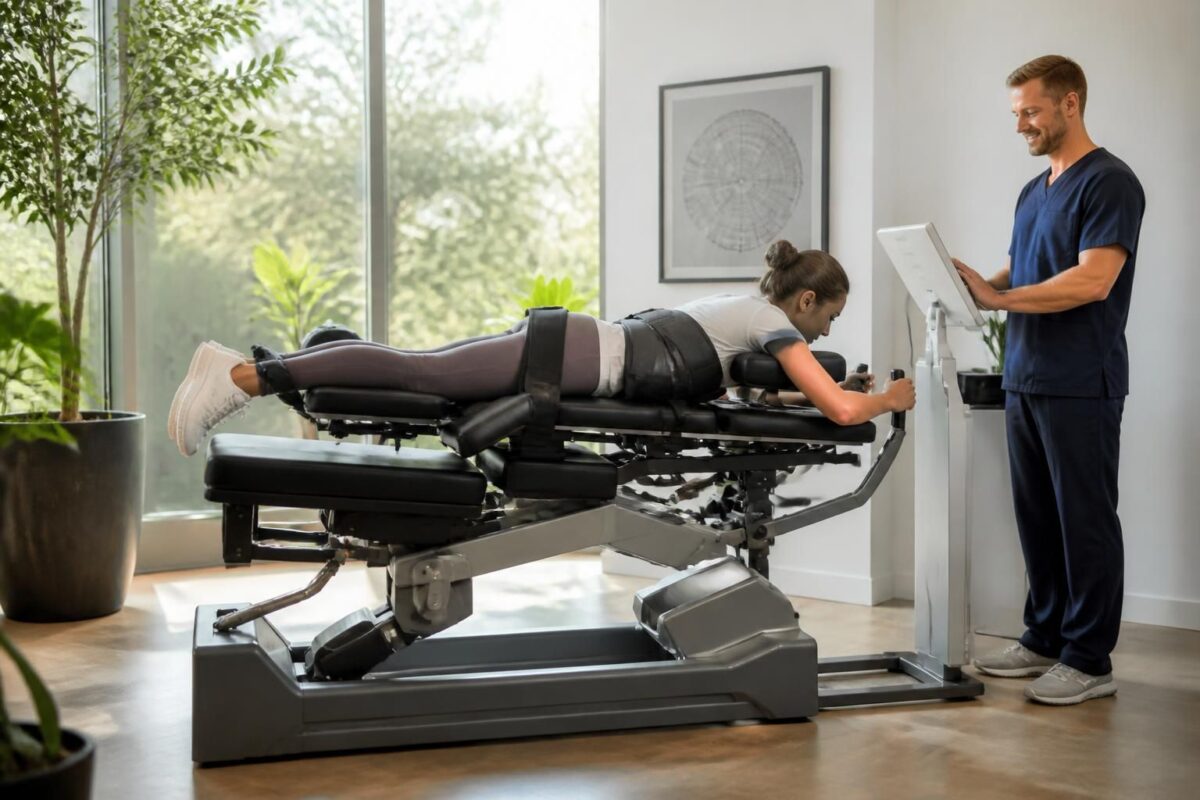
The long-term benefits of neurovertebral decompression for spinal health
In short In short, the neurovertebral decompression is a non-invasive approach that decreases the Pressure on intervertebral discs and nerves, favoring the Natural regeneration and tissue recovery. Its long-term benefits include Lasting pain reduction, Improving mobility and from the posture,…
Techniques and technologies used
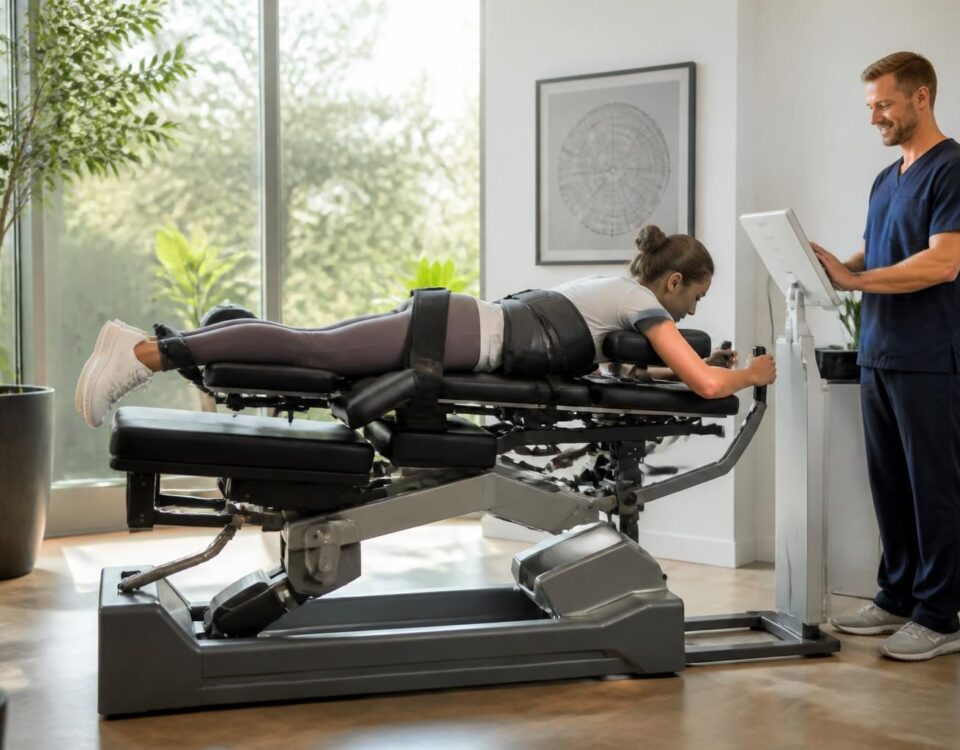
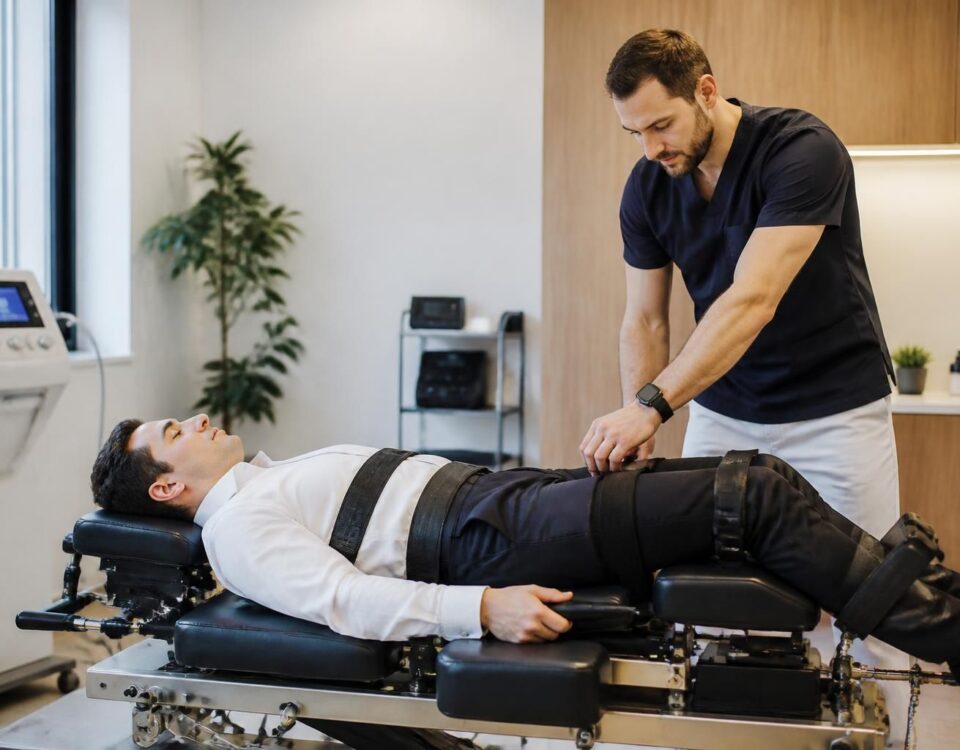
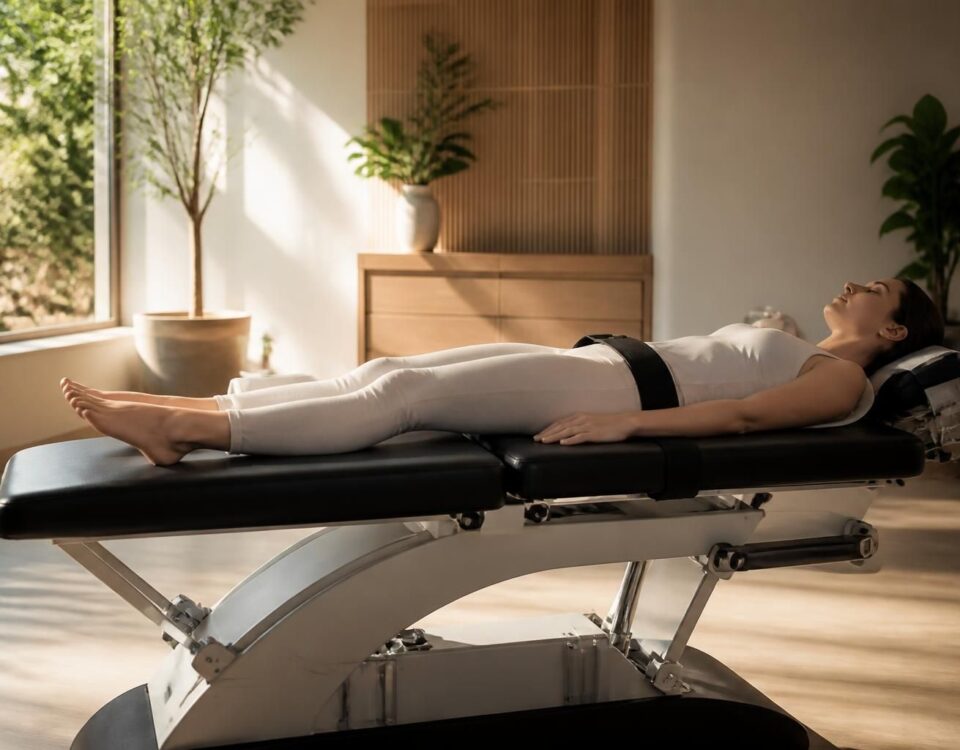
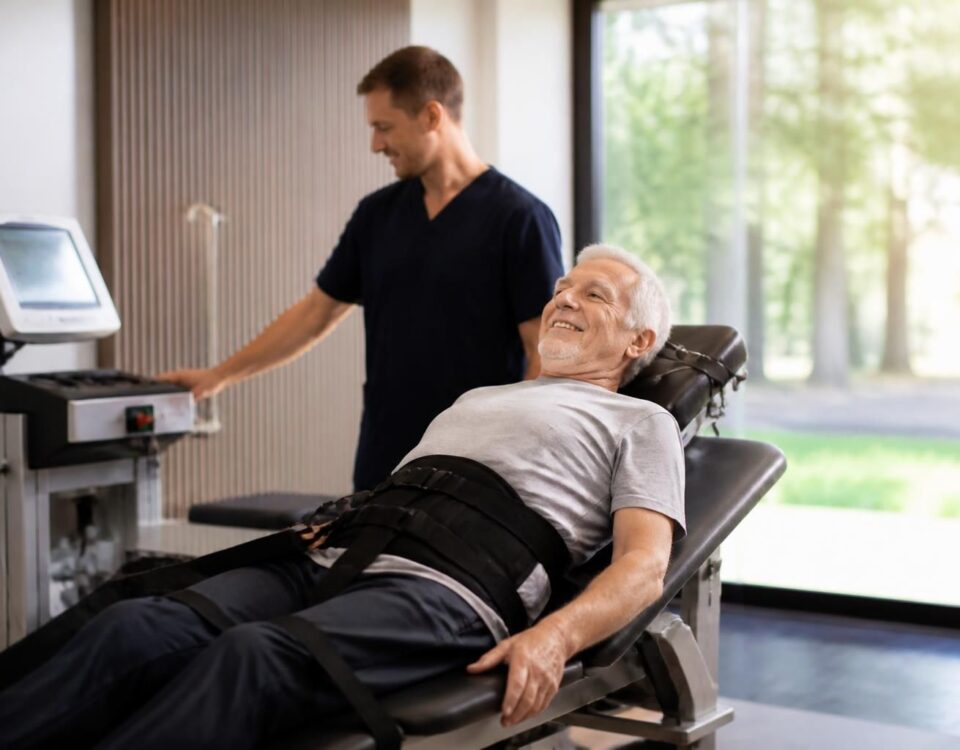
Decompression is based on a Soft and controlled traction applied to the spine. Modern devices allow you to precisely adjust the parameters and ensure real-time monitoring of the traction applied, which improves comfort and efficiency. The protocols rely on reliable tools and documented protocols to optimize results while minimizing risks. To deepen the mechanisms and benefits, consult the specialized resources on How neurovertebral decompression affects pain and Long-term benefits.
In addition to traction, technological advances allow precise and safe control of the applied forces. This technological approach improves treatment tolerance and can promote faster recovery of spinal functions. Custom protocols integrate these devices to achieve targeted traction on problem segments and support healing mechanisms.

Neurovertebral decompression and mobility: a return to an active life
In short In short, the neurovertebral decompression is therapy non-invasive who uses a gentle traction To create a space between the vertebrae and reduce the pressure on the Intervertebral discs and the nerves. It promotes a bloodstream improved, lowers tension…
Integration of complementary therapies
To enhance efficiency, personalized protocols may include approaches manuals and other complementary therapies focused on structural and functional support. Osteopathy and specialized manual training play a key role in tension relaxation, movement normalization and recovery support. This multidisciplinary dimension is part of an offer presented and coordinated by specialized clinics, such as Tagmed Clinic, with a clear orientation to non-invasive care based on clinical evidence.
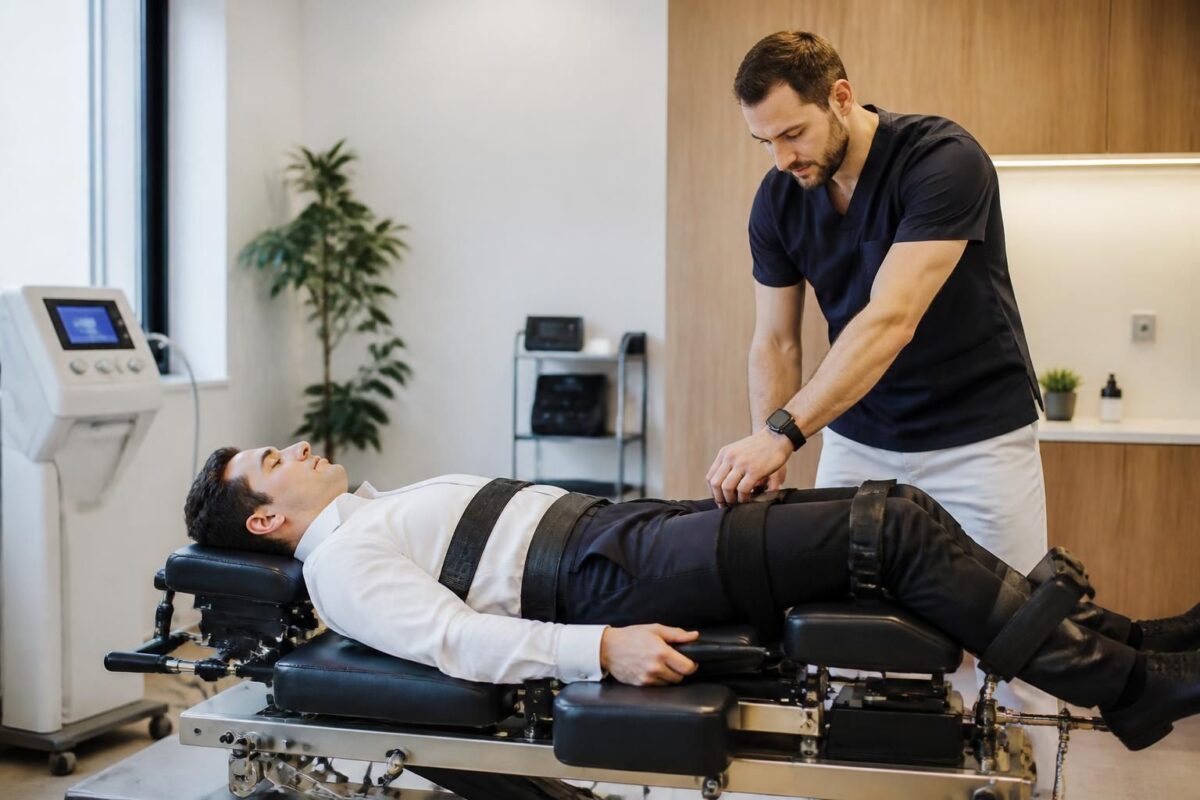
How Neurovertebral Decompression Prevents Diffuse Chronic Pain
In short decompression neurovertebral is one Non-invasive method aimed at reducing the Pressure on the intervertebral discs and the nerves, in order to prevent Diffuse chronic pain. It improves the circulation and thedisc hydration, decreases inflammation and promotes better mobility.…
Monitoring, education and prevention of recurrences
The Regular follow-up is essential to monitor the evolution of symptoms and to adjust the protocol. The patient feedback makes it possible to refine the next sessions and to make the necessary corrections to optimize the results. Patient education focuses on the general principles of decompression and postural habits favorable to spinal health, without proposing specific exercises or actions to be performed without professional supervision. The resources available online present additional information on the mechanisms and benefits of this approach.
Resources and practical examples
To better understand the benefits and mechanisms, see the following resources: Neurovertebral decompression and back pain, Long-term benefits, and After a sports injury. These resources shed additional light while remaining consistent with clinical protocols and ethics of care.
To learn more about personalized protocols and their practical application, you can refer to the resources and experience of TagMed clinics, which offer modern and adapted protocols in Montreal and in the region, in line with best practices in the field.
Normative references and professional framework: ACMA (Canadian Alliance of Alternative Medicine) and associated professional bodies favor a plural and prudent approach to manual techniques and associated therapies, while insisting on initial assessment and rigorous monitoring of patients.
Medical Disclaimer: The information and advice provided on this site does not replace the health professional’s diagnosis or treatment. Please note that Dr. Sylvain Desforges osteopath is neither a doctor of medicine nor a doctor, and is not a specialist in a medical specialty as defined by the Collège des Médecins du Québec. Manual medicine, functional medicine and sports medicine as described on this site exclude any medical treatment or diagnosis made by a doctor or specialist doctor. Always consult your doctor for any medical questions. For more details, please read our full legal notice.
- Guiding axis: Approach personalized and evolutionary Focused on evaluation and monitoring
- initial assessment Detailed to define the custom plan
- Adapted traction: Adjustment of theintensity, from the duration and from the frequency According to the severity
- Real-time adjustments According to the patient’s response
- Regular follow-up With protocol reassessments and readjustments
- Therapeutic integration: osteopathy and physiotherapy in addition
- Advanced technologies For a traction precise and comfort
- Patient education and home posture advice
- Hydration and nutrition supporting spinal health
- Prevention of recurrences and maintenance plan

This article presents clear recommendations to maximize the results of neurovertebral decompression based on Custom protocols. He emphasizes the importance of a In-depth initial assessment, of a Plan Customization and one Regular follow-up to adapt the treatments to each patient and to the evolution of the symptoms.
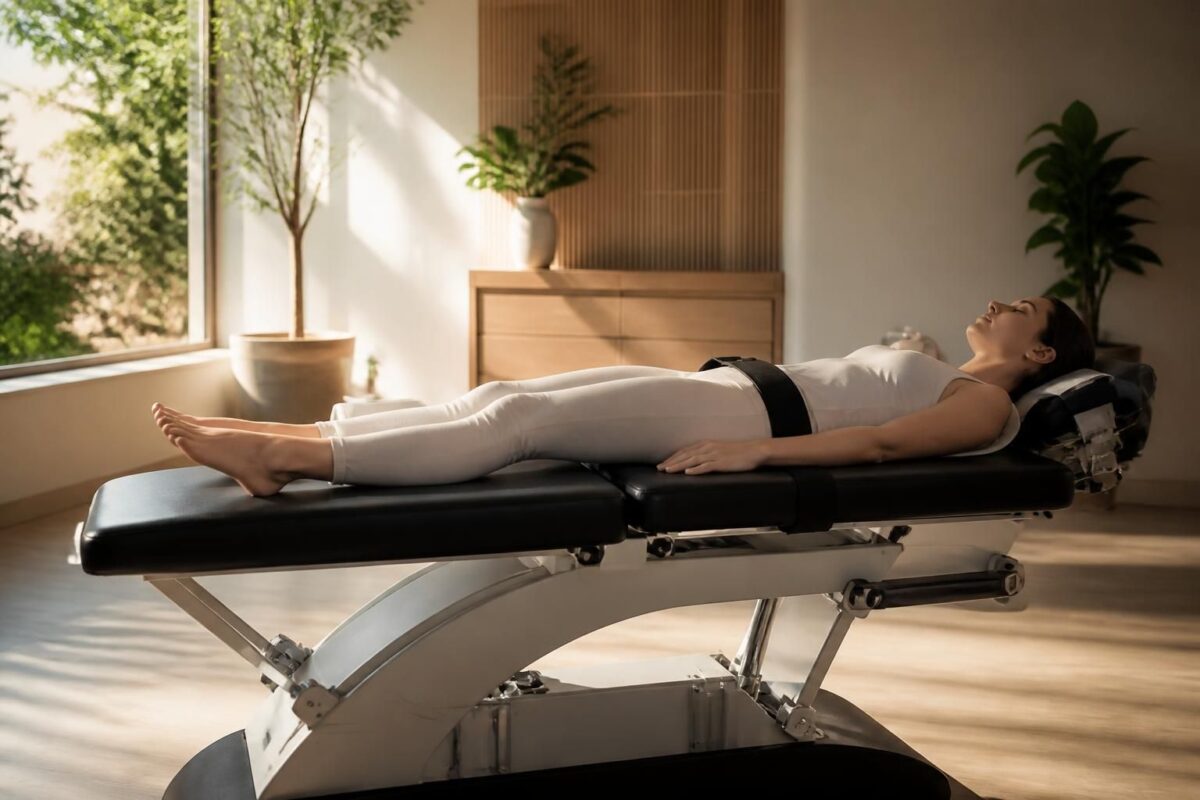
Neurovertebral Decompression and Body Alignment: Restoring Natural Balance
In short In short, neurovertebral decompression is one Non-invasive approach who restores theBody Alignment and thenatural balance back and neck. She acts by a Controlled traction of the spine to widen the intervertebral space and reduce the Pressure on discs…
Initial evaluation and customization
The key to an effective protocol is based on a In-depth history and symptoms analytics. The practitioner collects clinical information, assesses the location and severity of pain, and identifies the relevant vertebral areas. Targeted physical examinations and, if necessary, additional imaging help clarify the therapeutic framework. This step makes it possible to build a Tailor-made treatment plan which takes into account the pathology, functional objectives and the patient’s tolerance.
Depending on the results, we determine the Monitoring indicators and success criteria, in order to define realistic and measurable clinical objectives. The initial assessment is also used to anticipate potential risks and to plan relevant complementary interventions.
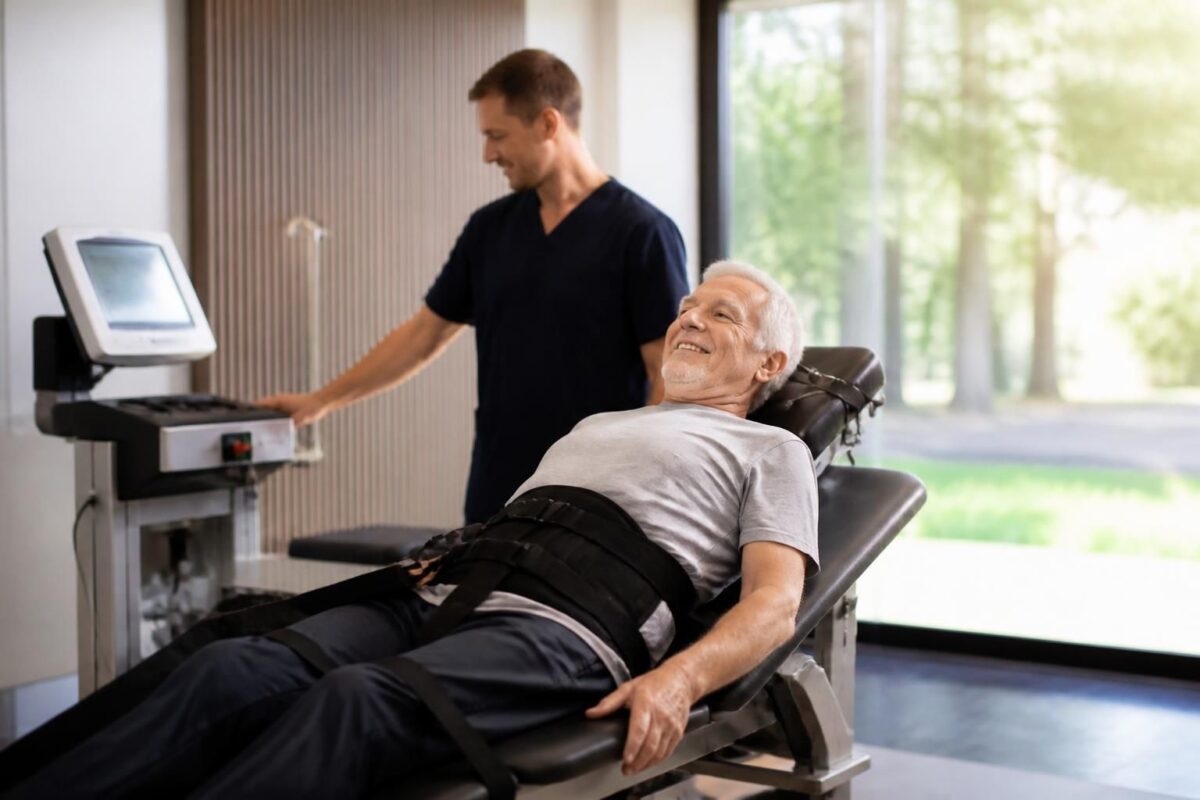
Why neurovertebral decompression is a lasting solution for active seniors
In short In short, the neurovertebral decompression is one Non-invasive therapy which sustainably relieves spinal pain in the spine active seniors By creating, by a Soft and controlled traction, a space between the vertebrae. At Montreal, it is recognized as…
Custom processing plan design
Definition of objectives and safety thresholds
The plan is based on clear goals, such as pain reduction, improved mobility and return to daily activities. Safety thresholds are established to adapt the intensity and duration of the sessions, in order to preserve comfort and avoid aggravations.
Programming of sessions
The protocol provides for a gradual progression, with a adapted frequency and an Session duration adjusted according to the patient’s response. Each session is designed to maintain efficiency while optimizing comfort and individual tolerance.
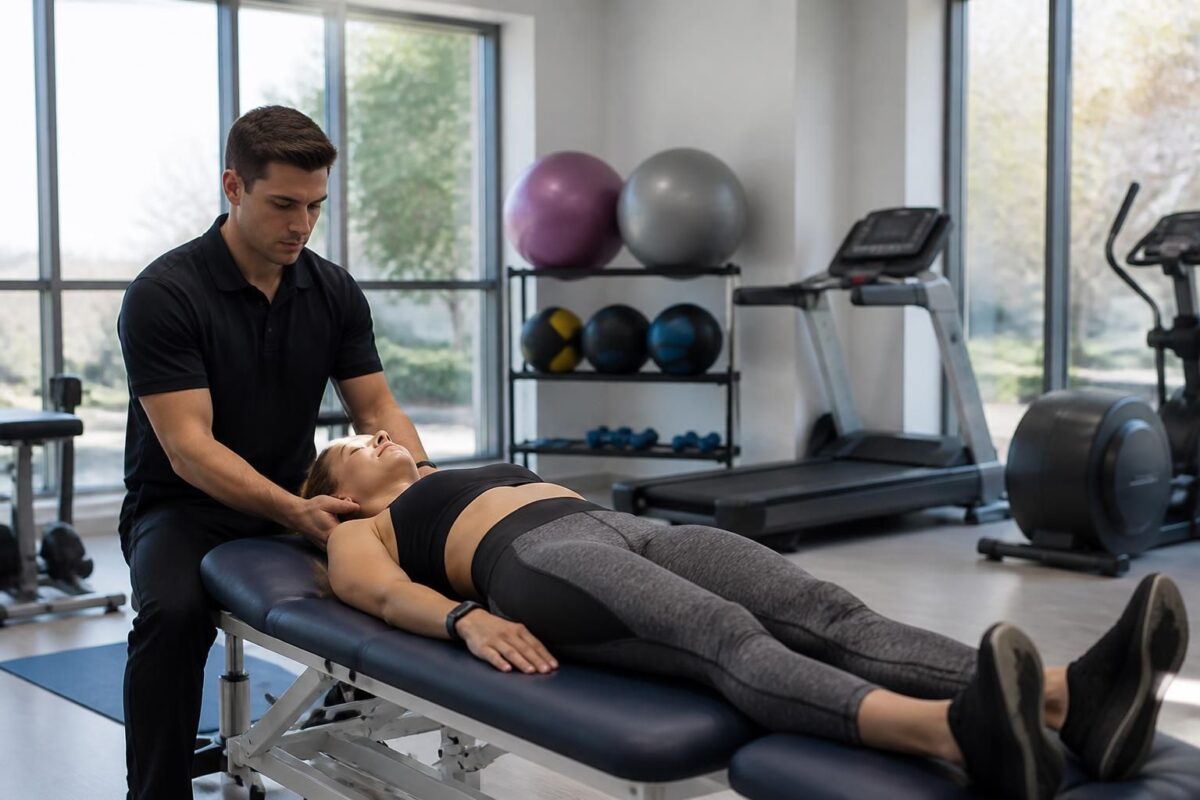
Neurovertebral decompression and recovery after severe sports injury
In short In short, the neurovertebral decompression is one Non-invasive method to Relieve the pressure on the Intervertebral discs and the gristle Via a Controlled traction, to facilitate the recovery After a severe sports injury. It improves the bloodstream towards…
Adaptation of the sessions and progress
Intensity and duration adjustment
Each session can be adjusted in real time depending on the patient’s reactions. We favor a Soft and controlled traction which targets problem areas and gradually reduces pressure on intervertebral discs and nerves.
Progress and comfort management
The Protocol provides for Intermediate ratings To check the effectiveness and make the necessary readjustments. A flexible approach makes it possible to increase or decrease the intensity, to modify the duration of the sessions and to adapt the frequencies according to the improvement or persistence of the symptoms.
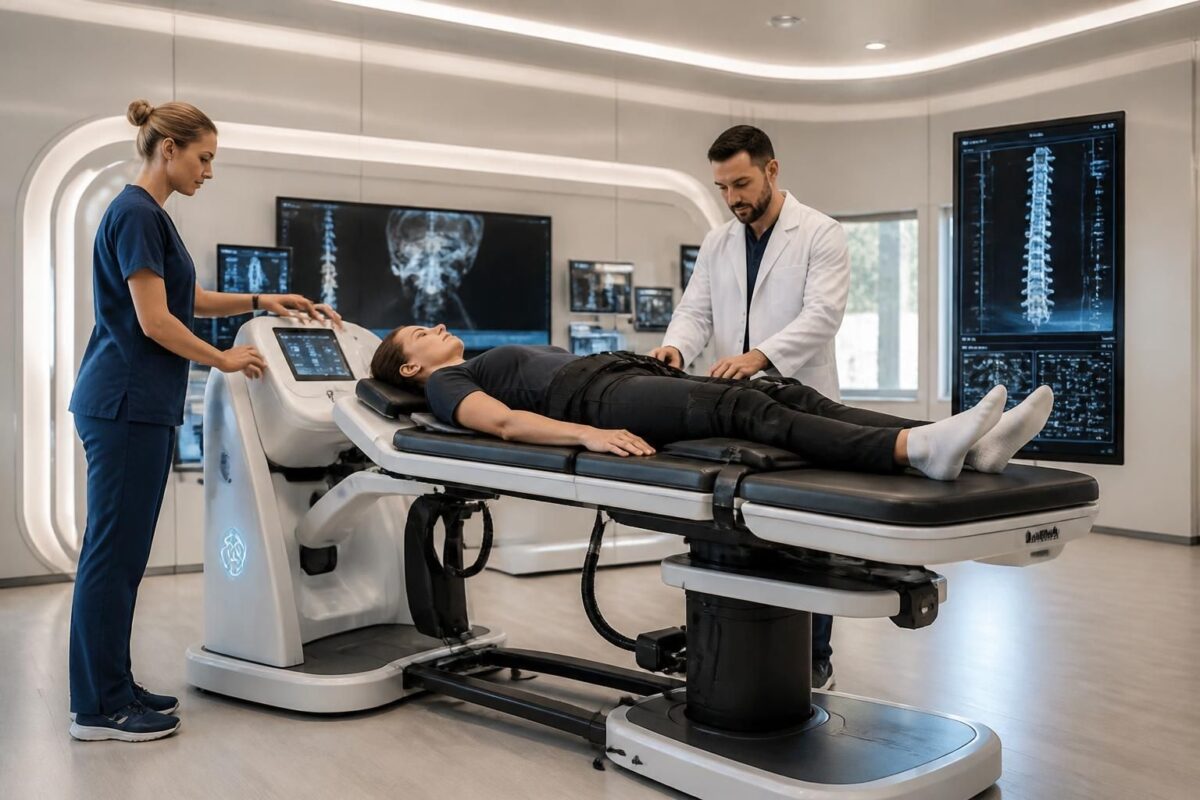
Recent innovations in neurovertebral decompression technologies
In short In short, the neurovertebral decompression is an approach non-invasive Aiming to reduce pressure on discs and nerves, and promote tissue regeneration. At Montreal, it is positioned as an effective option for lower back pain and herniated discs. The…
Integration of complementary therapies
Multidisciplinary approaches
To amplify the effects of decompression, complementary therapies such as physiotherapy, osteopathy or other non-invasive modalities. These interventions strengthen muscle rehabilitation, improve stability and support overall recovery.
Education and prevention
Appropriate patient education on postures, home exercises and protective behaviors is essential. This proactive component increases adherence to the protocol and helps prevent relapses, while facilitating a lasting return to a functional activity.
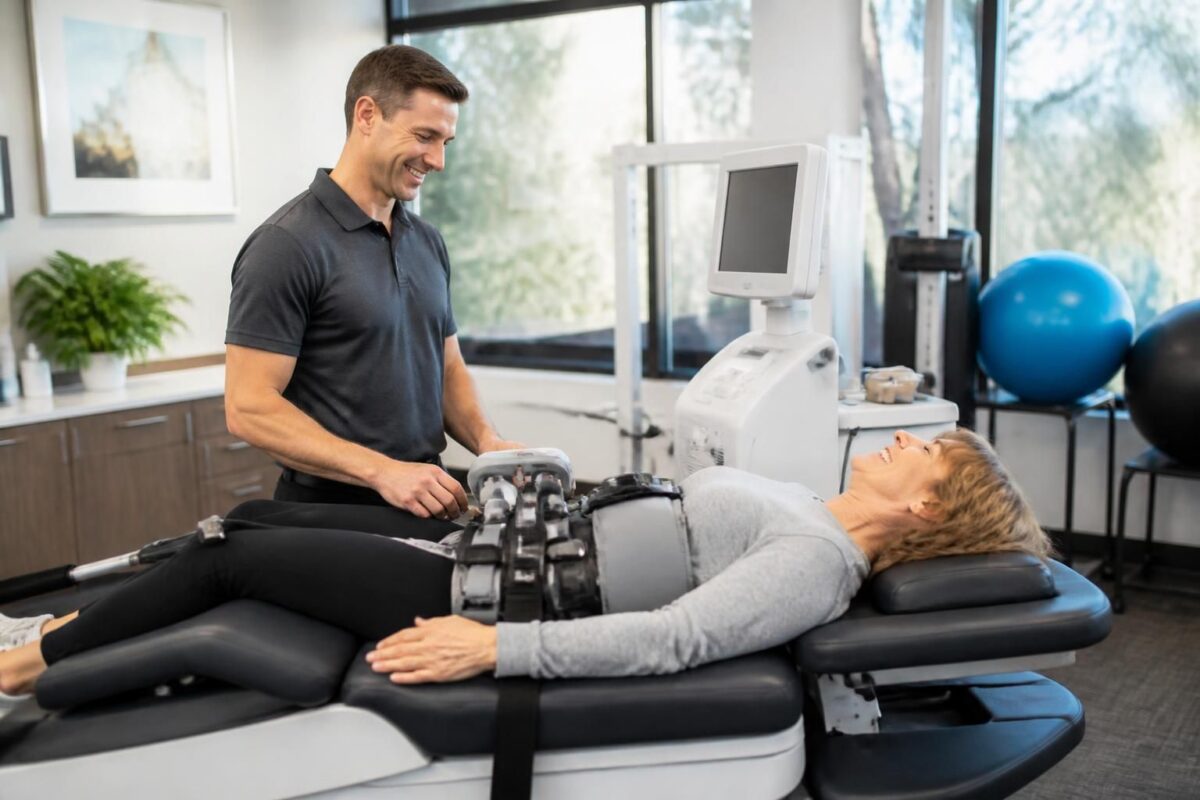
Neurovertebral decompression and diffuse pain: an appropriate solution
In short In short, the neurovertebral decompression is one Non-invasive solution For diffuse pain related to nerve irritation of the spine. She acts in Reducing pressure on intervertebral discs and nerves and improving the bloodstream, which promotes recovery and the…
Use of technologies and security
Technology and Parameter Control
The use of modern decompression devices allows precise control of the applied forces, ensuring targeted and tolerable traction. theSafe use of technologies and careful monitoring of the patient’s reactions are pillars of the protocol.
Training and patient safety
The staff undergo continuous training and provide close monitoring during the sessions. Regular checks guarantee a Optimal security and lasting effectiveness of treatment, while minimizing post-session risks.
Monitoring, education and relapse prevention
The Regular follow-up is essential to measure progress and quickly adjust the plan. The patient feedback guides the next sessions and helps to optimize the results.
Finally, thePatient education And home exercises support the healing process and preserve the functional gains obtained. An integrated and personalized approach maximizes the chances of lasting relief and improved quality of life.
Custom protocols to maximize neurovertebral decompression results
| Protocol axis | Concise description |
|---|---|
| In-depth initial assessment | History and symptoms analysis to design a tailor-made plan. |
| Customization of sessions | Dynamic traction adjustments according to the patient’s response. |
| Frequency planning | Planned and adjusted sessions for symptoms. |
| Technologies and traction control | Use of precise devices to ensure targeted and comfortable traction. |
| Integration of complementary therapies | Physiotherapy or osteopathy to strengthen rehabilitation and support decompression. |
| Regular monitoring and reassessments | Frequent checkpoints to adjust the protocol and prevent relapses. |
| Patient education and self-management | Postures and exercise advice at home to sustain the results. |
| Pain management and comfort | Adaptation techniques and options to reduce discomfort. |
| Hydration and spinal hygiene | Hydration and nutrition support disc recovery and regeneration. |
Testimonials on personalized protocols to maximize the results of neurovertebral decompression
Discover testimonials that illustrate the impact of Custom protocols As part of the neurovertebral decompression and their ability to maximize results for each patient. Each course highlights the importance ofinitial assessment, of Regular follow-up and the association of Complementary therapies.
“After a initial assessment In depth, my protocol was adapted to my case. The sessions of neurovertebral decompression were gentle and progressive, and the Regular follow-up my allowed to follow my progress. Today, the pain has decreased and my mobility is better. »
“What I appreciate the most is the integration of Complementary therapies Like losteopathy, which reinforces the effect of the main treatment. With the Advanced technologies, the traction is precise and comfortable. My results improved faster than expected. »
“The Treatment plan was designed after a initial assessment meticulous and regular exchanges on my symptoms. Each session evolved according to my answer, which made it possible to maximize the results and limit discomfort. »
“Thanks to Custom protocols, I was able to resume my activities without pain after years. The use of Advanced technologies and to a Regular follow-up gave me confidence and motivation. »
“The Custom protocols mount offered a global approach: evaluation, controlled traction and support by Complementary therapies. I noticed a Sustainable reduction pain and better quality of life. »
Custom protocols to maximize neurovertebral decompression results
The Custom protocols for the neurovertebral decompression are a patient-centric approach, aimed at optimizing each treatment step without the need for surgery. By combining careful evaluation, gentle traction and continuous adjustments, this method seeks to sustainably reduce pain, improve mobility and support functional recovery, while respecting patient comfort.
The first step is based on a In-depth initial assessment. It includes medical history review, detailed symptom analysis and targeted physical exploration. The goal is to identify the areas to be treated, to understand the severity of the manifestations and to integrate, if necessary, imaging examinations. This precise knowledge makes it possible to design a Tailor-made treatment plan adapted to each profile, promoting an effective and safe intervention.
Decompression sessions are then personalized according to the evolution of symptoms. Each visit can see Intensity and duration adjustments traction, in order to maintain a balance between efficiency and comfort. One Regular follow-up Allows you to observe progress, re-evaluate goals and make the necessary changes to optimize clinical outcomes. This adaptability is at the heart of the process, guaranteeing that the treatment remains relevant in the face of the evolution of the symptoms.
To enhance the efficiency of the main system, the Complementary therapies play a key role. theosteopathy and the physiotherapy can intervene in synergy, targeting muscular rehabilitation, spinal stability and amplitude of movement. In addition, approaches such as neuromodulation Or other manual modalities can be integrated where relevant, in order to address the mechanical and neurogenic components of pain.
The use of Advanced technologies Ensures precise traction control and increased safety during sessions. Assisted decompression devices allow real-time adjustment of the applied forces, while the complementary use of the laser or of shock waves Can promote inflammation and tissue regeneration. This technological combination stimulates more efficient recovery and faster recovery of affected functions.
The patient follow-up and education are an essential dimension of custom protocols. Beyond the sessions, the practitioner informs about postural principles, exercises to be carried out at home and lifestyle habits that support spinal health. A well-informed and involved patient is better prepared to manage pain, prevent relapses and maintain treatment achievements.
At the end of the course, the expected results include a Significant pain reduction, a Improved mobility and an Quality of life found. Protocol customization, combining accurate initial assessment, adapted traction, complementary therapies and advanced technologies, offers a robust approach to optimize the results of neurovertebral decompression.
Here is a quick summary of the article on Custom protocols intended to maximize the results of the neurovertebral decompression. A tailor-made approach begins with a initial assessment in-depth, followed by a Customization of sessions and one Regular follow-up, in order to constantly adjust the parameters and integrate complementary therapies for optimal recovery.
The Custom protocols For neurovertebral decompression is based on an accurate initial assessment that sheds light on the areas to be treated and guides the design of a tailor-made care plan. This approach allows to adapt theintensity, the duration and the frequency Sessions depending on the severity of symptoms and the patient’s response, ensuring targeted and comfortable traction.
The Customization of sessions is the heart of the process. In real time, practitioners adjust traction parameters and integrate modern technologies (assisted traction, lasers, shock wave therapies) when relevant to accelerate pain reduction and improve mobility. This flexibility helps maintain efficiency while optimizing patient comfort.
The Regular follow-up and thePatient education are essential pillars. Frequent consultations make it possible to evaluate the evolution, to reassess the objectives and to make the necessary adjustments to the protocol. Education focuses on postures, exercises at home and preventive measures, in order to strengthen long-term benefits and limit the risk of relapse.
The integration of Complementary therapies and the attention paid to theBody Alignment improve overall results. By associating, depending on the needs, osteopathy, physiotherapy and reactivation approaches, we act on the structural and functional components of the spine. These synergies reinforce pain reduction and mobility recovery, while supporting better stability of the entire spine.
The approach is completed by a Use of advanced technologies And some Modern techniques which allow to precisely modulate the traction and optimize the therapeutic process. The current protocols integrate these devices to offer controlled, secure and appropriate traction for each patient, with quick feedback on treatment efficacy.
To deepen the topic and explore in detail the tools and best practices surrounding these protocols, you can consult several specialized resources. For example, pages dedicated to care protocols and their implementation offer practical perspectives and concrete case studies: Care protocols, Current protocols. Explanations of the benefits for active patients and the underlying mechanisms of decompression can be found here: Why recommended for active people, modern techniques to maximize results, Body alignment and natural rebalancing.
In addition, resources dedicated to the personalized approach and clinical evidence complete this vision: Custom protocols, Study of personalized treatment protocols, overall back health support, and Current techniques and protocols.
Finally, for those who wish to broaden their understanding of the implications and possible outcomes, these resources usefully complement the practical knowledge: Care Protocols – Deepening, Pain Management – Innovative Approach, and Current Protocols – Operational Details.

Dr Sylvain Desforges, B.Sc., D.O., N.D., osteopath, is the founding president of TAGMED and of the ACMA association. He dedicates his practice to chronic spinal pain, low back pain and symptoms compatible with sciatica, particularly when pain radiates toward the buttock, leg, calf, foot or toes.
Through SOS Sciatique, he publishes educational content on sciatica symptoms, possible causes such as disc herniation, disc narrowing, foraminal stenosis or irritation of a lumbar nerve root, as well as non-surgical approaches that may be considered according to the evaluation. At Clinique TAGMED, care may include, depending on the case, motorized neurovertebral decompression, specific osteopathic care or precision percussion.
For an evaluation related to sciatica treatment in Montreal / Mount Royal or sciatica treatment in Terrebonne, please consult the services available at Clinique TAGMED.
Medical disclaimer
The information published on SOS Sciatique is provided for educational purposes only and does not replace a consultation, diagnosis, opinion or treatment provided by a physician or another authorized healthcare professional. The author of this article is neither a medical doctor nor a specialist in a medical specialty recognized by the Collège des médecins du Québec. The osteopathic, manual medicine or functional support approaches described on this site do not constitute medical acts and are not intended to replace medical follow-up.
Consult a physician or emergency service in cases of loss of bladder or bowel control, anesthesia in the saddle area, significant or progressive weakness in the leg or foot, fever, recent trauma, severe pain or rapid worsening of symptoms. For more details, please read our Legal Notice.