Neurovertebral decompression and recurrent disc hernias: a natural approach
26/06/2026
Custom protocols to maximize neurovertebral decompression results
26/06/2026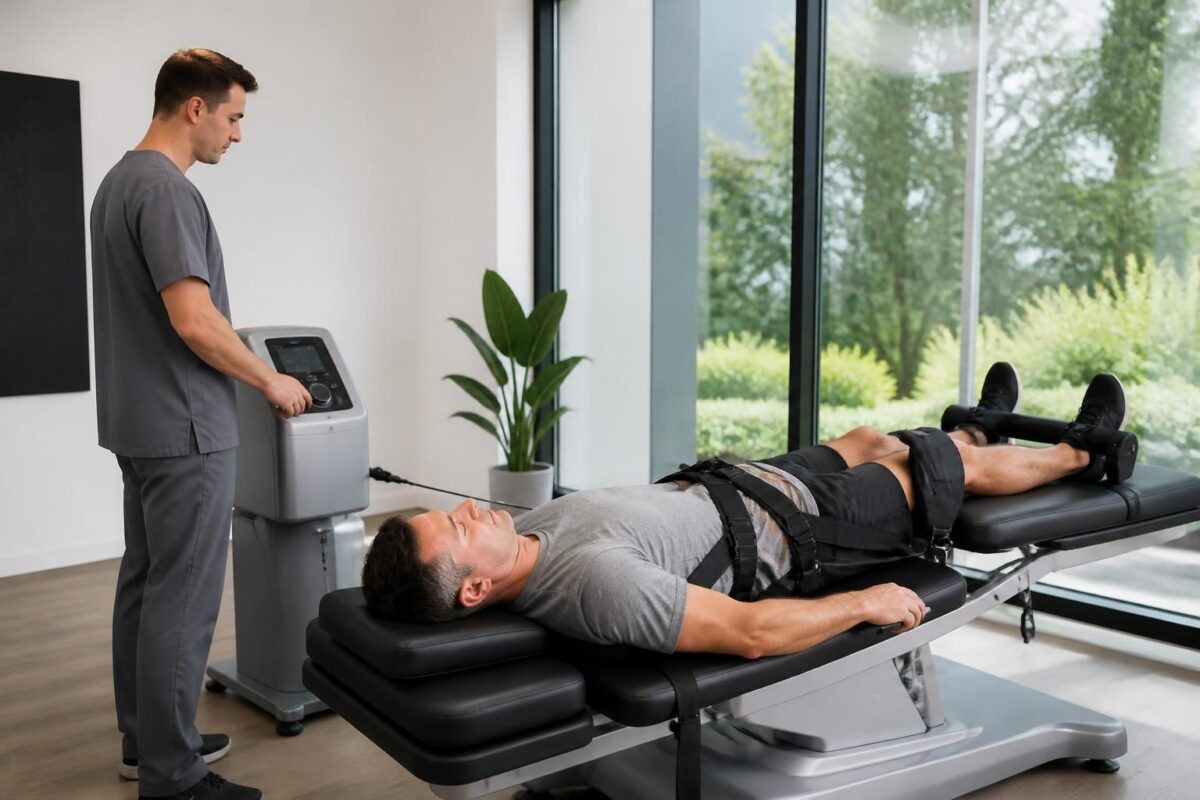
In short
| In short, neurovertebral decompression is one Non-invasive technique intended for reduce the pressure on the Intervertebral discs and the gristle by a Controlled traction. For the ACTIVE PEOPLE, it offers concrete advantages: a Quick return to training, a Lasting pain reduction and an Improving mobility, without surgery. Its operation is based on a specialized table which applies a Guided traction To create a space between the vertebrae and promote the Disc rehydration. The treatment is personalized and can be done in Short sessions, allowing to resume quickly your daily and sports activities. |
The neurovertebral decompression is an approach non-invasive Recommended for active people because it directly targets the pressure exerted on the discs and nerves, while making it possible to maintain or quickly resume sports activity. This therapy helps reduce pain and restore mobility, which is crucial for performance and physical progression.
- Quick return to training and daily activity with a Minimum stop necessary.
- Personalized treatment Suitable for activity level and spinal pathology, with short and specific sessions.
- compression reduction On discs and nerves, promoting healing and tissue regeneration.
- Safe alternative to more invasive interventions, which can be combined with other therapies to optimize the results.
An evaluation by a health professional helps determine eligibility and define the best treatment plan for your sports practice and performance goals.
This text presents, from a professional point of view, why the neurovertebral decompression is recommended for ACTIVE PEOPLE. It explains the mechanism, the benefits, the management framework and the limits, without prescription of exercises. For more information on services and expertise, see the Tagmed Clinic.
The neurovertebral decompression is a non-invasive approach that aims to reduce the pressure exerted on the intervertebral discs and nerves. it is particularly suitable for Active workers and athletes suffering from lower back pain, radiated pain or spine disorders. This therapy can reduce pain and promote rapid resumption of activities, without operative recourse.
How does neurovertebral decompression work
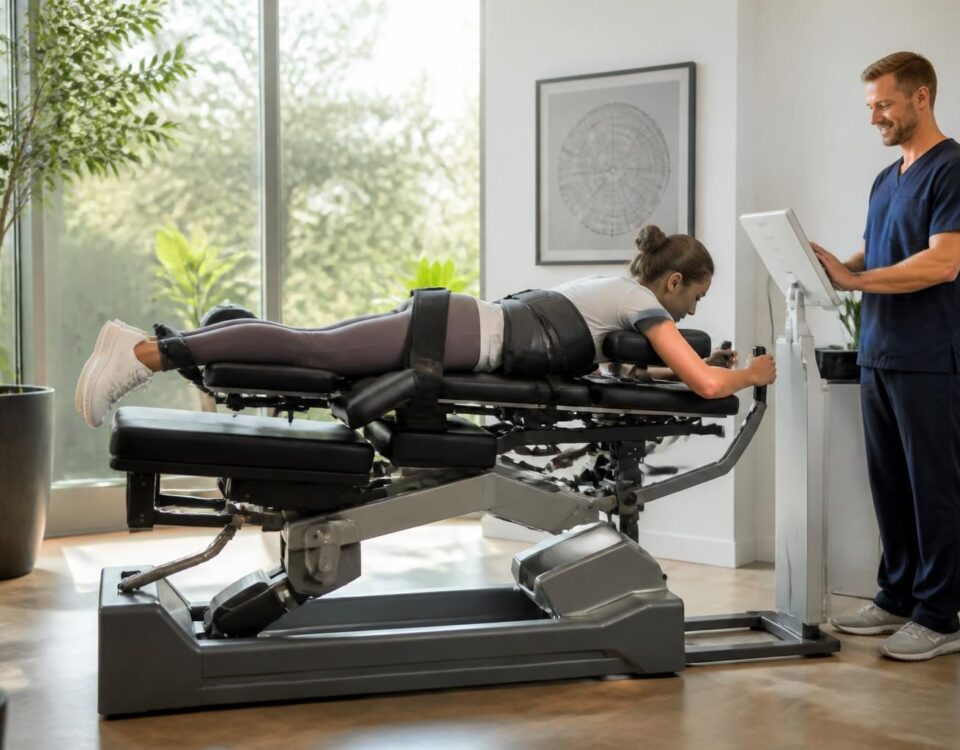
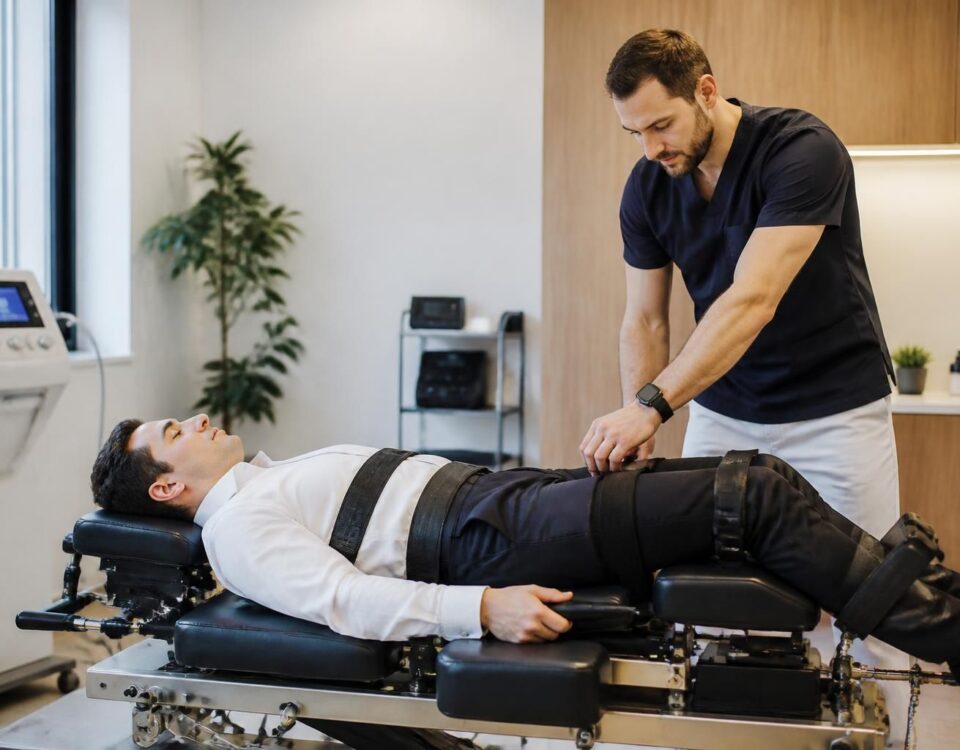
This technique is based on a Controlled traction applied to the spine using a dedicated device. The objective is to create a space between the vertebrae, which allows the disc to rehydrate and recover its functional integrity. The process can thus reduce the pressure on the nerves and promote the healing process of the tissues.
Benefits for active people
Active people who benefit from this approach often report a Significant pain reduction and an Improving mobility. They resume their daily and sporting activities more quickly without major pain. The treatment is generally well tolerated and does not require surgery, which can be particularly reassuring for those who want to avoid prolonged downtime.
Typical indications in active ingredients
Decompression is considered when spinal symptoms persist after conservative treatments and affect performance or quality of life. It can be indicated in cases where a reduction in pressure on the discs and nerves is sought to promote the recovery of forces and function.
Sessions and security
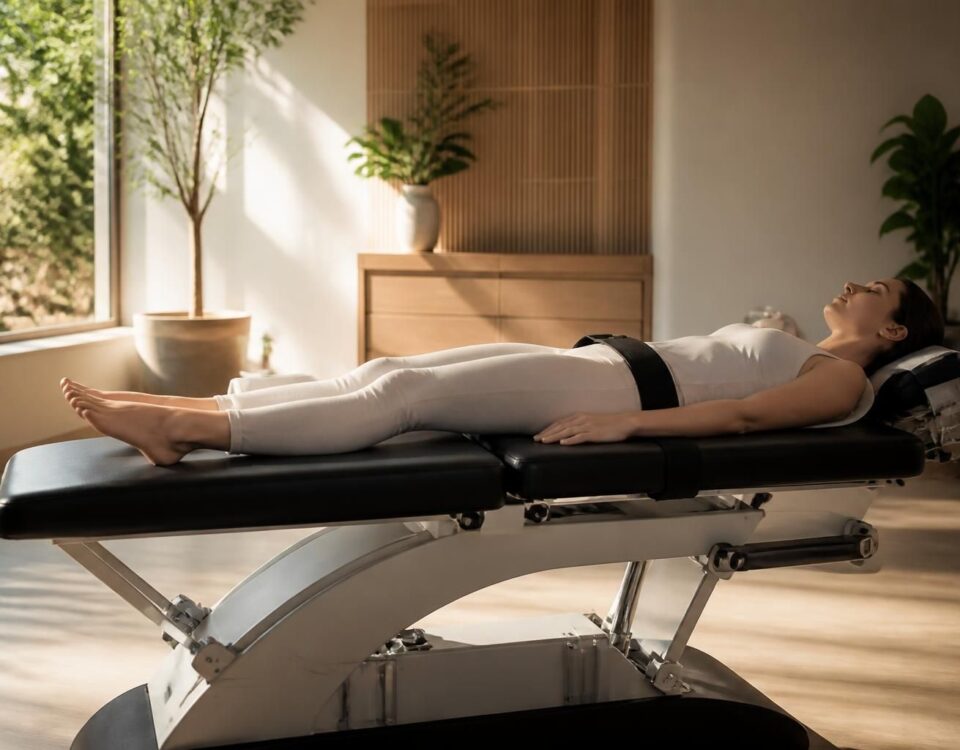
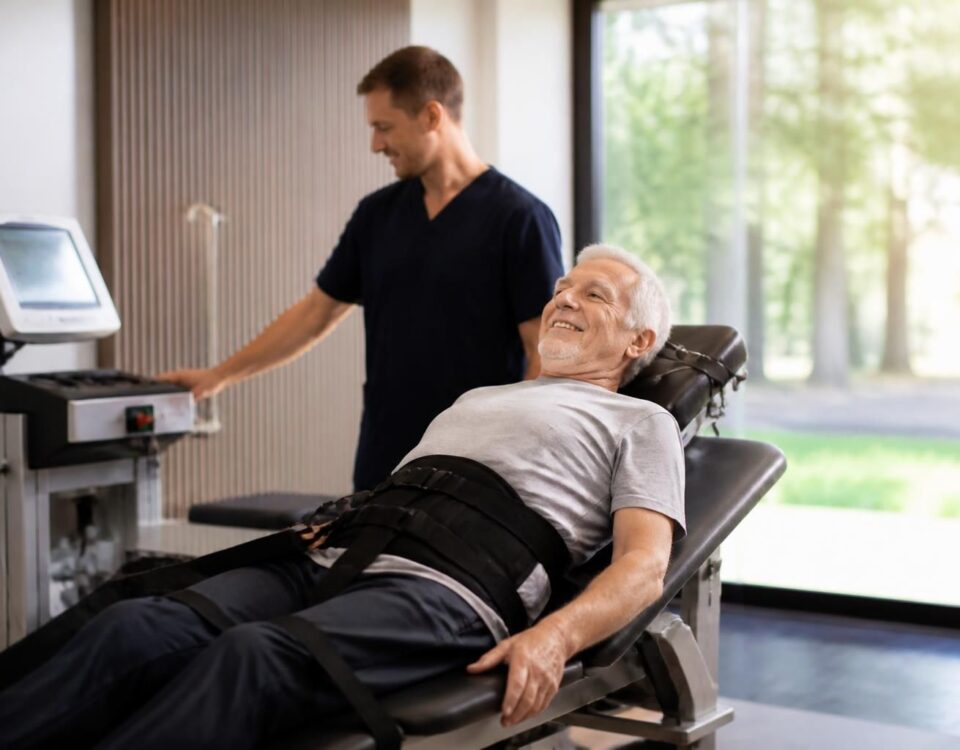
In practice, the sessions take place on a specialized table and generally last between 15 and 20 minutes. The total number of sessions is personalized according to the patient’s progress and may vary depending on the severity of the symptoms. This approach is non-invasive and is based on standardized protocols to maximize profit while minimizing risks.
Integration with other approaches and resources
In a specialized clinic, decompression can be associated with complementary non-invasive technologies to optimize relief and functional recovery. For example, complementary therapies such as laser or shock waves can be used after appropriate medical evaluation. To learn more about these options, you can consult the following resources:
- Neurovertebral decompression and persistent lower back pain – Effective solutions
- How decompression improves tissue regeneration
- Why Neurovertebral Decompression Is Recommended For Active People
- Neurovertebral Decompression — Comparative Study of Therapeutic Approaches
For more information, the site Neurovertebral Decompression — FAQ Offers clear answers on indications, progress and results.
For information on the possibilities offered in Montreal and Terrebonne, the Tagmed Clinic is a reference, and you can consider a personalized evaluation. Specific resources on decompression and quick results can be viewed on The quick results obtained thanks to neurovertebral decompression.
For safety, indications and limits, it is advisable to consult a qualified professional and carry out a complete medical assessment. The objective is to determine eligibility and establish a treatment plan adapted to your condition and lifestyle.
Medical Disclaimer: The information and advice provided on this site does not replace the health professional’s diagnosis or treatment. Please note that Dr. Sylvain Desforges osteopath is neither a doctor of medicine nor a doctor, and is not a specialist in a medical specialty as defined by the Collège des Médecins du Québec. Manual medicine, functional medicine and sports medicine as described on this site exclude any medical treatment or diagnosis made by a doctor or specialist doctor. Always consult your doctor for any medical questions. For more details, please read our full legal notice.
Source and additional resources:
- Neurovertebral decompression and herniated disc
- Decompression for carpal tunnel pain
- Indications and limits of decompression
- Effective solutions
- For athletes

For active people, neurovertebral decompression Represents an option non-invasive which quickly reduces the pressure exerted on the discs and nerves of the spine. By promoting the space between the vertebrae and the rehydration of the discs, it can reduce the pain linked to pathologies such as herniated disc or stenosis, while allowing a more effective resumption of sports and daily activities. This approach is part of a progressive recovery logic, without surgery and with minimal risk, which is particularly relevant for people who wish to maintain their level of training and performance..
Clear benefits for performance and mobility
Athletes and actives benefit from a Improved movement comfort and one rebirth of mobility after the first series of treatments. By acting on the pressure exerted on the nerves and discs, decompression can limit radiant pain and muscle contractions that slow down training. This improvement in comfort makes it possible to Schedule more effective workouts, to maintain a more fluid stride and to avoid prolonged interruptions due to lower back or cervical pain. In addition, patients often report a Faster recovery between efforts, which translates into a more regular resumption of sports activities and better overall performance.
Impact on recurrence prevention
By acting on the mechanical causes of pain, decompression contributes to permanently stabilize the column and decrease inflammatory spikes. Associated with targeted exercises and a gradual resumption of loads, it helps to Prevent recurrences And to support a sporting routine without pain. The treatment can be integrated into a global care plan that includes posture, reinforcement and flexibility advice, in order to solidify the gains obtained and to protect the back during repeated work-related loads.
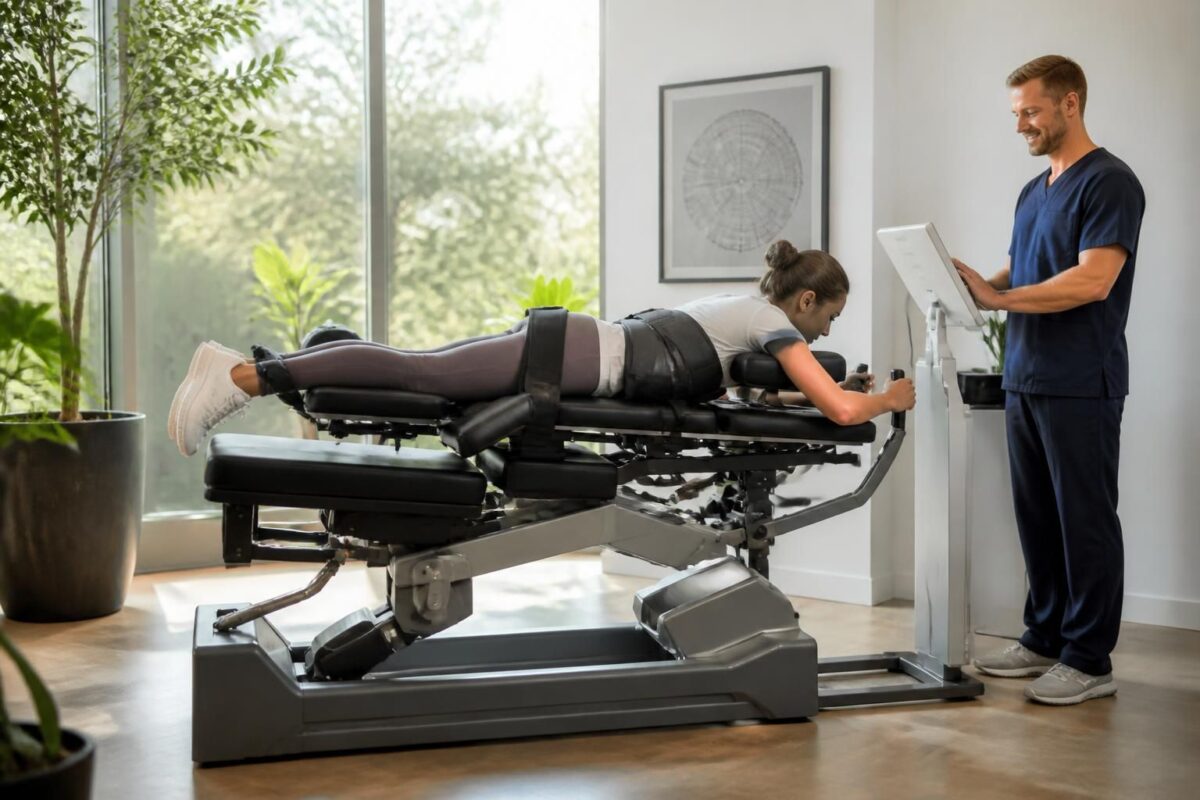
The long-term benefits of neurovertebral decompression for spinal health
In short In short, the neurovertebral decompression is a non-invasive approach that decreases the Pressure on intervertebral discs and nerves, favoring the Natural regeneration and tissue recovery. Its long-term benefits include Lasting pain reduction, Improving mobility and from the posture,…
Integration into a program adapted to physical activity
A typical program combines short-term decompression sessions (about 15 to 20 minutes per session) with an appropriate frequency, often 2 to 3 times a week, over several weeks. Each patient benefits from a personalized plan, adjusted according to the level of activity, sports objectives and response to treatment. This personalized approach makes it possible to target the spinal segments involved and to harmonize the sessions with the training periods, in order to minimize interruptions and optimize recovery after intensive sessions.
Coordination with other therapies and sport
To maximize results, decompression can be associated with other non-invasive interventions, such as adapted manual therapies, rehabilitation exercises and pain management methods. The goal is to promote Functional rehabilitation which supports sports progress and allows you to quickly resume competitions or regular training without compromising back safety.

Neurovertebral decompression and mobility: a return to an active life
In short In short, the neurovertebral decompression is therapy non-invasive who uses a gentle traction To create a space between the vertebrae and reduce the pressure on the Intervertebral discs and the nerves. It promotes a bloodstream improved, lowers tension…
Who can benefit from it and contraindications
Active people with low back or cervical pain related to disc conditions that have not adequately responded to conservative treatments may be good candidates. However, some medical conditions contraindicate This treatment, including unconsolidated vertebral fractures, spinal infections or spinal tumors. A comprehensive medical assessment is essential to determine eligibility and to personalize the plan based on profile and sports goals.
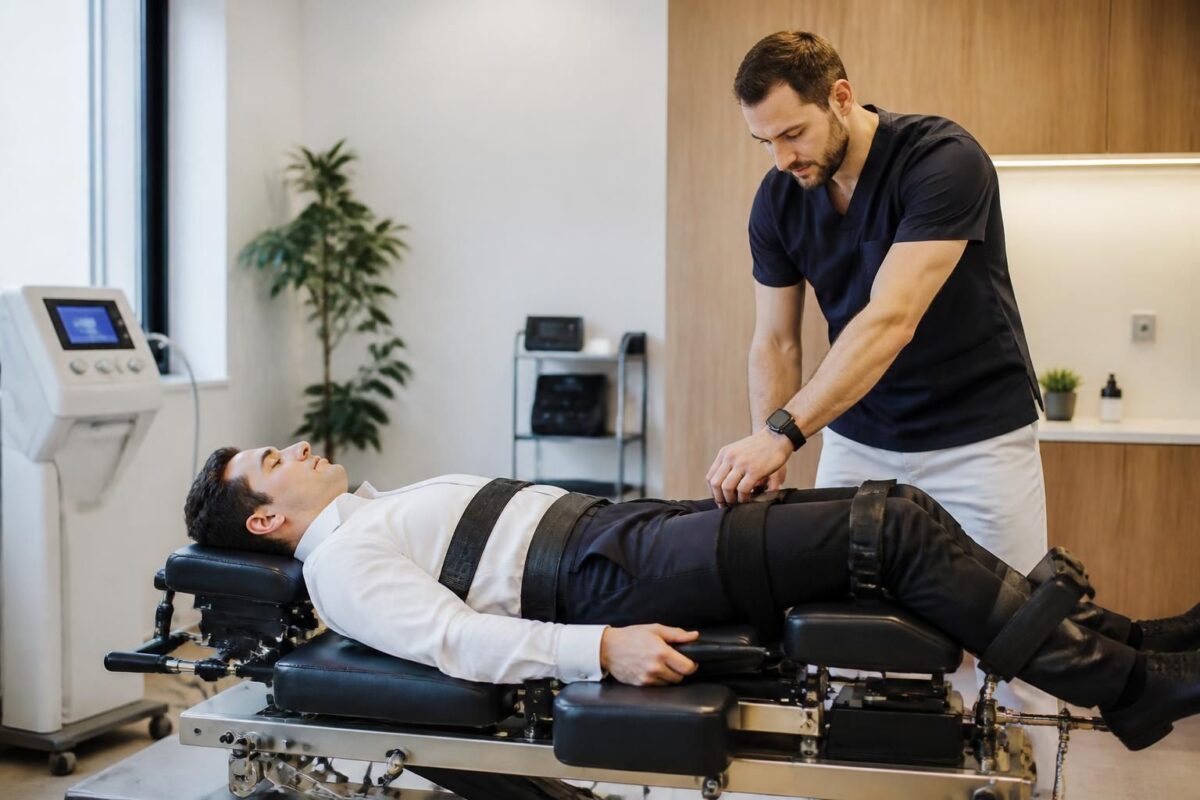
How Neurovertebral Decompression Prevents Diffuse Chronic Pain
In short decompression neurovertebral is one Non-invasive method aimed at reducing the Pressure on the intervertebral discs and the nerves, in order to prevent Diffuse chronic pain. It improves the circulation and thedisc hydration, decreases inflammation and promotes better mobility.…
Practical integration and follow-up
Follow-up is key: a health professional will regularly assess progress, adapt traction levels and adjust the exercise program. For active people, the goal is clear: Reduce the pain, Improve mobility and allow a Fast and secure resumption of workout. By working together, you get an effective solution that helps you stay active and performing while protecting your spine.
| Axis | Concise benefits |
|---|---|
| speed of resumption of activities and training | Quick recovery activities and training possible thanks to an approach non-invasive and adapted. |
| Pain and mobility | Pain and mobility improved by reducing the pressure on discs and nerves. |
| Comfort and safety | Comfort and security sessions with a low Risk of adverse effects and personalized protocol. |
| Tolerance and risks | Tolerance high in most actives, risks lower than surgery. |
| Integration into the sports program | Integration easy to a supervised workout program, with Custom Plan. |
| Procedure and duration of the sessions | Typical session: 15 to 25 minutes, 2 to 3 times/week, adjusted according to progress. |
| Personalization | Personalization treatment for the sporting objective and the patient profile. |
| Cost and accessibility | Cost and availability variable depending on the clinic; Discuss options and insurance. |
| Compatible indications | directions Suitable for lumbar or cervical pain related to disc or postural pathologies. |
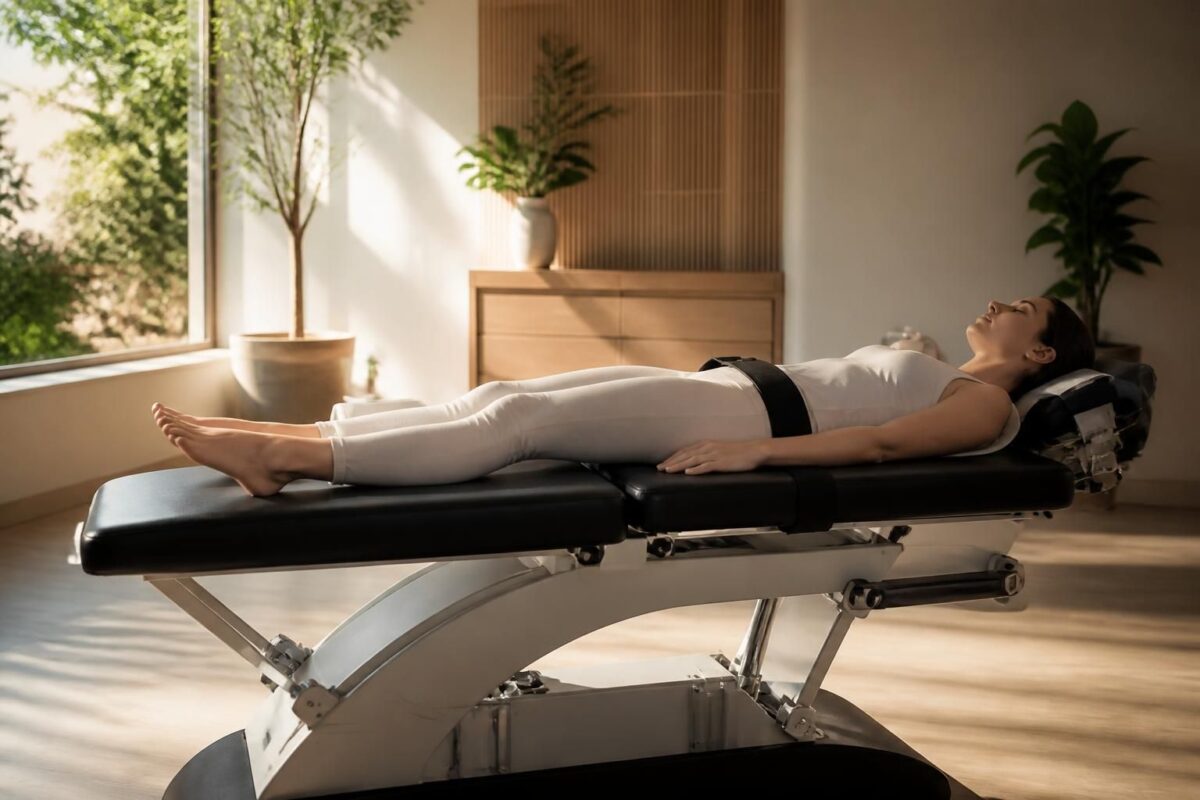
Neurovertebral Decompression and Body Alignment: Restoring Natural Balance
In short In short, neurovertebral decompression is one Non-invasive approach who restores theBody Alignment and thenatural balance back and neck. She acts by a Controlled traction of the spine to widen the intervertebral space and reduce the Pressure on discs…
Testimonials: Why Neurovertebral Decompression Is Recommended For Active People
For me, neurovertebral decompression has become essential because I am hyper active And I don’t want to sacrifice my workouts. Before treatment, my long running outings were accompanied by pain that radiated in the lower back. After the start of the protocol, I found a pain reduction and an Improving mobility, which allowed me to resume my outings more quickly and with more confidence. The process is non-invasive and the sessions Easily fit into my schedule.
As a triathlete, I need a solution that supports all three disciplines. This approach offers a quick recovery and an Sustainable reduction pain, with better back stability, without medication or surgery. My plan is personalized And the workouts resume without fear of relapse, which allows me to aim for constant performance.
For intensive athletes, the security is paramount. this method non-invasive Allows you to obtain concrete results on the pain and the mobility, with few side effects. Progress is progressive And clearly visible on the daily and the workouts, which encourages me to continue the program.
As a sports coach, I recommended decompression to my athletes. They appreciate the fact that it is a Non-surgical alternative and Efficiency-focused. The return to activity is faster and the daily exercises become less tiring, which allows the group to remain efficient while protecting their column.
For active seniors, preventing pain is essential. This therapy helps Reduce the pain and to Find endurance on daily routes. The program adapts to each level, and older athletes benefit from a Sustainable relief Without heavy intervention, allowing them to remain autonomous and active.
Dr. Sylvain Desforges, osteopath and expert in manual medicine and naturopathy, is the founding president of the Tagmed clinics and the ACMA association. His career is dedicated to health innovation and management of Chronic pain, with an approach that integrates the neurovertebral decompression, the laser and shockwave therapies. Its objective is to provide evidence-based care to optimize the health and well-being of active people, whether they are athletic or professional.
For individuals who lead an active life, the neurovertebral decompression is a particularly relevant option because it allows relief non-invasive and fast. By applying controlled traction on the spine, this technique aims to reduce the pressure exerted on the discs and nerves, which can reduce pain related to herniated discs, sciatica or other spinal disorders, without passing by surgery.
Athletes and physically active people seek above all effective solutions that allow them to maintain or resume their training quickly. Decompression offers a quick recovery And allows the discs to be rehydrated, thus promoting tissue recovery and movement. When combined with a strengthening and adapted mobility program, it supports a Sustainable improvement in mobility, a reduction in limitations and a reduction in the risk of relapse during exercise.
The therapeutic approach is personalized and is part of a global care. The number of sessions, their frequency and their intensity are adjusted to the level of activity, the type of pathology and the sports calendar. This integrated approach makes it possible not only to manage pain but also to aim for optimization of performance and active quality of life, while minimizing training interruptions and prolonged rest periods.
In terms of evidence, clinical data show significant improvements in pain and function in many active patients. Adverse effects are generally minor and transient when treatment is administered by qualified professionals and after a comprehensive medical assessment that checks for no contraindications, such as vertebral fractures, infections or certain tumor pathologies.
At the heart of Dr. Desforges’ approach, there is a philosophy focused on the prevention and optimization of asset health capital. In addition to the neurovertebral decompression, it integrates complementary technologies and targeted rehabilitation protocols to accelerate the return to activity and strengthen the spine in order to avoid relapses after a pain phase, a particularly useful approach for amateur athletes and Professionals.
This publication examines why the neurovertebral decompression is particularly recommended for ACTIVE PEOPLE. It highlights the key benefits: an approach non-invasive, a rapid improvement in the pain and from the mobility, as well as a better posture and increased circulation. It also underlines the importance of a personalized evaluation and the resources available to deepen the subject.
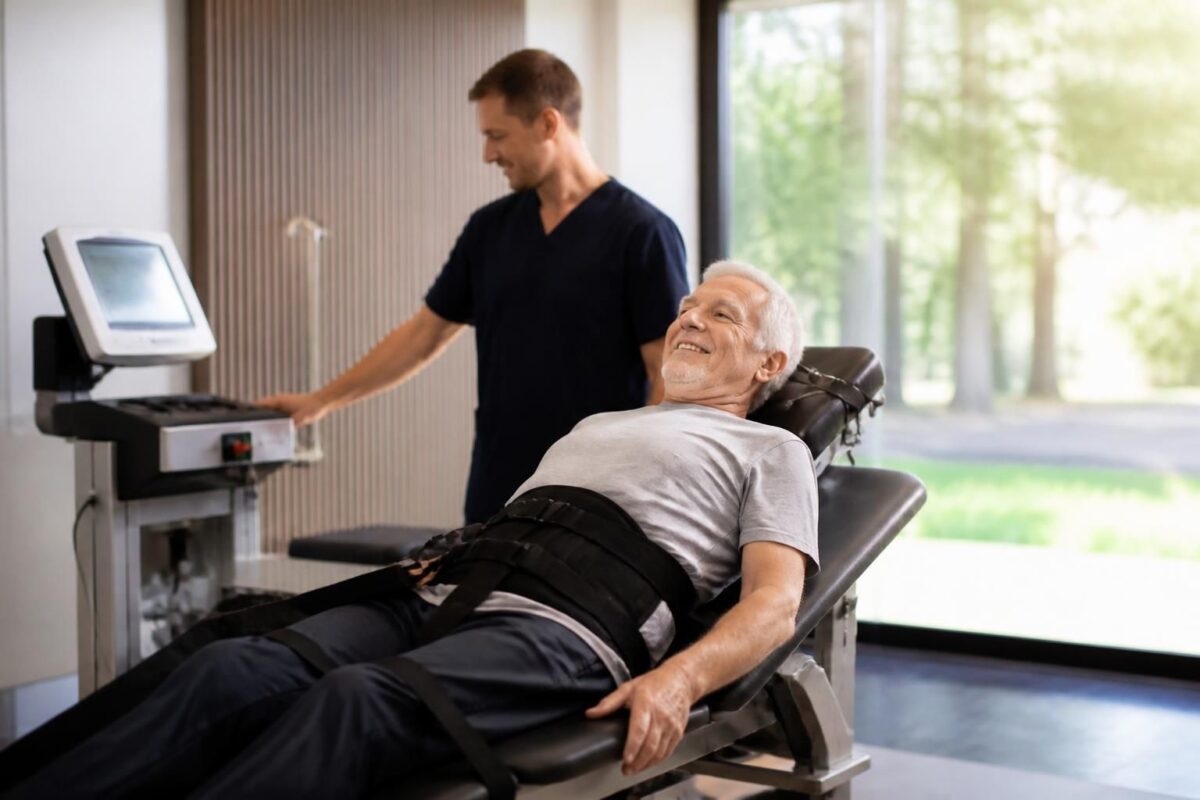
Why neurovertebral decompression is a lasting solution for active seniors
In short In short, the neurovertebral decompression is one Non-invasive therapy which sustainably relieves spinal pain in the spine active seniors By creating, by a Soft and controlled traction, a space between the vertebrae. At Montreal, it is recognized as…
why this approach is particularly suitable for active people
For individuals who want to continue to practice their daily or sports activities, the neurovertebral decompression offers an option Smooth and targeted which helps reduce pressure on discs and nerves without having to resort to surgery. By promoting the Disc rehydration and the space between the vertebrae, it helps to quickly relieve pain and preserve the Physical function necessary for regular sports.
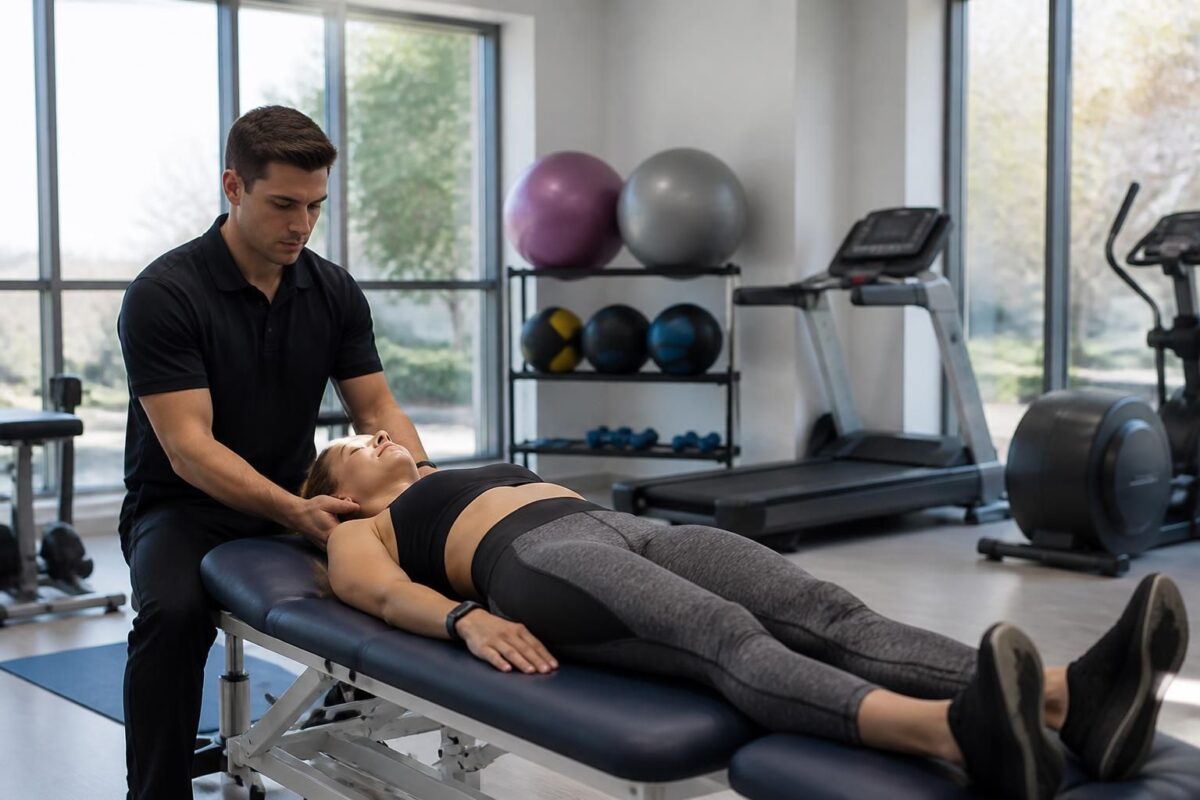
Neurovertebral decompression and recovery after severe sports injury
In short In short, the neurovertebral decompression is one Non-invasive method to Relieve the pressure on the Intervertebral discs and the gristle Via a Controlled traction, to facilitate the recovery After a severe sports injury. It improves the bloodstream towards…
How it fits into an active lifestyle
This therapy is based on a Controlled traction and an approach non-invasive which can be adapted to the intensity and goals of each patient. Short sessions, generally well tolerated, allow a Quick return to daily activities and a gradual resumption of efforts. Integration with other modalities, such as targeted exercises and complementary therapies, can optimize outcomes and help maintain Quality of active life.
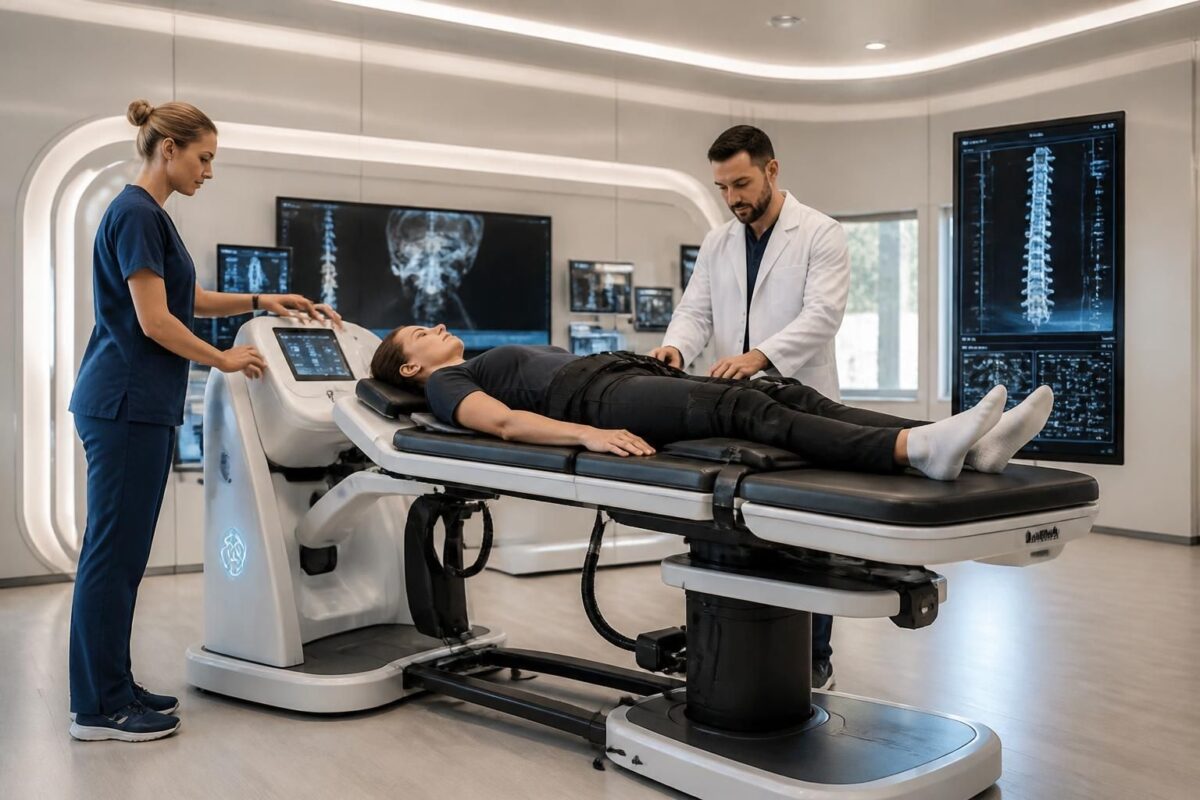
Recent innovations in neurovertebral decompression technologies
In short In short, the neurovertebral decompression is an approach non-invasive Aiming to reduce pressure on discs and nerves, and promote tissue regeneration. At Montreal, it is positioned as an effective option for lower back pain and herniated discs. The…
What the feedback and results say
Studies and clinical returns indicate significant improvements in the pain and from the mobility, with a reduction in radiant symptoms when present. Active patients often report a better ability to resume their leisure time and work without major pain. Nevertheless, the results may vary depending on the case, the eligibility and the consistency of the treatment plan, hence the importance of an individual evaluation and a personalized plan.
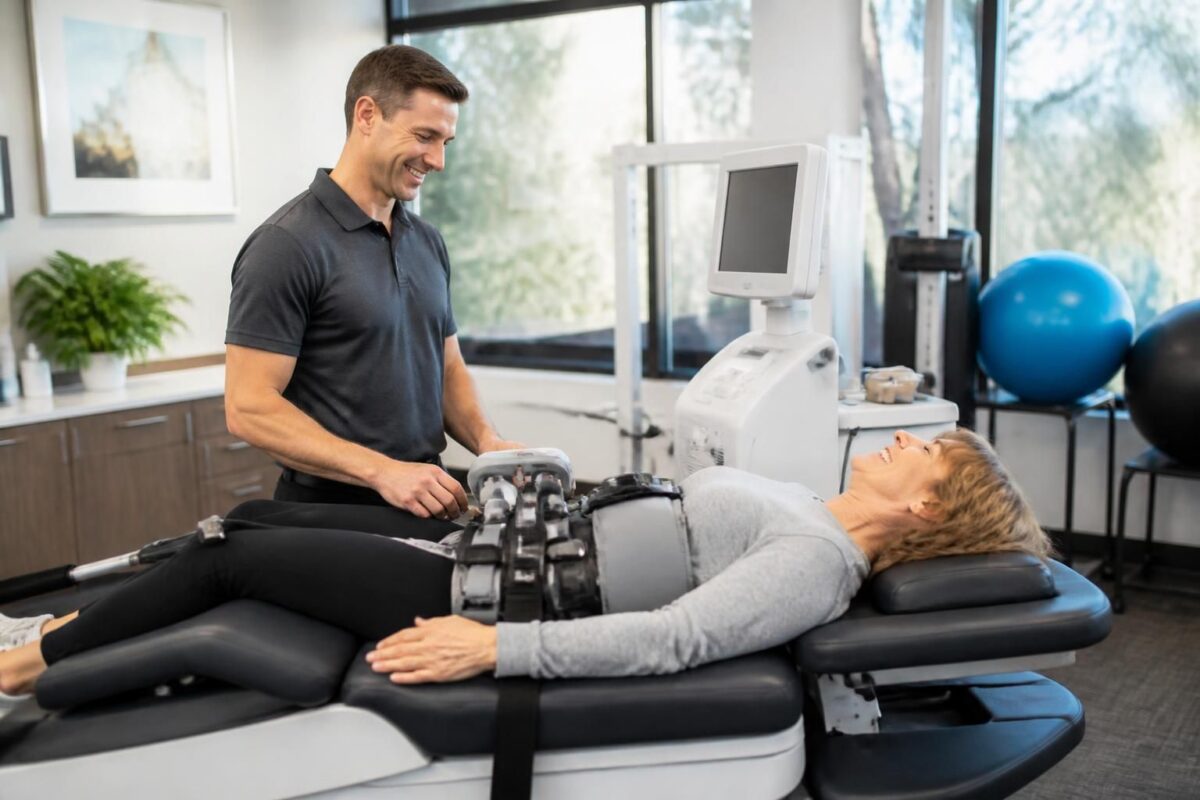
Neurovertebral decompression and diffuse pain: an appropriate solution
In short In short, the neurovertebral decompression is one Non-invasive solution For diffuse pain related to nerve irritation of the spine. She acts in Reducing pressure on intervertebral discs and nerves and improving the bloodstream, which promotes recovery and the…
Practical considerations and security
Like any therapy, decompression has contraindications potential that require a thorough medical assessment, including in the presence of severe osteoporosis, infections or vertebral fractures. When these criteria are met, the technique is generally well tolerated and associated with few side effects. Adapted planning and regular monitoring make it possible to optimize the benefits for a sustained sporting practice.
resources to deepen
To go further and understand the mechanisms, benefits and results observed in active people, consult the following resources:
Neurovertebral decompression and posture,
Why neurovertebral decompression is an essential preventive solution,
neurovertebral decompression,
innovations in the field,
Benefits for active patients,
Neurovertebral decompression and blood circulation,
Clinical results demonstrating efficacy,
Neurovertebral decompression and back pain – Tagmed,
Decompression and radiating pain,
Ideal for active patients.

Dr Sylvain Desforges, B.Sc., D.O., N.D., osteopath, is the founding president of TAGMED and of the ACMA association. He dedicates his practice to chronic spinal pain, low back pain and symptoms compatible with sciatica, particularly when pain radiates toward the buttock, leg, calf, foot or toes.
Through SOS Sciatique, he publishes educational content on sciatica symptoms, possible causes such as disc herniation, disc narrowing, foraminal stenosis or irritation of a lumbar nerve root, as well as non-surgical approaches that may be considered according to the evaluation. At Clinique TAGMED, care may include, depending on the case, motorized neurovertebral decompression, specific osteopathic care or precision percussion.
For an evaluation related to sciatica treatment in Montreal / Mount Royal or sciatica treatment in Terrebonne, please consult the services available at Clinique TAGMED.
Medical disclaimer
The information published on SOS Sciatique is provided for educational purposes only and does not replace a consultation, diagnosis, opinion or treatment provided by a physician or another authorized healthcare professional. The author of this article is neither a medical doctor nor a specialist in a medical specialty recognized by the Collège des médecins du Québec. The osteopathic, manual medicine or functional support approaches described on this site do not constitute medical acts and are not intended to replace medical follow-up.
Consult a physician or emergency service in cases of loss of bladder or bowel control, anesthesia in the saddle area, significant or progressive weakness in the leg or foot, fever, recent trauma, severe pain or rapid worsening of symptoms. For more details, please read our Legal Notice.