The psychological benefits of successful neurovertebral decompression
26/06/2026
Why Neurovertebral Decompression Is Recommended For Active People
26/06/2026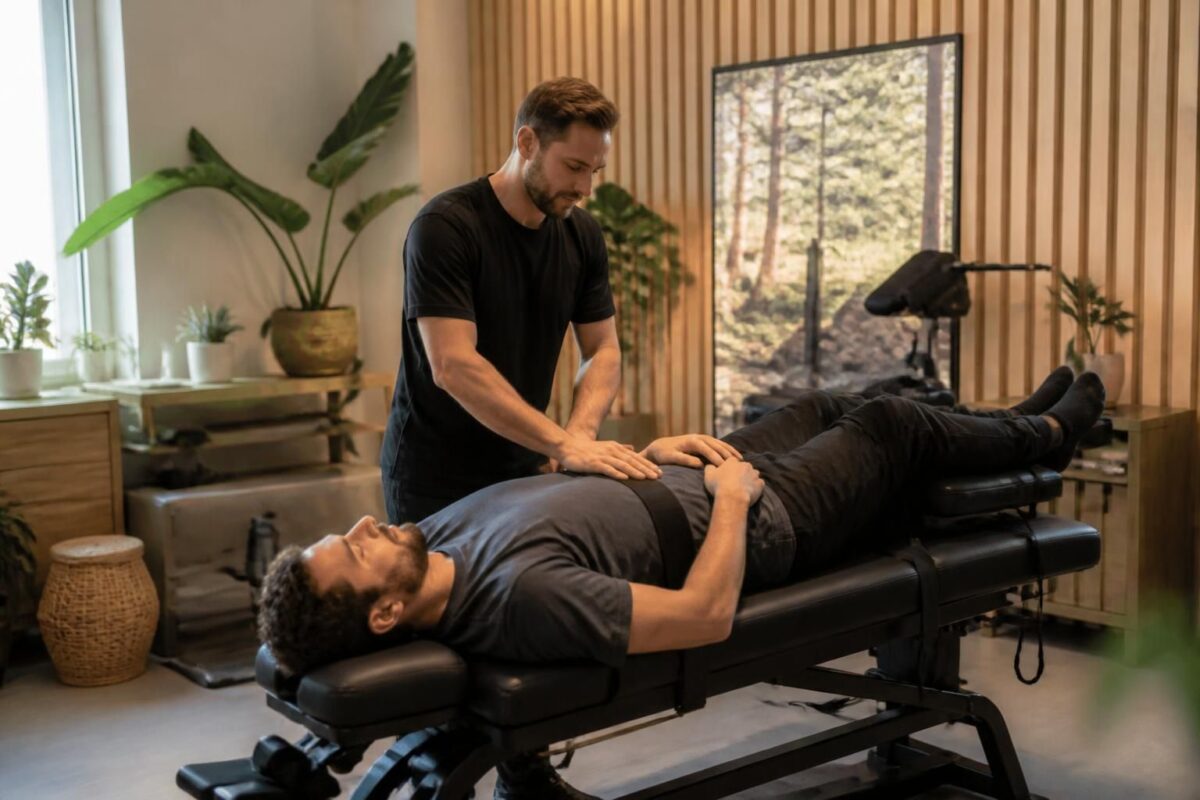
In short
| In short, neurovertebral decompression is one Non-invasive therapy for the Recurrent disc hernias and associated pain. It is based on a Soft and controlled traction which decreases the pressure on the discs and nerves, favoring the rehydration and healing without surgery. Its key advantages include a rapid pain reduction, a Improving mobility and an Prevention of recurrences, while remaining natural and secure. accessible to Montreal, this treatment is particularly suitable for people suffering from back pain or cervical pain related to a Recurrent disc herniation And looking for an effective solution, without pain and with a faster return to activity. |
The neurovertebral decompression is an approach non-invasive for the Recurrent disc hernias. She acts by a Controlled traction on the column, reducing the pressure on the Intervertebral discs and the Spinal nerves, thus promoting the Disc rehydration and an pain reduction. Result: a Improving mobility and from the quality of life without surgery. This method is a natural alternative and can fit into a Personalized treatment plan To prevent recurrences and optimize recovery.
This article presents the neurovertebral decompression as a natural and non-invasive approach to Herniess recurring discs. It explains the mechanism, the expected benefits and the conditions for implementation. The goal is to provide lasting relief while avoiding surgery when possible. Resources and associated places of care are mentioned to help patients access evidence-based care that is appropriate to their situation.
Understanding neurovertebral decompression
Neurovertebral decompression is a non-invasive therapy. It acts by controlled traction on the spine. This action reduces the pressure exerted on the discs and on the nerves. The process promotes disc rehydration and can improve the soft movement of affected segments. The goal is to create an environment conducive to natural healing without the need for surgery.
As part of slipped disc, this approach aims to reduce painful symptoms and nerve irradiations. It is often proposed after initial medical evaluation and can be integrated into a comprehensive care plan. For athletes and active people, it can help regain functional mobility while preserving safety and without necessarily medication.
Resources detailing the principles and benefits of this technique are available through specialized portals and partner clinics. For example, you can consult additional information on advanced techniques and how they are put into practice, as well as how a typical session works, to better understand what you can expect during a treatment. These resources made available on dedicated sites describe the foundations and results observed in many patients.
Why this approach may be relevant to recurrent disc herniations
The herniated discs cause nerve compression and local or irradiated pain. Decompression offers a non-invasive alternative that targets the source of the problem. It can improve circulation and promote gradual tissue recovery. This approach is particularly suitable when symptoms persist despite other conservative treatments and when surgery is an option to think about.
Safety and efficacy depend on rigorous clinical evaluation. Each patient benefits from a personalized plan and regular follow-up. In specialized clinics, protocols are designed to optimize treatment comfort and tolerance while respecting best practices based on available data. For people looking for natural and sustainable solutions, this method is a relevant and reasoned alternative.
To learn more about the practical aspects and considerations associated with this approach, publications and testimonials from patients and experts are available on dedicated sites. Additional information on benefits and mechanisms of action can be accessed through resources associated with specialized clinics and professional organizations.
Integration and follow-up in a care pathway
Neurovertebral decompression is part of an individualized care plan. An initial assessment confirms the indication and establishes the number of sessions. The follow-up allows the protocol to be adjusted according to the evolution of the symptoms and the tolerance to the treatment. Safety is reinforced by the use of soft and controlled traction, carried out by trained professionals.
As part of a course at the TagMed clinic or in partner centers, the sessions take place without surgery and without major invasive intervention. The staff explains each of the steps and ensures your comfort throughout the process. For more information on the offer and modalities in TagMed clinics, you can consult the official website of the clinic.
Additional resources on preventive measures and best practices in spinal health exist. They present approaches that support rehabilitation and maintenance of spinal function without resorting to invasive gestures. For athletes in rehabilitation and patients at risk, these resources offer useful prospects for optimizing recovery while minimizing the risk of relapse.
Recommended resources and links
To deepen your knowledge, see the following resources:
Techniques and operation: Advanced techniques in neurovertebral decompression.
Typical organization and sessions: How does a typical session work.
Sports preference and rehabilitation: Why decompression is ideal for athletes in rehabilitation.
Natural approach and clinical examples: Neurovertebral decompression and recurrent disc herniation — a natural approach.
TagMed Clinical Offer and Monitoring: Neurovertebral Decompression — An Effective Alternative.
Prevention and relapses: Prevention of chronic injury relapses.
Other related resources: neurovertebral decompression, Slipped disc, Improve the quality of life.
For additional information and personalized support, refer also to the official management resources in your area and to the specialized clinics.
Medical Disclaimer: The information and advice provided on this site does not replace the health professional’s diagnosis or treatment. Please note that Dr. Sylvain Desforges osteopath is neither a doctor of medicine nor a doctor, and is not a specialist in a medical specialty as defined by the Collège des Médecins du Québec. Manual medicine, functional medicine and sports medicine as described on this site exclude any medical treatment or diagnosis made by a doctor or specialist doctor. Always consult your doctor for any medical questions. For more details, please read our full legal notice.
© Witnesses and various references from clinical and academic resources. The information provided does not replace personalized medical advice and does not describe a specific treatment protocol without prior assessment.
- Principle : Soft and controlled traction to reduce pressure on discs and nerves.
- directions : Recurrent disc hernias looking for a non-surgical alternative.
- Mode of action : Rehydration of discs and increased intervertebral space.
- Security : Non-invasive approach with low risk.
- Comfort : Generally simple and relaxing sessions.
- Results : pain reduction and progressive improvement in mobility.
- Treatment plan : personalized program over several weeks.
- Integration : Possible with physiotherapy and postural education.
- Prevention : Reduced risk of recurrence and nervous aggravation.
- Target audience : Sports and active adults avoiding surgery.
- Accessibility : available in specialized clinics; Competitive cost.
- Functional impact : Return to daily activities with more comfort.

This article presents the neurovertebral decompression like a Natural solution for the Recurrent disc hernias. He explains the non-invasive mechanism, expected benefits and precautions to consider, while proposing practical recommendations for integrating this therapy into a comprehensive care plan aimed at a better quality of life. The goal is to help patients and practitioners consider a lasting approach to spinal pain without systematic recourse to surgery.
Understanding neurovertebral decompression
The neurovertebral decompression is based on a Controlled traction and gentle spine which decreases the pressure exerted on the intervertebral discs and on the nerve roots. This action promotes mobility, local blood circulation and disc rehydration, creating an environment conducive to natural tissue healing. For people with recurring herniated discs, this approach can reduce symptoms and limit painful episodes without surgery.
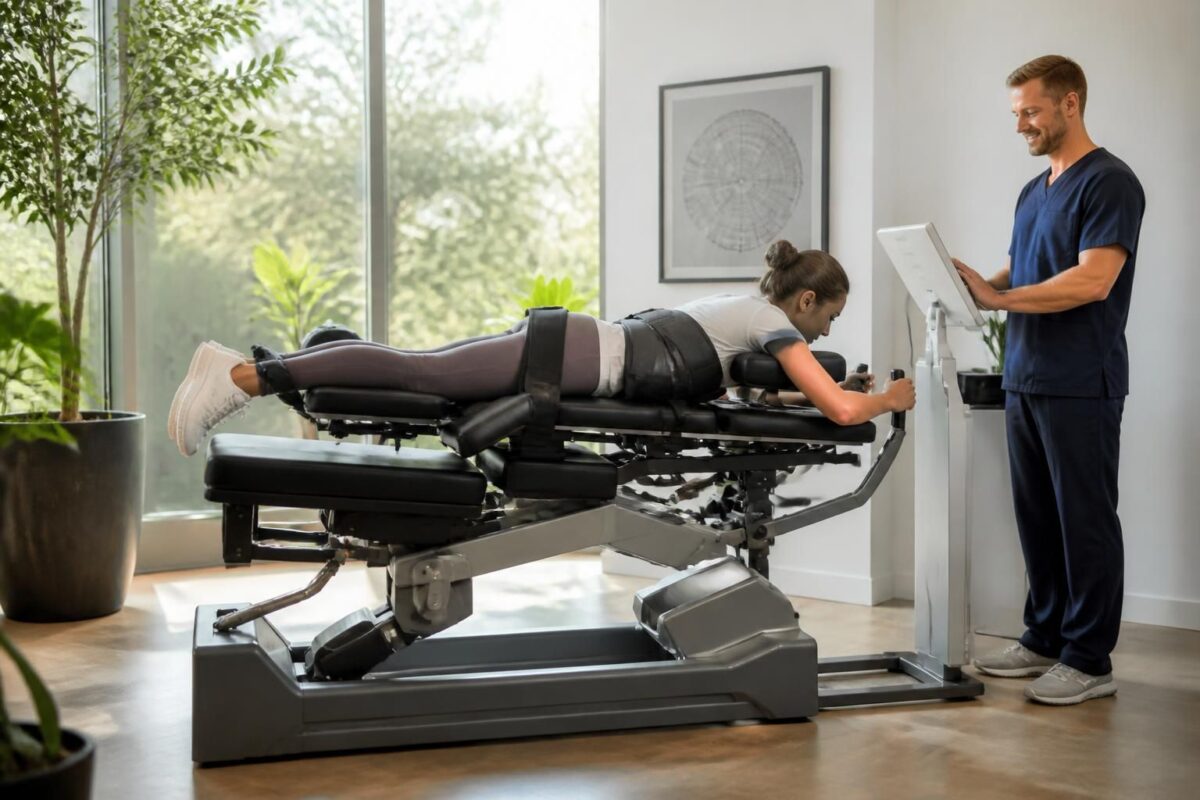
The long-term benefits of neurovertebral decompression for spinal health
In short In short, the neurovertebral decompression is a non-invasive approach that decreases the Pressure on intervertebral discs and nerves, favoring the Natural regeneration and tissue recovery. Its long-term benefits include Lasting pain reduction, Improving mobility and from the posture,…

Neurovertebral decompression and mobility: a return to an active life
In short In short, the neurovertebral decompression is therapy non-invasive who uses a gentle traction To create a space between the vertebrae and reduce the pressure on the Intervertebral discs and the nerves. It promotes a bloodstream improved, lowers tension…
Recurring disc hernias and interest of a natural approach
Recurrences often occur when the discs lose their hydration and the nerves remain irritated. By acting on the source of pain by a gradual reduction in intra-discal pressure, decompression contributes to restoring the play of the vertebrae and reducing nerve irritations. This method no invasive Ideally fits into a multidisciplinary plan that can include targeted exercises, manual techniques and lifestyle tips, to avoid relapses and promote sustainable recovery.
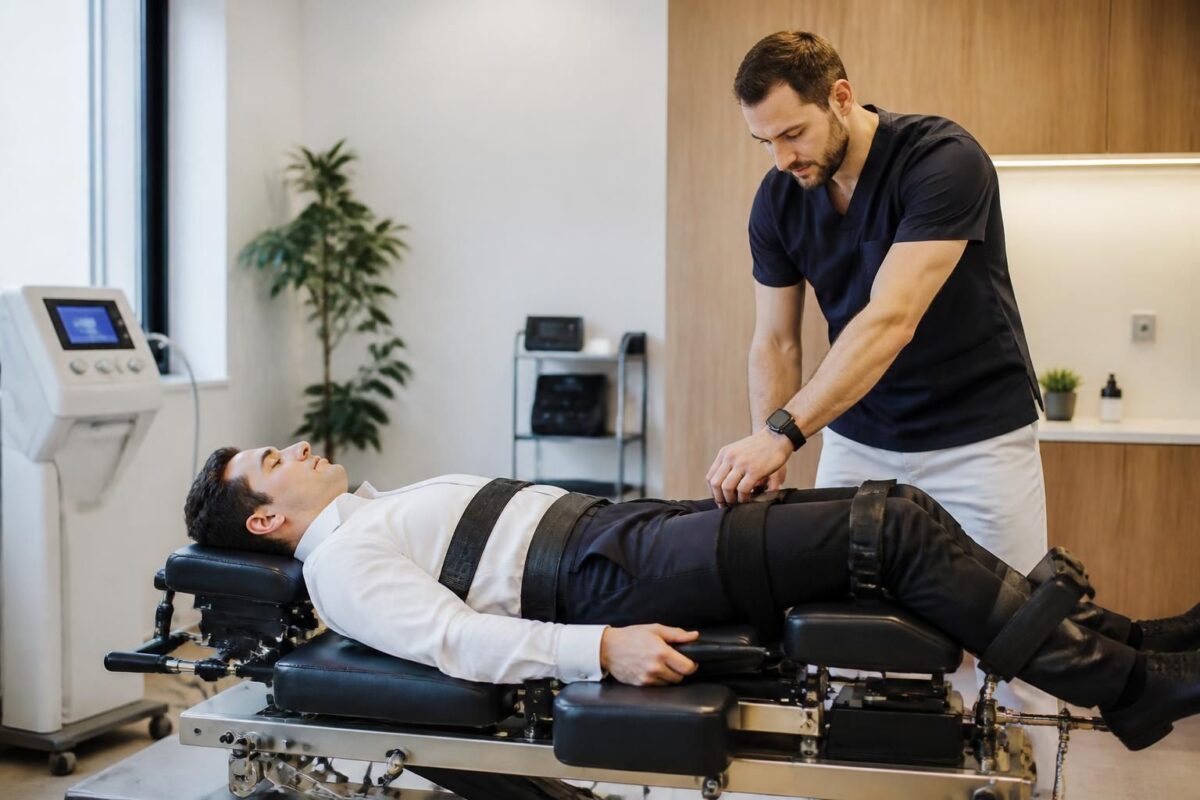
How Neurovertebral Decompression Prevents Diffuse Chronic Pain
In short decompression neurovertebral is one Non-invasive method aimed at reducing the Pressure on the intervertebral discs and the nerves, in order to prevent Diffuse chronic pain. It improves the circulation and thedisc hydration, decreases inflammation and promotes better mobility.…
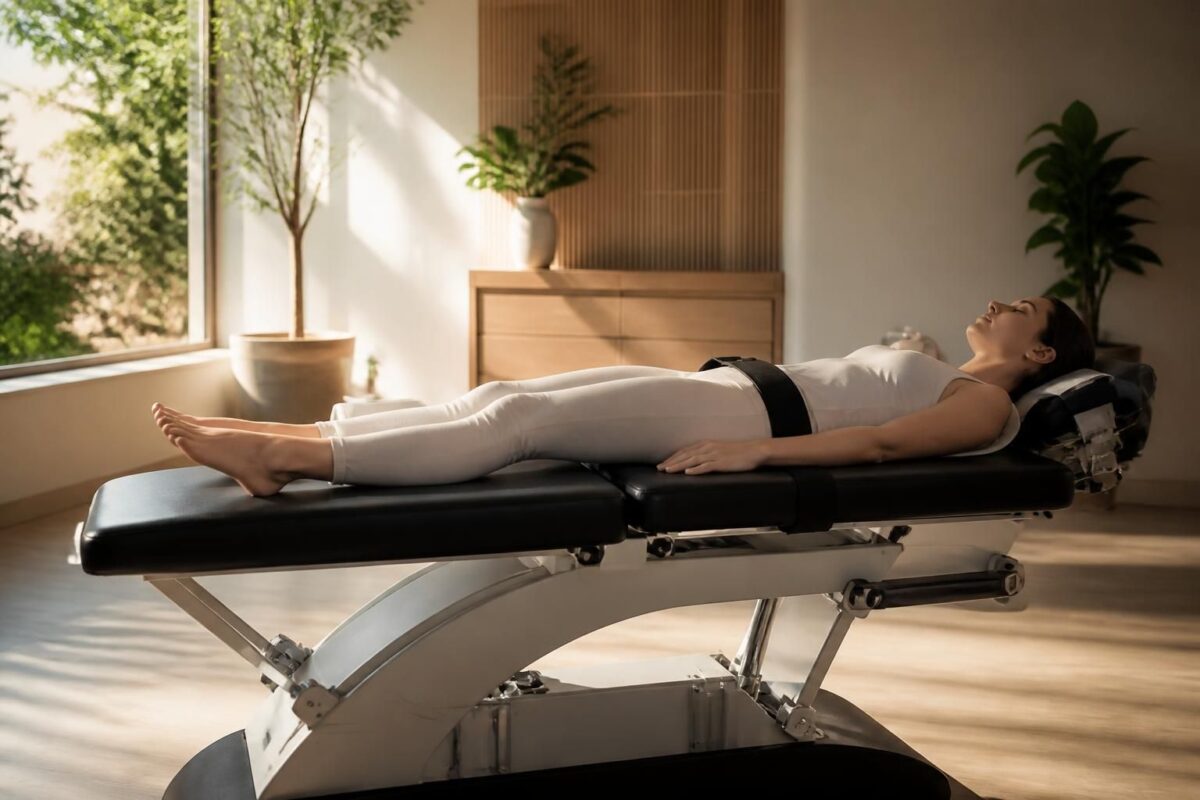
Neurovertebral Decompression and Body Alignment: Restoring Natural Balance
In short In short, neurovertebral decompression is one Non-invasive approach who restores theBody Alignment and thenatural balance back and neck. She acts by a Controlled traction of the spine to widen the intervertebral space and reduce the Pressure on discs…
Practical recommendations for an effective protocol
Before starting any treatment, an evaluation by a qualified professional is essential in order to verify the indication and to adapt the protocol to your situation. In practice, the typical program includes a series of regular sessions, each lasting between 15 and 30 minutes, according to the personalized protocol. Progression is gradual and guided by improving pain and mobility.
To maximize benefits, combine decompression with strengthening and flexibility exercises, supervised if possible by a specialist, and adopt lifestyle habits that promote disc health (sufficient hydration, balanced diet, appropriate posture, breaks and movements regular). It is important to listen to your body and adjust the plan according to progress and any discomfort.
Safety is a priority: contraindications exist and only professionals can adapt the sessions. In case of new pain, increased stiffness or aggravated neurological signs, treatment should be interrupted and consulted quickly.
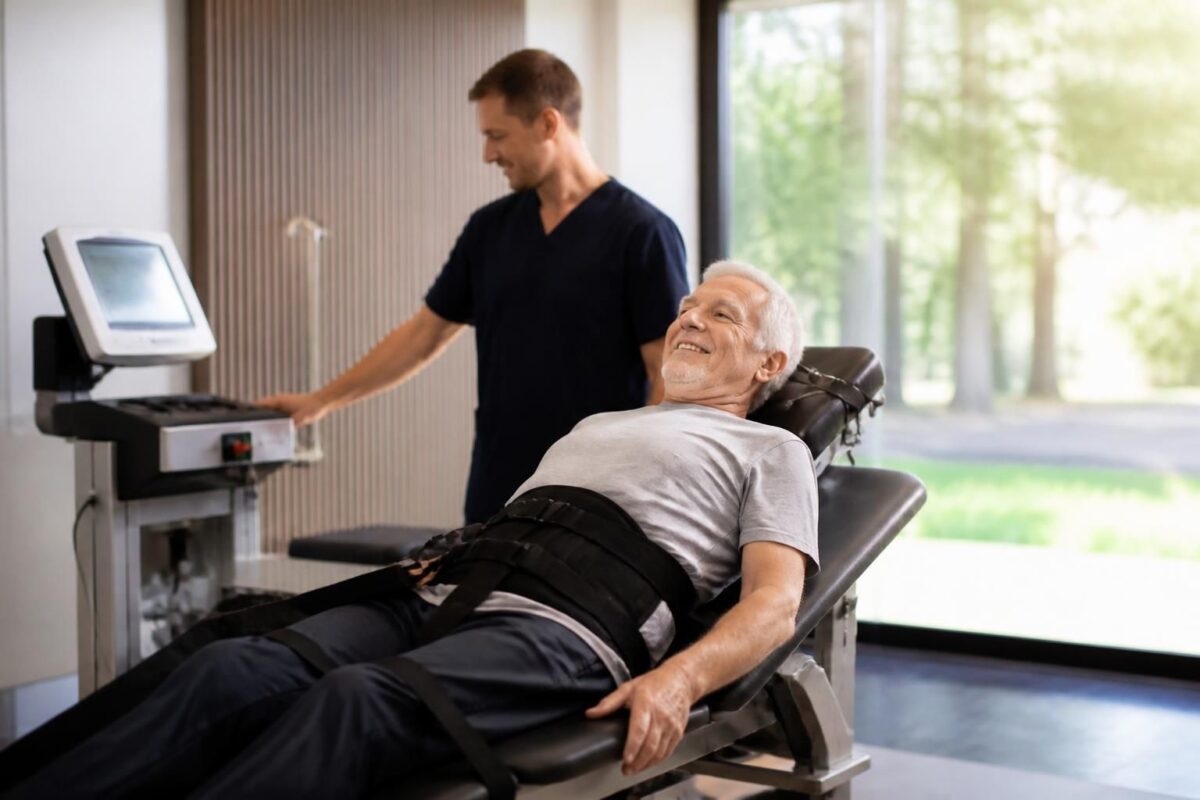
Why neurovertebral decompression is a lasting solution for active seniors
In short In short, the neurovertebral decompression is one Non-invasive therapy which sustainably relieves spinal pain in the spine active seniors By creating, by a Soft and controlled traction, a space between the vertebrae. At Montreal, it is recognized as…
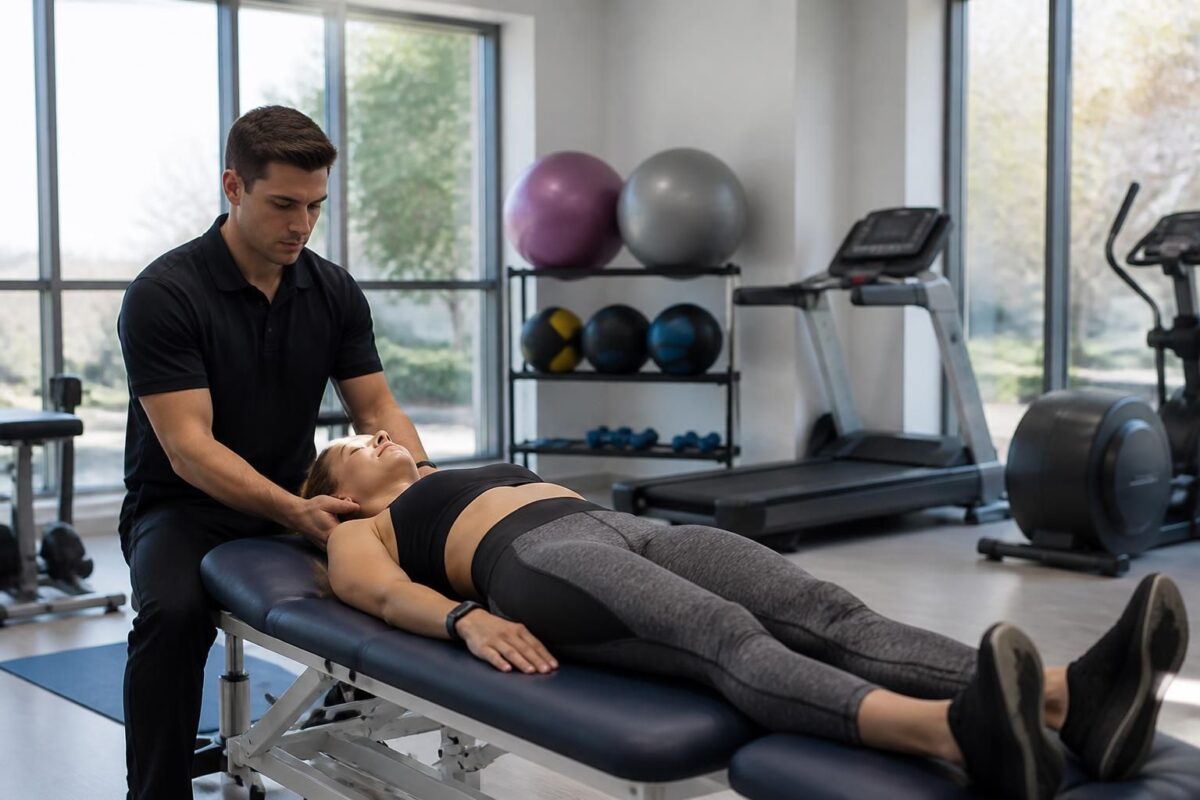
Neurovertebral decompression and recovery after severe sports injury
In short In short, the neurovertebral decompression is one Non-invasive method to Relieve the pressure on the Intervertebral discs and the gristle Via a Controlled traction, to facilitate the recovery After a severe sports injury. It improves the bloodstream towards…
Integration with other approaches and lifestyle
Decompression is ideally part of a global approach that can include associated therapies such as osteopathy, physiotherapy and naturopathic counseling. A multimodal strategy improves treatment tolerance, promotes recovery and helps prevent recurrences. A real personalized support, it takes into account the daily activities, the level of physical activity and the objectives of each one.
Simple everyday elements can support the results: maintaining appropriate physical activity, maintaining good posture at work and at home, ensuring sufficient hydration and limiting gestures that aggravate the pressure on the back. Regular monitoring allows you to adjust exercises and decompression sessions to achieve lasting results.
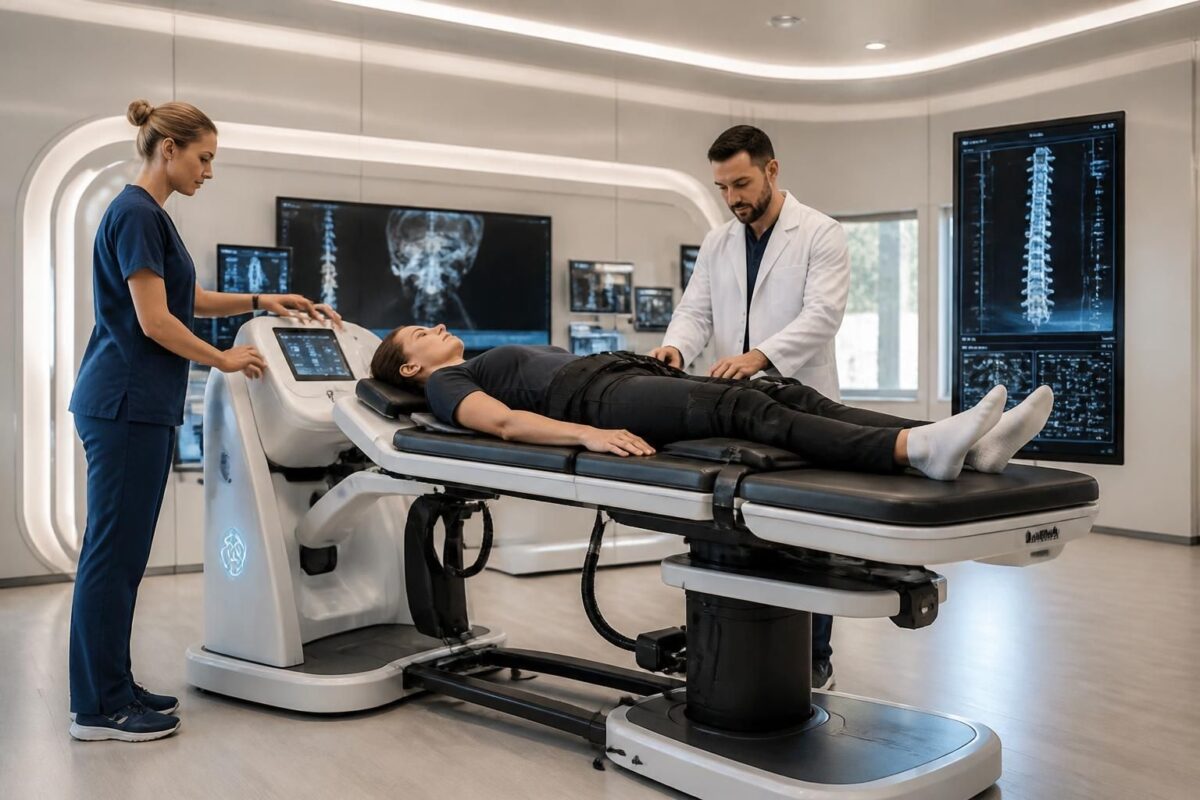
Recent innovations in neurovertebral decompression technologies
In short In short, the neurovertebral decompression is an approach non-invasive Aiming to reduce pressure on discs and nerves, and promote tissue regeneration. At Montreal, it is positioned as an effective option for lower back pain and herniated discs. The…
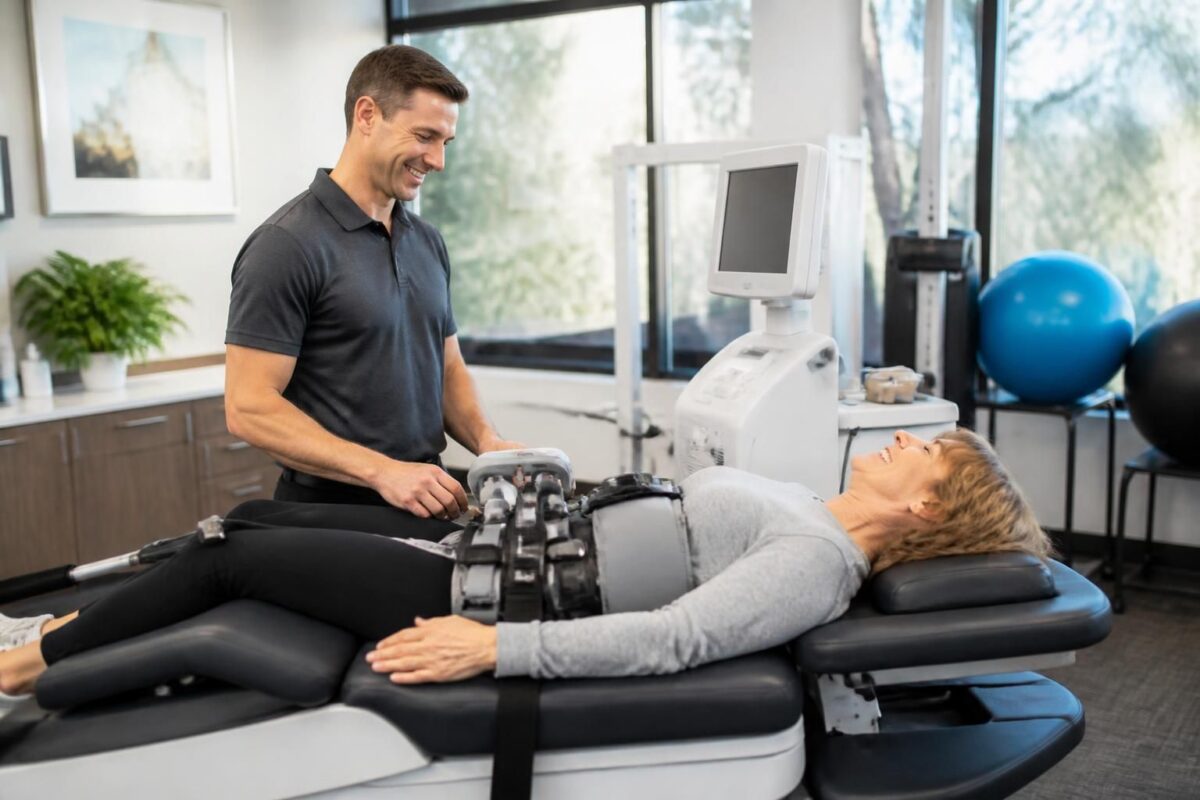
Neurovertebral decompression and diffuse pain: an appropriate solution
In short In short, the neurovertebral decompression is one Non-invasive solution For diffuse pain related to nerve irritation of the spine. She acts in Reducing pressure on intervertebral discs and nerves and improving the bloodstream, which promotes recovery and the…
Expectations and tracking
The reported benefits often include a Lasting pain reduction, improved mobility and better ability to resume usual activities. Monitoring makes it possible to assess progress, prevent relapses and adjust the therapeutic plan. If you are considering this approach, discuss with your practitioner the short- and medium-term objectives and success criteria specific to your situation.
Questions to ask your therapist
Is it suitable for my type of herniated disc? How many sessions do you recommend and how long? What combinations of exercises and therapies do you offer? What signs should alert me and require urgent consultation?
| Aspect | concise statement |
|---|---|
| Definition and purpose | The neurovertebral decompression is an approach non-invasive Aiming to reduce pressure on discs and nerves to relieve pain and prevent recurrences. |
| Mechanism of action | controlled tractions that promote the Disc rehydration and the pressure reduction On the nerves. |
| Key indications | Main indications: Recurrent disc hernias and associated pain managed without surgery. |
| Benefits | Relief Fast and durable Without surgery and Improving mobility. |
| Limits and precautions | Not suitable for everyone; requires evaluation; possible temporary stiffness. |
| Duration and organization | Generally 2 to 3 sessions/week over several weeks; Each session lasts 15–30 minutes. |
| Expected results and follow-up | pain reduction and functional improvement; followed to adjust the protocol. |
| Integration into a care plan | Compatible with other approaches and can fit into a global care plan. |
Testimonials: Neurovertebral decompression and recurrent disc herniation — a natural approach
Here are authentic feedback from patients who have chosen a natural approach to relieve Recurrent disc hernias Thanks to the neurovertebral decompression, and who have seen their daily lives improve sustainably.
Marie, 44: “After years of pain related to a lumbar disc herniation, I started the neurovertebral decompression. The sessions were gentle and non-invasive, and I felt a rapid pain reduction as well as a real improvement in my mobility from the first weeks. Today, I find my daily activities without fear of triggering a new crisis. »
Marc, 52 years old: “Before the treatment, the radiant pain forced me to limit my movements and my hobbies. With this natural approach, I observed a Gradual decrease in symptoms and an Better stability of my column. No surgery, just a method non-invasive which allowed me to resume my hikes and my family outings. »
Sophie, 29: “As a sportswoman, a slipped disc made people fear the slightest movement. The decompression gave me a quick recovery and an Significant improvement in my mobility, which allowed me to return to training earlier than expected and without heavy drugs. »
Alain, 54 years old: “I was reluctant at first, but the patient factory was convincing: the technique is fresh, non-surgical and focused on Reduced pressure on discs and nerves. After a few sessions, my pain decreased sharply and my quality of life improved day after day. »
Julie, 41 years old: “I felt a Prevention of recurrences and an best posture after the start of the protocol. This natural approach allowed me to resume my professional and family activities without limiting my movements. I highly recommend for anyone with a slipped disc who is looking for a non-invasive alternative. »
Karim, 63: “The neurovertebral decompression gave me a Durable solution without going through surgery. I found a Normal mobility And less pain on a daily basis, which allowed me to continue my leisure time and my travels without restrictions. »
Nathalie, 35: “This approach is Personalized and reassuring. the results were progressive but constant, with a Reduced pain and improved sleep. My evenings and my weekends finally pass in comfort and serenity. »
This presentation traces the journey of an expert who places neurovertebral decompression At the heart of a Natural approach intended to relieve pain related to Recurrent disc hernias. Know-how and philosophy come together to offer a non-invasive alternative that not only aims to reduce pain, but also to restore mobility and improve quality of life in the long term. With this in mind, each patient is seen as a unique set of symptoms, abilities and goals, requiring a personalized and educational approach.
Formed in osteopathy, in naturopathy And in manual medicine, this practitioner combines traditional knowledge and research data to provide evidence-based care. His background favors complete patient assessment, identification of biomechanical imbalances and the implementation of a progressive therapeutic plan. This approach integrates modern technological tools while remaining centered on the body as a whole, in order to improve sustainably mobility and The quality of life.
At the heart of its protocol is the neurovertebral decompression, a therapy non-invasive which applies a traction Soft and controlled on the spine. This traction will decrease the pressure exerted on the intervertebral discs and on the nerve roots, favoring the Disc rehydration and the restoration of the spinal space. The process is progressive, adapted to the location (lumbar, cervical) and the severity of the symptoms, and it can be particularly effective in the face of Recurrent disc hernias without resorting to surgery.
The observed benefits go beyond immediate pain reduction. we see a Lasting pain reduction, a Increased mobility and an Prevention of recurrences as part of a comprehensive care plan. By positively influencing blood circulation, muscle tone and spinal alignment, this approach facilitates the return to daily and sports activities, while reducing, where possible, addiction to painkillers and surgical procedures. Each session is part of a sustainable rehabilitation strategy adapted to the evolution of the patient.
This approach is particularly suitable for active patients and athletes who wish to optimize their recovery and maintain the health of their spine. It can be associated with other technologies and therapies, such as laser or shockwave therapy, in order to offer a full range of effective and safe solutions. The whole course is based on rigorous monitoring, transparent communication and patient education on the mechanisms of his pain and the healing levers.
Beyond the individual, this approach is based on a multidisciplinary vision and is part of the TagMed clinics and the ACMA association. It is based on a care ethic that favors the effectiveness, safety and sustainability of the results, while remaining faithful to a medicine that respects the body and its self-repairing capacities.
This analysis details the neurovertebral decompression as approach natural for the Recurrent disc hernias, presenting its non-invasive mechanisms, potential benefits, precautions and the importance of integrating with other care approaches. It highlights how this therapy can reduce the pressure on discs and nerves, promote Disc rehydration and improve the mobility Without resorting to surgery, while enrolling in a personalized treatment plan.
The neurovertebral decompression appears as a solution non-invasive which can decrease pain and restore better spine function by reducing the Pressure on discs and nerves. By promoting the Disc rehydration And by creating an environment conducive to healing, this approach offers a gentler way for patients withherniated discs and associated pain. It can contribute to a Sustainable improvement in mobility and quality of life, while avoiding the risks and delays related to surgery.
To optimize the results, this method is ideally integrated into a Personalized treatment plan which can combine elements of physiotherapy, osteopathy, naturopathy and other forms of manual medicine. A global approach, including strengthening exercises, postural advice and appropriate hydration, helps stabilize the spine and prevent recurrences.
Before starting treatment, Prior medical assessment is essential in order to confirm the indication and to identify any contraindications. If the pain persists or worsens, or if neurological signs appear, the protocol should be adjusted and other therapeutic options should be considered. This vigilance is all the more important when athletes or active people want to resume their activities quickly, because specific protocols exist to optimize recovery while protecting the spine.
Communication between the patient and the practitioner is key. The treatment can be supported by complementary technologies and approaches that facilitate the return to an active life. To deepen the mechanisms and benefits, you can consult resources such as Why neurovertebral decompression is essential for spinal health, Vertebral decompression, a natural treatment to improve back health, and A gentle and effective approach. Other additional resources and clinical examples are available through publications and specialized sites mentioned in the associated references.
For patients considering this approach, it is important to keep in mind that the results vary by individual and that success depends on ongoing engagement beyond individual sessions. A clear evaluation, appropriate progression of the sessions and regular follow-up make it possible to adjust the program and maximize the chances of sustainable improvement without surgery.
Additional resources and testimonials can inform your decision and help you understand how Integration of advanced technologies and manual practices Can support healing. For example, information and perspectives on neurovertebral decompression and pain related to neck and sciatica are available via dedicated articles and guides, including those explaining the benefits of mechanical traction and associated approaches. You can also explore content on clinics and practitioners that demonstrate positive results in this area.
To enrich your understanding and access additional information, here are some useful resources presented in a natural way as part of this article: Why neurovertebral decompression is essential for spinal health, Neurovertebral Decompression: Prevent Neurologic Complications in Repeated Disc Hernias, Gentle and effective approach according to Dr Desforges, and Spinal decompression: natural treatment for the back. These resources complement the information presented and offer practical perspectives for patients and professionals.
Please note that each therapeutic path must be followed by a health professional and adapted to individual needs and constraints. Neurovertebral decompression can be a compelling option for people with recurrent disc herniations, but it should be considered as part of a comprehensive and personalized plan, with appropriate follow-up and adjustments according to the evolution of symptoms.

Dr Sylvain Desforges, B.Sc., D.O., N.D., osteopath, is the founding president of TAGMED and of the ACMA association. He dedicates his practice to chronic spinal pain, low back pain and symptoms compatible with sciatica, particularly when pain radiates toward the buttock, leg, calf, foot or toes.
Through SOS Sciatique, he publishes educational content on sciatica symptoms, possible causes such as disc herniation, disc narrowing, foraminal stenosis or irritation of a lumbar nerve root, as well as non-surgical approaches that may be considered according to the evaluation. At Clinique TAGMED, care may include, depending on the case, motorized neurovertebral decompression, specific osteopathic care or precision percussion.
For an evaluation related to sciatica treatment in Montreal / Mount Royal or sciatica treatment in Terrebonne, please consult the services available at Clinique TAGMED.
Medical disclaimer
The information published on SOS Sciatique is provided for educational purposes only and does not replace a consultation, diagnosis, opinion or treatment provided by a physician or another authorized healthcare professional. The author of this article is neither a medical doctor nor a specialist in a medical specialty recognized by the Collège des médecins du Québec. The osteopathic, manual medicine or functional support approaches described on this site do not constitute medical acts and are not intended to replace medical follow-up.
Consult a physician or emergency service in cases of loss of bladder or bowel control, anesthesia in the saddle area, significant or progressive weakness in the leg or foot, fever, recent trauma, severe pain or rapid worsening of symptoms. For more details, please read our Legal Notice.