Neurovertebral Decompression and Radiant Pain: Relieve Safely
26/06/2026
Quick results obtained with a neurovertebral decompression program
26/06/2026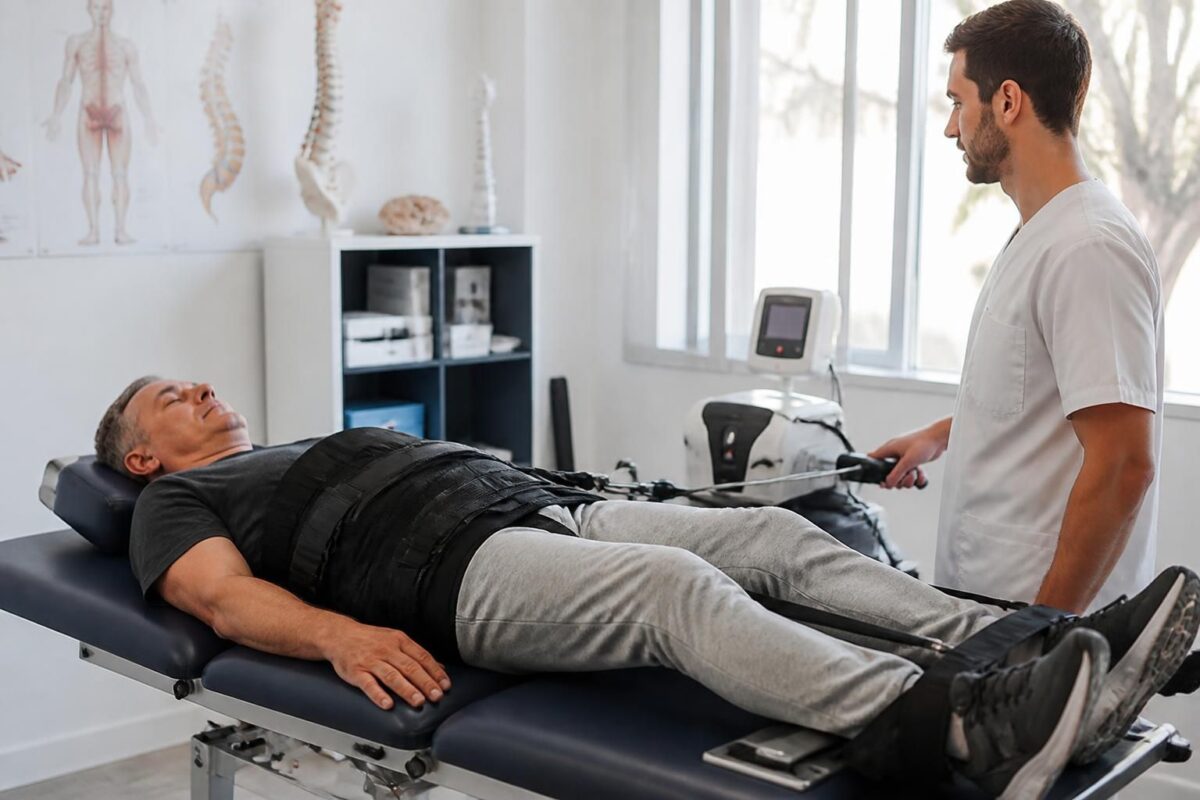
In short
| In short, the neurovertebral decompression is one Non-invasive therapy which supports the Recovery after failed back surgery. Its advantages: diminished pain, Improved posture and Accelerated rehabilitation without additional surgery. the mechanism: a Soft and controlled traction On the column creates a space between the vertebrae, relieves nerves and discs, and stimulates circulation to promote tissue healing. At Montreal, this treatment fits easily into a global care program and helps the return to an active life. |
The neurovertebral decompression May help patients after Failed surgery by providing non-invasive recovery support. By decreasing the Pressure on discs and nerve roots by a gentle traction, it contributes to pain management and functional rehabilitation.
- pain reduction and improvement of mobility postoperative.
- Improved alignment and from the posture, facilitating daily movements.
- Stimulation of blood circulation and nutritional intake to tissues, promoting healing and recovery.
- Character non-invasive and possibility of integration into a rehabilitation program global.
It is recommended to consult a health professional to determine the adequacy of this treatment in each postoperative course.
This text explains how the neurovertebral decompression Can help patients recover after spinal surgery that has not given the expected results. This non-invasive approach aims to reduce the pressure on the discs and nerves, improve posture and facilitate functional recovery without having to resort to new surgery.
After a failed surgery, patients often exhibit persistence of pain, stiffness and posture alteration. Neurovertebral decompression provides a complementary pathway to alleviate these symptoms and promote return to normal activity, while integrating into a global and coordinated care pathway.
How Neurovertebral Decompression Acts After Failed Surgery
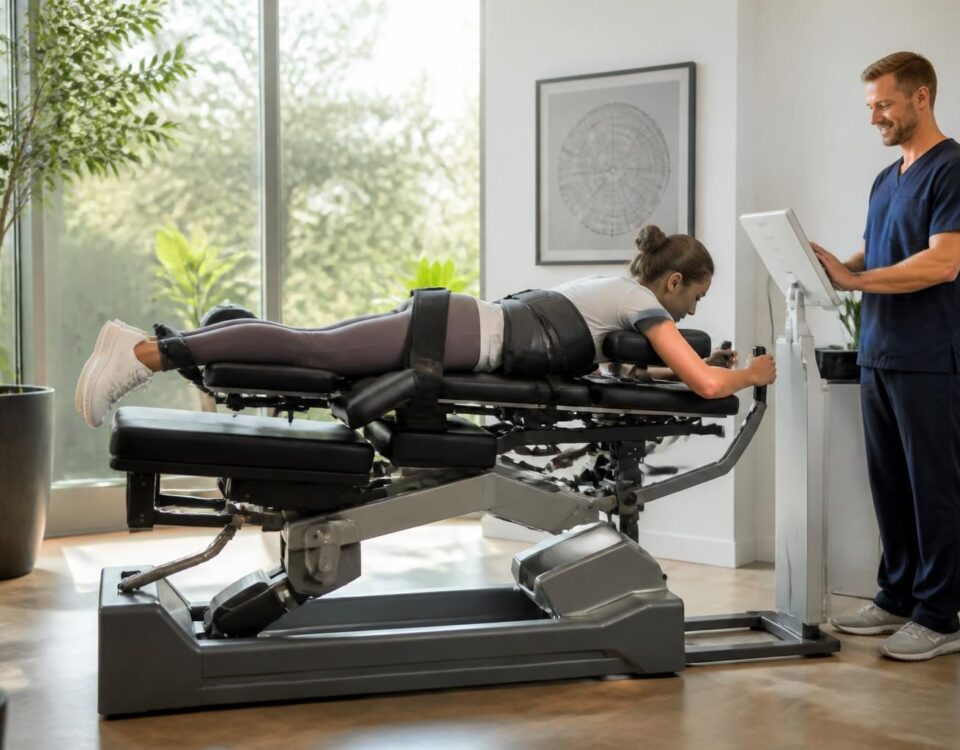
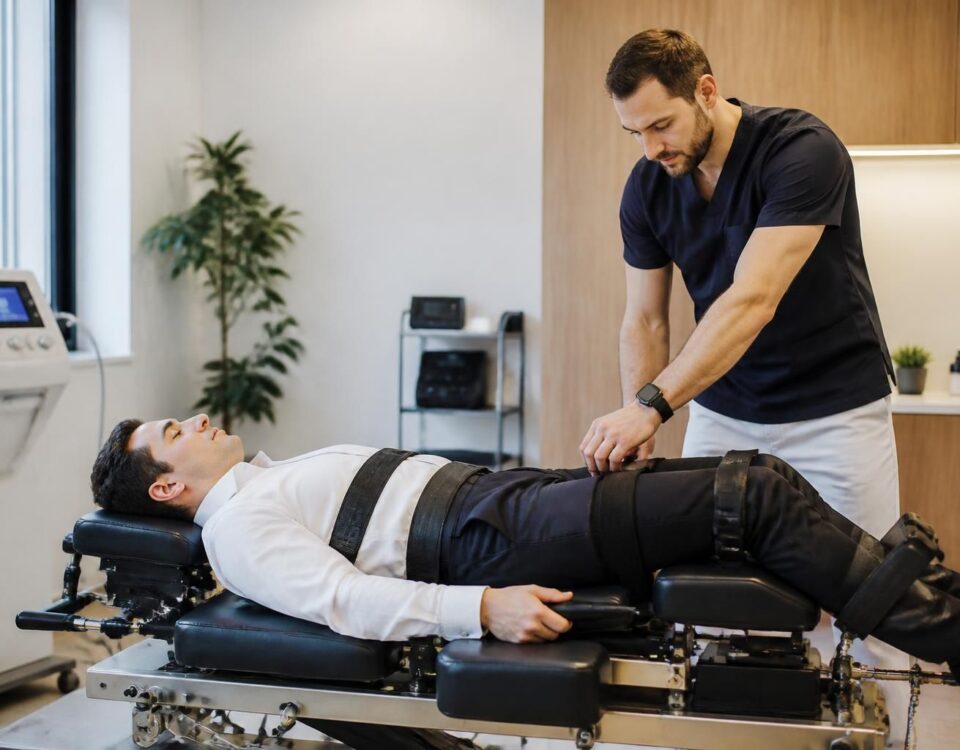
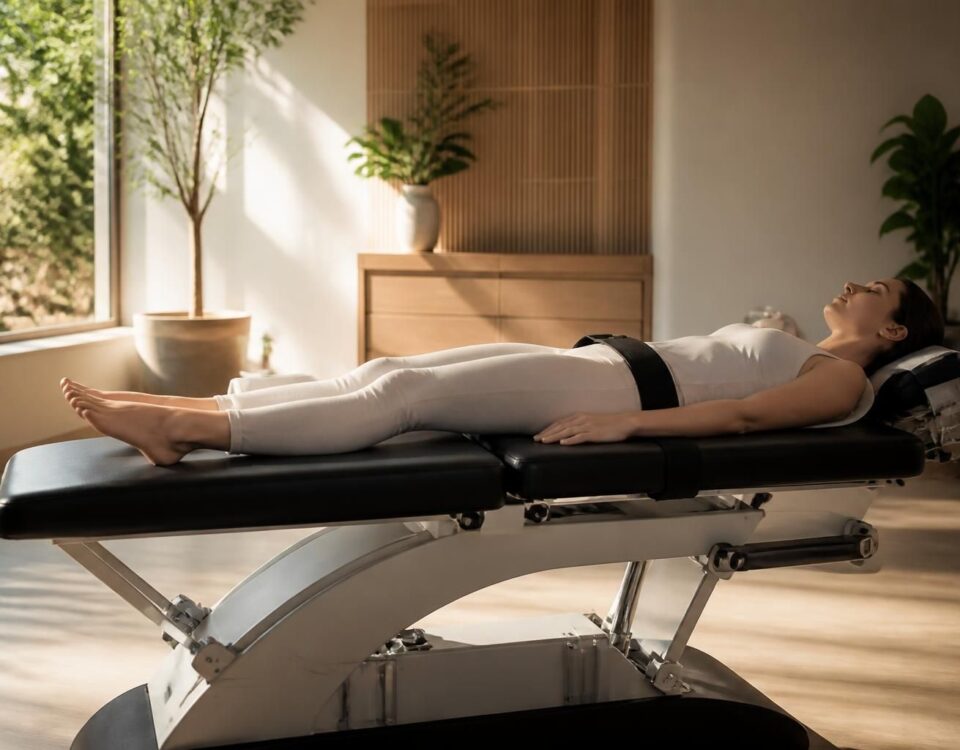
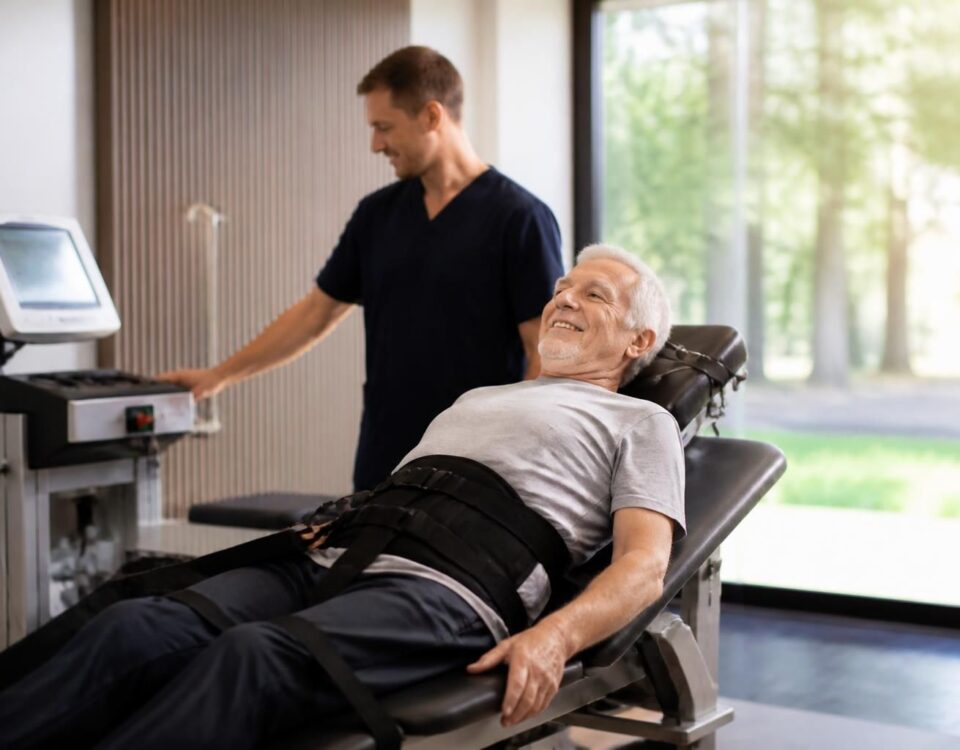
This therapy applies gentle and controlled traction on the spine. It creates a space between the vertebrae and releases tension around the nerves and discs. The process improves the circulation of nutrients to the tissues and can promote their repair.
By promoting a better organization of the vertebral structures, the neurovertebral decompression contributes to a posture improvement and reduced pain associated with lesions or post-operative scarring. This approach is non-invasive and may complement other treatments consistent with medical recommendations, while avoiding the risks associated with new surgery.
Concrete benefits for patients
pain relief and decreased muscle tension, which facilitates daily movements.
posture improvement and return to more stable body alignment.
gradual recovery Vertebral functions thanks to better tissue nutrition and reduced pressure on the nerves.
Non-invasive approach which is integrated into the therapeutic course without requiring additional operations.
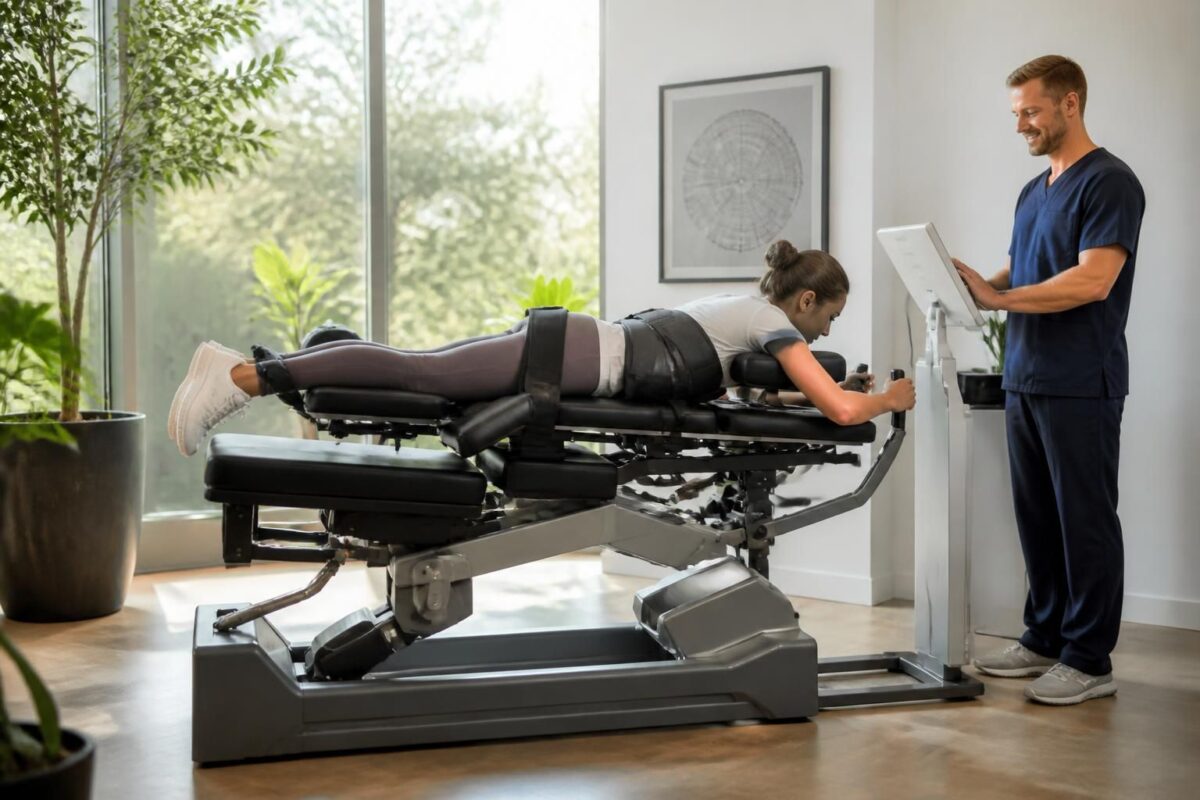
The long-term benefits of neurovertebral decompression for spinal health
In short In short, the neurovertebral decompression is a non-invasive approach that decreases the Pressure on intervertebral discs and nerves, favoring the Natural regeneration and tissue recovery. Its long-term benefits include Lasting pain reduction, Improving mobility and from the posture,…
Process, safety and organization of care
Before any treatment, an evaluation is carried out to understand the vertebral state and the location of the attacks. The treatment plan is personalized according to the needs and objectives of the patient. Sessions generally last between 30 and 45 minutes, and several sessions are recommended depending on the patient’s response.
Security is central. Professionals monitor reactions and adapt the protocol. The risks are low and temporary feelings of stiffness may occur in some patients. This support is non-invasive and is integrated into complementary treatments offered in a specialized clinic in Montreal or Terrebonne.
What to expect during the journey
The course begins with consultation and imaging examinations if necessary. A treatment plan is established to support postoperative recovery and improve the overall function of the spine. The follow-up makes it possible to adjust the sessions and ensure a progression adapted to the patient. This approach seeks to reduce the risk of recurrence and to promote sustainable mobility.

Neurovertebral decompression and mobility: a return to an active life
In short In short, the neurovertebral decompression is therapy non-invasive who uses a gentle traction To create a space between the vertebrae and reduce the pressure on the Intervertebral discs and the nerves. It promotes a bloodstream improved, lowers tension…
Integration into the care pathway
Neurovertebral decompression is part of a global approach to post-surgical rehabilitation. It can be combined with other non-invasive therapies and general lifestyle advice, while remaining focused on the individual needs of the patient. The attending physician remains the main referent and coordinates the interventions in order to optimize the results and ensure continuity of care.
To learn more about the available options, you can consult the following resources:
General information and support: Tagmed Clinic, SOS SCIATIC.
Therapy and recovery after surgery: neurovertebral decompression, SOS Herniated Disc, SOS Herniated Disc.
Additional resources and testimonials: Sostunnel Carpal, Quick results.
For more specific information about mechanisms and results, see the pages associated with neurovertebral decompression and enhanced vertebral function at the sites opposite.
Training and professional executive : Practitioners working in this field rely on training recognized by NUMSS and NAO, and operate within the framework of professional associations such as ACMA and the College of Canadian Osteopaths.
More information on treatments and care pathways can be viewed on specialized resources such as sossciatica.com, SoshernieDiscale.com and SosherniatedDisc.com.
To learn more about how neurovertebral decompression can support recovery after failed surgery, check out the following resources: relapse prevention, Advanced Techniques.
Medical Disclaimer: The information and advice provided on this site does not replace the health professional’s diagnosis or treatment. Please note that Dr. Sylvain Desforges osteopath is neither a doctor of medicine nor a doctor, and is not a specialist in a medical specialty as defined by the Collège des Médecins du Québec. Manual medicine, functional medicine and sports medicine as described on this site exclude any medical treatment or diagnosis made by a doctor or specialist doctor. Always consult your doctor for any medical questions. For more details, please read our full legal notice.
Would you like to know more about neurovertebral decompression and recovery after failed surgery? visit The dedicated page or consult the specialized resources associated with this domain on the sites opposite.
Medical Disclaimer: The information and advice provided on this site does not replace the health professional’s diagnosis or treatment. Please note that Dr. Sylvain Desforges osteopath is neither a doctor of medicine nor a doctor, and is not a specialist in a medical specialty as defined by the Collège des Médecins du Québec. Manual medicine, functional medicine and sports medicine as described on this site exclude any medical treatment or diagnosis made by a doctor or specialist doctor. Always consult your doctor for any medical questions. For more details, please read our full legal notice. }
- Sustainable relief of the Neuropathic and root pain after failed surgery.
- posture improvement and relaxation of muscle tension linked to the operated event.
- Functional recovery progressive and return to daily activities.
- Non-invasive approach and without additional risks.
- pressure reduction on discs and nerves via controlled traction.
- Integration into a global program of rehabilitation with personalized follow-up.

This article explains how the neurovertebral decompression Can support patients after Failed surgery, by proposing an approach non-invasive To reduce pain, improvePostural alignment and facilitate the re-education. The goal is to integrate this therapy into a Overall care pathway and personalized in order to accelerate the functional recovery and optimize the quality of life despite the post-operative limits.
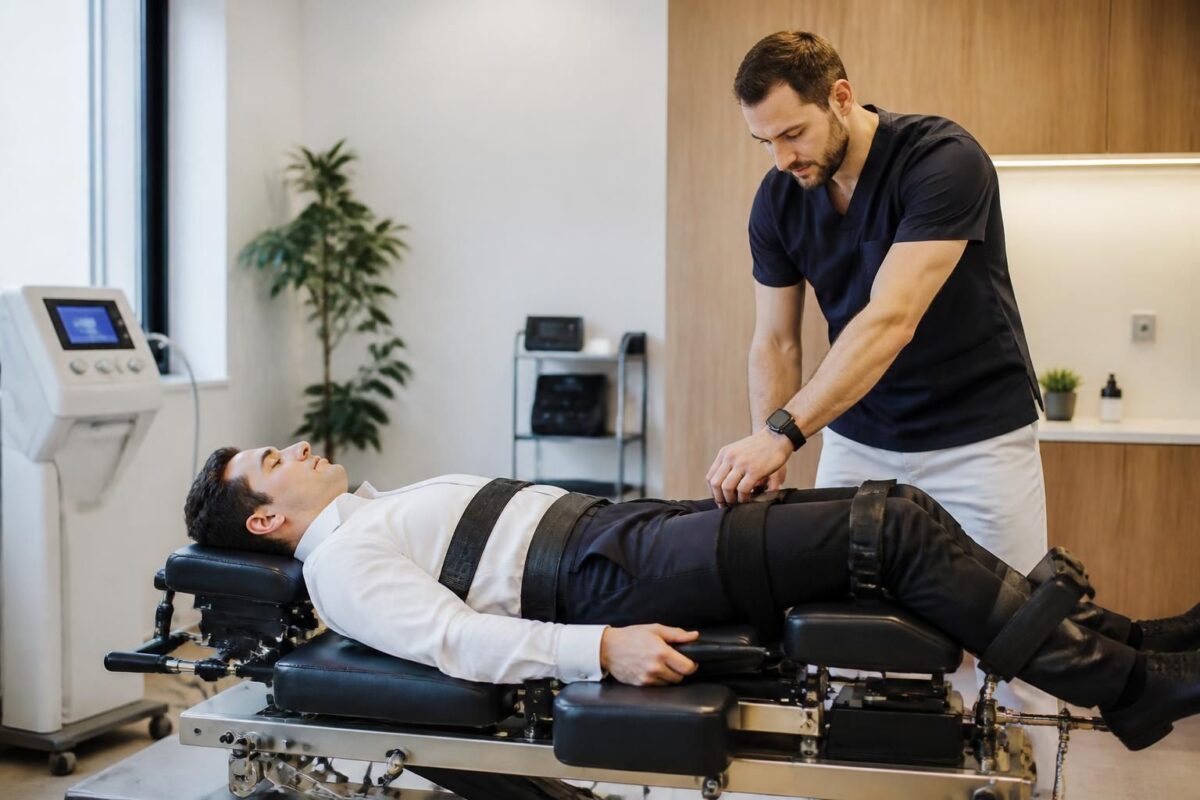
How Neurovertebral Decompression Prevents Diffuse Chronic Pain
In short decompression neurovertebral is one Non-invasive method aimed at reducing the Pressure on the intervertebral discs and the nerves, in order to prevent Diffuse chronic pain. It improves the circulation and thedisc hydration, decreases inflammation and promotes better mobility.…
Key role after failed surgery
The neurovertebral decompression Acts gently to reduce pressure on nerves and discs, which can reduce residual pain and mobility disorders that persist after surgery. By promoting the space between the vertebrae, it contributes to a Better circulation nutrients and tissue rehabilitation, without resorting to additional surgery. This approach can thus reduce anxiety linked to operative failure and facilitate the gradual return to daily and professional activities.
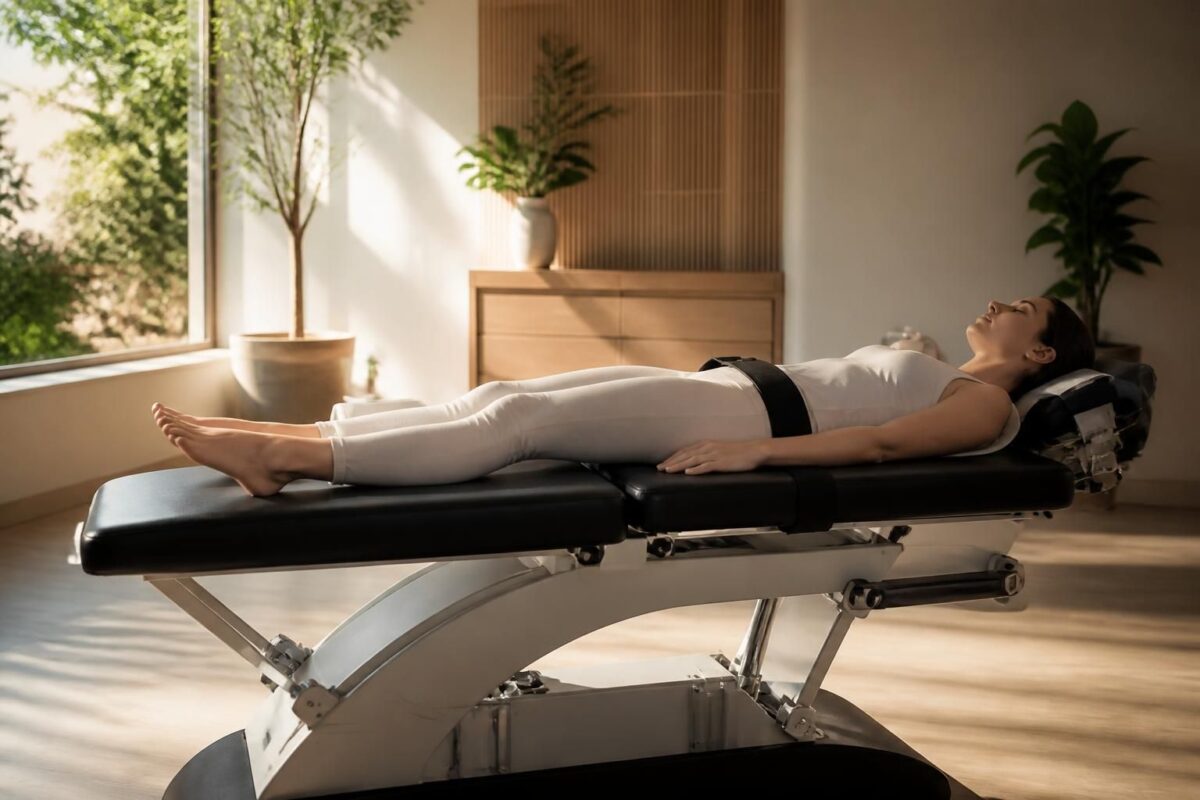
Neurovertebral Decompression and Body Alignment: Restoring Natural Balance
In short In short, neurovertebral decompression is one Non-invasive approach who restores theBody Alignment and thenatural balance back and neck. She acts by a Controlled traction of the spine to widen the intervertebral space and reduce the Pressure on discs…
Recommended actions to support recovery
Evaluation and personalized plan
Before undertaking any treatment, a Full assessment health status and spinal alignment helps identify the most affected segments and adapt the decompression plane. The plan integrates the operative history, current limitations and functional objectives of the patient, in order to limit risks and optimize efficacy.
Integration with other therapies
The decompression should not be isolated but enroll in a rehabilitation program Including targeted exercises, manual techniques and ergonomic advice. Together, these elements improve therange of motion, strengthen the stabilizing muscles and support a Balanced posture.
Progress, security and follow-up
Progress should be progressive and personalized, adjusting the frequency and duration of the sessions according to tolerance, progress and clinical signals. Regular monitoring helps prevent complications, avoid overloads and redirect the plan if necessary to maximize long-term results.
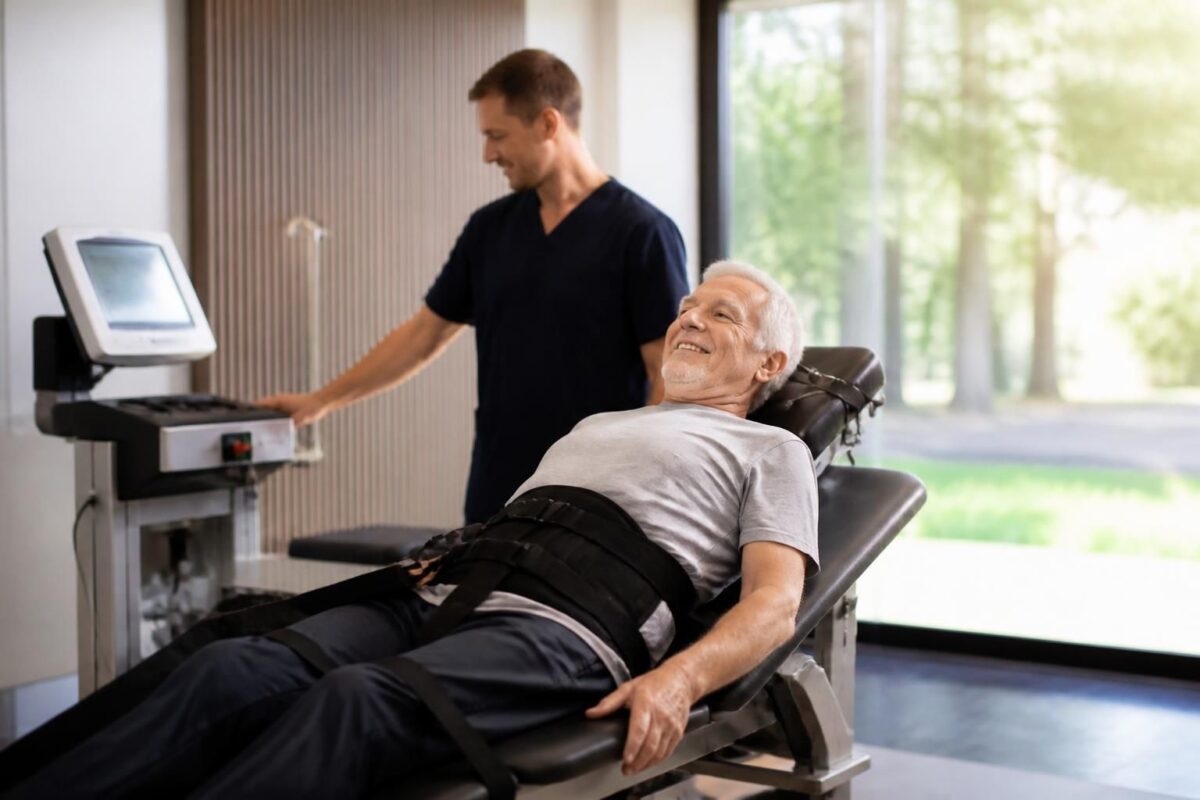
Why neurovertebral decompression is a lasting solution for active seniors
In short In short, the neurovertebral decompression is one Non-invasive therapy which sustainably relieves spinal pain in the spine active seniors By creating, by a Soft and controlled traction, a space between the vertebrae. At Montreal, it is recognized as…
Expected concrete benefits
Patients can observe a pain reduction and an best posture, which promotes a Quick return to activities daily. By improving circulation and tissue nutrition, decompression supports Functional recovery more effective and may decrease dependence on certain symptomatic treatments.
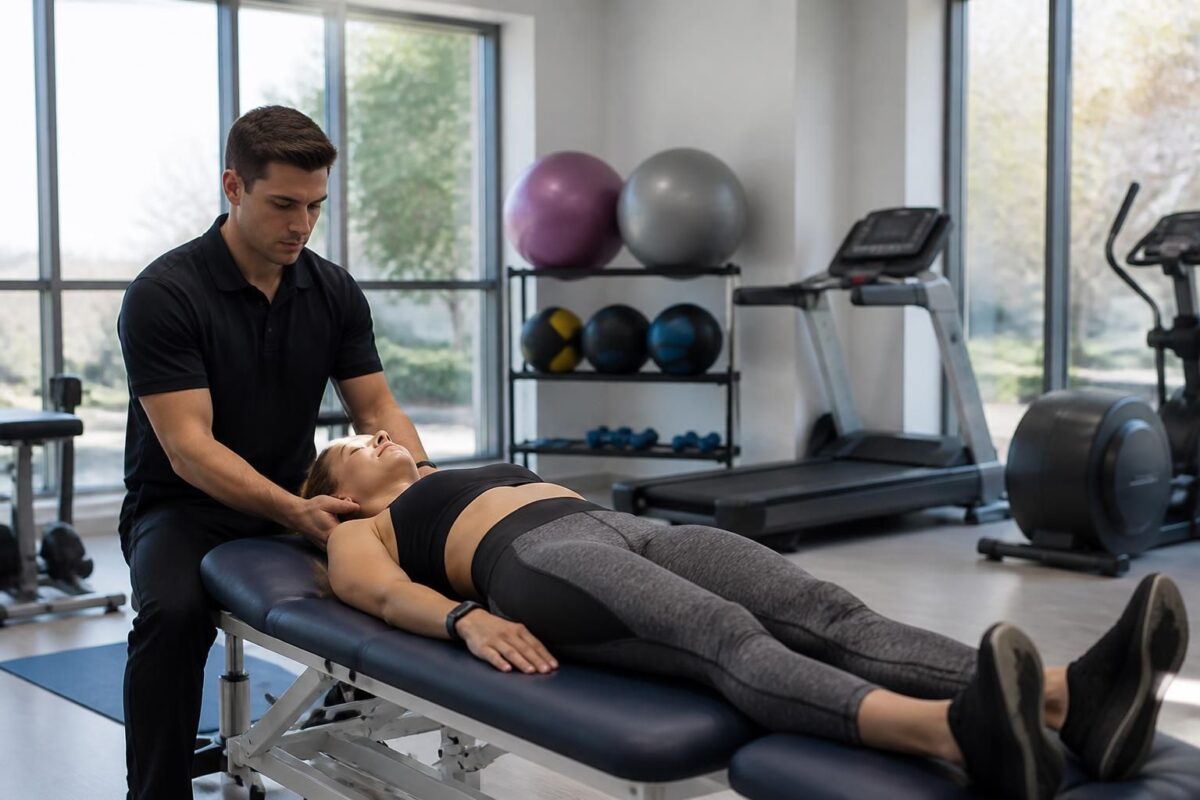
Neurovertebral decompression and recovery after severe sports injury
In short In short, the neurovertebral decompression is one Non-invasive method to Relieve the pressure on the Intervertebral discs and the gristle Via a Controlled traction, to facilitate the recovery After a severe sports injury. It improves the bloodstream towards…
Prevent relapses and ensure continuity of care
To prevent relapses and ensure sustainable recovery, it is essential to maintain strengthening exercises and good postural habits, even after the end of active sessions. Monitoring should remain regular in order to adjust the program according to the evolution and to limit the risk of Chronic pain or new limitations.
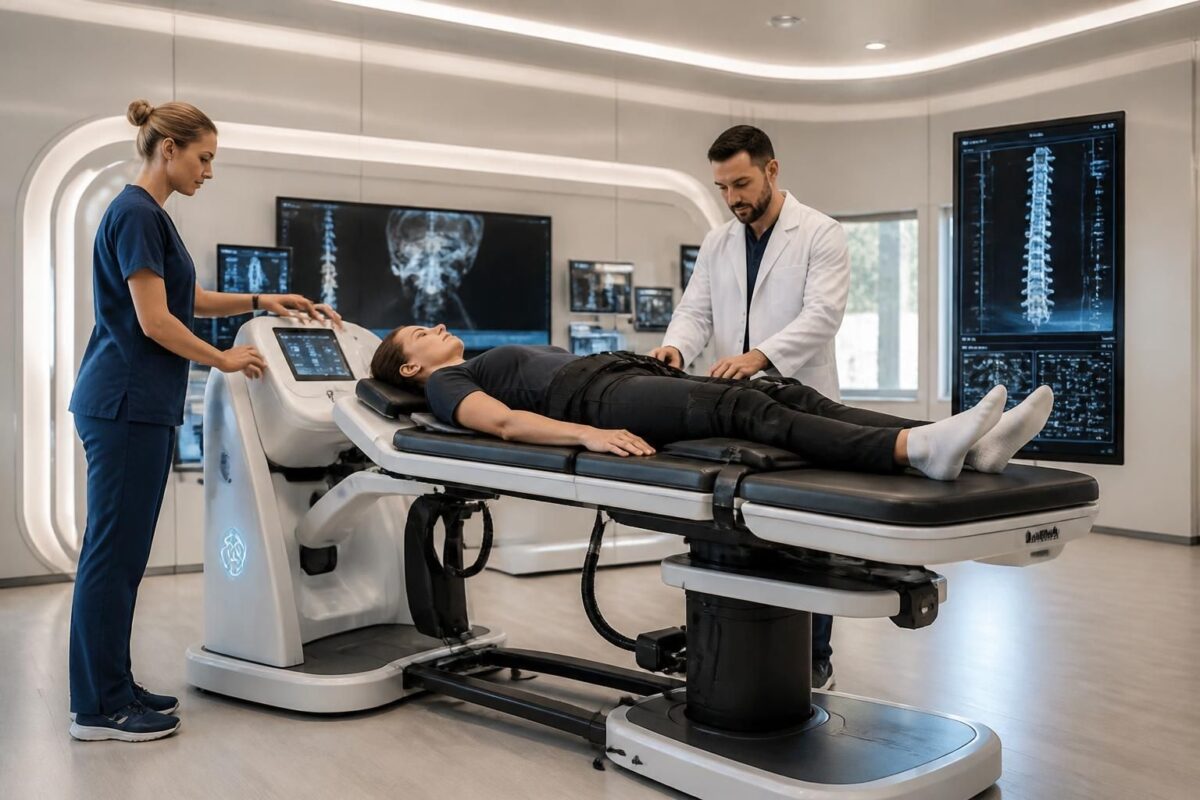
Recent innovations in neurovertebral decompression technologies
In short In short, the neurovertebral decompression is an approach non-invasive Aiming to reduce pressure on discs and nerves, and promote tissue regeneration. At Montreal, it is positioned as an effective option for lower back pain and herniated discs. The…
Operational conclusion
For patients faced with surgery that did not give the expected results, the neurovertebral decompression offers an option non-invasive and complementary, oriented towards improving the posture, the pain and the mobility. By integrating into a Overall care pathway And by being adapted to each individual, this approach can become an important pivotal in the recovery process after surgical failure.
| Axis | Concise impact |
|---|---|
| Objective | Reduce pressure on discs and nerves to promote Postoperative recovery. |
| Mechanism | Traction fresh and controlled which creates an intervertebral space and improves the circulation nutrients. |
| pain relief | reduction of the Neuropathic pain and residual pain related to surgery. |
| Posture | Contribution to thealignment of the spine and decrease in postural compensation. |
| Mobility | Releases tension and improvesrange of motion. |
| Tissue recovery | Improvement of the bloodstream and nutrient intake. |
| Security | Procedure non-invasive with low risk and without immediate reoperation. |
| Adaptability | Program personalized depending on the recovery level and targeted areas. |
| Integration in the course | Supplements rehabilitation with other therapies for recovery holistic. |
| Clinical Suites | Can prevent recurring pain when integrated into a global plan. |
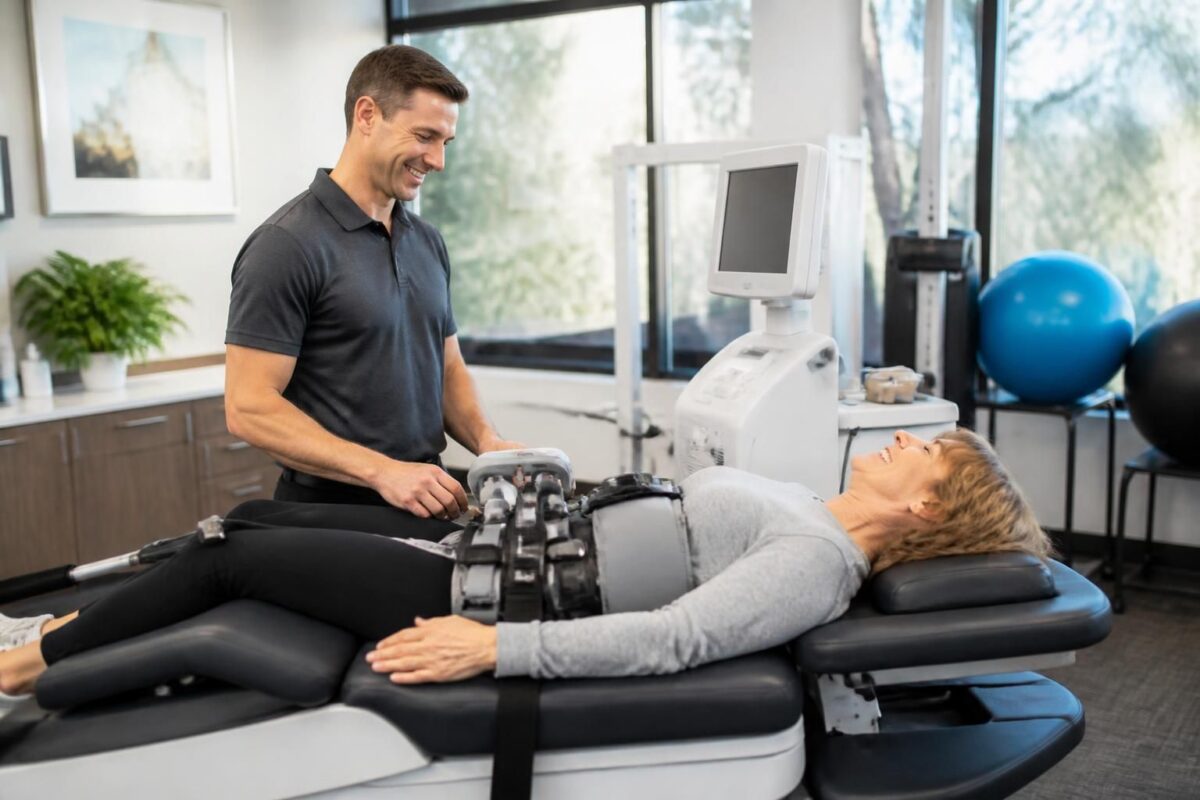
Neurovertebral decompression and diffuse pain: an appropriate solution
In short In short, the neurovertebral decompression is one Non-invasive solution For diffuse pain related to nerve irritation of the spine. She acts in Reducing pressure on intervertebral discs and nerves and improving the bloodstream, which promotes recovery and the…
Testimonials on support from neurovertebral decompression after failed surgery
Éliane, 68: After a failed surgery for a herniated disc, I had lost confidence in my ability to move normally. Thanks to the neurovertebral decompression, I felt a pain relief and an Significant improvement in my posture. sessions, non-invasive, allowed me to gradually find my mobility And to resume my daily activities without fear of relapse.
Marc, 54: my lumbar surgery did not go as planned and I had to learn to live with persistent pain. With this treatment, I saw a gradual reduction in the pain and a better Body alignment. The security And the comfort of the sessions gave me the hope of resuming my outings and my trips without limiting my gestures.
Isabelle, 61: After a failed back surgery, I had trouble getting up and standing for a long time. decompression favored better bloodstream around the discs, which decreased the Muscle tensions and improved my flexibility. I feel myself becoming myself again and I can enjoy walks again with my grandchildren.
Géraldine, 72: My sessions were a real turning point. The discomfort associated with scars and stiffness has decreased, and my posture gradually rebalanced. This approach non-invasive gave me a Softer recovery and an quality of life found that I no longer hoped.
Antoine, 49: I was looking for a solution that avoids new surgery. The neurovertebral decompression was this solution. In a few sessions, I found a Improved mobility and an pain reduction that prevented me from being active at work and at home. It has become a key step in my rehabilitation.
Léa, 63: After a heavy intervention, I had lost confidence in my ability to resume my usual activities. This therapy really helped release tension and to Reduce the pain, which allowed me to Find a normal routine And to reconnect with my favorite hobbies without limitation.
Neurovertebral decompression: support after failed surgery
Dr. Sylvain Desforges, a renowned osteopath, emphasizes an approach evidence-based To support patients faced with difficult post-operative courses. His career combines expertise in osteopathy, naturopathy and manual medicine, with management responsibilities within clinics and associations dedicated to health innovation. His approach is based on attentive listening to individual needs and on the integration of advanced technologies to optimize the recovery and quality of life of patients.
For people who have undergone heavy spinal surgery that do not respond as expected, the neurovertebral decompression Offers a non-invasive pathway to release tension and restore function. By applying a controlled and gentle traction to the spine, this therapy contributes to reducing the pressure exerted on the intervertebral discs and nerve roots. This pressure reduction acts as a recovery accelerator, facilitating the return of nerves to normal conduction and promoting better circulation of nutrients to the rehabilitated tissues.
At the heart of this approach, neurovertebral decompression also aims to improve Postural alignment and global mobility. By restoring spinal spacing, it can reduce reference pain and stiffness that slows daily activities after surgery. This therapy is part of a multimodal rehabilitation strategy, where decompression is coordinated with targeted exercises, postural advice and, as the case may be, other technologies such as laser or manual therapies, in order to optimize long-term results.
The support process is designed to be personalized and progressive. After a preliminary evaluation, a treatment plan is developed, then implemented on the basis of regular sessions of appropriate duration, generally between 30 and 45 minutes. The sessions are aimed not only at relieving pain and improving mobility, but also at reducing muscle tension and promoting lasting functional recovery. Everything is done in the context of careful follow-up, with realistic objectives and frequent reassessments to adjust the protocol according to the evolution of the patient.
This approach is framed by a care ethic focused on patient education and the avoidance of unnecessary risks. Dr. Desforges insists on the importance of clearly explaining the mechanism of action, the potential benefits and the limits of therapy, so that everyone can actively involve themselves in their healing journey. The goal is to restore balance, confidence and autonomy, offering a dynamic and non-invasive To find a mobility and an quality of life found after failed surgery.
For patients looking for a safe and effective alternative after back surgery that has not given the expected results, neurovertebral decompression, guided by Dr. Desforges’ expertise, is a promising option. Its commitment to health innovation and its concern for the overall well-being of patients make this approach a key component of the post-operative rehabilitation course, aiming to restore balance, mobility and serenity on a daily basis.
Quick Summary: This article explains how the neurovertebral decompression Can support patients after failed surgery, highlighting the mechanisms, benefits and resources available for rehabilitation. this approach, non-invasive and centered on the spine, aims to reduce the pressure on the nerves and discs, promote the resumption of activities and sustainably improve the posture and mobility.
The neurovertebral decompression Offers a direct effect on the causes of post-surgical pain by acting on intervertebral discs and nerves. By applying a Controlled traction And progressive of the column, it creates a space between the vertebrae, improves the circulation of fluids and can encourage tissue regeneration. This approach non-invasive reduces the risks associated with new surgical procedures while promoting a gradual return to the mobility and working life after a complex operation.
After a failed surgery, patients often experience posture alterations due to residual pain and stiffness. Neurovertebral decompression acts as a functional support in restored lBody Alignment and releasing accumulated muscle tension. This progressive correction not only facilitates daily comfort but also prevents the development of chronic pain, especially when recovery is slow or incomplete.
On a practical level, this therapy can be integrated into the overall care pathway from the first phases of rehabilitation. It can be associated with targeted exercises and complementary approaches, thus strengthening the Tissue recovery and the relapse prevention pain or injury. For those who train or recover from surgery, it represents an attractive option because of its character accessible and slowly progressive. For further clinical outcomes and available evidence, refer to the following resources: Clinical results proving efficacy and Prevention of chronic injury relapses.
For patients wishing to broaden their understanding, the complementary sources offer varied perspectives on mechanisms and benefits: Definition and context, Complementary therapy to improve posture after heavy surgeries, and The future of surgery and the role of decompression.
Additional resources and evidence associated with pain management and post-surgery enhancement can be viewed via dedicated guides and articles, including pages dedicated to pain management and at theIntegration in the course rehabilitation, such as those presented in the following resources: Pain Management – Innovative Approach, and How decompression supports patients after back surgery.
Finally, specialized resources demonstrate the role of decompression in the prevention of new attacks and the progression of spinal pathologies, in particular through analyzes and feedback: Why decompression is ideal for athletes in rehabilitation, and Prevent the progression of spinal pathologies.
Medical Warning: The information presented does not replace the advice of a doctor or specialist. Always consult your healthcare professional for any medical questions and to determine if neurovertebral decompression is right for your specific situation.

Dr Sylvain Desforges, B.Sc., D.O., N.D., osteopath, is the founding president of TAGMED and of the ACMA association. He dedicates his practice to chronic spinal pain, low back pain and symptoms compatible with sciatica, particularly when pain radiates toward the buttock, leg, calf, foot or toes.
Through SOS Sciatique, he publishes educational content on sciatica symptoms, possible causes such as disc herniation, disc narrowing, foraminal stenosis or irritation of a lumbar nerve root, as well as non-surgical approaches that may be considered according to the evaluation. At Clinique TAGMED, care may include, depending on the case, motorized neurovertebral decompression, specific osteopathic care or precision percussion.
For an evaluation related to sciatica treatment in Montreal / Mount Royal or sciatica treatment in Terrebonne, please consult the services available at Clinique TAGMED.
Medical disclaimer
The information published on SOS Sciatique is provided for educational purposes only and does not replace a consultation, diagnosis, opinion or treatment provided by a physician or another authorized healthcare professional. The author of this article is neither a medical doctor nor a specialist in a medical specialty recognized by the Collège des médecins du Québec. The osteopathic, manual medicine or functional support approaches described on this site do not constitute medical acts and are not intended to replace medical follow-up.
Consult a physician or emergency service in cases of loss of bladder or bowel control, anesthesia in the saddle area, significant or progressive weakness in the leg or foot, fever, recent trauma, severe pain or rapid worsening of symptoms. For more details, please read our Legal Notice.