How neurovertebral decompression supports patients after failed surgery
26/06/2026
Neurovertebral Decompression and Muscle Tensions: Sustainable Solutions
26/06/2026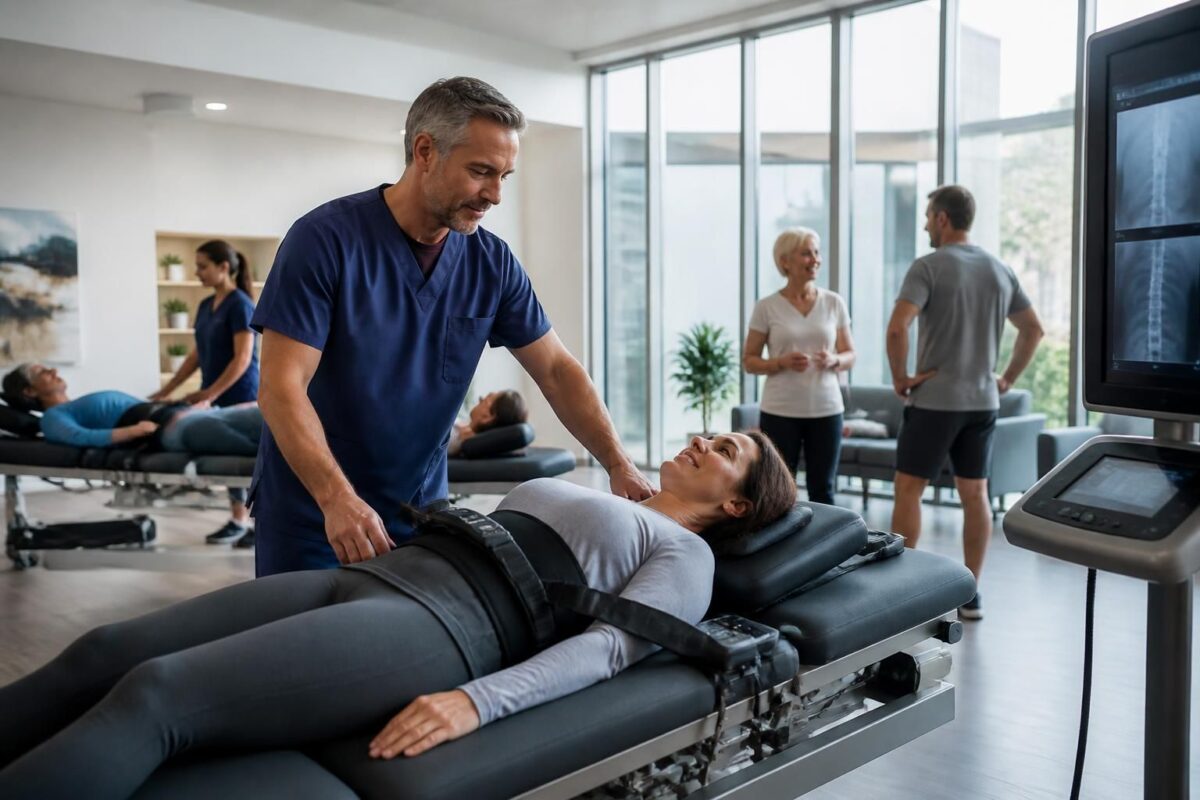
In short
|
The neurovertebral decompression is one Non-invasive approach which aims to relieve back and cervical pain by increasing the space between the vertebrae and reducing the pressure on the Intervertebral discs and the gristle. Its Quick results result in a pain reduction and an Improving mobility After a few sessions, often in a few weeks. This technique is particularly useful for pain related to discs and root syndromes, and it can be an alternative to surgery. At Montreal, This program is recommended for lower back and radicular pain and discal disorders, offering faster recovery and better quality of life without pain. In practice, the treatment is based on a structured plan, regular sessions and monitoring of results to optimize benefits. |
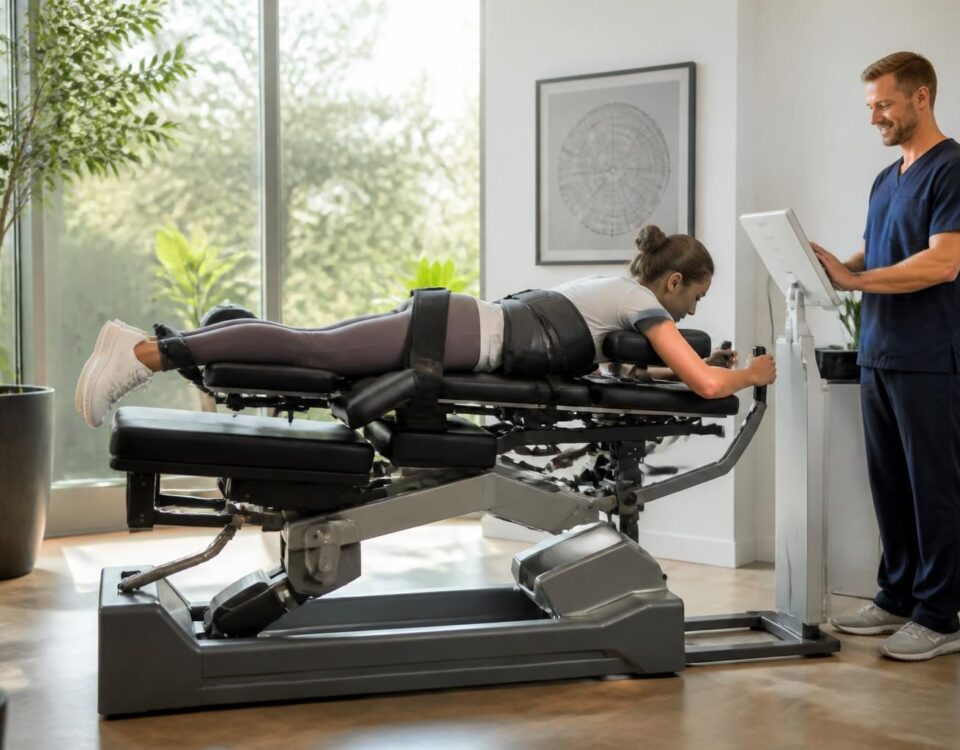
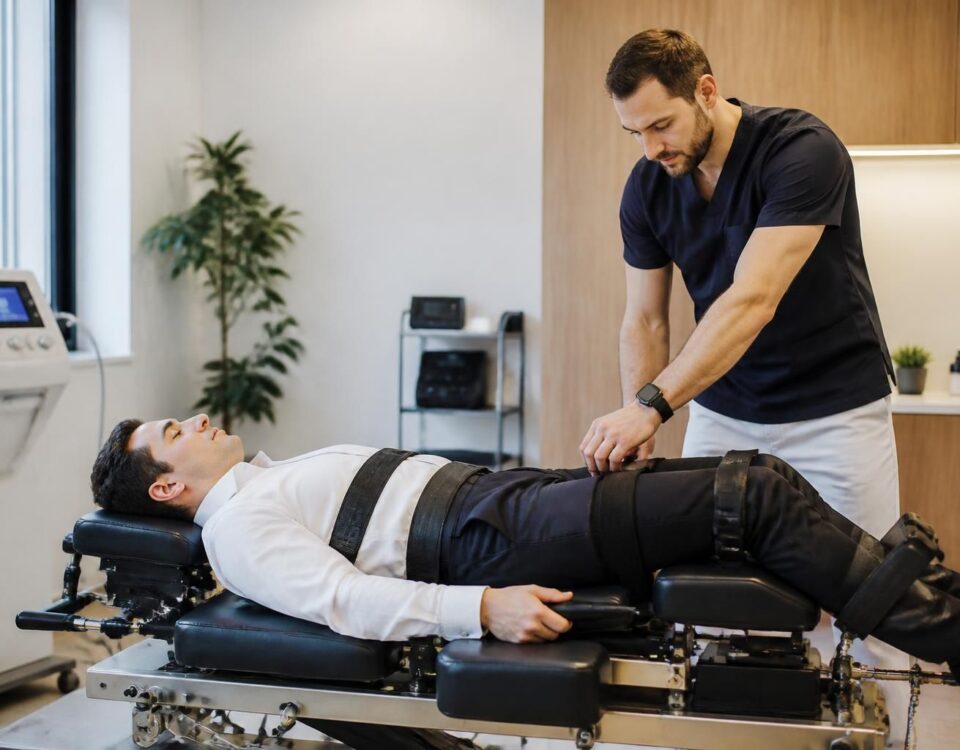
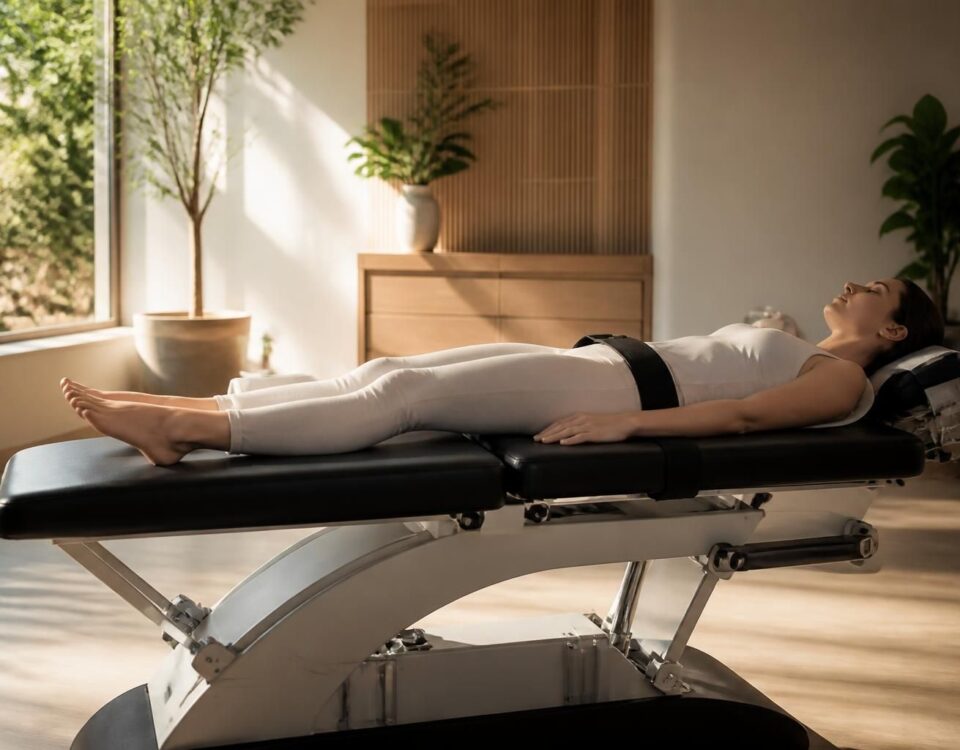
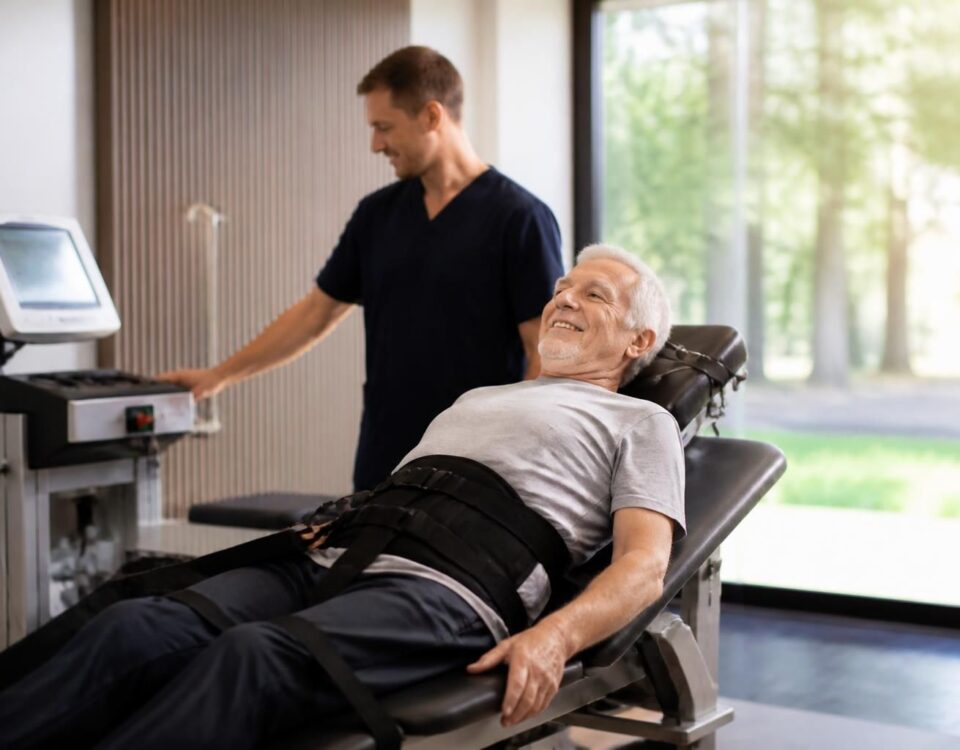
The program of neurovertebral decompression OFFER OF Quick results in pain relief and improved mobility. In practice, this non-invasive approach gently stretches the spine, increases the intervertebral space and reduces pressure on the nerves and discs.
- Rapid pain relief After the first sessions, with notable improvements from the first weeks.
- Improved range of motion and flexibility, decreased stiffness.
- pressure reduction On discs and nerves, promoting recovery and decreased radicular symptoms.
- Improved blood circulation and tissue oxygenation, accelerating the healing process.
- Non-invasive approach With a low risk of complications, to be integrated into a personalized and supervised care plan.
This article presents the quick results observed with a neurovertebral decompression program. It explains the mechanisms, typical delays and clinical benefits, drawing on the clinical experience of Tagmed Clinics and available scientific resources. The goal is to clarify why some patients experience a significant improvement in a few weeks, while highlighting the importance of rigorous medical and osteopathic follow-up.
Neurovertebral decompression is an approach non-invasive which aims to increase the space between the vertebrae. This improvement decreases the pressure on the nerves and intervertebral discs. In practice, patients often experience a rapid pain reduction and an Improving mobility During the program, usually in a few weeks. Early positive results are based on better local blood circulation and decreased stress on nerve tissue.
How quick results manifest
Key mechanisms that explain these early results include:
- Reduction of intradiscal pressure and release of the vertebral space.
- Improved blood circulation in the affected areas, which promotes nutritional intake and tissue detoxification.
- Decreased pressure on the nerve roots, which can reduce radiant symptoms and associated pain.
Clinical trials and patient feedback show that improvements can be seen after a few sessions and are accentuated as the program progresses. To deepen the progress and results, you can consult the following resources: Scientific advances supporting efficiency, Decompression-neurovertebral and circulation, and neck pain. Additional information on quick results and overall benefits is also available via Long-term results.
What patients see quickly
Patients often report a pain reduction and an better tolerance to certain positions in the weeks following the start of the program. They also observe a Improving mobility and an Increased quality of life when treatment is continued under supervision. It is important to note that the results may vary depending on the exact nature of the pathology and the individual response to treatment.
Integration in the care and safety course
The program is designed to be integrated into a global care pathway, involving osteopathy and appropriate medical follow-up. This approach favors an approach progressive and supervised, in order to maximize profits and limit risks. Modern protocols are based on clinical data and feedback, and are accompanied by regular evaluations.
For general resources and feedback, see in particular:
- resources around neurovertebral decompression and posture and the alignment of the spine.
- Communications on results and mechanisms of action published by TagMed and Partners: Scientific advances.
- detailed information available on Tagmed Clinic.
Comparison and therapeutic choices
As part of a care pathway, it may be useful to assess the options available and their relative effectiveness. A Comparative presentation Shows that neurovertebral decompression can offer faster results in some contexts than other non-invasive approaches, and that it differs from traditional approaches. To better understand the differences, you can consult analyzes and syntheses in the following resources:
| Therapy | Rapid efficiency | |
|---|---|---|
| neurovertebral decompression | often fast, observed in a few weeks | non-invasive; Integration into a global care protocol |
| Physiotherapy (general courses) | Variability according to protocols and pathologies | May be useful but may be slower for some spinal conditions |
| Surgical approaches | can bring significant clinical benefits in some cases | more invasive; Higher risks and recovery times |
To deepen perspectives and long-term results, see Long-term results and associated resources on Decompression and circulation.
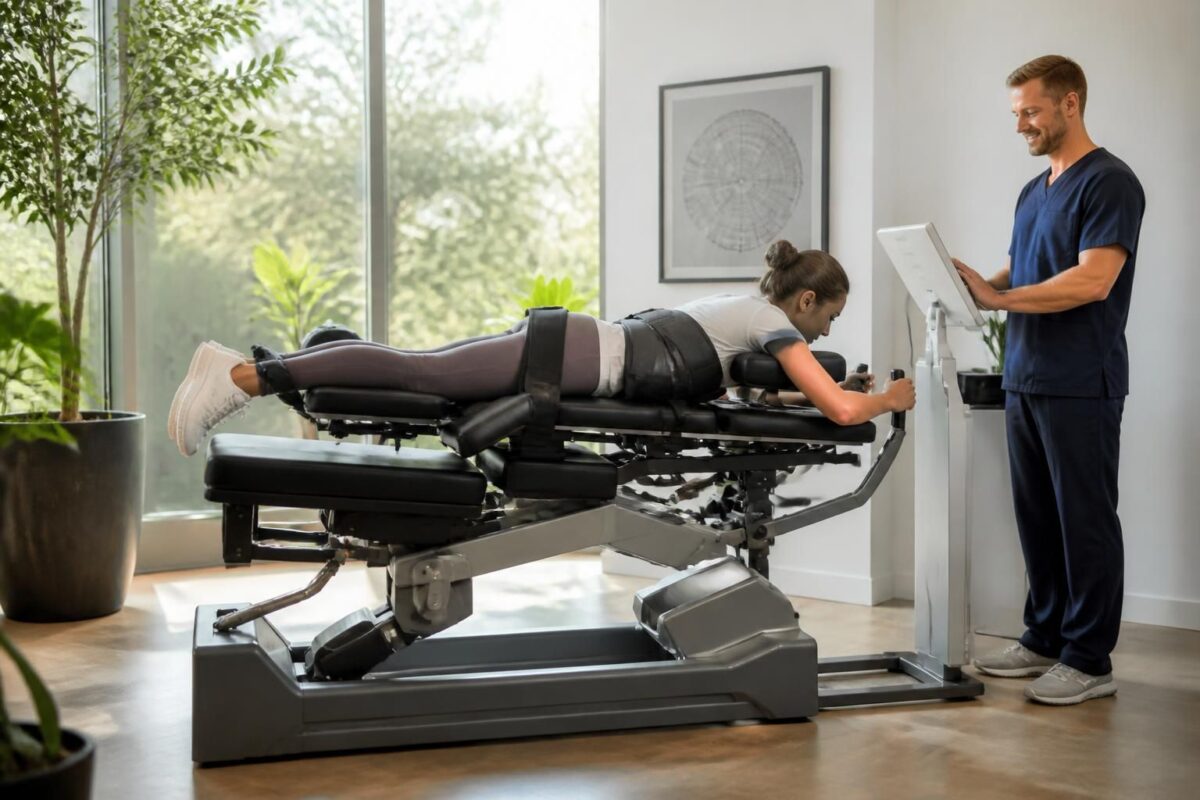
The long-term benefits of neurovertebral decompression for spinal health
In short In short, the neurovertebral decompression is a non-invasive approach that decreases the Pressure on intervertebral discs and nerves, favoring the Natural regeneration and tissue recovery. Its long-term benefits include Lasting pain reduction, Improving mobility and from the posture,…
Resources and training
Professionals who practice neurovertebral decompression rely on recognized training and established clinical frameworks. Among the reference establishments in osteopathy are Numss and NAO, National University of Medical Sciences and National Academy of osteopathy. Within professional organizations, practitioners can find resources and guides to ACMA, College of Canadian Osteopaths and College of Canadian Osteopaths.
For more information on the quick results obtained through this type of program and on the clinical aspects, you can consult the following pages: Rapid clinical results, circulation profit, and neck pain.
Specific resources and clinical cases illustrate the rapid results and mechanisms of action of neurovertebral decompression. To learn more about practical issues and perspectives, visit cervical and Scientific advances.
For information on quick results and approach benefits, also look at the following resources: Posture and alignment, and bloodstream.
Clinique TagMed offers services in this field in Montreal and Terrebonne. For more information and to make an appointment, see Tagmed Clinic.
Additional sources and resources: Scientific advances, Rapid clinical results, circulatory benefit.
Limits and security : The information presented here does not replace individualized medical advice. Follow-up by your doctor and an osteopath is essential to assess the suitability of the treatment for your personal situation..
Medical Disclaimer: The information and advice provided on this site does not replace the health professional’s diagnosis or treatment. Please note that Dr. Sylvain Desforges osteopath is neither a doctor of medicine nor a doctor, and is not a specialist in a medical specialty as defined by the Collège des Médecins du Québec. Manual medicine, functional medicine and sports medicine as described on this site exclude any medical treatment or diagnosis made by a doctor or specialist doctor. Always consult your doctor for any medical questions. For more details, please read our full legal notice.
Observable quick results with a neurovertebral decompression program
- Pain quickly decreased after the first sessions.
- Mobility improved and regained range of motion.
- Comfort Nocturnal and quality of sleep improved.
- Daily activity Easier and back to simple tasks.
- muscle tension Reduced and relaxing feeling.
- Stability and column alignment in progress.
- Functional recovery Faster during moderate physical activities.
- Movement tolerance increased and decreased local inflammation.
- Security of the protocol with little or no adverse effects.
- Accessibility Short sessions (15–30 minutes) and results visible quickly.

This article presents the quick results observed during a neurovertebral decompression program, focusing on the mechanisms, indications and practices that make it possible to obtain significant improvements in a short time. You will discover how this non-invasive approach can quickly decrease pain, restore mobility and accelerate recovery, while integrating into a comprehensive care strategy.

Neurovertebral decompression and mobility: a return to an active life
In short In short, the neurovertebral decompression is therapy non-invasive who uses a gentle traction To create a space between the vertebrae and reduce the pressure on the Intervertebral discs and the nerves. It promotes a bloodstream improved, lowers tension…
Rapid efficiency and mechanisms
Neurovertebral decompression is based on controlled traction that frees the space between the vertebrae, which decreases Pressure on discs and nerves and facilitates local blood flow. This dynamic promotes oxygenation and the nutritional intake of tissues, accelerating regeneration and reduction of inflammation. In the first few weeks, many patients experience rapid pain reduction and an Improving mobility, which allows them to resume usual activities more quickly. The objective is to obtain perceptible functional gains from the first sessions, while preparing the ground for lasting results.
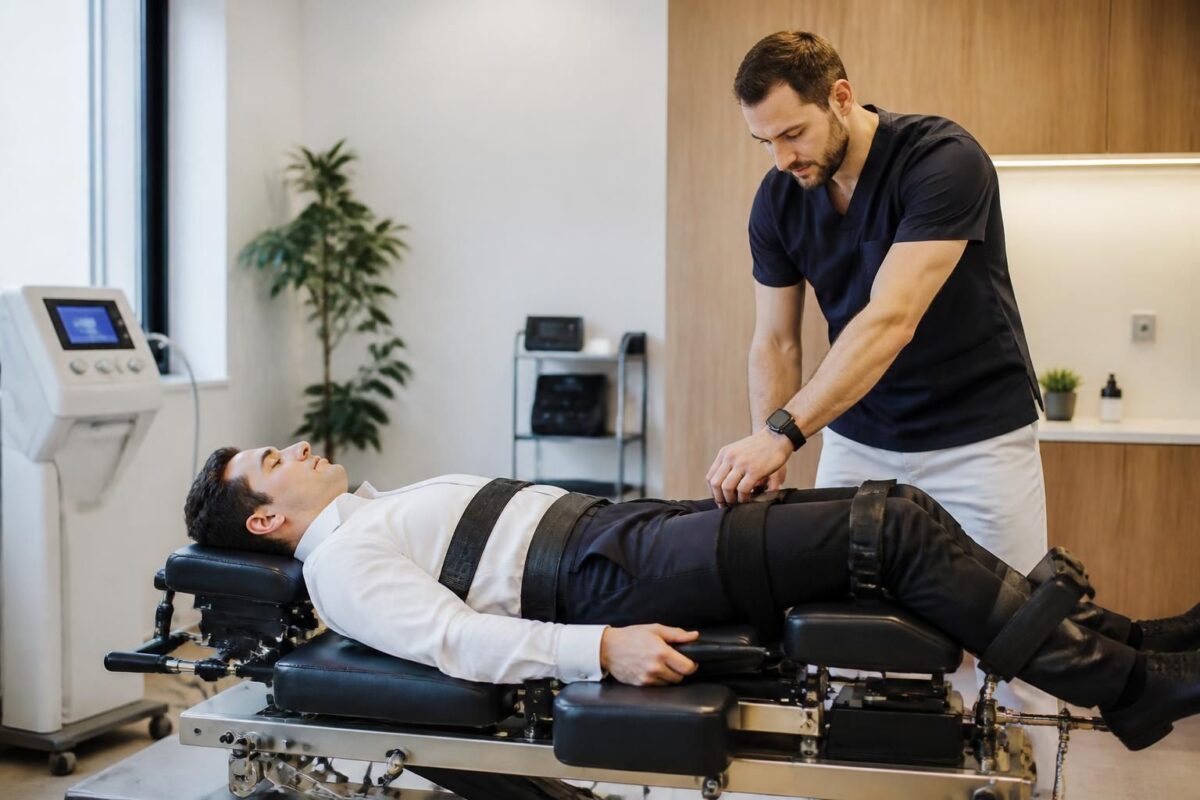
How Neurovertebral Decompression Prevents Diffuse Chronic Pain
In short decompression neurovertebral is one Non-invasive method aimed at reducing the Pressure on the intervertebral discs and the nerves, in order to prevent Diffuse chronic pain. It improves the circulation and thedisc hydration, decreases inflammation and promotes better mobility.…
Selection criteria and favorable conditions
This type of treatment is particularly suitable for pain related to intervertebral discs, radiculopathies and certain forms of low back pain or cervicalgia without significant instability. A Personalized evaluation is essential to confirm the adequacy of the protocol and adjust the parameters. Potential contraindications must be identified upstream, in order to guarantee an approach secure and adapted. Clearly, the best candidates benefit from a program adapted to their condition, their history and their functional objectives.
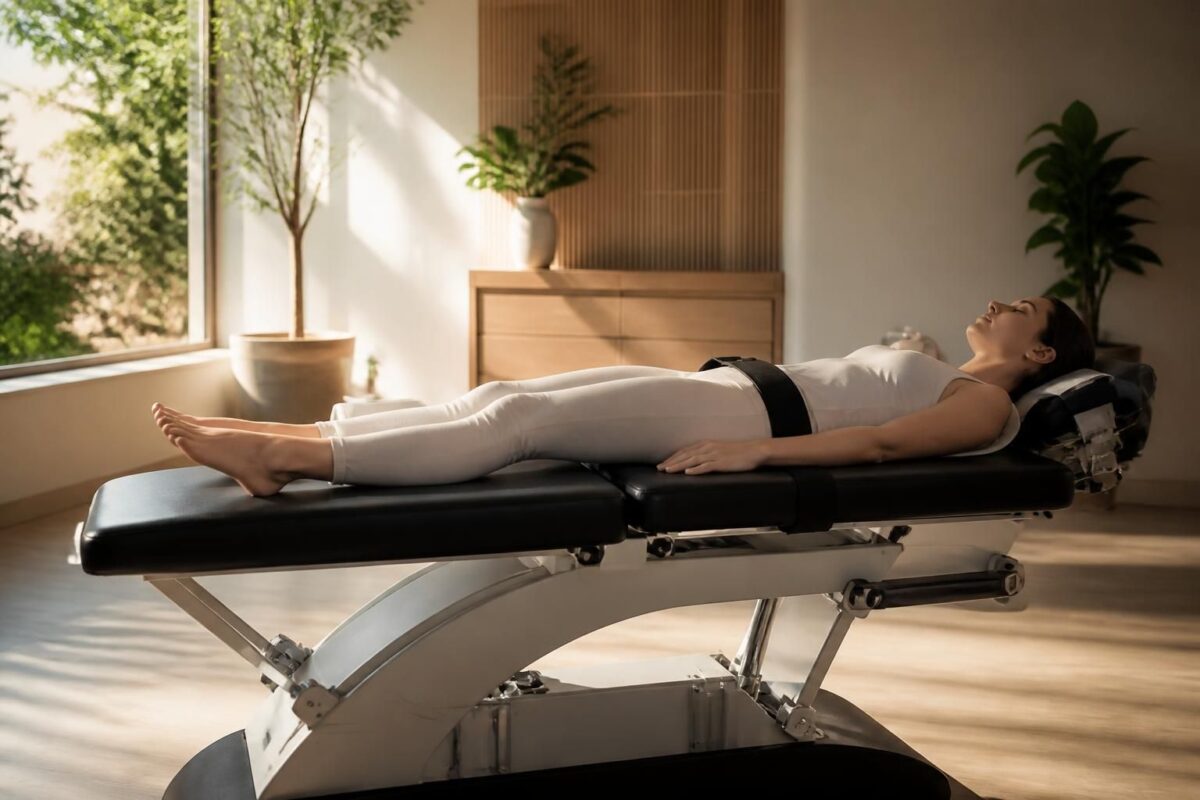
Neurovertebral Decompression and Body Alignment: Restoring Natural Balance
In short In short, neurovertebral decompression is one Non-invasive approach who restores theBody Alignment and thenatural balance back and neck. She acts by a Controlled traction of the spine to widen the intervertebral space and reduce the Pressure on discs…
Treatment plan and speed of results
Typical treatment plan
A typical program includes between 15 and 25 sessions, each for approximately Between 15 and 30 minutes, spread over several weeks. The progression is adapted to the patient’s tolerance and progress, starting with gentler sessions and gradually increasing the amplitude and duration of the exercises. This progressive approach aims to obtain Quick results while avoiding overload and minimizing risks.
What Progress Measures
Rapid improvements are observed on several clinical indicators: Reduced pain, Improved range of motion, and Better quality of life. Regular follow-ups make it possible to assess functional gains, adjust the plan and prevent relapses. The objective is to transform the first signs of improvement into lasting results, by associating decompression with targeted exercises and appropriate ergonomics.
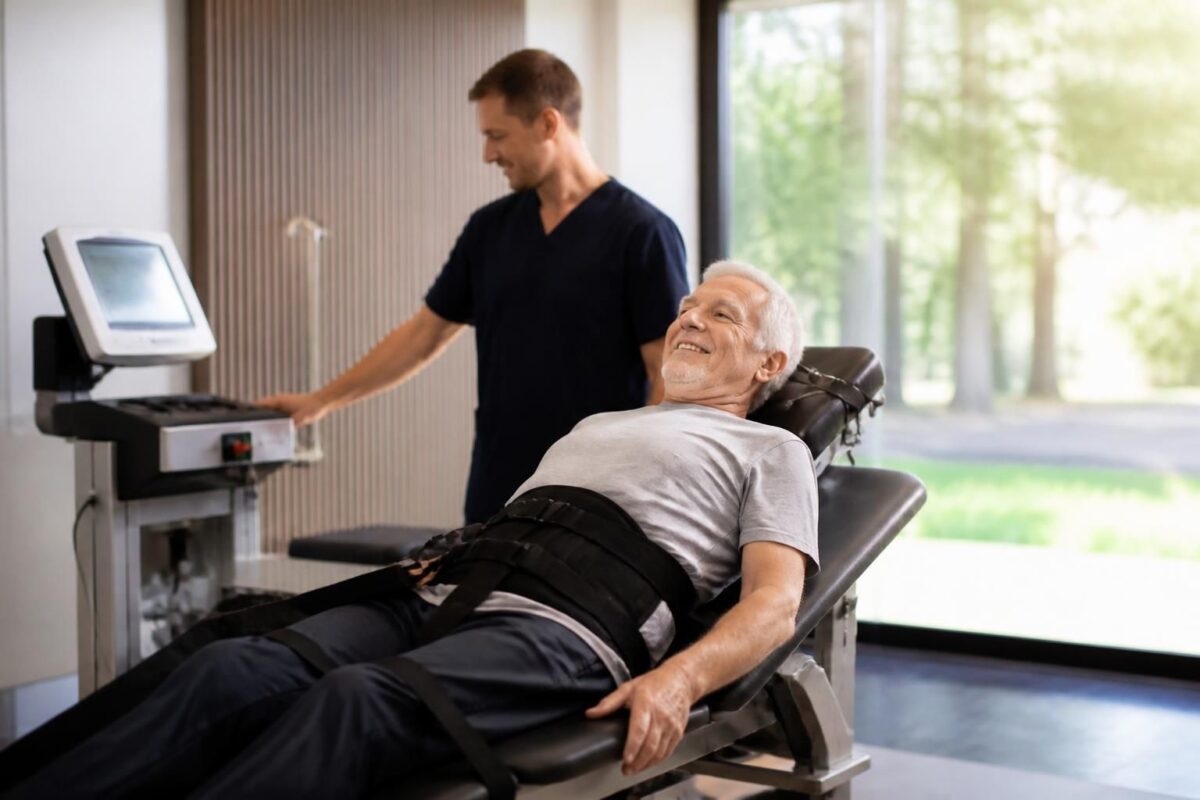
Why neurovertebral decompression is a lasting solution for active seniors
In short In short, the neurovertebral decompression is one Non-invasive therapy which sustainably relieves spinal pain in the spine active seniors By creating, by a Soft and controlled traction, a space between the vertebrae. At Montreal, it is recognized as…
Integration into the care pathway
To maximize efficiency and extend benefits, the program integrates with a global protocol including specific exercises, ergonomic advice and active monitoring. The alliance between decompression, adapted manual therapy and progressive physical activity promotes faster recovery and better exercise tolerance. Regular monitoring and smooth communication between the patient and the healthcare team are essential pillars to maintain the gains and prevent recurrences.
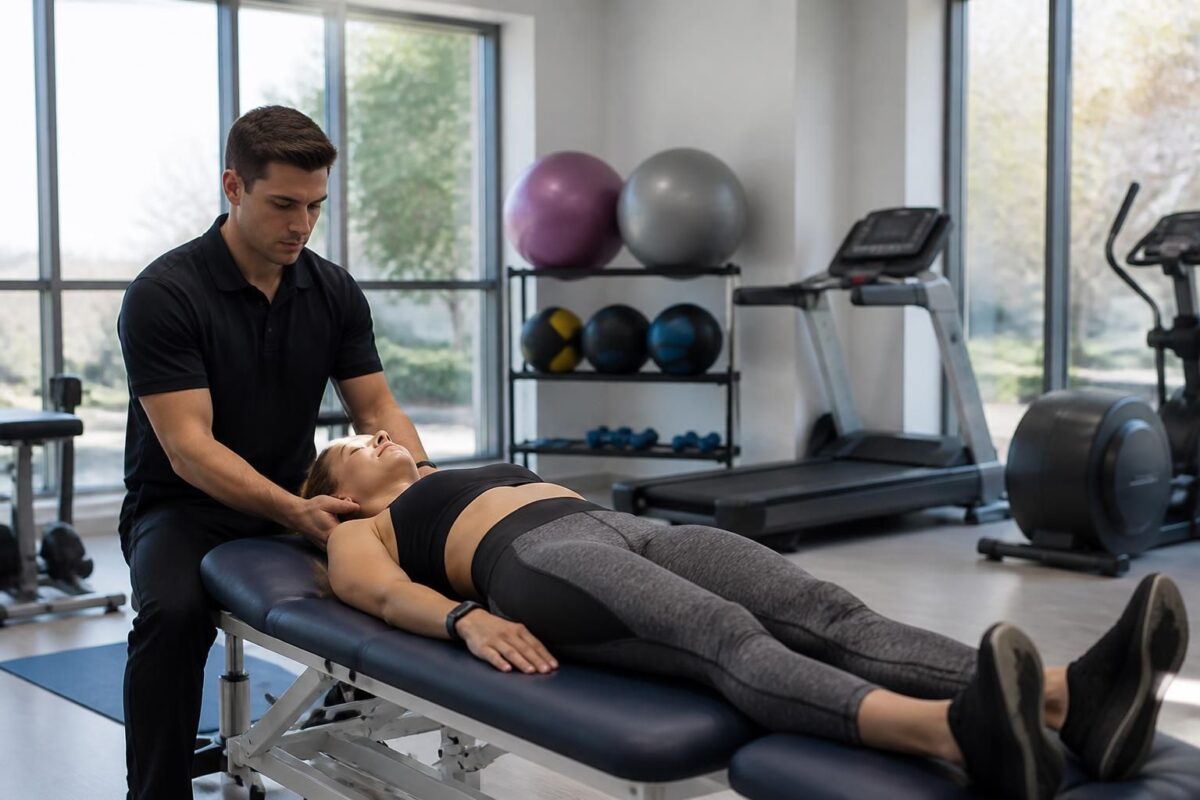
Neurovertebral decompression and recovery after severe sports injury
In short In short, the neurovertebral decompression is one Non-invasive method to Relieve the pressure on the Intervertebral discs and the gristle Via a Controlled traction, to facilitate the recovery After a severe sports injury. It improves the bloodstream towards…
Quick results obtained with a neurovertebral decompression program
| Parameter | swift result |
|---|---|
| Overall pain | Significant decrease After the first sessions, immediate comfort. |
| irradiated pain | Mitigation irradiated pain after 1 to 2 sessions. |
| Mobility | Improvement amplitude of motion after 2 to 3 weeks. |
| nervous pressure and disc | Reduction pressure on the nerves and better disc hydration. |
| Posture and alignment | Best alignment and decrease in postural tension. |
| Daily activity | Increased comfort in daily gestures and less pain at the end of the day. |
| Sleep and energy | Improved sleep and regained energy. |
| Tolerance and safety | good tolerance and security treatment, few side effects. |
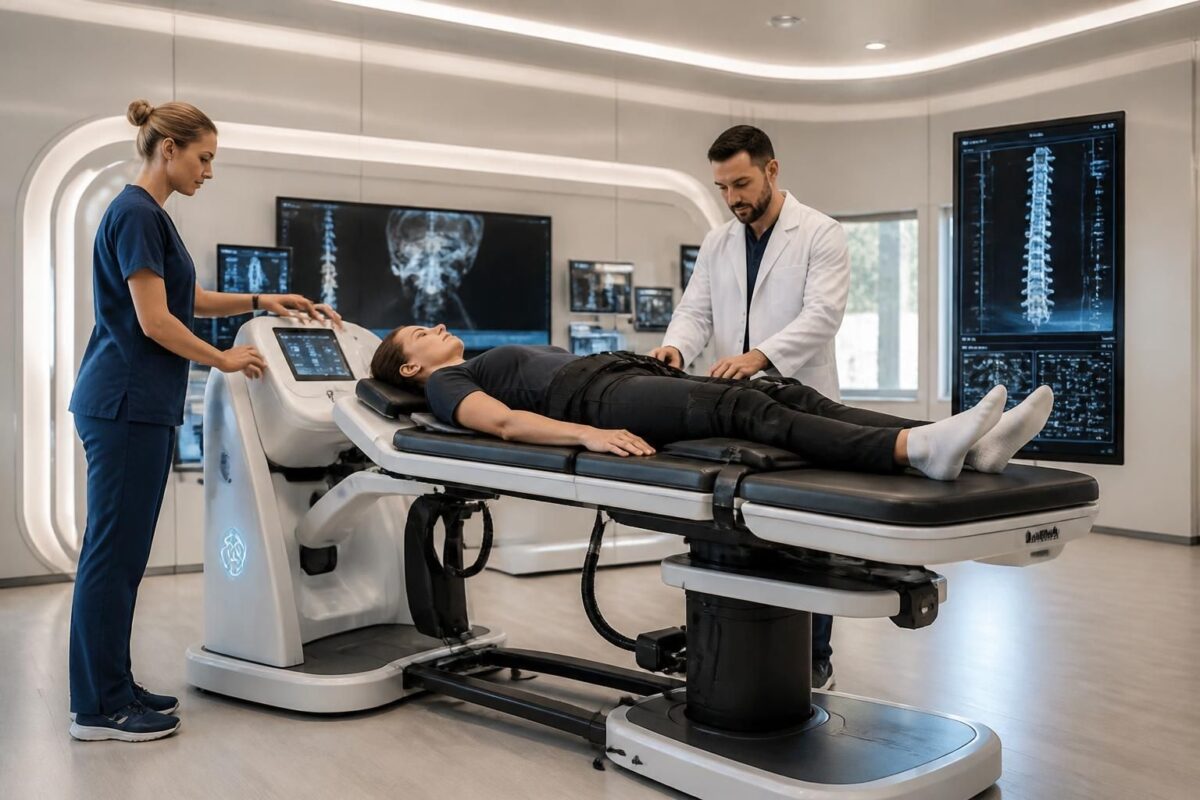
Recent innovations in neurovertebral decompression technologies
In short In short, the neurovertebral decompression is an approach non-invasive Aiming to reduce pressure on discs and nerves, and promote tissue regeneration. At Montreal, it is positioned as an effective option for lower back pain and herniated discs. The…
Testimonials on the quick results of the neurovertebral decompression program
Marie D., 46 years old: “From my first session, I felt a rapid pain reduction And a feeling of relief in the lower back. After three sessions, my mobility improved significantly and I was able to resume my daily activities without pain. »
Jean L., 52 years old: “In a week, I saw a Significant decrease in pain and an posture improvement. The program is non-invasive And the sessions are short, which allowed me to continue my work without interruption. »
Lucas M., 29: “As an athlete, I had lower back pain that slowed my performance. After 4 sessions, The pain decreased rapidly And I was able to go back to training with a Best recovery and an Improving mobility. »
Sophie R., 60 years old: “The program allowed me to feel A quick relief and Better flexibility After only a few sessions. It made me want to resume my walking activities and garden without limiting my actions. »
Éric T., 40 years old: “I had persistent pain linked to a herniated disc. From the first sessions, I felt a Reduced nerve pressure and an Pain becoming more manageable. In a short time, I was able to Resume my professional activities Normally. »
Alice G., 35: “The program is fast and effective. In 2 weeks, my Radiant pain fell and my quality of life improved, which gave me confidence to continue the sessions until the end. »
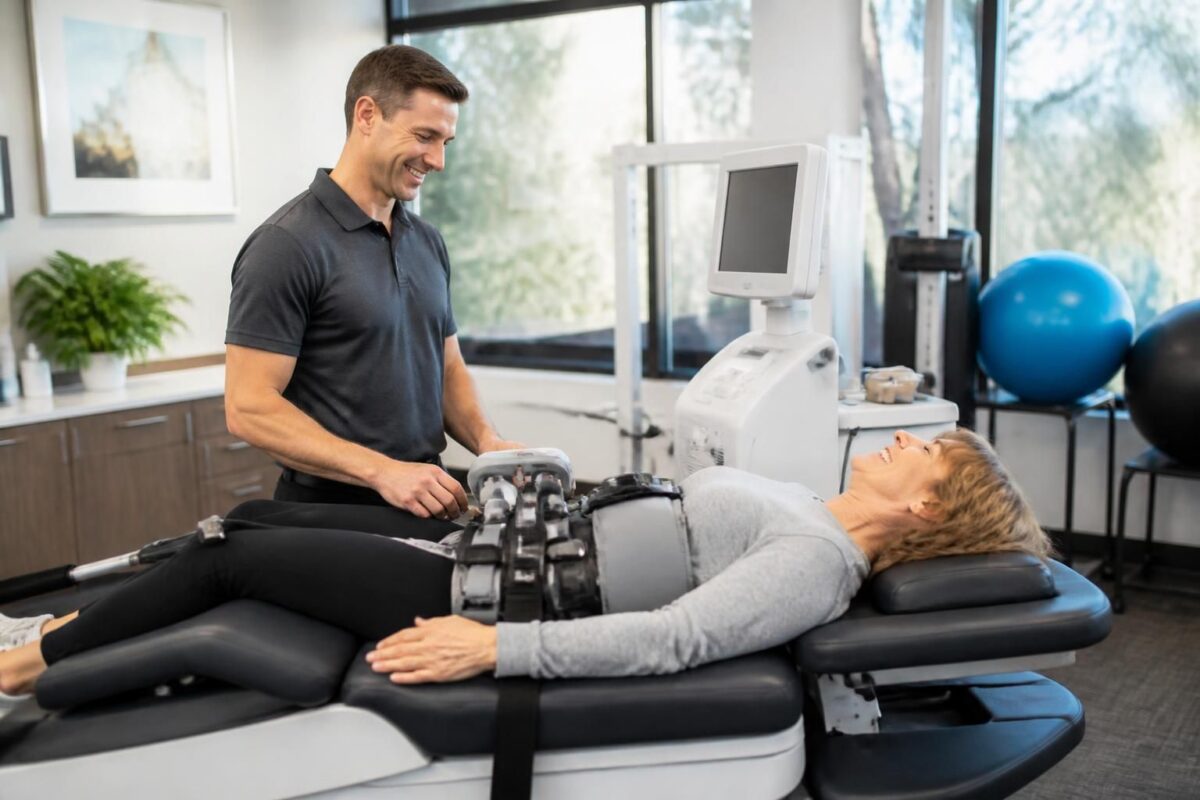
Neurovertebral decompression and diffuse pain: an appropriate solution
In short In short, the neurovertebral decompression is one Non-invasive solution For diffuse pain related to nerve irritation of the spine. She acts in Reducing pressure on intervertebral discs and nerves and improving the bloodstream, which promotes recovery and the…
Quick results with a neurovertebral decompression program
Dr. Sylvain Desforges, osteopath and naturopath, stands out for his commitment to health innovation and a patient-centric approach. President and founder of the TAGMED clinics and the ACMA association, he has developed a program of neurovertebral decompression which produces results rapid In many patients with lower back, cervical or root pain. Its objective is to offer evidence-based care, combining safety, efficiency and customization to optimize quality of life.
Neurovertebral decompression acts by reducing the Intradiscal pressure and increasing the space between the vertebrae. This gentle and controlled traction promotes the delivery of resources to the discs, improves tissue oxygenation and releases compressed nerves. As a result, pain can decrease more quickly than with symptomatic treatments, mobility improves and radicular symptoms decrease. This mechanism explains why many patients experience a Significant improvement from the first weeks, with functional gains that are strengthened as the treatment progresses.
The course begins with an in-depth clinical evaluation and, if necessary, additional examinations to specify the specific context and needs of the patient. On this basis, Dr. Desforges develops a personalized plan, focused on sessions of Non-invasive decompression Typical duration of 15 to 30 minutes, associated with rehabilitation exercises and ergonomic advice. The protocol can extend over several weeks and include gradual progression, with regular adjustments based on observed progress and patient feedback. This integrated approach aims to accelerate recovery while solidifying the bases to prevent recurrences.
Patient testimonials illustrate the effectiveness of this program. Many people report a rapid pain reduction After a few sessions and a Improved range of motion which allows them to resume their daily and professional activities more comfortably. In athletes and working people, decompression promotes Faster recovery After lumbar injuries and more effective fitness, contributing to painless return to training and with better exertion tolerance.
In a continuous improvement perspective, Dr. Desforges often incorporates complementary technologies such as laser and shockwave therapy to enhance the effects of decompression and propose a comprehensive and personalized. This synergy not only makes it possible to obtain Quick results But also to sustainably improve spinal stability and posture, thus participating in a better overall function of the body and a better quality of life on a daily basis.
This short summary highlights the Quick results observed with a neurovertebral decompression program: a rapid pain reduction, a Improving mobility and a resumption of daily activities in a few weeks, thanks to an approach non-invasive that frees the intervertebral space and adjusts pressure on the nerves and discs.
The Quick results Reported during the first weeks of treatment testify to a significant painful relief and a functional revival, often perceptible from the very first series of sessions and reinforced as the program progressed. patients describe a pain reduction and a better mobility Lumbar and cervical, which results in a resumption of activities that were difficult or impossible before treatment.
The decompression mechanism of action facilitatesColumn controlled stretch and theIncreased disc space, which decreases the nerve pressure and improves the bloodstream around the discs. This dynamic supports the Tissue rehabilitation And explains the rapid improvements observed, especially in radicular pain and muscle spasms. For summaries and clinical results, see the resources describing the Studies#ATFP_CLOSE_TRANSLATE_SPAN# Clinics and the Protocols#ATFP_CLOSE_TRANSLATE_SPAN# Current and Efficiency.
security and character non-invasive of this protocol make it an attractive option in the face of heavier surgical procedures. The Results#ATFP_CLOSE_TRANSLATE_SPAN# Expected after a program Show that the benefits can be sustained in working life, with a reduction in symptoms and an improvement in posture and function.
An effective program is based on a personalization and appropriate progression, generally around 15 to 25 sessions depending on the case. For long-term benefits and prevention strategies, refer to resources on Benefits#atfp_close_translate_span# Long term and on the Relapses#atfp_close_translate_span# and prevention.
To explore the practical aspects and observed results, consult the following resources: Protocols#ATFP_CLOSE_TRANSLATE_SPAN# Current and Efficiency, Studies#ATFP_CLOSE_TRANSLATE_SPAN# Clinics, Protocols#atfp_close_translate_span# Custom, Role#ATFP_CLOSE_TRANSLATE_SPAN# of an expert, and Health#ATFP_CLOSE_TRANSLATE_SPAN# Overall back. These resources illustrate how rapid results are part of a therapeutic approach supported by clinical data.

Dr Sylvain Desforges, B.Sc., D.O., N.D., osteopath, is the founding president of TAGMED and of the ACMA association. He dedicates his practice to chronic spinal pain, low back pain and symptoms compatible with sciatica, particularly when pain radiates toward the buttock, leg, calf, foot or toes.
Through SOS Sciatique, he publishes educational content on sciatica symptoms, possible causes such as disc herniation, disc narrowing, foraminal stenosis or irritation of a lumbar nerve root, as well as non-surgical approaches that may be considered according to the evaluation. At Clinique TAGMED, care may include, depending on the case, motorized neurovertebral decompression, specific osteopathic care or precision percussion.
For an evaluation related to sciatica treatment in Montreal / Mount Royal or sciatica treatment in Terrebonne, please consult the services available at Clinique TAGMED.
Medical disclaimer
The information published on SOS Sciatique is provided for educational purposes only and does not replace a consultation, diagnosis, opinion or treatment provided by a physician or another authorized healthcare professional. The author of this article is neither a medical doctor nor a specialist in a medical specialty recognized by the Collège des médecins du Québec. The osteopathic, manual medicine or functional support approaches described on this site do not constitute medical acts and are not intended to replace medical follow-up.
Consult a physician or emergency service in cases of loss of bladder or bowel control, anesthesia in the saddle area, significant or progressive weakness in the leg or foot, fever, recent trauma, severe pain or rapid worsening of symptoms. For more details, please read our Legal Notice.