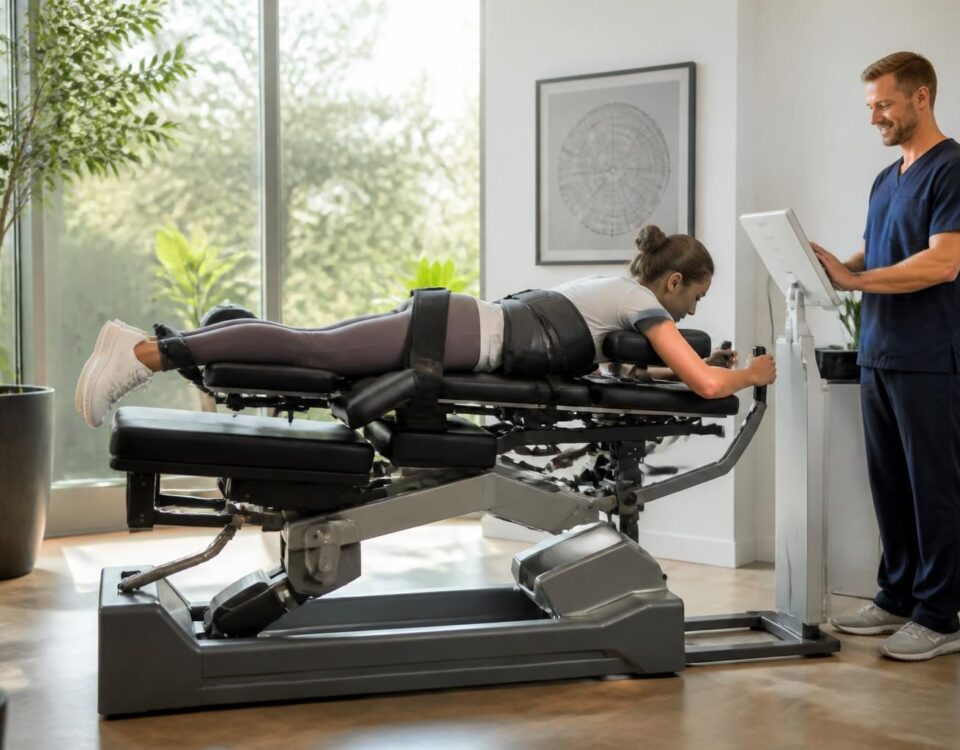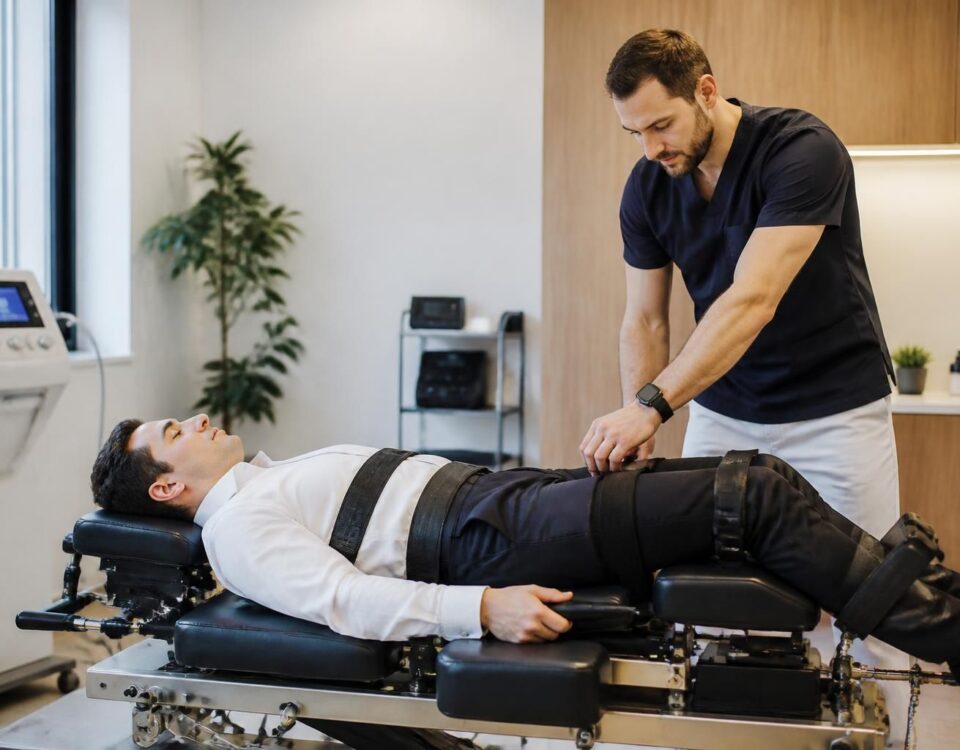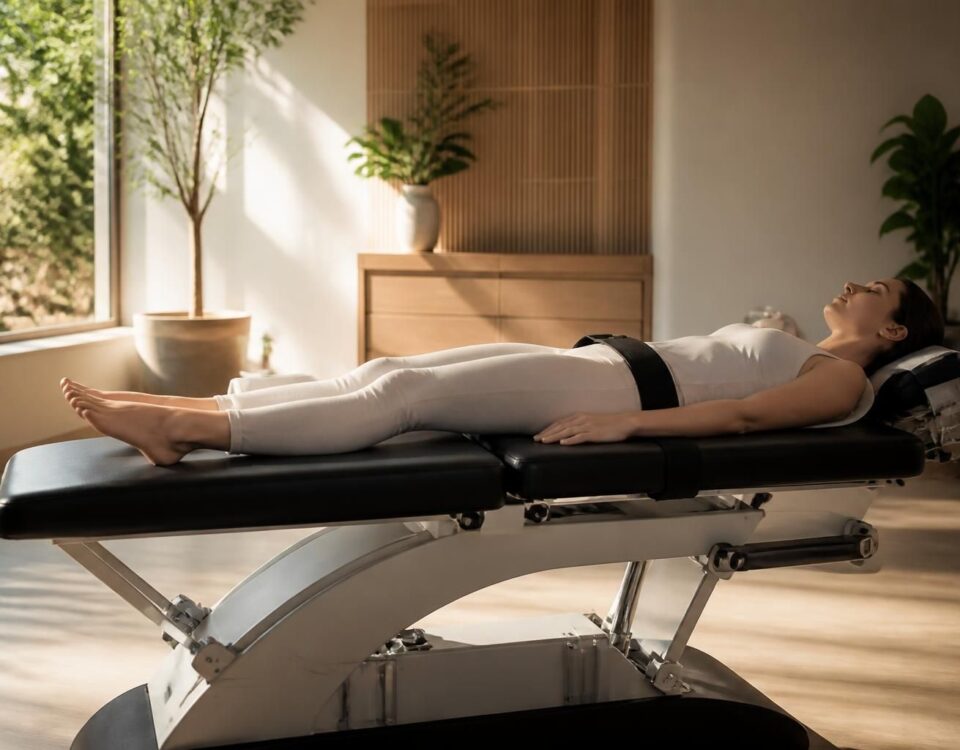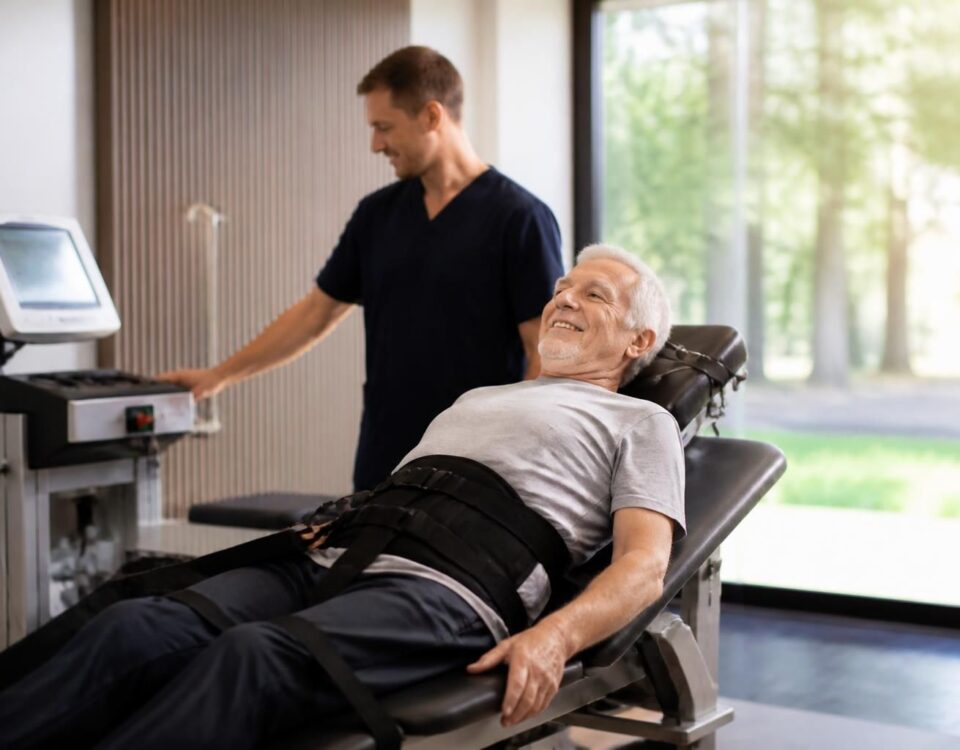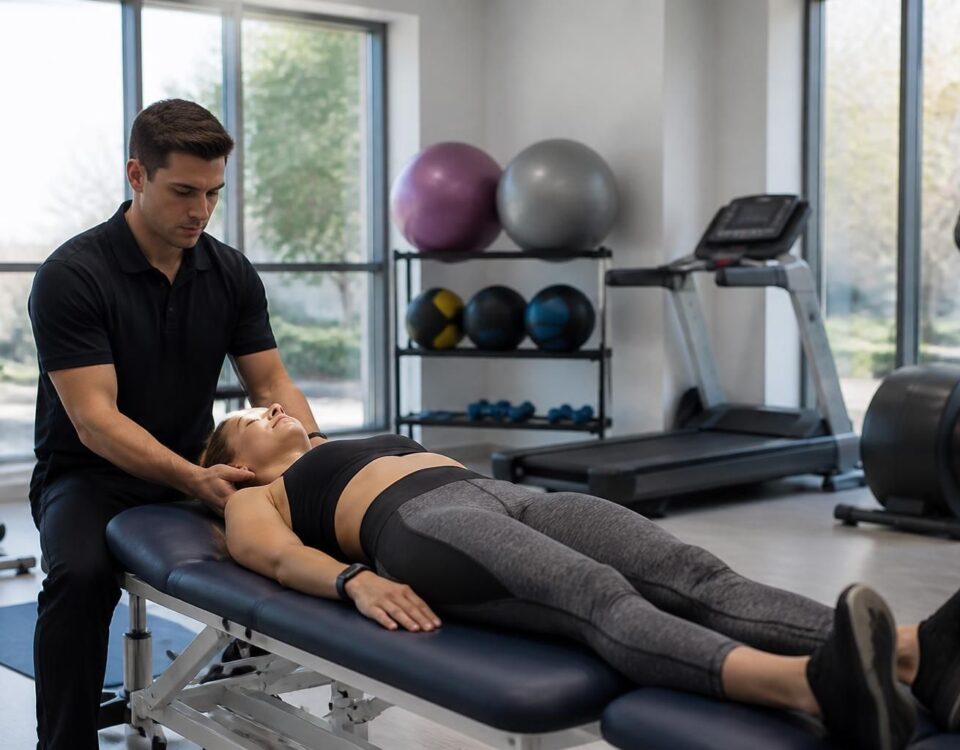
Quick results obtained with a neurovertebral decompression program
26/06/2026
Why neurovertebral decompression is ideal for sedentary workers
26/06/2026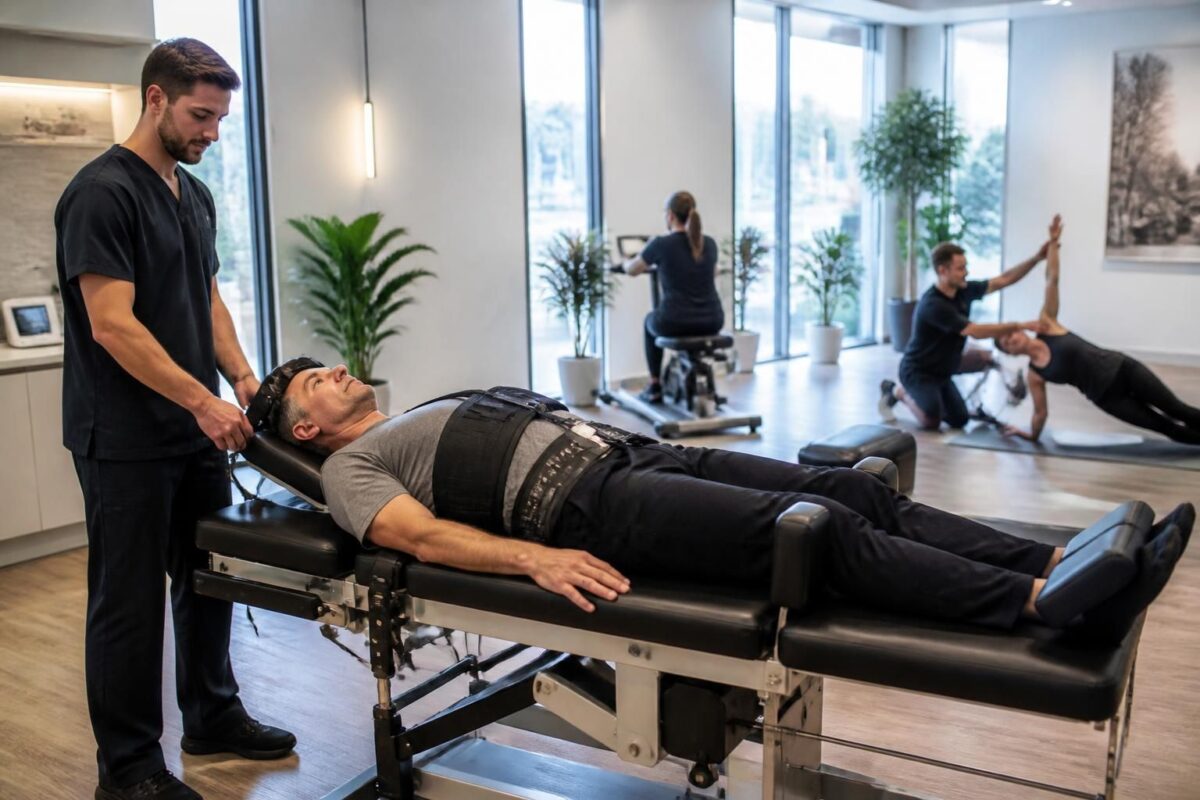
In short
| The neurovertebral decompression is one Non-invasive method aimed at reducing pressure on the intervertebral discs and nerves to relieve the back pain and the Muscle tensions. Its advantages include a mobility improved, a relief pain and a bloodstream optimized, all without surgery and with Sustainable results. At Montreal, this service is particularly recommended for chronic lower back pain and stiffness. Operation is based on a Controlled traction that creates a space between the vertebrae, releases the surrounding muscles and restores thealignment, facilitating a rapid resumption of activities and a better quality of life. |
neurovertebral decompression is an approach non-invasive aimed at relieving Muscle pain and tension related to the spine.
It is based on a gentle traction which creates a space between the vertebrae and decreases the Pressure on the intervertebral discs and the gristle.
Key effects include a Better blood circulation, a Muscular relaxation and an Improving mobility, with results durable.
Integrated into a Holistic rehabilitation plan, This method can help prevent relapses and promote an active life without surgery.
This summary explains how the neurovertebral decompression can reduce Muscle tensions and improve mobility. It describes the mechanism, the observed benefits and the indication conditions. She insists on prior medical assessment and the evidence-based approach, within the framework of TagMed Clinics.
Principle and mechanism
The neurovertebral decompression Applies a gentle traction on the spine. This action creates a space between the vertebrae and decreases the pressure on the discs and nerves. This pressure reduction improves blood circulation and contributes to the relaxation of the muscles surrounding the spine.
Impact on muscle tension
By lowering nerve pressure, the muscles close to the spine relax. This relaxation reduces spasms and facilitates smoother and more comfortable movements.
Benefits and expected results
- Rapid relief from muscle tension pain
- Increased range of motion
- Restoring alignment and posture
- Improved circulation and tissue nutrition
- Prevention of relapses and improvement of the quality of life
Integration into a care plan in TagMed
Decompression can be integrated into a global care pathway. At Tagmed Clinic, it is offered on the Montreal and Terrebonne sites in addition to other evidence-based approaches. The coordinated use of complementary techniques aims to optimize results while ensuring patient safety. To learn more about our approach, see Tagmed Clinic.
Training, ethics and associations
Professionals working in osteopathy and current medicines are trained in particular at NUMSS, NAO, National University of Medical Sciences and National Academy of osteopathy. Relevant professional associations include ACMA, College of Canadian Osteopaths and College of Canadian Osteopaths.
Recommended resources and readings
To deepen the mechanisms and protocols, you can consult the following specialized resources, favoring the sites below when relevant:
- Disc hernia and neurovertebral decompression
- Sciatica tension and pain
- How does neurovertebral decompression work?
- For athletes
- After a sports injury
- Carpal tunnel and decompression
- Neurovertebral Decompression (Encyclopedia)
- Tagmed Clinic
Medical Disclaimer: The information and advice provided on this site does not replace the health professional’s diagnosis or treatment. Please note that Dr. Sylvain Desforges osteopath is neither a doctor of medicine nor a doctor, and is not a specialist in a medical specialty as defined by the Collège des Médecins du Québec. Manual medicine, functional medicine and sports medicine as described on this site exclude any medical treatment or diagnosis made by a doctor or specialist doctor. Always consult your doctor for any medical questions. For more details, please read our full legal notice.
- Controlled traction: Creates a space between the vertebrae and reduces the pressure on the discs and nerves.
- Muscle relaxation: Releases tension around the column, for lasting relief.
- traffic improvement: Better irrigation of muscle and nervous tissue.
- Spinal alignment: Restores posture and optimizes mobility.
- Prevention of recurrences: Structural stabilization that limits recurrent pain.
- Sustainable flexibility and mobility: Continuous gains thanks to pressure reduction and muscle firming.
- pain relief: decrease in Chronic pain and consolidation of improvements.
- Active lifestyle: Gradual return to activities and sport without pain.
- Holistic integration: complement with osteopathy, naturopathy and rehabilitation.
- Education and self-maintenance: Postural advice and simple exercises to maintain the results.
- Personalized follow-up: Regular adjustments to maintain and optimize gains.

Neurovertebral decompression provides a lasting pathway to calm spine-related muscle tension. By promoting gentle traction that frees the space between the vertebrae, this approach reduces the pressure on the discs and nerves, improves circulation and allows deep muscle relaxation. Used in a global approach, it can contribute to regained mobility and lasting pain reduction without surgical recourse.
Understanding decompression and its lasting effects
The key to this approach is a Controlled traction which creates a space between the vertebrae. This action decreases the pressure on the intervertebral discs and on the nerves, which results in a Improving mobility and a decrease in pain related to muscle tension. Over the course of the sessions, the muscles surrounding the spine can relax, which reinforces the gains in flexibility and functionality.
Beyond immediate relief, decompression promotes bloodstream More effective in the targeted area, bringing essential nutrients and oxygen to tissue repair. This better tissue irrigation supports natural healing mechanisms and helps prevent relapses when the approach is integrated into an appropriate rehabilitation program.
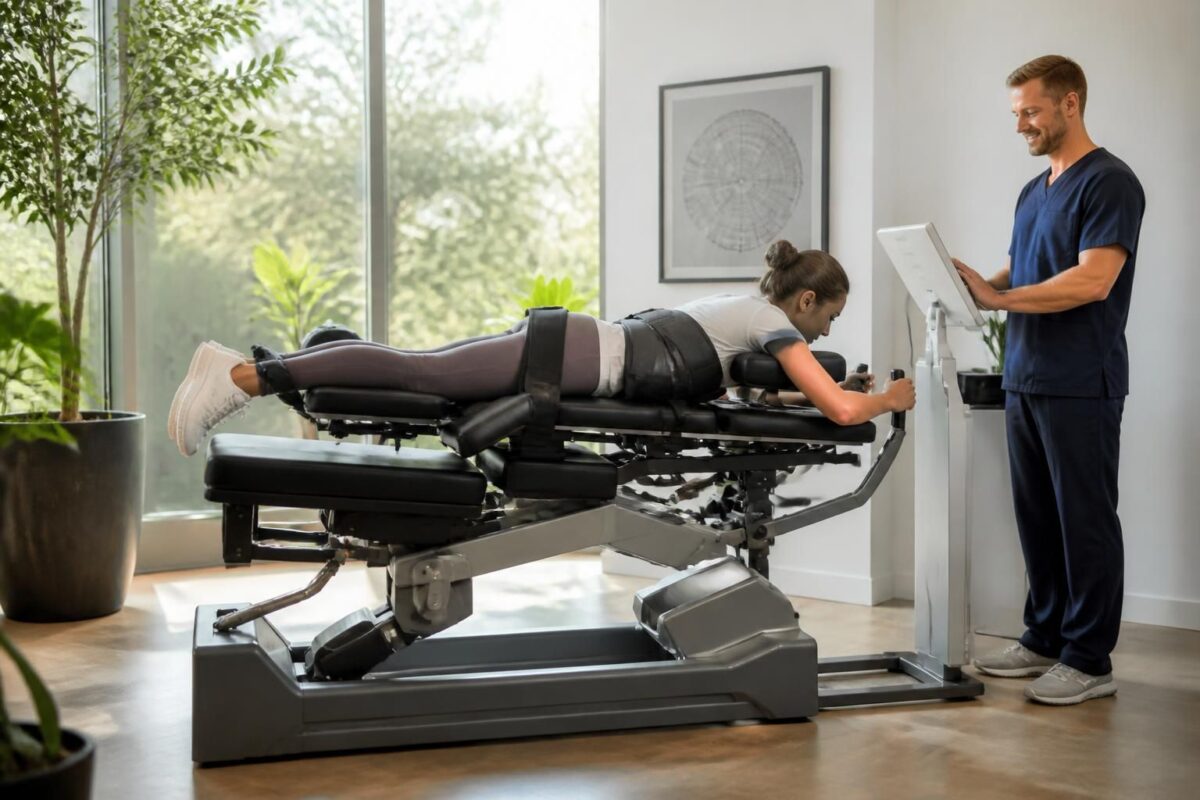
The long-term benefits of neurovertebral decompression for spinal health
In short In short, the neurovertebral decompression is a non-invasive approach that decreases the Pressure on intervertebral discs and nerves, favoring the Natural regeneration and tissue recovery. Its long-term benefits include Lasting pain reduction, Improving mobility and from the posture,…

Neurovertebral decompression and mobility: a return to an active life
In short In short, the neurovertebral decompression is therapy non-invasive who uses a gentle traction To create a space between the vertebrae and reduce the pressure on the Intervertebral discs and the nerves. It promotes a bloodstream improved, lowers tension…
Muscle tension to lasting solutions
Muscle tension around the spine does not disappear durably without addressing spinal imbalances and posture. Neurovertebral decompression acts directly on these factors by restoring a more effective alignment and decreasing the reflex muscle stresses that maintain pain.
To consolidate the results, it is recommended to associate this technique with targeted exercises and additional interventions where relevant. This synergy not only improves mobility and reduces current tensions, but also strengthens the muscle supports and optimizes posture on a daily basis.
Integration with other therapies
A complete approach can combine osteopathy, manual therapies and complementary technologies such as laser or shockwave therapies. This integration aims to treat both the source, pain mechanisms and fitness, for a pain management» and an Sustainable functional recovery.
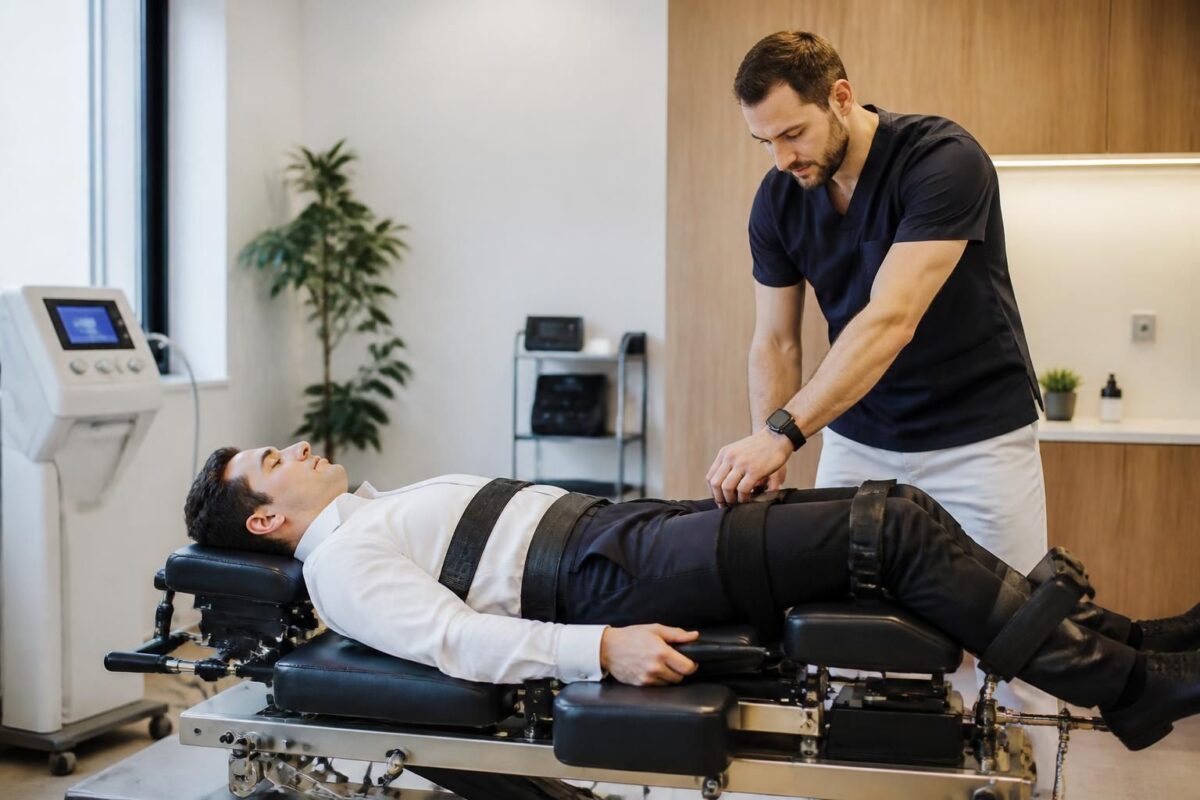
How Neurovertebral Decompression Prevents Diffuse Chronic Pain
In short decompression neurovertebral is one Non-invasive method aimed at reducing the Pressure on the intervertebral discs and the nerves, in order to prevent Diffuse chronic pain. It improves the circulation and thedisc hydration, decreases inflammation and promotes better mobility.…
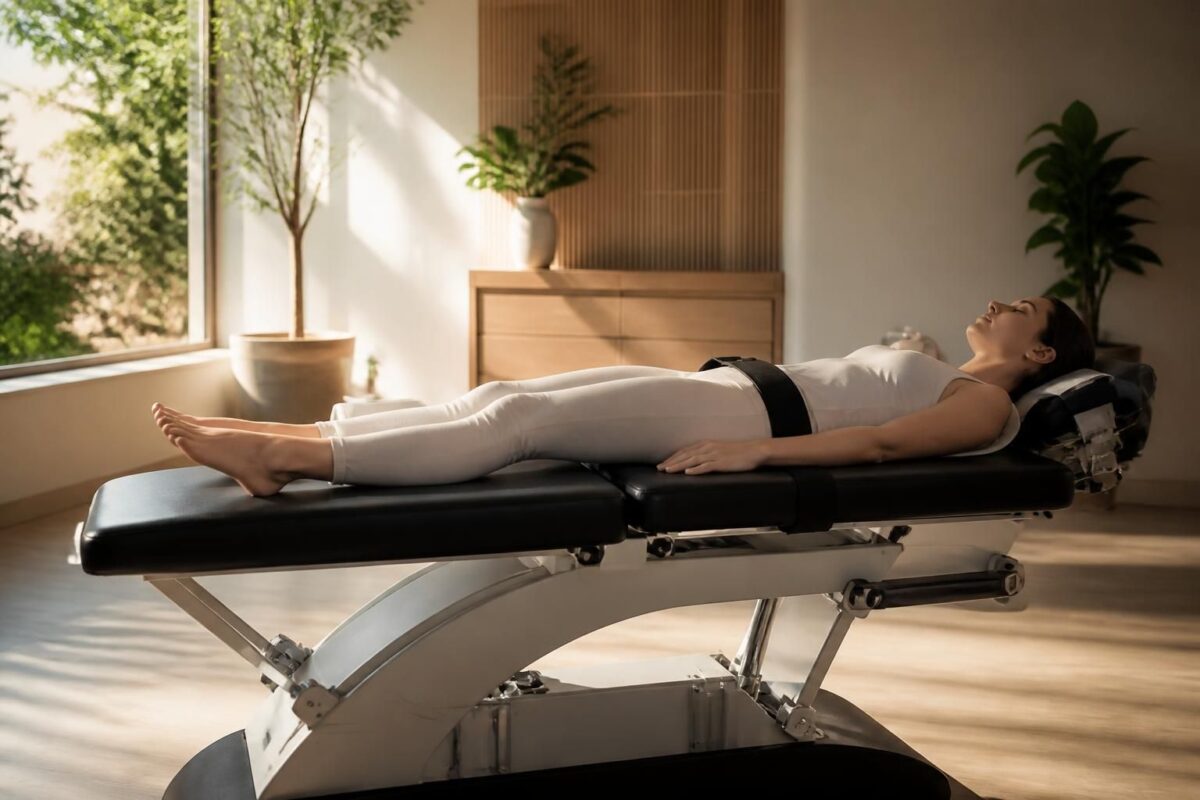
Neurovertebral Decompression and Body Alignment: Restoring Natural Balance
In short In short, neurovertebral decompression is one Non-invasive approach who restores theBody Alignment and thenatural balance back and neck. She acts by a Controlled traction of the spine to widen the intervertebral space and reduce the Pressure on discs…
Plan and follow the treatment for long results
An initial assessment allows you to define a personalized plan and realistic objectives. The typical program provides regular sessions over several weeks, with progression adapted to the patient’s evolution and the response to traction.
Education and exercises at home are the second pillar. Simple advice on posture, gentle stretching and strengthening exercises, to be carried out outside the sessions, extend the benefits and strengthen the body’s ability to maintain alignment and mobility found.
Patient education and autonomy
Learning to listen to your body and adopt simple but effective habits can extend gains. Work-friendly posture, active breaks and daily stretching routine reduce tension and promote relapse prevention.
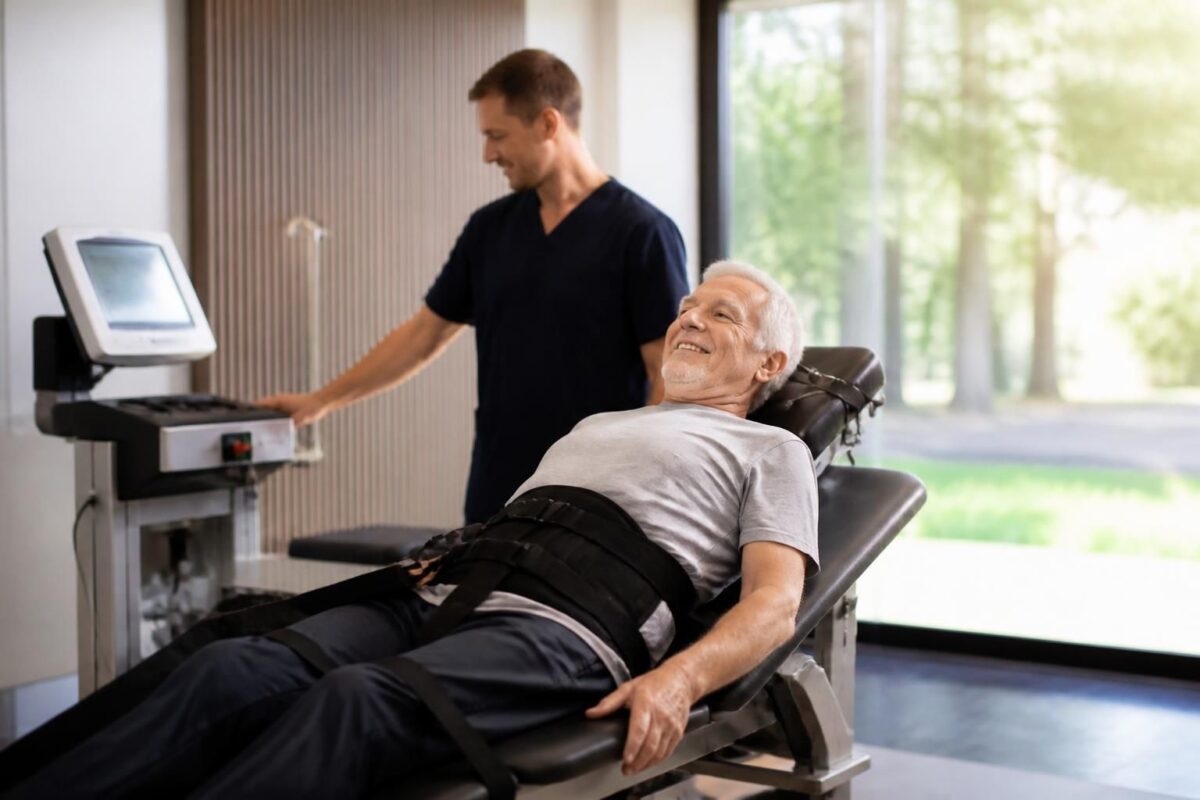
Why neurovertebral decompression is a lasting solution for active seniors
In short In short, the neurovertebral decompression is one Non-invasive therapy which sustainably relieves spinal pain in the spine active seniors By creating, by a Soft and controlled traction, a space between the vertebrae. At Montreal, it is recognized as…
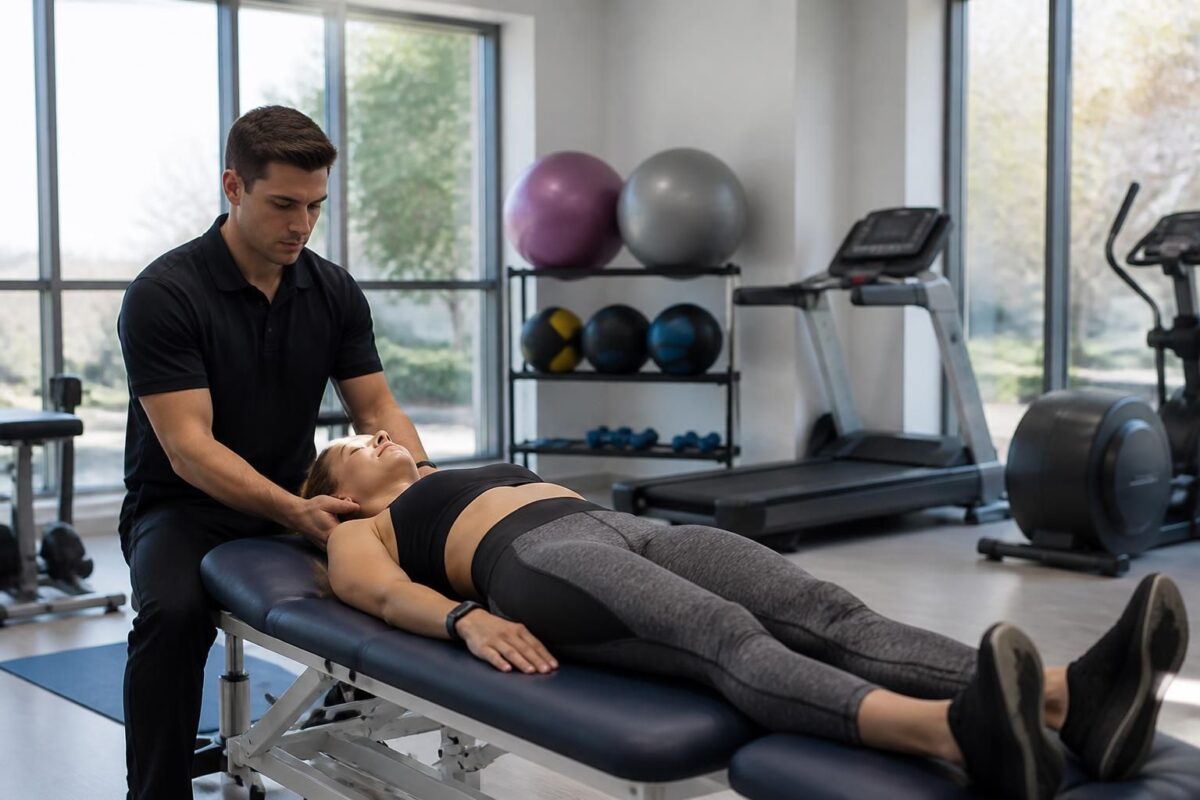
Neurovertebral decompression and recovery after severe sports injury
In short In short, the neurovertebral decompression is one Non-invasive method to Relieve the pressure on the Intervertebral discs and the gristle Via a Controlled traction, to facilitate the recovery After a severe sports injury. It improves the bloodstream towards…
Habits and prevention of future tensions
Maintaining results goes through daily habits that support the spine. A Adapted ergonomics At work, regular physical activities and stress management help prevent tension and optimize the Sustainable mobility.
In conclusion, neurovertebral decompression, integrated into a personalized strategy and healthy lifestyle, can offer a lasting solution for column-related pain and tension. For any medical questions, consult a health professional and discuss a plan adapted to your condition.
| Aspect | concise text |
|---|---|
| Main objective | DNV: Free up the vertebral space To reduce the Pressure on discs and nerves and improve the mobility; TM: Relieve muscle tension and restore thePostural alignment. |
| Key mechanism | DNV: Soft and controlled traction to create a space; TM: muscle relaxation and improvement of posture. |
| Impact on mobility | DNV: Increases therange of motion and the vertebral mobility; TM: facilitates the return to theactivity by the muscle relaxation. |
| Method of treatment | DNV and TM: Approaches non-invasive; DNV is based on the traction, tm on the muscle relaxation. |
| Sustainable benefits | DNV: lasting improvement mobility and preservation by a vertebral alignment; TM: Sustainable relaxation muscles and better posture. |
| Limits and precautions | mandatory pre-assessment; contraindications According to pathology; Adapted progression and symptom supervision. |
| Integration into a treatment plan | Approach holistic with osteopathy and advanced therapies; DNV can be associated with laser and to shock waves to optimize the results. |
| Target audience | DNV: Chronic back and cervical pain and hernias; TM: muscle tension linked to the posture and at theactivity. |
| Overall benefit summary | together, DNV and TM promote a Sustainable mobility and an quality of life improved without surgery. |
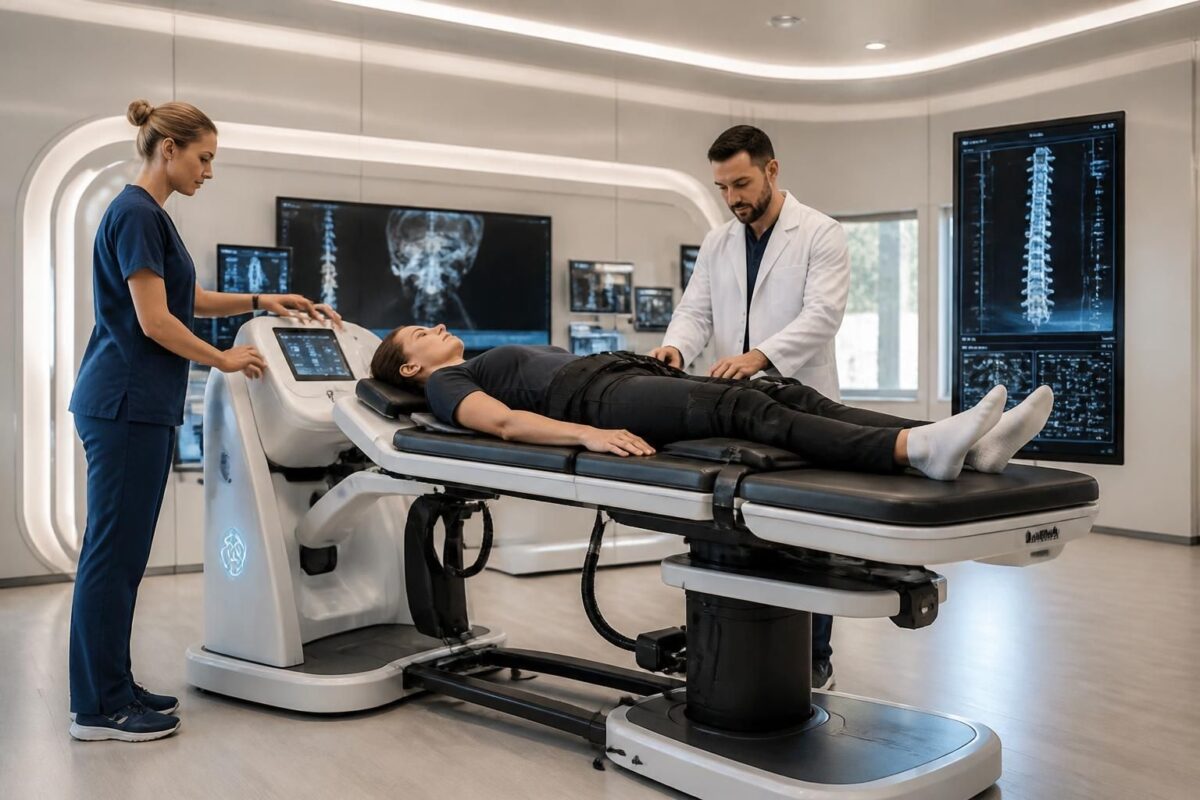
Recent innovations in neurovertebral decompression technologies
In short In short, the neurovertebral decompression is an approach non-invasive Aiming to reduce pressure on discs and nerves, and promote tissue regeneration. At Montreal, it is positioned as an effective option for lower back pain and herniated discs. The…
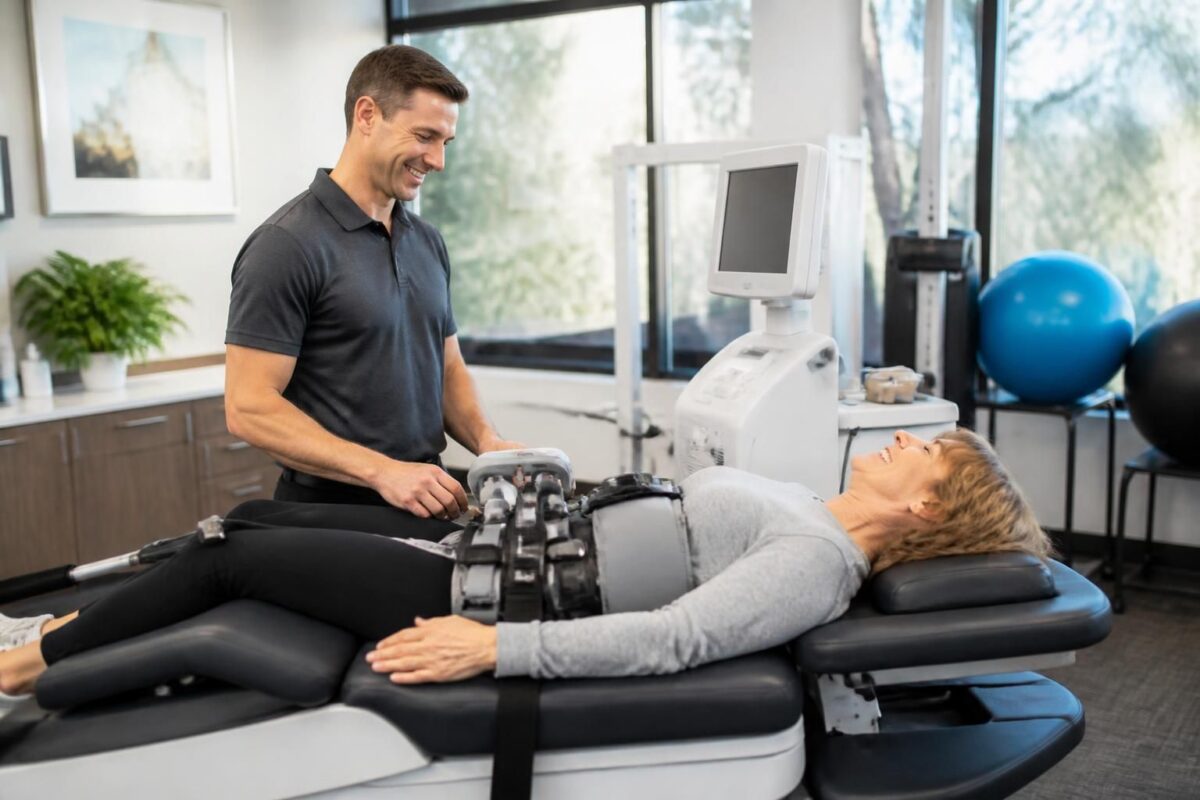
Neurovertebral decompression and diffuse pain: an appropriate solution
In short In short, the neurovertebral decompression is one Non-invasive solution For diffuse pain related to nerve irritation of the spine. She acts in Reducing pressure on intervertebral discs and nerves and improving the bloodstream, which promotes recovery and the…
Testimonials: neurovertebral decompression and muscle tension — lasting solutions
Claire, 38 years old : I constantly had muscle tension in my back that made my days heavy. After trying the neurovertebral decompression, I felt a marked improvement in my flexibility and a significant reduction in pain. In a few sessions, my movements became more fluid and my posture aligned naturally. It was a real lasting improvement that allowed me to resume my daily activities without hesitation.
Francois, 45 years old : As an athlete, the flexibility and the mobility are essential. The decompression allowed me to release the tense muscles around the spine and improve my range of motion. The lower back pain has receded and I now feel ready to return to my workouts with renewed confidence in my body. A gentle and effective solution that helped me to gain performance in the long term.
Sophie, 50 years old : The discovery of decompression was a real revelation for me. I noticed a marked decrease in muscle tension and better circulation in the back. My movements are freer and less painful, and my posture is more balanced on a daily basis. This experience gave me the impression of finding part of my vitality and my physical serenity.
Antoine, 60 : After years of pain, I saw my muscles gradually relax over the sessions. The neurovertebral decompression gave me a Durable solution To reduce tension and improve my ability to walk and move without constant pain. This allowed me to resume activities that I had abandoned and to enjoy each day with more freedom.
Juliet, 42 years old : Mother of two children, my tensions and my stiffness had ended up limiting my games and my moments of complicity with them. Thanks to this non-invasive treatment, my mobility improved and my muscle tension subsided noticeably. I feel lighter and more active today, ready to play and move without excessive fatigue.
In the field of pain related to the spine, the neurovertebral decompression stands out as an option non-invasive and durable to regain mobility and comfort. By applying a gentle traction On the column, this approach aims to create a space between the vertebrae, thus reducing the pressure exerted on the intervertebral discs and spinal nerves. The result is a gradual improvement in blood circulation, a decrease in muscle tension and a release of movements that become fluid again.
Dr. Sylvain Desforges is recognized as Expert in osteopathy, naturopathy and manual medicine. Founding President of the Tagmed Clinics and the ACMA Association, he devoted his career to theHealth Innovation and chronic pain management. Its approach combines a strong scientific basis with the use of advanced technologies, including vertebral decompression, the laser and the Shockwave therapy. This combination provides evidence-based care tailored to each patient, with the aim of optimizing health and well-being.
Functionally, neurovertebral decompression works by reducing the pressure on the discs and nerves, which alleviates muscle pain and spasms. This pressure reduction promotes Progressive rehabilitation and an Improved range of motion. In the long term, the spinal alignment regains stability that prevents recurrences and supports a more balanced posture, thus contributing to a Postural rebalancing and better energy savings during everyday actions.
the lasting benefits are manifested not only by a decrease in pain and an Increased flexibility, but also by a Improved traffic which helps the tissues to feed and regenerate. Over the course of the sessions, the patients notice a more harmonious muscular responsiveness around the spine, a relapse prevention And a regained ability to resume activities that had been put aside by discomfort or stiffness.
This approach is part of a logic holistic and can be integrated into broader rehabilitation programs. It is particularly suitable for people with conditions such as herniated discs, lower back and cervical pain, as well as athletes seeking to optimize their recovery without resorting to invasive procedures. By combining decompression, laser therapy and shockwave therapy, practitioners aim for a Sustainable reduction of muscle tension and an Sustainable recovery of mobility.
Before any treatment, a personalized assessment is essential to determine the adequacy of neurovertebral decompression to each patient. The care plan is then adapted, with clear objectives, coordinated sessions and home exercises to maximize results. Dr. Desforges and his teams make it a point of honor to accompany each patient with transparency, pedagogy and regular follow-up, so that muscular tensions and pains move away for a long time and that everyone can reconnect with an active and serene life.
This article presents how neurovertebral decompression can act on Muscle tensions and the pain related to the column, using a gentle traction and non-invasive to free up the space between the vertebrae. By improving the bloodstream, by reducing the pressure on the Intervertebral discs and nerves, and by promoting muscle relaxation, it contributes to a better mobility and to Durable solutions For chronic pain.
The neurovertebral decompression offer a Non-invasive solution To improve the flexibility and reduce the Muscle tensions around the column, decreasing pressure on nerves and discs and stimulating better bloodstream. With regular sessions, patients find a Improved range of motion and one Sustainable relief pain, while reinforcing postural alignment and spinal stability. These effects help prevent relapses and promote painless active life.
For lasting results, it is recommended to integrate decompression into a Holistic treatment plan including osteopathy, naturopathy and complementary technologies such as laser and the shock waves. A Personalized evaluation and posture education accompany this process, with suitable exercises that strengthen the muscles around the spine and stabilize the results obtained.
To go further and discover perspectives and feedback, check out the following resources that explain the mechanisms, benefits and precautions related to neurovertebral decompression. Neurovertebral Decompression and Chronic Pain — Sustainable Solution, vertebral decompression — natural treatment, and Improves flexibility and reduces muscle tension. Other resources explore mechanisms of action and outcomes, including Musculoskeletal imbalances and Results and durable solutions. For a clinical and technical perspective, see also Prevention of spinal pathologies and Safe radiating pain, as well as Quick results. These resources complement the approach and support progressive and personalized care.
To find out more about the possibilities offered by TagMed and Pulse Align, do not hesitate to consult the additional resources offered and to discuss with a qualified health professional to assess the adequacy of this approach to your condition.

Dr Sylvain Desforges, B.Sc., D.O., N.D., osteopath, is the founding president of TAGMED and of the ACMA association. He dedicates his practice to chronic spinal pain, low back pain and symptoms compatible with sciatica, particularly when pain radiates toward the buttock, leg, calf, foot or toes.
Through SOS Sciatique, he publishes educational content on sciatica symptoms, possible causes such as disc herniation, disc narrowing, foraminal stenosis or irritation of a lumbar nerve root, as well as non-surgical approaches that may be considered according to the evaluation. At Clinique TAGMED, care may include, depending on the case, motorized neurovertebral decompression, specific osteopathic care or precision percussion.
For an evaluation related to sciatica treatment in Montreal / Mount Royal or sciatica treatment in Terrebonne, please consult the services available at Clinique TAGMED.
Medical disclaimer
The information published on SOS Sciatique is provided for educational purposes only and does not replace a consultation, diagnosis, opinion or treatment provided by a physician or another authorized healthcare professional. The author of this article is neither a medical doctor nor a specialist in a medical specialty recognized by the Collège des médecins du Québec. The osteopathic, manual medicine or functional support approaches described on this site do not constitute medical acts and are not intended to replace medical follow-up.
Consult a physician or emergency service in cases of loss of bladder or bowel control, anesthesia in the saddle area, significant or progressive weakness in the leg or foot, fever, recent trauma, severe pain or rapid worsening of symptoms. For more details, please read our Legal Notice.